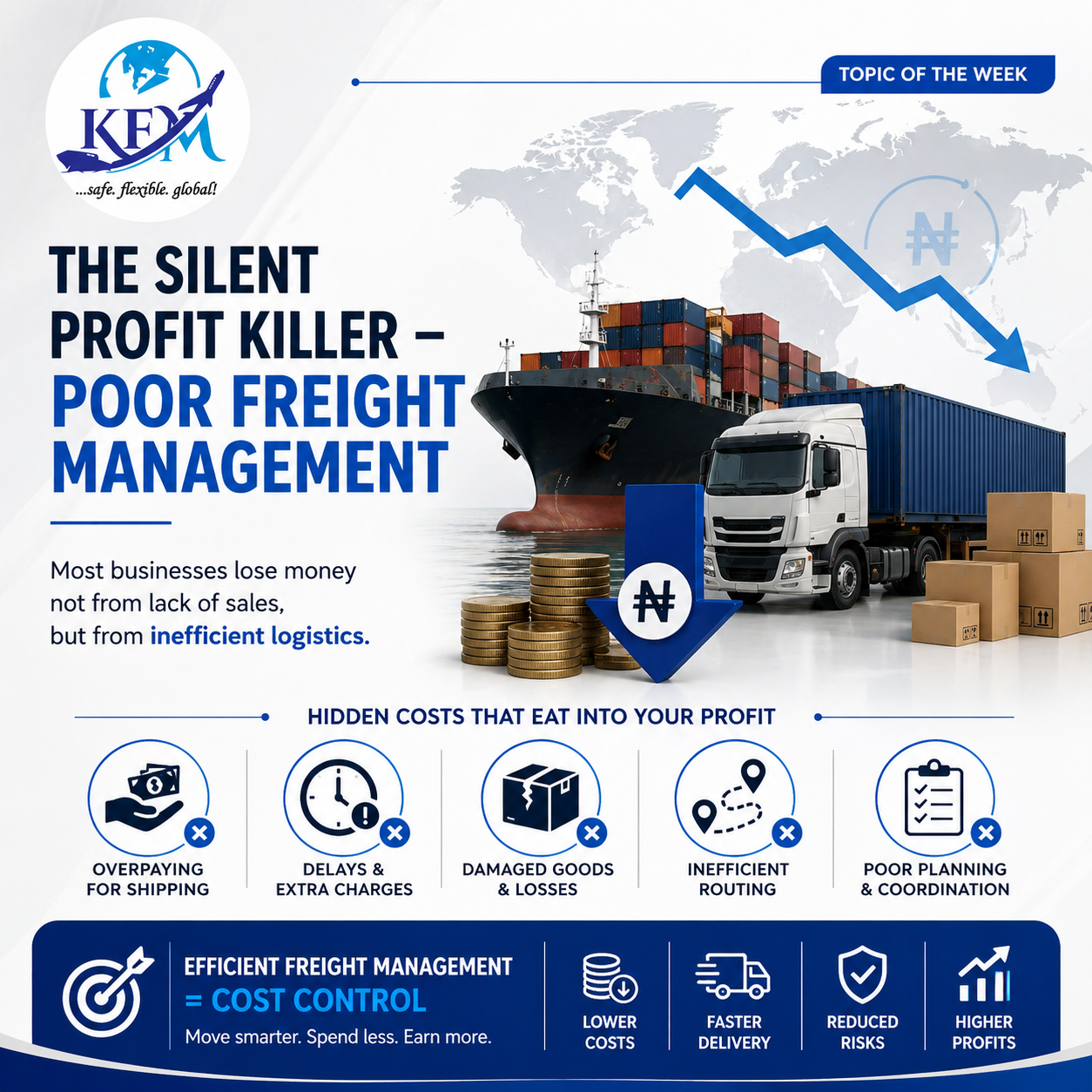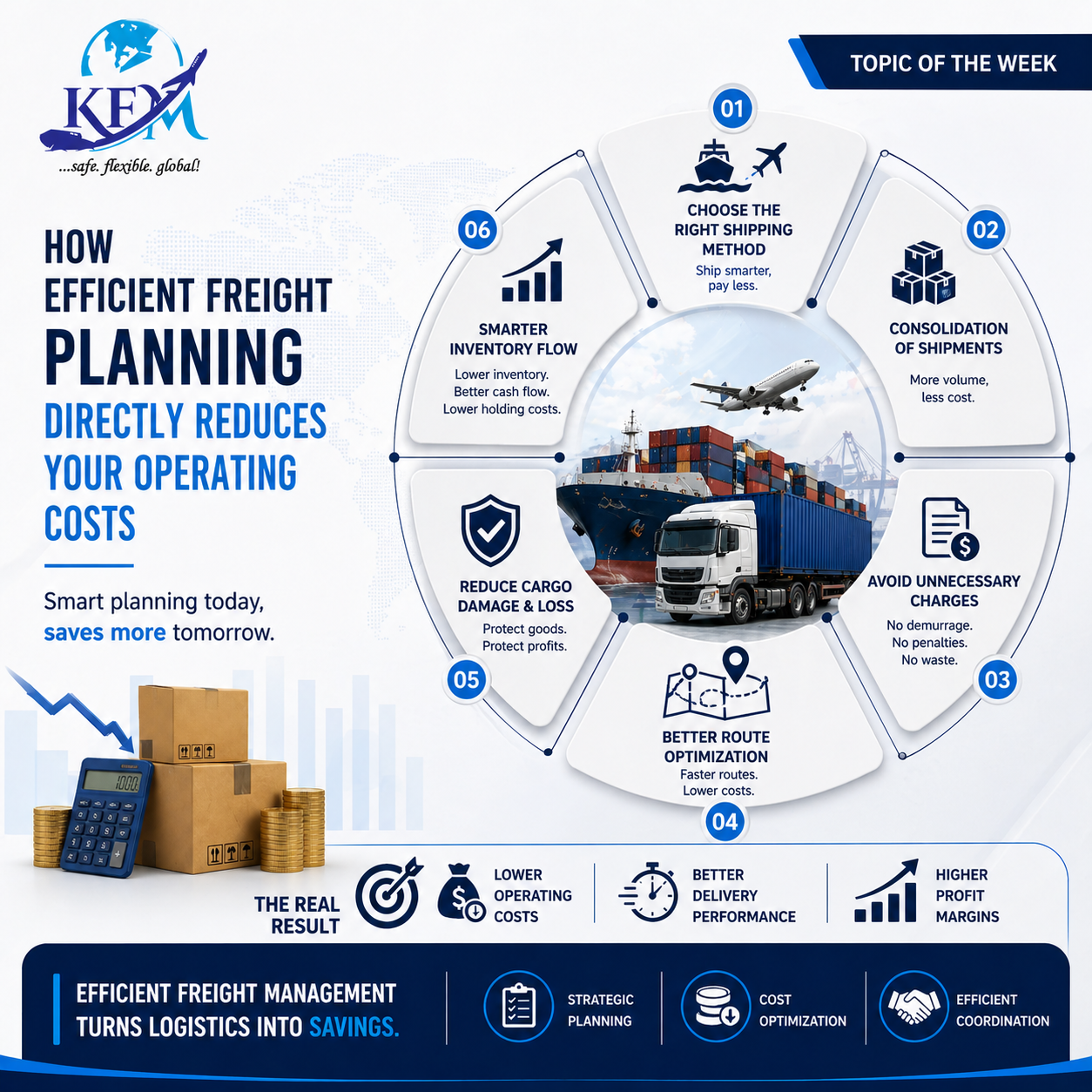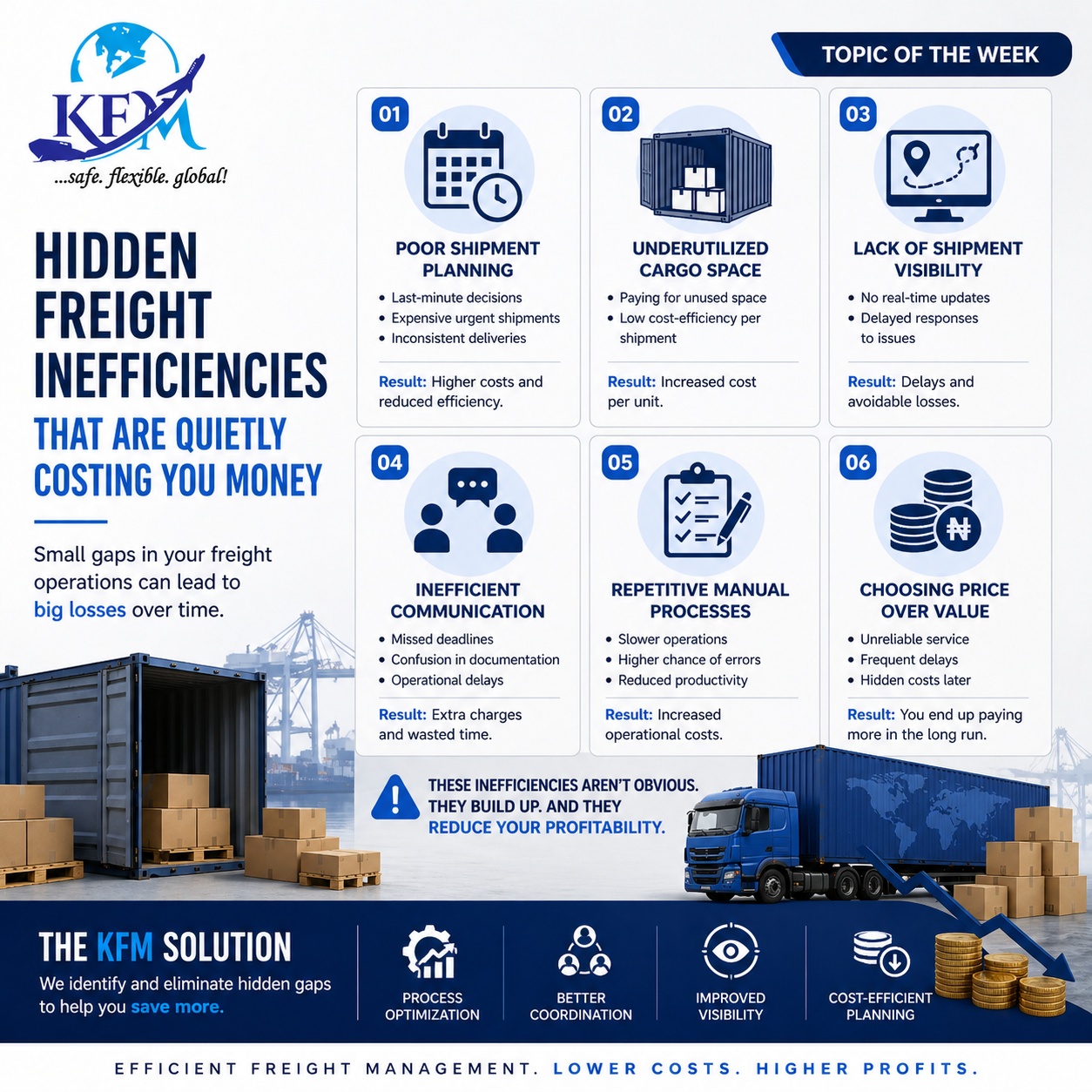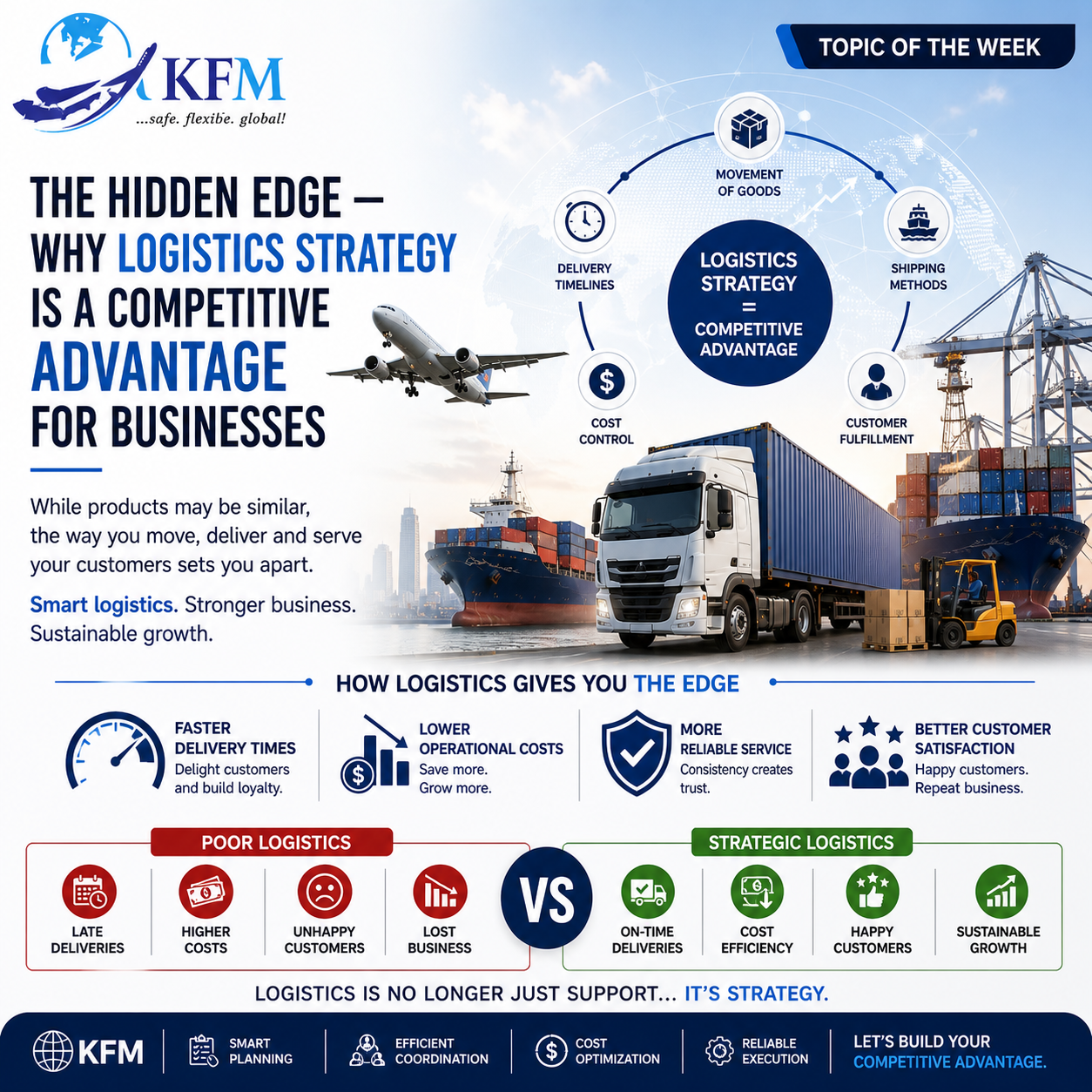
Why a change in government import policy can affect everything from your business expenses to the price of goods on supermarket shelves.
Ever wondered why the price of a product suddenly increases, even when the seller hasn't changed their supplier?
Sometimes, the explanation begins far beyond the shop, warehouse, or marketplace. It may begin with a government policy affecting the cost of bringing that product into the country.
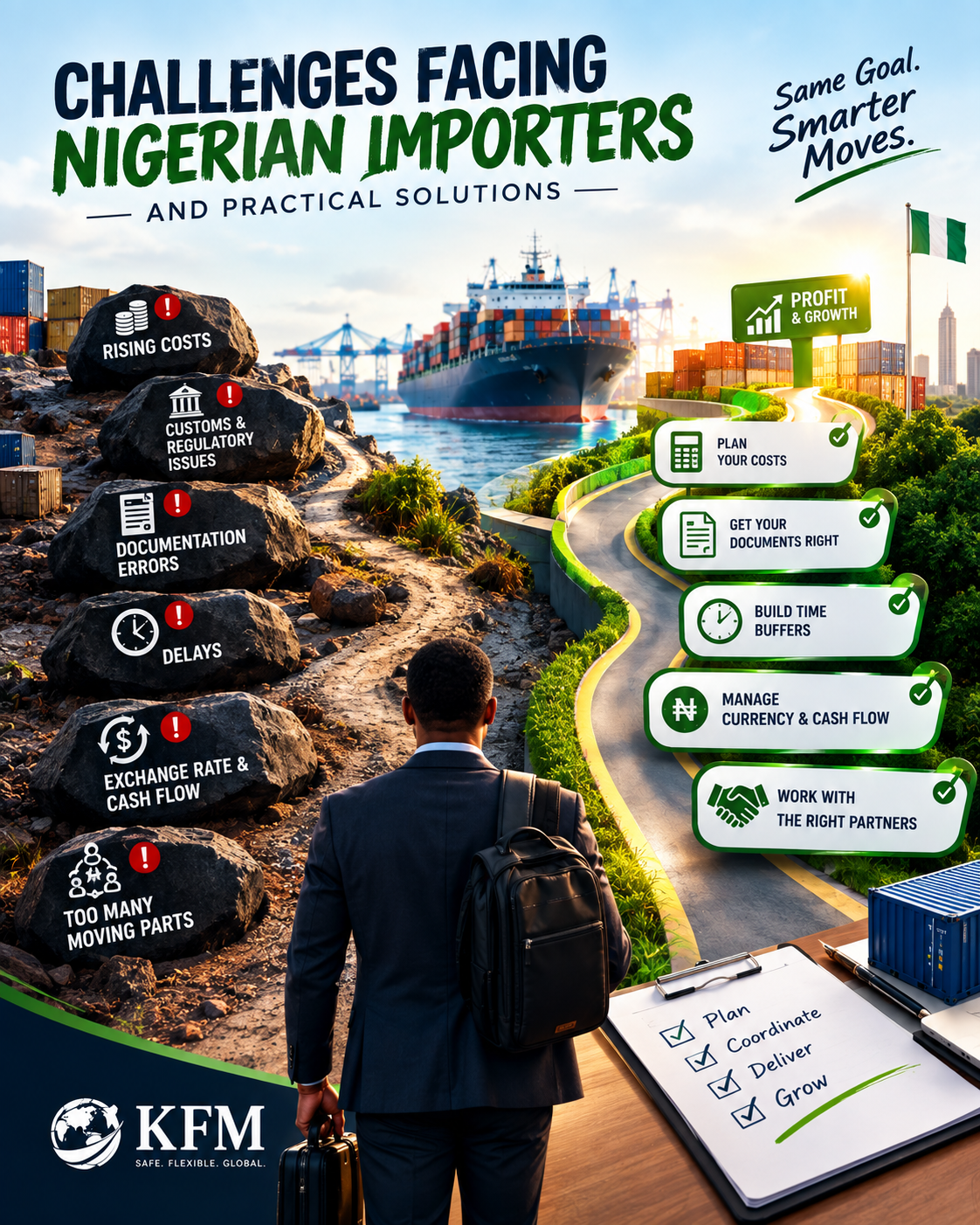
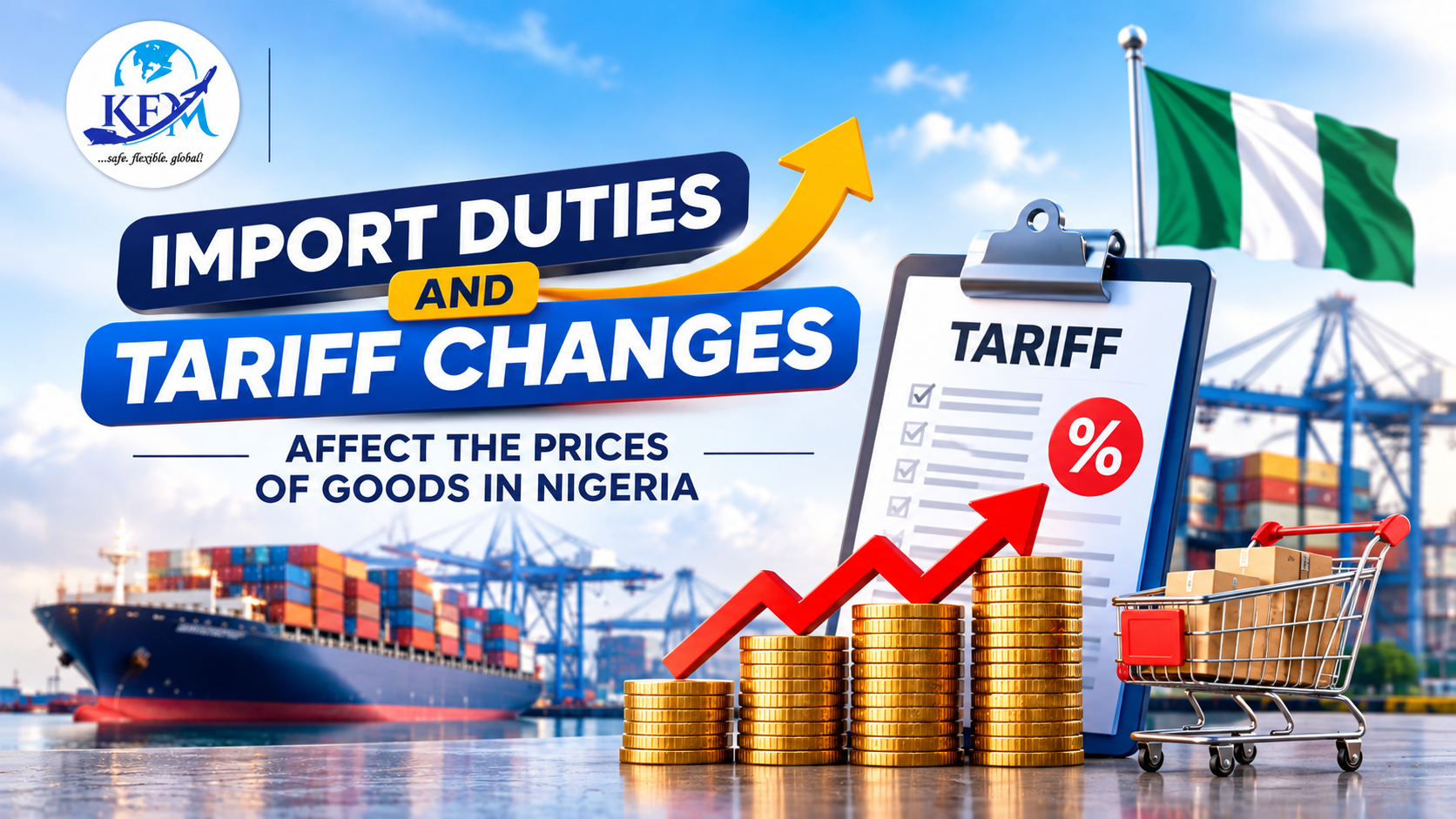
For businesses importing goods into Nigeria, import duties and tariffs are more than just customs charges. They are important factors that influence purchasing decisions, business profitability, pricing strategies, and the final cost consumers pay.
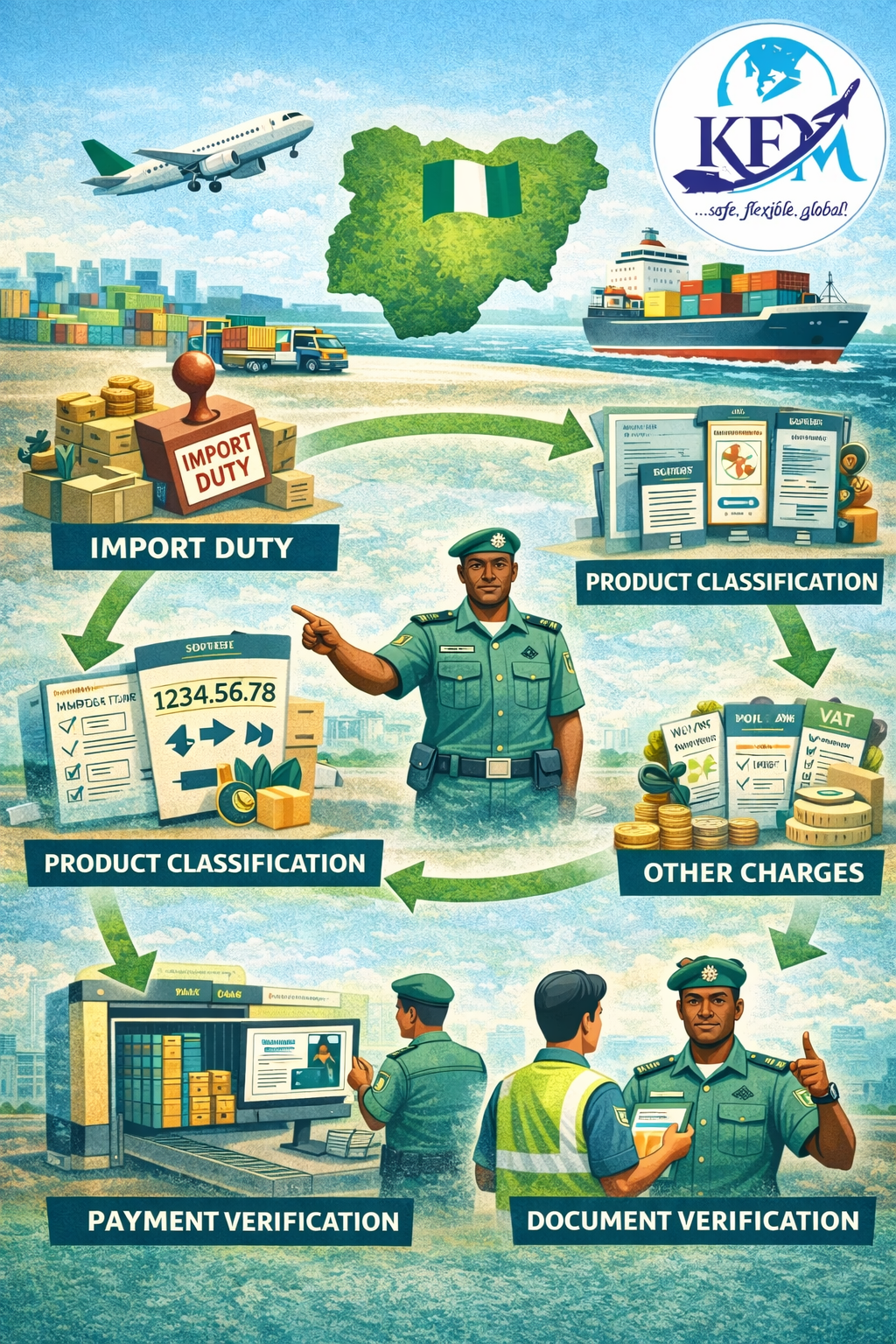
What Are Import Duties and Tariffs?
Import duties are taxes imposed on certain goods entering a country. Governments use them for different purposes, including generating revenue, regulating imports, and protecting local industries.
Depending on the product, its classification, applicable regulations, and the prevailing trade policy, an importer may be required to pay different charges before the goods can be cleared.
These costs become part of the overall expenses involved in bringing goods into Nigeria.
1. Import Duties Can Increase the Cost of Goods
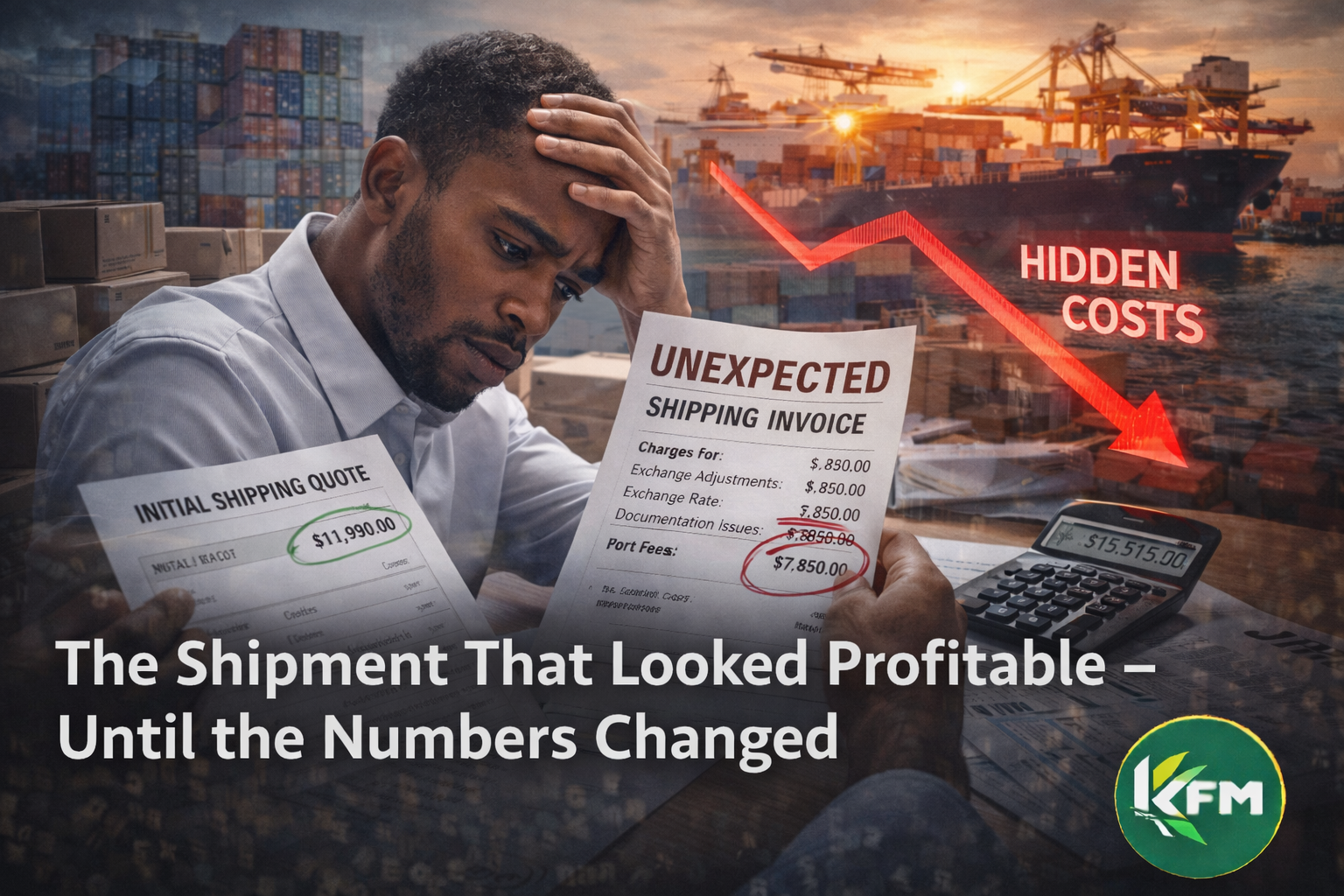
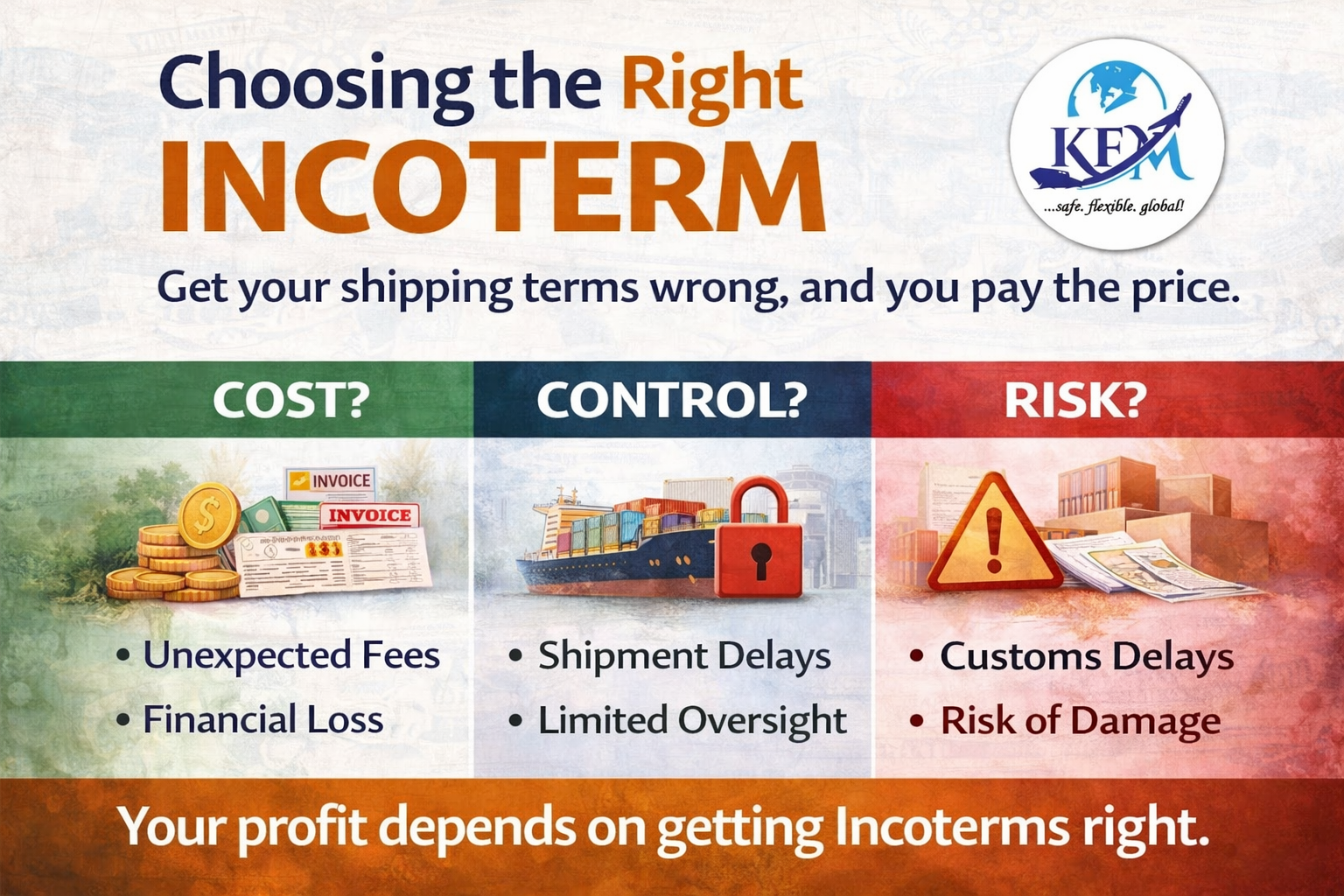
When duties applicable to an imported product increase, the importer may have to spend more money to bring the same quantity of goods into the country.
For example, a business importing electronics, machinery, clothing, spare parts, or household products may experience a change in its import expenses following a tariff adjustment.
When the additional cost is significant, businesses may respond by:
- Increasing their selling prices.
- Reducing their profit margins.
- Searching for alternative suppliers.
- Adjusting the quantity of goods they import.
- Reconsidering whether importing a particular product remains profitable.
Ultimately, a policy decision made at the national level can influence the financial decisions of individual businesses.
2. Tariff Changes Can Affect Consumers
Importers rarely operate in isolation from consumers.
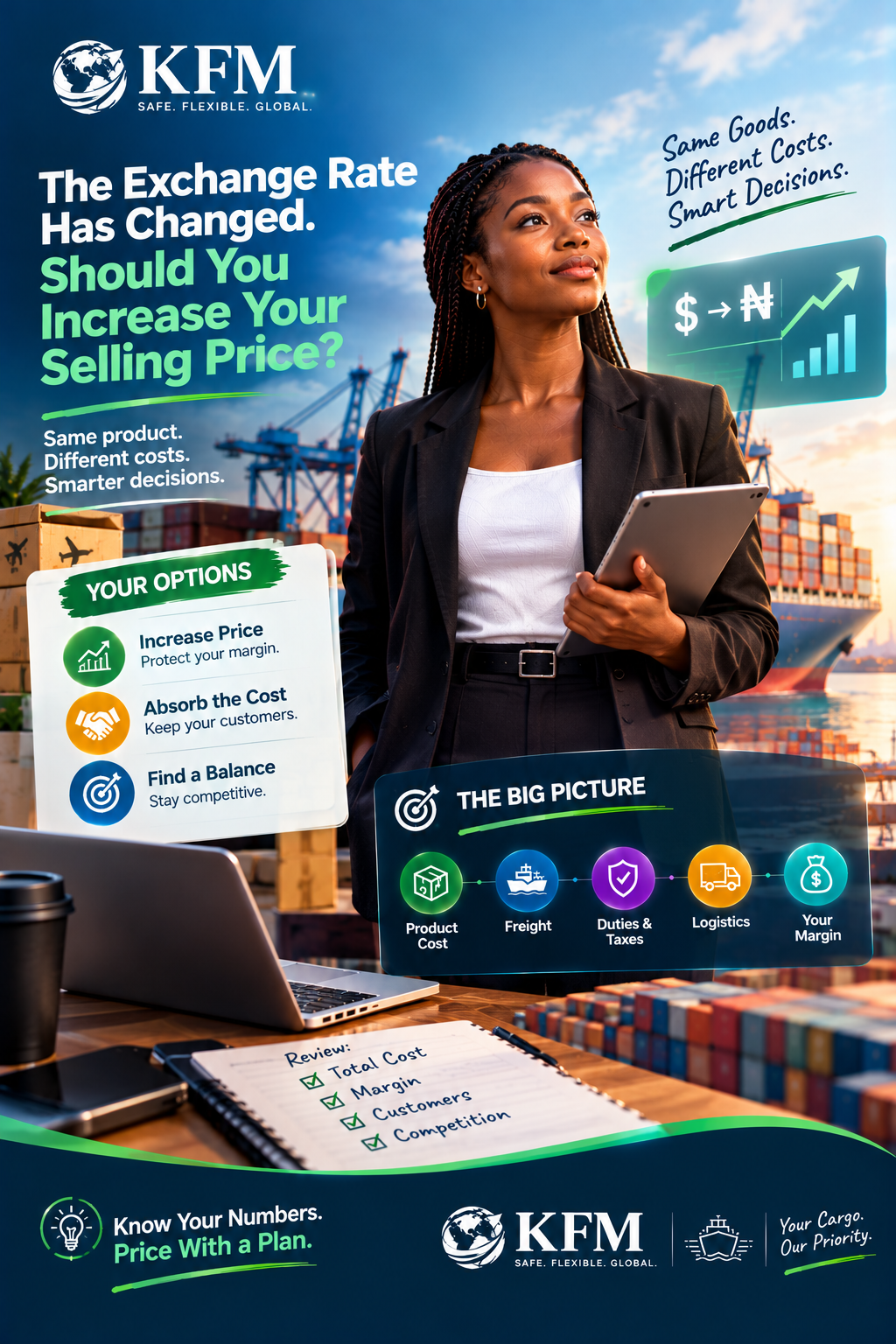
When the cost of importing goods rises, businesses may pass some or all of the additional expenses to customers through higher prices.
This is one reason changes in import policies can affect the cost of everyday products, including electronics, clothing, appliances, vehicle components, industrial materials, and other imported goods.
However, the impact is not always immediate or uniform. Some businesses may absorb the additional costs temporarily, while others may adjust prices depending on their inventory, competition, and operating expenses.
3. Local Businesses May Benefit from Certain Tariff Policies
Not every increase in import duties negatively affects every business.
Governments may introduce or adjust tariffs to encourage local production and reduce dependence on imported goods.
For businesses manufacturing products locally, certain import policies may create opportunities by making imported alternatives more expensive.
However, manufacturers who depend on imported raw materials, machinery, or production equipment may also face increased costs.
Therefore, the effect of a tariff change depends largely on the nature of the business and its dependence on international trade.
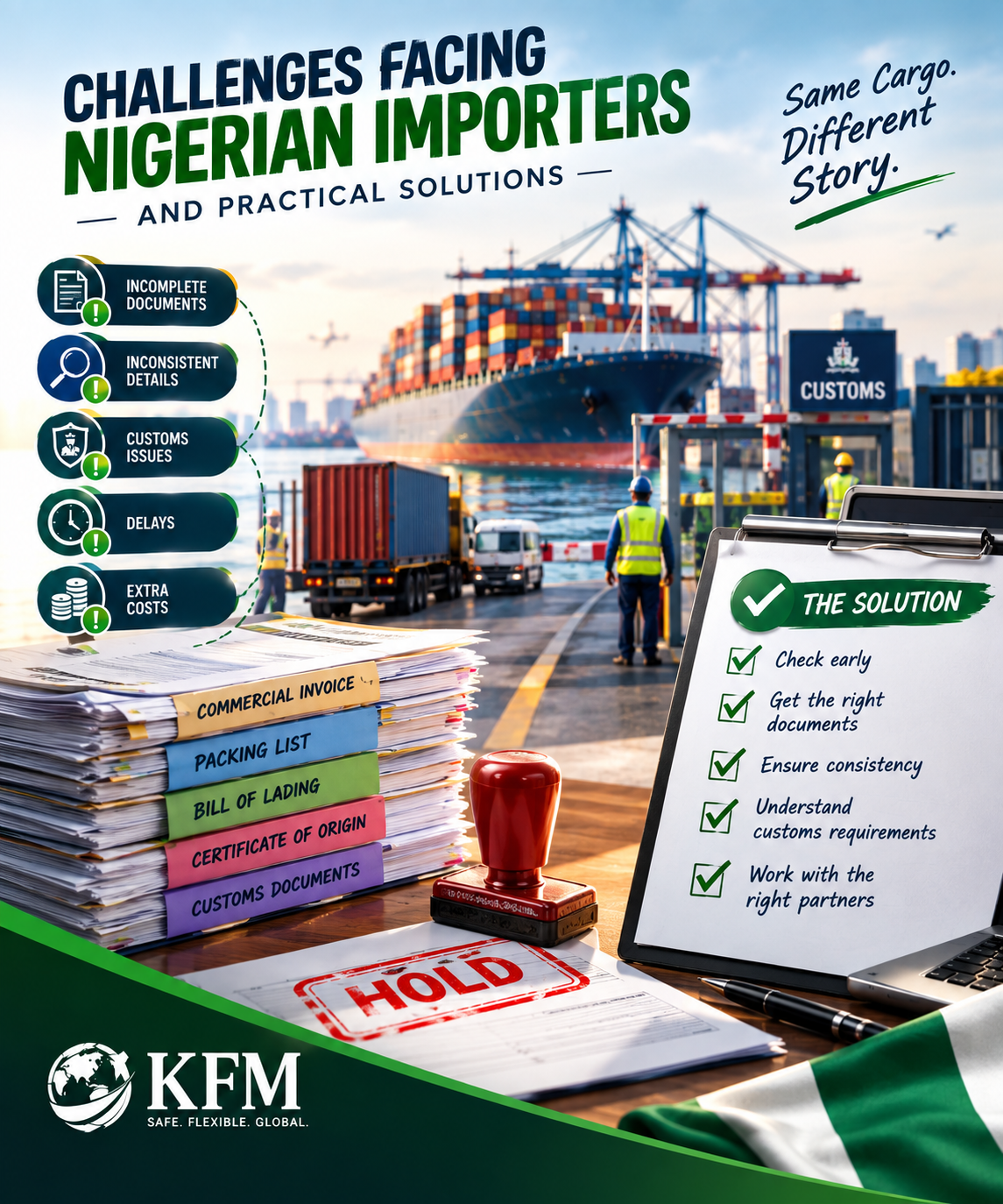
4. Importers Must Understand Product Classification
One of the important aspects of importation is correctly identifying and classifying goods.
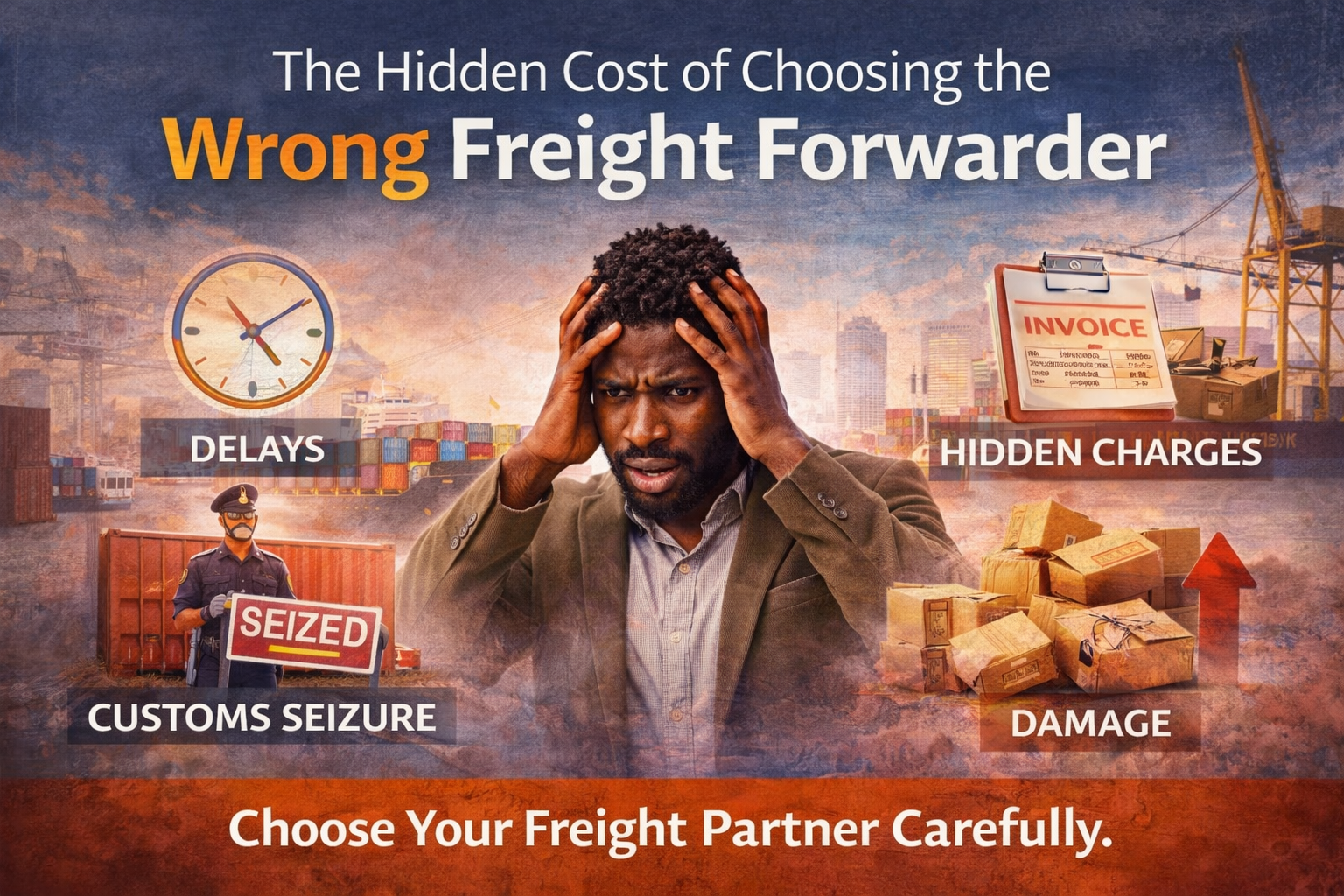
Different products may attract different duty rates, requirements, and regulatory procedures. Incorrect product classification can result in unexpected charges, delays, compliance issues, or disputes during customs clearance.
Before placing an international order, importers should ensure that they understand the applicable classification and requirements for their goods.
Proper preparation can prevent costly surprises after cargo arrives at the port.
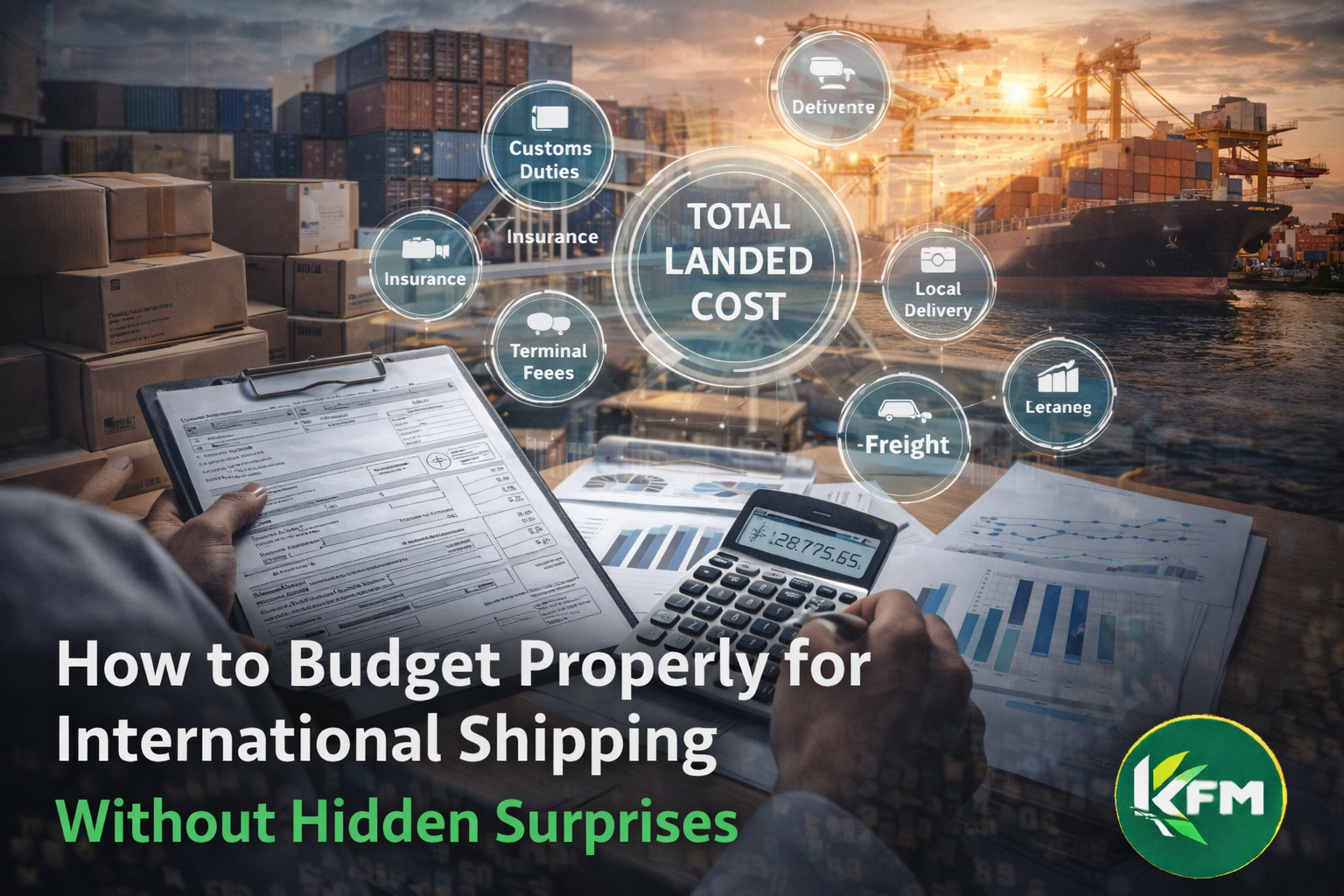
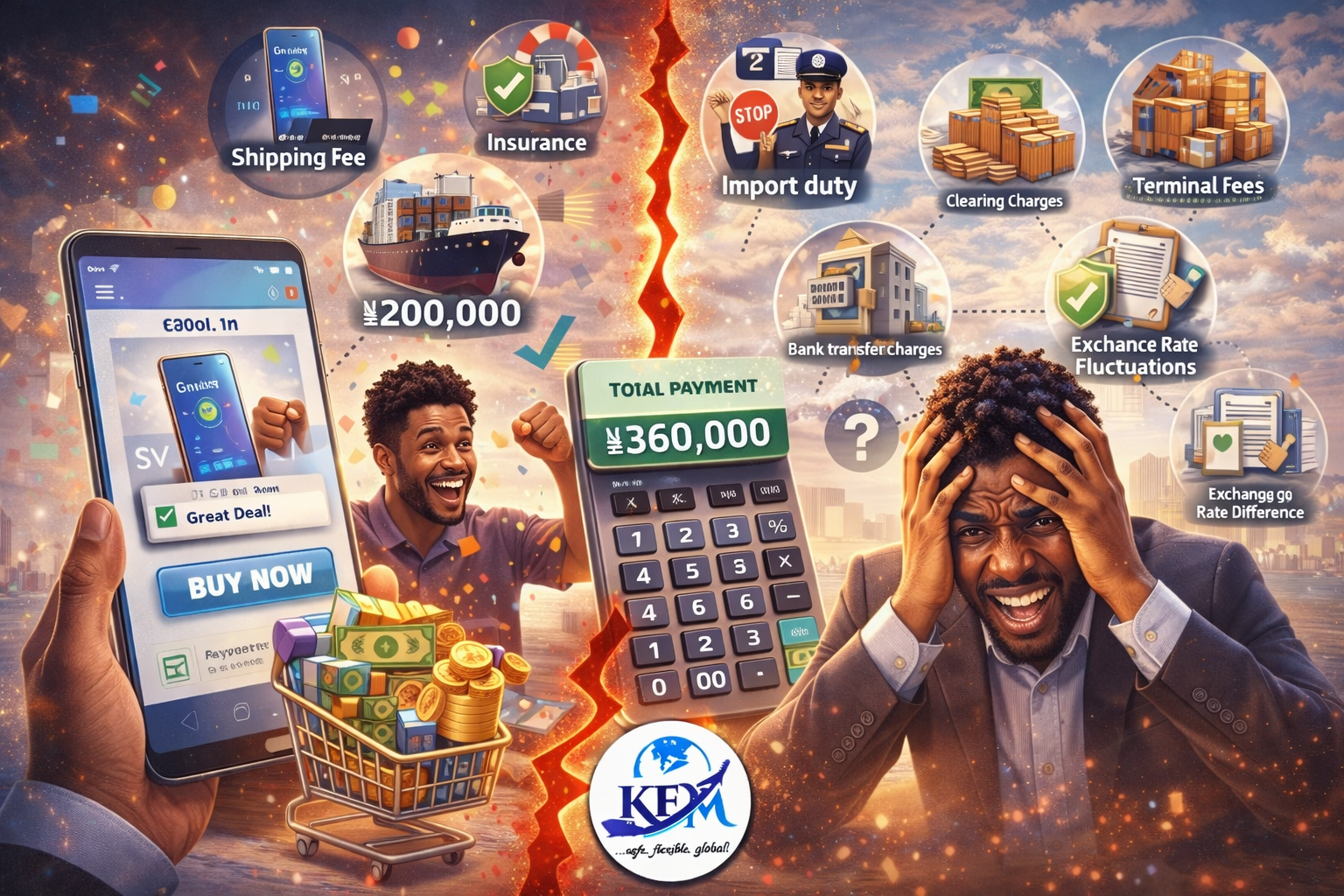
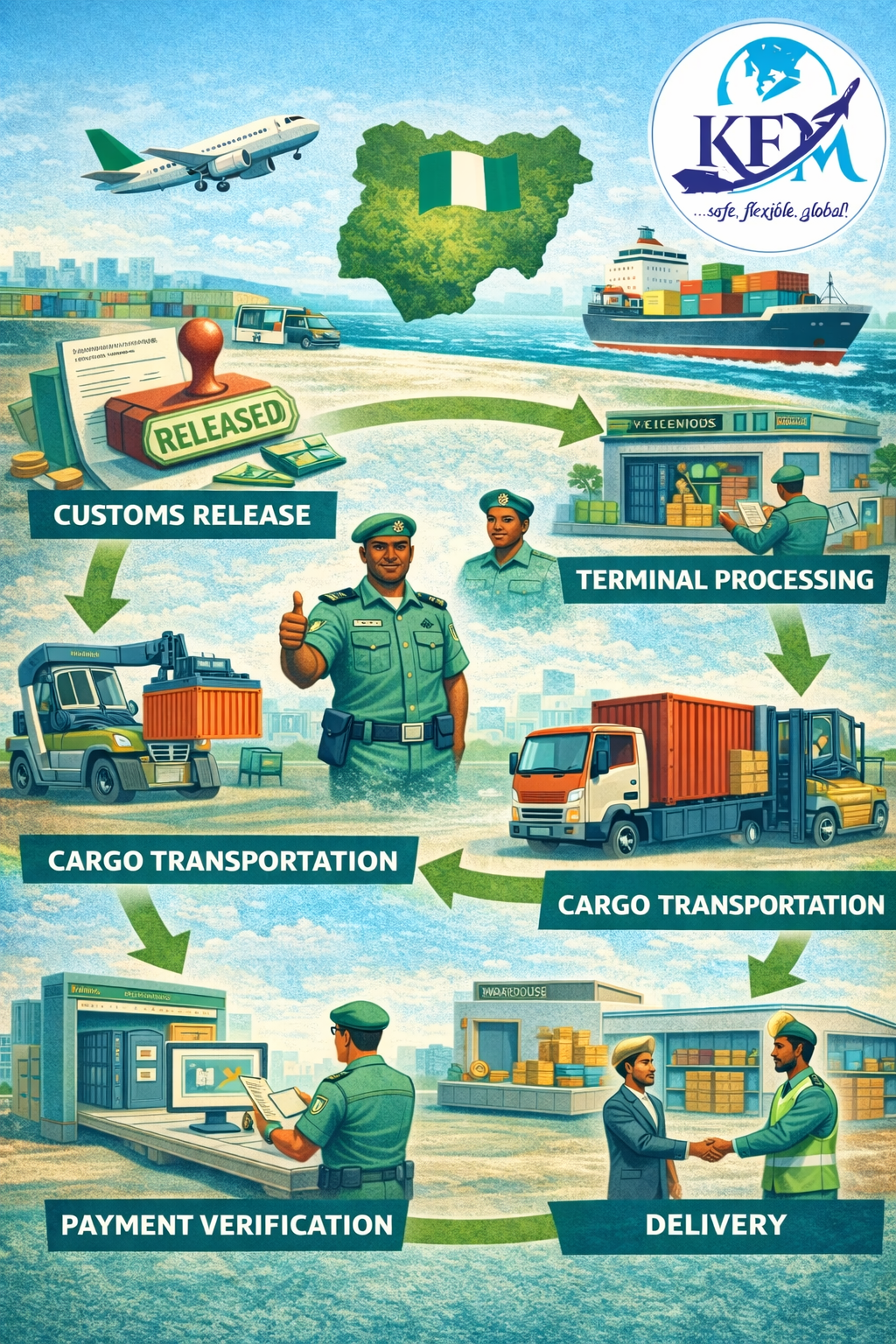
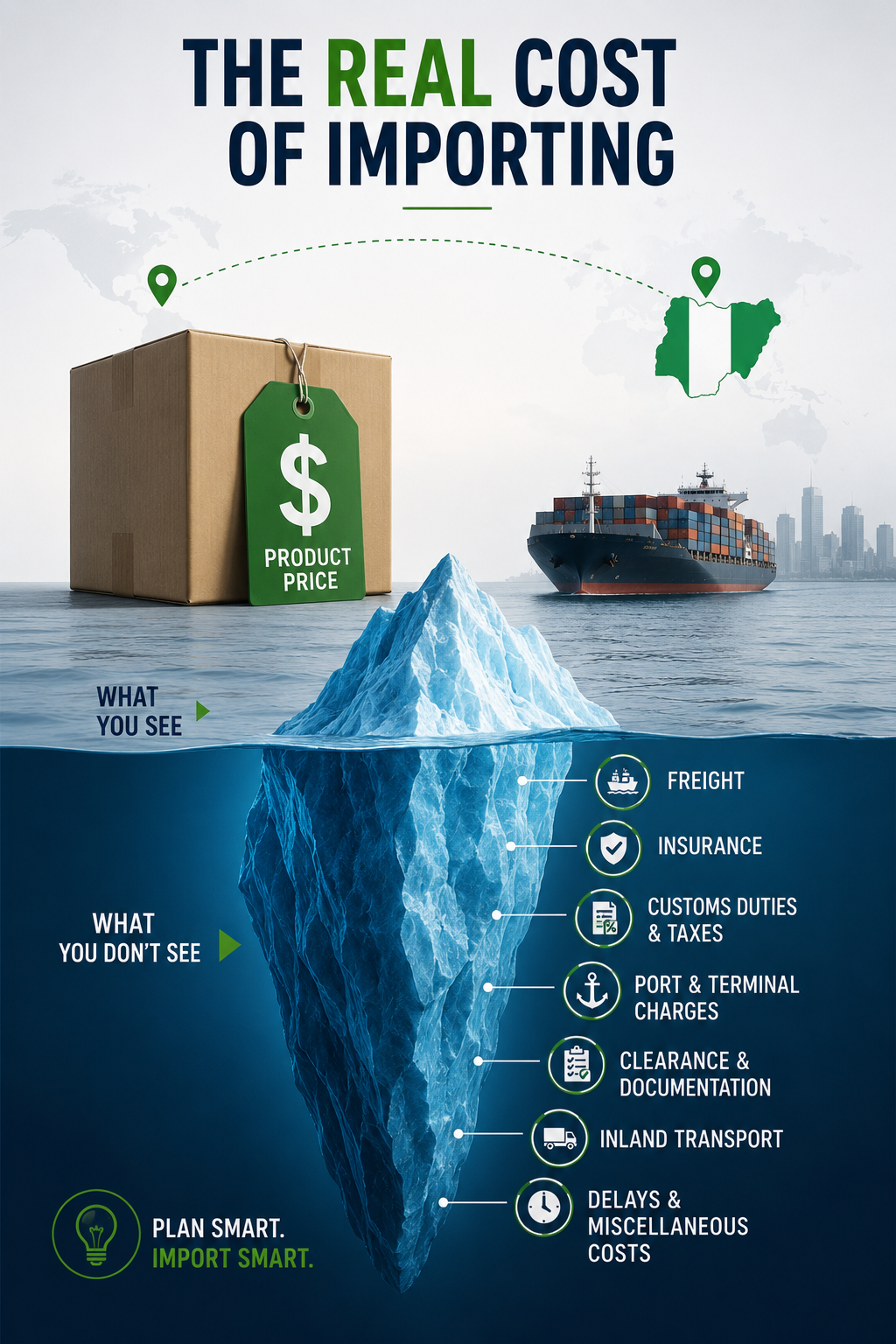
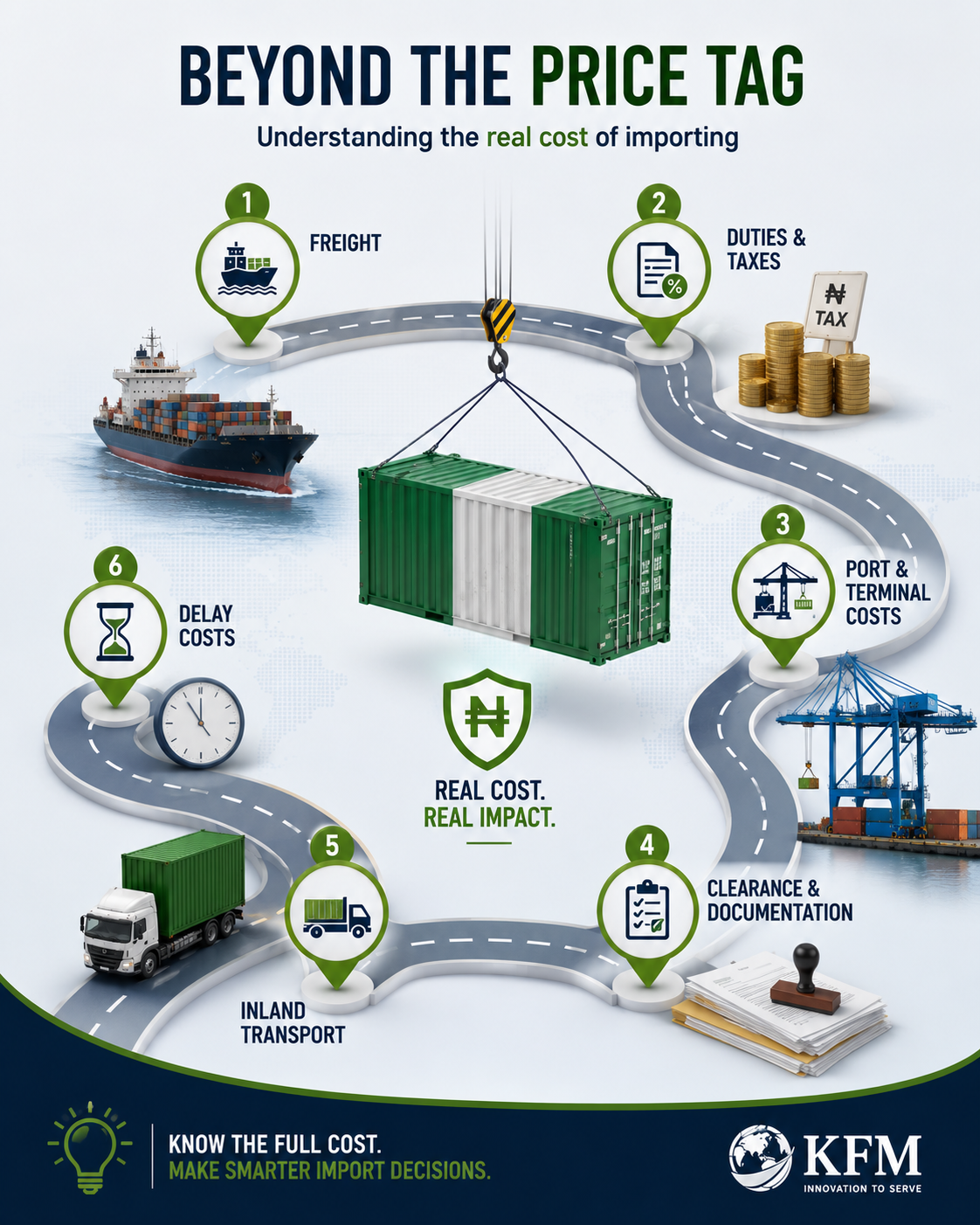
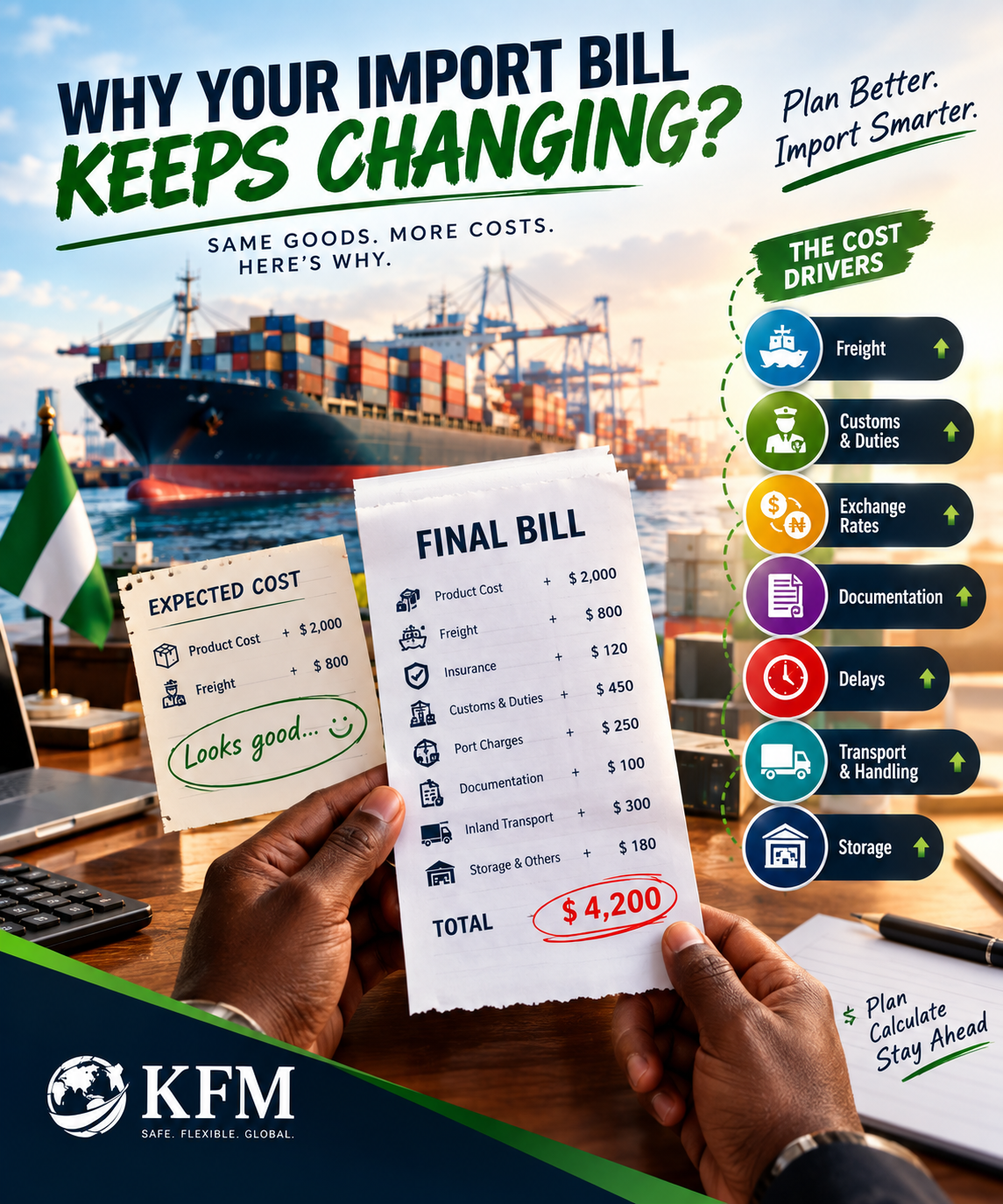
5. The Real Cost of Importation Goes Beyond Customs Duty
Import duty is only one part of the overall cost of bringing goods into Nigeria.
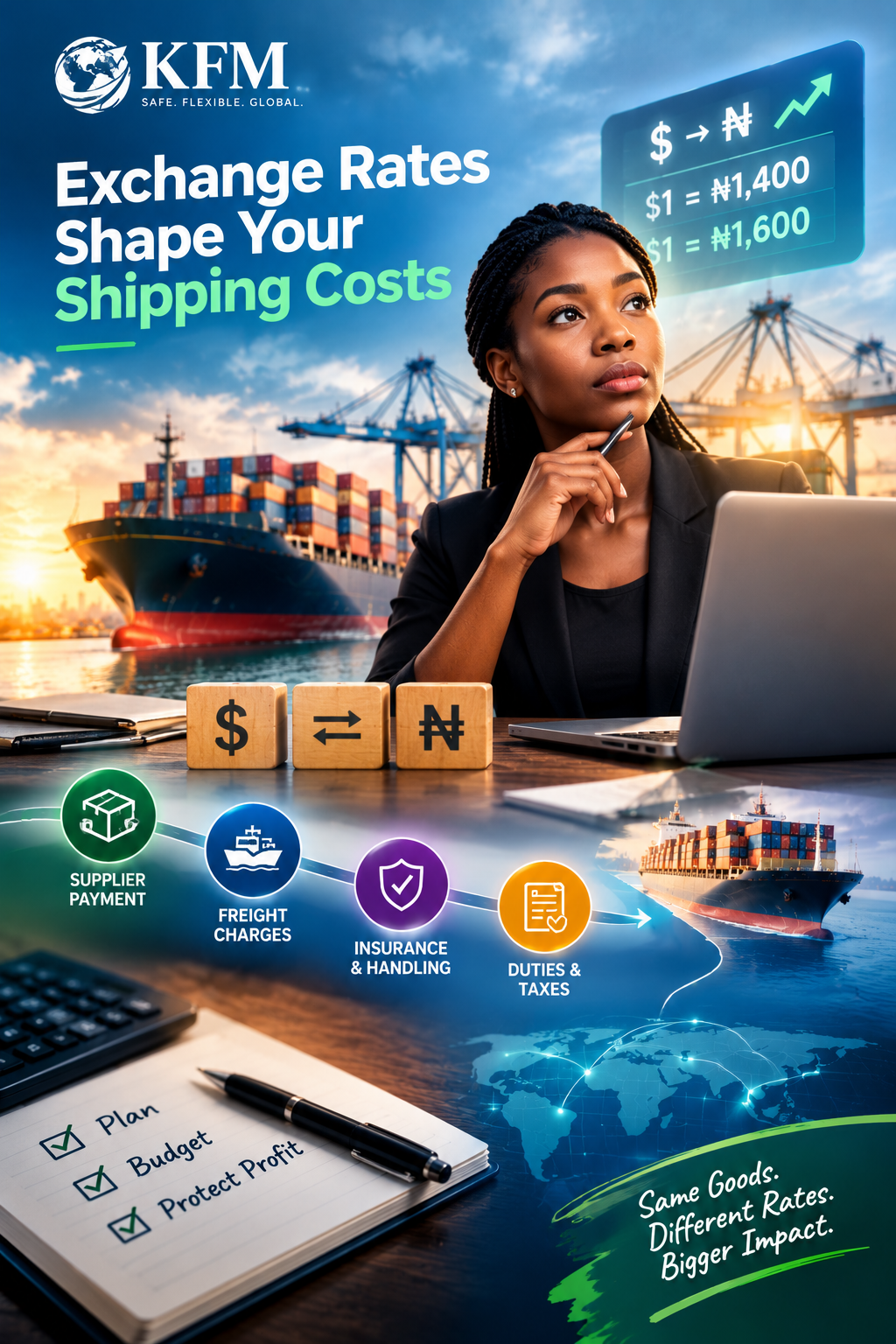
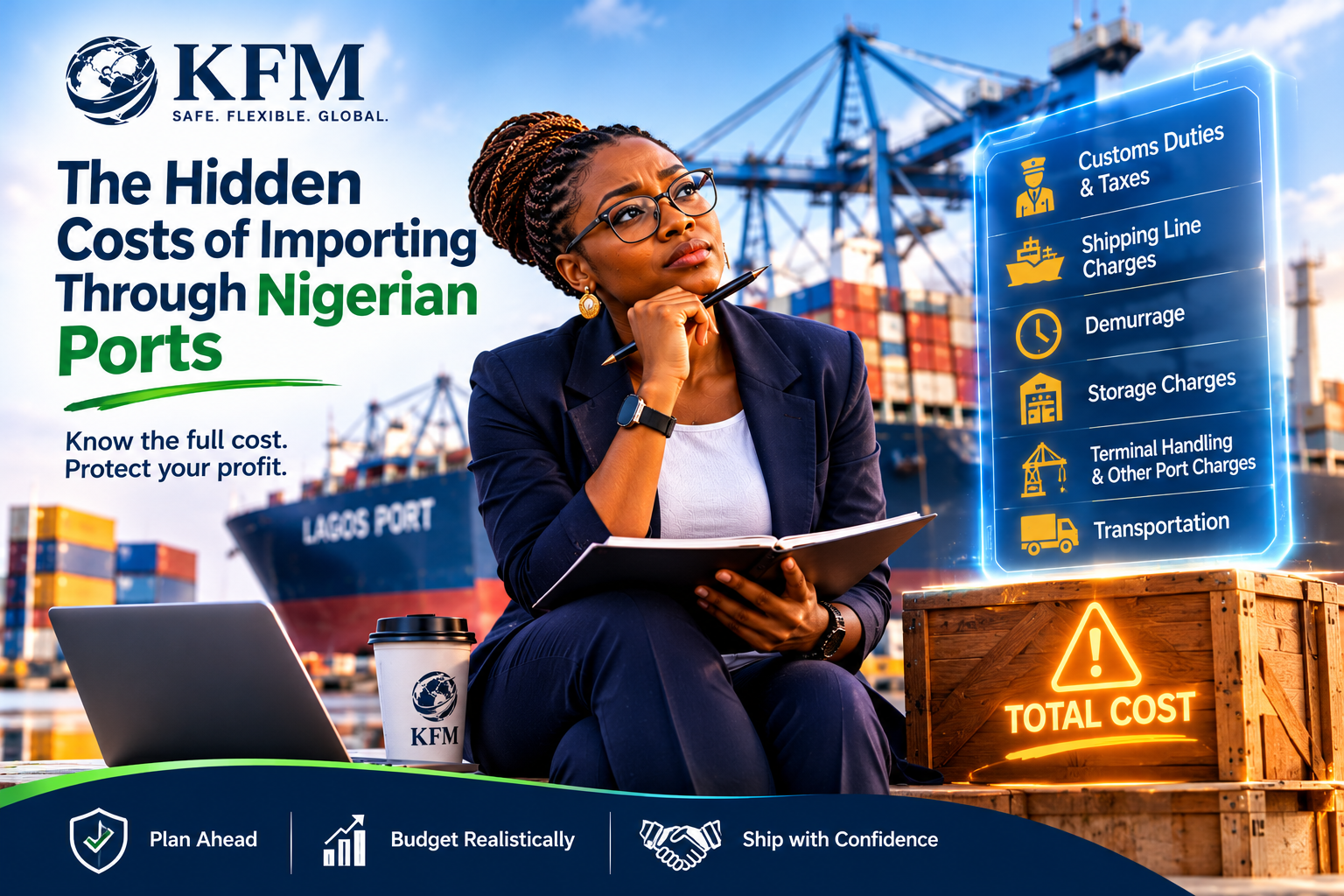
Businesses must also consider other expenses, including:
- International freight charges.
- Shipping line charges.
- Terminal handling charges.
- Customs-related processing expenses.
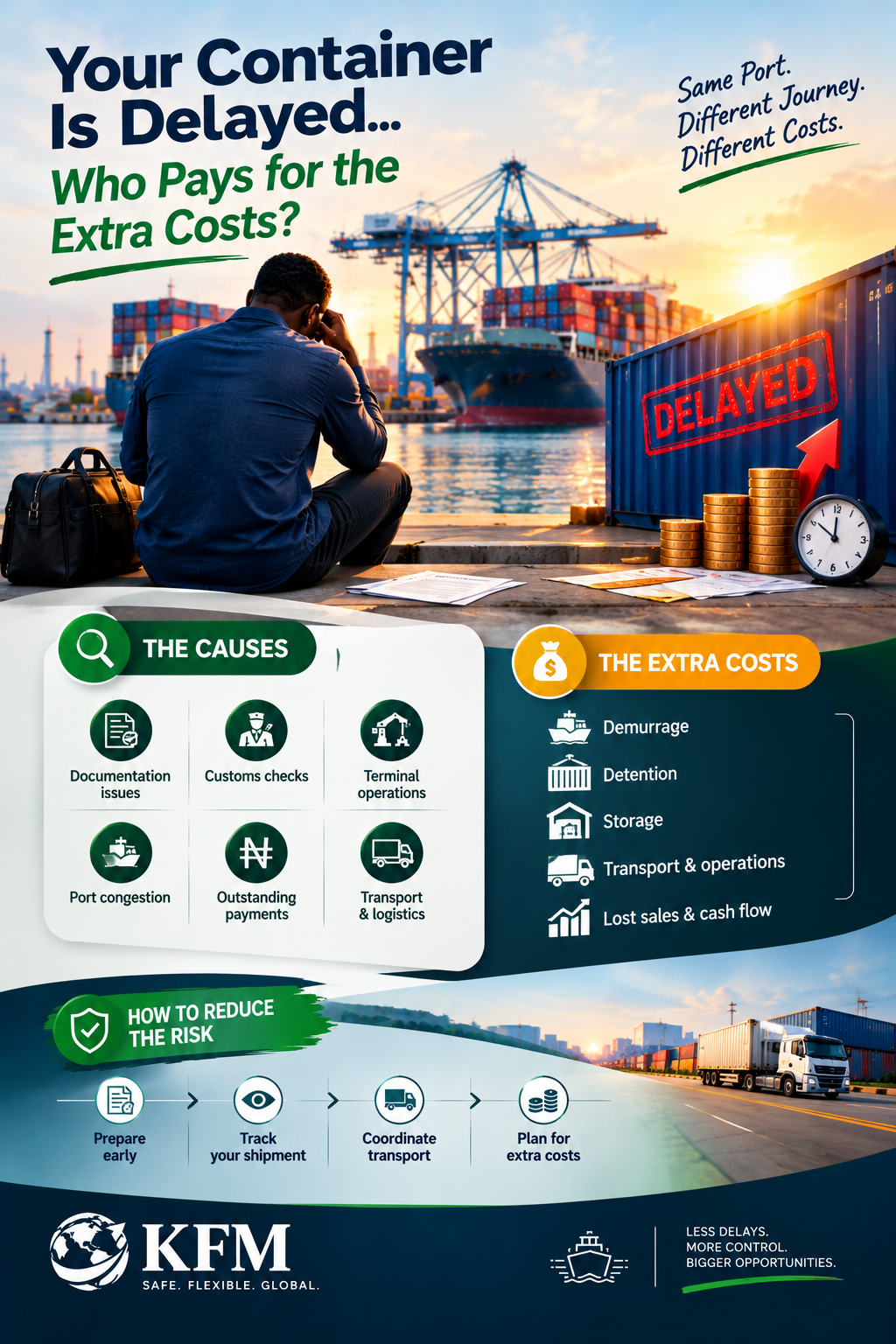
- Storage and demurrage, where applicable.
- Transportation from the port to the final destination.
- Other applicable taxes, levies, and regulatory charges.
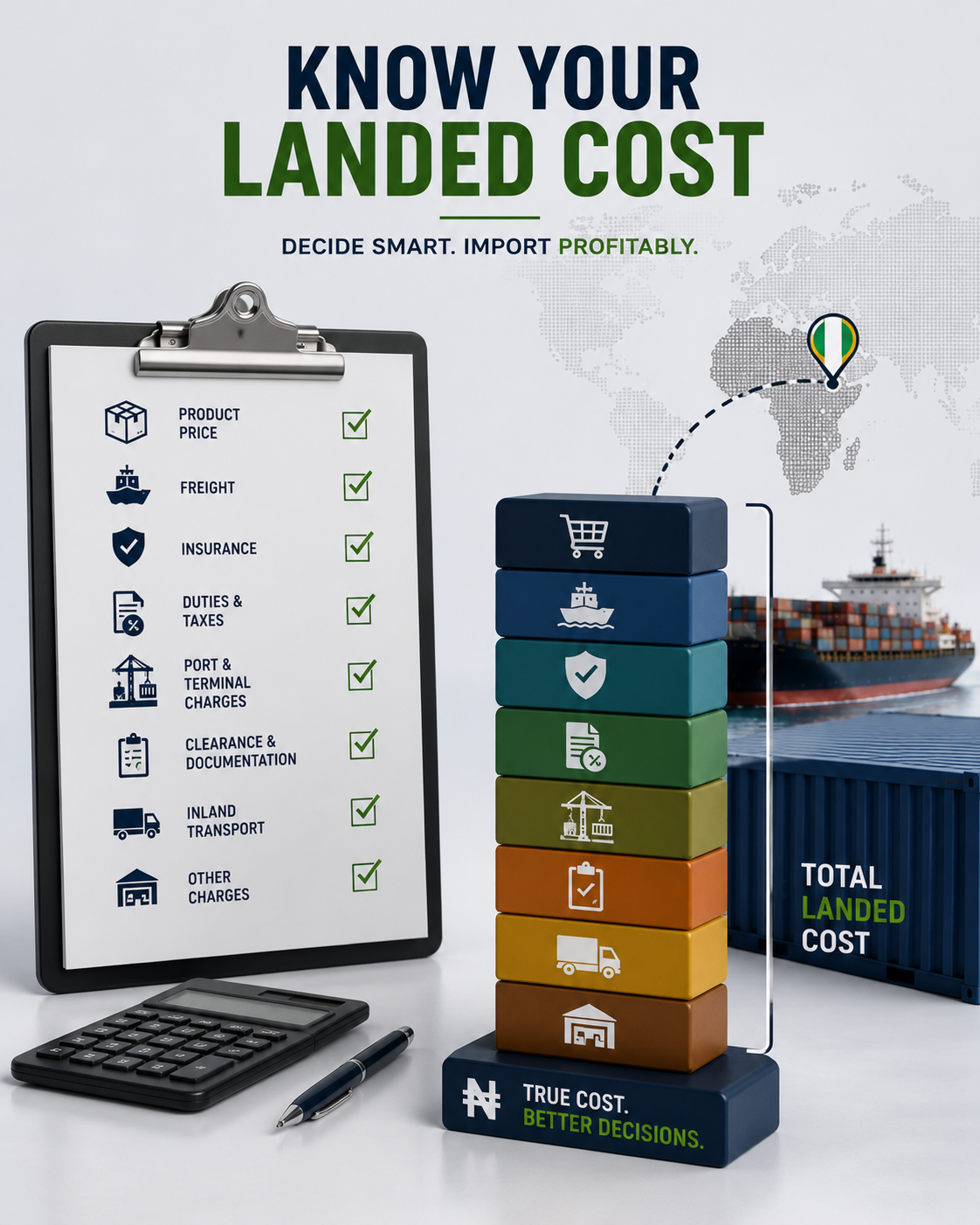
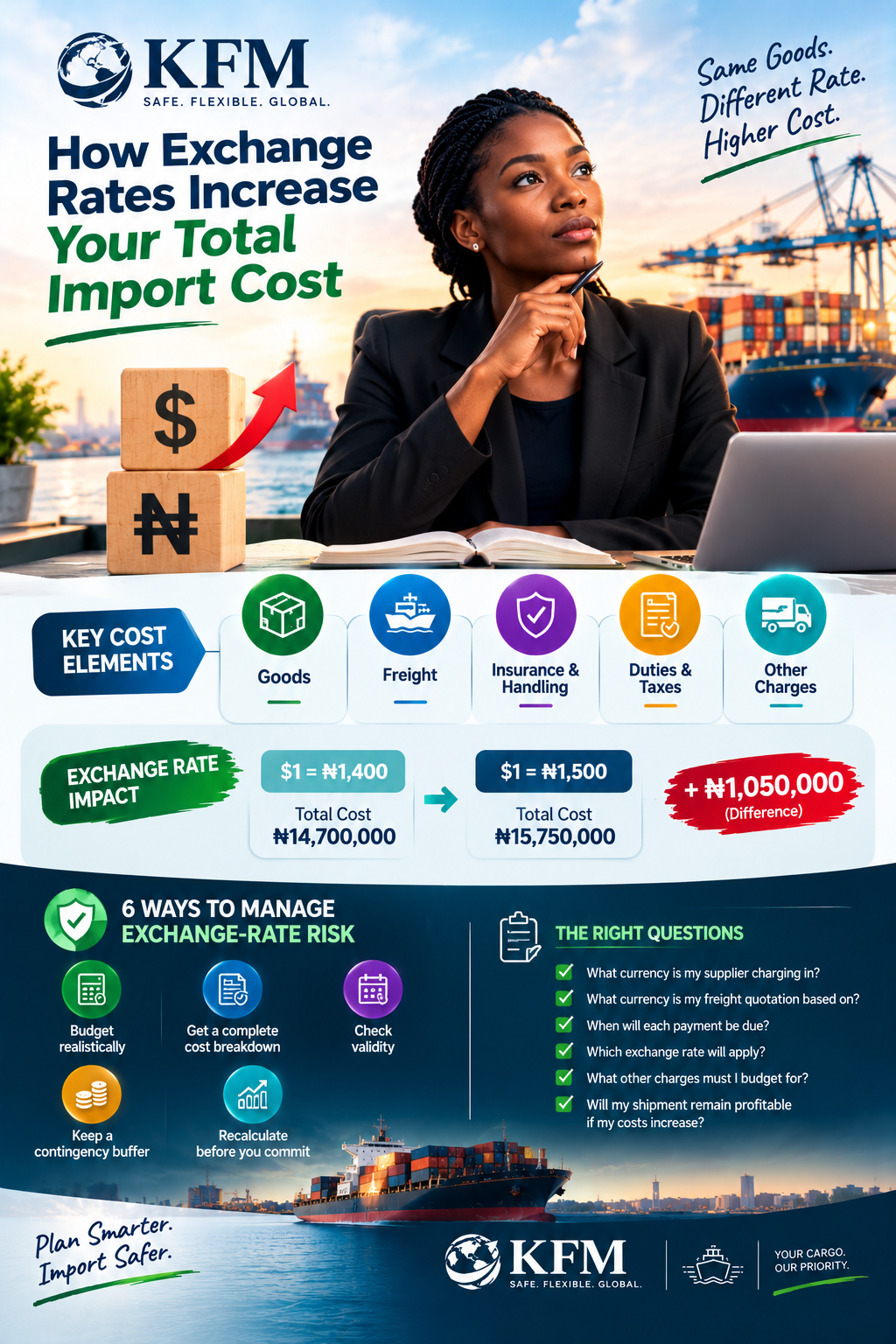
When these expenses are combined, the difference between the supplier's original price and the final landed cost can be substantial.
This is why experienced importers calculate their total landed cost before committing to an international purchase.
6. How Businesses Can Prepare for Tariff Changes
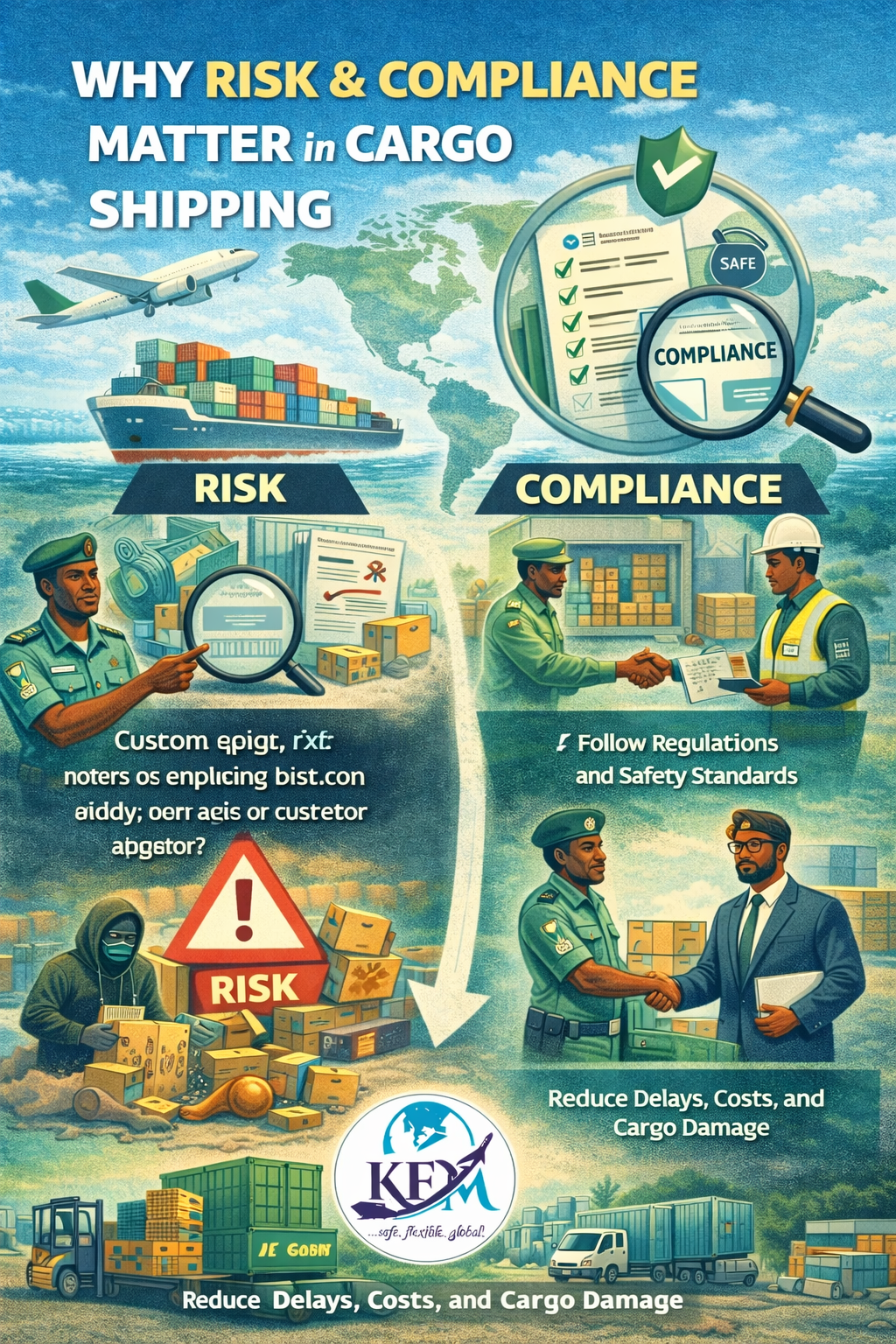
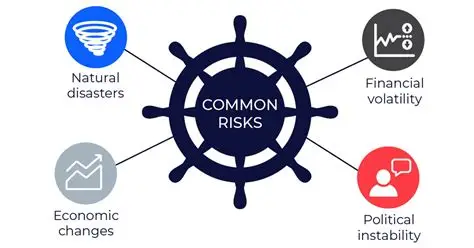
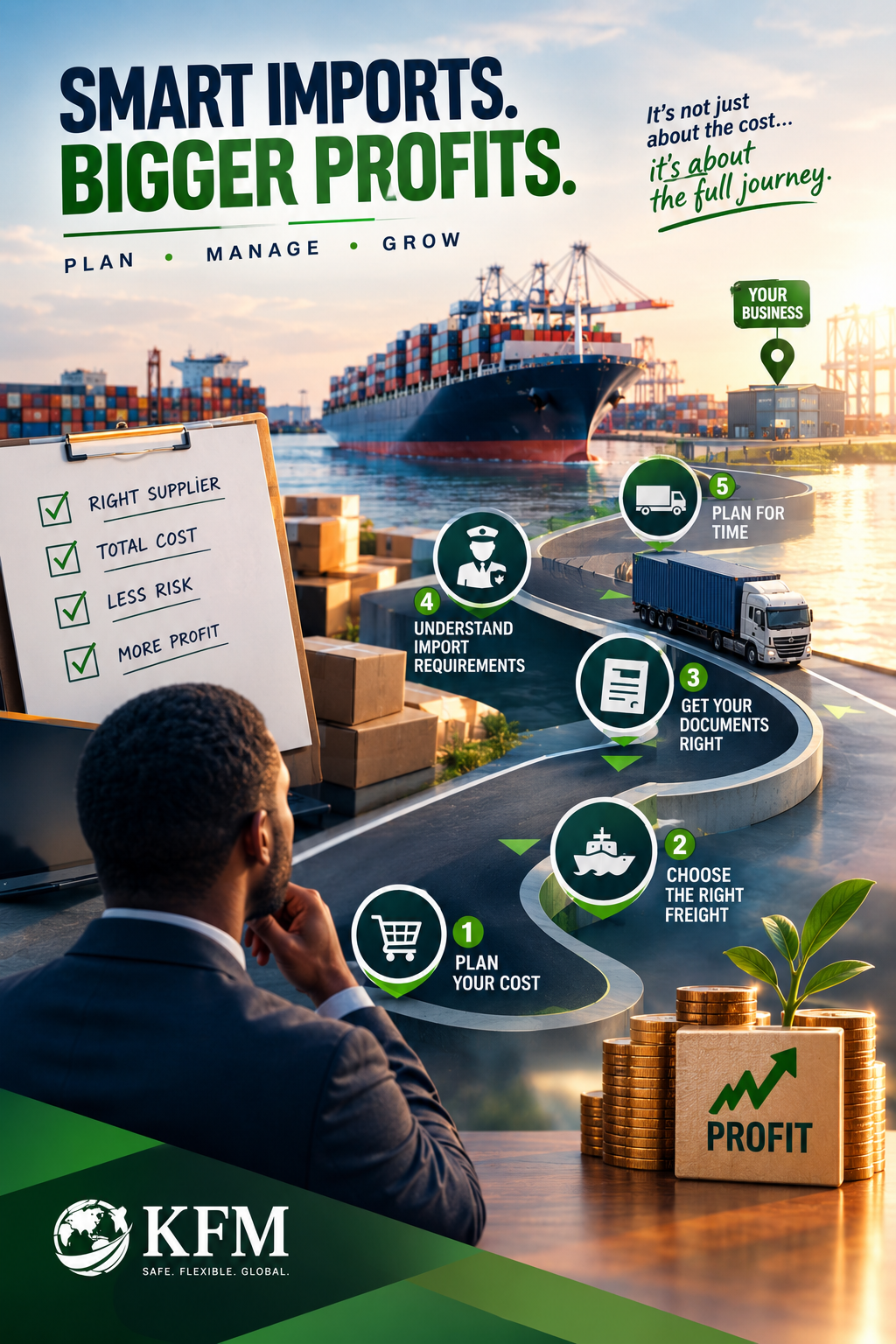
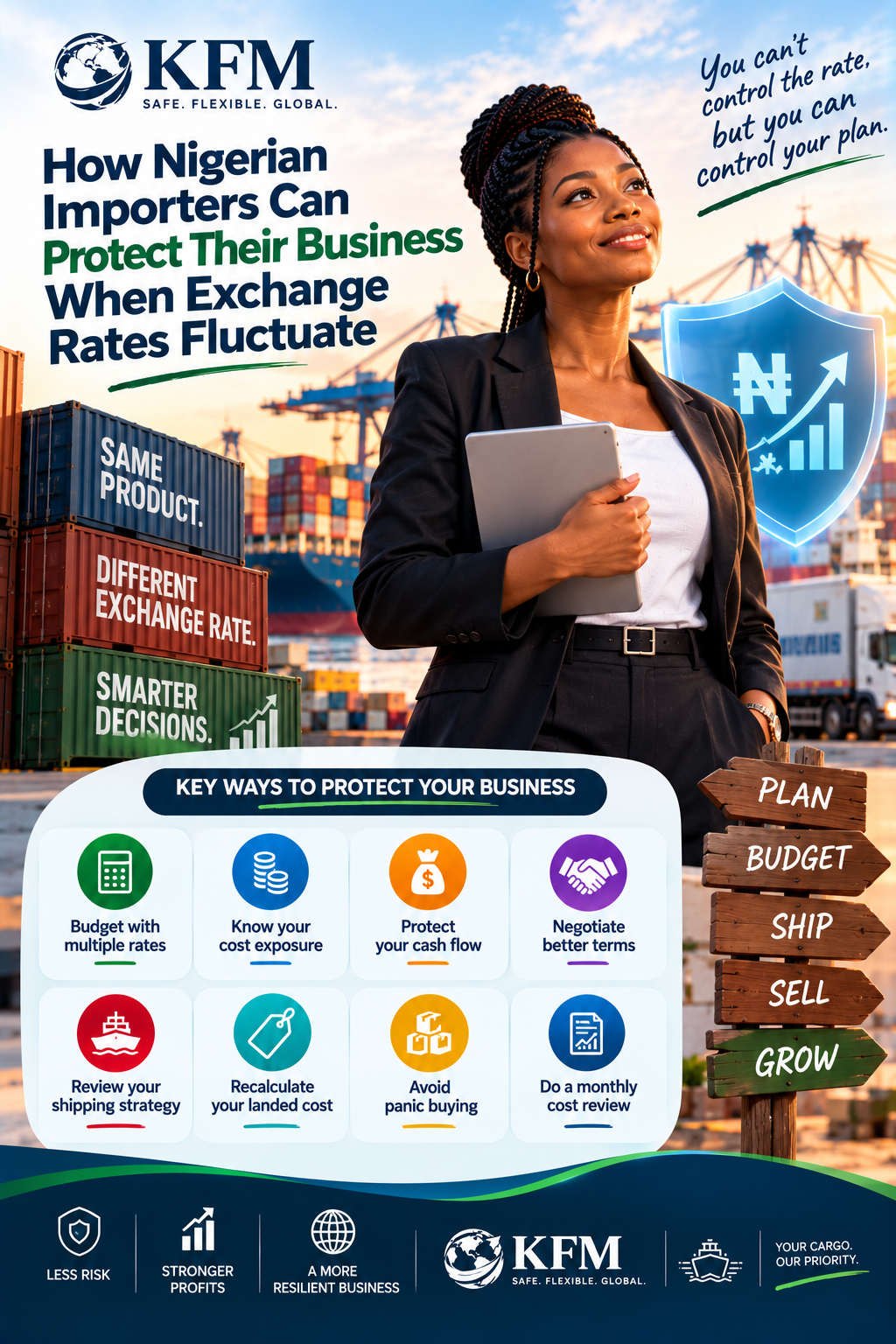
Government policies and trade regulations can change. Businesses that depend on international suppliers should avoid making decisions based solely on previous import costs.
To reduce uncertainty, importers should:
- Monitor relevant government trade announcements.
- Confirm current duty rates and regulatory requirements.
- Calculate landed costs before purchasing.
- Maintain communication with suppliers and logistics partners.
- Allow room for possible changes in costs.
- Review pricing strategies when import expenses change.
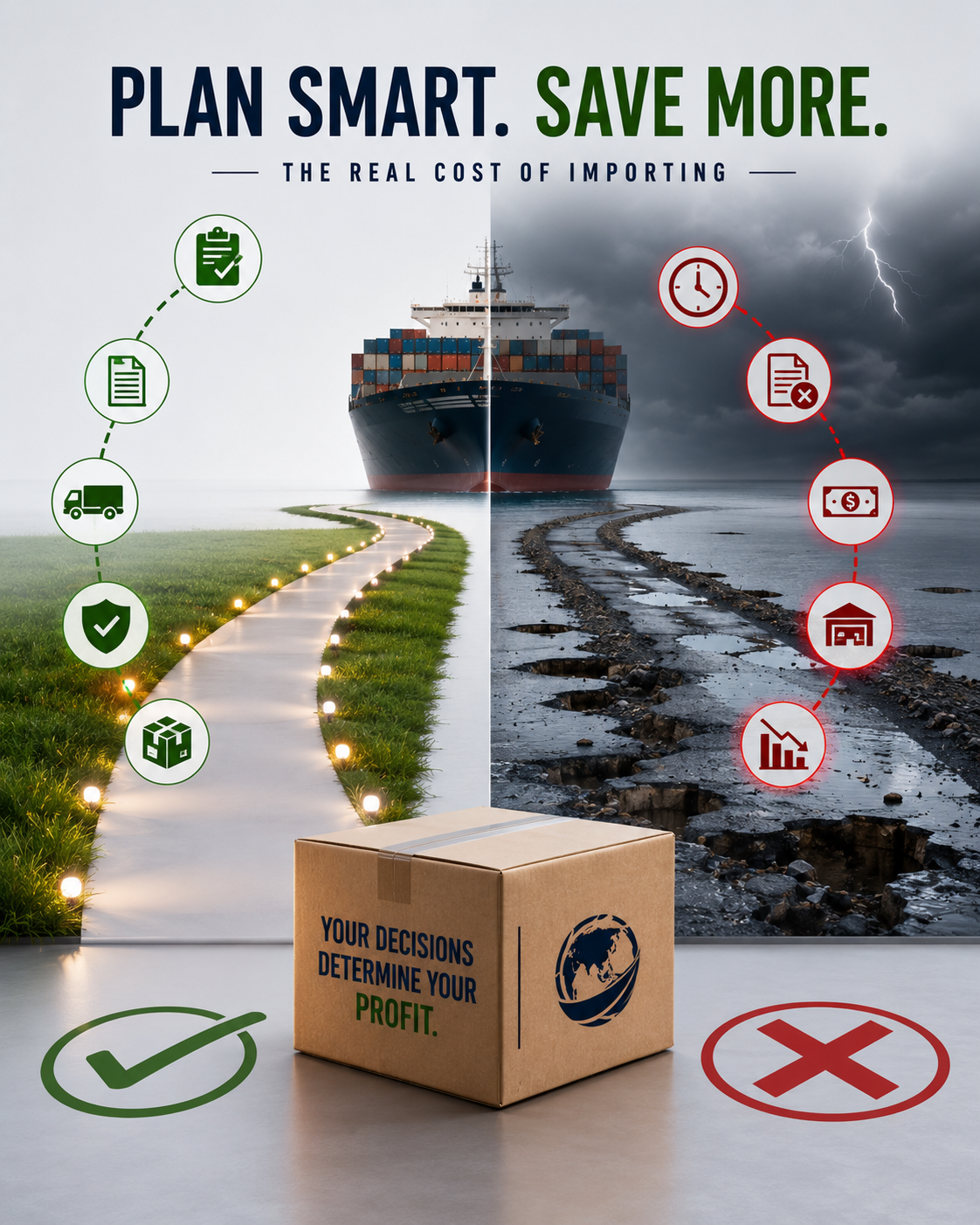
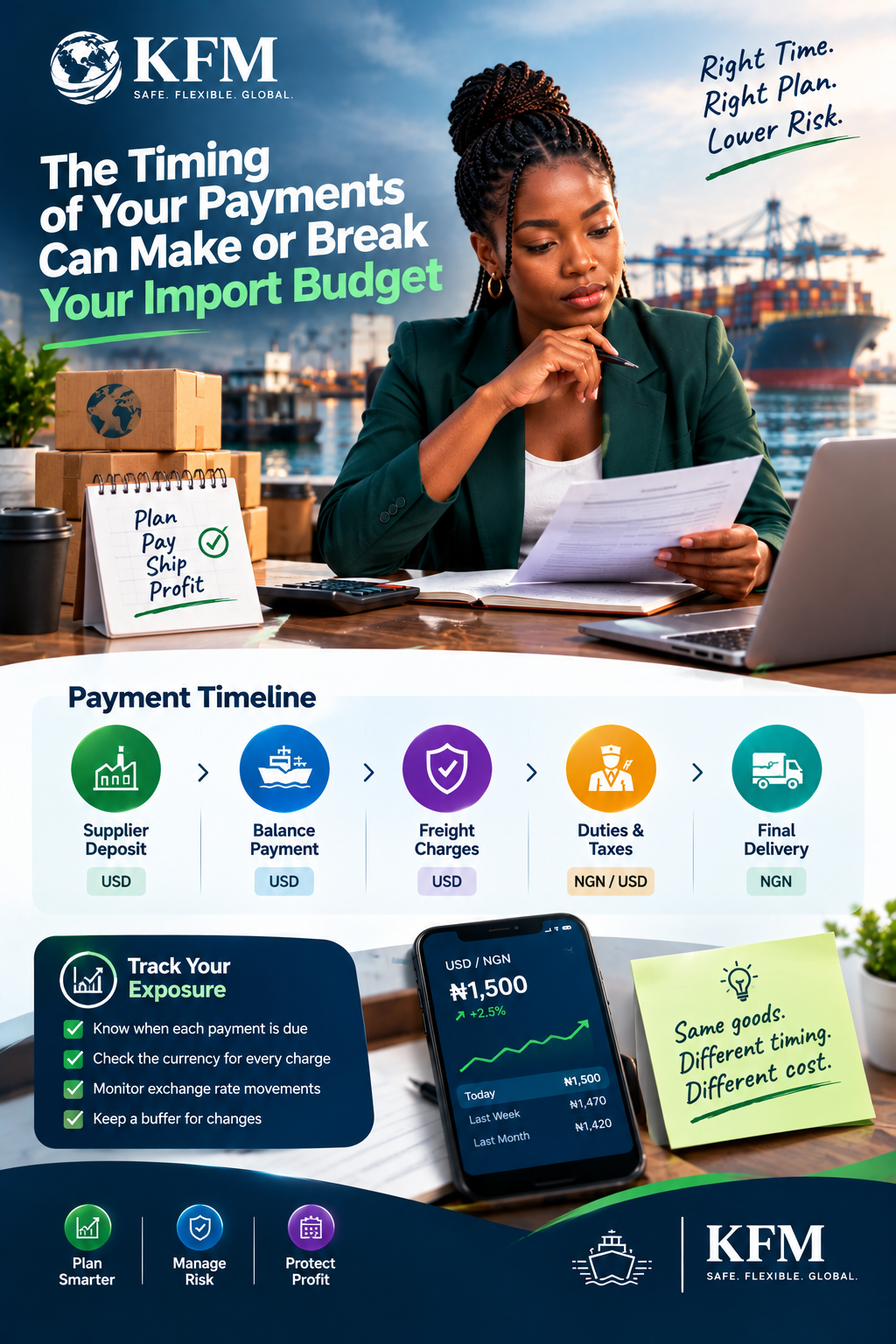
Being informed before cargo is shipped can make the difference between a profitable transaction and an unexpected financial burden.
The KFM Perspective
International trade involves more than moving cargo from one country to another. It requires understanding the policies, regulations, costs, and procedures that influence every stage of the shipment.
At Kastro Freight Management (KFM), we understand that reliable freight management begins with proper planning and awareness of the factors affecting international shipments.
Whether you are importing for business expansion, manufacturing, retail, or personal use, understanding your import costs is an important step towards making better decisions.
Because in international trade, knowing what your cargo costs to move is just as important as knowing what you paid for it.
KFM — Safe. Flexible. Global.
Coming Up in Post 3
Import Restrictions and Prohibited Goods in Nigeria: What Businesses Must Know Before Shipping.
Not every product can enter Nigeria freely. In our next post, we'll explore import restrictions, prohibited goods, regulatory requirements, and why checking before shipping can save importers significant time and money.