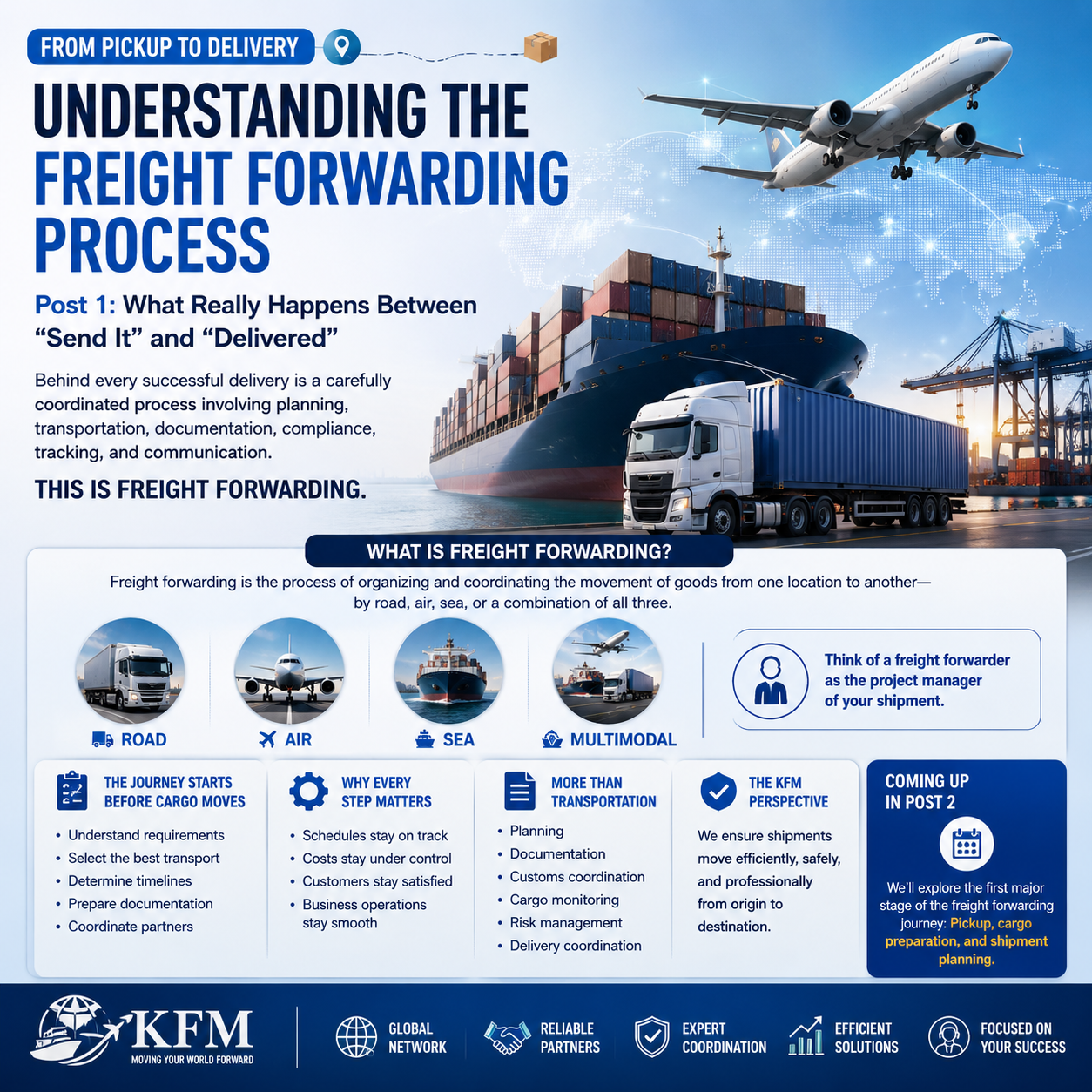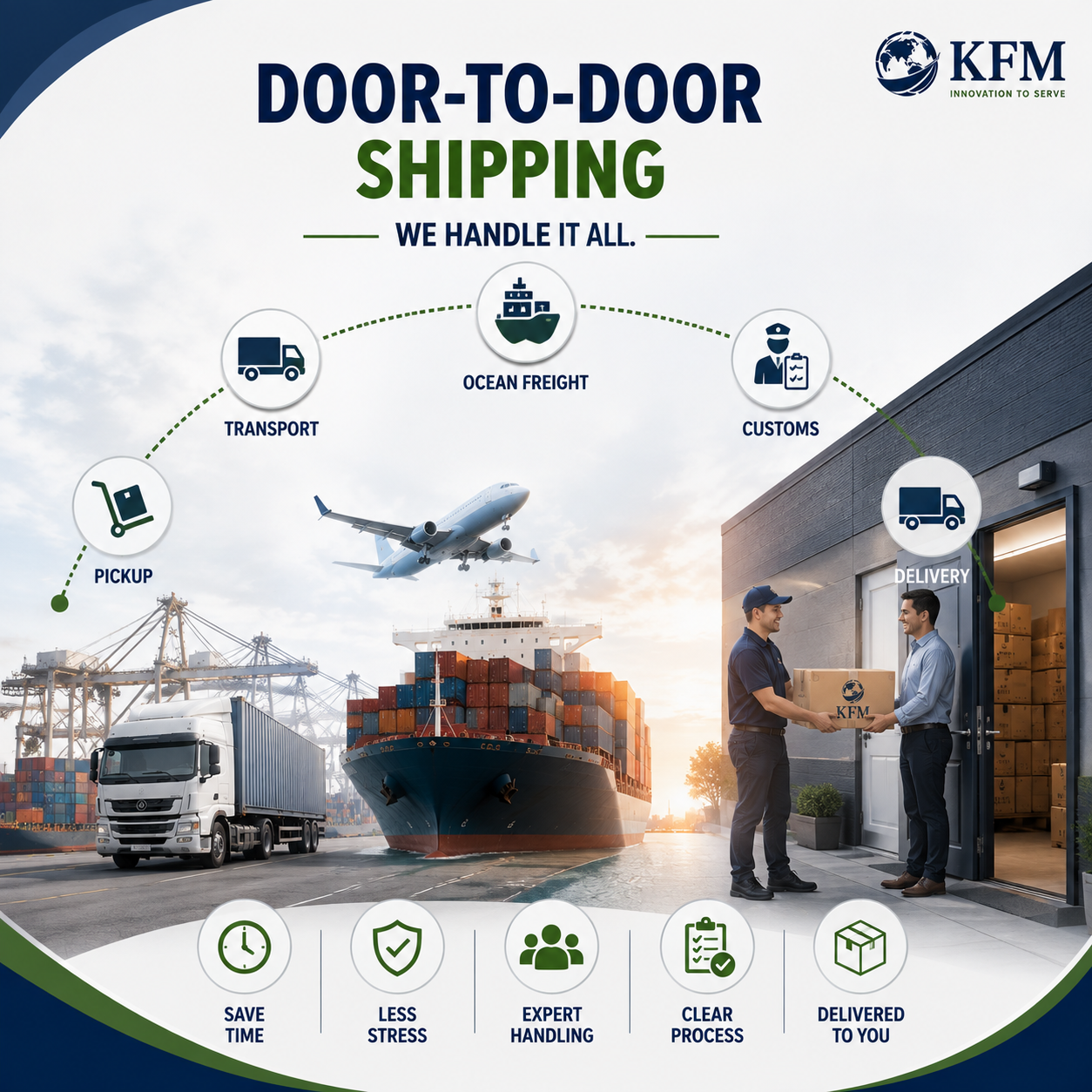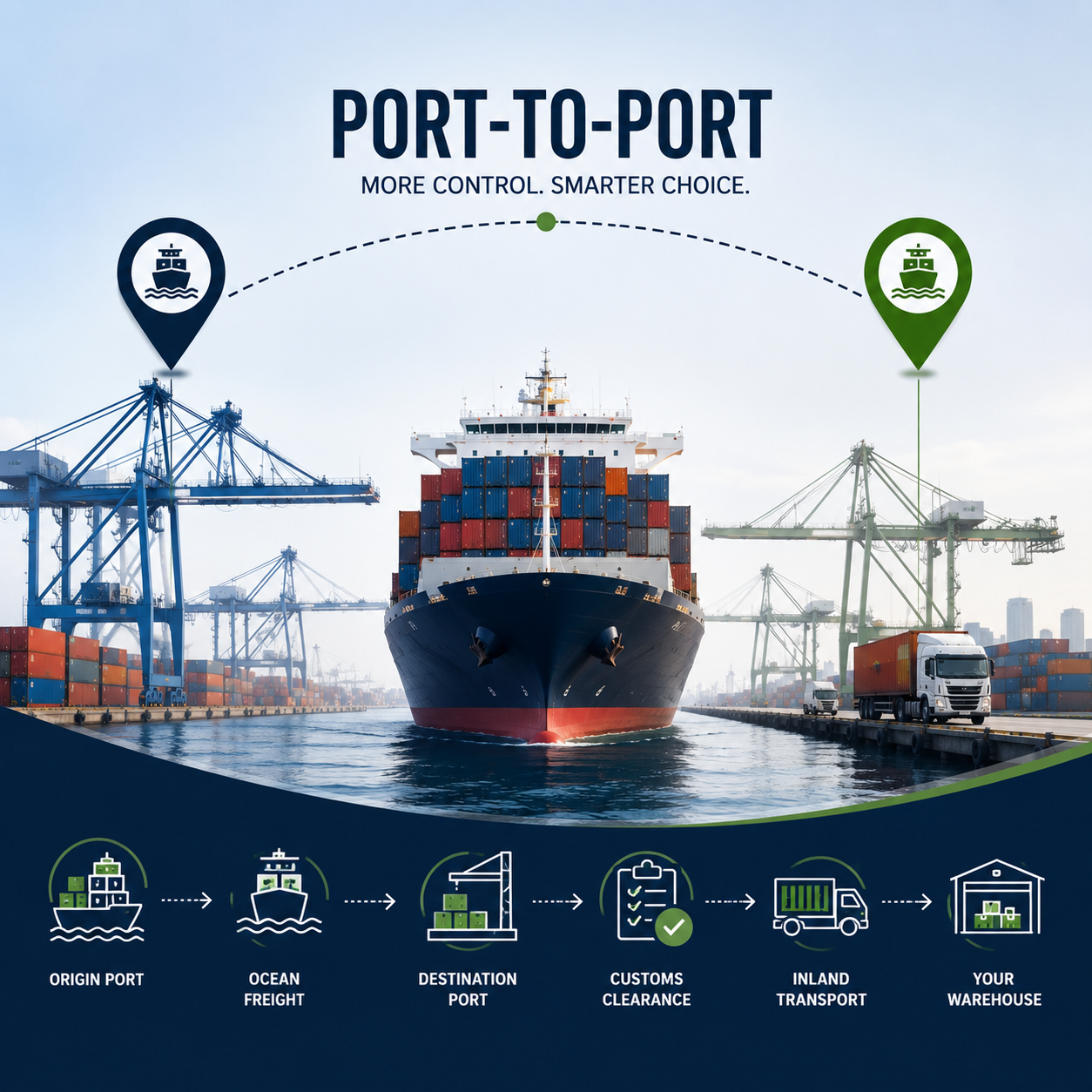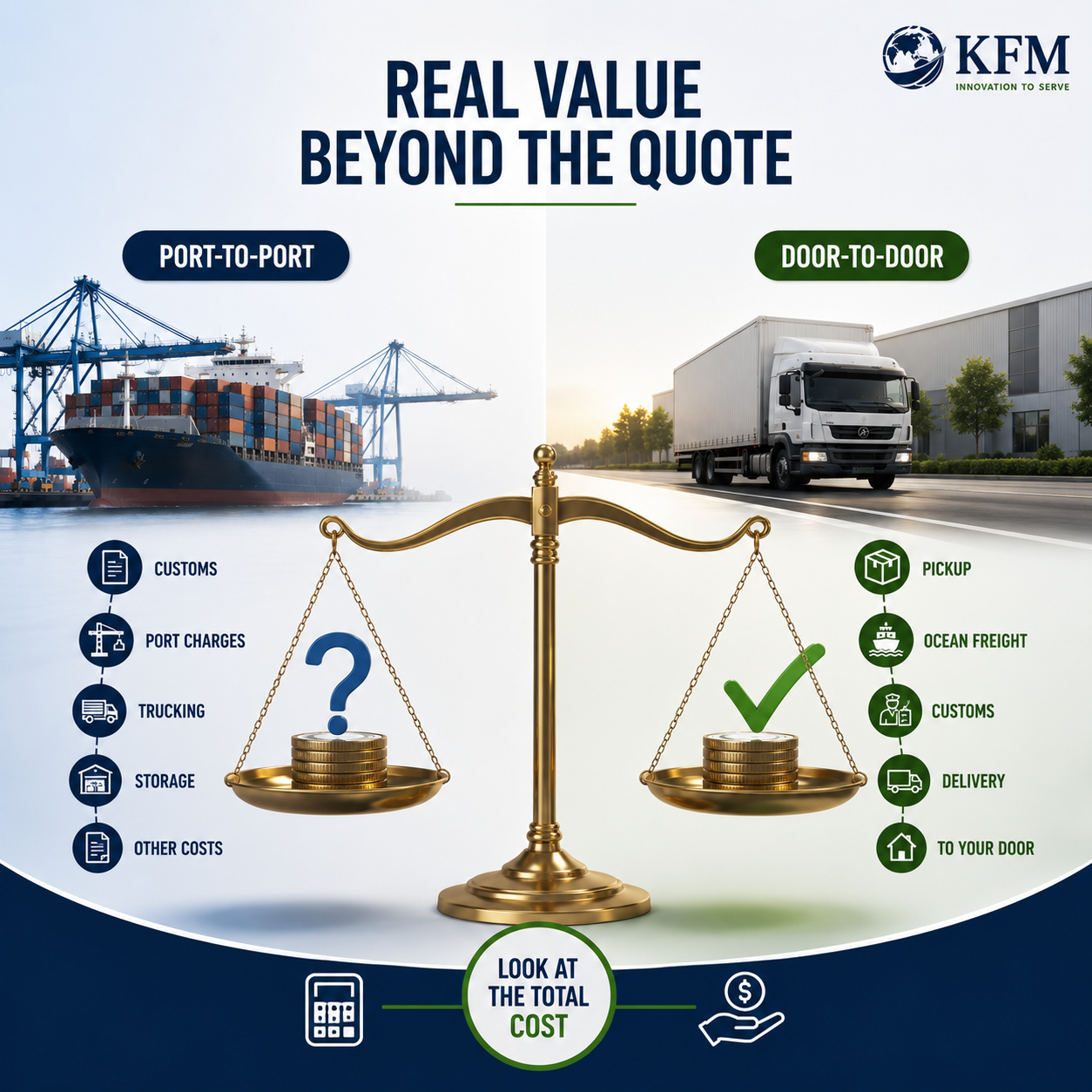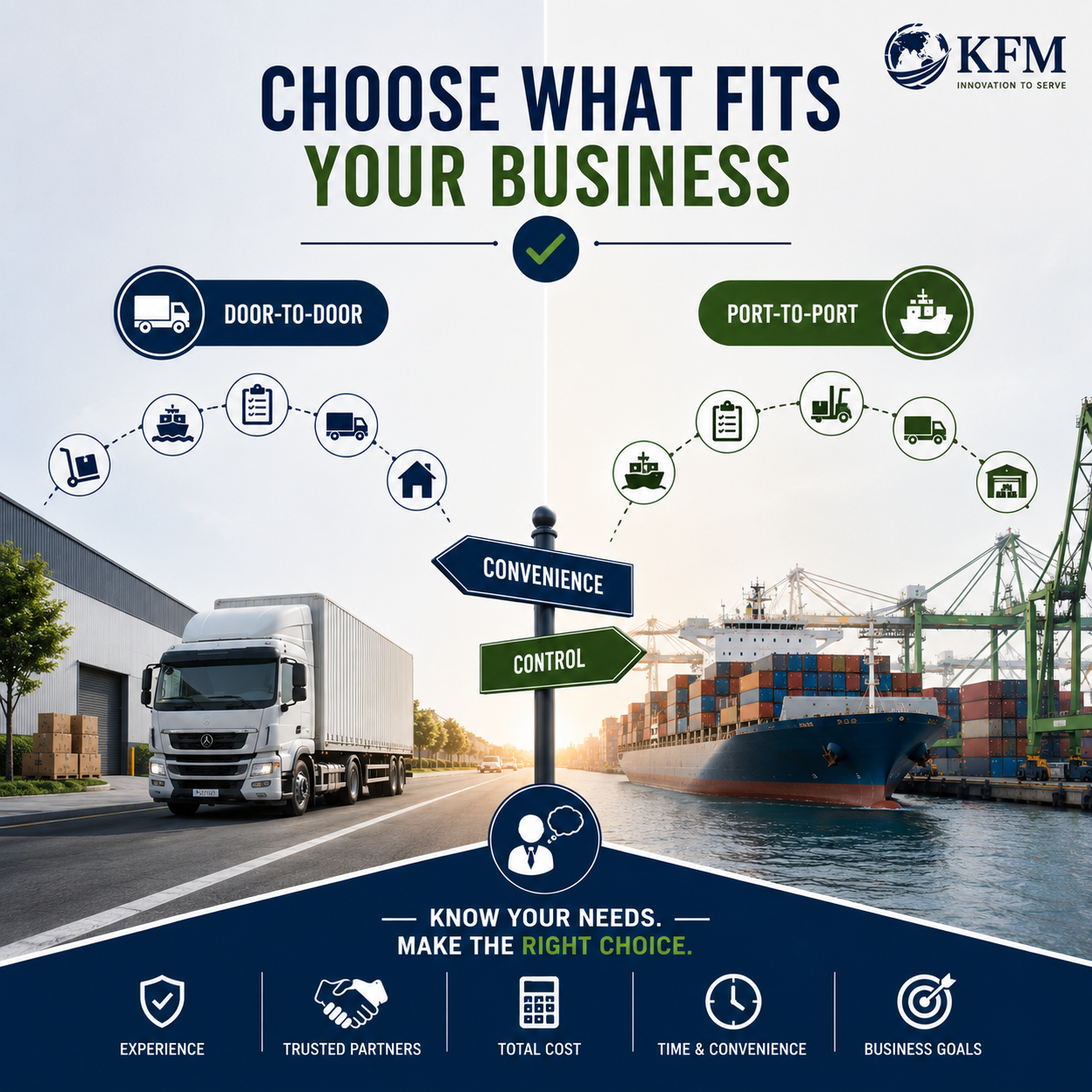
When people see a shipment arrive successfully, it looks simple from the outside.
Cargo moves. Delivery happens. Business continues.
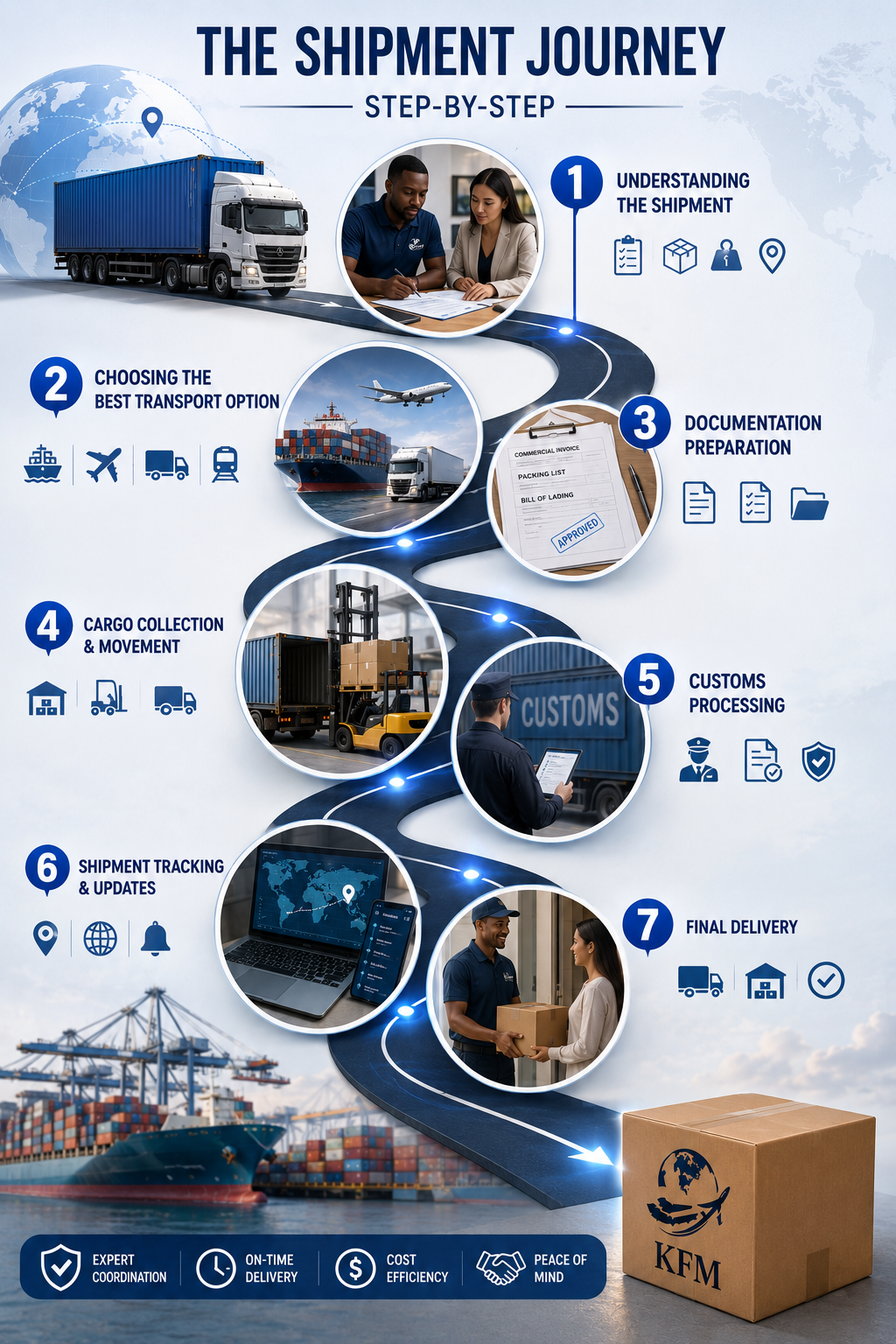
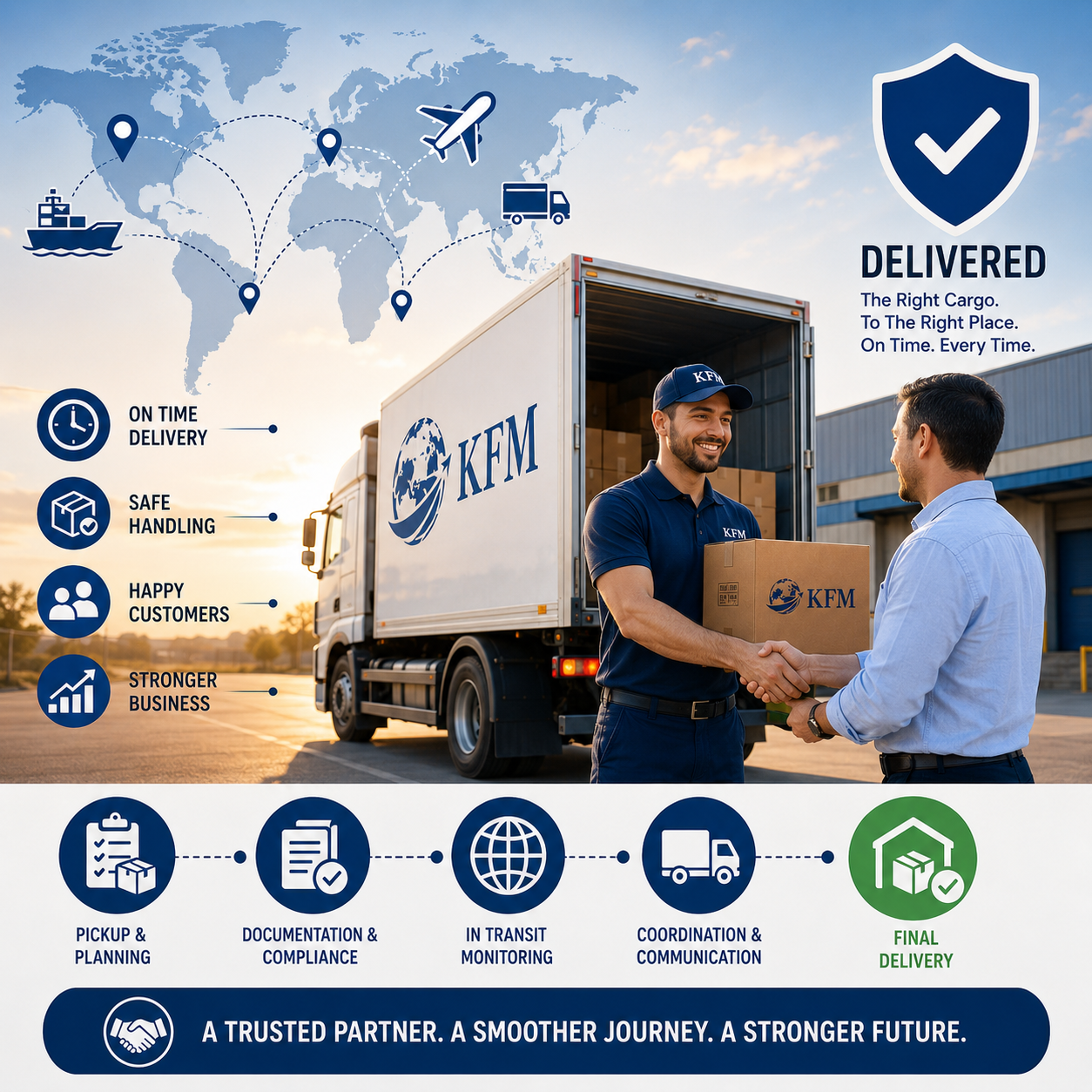
But behind every smooth delivery is a chain of carefully coordinated processes working together.
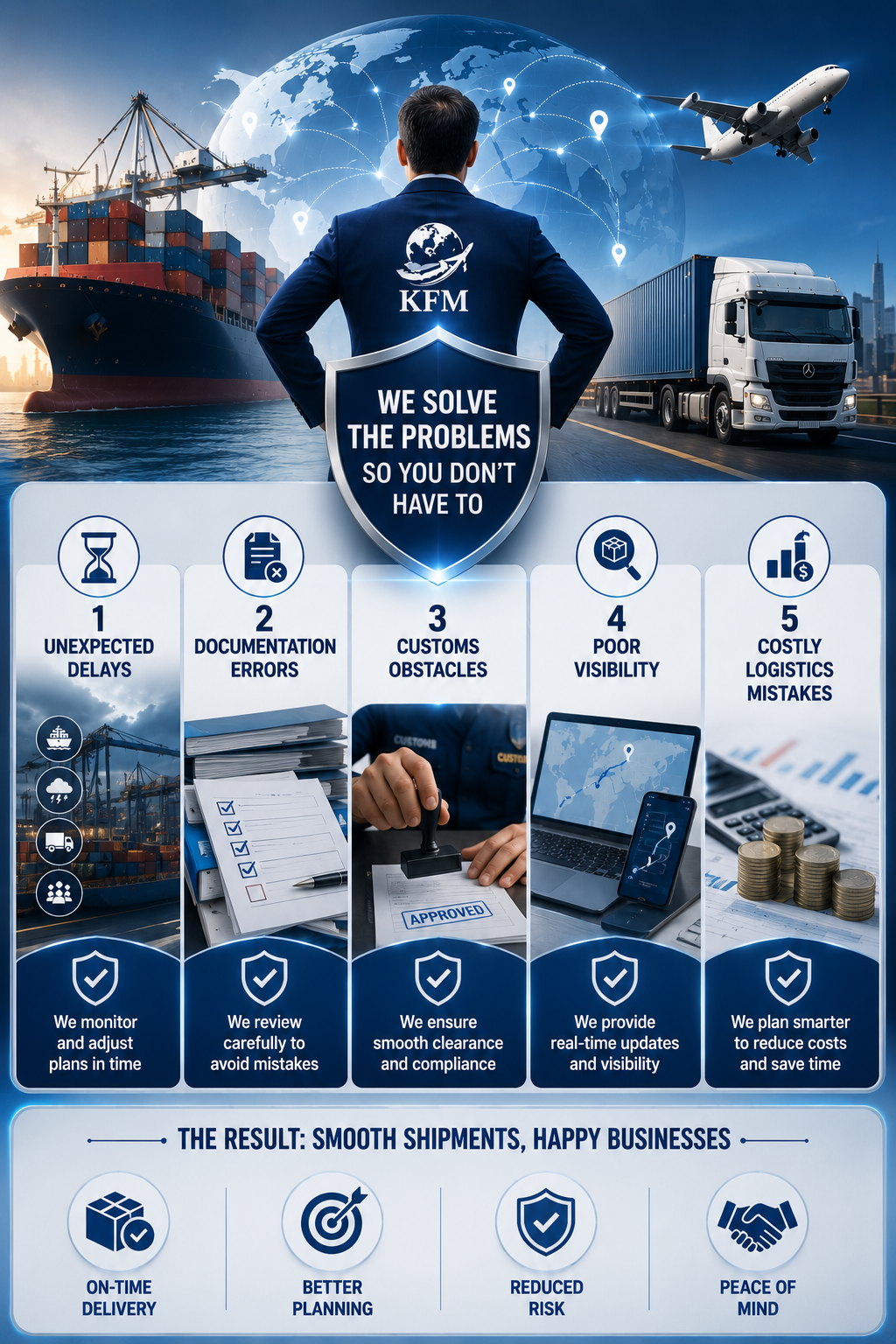
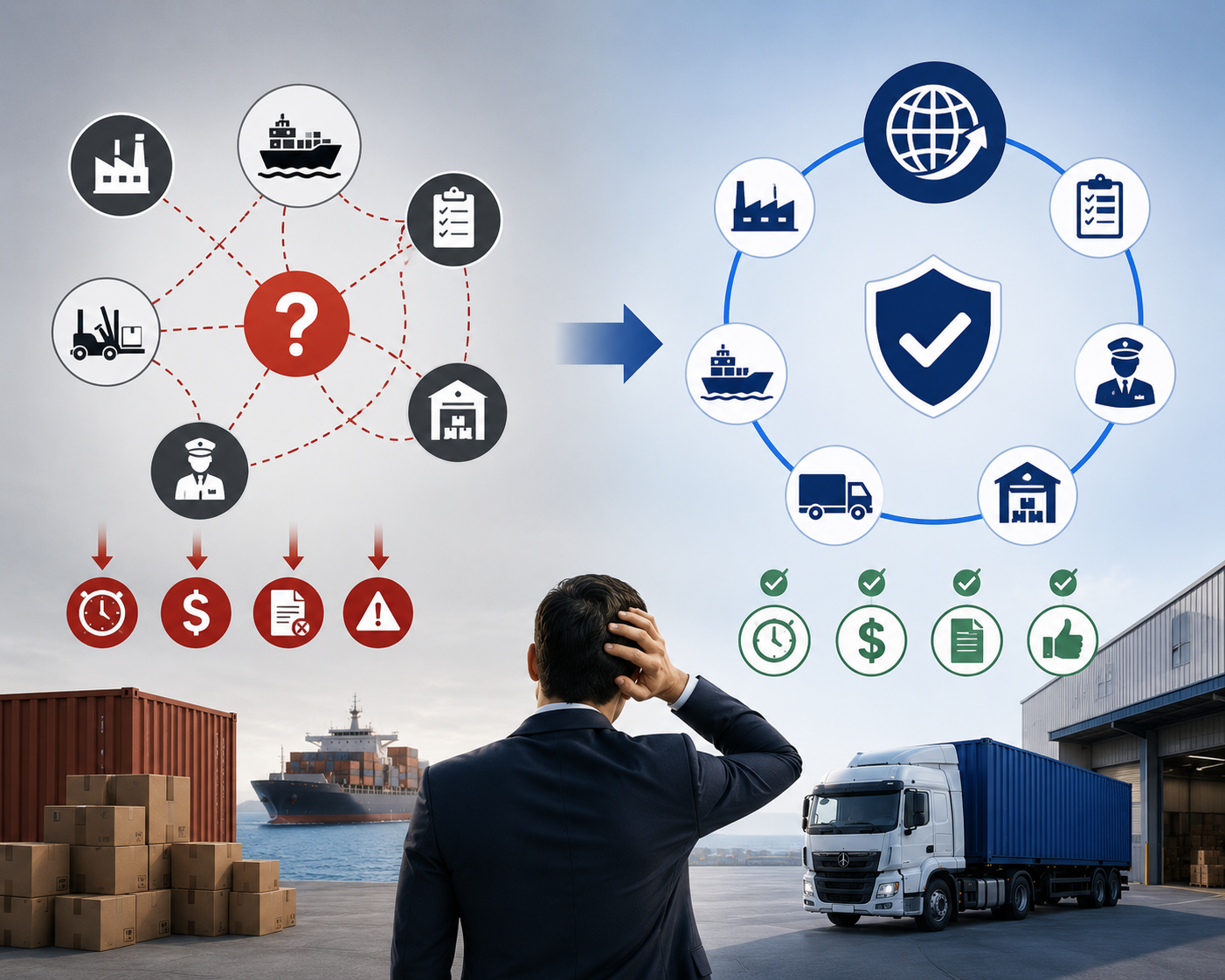
And most businesses never realize how many moving parts are involved until something goes wrong.
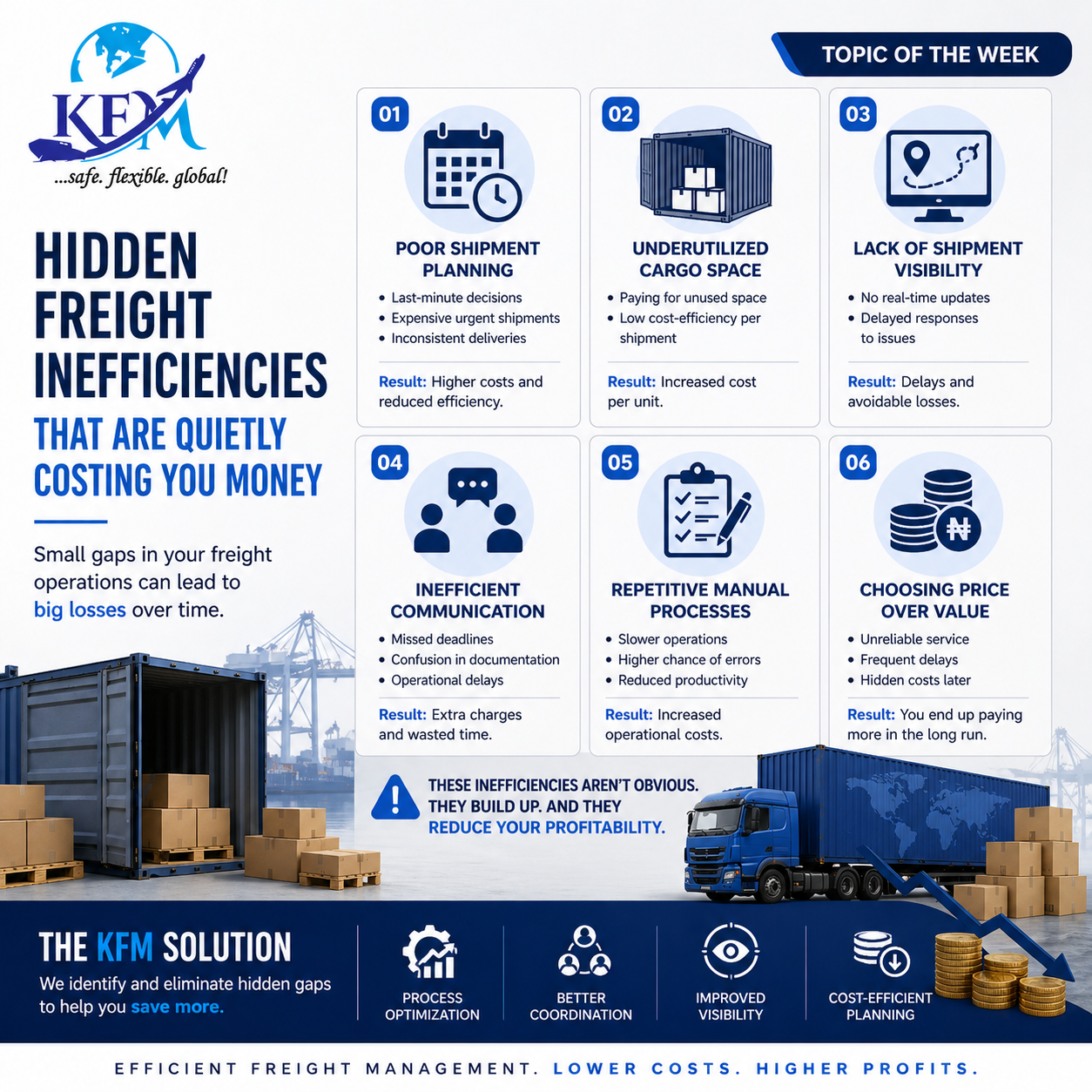
At KFM, full-service freight management means controlling those moving parts before they become expensive problems.
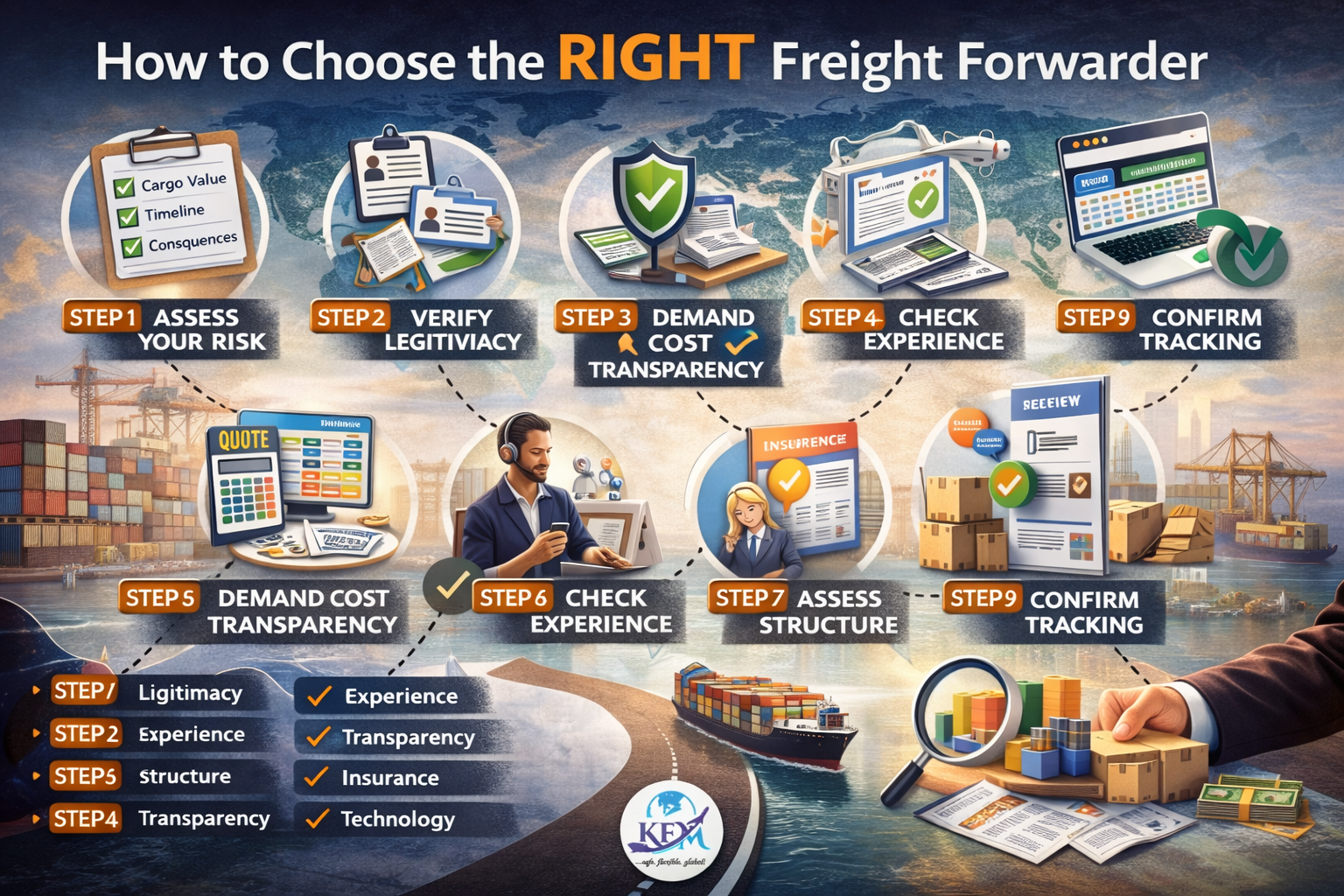
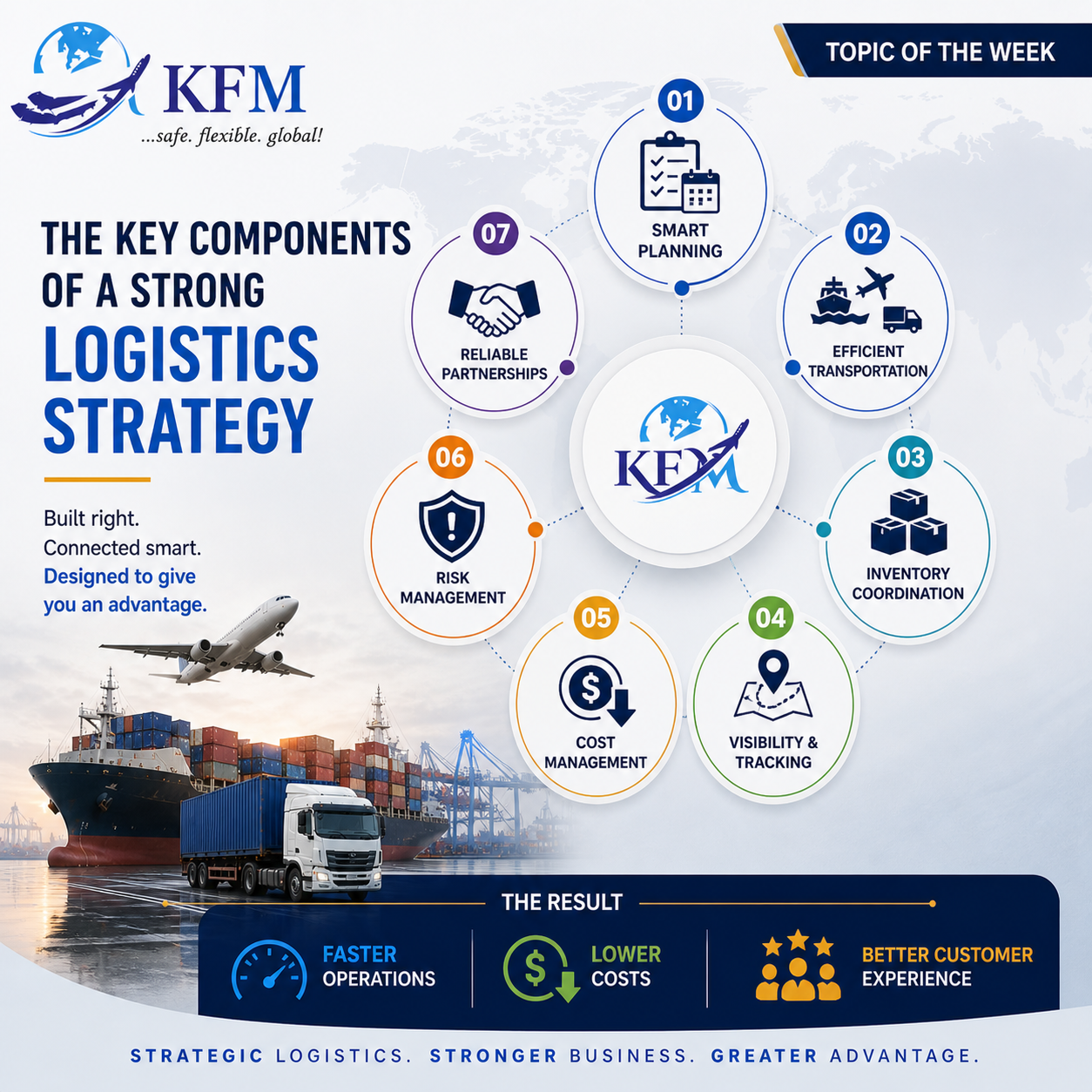
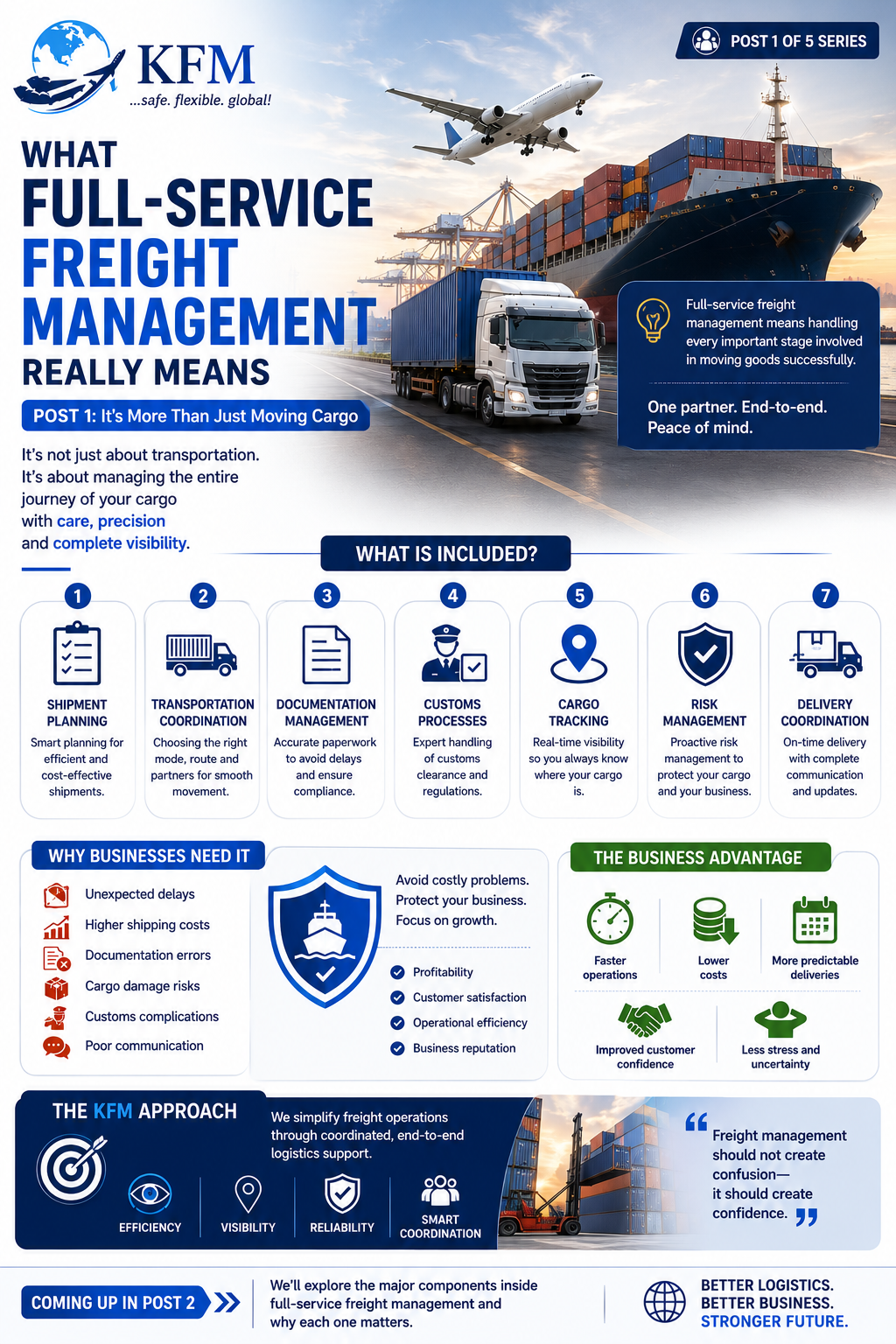
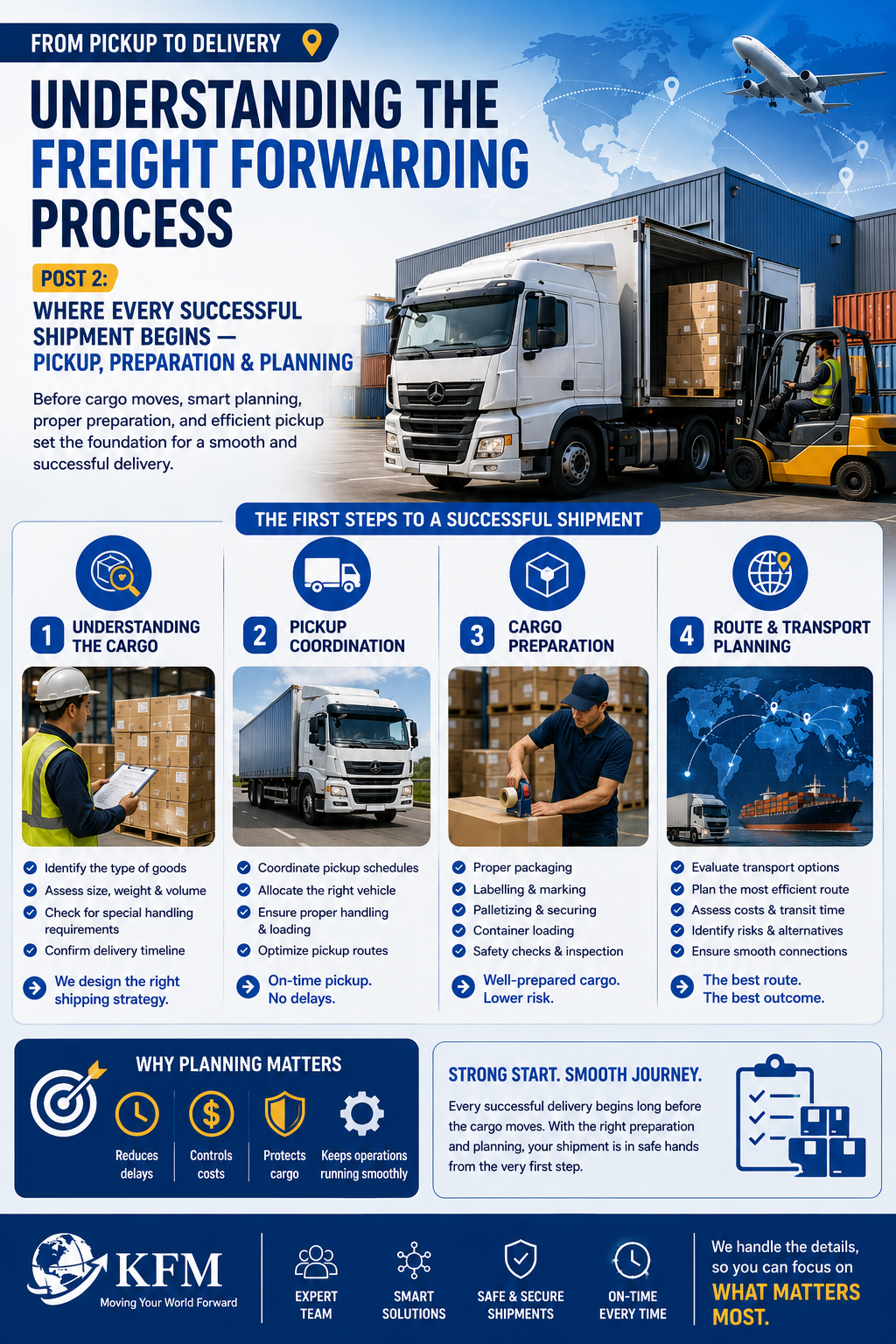
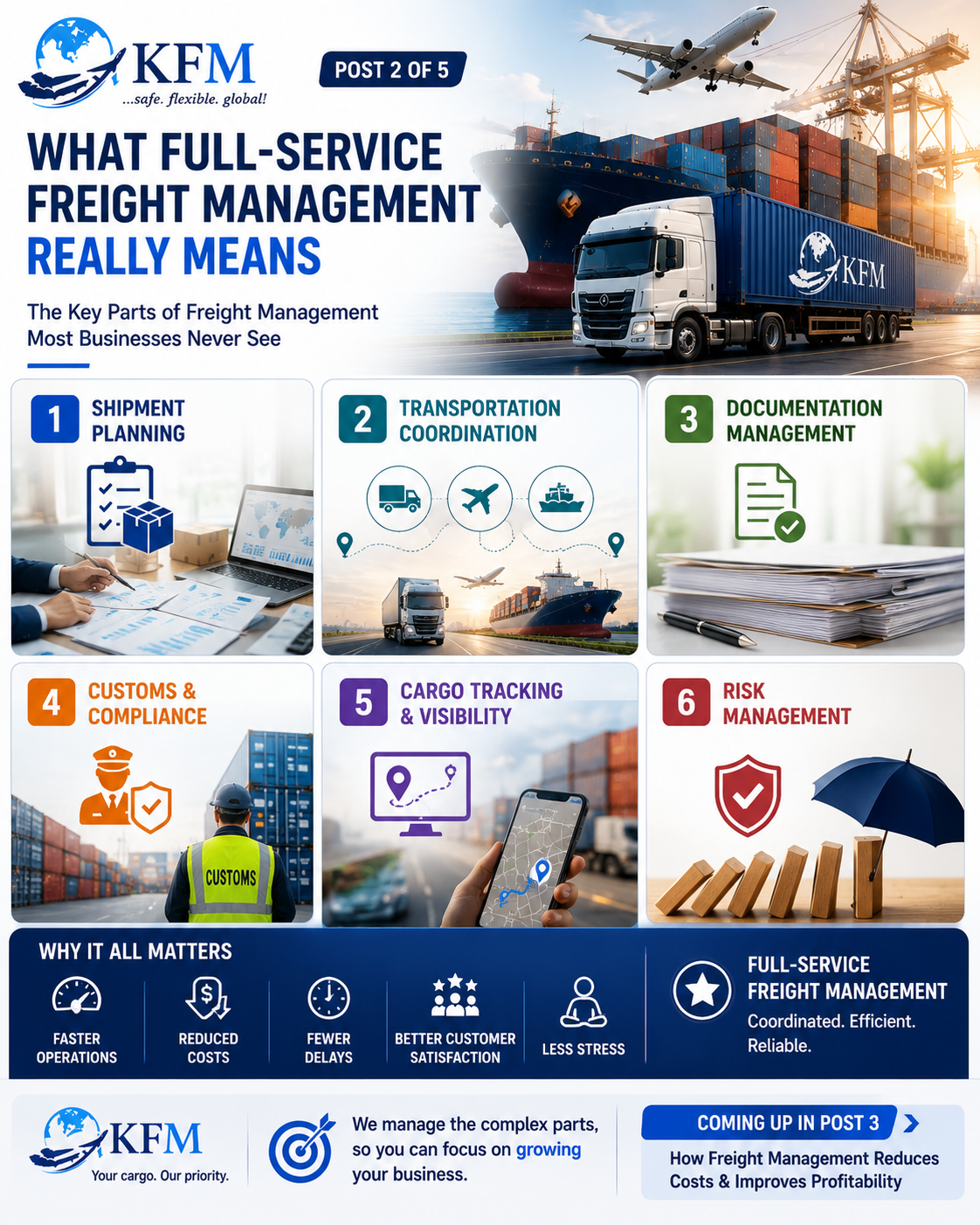
1. Shipment Planning
Every successful shipment starts long before cargo begins moving.
Proper planning determines:
- The best shipping method
- Estimated timelines
- Cost efficiency
- Cargo requirements
Poor planning often leads to delays, extra costs, and operational confusion.
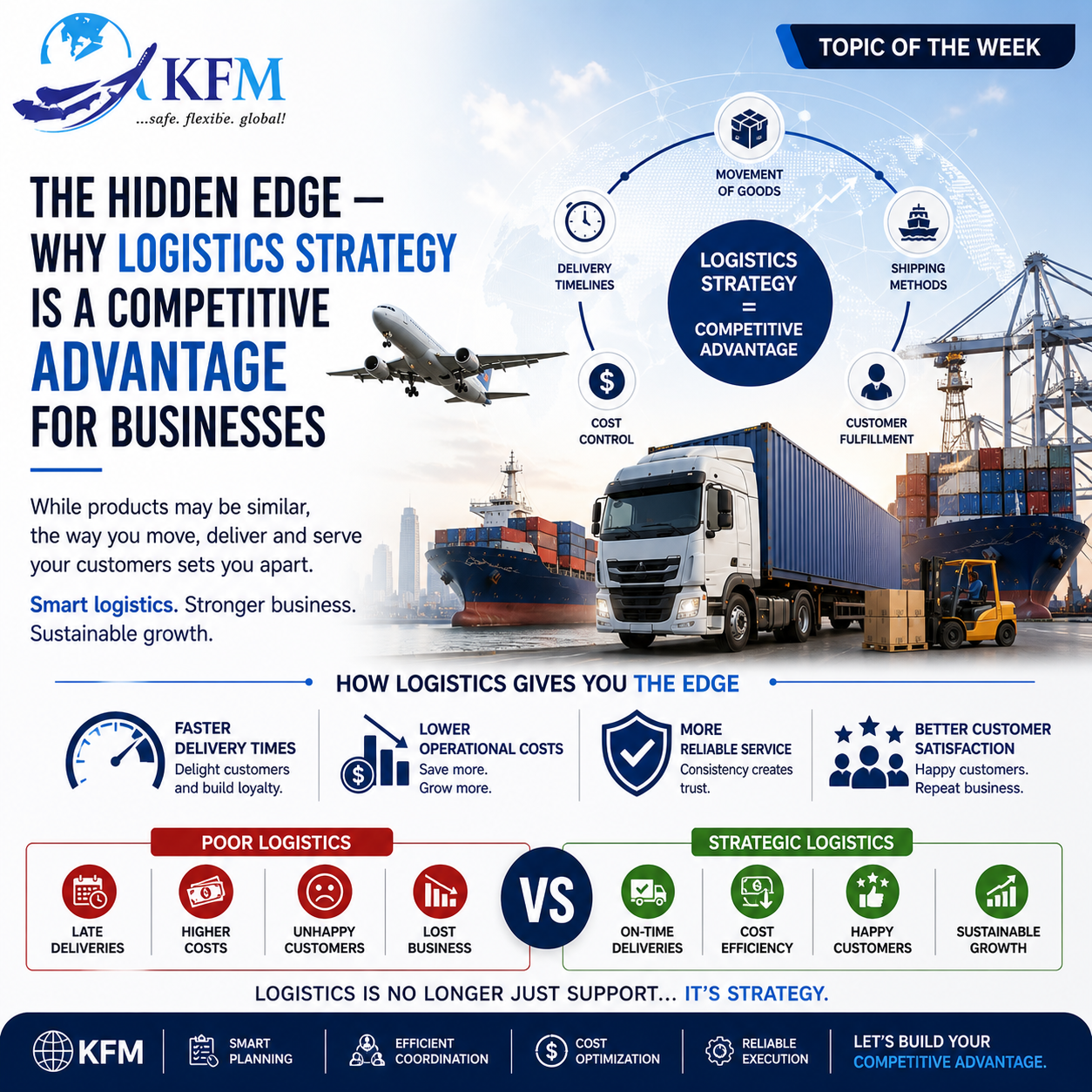
Smart planning creates smoother logistics.
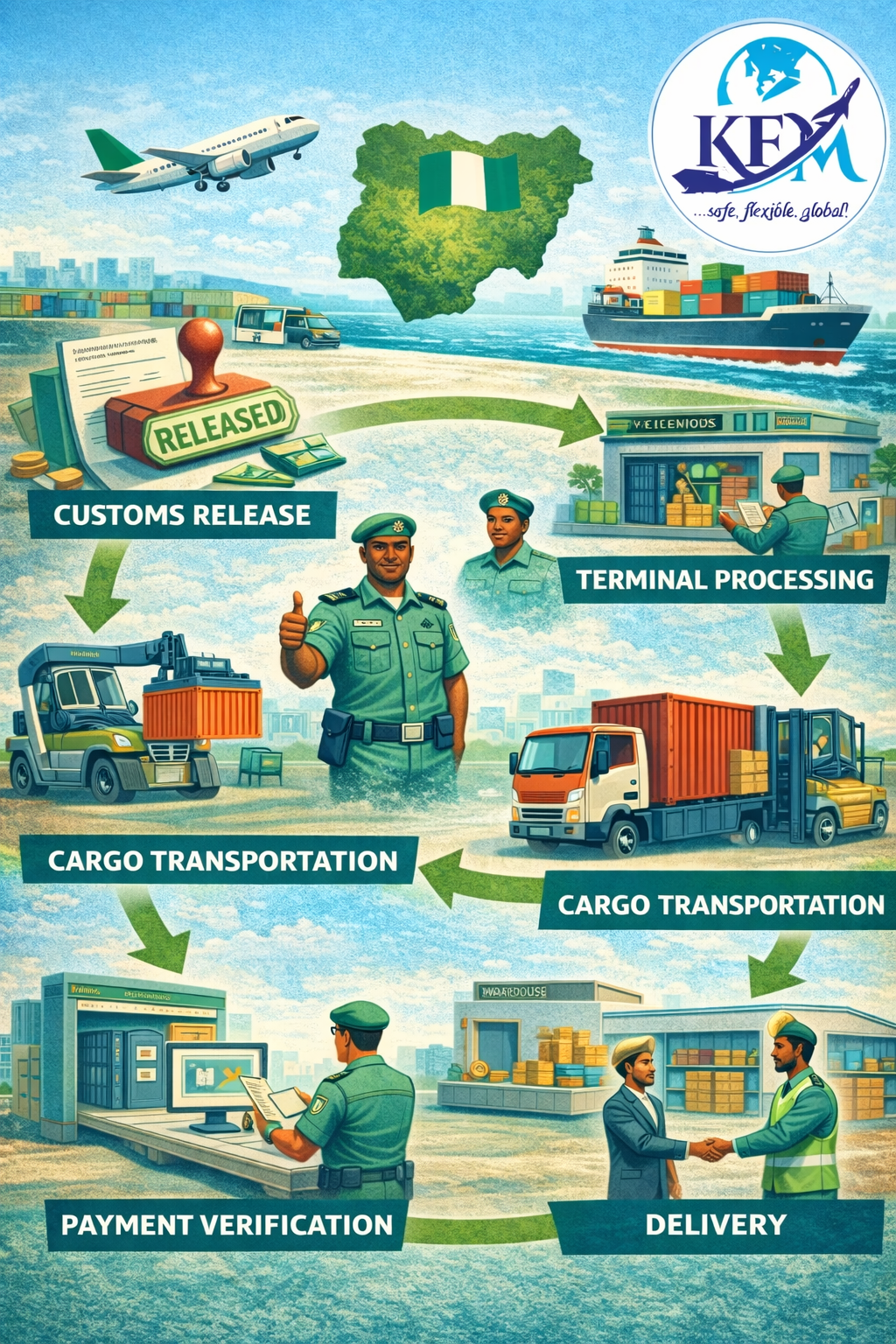
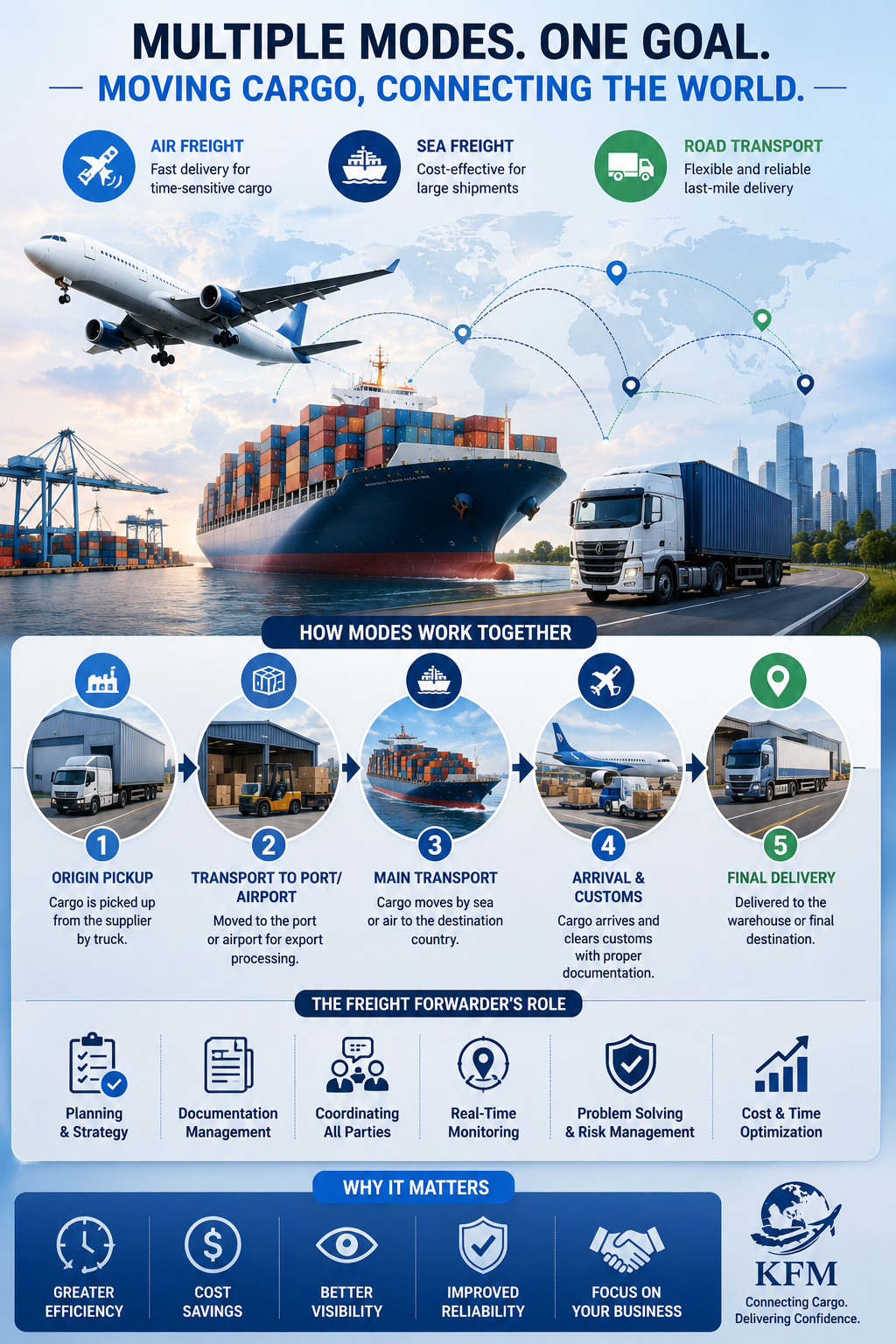
2. Transportation Coordination
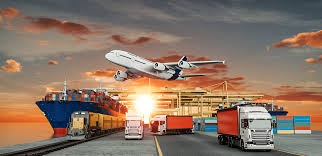
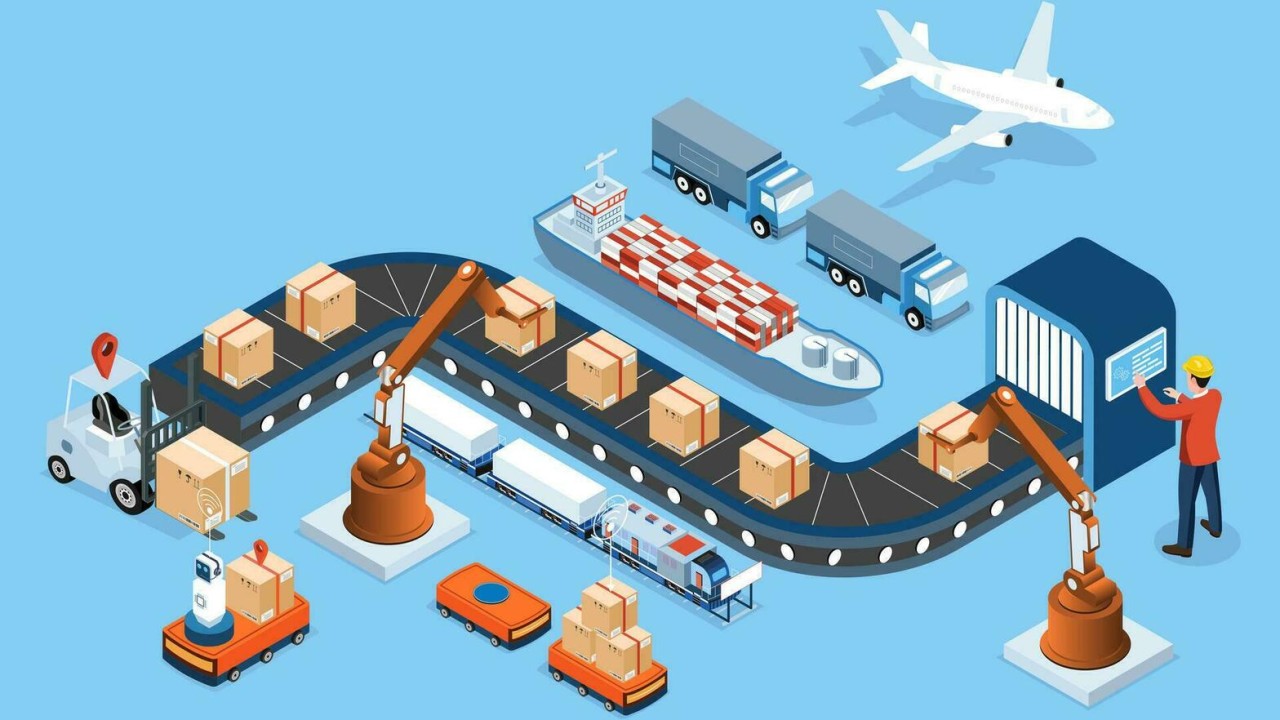
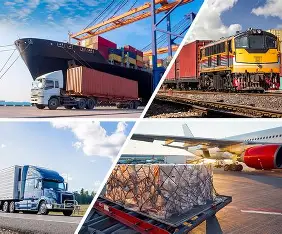
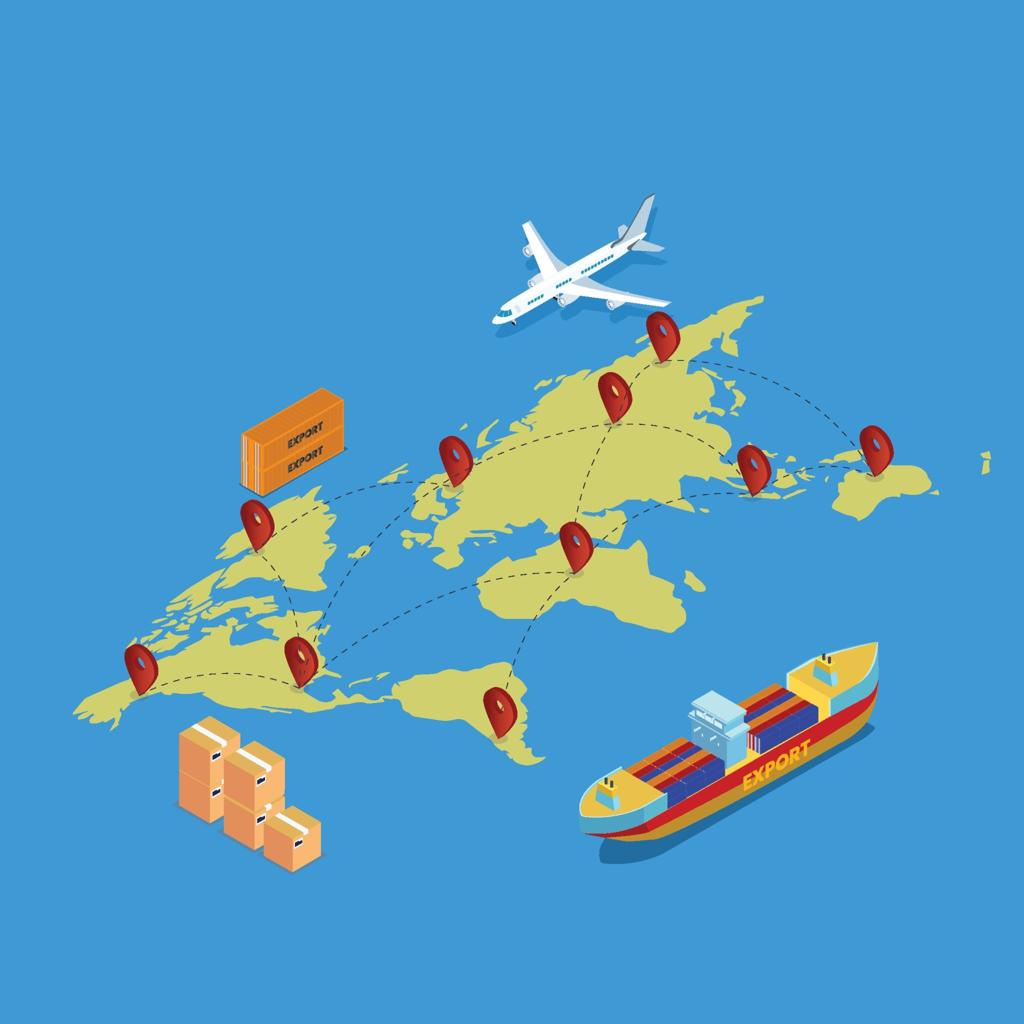
Freight rarely moves through only one stage.
It may involve:
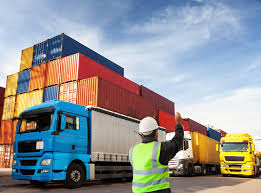
- Road transportation
- Air freight
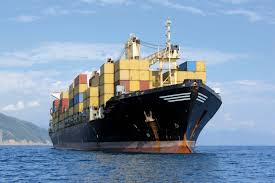
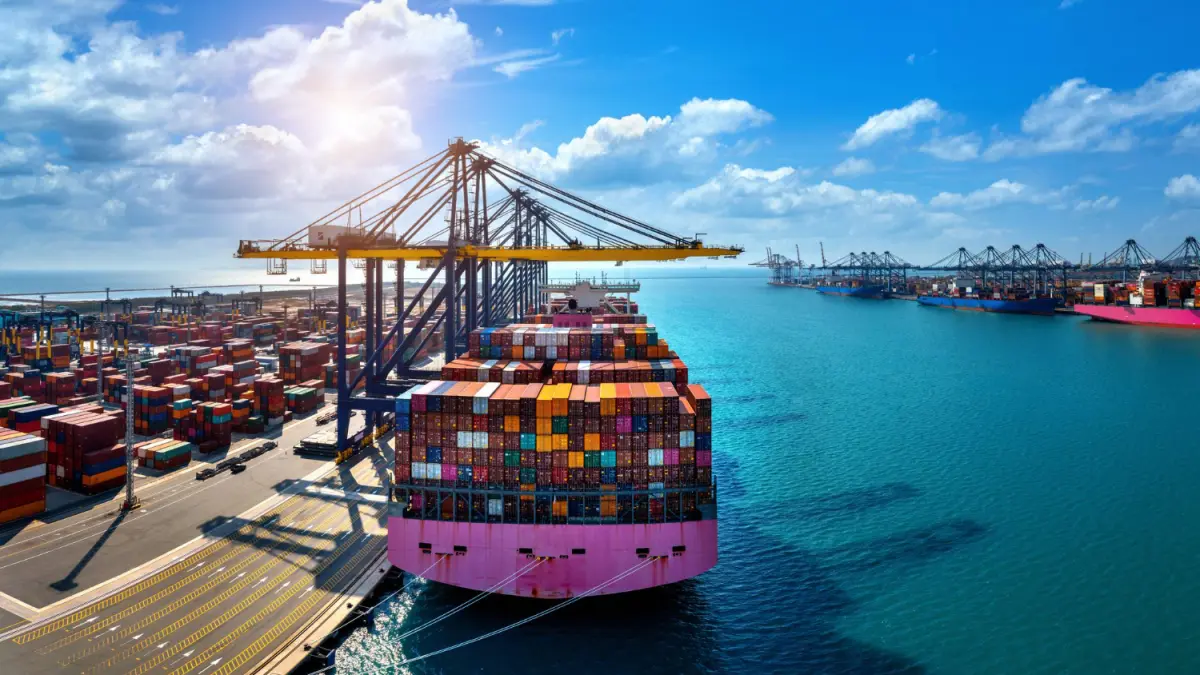
- Sea freight
- Warehousing transfers
Coordinating these movements properly ensures cargo flows without unnecessary interruptions.
Timing matters in logistics.
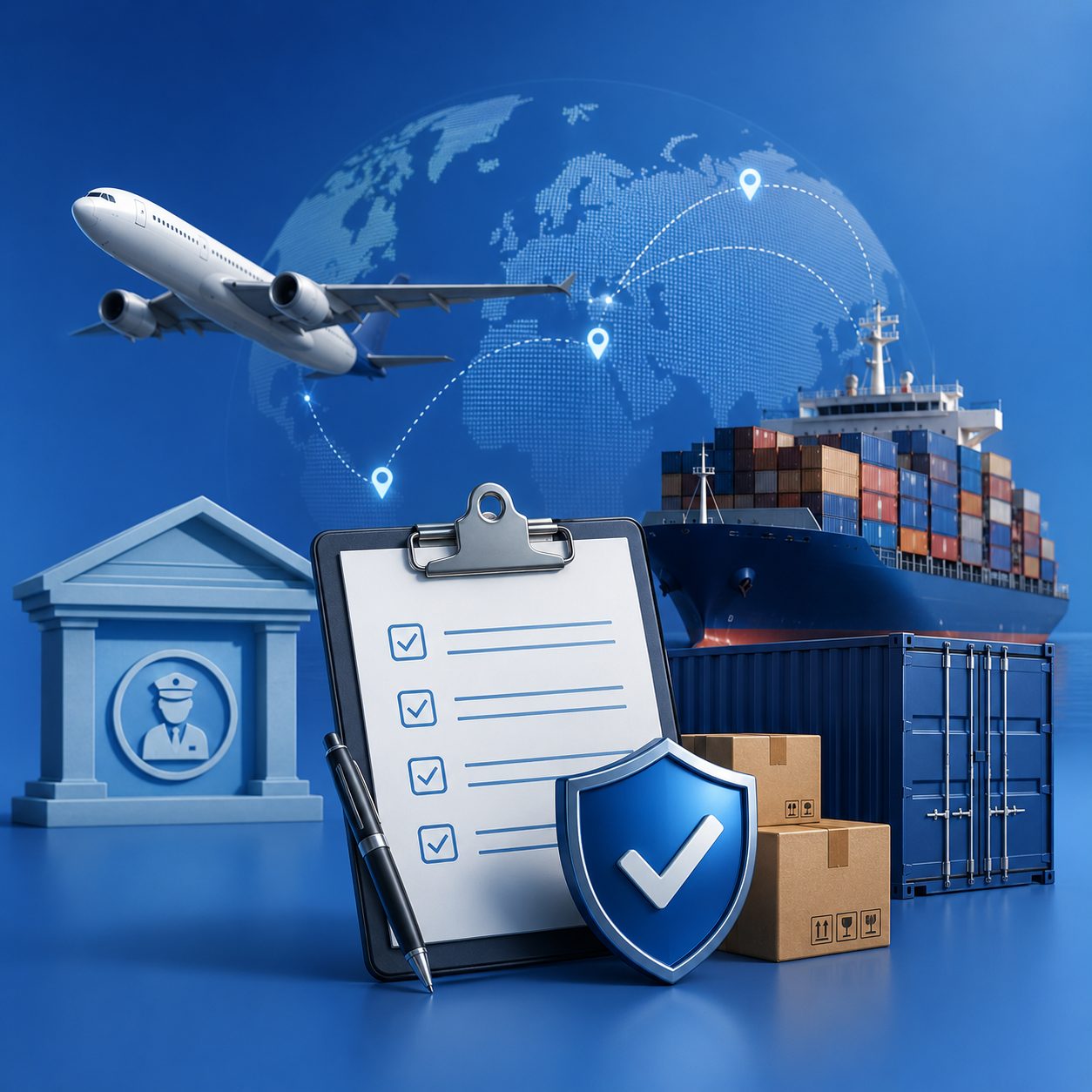
3. Documentation Management
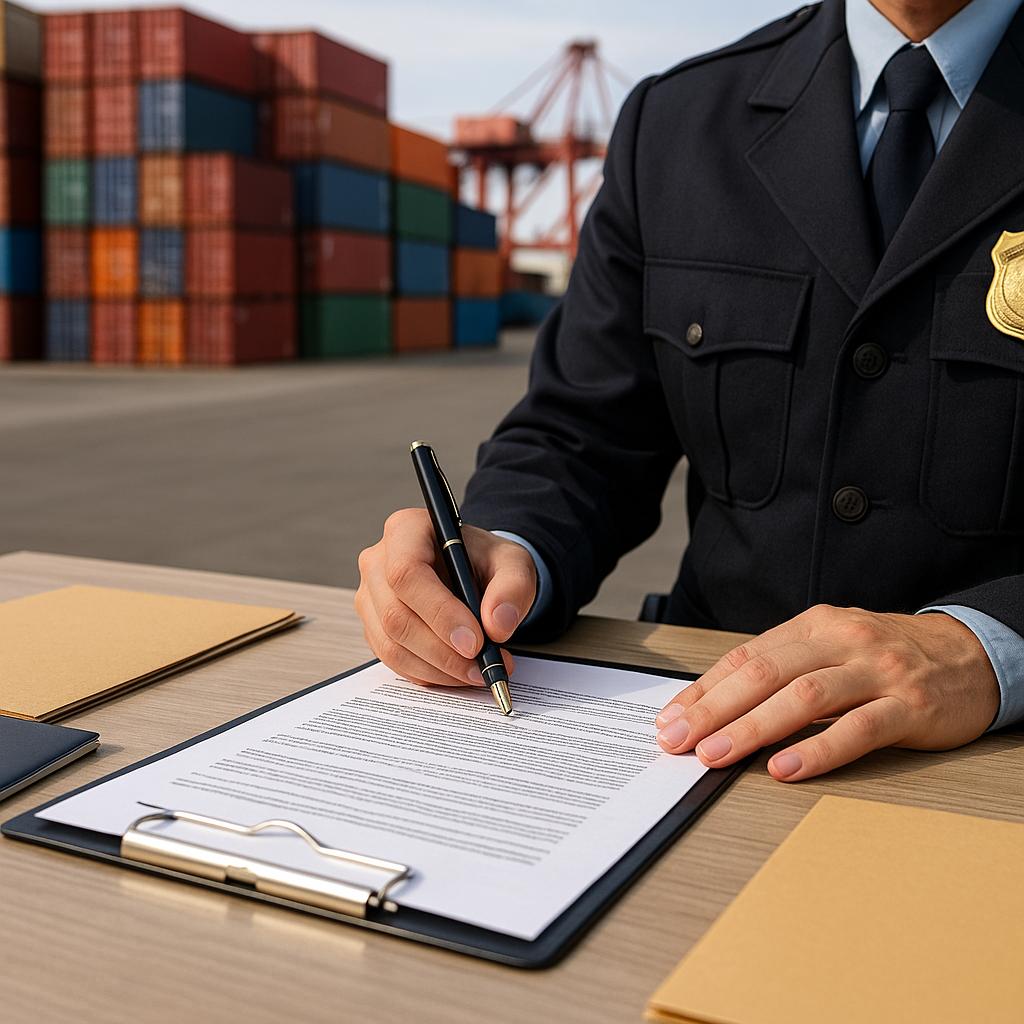
One missing or incorrect document can stop an entire shipment.
Freight management involves handling:
- Invoices
- Packing lists
- Shipping documents
- Customs paperwork
Accuracy here is critical.
Documentation mistakes can cause costly delays and penalties.
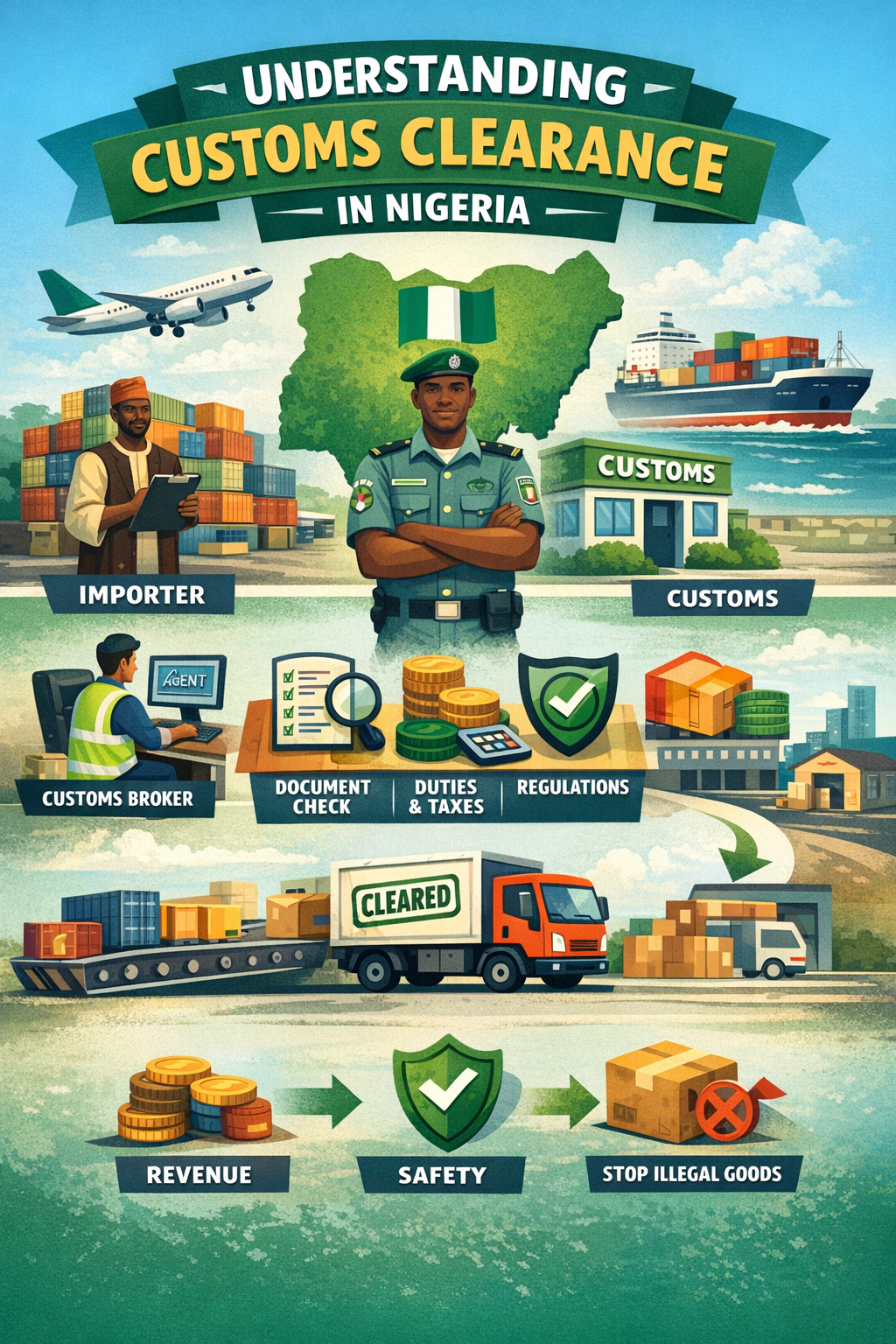
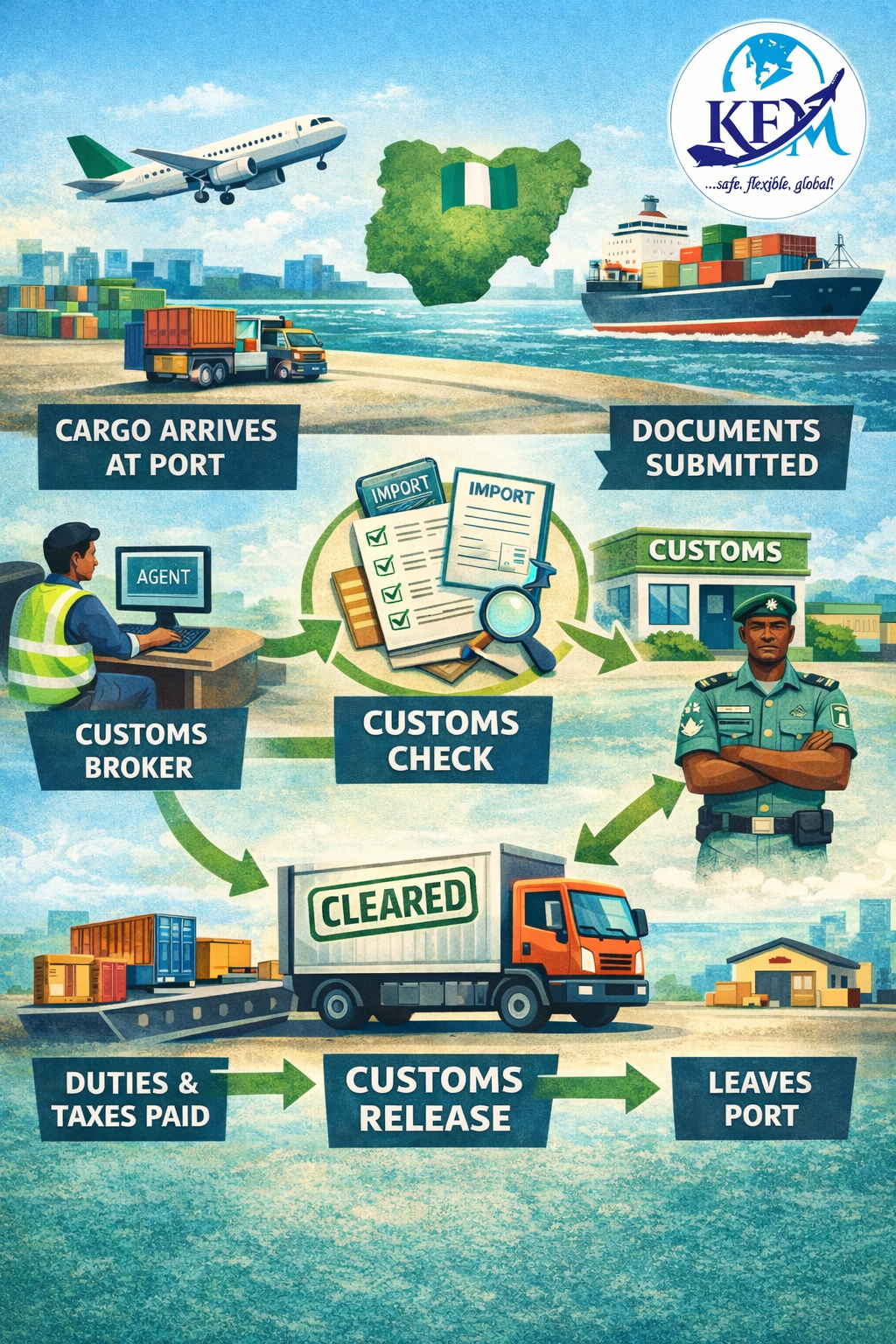
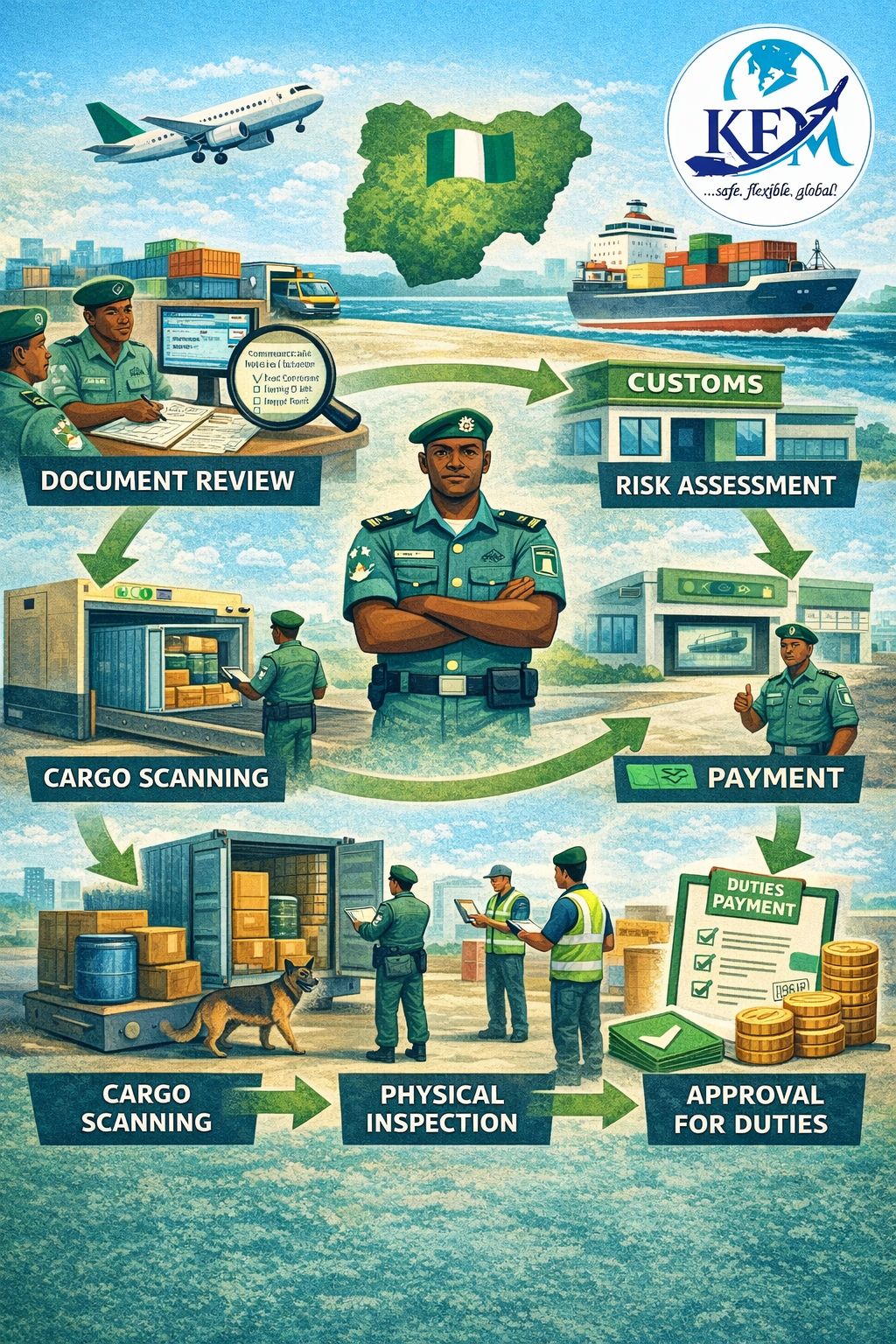
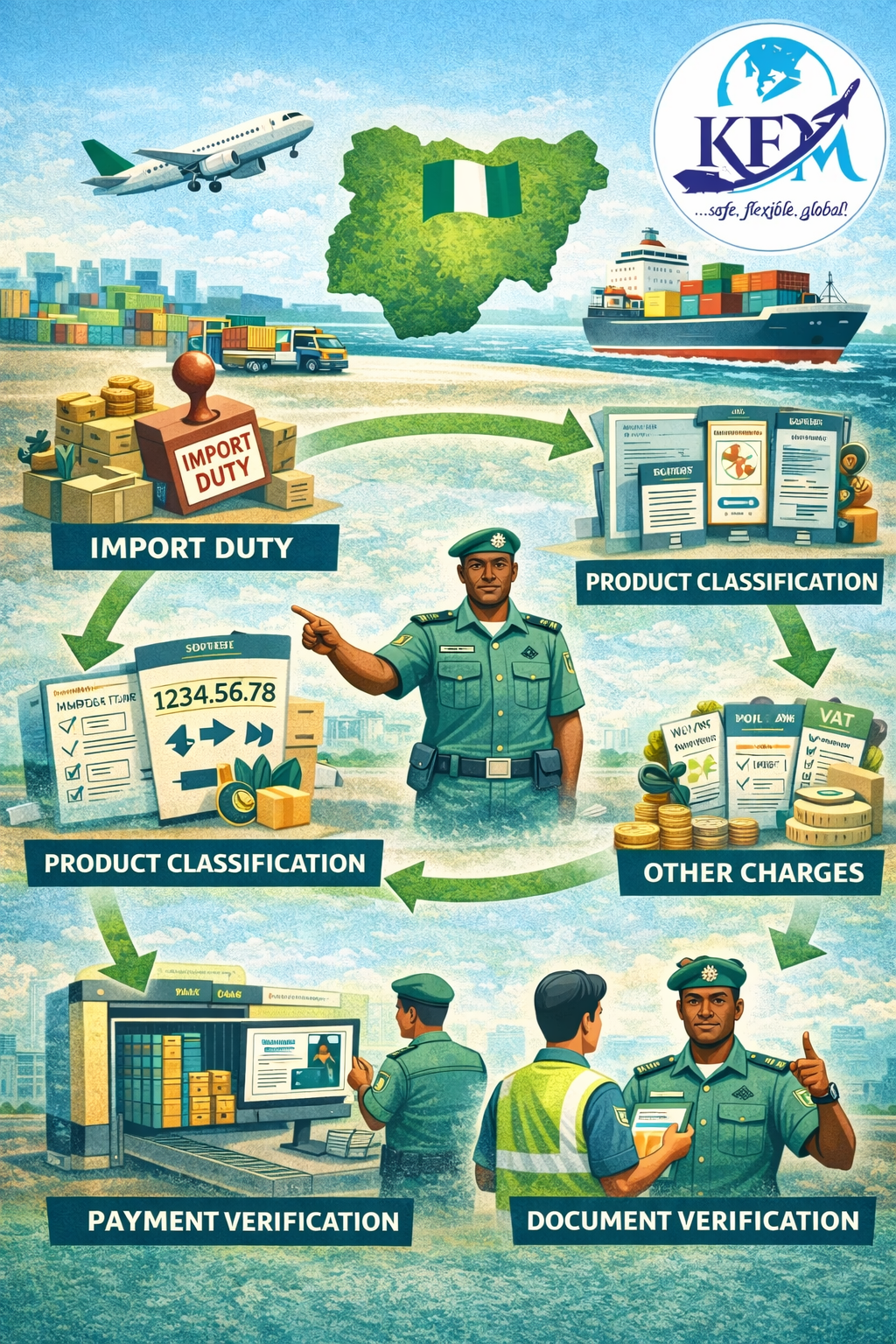
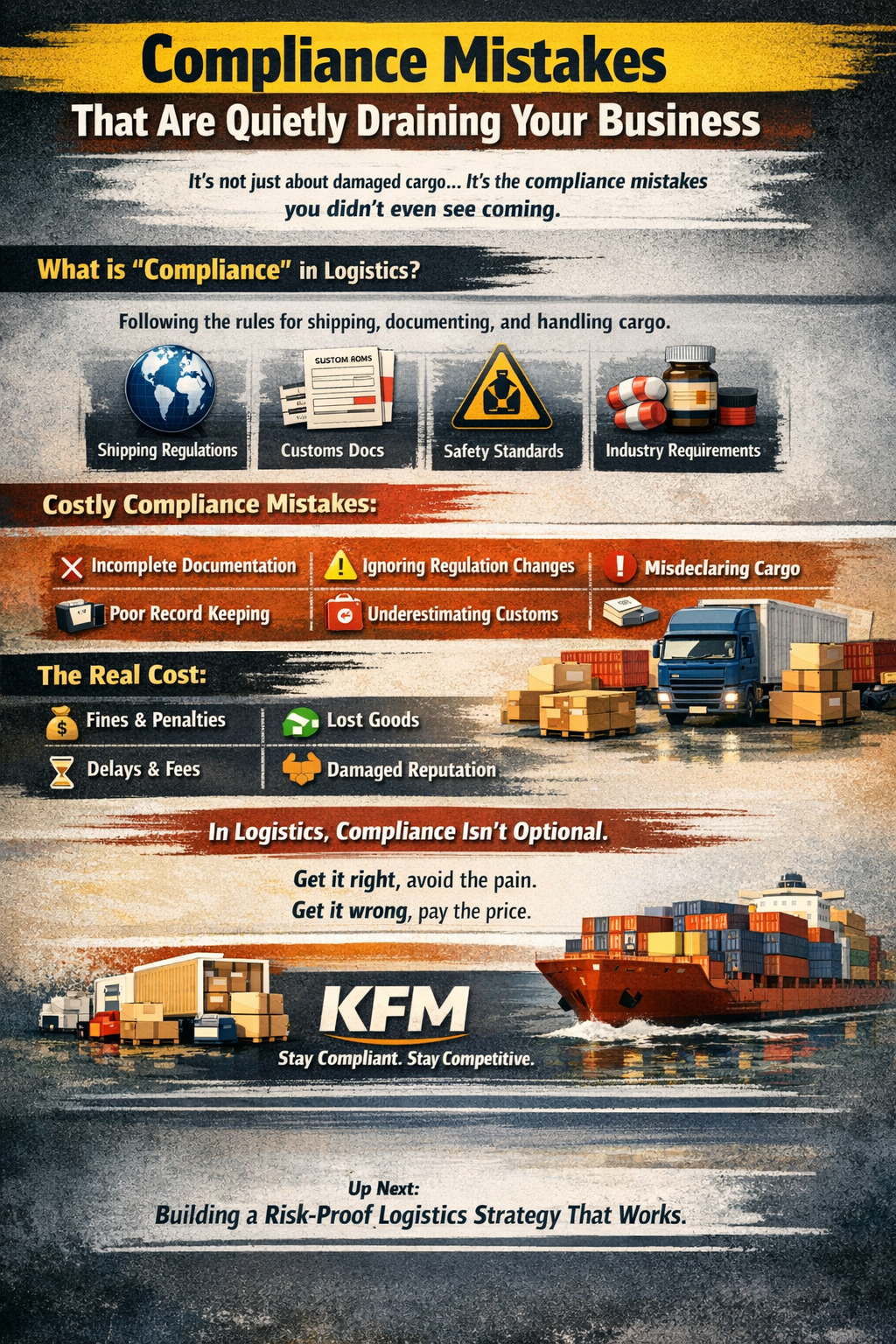
4. Customs & Compliance
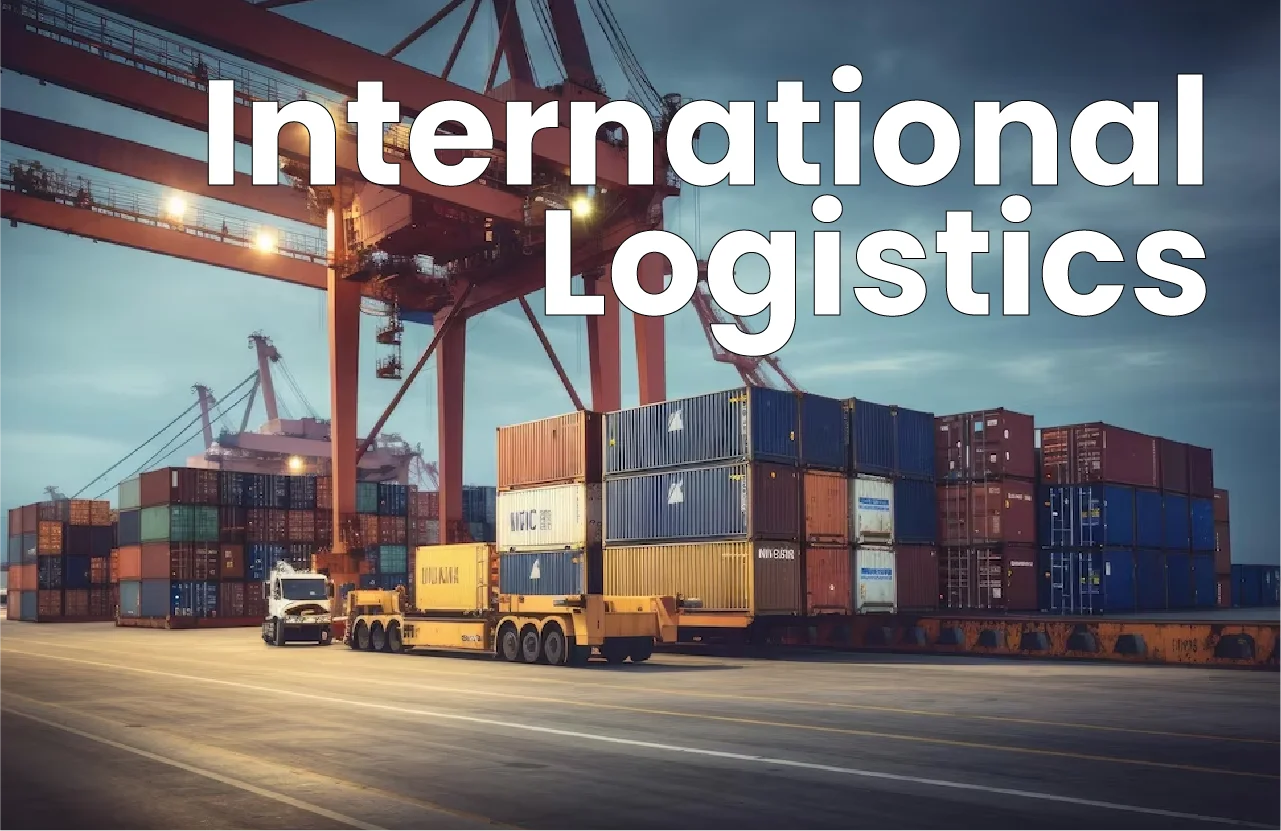
International logistics involves rules, regulations, and compliance requirements.
This includes:
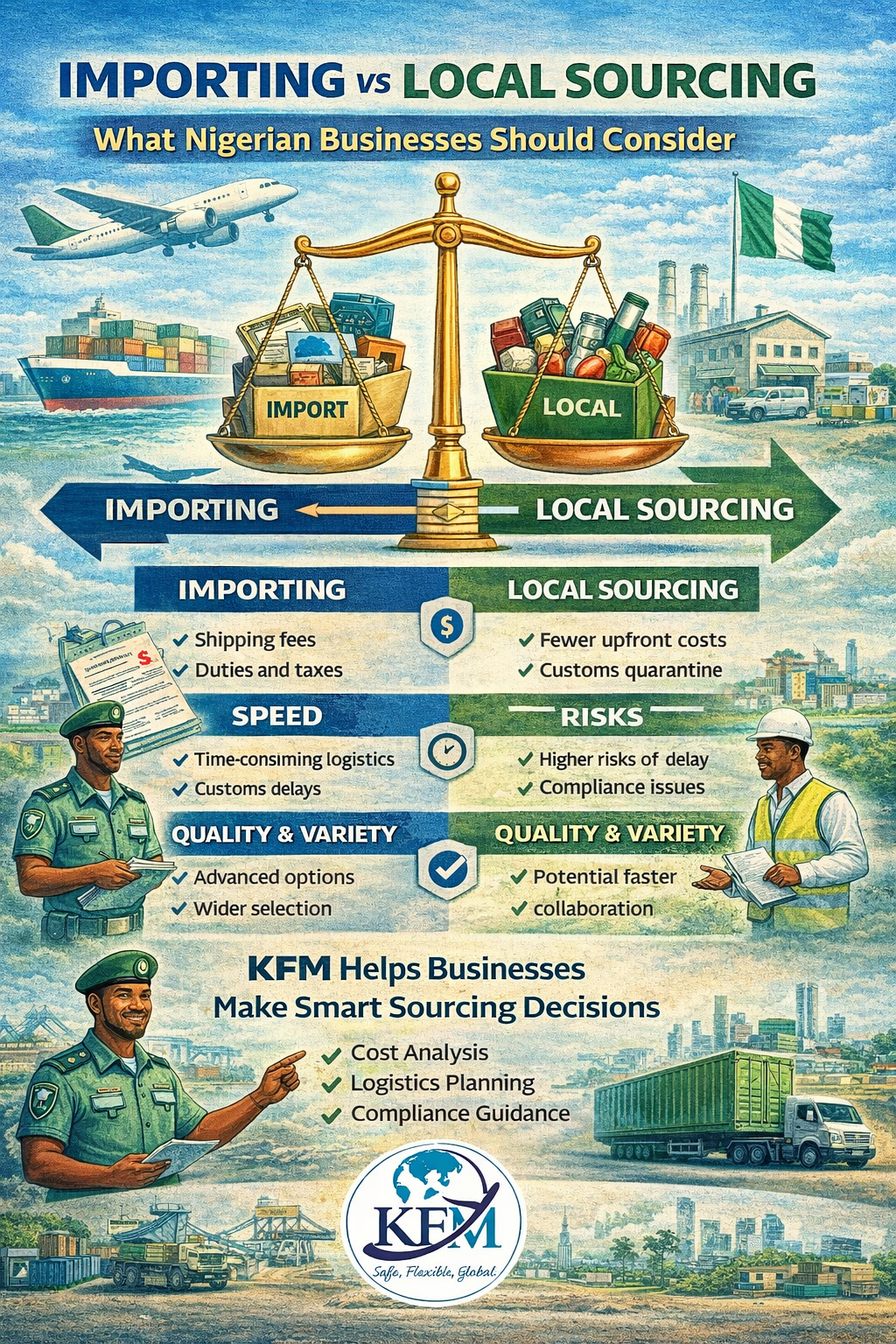
- Import regulations
- Export requirements
- Duties and taxes
- Inspection processes
Strong freight management helps businesses avoid unnecessary customs complications.
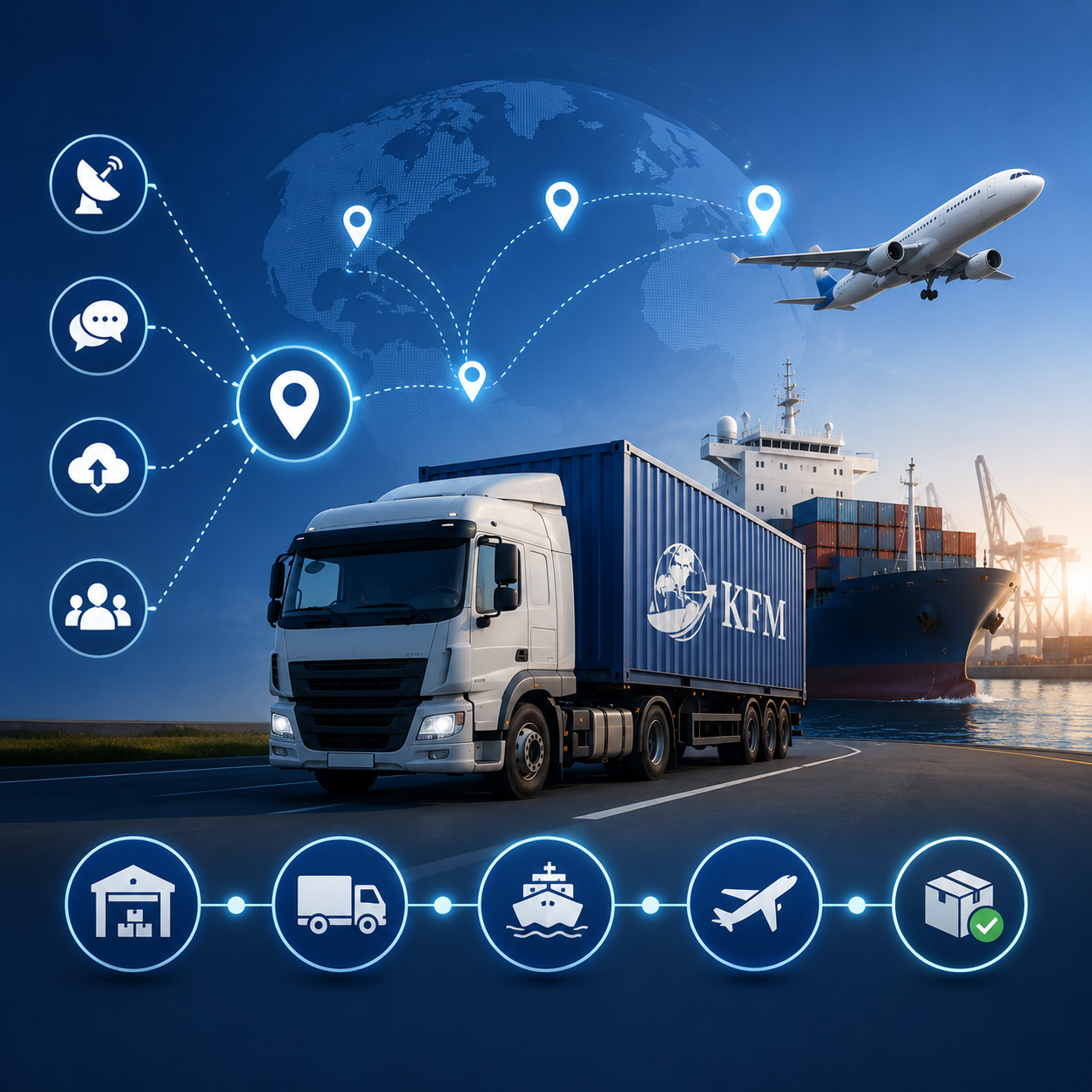
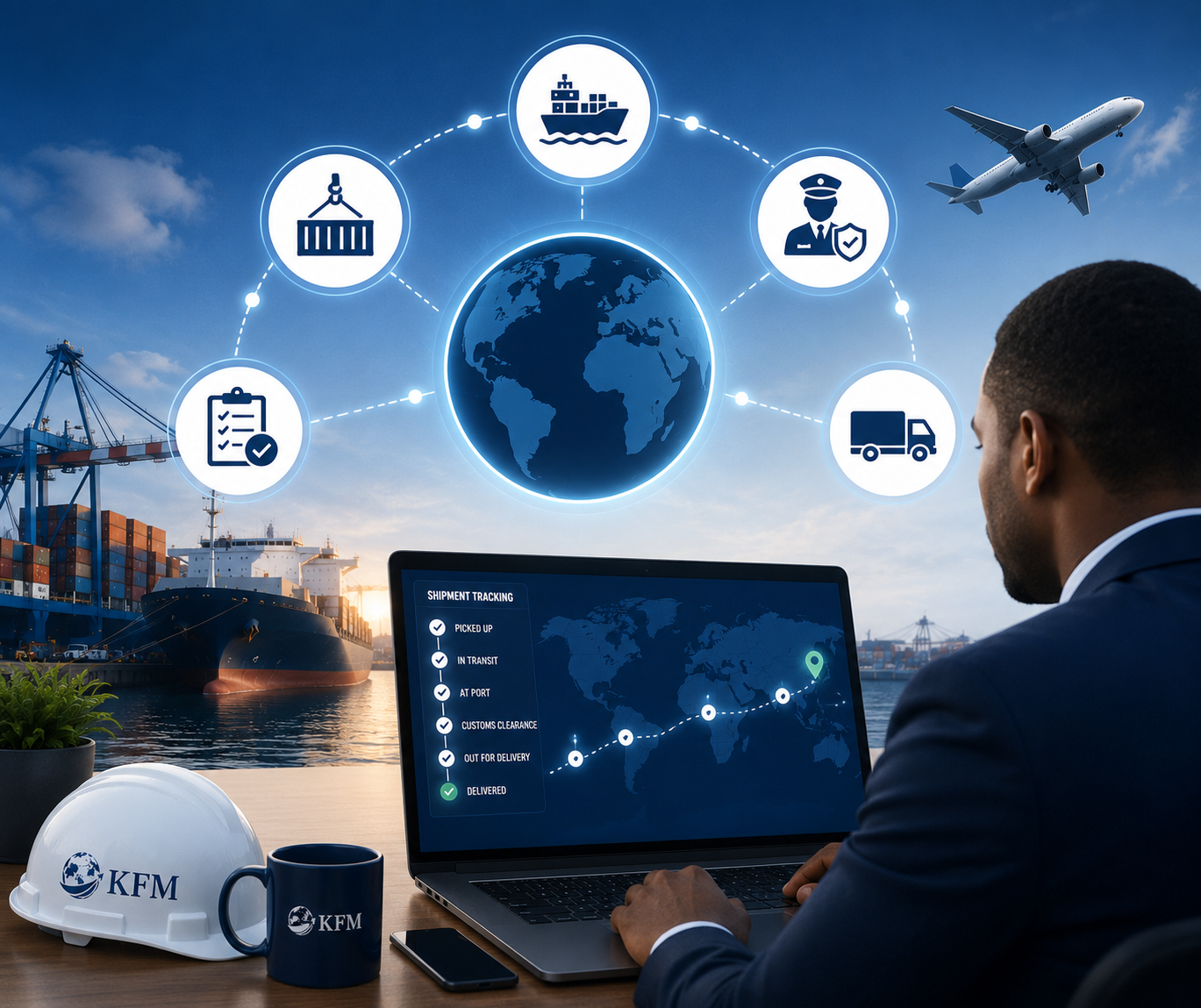
5. Cargo Tracking & Visibility
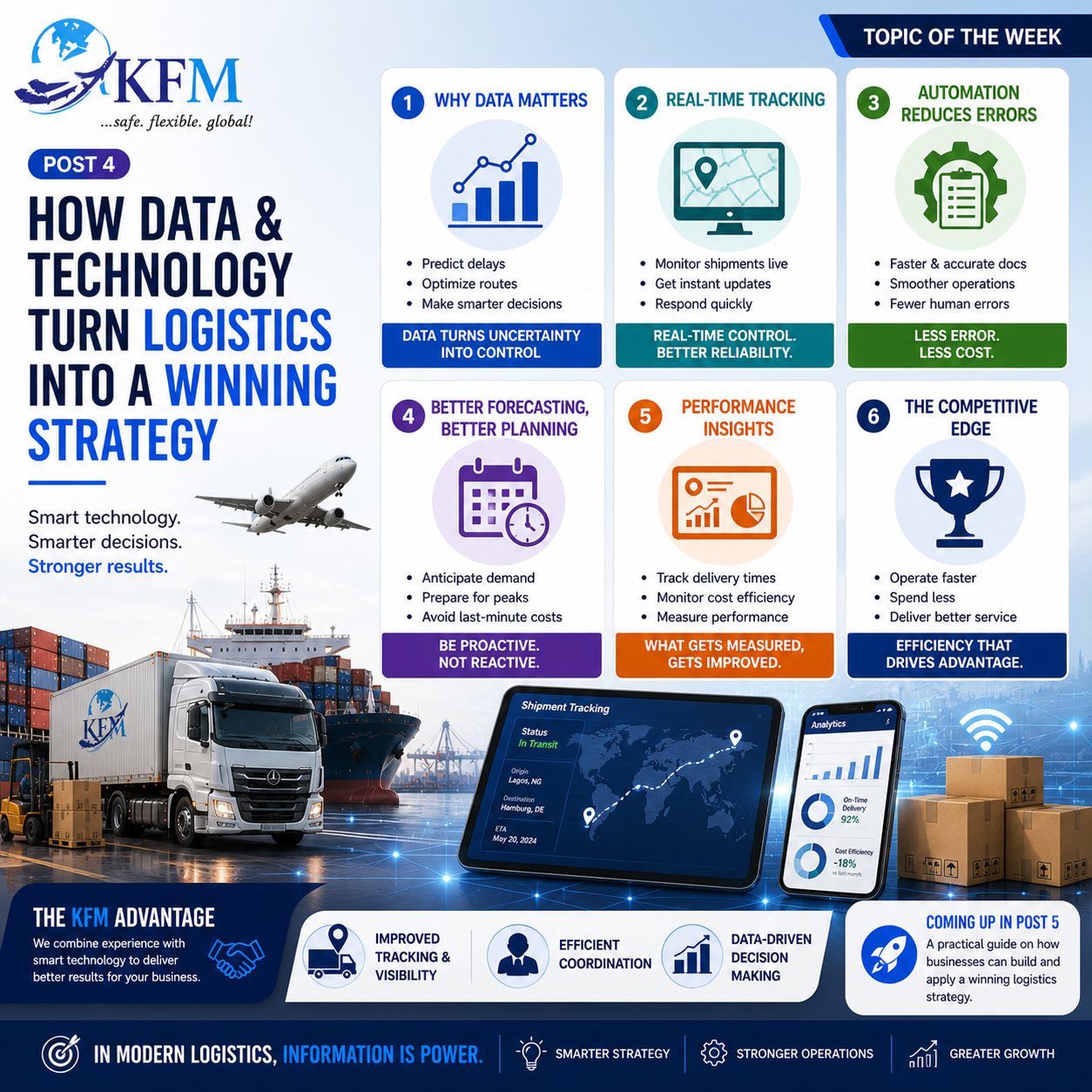
Businesses today want visibility.
They want to know:
- Where shipments are
- When they will arrive
- If delays occur
Tracking systems provide confidence and better operational control.
Visibility reduces uncertainty.
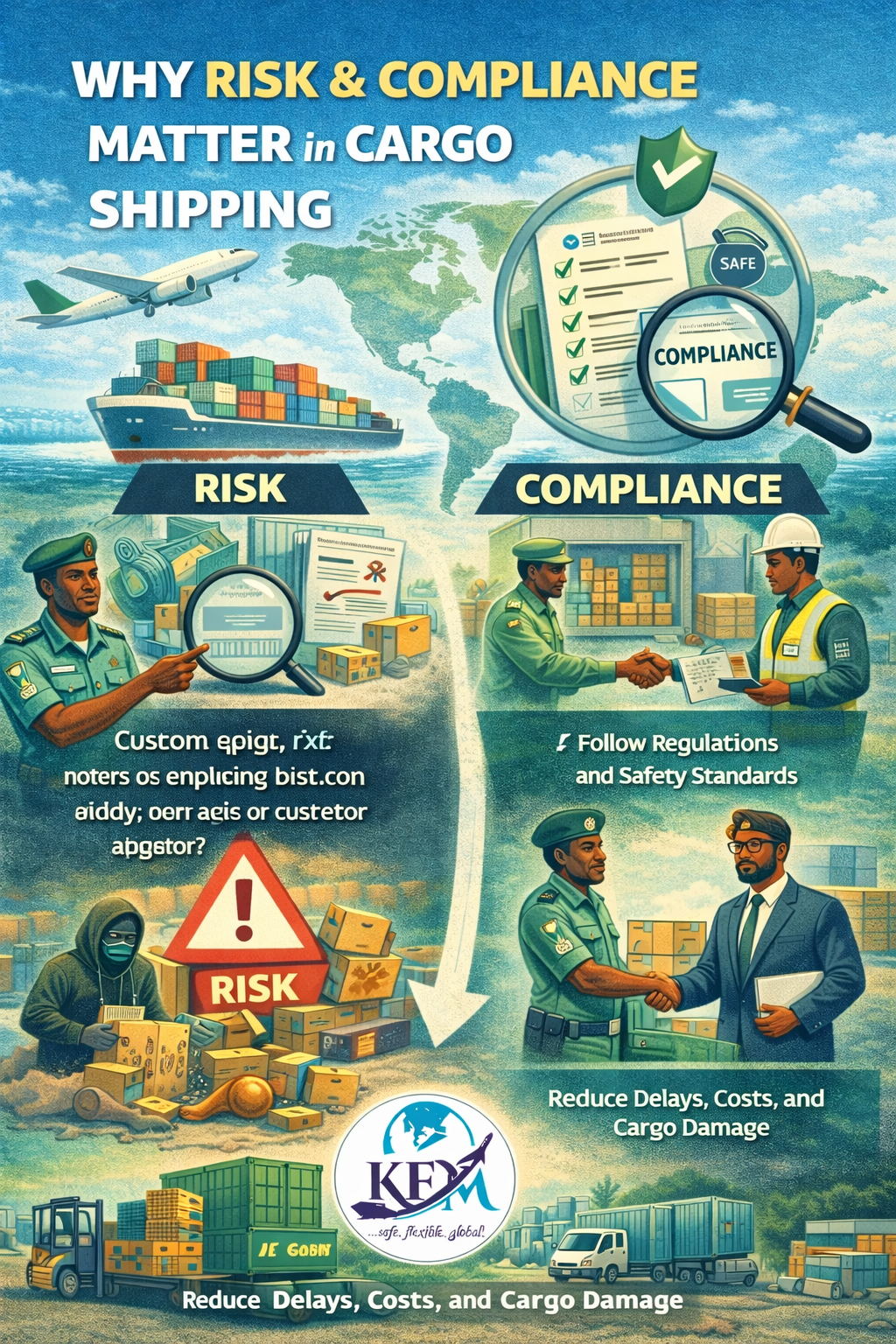
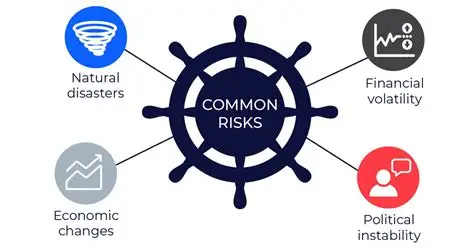
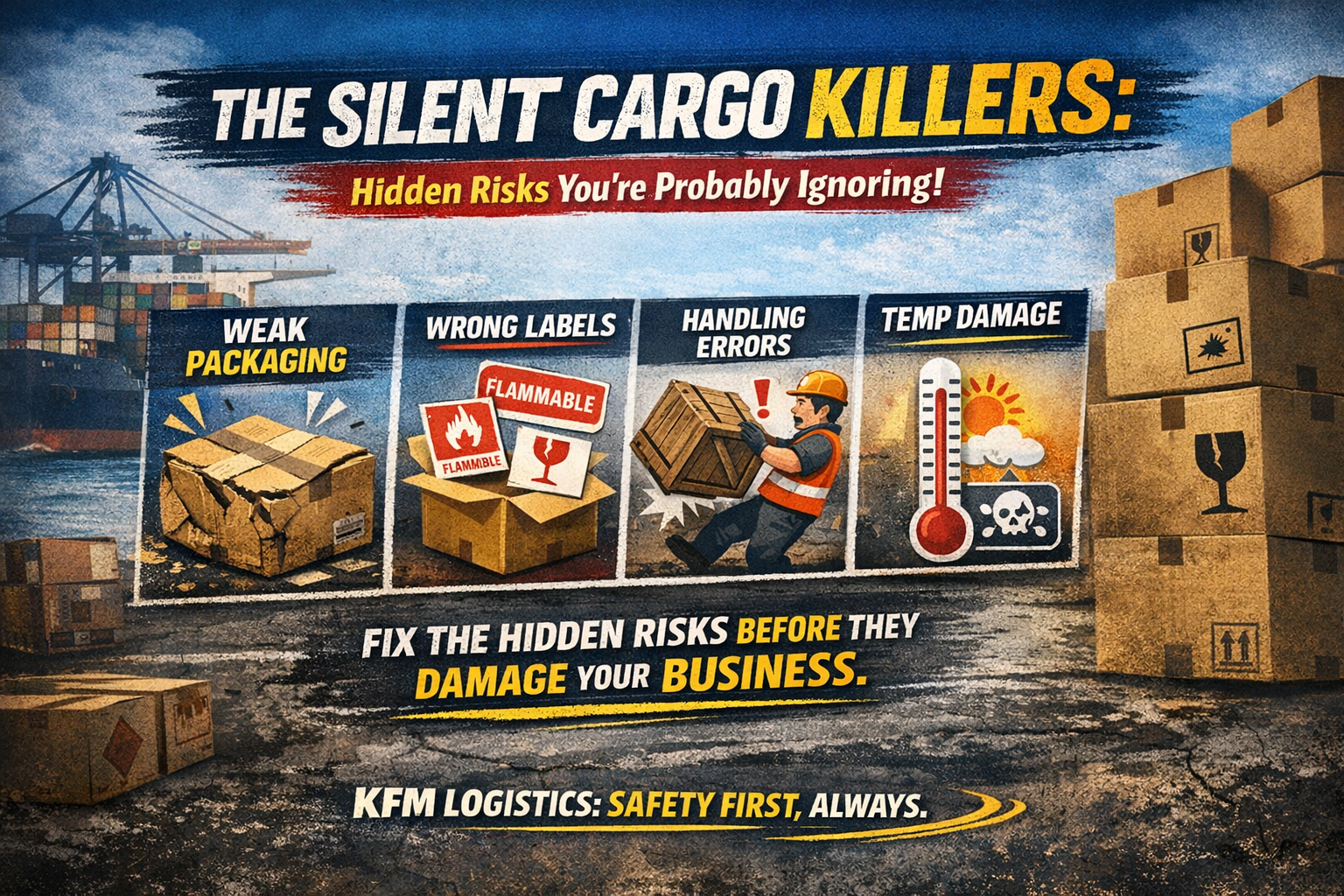
6. Risk Management
Logistics always carries risks:
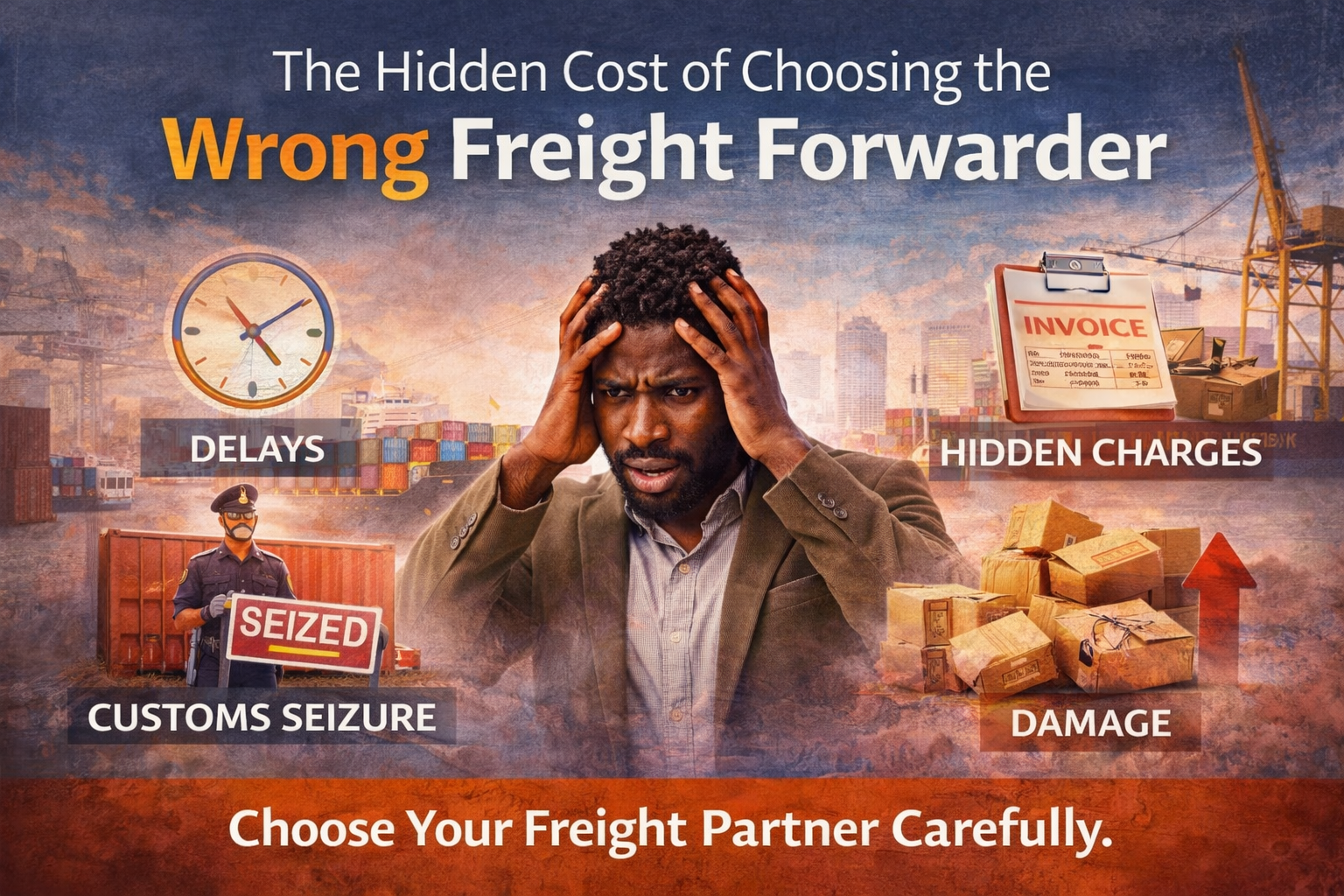
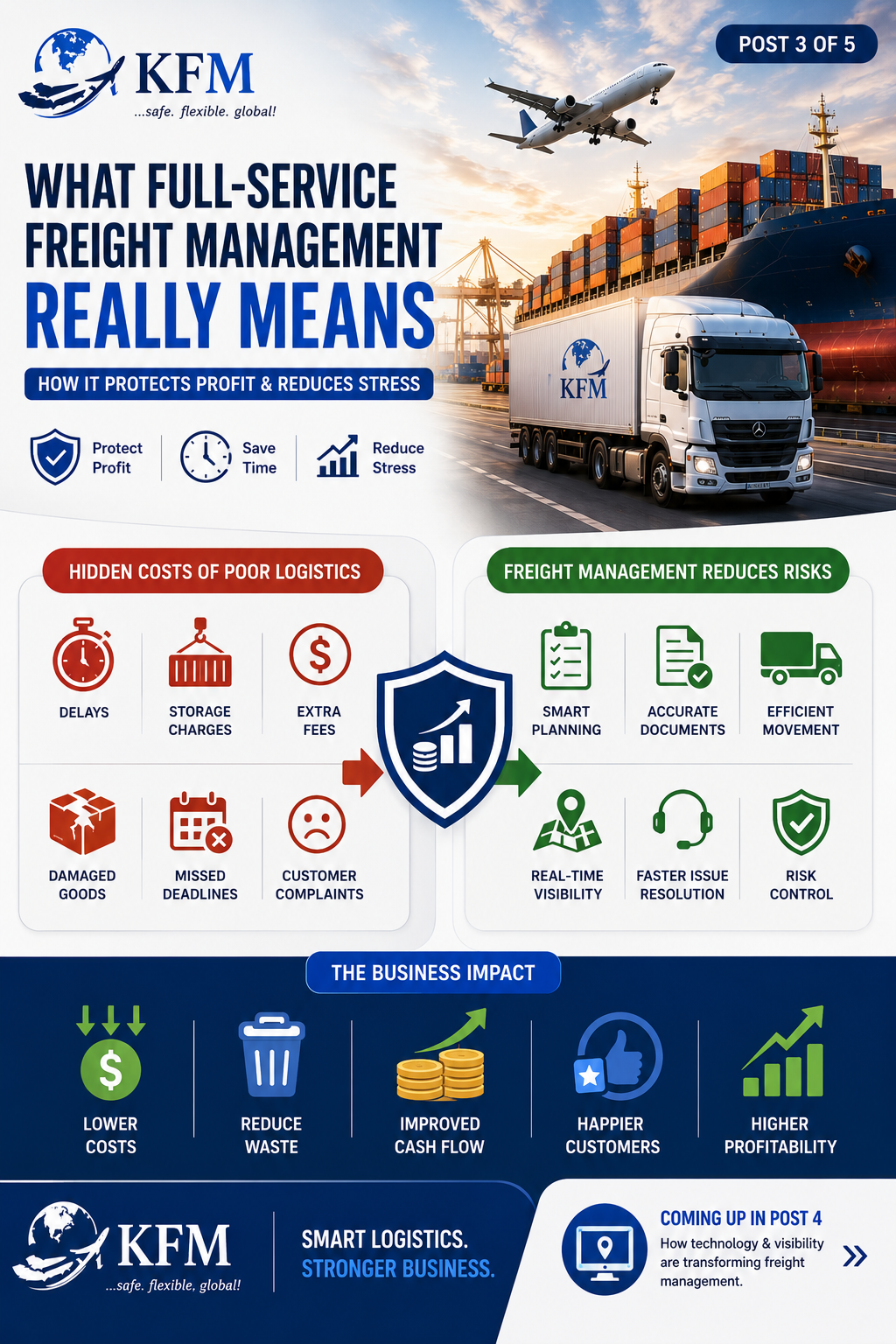
- Delays
- Damage
- Cargo loss
- Unexpected disruptions
Full-service freight management focuses on minimizing these risks through preparation and coordination.
Prevention is cheaper than recovery.
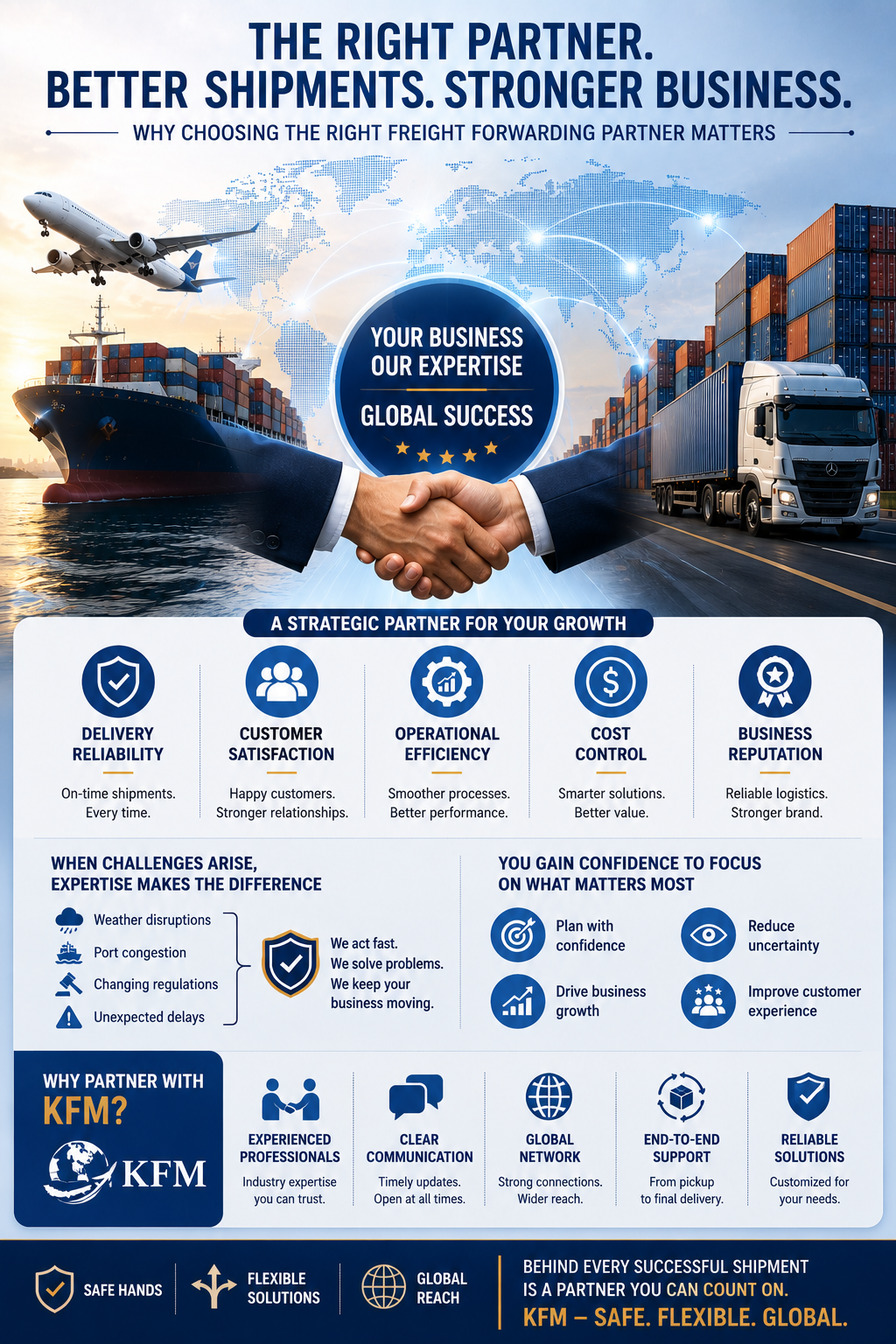
Why It All Matters
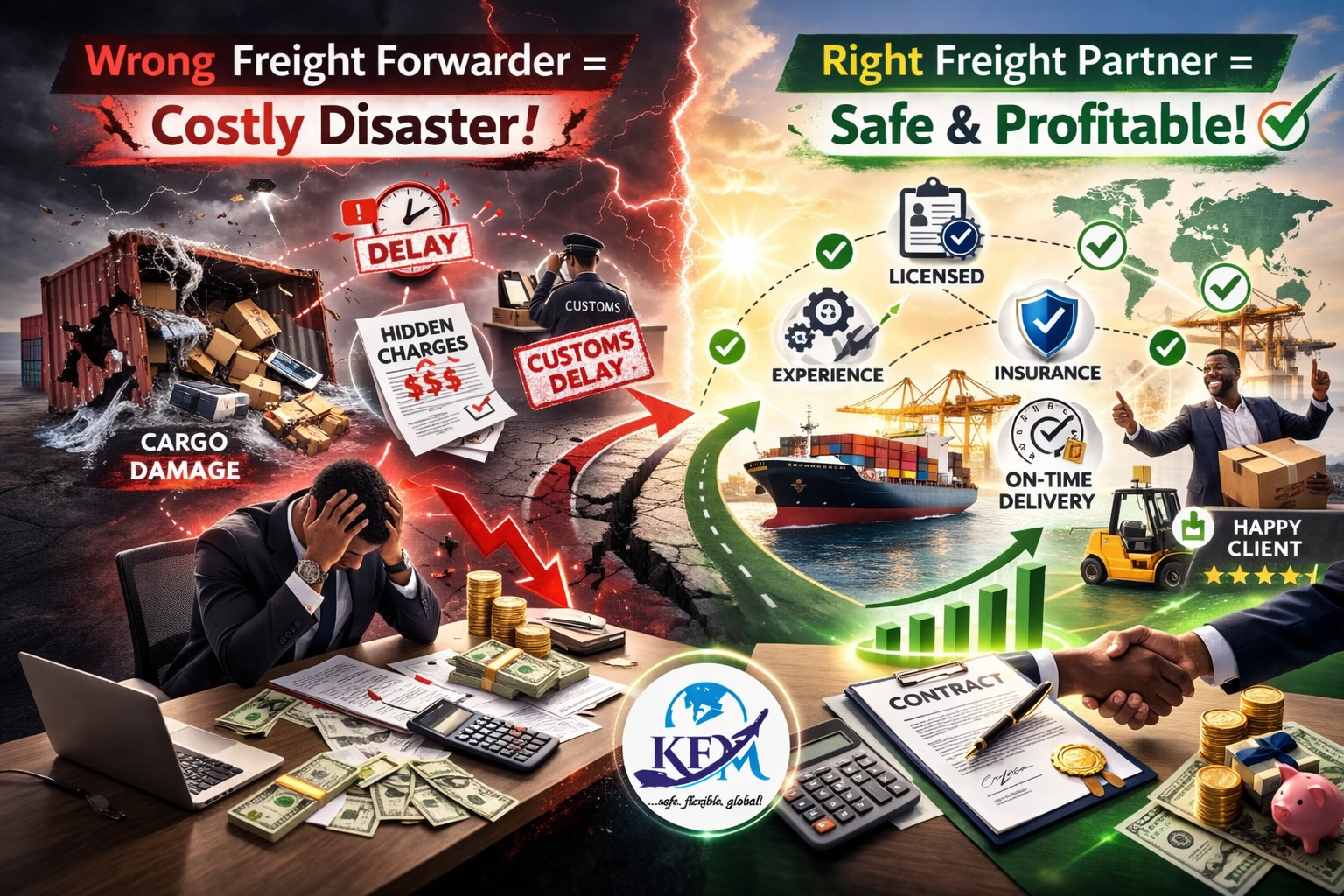
When these systems work together properly, businesses benefit from:
- Faster operations
- Reduced costs
- Fewer delays
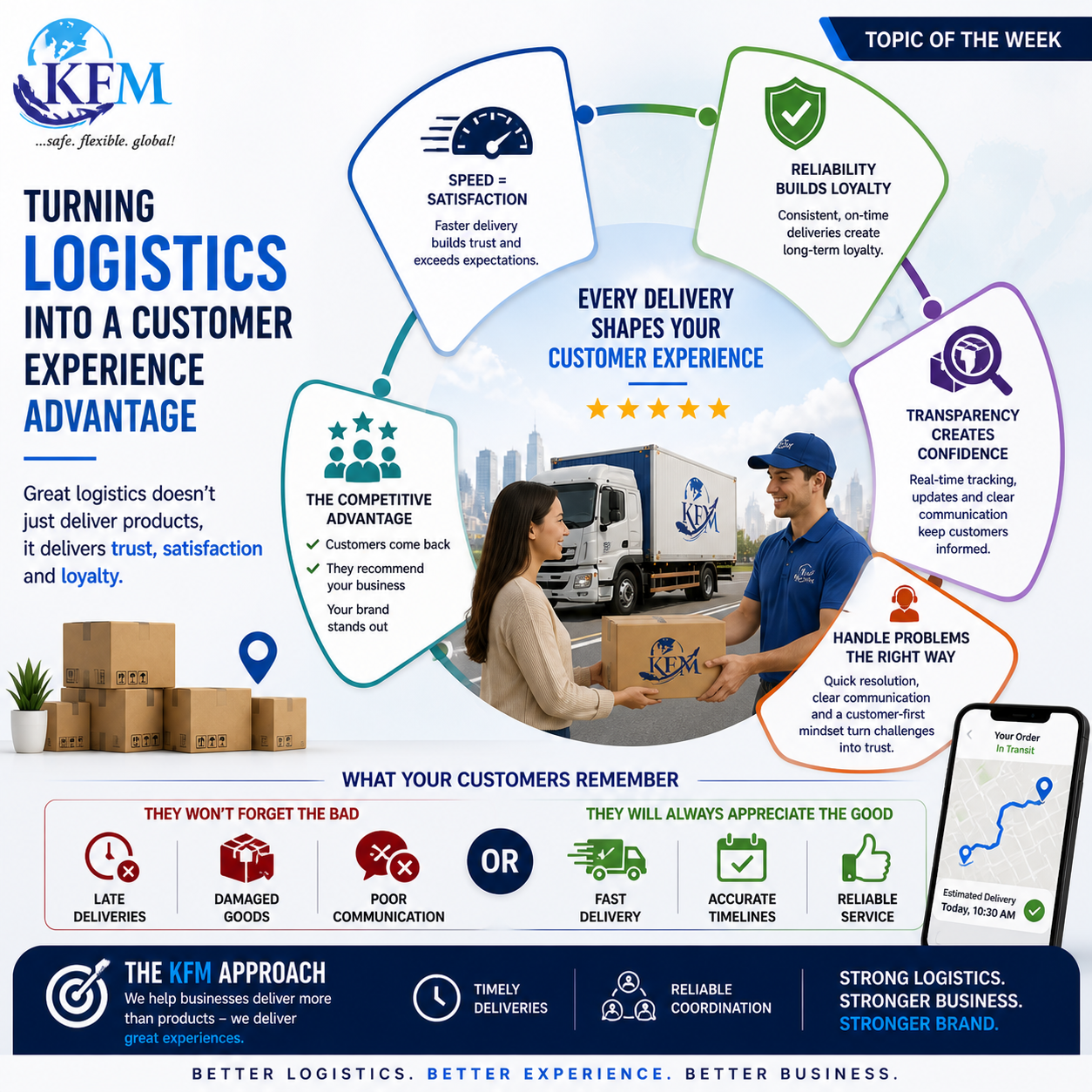
- Better customer satisfaction
- Less operational stress
That’s the real value of full-service freight management.
It’s not just transportation — it’s coordinated business efficiency.
The KFM Advantage
At KFM, we help businesses simplify logistics by managing the complex parts professionally and efficiently.
Because businesses should focus on growth — not logistics confusion.