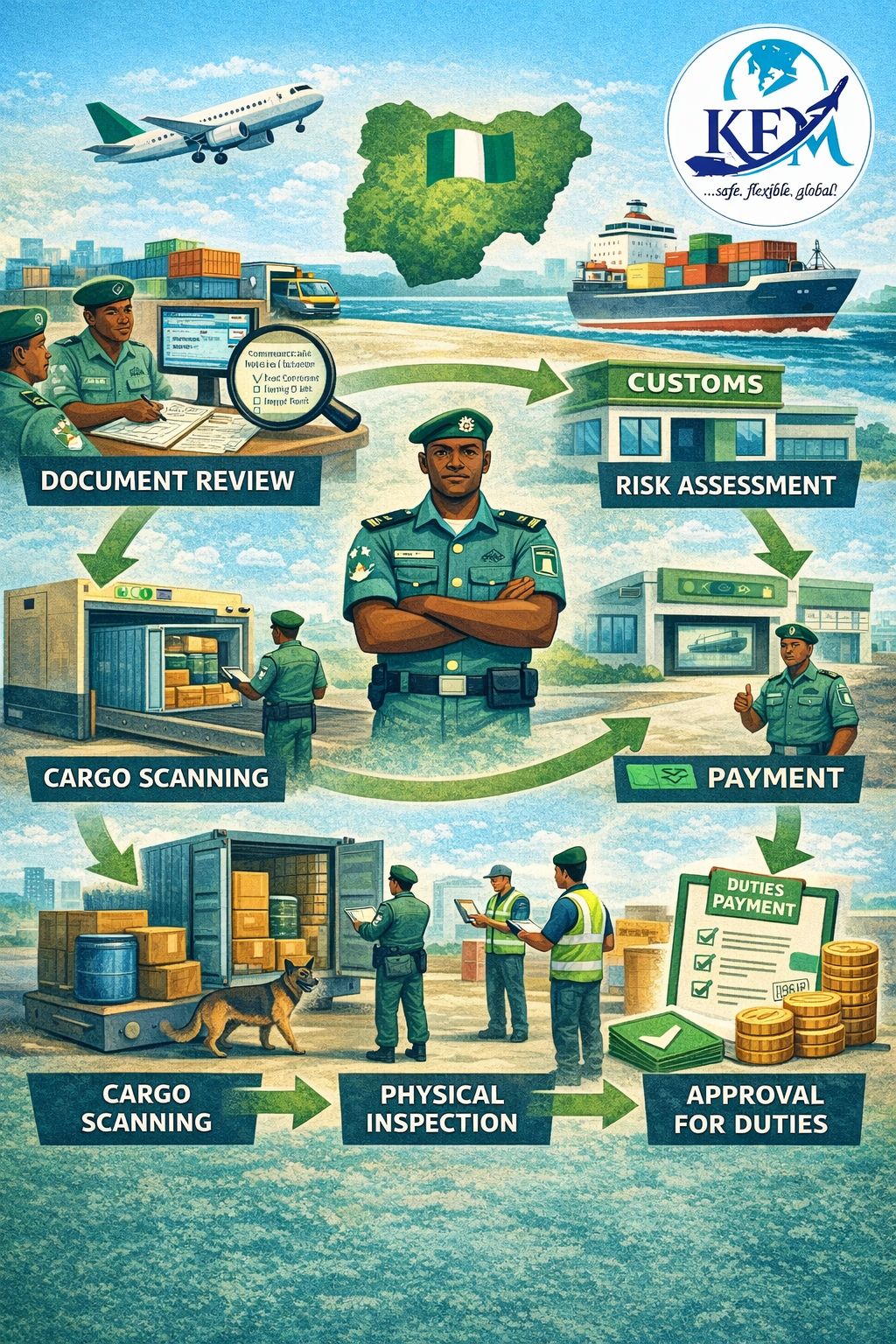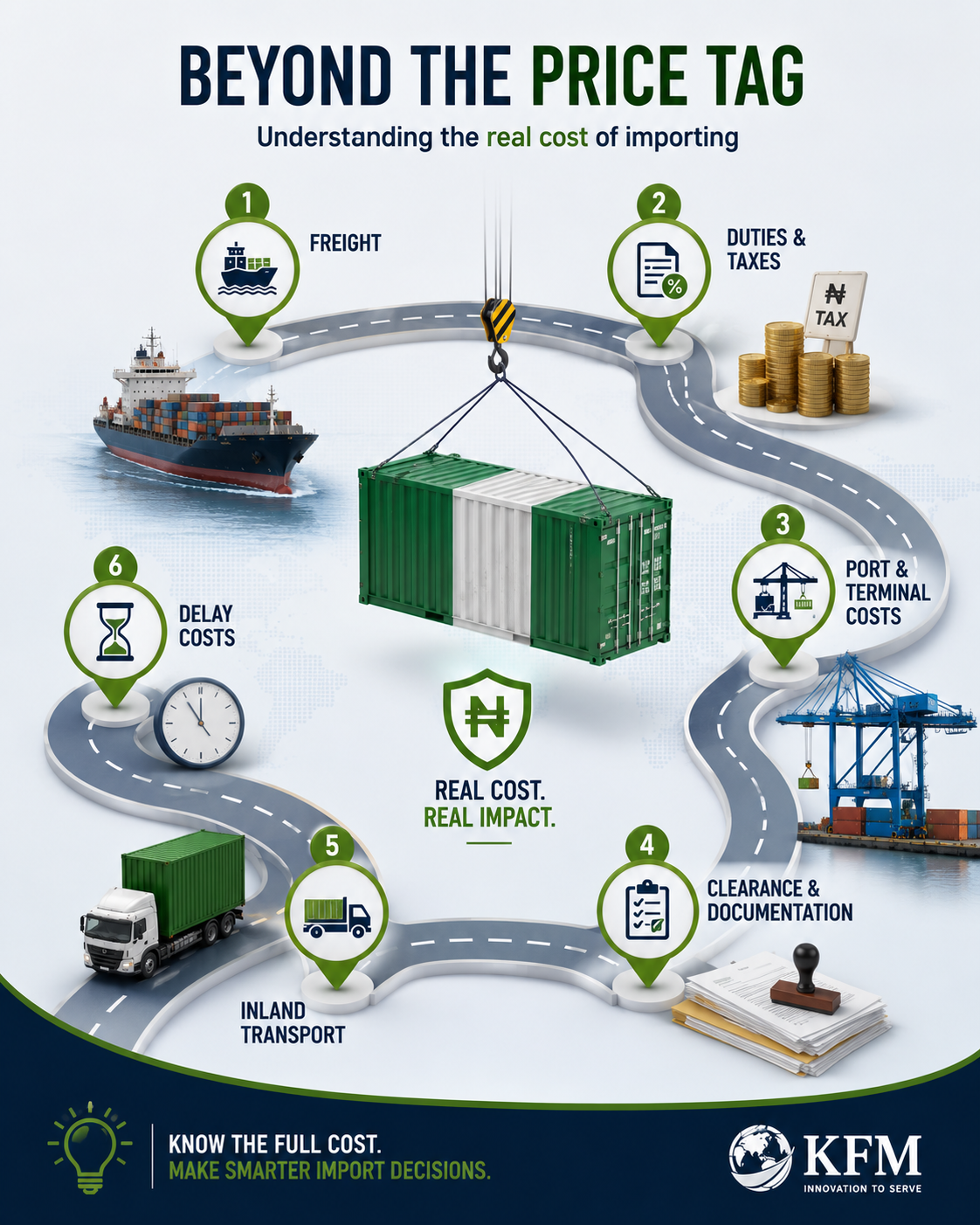
One of the most important stages in customs clearance is the payment of import duties and taxes. These charges are paid to the government before goods can be released from the port.
For many new importers, this step can be confusing. But once you understand how it works, it becomes much easier to plan your shipping costs.
1. What Are Import Duties?
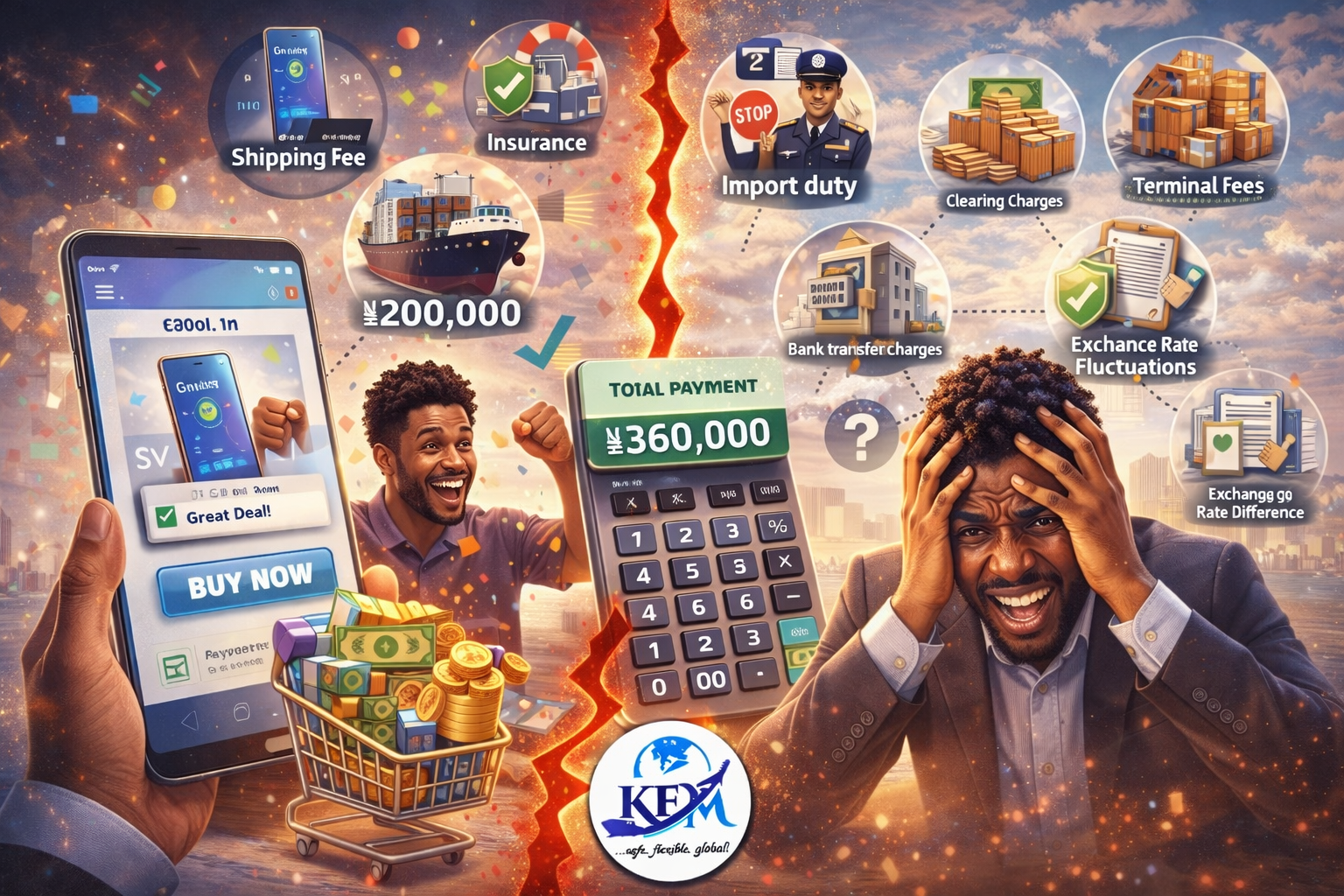
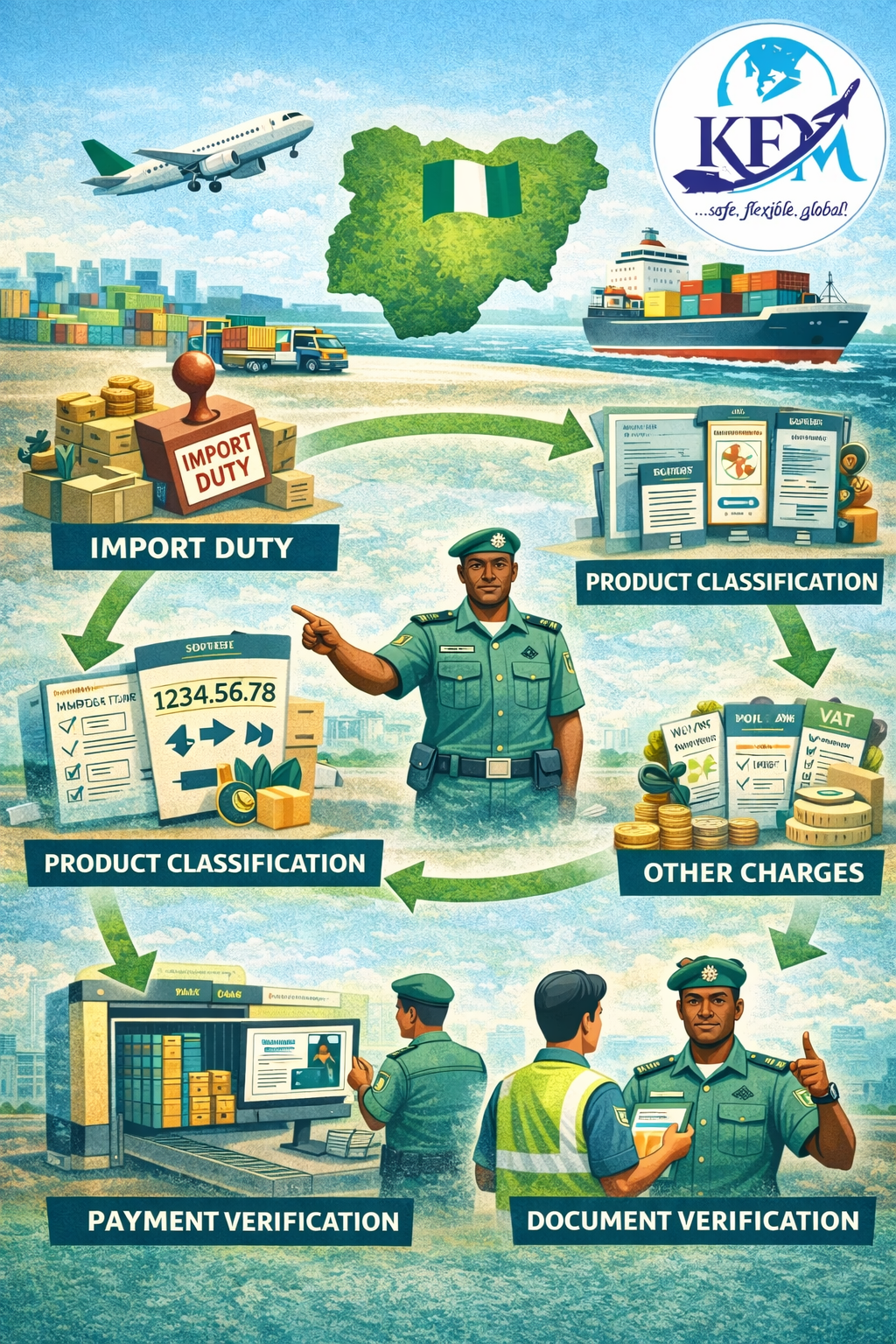
Import duty is a tax placed on goods that enter a country from abroad. In Nigeria, the amount paid usually depends on:
- The type of goods being imported
- The value of the goods
- The classification of the product
- Government trade policies
Different products attract different duty rates. For example, electronics, clothing, machinery, and food items may all have different import charges.
2. The Role of Product Classification
Every imported product is assigned a classification code used by customs authorities. This code helps determine the correct duty rate that should be applied to the shipment.
If goods are wrongly classified, it can lead to delays or additional payments during the clearance process.
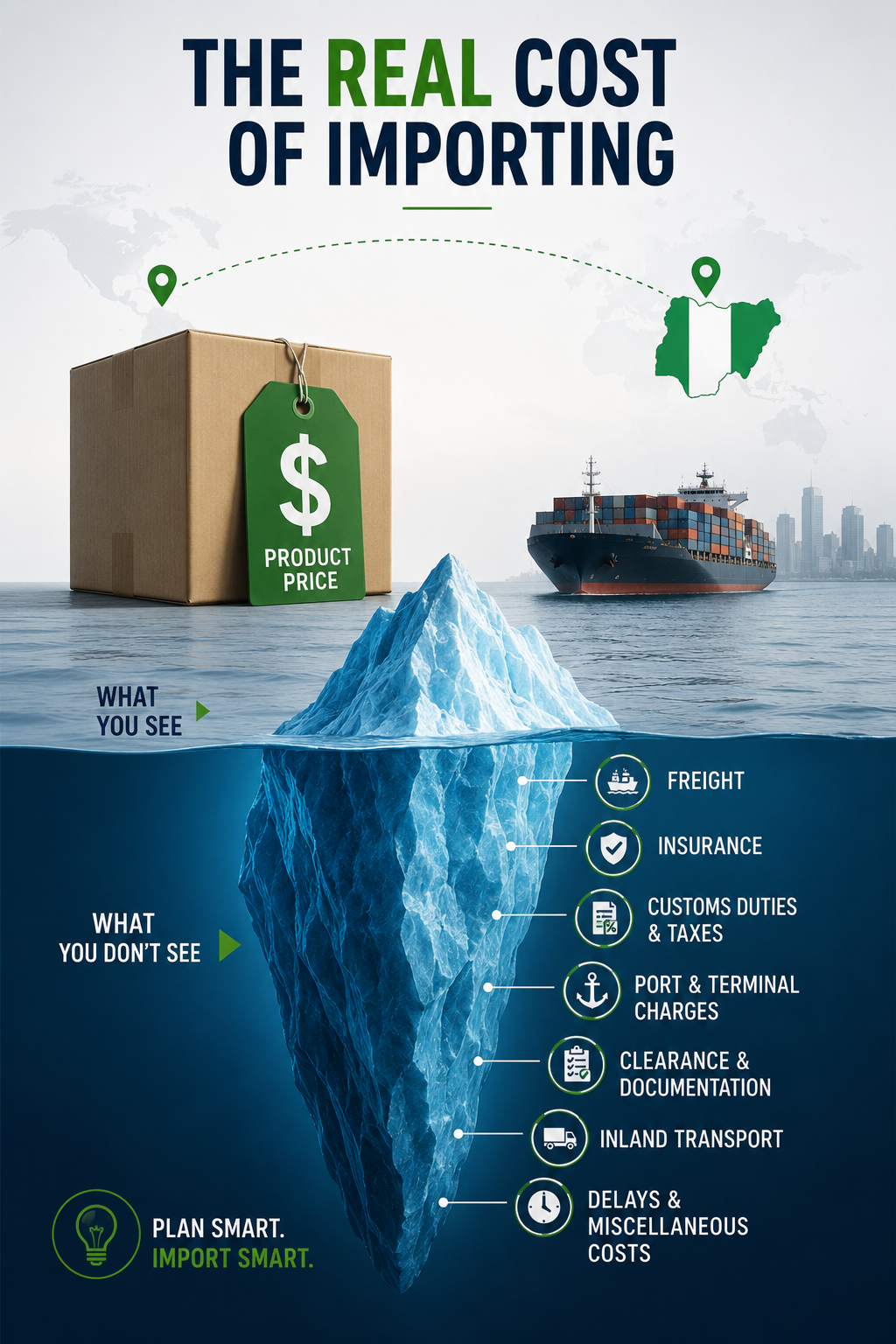
3. Other Charges Importers May Pay
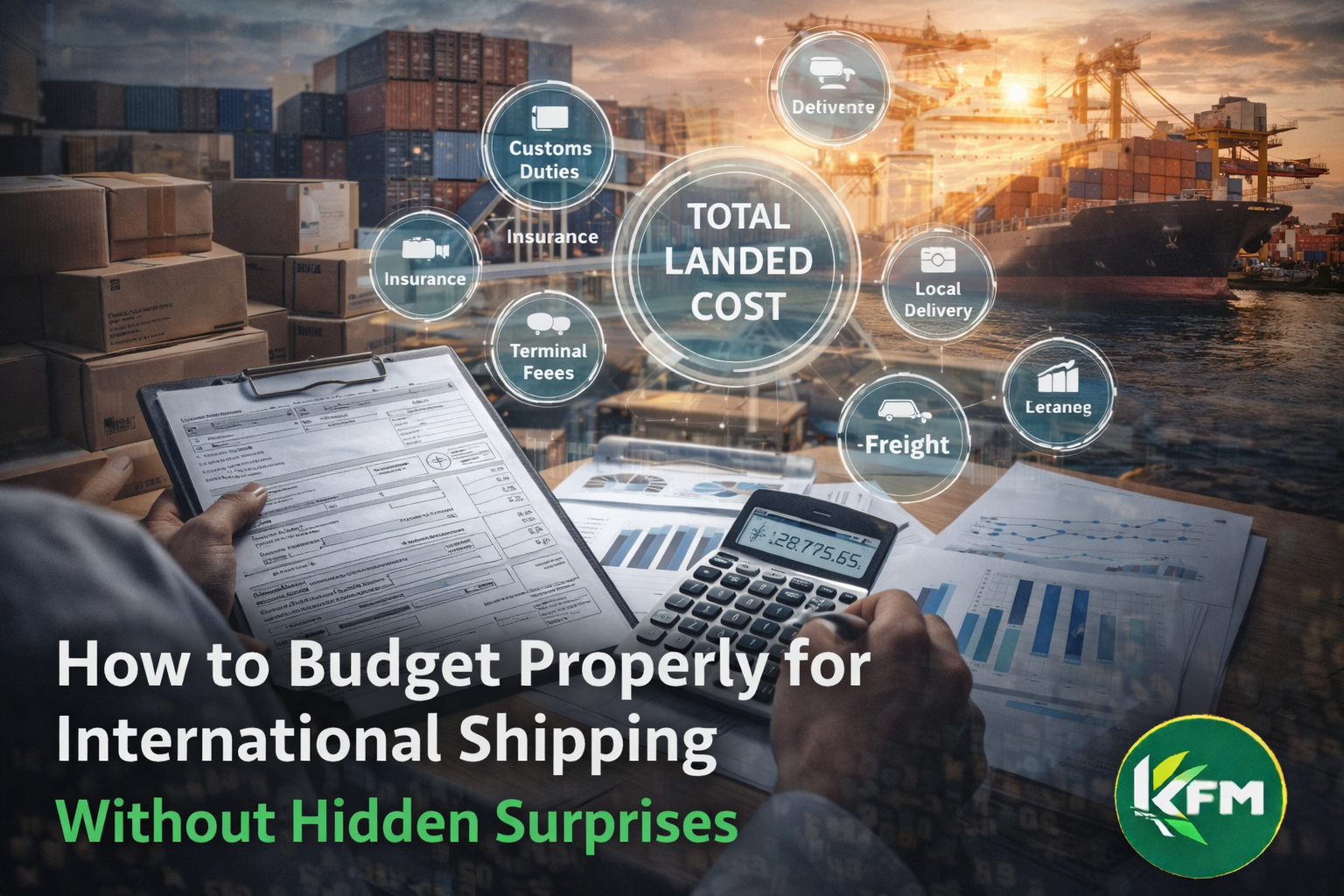
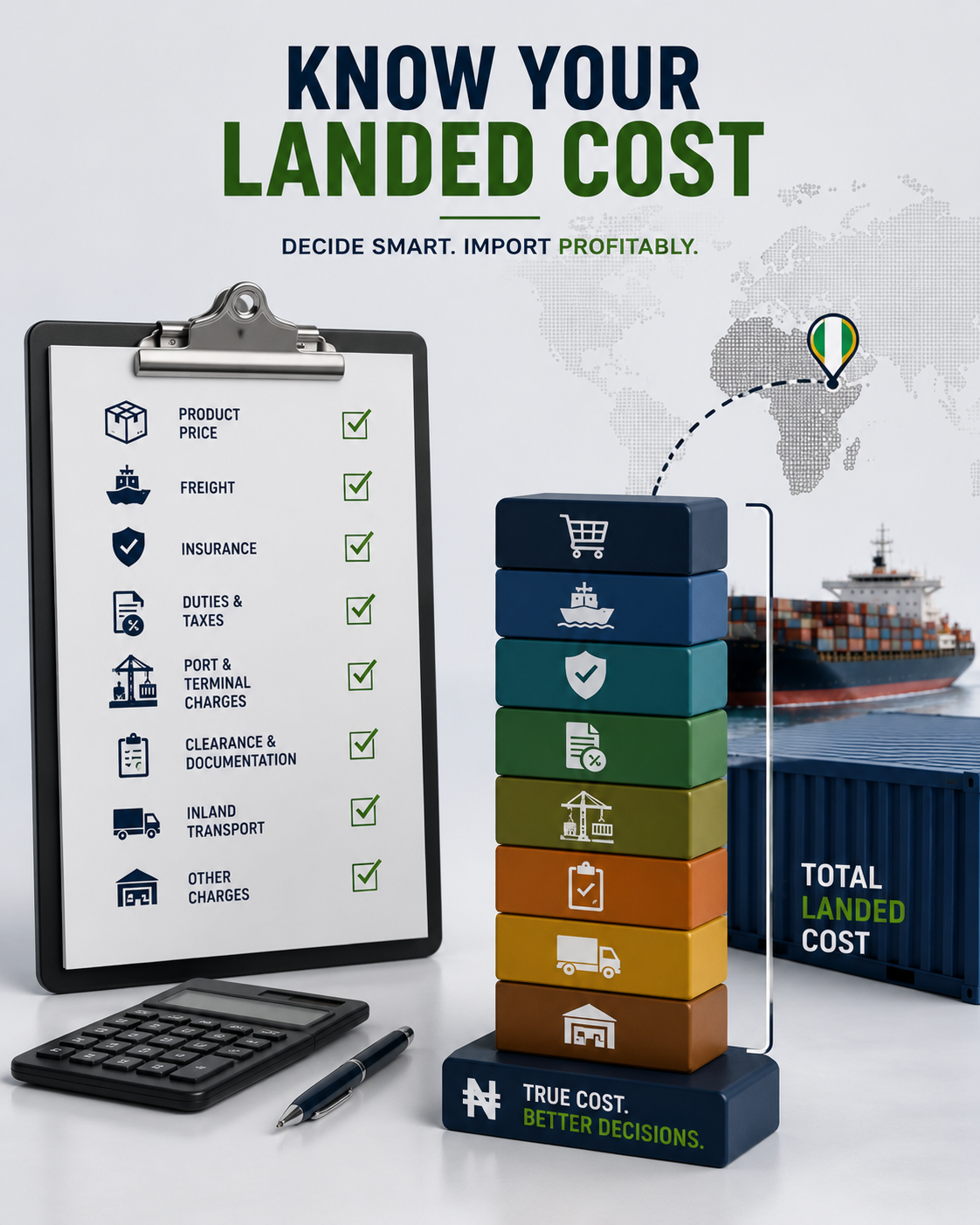
Apart from import duty, other charges may also apply during customs clearance in Nigeria. These may include:
- Value Added Tax (VAT)
- Port handling charges
- Processing or administrative fees
- Shipping and terminal charges
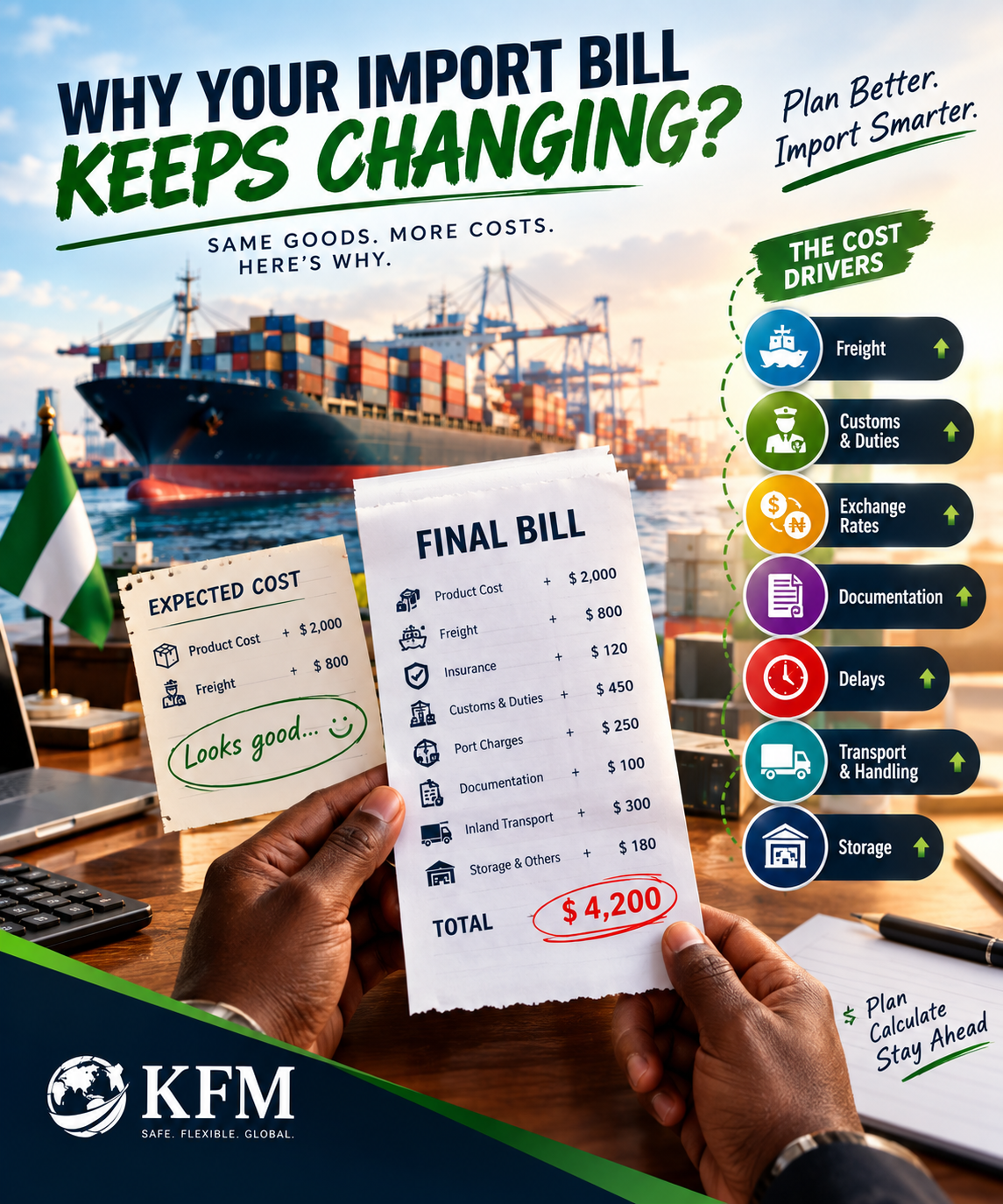
These fees together make up the total cost required before cargo can be released from the port.
4. Payment Process
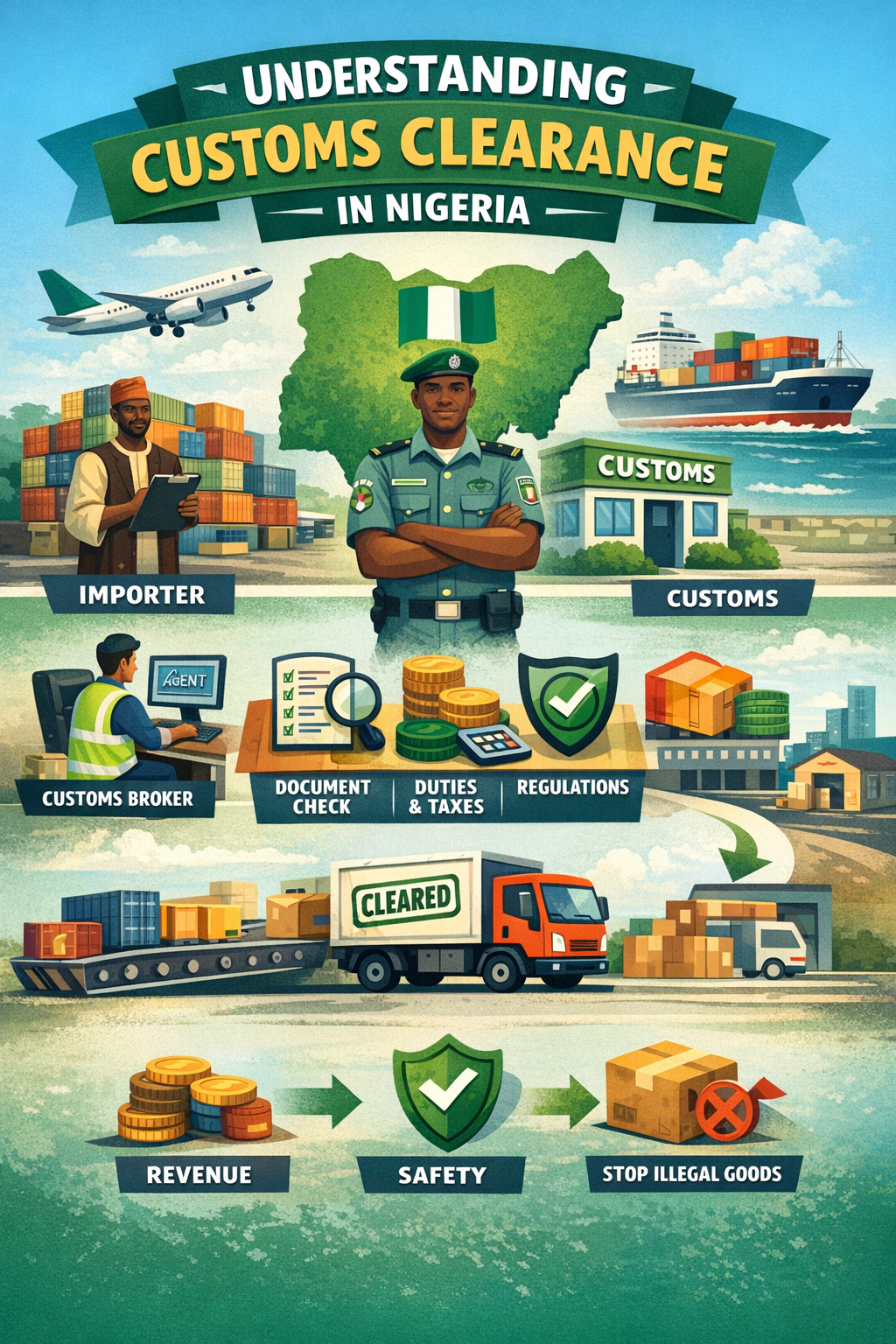
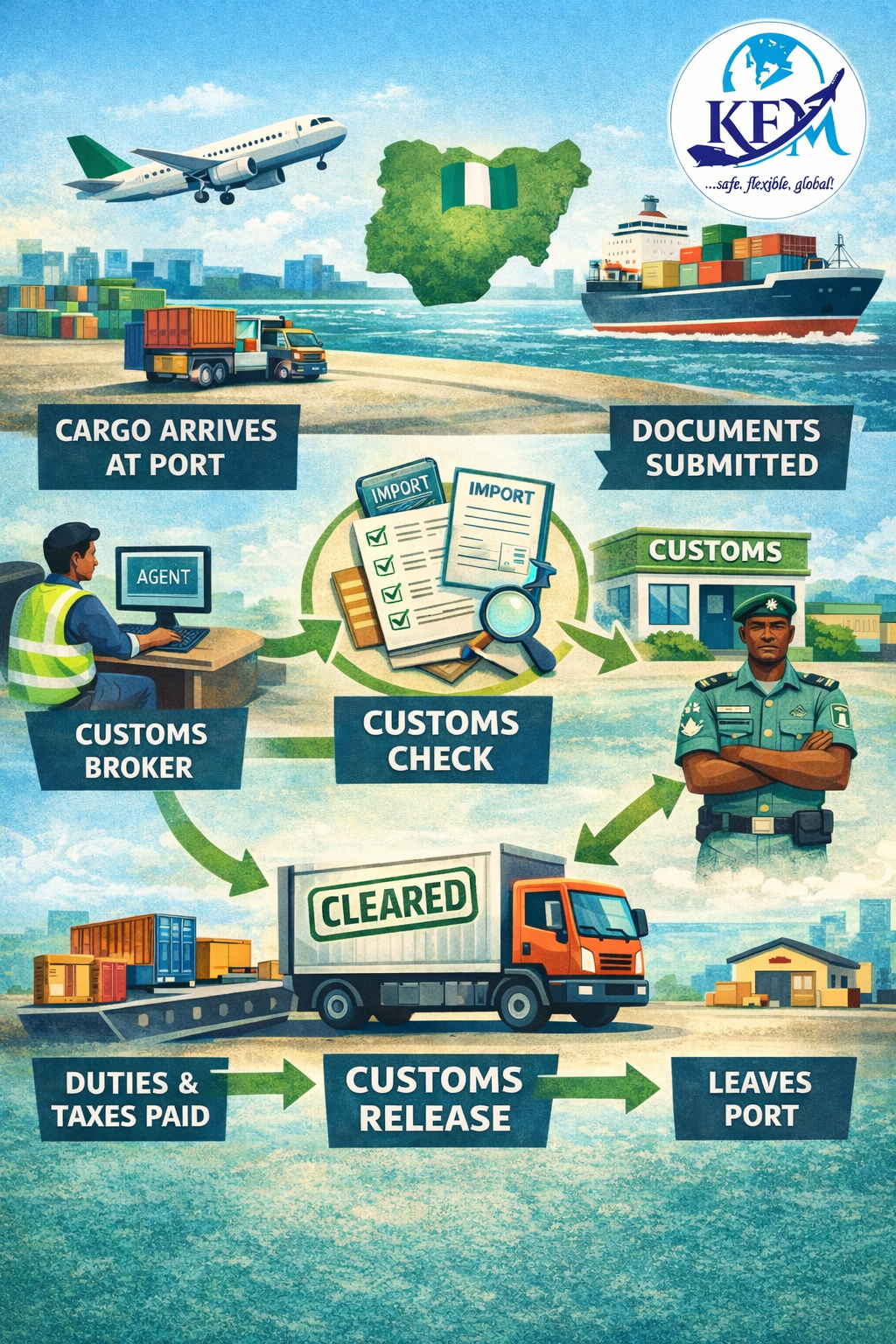
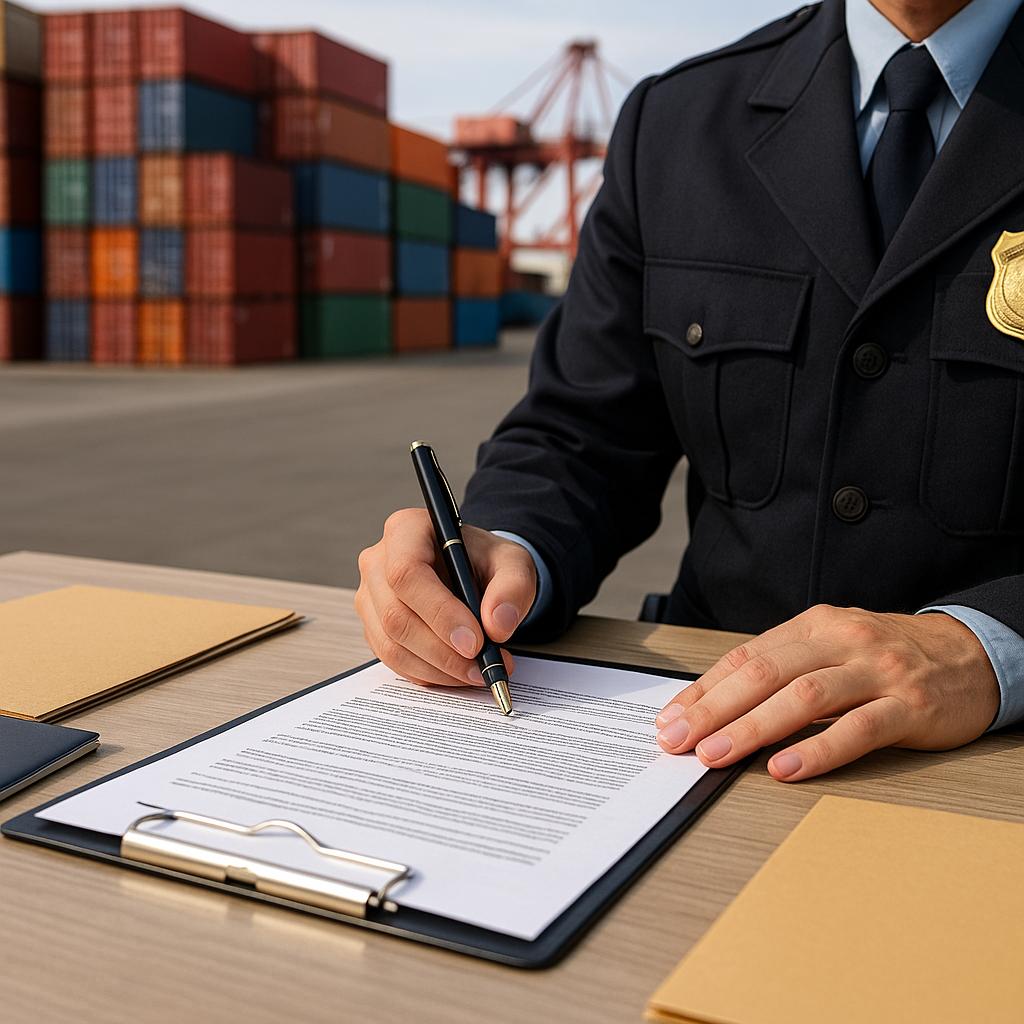
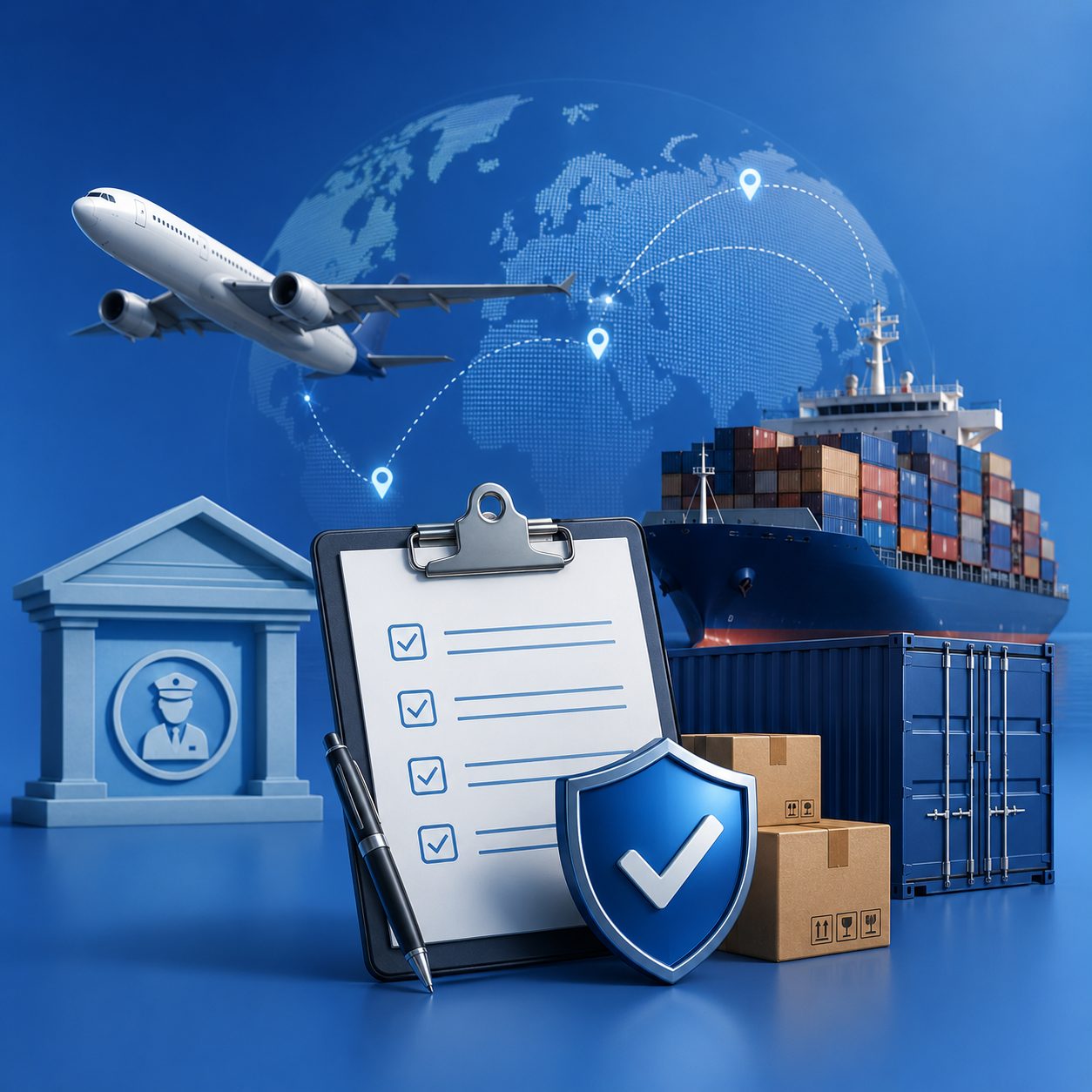
Once customs officers complete document verification and inspection, they calculate the total duties and taxes owed for the shipment.
The importer or clearing agent then proceeds to make payment through approved payment platforms. After the payment is confirmed, the clearance process moves to the next stage.
5. Why Proper Documentation Matters
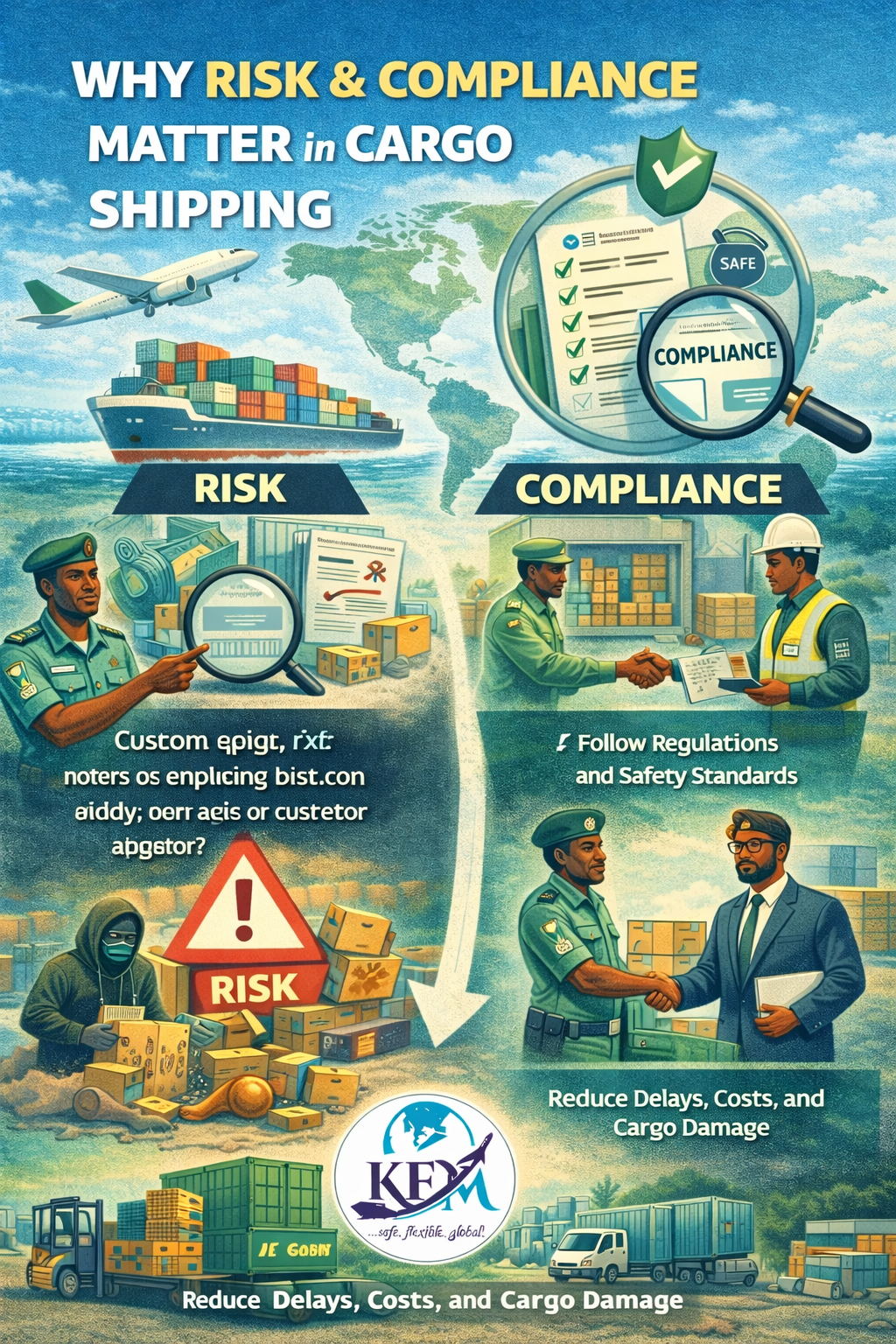
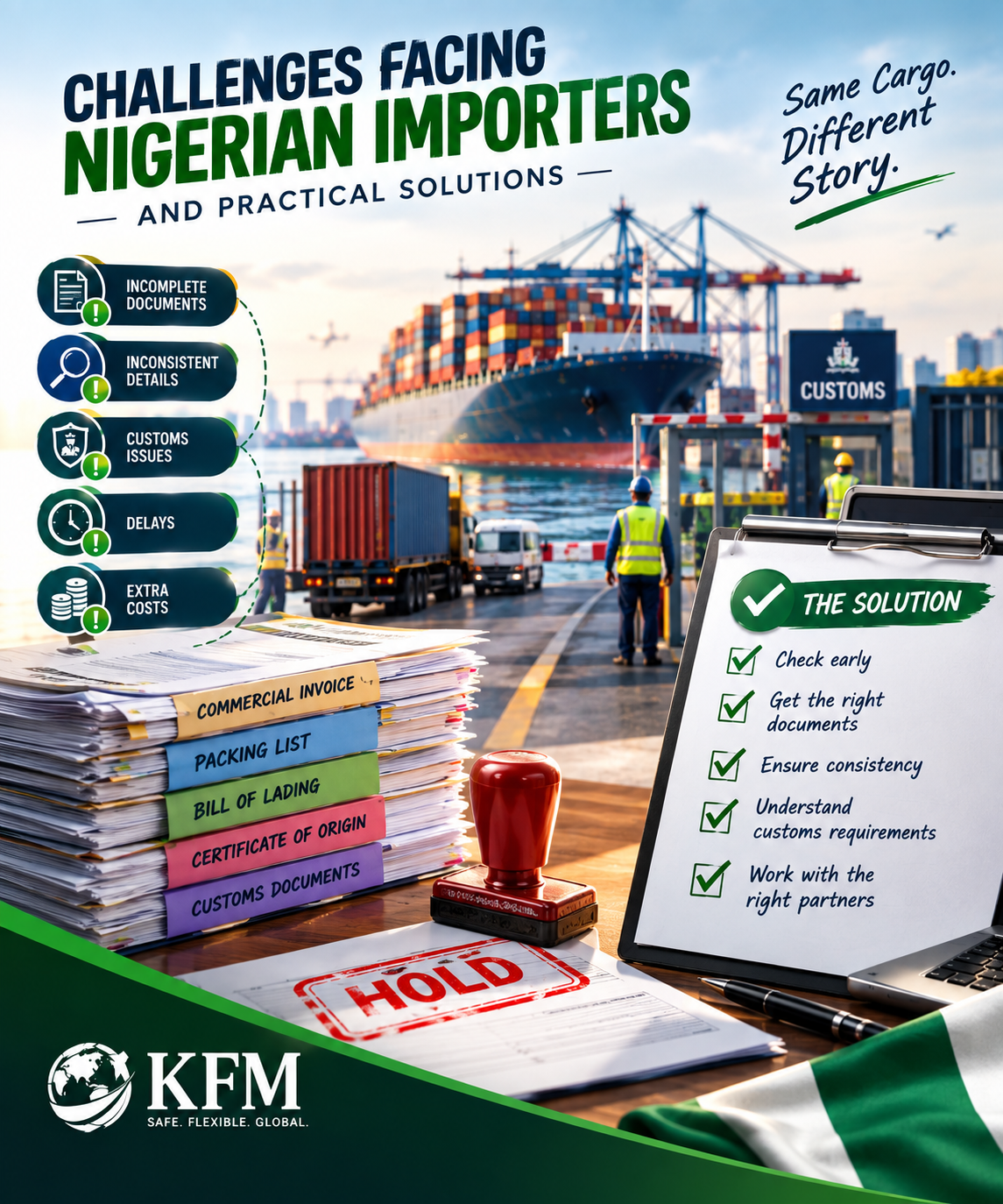
Providing accurate documents helps ensure that duties are calculated correctly. When declarations are clear and honest, importers avoid penalties, delays, and additional inspections.
Working with an experienced customs clearing agent can also help businesses understand their expected costs before the cargo arrives.
Coming Up Next
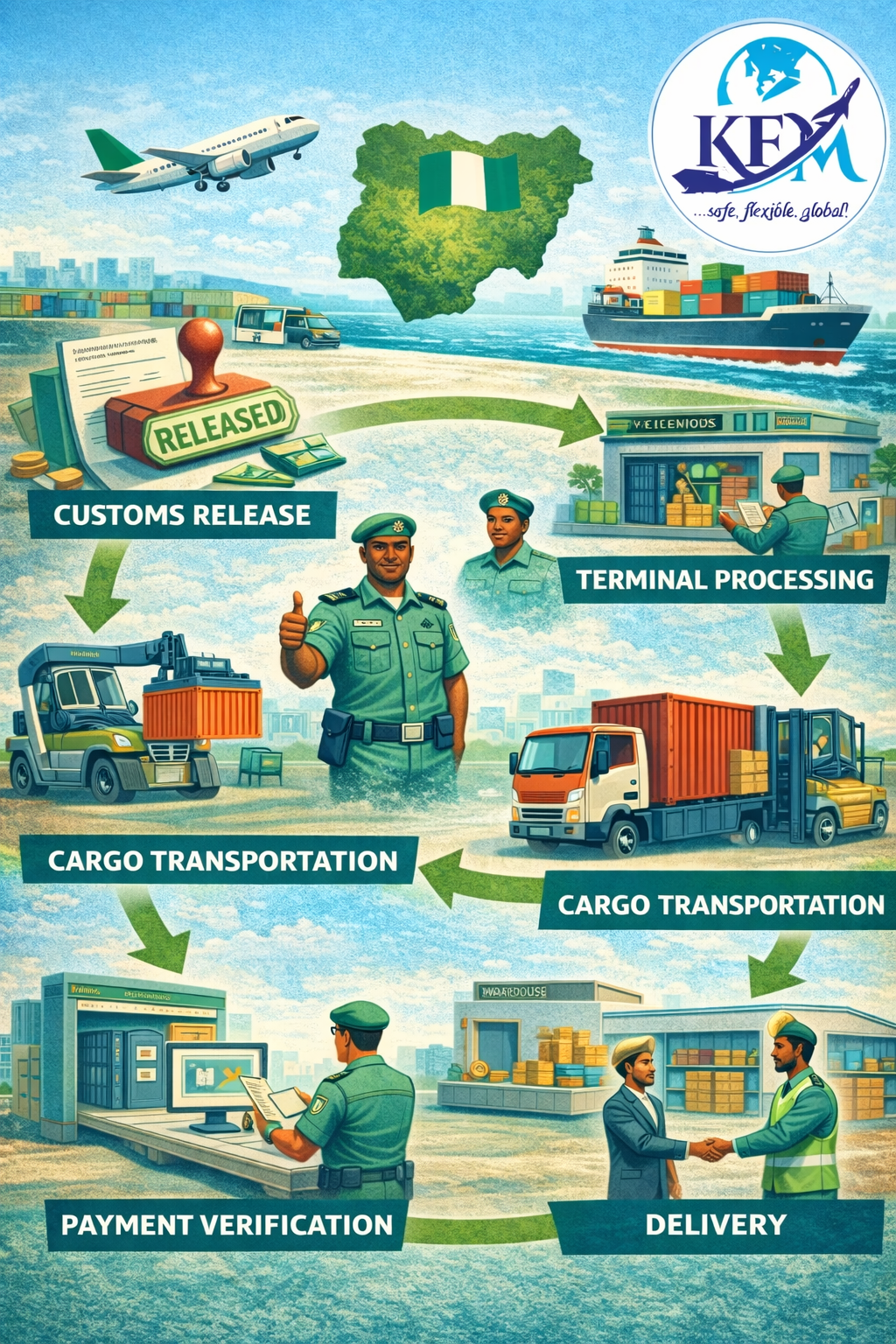
In the final post of this guide, we will explain the customs release process and how cargo finally leaves the port and reaches its destination.