When Aisha launched her skincare brand in Lagos, she wasn’t dreaming of becoming a logistics expert. She was focused on formulation quality, packaging aesthetics, and building a loyal customer base on Instagram.
And it worked.
Orders began to grow. Word-of-mouth kicked in. Resellers started calling. Demand was real.
But behind the excitement was a quiet problem she didn’t know how to name yet.
Her business was growing faster than her logistics could handle.
The Chaos No One Sees on Social Media
Customers only saw beautiful packaging and glowing testimonials.
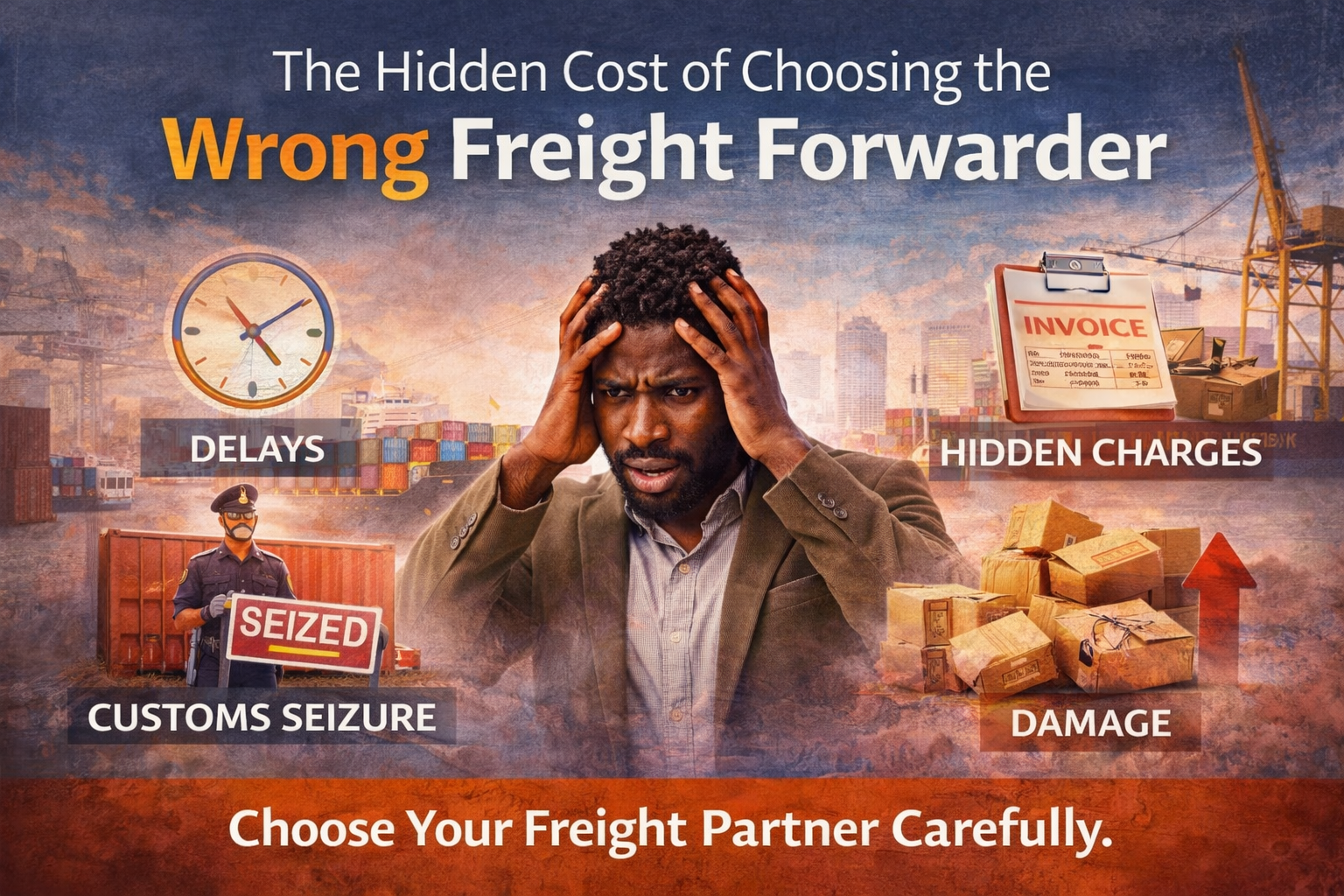
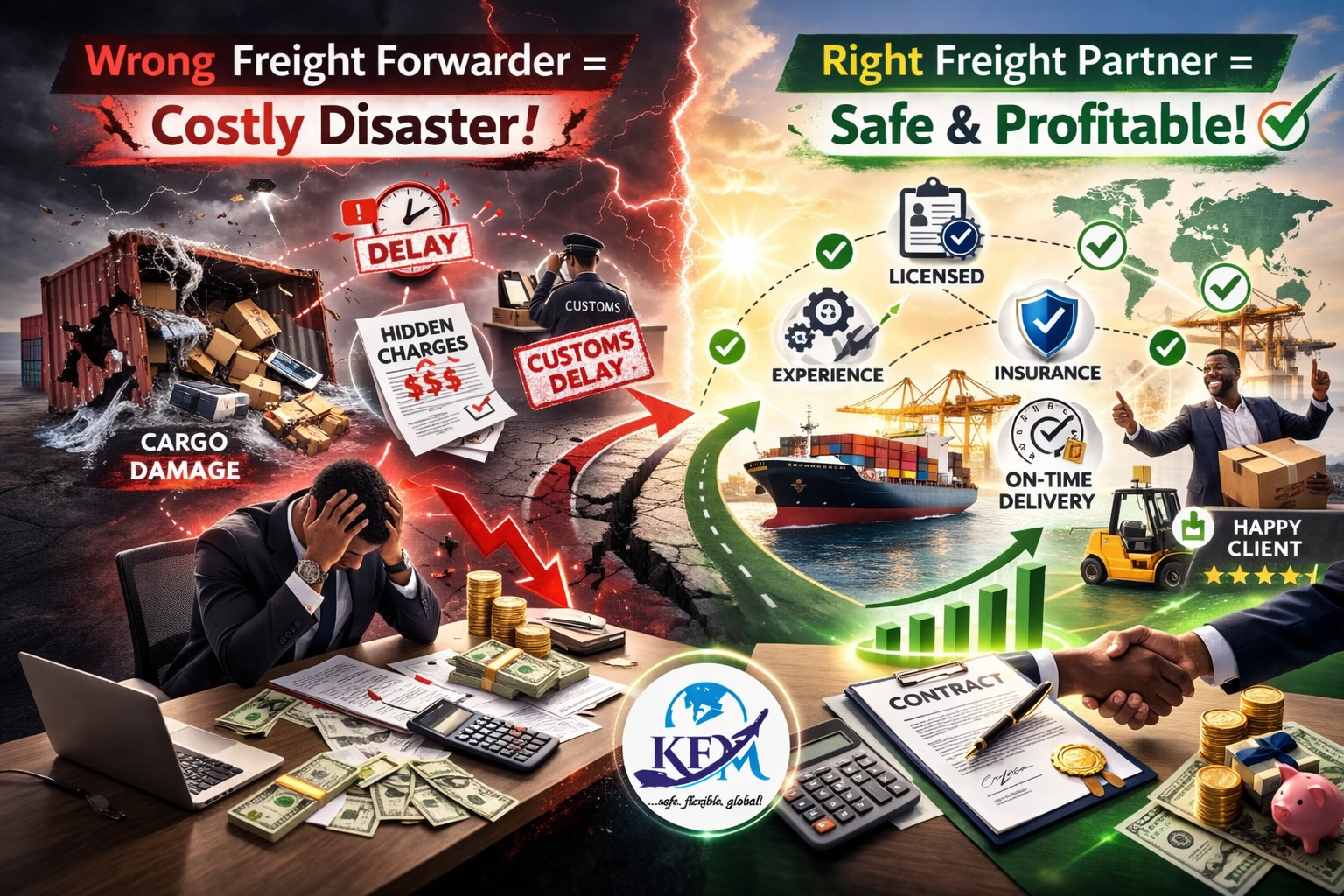
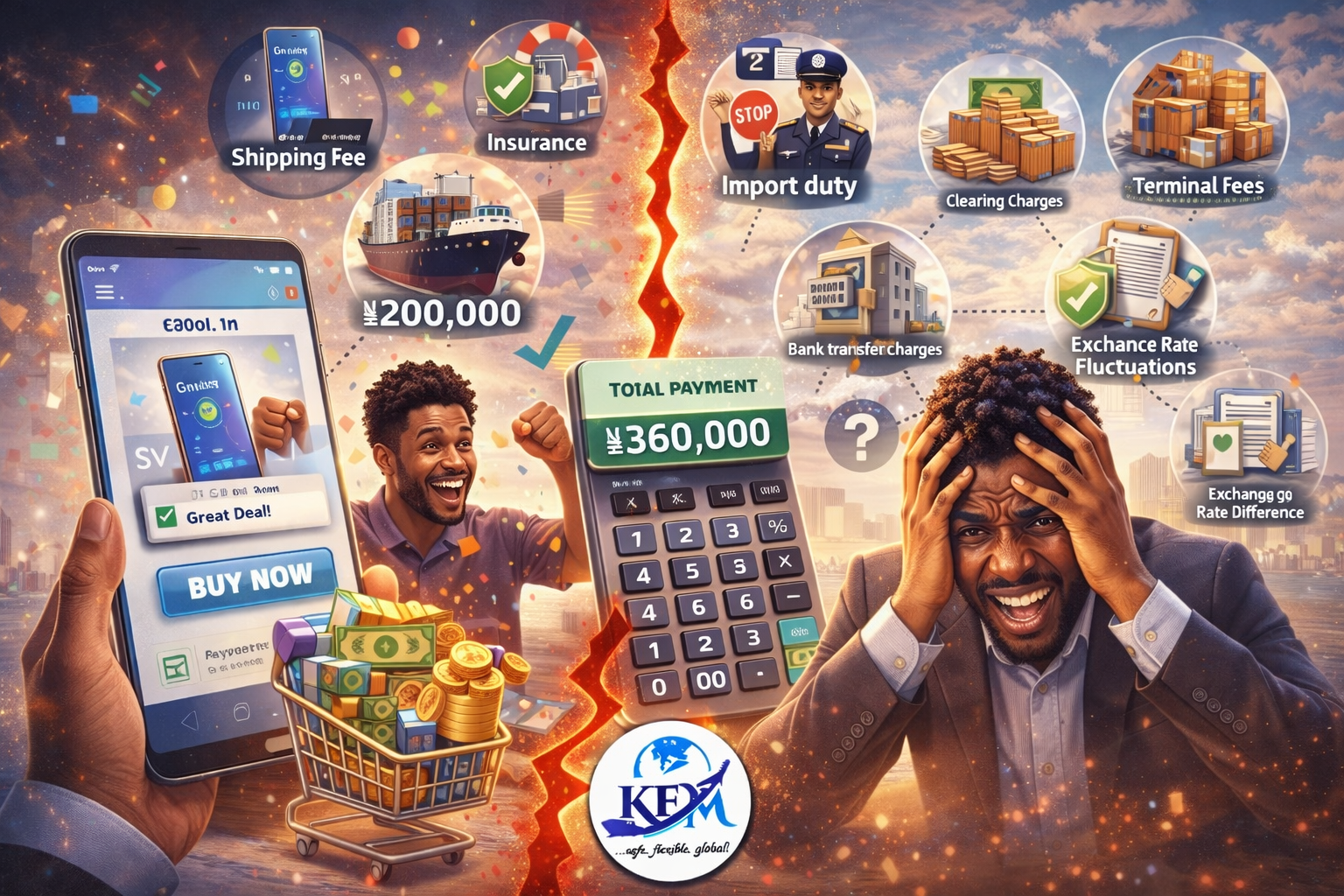
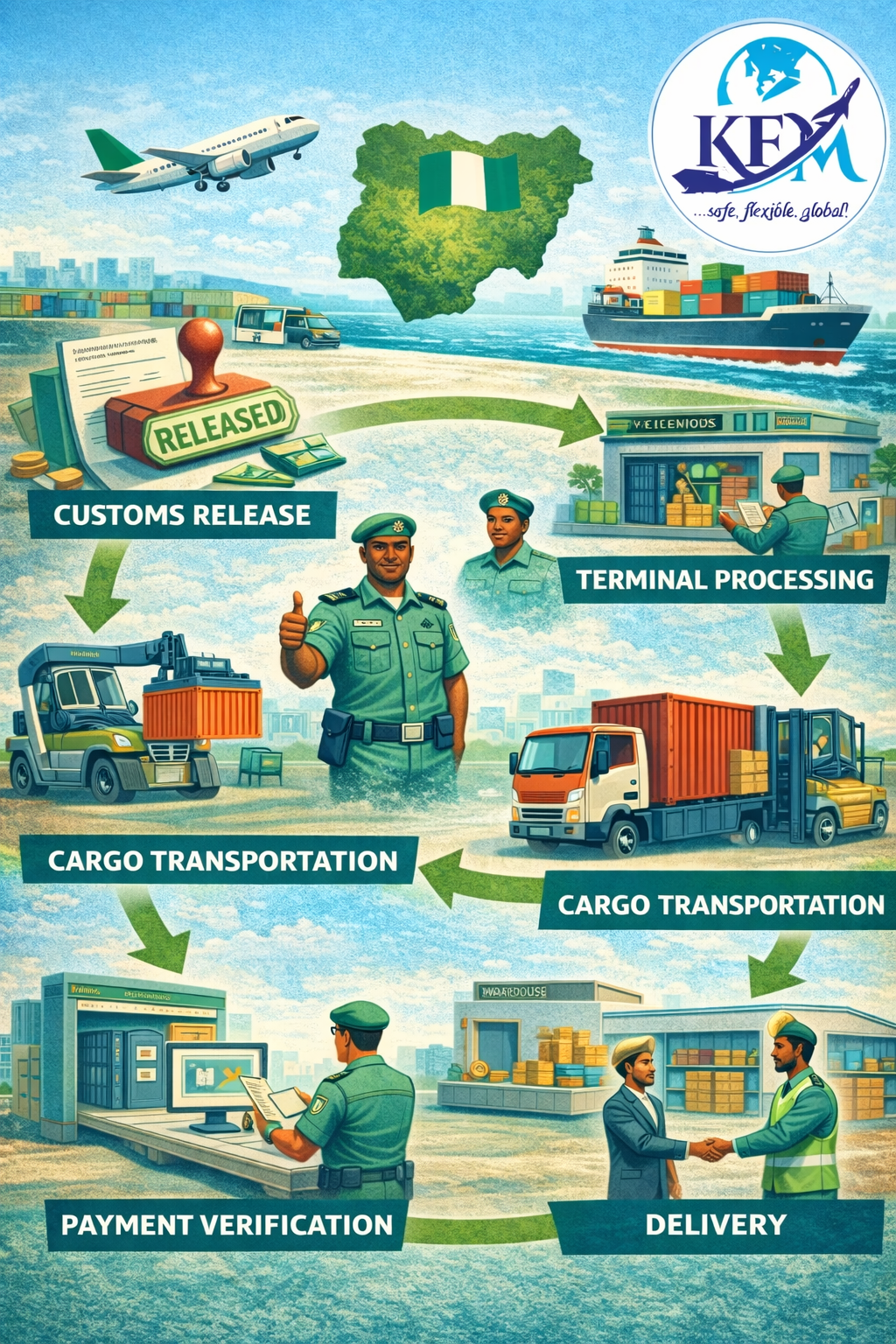
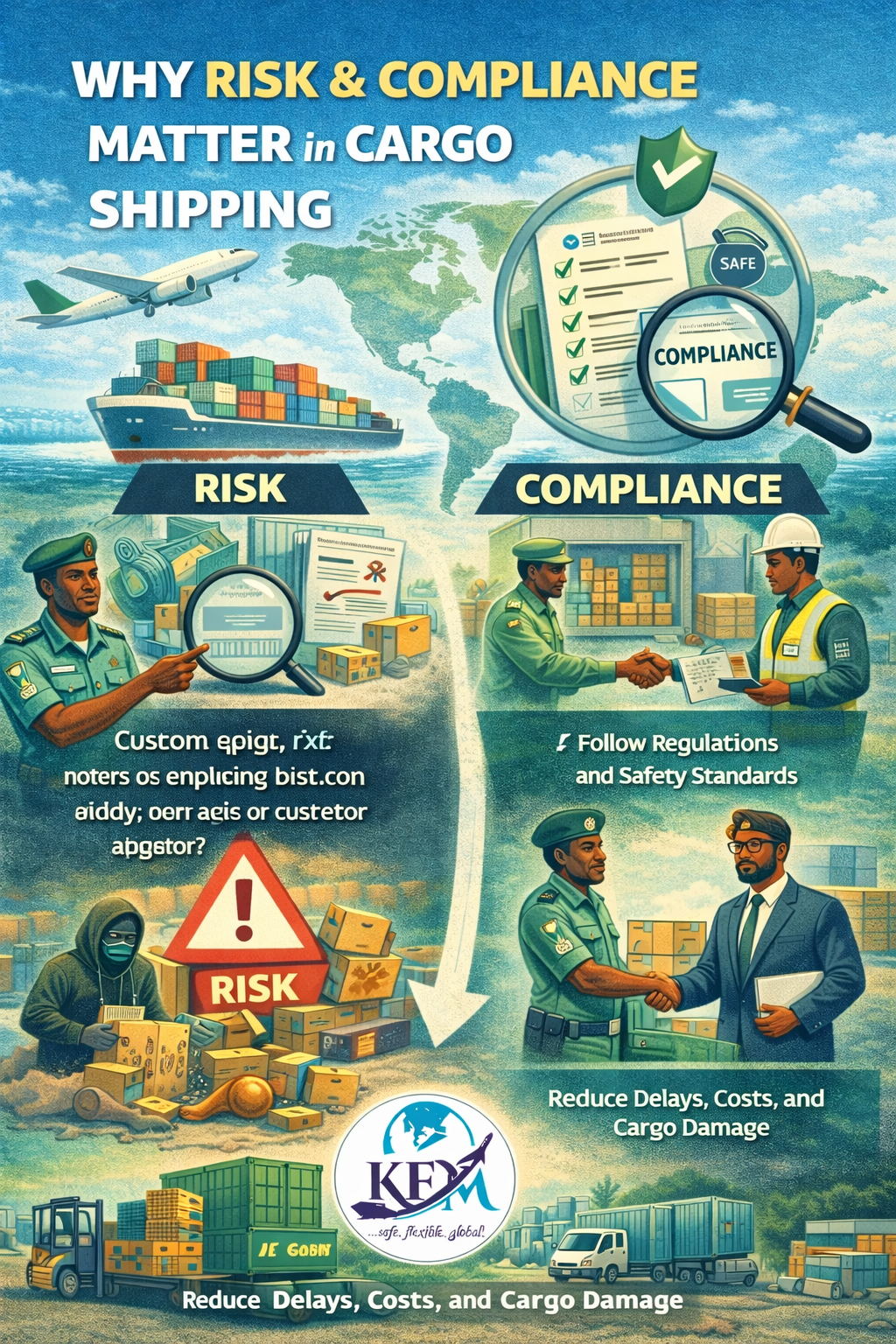
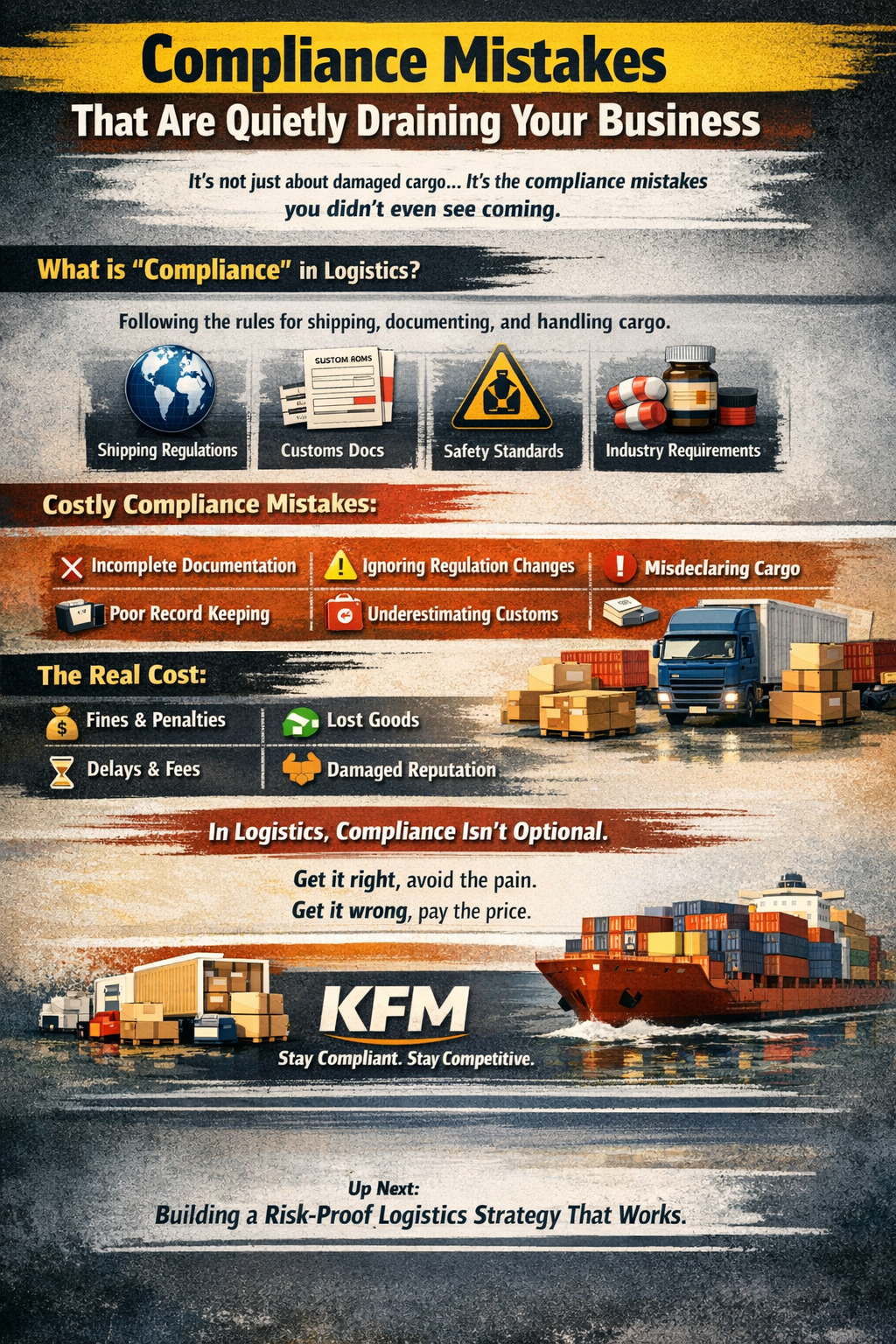
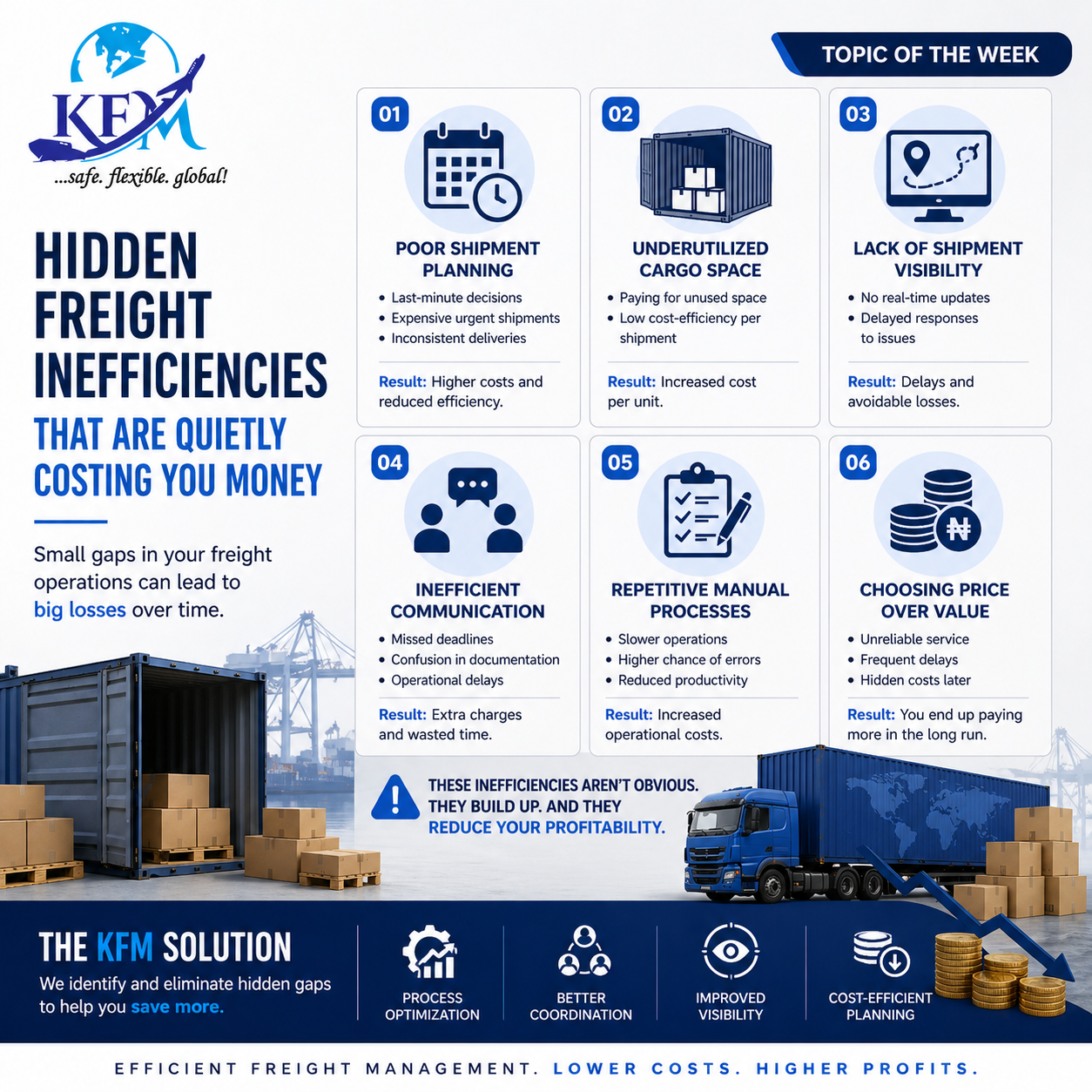
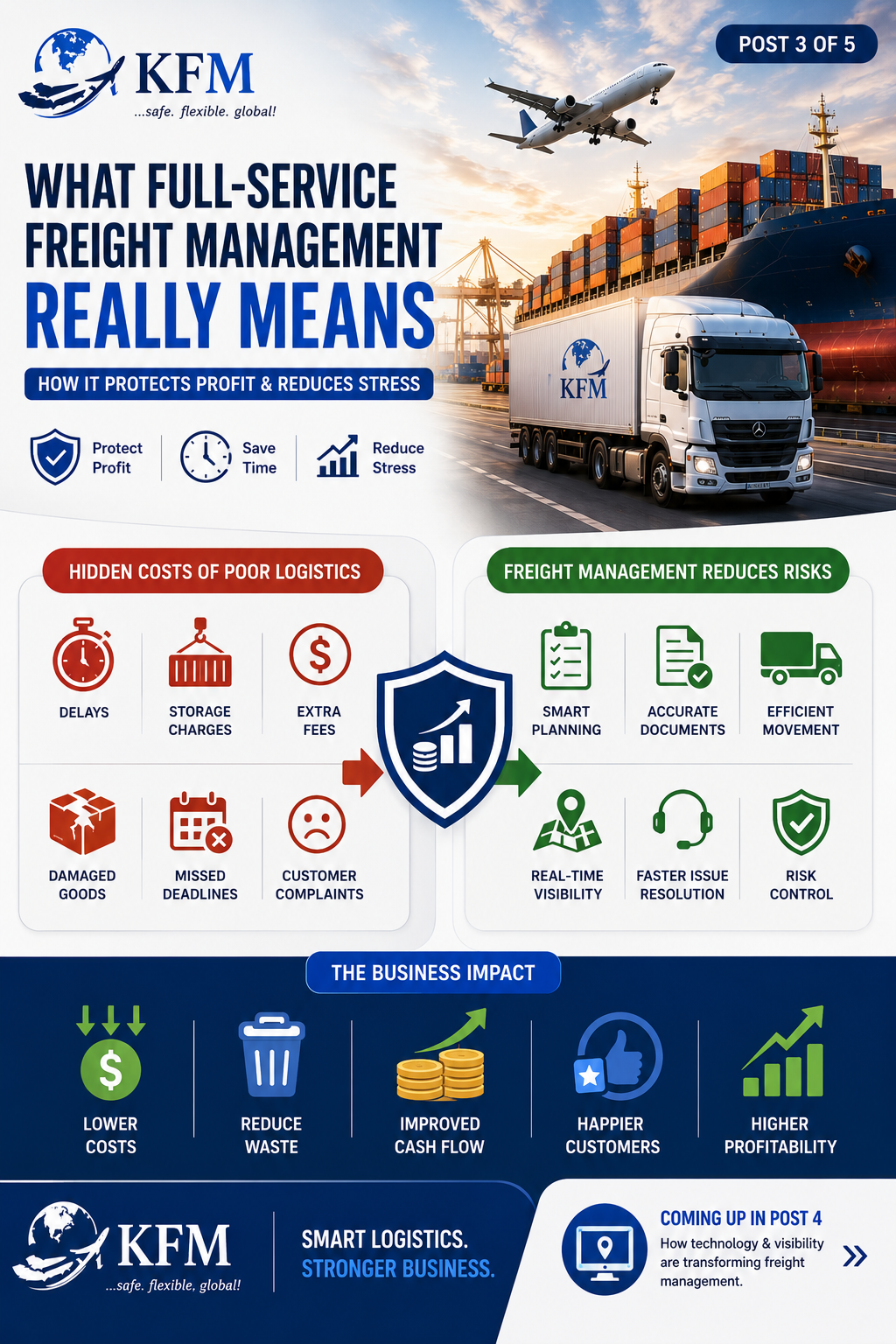
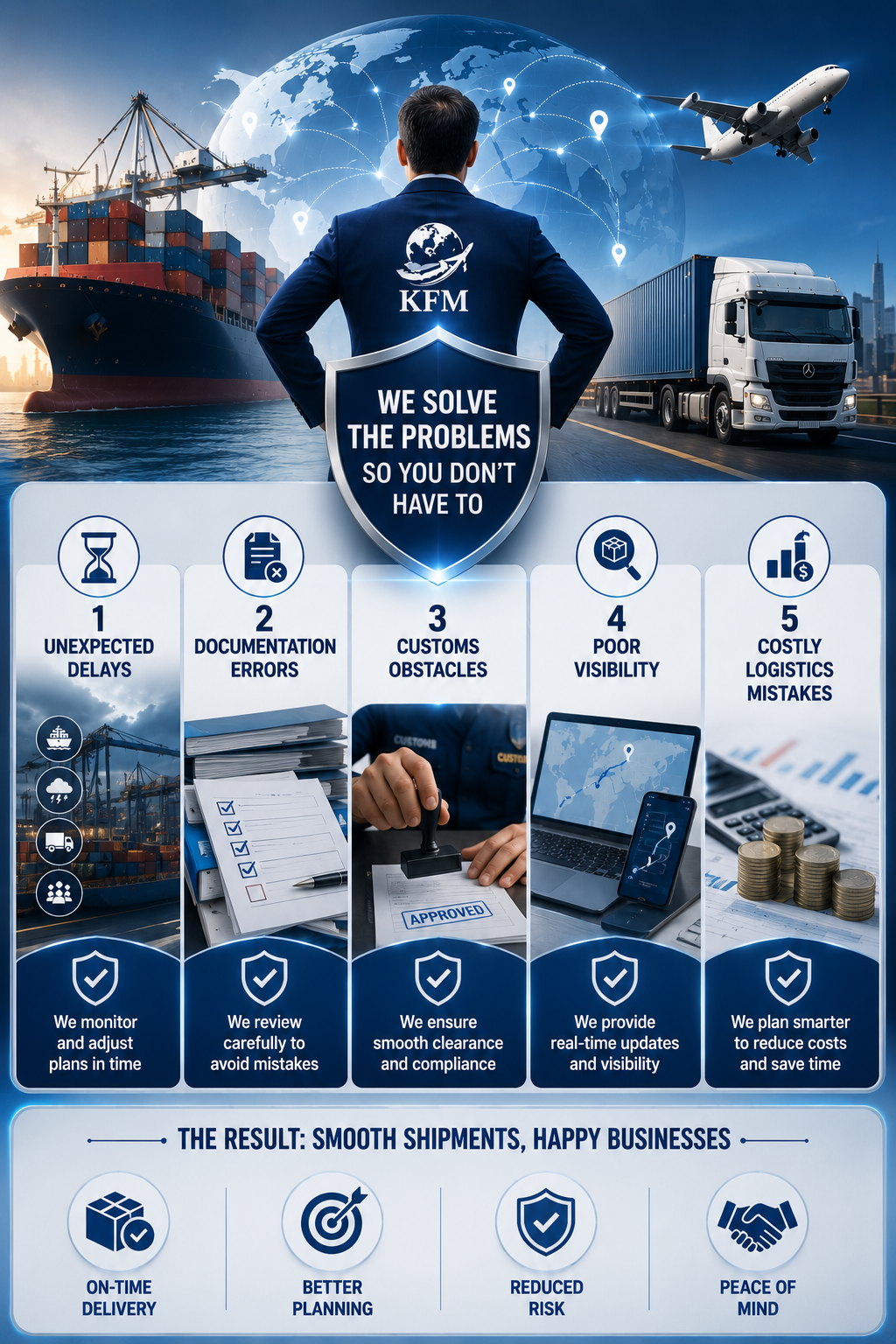
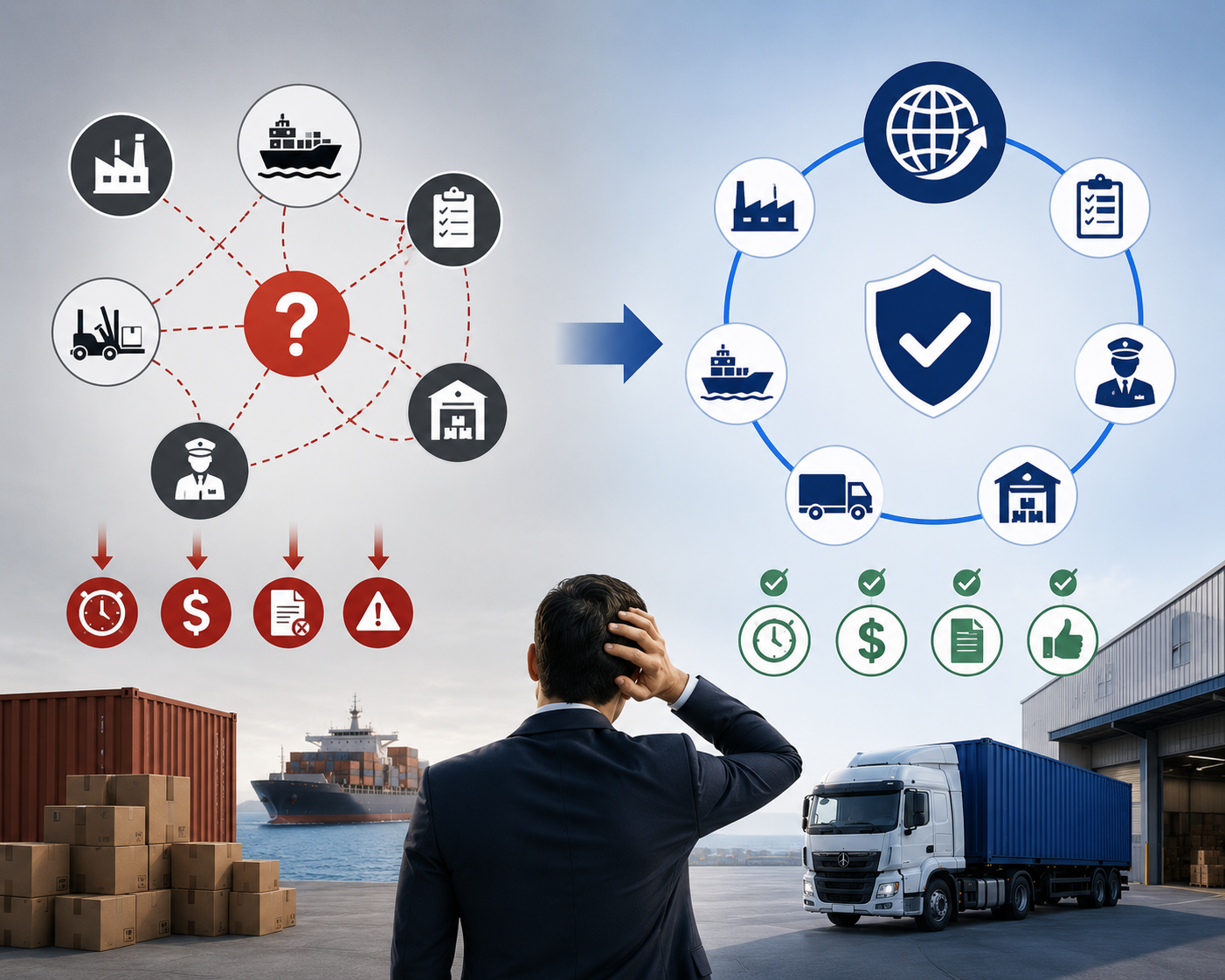
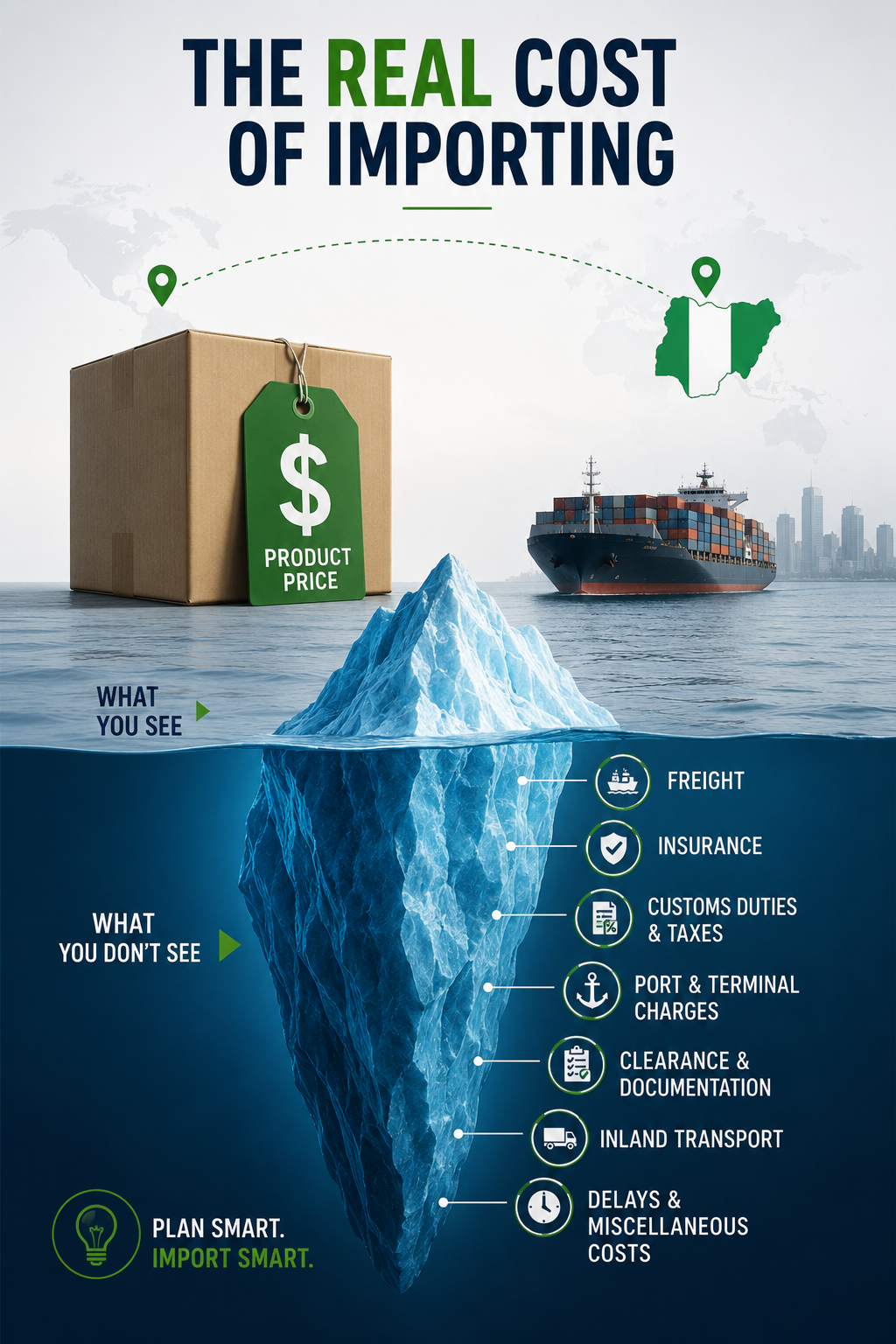
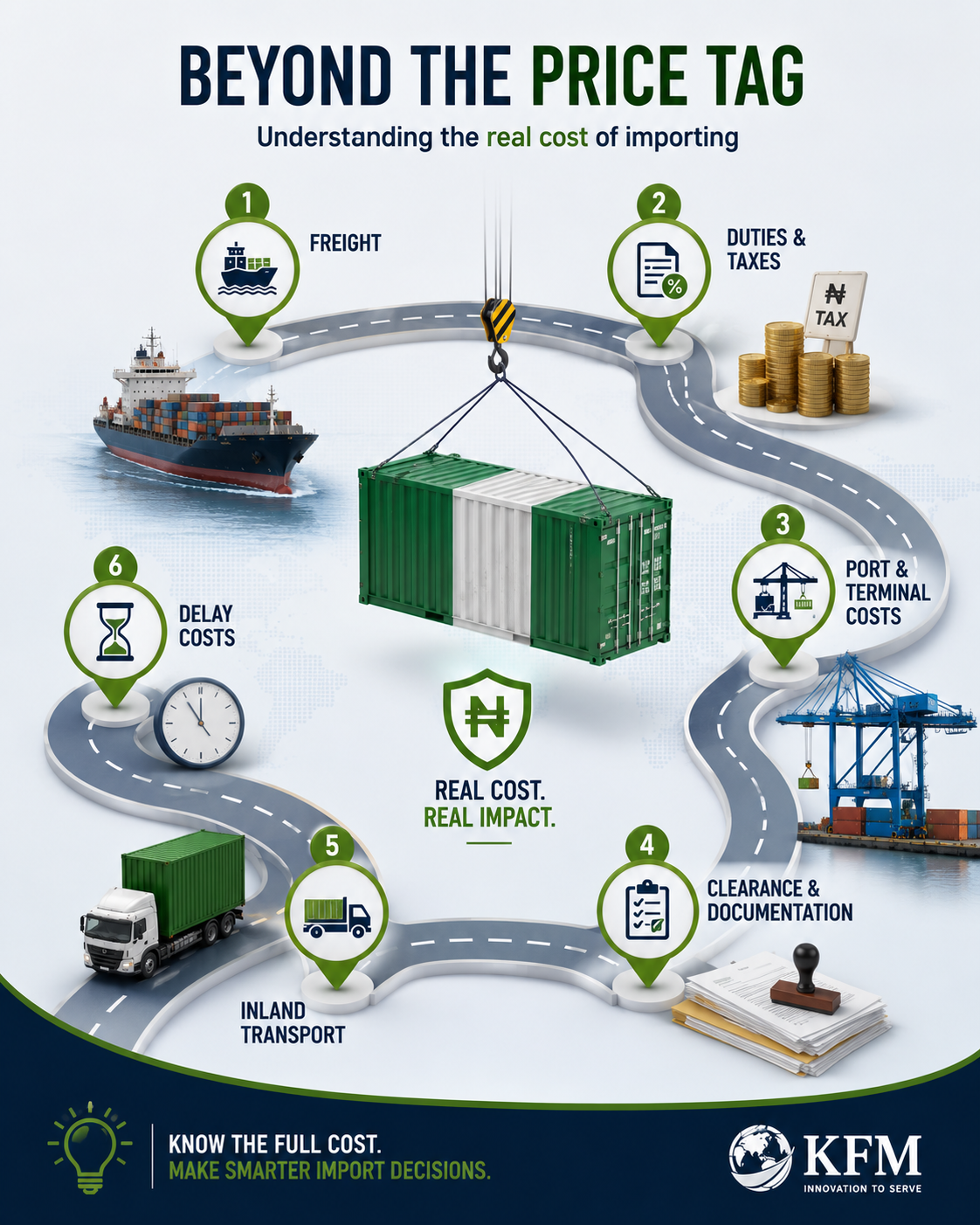
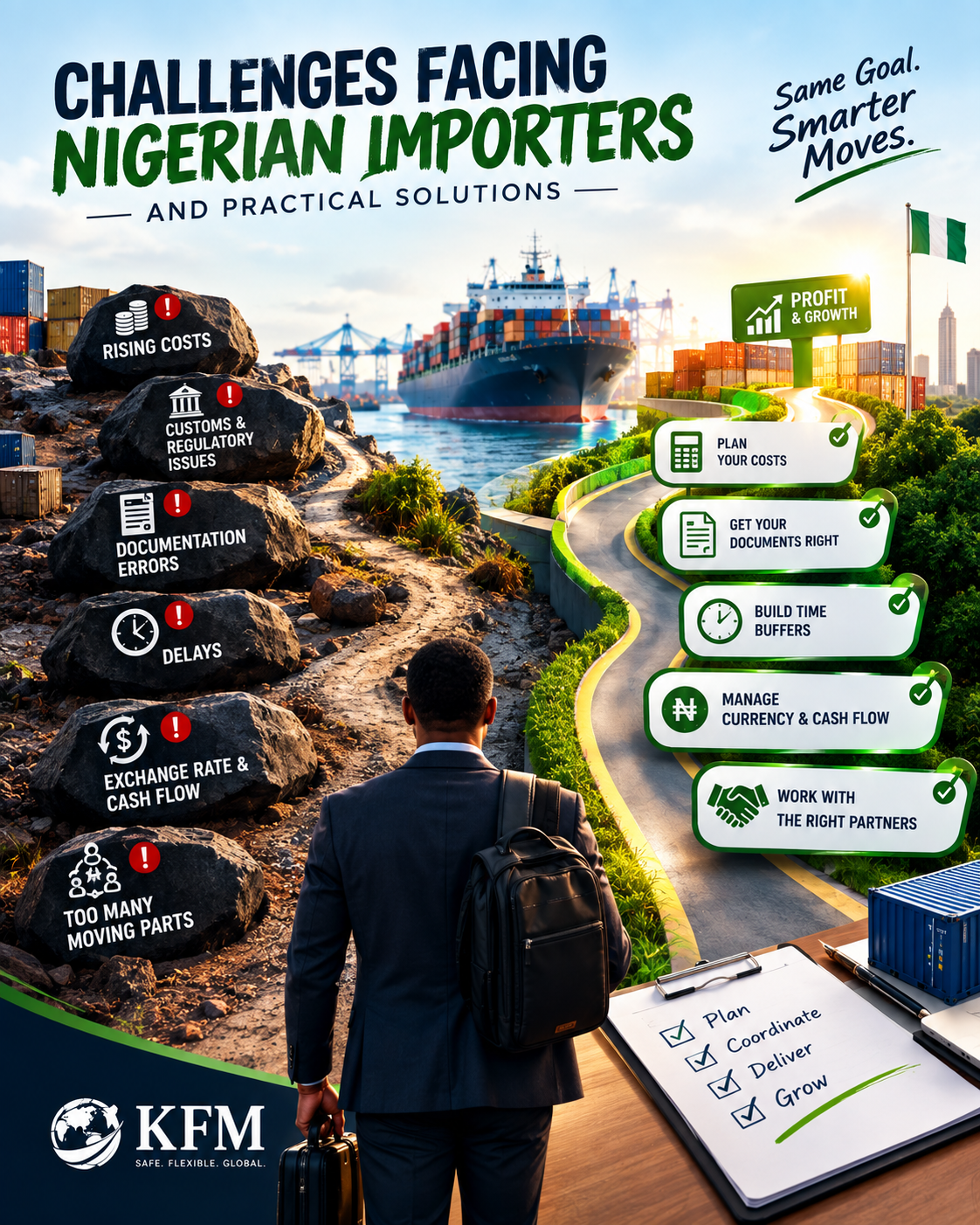
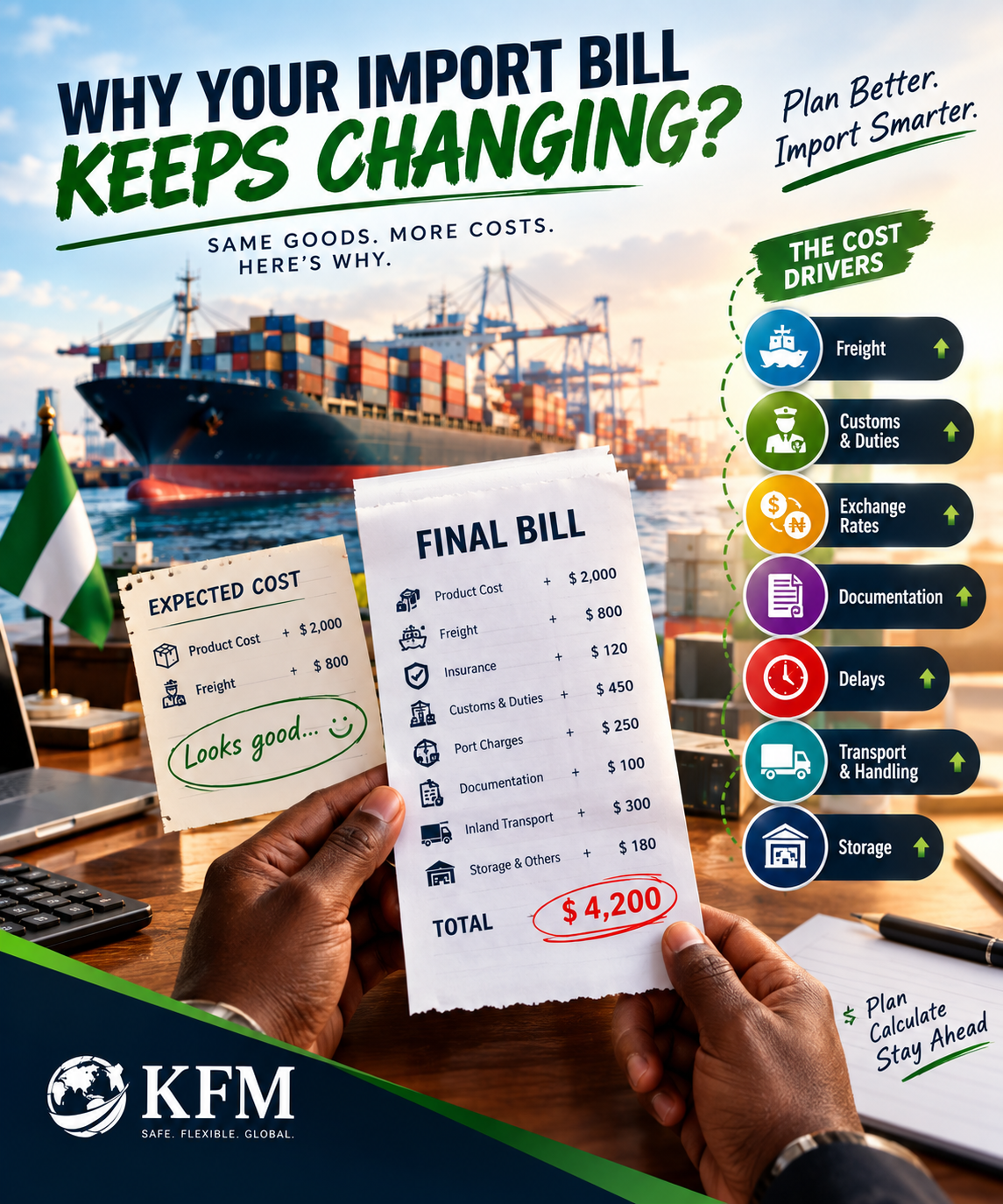
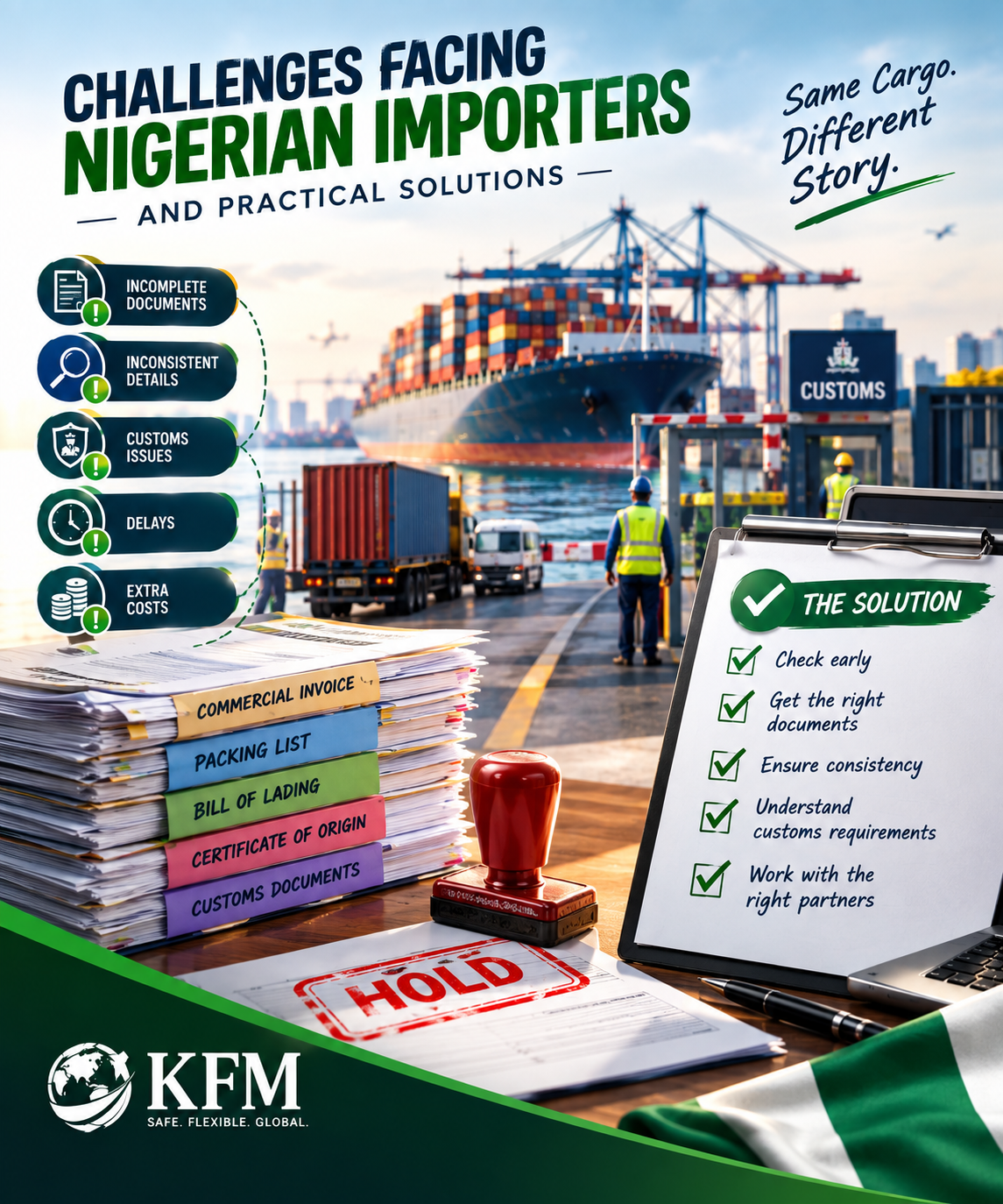
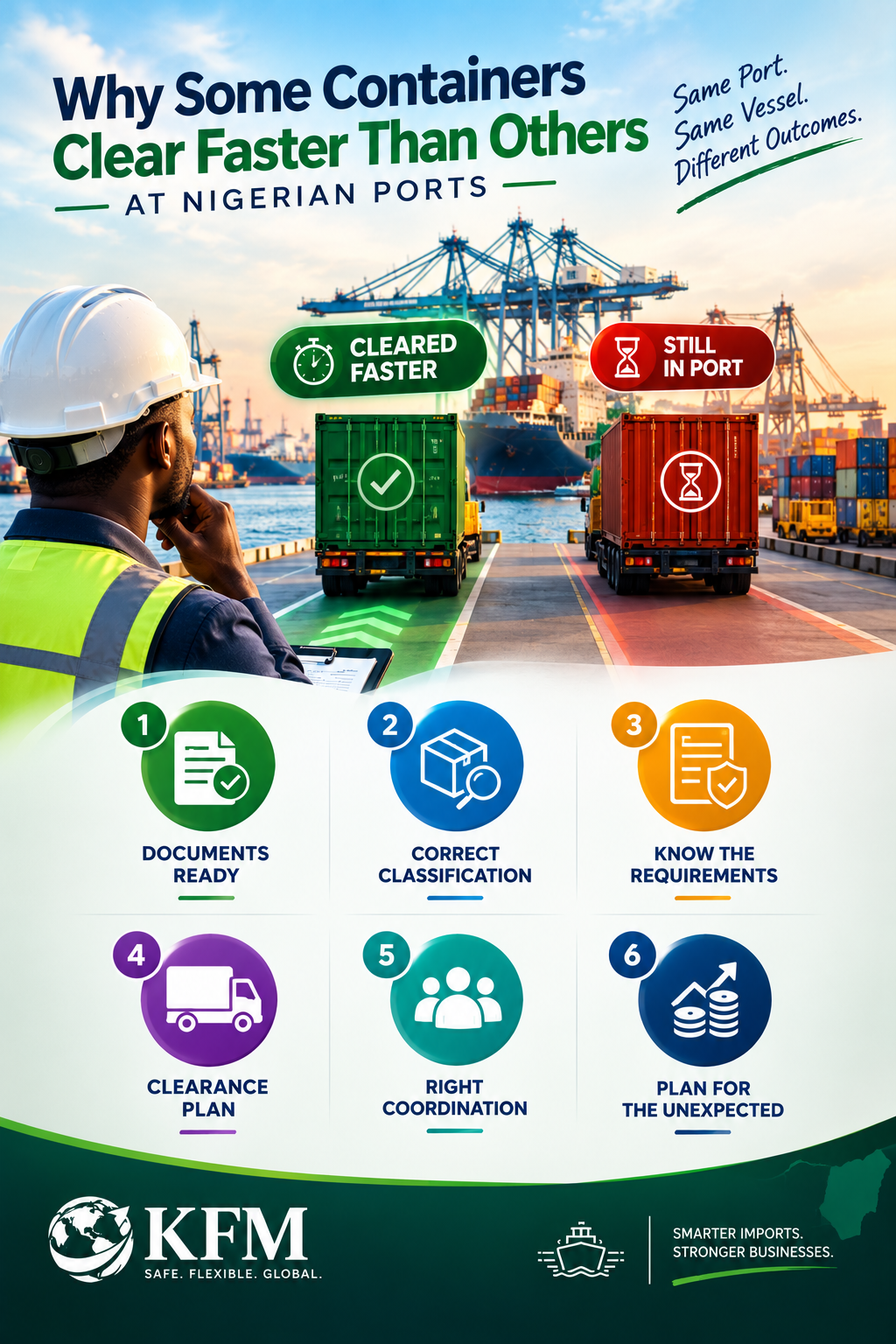
What they didn’t see were the late nights spent worrying about delayed containers. The panic when goods were held due to documentation issues. The confusion when costs suddenly changed without explanation.
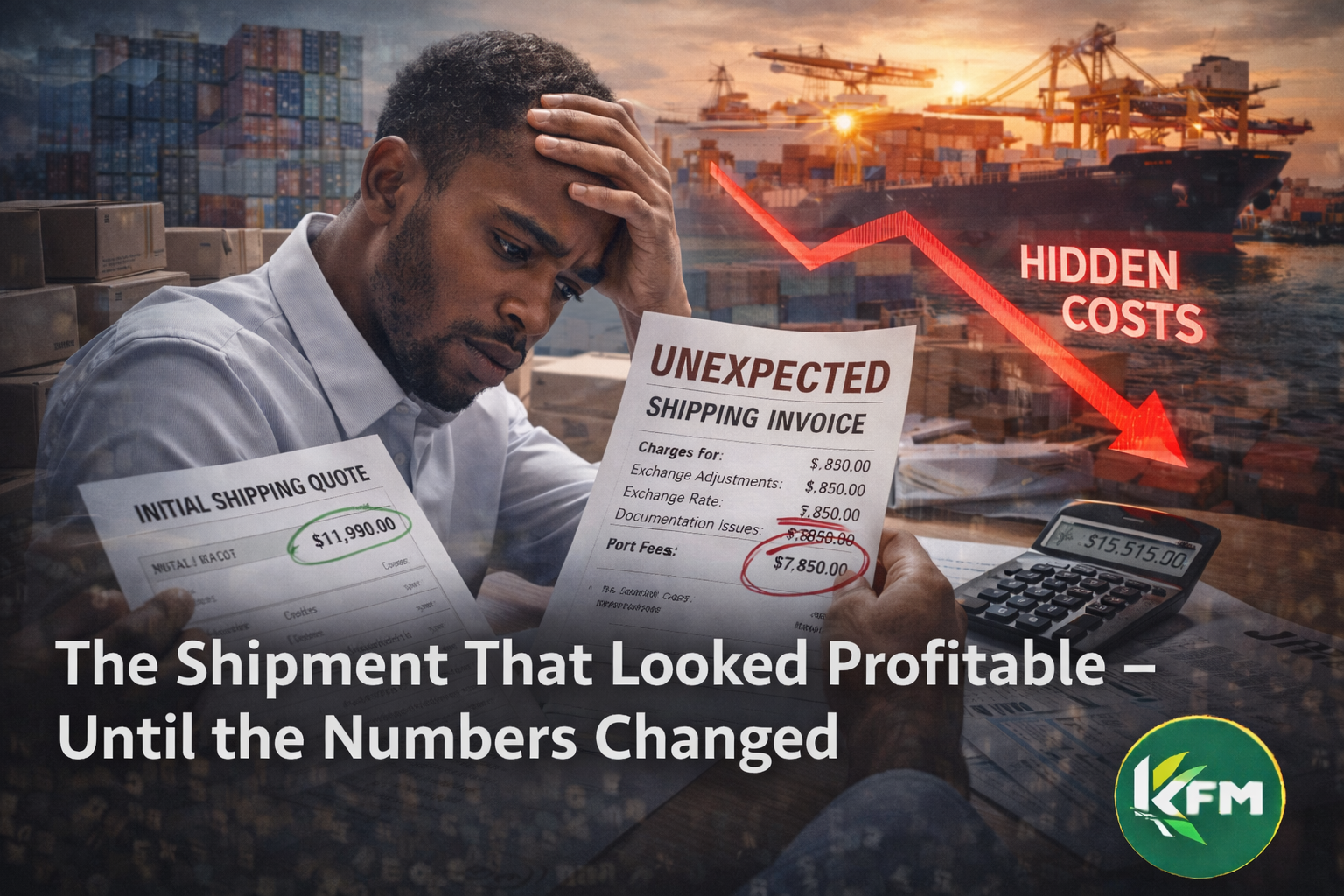
Some weeks, stock arrived early. Other weeks, it came late. Sometimes it came with unexpected charges that wiped out profits entirely.
Her biggest fear wasn’t competition.
It was unpredictability.
Because unpredictability made it impossible to plan.
Growth Exposes Weak Systems
At first, she assumed this was normal. That this was just “how importing works in Nigeria.”
But as her customer base grew, the consequences became heavier:
- Customers started asking why delivery timelines kept changing
- Resellers hesitated to commit to bulk orders
- Promotions failed because stock didn’t arrive on time
- Cash flow became unstable due to delays
Her business was not failing on the outside.
But internally, it was under pressure.
The Turning Point: Asking Better Questions
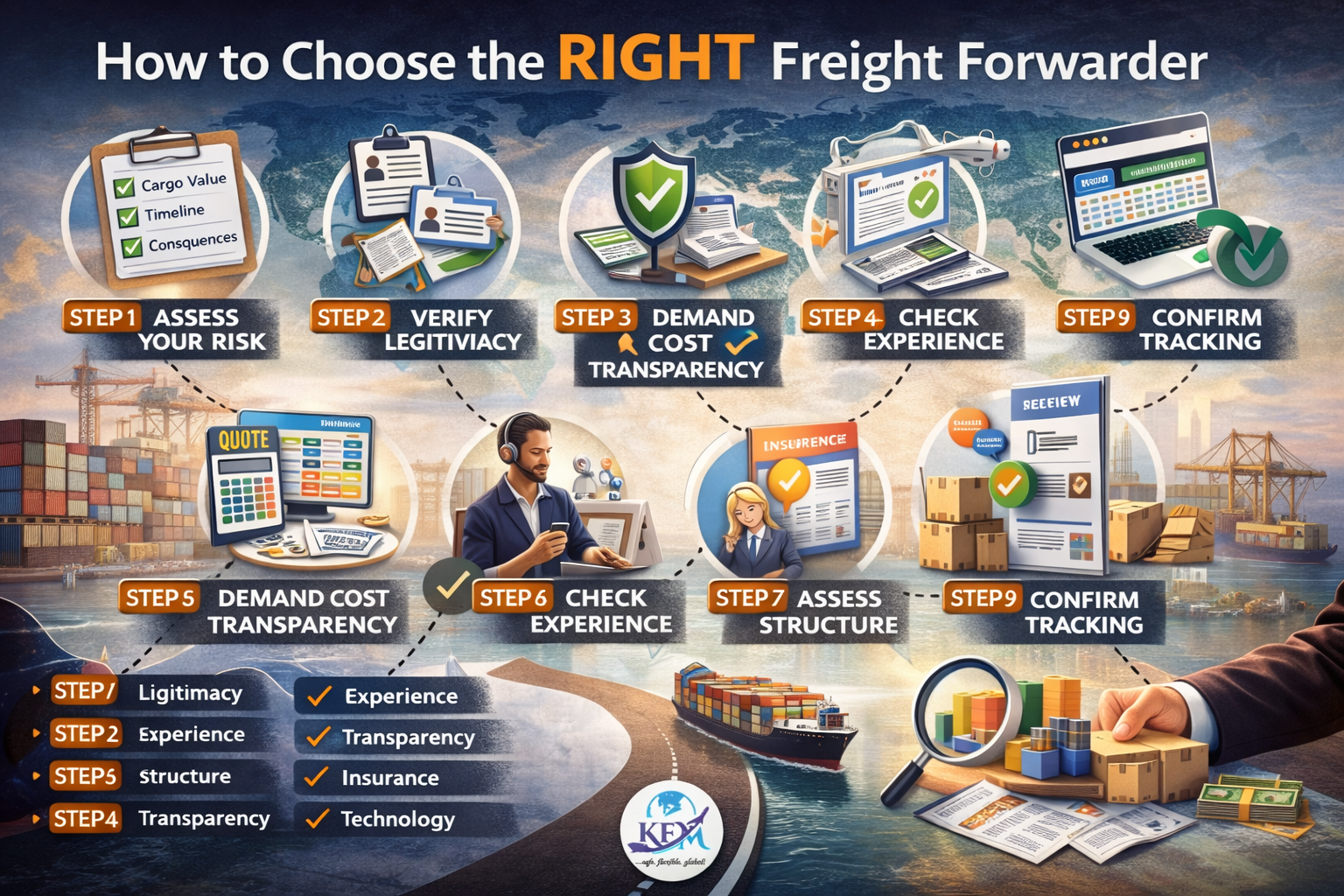
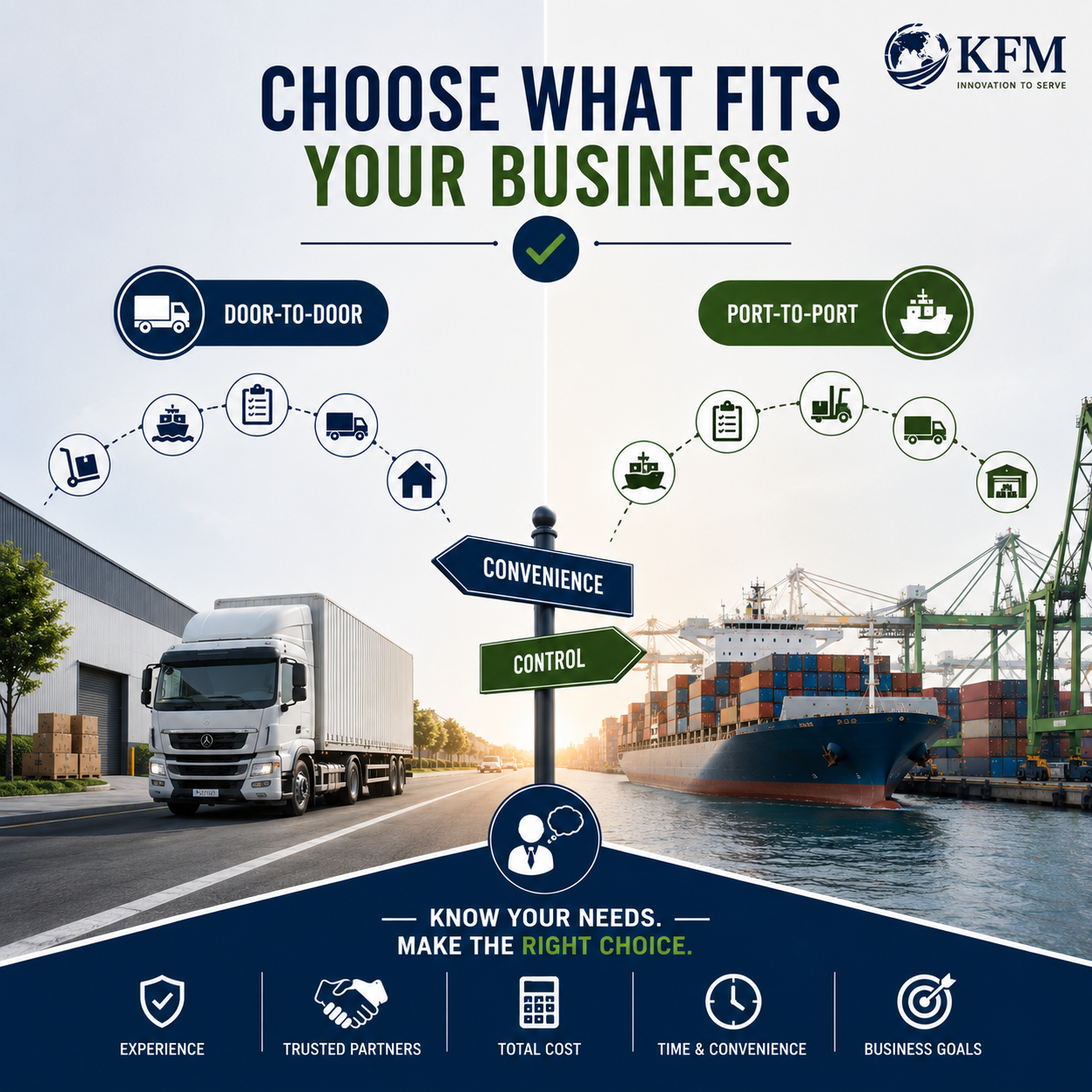
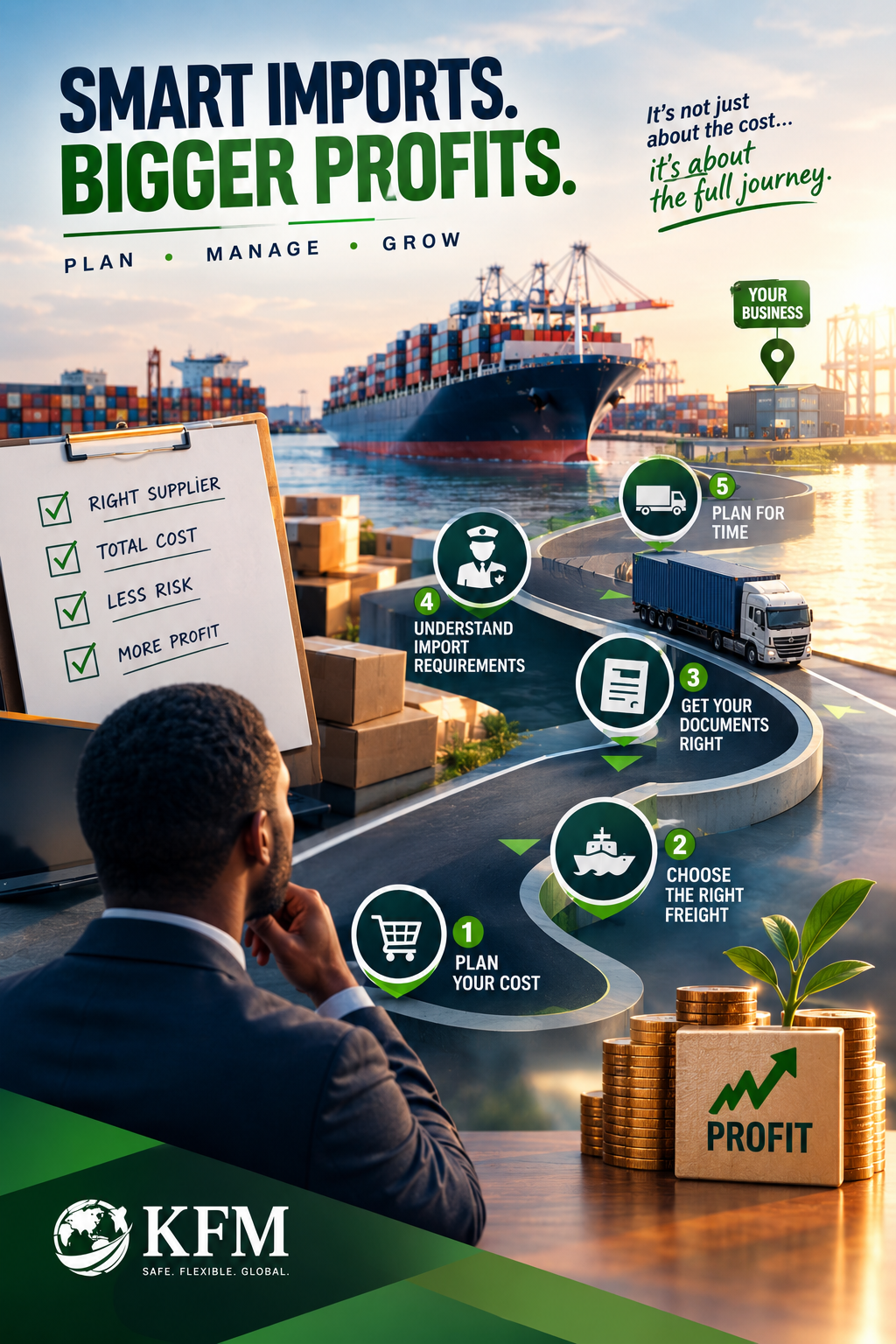
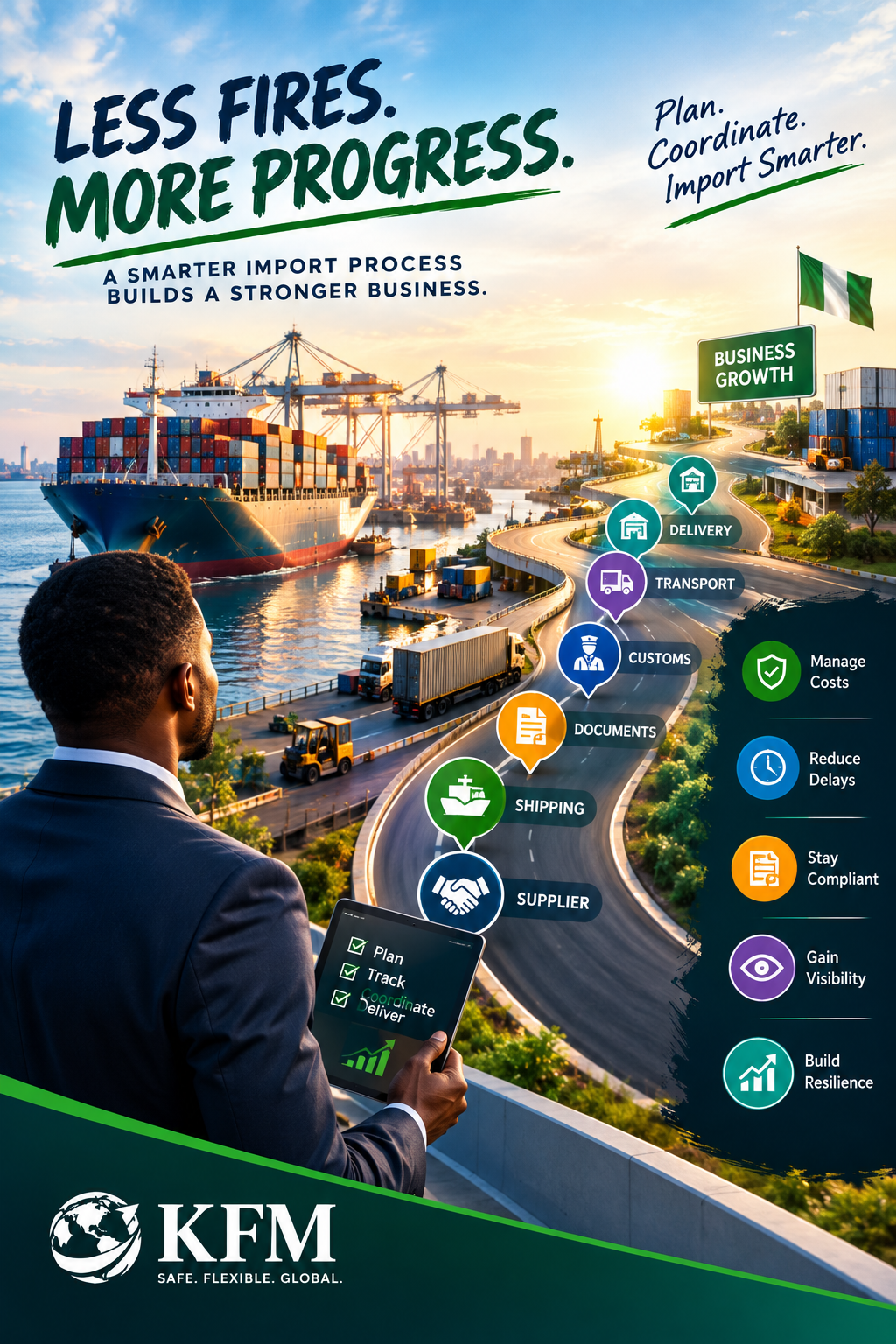
The real shift happened when she stopped asking, “Who is cheapest?” and started asking, “Who actually understands my business?”
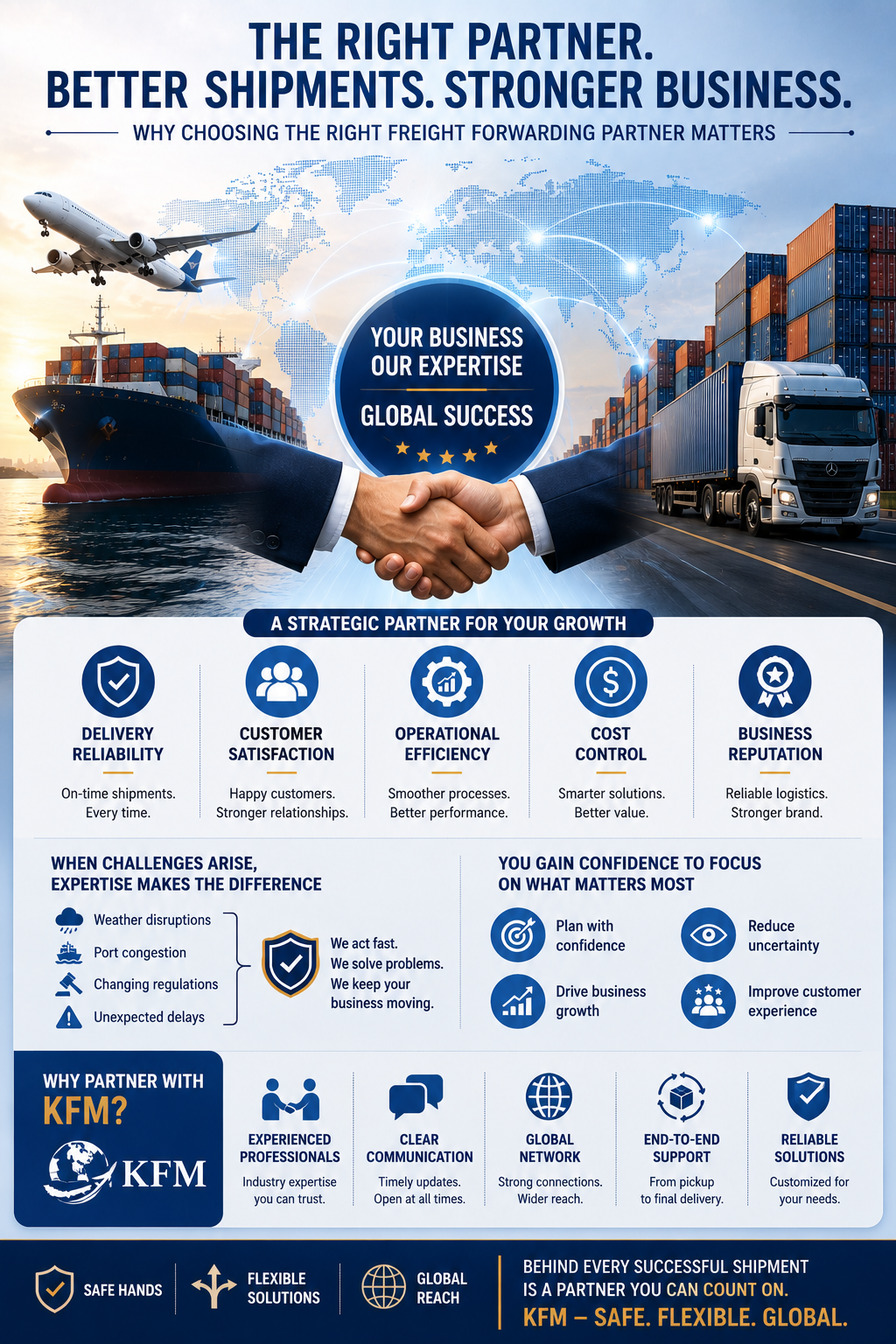
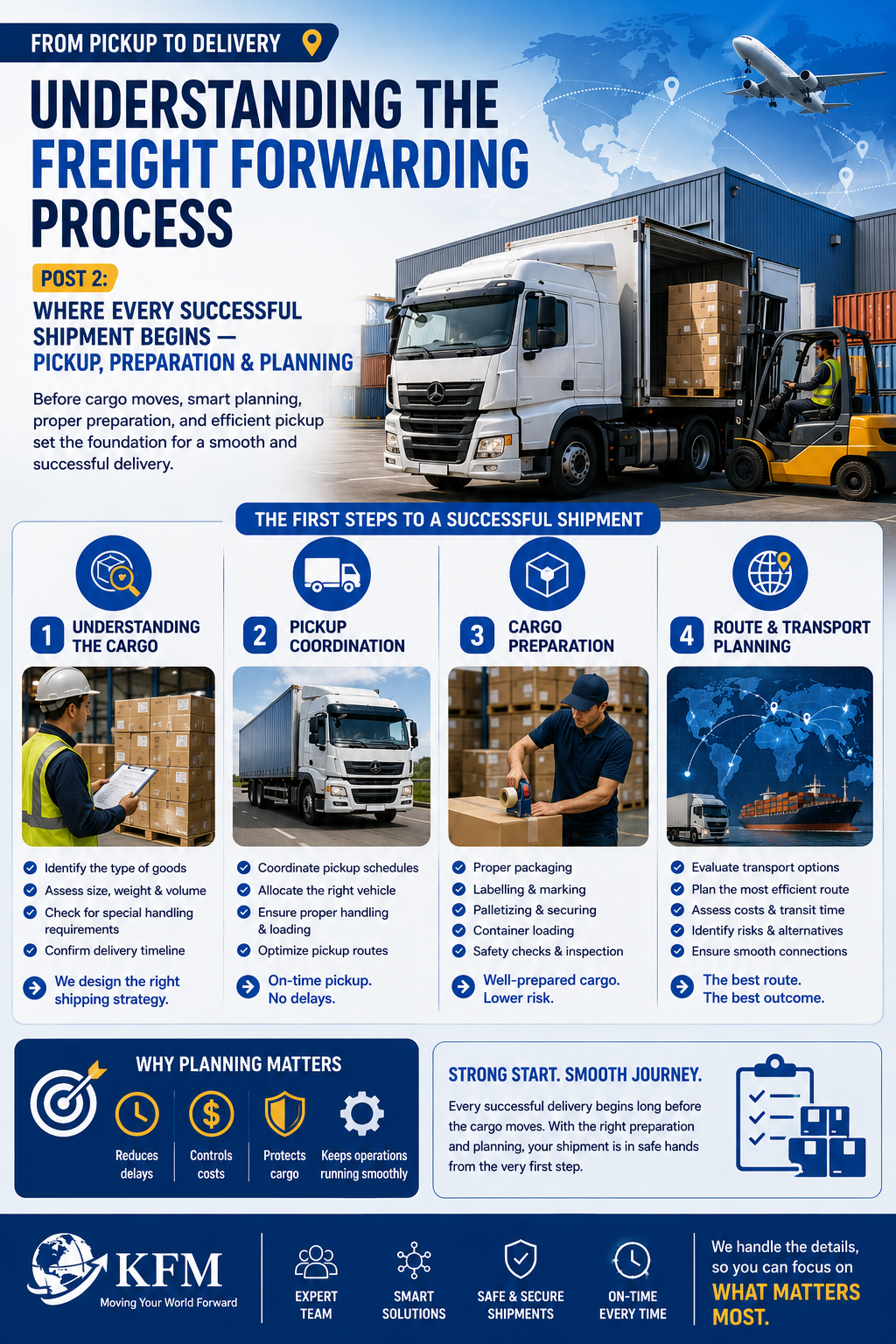
She began to work with a logistics partner who treated her shipments like business-critical operations, not just cargo.
Suddenly, everything changed:
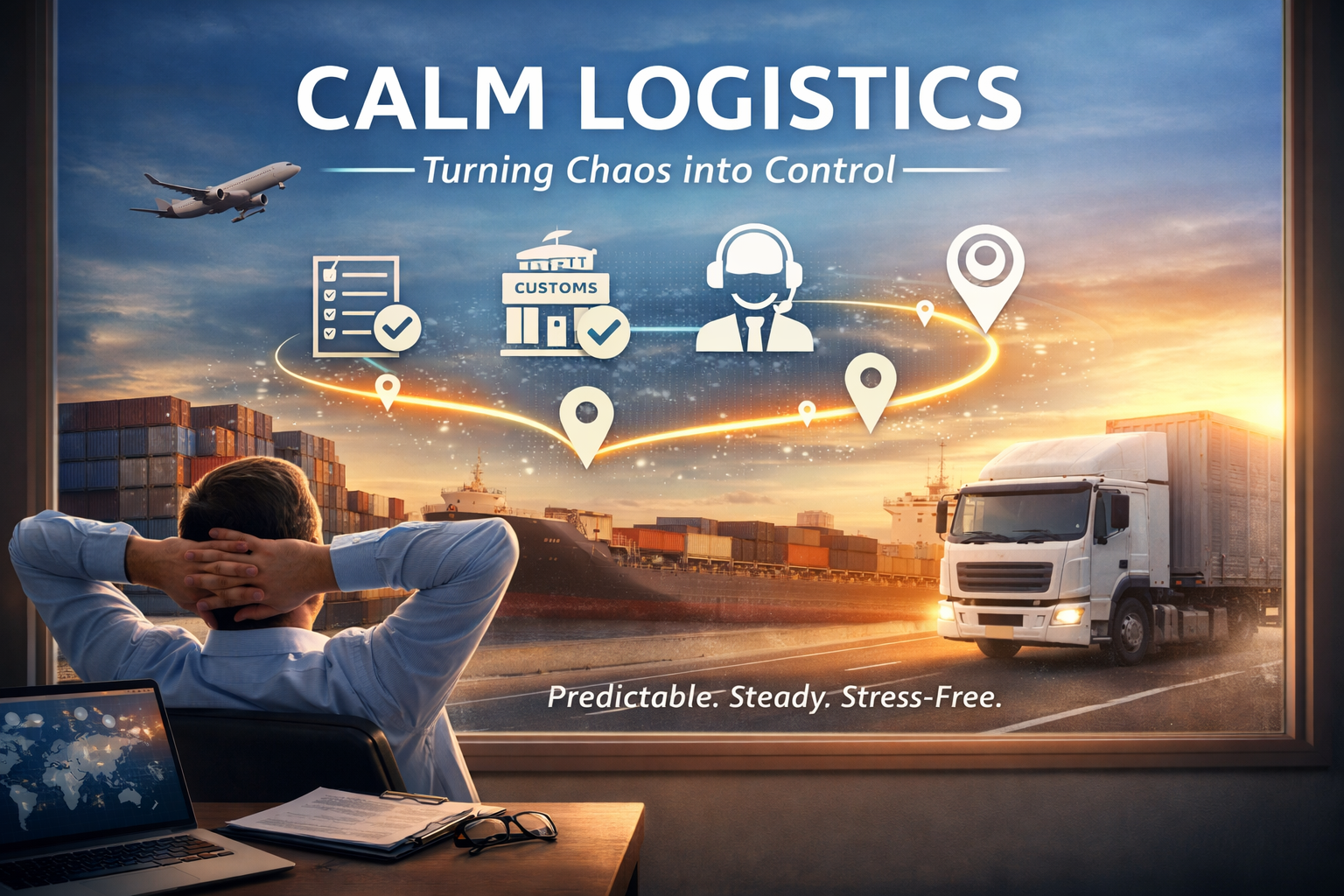
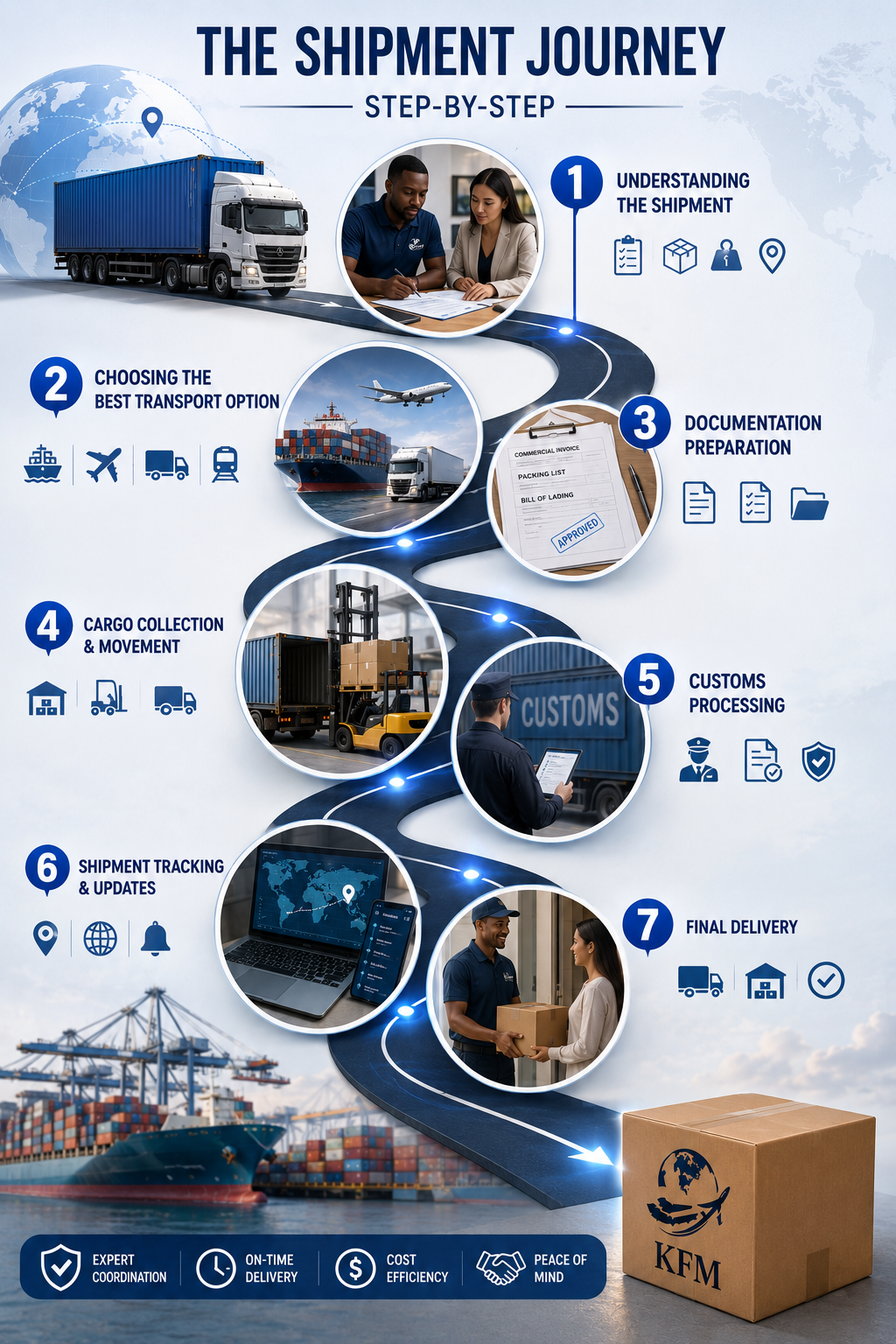
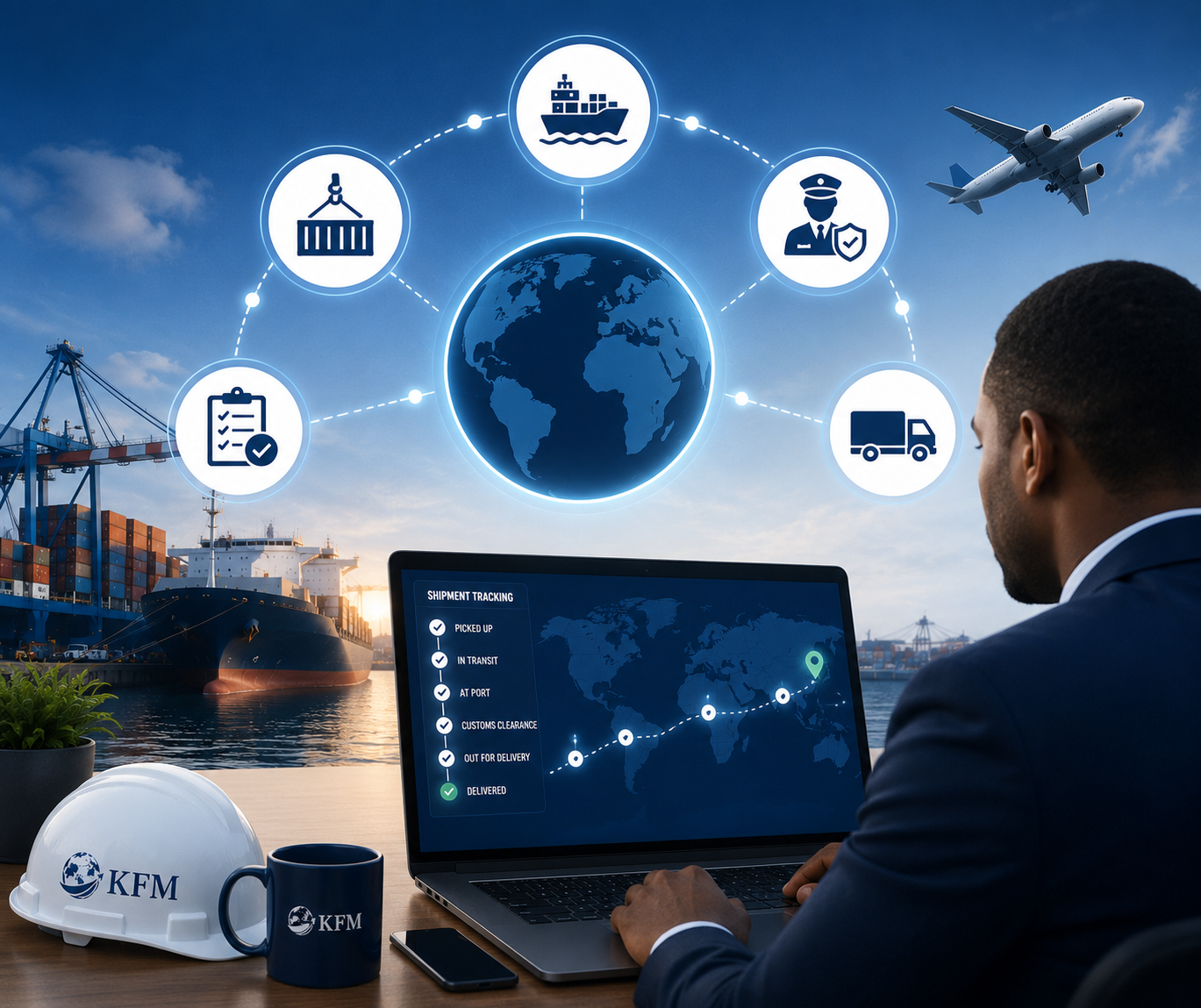
- Her documentation was checked before goods left the origin country
- She received realistic timelines instead of hopeful guesses
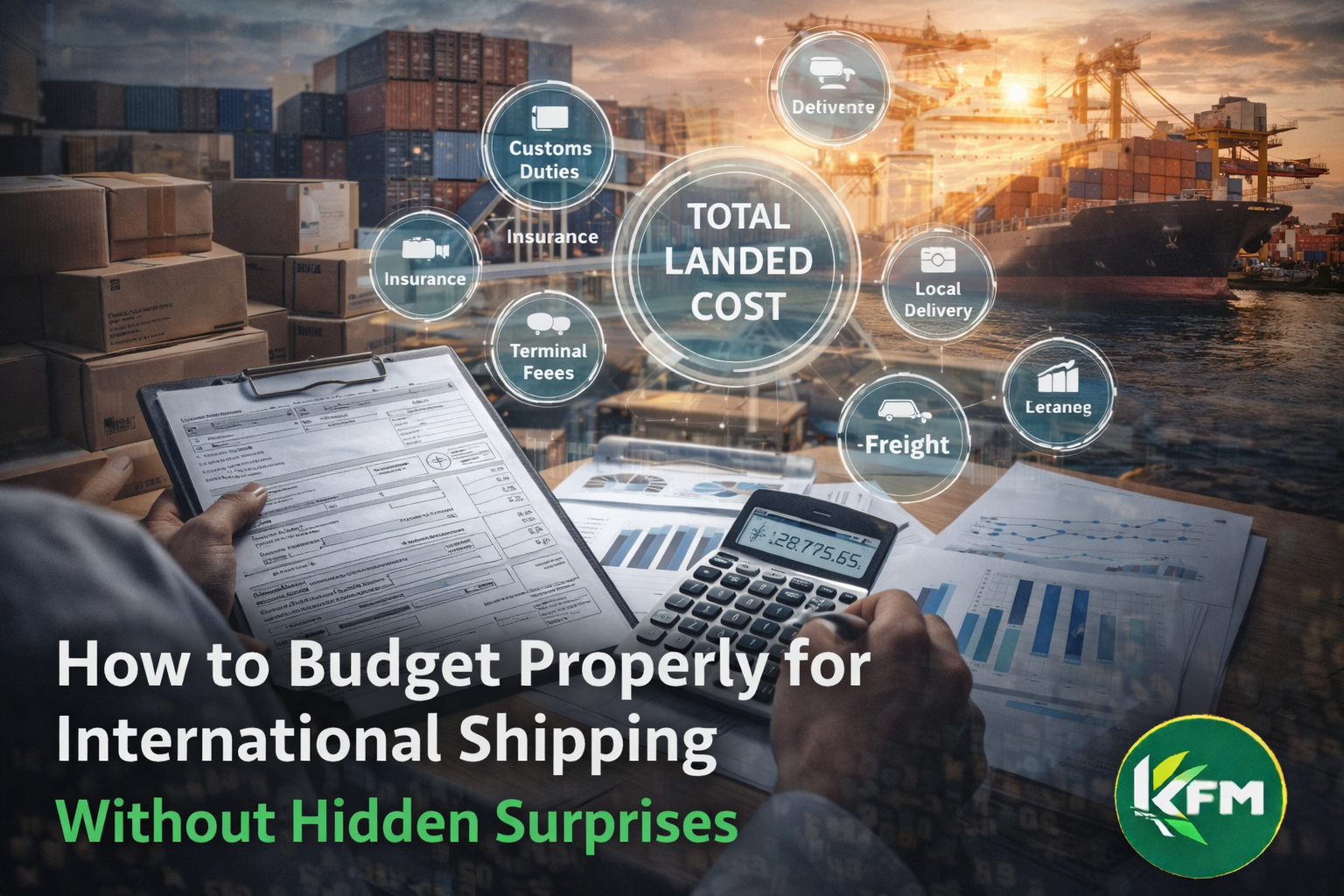
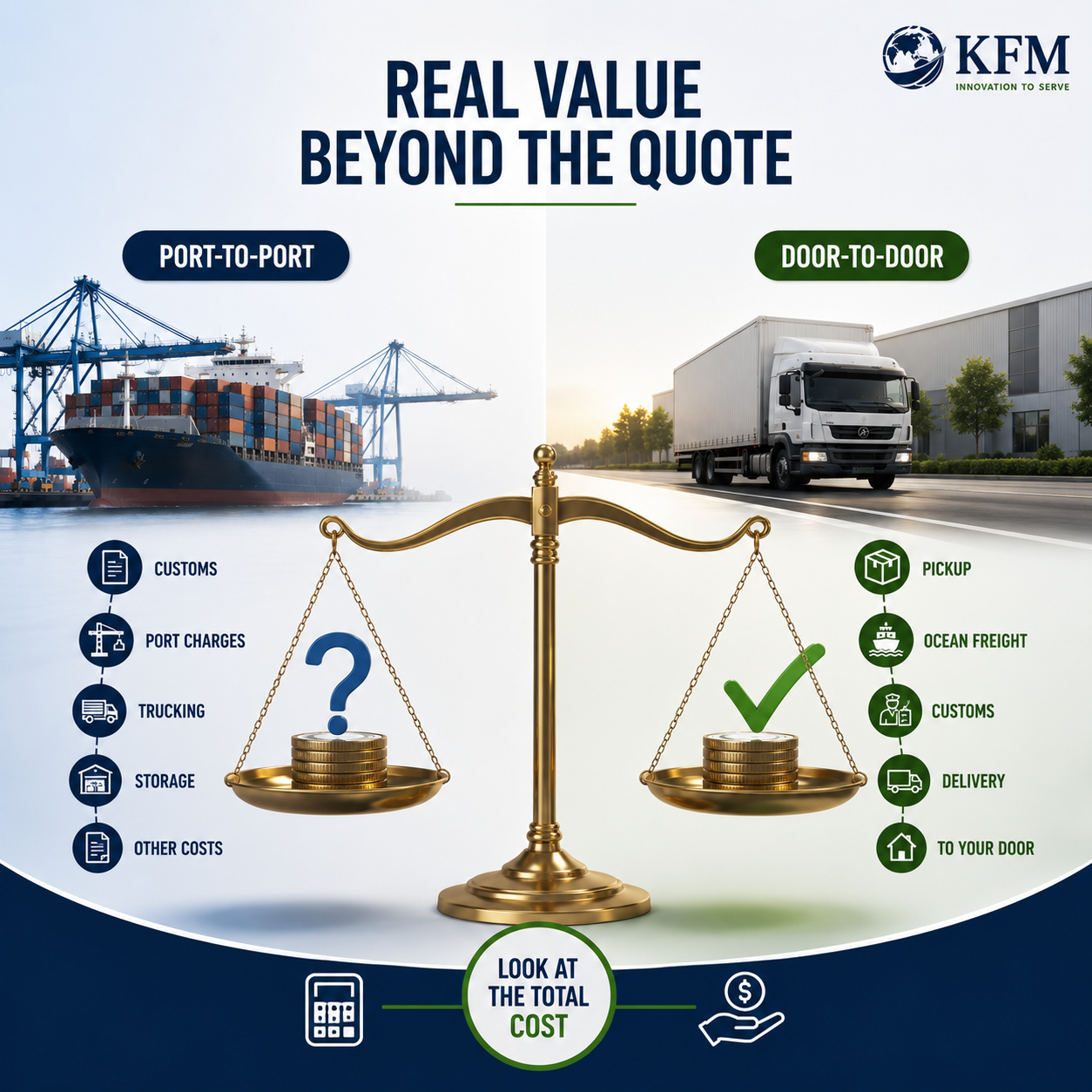
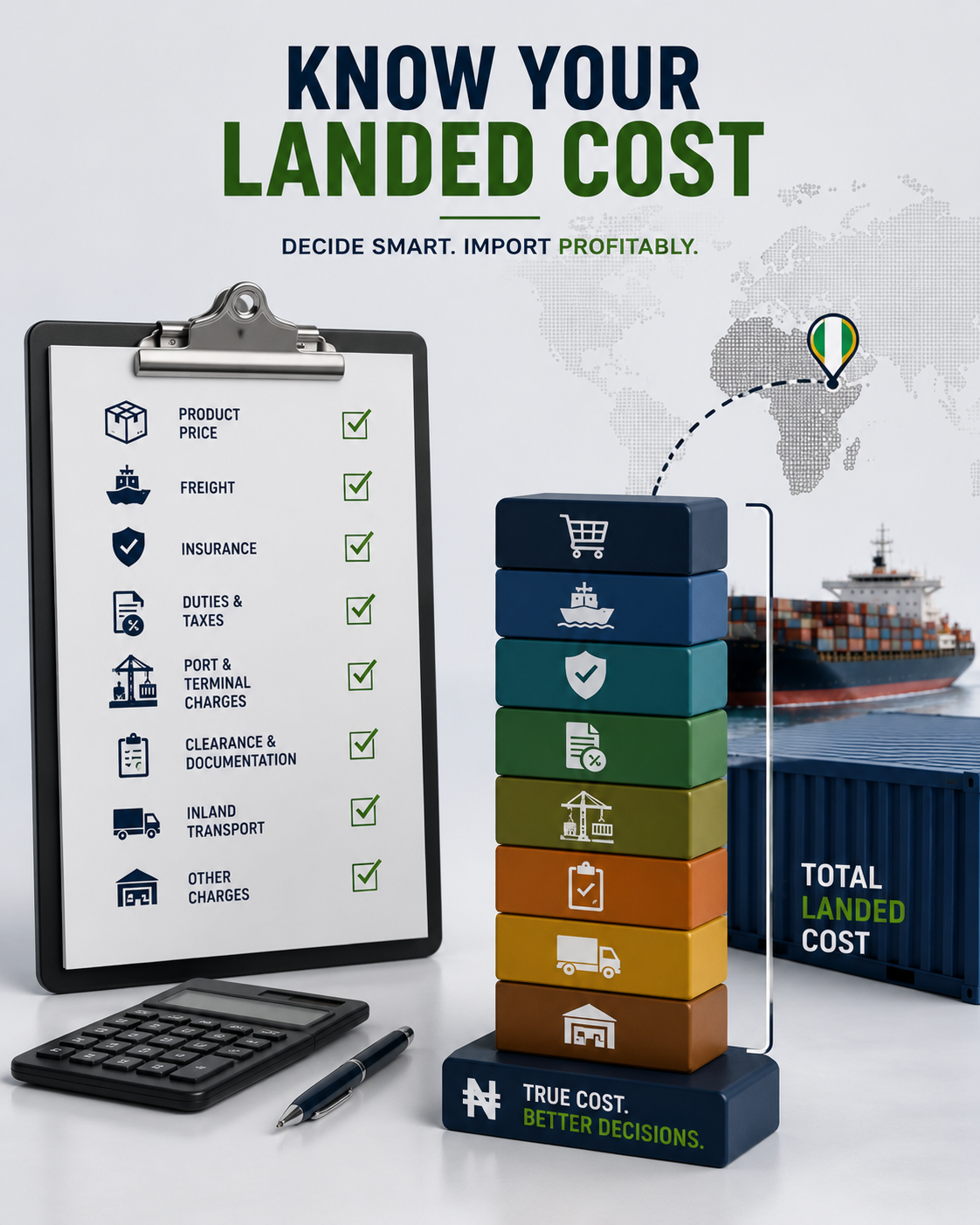
- She understood her full landed cost before confirming shipments
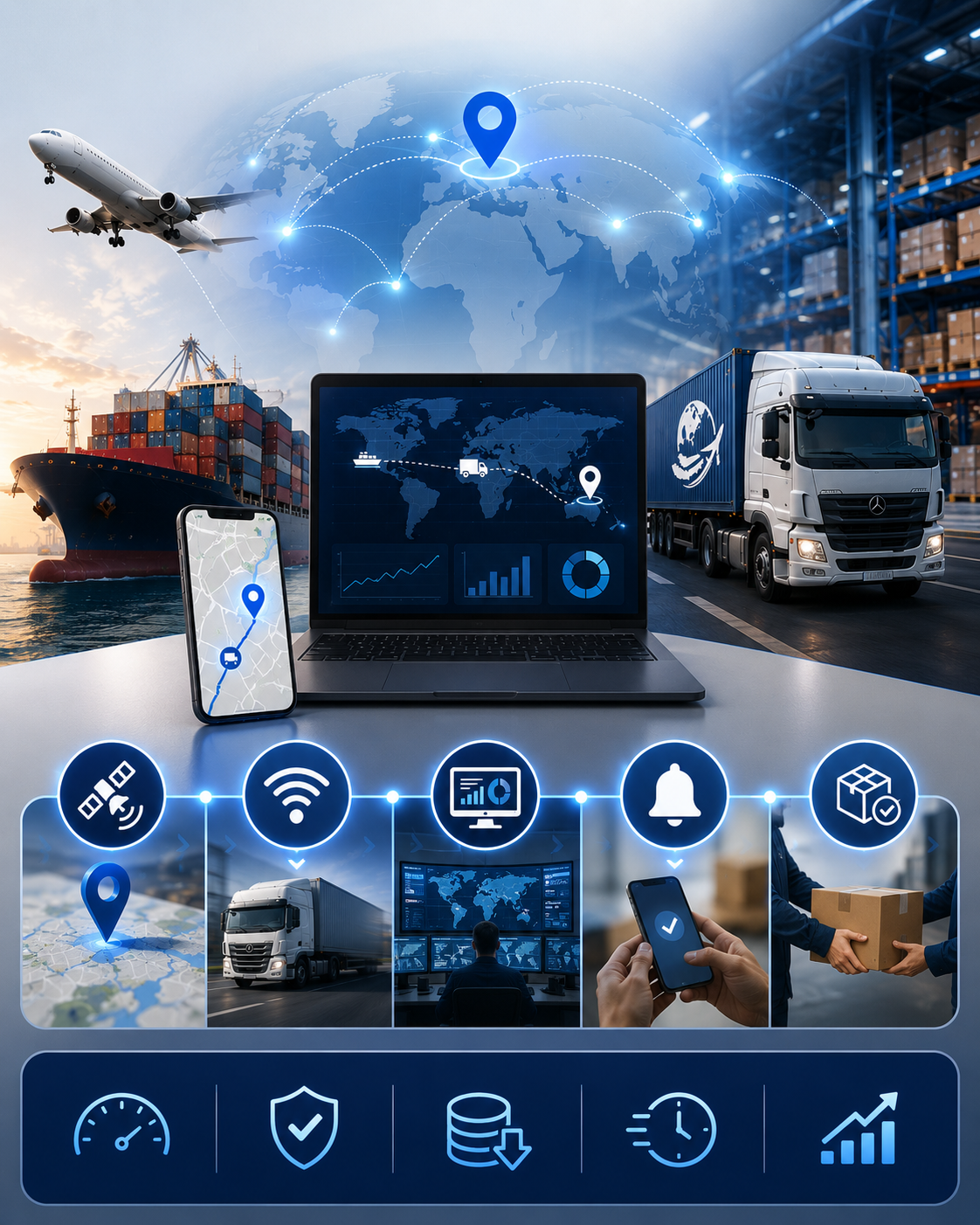
- Communication became consistent, not reactive
For the first time, logistics stopped feeling like stress.
It started feeling like structure.
What Structure Does to a Growing Business
With predictability came confidence.
She could now:
- Plan product launches around realistic arrival dates
- Commit to reseller orders without fear of delays
- Price her products properly because her costs were clear
- Build customer trust through consistent delivery
Her business didn’t just grow faster.
It grew stronger.
Customers trusted her brand. Partners respected her professionalism. And she finally felt in control of her operations.
The Lesson Hidden in Plain Sight
Many Nigerian SMEs believe growth is about marketing harder, posting more, or selling aggressively.
But sustainable growth is built on something less visible:
Systems.
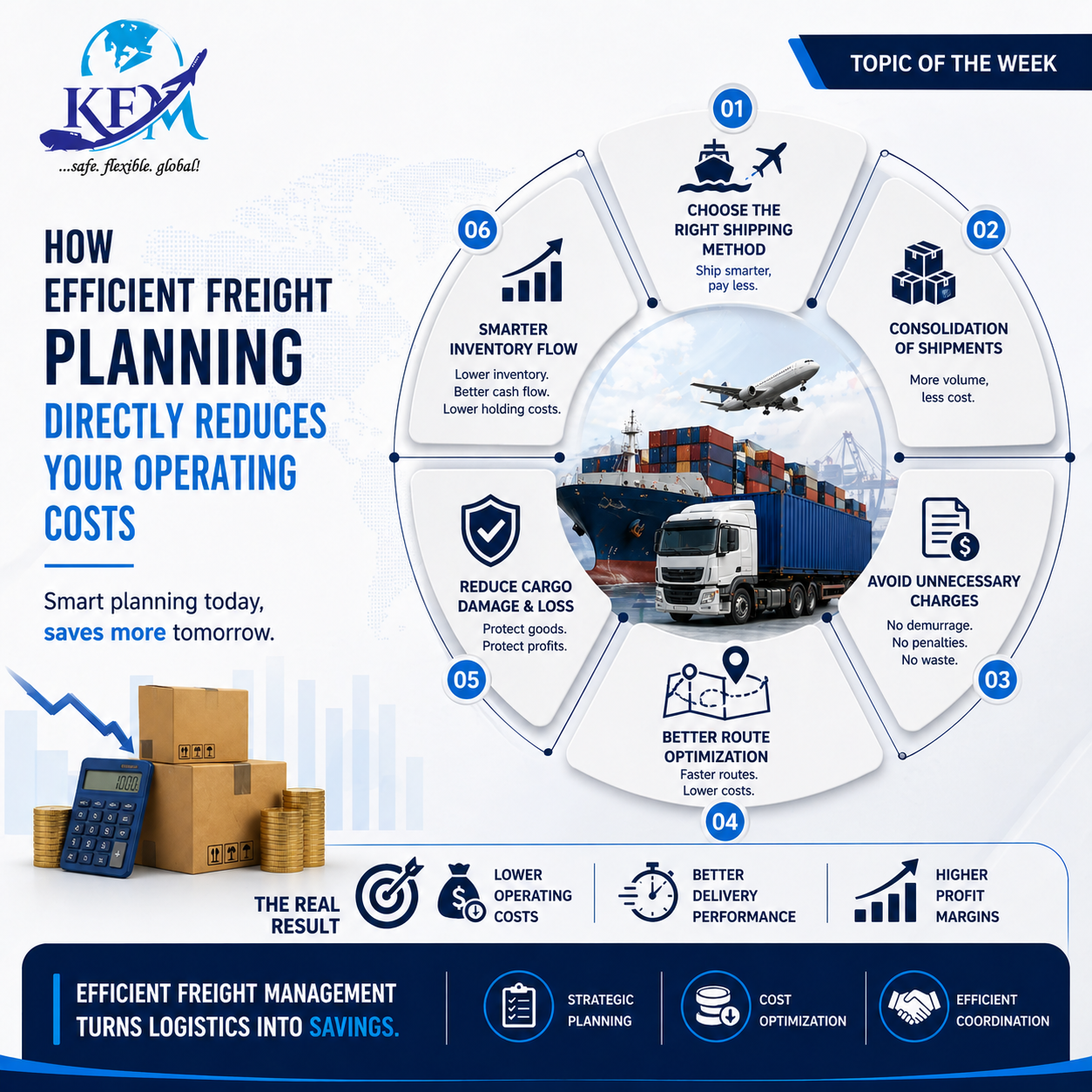
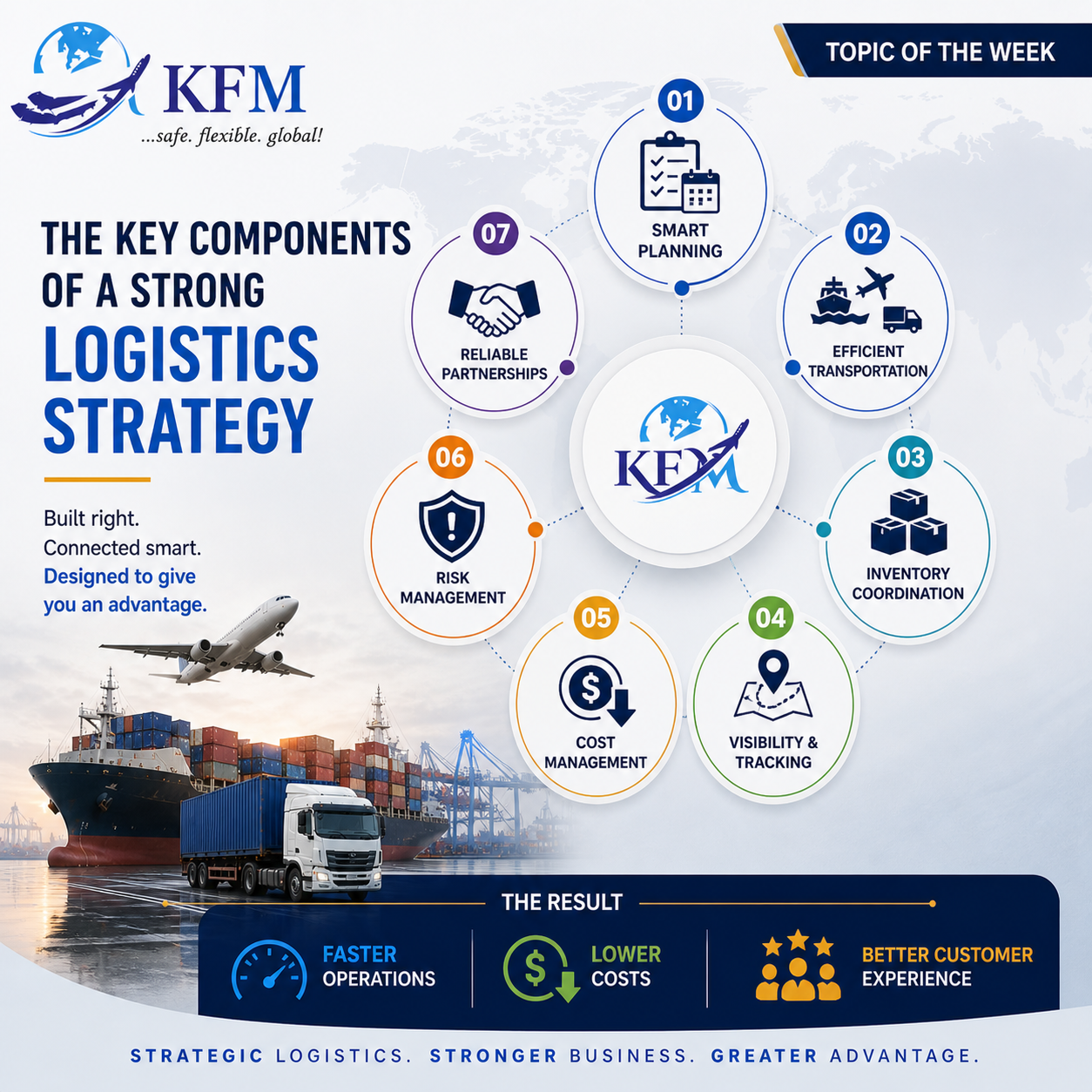
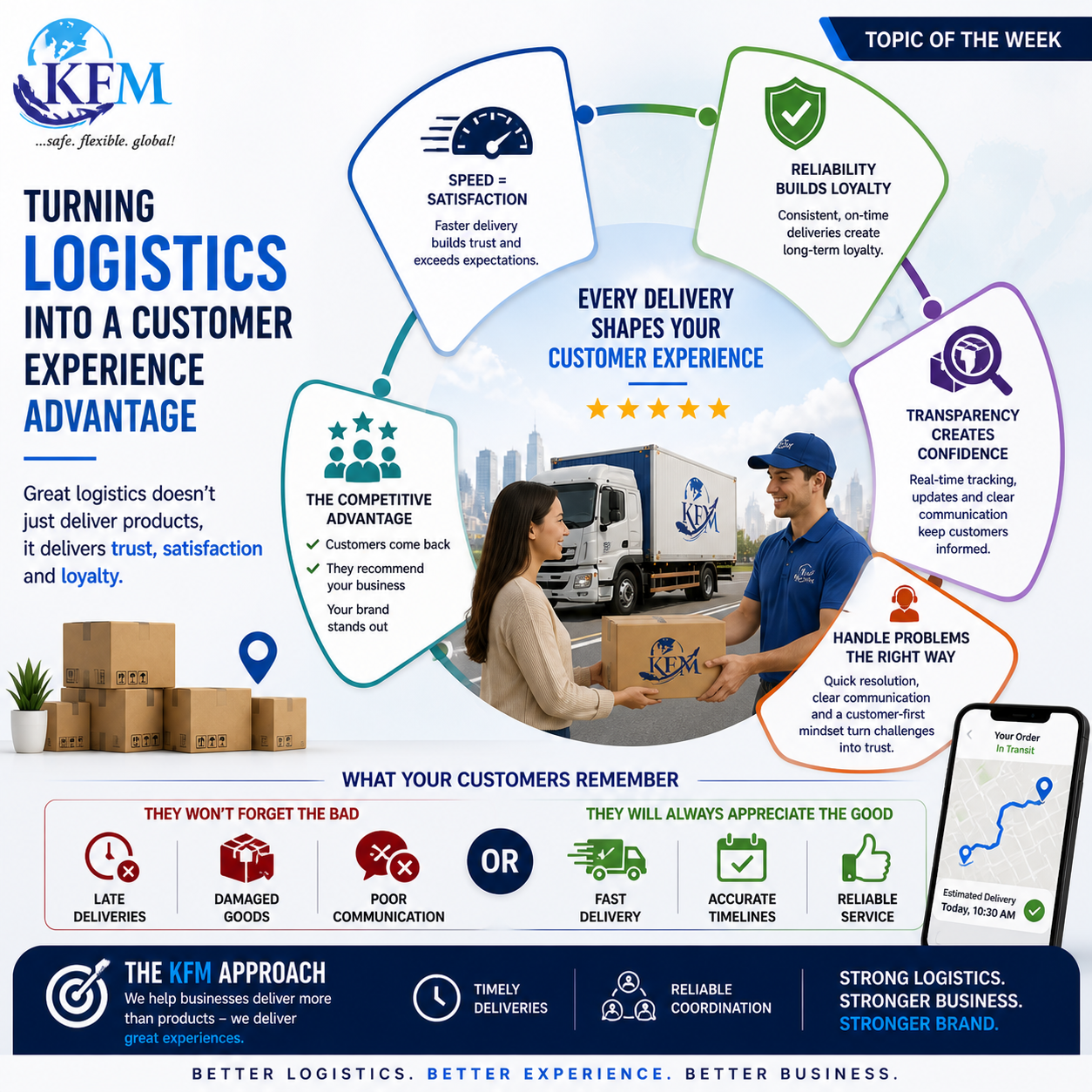
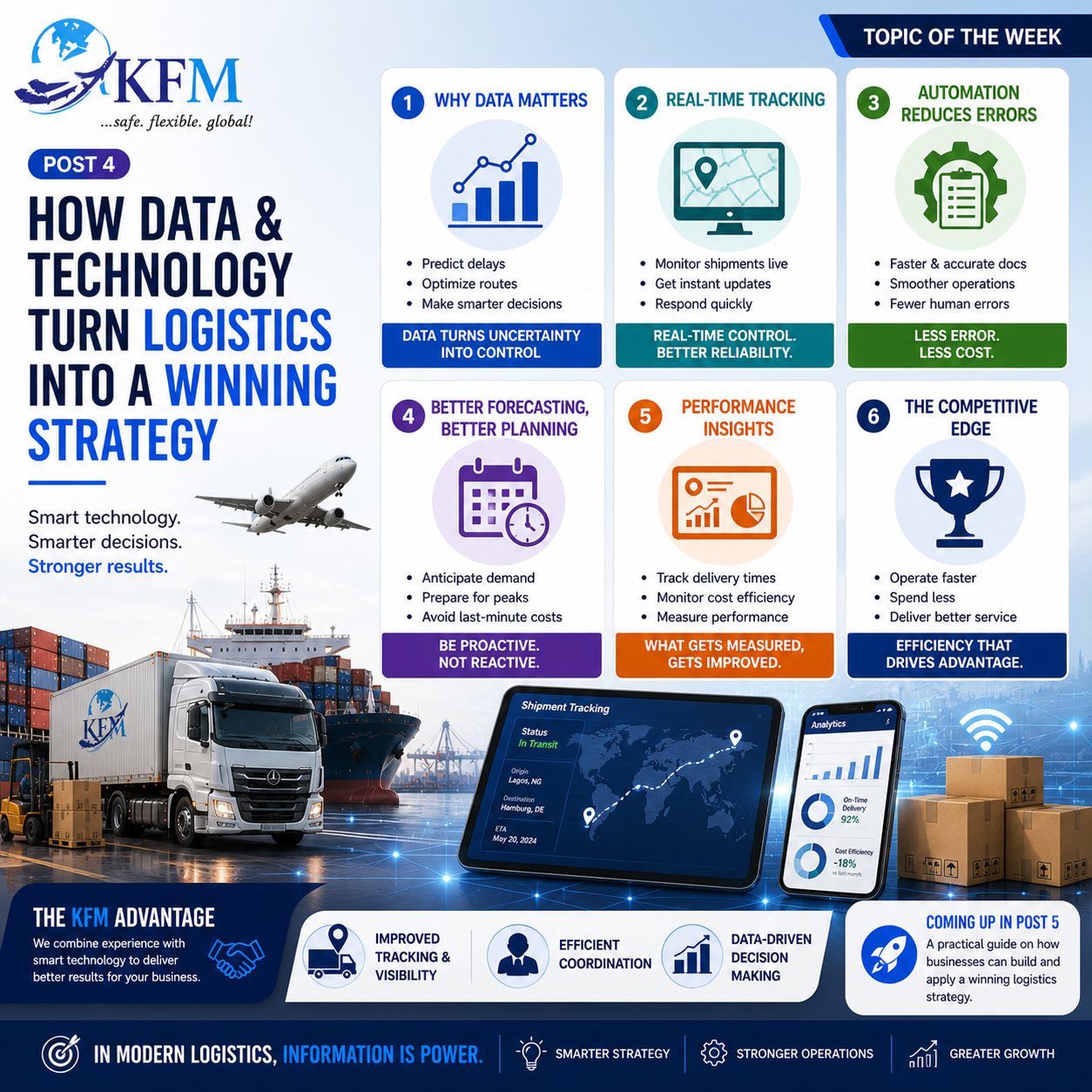
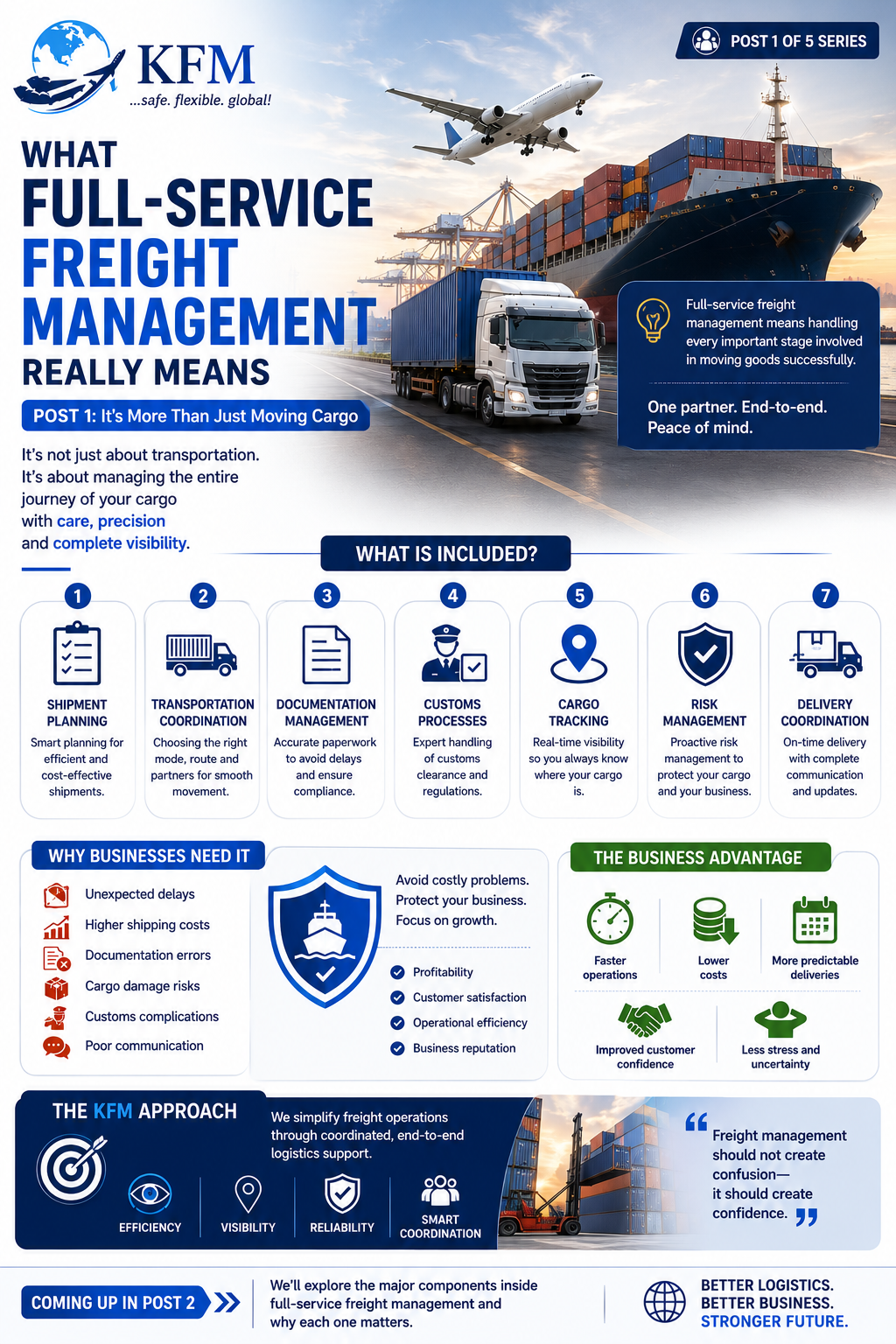
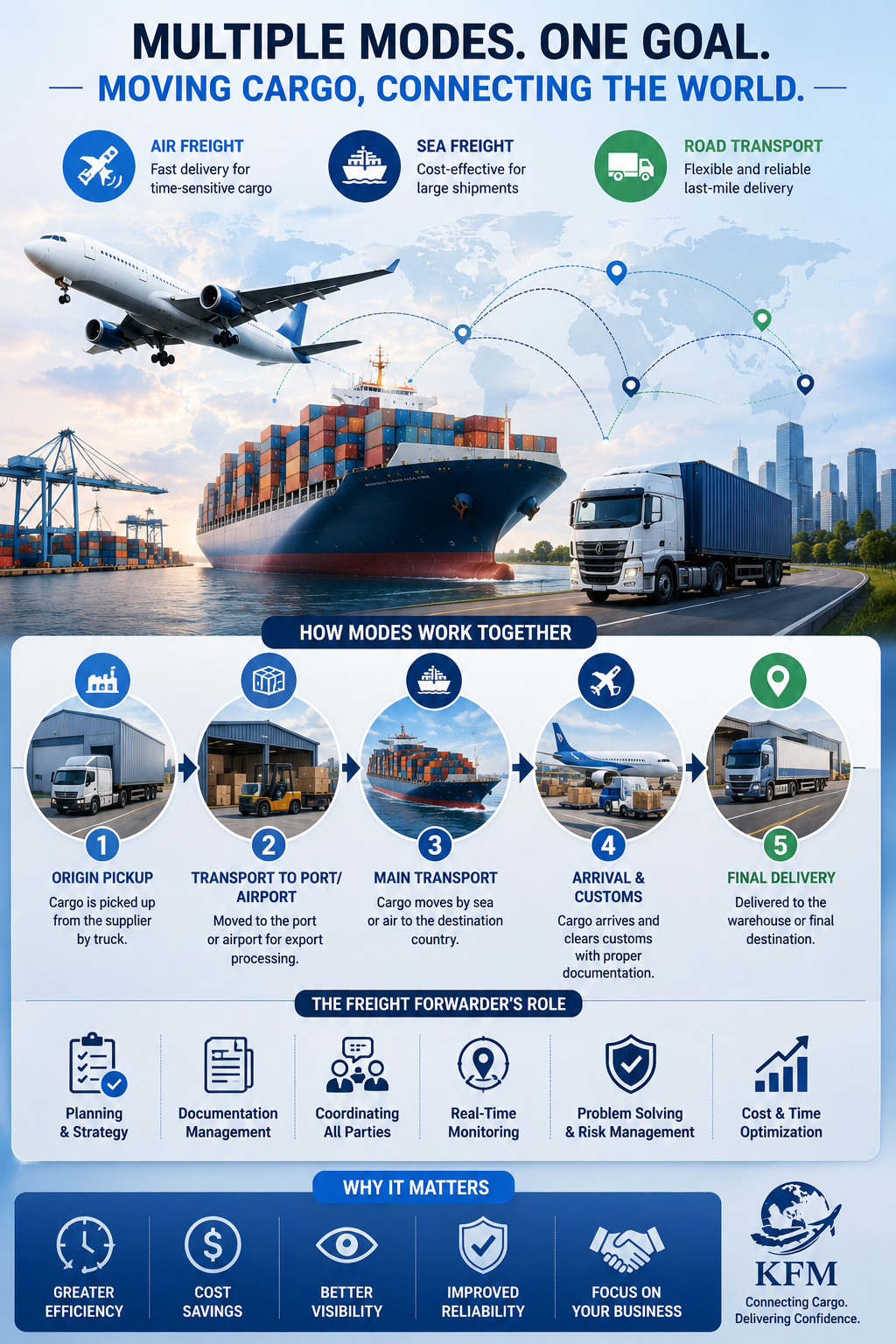
Strong logistics is not just about moving goods. It is about protecting reputation, stabilizing cash flow, and enabling long-term planning.
Businesses that scale successfully understand this early.
Those who don’t often learn it the hard way.
This Story Is Not Unique — And That’s the Point
Aisha’s story is not rare.
It reflects thousands of SME owners across Nigeria who have strong products, real demand, and serious ambition — but are held back by fragile logistics foundations.
The businesses that break through are not always the smartest marketers.
They are the ones who build reliable operations behind the scenes.
They choose partners who think long-term.
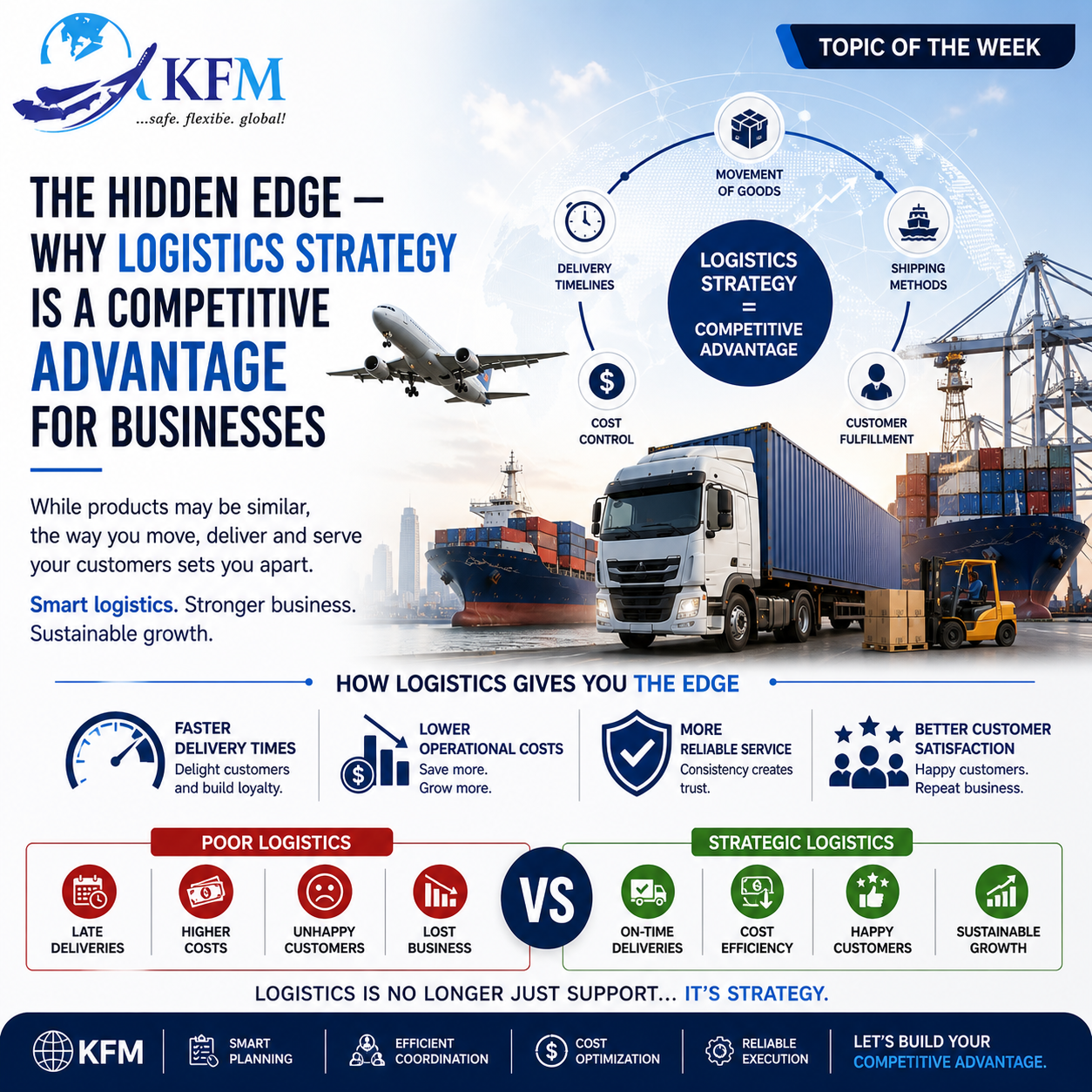
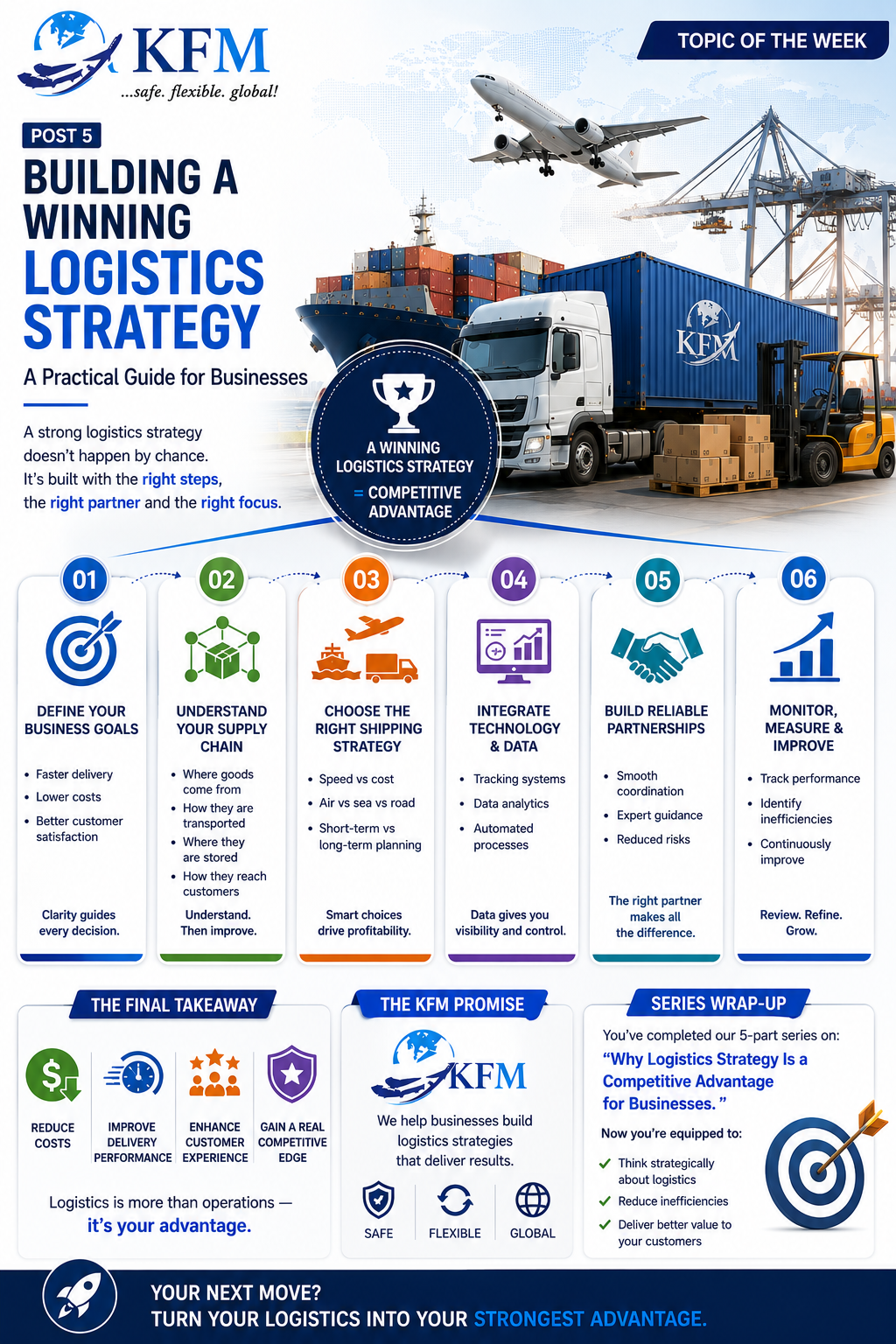
They treat logistics as strategy, not as an afterthought.
Growth Becomes Sustainable When Structure Comes First
Today, Aisha no longer fears shipment days.
She plans confidently. She commits boldly. She scales intentionally.
Not because her business suddenly became magical.
But because the invisible systems supporting it became strong.
That is the power of smart logistics.
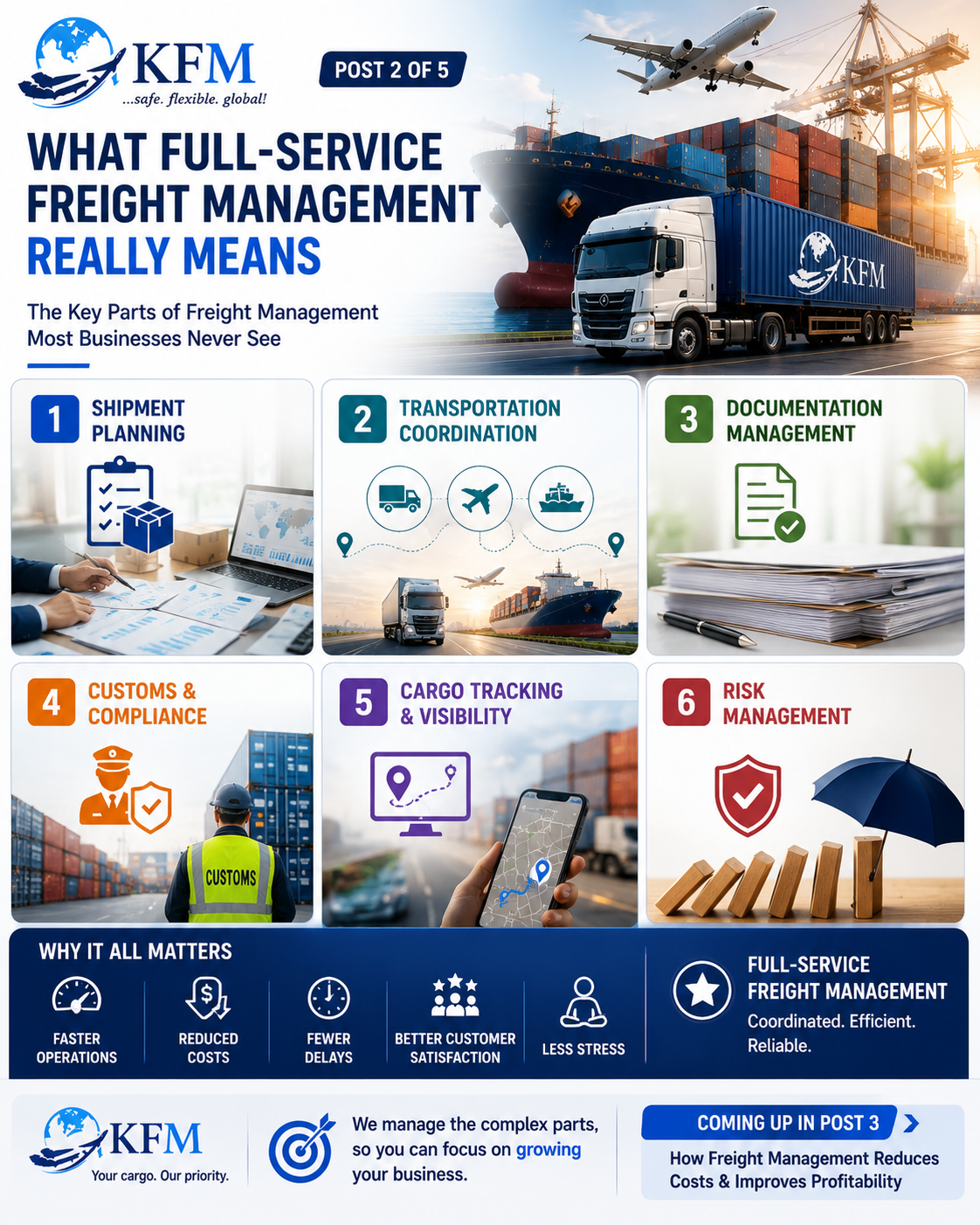
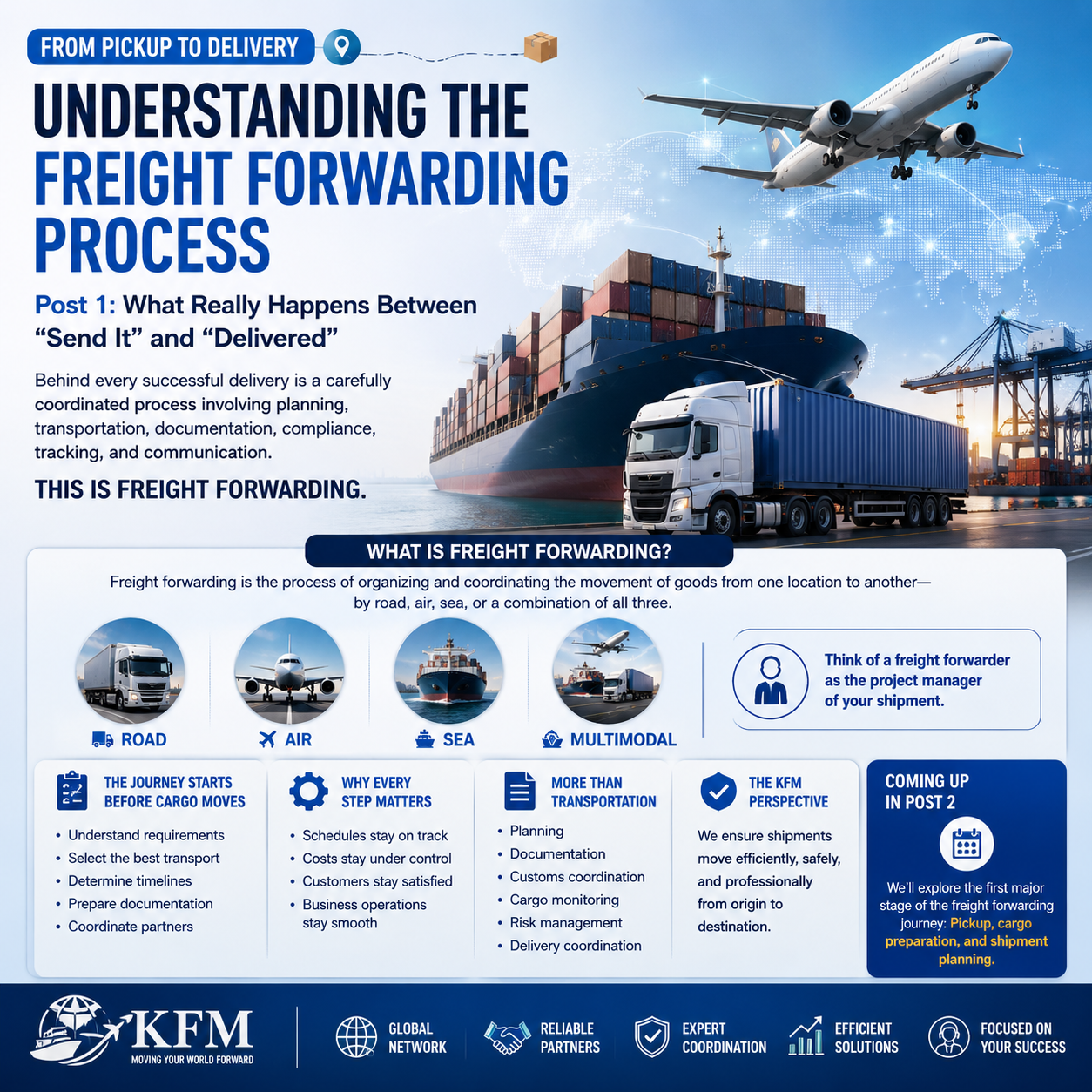
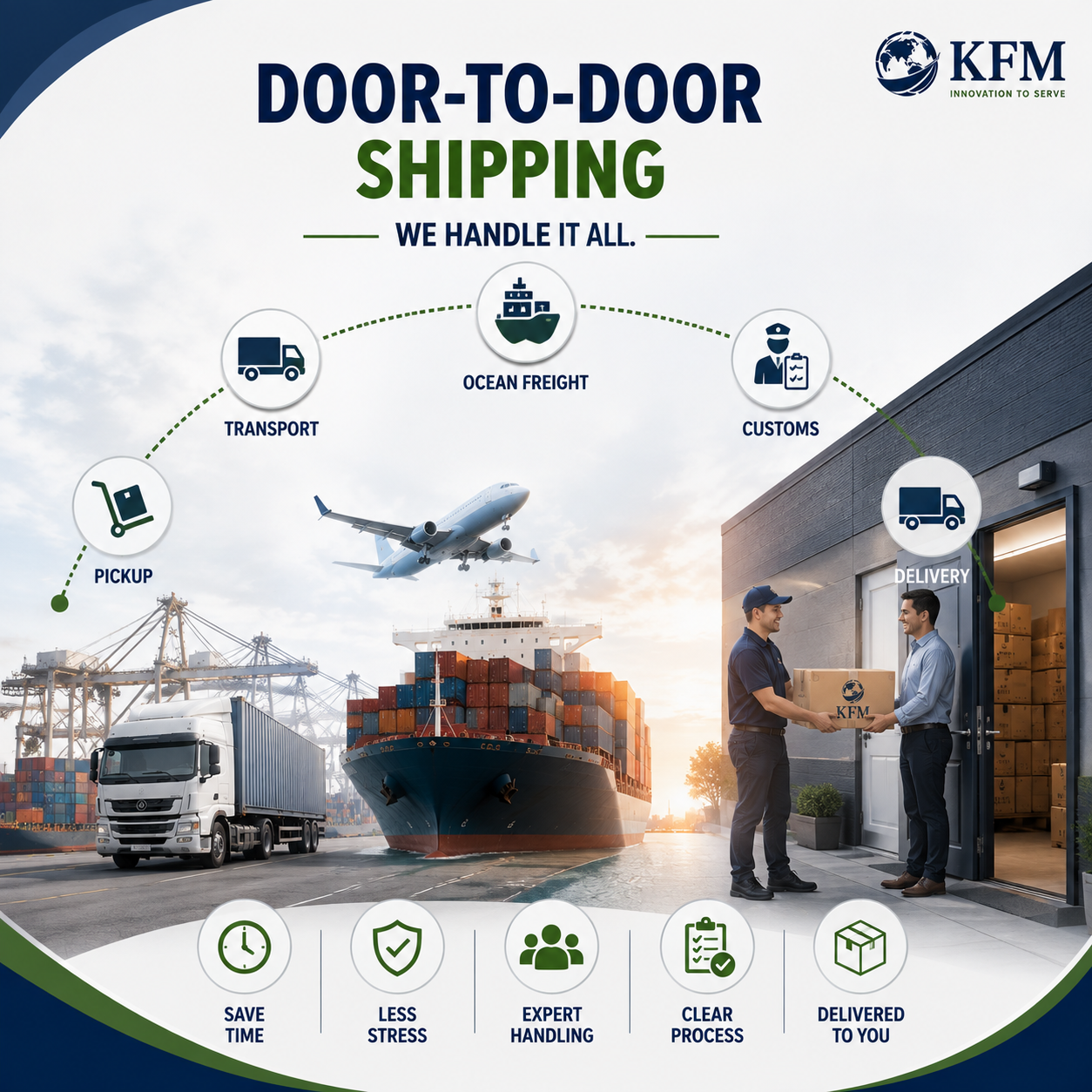
At KFM, we work with businesses at this exact turning point. Not just to move cargo, but to build the structure that allows SMEs to scale with confidence, clarity, and consistency.