How Customs Clearance Works in Nigeria (A Non-technical Guide)
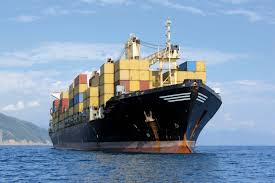
Your cargo has finally arrived in Nigeria. The ship has docked, the containers are offloaded, and somewhere inside the port sits your goods.
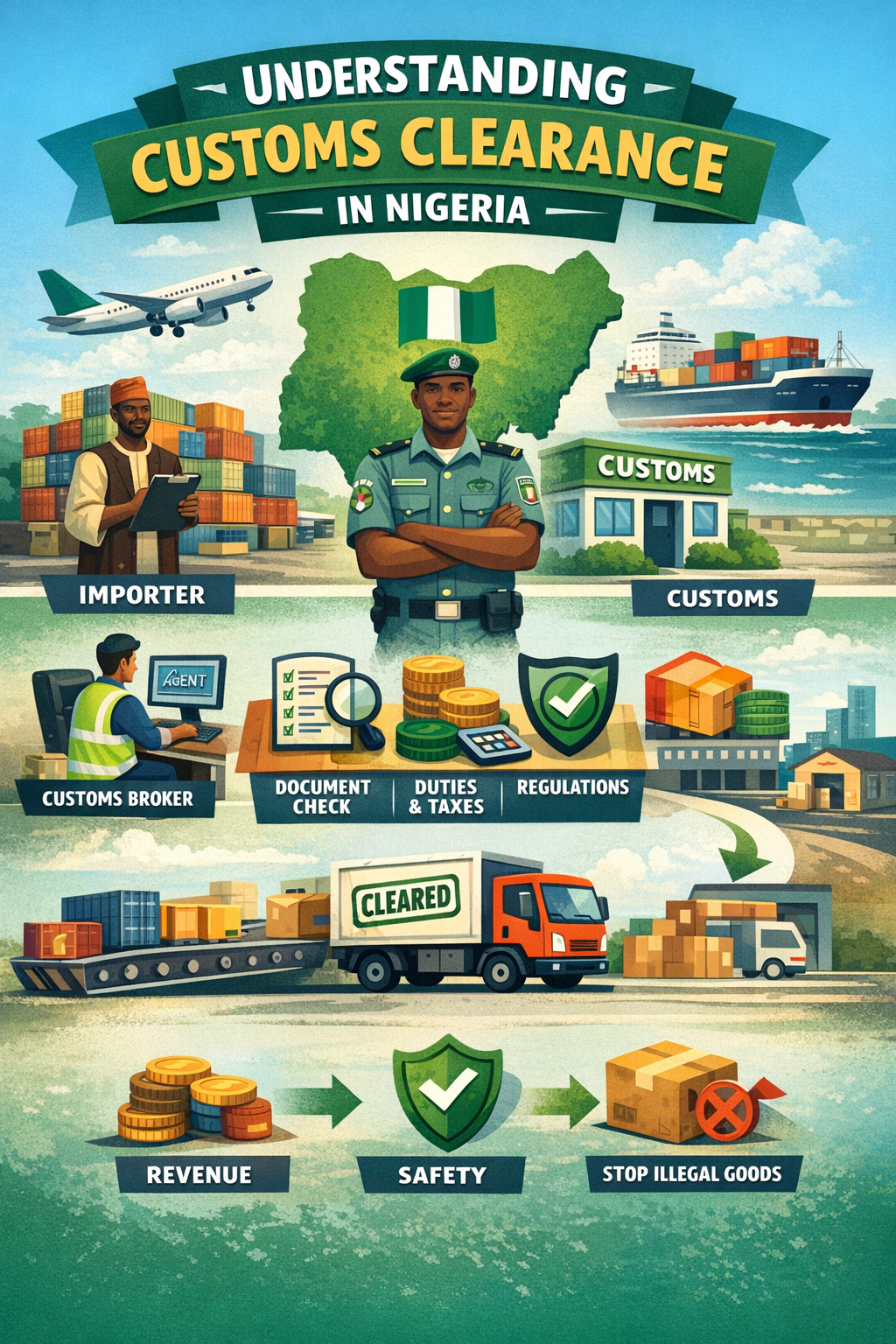
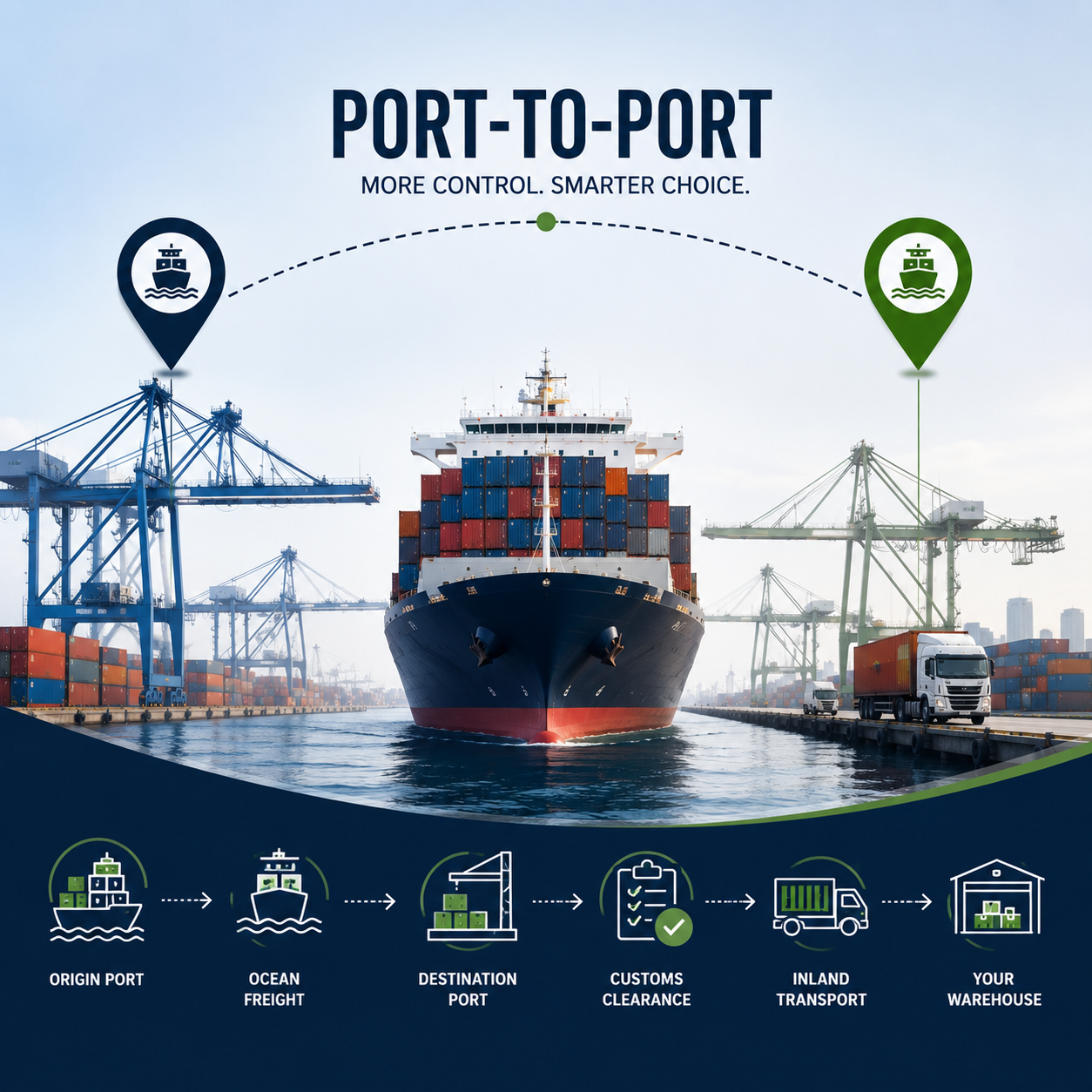
But before those goods can leave the port and head to your warehouse, shop, or factory, they must go through a process known as customs clearance.
Think of the port as a secure gate. Your cargo cannot simply walk out of that gate. First, it must go through a few important checks.
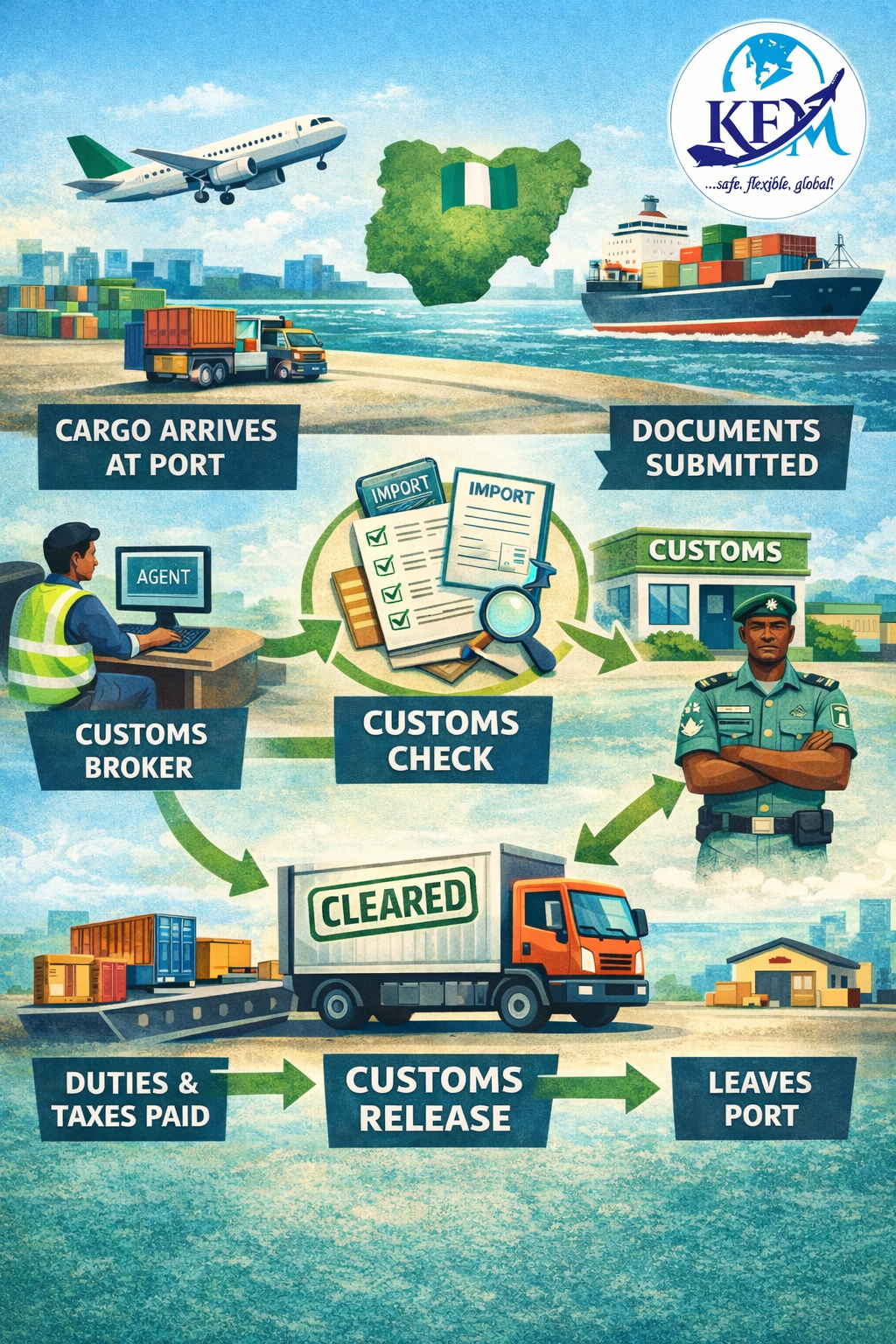
Step 1: Your Cargo Arrives at the Port
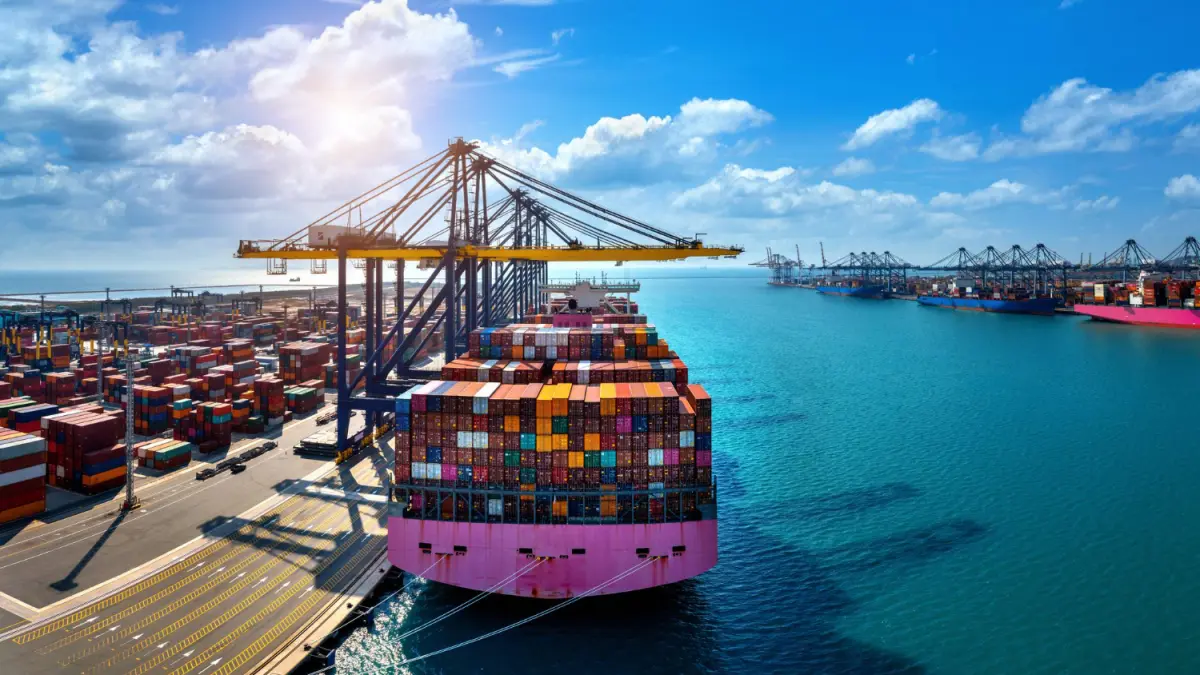
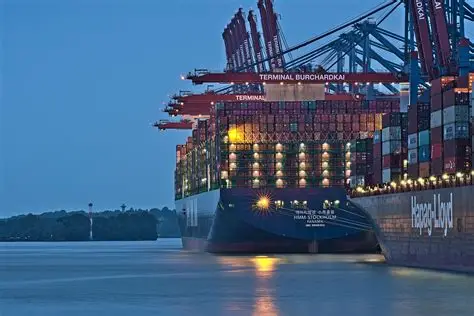
The journey begins when the vessel carrying your goods arrives at a Nigerian port. Once the ship docks, containers are unloaded and transferred into the port terminal.
At this stage, your goods are officially inside Nigeria — but they are not yet approved to leave the port.
Step 2: Documents Are Submitted
Now the paperwork begins.
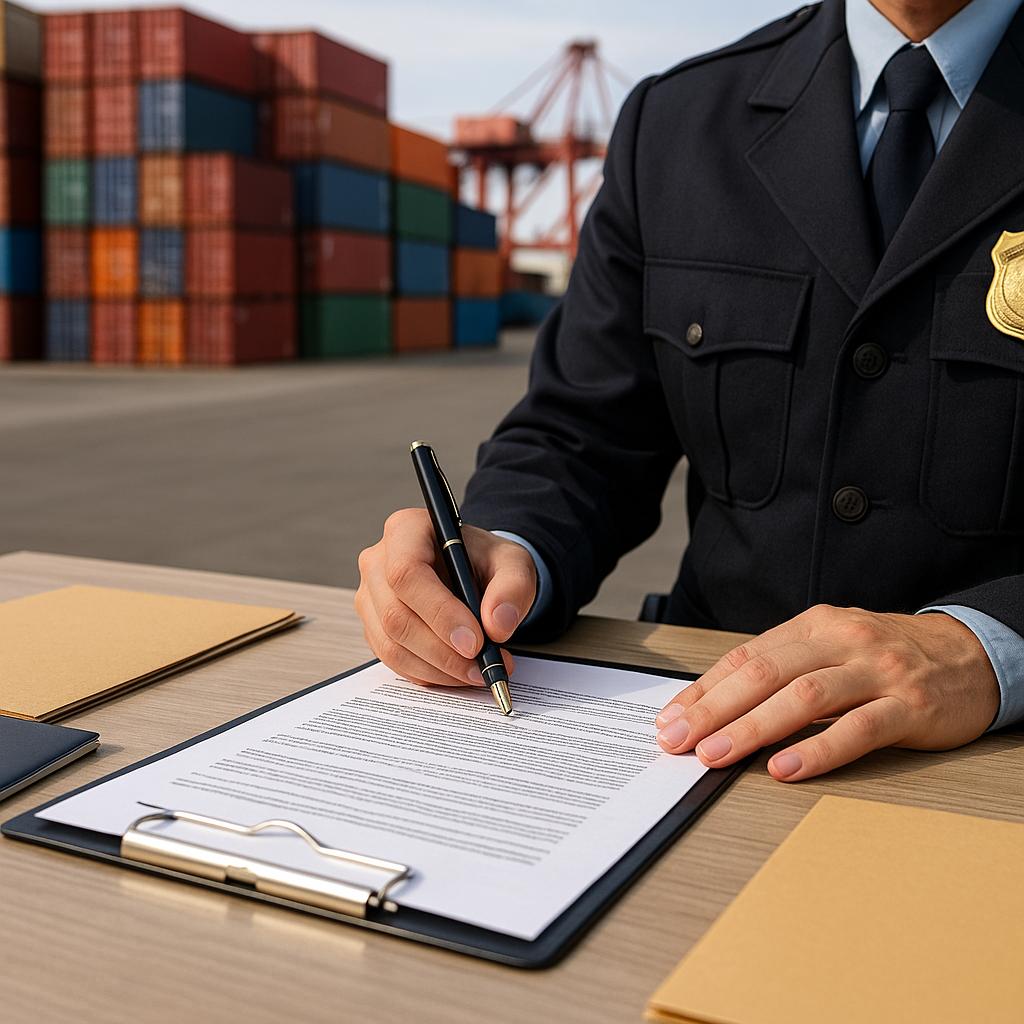
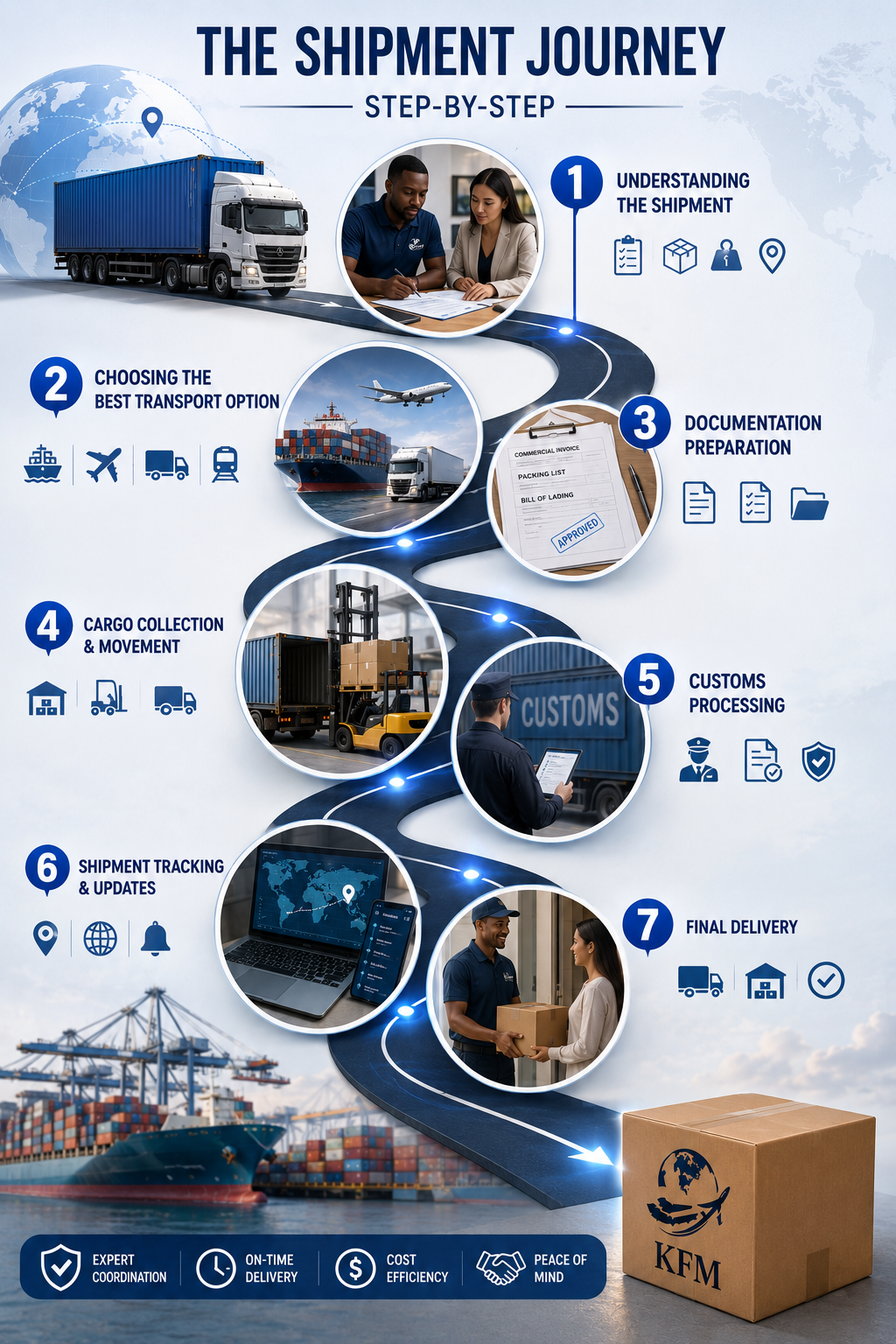
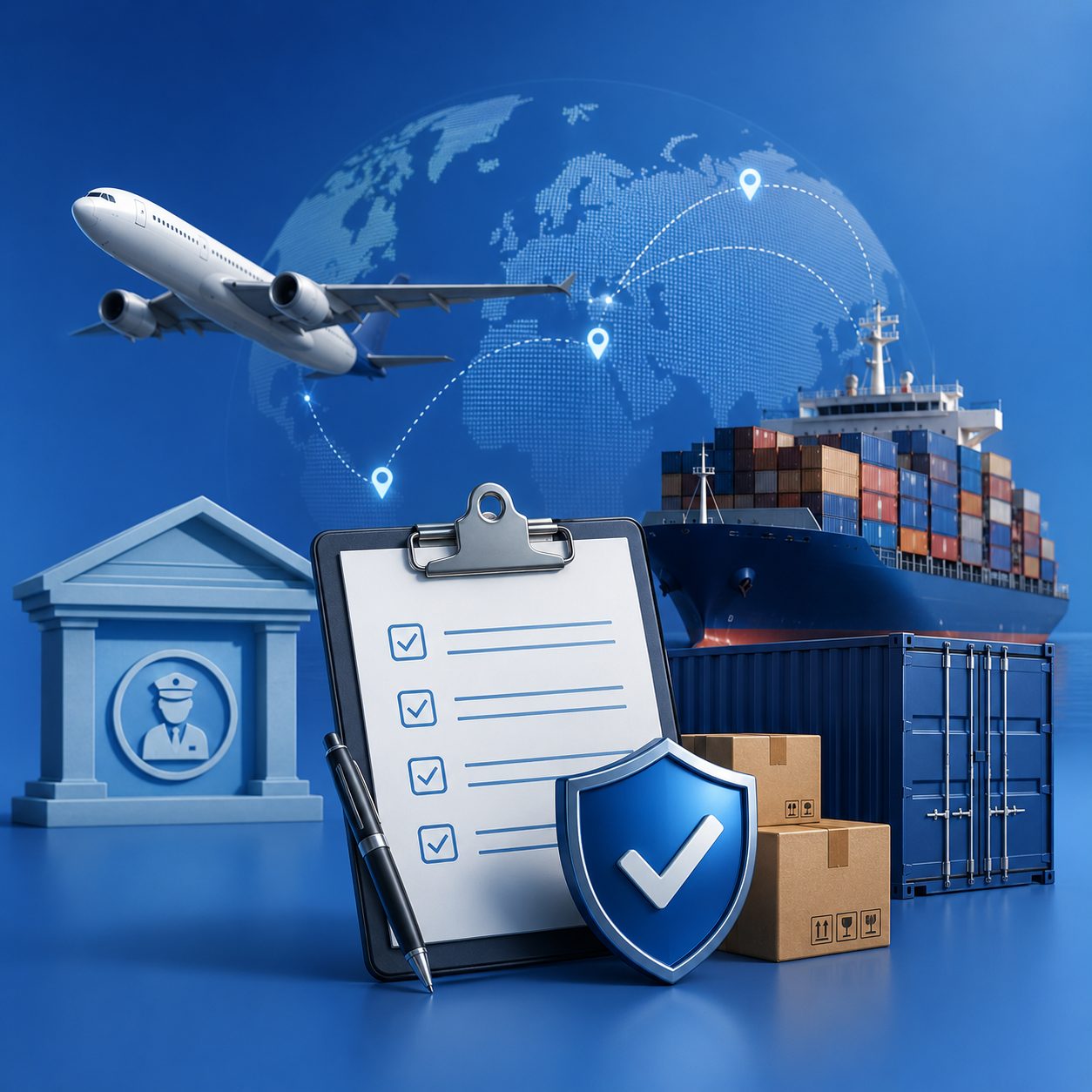
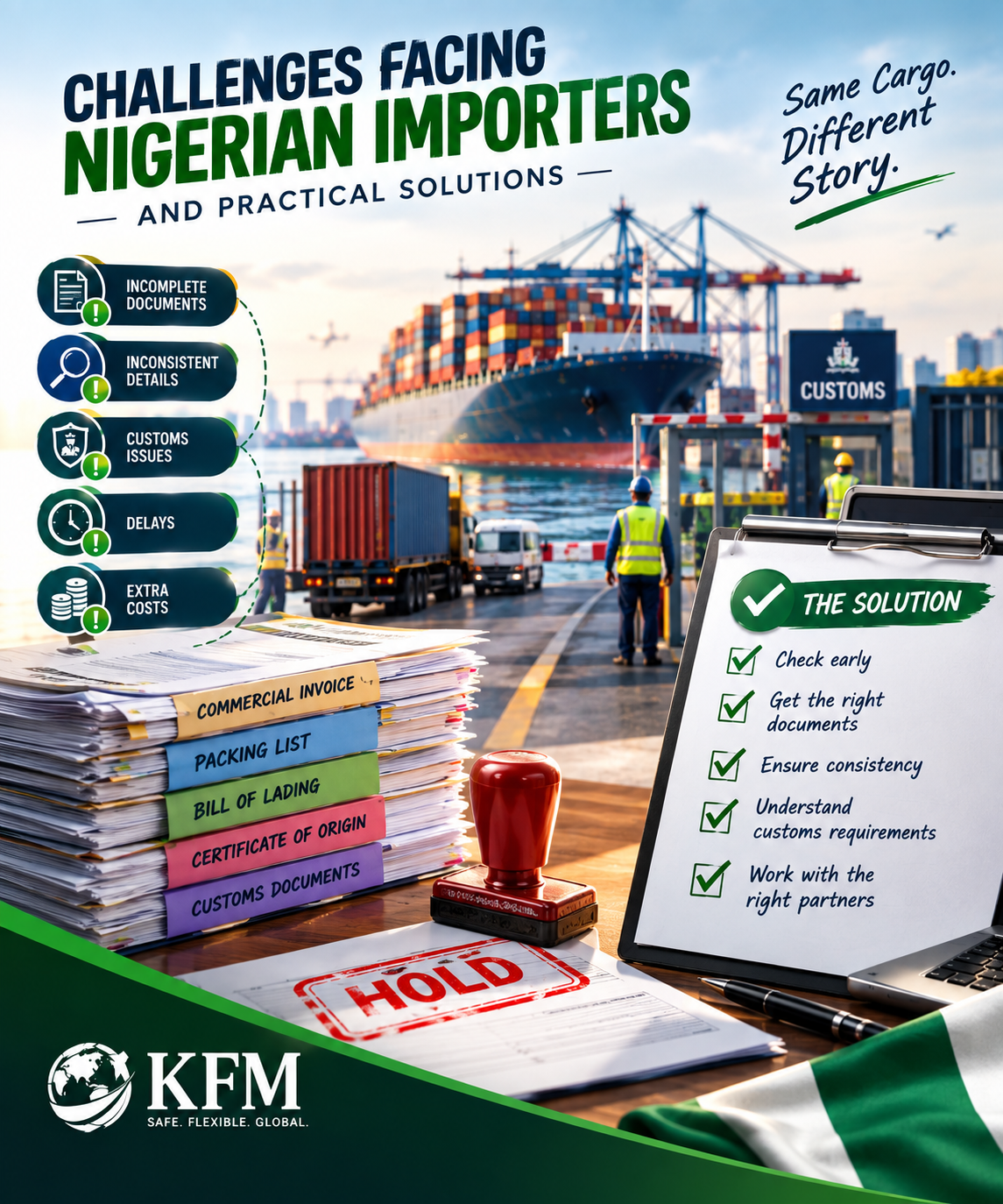
Your clearing agent submits the necessary documents to the customs system. These documents tell customs exactly what is inside the shipment.
- Commercial invoice
- Packing list
- Bill of lading
- Import declaration
This information helps customs understand what is being imported and how it should be processed.
Step 3: Customs Reviews the Shipment
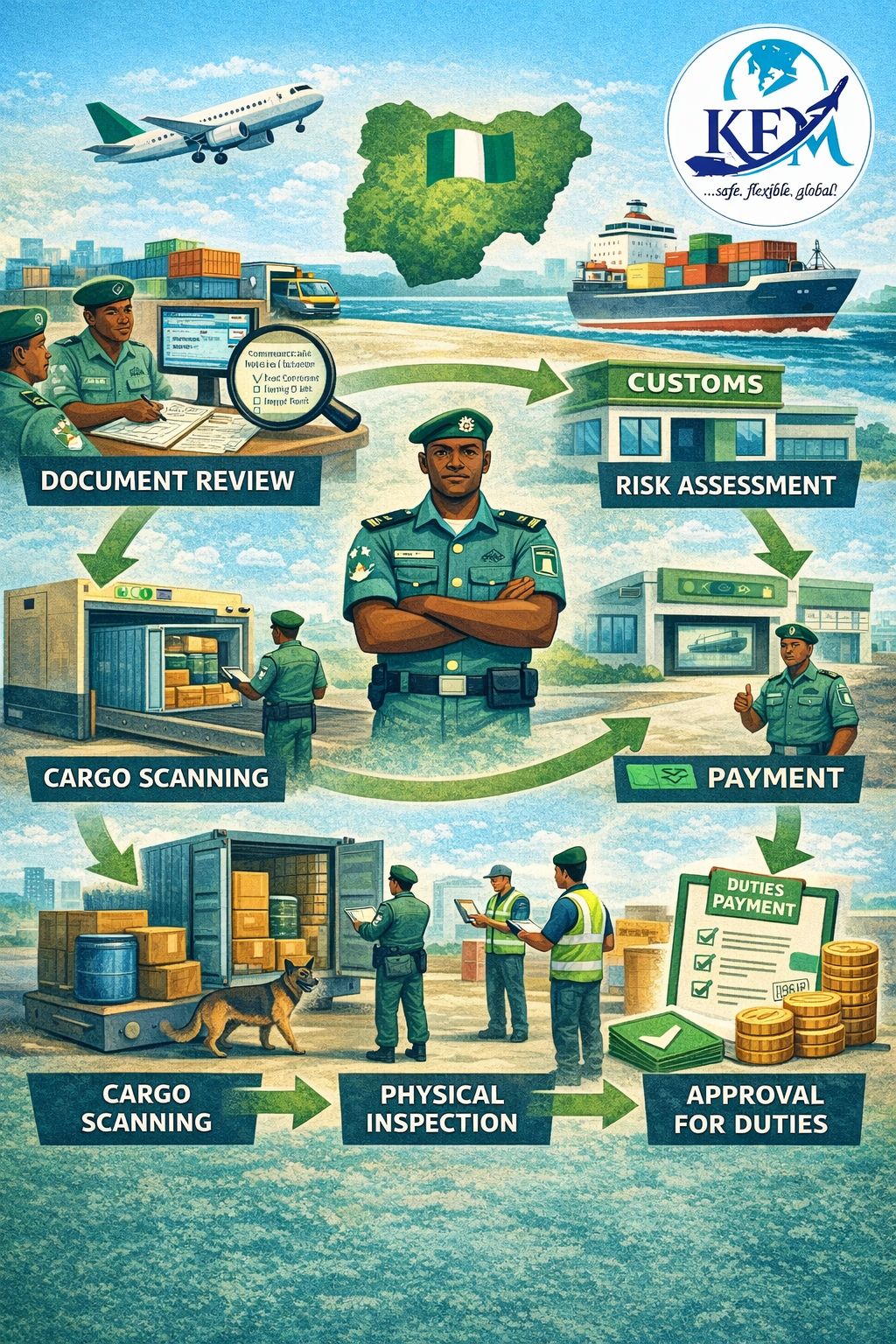
Once the documents are submitted, customs officers review them carefully.
They want to confirm three main things:
- The goods match the description in the documents
- The items are allowed to enter Nigeria
- The correct duties and taxes are calculated
Sometimes customs may also request a physical inspection of the cargo.
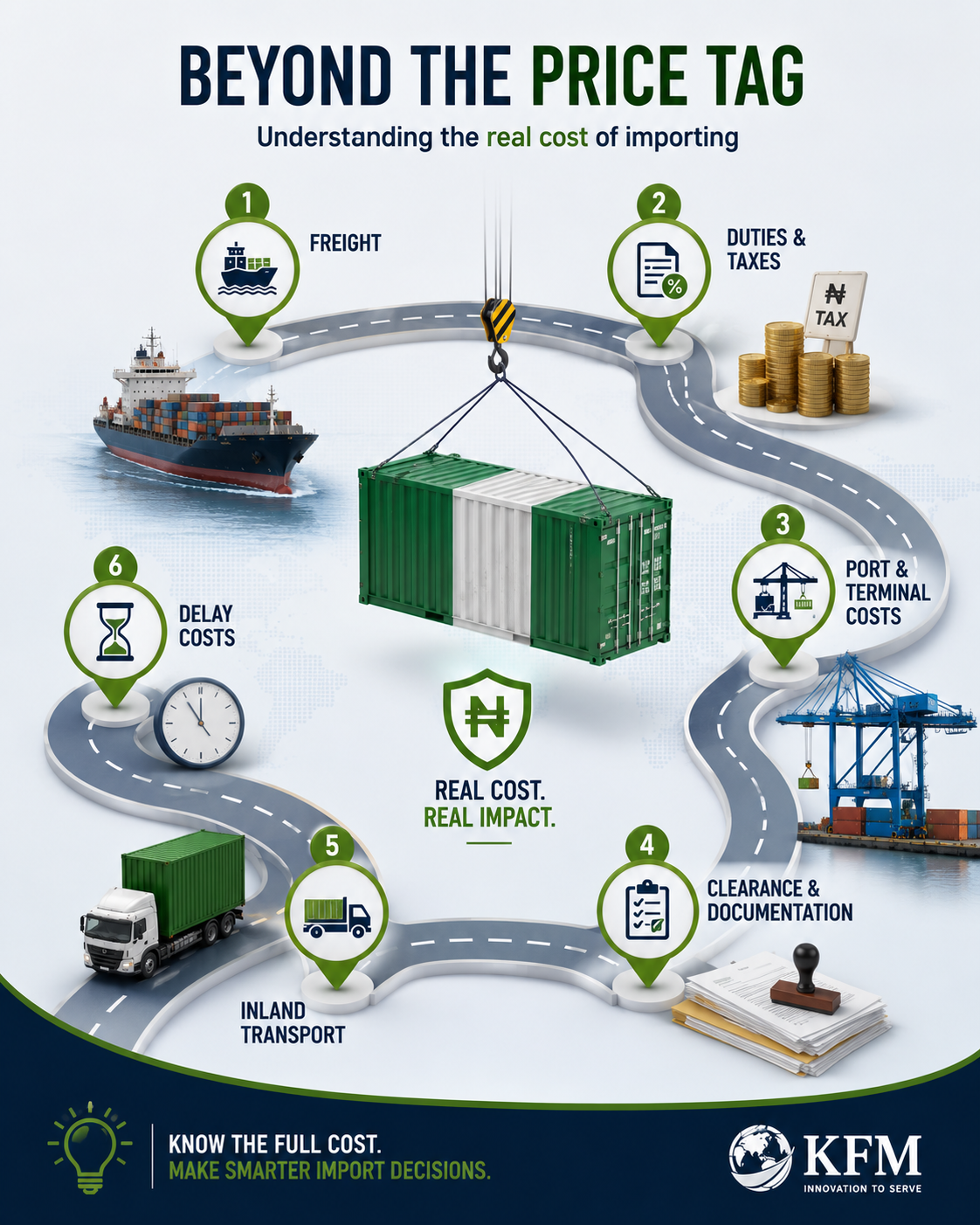
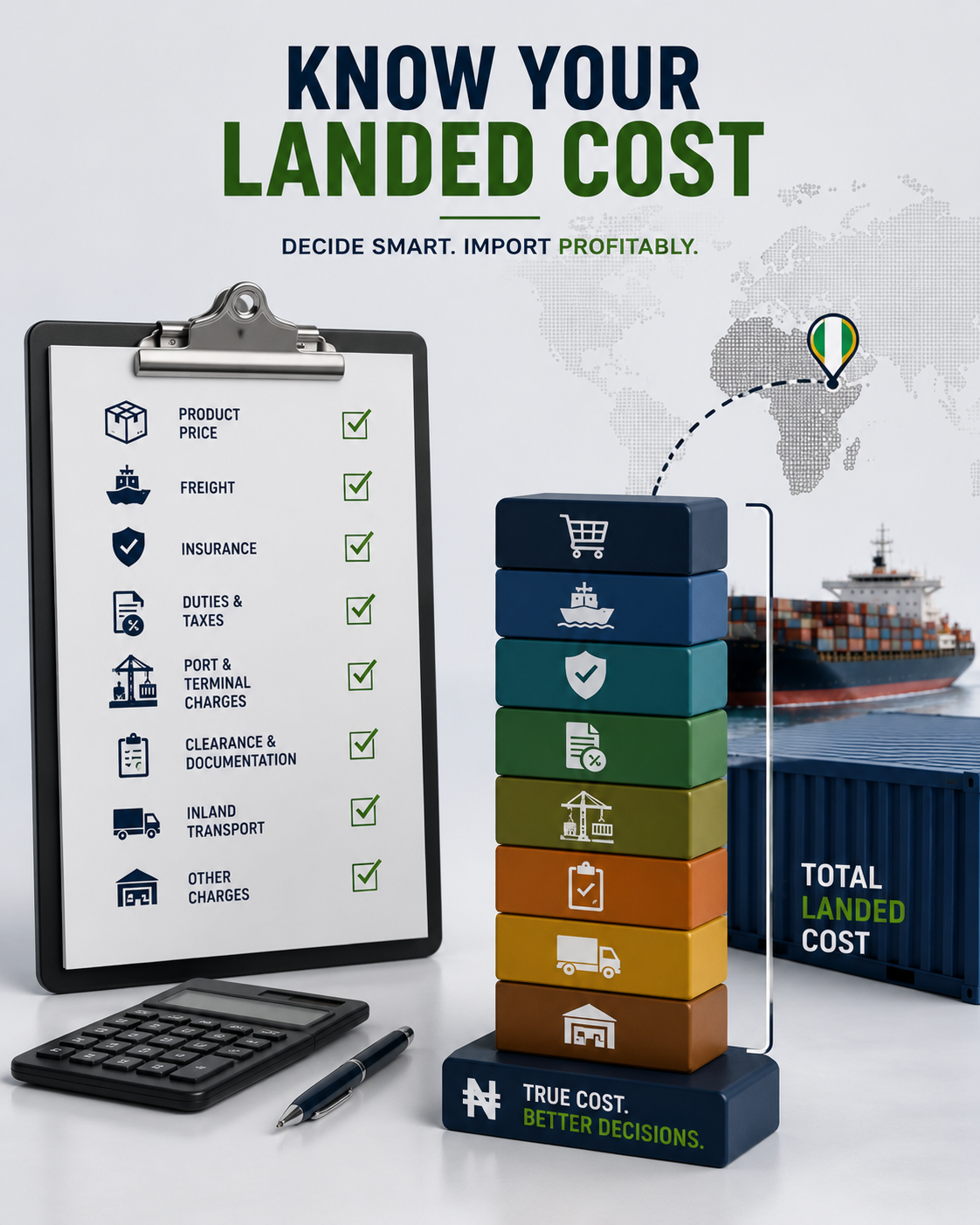
Step 4: Duties and Taxes Are Paid
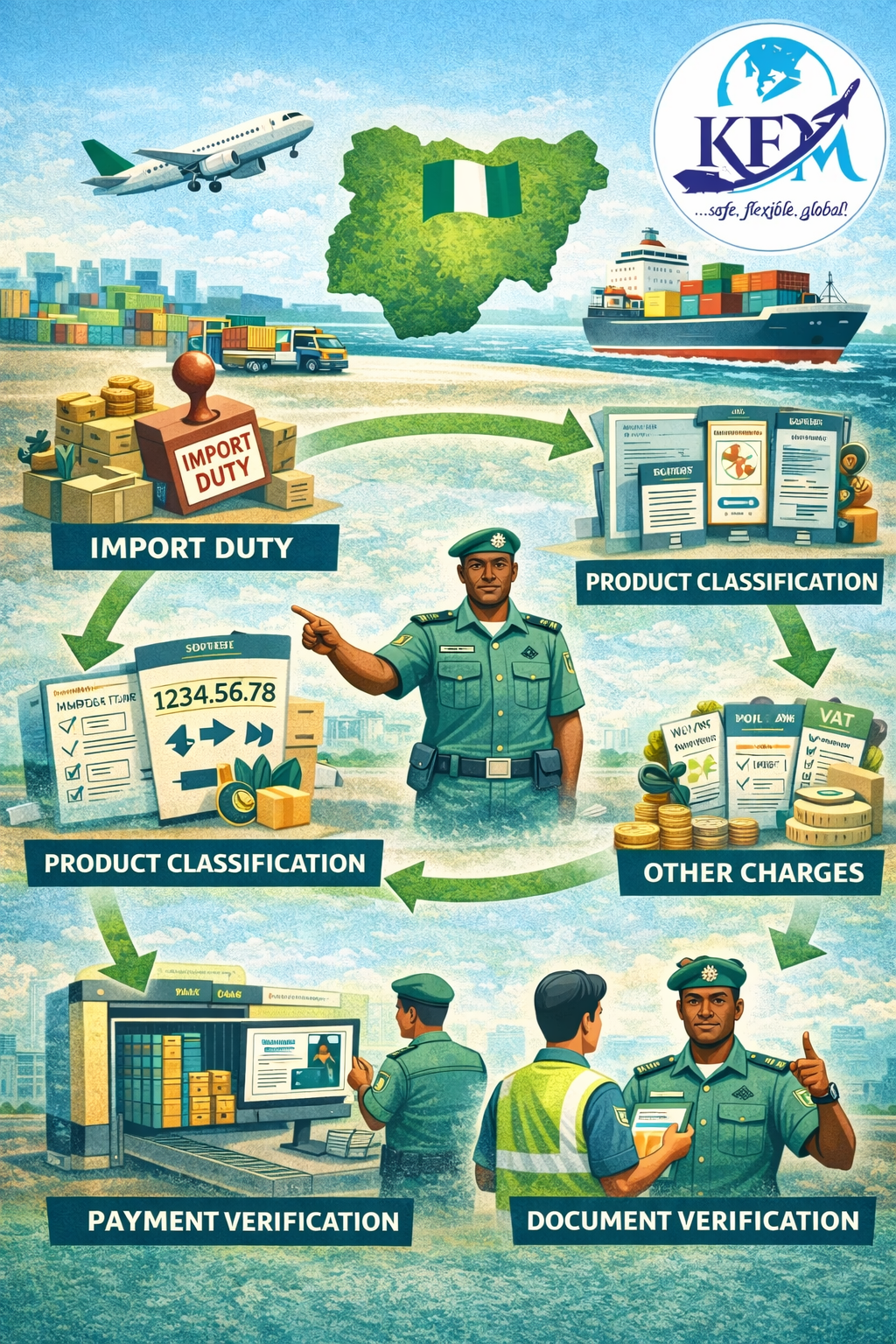
After reviewing the shipment, customs determines the import duty and other applicable charges.
Once these payments are made, the clearance process moves forward.
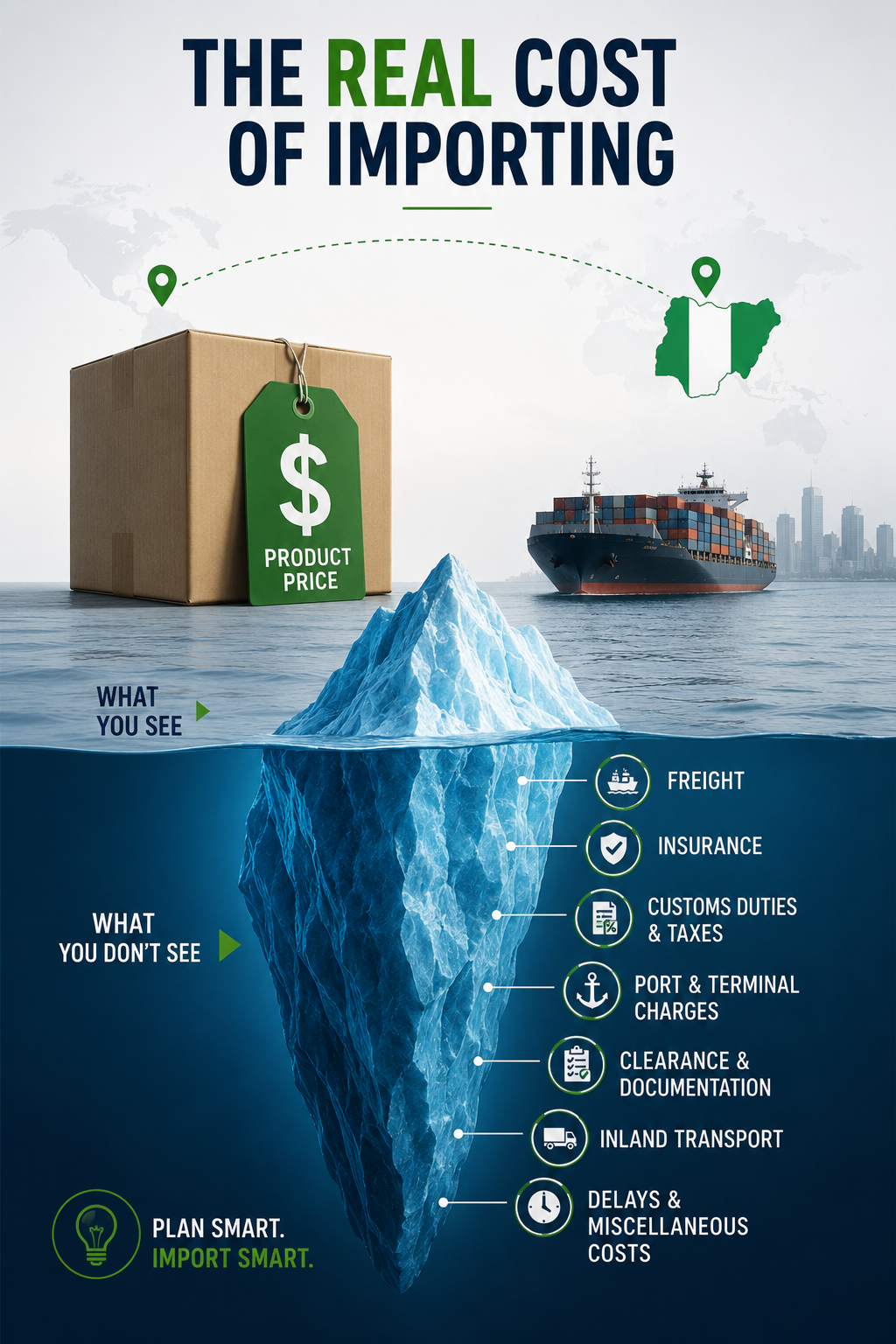
Many first-time importers are surprised here because duties depend on the type of goods being imported.
Step 5: Customs Releases the Goods
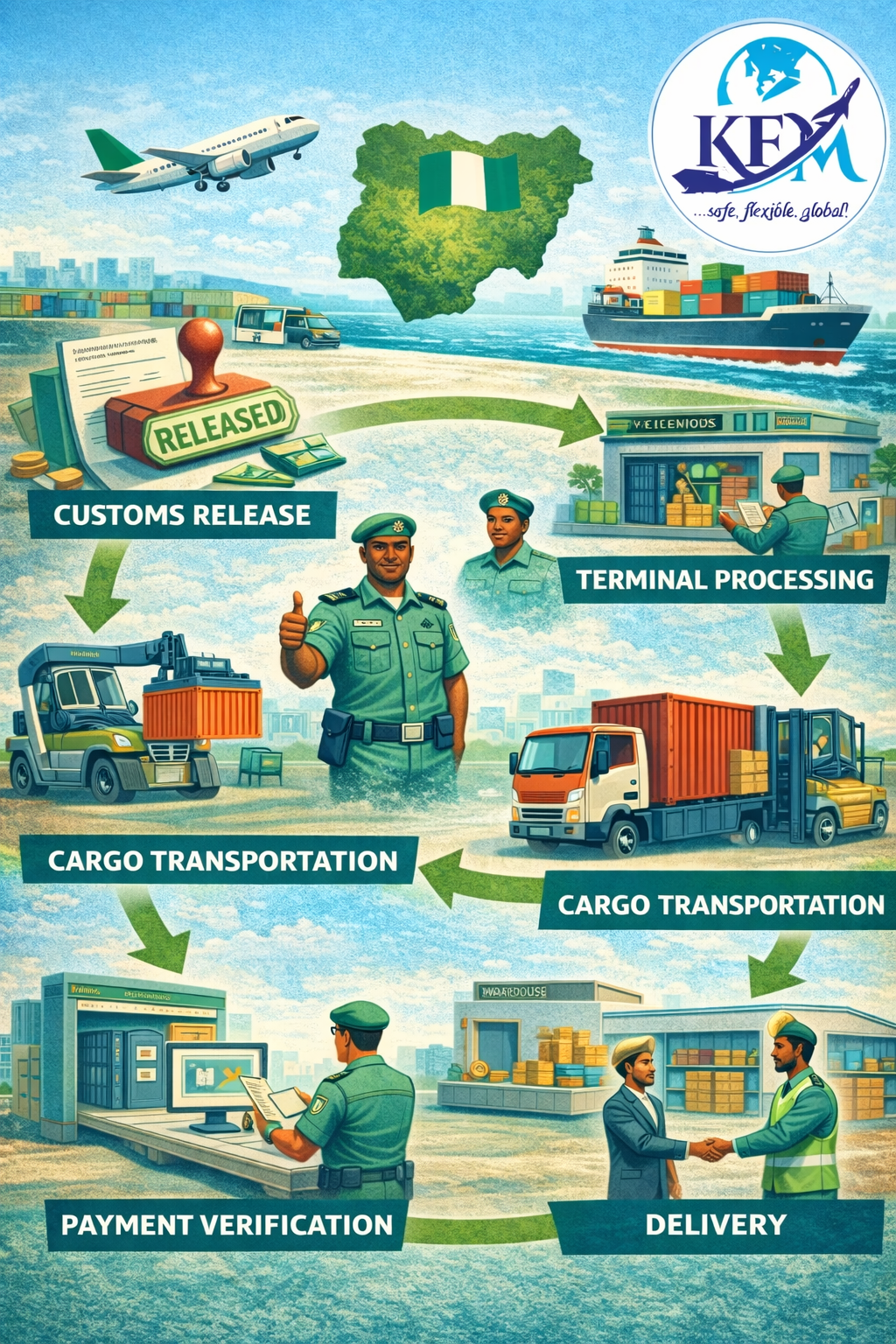
When everything checks out — documents, duties, and inspections — customs gives the final approval.
This approval is called “customs release.”
At this moment, your goods are officially cleared and can finally leave the port.
Step 6: Cargo Leaves the Port
Now comes the part every importer is waiting for.
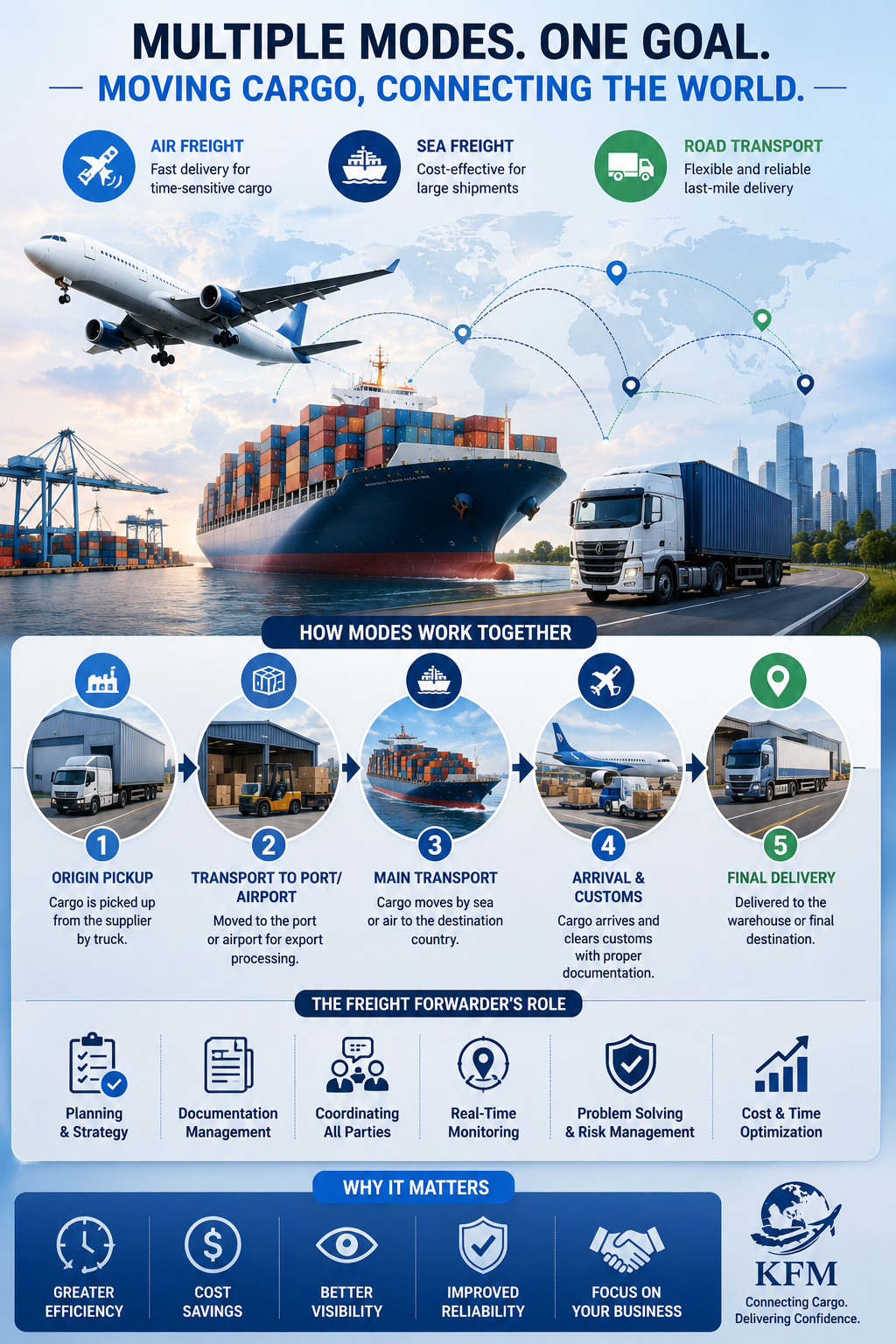
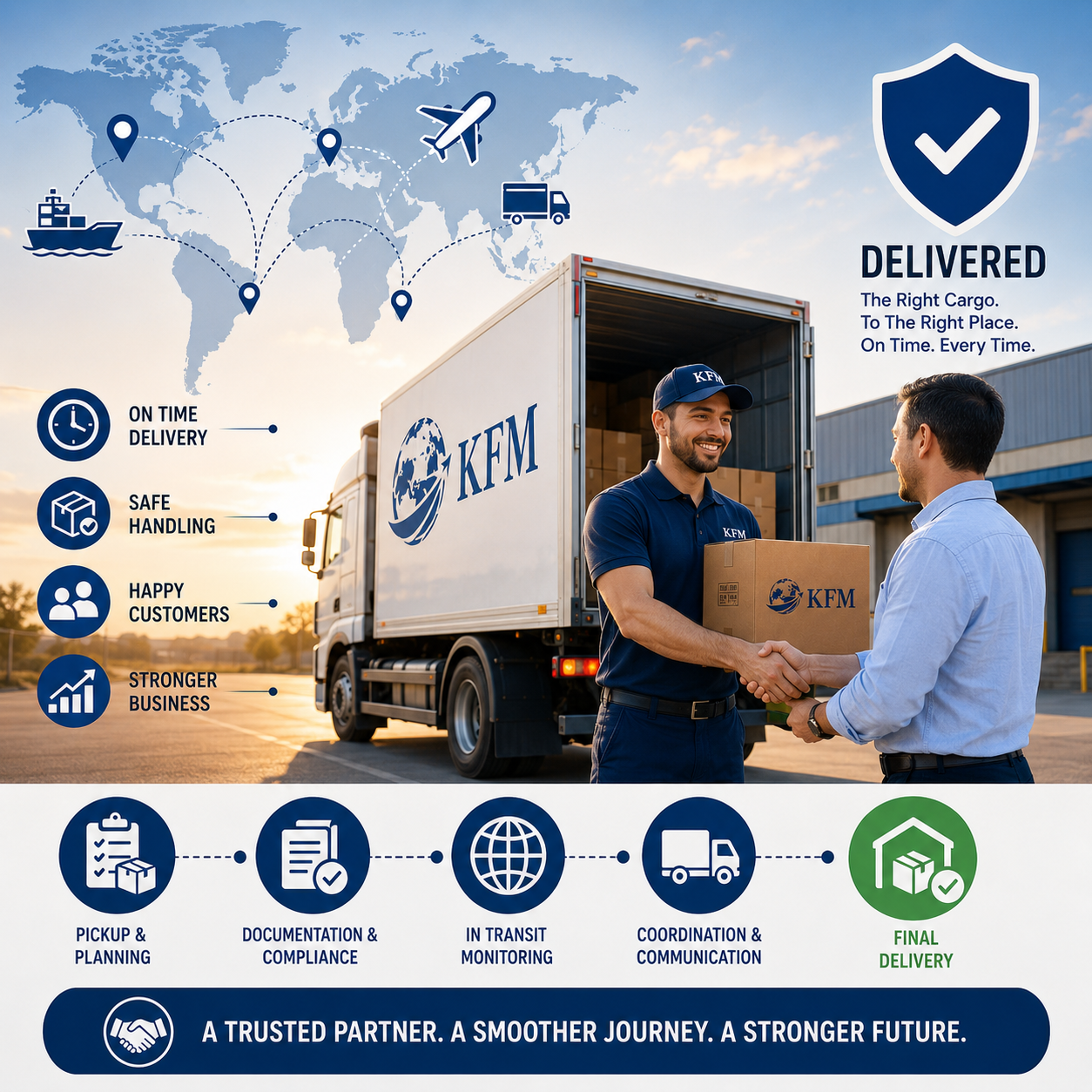
A truck is arranged, the container is picked up from the terminal, and your goods begin the final leg of their journey to your destination.
What started as an overseas shipment is now ready to become part of your business operations in Nigeria.
The Big Picture
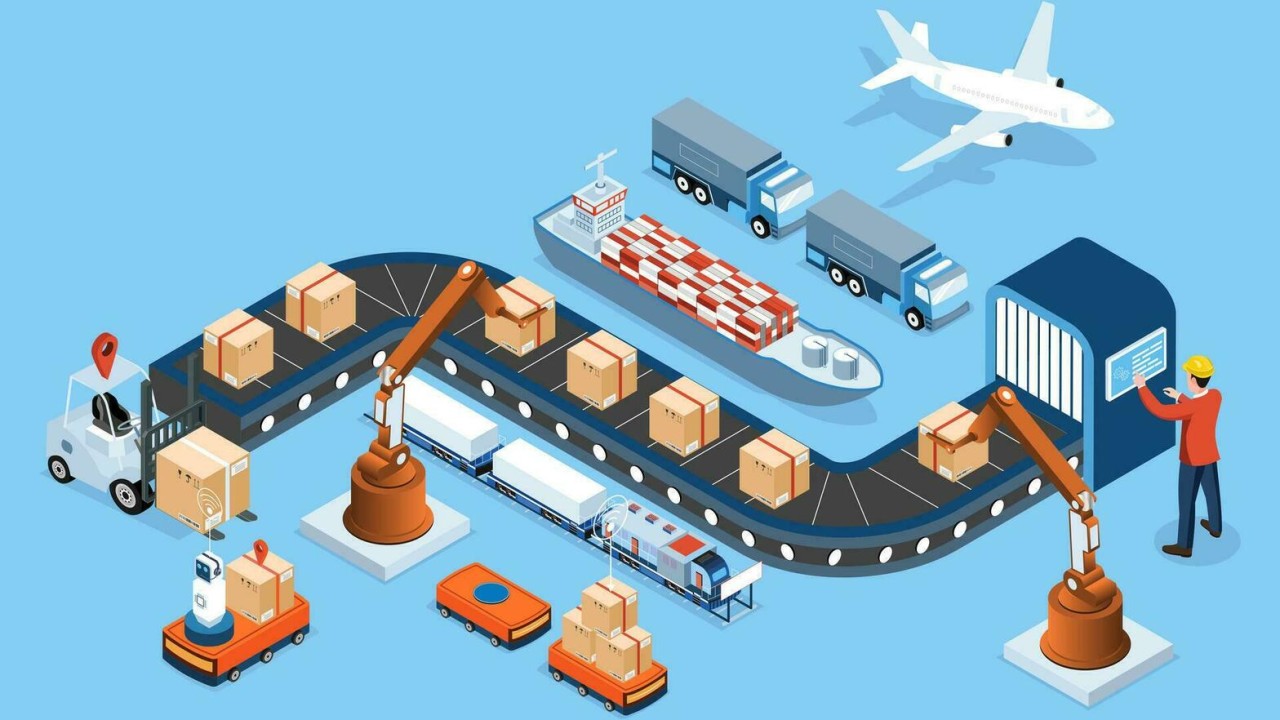
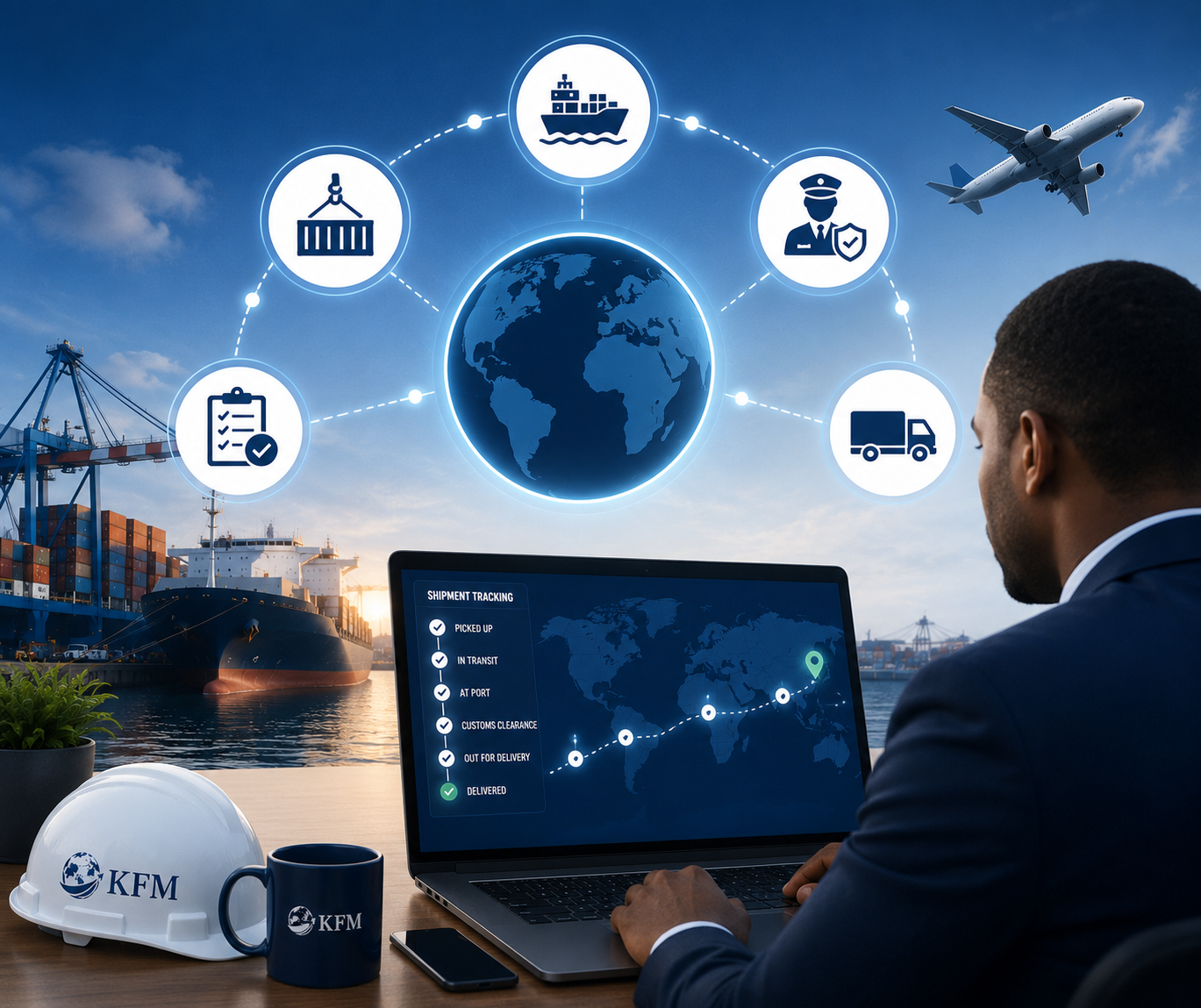
When you break it down, customs clearance is simply a sequence of checks and approvals designed to keep trade safe and organized.
The key steps are straightforward:
- Cargo arrives at the port
- Documents are submitted
- Customs reviews the shipment
- Duties and taxes are paid
- Customs releases the goods
- Cargo leaves the port
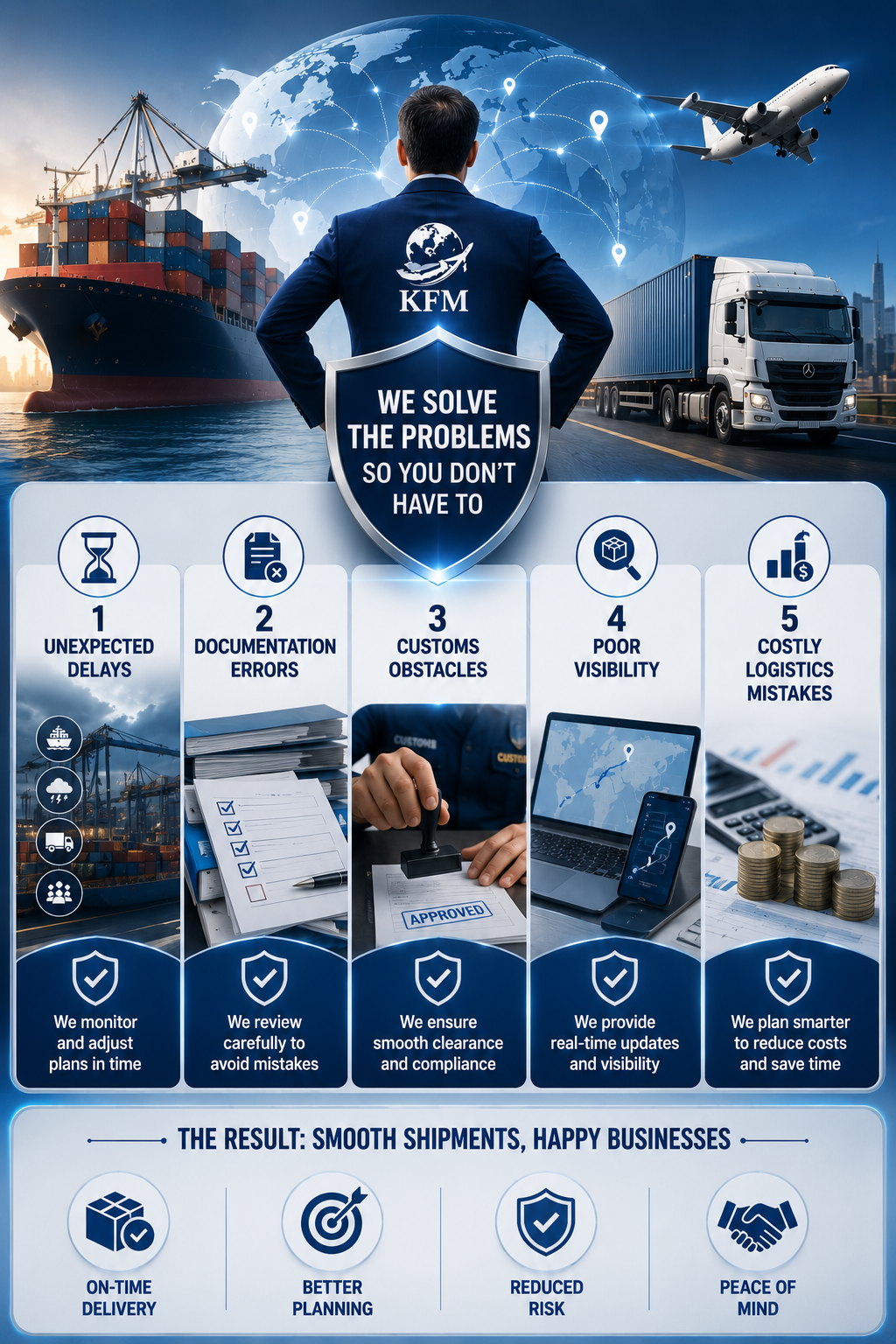
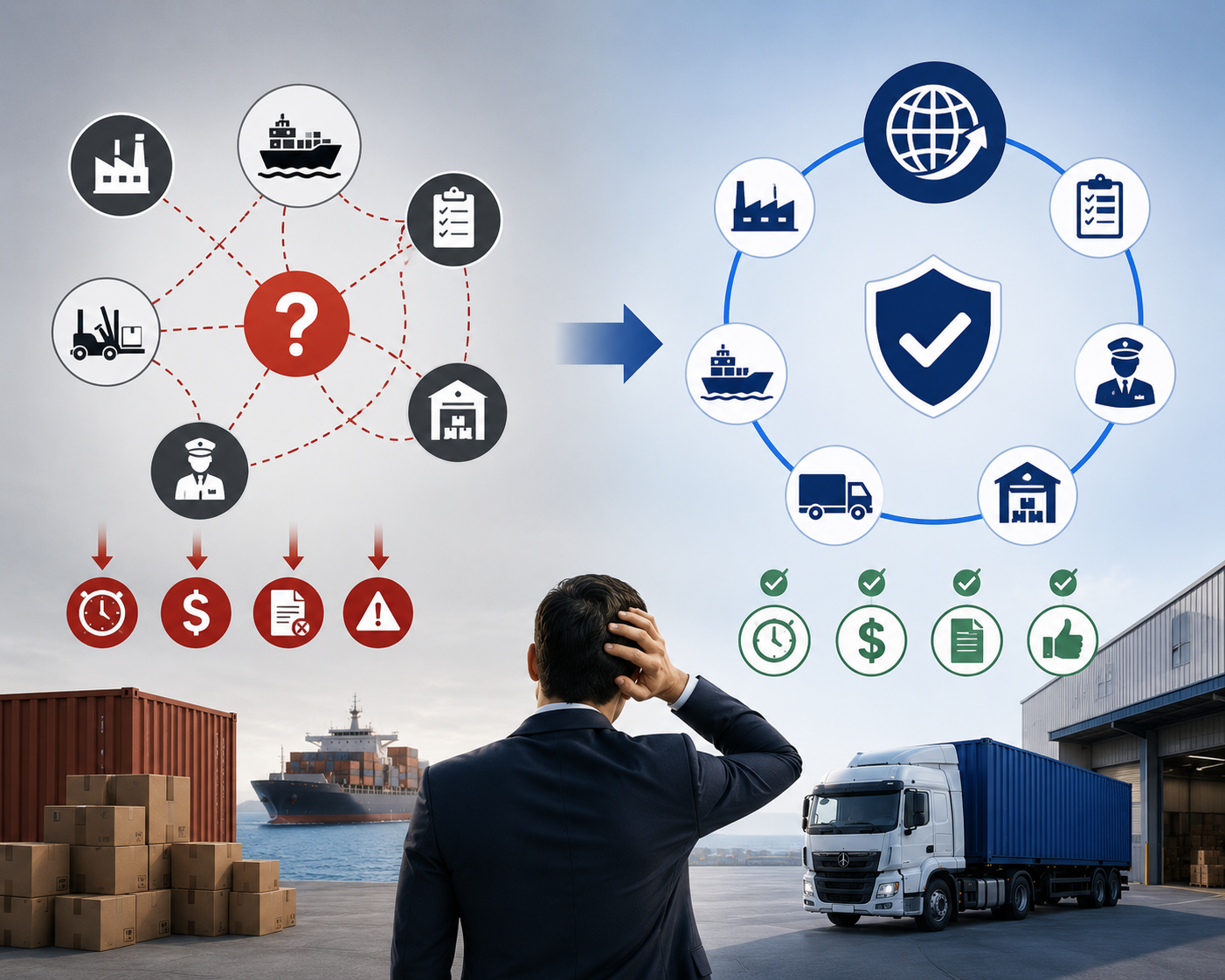
Understanding this journey helps importers avoid confusion, unexpected delays, and costly mistakes.
In the next post, we will explore the documents required for customs clearance in Nigeria and why each one matters.