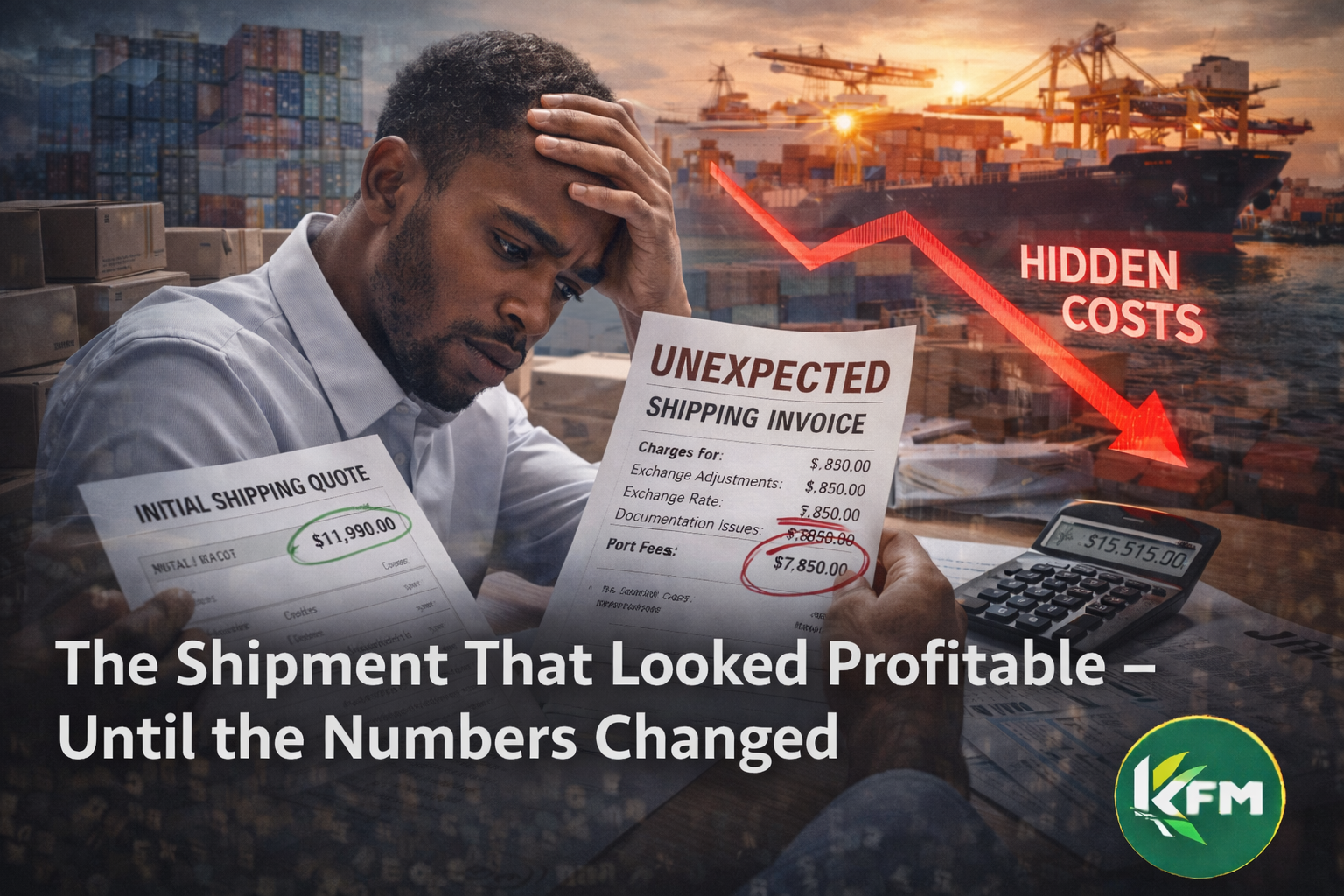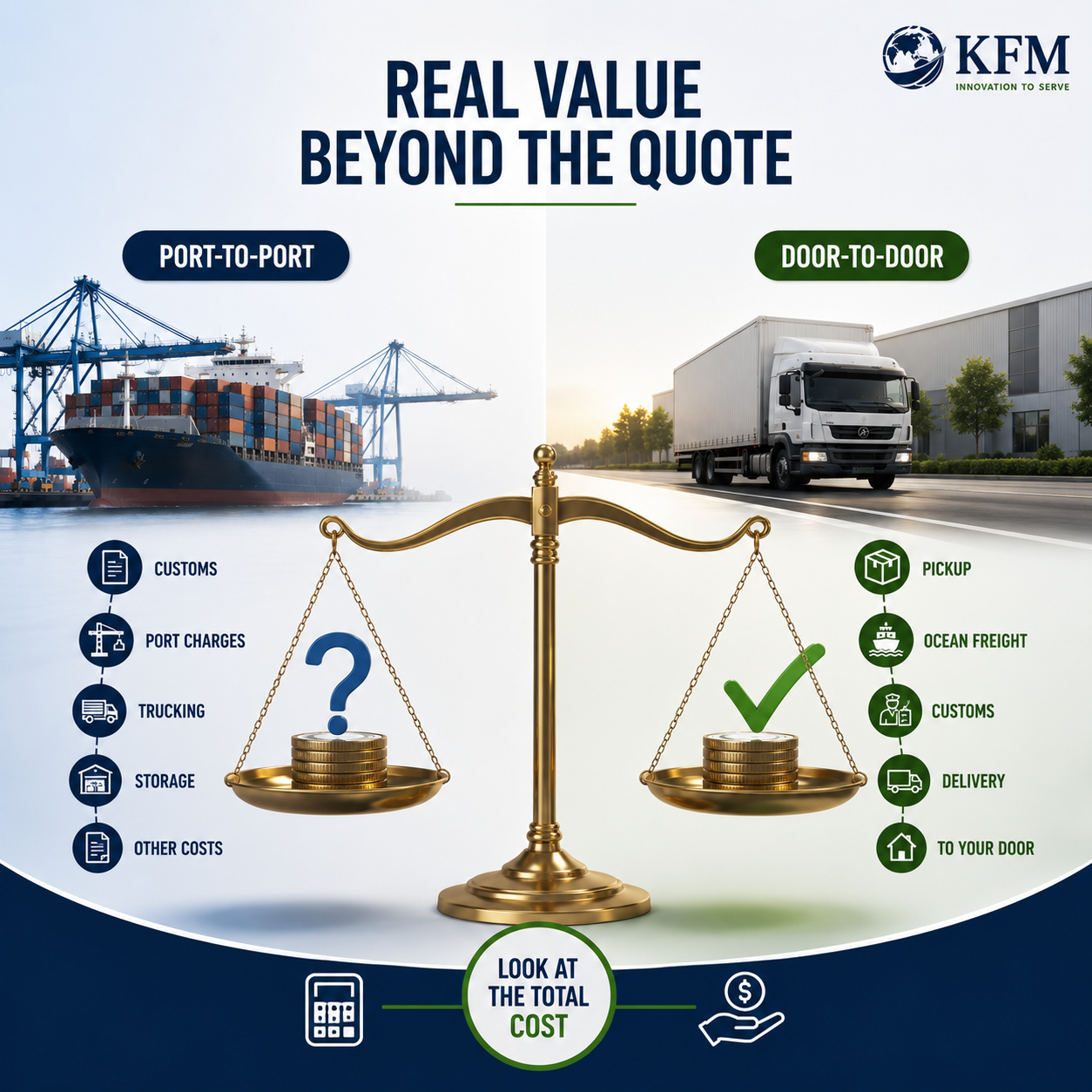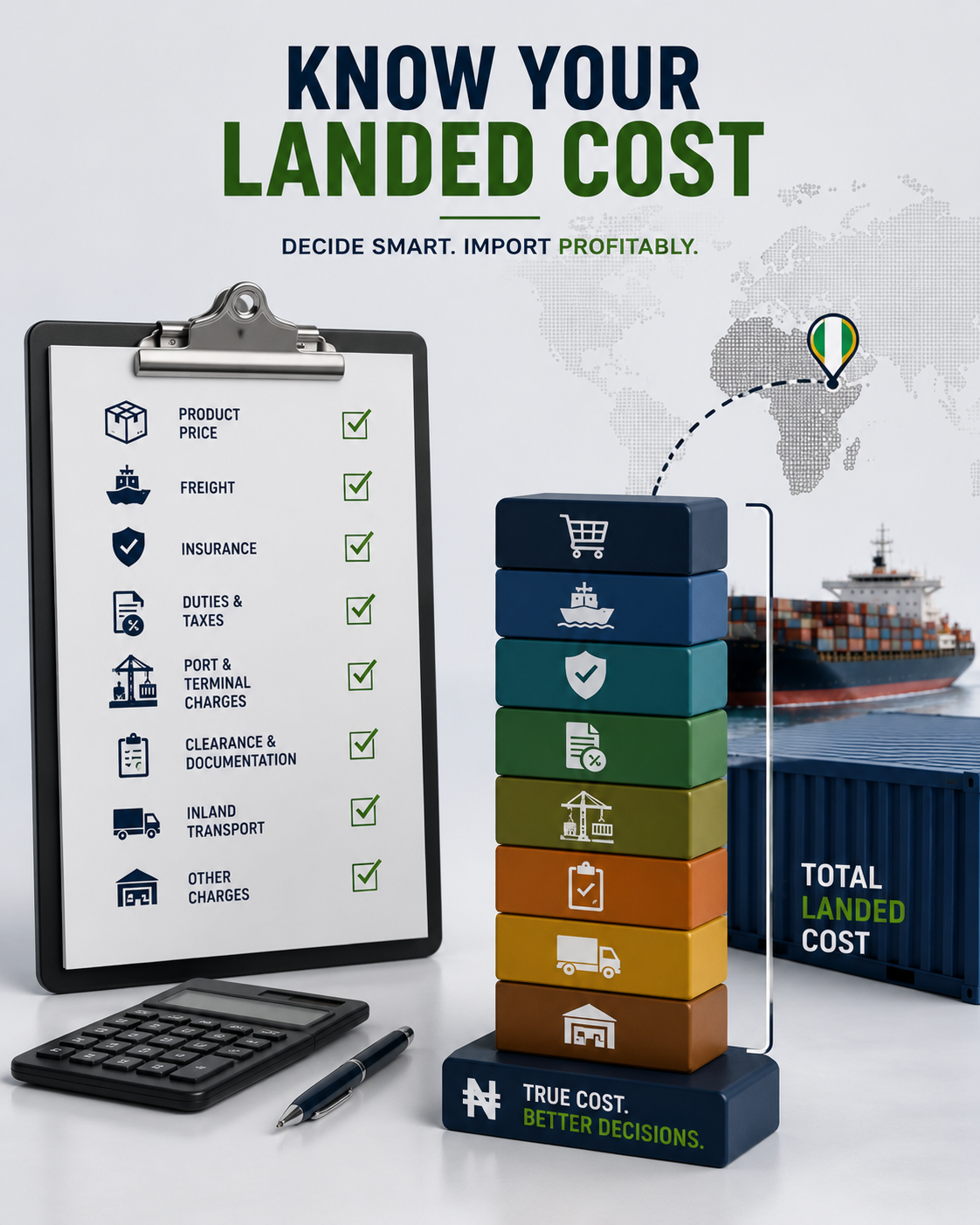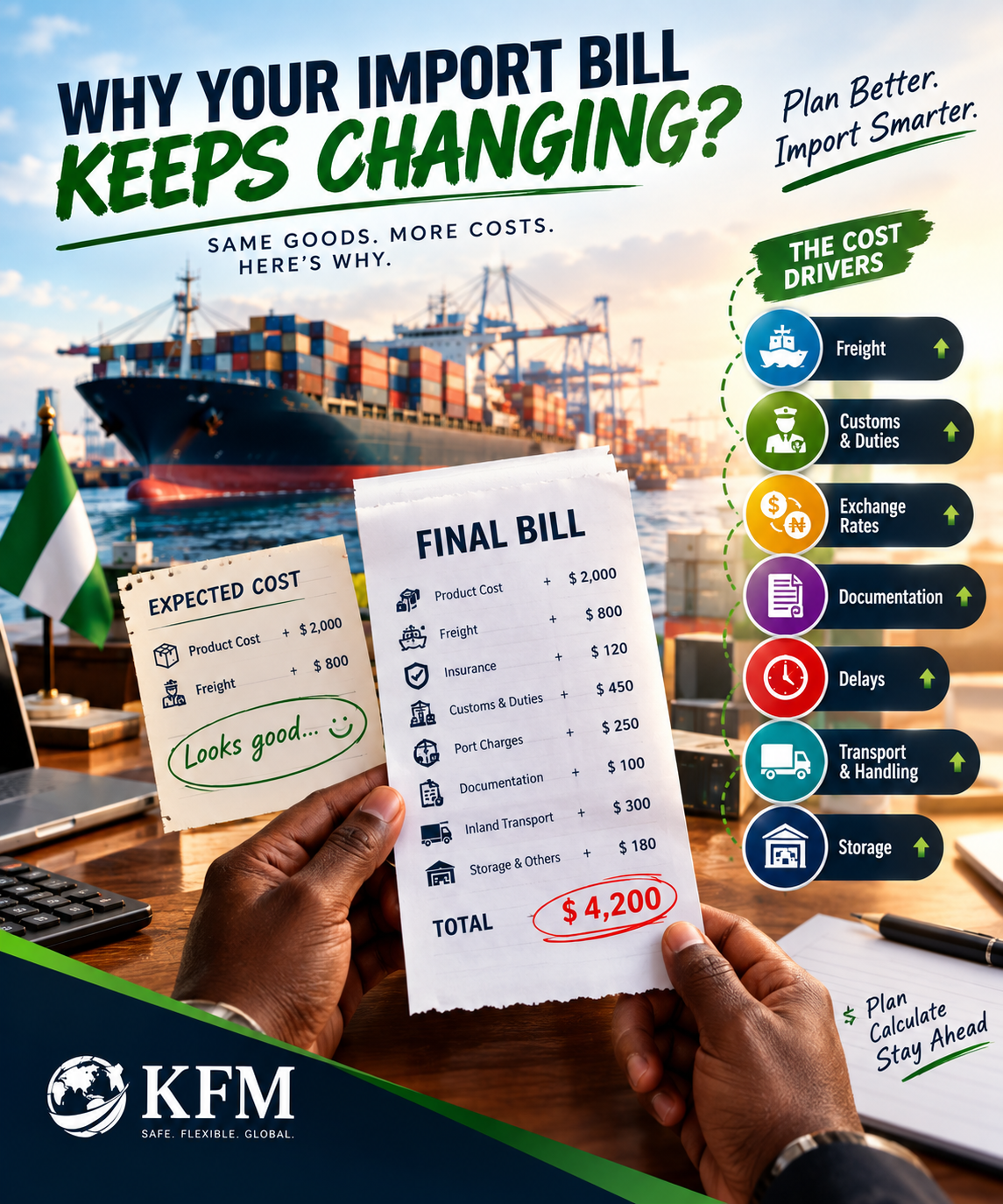
You've calculated the product price.
You've estimated the freight.
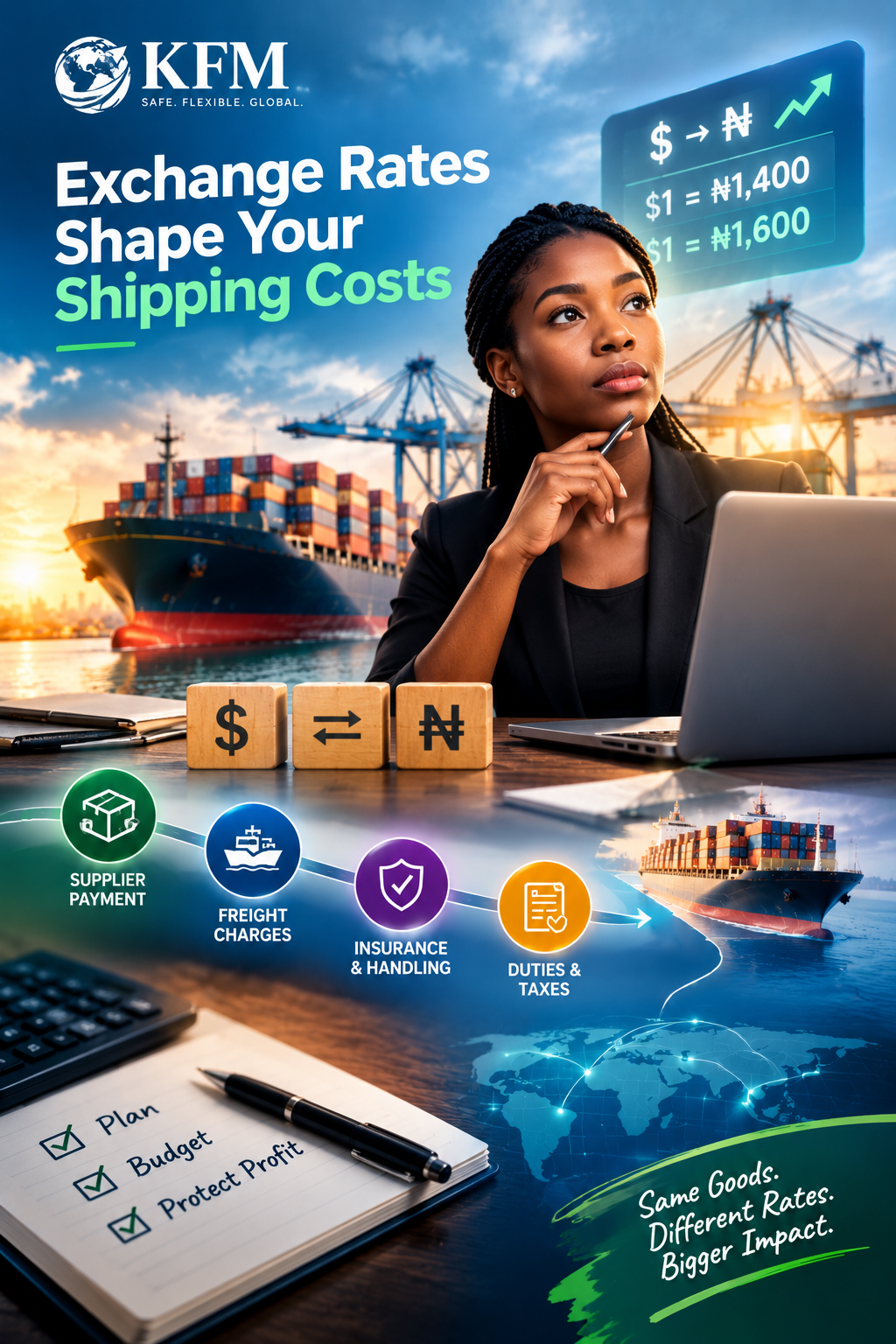
You've even considered duties and other charges.
On paper, the numbers look good.
Then something goes wrong.
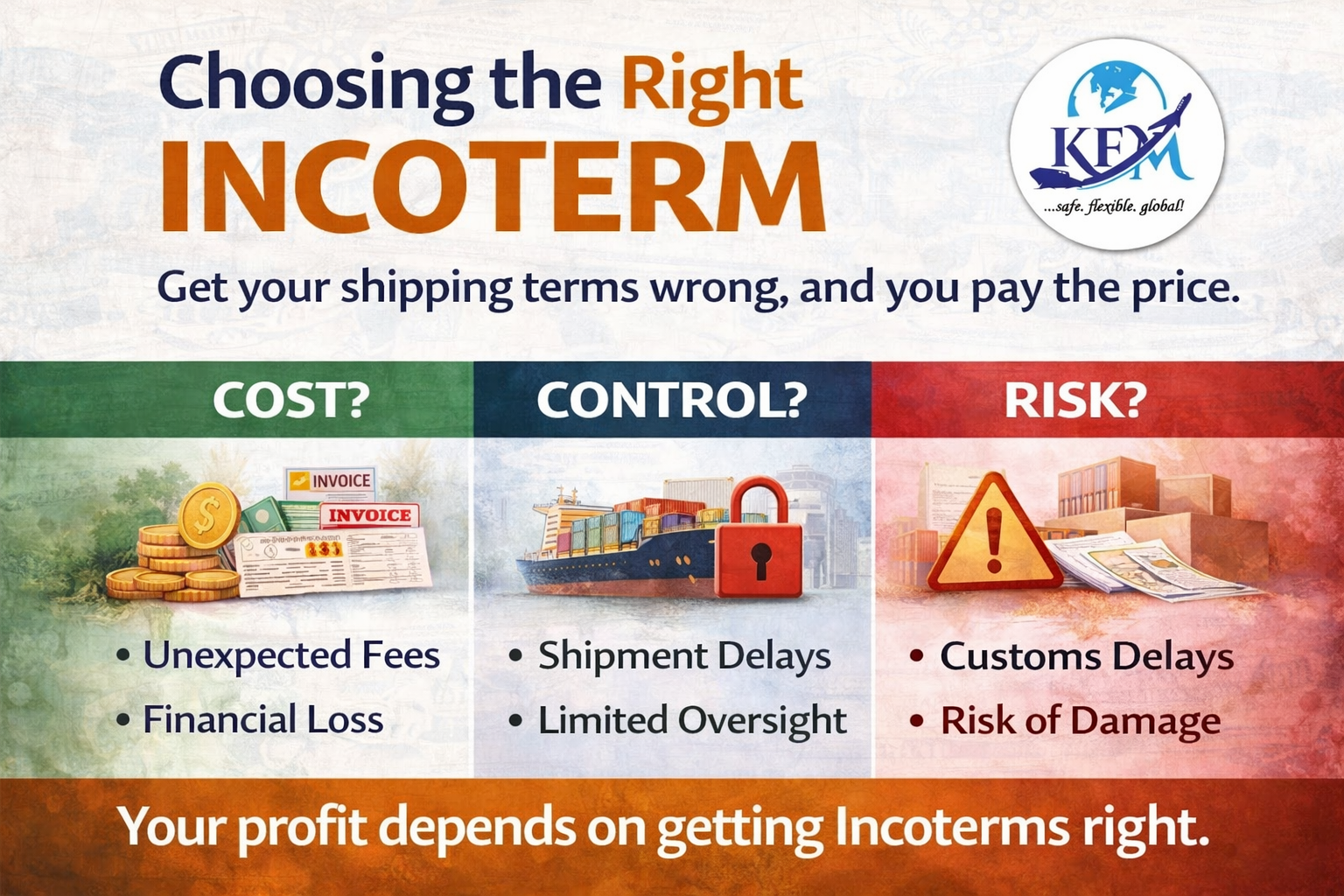
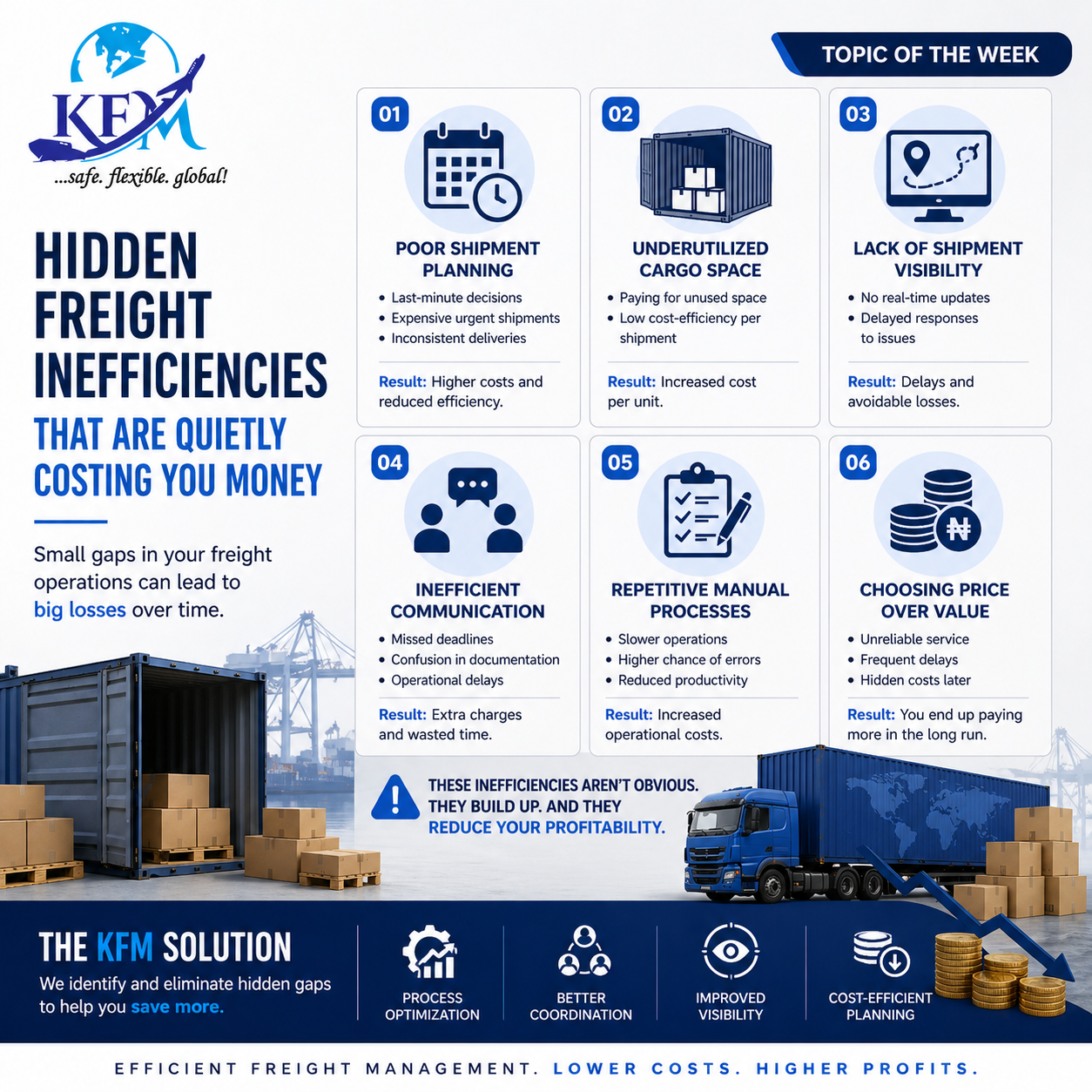
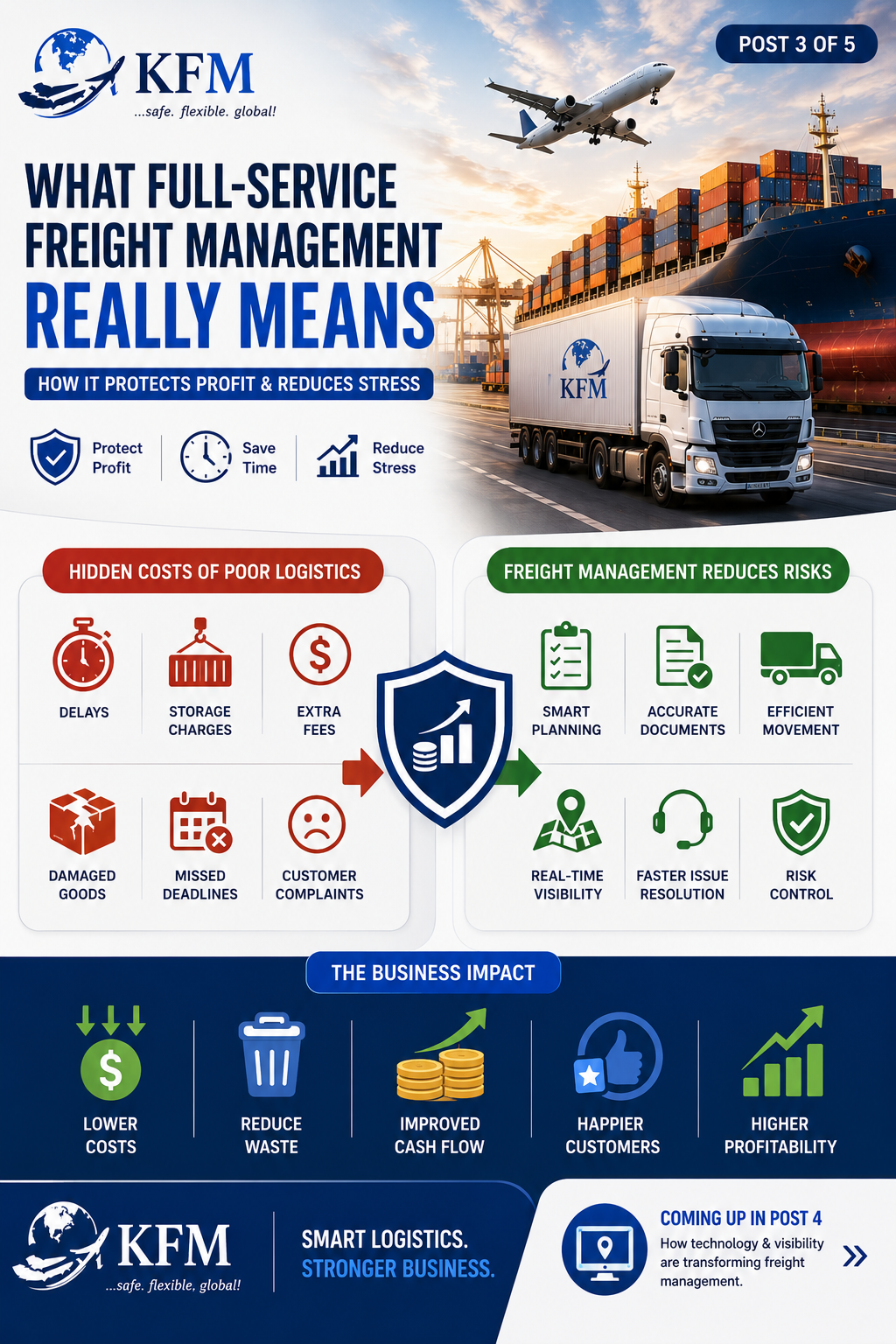
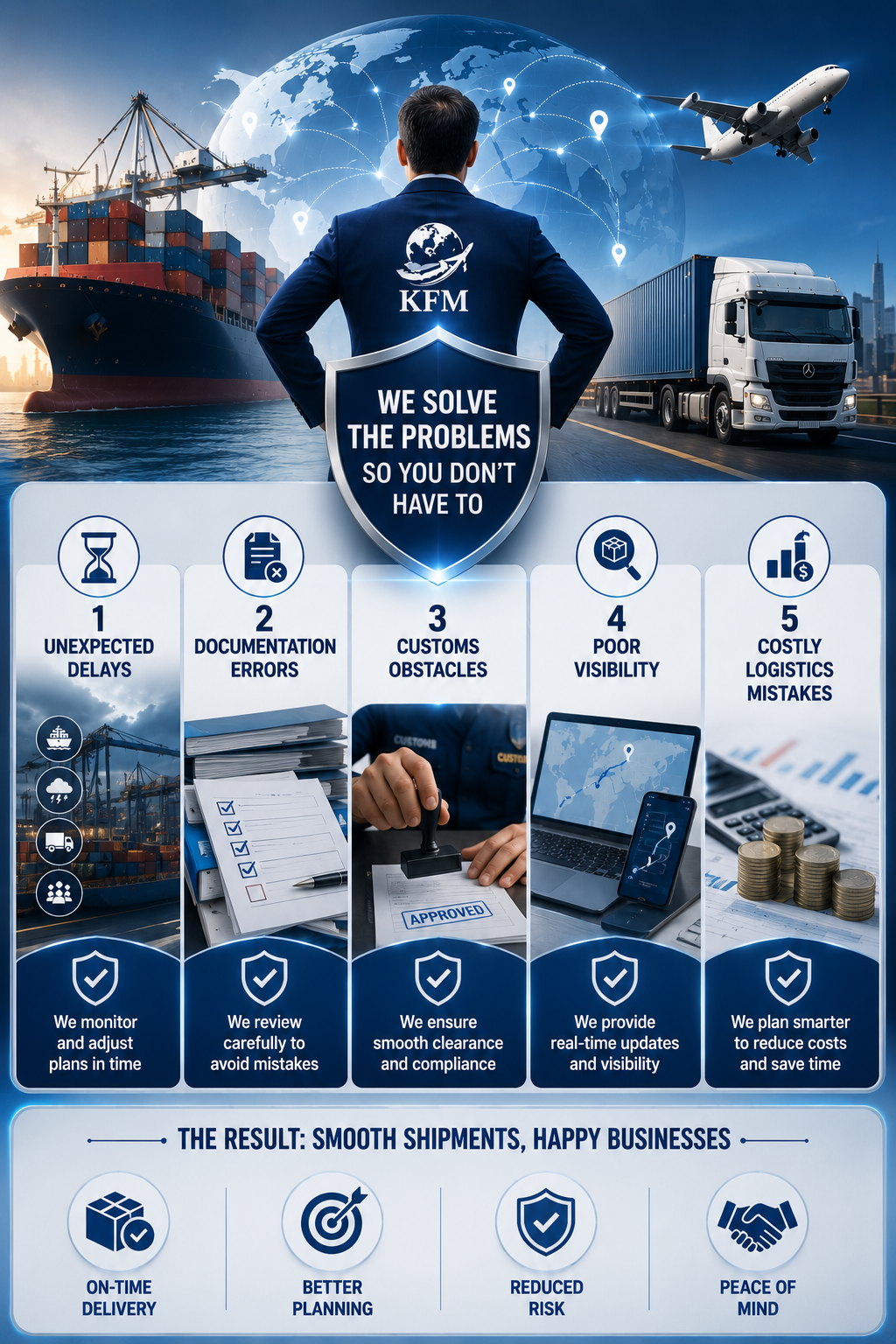
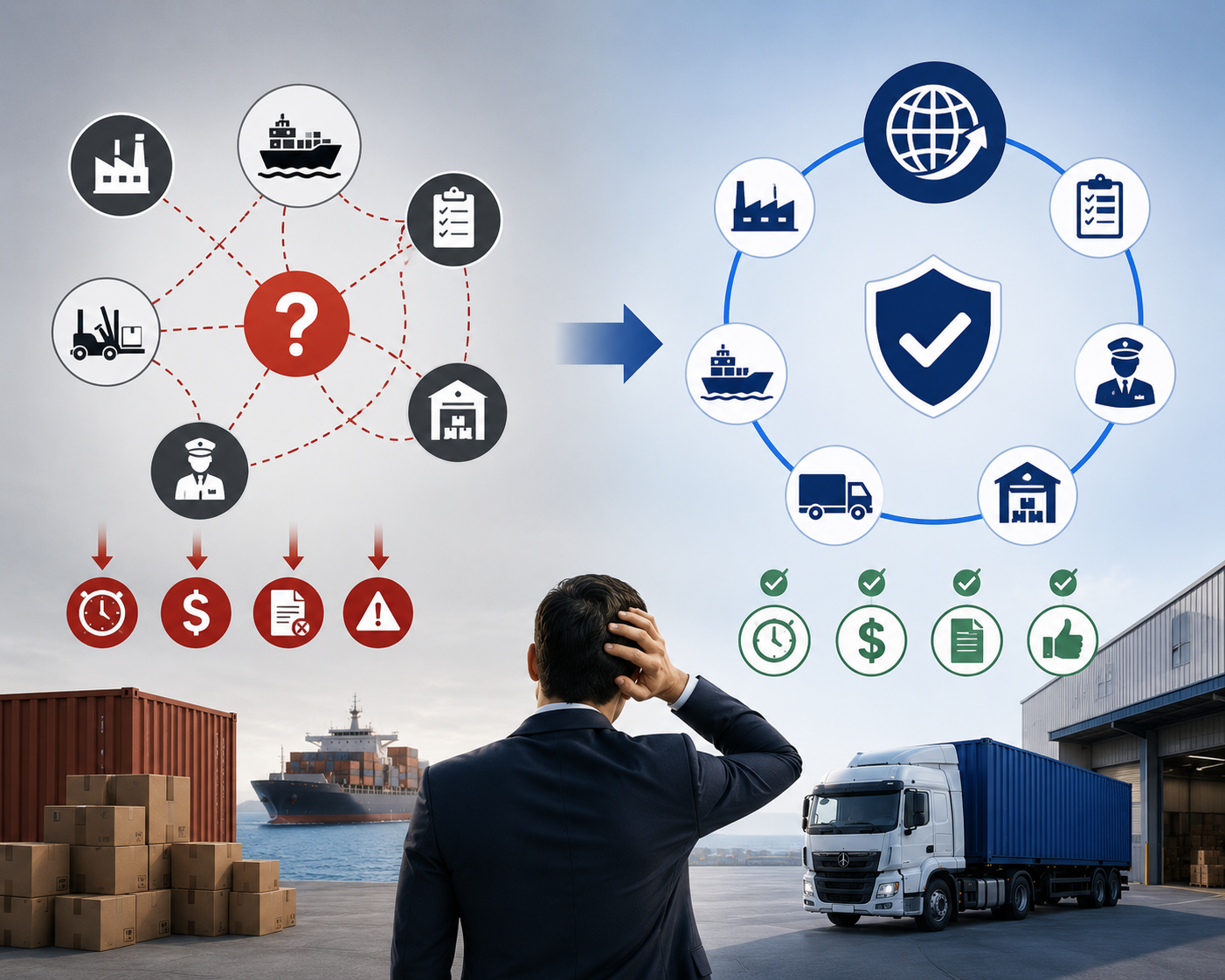
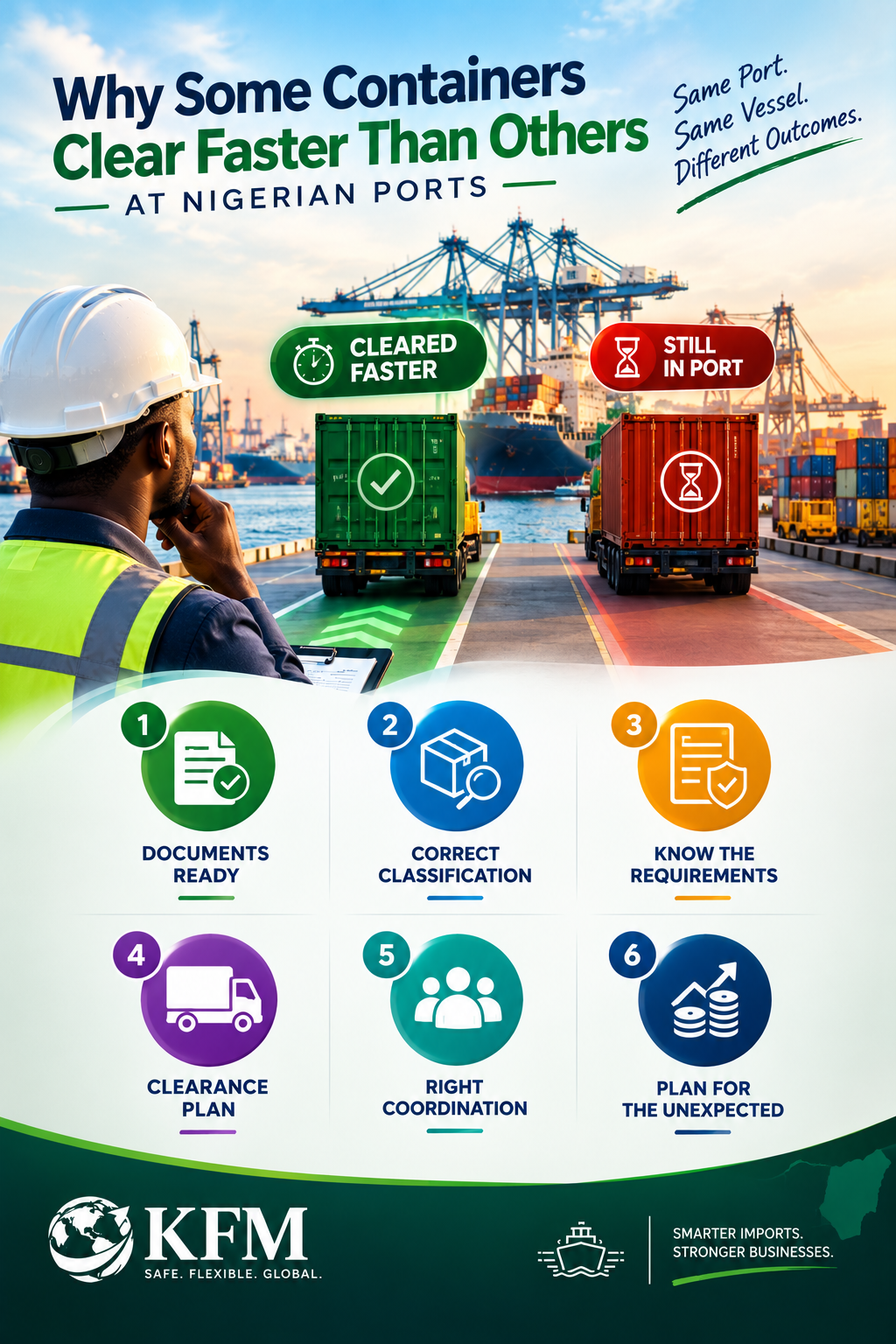
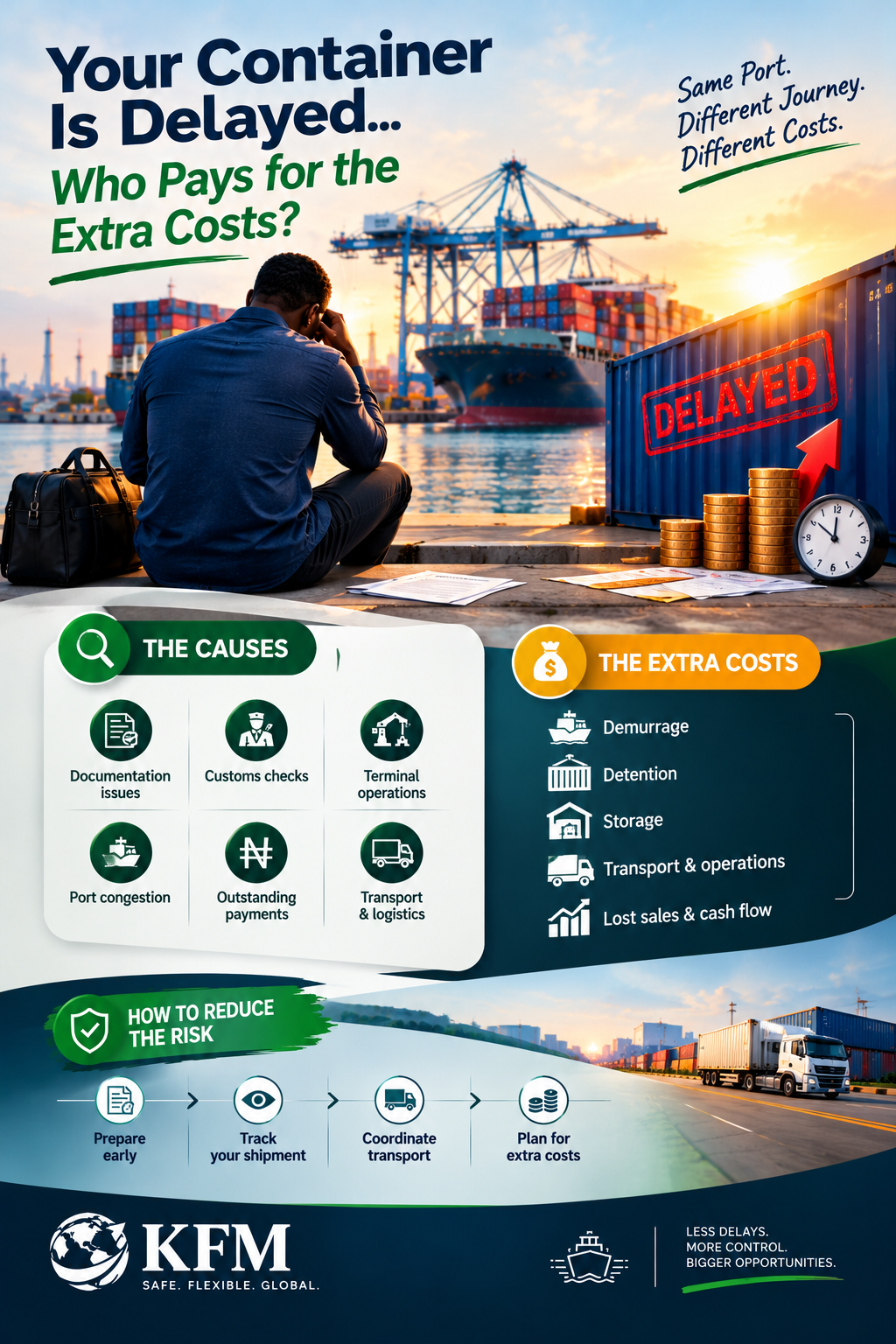
The shipment is delayed. A document needs correction. Cargo stays longer than expected. Your delivery plans change.
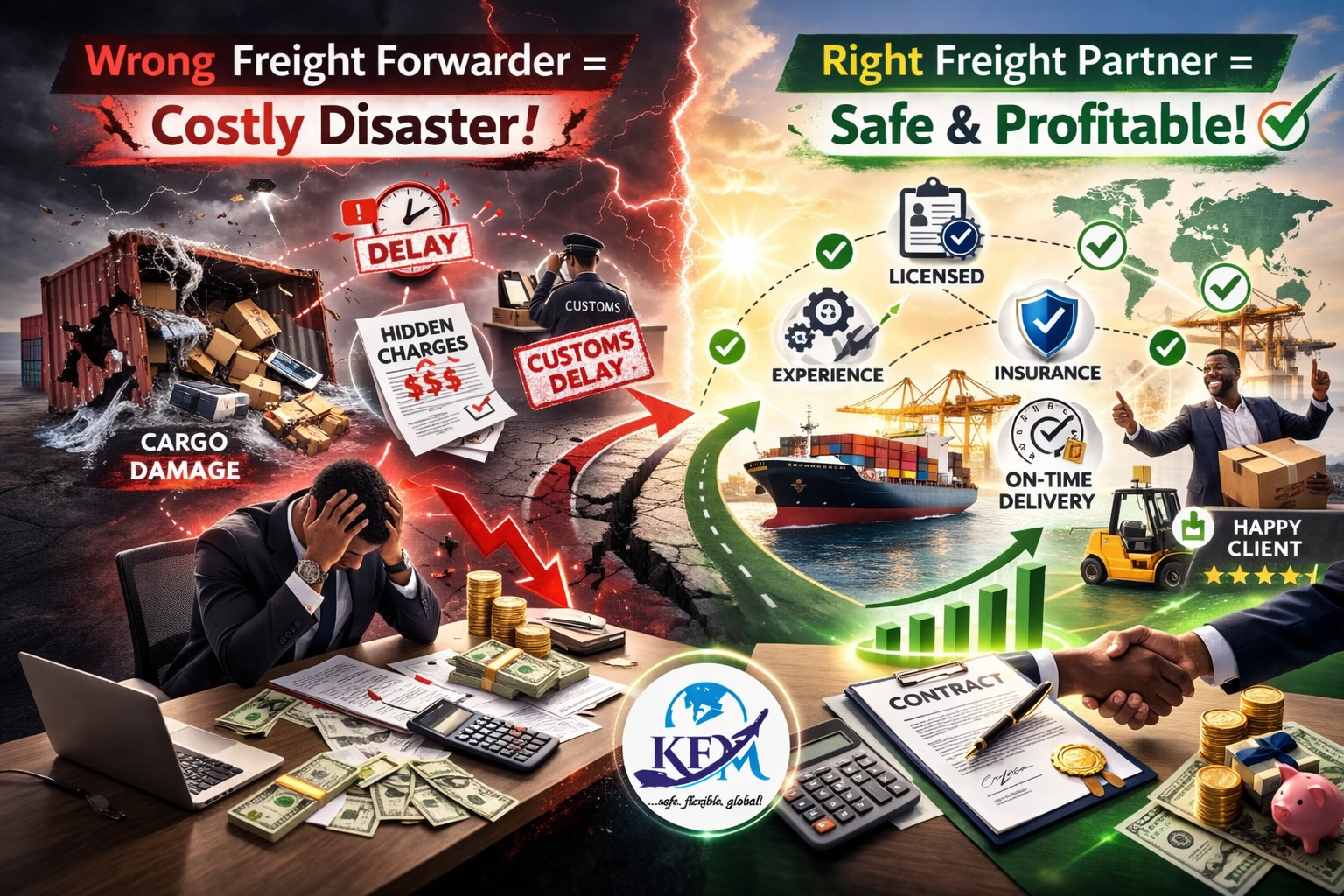
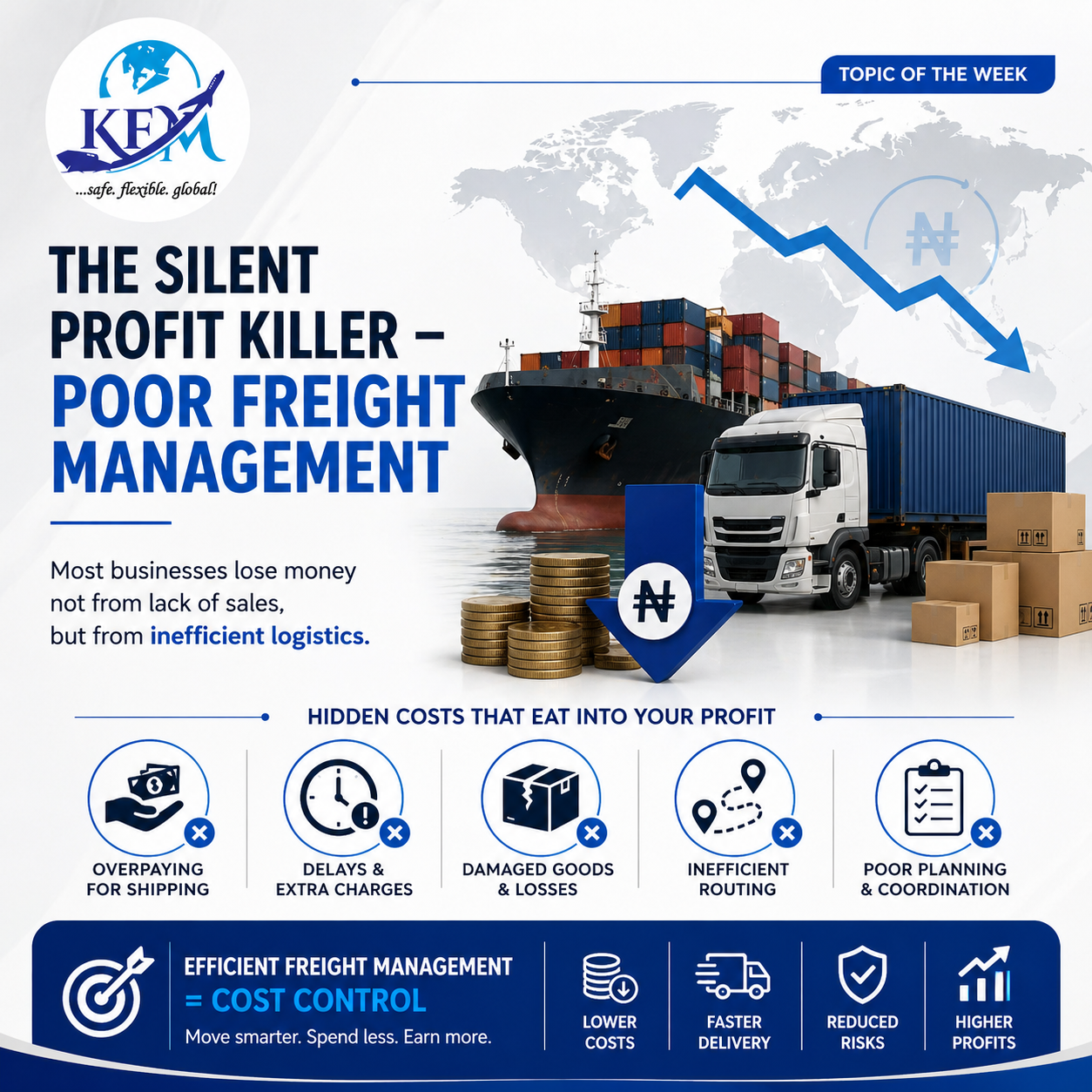
Suddenly, your expected profit starts disappearing.
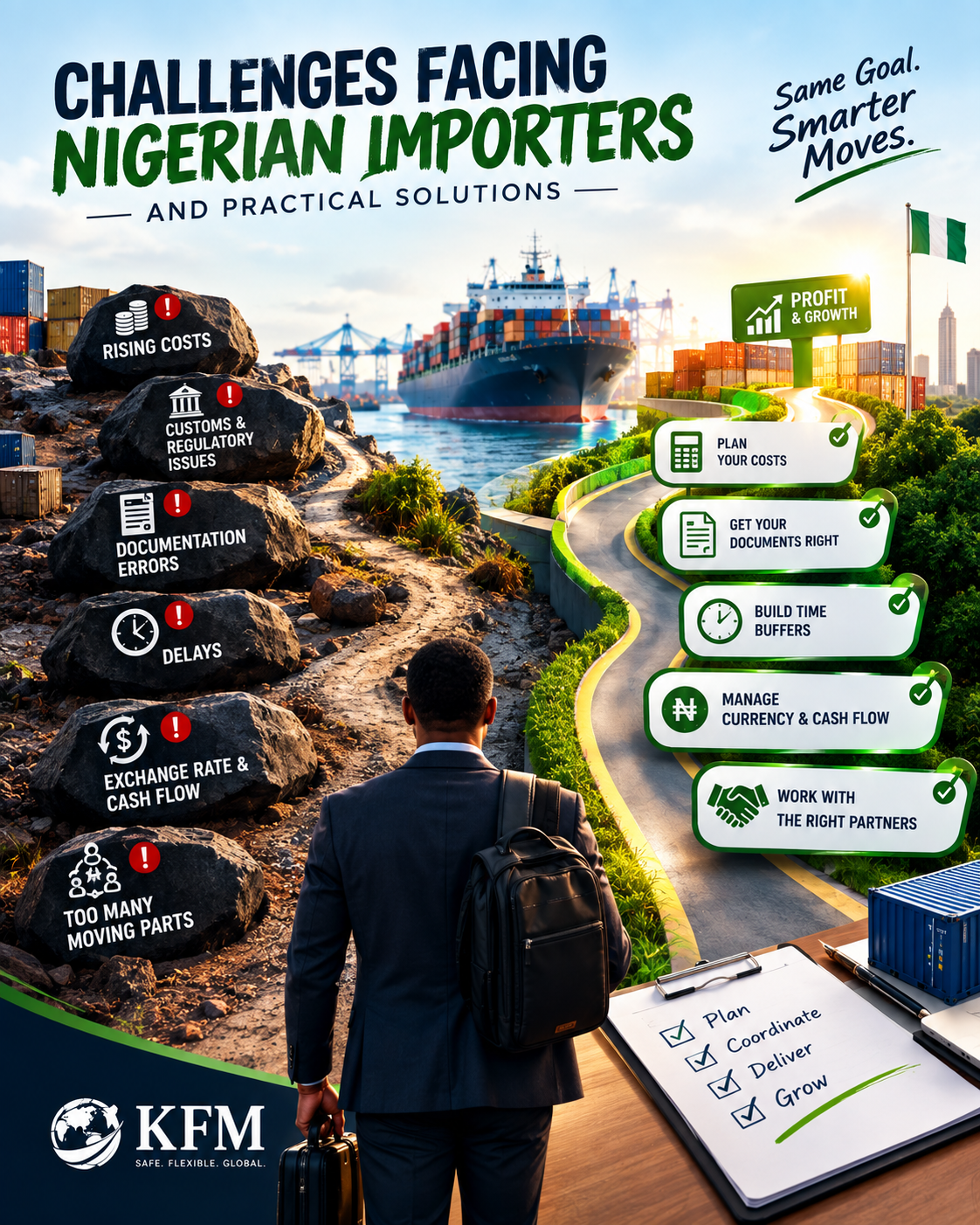
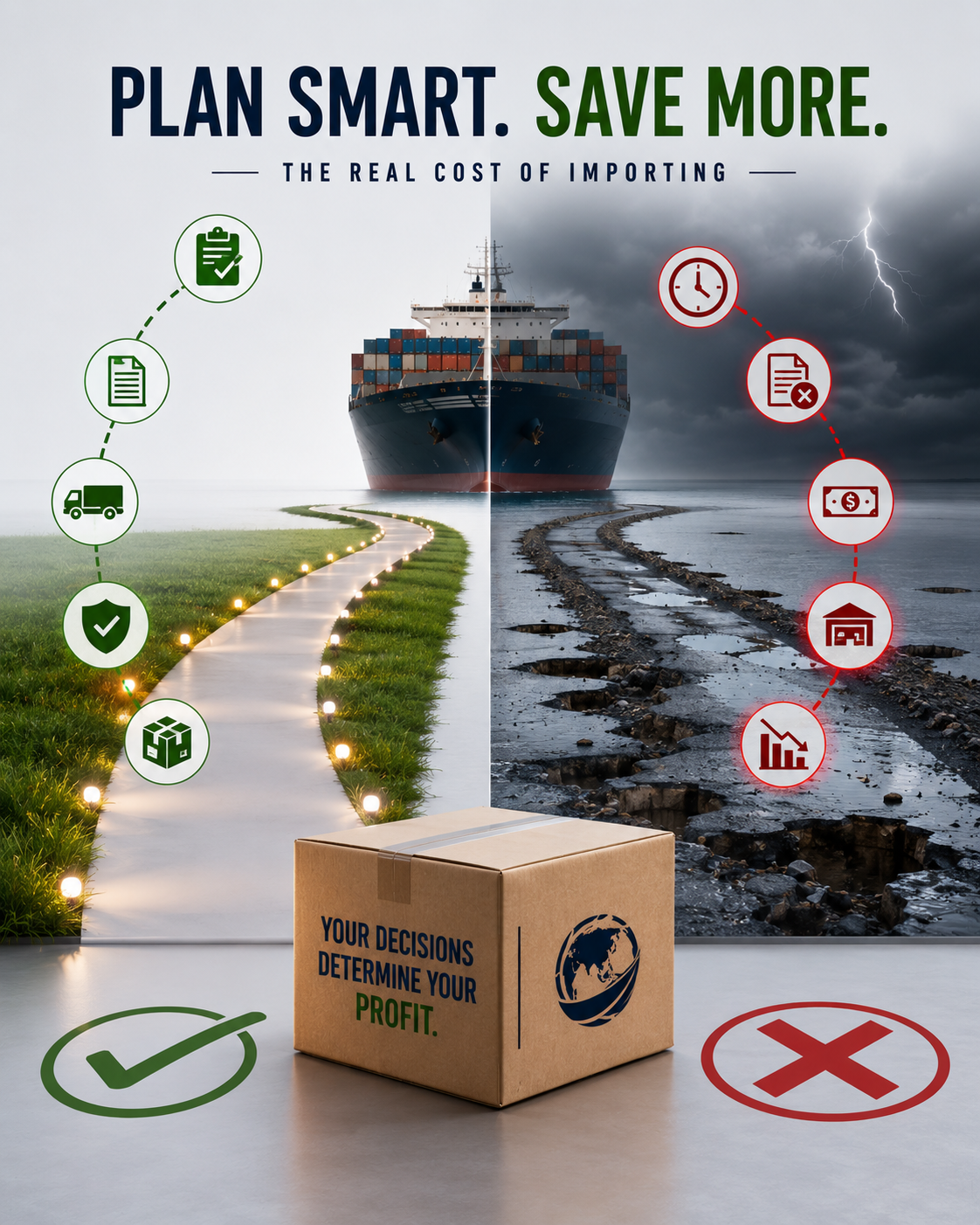
This is the hidden cost of poor import planning.
Delays Don't Just Cost Time
For a business, time is money.
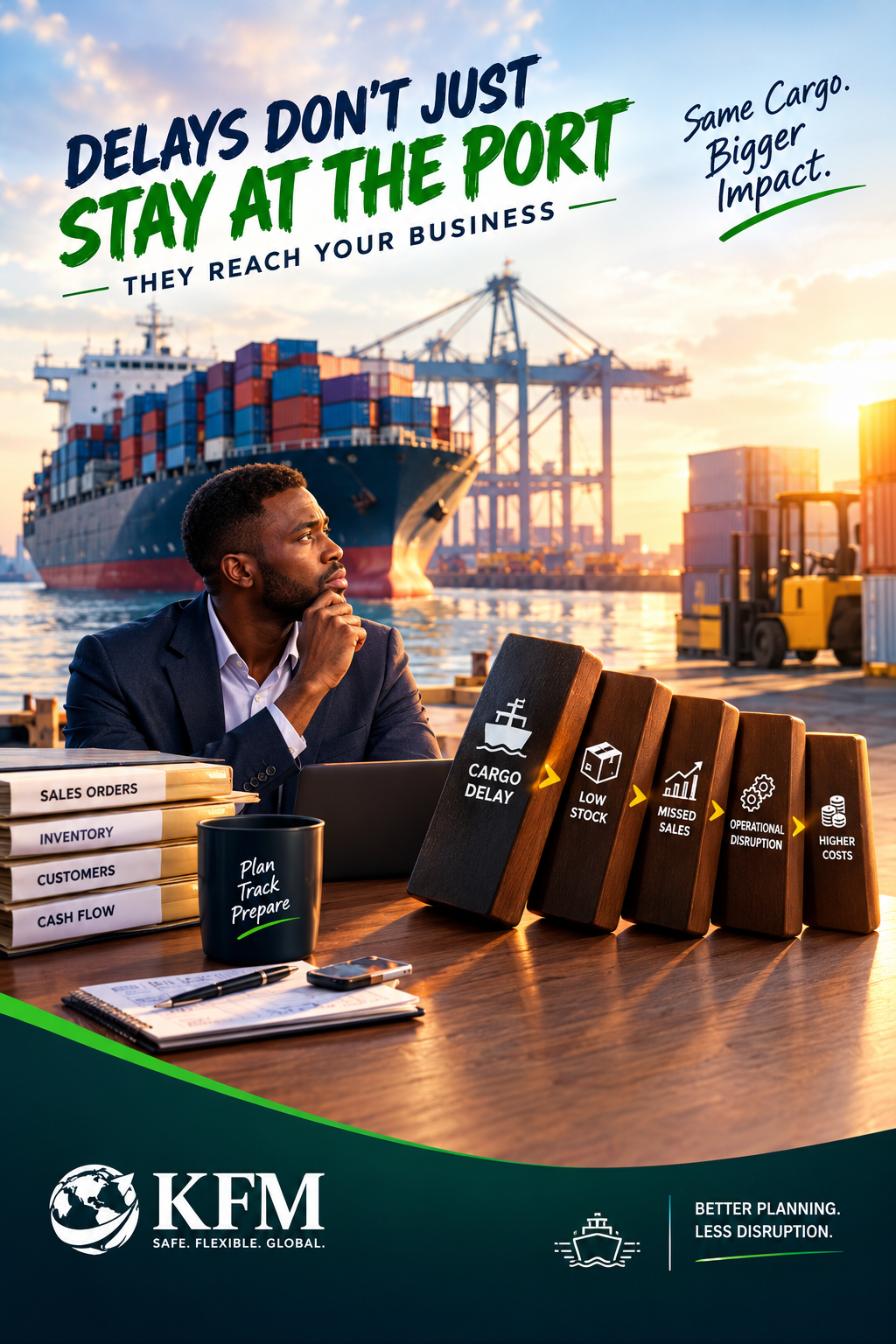
When imported goods are delayed, the impact can go beyond the shipment itself.
- Customers may have to wait longer.
- Stock may run out.
- Sales opportunities can be missed.
- Production may be interrupted.
- Additional storage or delay-related charges may arise.
A shipment that was supposed to generate revenue can instead become a source of unexpected expense.
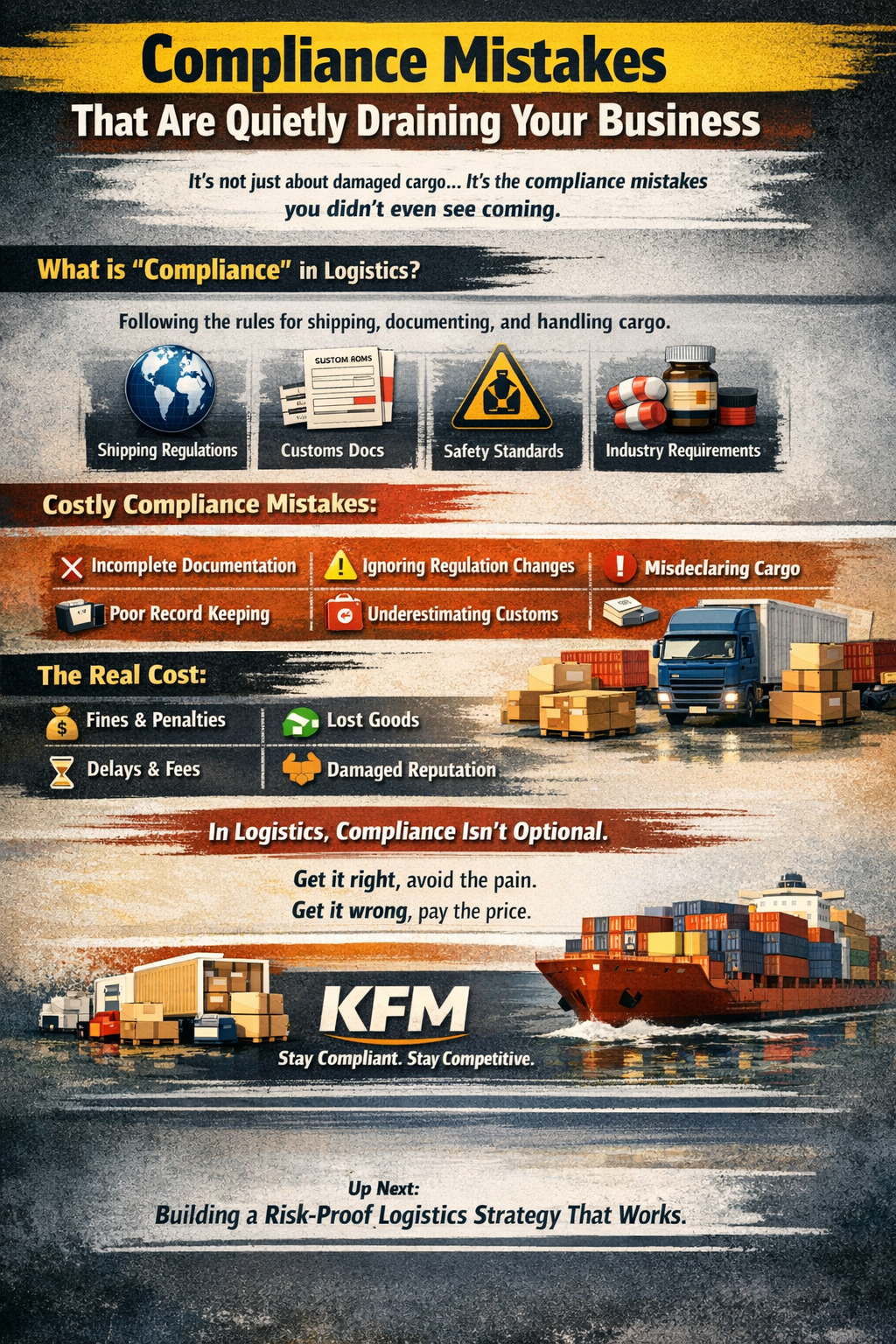
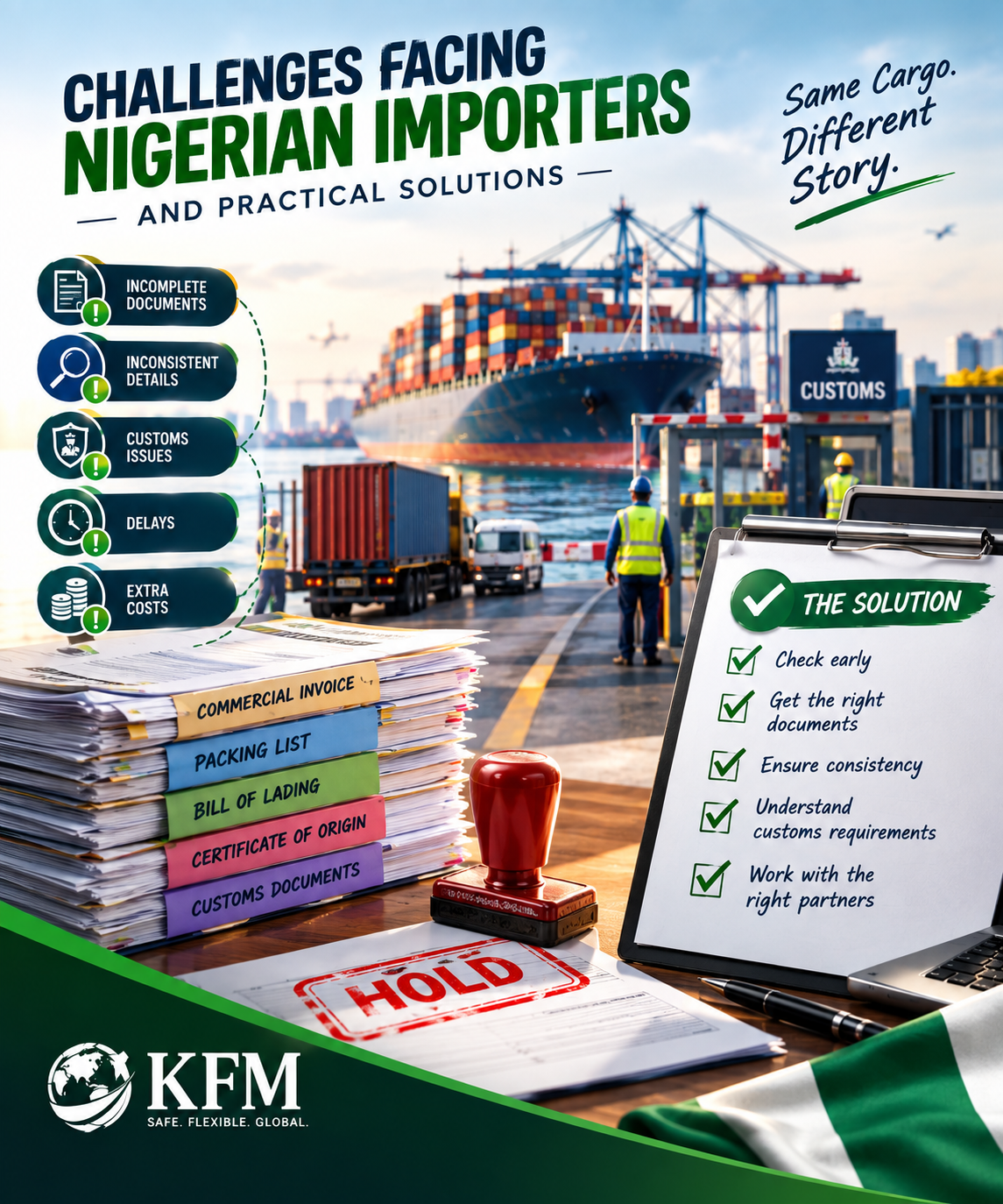
Small Documentation Mistakes Can Become Big Problems
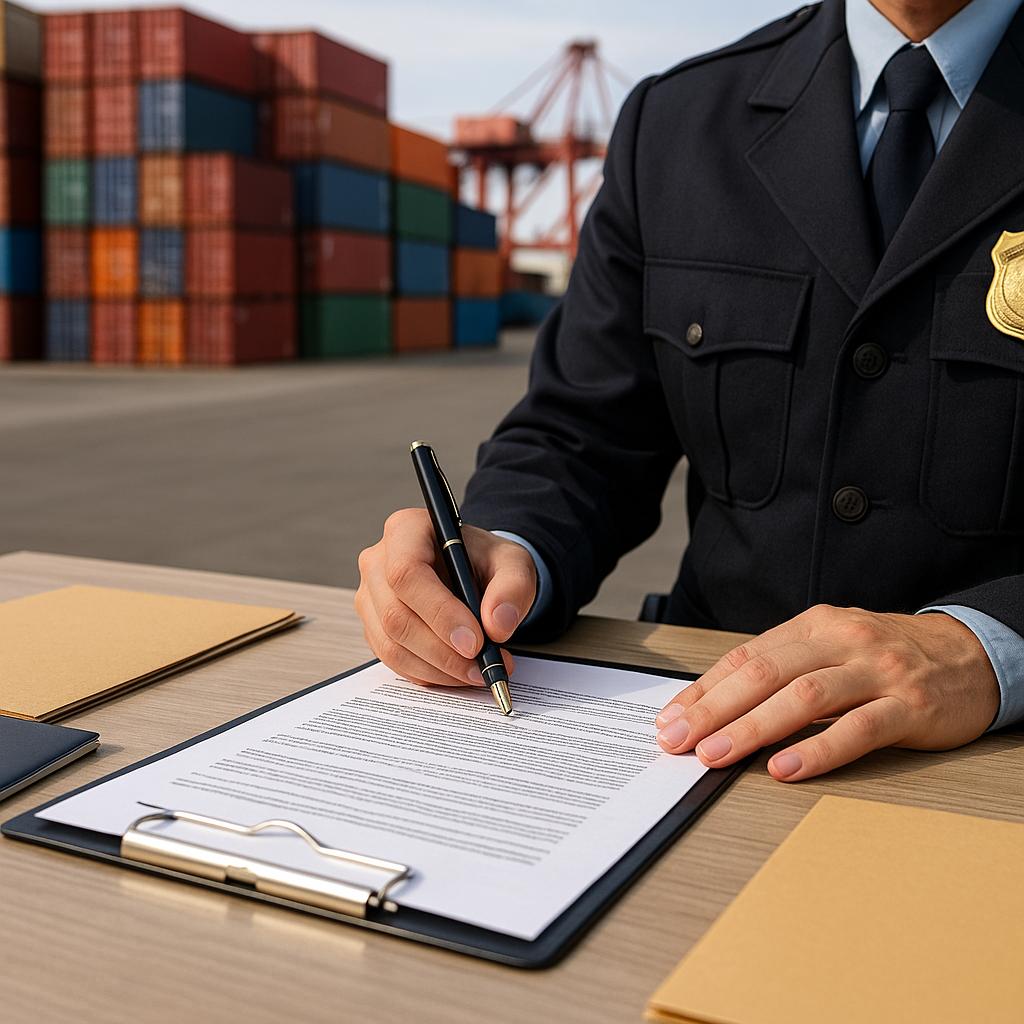
Import documentation needs to be accurate and consistent with the shipment.
Errors, missing information, or inconsistencies can create complications during the import process.
And when cargo is sitting while an issue is being resolved, the clock doesn't necessarily stop.
Good documentation is not just paperwork—it is part of cost control.
Buying Too Much Can Also Cost You
Sometimes the problem isn't the shipping process.
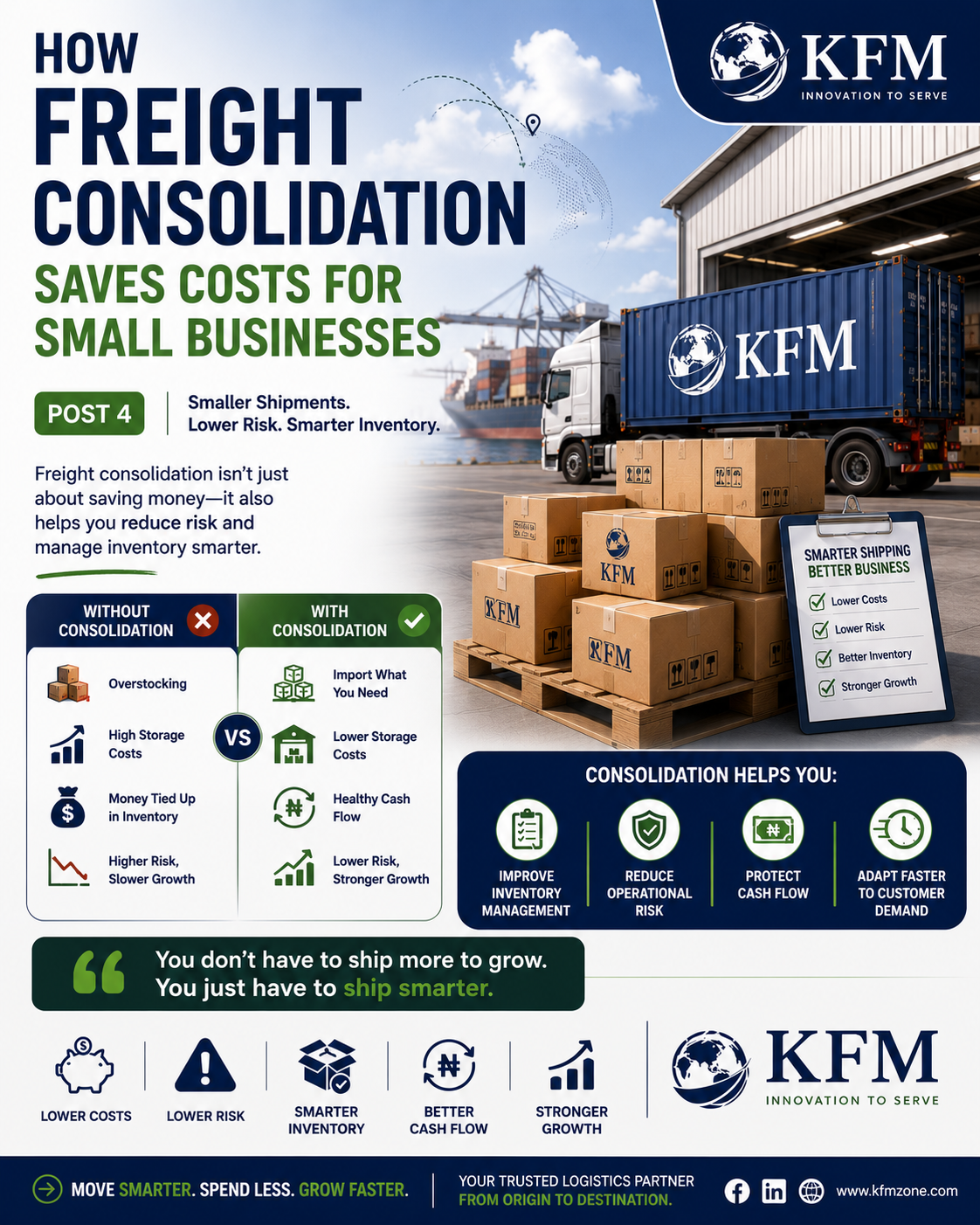
It's the decision to import too much inventory at once.
Larger orders may reduce the unit cost of your products, but excess inventory can tie up valuable capital.
You may end up paying for:
- Long-term storage
- Inventory that moves slowly
- Products becoming outdated
- Capital that could have been used elsewhere
A lower purchase price doesn't automatically mean a better business decision.
The Cost of Poor Planning Is Often Invisible
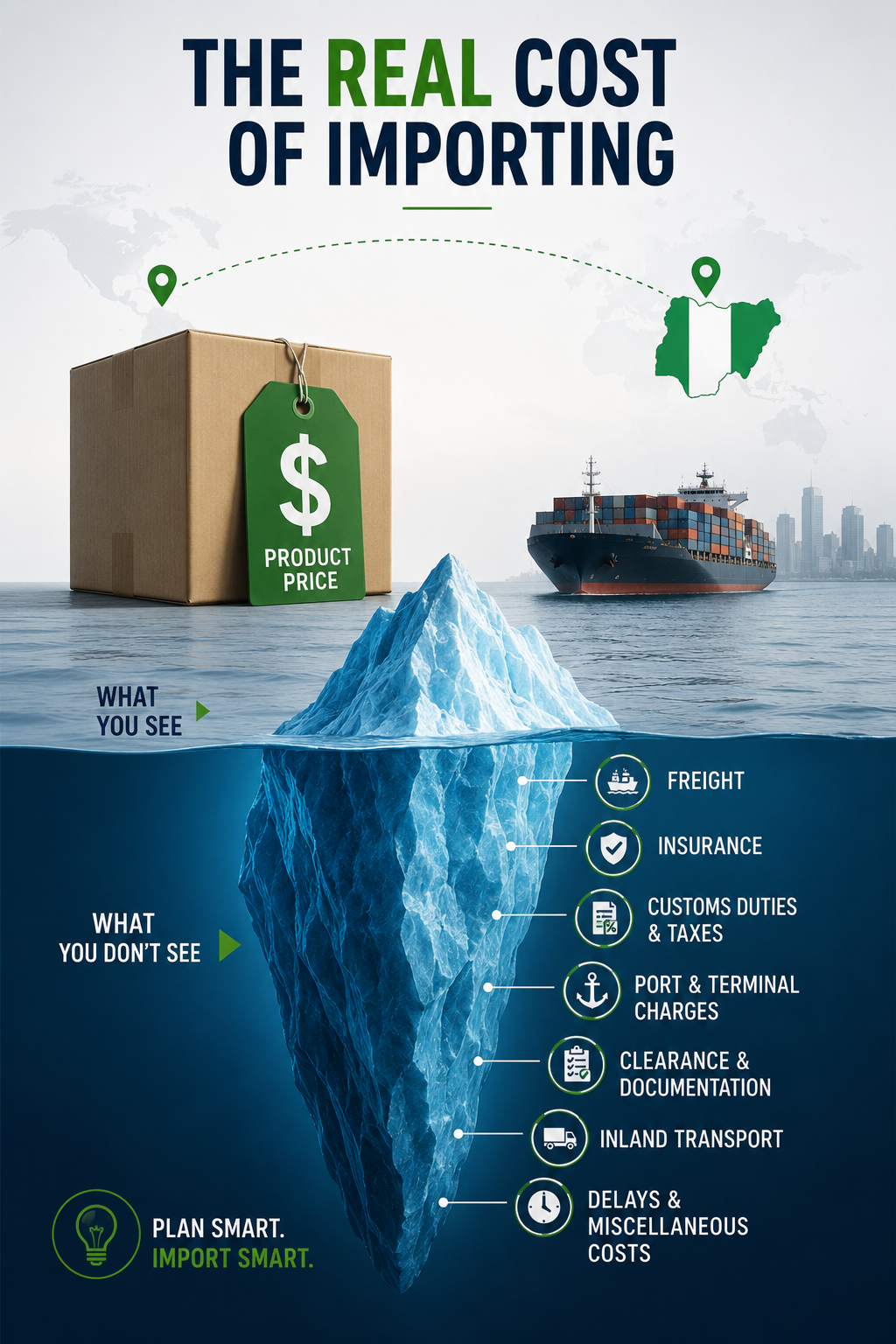
Some import costs appear directly on an invoice.
Others show up indirectly through lost time, missed sales, excess stock, operational disruption, and unnecessary stress.
That's why experienced importers don't only ask:
"How much will this shipment cost?"
They also ask:
"What could make this shipment cost more than expected?"
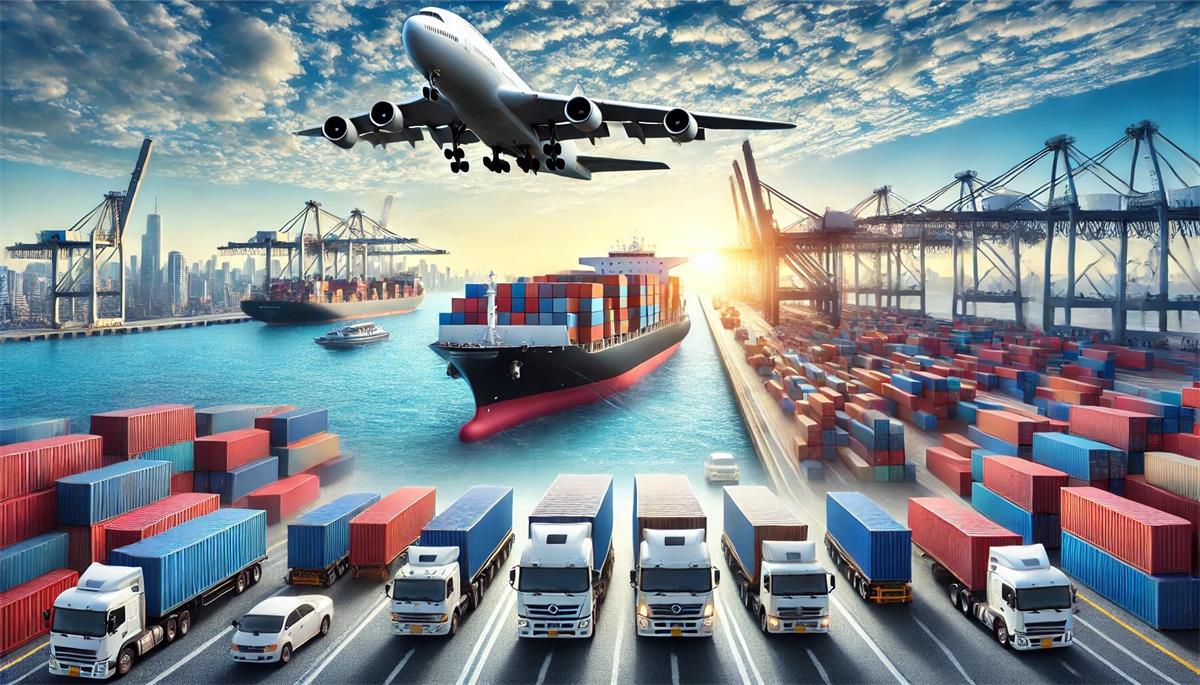
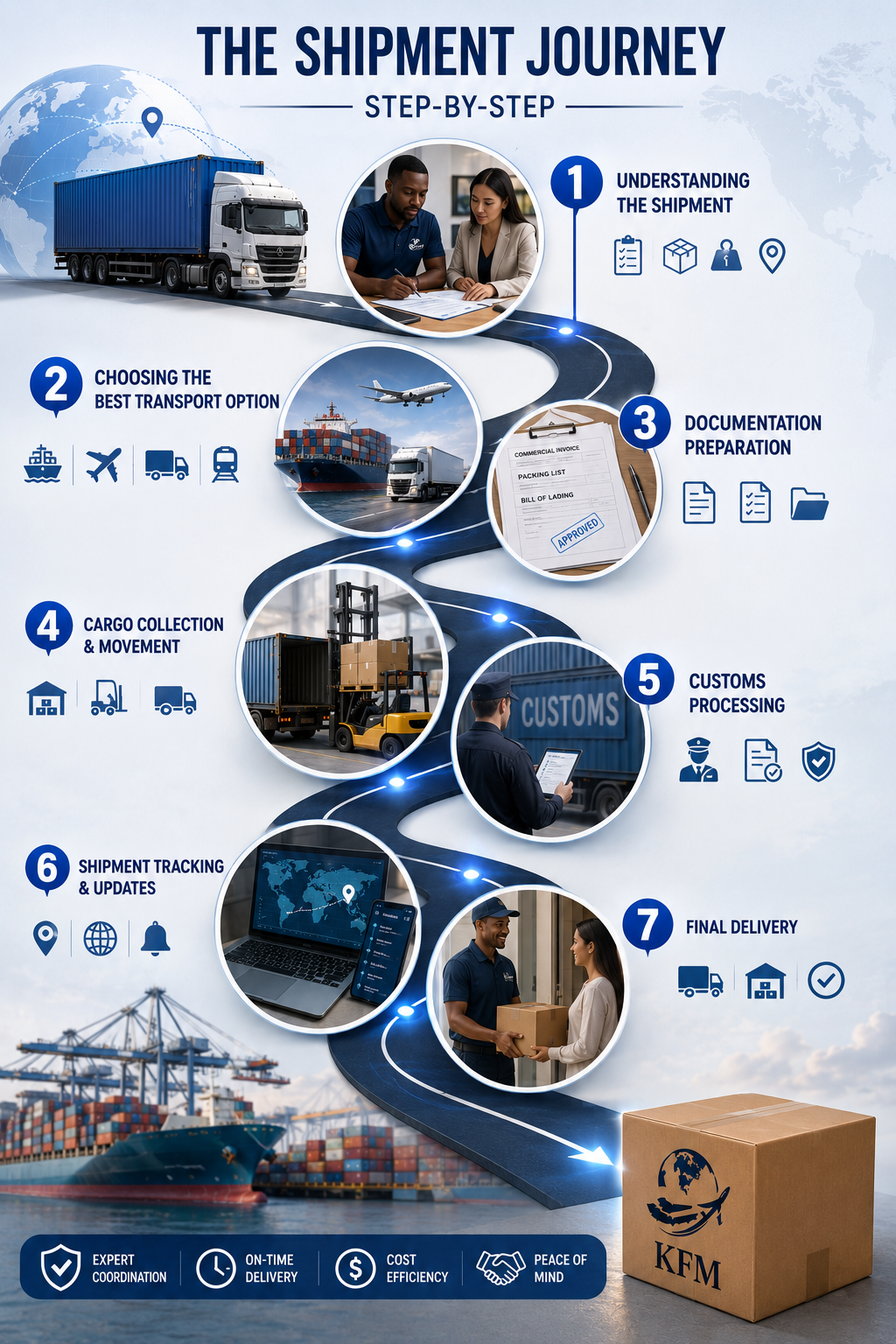
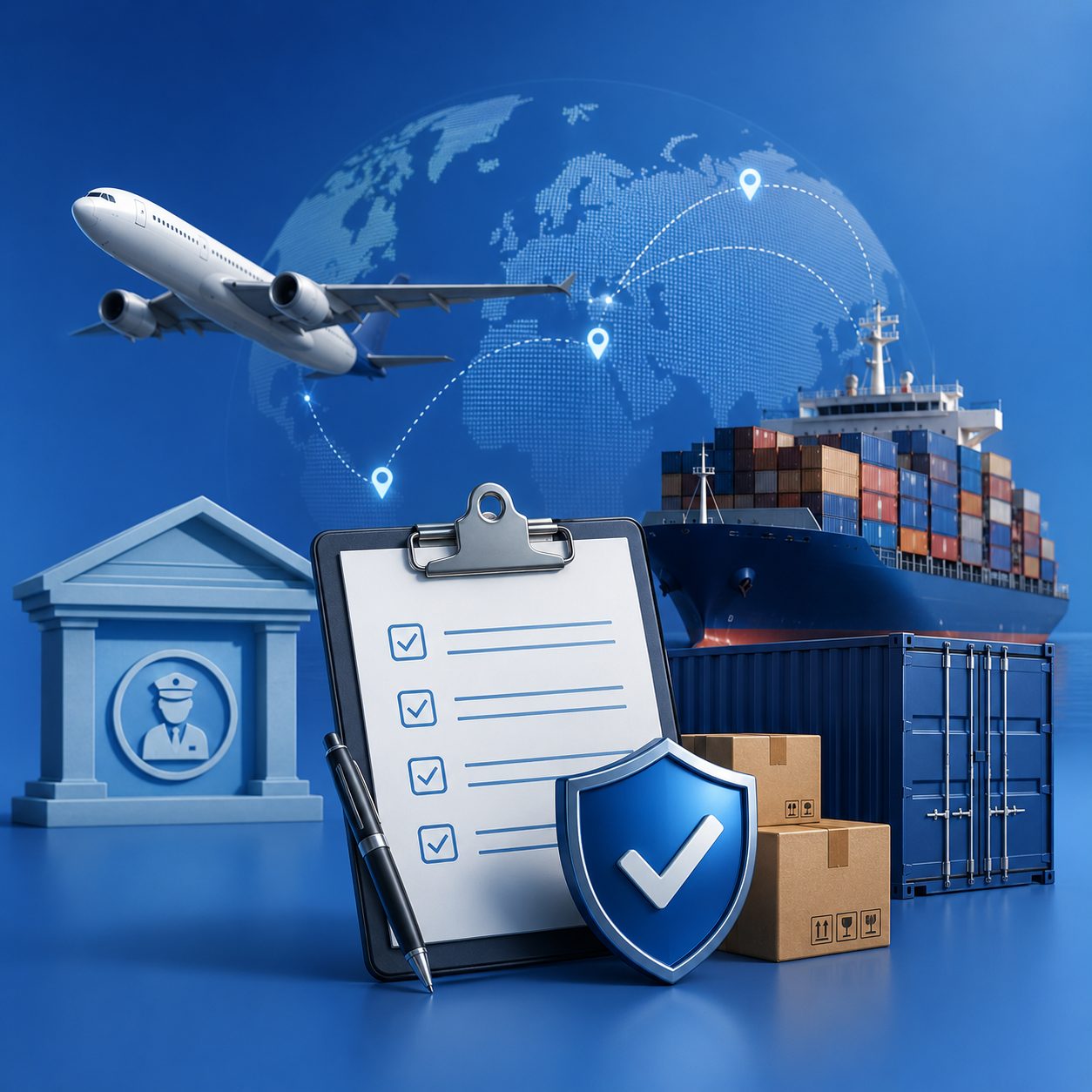
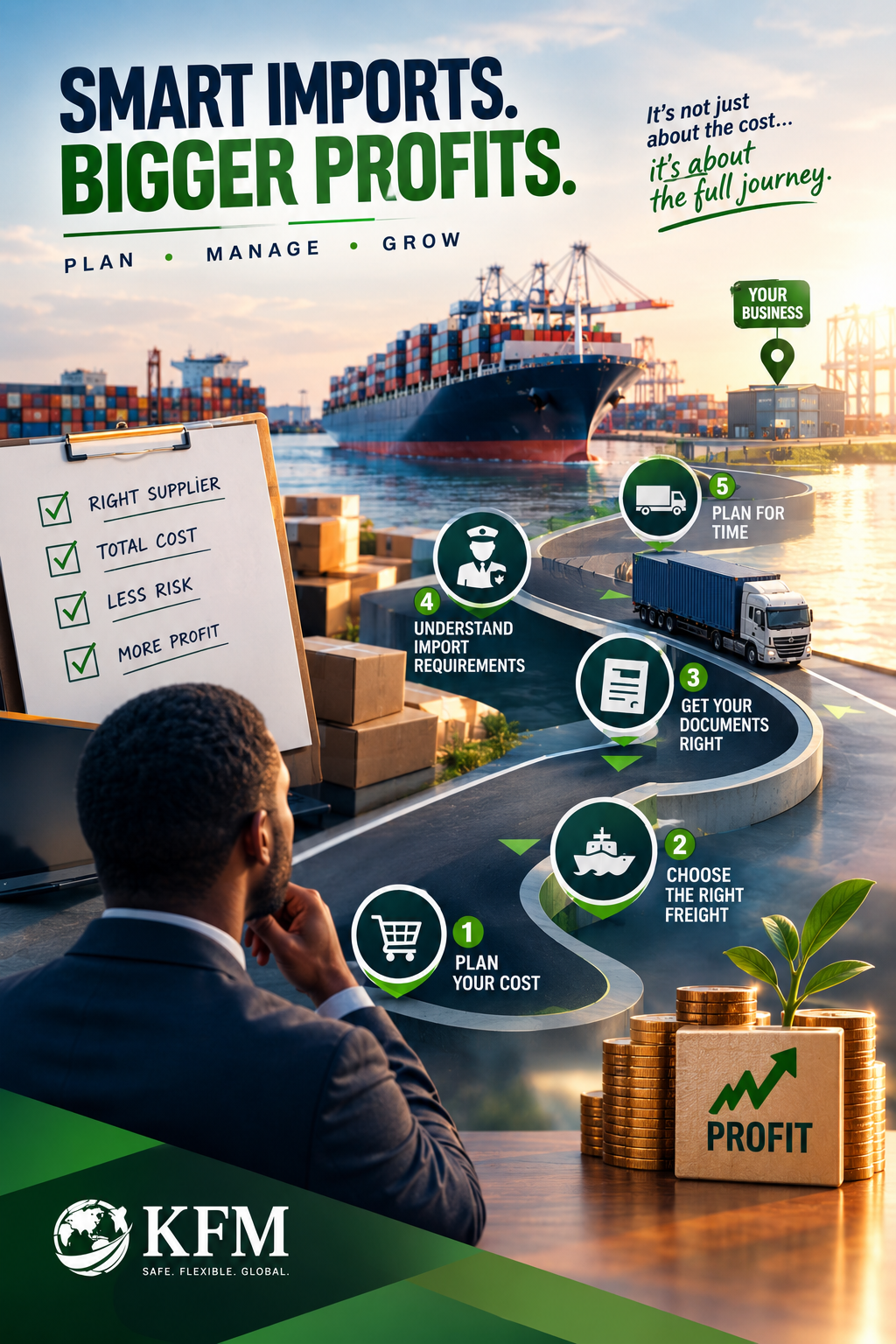
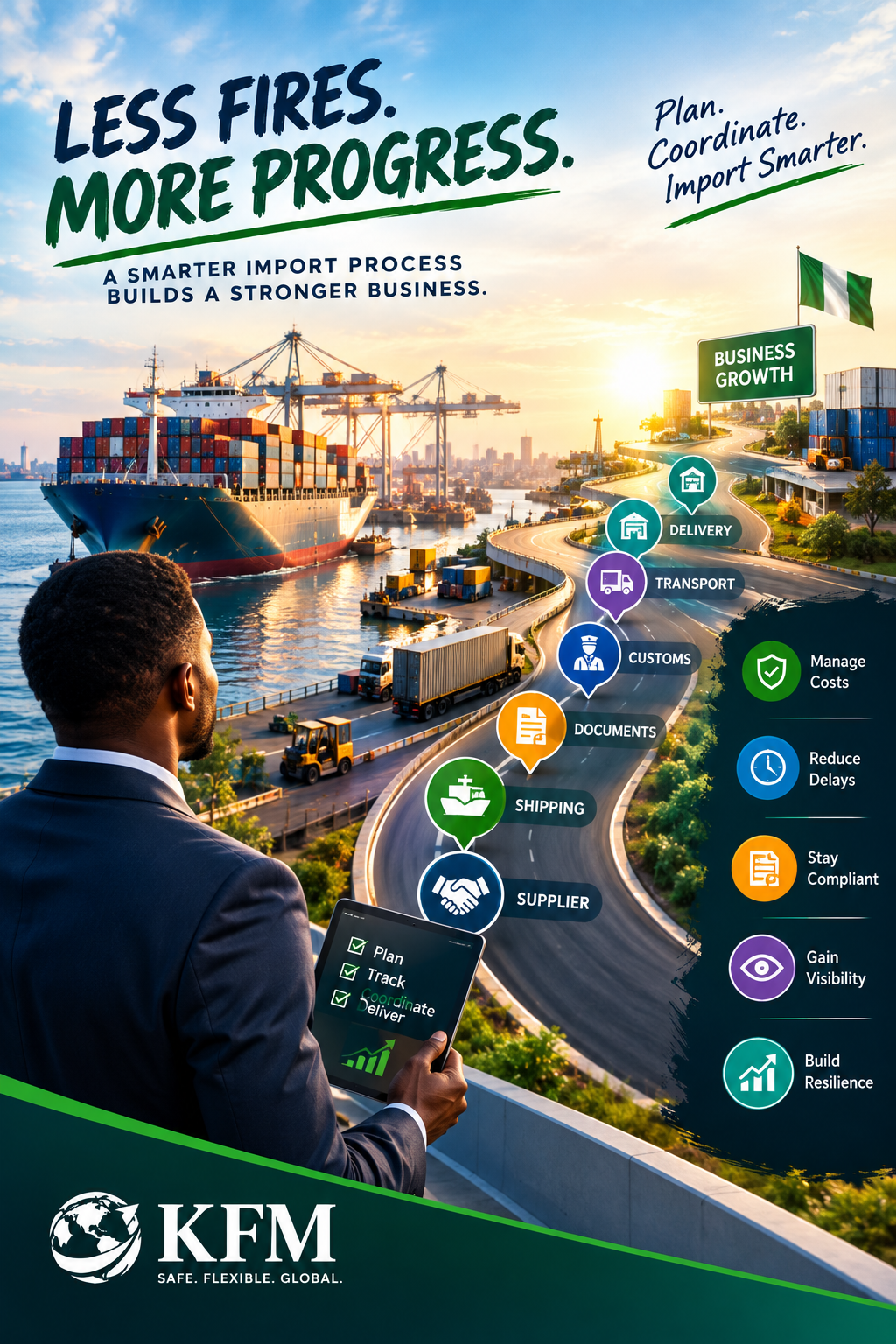
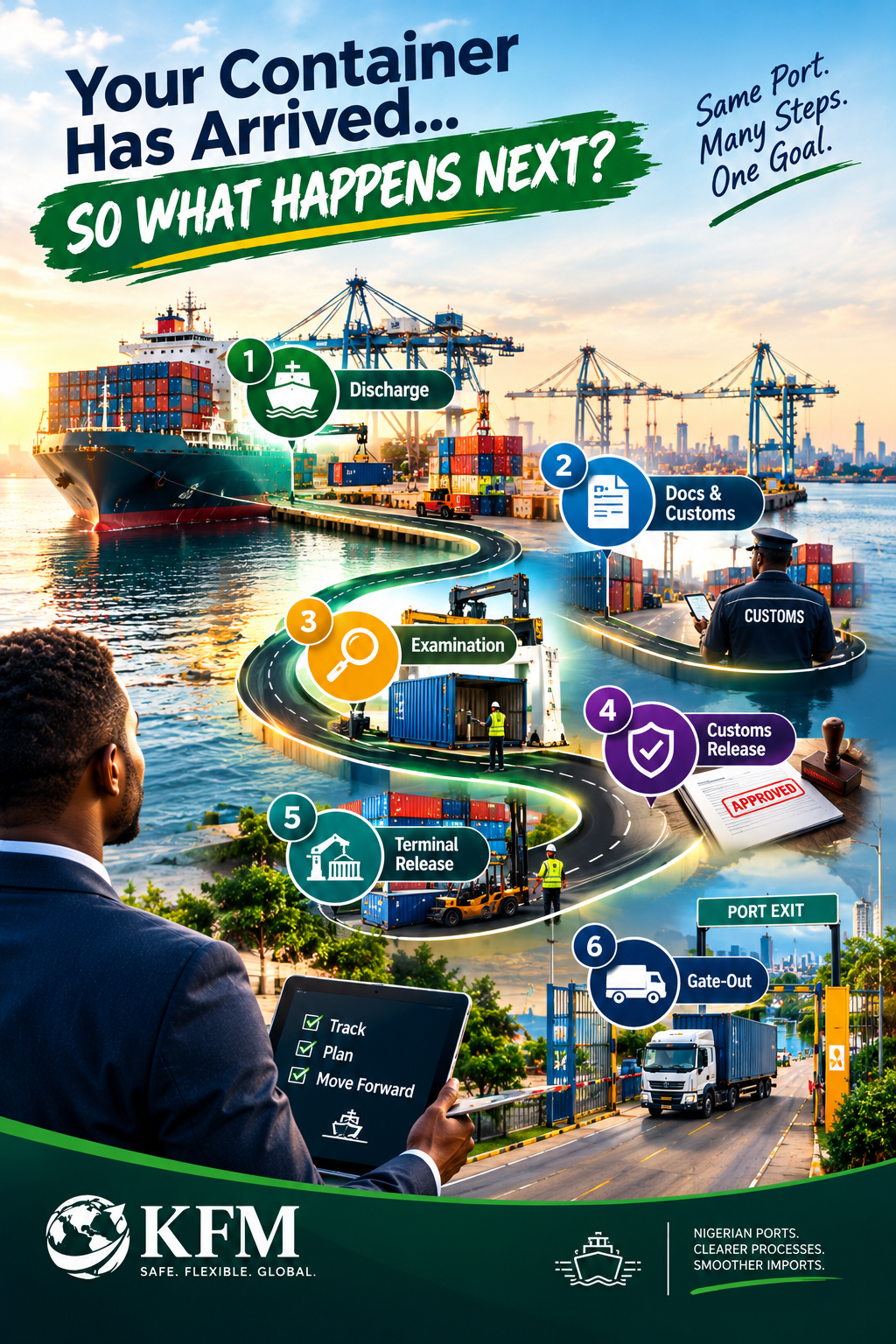
Plan for the Entire Journey
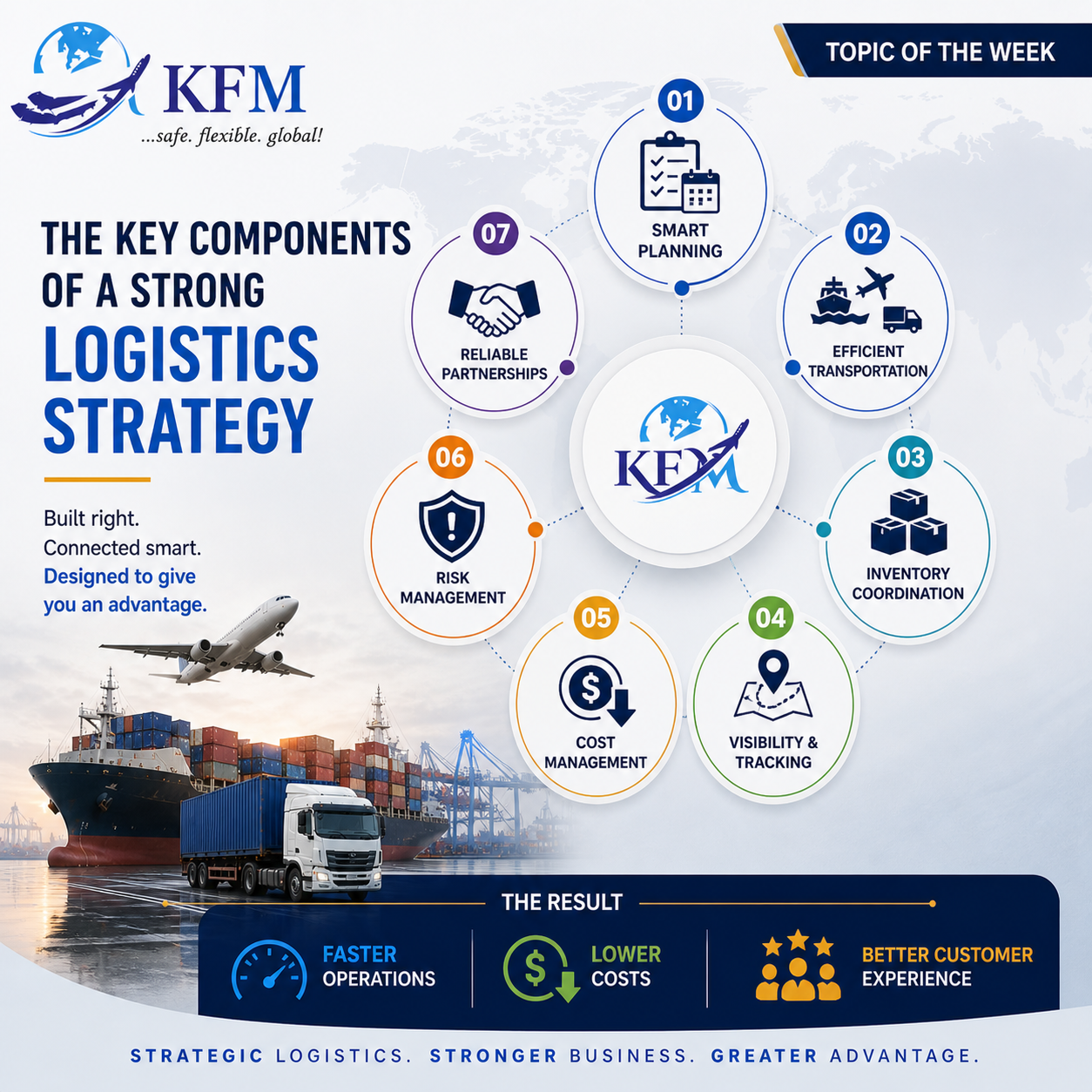
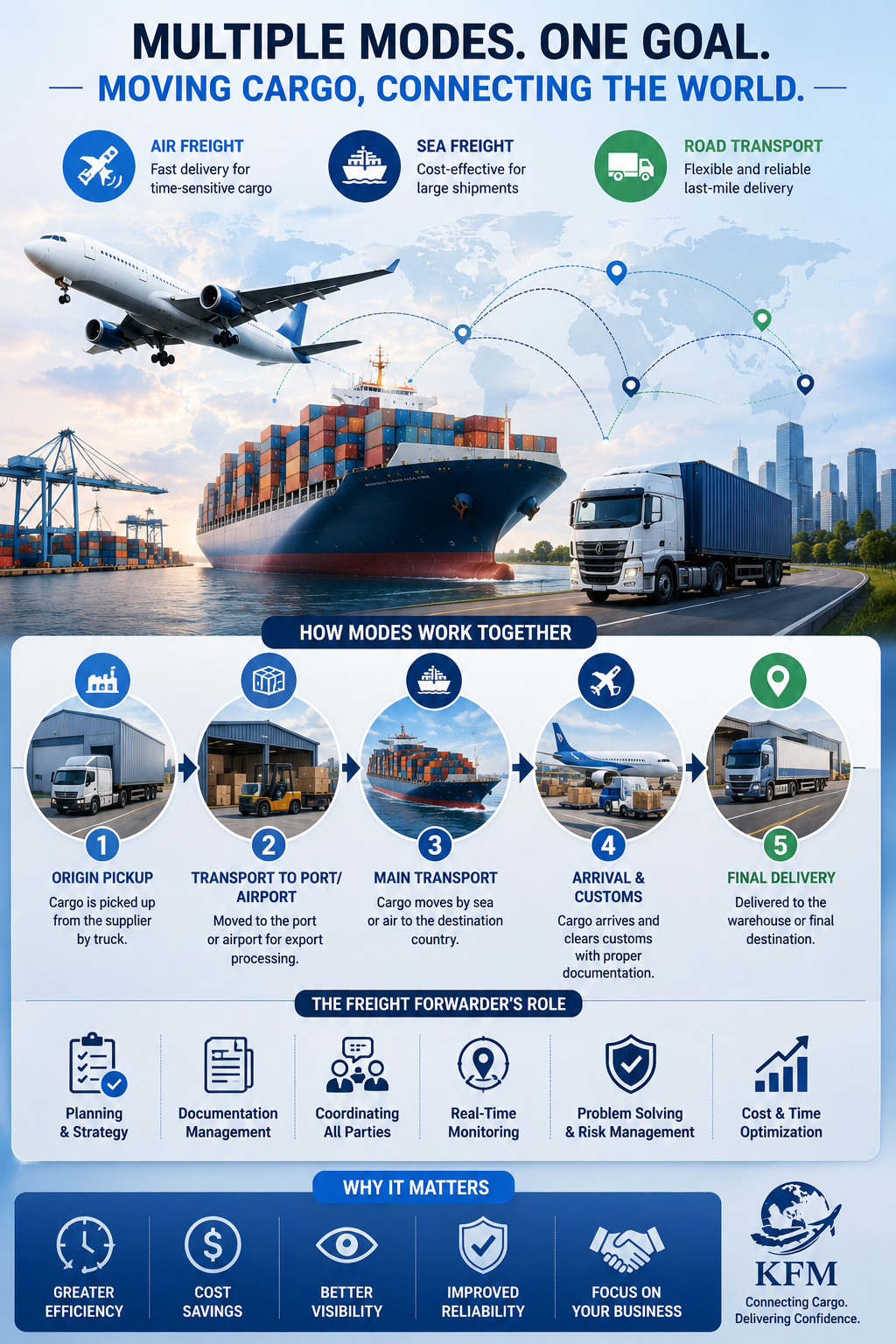
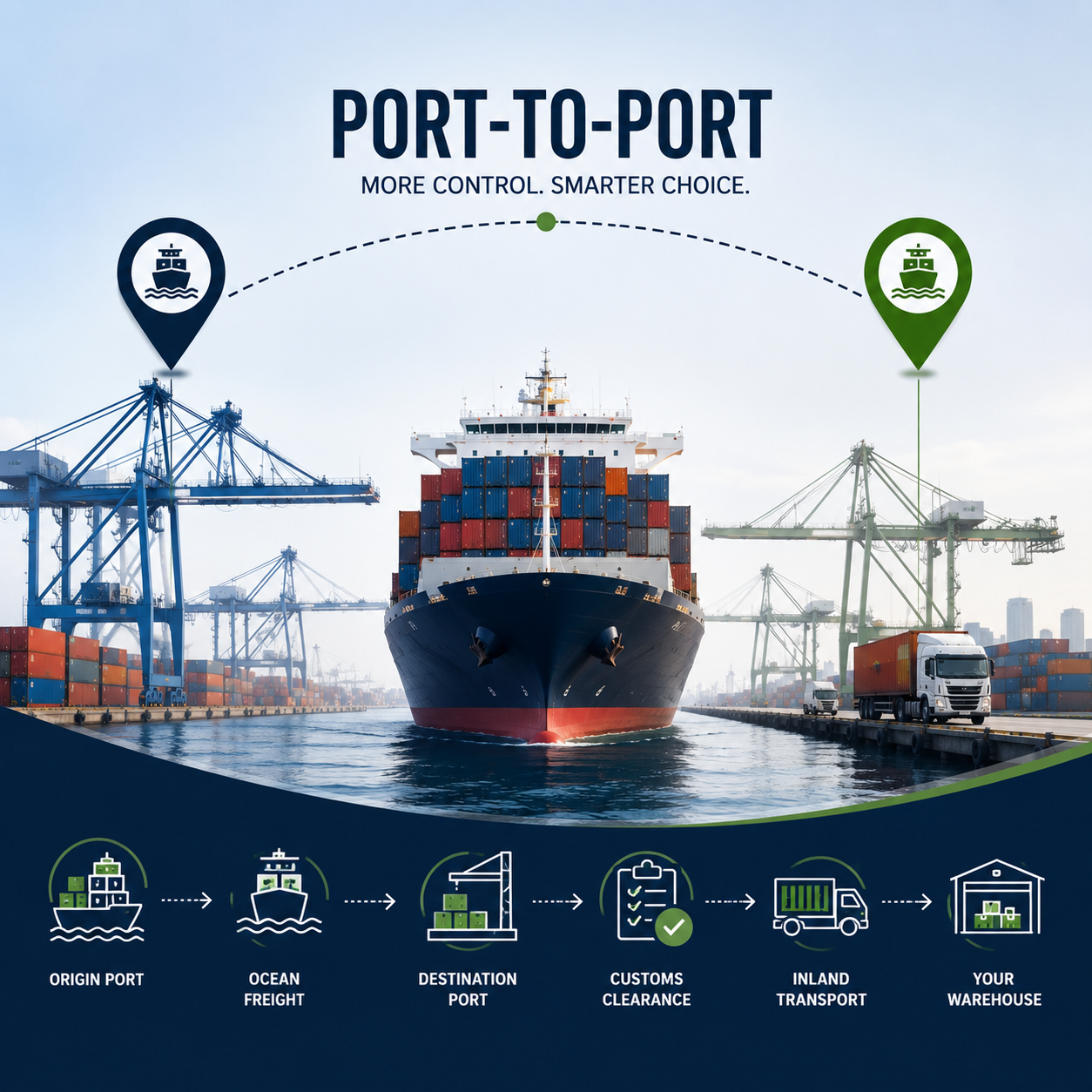
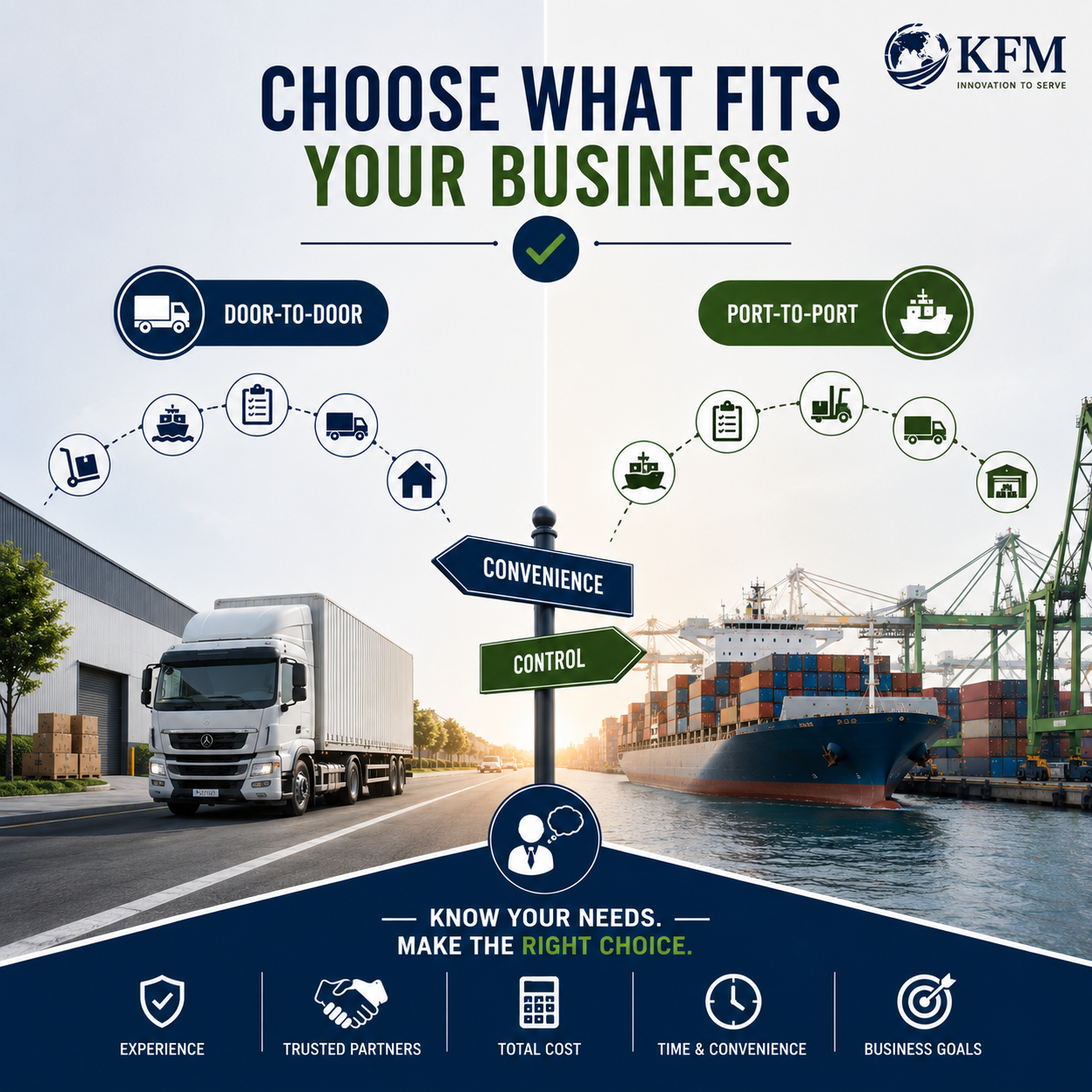
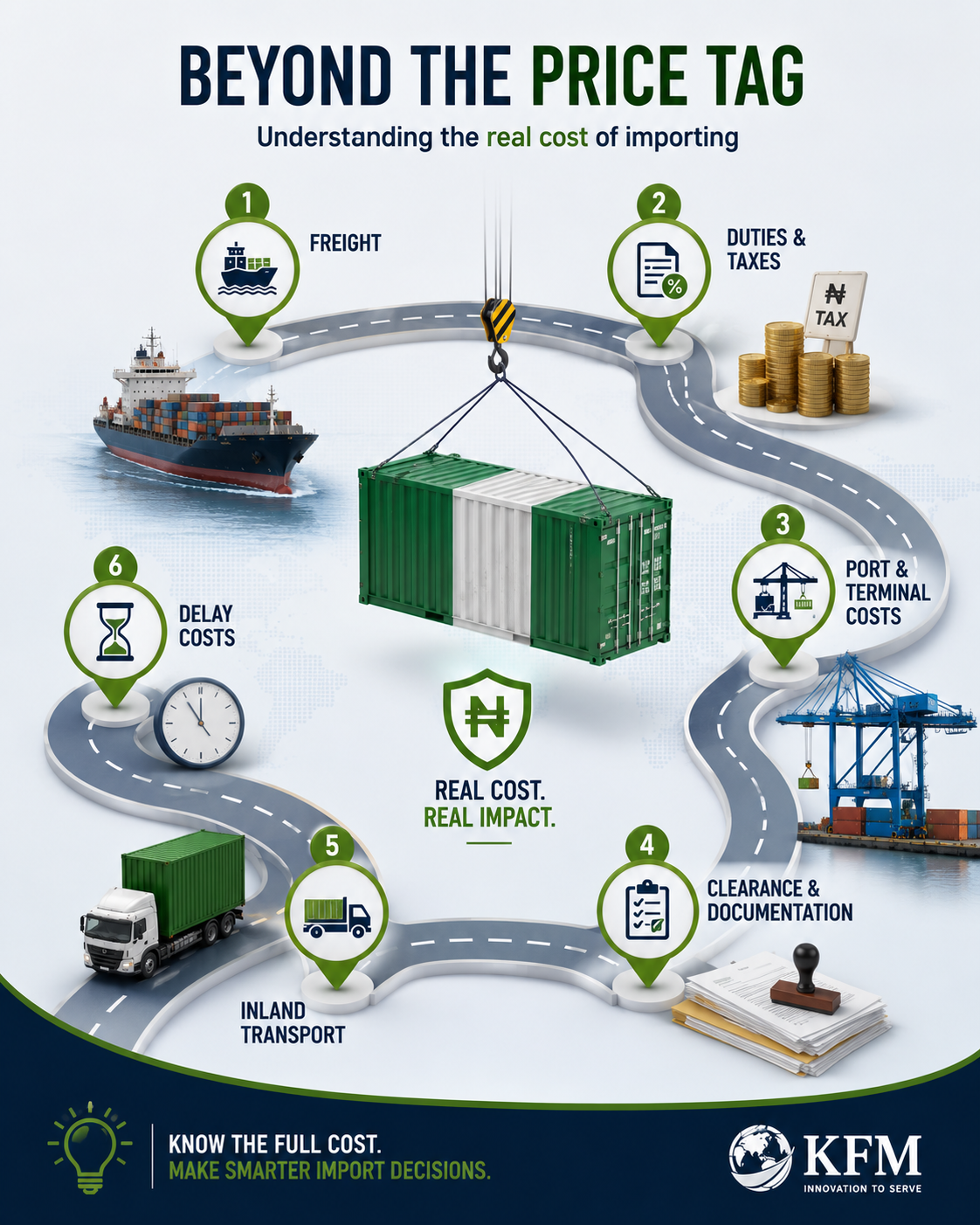
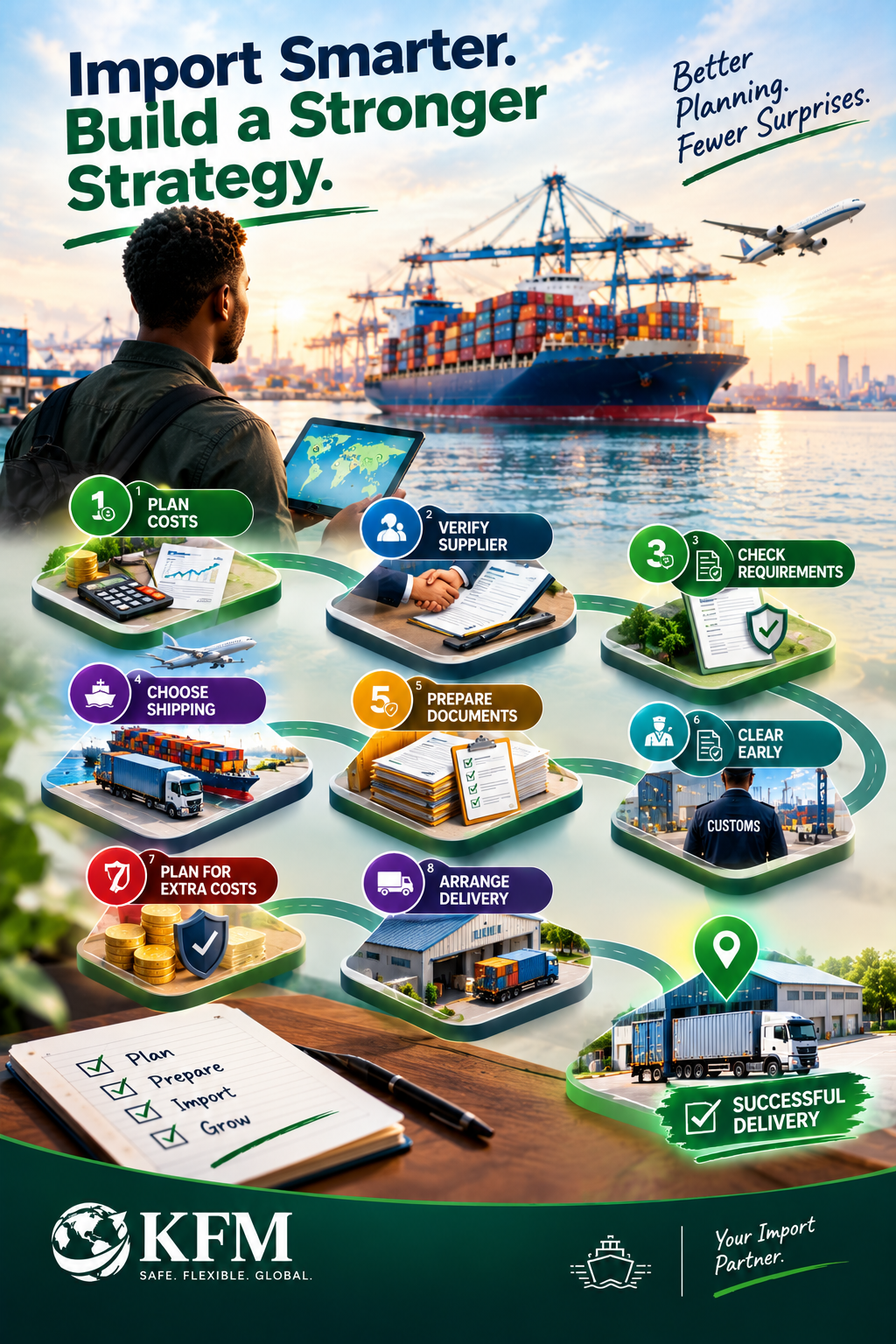
Before importing, consider the complete process:
- Supplier and product selection
- Documentation
- Freight planning
- Customs and regulatory requirements
- Port and destination handling
- Inland transportation
- Final delivery
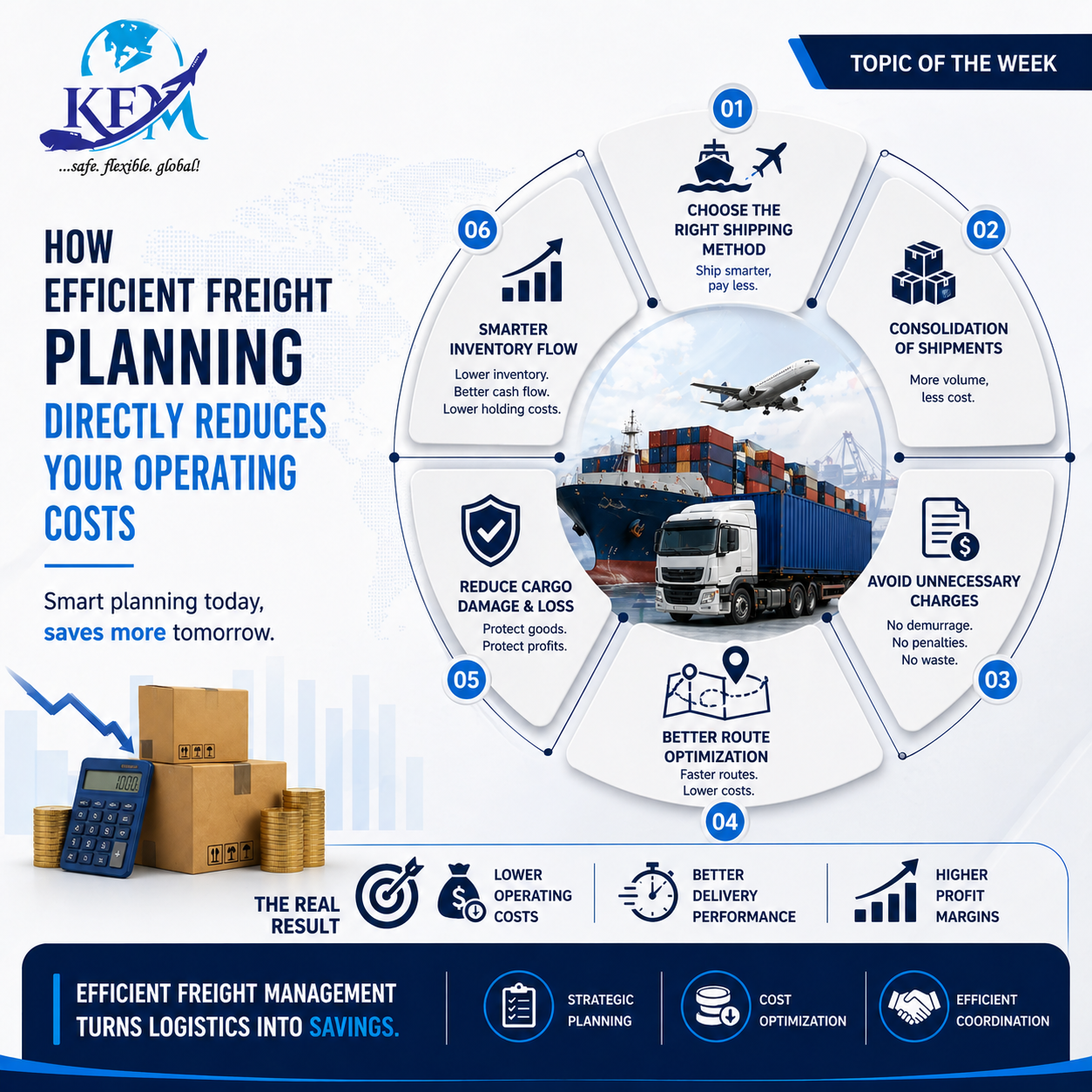
The more prepared you are at each stage, the easier it becomes to identify potential problems before they become expensive ones.
The KFM Perspective
At KFM, we believe logistics should be planned with the bigger business picture in mind.
Our job isn't simply to move cargo from one point to another.
It's to help businesses navigate the logistics process with better coordination, clearer expectations, and fewer avoidable surprises.
Because protecting your profit starts with understanding what can put it at risk.
Coming Up in Post 4 👀
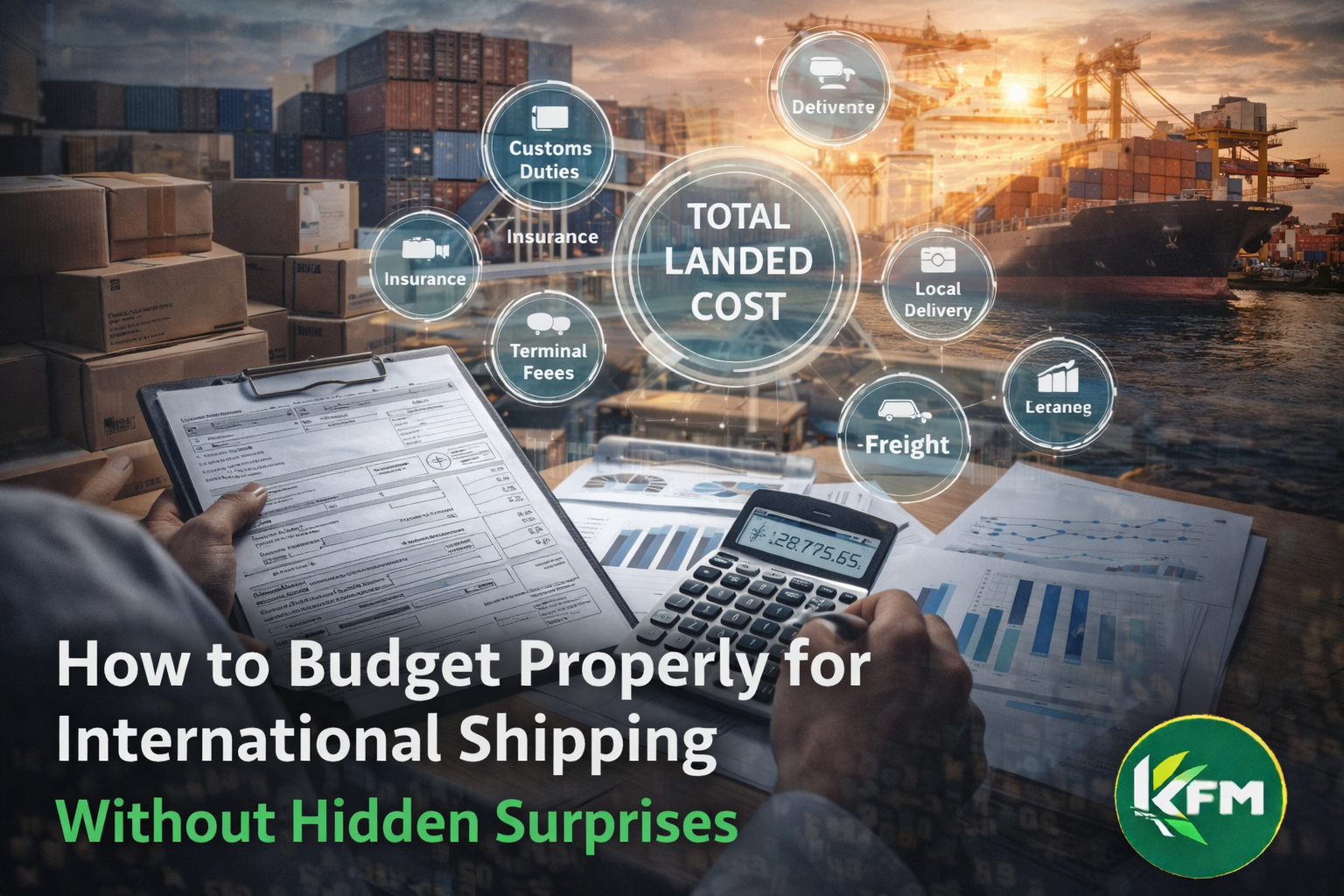
Next, we'll look at one of the most important questions every importer should ask before shipping: How can you calculate your true landed cost before committing your money?
Profit isn't what remains after buying the goods. It's what remains after the entire import journey.