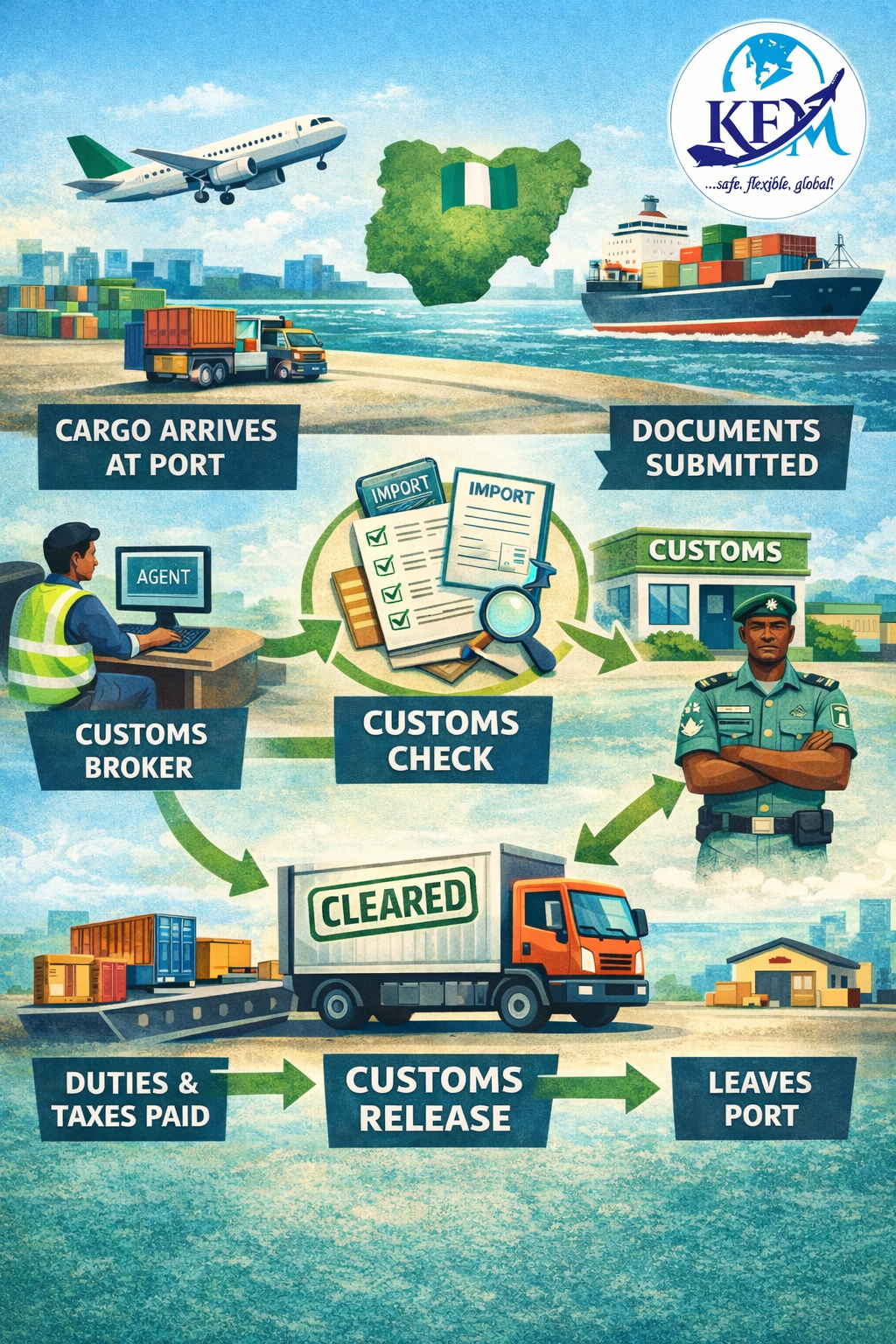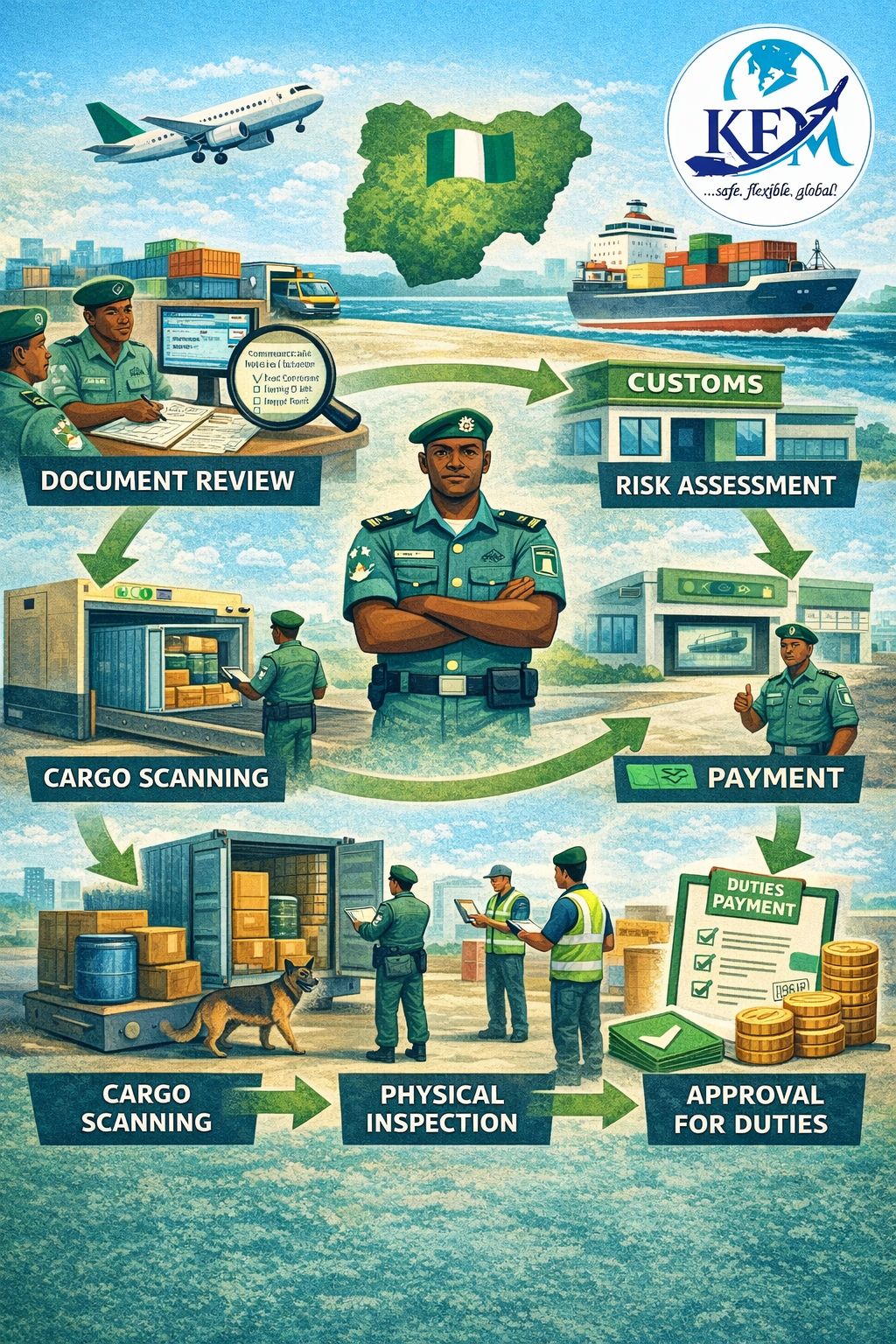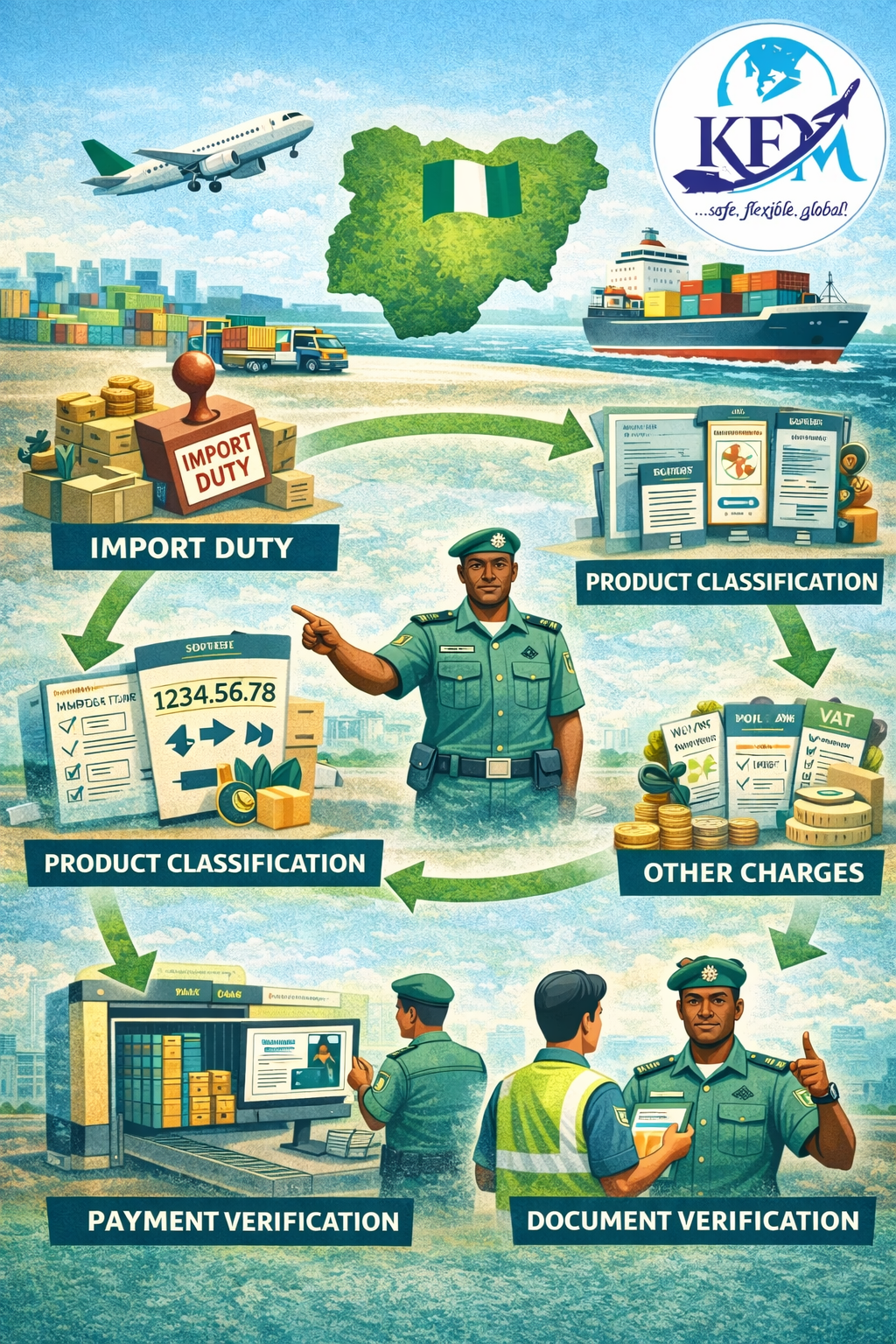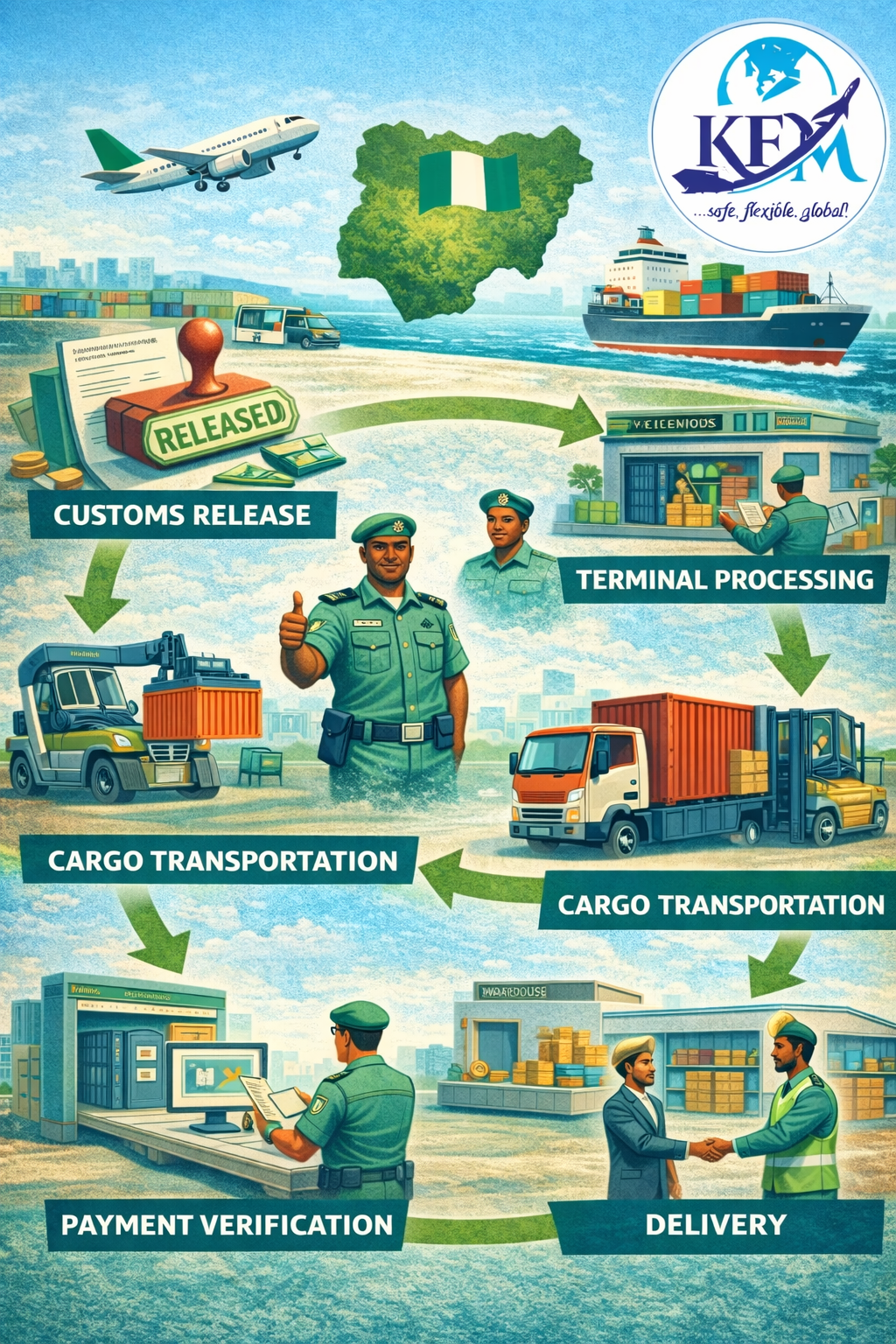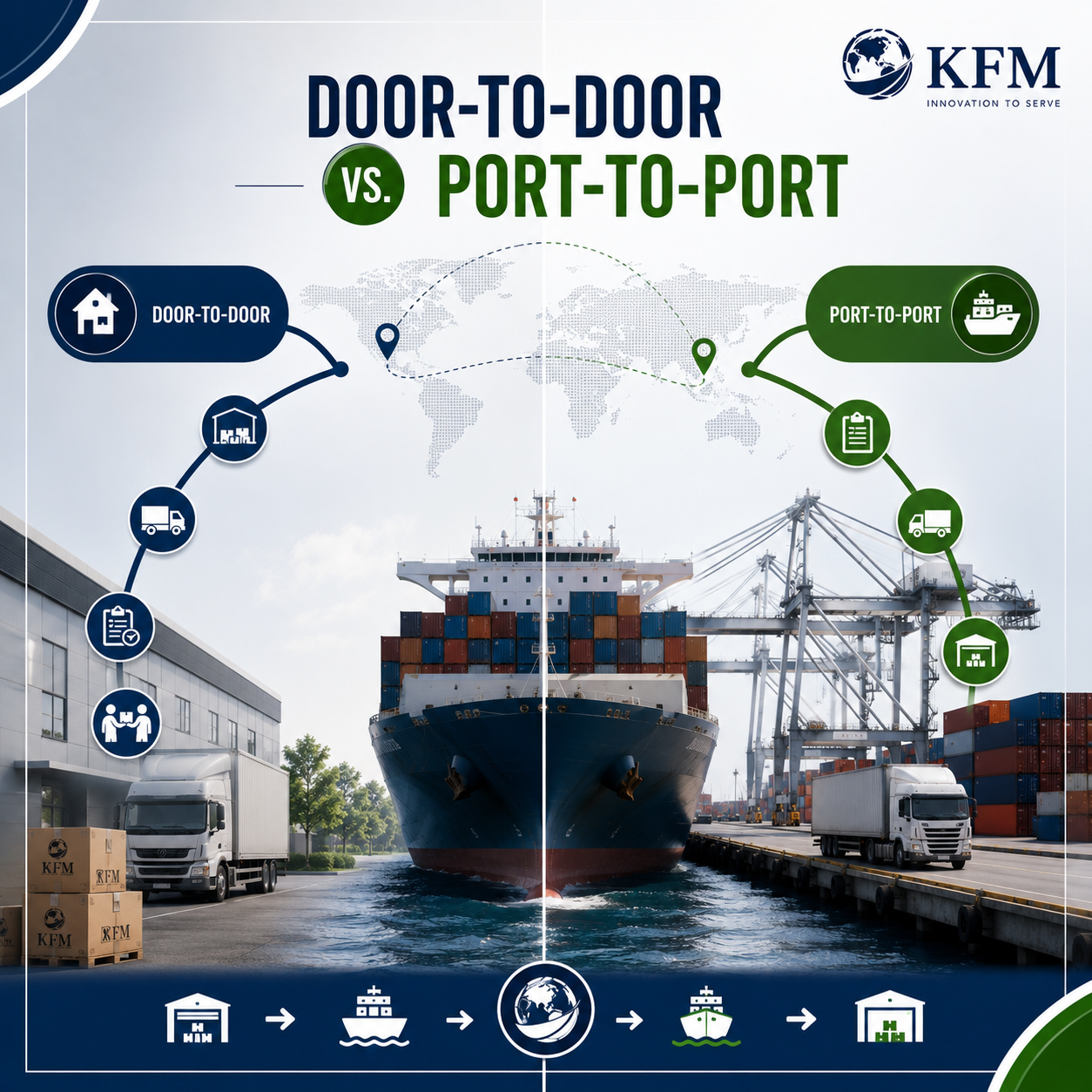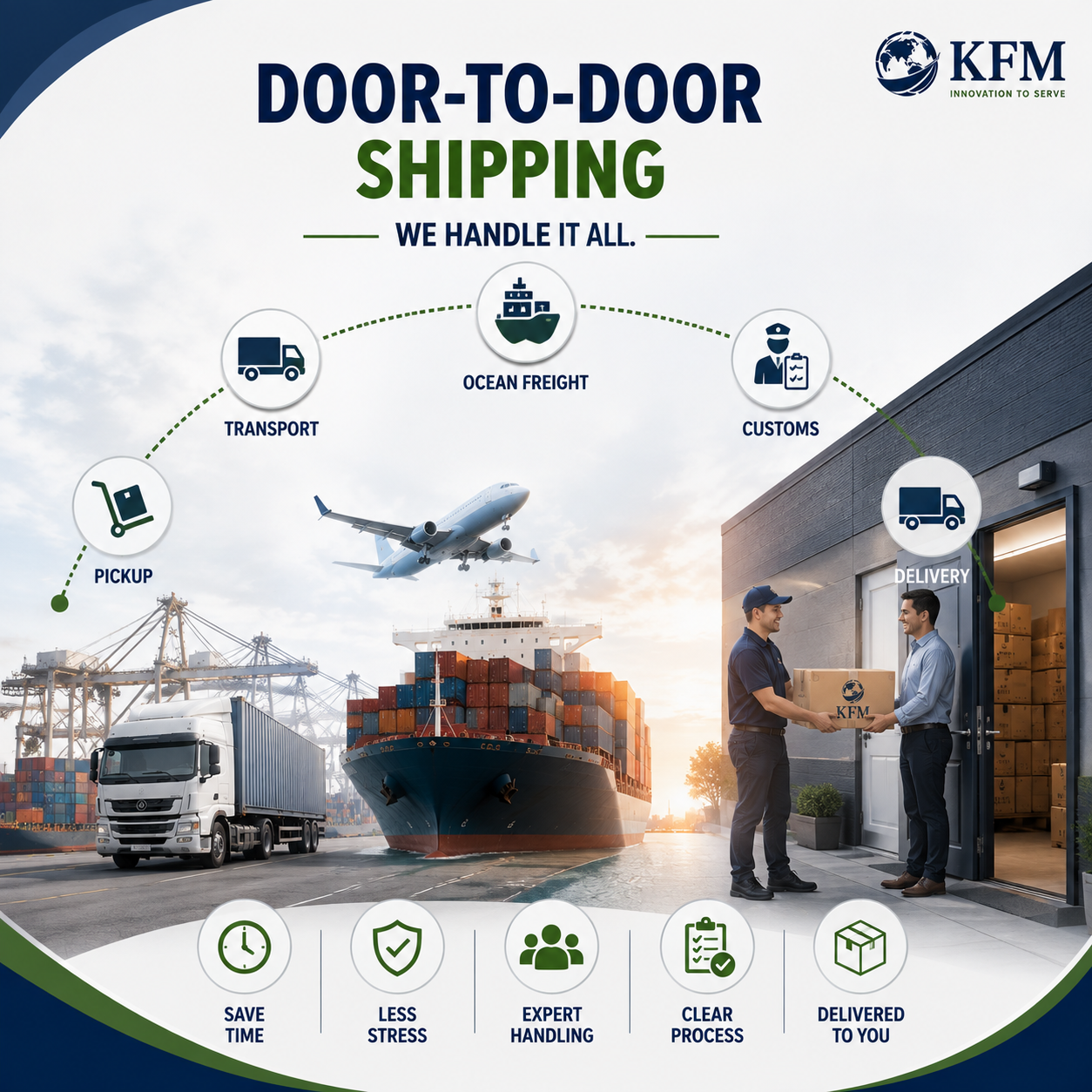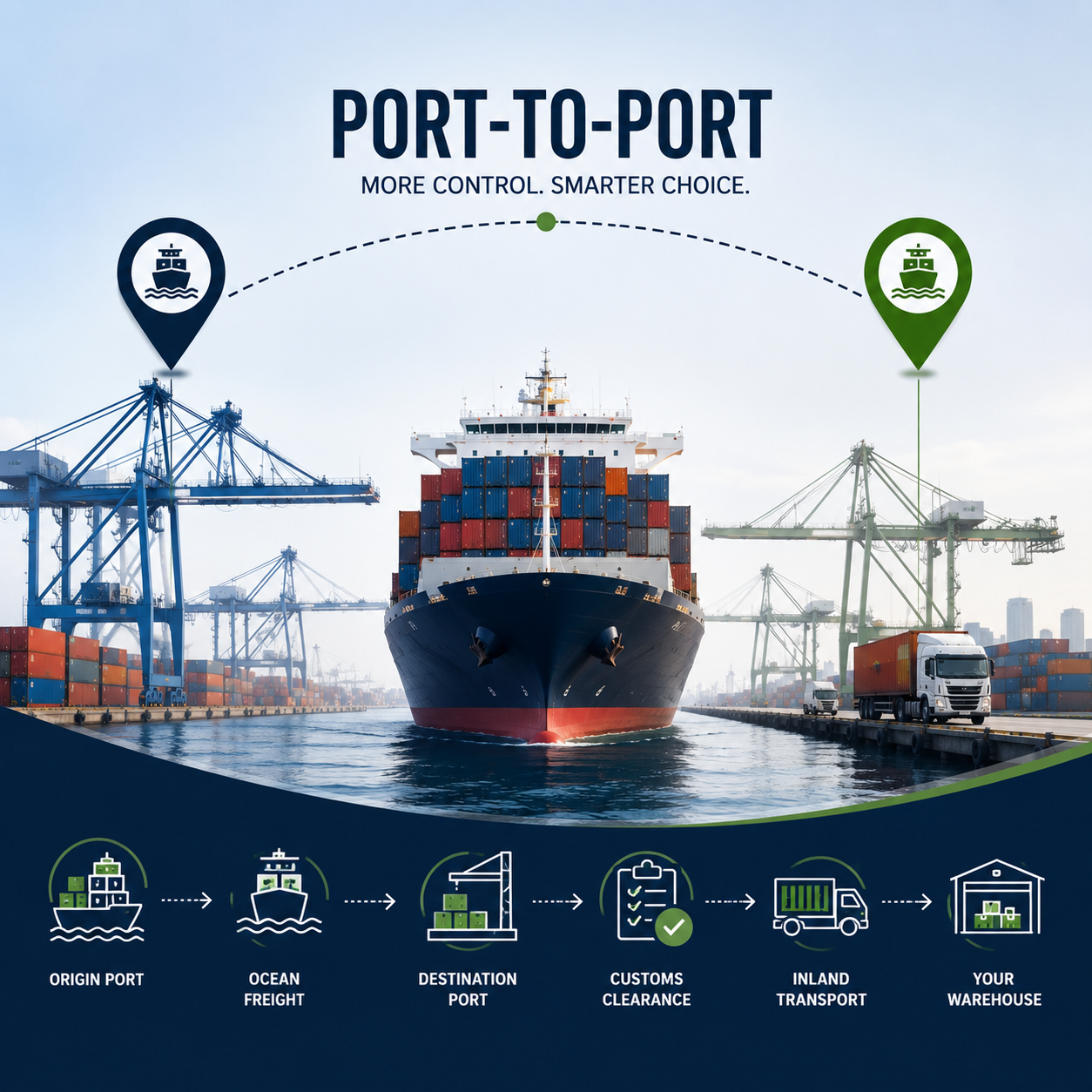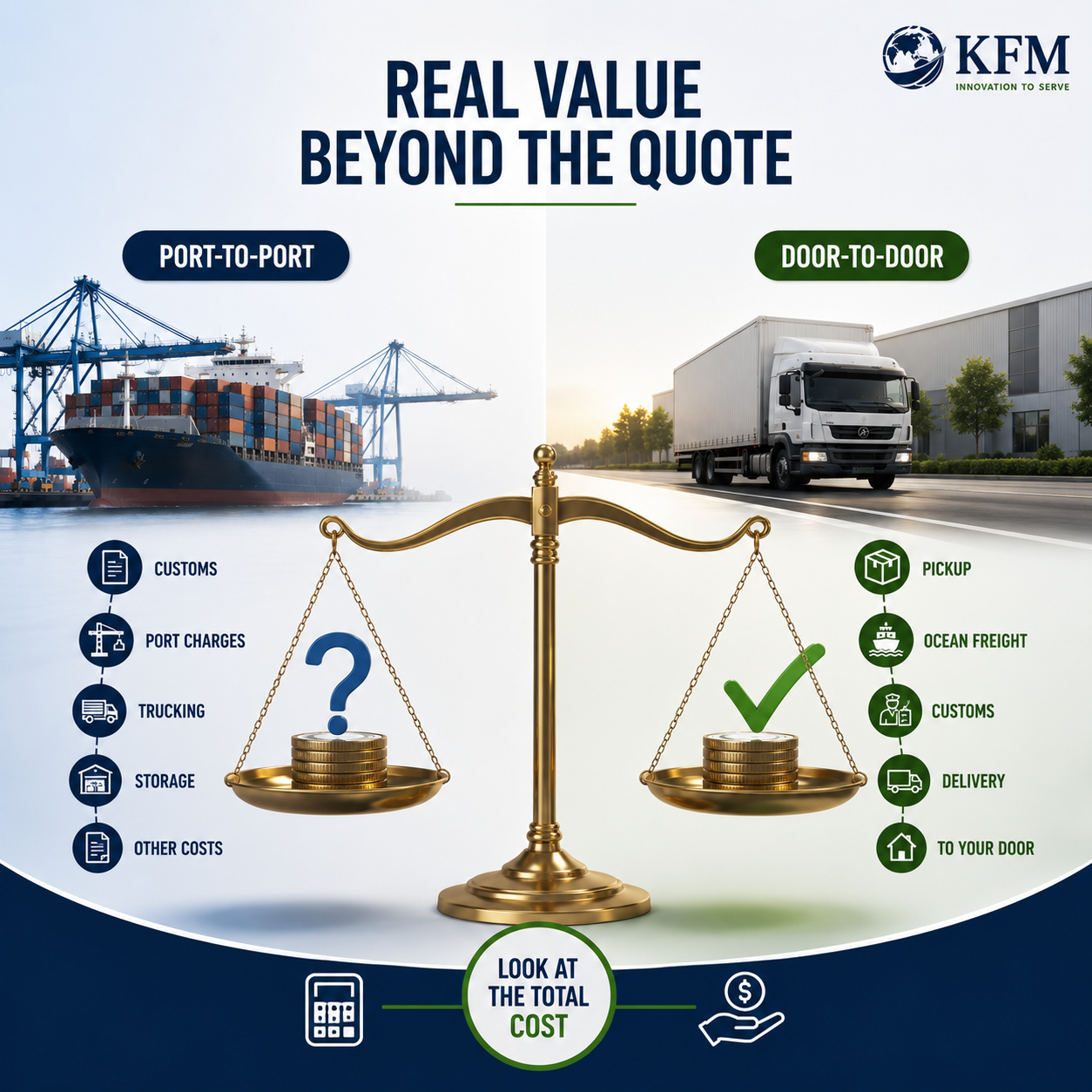
What Really Happens Between "Send It" and "Delivered"
When a business ships goods, the expectation is simple:
Pick it up. Move it. Deliver it.
Easy, right?
Not quite.
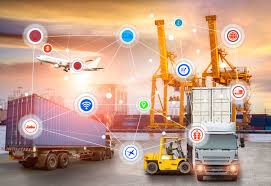
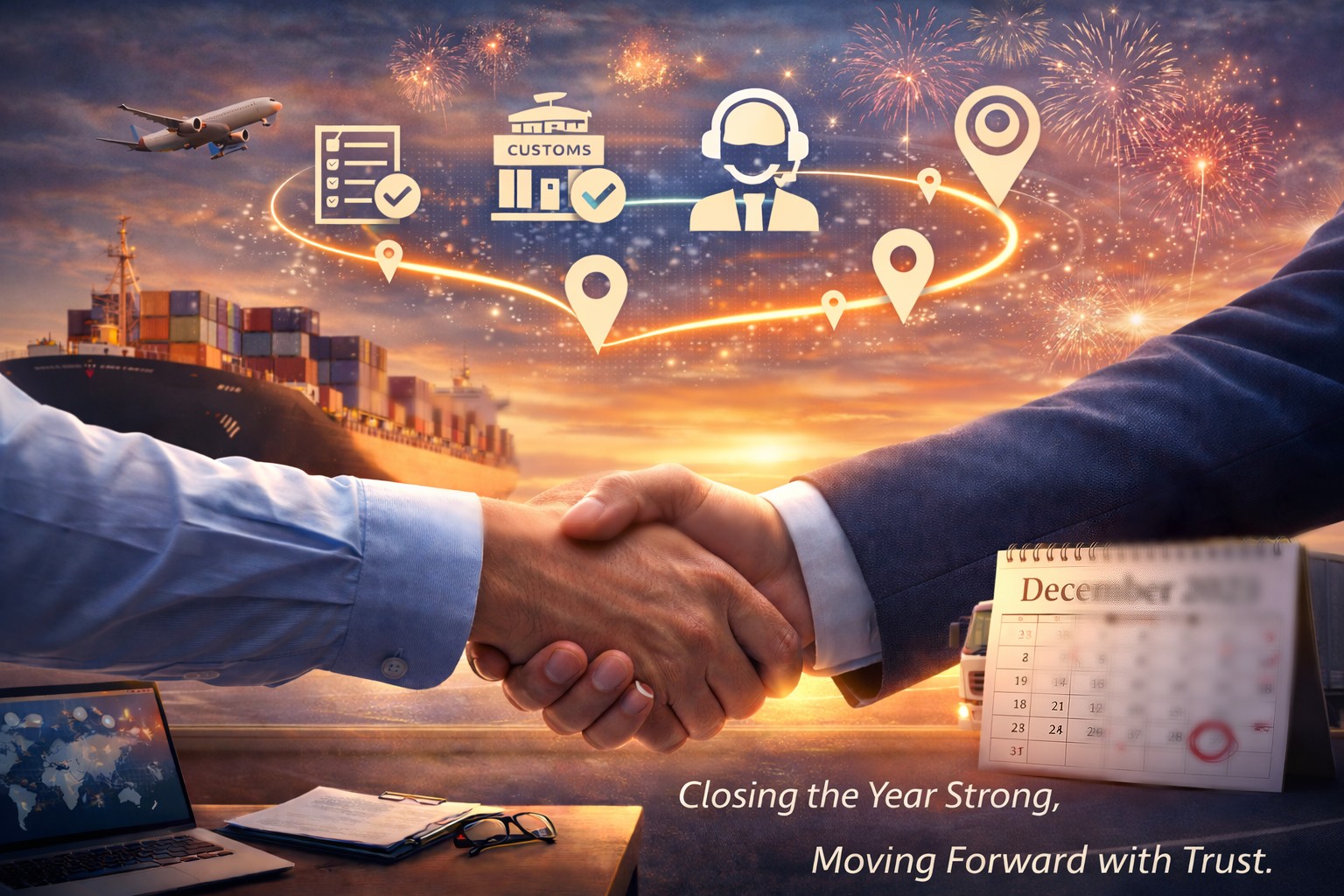
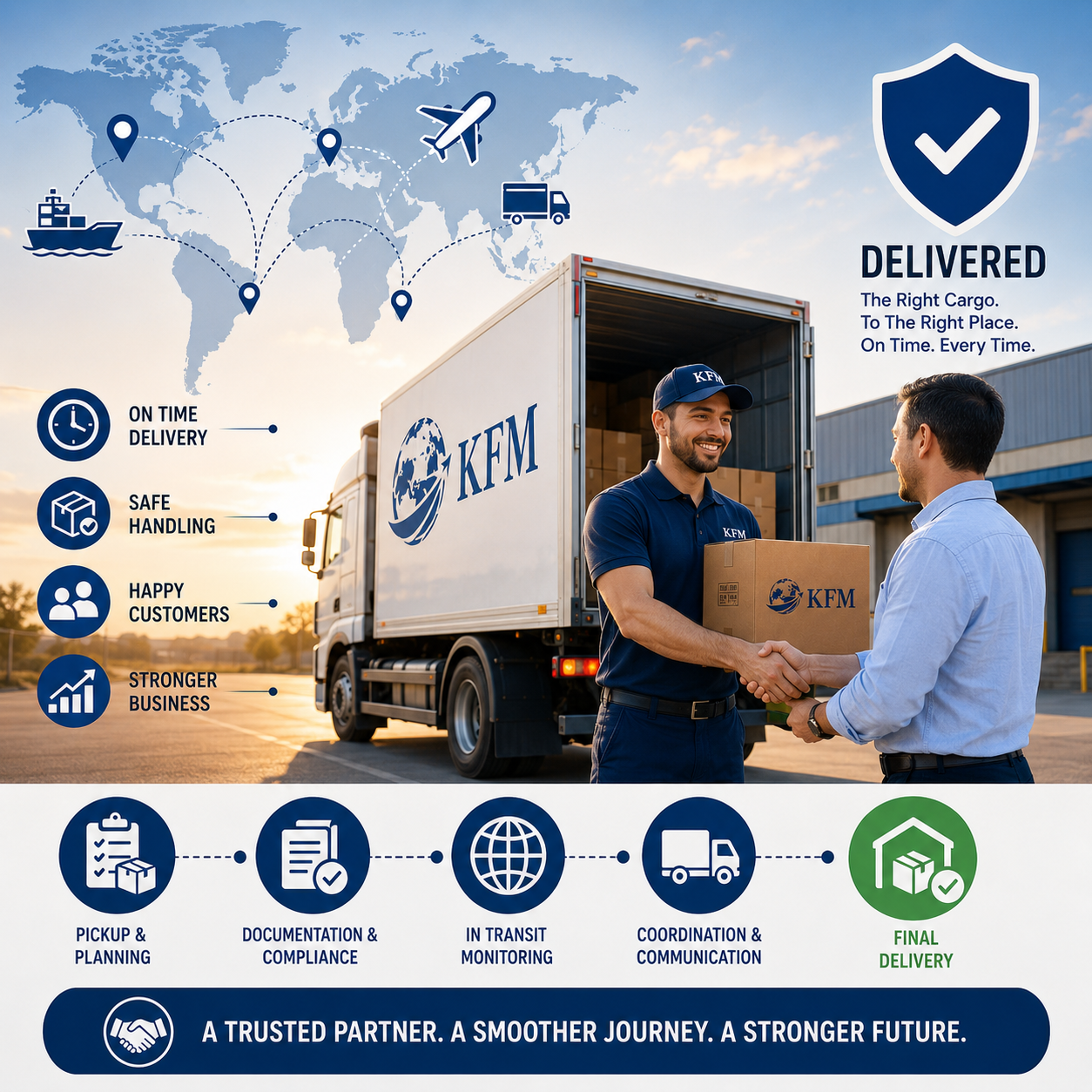
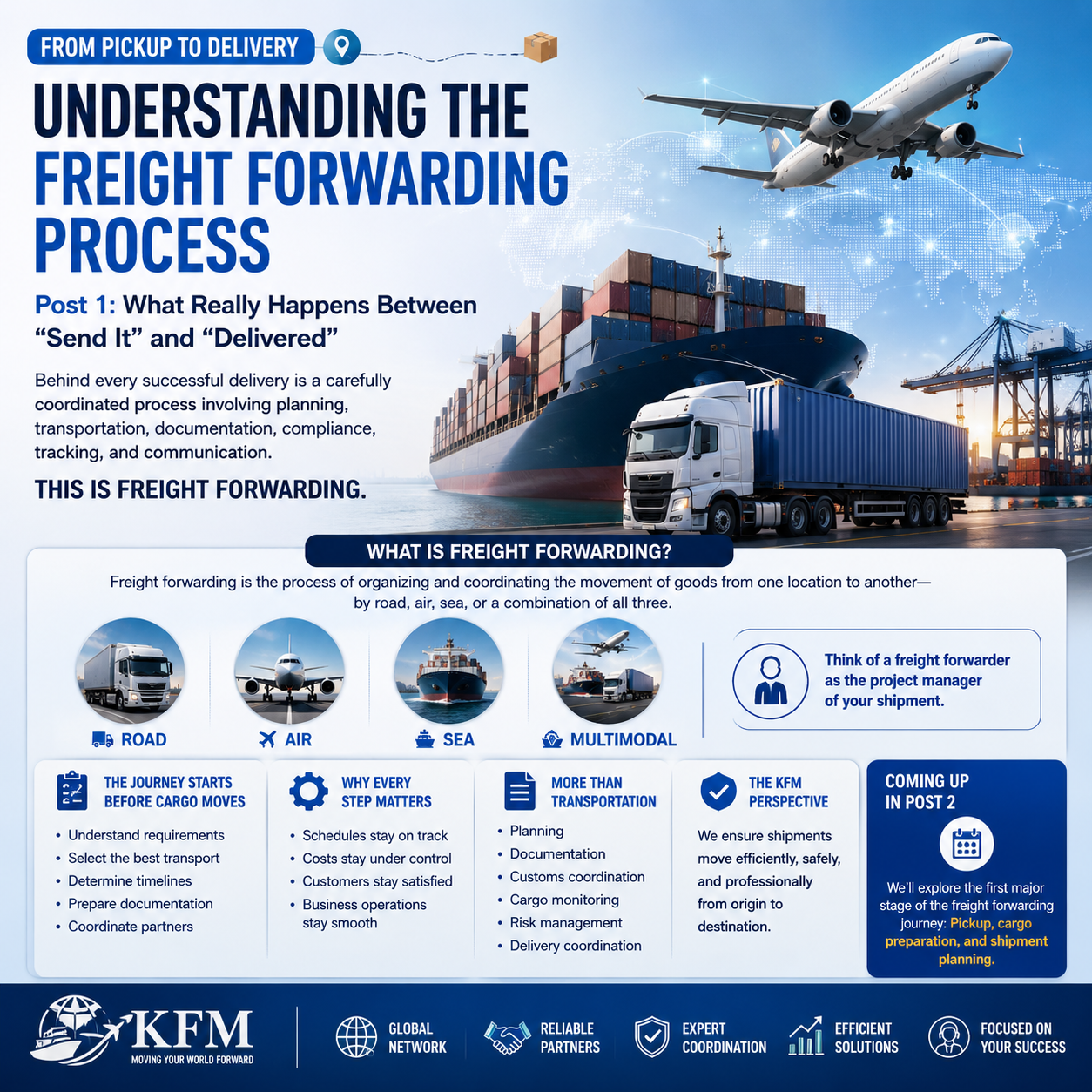
Behind every successful delivery is a carefully coordinated process involving planning, transportation, documentation, compliance, tracking, and communication.
This entire journey is known as freight forwarding.
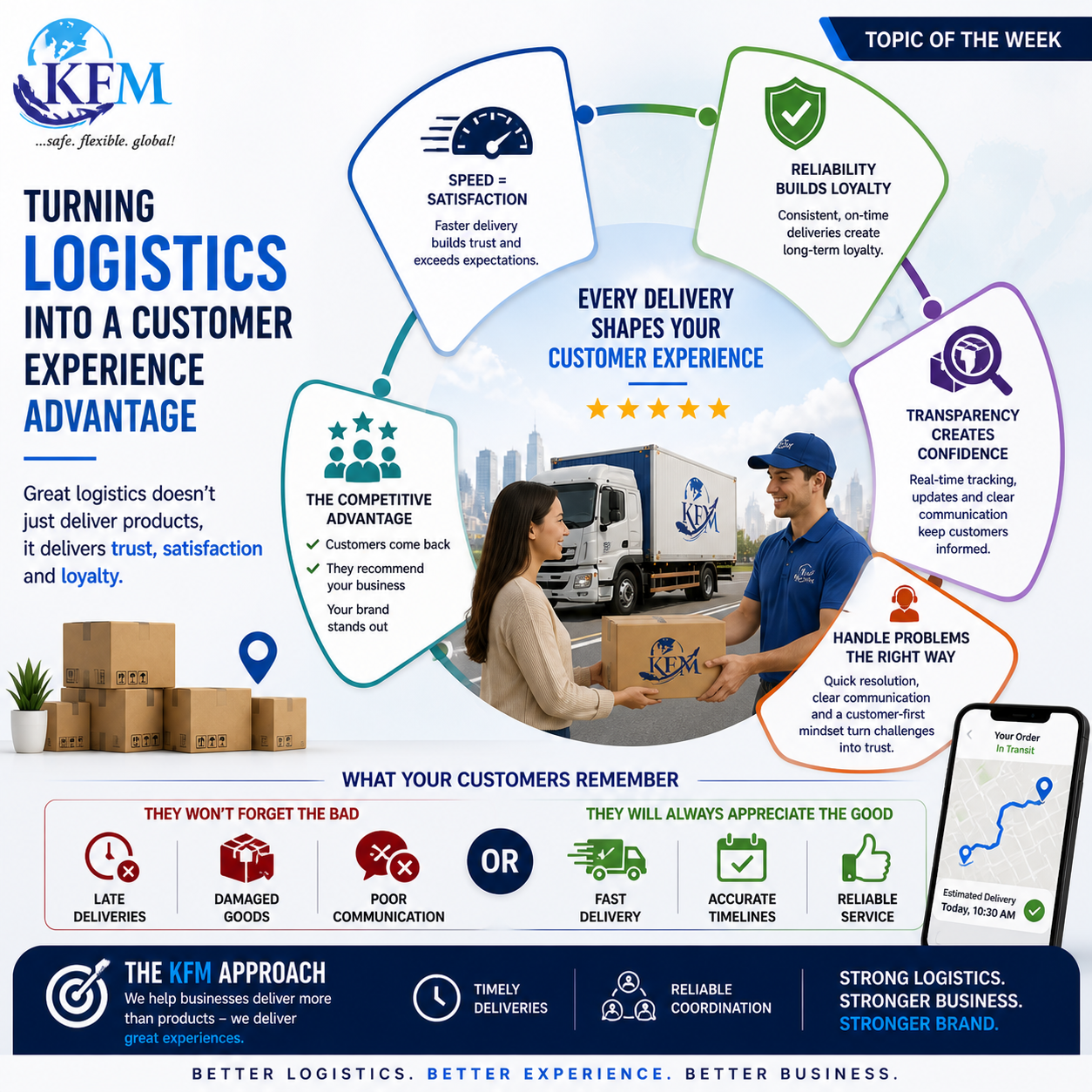
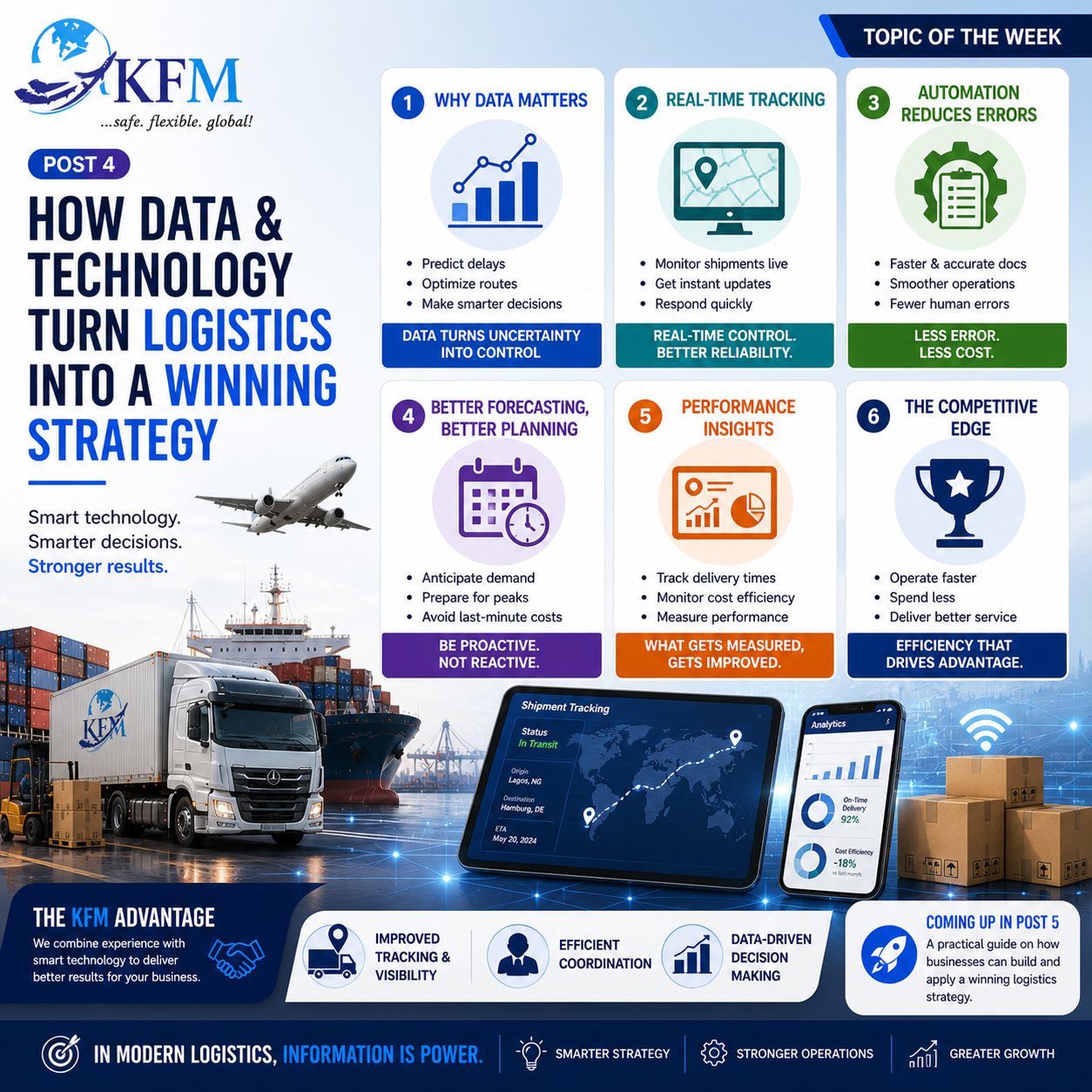
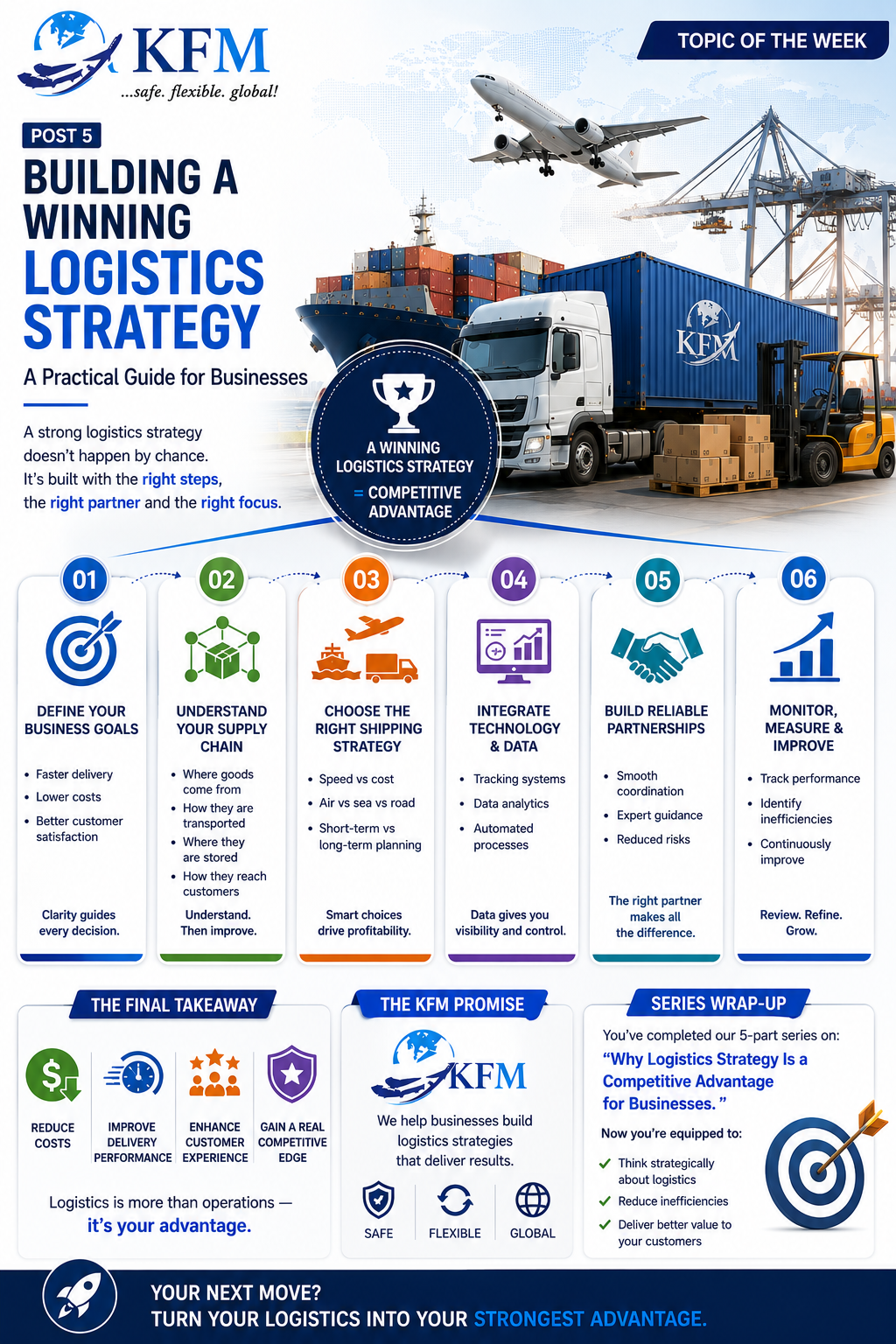
At KFM, we understand that successful logistics is not just about moving cargo — it's about managing every step between pickup and delivery.
What Is Freight Forwarding?
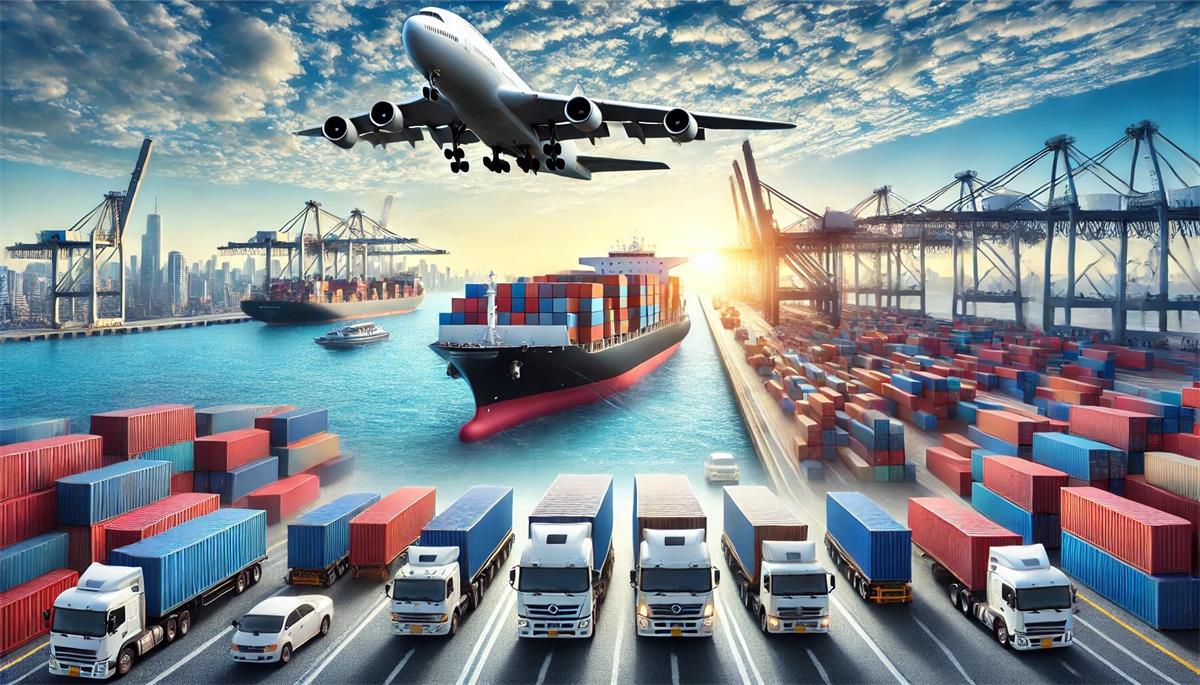
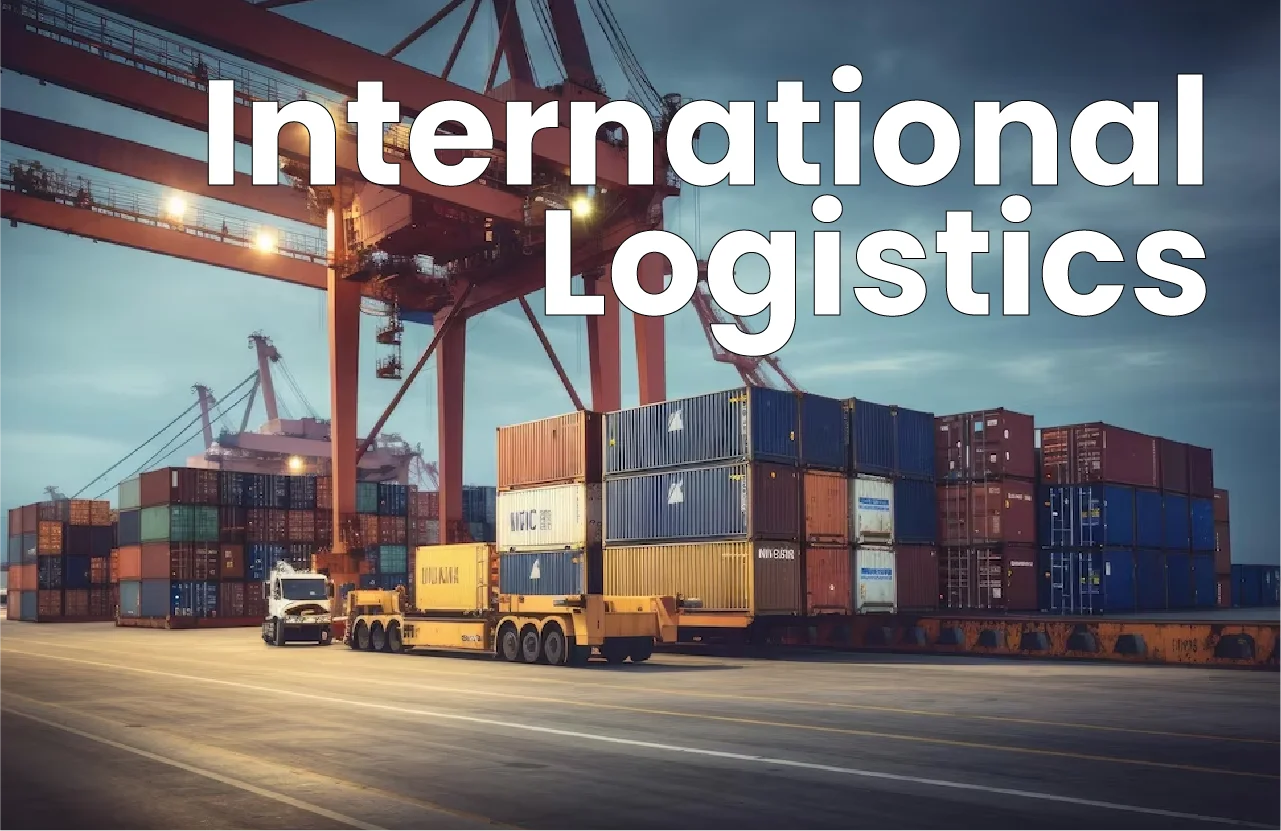
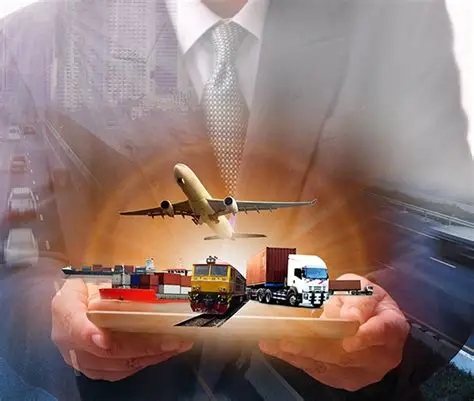
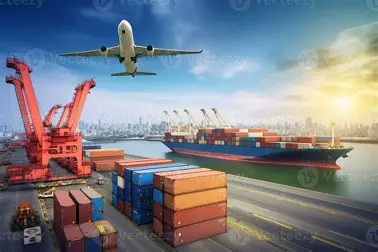
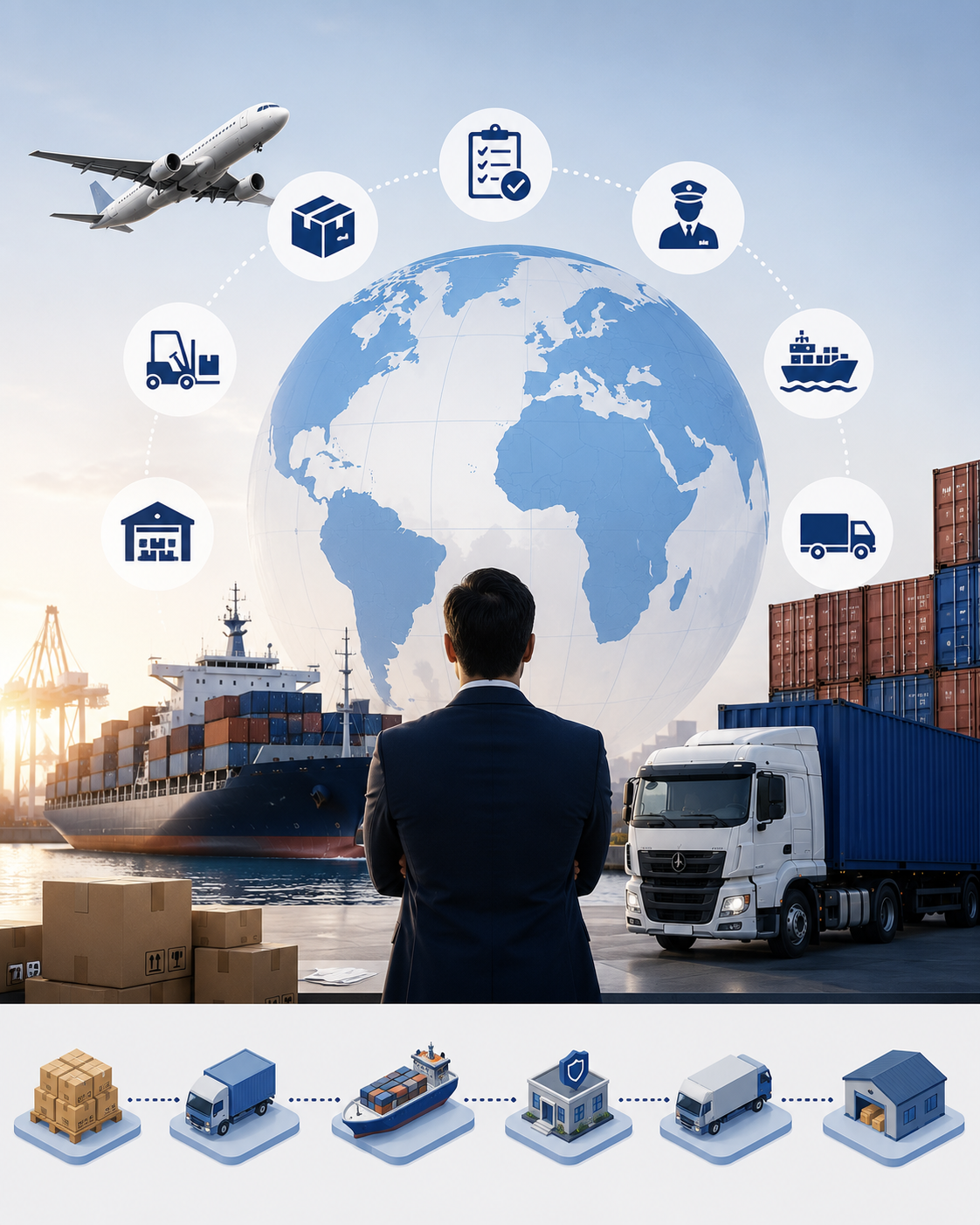
Freight forwarding is the process of organizing and coordinating the movement of goods from one location to another.
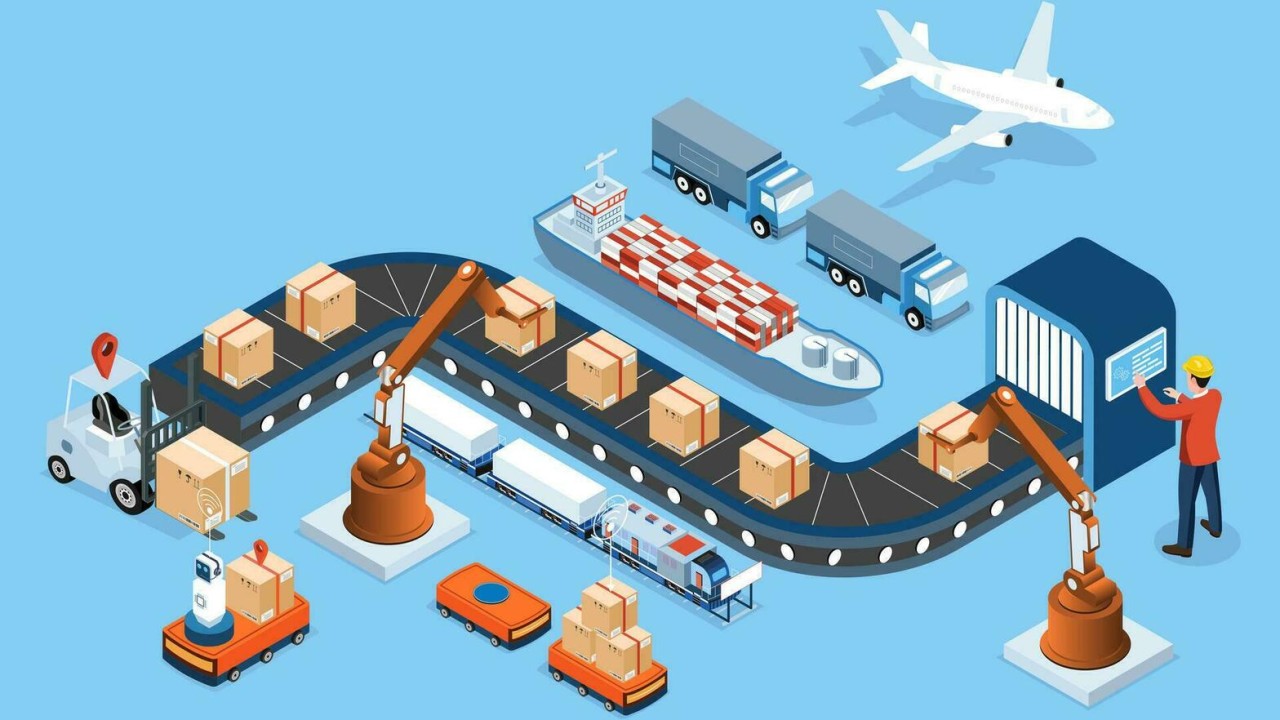
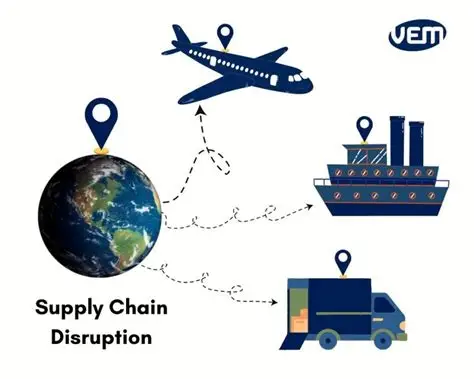
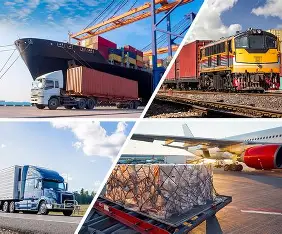
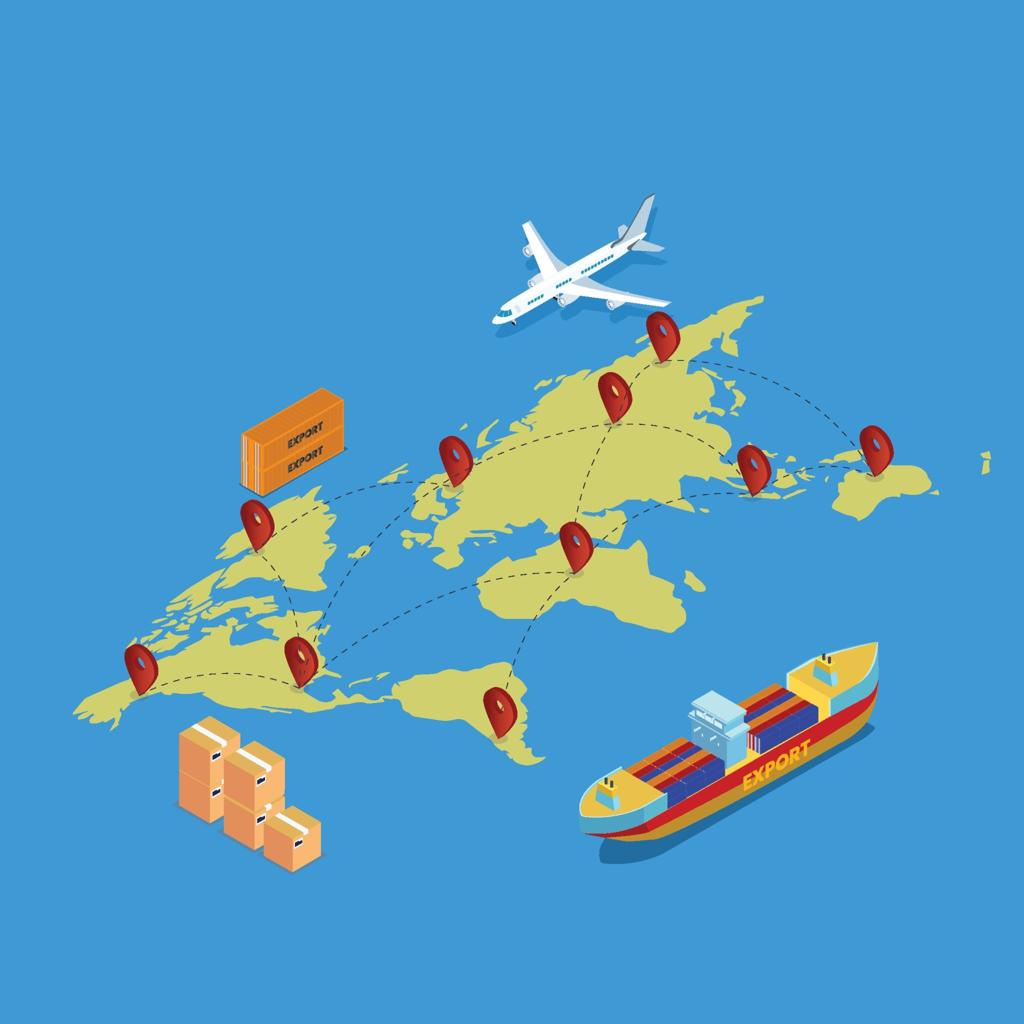
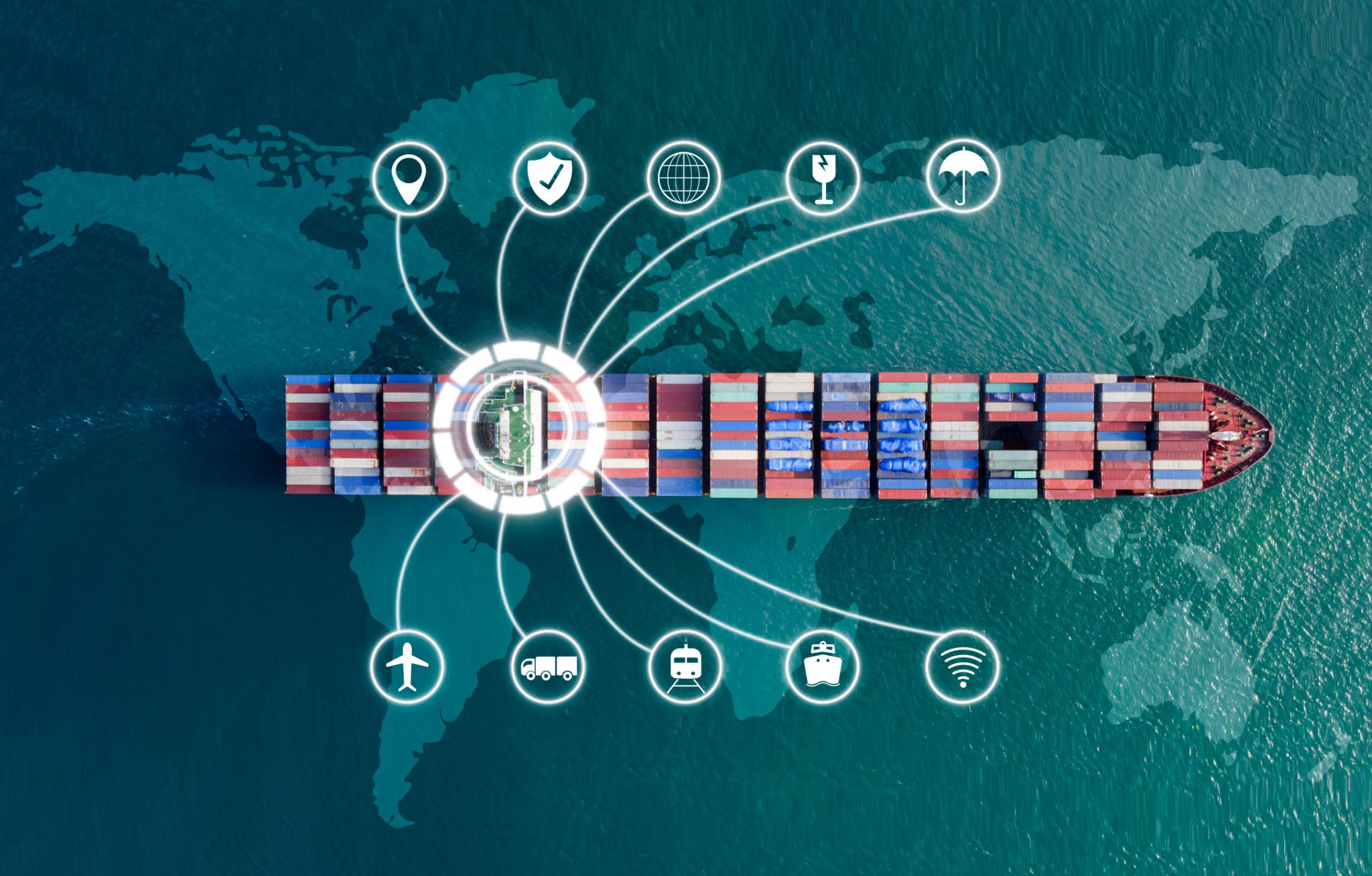
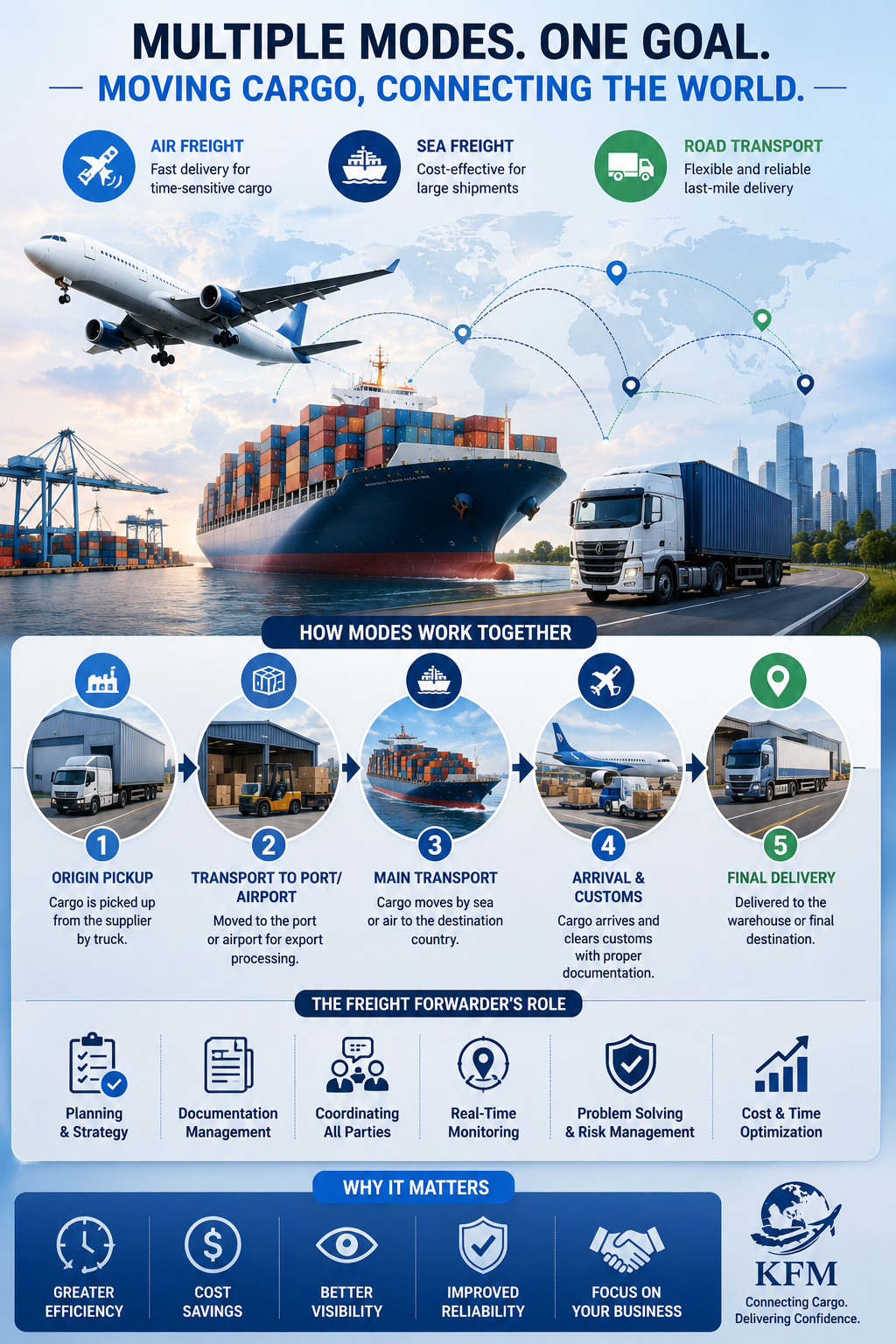
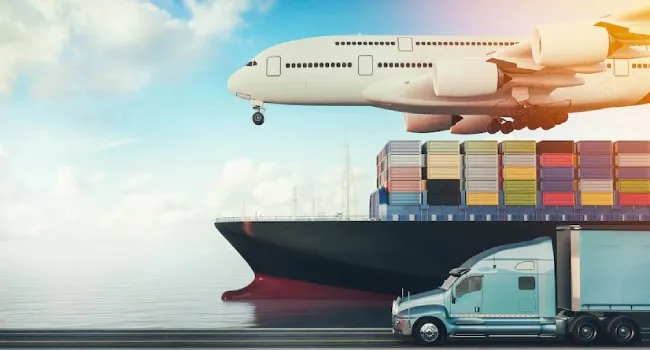
Whether cargo is travelling by:
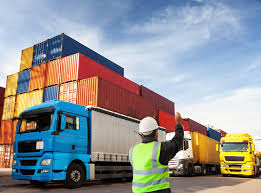
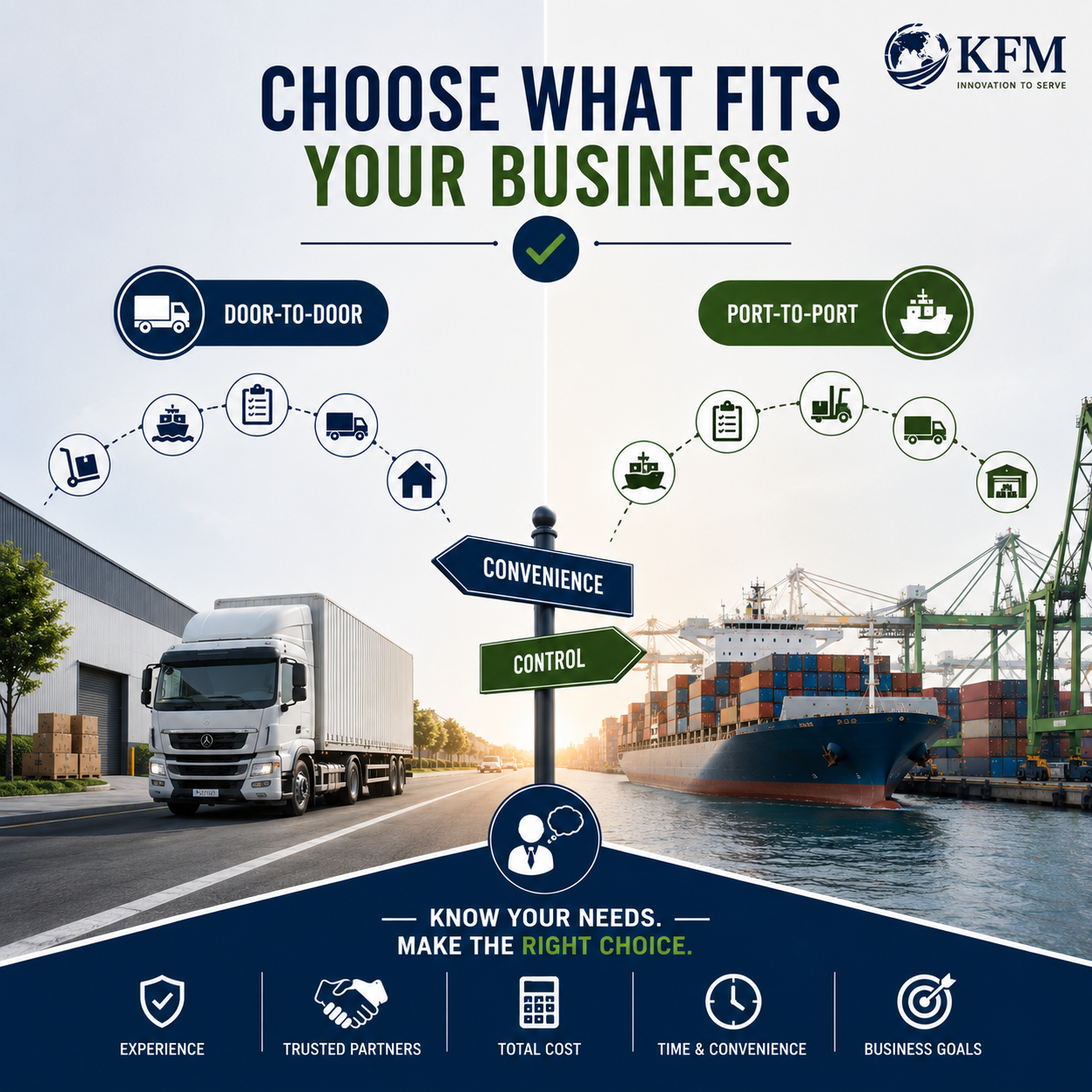
- Road 🚚
- Air ✈️
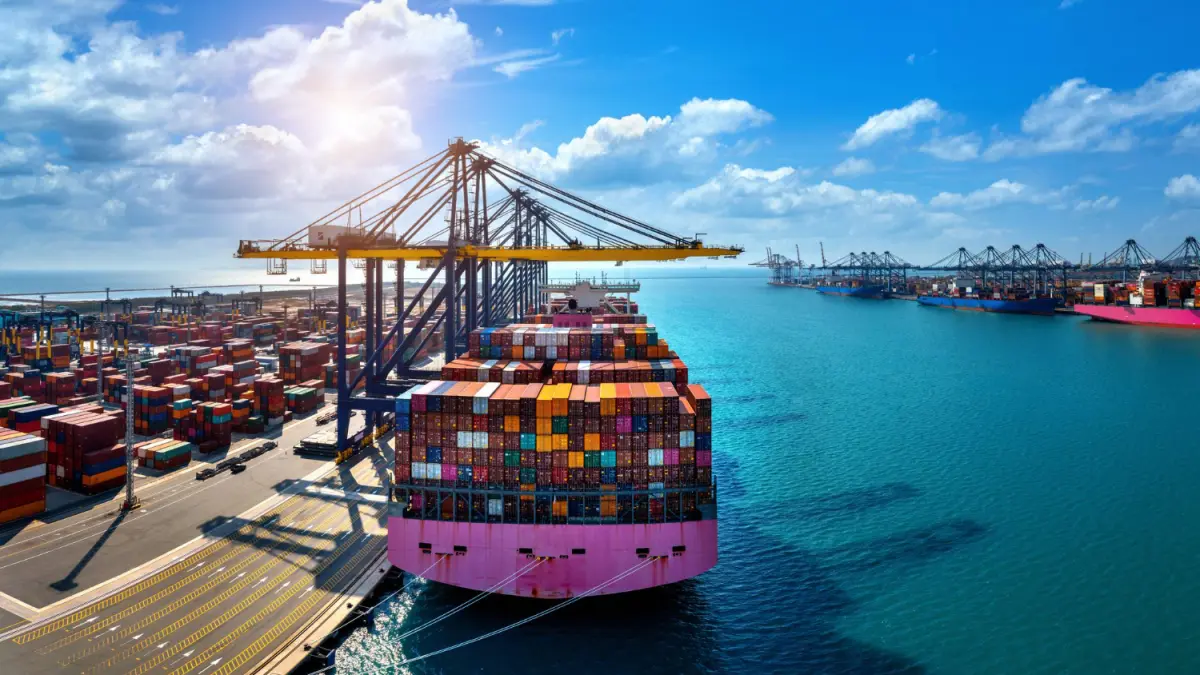
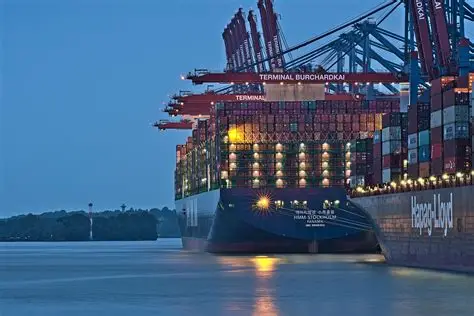
- Sea 🚢
- Or a combination of all three
Freight forwarders ensure everything works together efficiently.
Think of a freight forwarder as the project manager of your shipment.
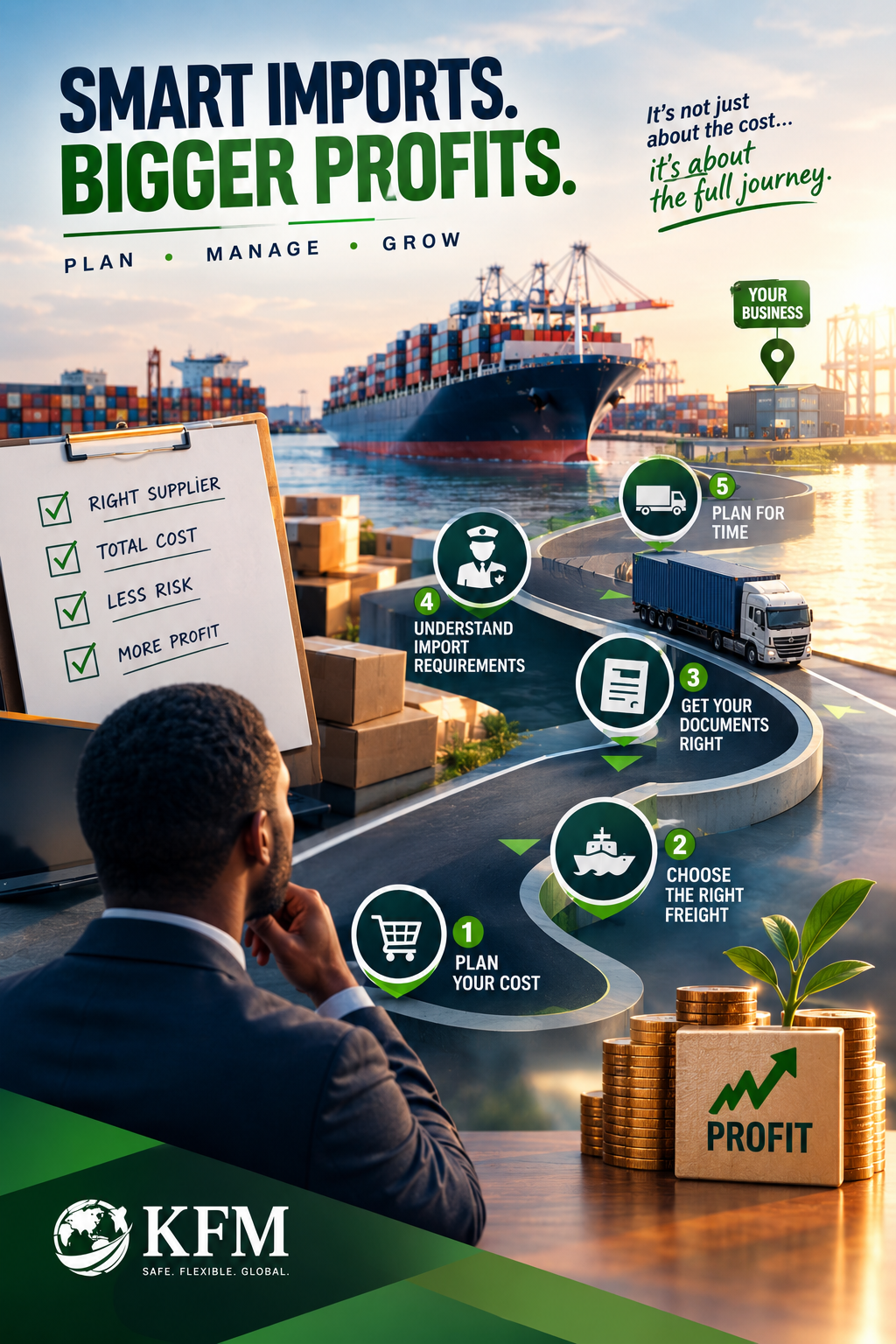
The Journey Starts Before Cargo Moves
One of the biggest misconceptions about logistics is that the process begins when cargo is loaded onto a truck.
In reality, the work begins much earlier.
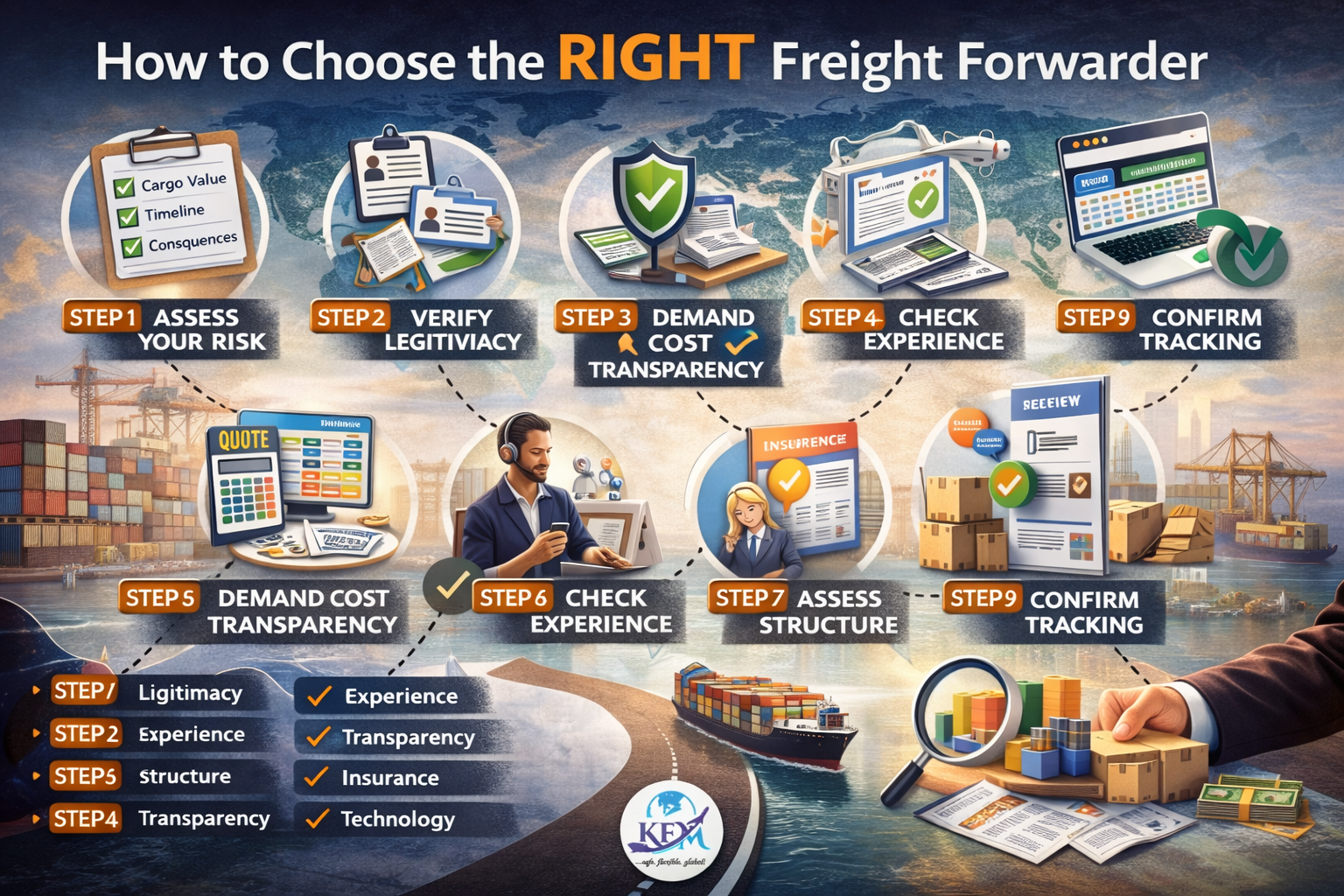
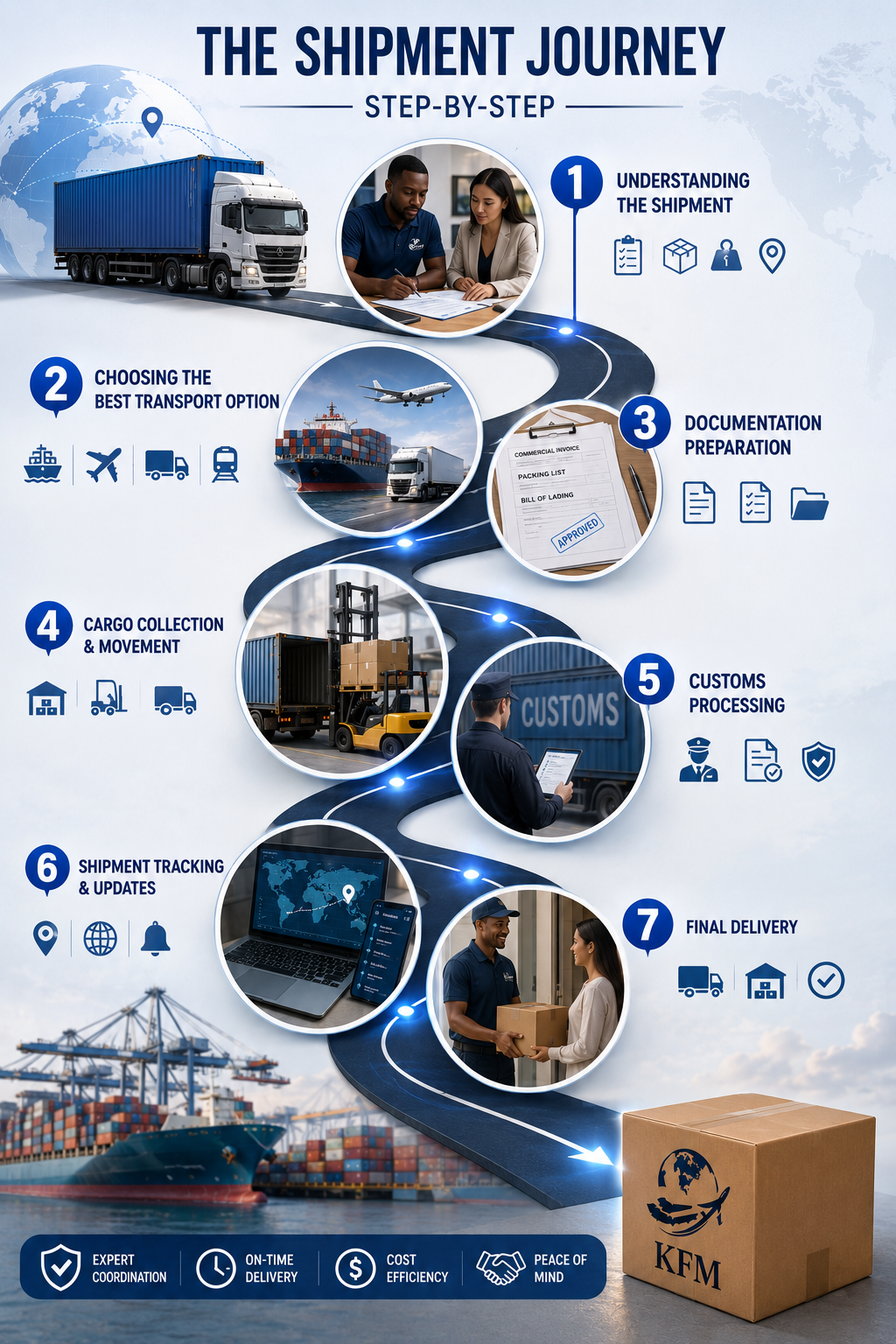
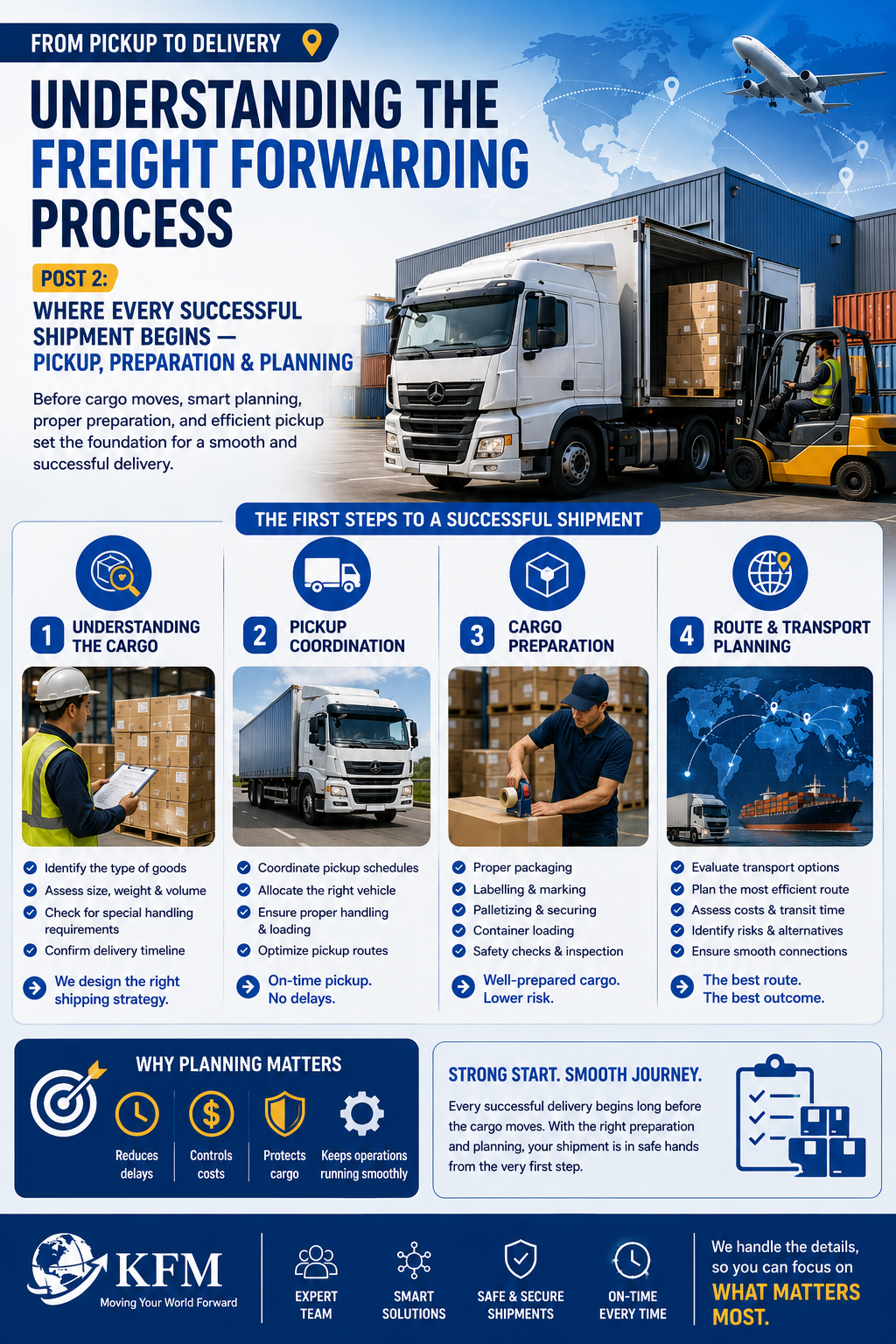
Before pickup happens, freight forwarders must:
- Understand shipment requirements
- Select the best transport option
- Determine timelines
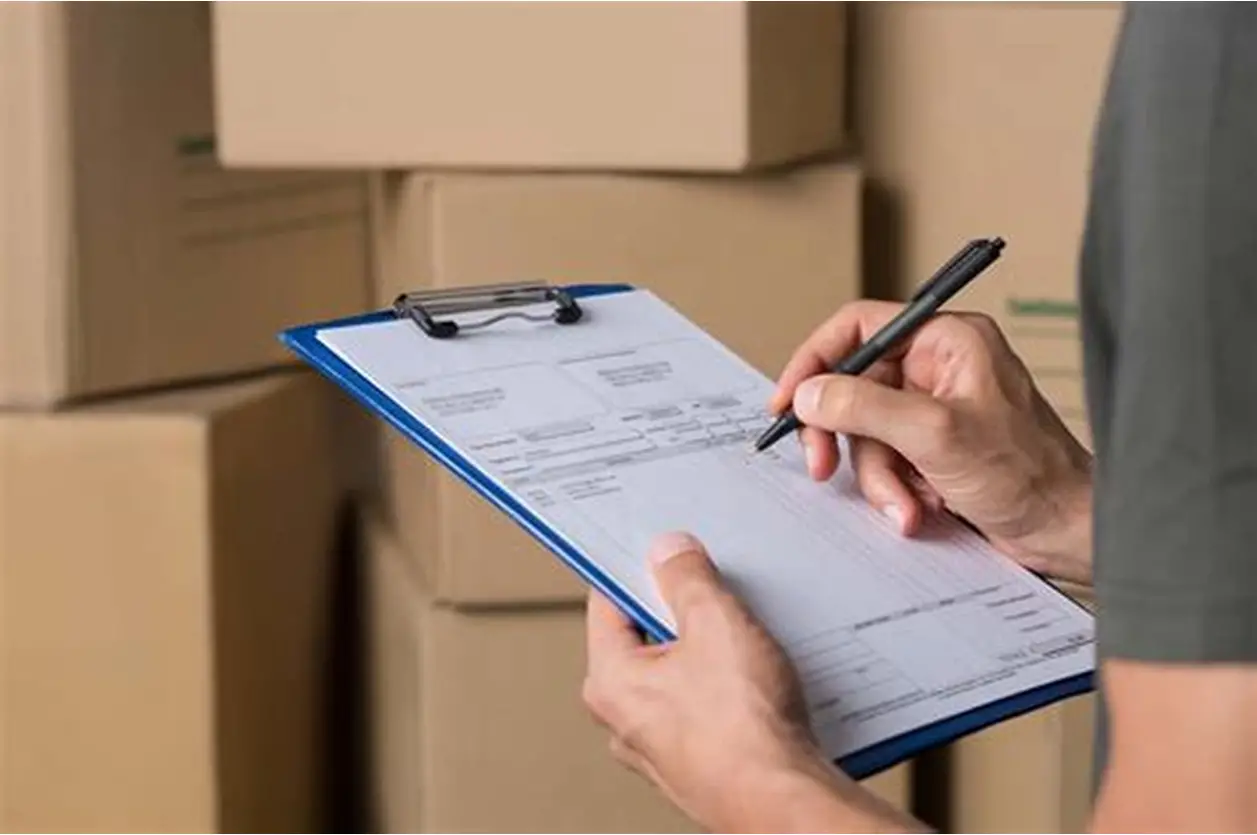
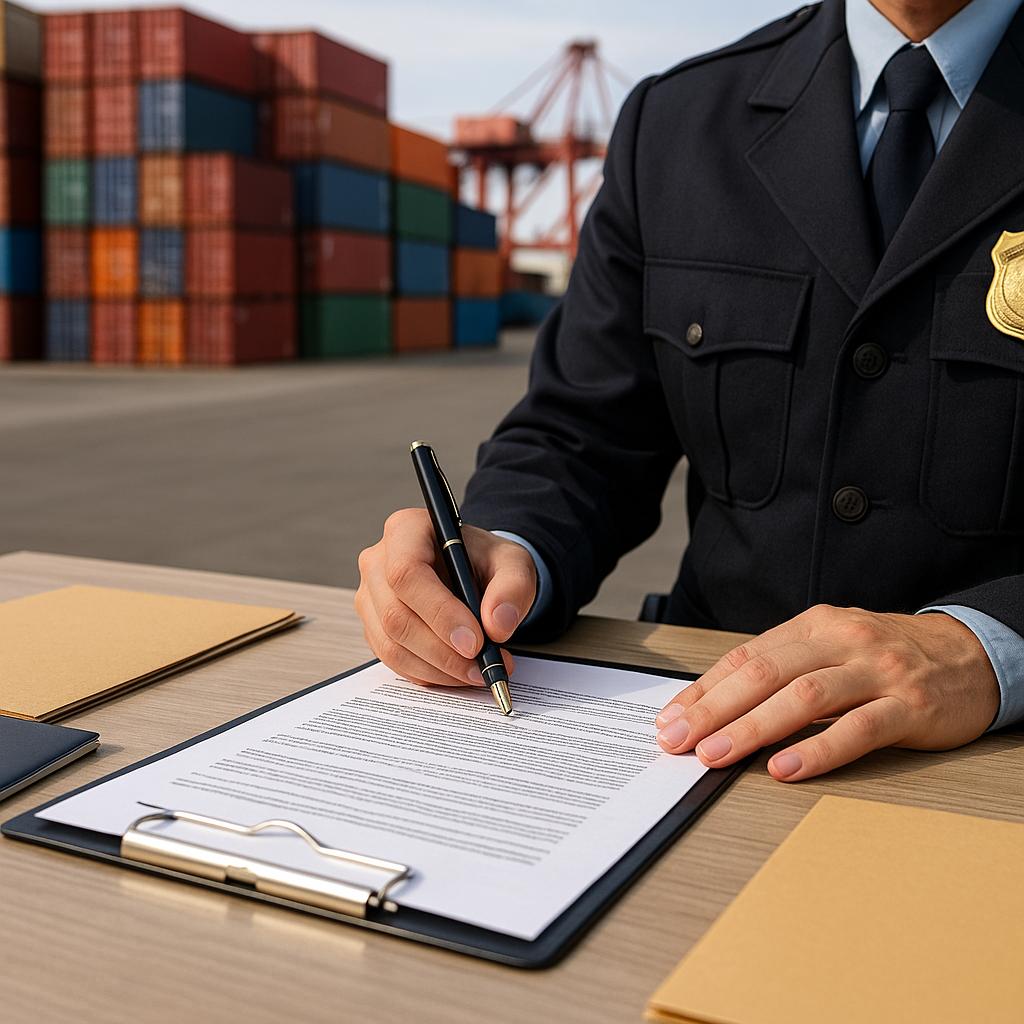
- Prepare documentation
- Coordinate logistics partners
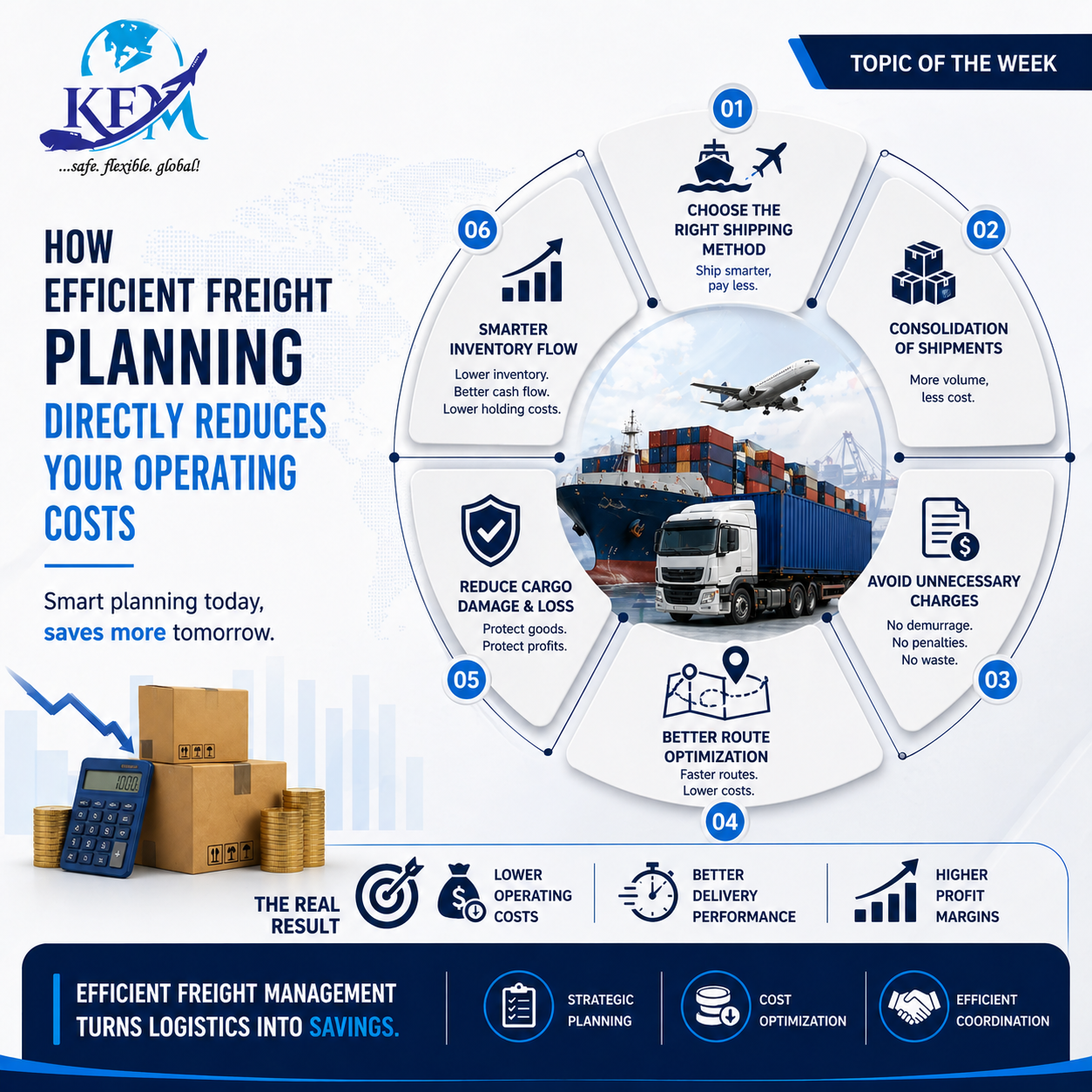
Proper planning is often the difference between a smooth delivery and a costly delay.
Why Every Step Matters
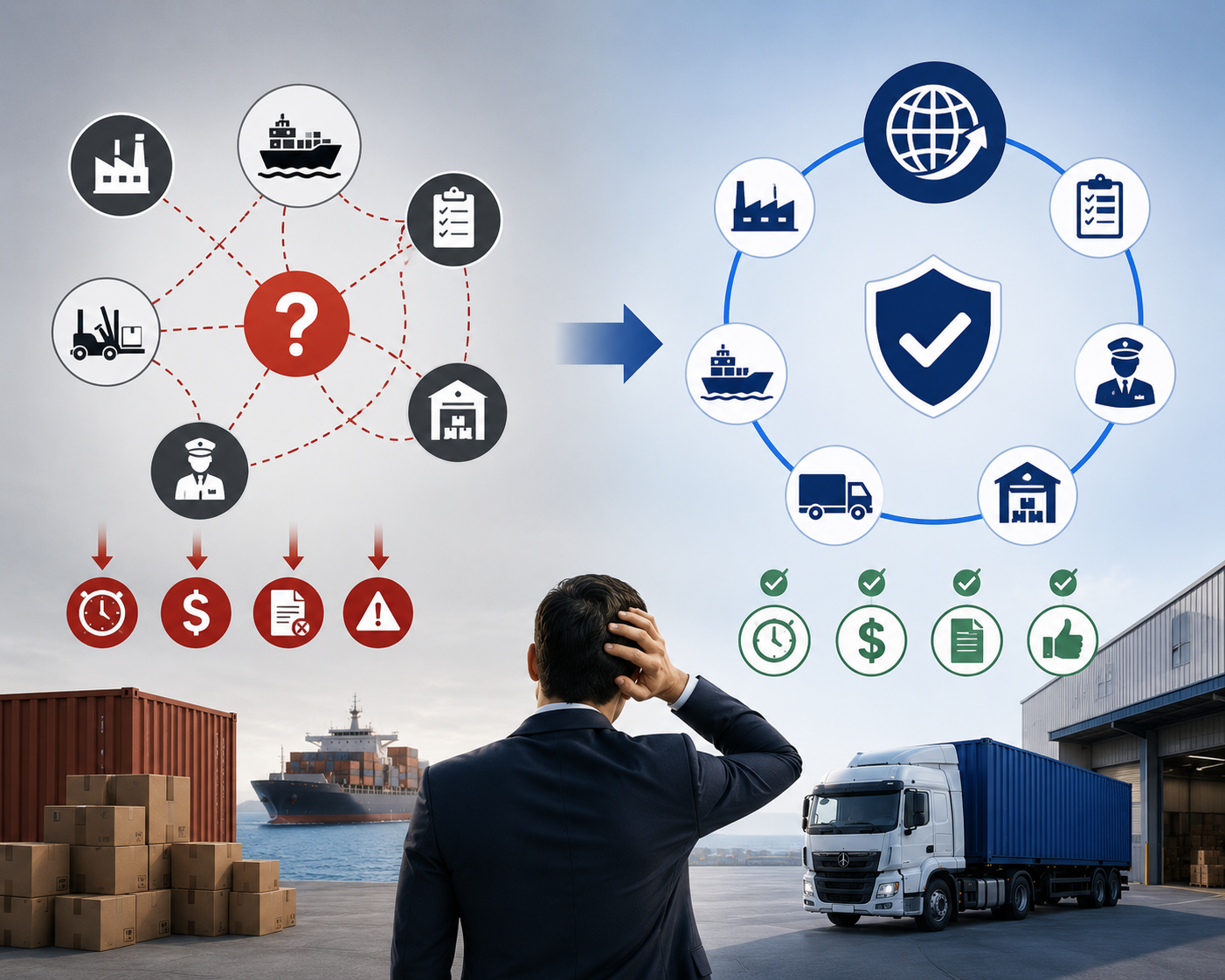
Freight forwarding is like a chain.
Every link must work correctly.
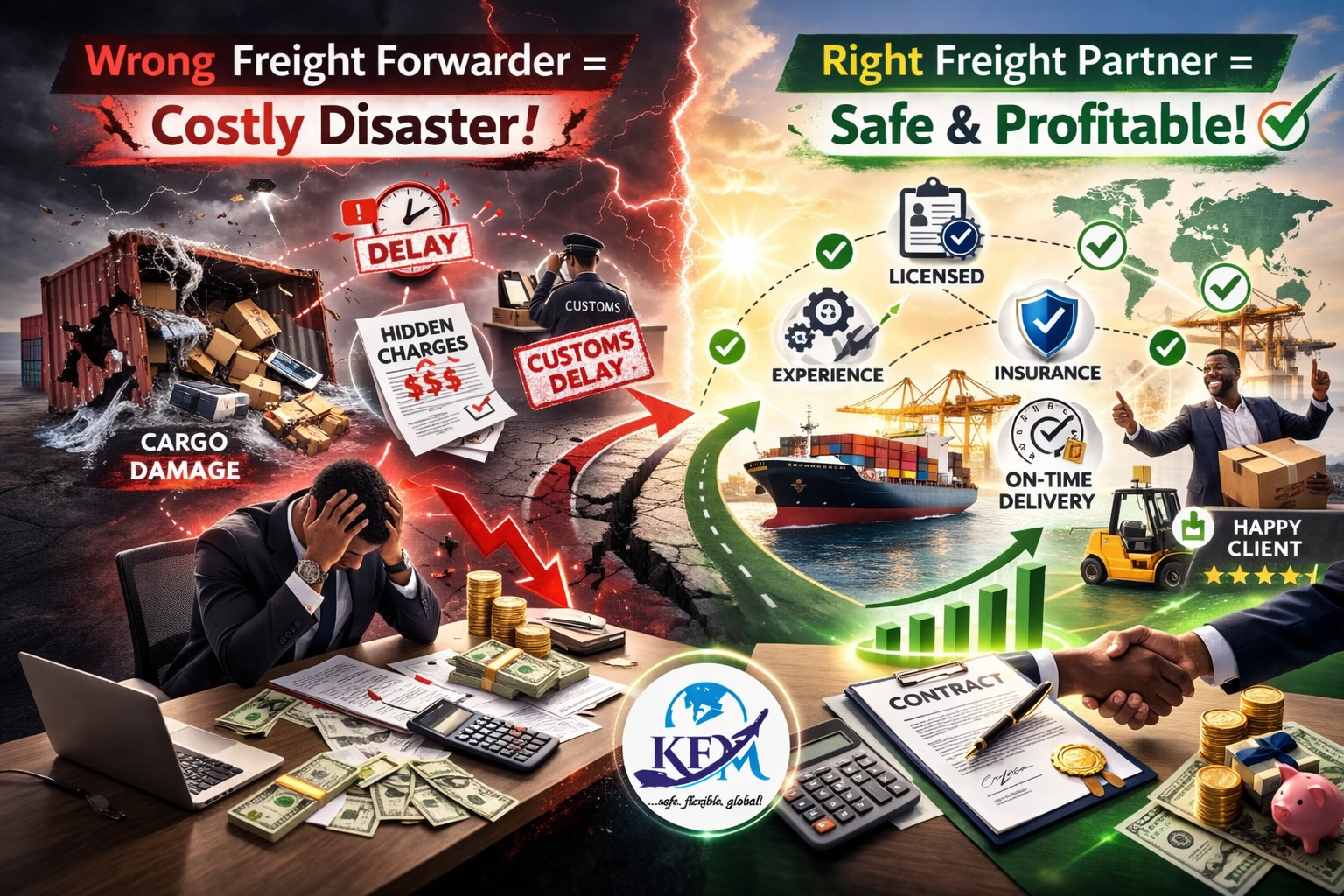
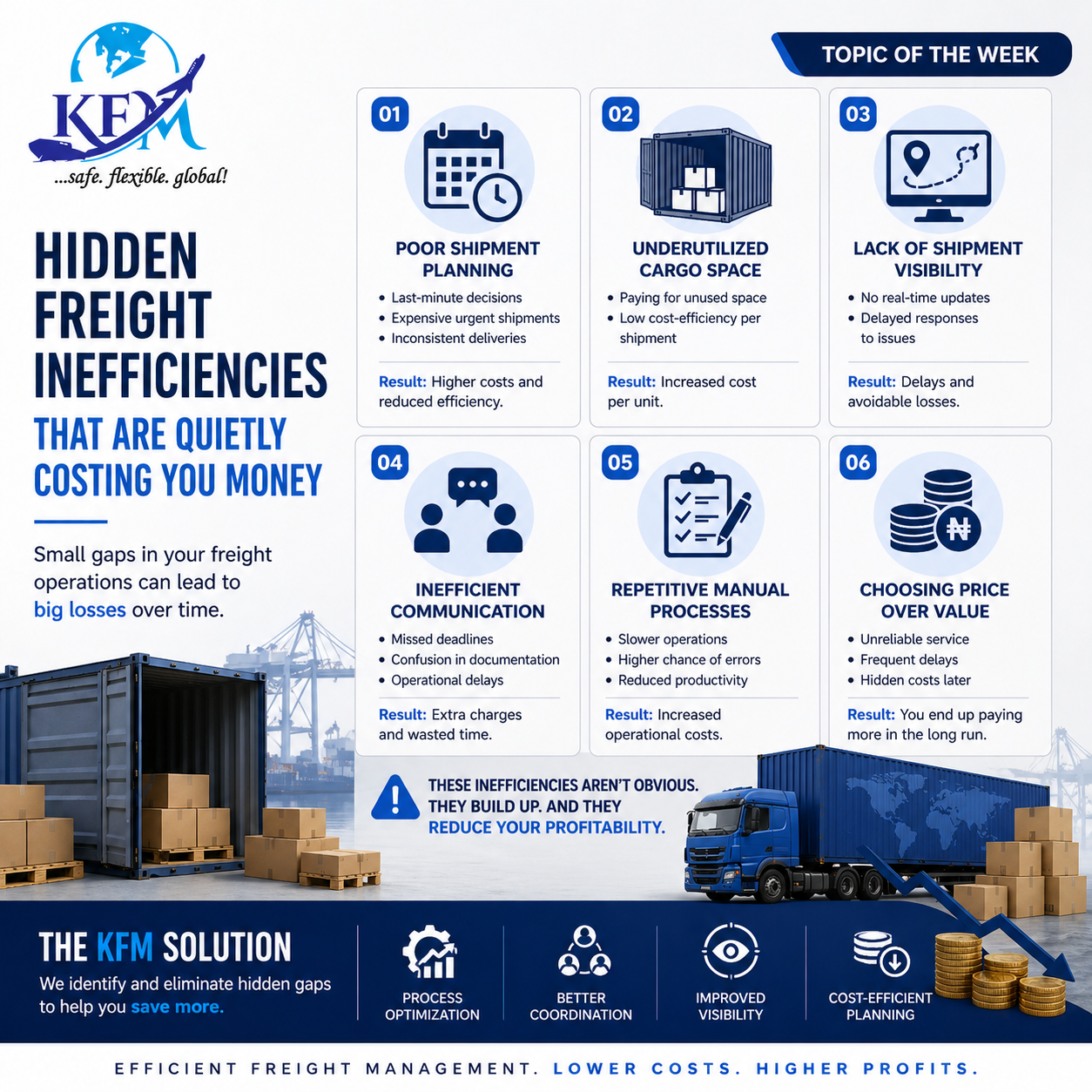
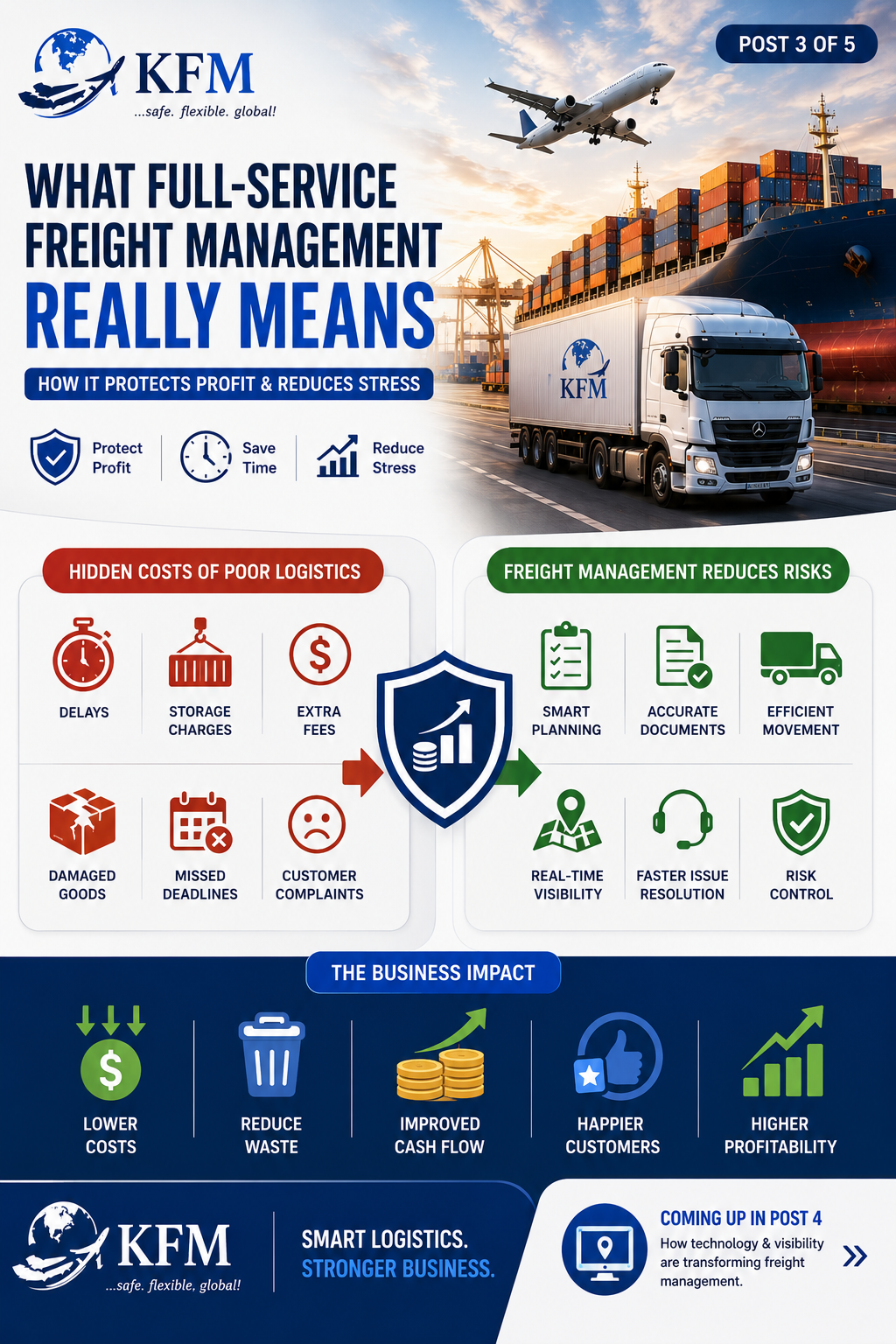
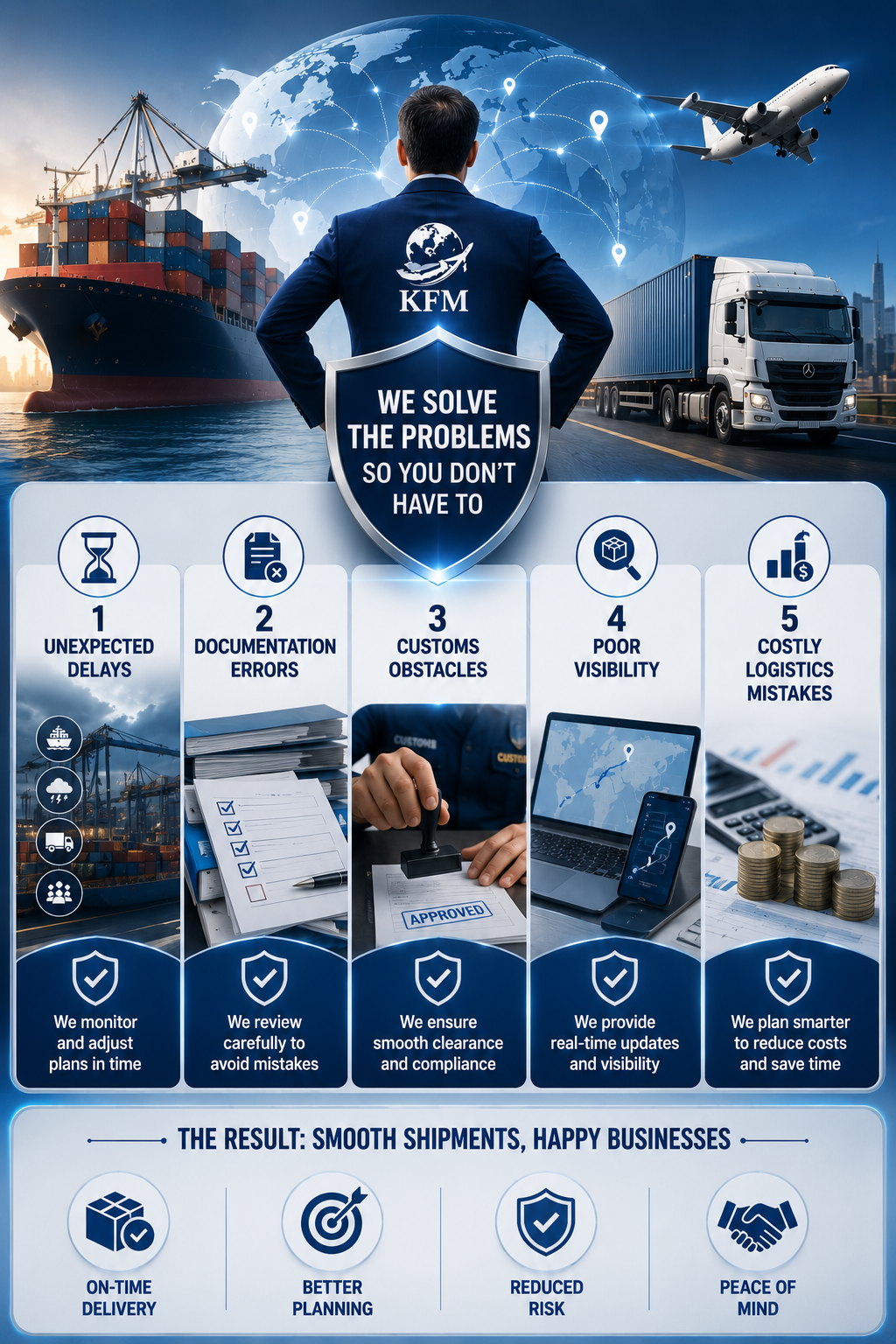
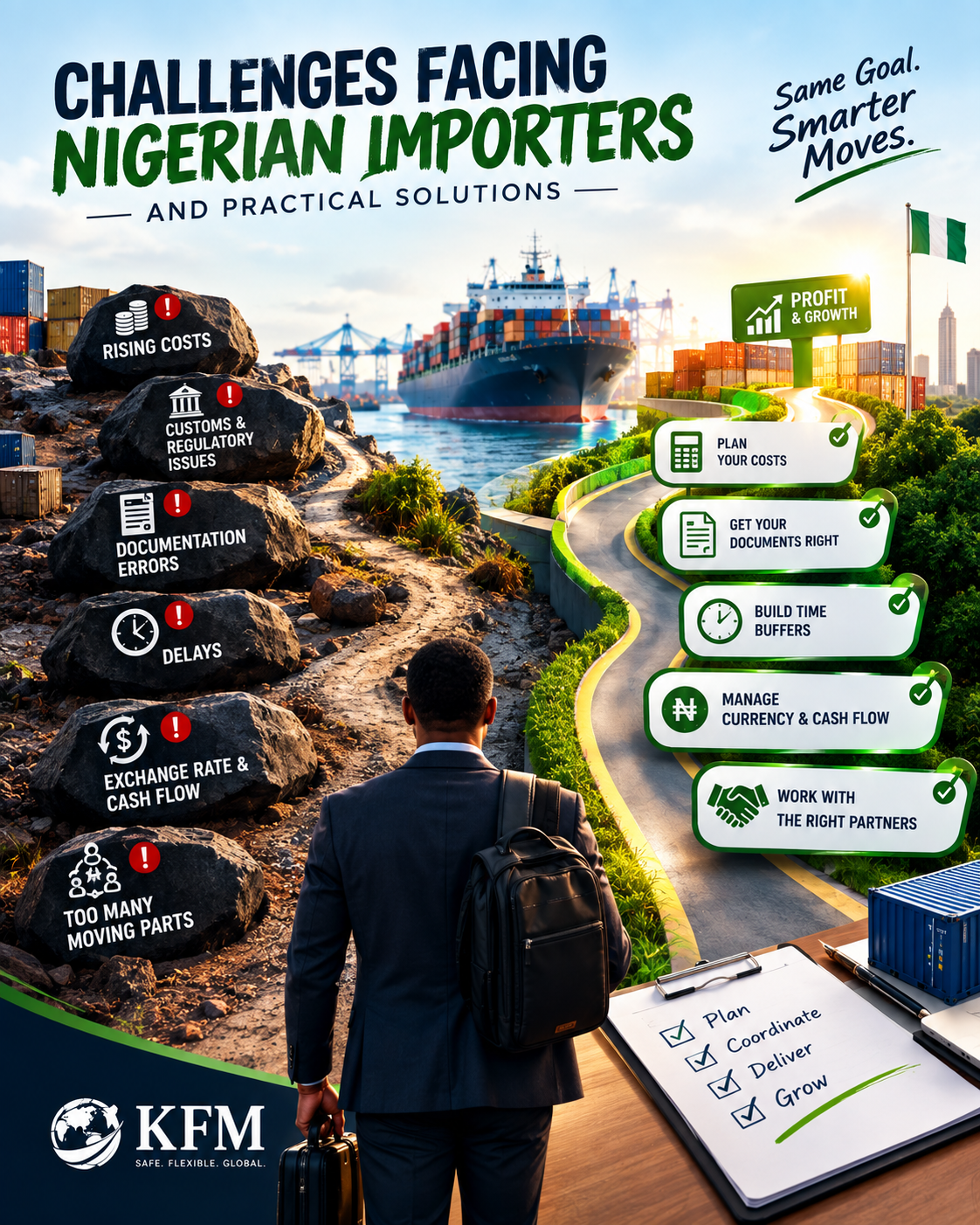
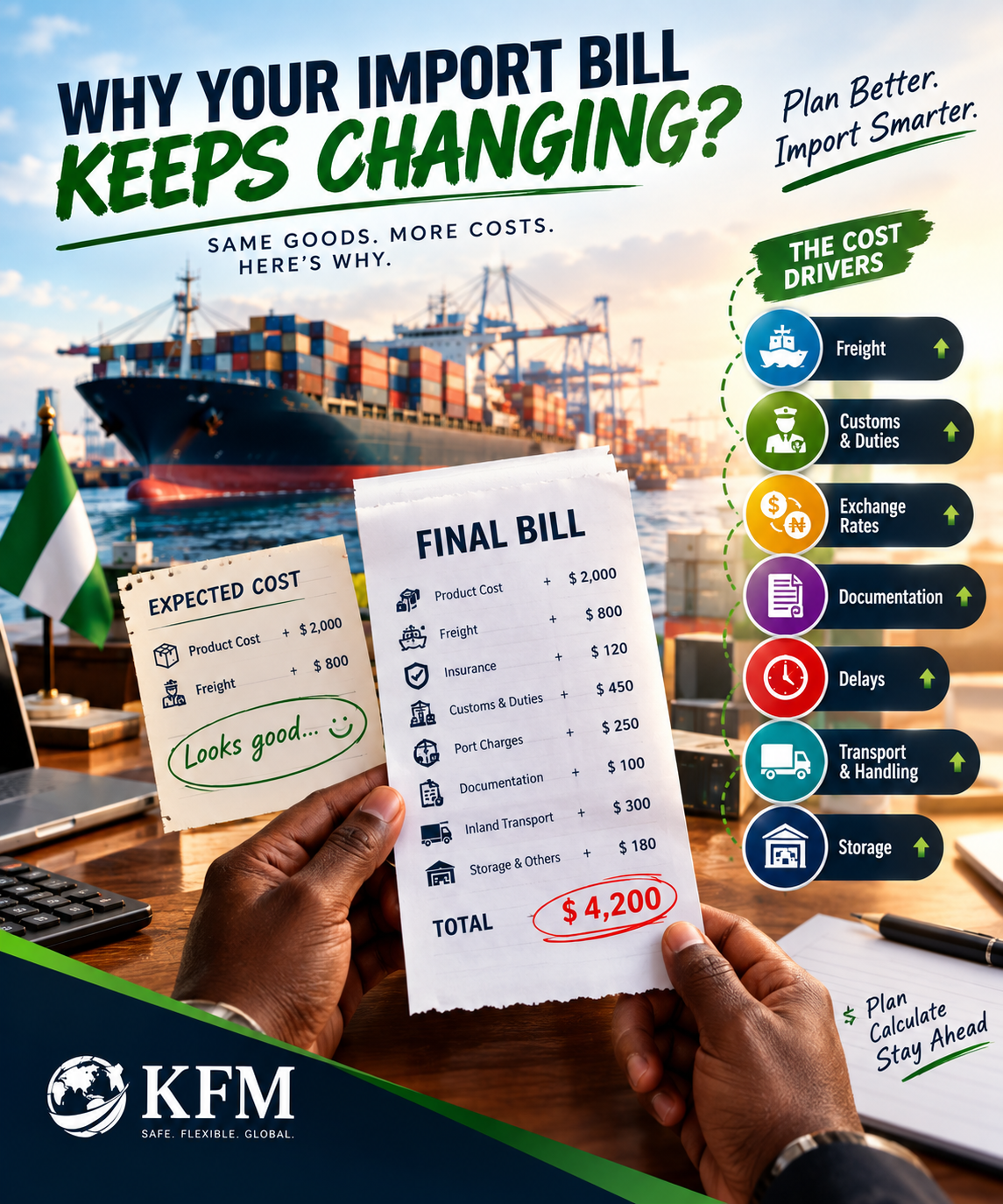
If one stage experiences a problem:
- Schedules may be affected
- Costs may increase
- Customers may experience delays
- Business operations may be disrupted
That's why professional freight forwarding focuses on coordination from start to finish.
More Than Transportation
Many people think freight forwarding is simply about transportation.
But transportation is only one part of the process.
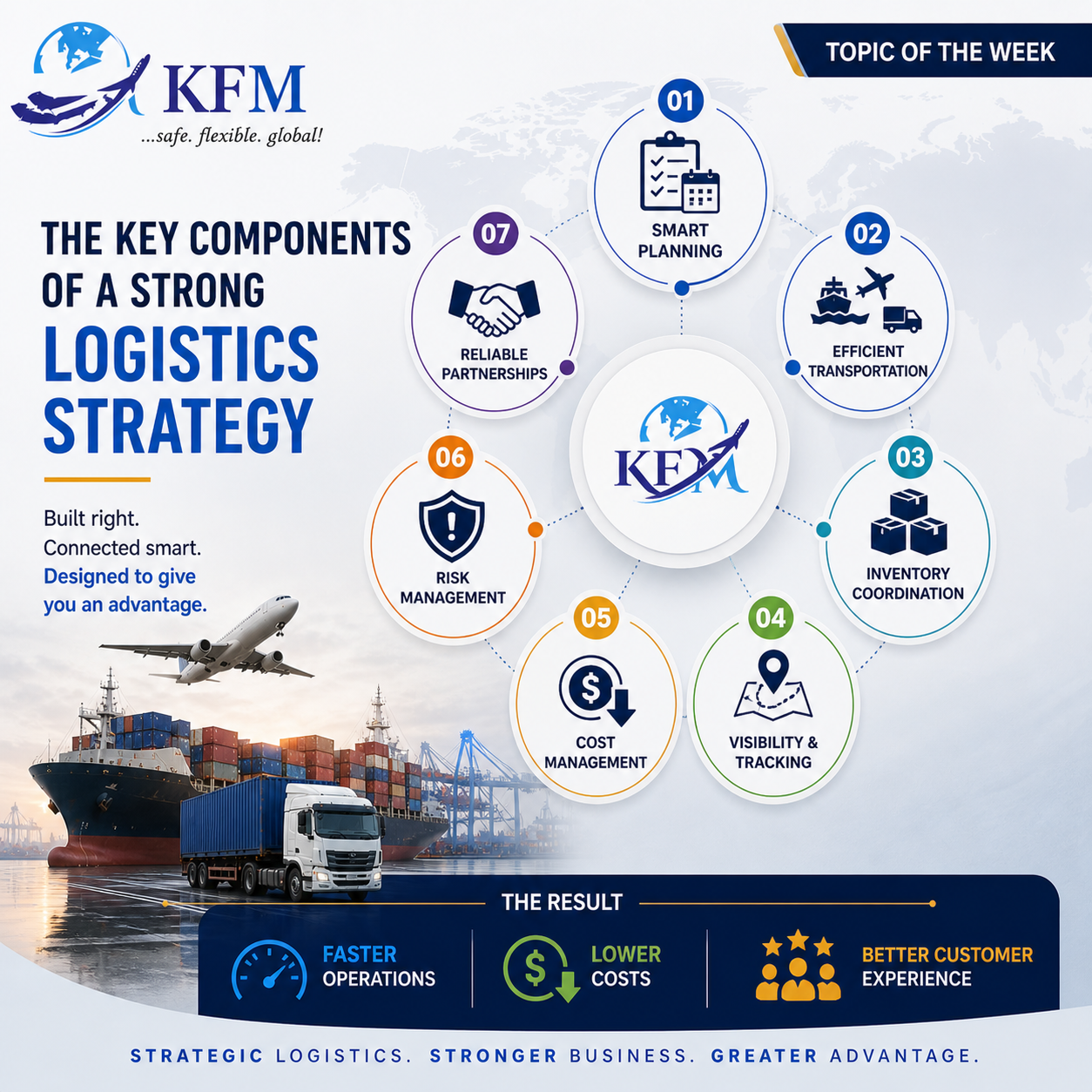
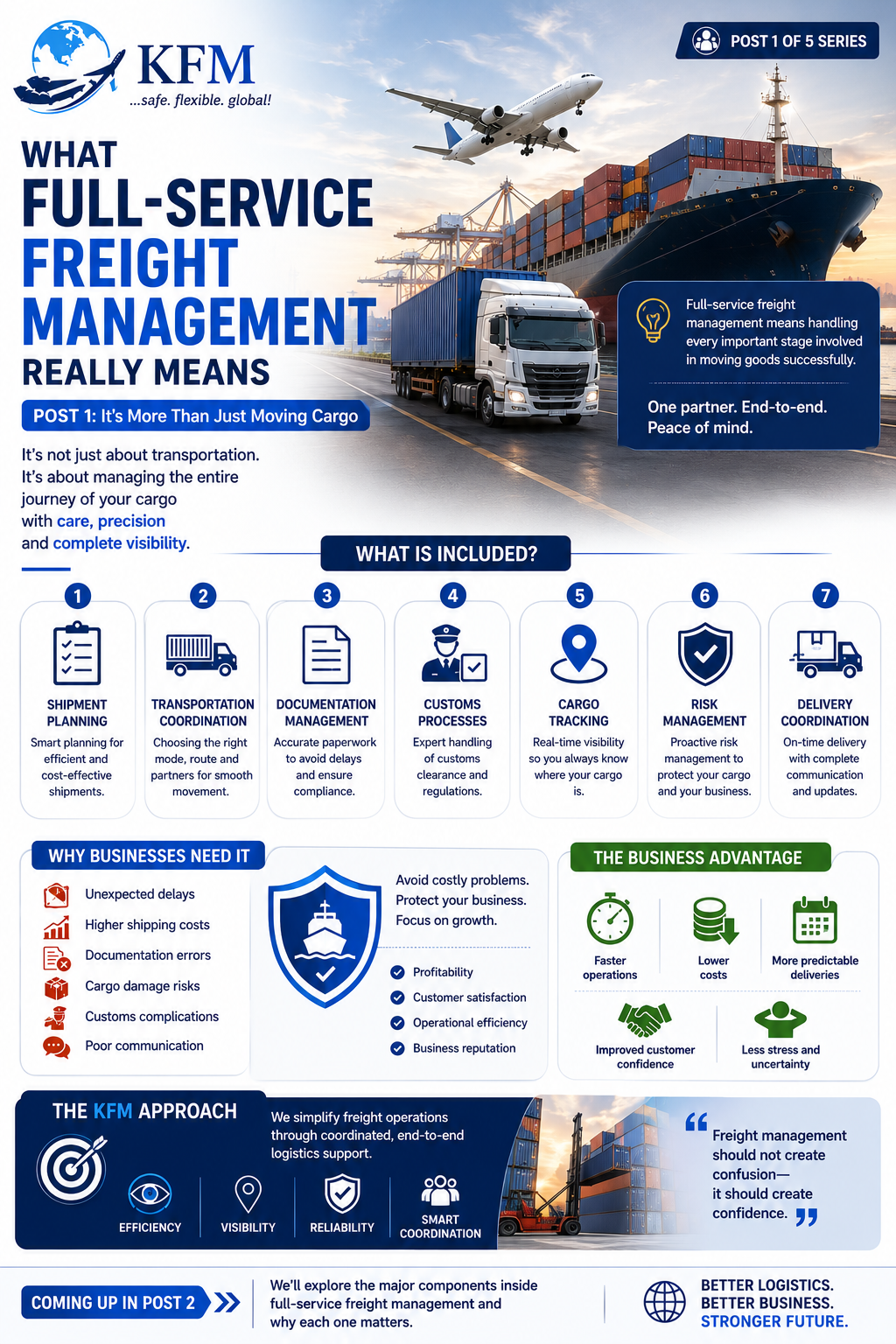
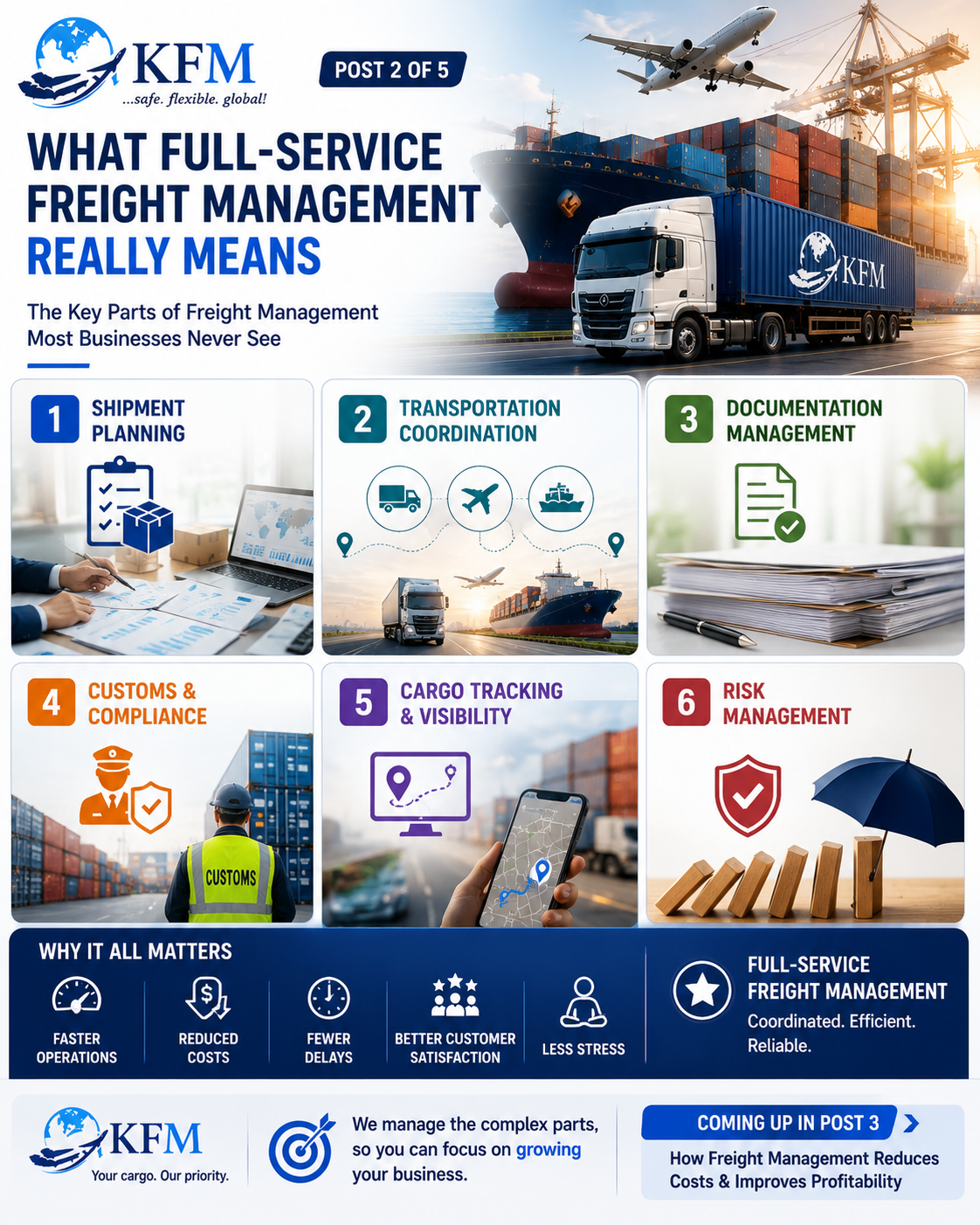
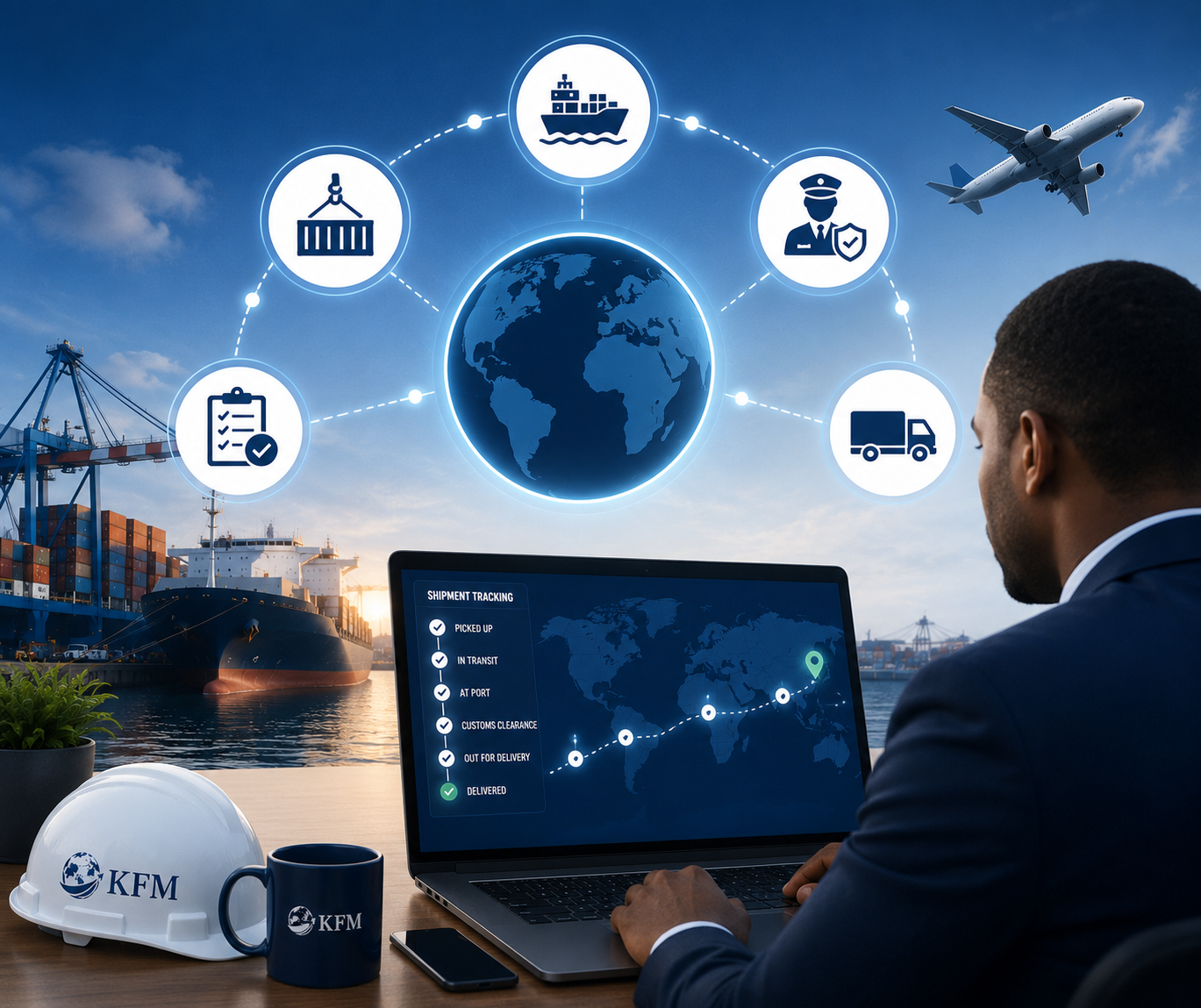
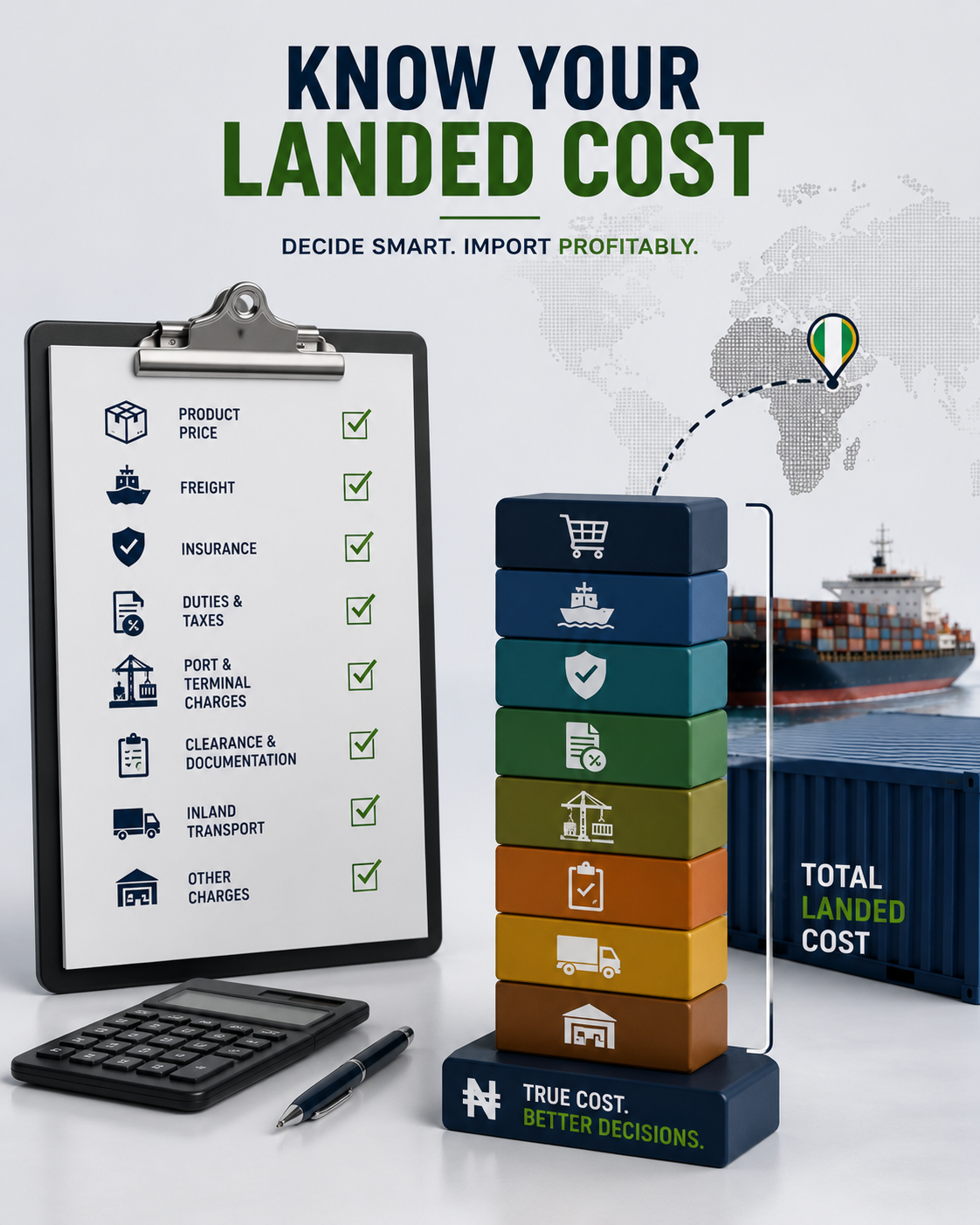
Freight forwarding also involves:
- Planning
- Documentation
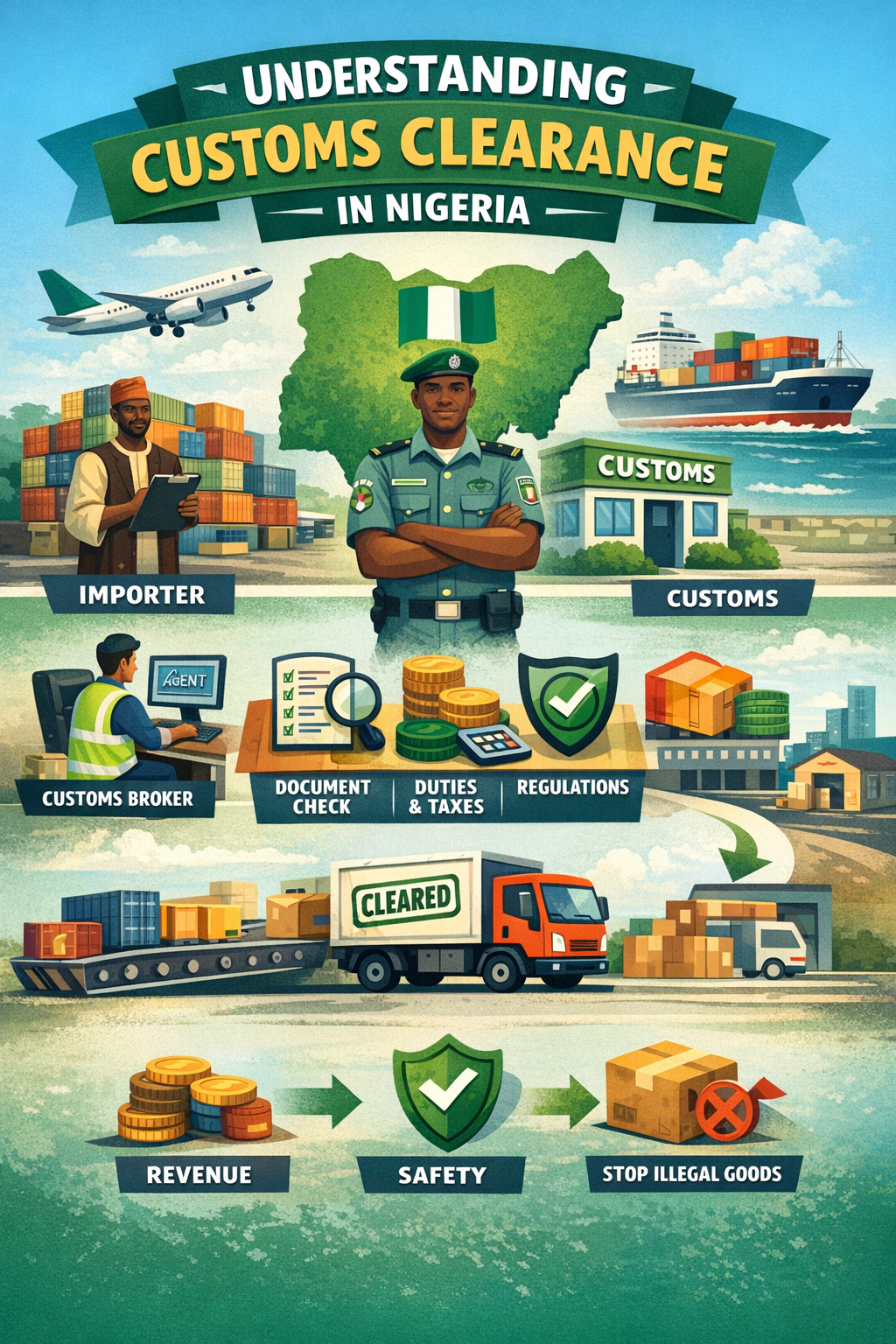
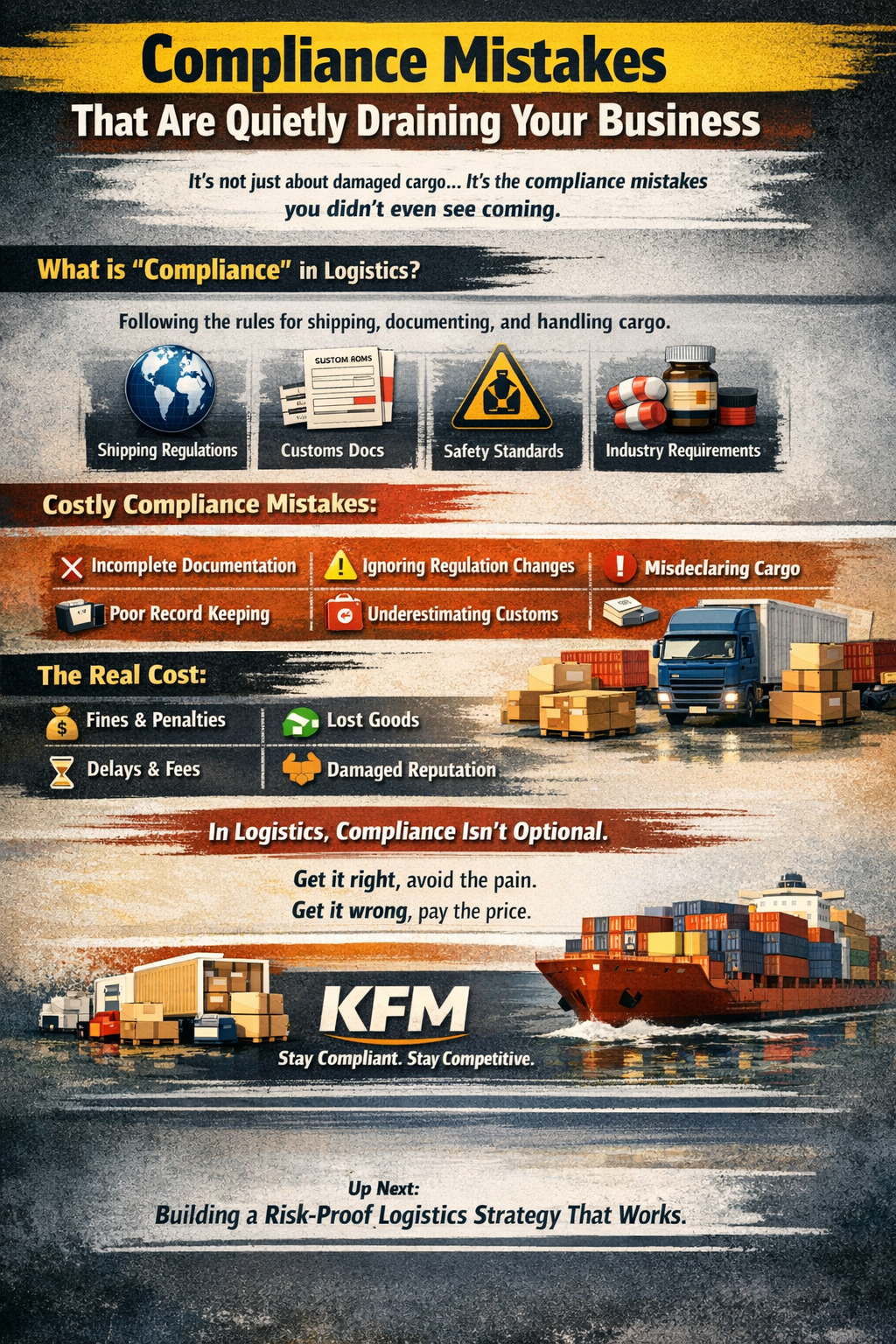
- Customs coordination
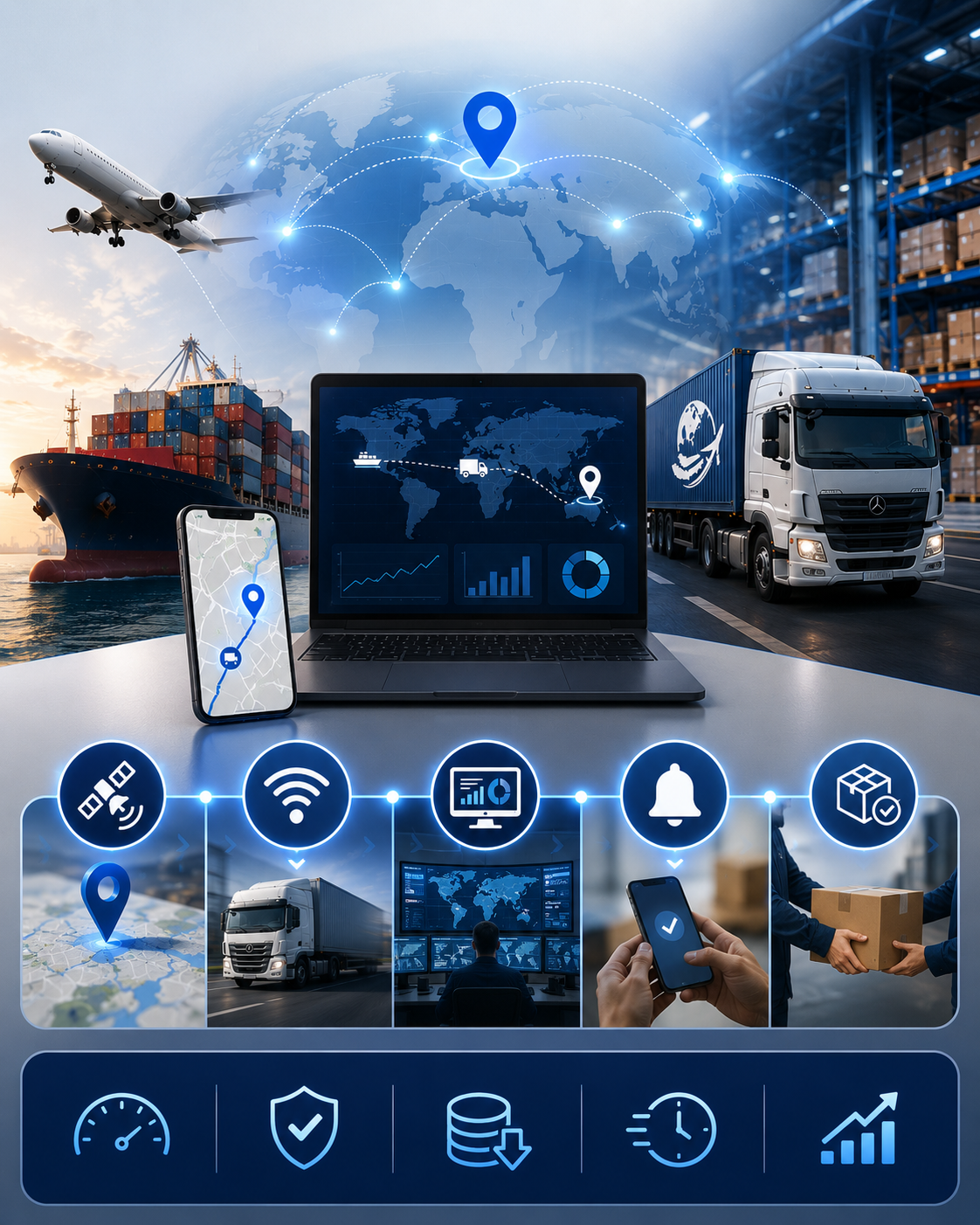
- Cargo monitoring
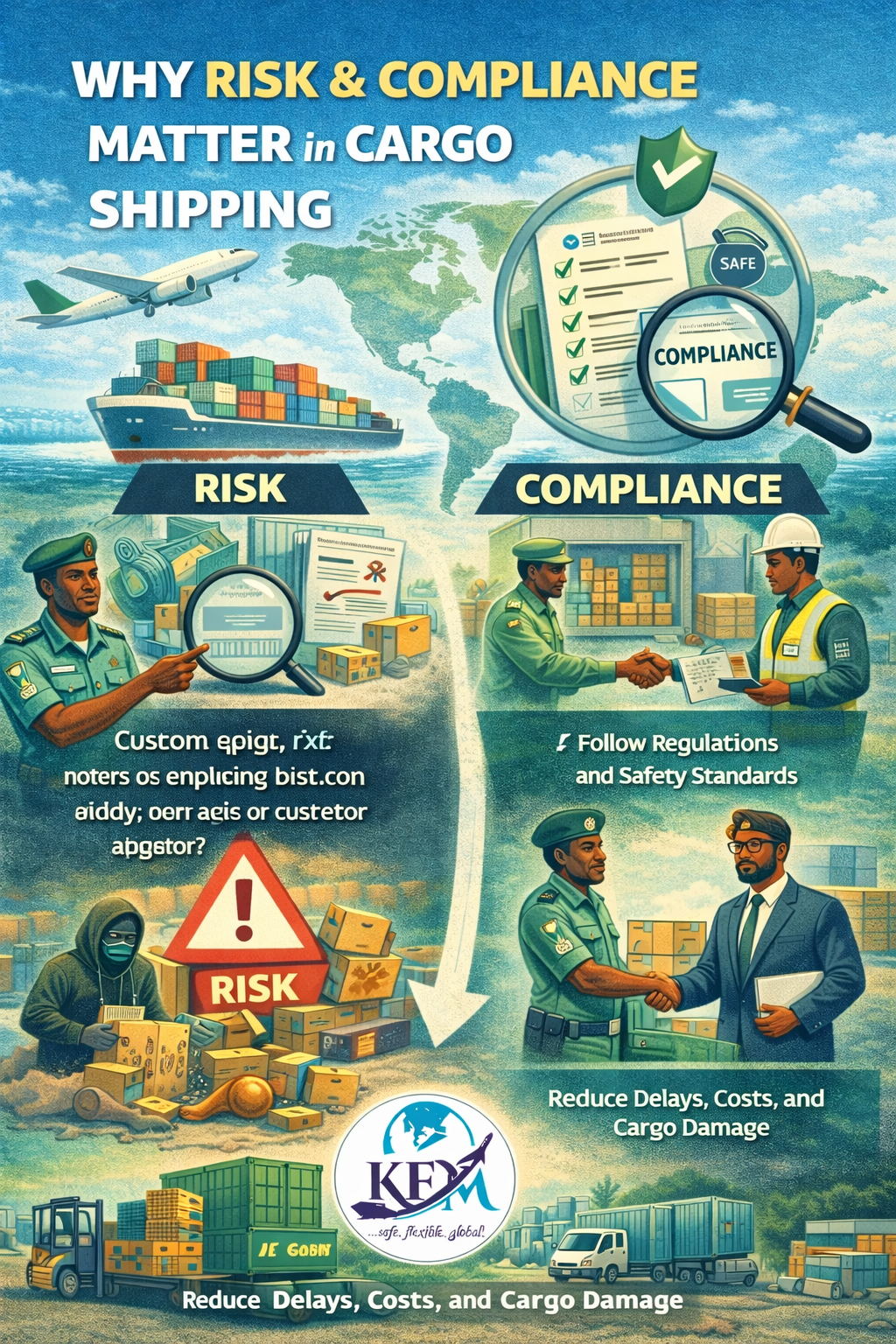
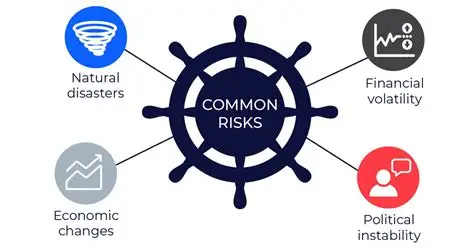
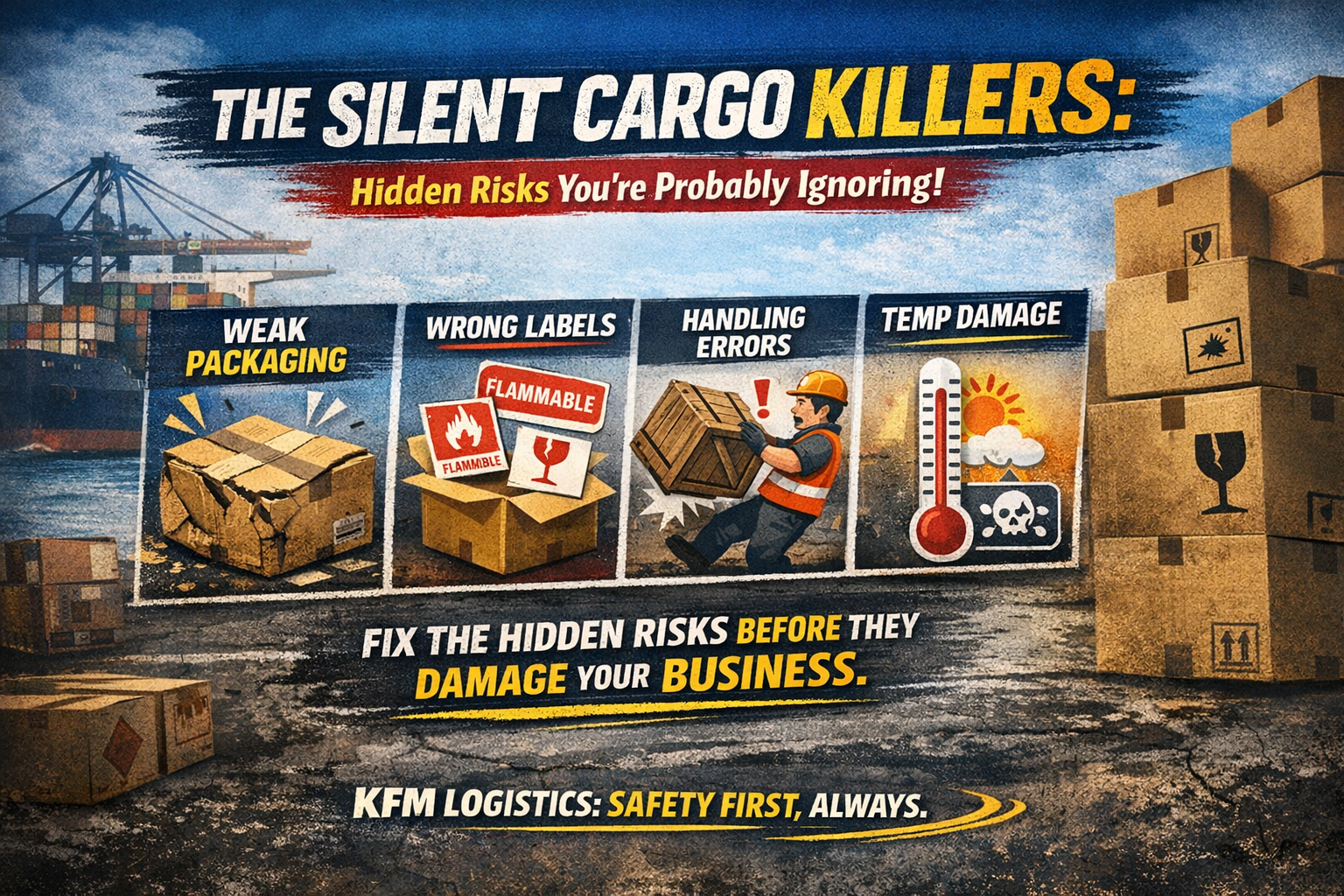
- Risk management
- Delivery coordination
Every successful shipment is the result of these systems working together.
The KFM Perspective
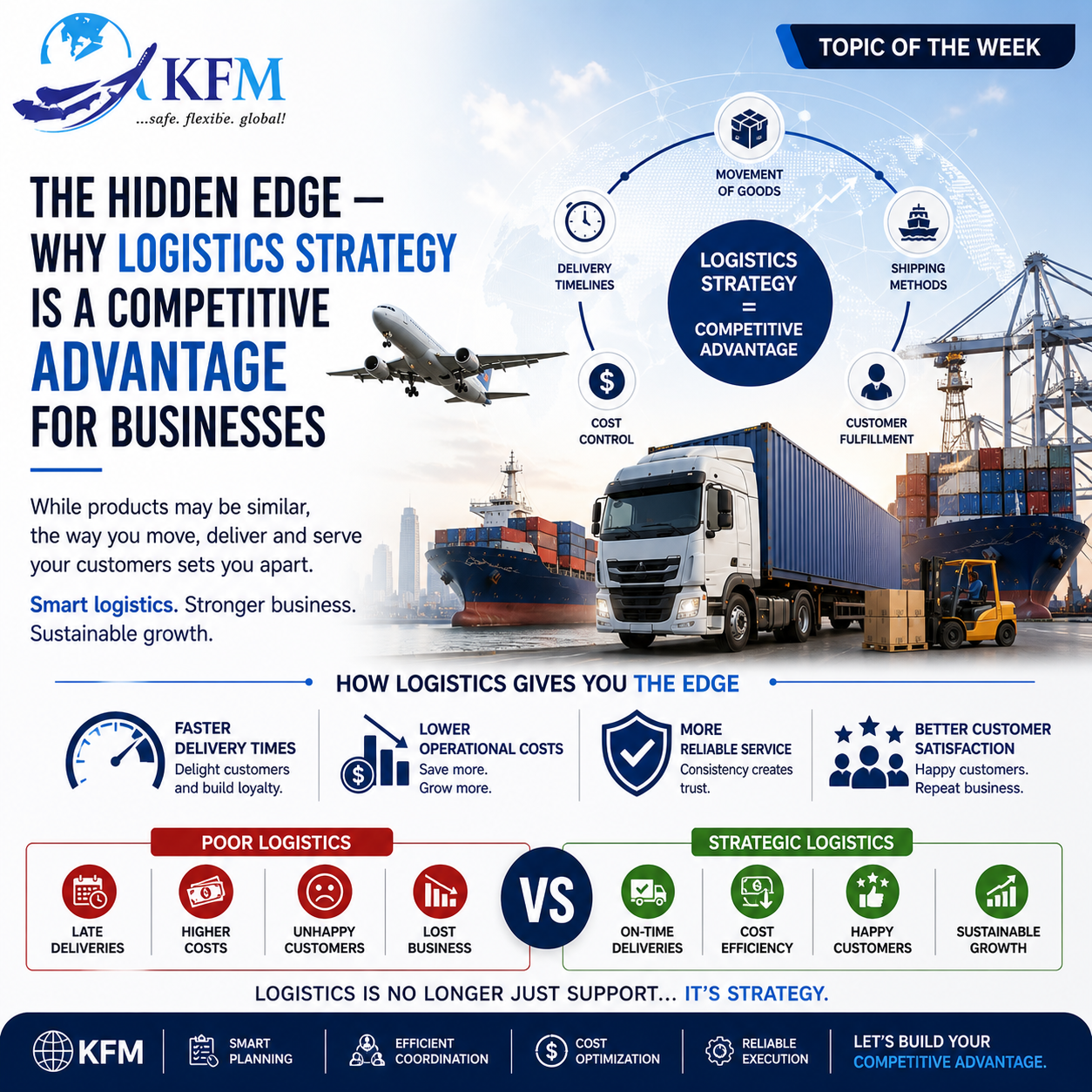
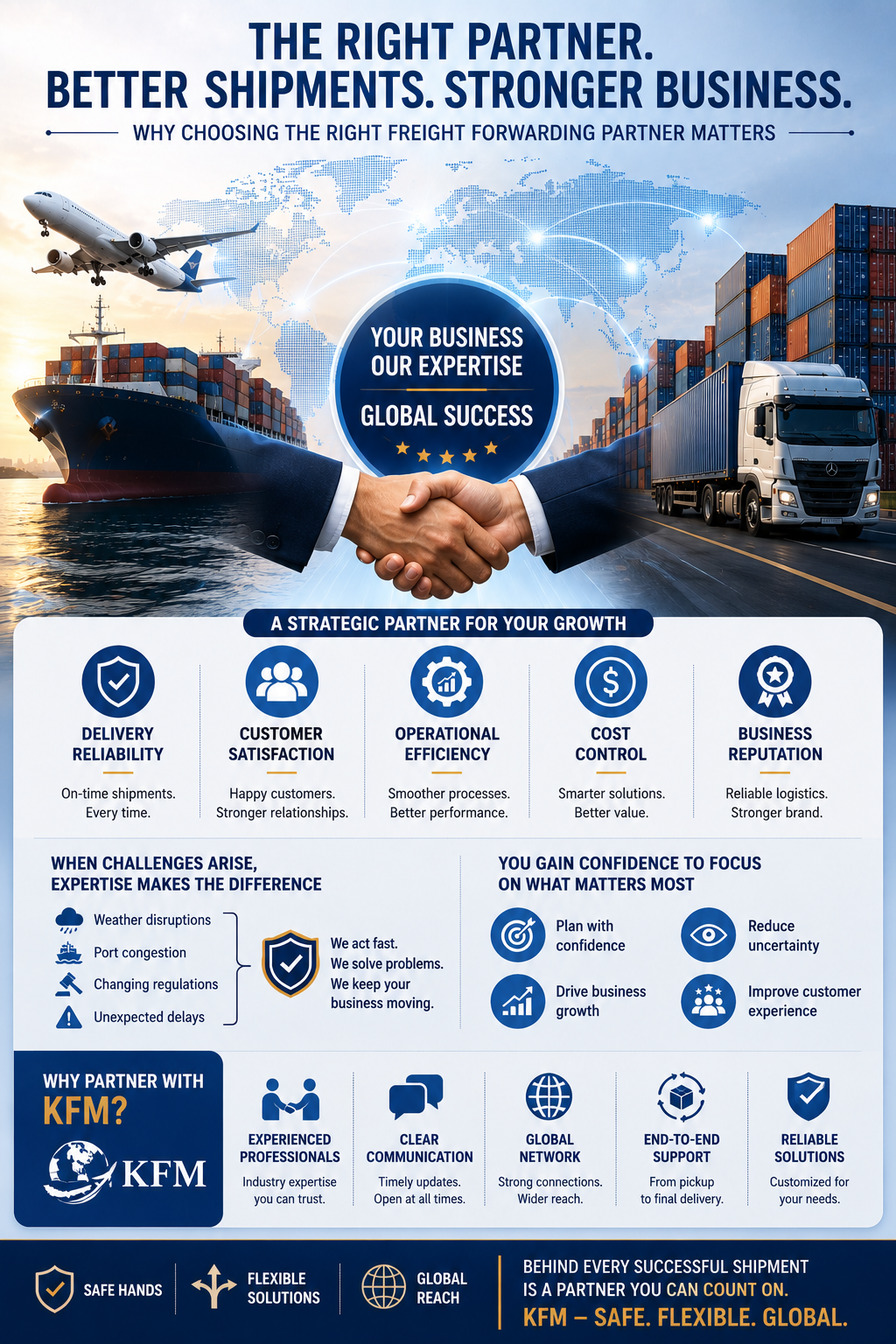
At KFM, we believe businesses should focus on growth while logistics experts focus on movement.
Our role is to ensure shipments move efficiently, safely, and professionally from origin to destination.
Because successful delivery begins long before cargo starts moving.