You've found the supplier.
You've negotiated the price.
You've placed the order and your goods are on the way to Nigeria.
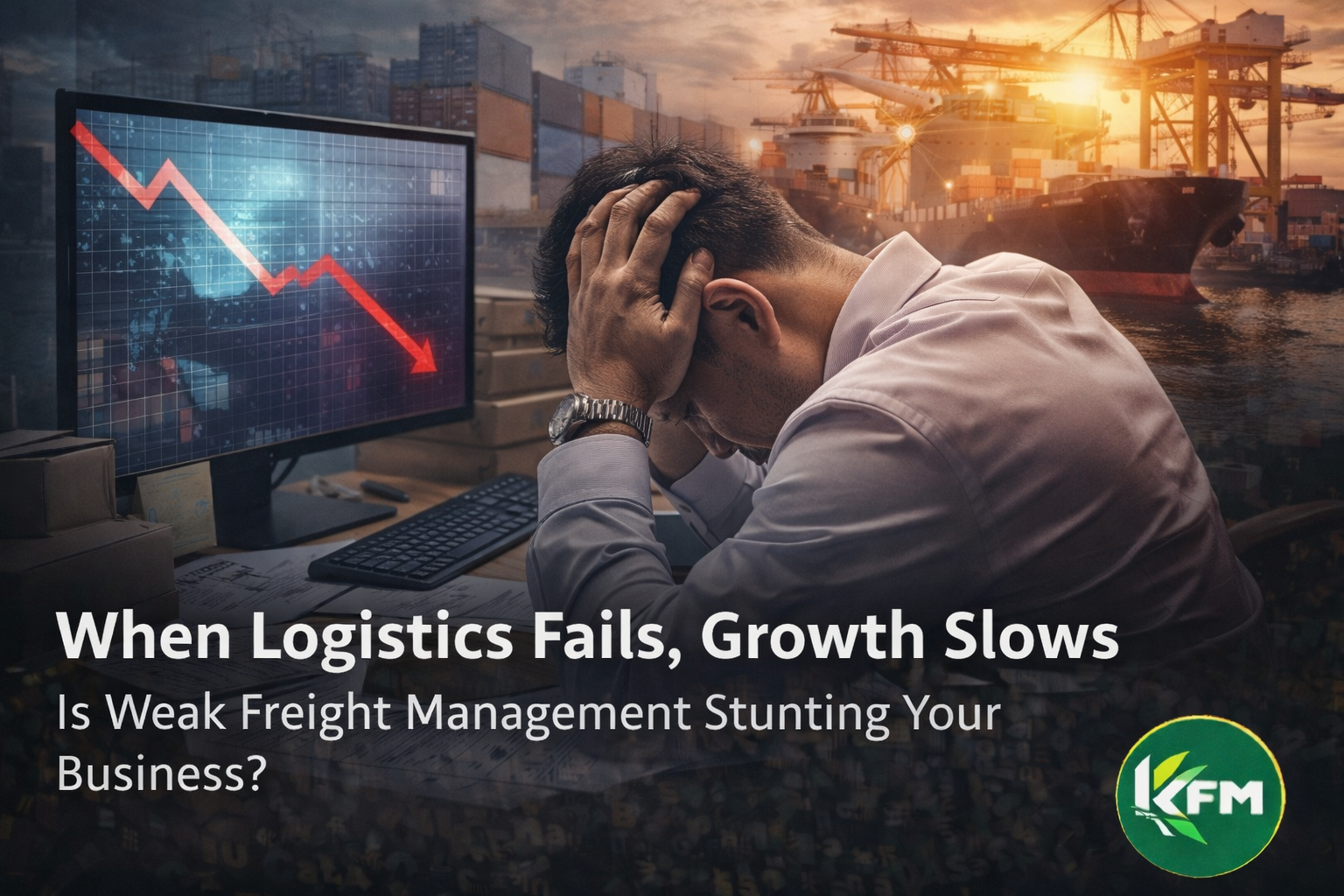
Then reality kicks in.
The shipment is delayed. A document doesn't match. Costs start changing. You're making calls you didn't expect to make.
And suddenly, a shipment that looked straightforward becomes a business problem.
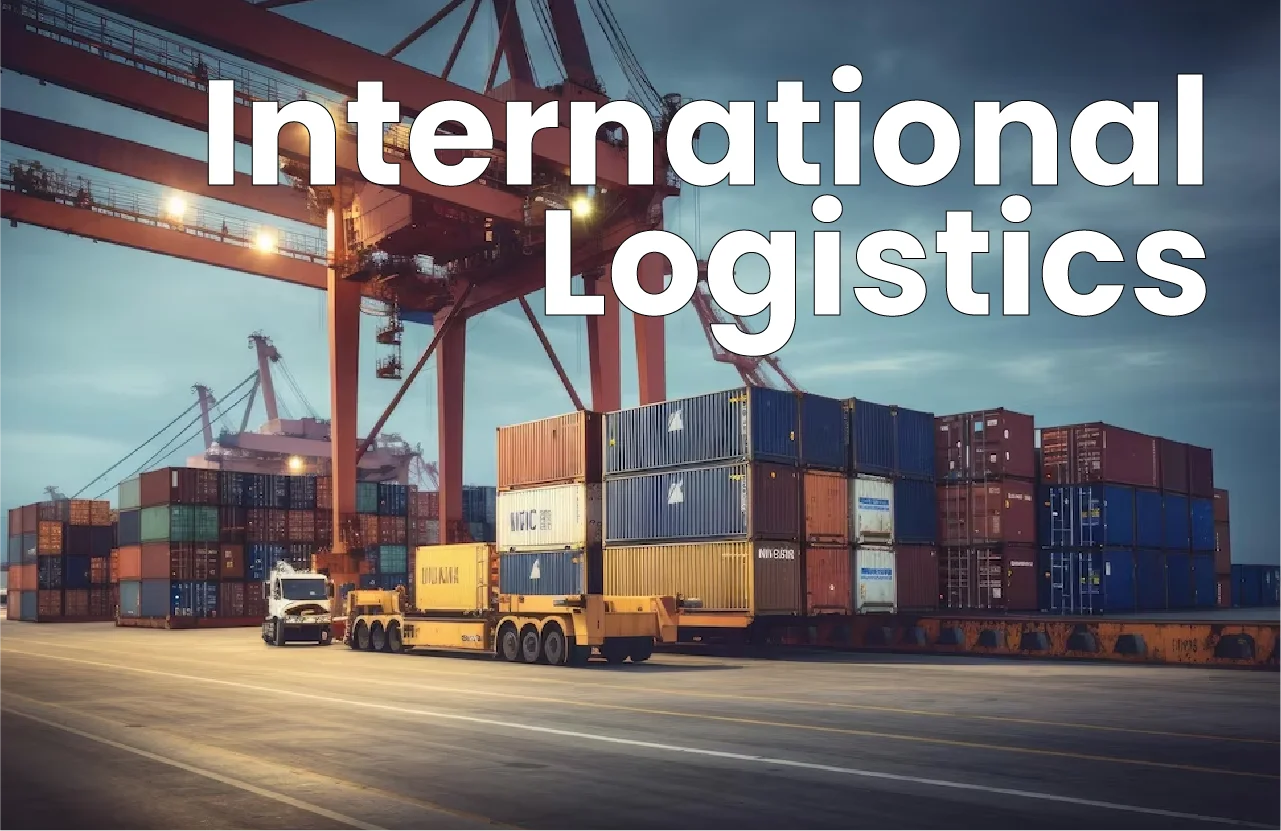
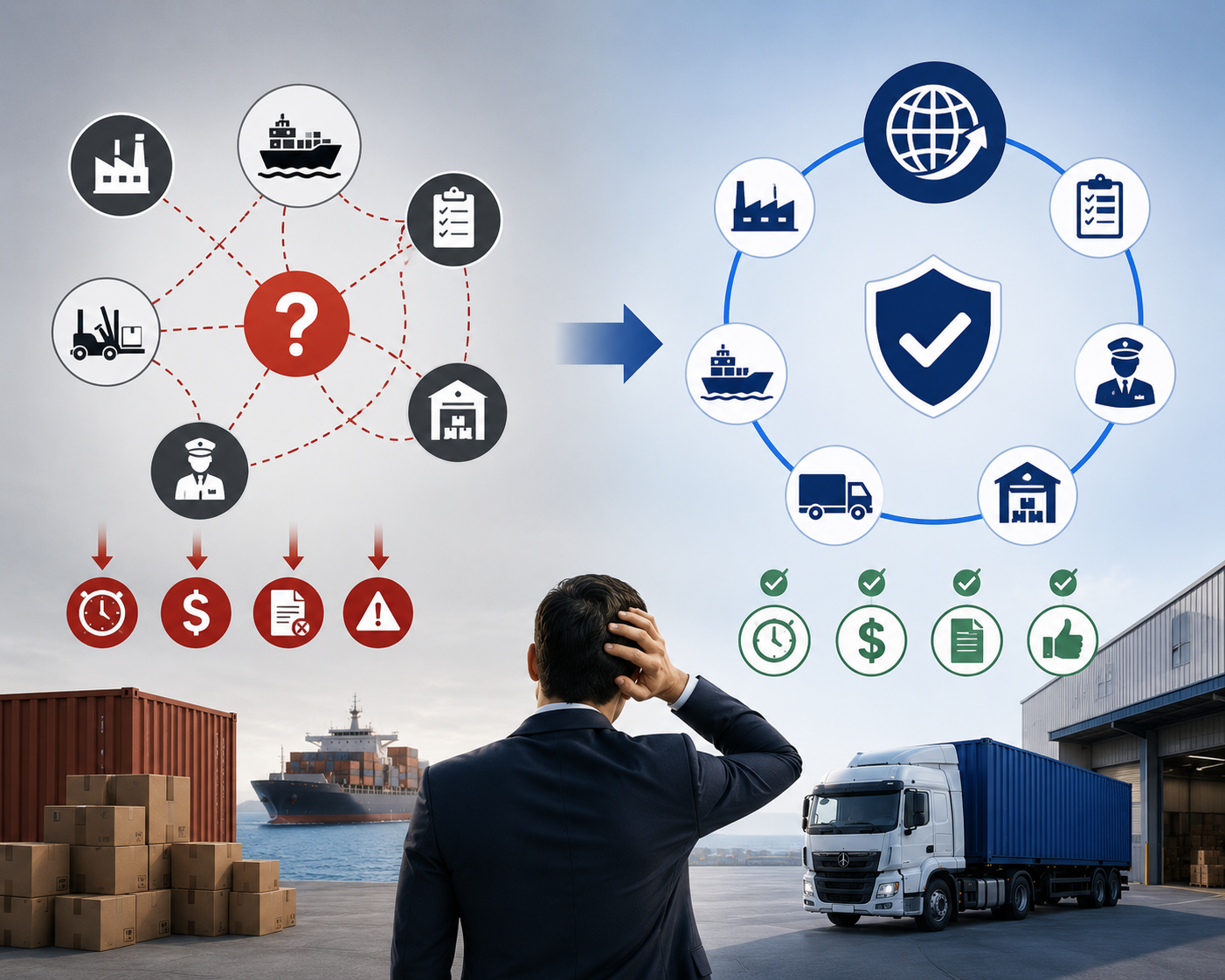
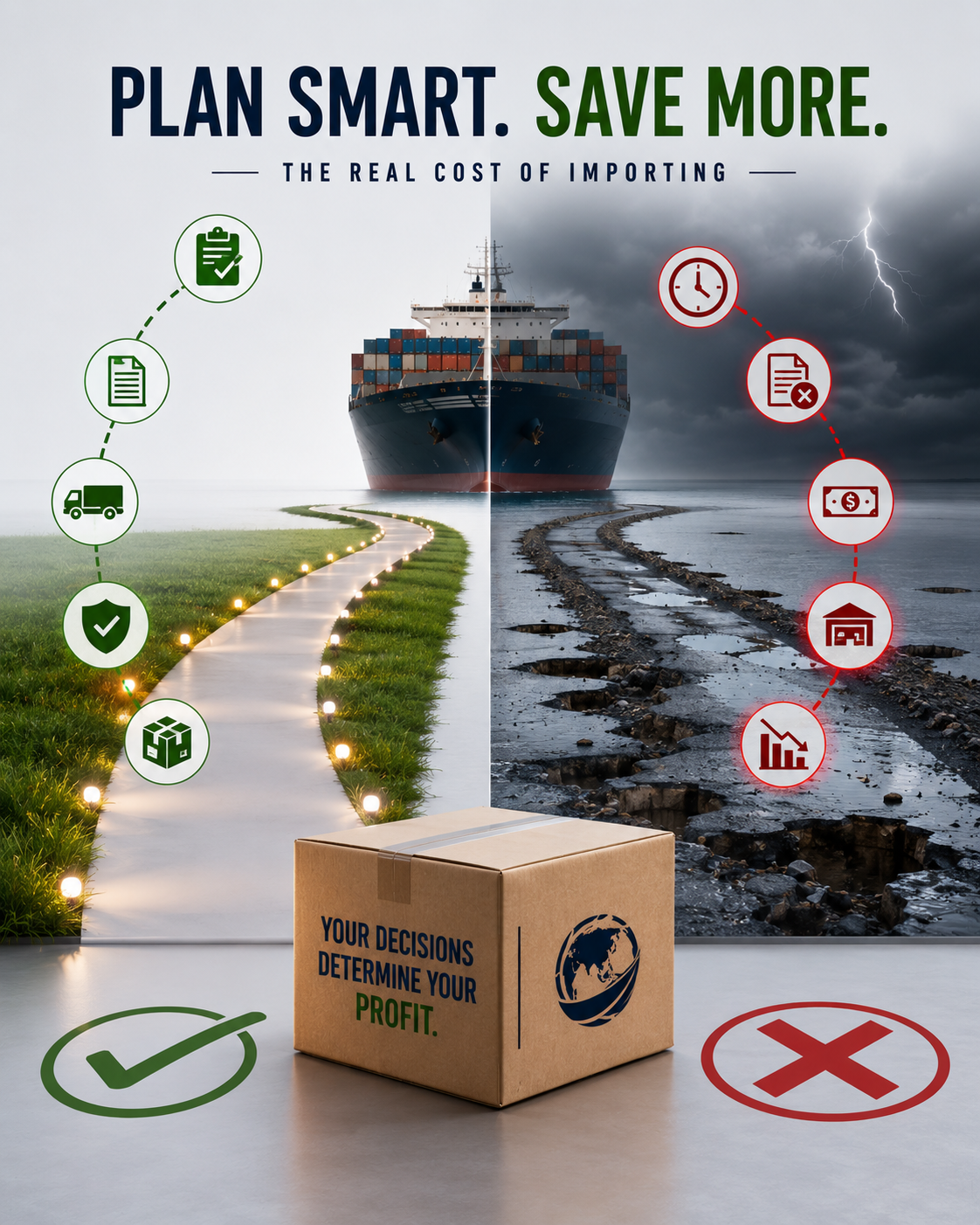
For many Nigerian importers, the challenge isn't simply getting goods into the country. It's navigating everything that happens between purchase and delivery.
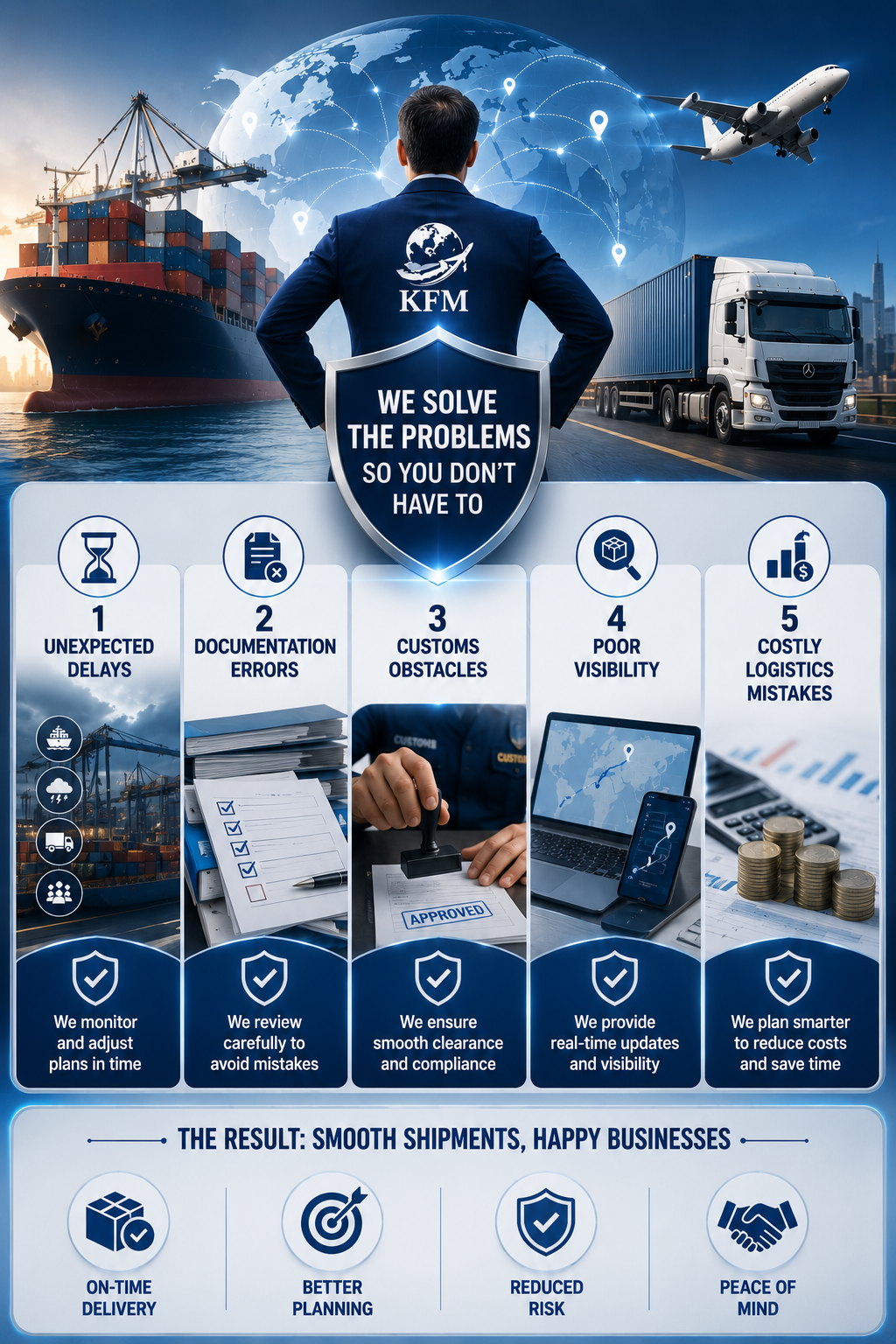
The 5 Challenges We Keep Seeing
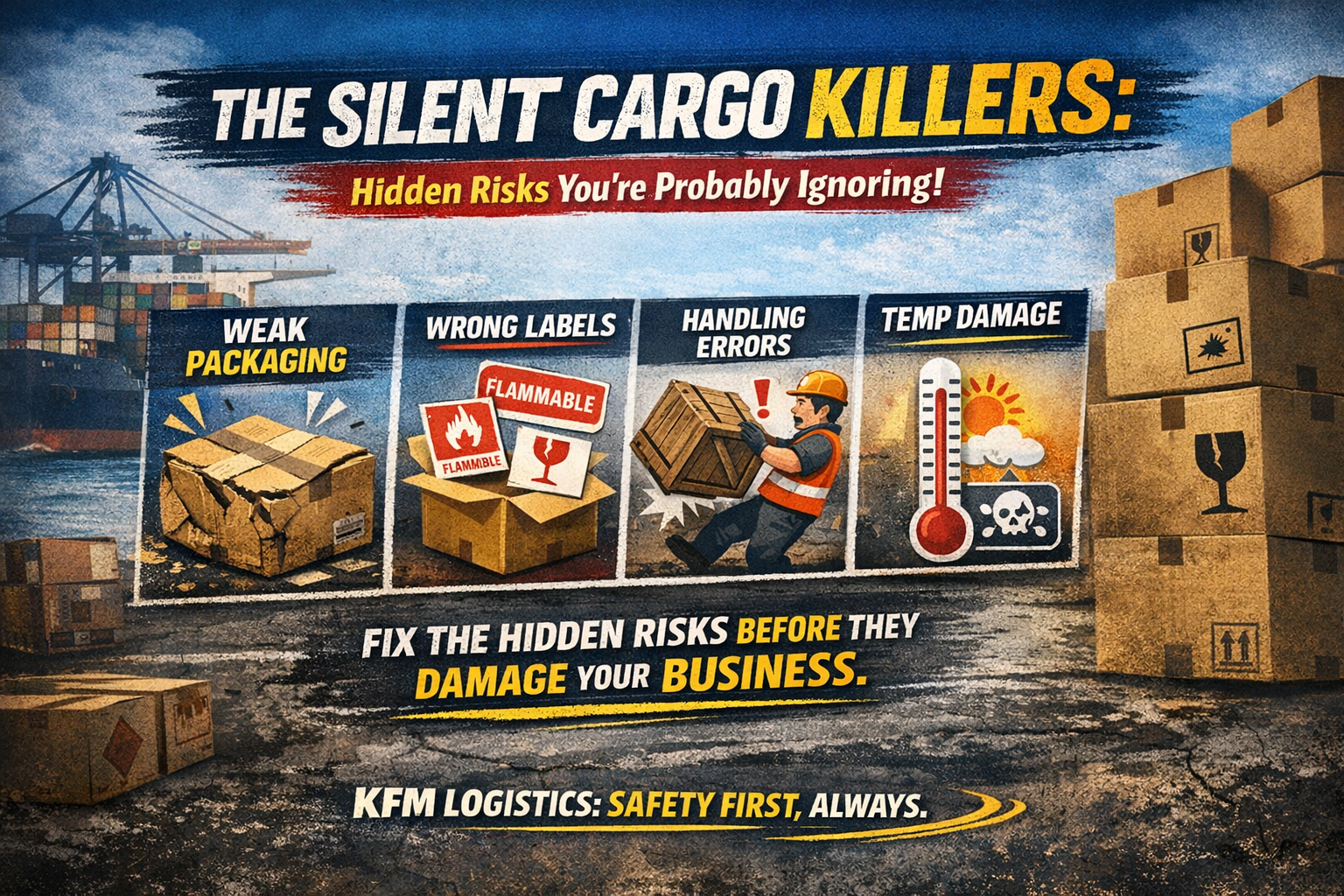
Nigerian importers can face a range of operational and financial pressures. Some are predictable. Others only become obvious when something goes wrong.
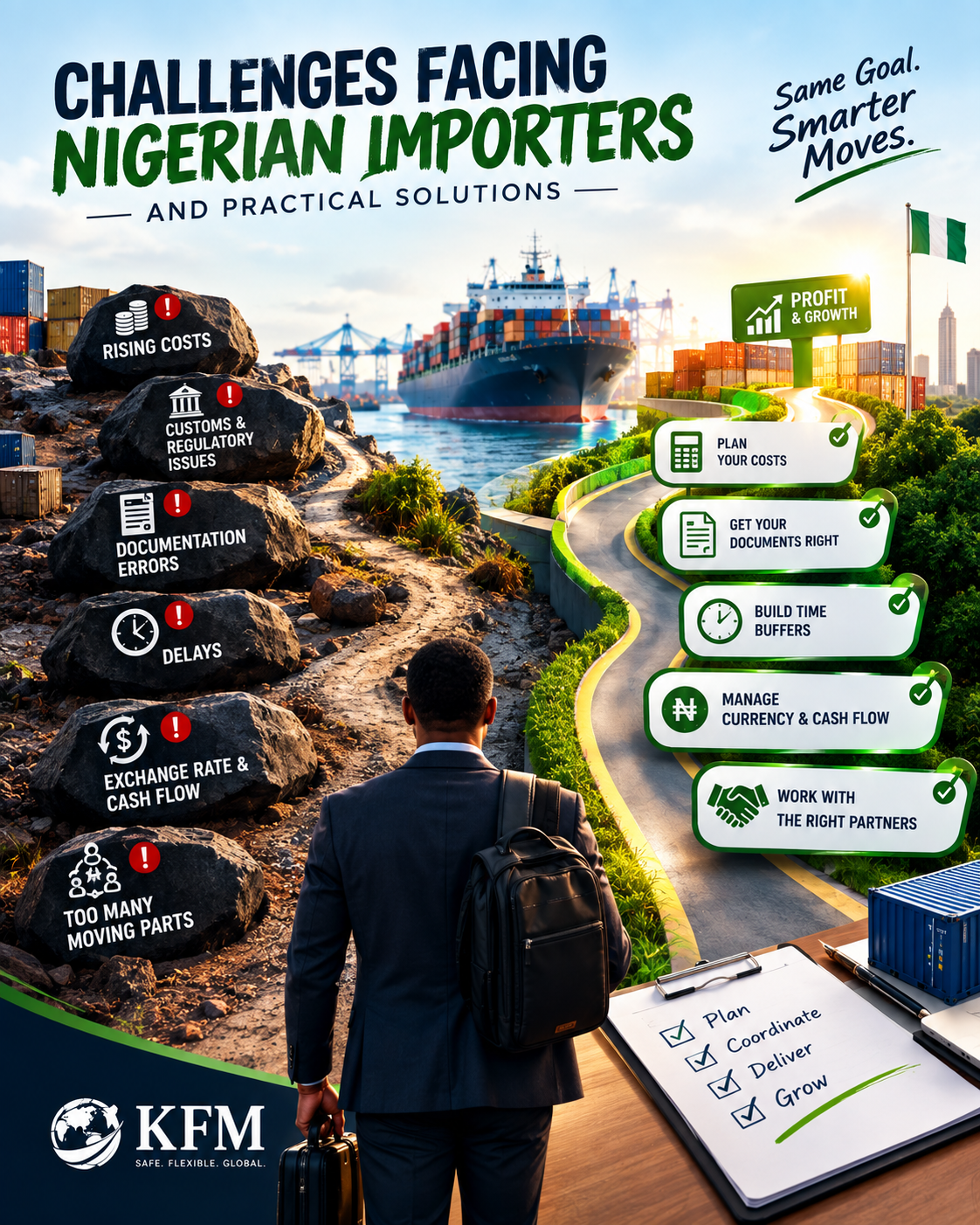
- Rising and unpredictable logistics costs
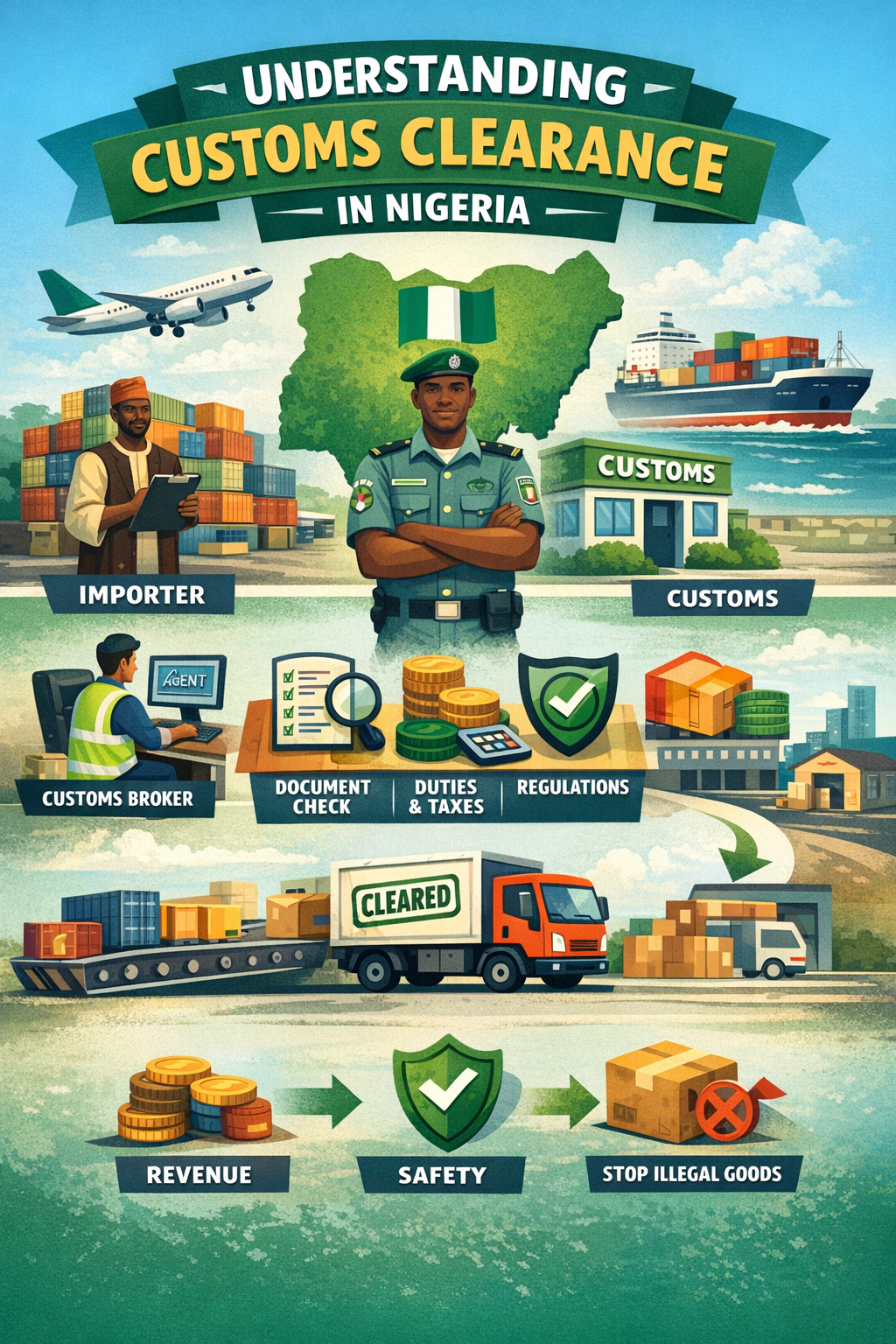
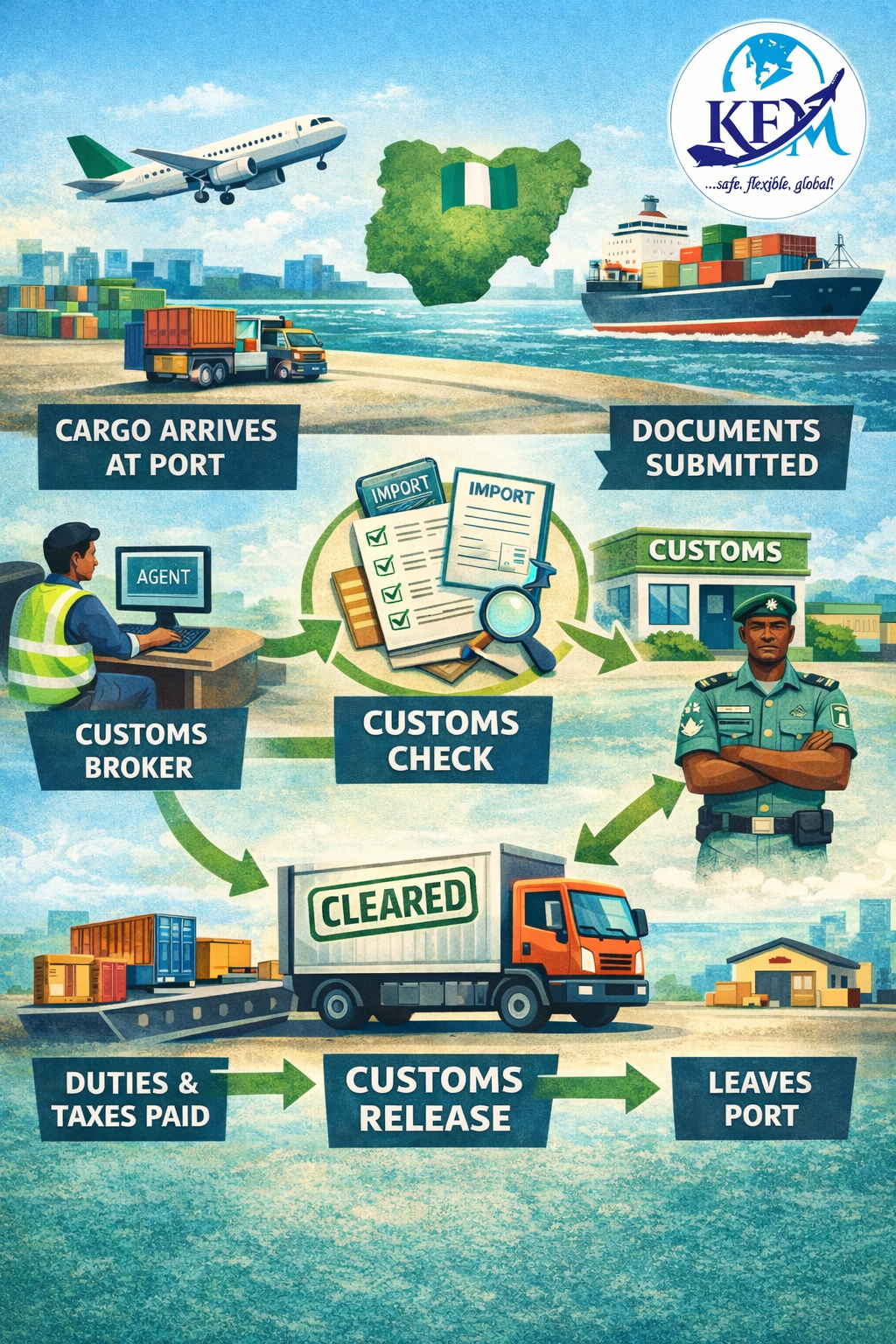
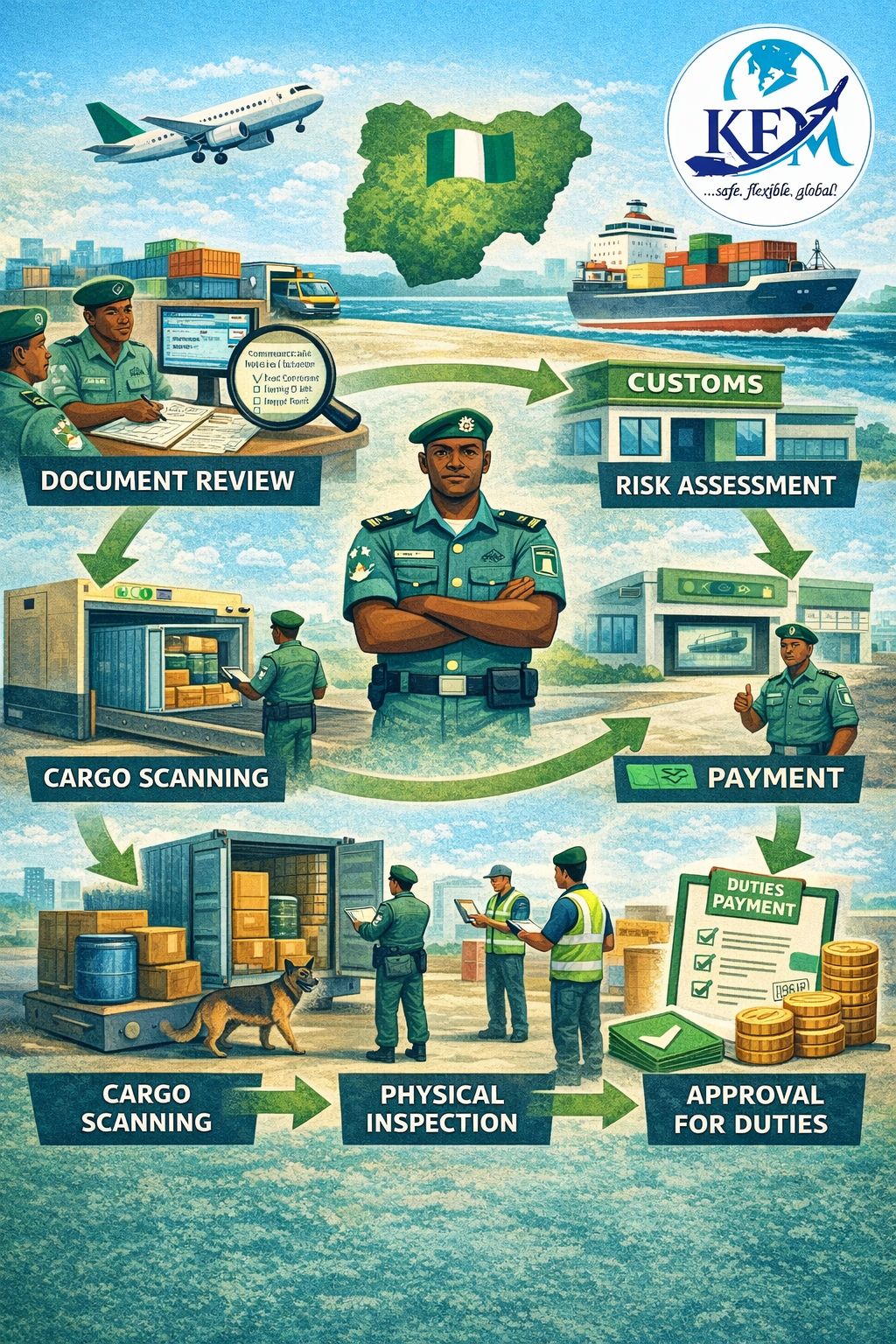
- Customs and regulatory complexity
- Documentation errors
- Port and cargo delays
- Exchange-rate and cash-flow pressure
The good news?
Most of these challenges can be managed better with the right preparation.
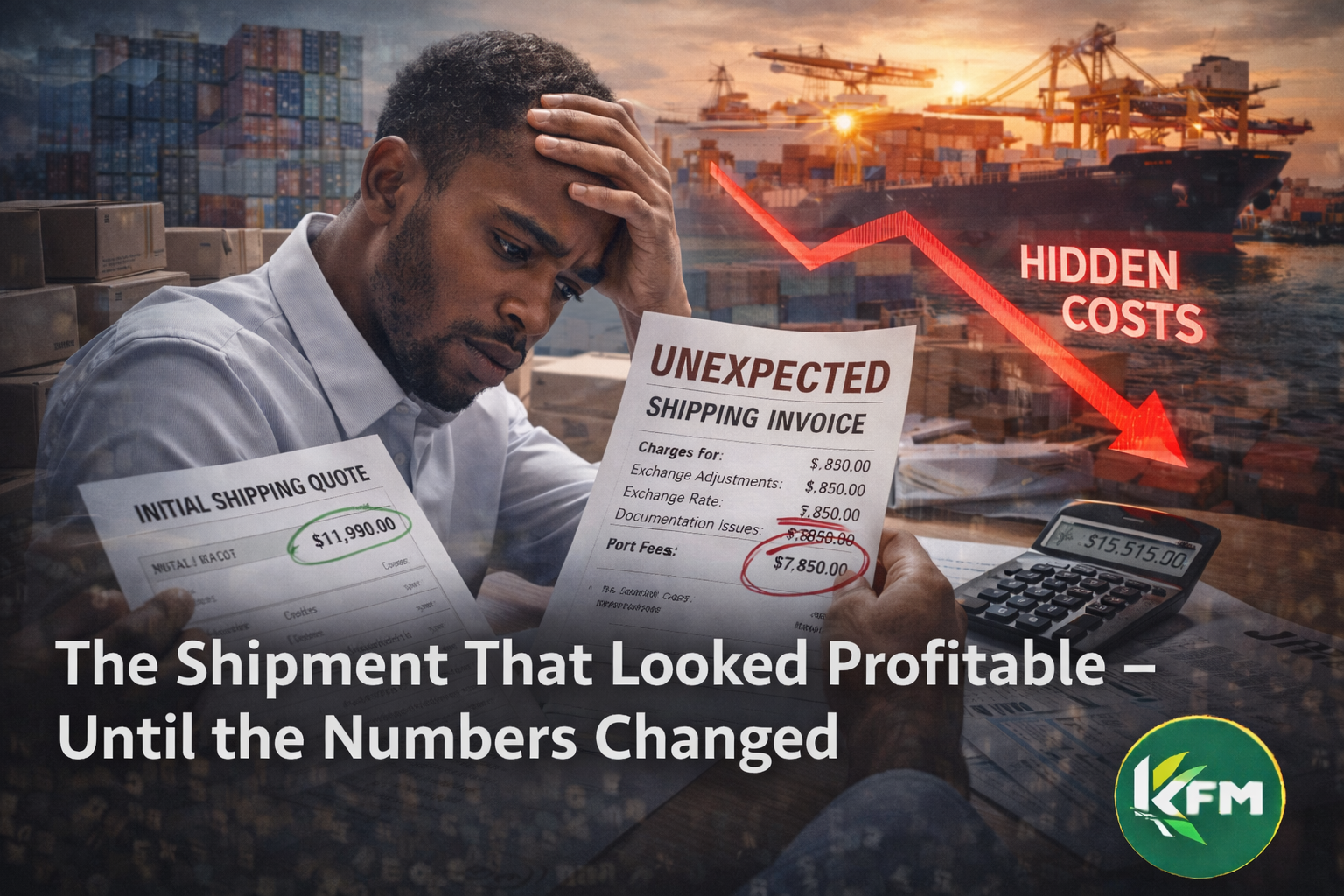
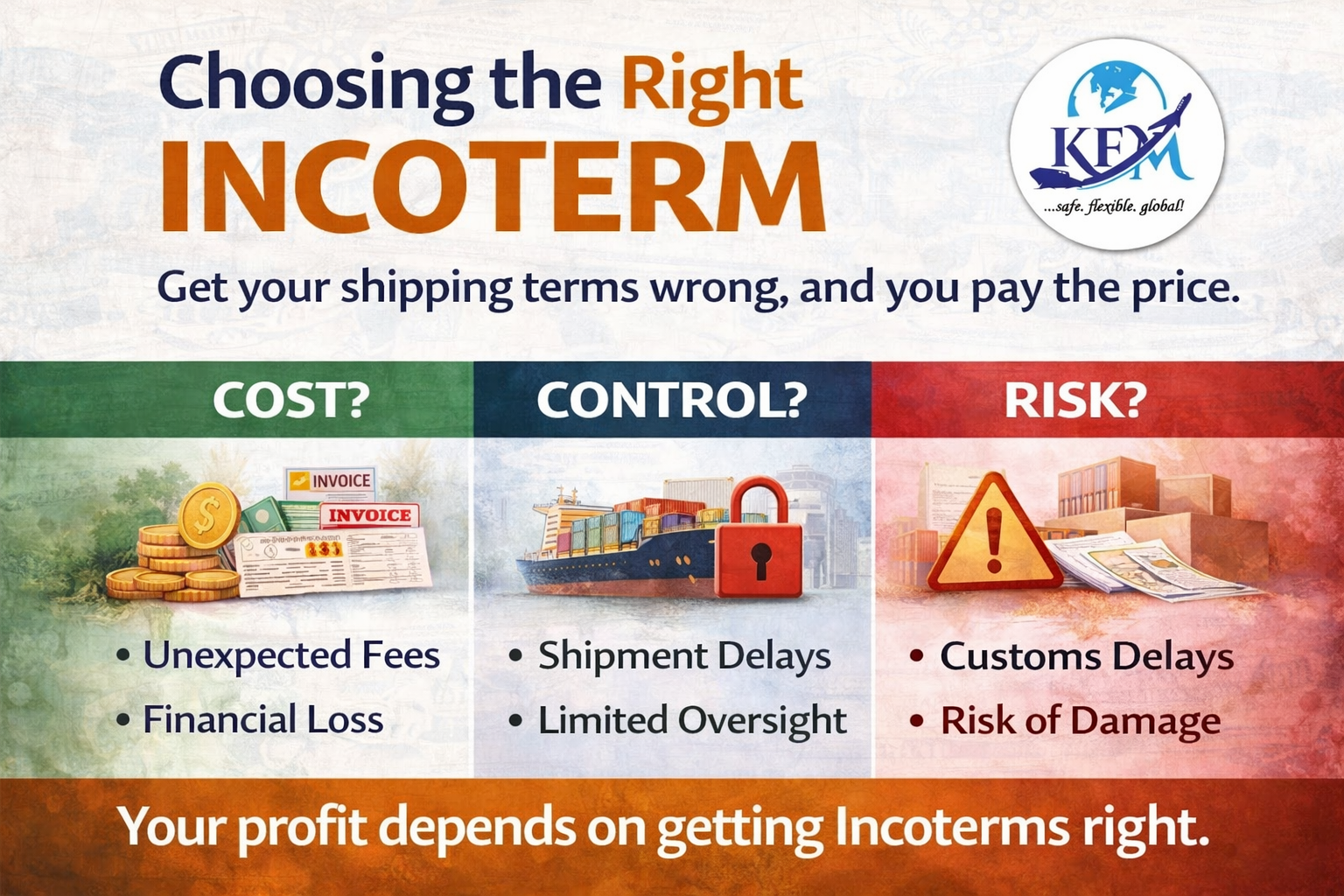
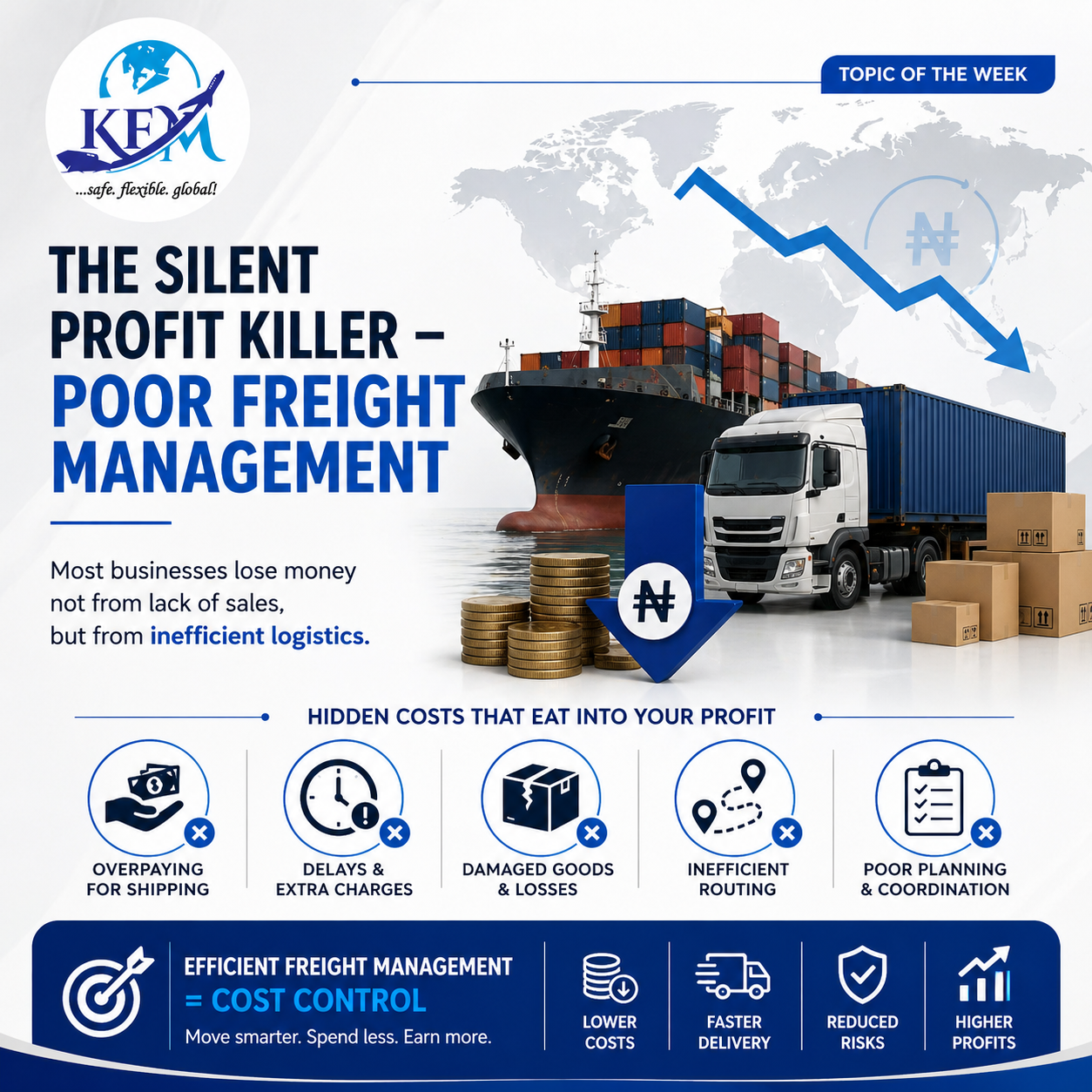
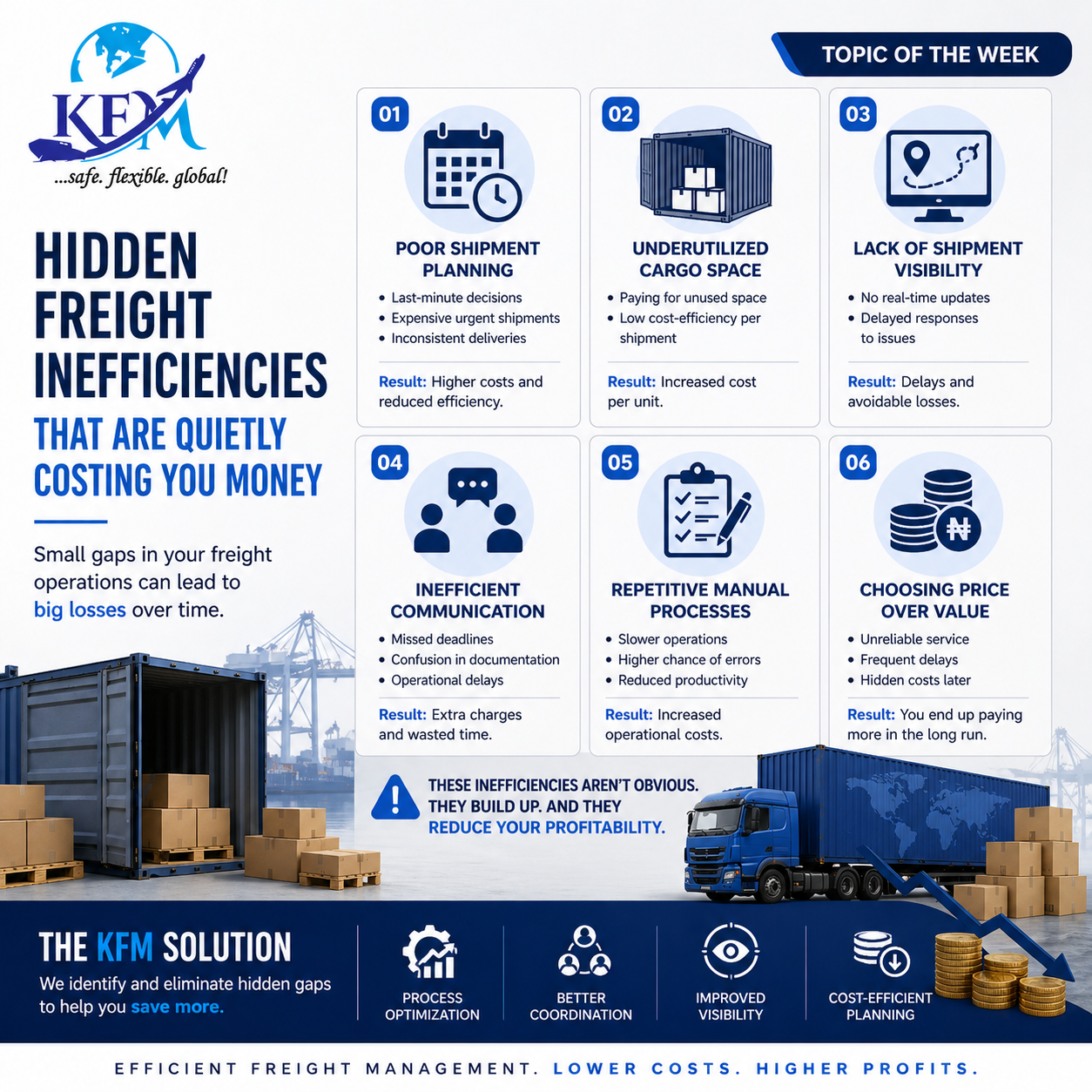
💸 Challenge #1: "Why Did My Import Cost More Than Expected?"
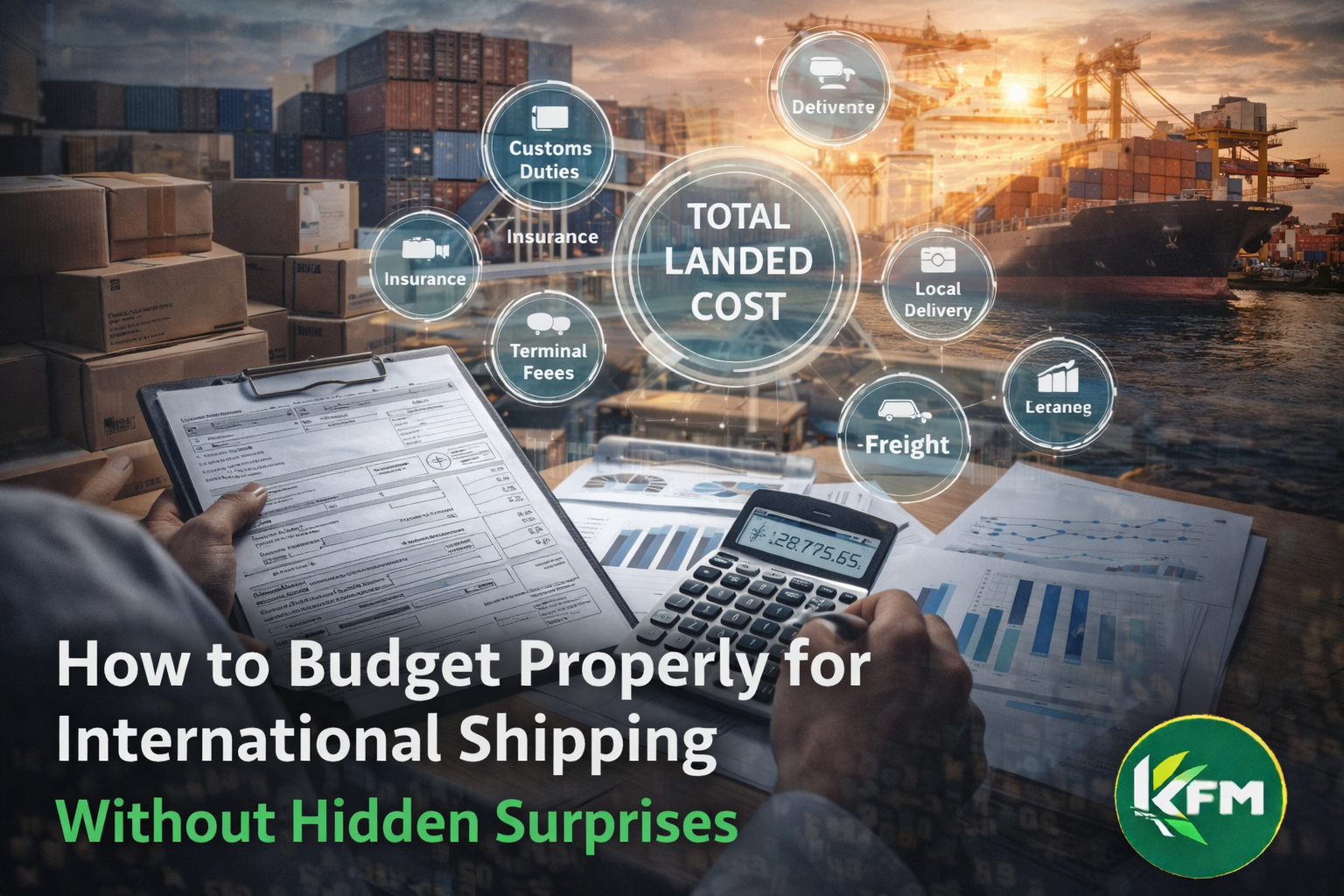
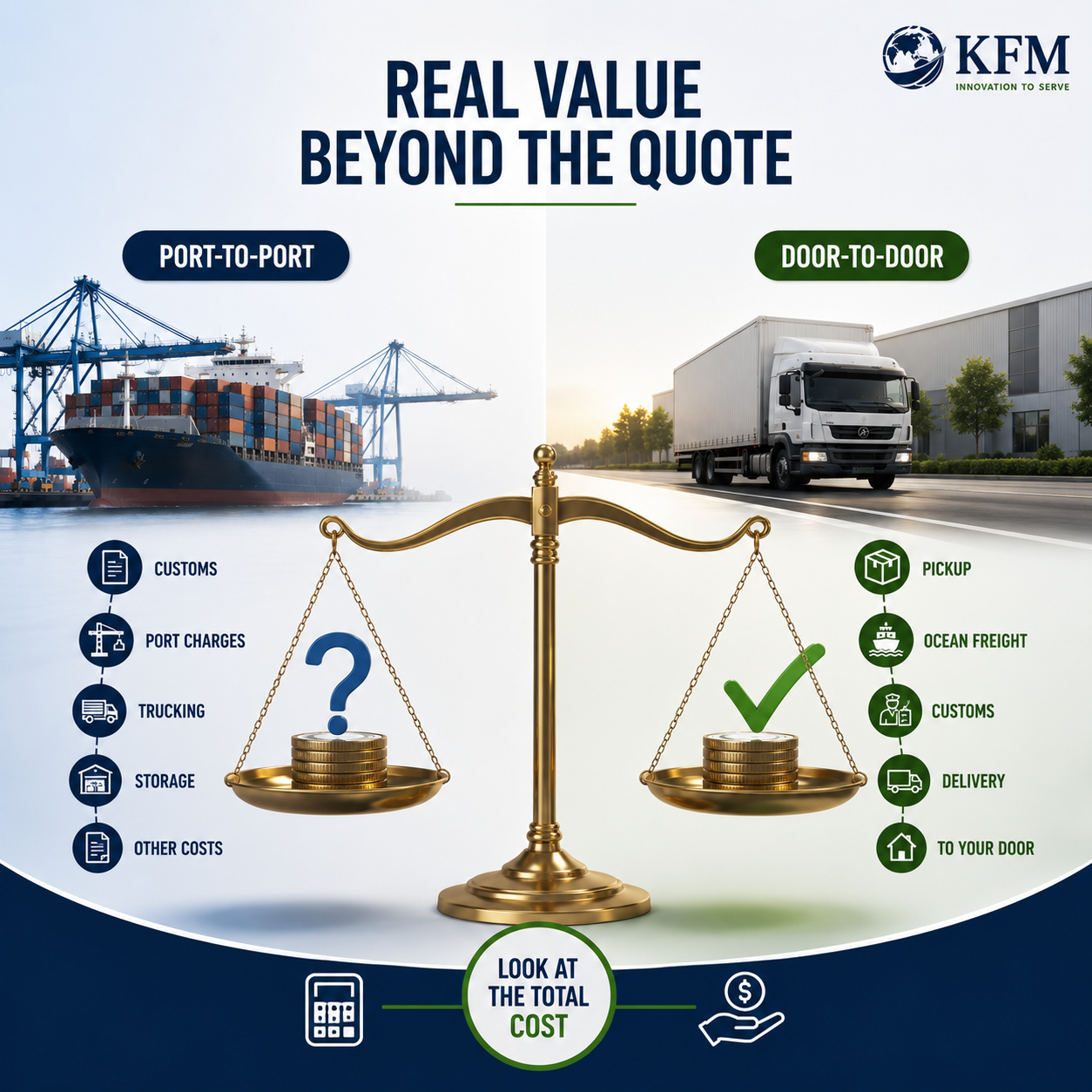
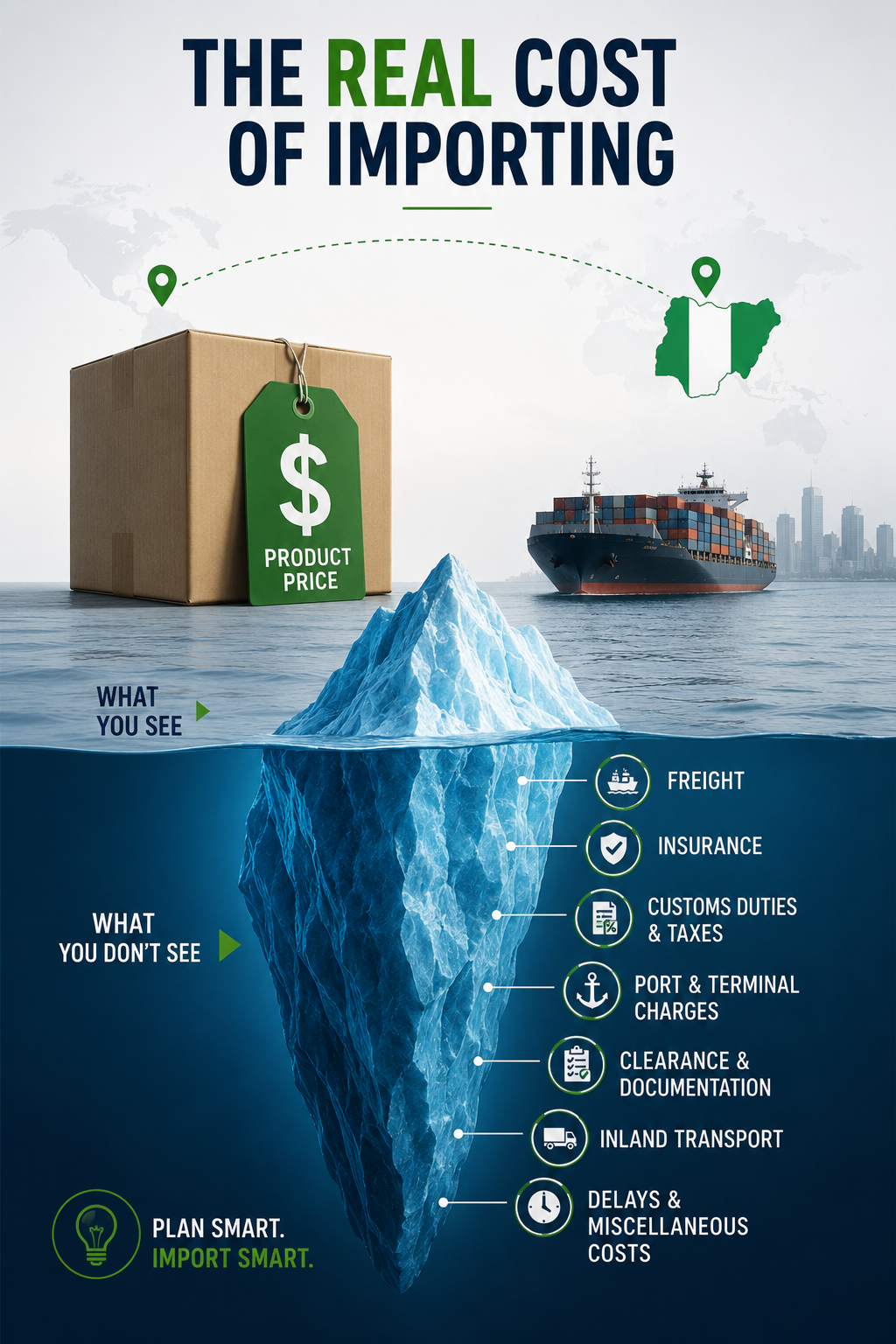
A supplier's quotation rarely tells the complete story.
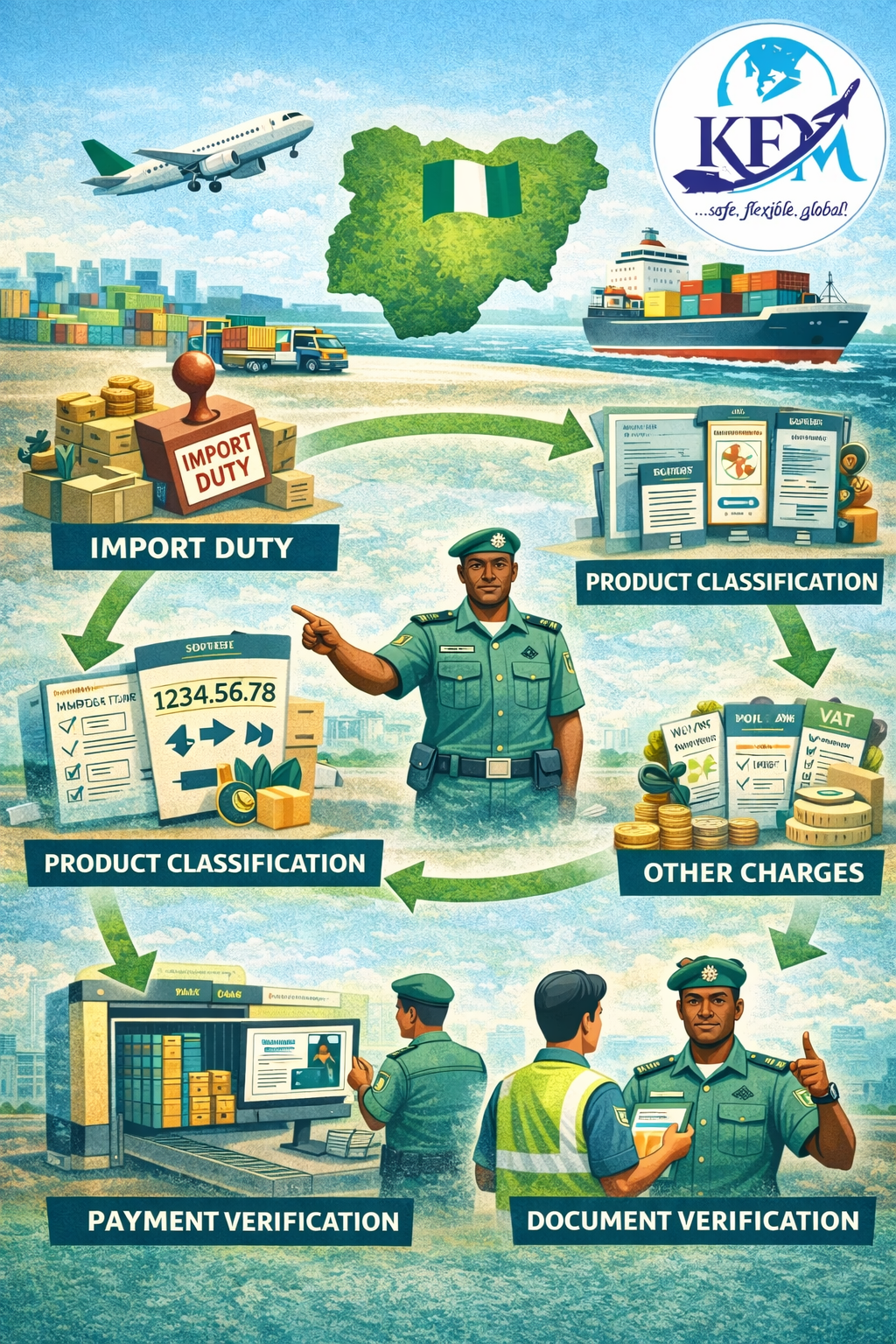
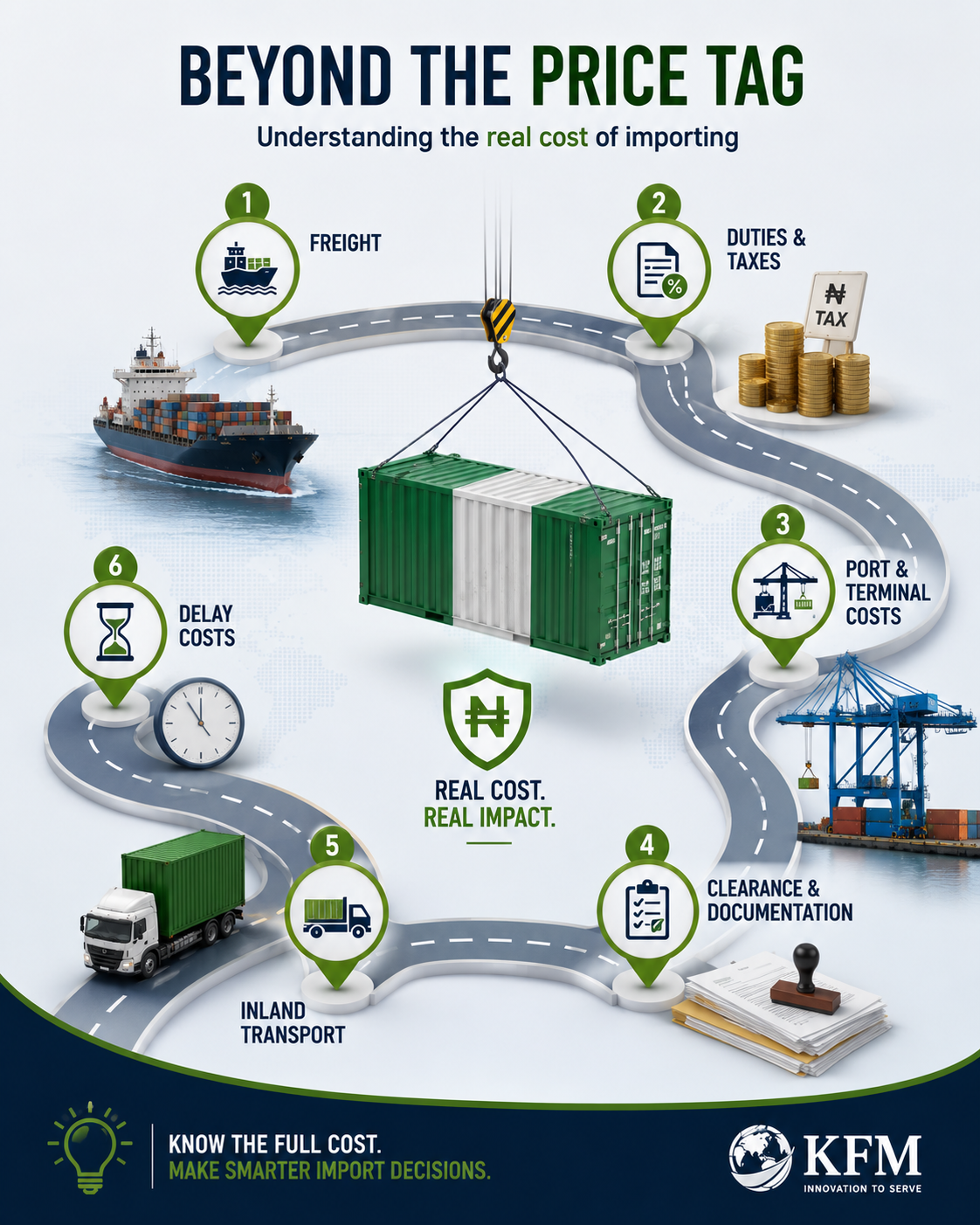
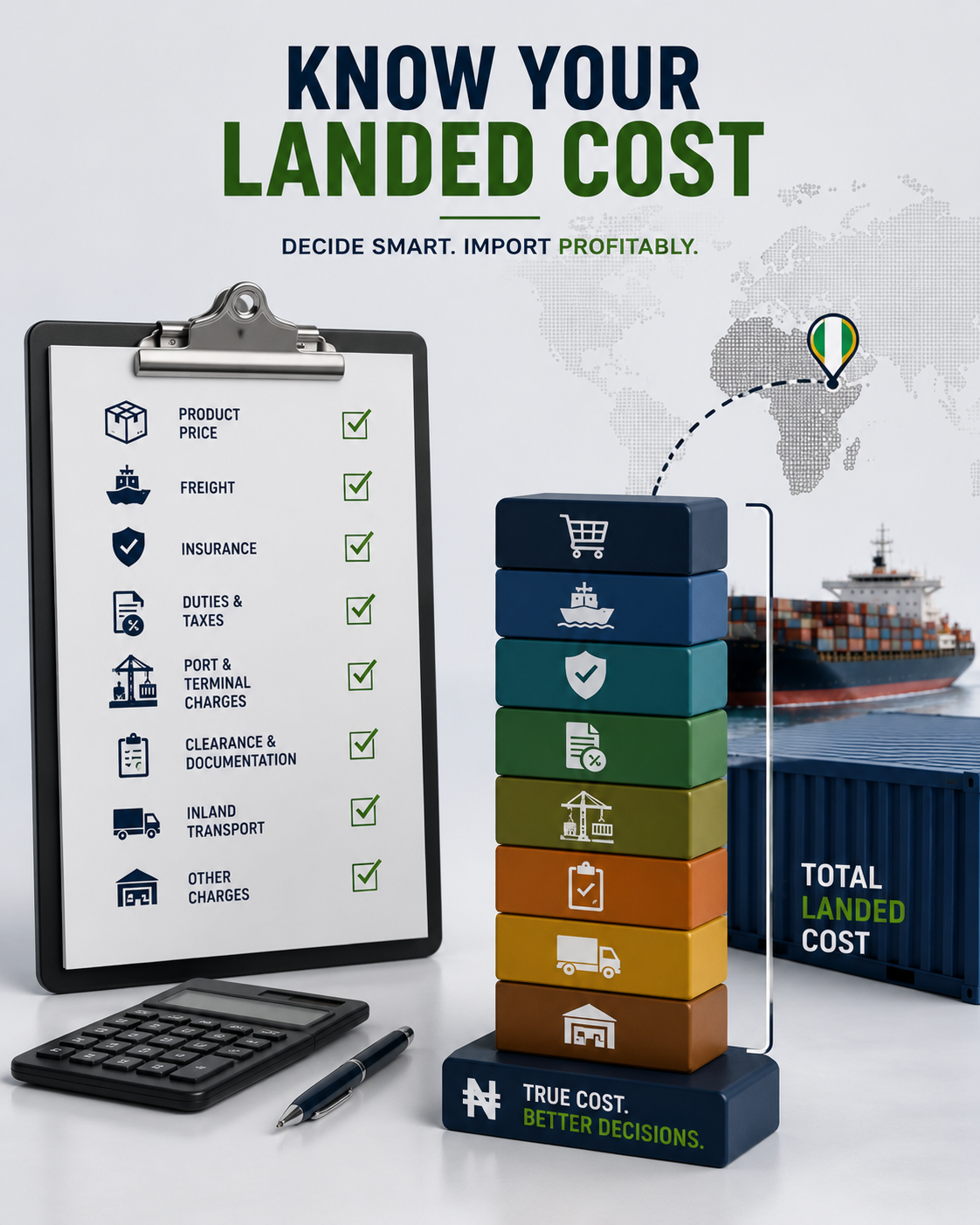
Freight, applicable duties and taxes, port-related charges, clearance, inland transportation, storage, and other destination costs can all affect what you eventually spend.
When these costs aren't considered early, your profit margin can take a serious hit.
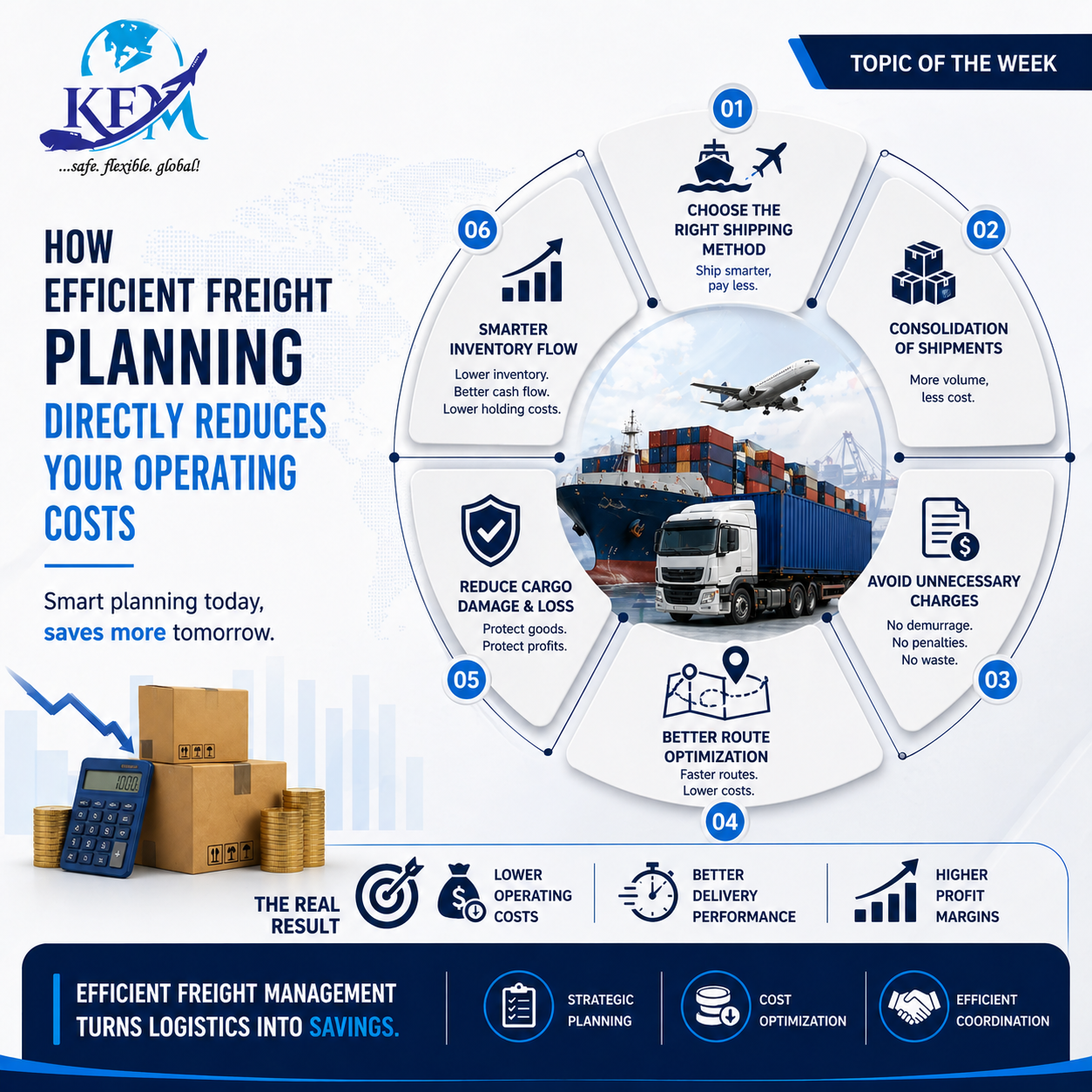
💡 Practical Solution: Calculate Before You Commit
Don't build your import decision around the product price alone.
Estimate the likely landed cost before placing the order and compare it with your expected selling price.
If the numbers don't work before you import, importing more won't fix the problem.
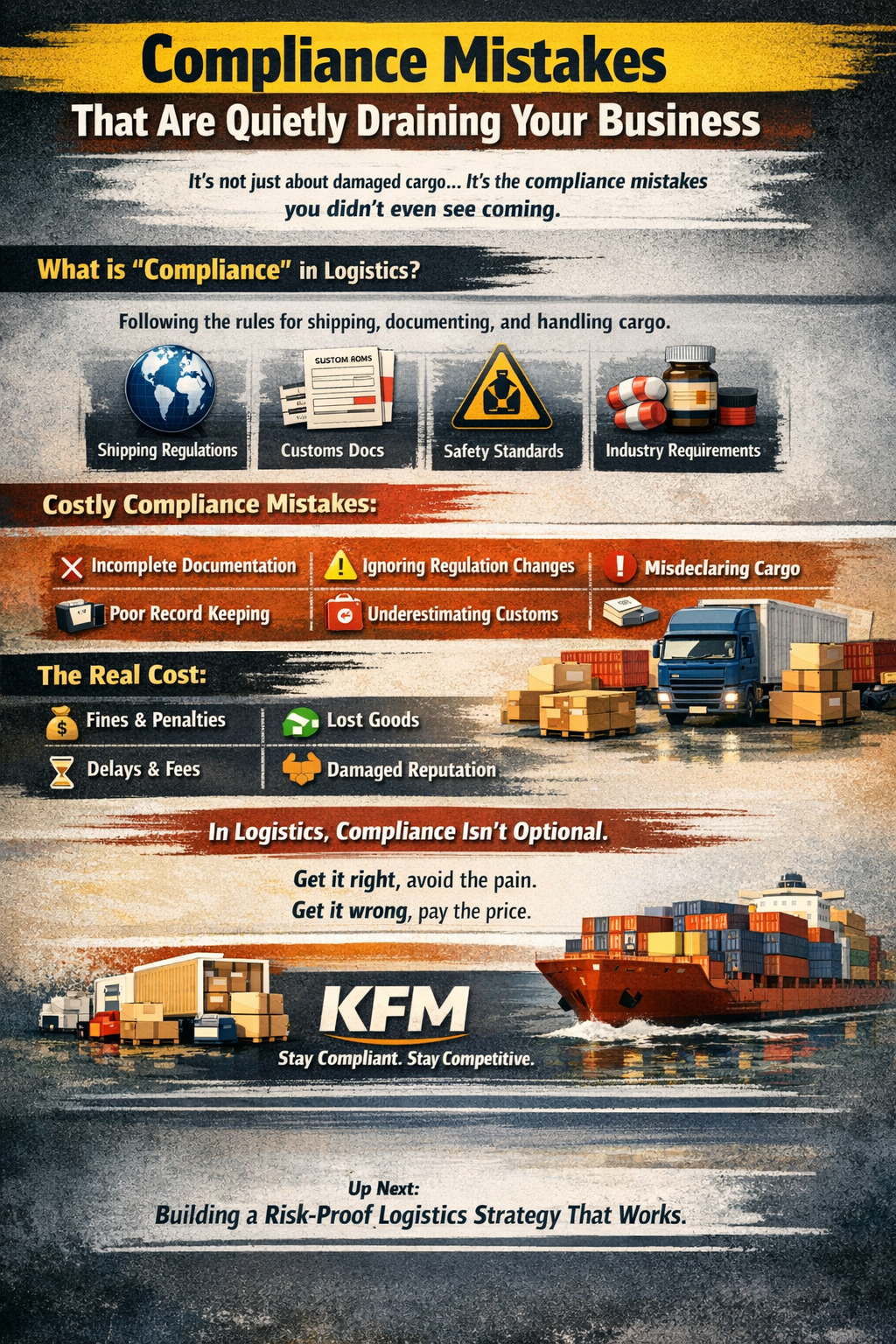
🧾 Challenge #2: Documentation & Compliance
One incorrect detail can create a chain reaction.
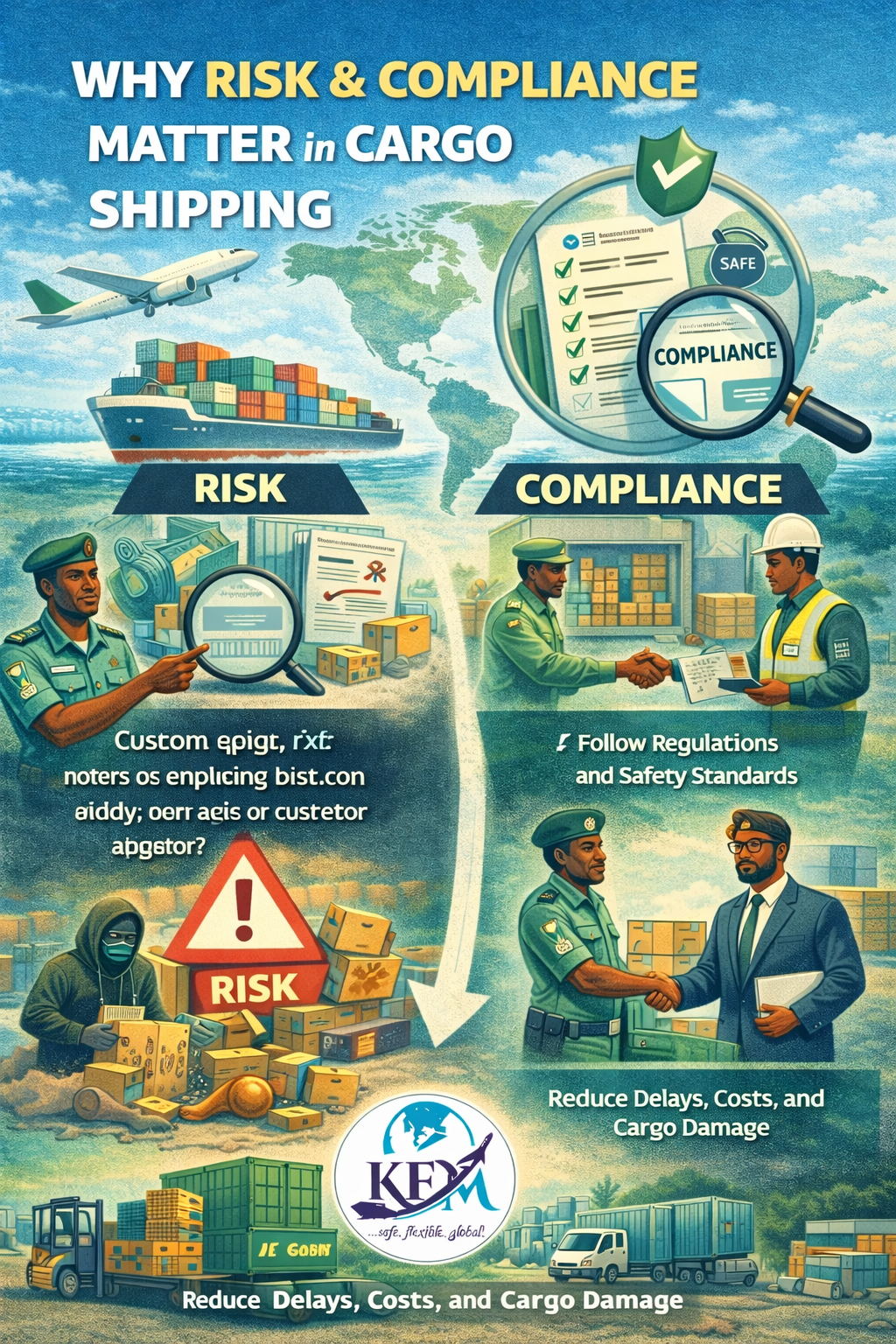
Incorrect or incomplete documentation can lead to clarification requests, processing issues, delays, and potentially additional costs.
💡 Practical Solution: Get the Paperwork Right From the Start
Make sure your shipment information and supporting documents are properly prepared and consistent before the cargo moves.
Where the shipment requires specific regulatory approvals or documentation, identify those requirements early.
Good compliance isn't an afterthought. It's part of good logistics planning.
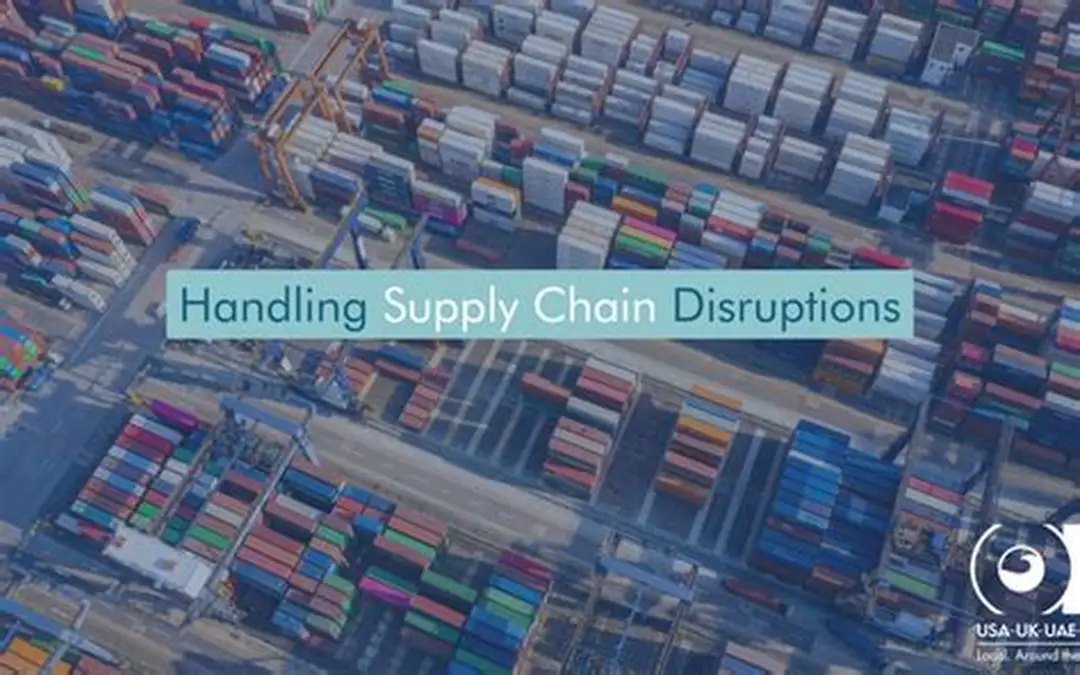
⏳ Challenge #3: Delays That Disrupt Business
A delayed shipment isn't just a logistics inconvenience.
It can mean empty shelves, delayed production, unhappy customers, missed sales, and additional costs.
💡 Practical Solution: Plan With Time Buffers
Don't build your entire business schedule around the assumption that every shipment will arrive exactly when expected.
Give critical shipments realistic time buffers and track their progress throughout the journey.
Good importers don't just plan for the expected. They prepare for the possible.
💱 Challenge #4: Exchange-Rate & Cash-Flow Pressure
Importing often involves international payments and expenses in foreign currencies.
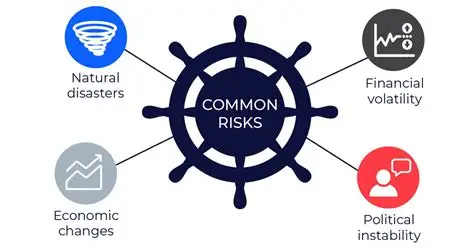
Changes in exchange rates can affect how much your business ultimately spends and can make budgeting more difficult.
💡 Practical Solution: Build Financial Flexibility
Understand your currency exposure, avoid committing more capital than your business can comfortably support, and include reasonable cost buffers in your import planning.
Cash flow can matter just as much as profit.
⚓ Challenge #5: Too Many Moving Parts
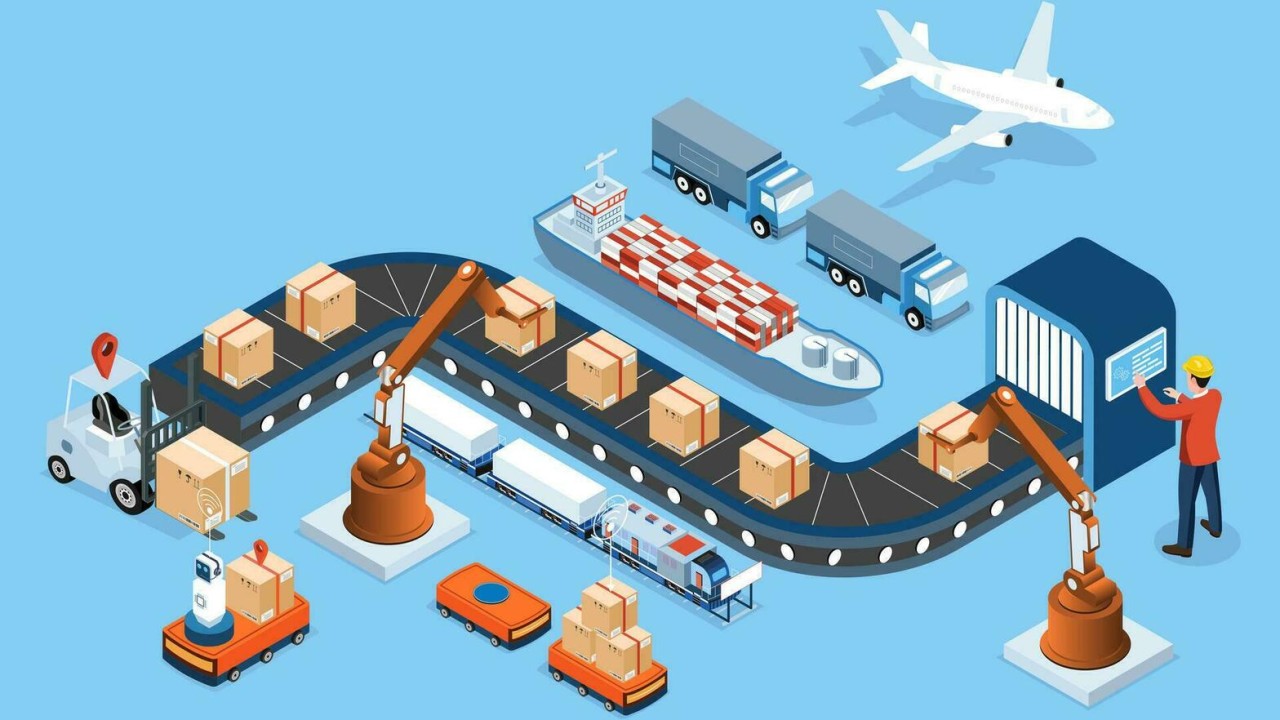
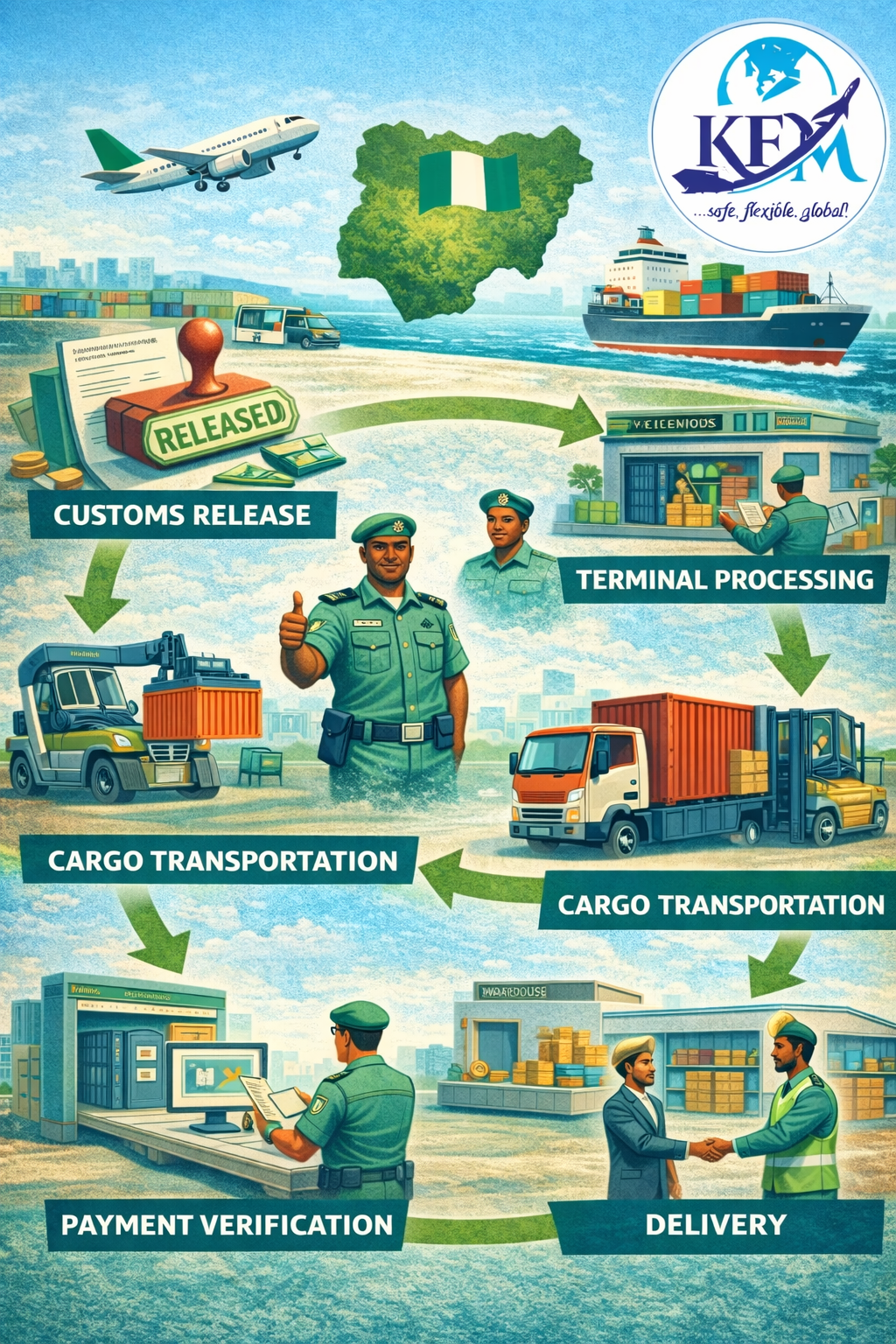
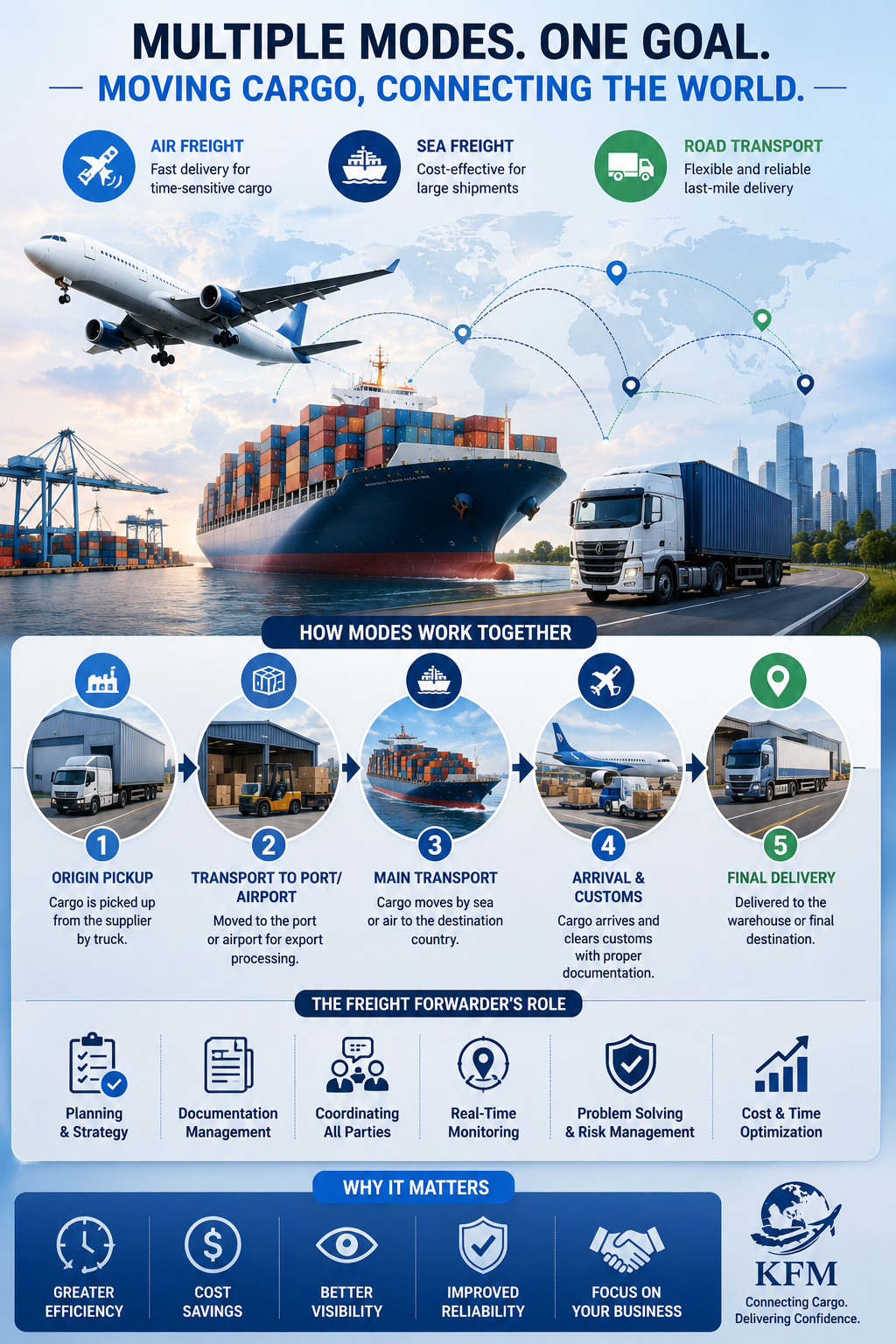
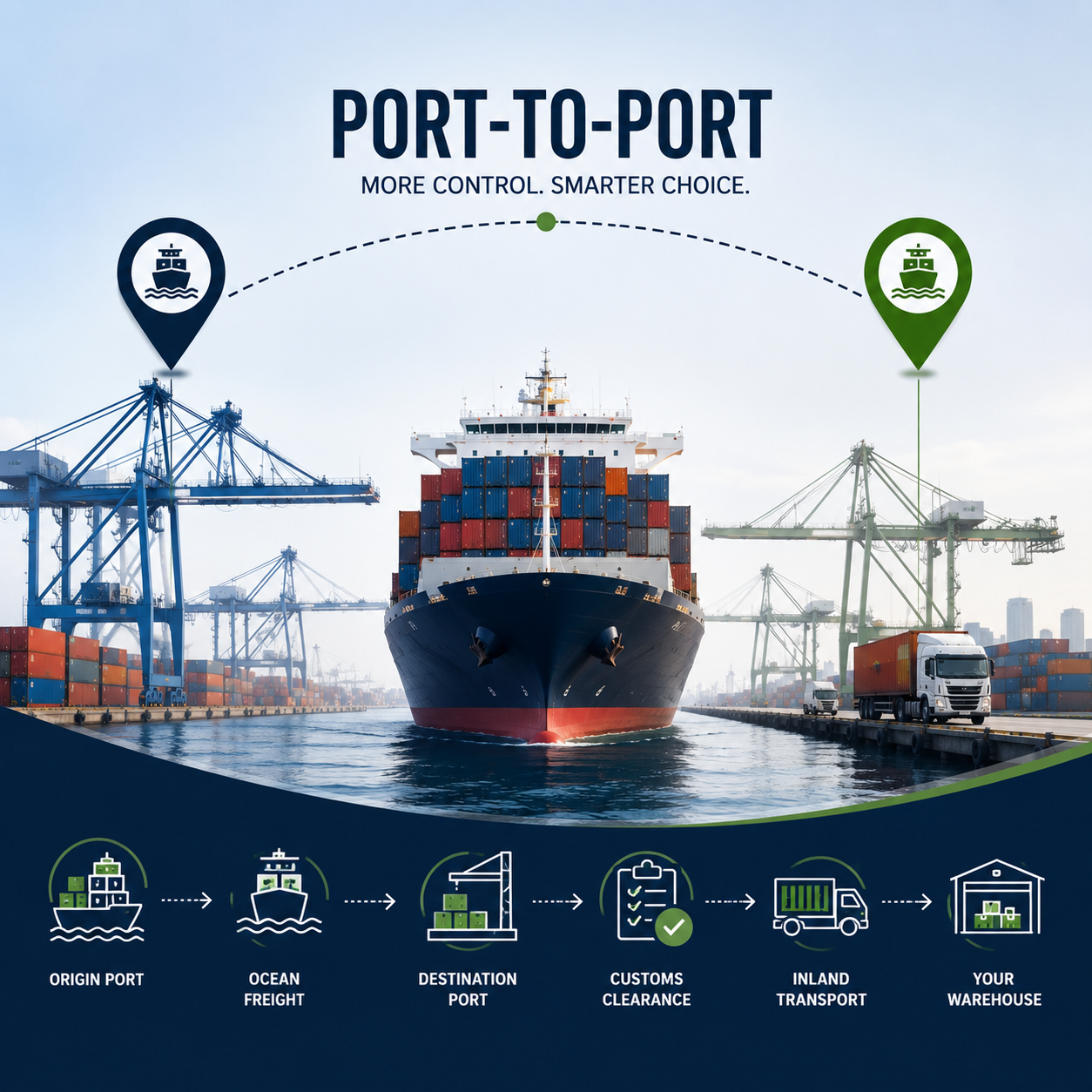
Supplier. Freight company. Port. Customs. Clearing agent. Transporter. Warehouse.
That's a lot of people and processes to coordinate.
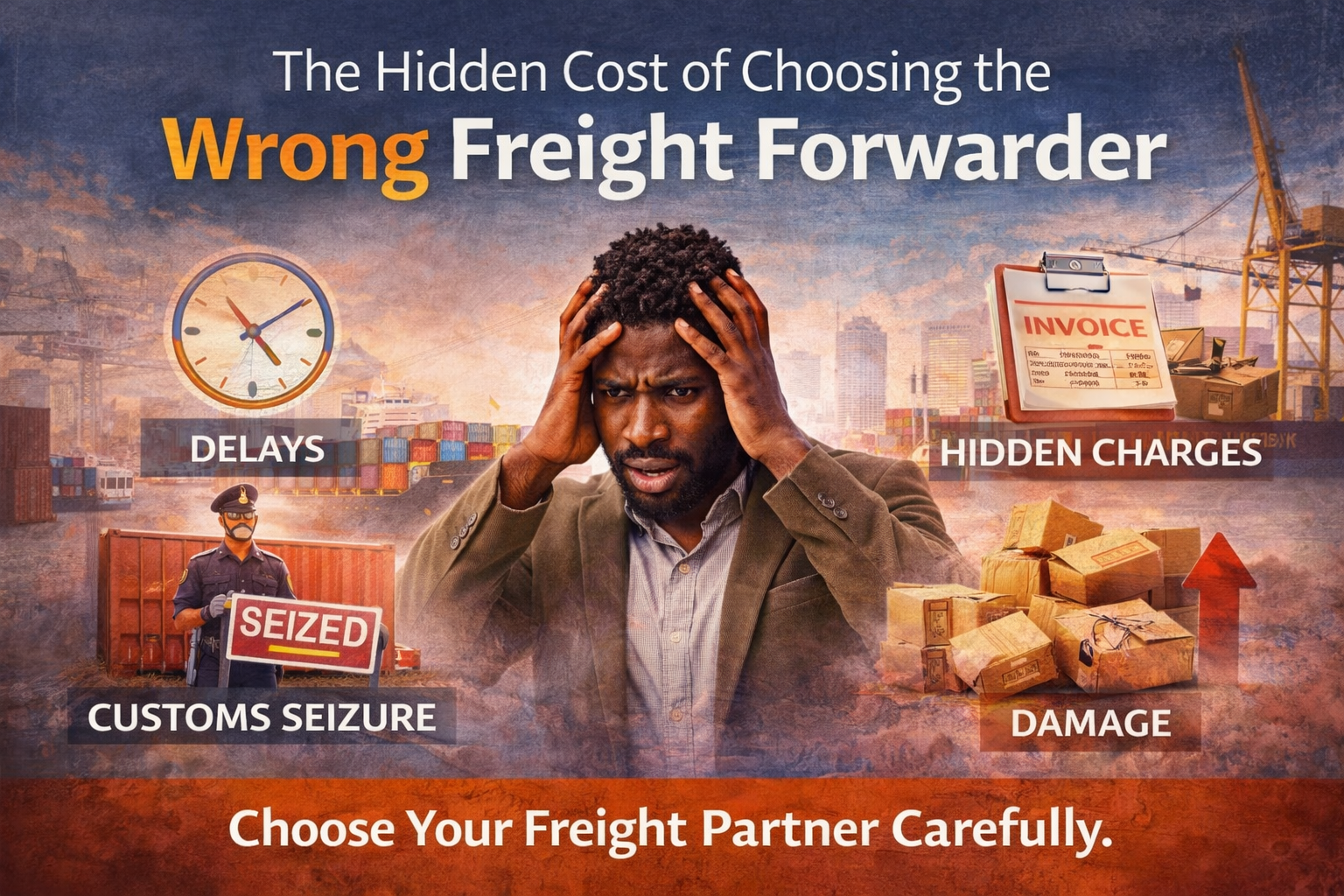
When communication breaks down between just two of them, the importer often ends up chasing answers.
Practical Solution: Create One Clear Logistics Chain
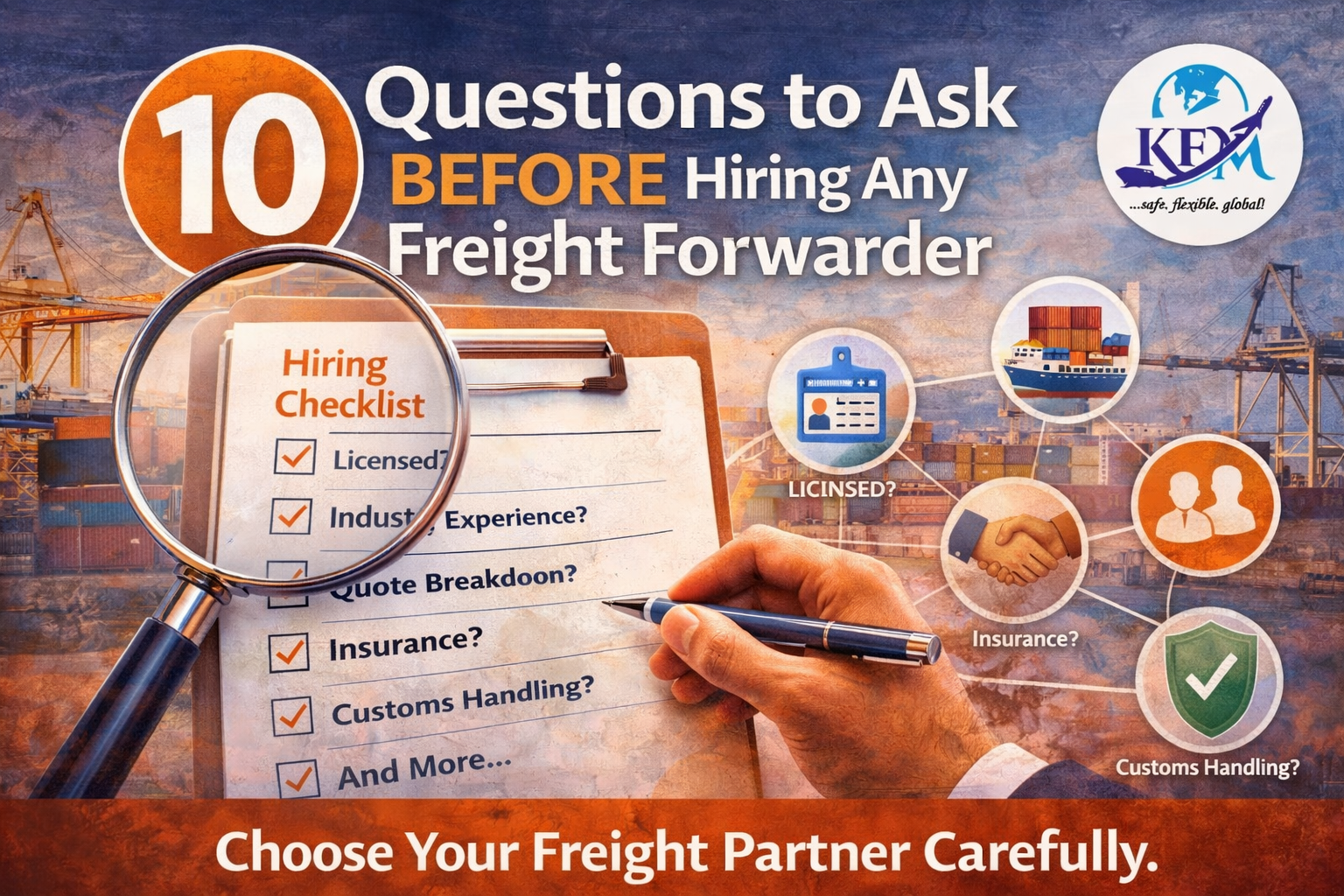
Use reliable partners, establish clear responsibilities, keep your documentation organised, and maintain visibility throughout the shipment.
The fewer unnecessary gaps between each stage, the easier it becomes to identify and solve problems quickly.
The KFM Perspective
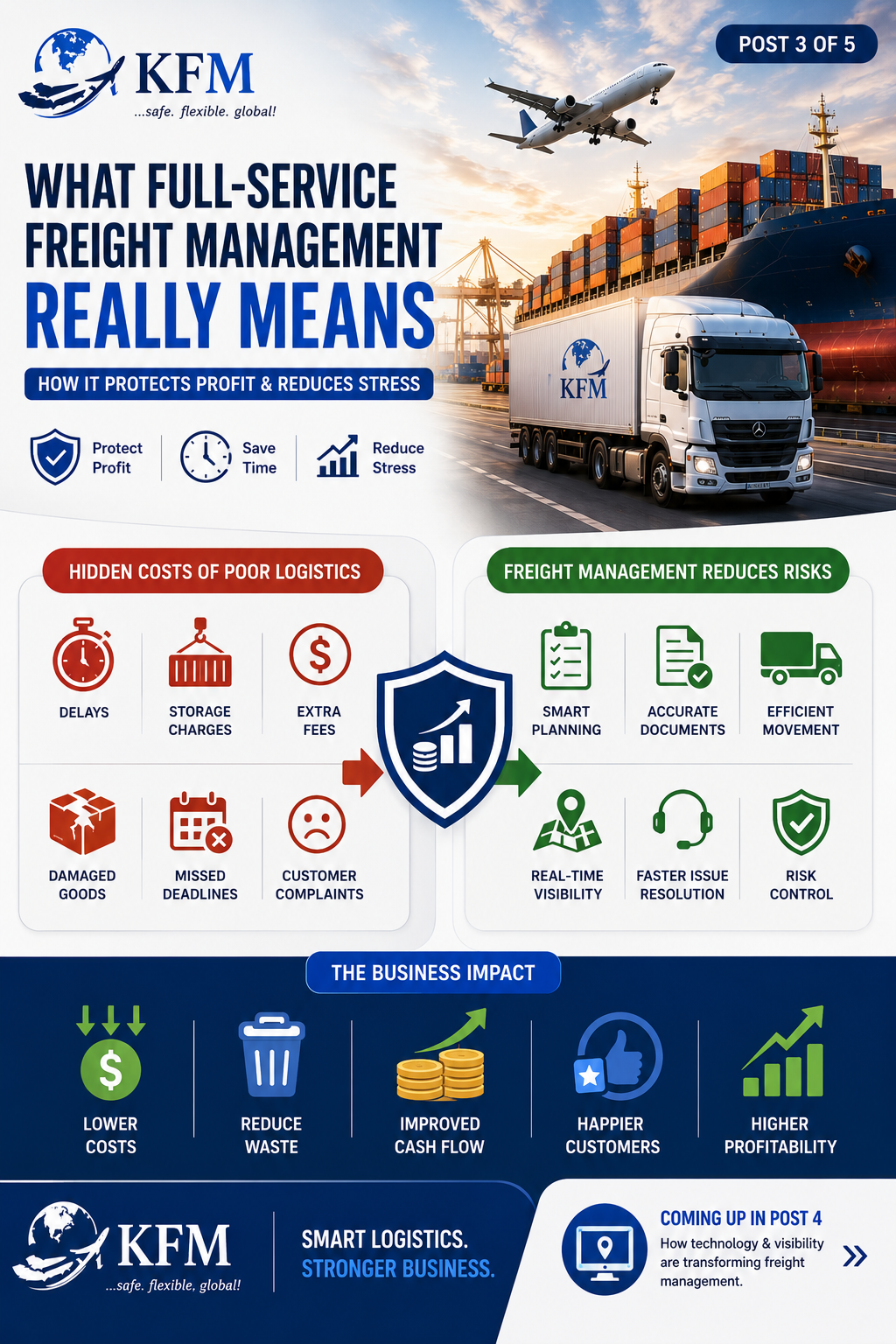
At KFM, we believe importing shouldn't feel like a series of surprises.
The goal isn't to pretend that logistics challenges don't exist.
The goal is to anticipate them, plan for them, and have the right people and processes in place to deal with them.
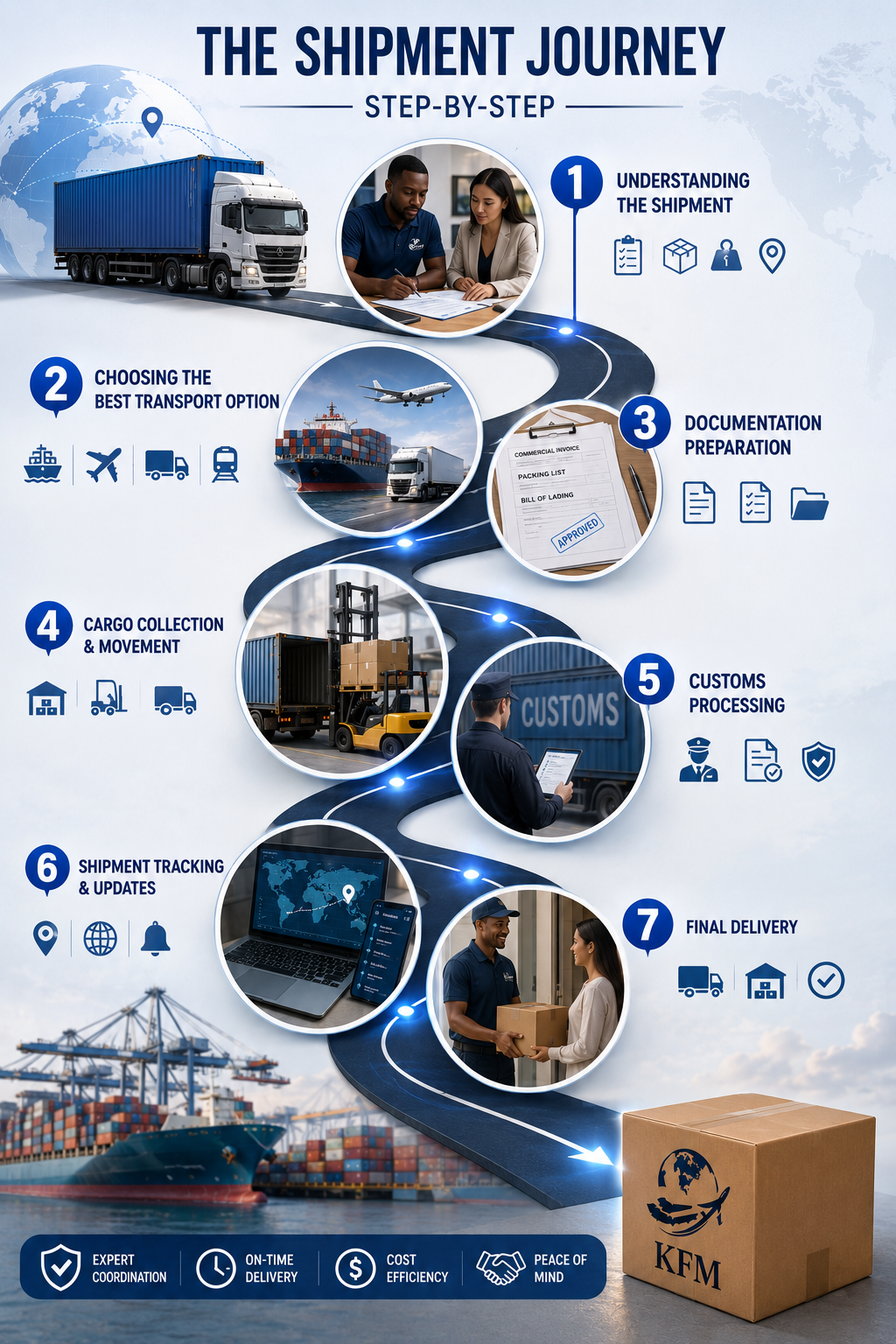
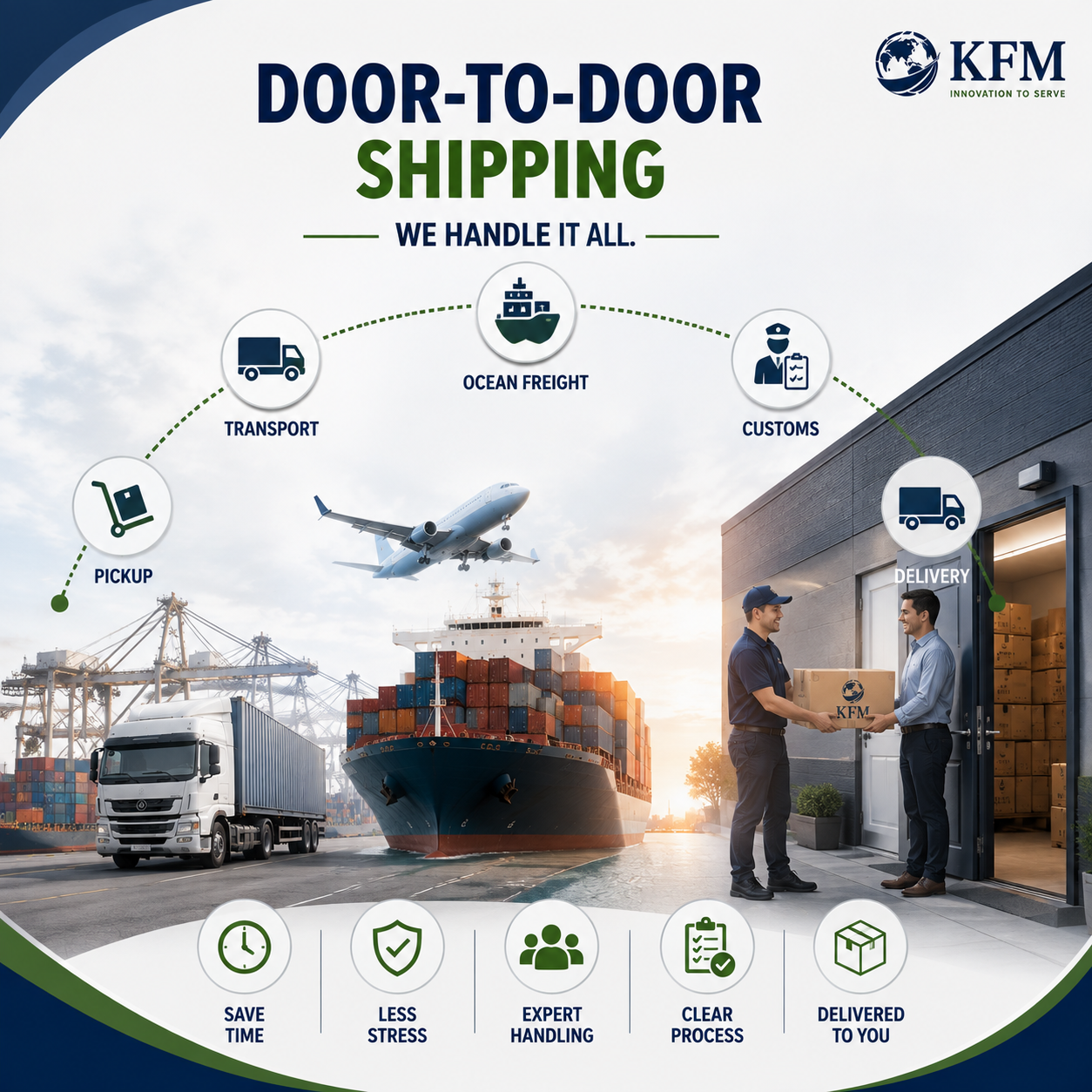
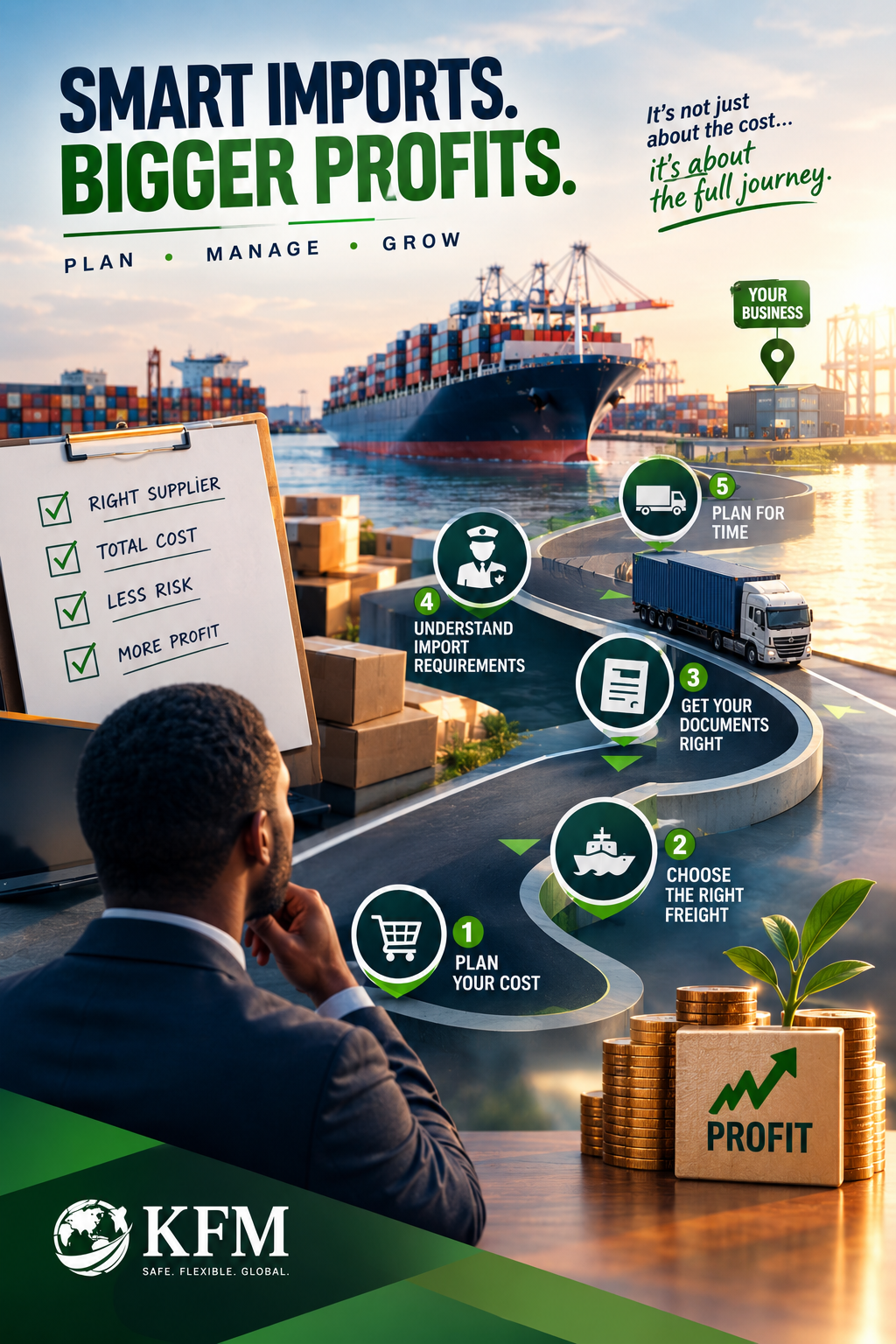
From freight coordination and documentation to customs support and destination delivery, every stage matters.
Because a successful import isn't simply one where the cargo arrives.
It's one where the cargo arrives with your timeline, your budget, and your business objectives still intact.
Coming Up in Post 2 👀
Next, we'll tackle one of the biggest headaches for Nigerian importers: rising and unpredictable import costs—and practical ways to keep them under control.
Don't wait for a logistics problem to become expensive before you start managing it.