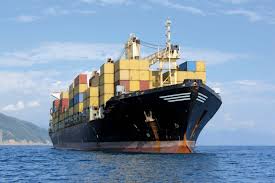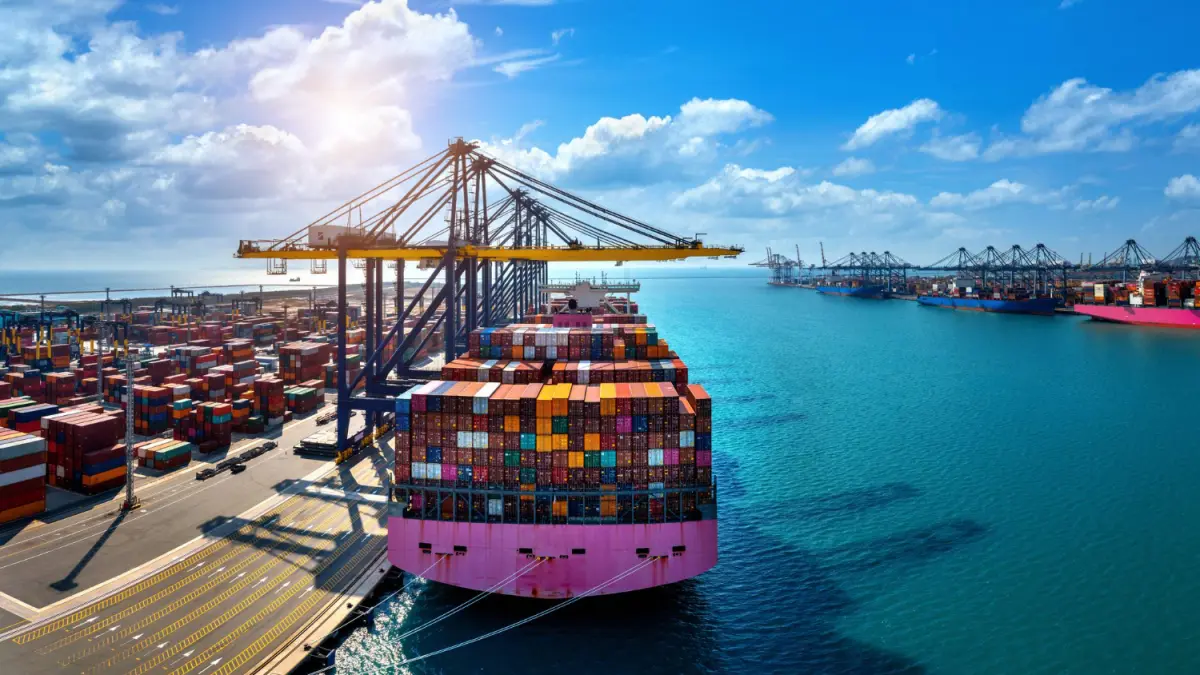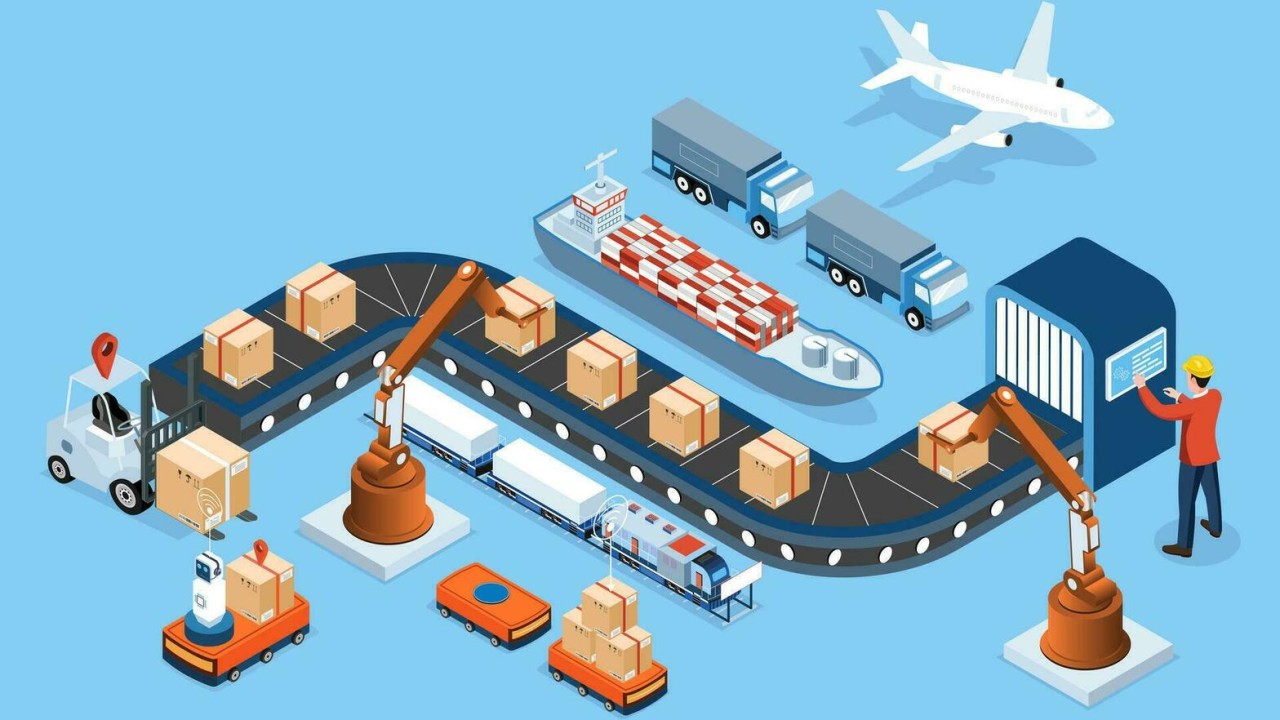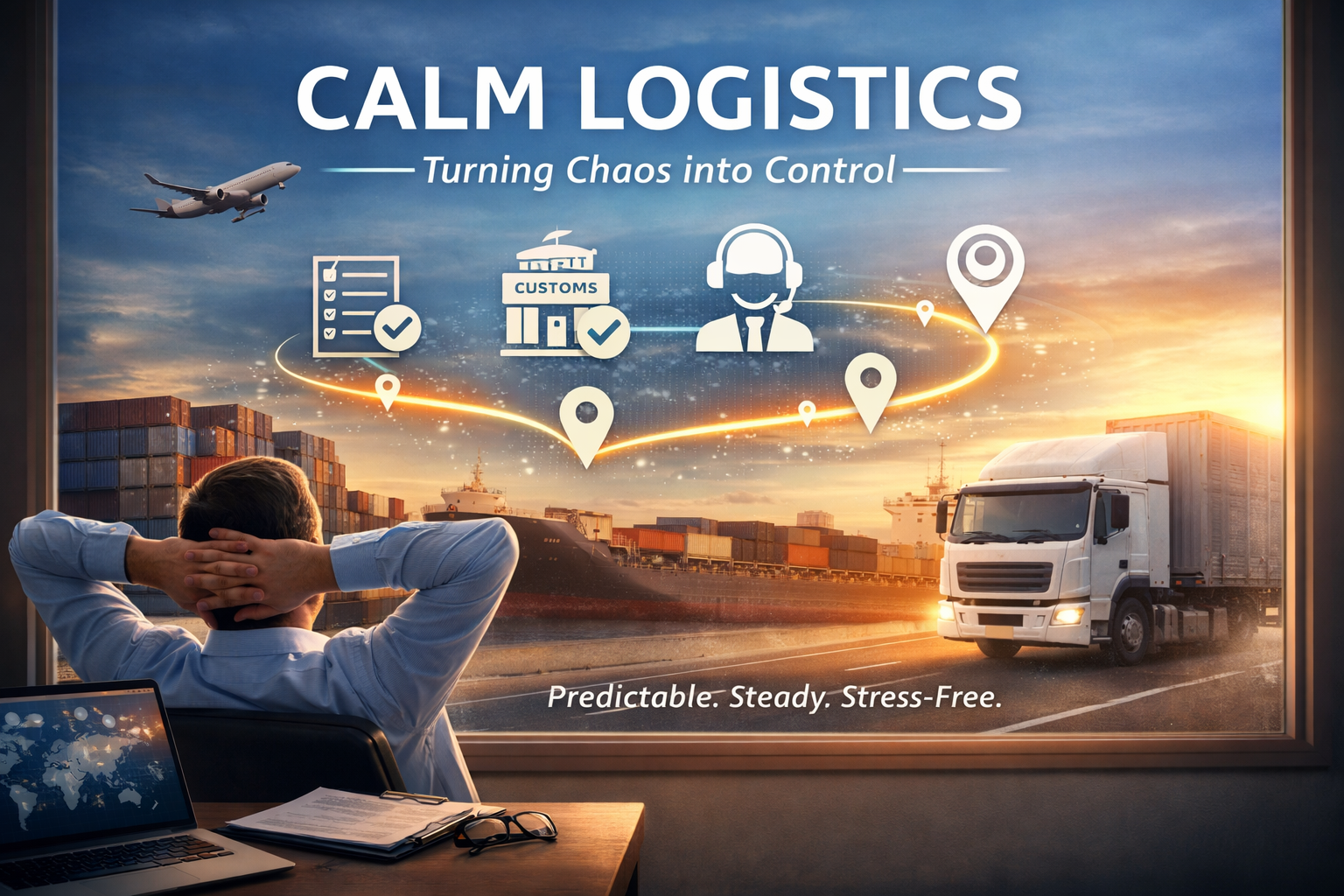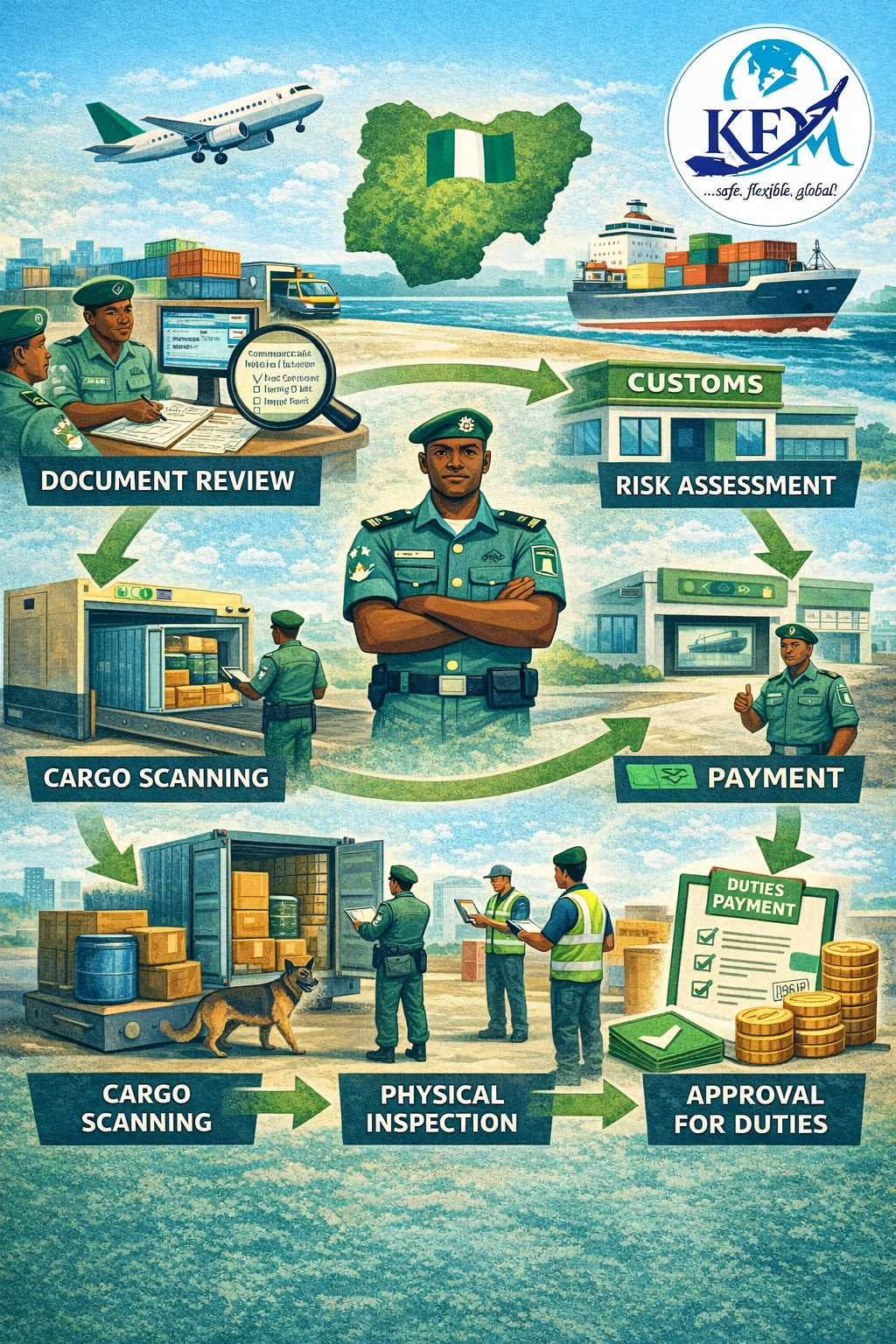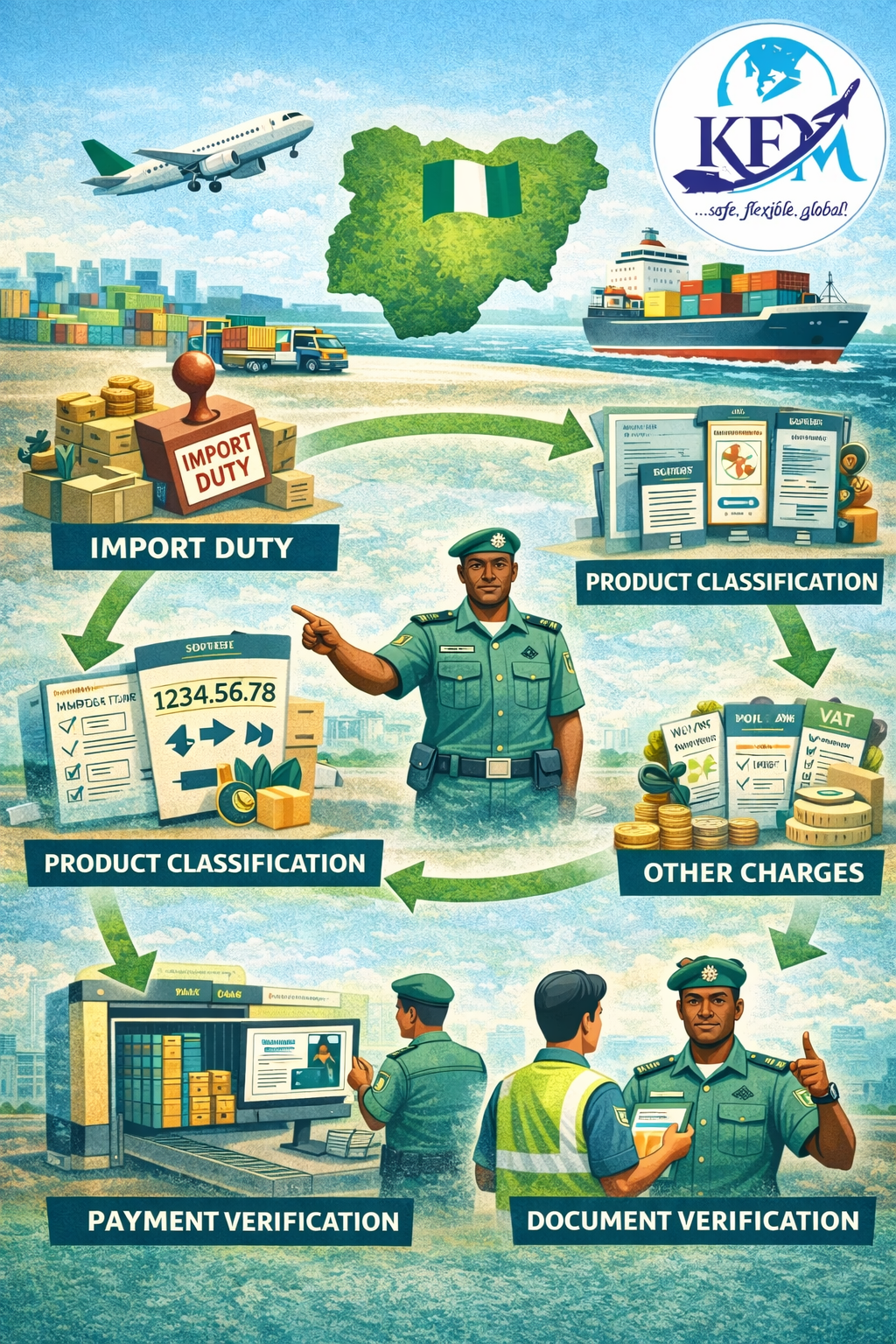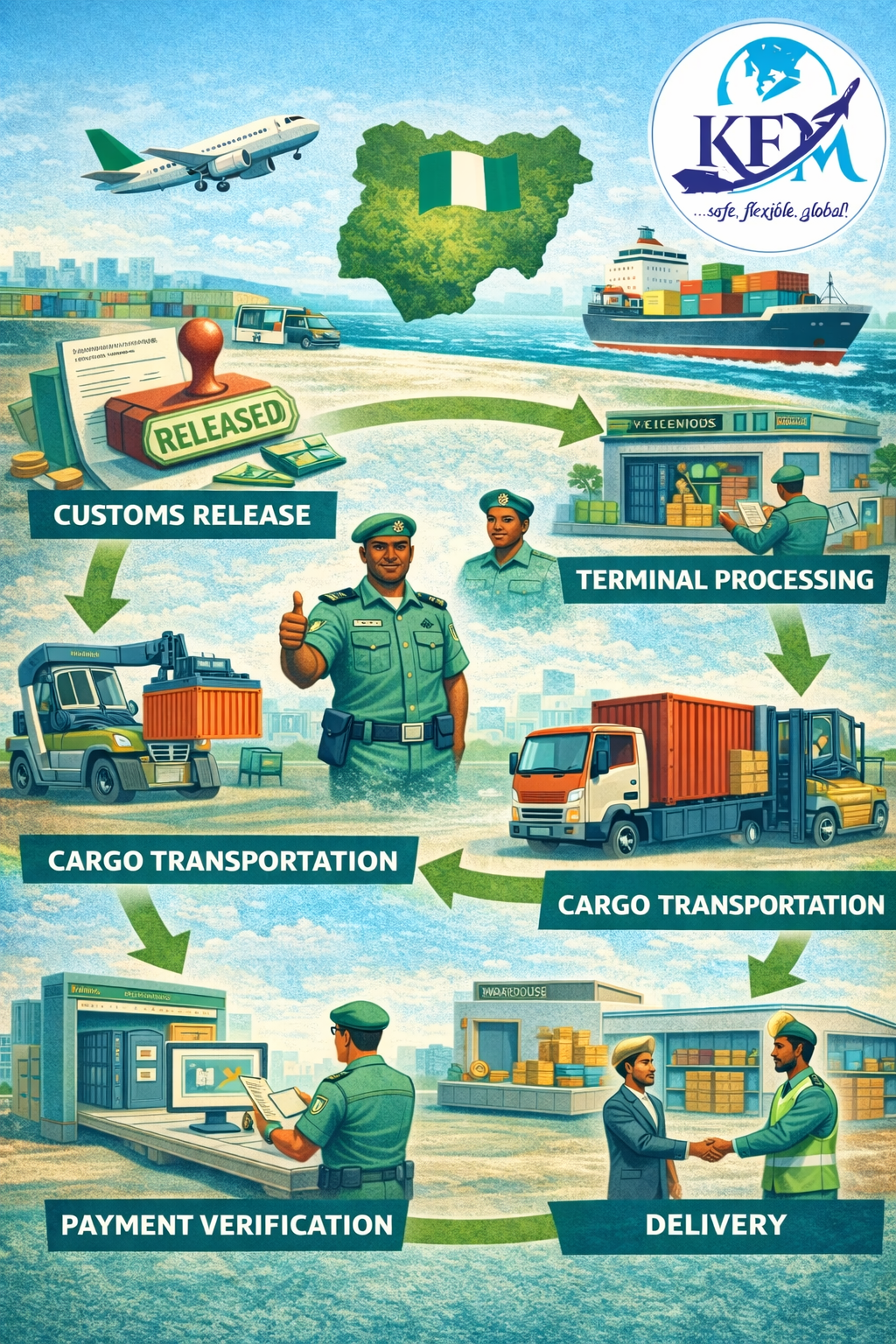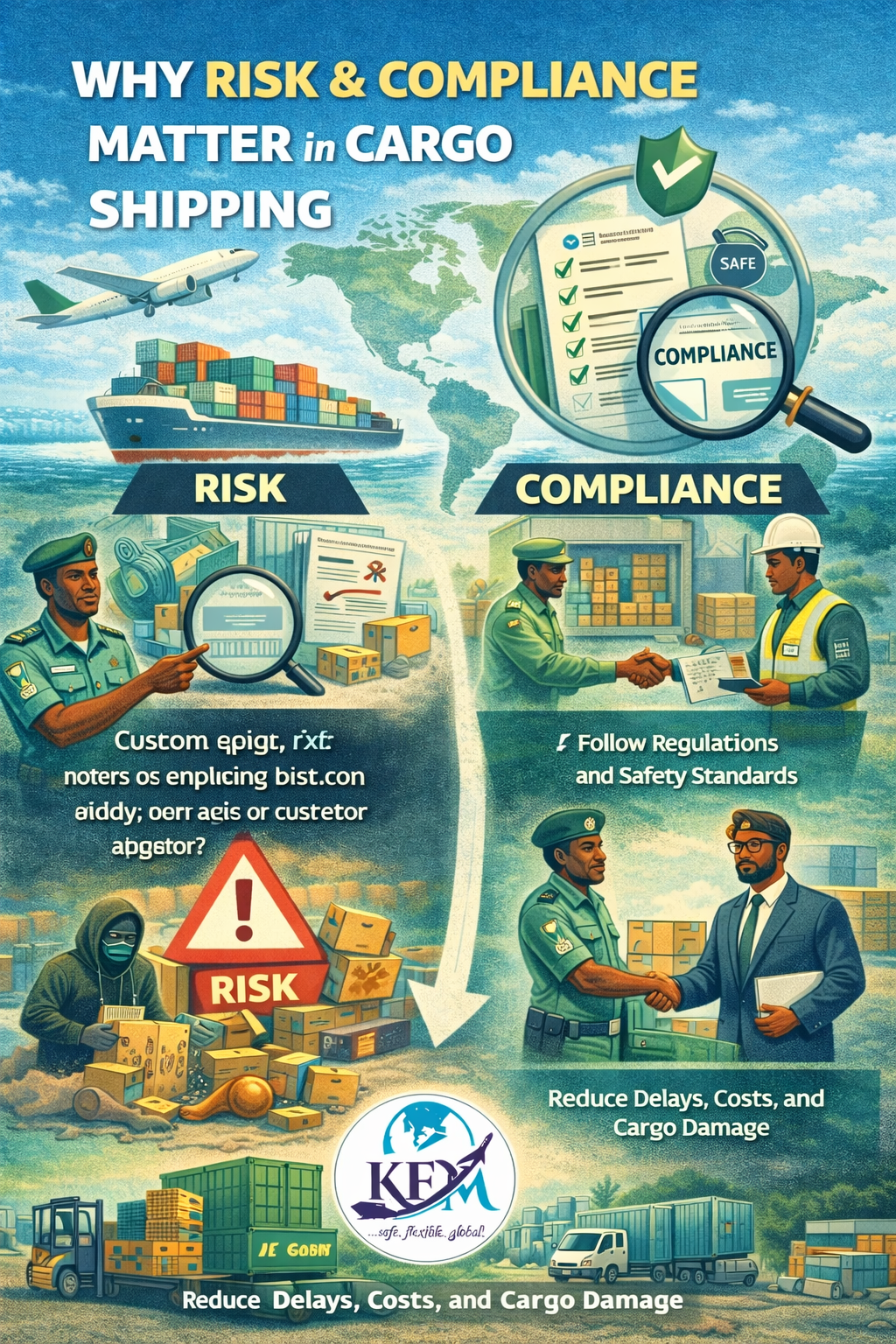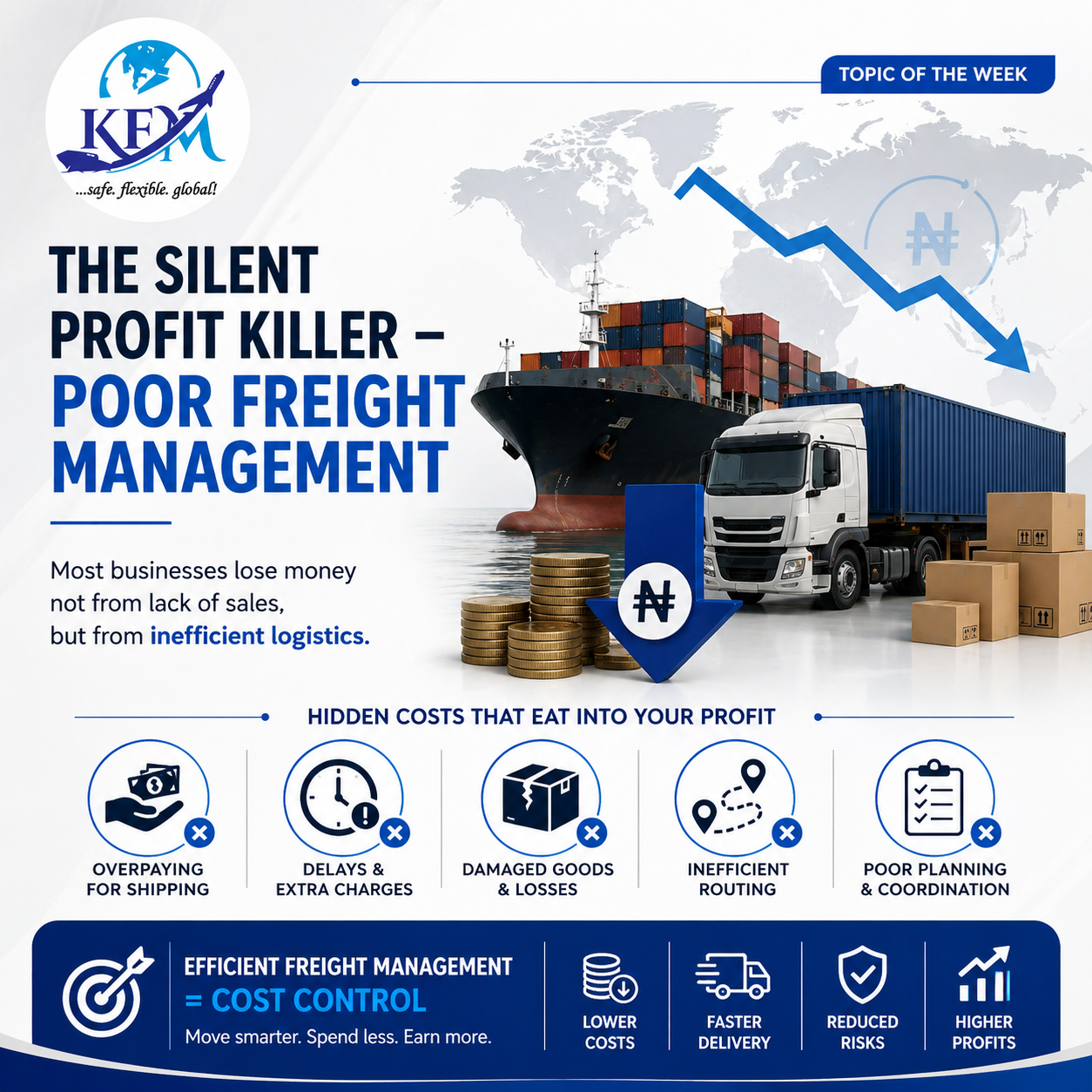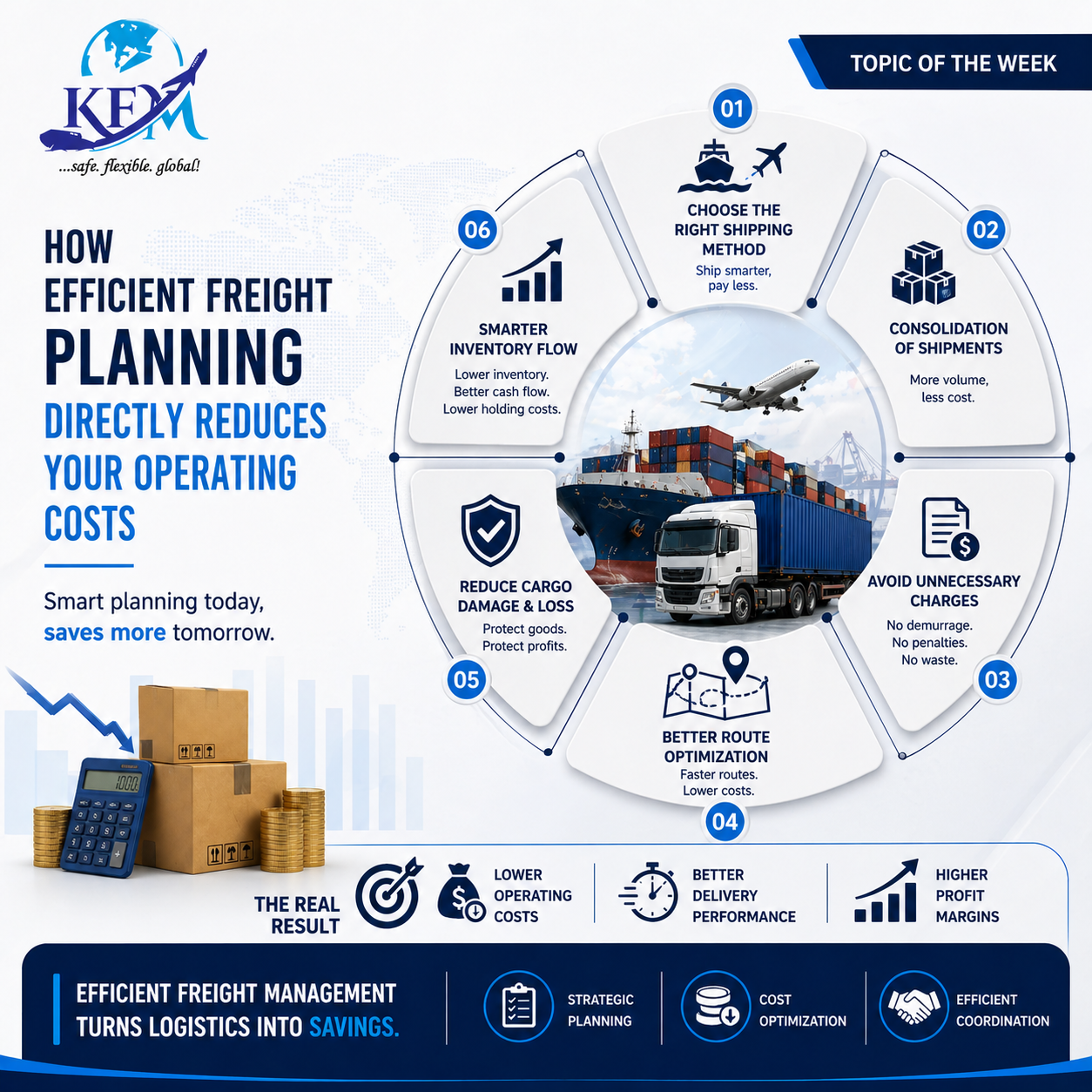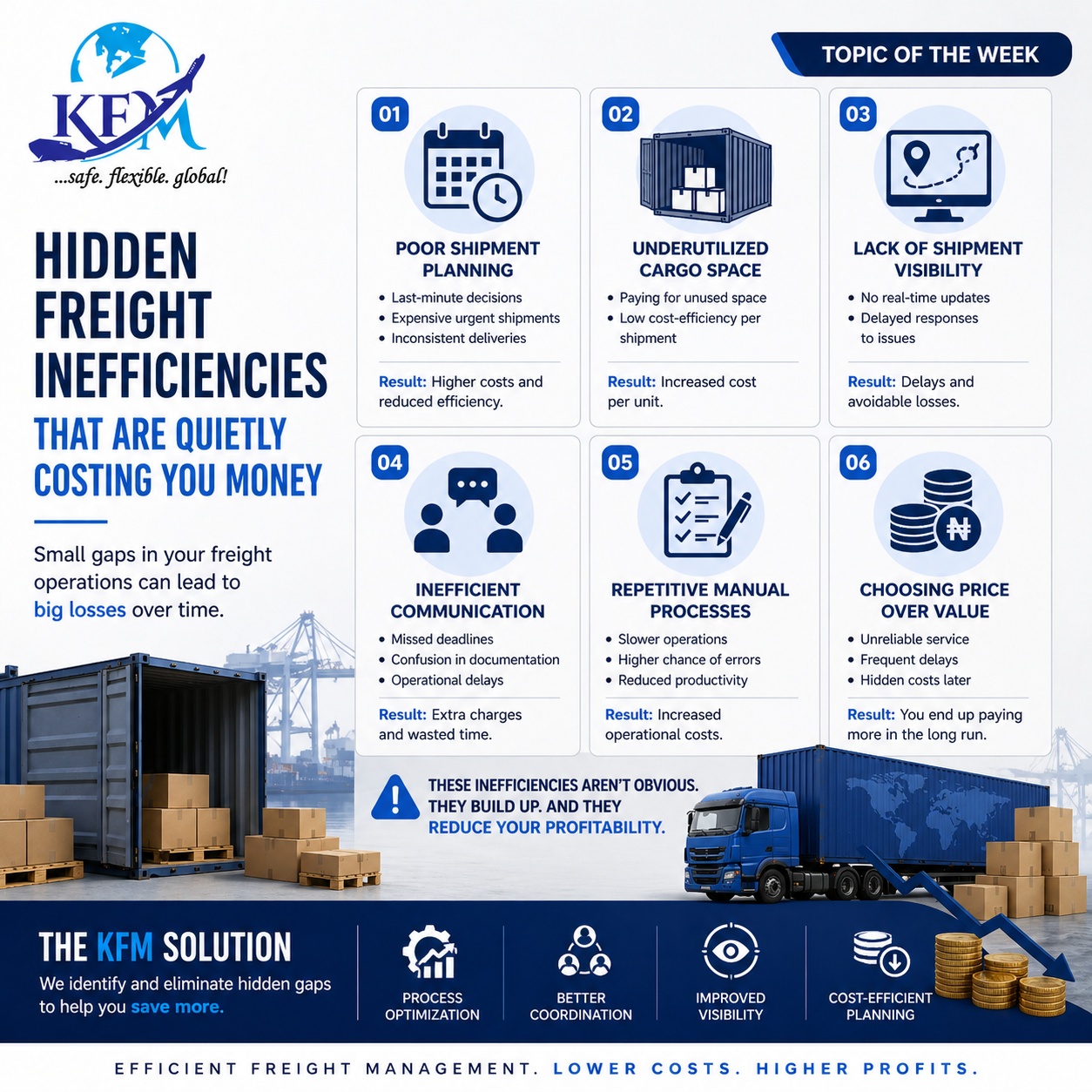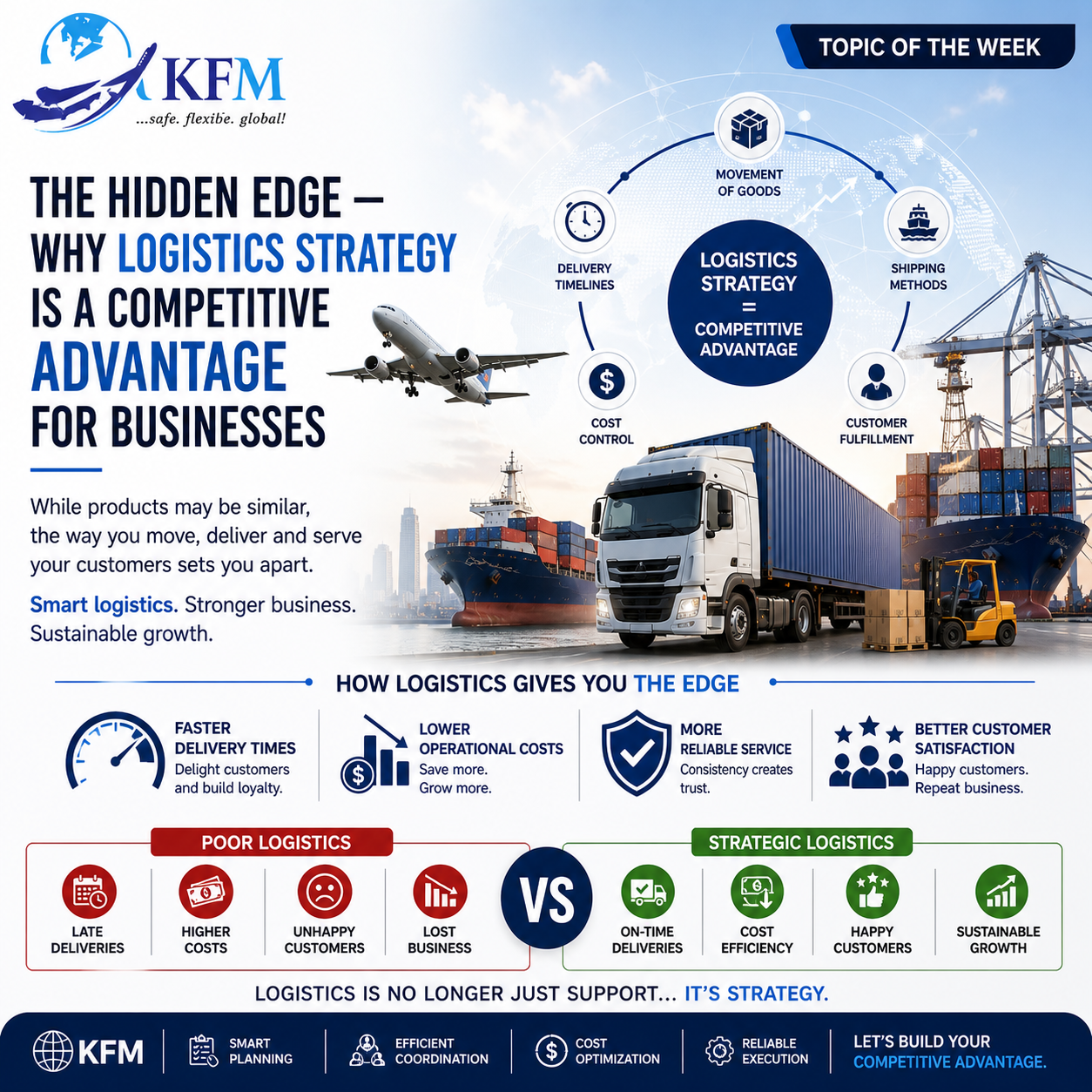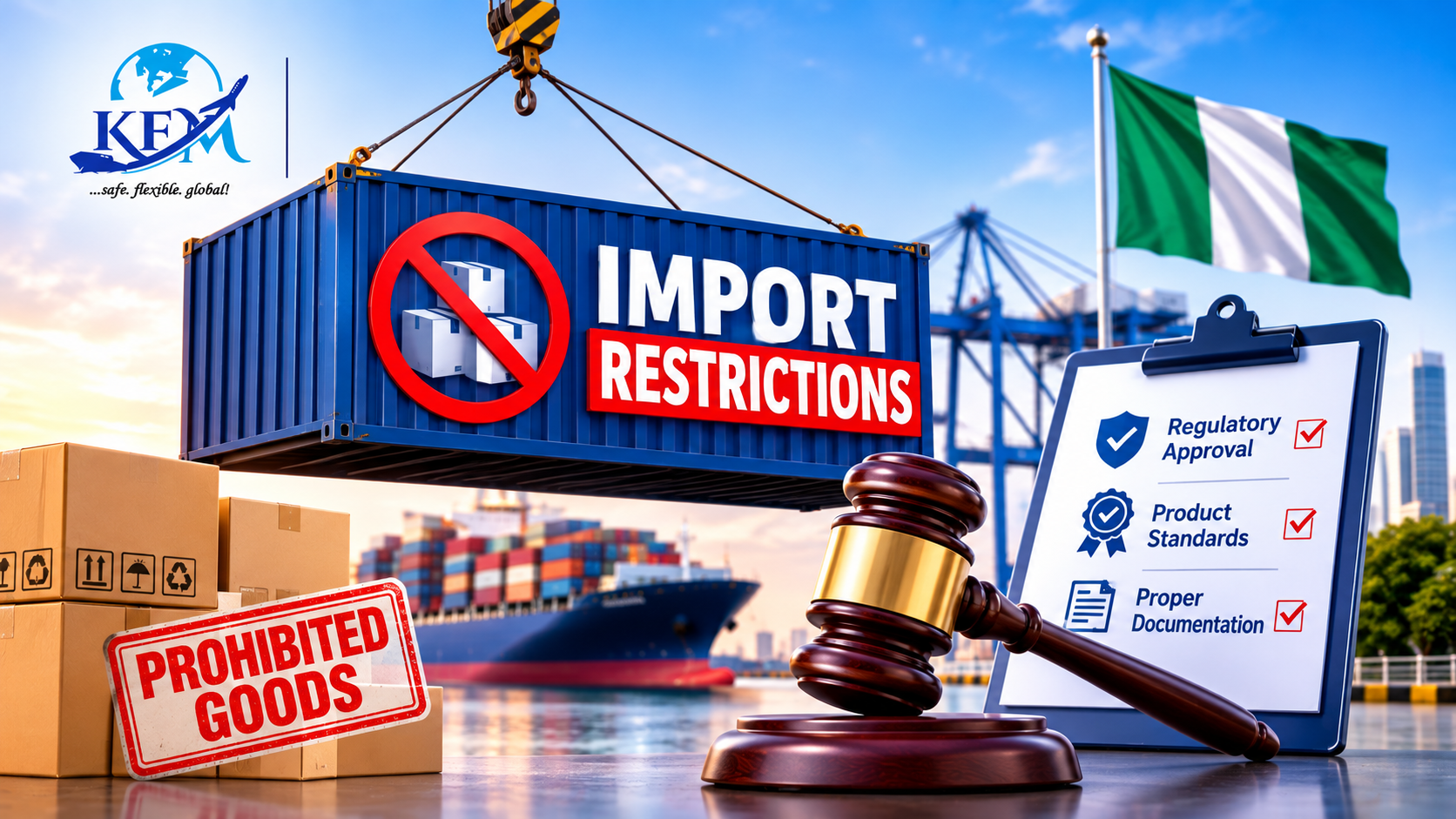
Importing doesn't have to be a stressful experience. With the right preparation, you can reduce avoidable delays, manage costs, and move your cargo with greater confidence.
Let's be honest.
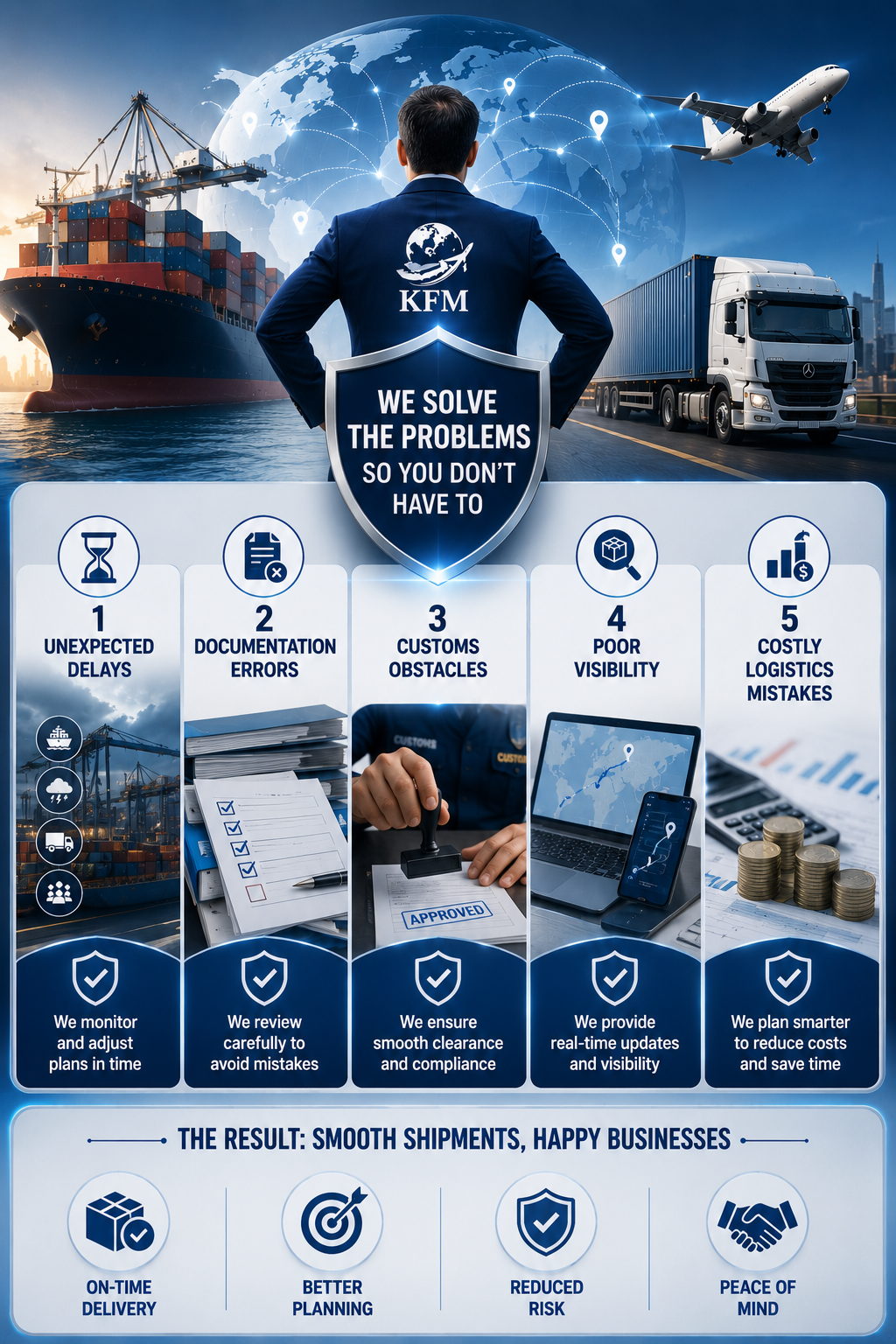
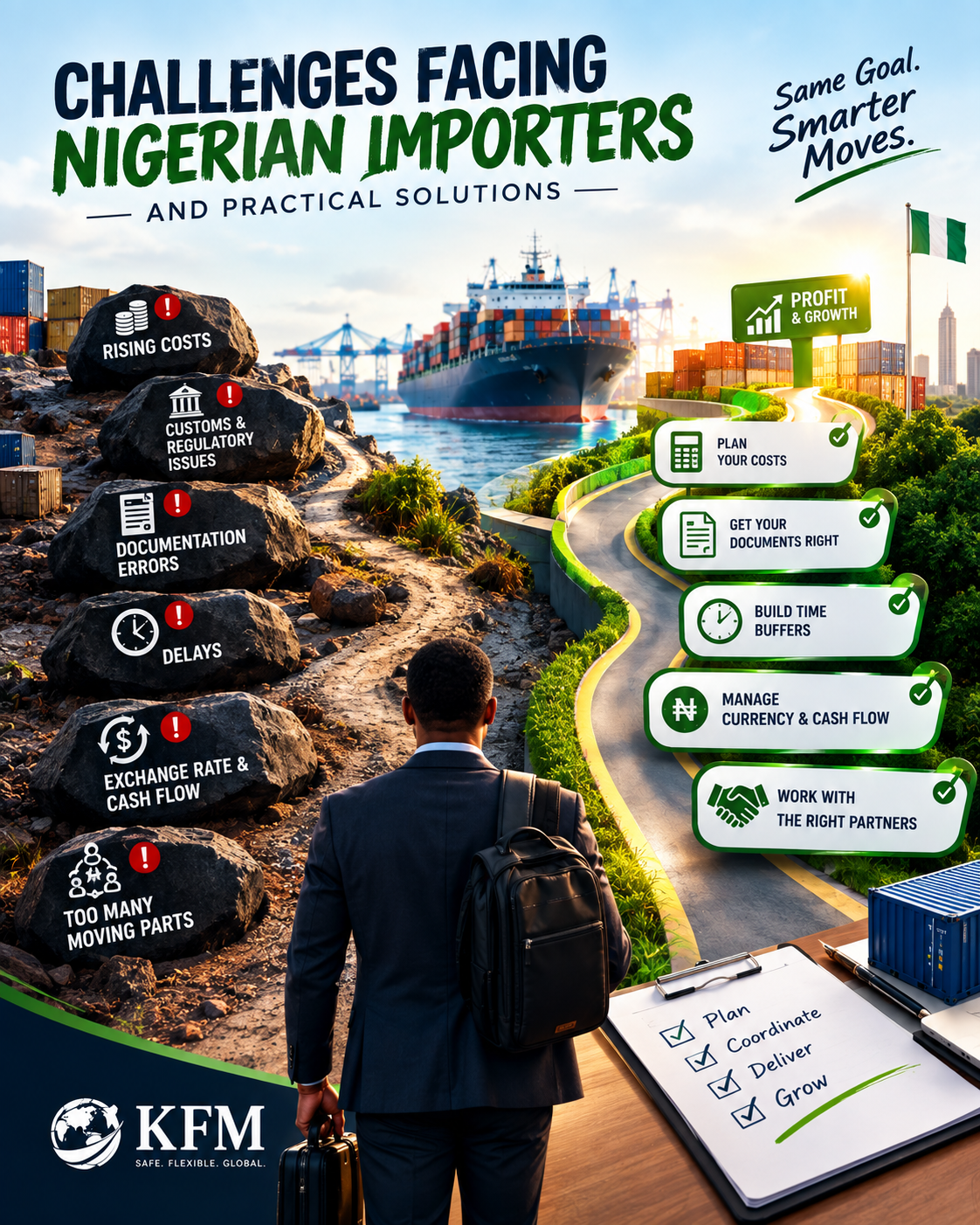
Importing into Nigeria can sometimes feel like a journey filled with unexpected turns.
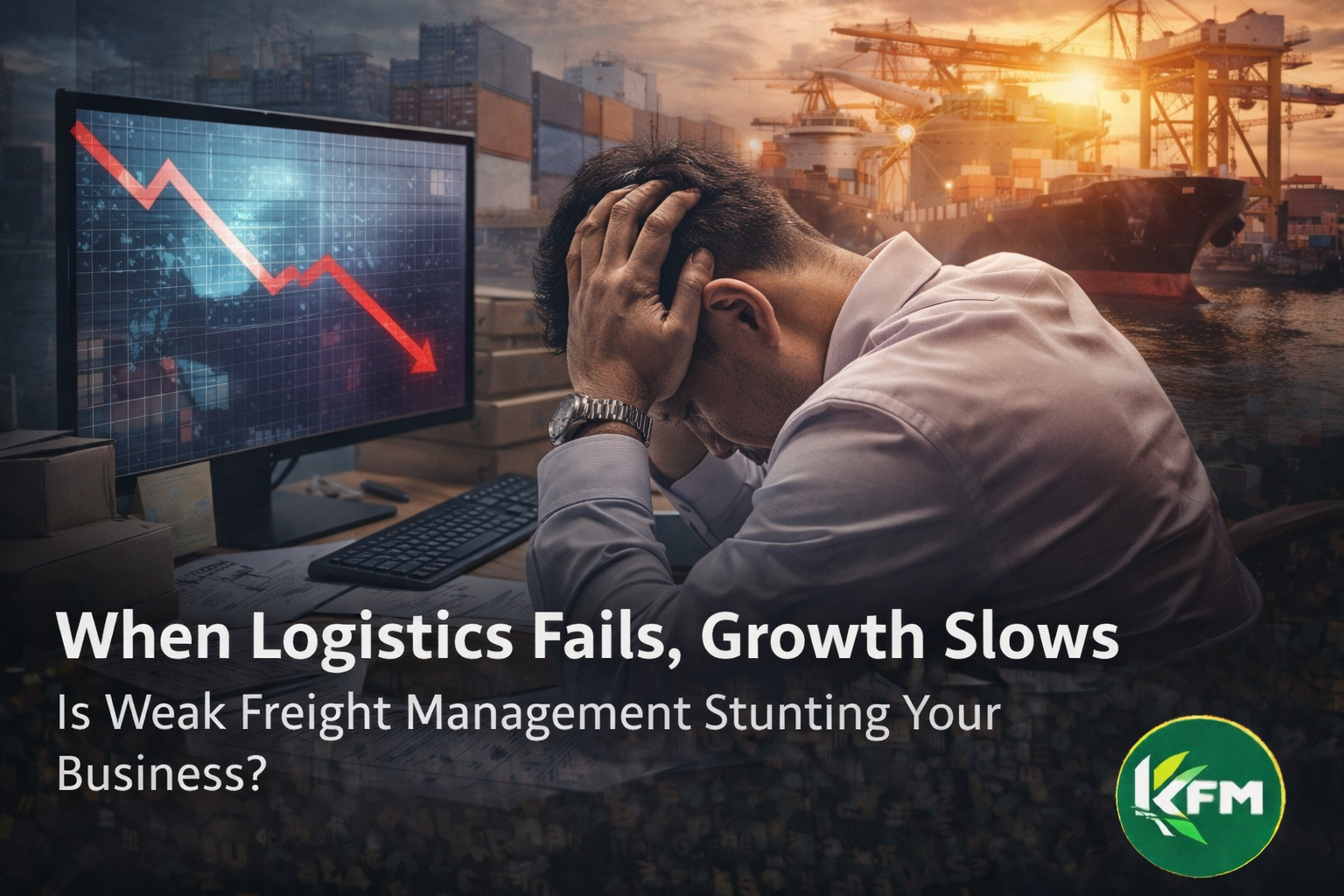
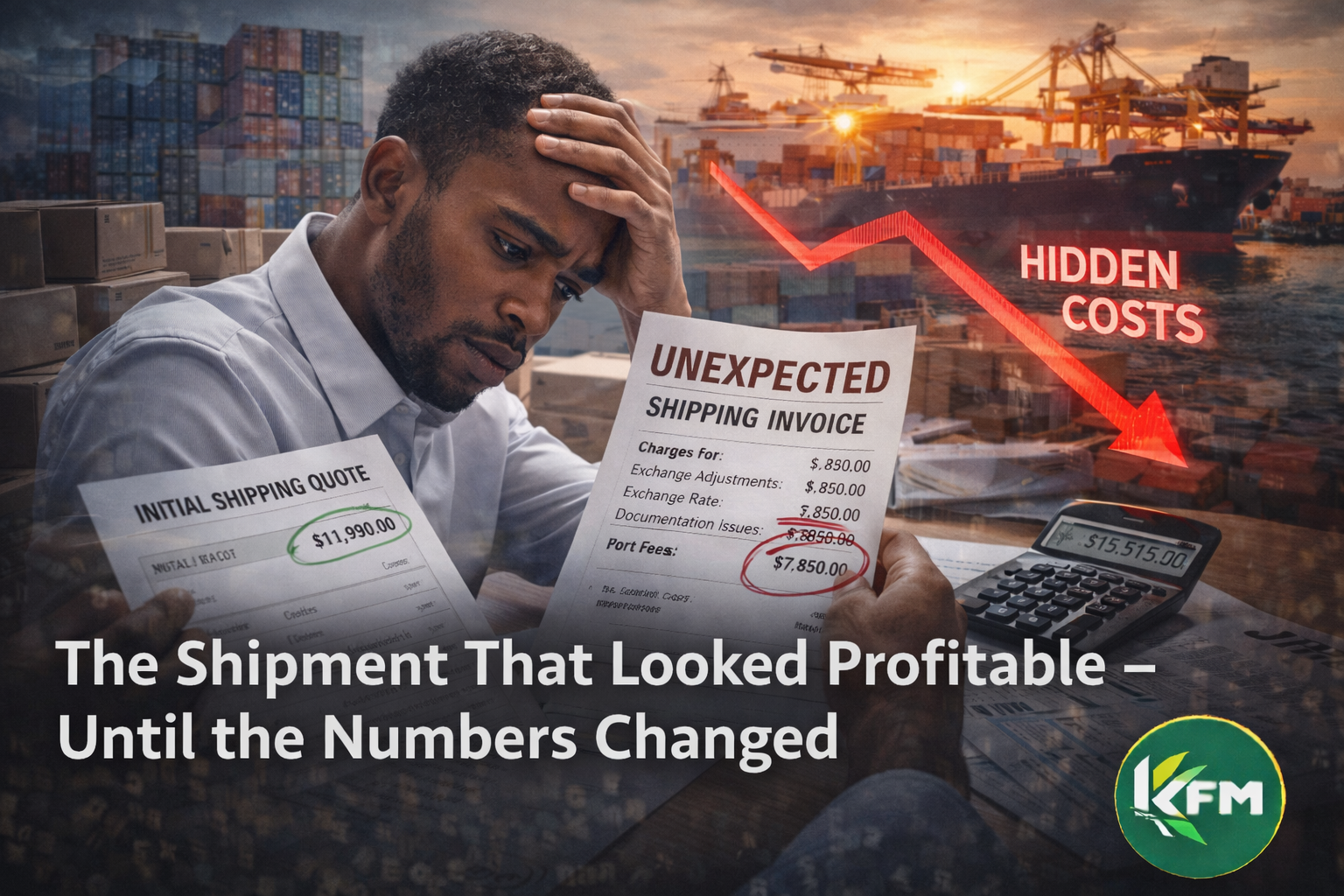
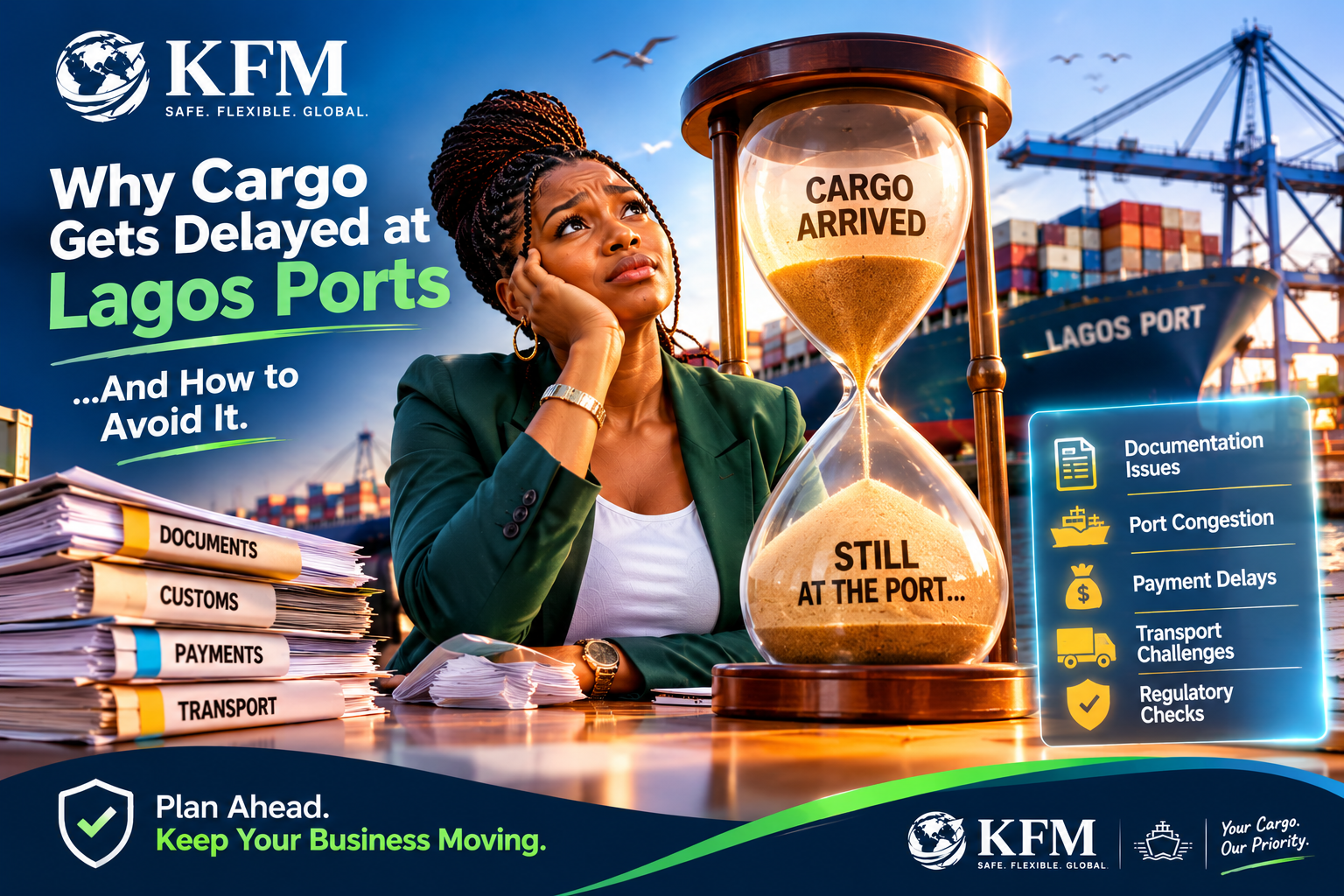
One minute, your shipment is on its way. The next, you're dealing with documentation issues, port delays, unexpected charges, or transportation challenges.
But here's something every importer should understand:
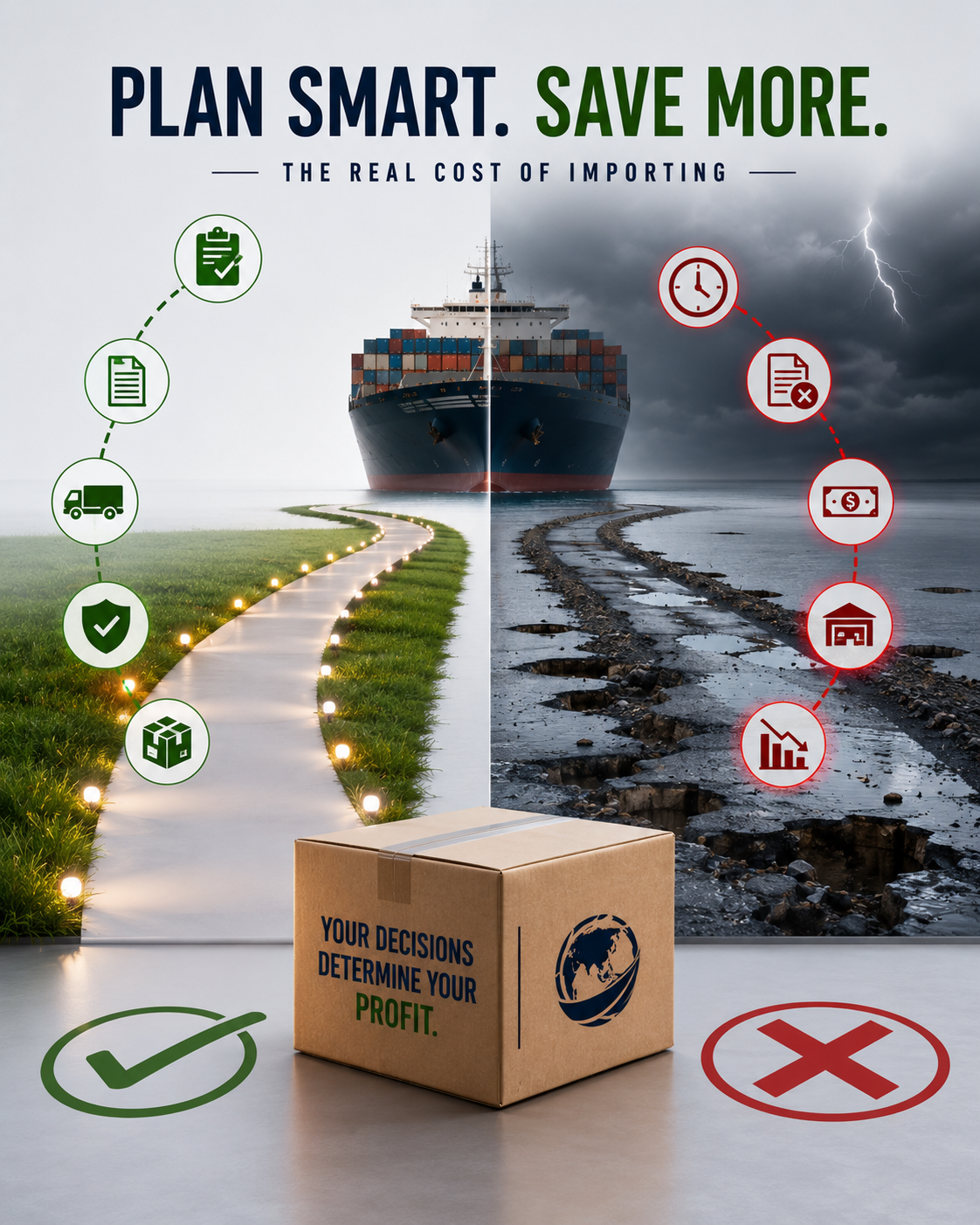
A smoother importation journey begins long before your cargo reaches the port.
At KFM, we believe successful importing is built on preparation, coordination, and making informed logistics decisions.
Let's walk through how to get it right.
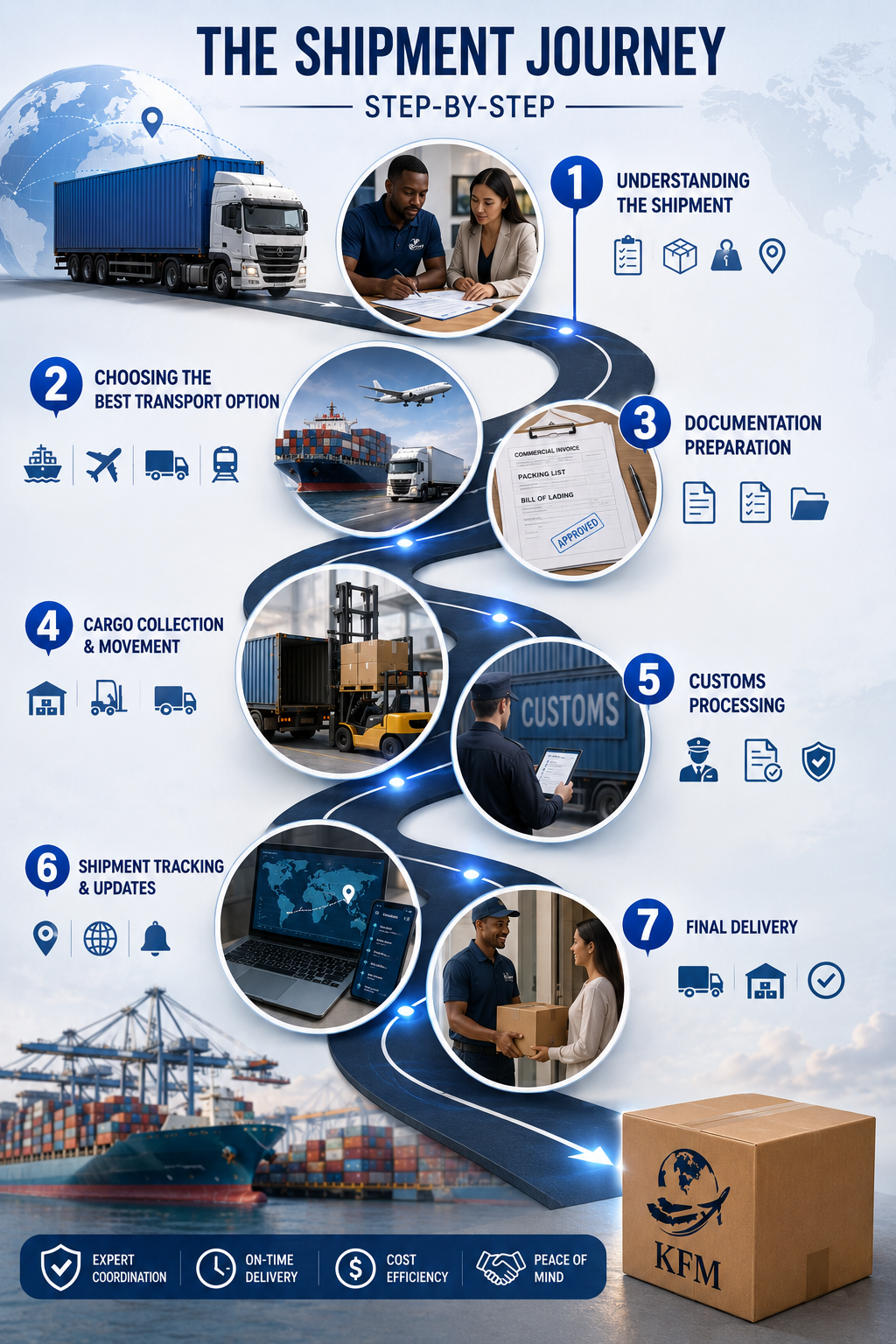
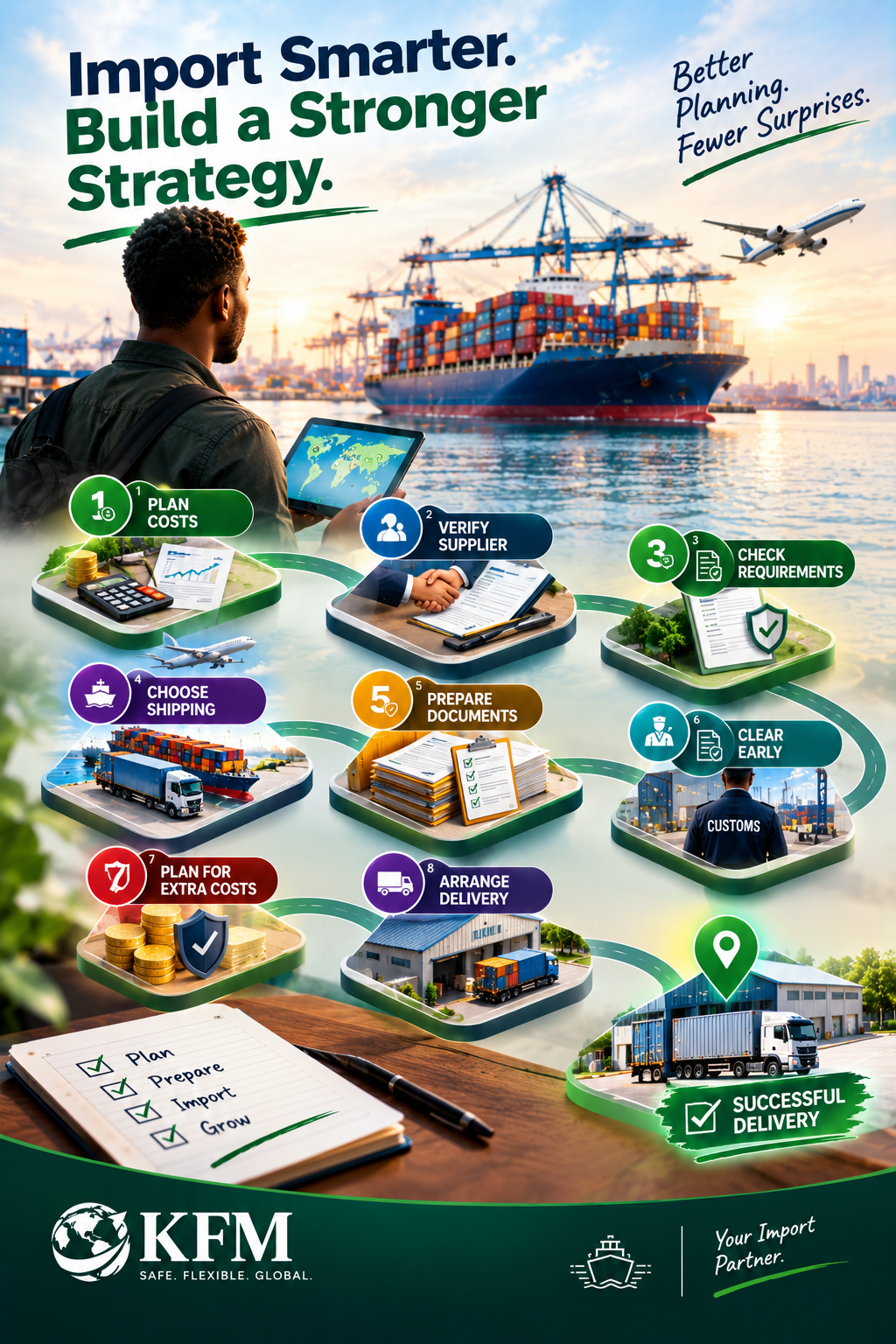
1. Start With Proper Import Planning
Before placing an order with your overseas supplier, take time to understand what your importation will involve.
Ask yourself:
- What exactly am I importing?
- Are there specific regulatory requirements for these goods?
- What documents or approvals will I need?
- How much will the entire importation cost?
- Where will my cargo eventually be delivered?
Answering these questions early helps you avoid unnecessary surprises later.
2. Get Your Documentation Right From the Beginning
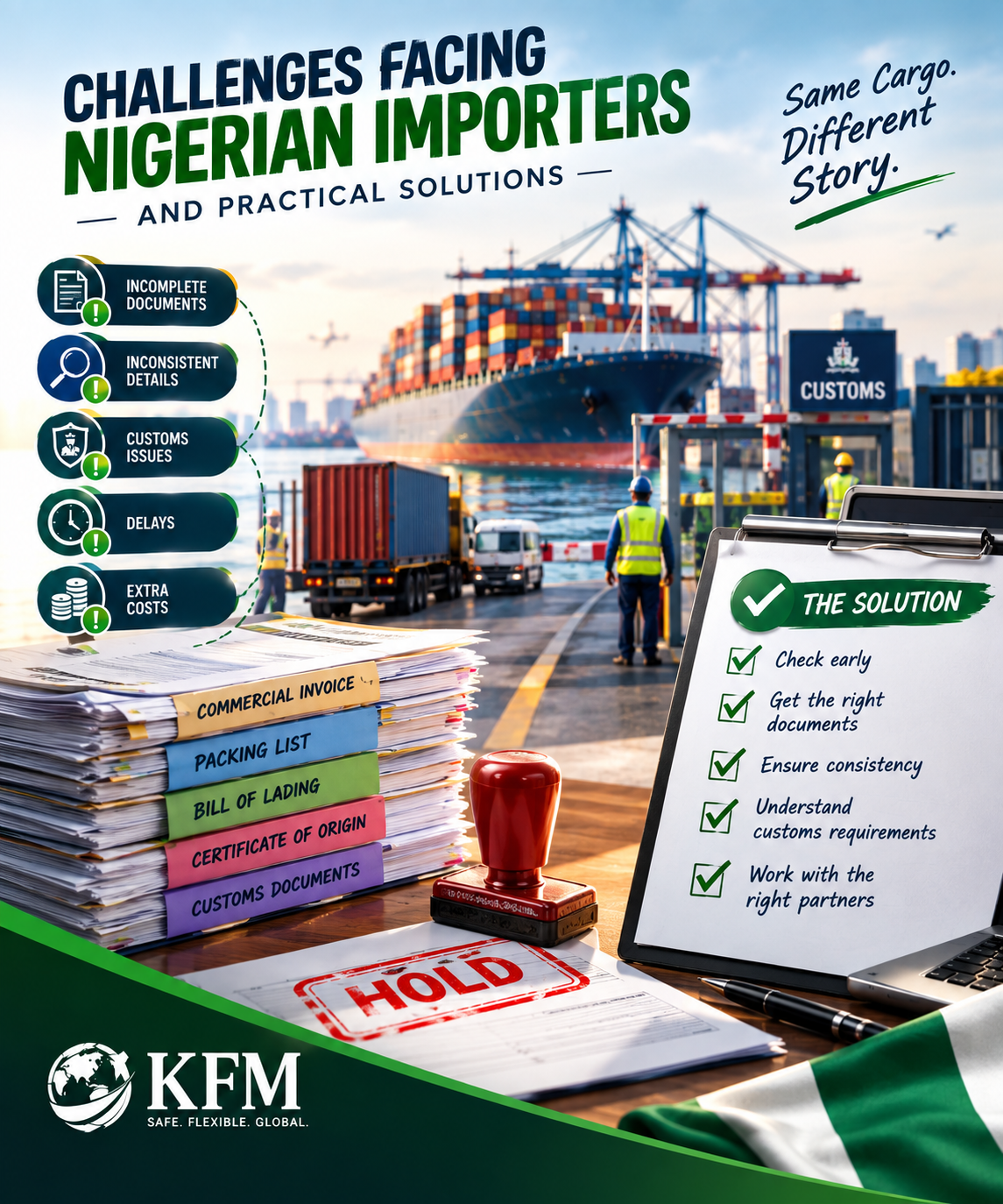
Documentation is one area where small mistakes can create significant problems.
Depending on your cargo and applicable regulations, your importation may require several documents and approvals.
These may include:
- Commercial invoice
- Packing list
- Bill of Lading
- Form M and relevant import documentation
- Applicable permits or regulatory approvals
Important: Requirements vary depending on the product and the applicable Nigerian import regulations.
Don't wait until your cargo arrives before checking whether your documents are complete and accurate.
3. Choose Your Port Based on Your Business Needs
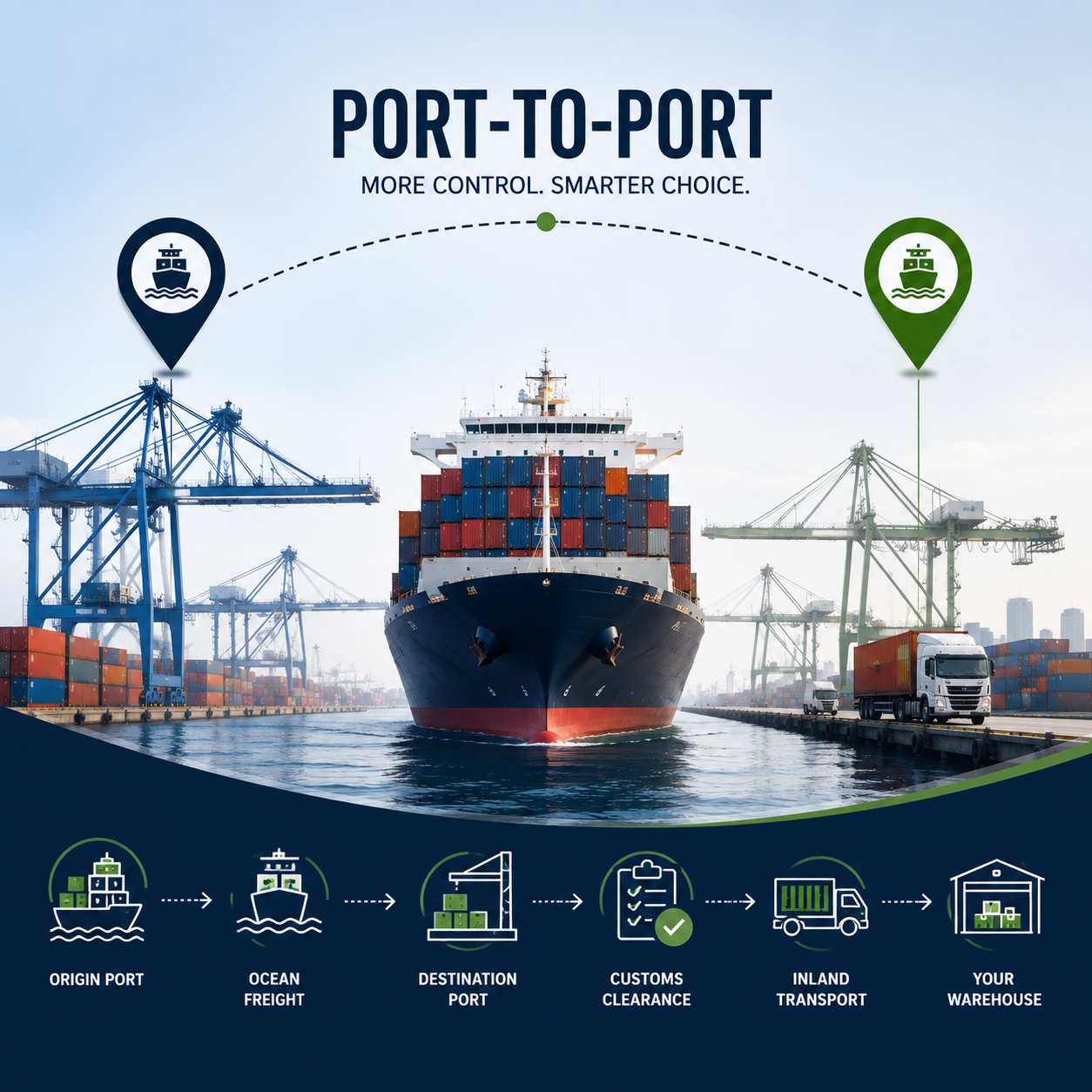
As we discussed in Post 4, the port your cargo arrives at can significantly affect your logistics costs and delivery arrangements.
Lagos, Onne, and Port Harcourt each have their own operational considerations.
Before choosing a port, evaluate:
- Your final delivery location
- Available shipping services
- Cargo handling requirements
- Expected port and terminal charges
- Inland transportation costs
- Operational convenience
Remember: The most suitable port is the one that makes the most sense for your shipment and your business.
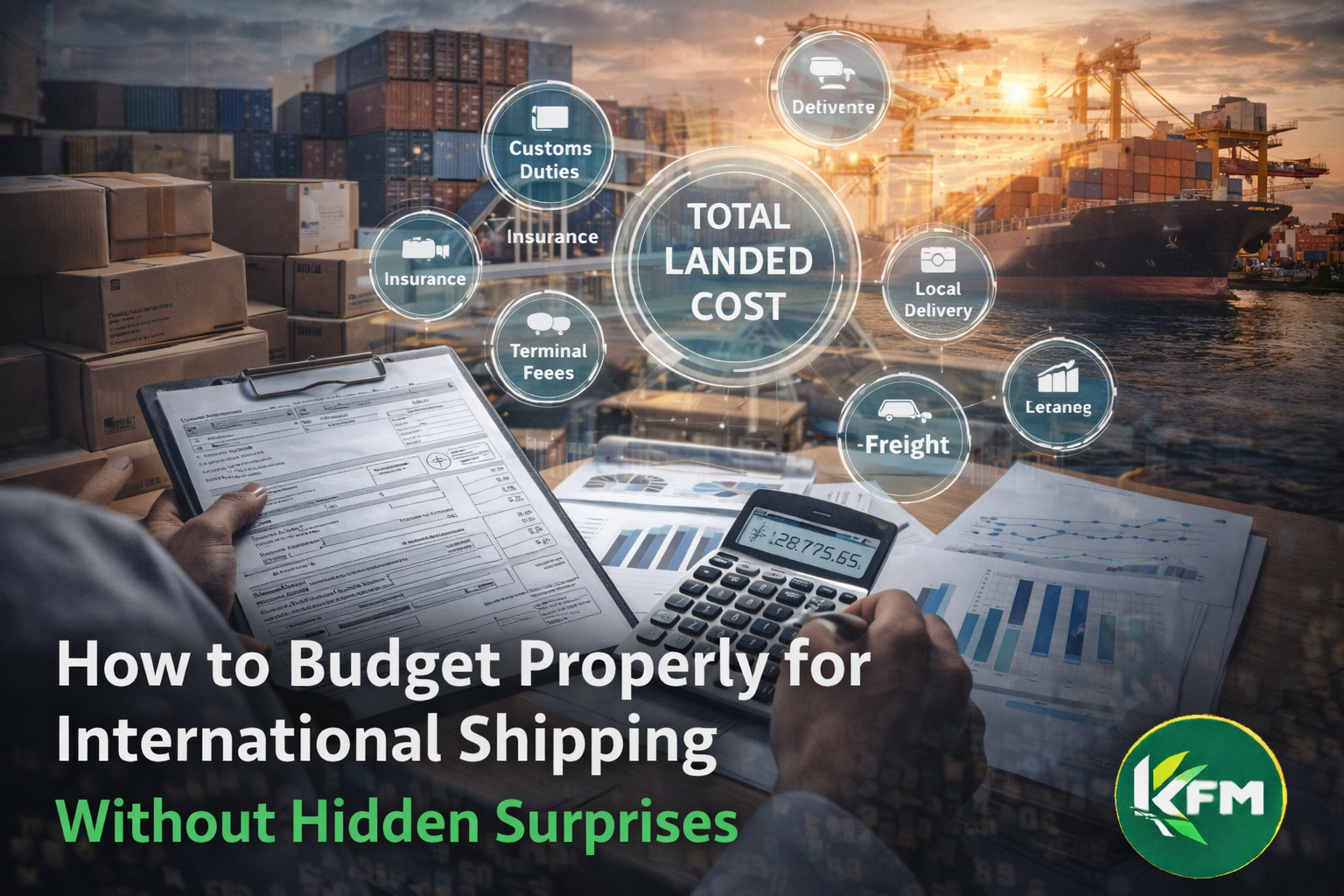
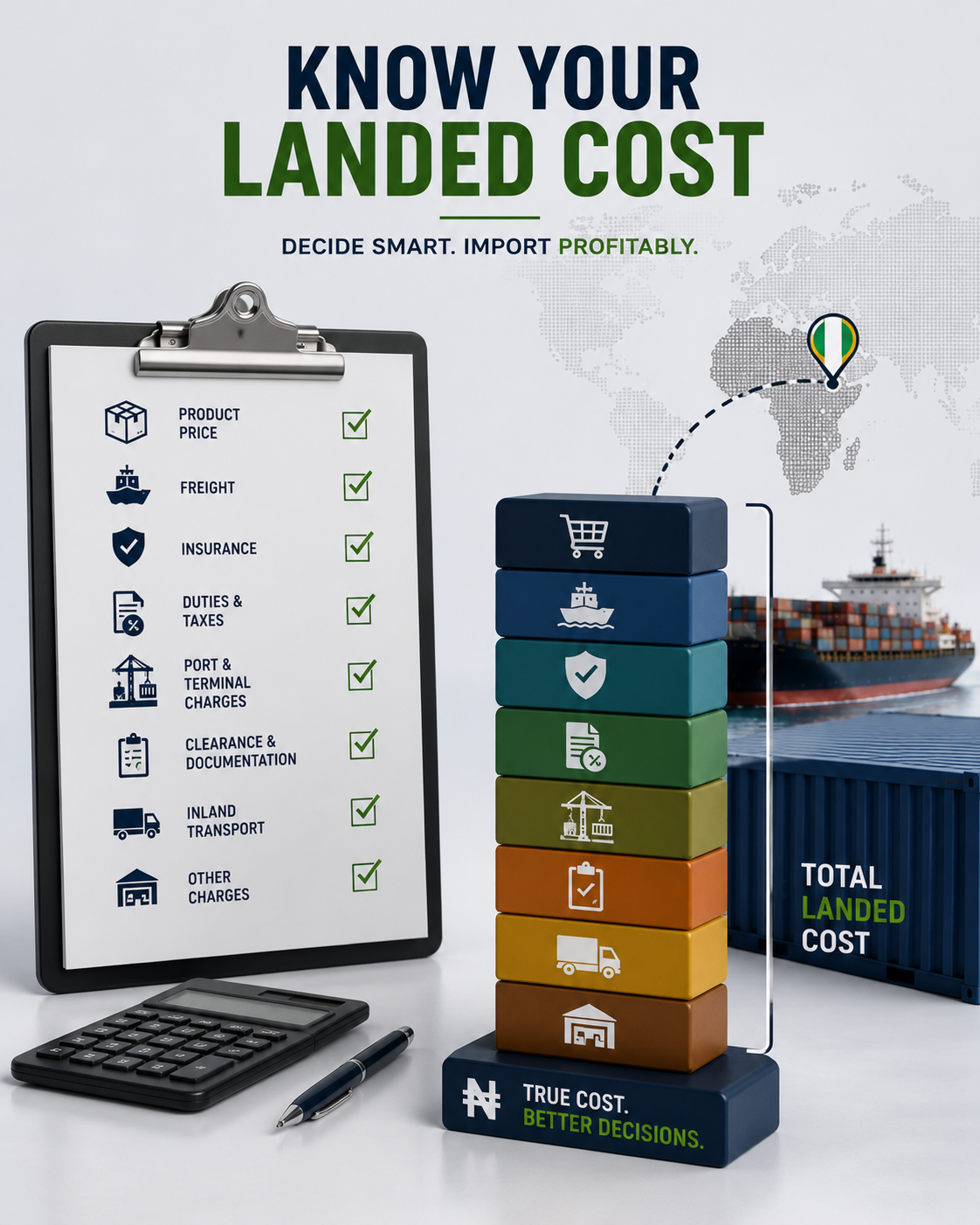
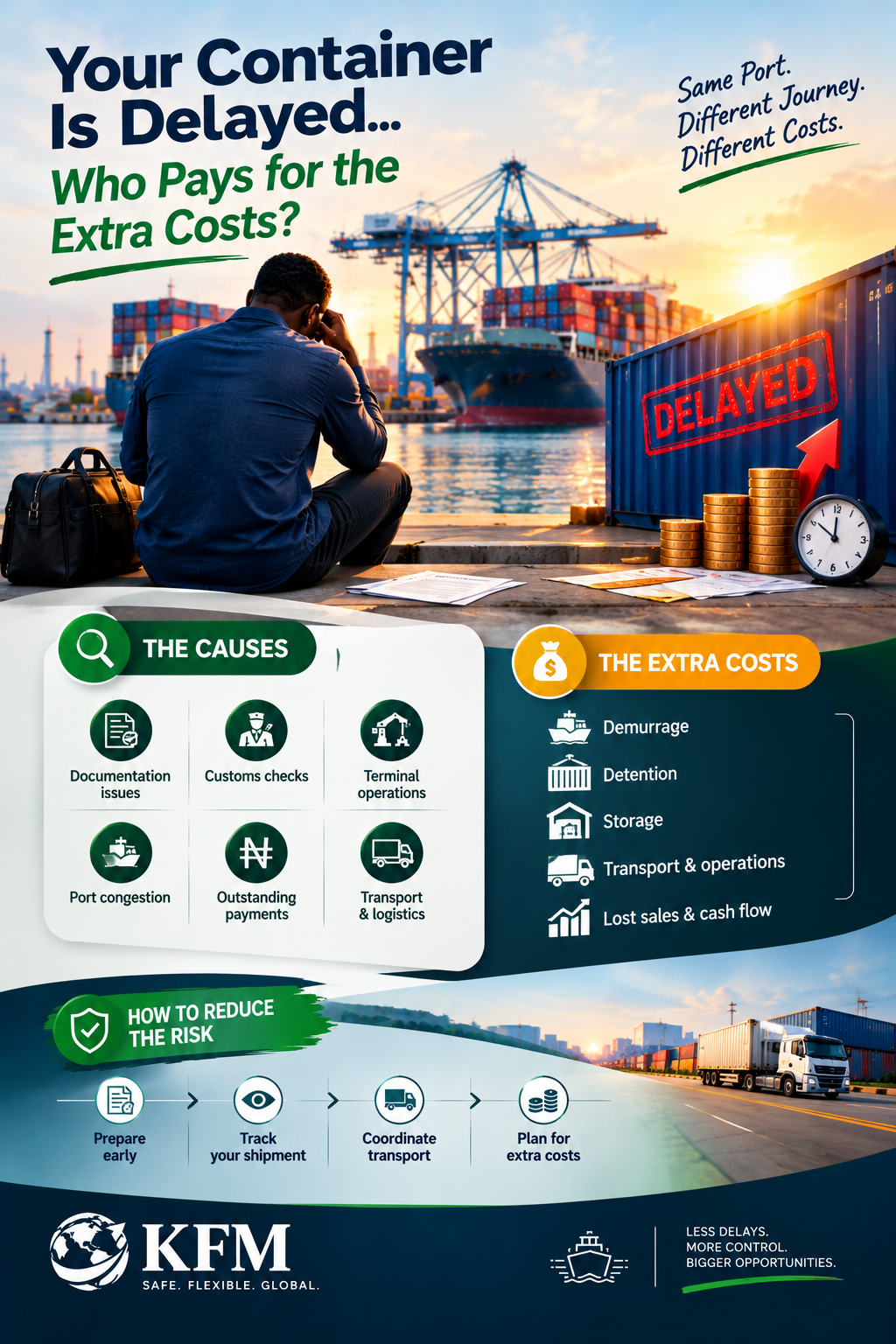
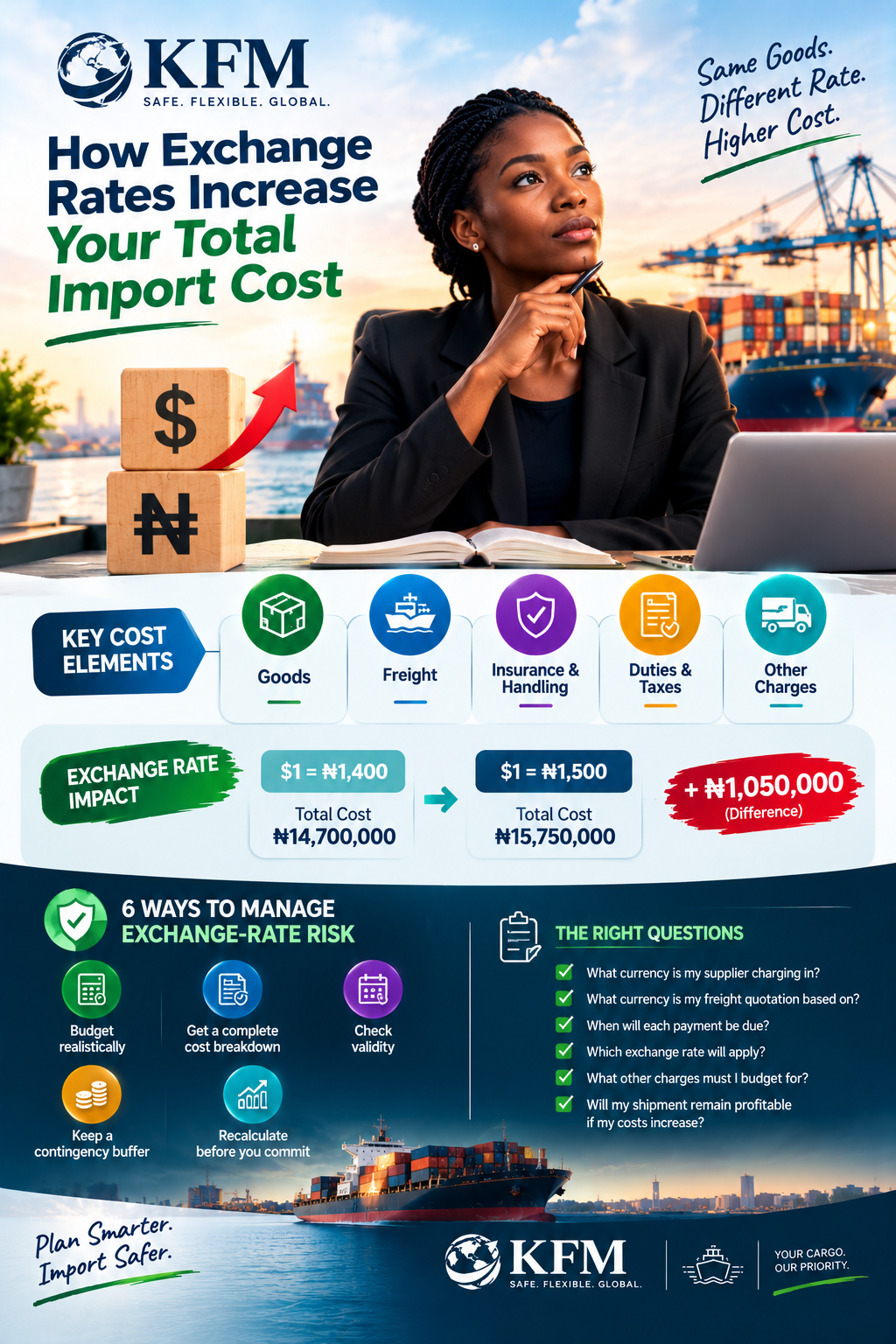
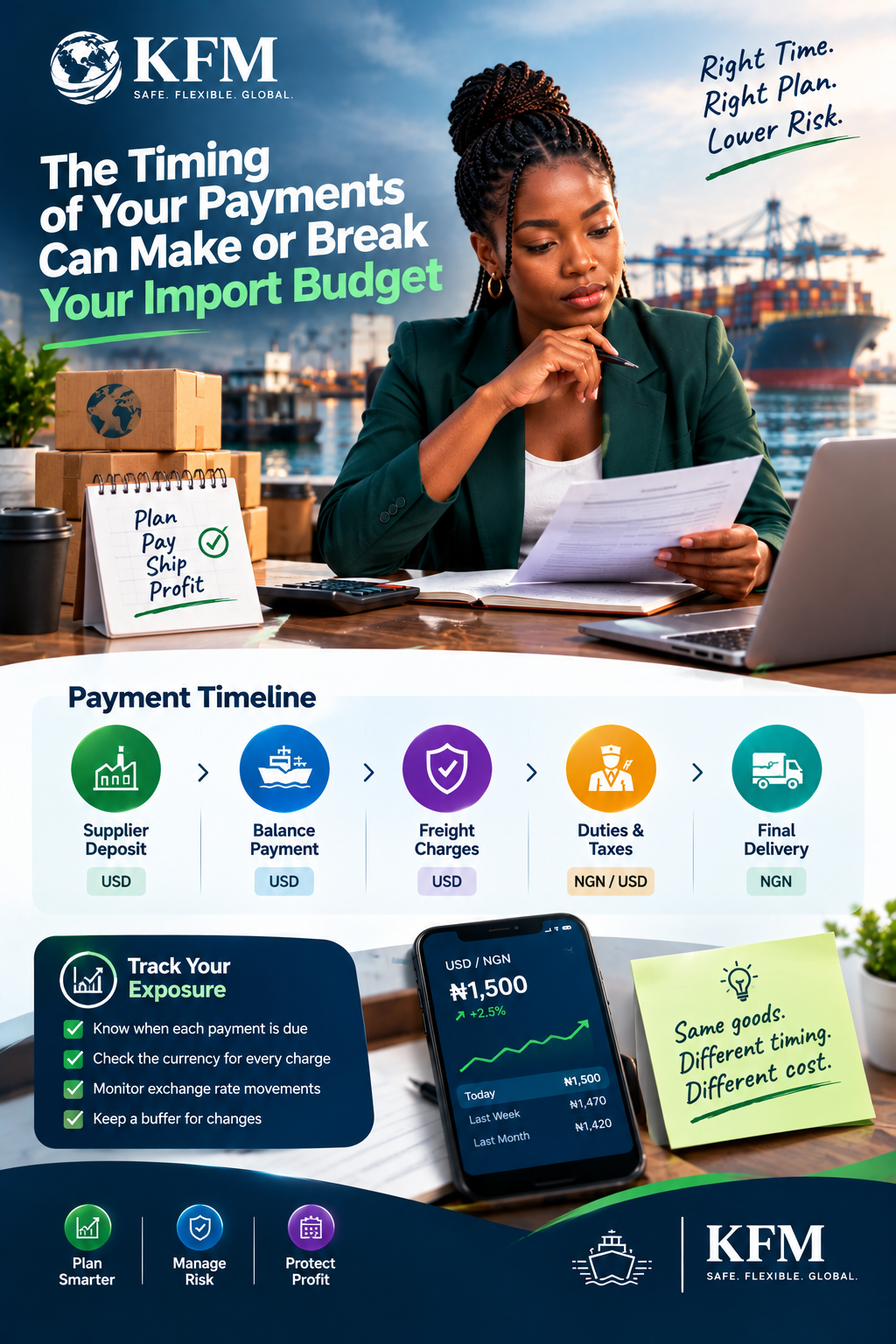
4. Understand Your Total Importation Cost
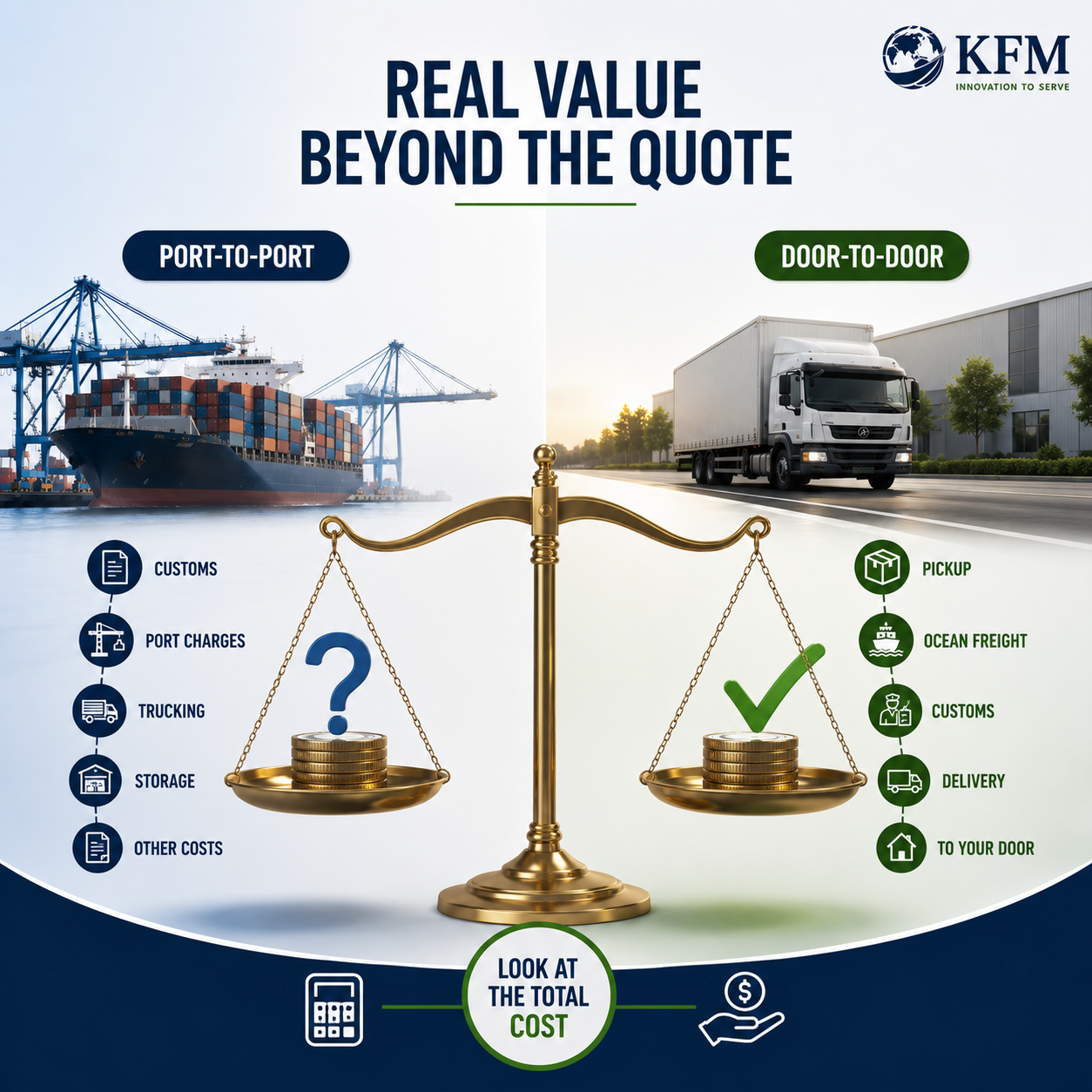
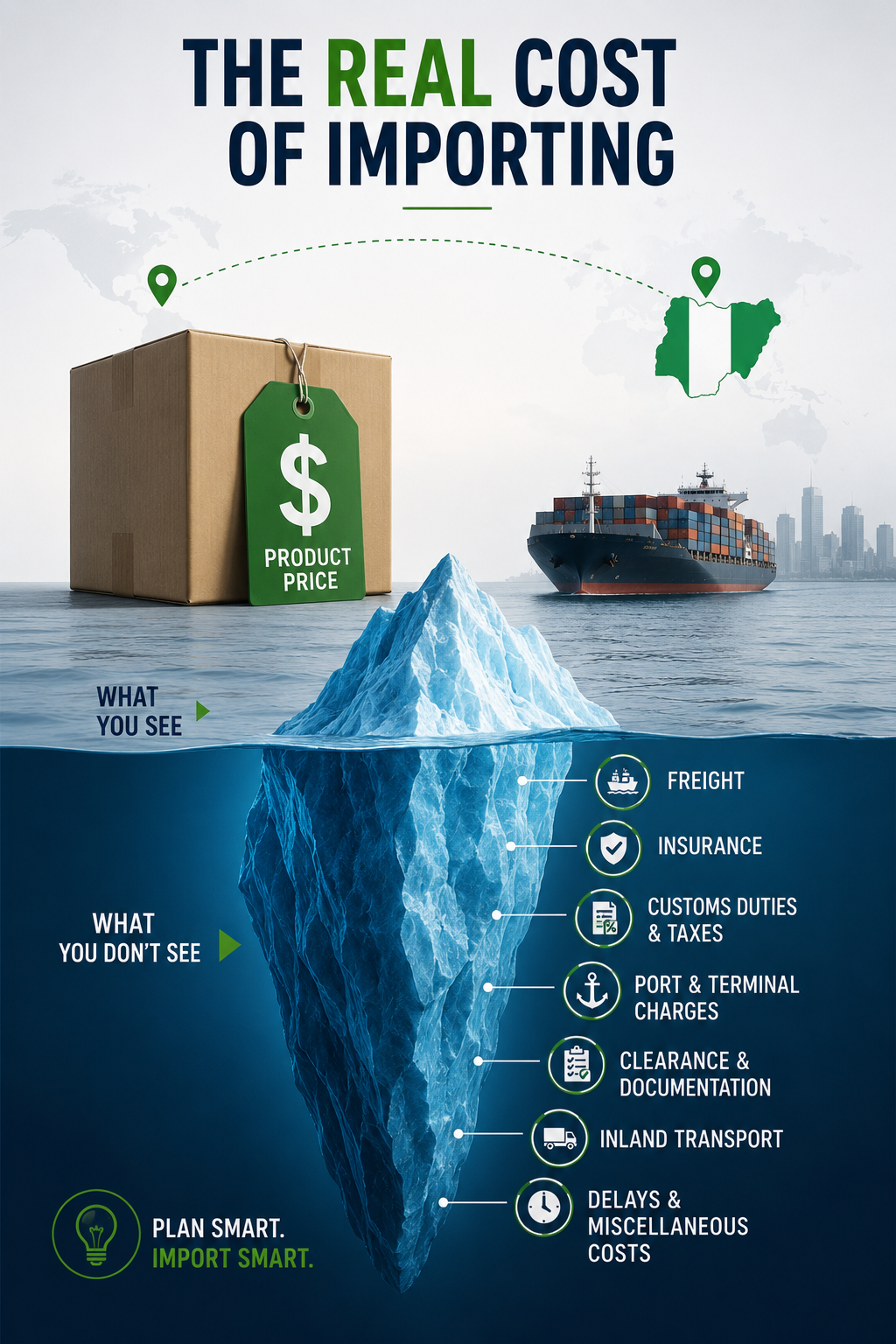
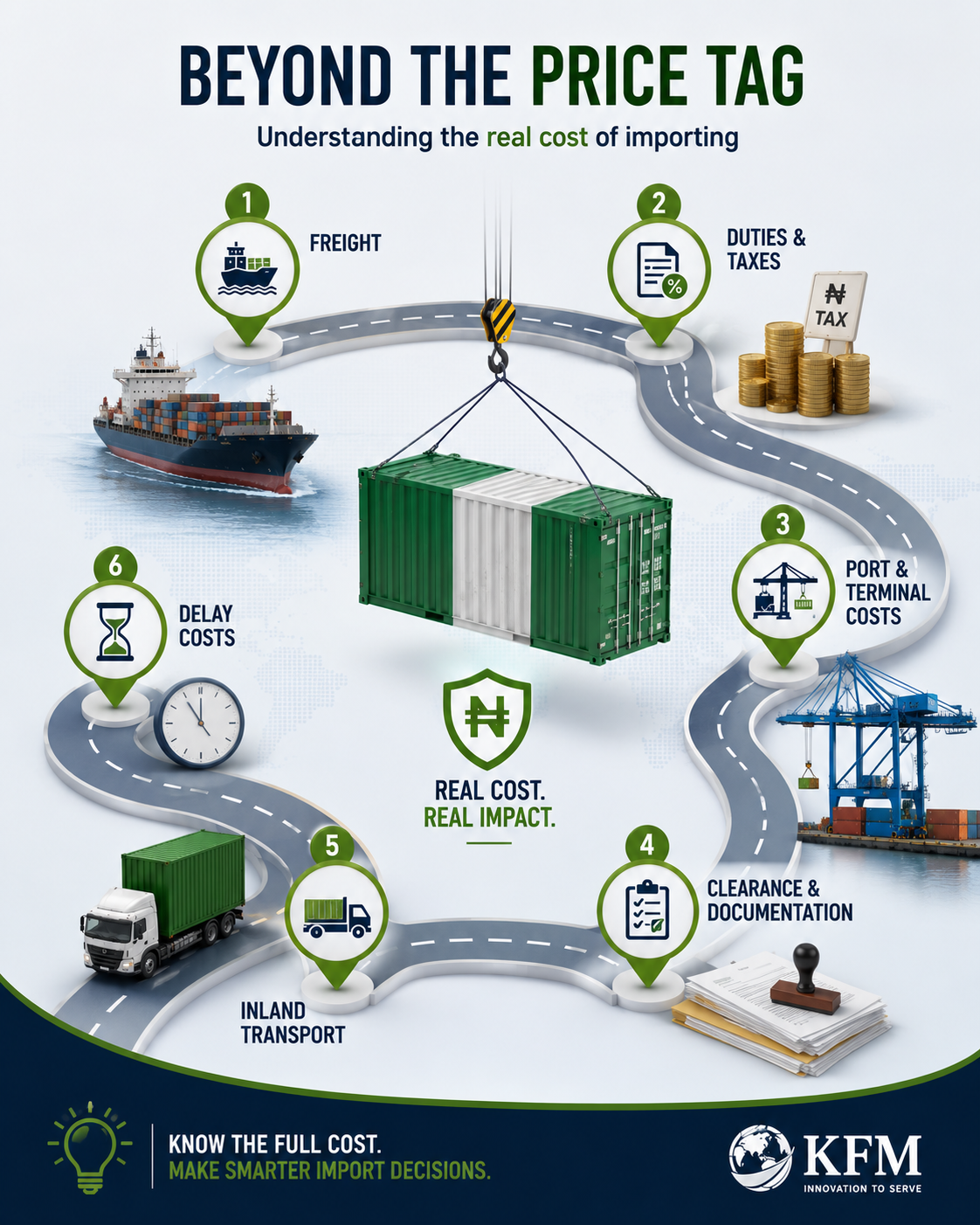
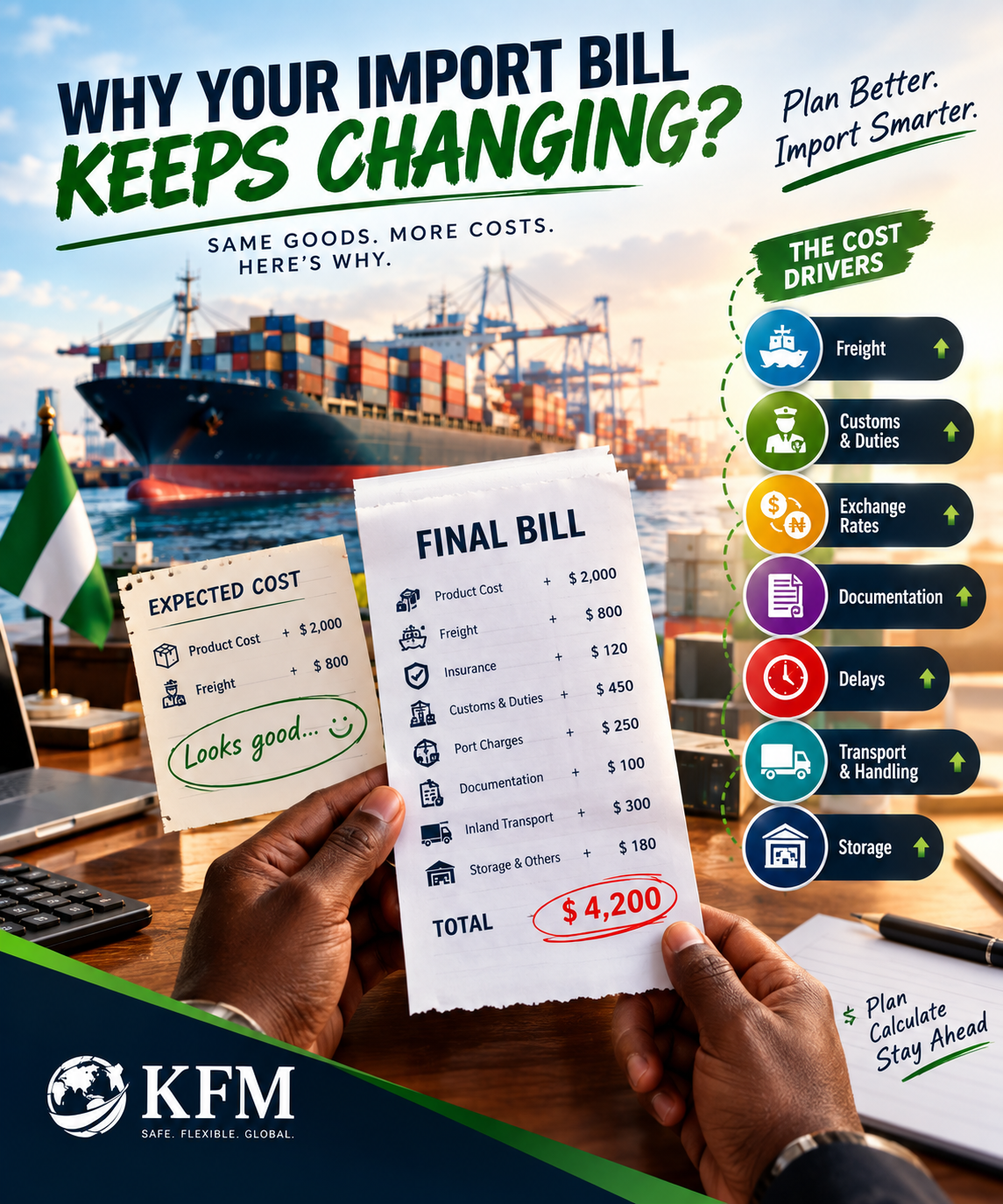
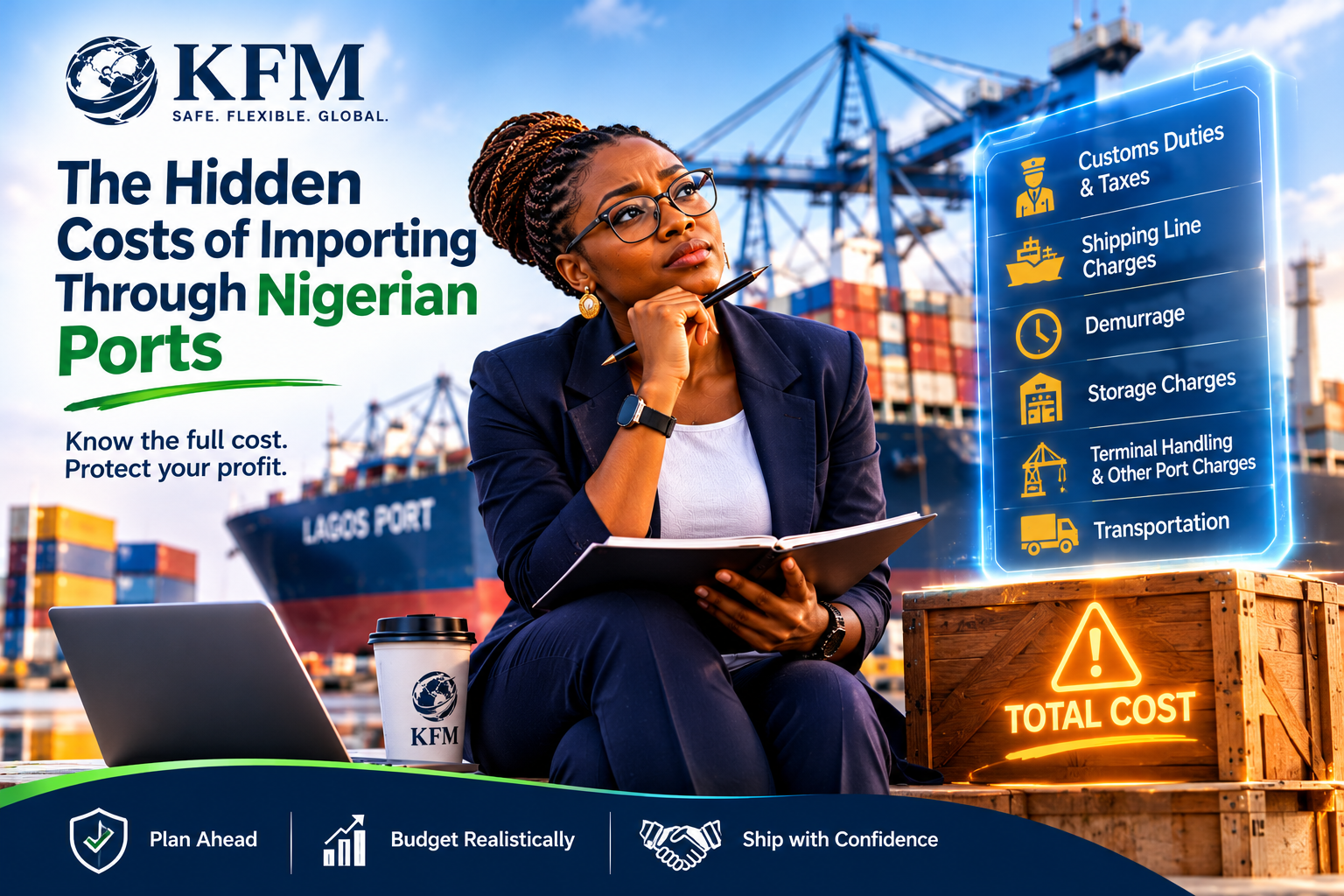
One of the biggest mistakes importers make is budgeting only for the goods and international shipping.
But your actual importation cost goes much further.
Make room in your budget for:
- Purchase price
- International freight
- Customs duties and applicable taxes
- Shipping line charges
- Terminal handling and storage
- Clearing and documentation expenses
- Transportation to your warehouse
Depending on your shipment, other charges may also apply.
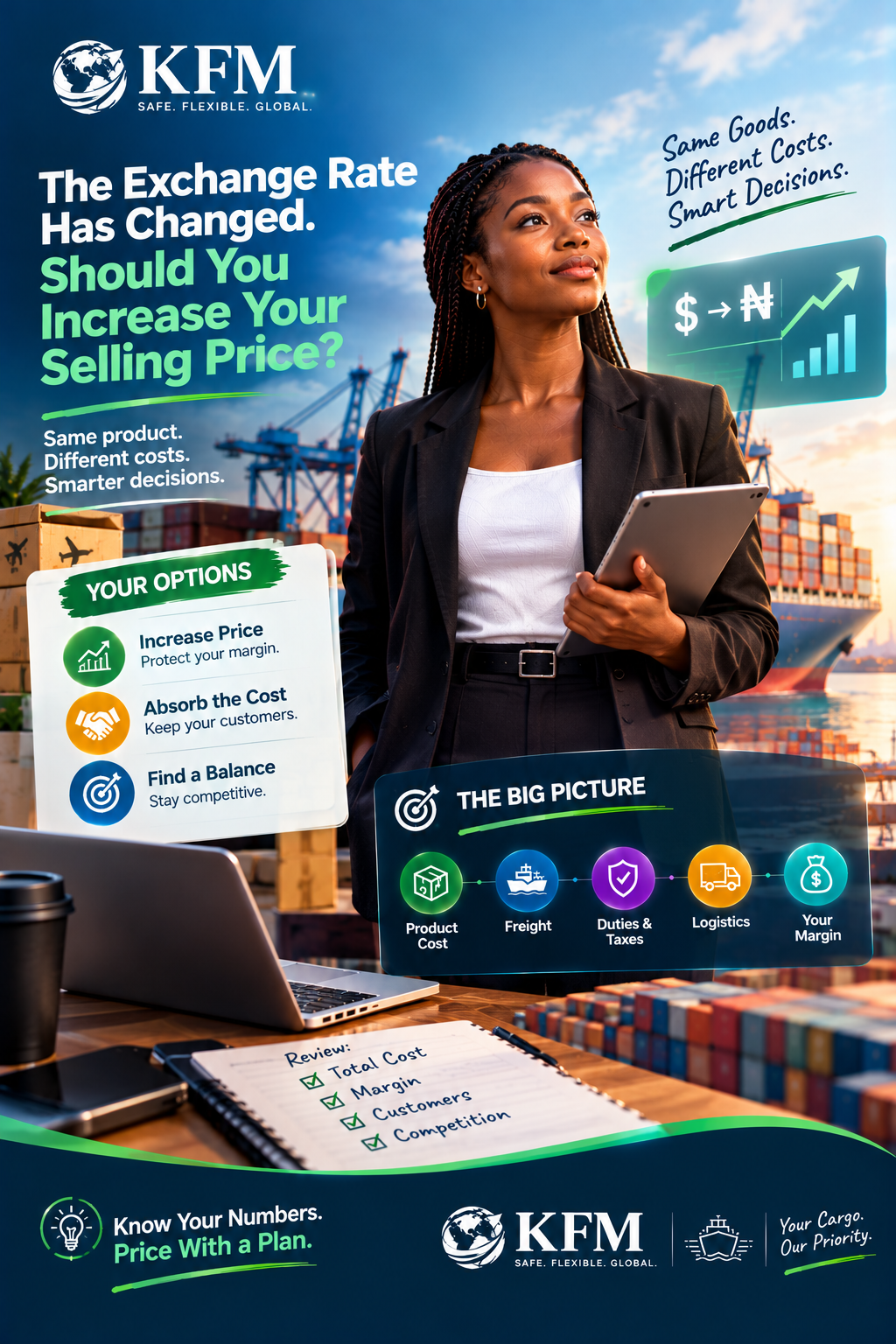
Understanding your estimated landed cost before shipping helps you price your products properly and protect your profit margin.
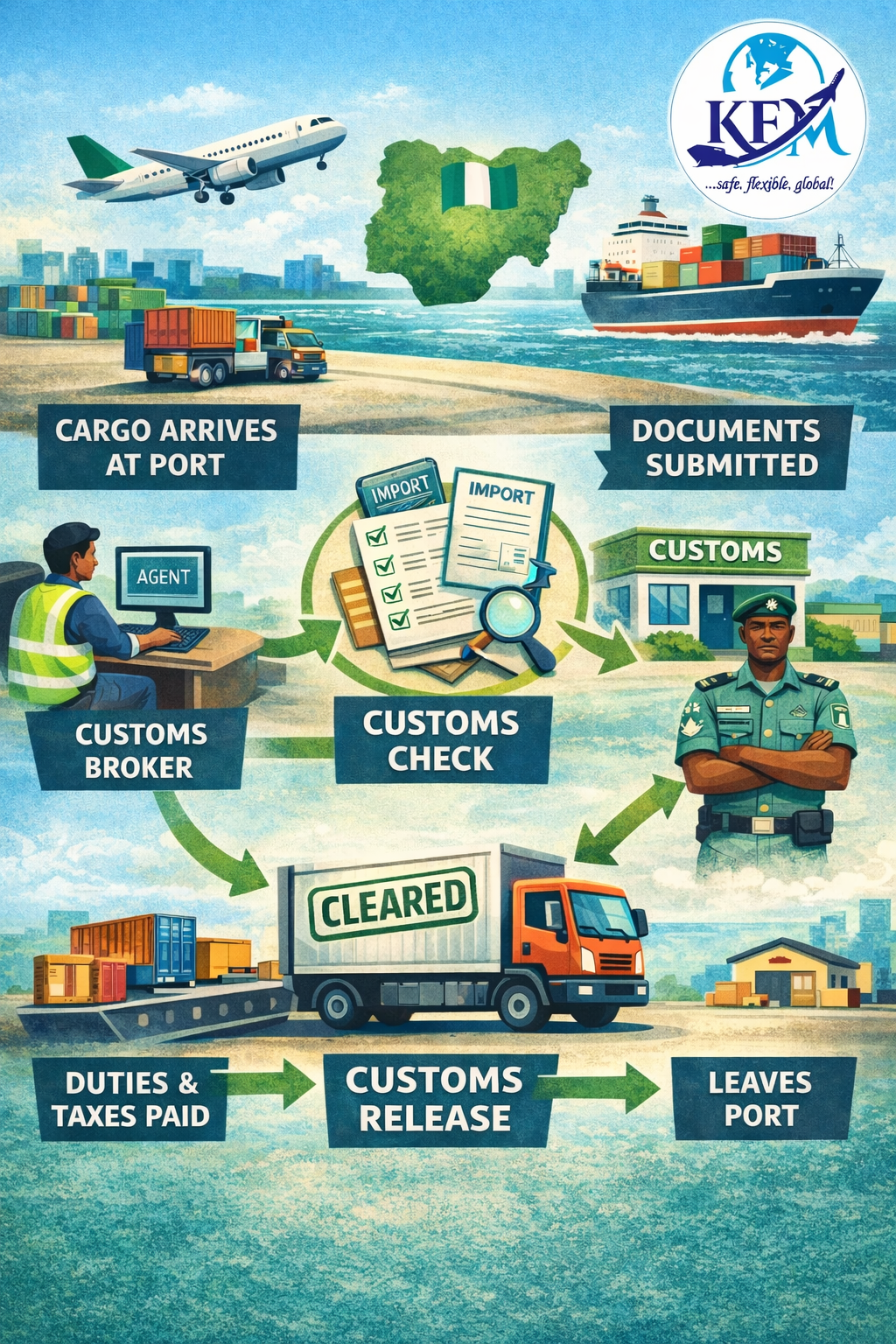
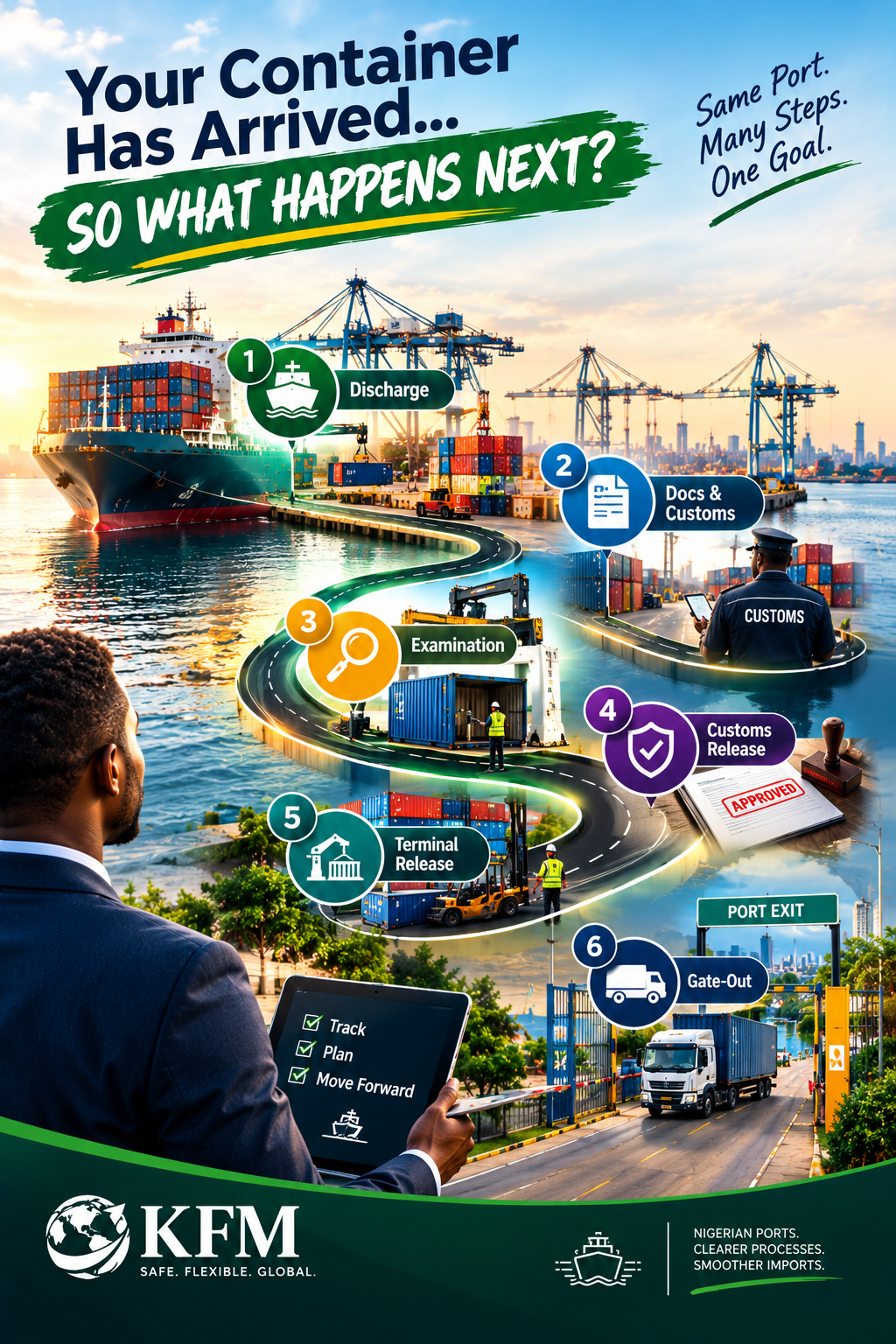
5. Prepare for Cargo Arrival Before the Vessel Arrives
A common mistake is waiting until the vessel arrives before beginning clearance preparations.
By then, valuable time may already have been lost.
Instead, prepare ahead by:
- Reviewing your shipping documents
- Confirming applicable payments and charges
- Coordinating with your clearing agent
- Checking your cargo release requirements
- Planning transportation arrangements
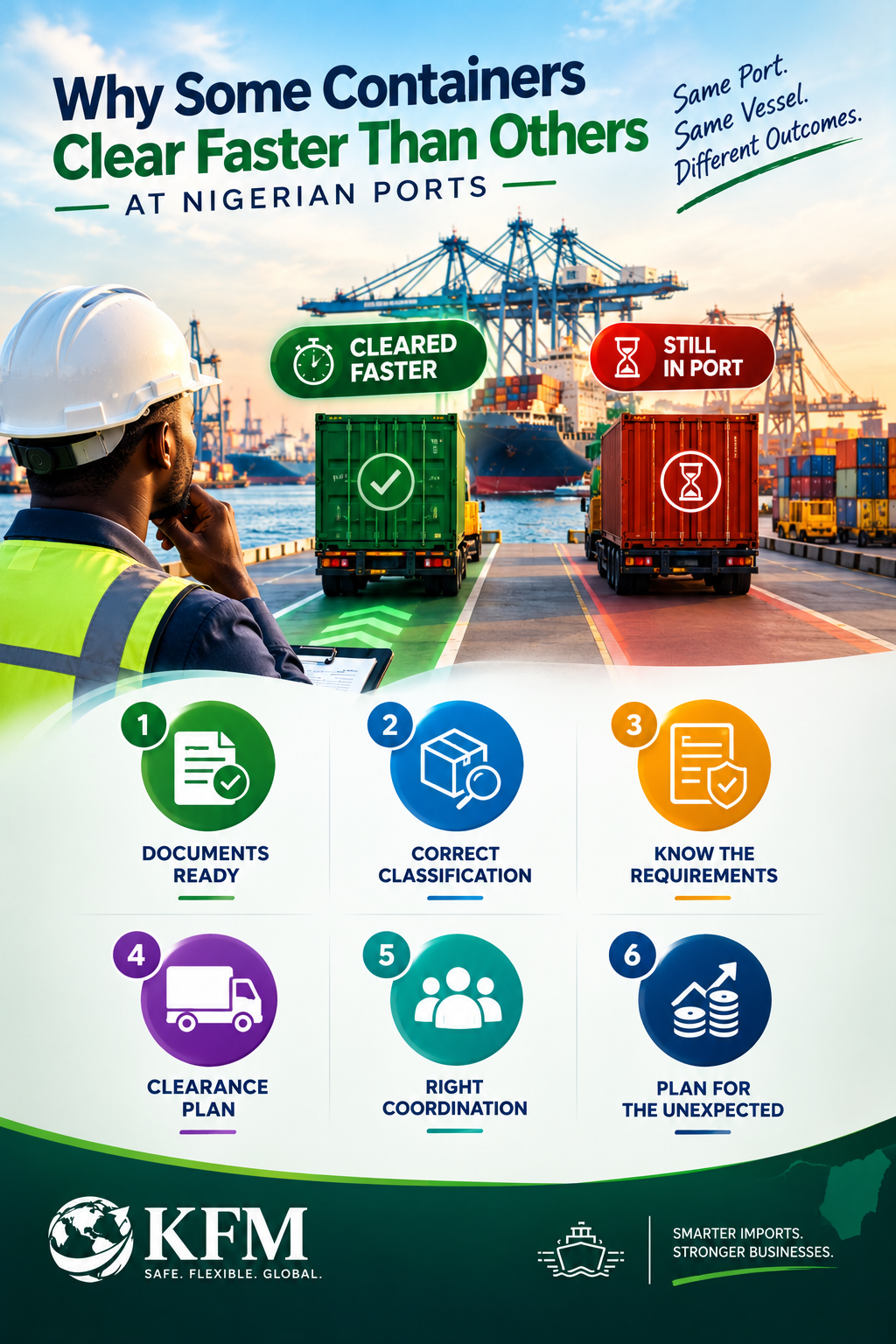
The more prepared you are, the better positioned you may be to handle the clearance and evacuation process efficiently.
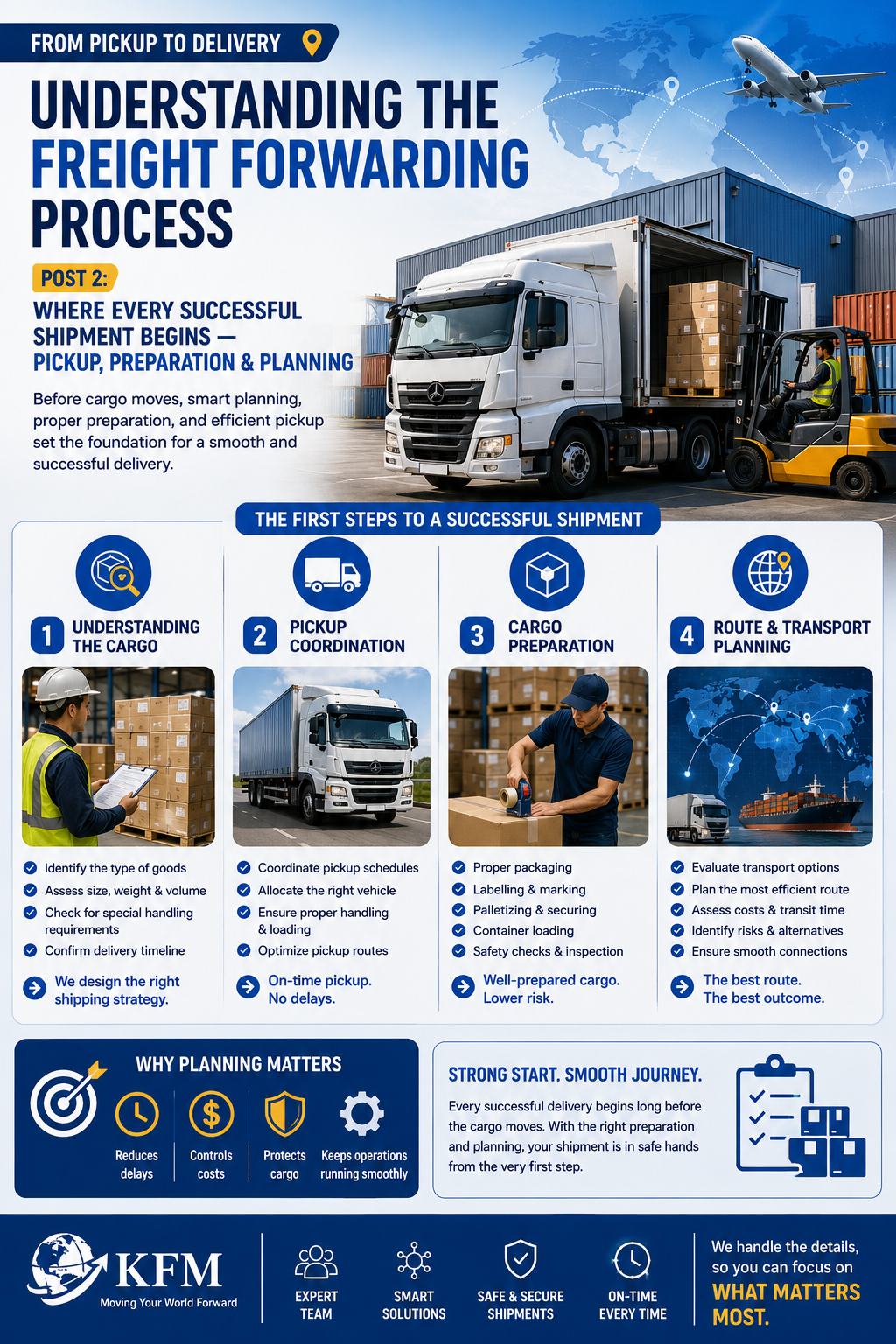
6. Plan Your Cargo Evacuation Early
Getting your cargo cleared is only part of the journey.
You also need to move it out of the port and deliver it to its final destination.
Waiting until your cargo is ready for release before arranging transportation can create unnecessary delays.
Plan your trucks, delivery routes, warehouse availability, and unloading arrangements ahead of time.
This can help reduce avoidable waiting time and associated costs.
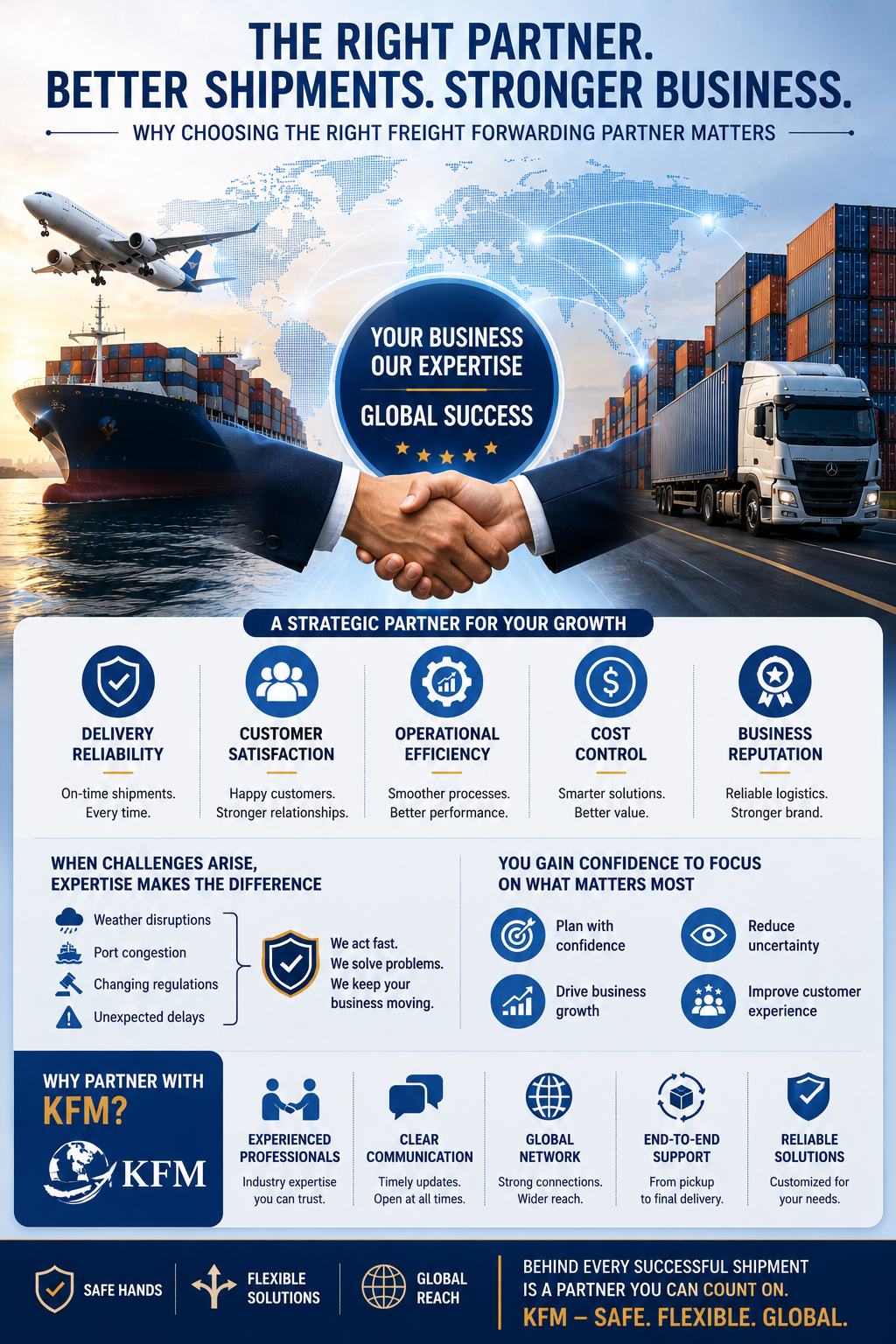
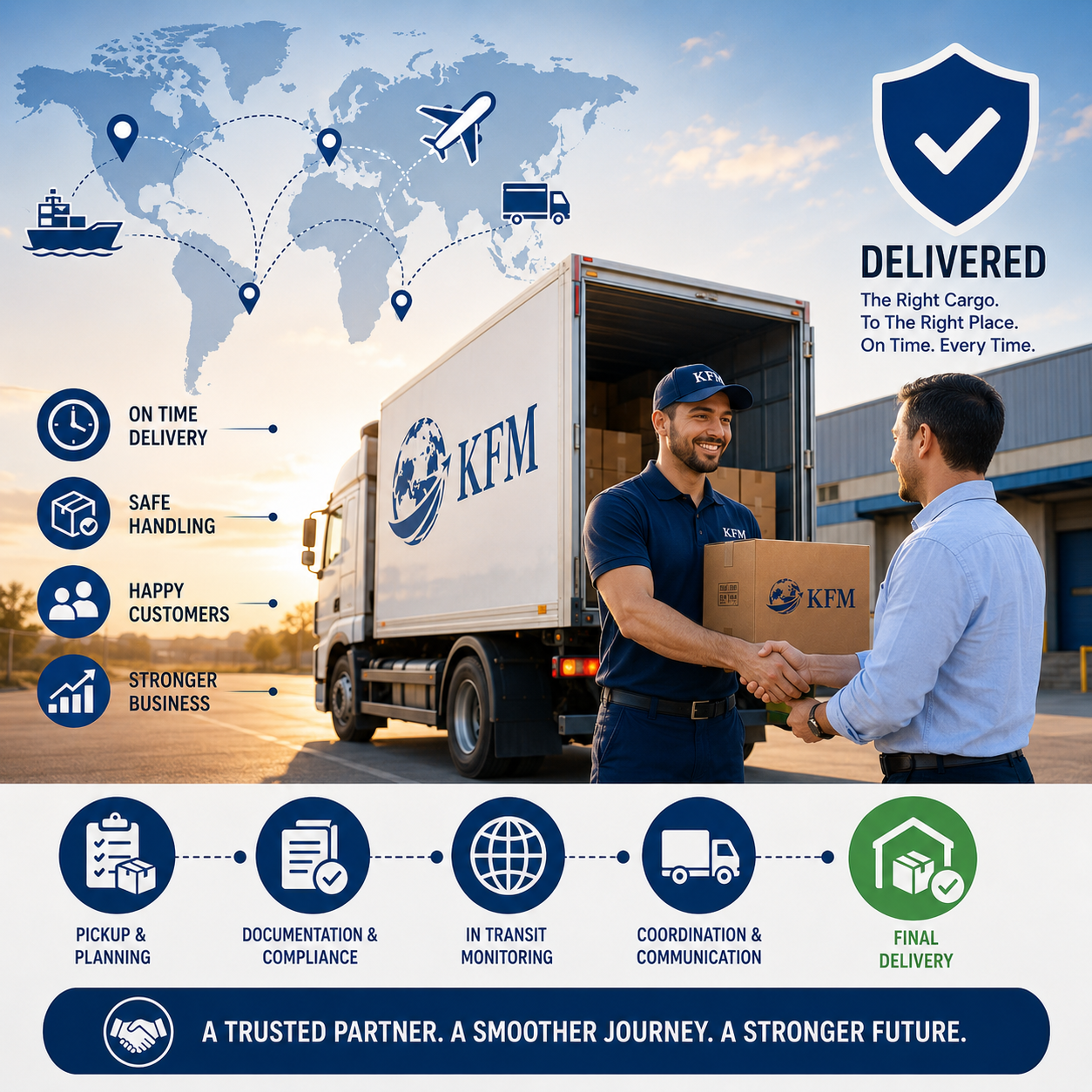
7. Work With the Right Logistics Partner
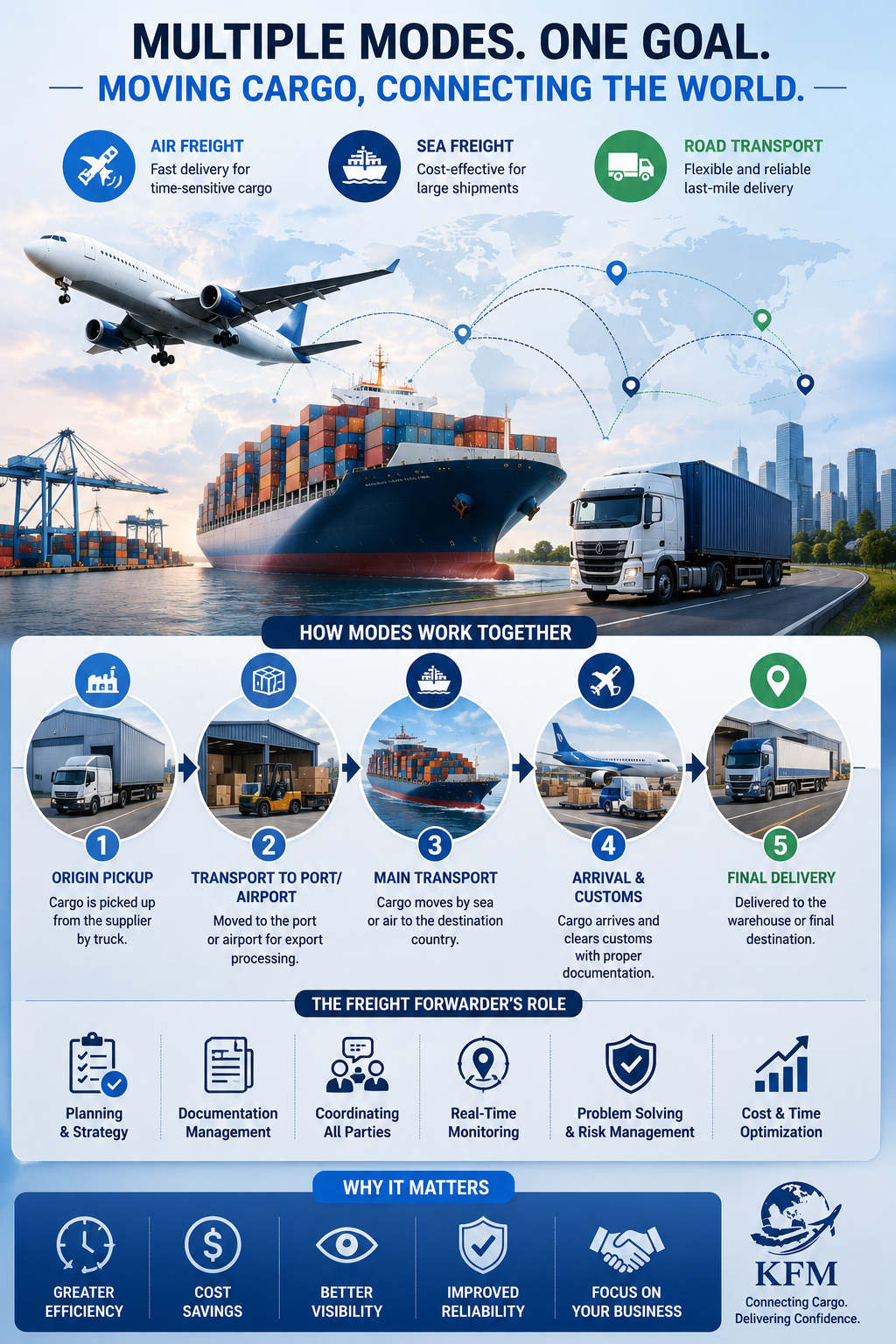
Importation involves several moving parts, and coordinating them effectively can be challenging.
Having a reliable logistics partner can make a meaningful difference in how you plan and manage your shipment.
An experienced logistics team can help you:
- Understand shipping options
- Coordinate documentation and clearance processes
- Plan cargo movement
- Monitor shipment progress
- Identify potential logistics challenges early
- Make more informed decisions
The goal is not simply to move cargo.
It's to move cargo with better planning, coordination, and confidence.
The KFM Importation Checklist
Before shipping your next order, make sure you've considered:
- ☑ Product requirements and import regulations
- ☑ Complete and accurate documentation
- ☑ Appropriate shipping and port options
- ☑ Estimated landed cost
- ☑ Customs clearance preparations
- ☑ Cargo evacuation arrangements
- ☑ Warehouse and delivery readiness
- ☑ Contingency plans for unexpected delays
The KFM Perspective
At KFM, we understand that every shipment represents something important to your business.
It may be inventory for your customers, equipment for your operations, or products that support your company's growth.
That's why we believe logistics should be approached strategically — with careful planning, proper coordination, and attention to the details that matter.
Don't just import. Plan your entire cargo journey.
Because when logistics is properly managed, your business can operate with greater confidence.
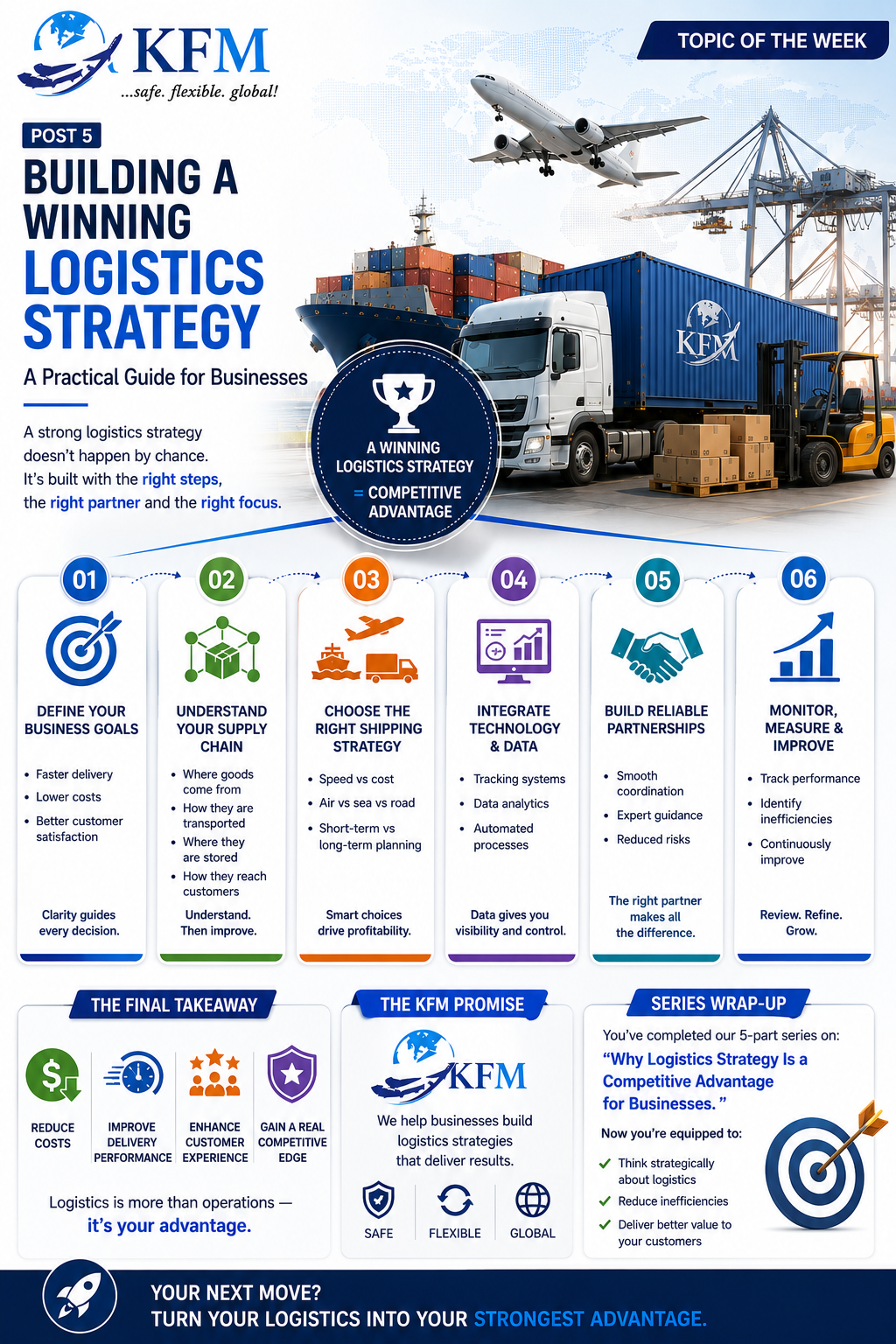
Series Wrap-Up
Over the past five posts, we've explored:
- The challenges of importing through Lagos
- Why cargo gets delayed at Nigerian ports
- The hidden costs of port operations
- How to evaluate Lagos, Onne, and Port Harcourt
- How to plan a smoother importation journey
Our takeaway is simple:
Successful importing isn't just about getting goods into Nigeria. It's about getting them to the right destination, at the right cost, with the right preparation.
KFM — Safe. Flexible. Global.