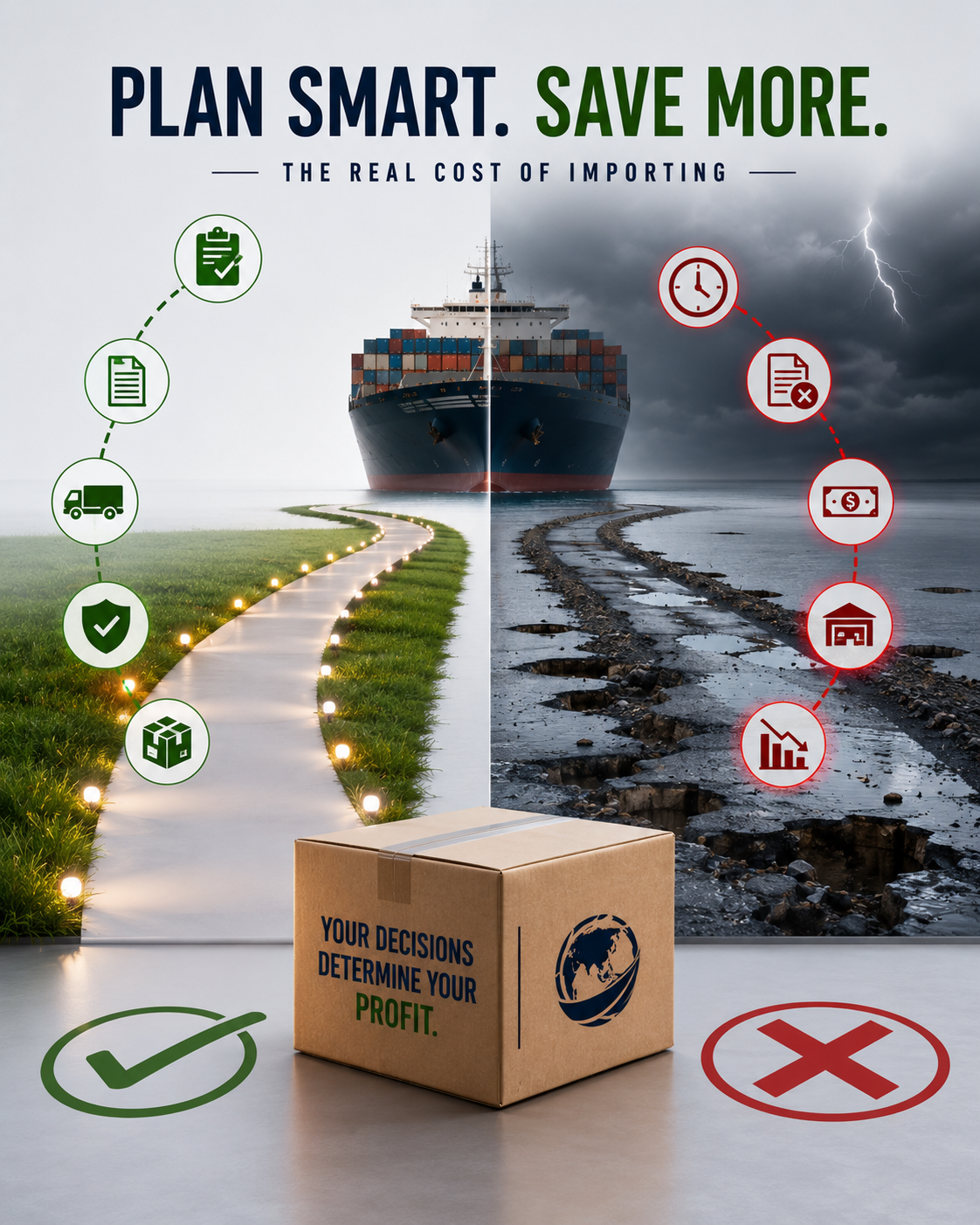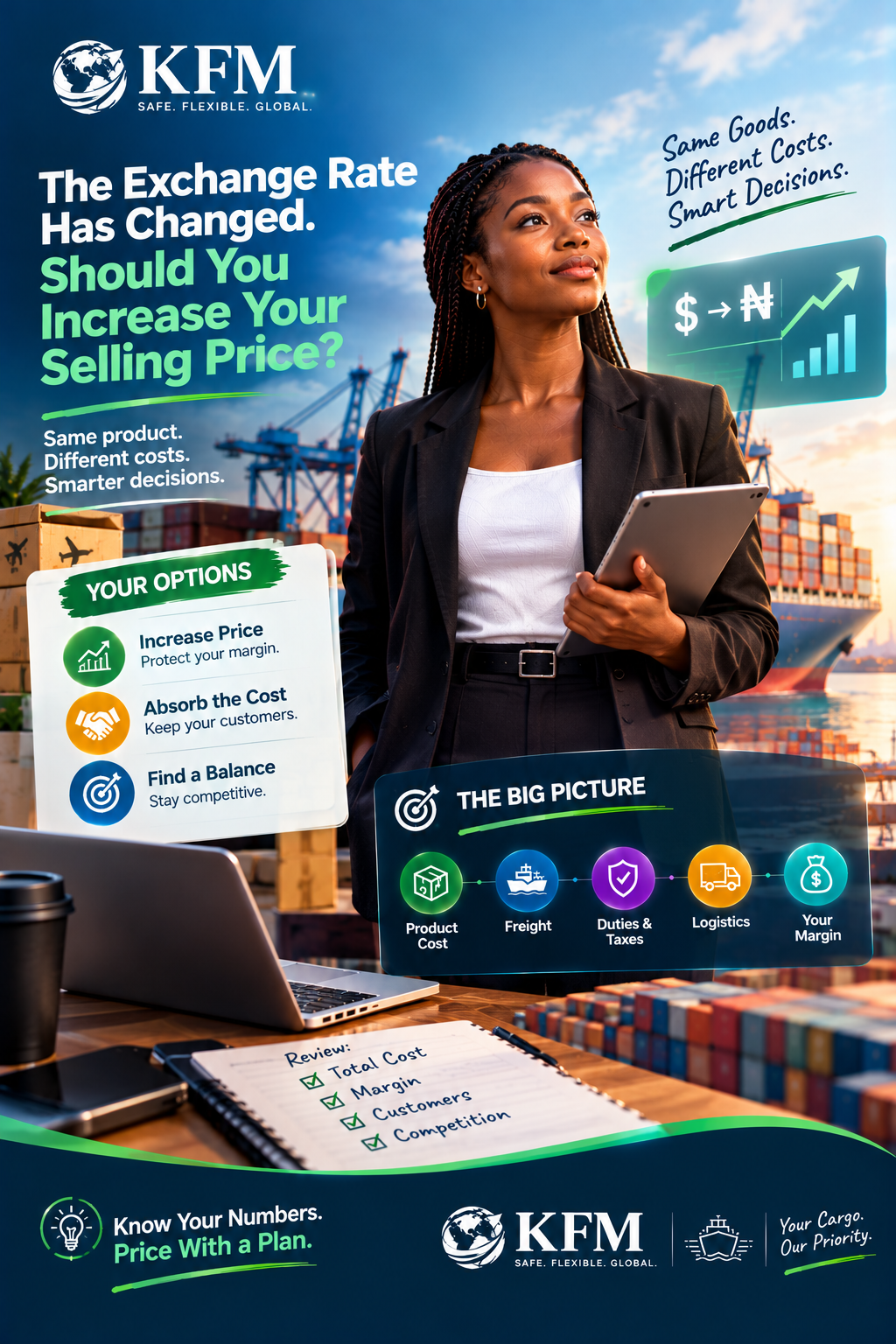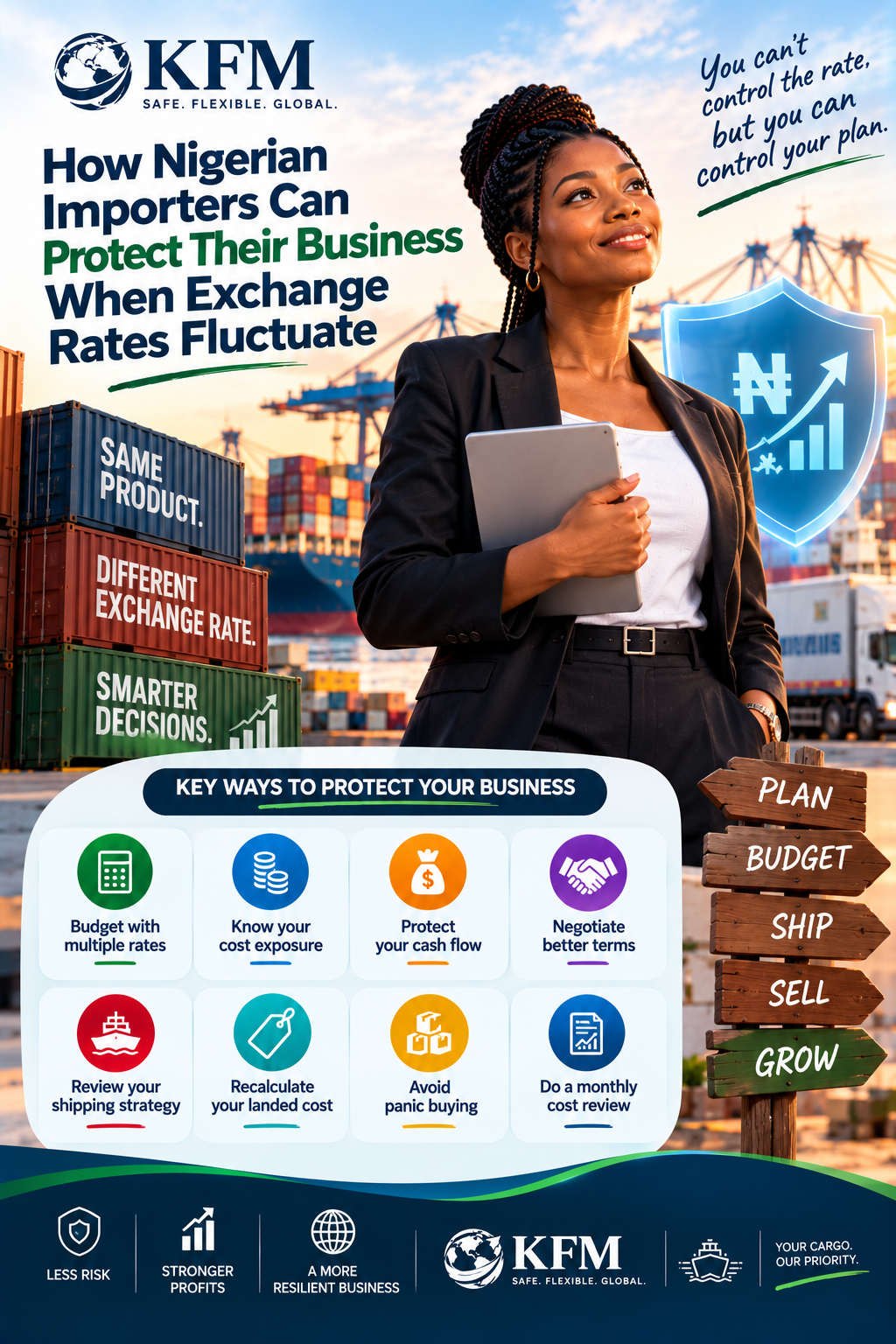
You can't control the exchange rate, but you can control how prepared your business is.
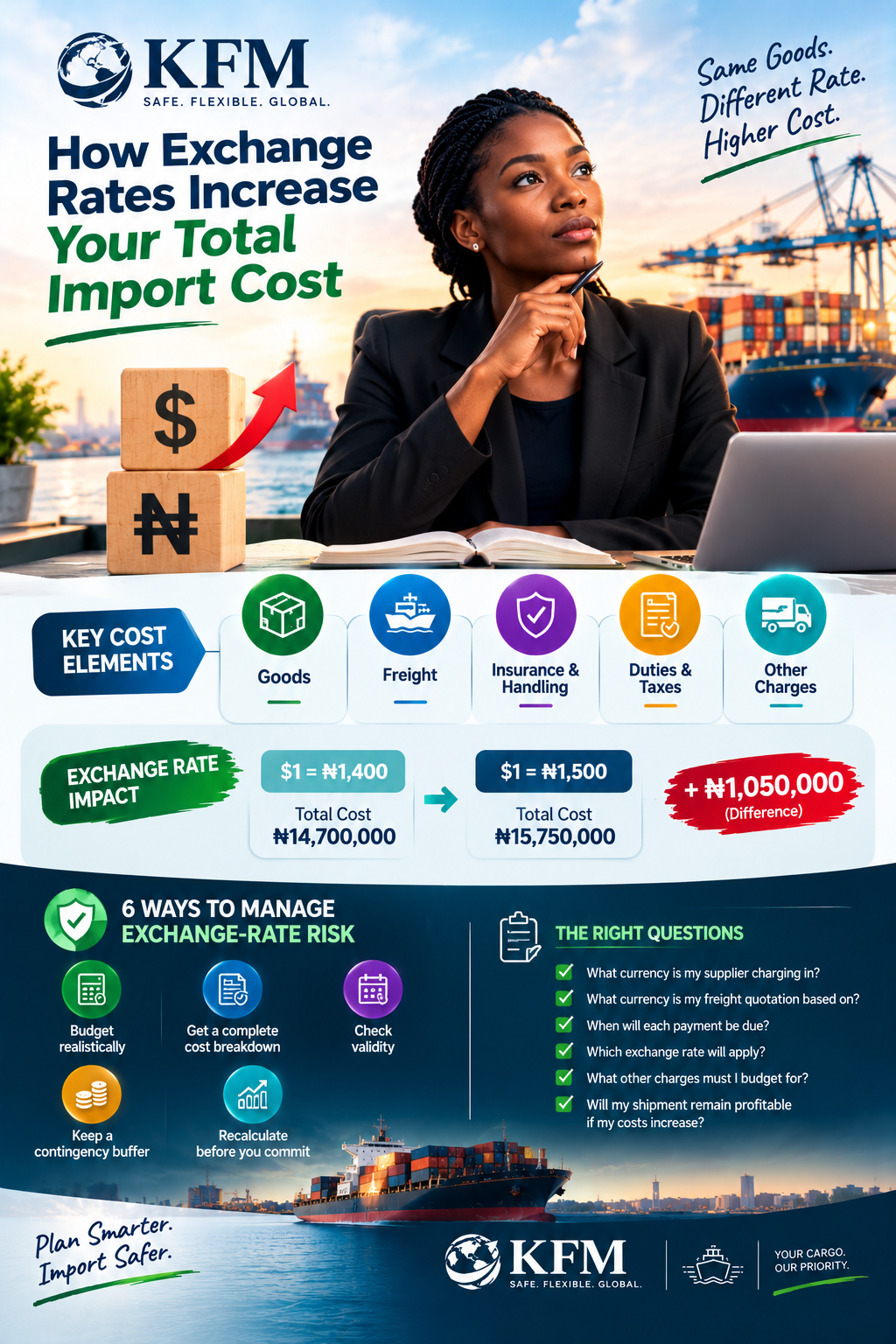
Imagine running an import business where your supplier's prices remain unchanged, but the amount of naira you need to pay keeps shifting.
One month, your budget covers everything comfortably. The next time you need to restock, the same products require significantly more capital.
Your freight costs may also become more expensive in naira, your profit margins may shrink, and your customers may not be willing to accept higher prices.
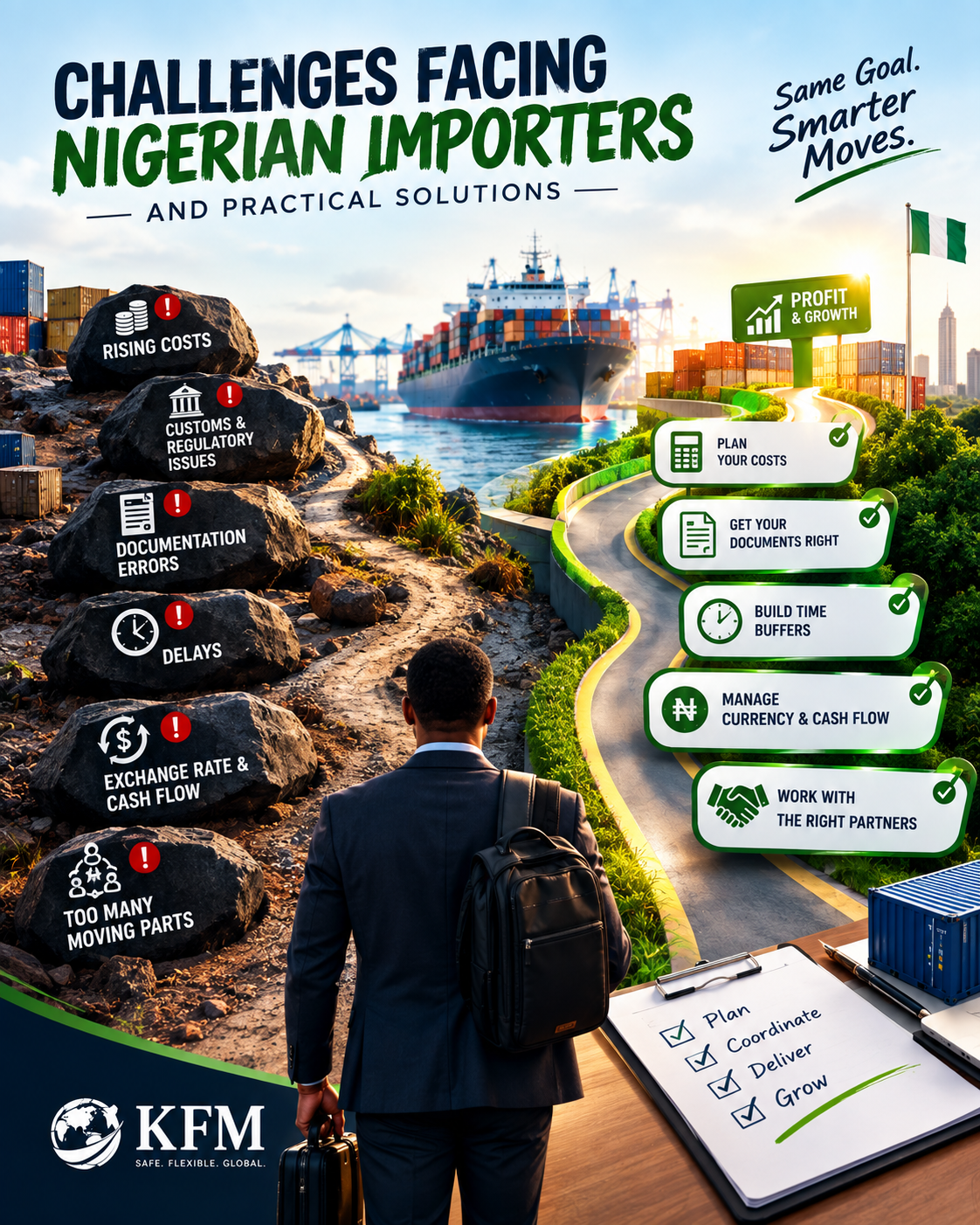
For Nigerian importers, exchange-rate uncertainty can affect the entire business — from purchasing and shipping to pricing and cash flow.
But here's the good news: you don't need to predict every exchange-rate movement to build a more resilient import business.
You need a better plan.
1. Stop Budgeting With Just One Exchange Rate 💰
One of the biggest mistakes importers make is calculating their expenses using a single exchange rate and assuming it will remain favourable until every payment is completed.
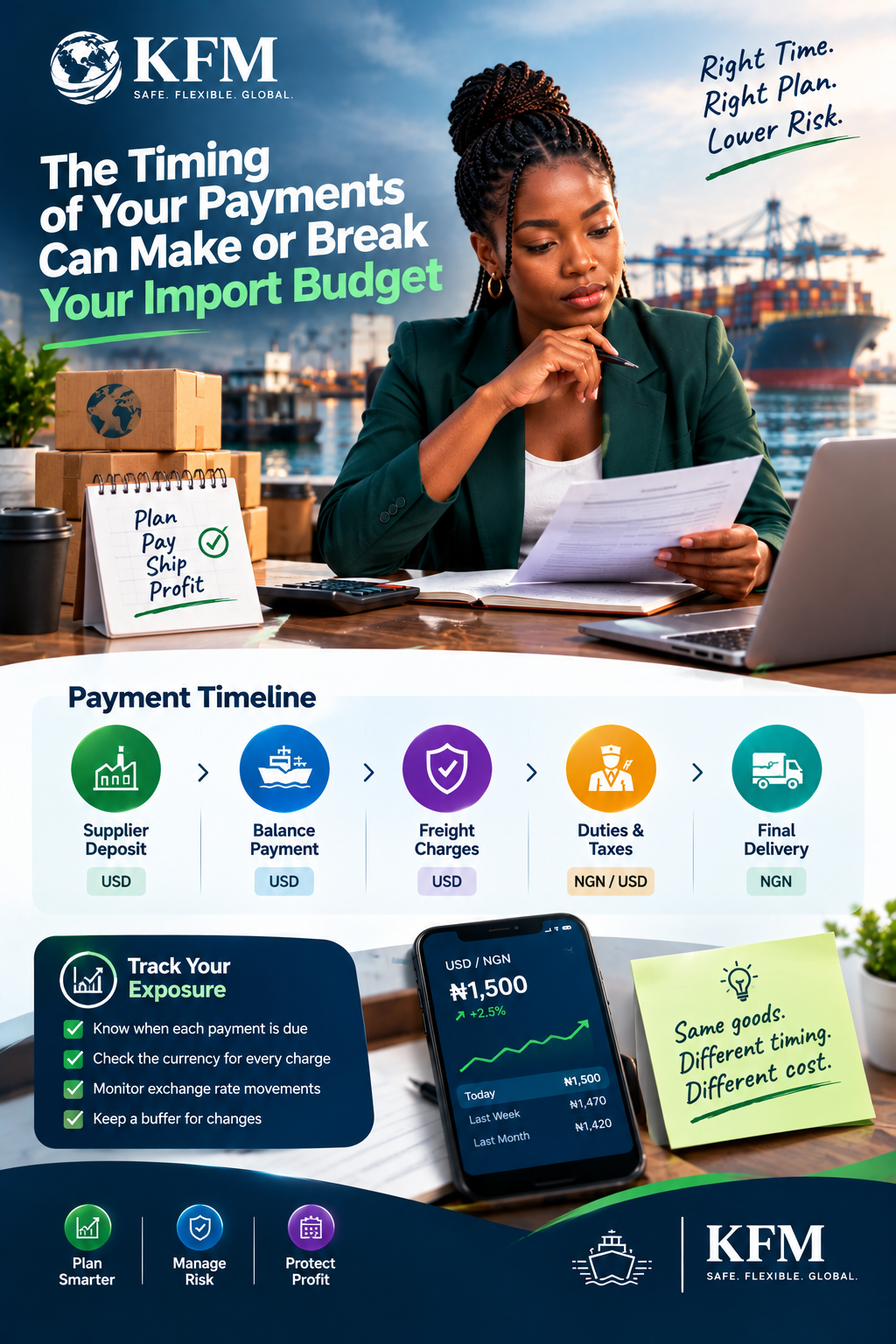
International shipments often involve multiple payments, and the exchange rate available when each payment is made may differ from the rate used in your original estimate.
Instead of relying on one forecast, prepare three scenarios:
- Best case: The exchange rate remains stable or moves in your favour.
- Expected case: The rate follows your reasonable planning assumption.
- Stress case: The naira weakens and your foreign-currency expenses become more expensive.
Calculate how each scenario affects your total import cost and expected profit.
This helps you identify whether a shipment remains financially viable even if conditions change.
2. Know Exactly Where Your Money Is Exposed 📊
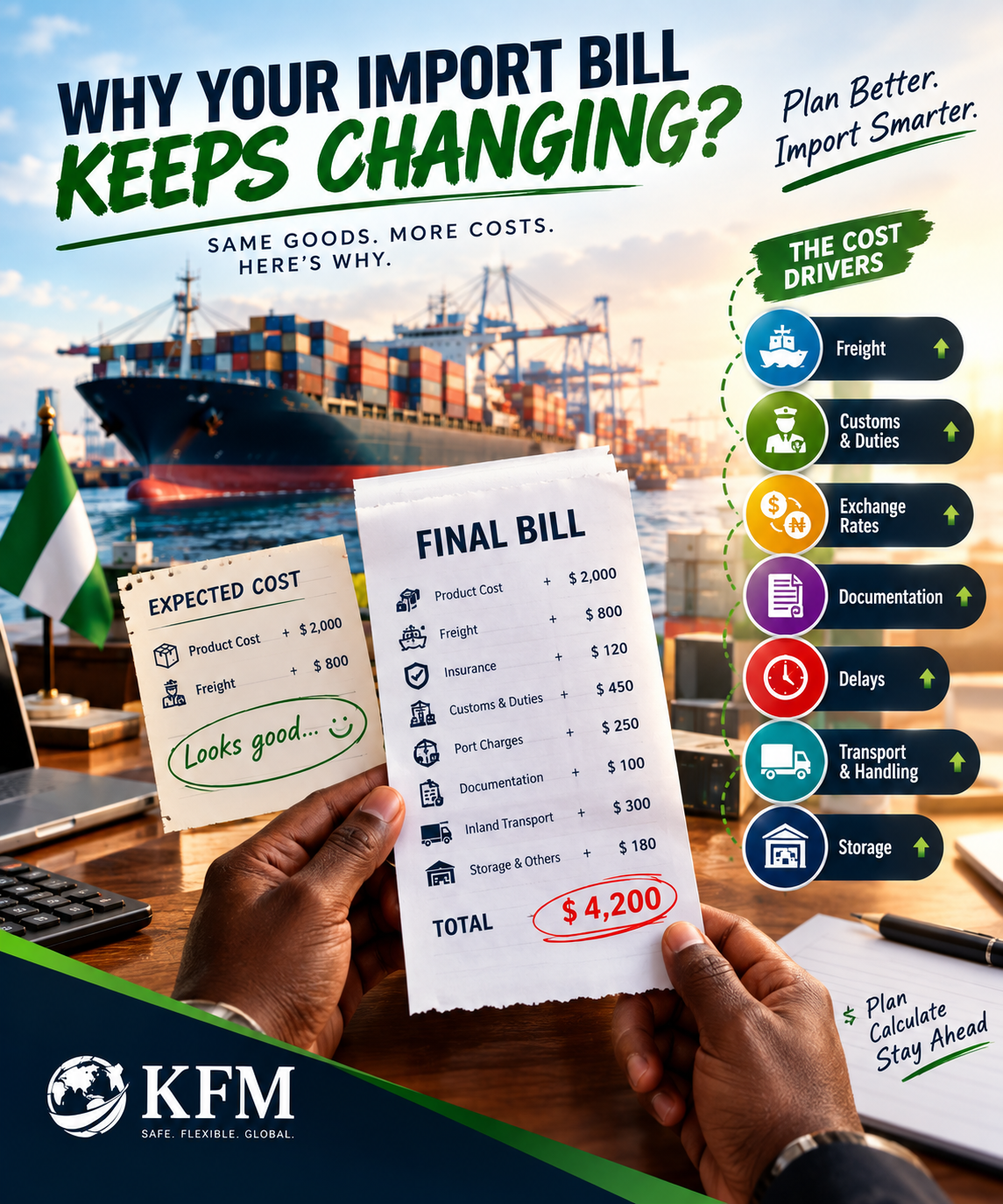
Not every import expense responds to exchange-rate changes in the same way.
Your supplier invoice may be denominated in US dollars, your freight quotation may also be in dollars, while other expenses may be payable in naira.
Some charges may change because of operational circumstances rather than currency movements.
Create a cost breakdown that identifies:
- The amount you need to pay
- The currency in which it is payable
- The expected payment date
- The exchange-rate assumption used in your budget
- Whether the amount can change before payment
When you understand your exposure, you can focus your attention on the payments that could have the biggest effect on your business.
3. Protect Your Cash Flow Before Placing an Order 🏦
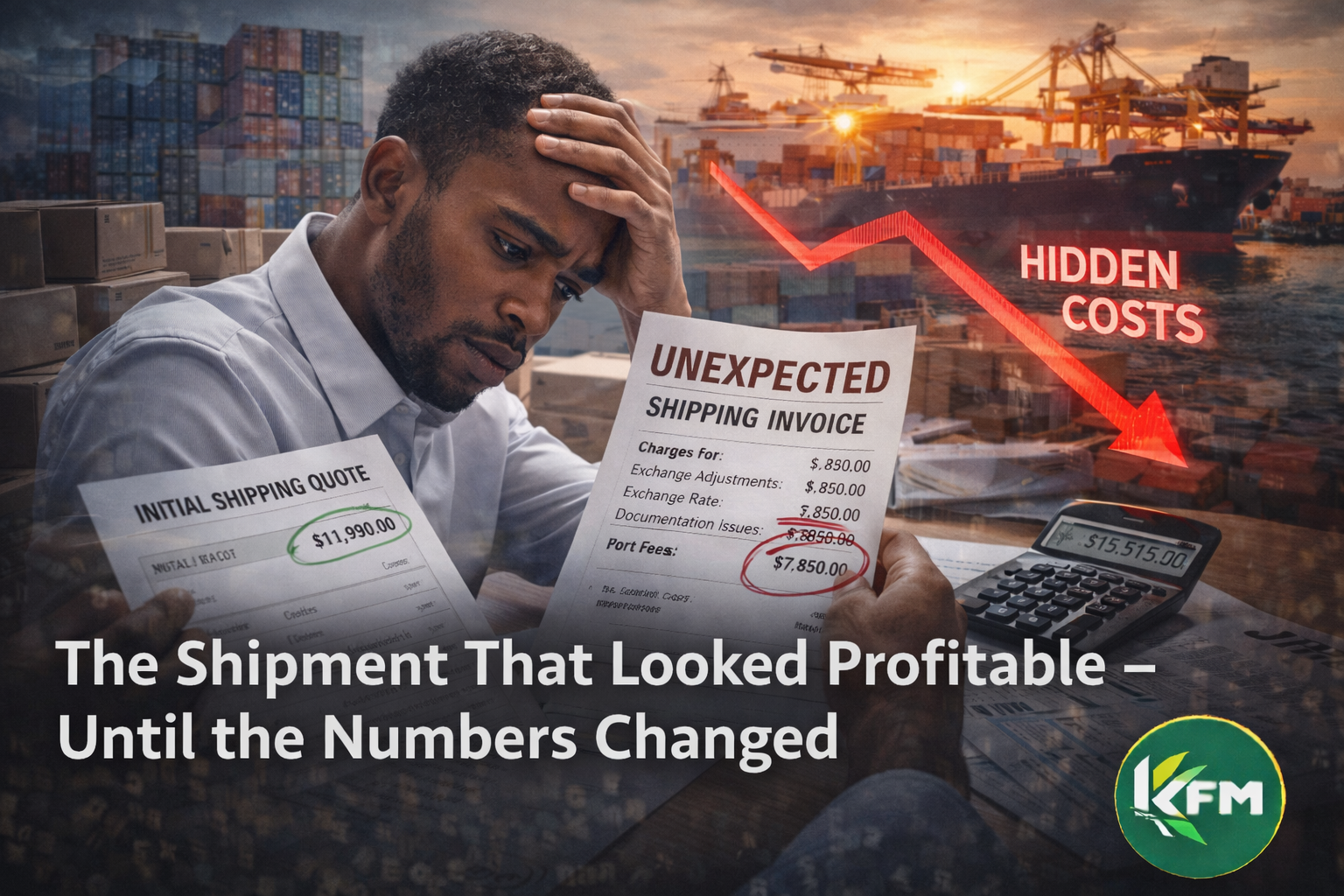
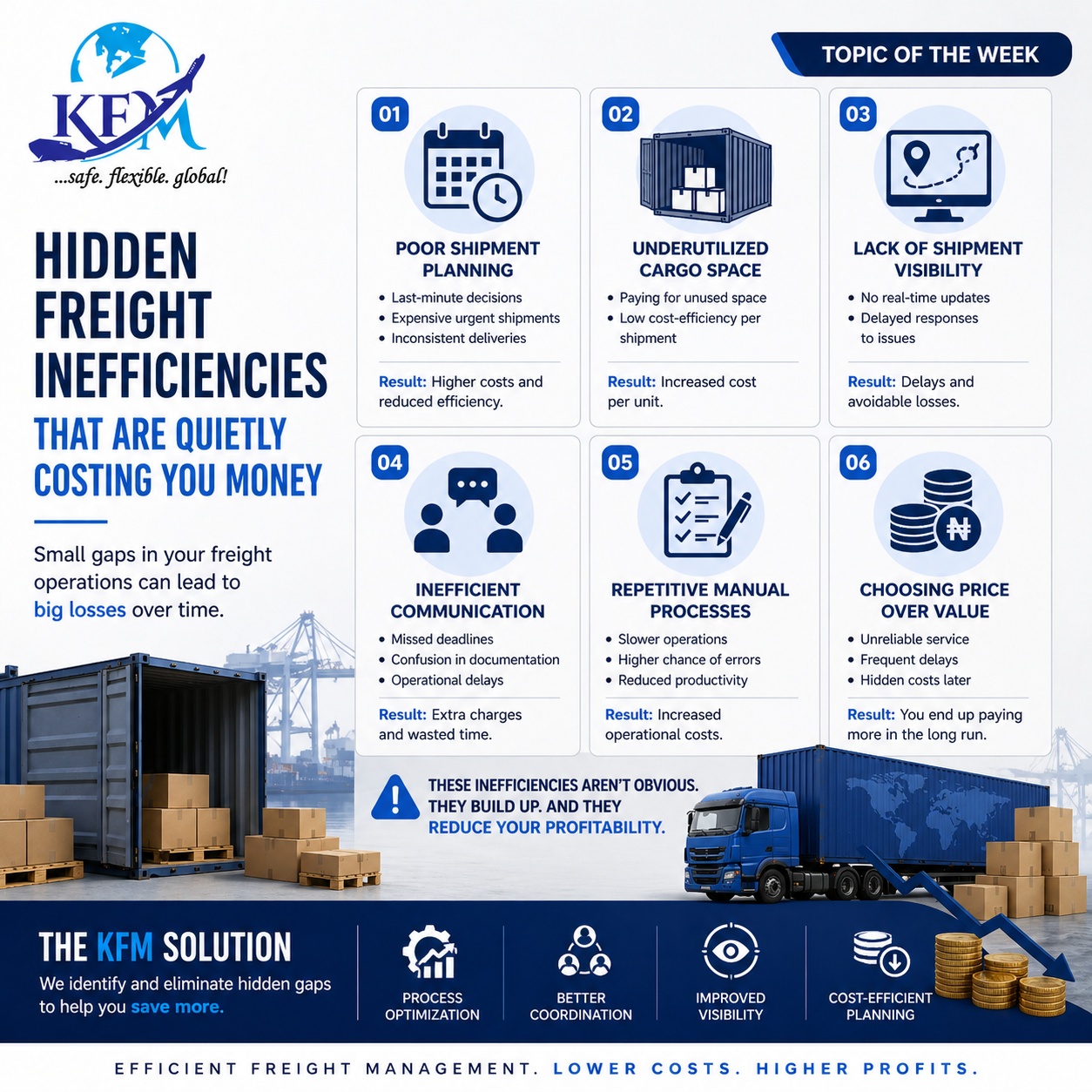
A shipment can be profitable on paper and still create serious cash-flow problems.
Imagine that your goods are ready for dispatch, but the naira has weakened since you prepared your budget.
You now need additional funds to settle your supplier or freight payment. If your working capital is already committed elsewhere, the shipment could be delayed while you arrange the money.
To reduce this risk:
- Estimate your full payment obligations before ordering.
- Maintain a reasonable contingency reserve.
- Avoid committing all your available capital to one shipment.
- Plan supplier payment dates around your actual cash flow.
- Keep funds available for applicable clearance and delivery expenses.
Good cash-flow planning gives your business room to respond when costs change.
4. Negotiate Payment Terms That Suit Your Business 🤝
Your supplier's payment terms can influence how much financial pressure your business faces.
Depending on your relationship and the supplier's policies, you may be able to negotiate deposits, staged payments, or agreed payment deadlines.
However, delaying payment does not automatically reduce exchange-rate risk. If the naira weakens before you pay, the amount required could increase.
The objective is to find terms that balance:
- Your available working capital
- The supplier's production and dispatch requirements
- Your expected shipment timeline
- Your exposure to currency movements
- The commercial risks associated with each payment arrangement
For larger foreign-currency commitments, speak with your bank or a qualified financial adviser about whether available currency-risk management options are appropriate for your business.
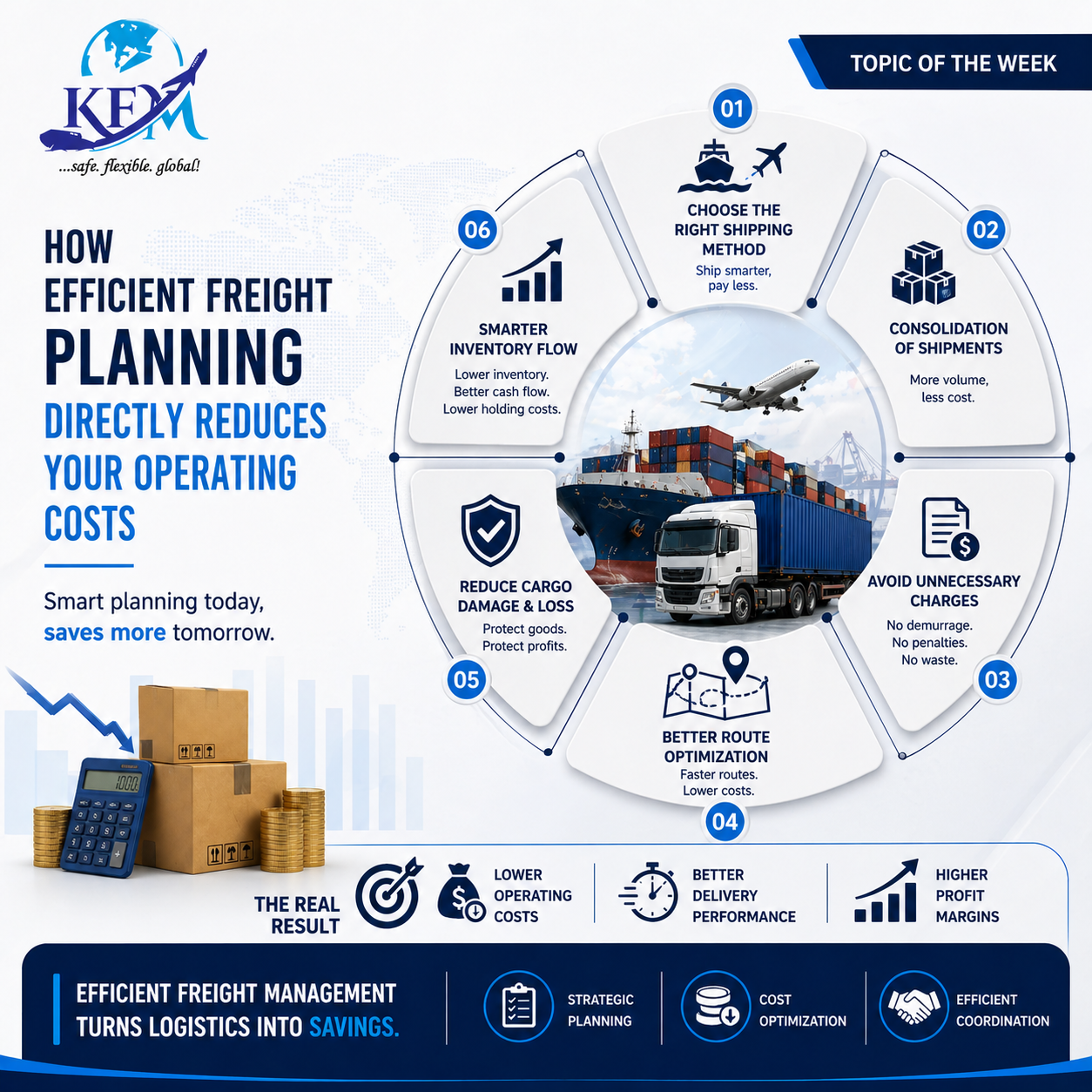
5. Review Your Shipping Strategy — Not Just Your Supplier's Price 🚢
When import costs rise, your first reaction might be to search for a cheaper supplier.
That may help, but it isn't the only option.
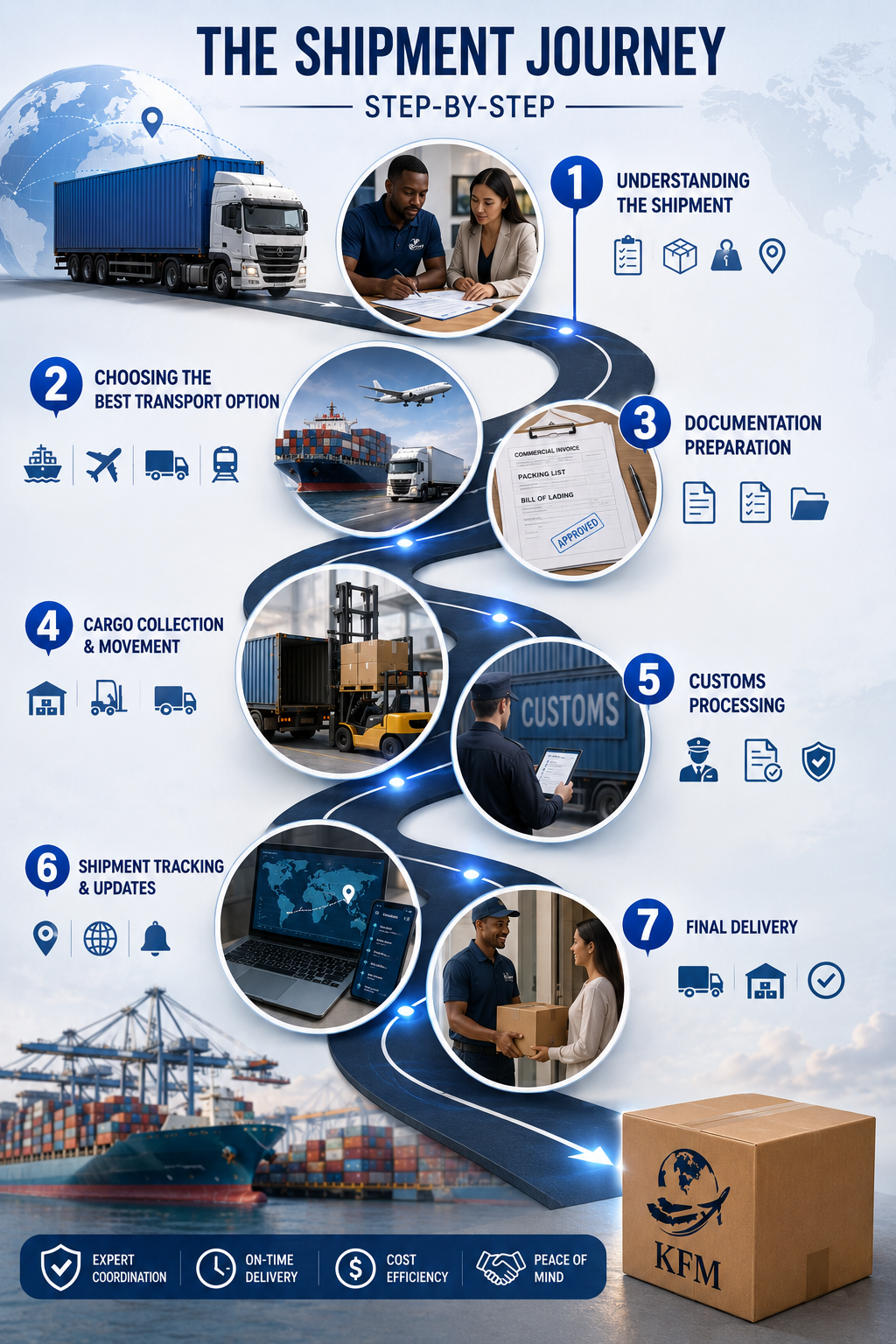
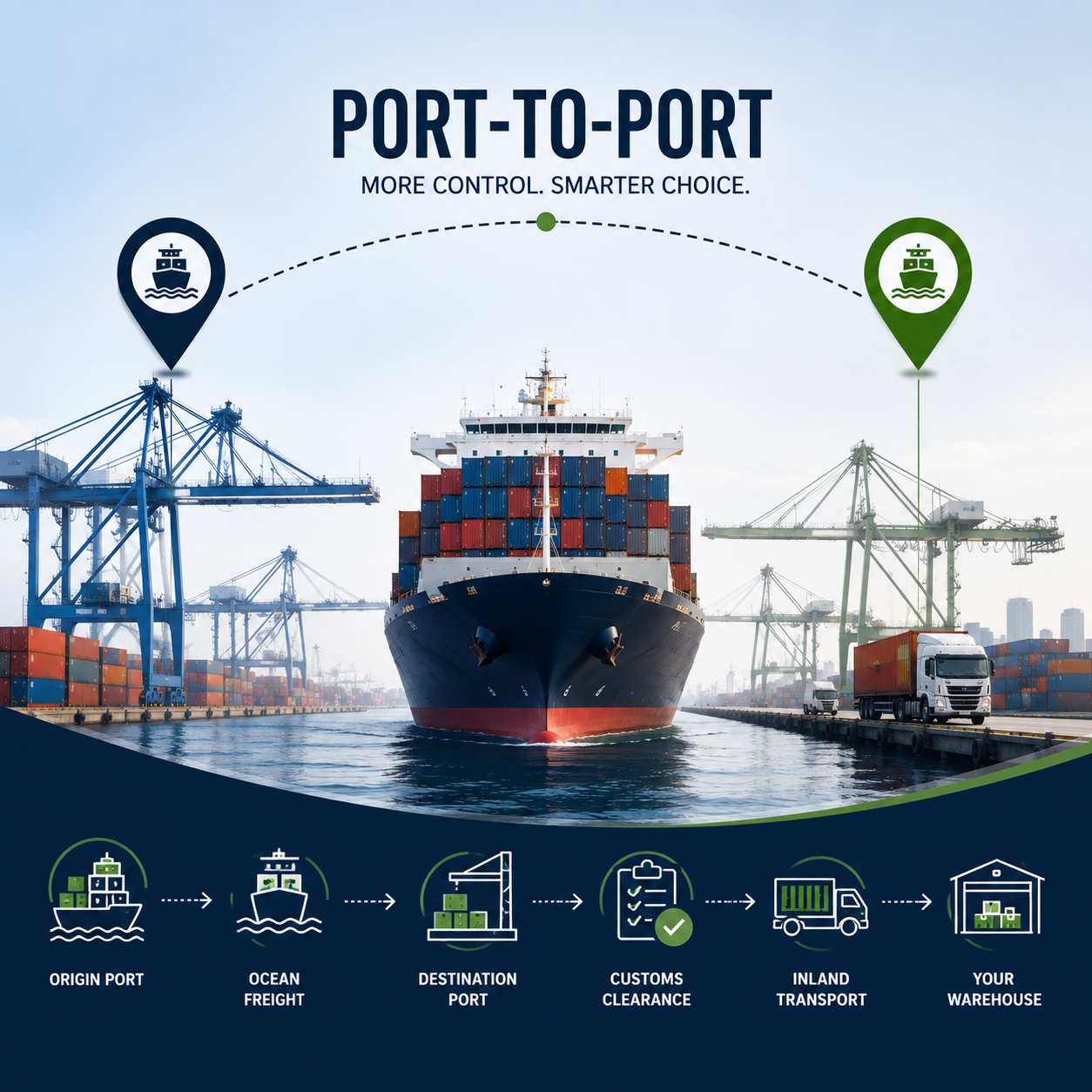
You should also review how your goods are shipped and delivered.
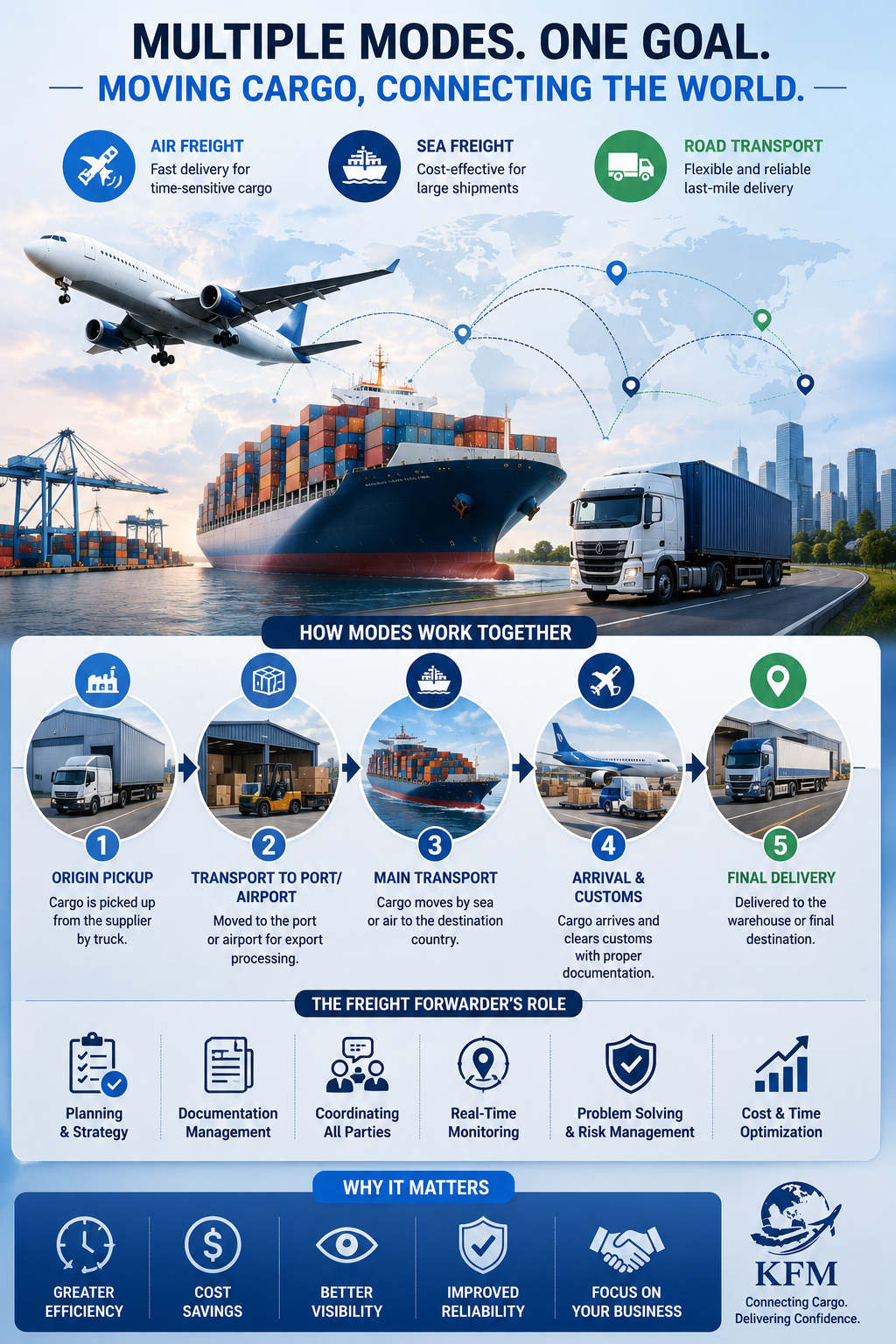
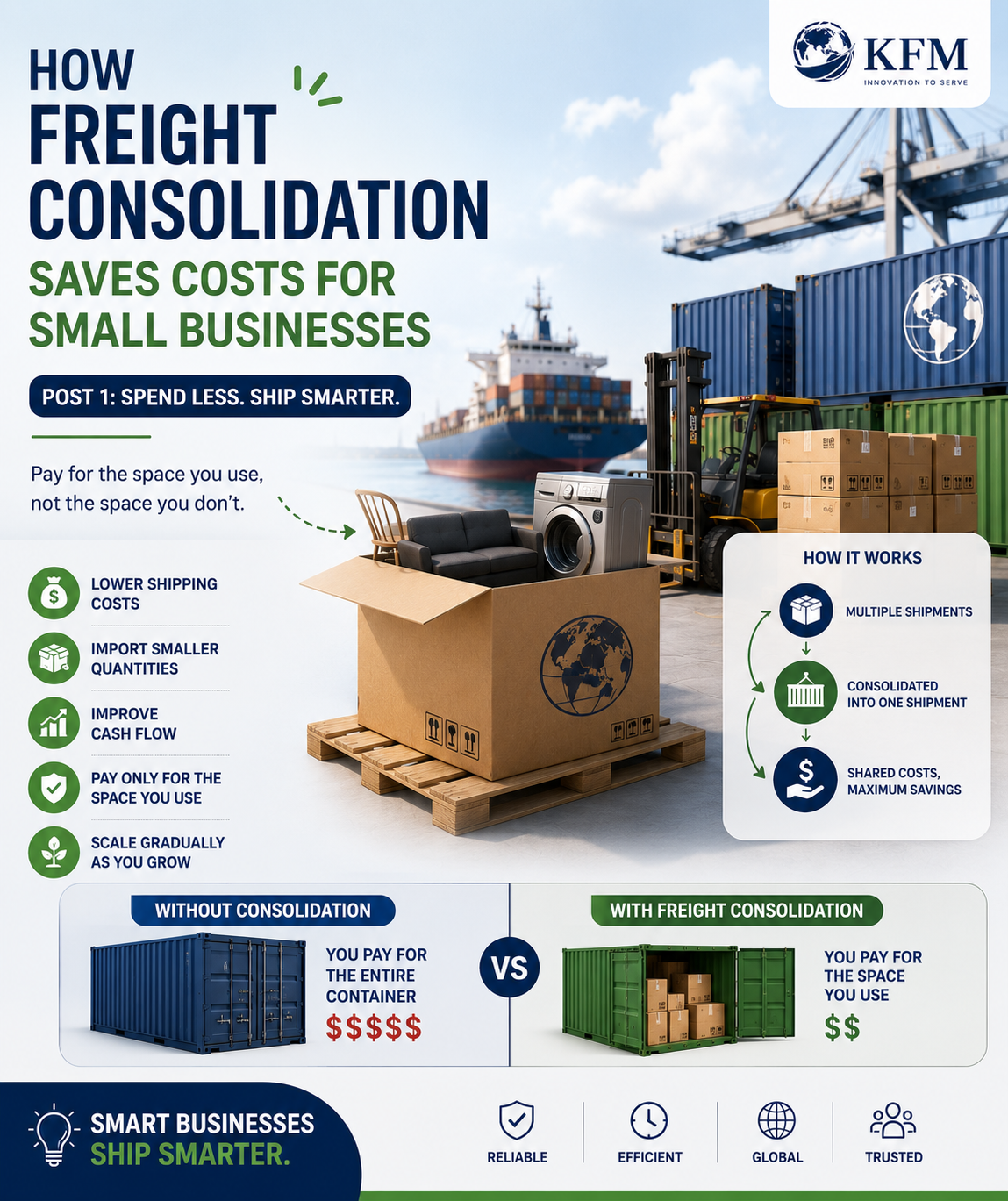
- Choose the right shipping method: Compare air freight, sea freight, and suitable consolidation options based on total cost, urgency, and shipment size.
- Plan shipments carefully: Coordinate orders to avoid unnecessary rush shipments and poorly timed deliveries.
- Request transparent quotations: Understand the currency, validity period, and conditions attached to each charge.
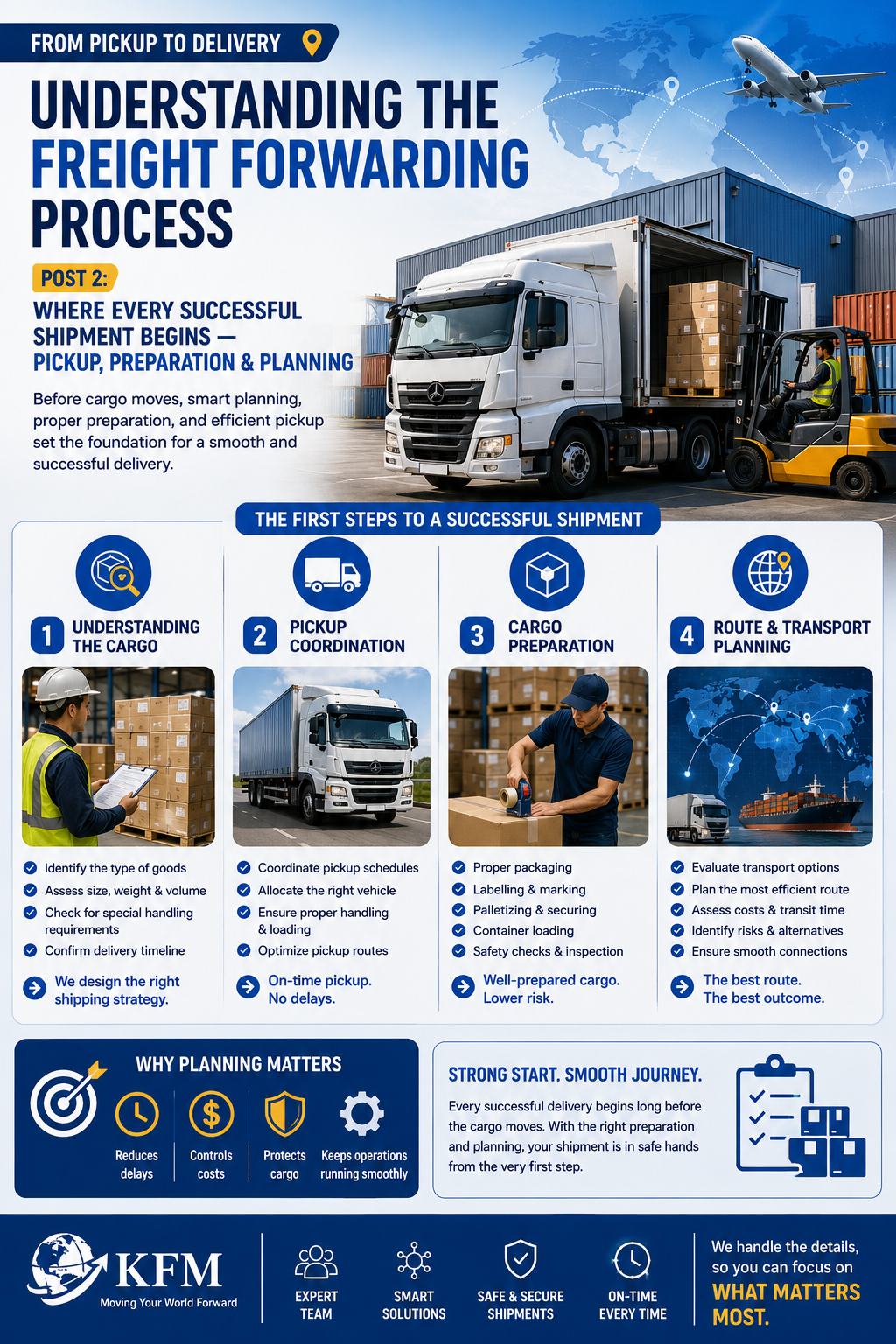
- Prepare documents early: Reduce avoidable problems that could lead to additional costs.
- Coordinate final delivery: Plan transportation and receiving arrangements before the cargo arrives.
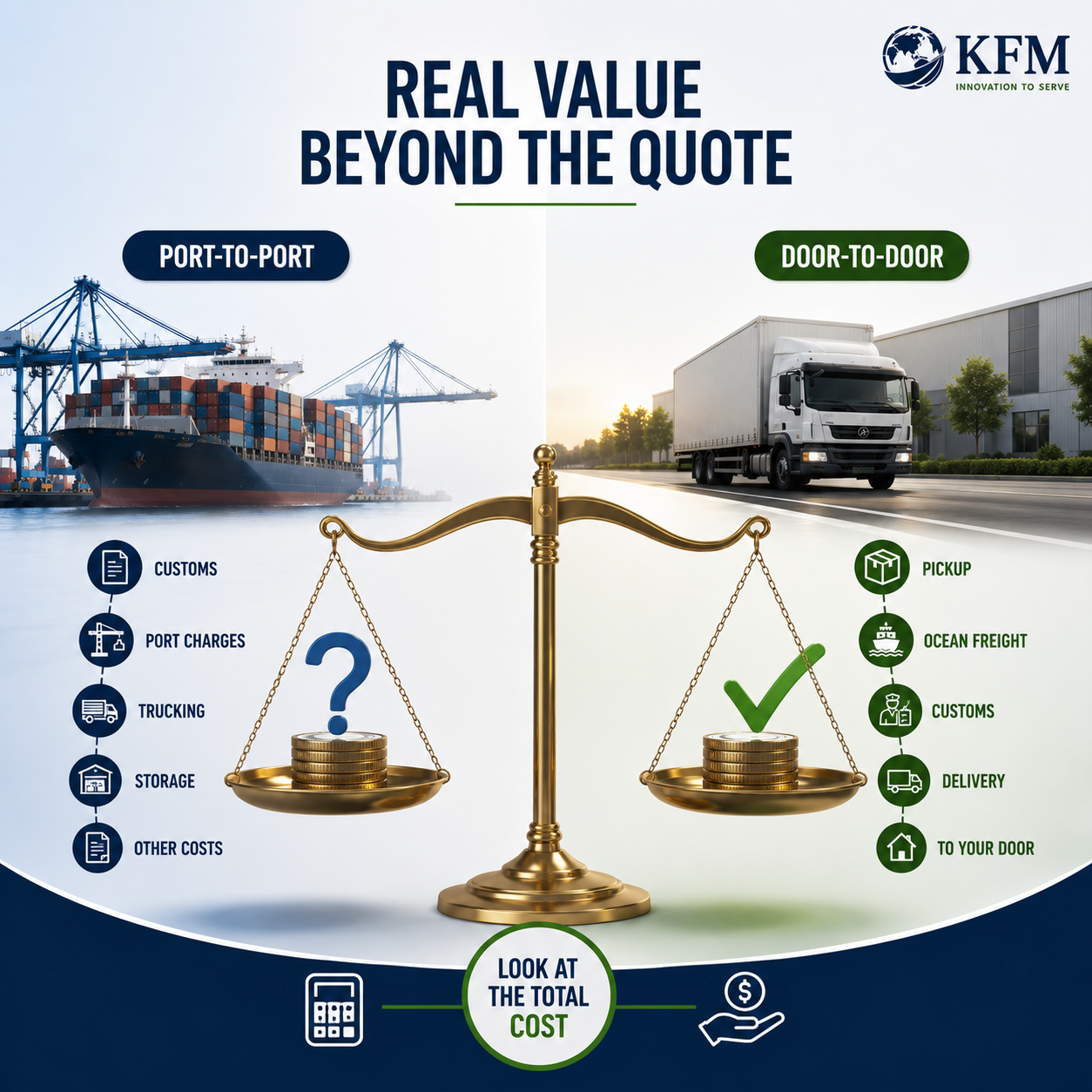
The cheapest freight quotation isn't necessarily the cheapest overall solution.
Look at the total cost of getting your goods to their final destination.
6. Review Your Landed Cost Before Setting Your Selling Price 🧮
If your import costs change, your pricing calculations may need to change too.
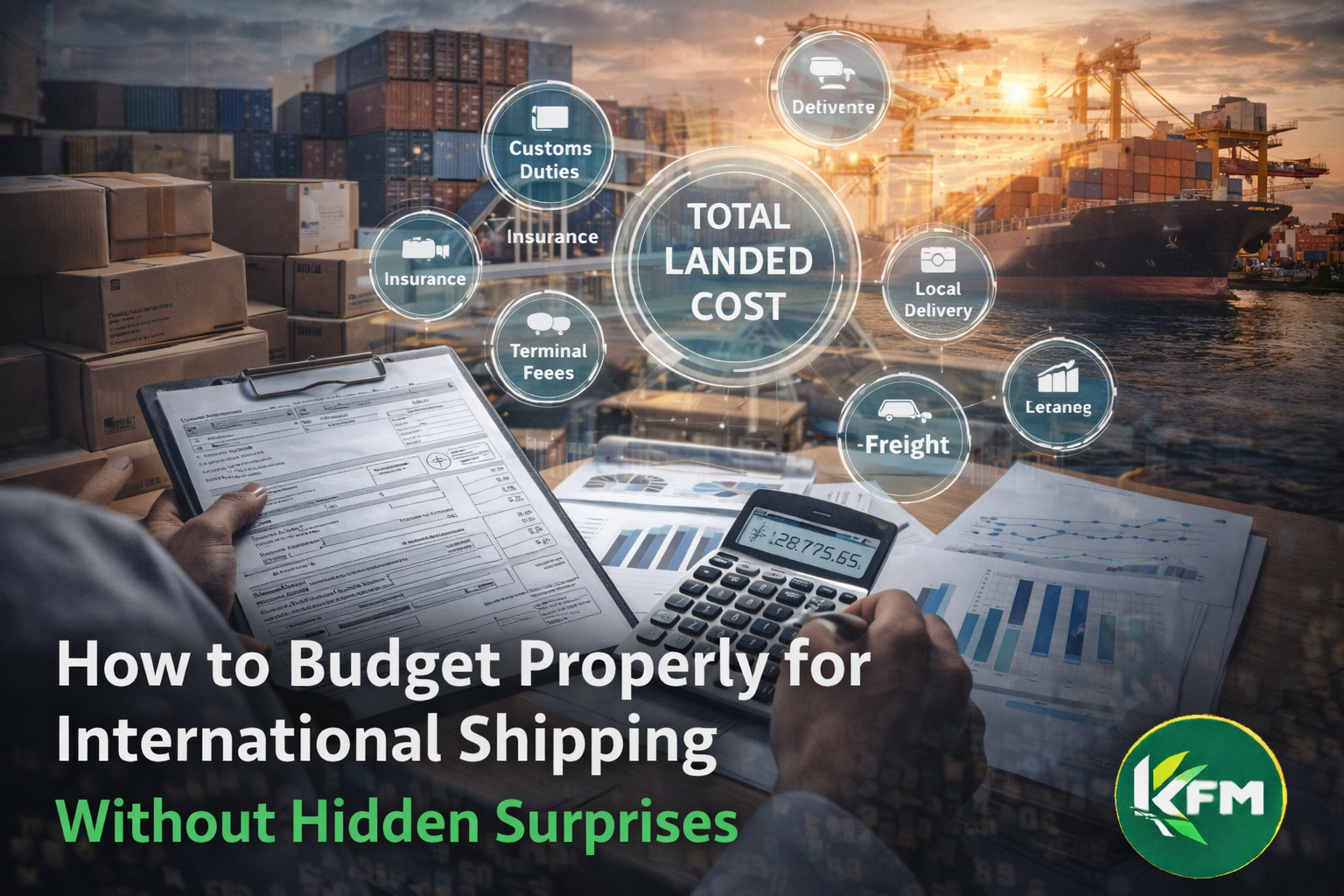
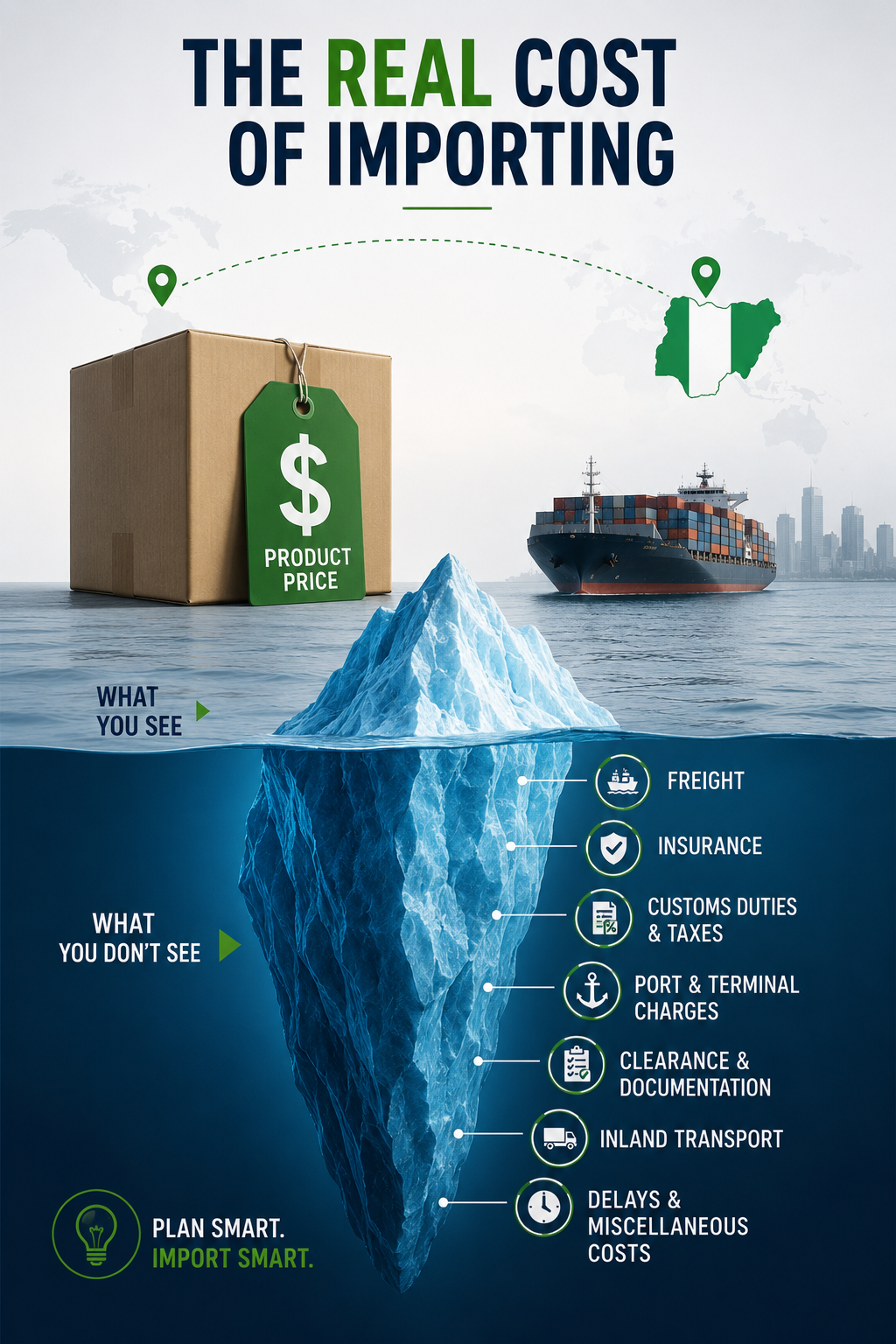
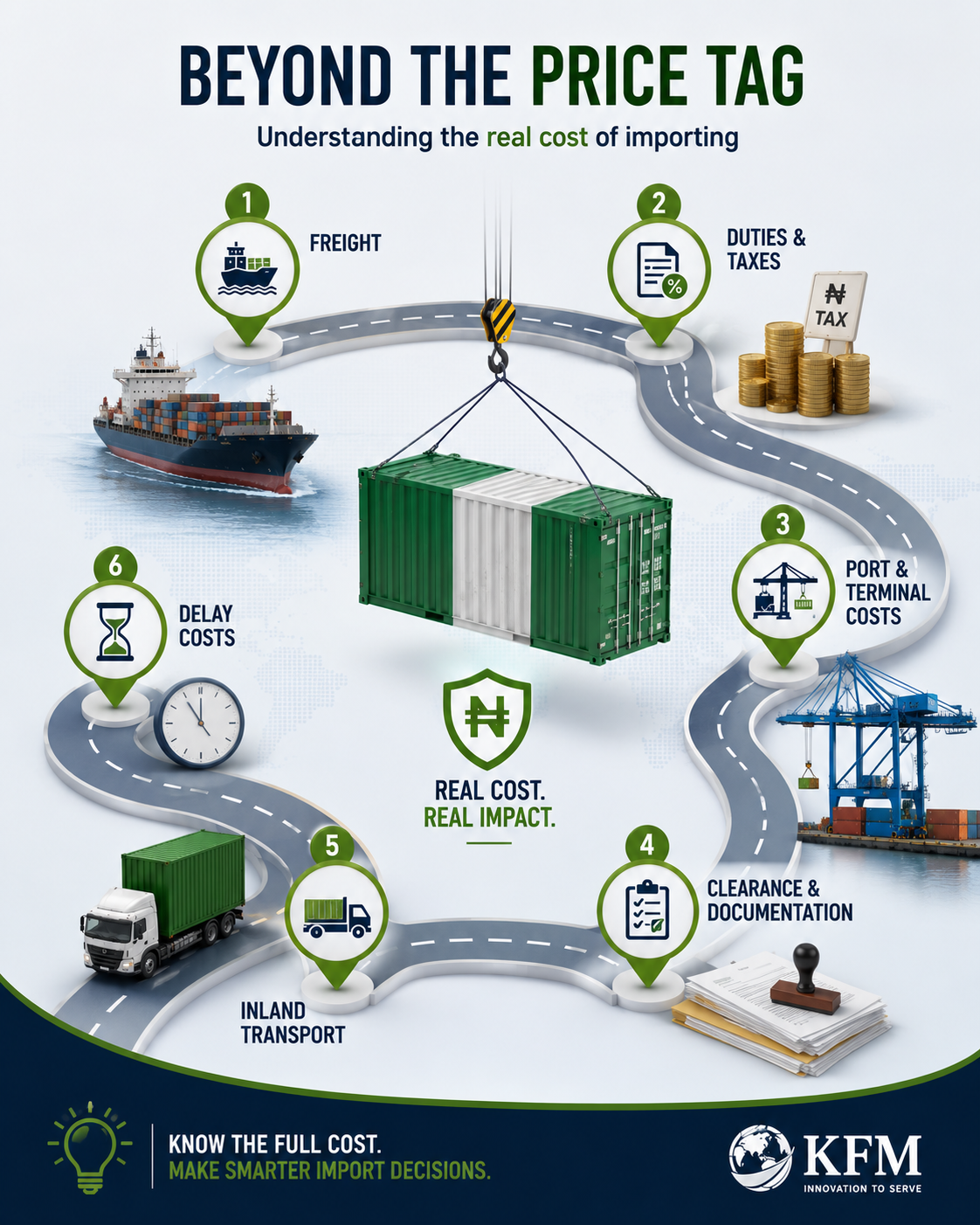
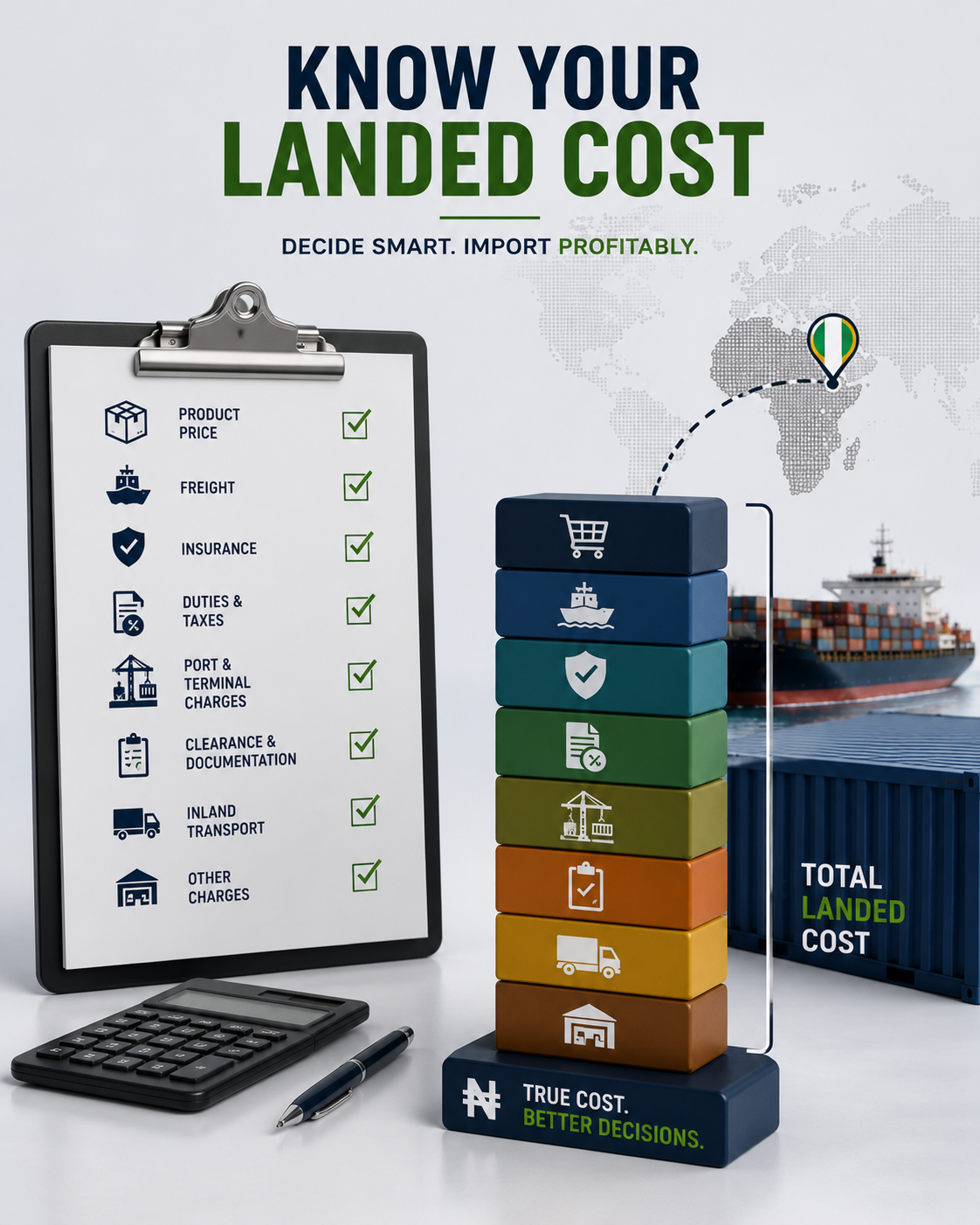
Your landed cost should account for the relevant expenses involved in getting your goods to their intended destination, including:
- Product purchase price
- International freight and insurance
- Applicable customs duties and taxes
- Port, terminal, and clearance charges
- Inland transportation
- Other applicable handling and regulatory expenses
Once you have an updated estimate, calculate the selling price needed to support your desired margin.
Also consider the cost of replacing your existing stock. Goods purchased at an earlier exchange rate may have a different cost from the next shipment you need to order.
This is especially important for businesses that need to maintain inventory and replenish products regularly.
Don't wait until your profit disappears before reviewing your numbers.
7. Avoid Panic Buying and Poorly Planned Bulk Orders 📦
When the exchange rate becomes unpredictable, some importers rush to purchase large quantities because they fear costs will rise further.
Sometimes, buying ahead may make commercial sense. But it can also tie up working capital in products that sell slowly.
Before increasing your order quantity, consider:
- How quickly the products sell
- How much inventory you already have
- The cost of storing additional stock
- Whether the products could become outdated
- How much cash you will need for other business expenses
A lower unit price is not always an advantage if you cannot sell the goods quickly enough to recover your investment.
Buy based on demand, cash flow, and business strategy — not fear alone.
8. Build a Simple Monthly Import-Cost Review 📅
You don't need an overly complicated system to improve your financial visibility.
Set aside time each month to review:
- Outstanding foreign-currency payments
- Current supplier and freight quotations
- Changes in estimated landed cost
- Inventory levels and upcoming restocking needs
- Expected selling prices and profit margins
- Upcoming shipping and delivery commitments
If your business imports frequently, this routine can help you spot potential pressure points earlier and make decisions before a payment becomes urgent.
The KFM Perspective
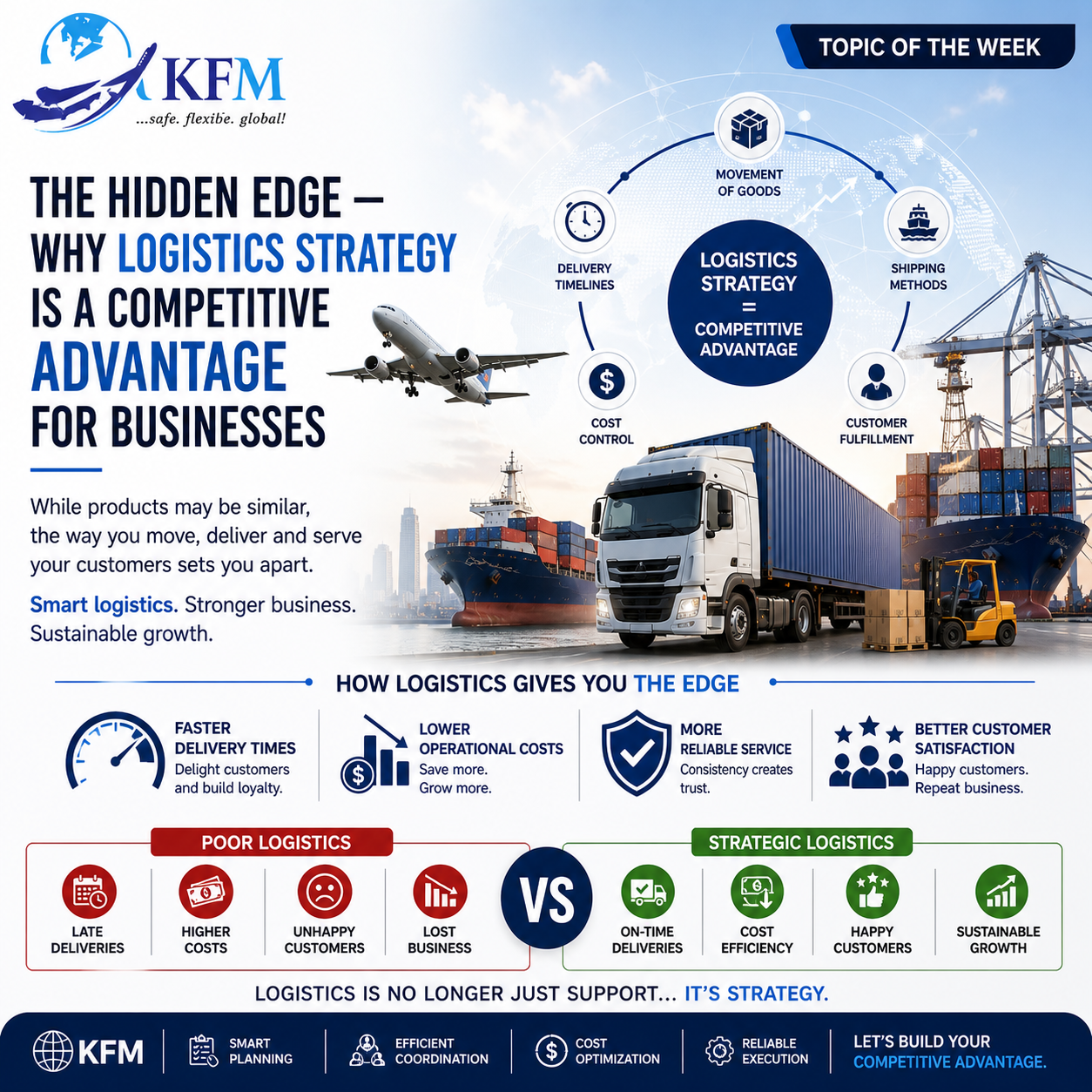
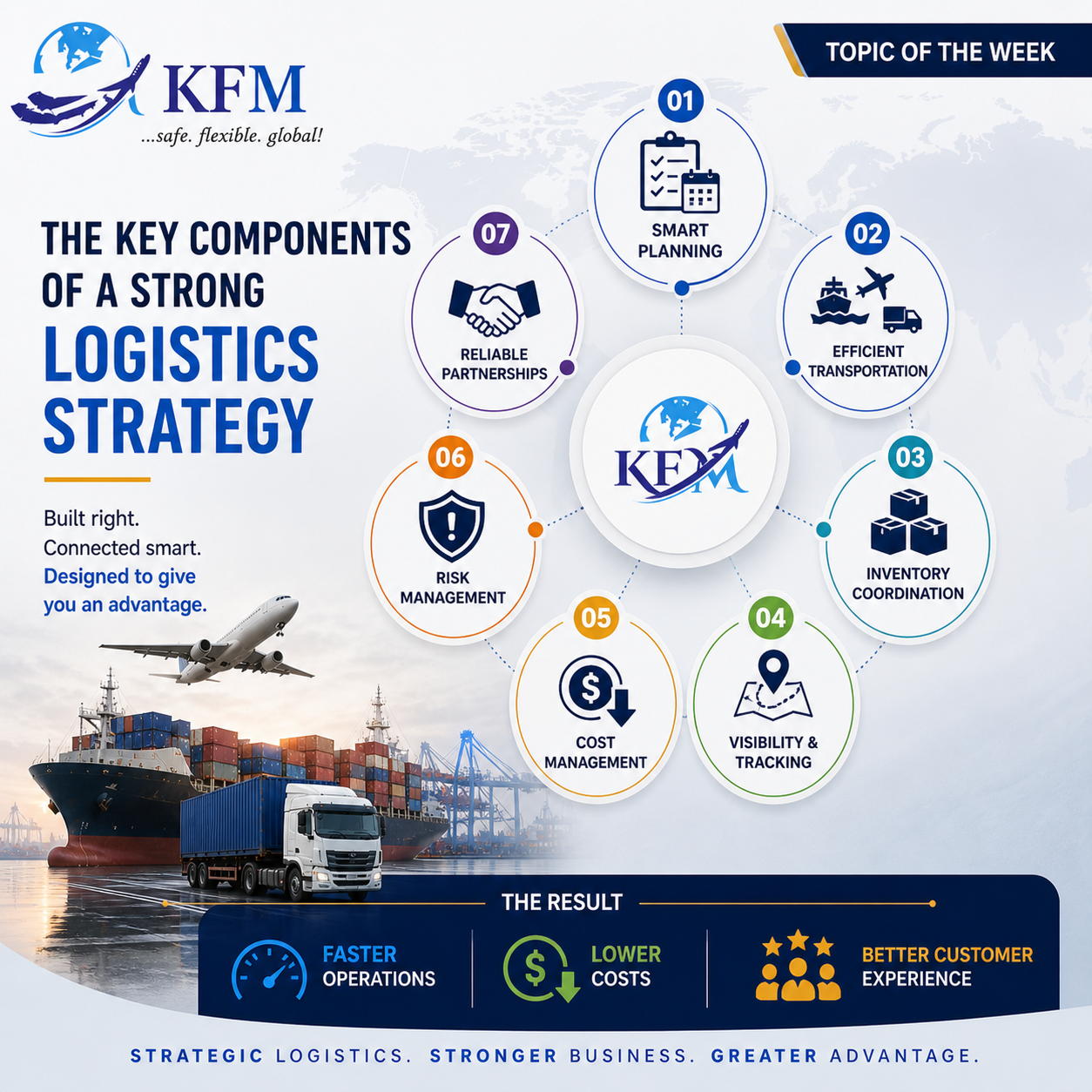
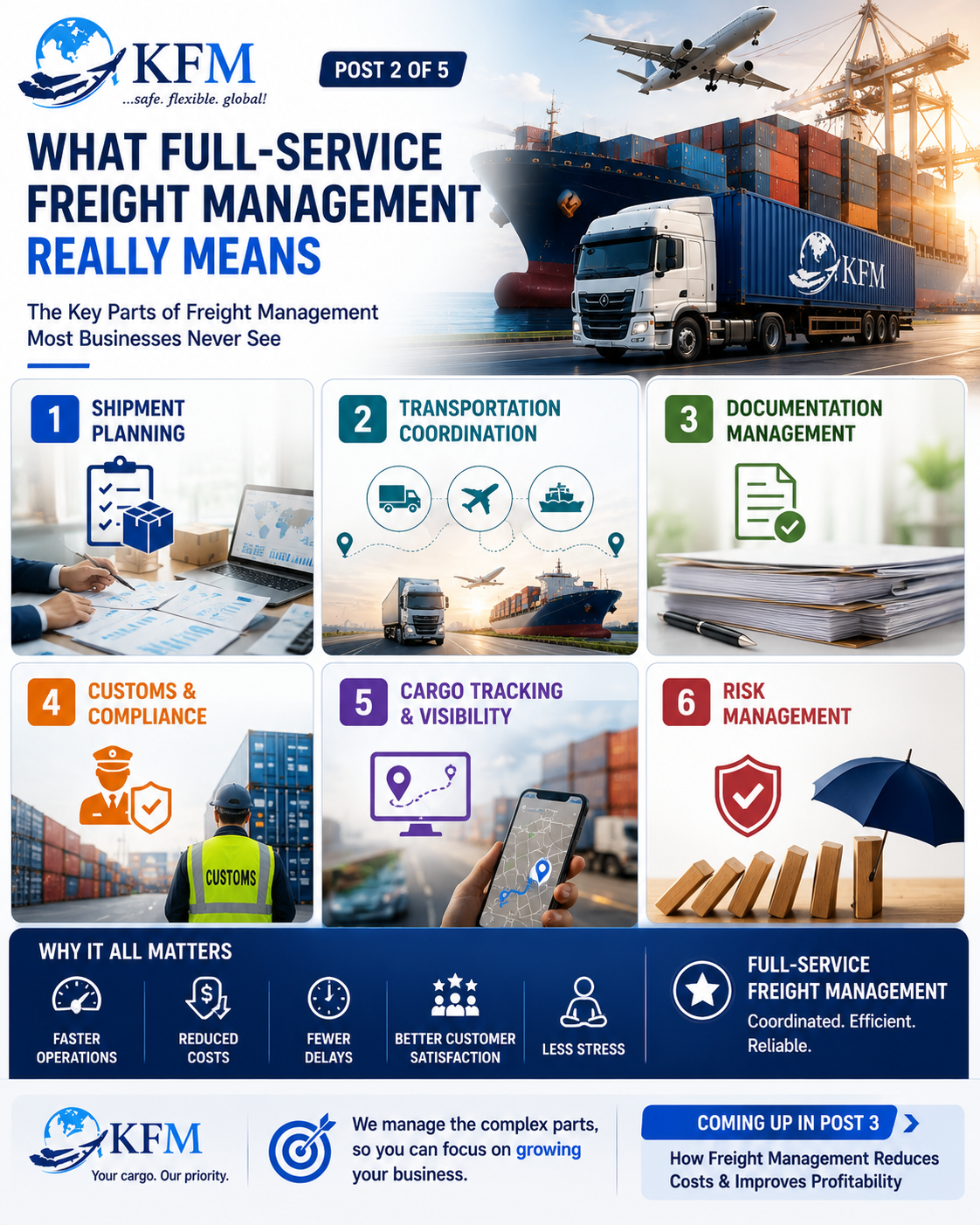
At KFM, we understand that international shipping is connected to much more than transportation.
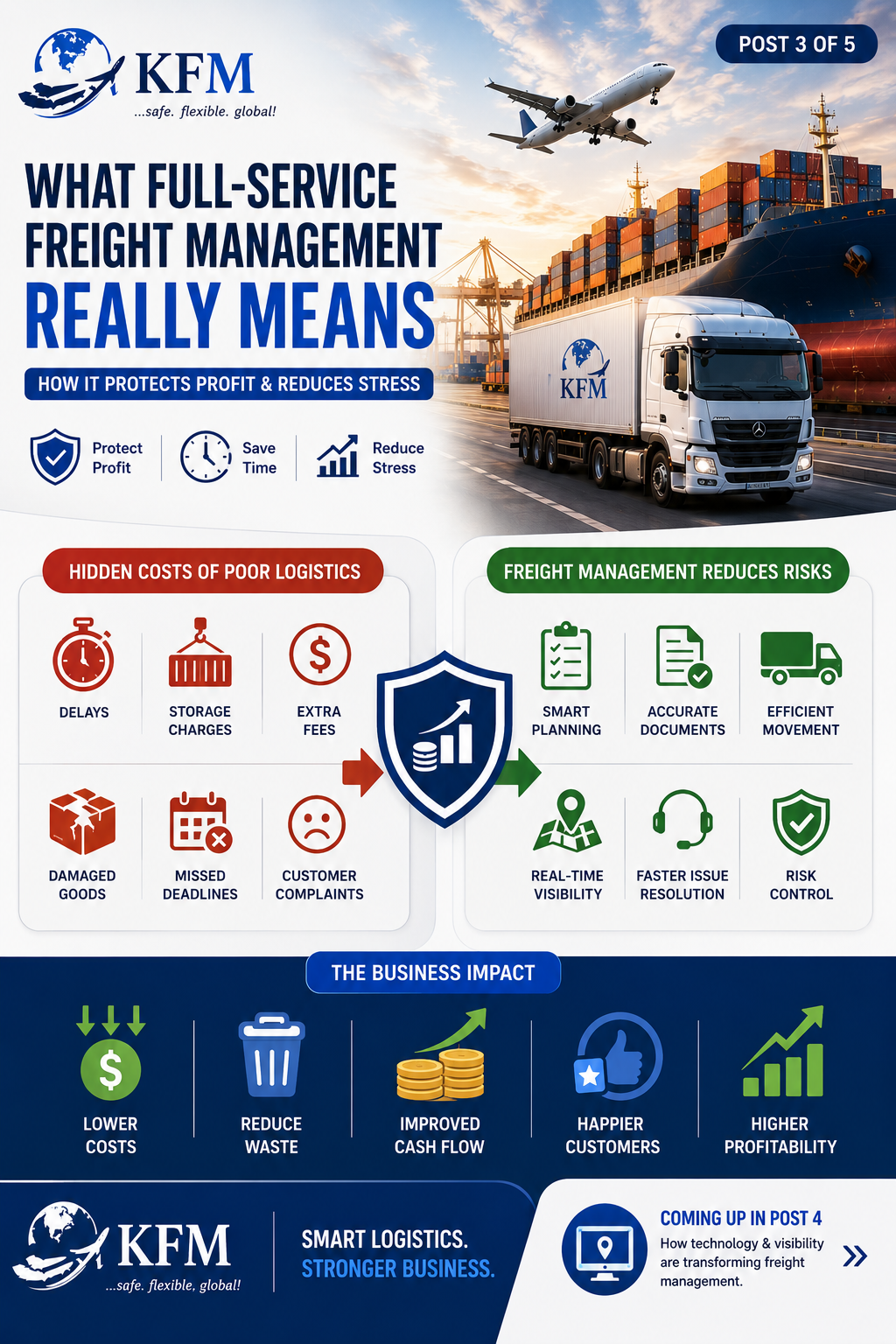
Exchange-rate movements can affect purchasing power, freight expenses, cash flow, landed cost, and the profit a business ultimately earns.
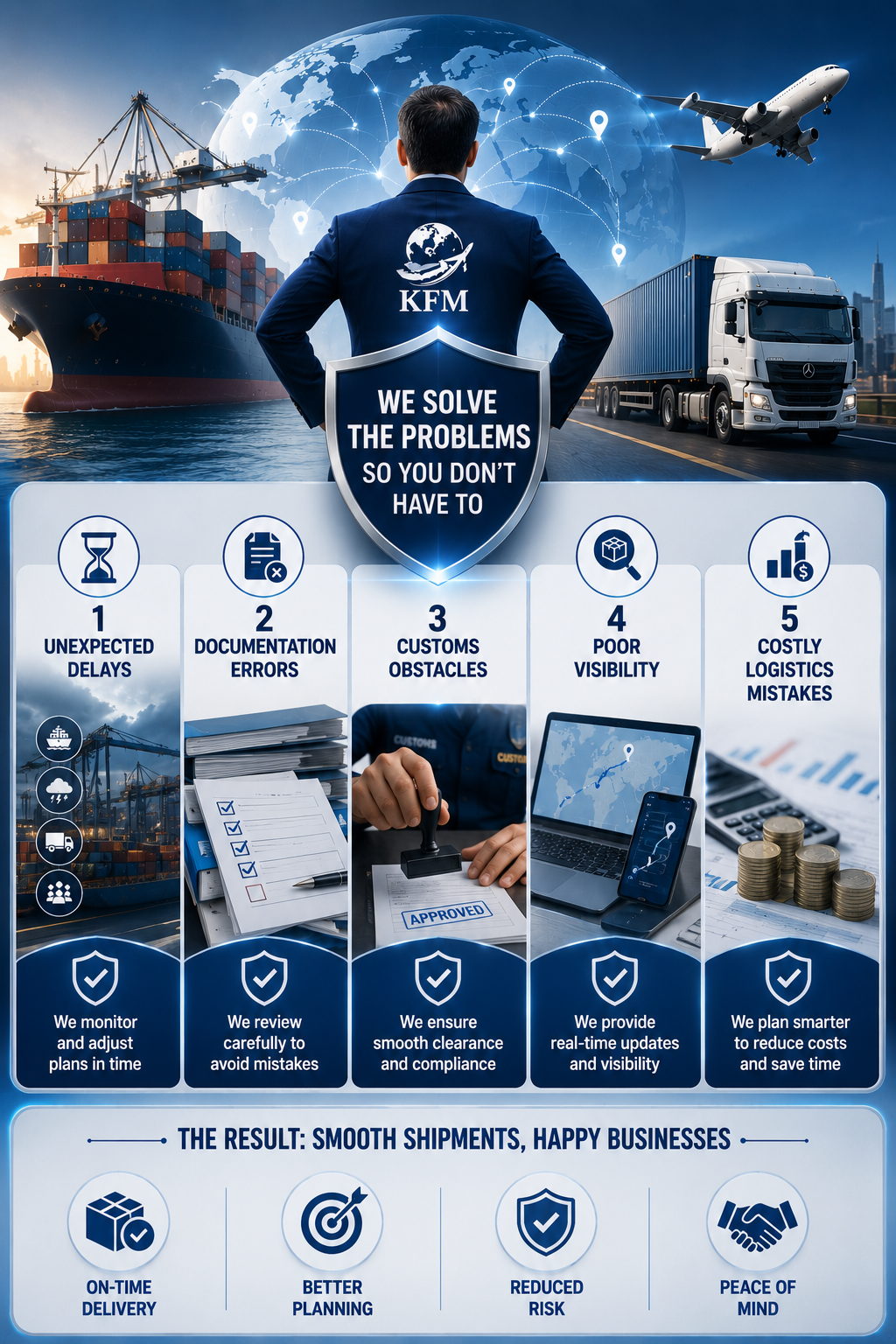
While no logistics provider can control currency markets or guarantee that import costs will remain unchanged, proper planning and clear communication can help importers understand their commitments and coordinate shipments more effectively.
The businesses that navigate uncertainty best are not necessarily the ones that predict every market movement.
They are the ones that understand their numbers, prepare for different outcomes, and make informed decisions.
Plan for uncertainty. Ship with clarity. Protect your profit.
KFM — Safe. Flexible. Global.
Final Takeaway 🎯
Exchange-rate changes may be outside your control, but your response doesn't have to be reactive.
Build realistic budgets, understand your foreign-currency obligations, protect your working capital, and review your landed cost before making major import decisions.
Because in international trade, success isn't just about getting your goods into Nigeria.
It's about getting them in a way that keeps your business financially sustainable.