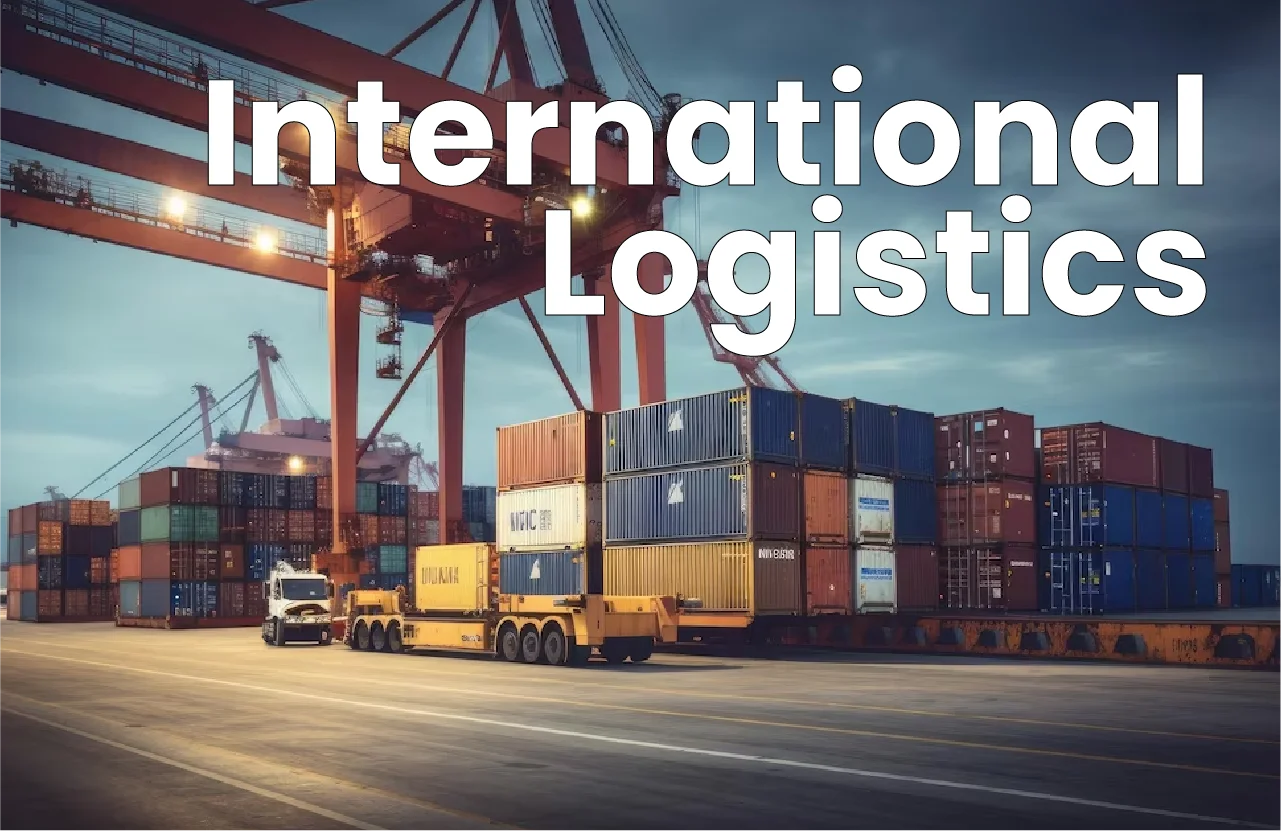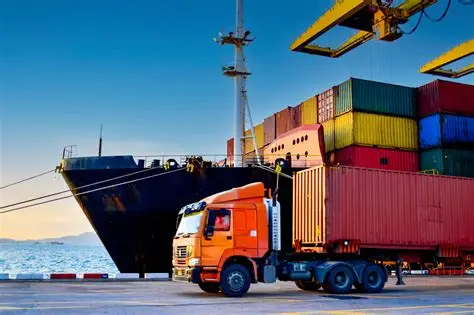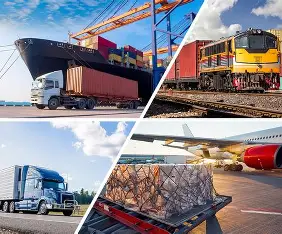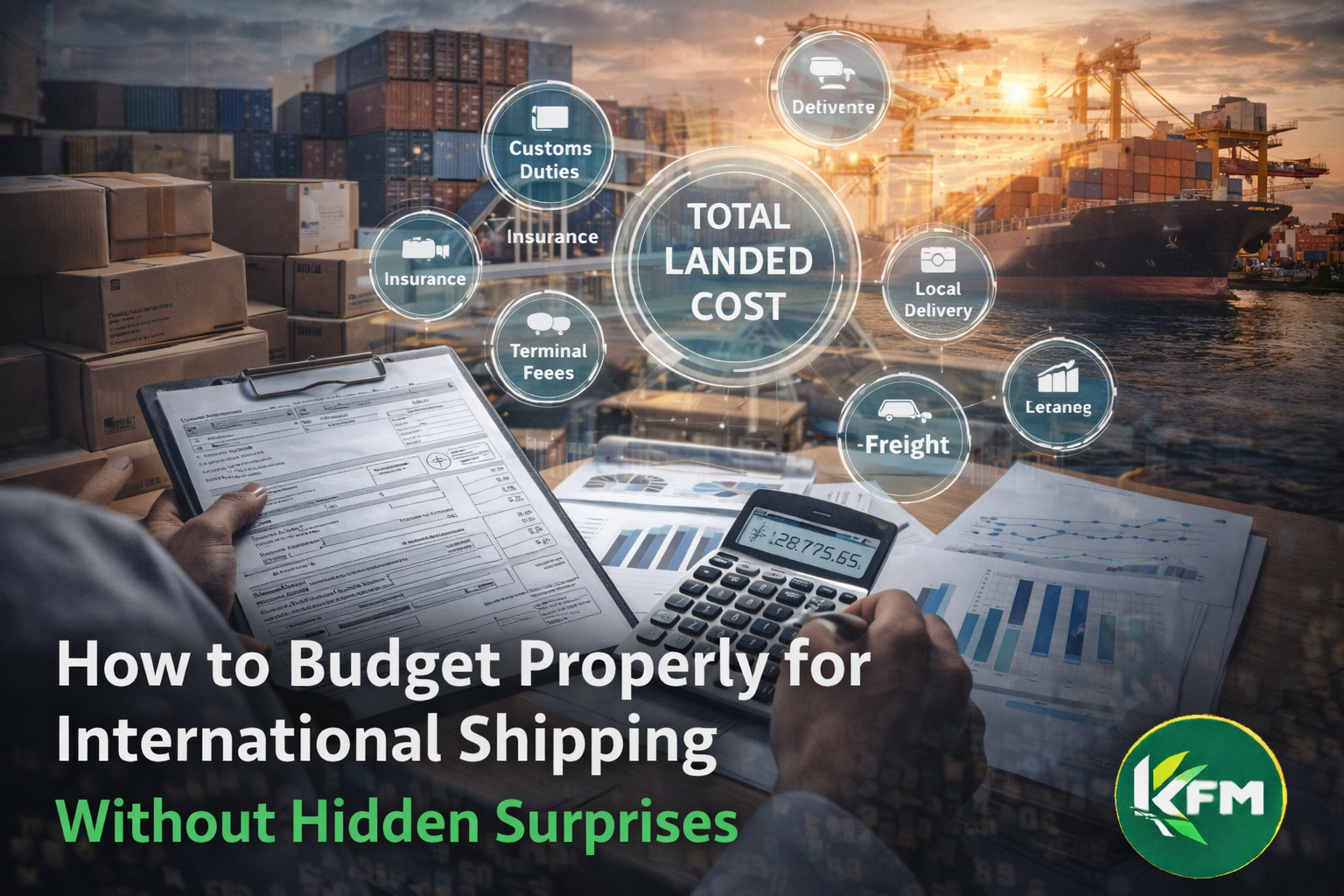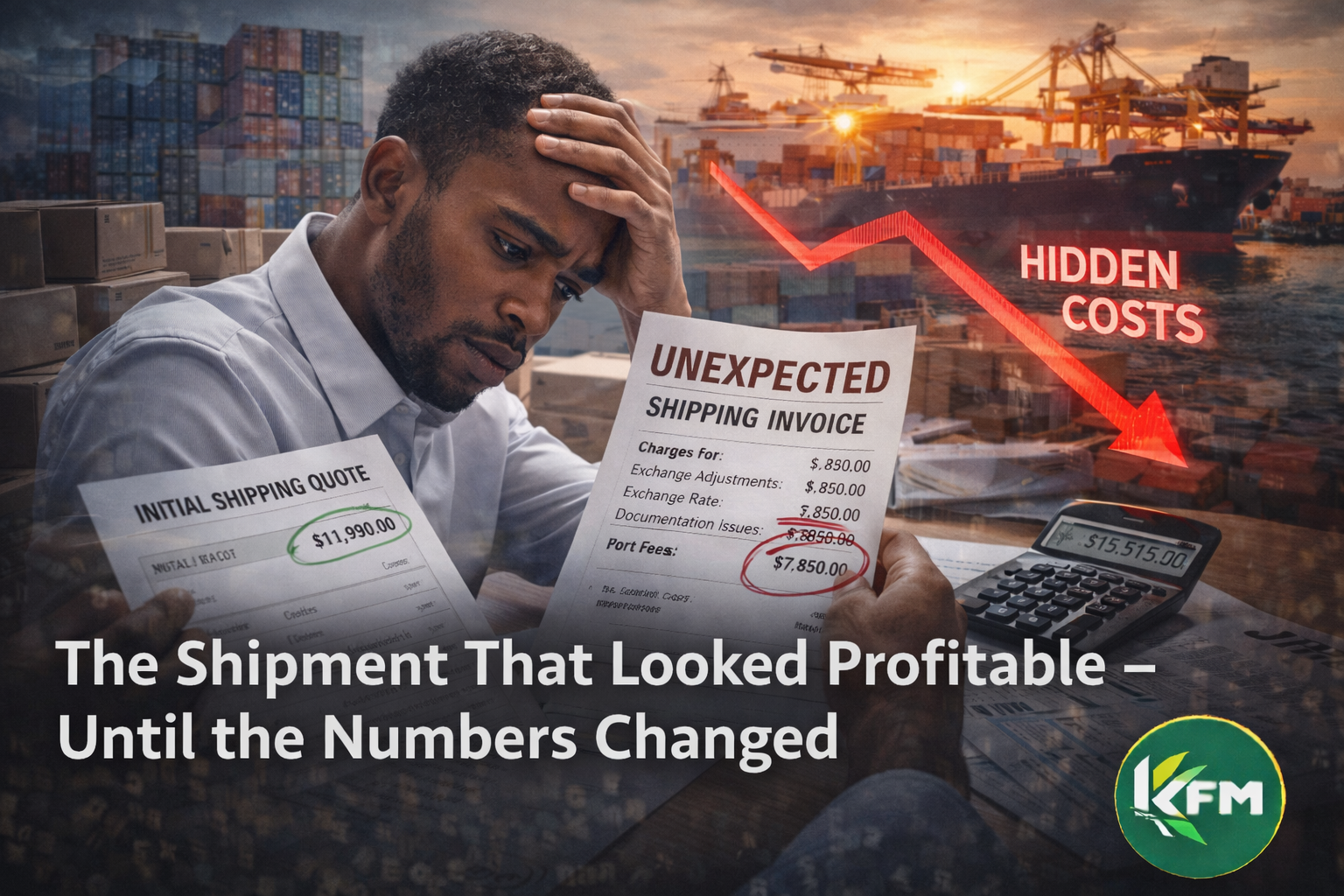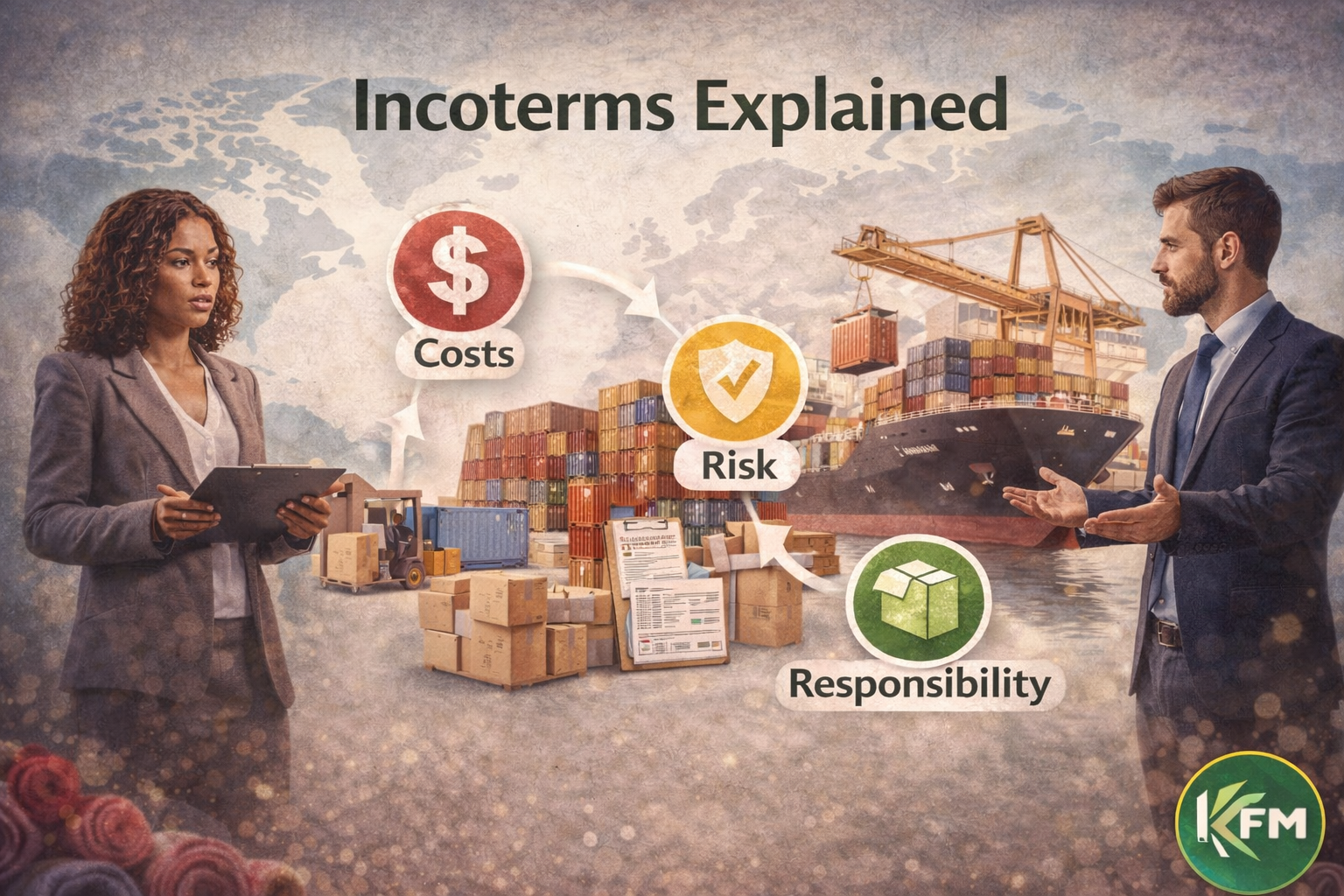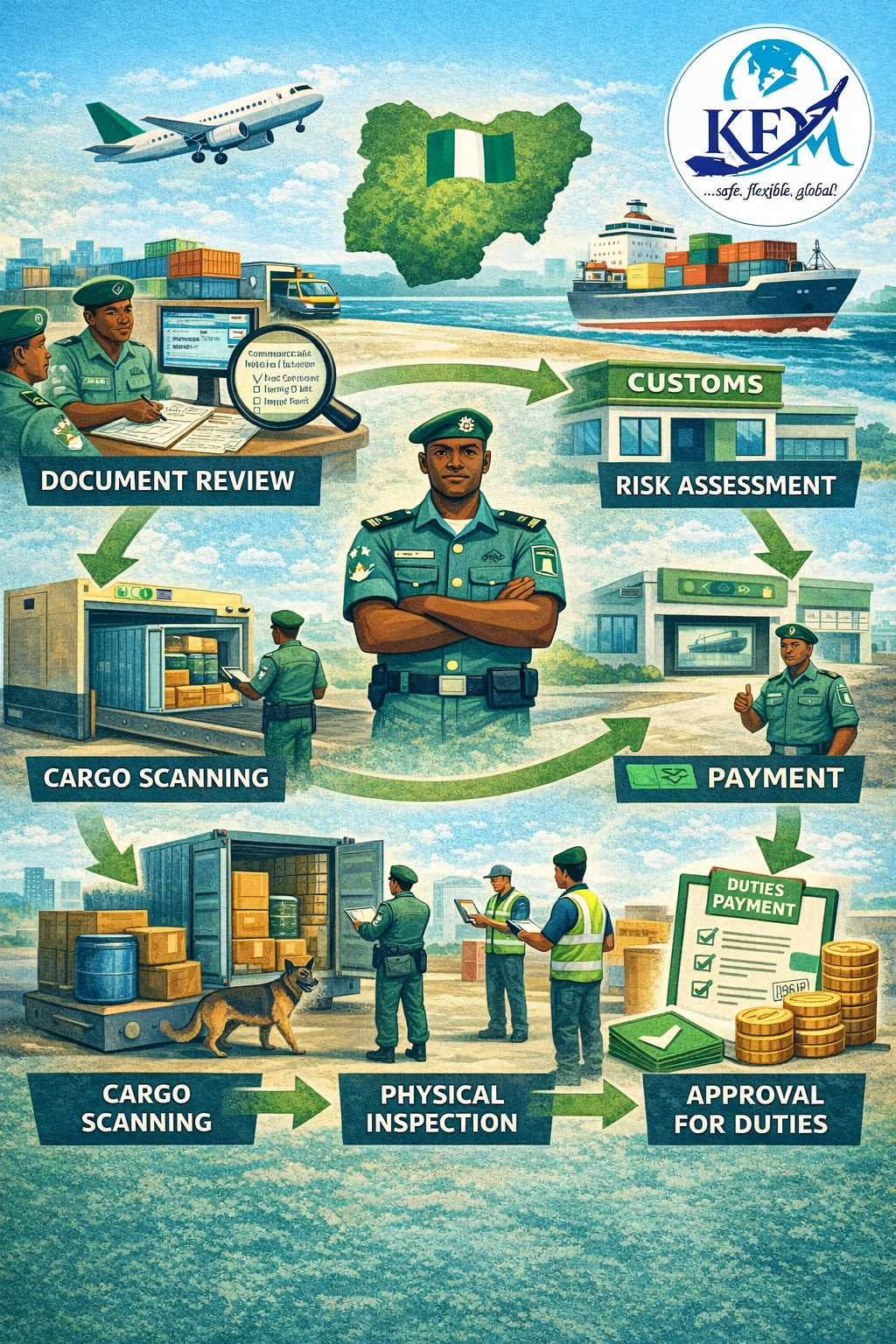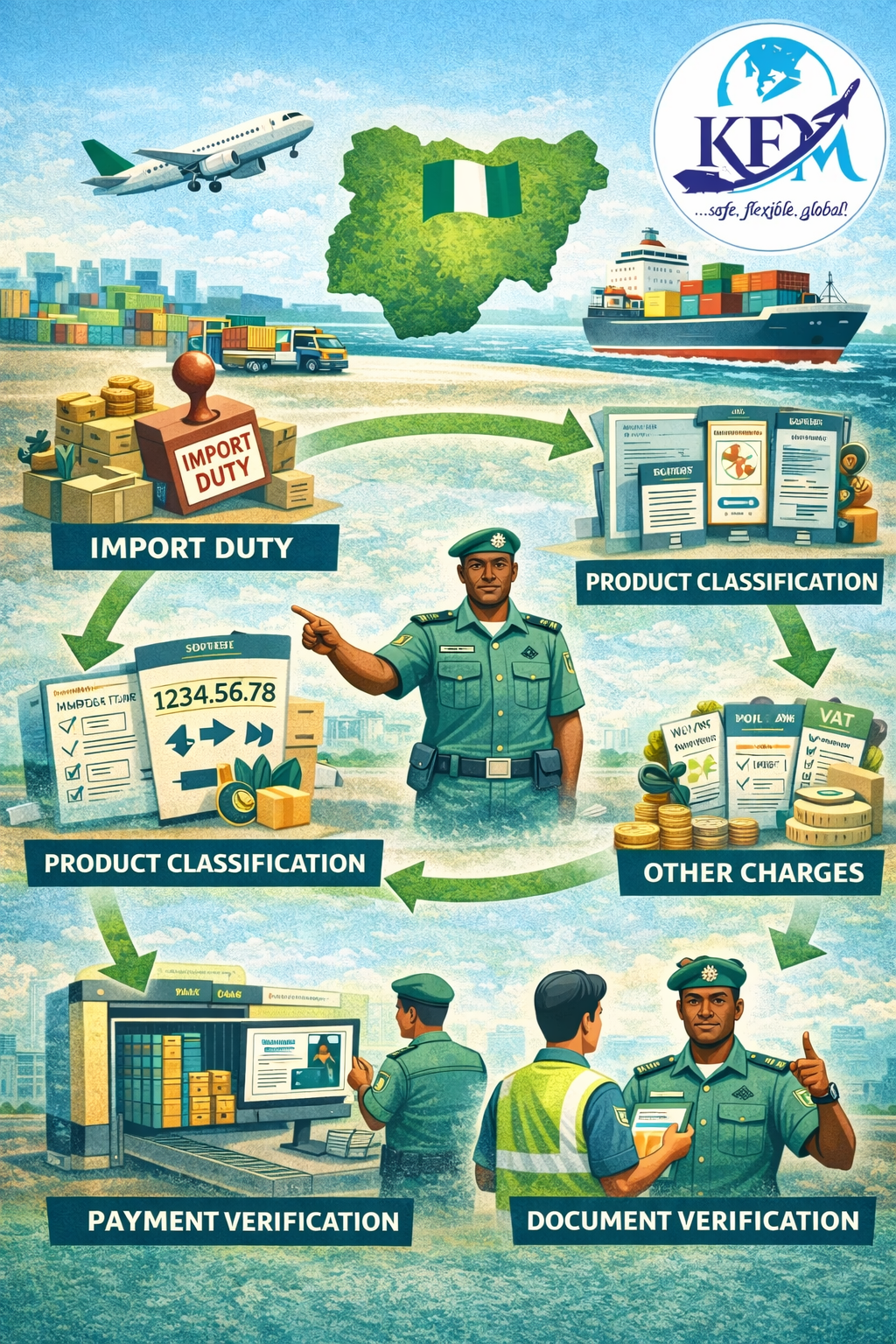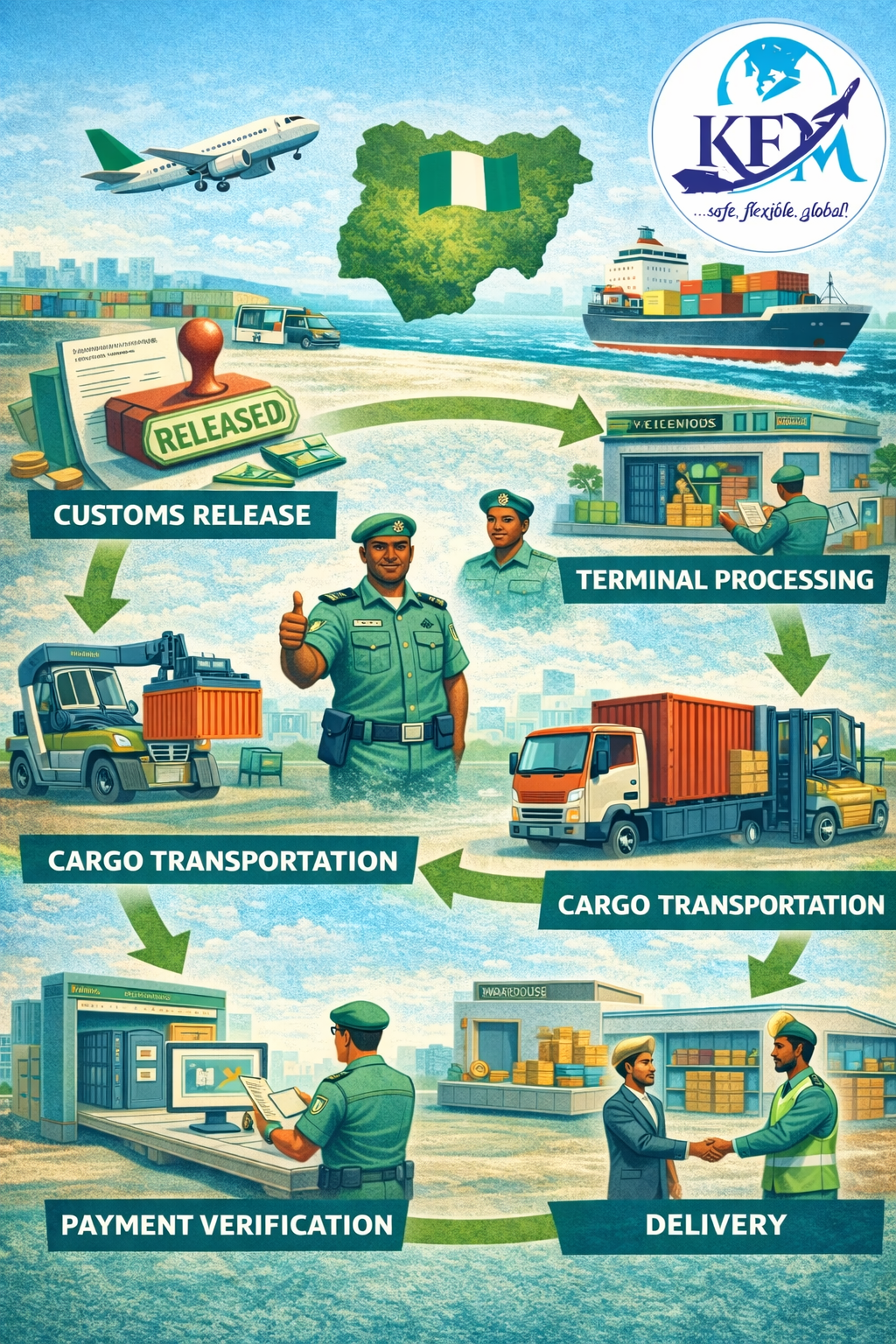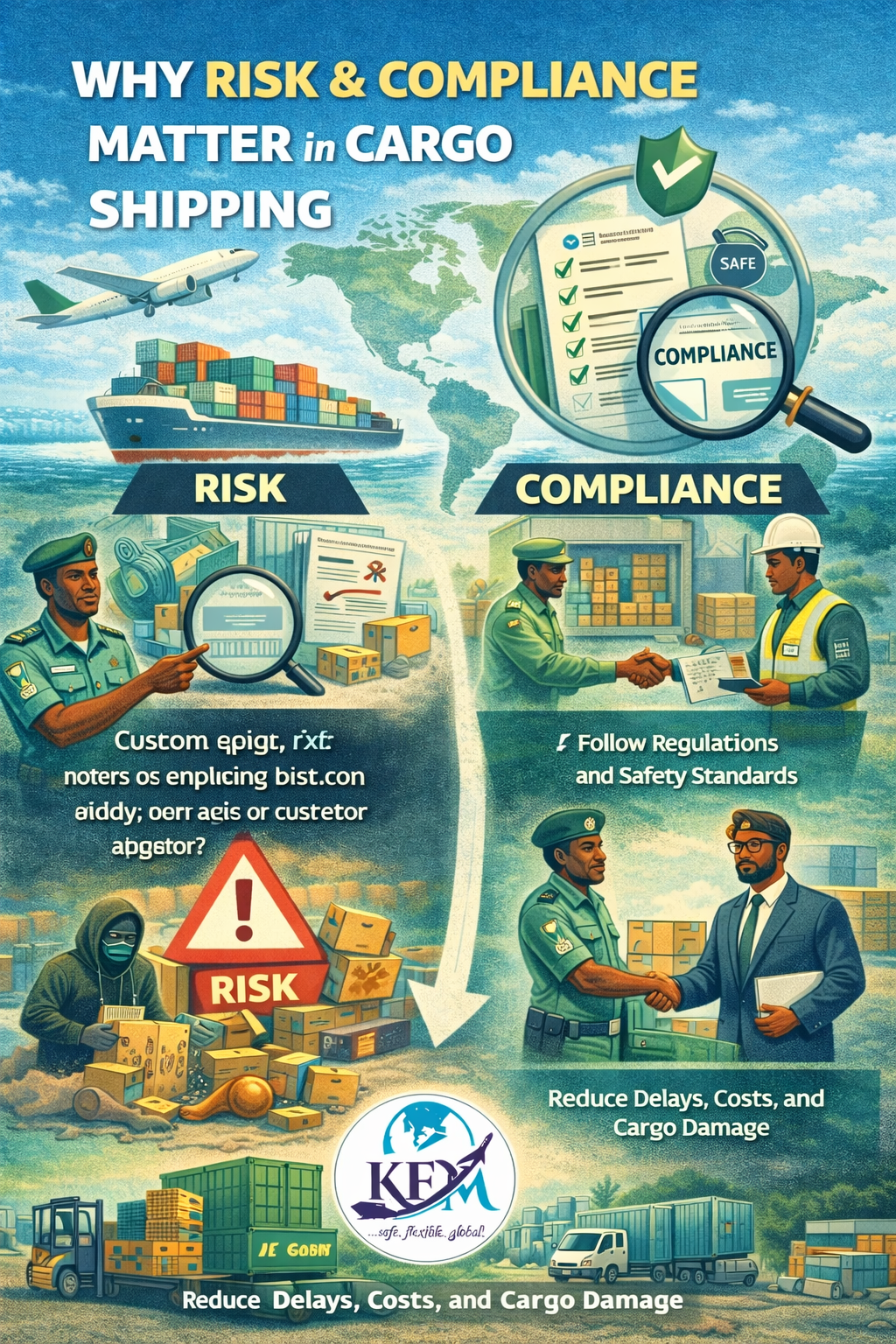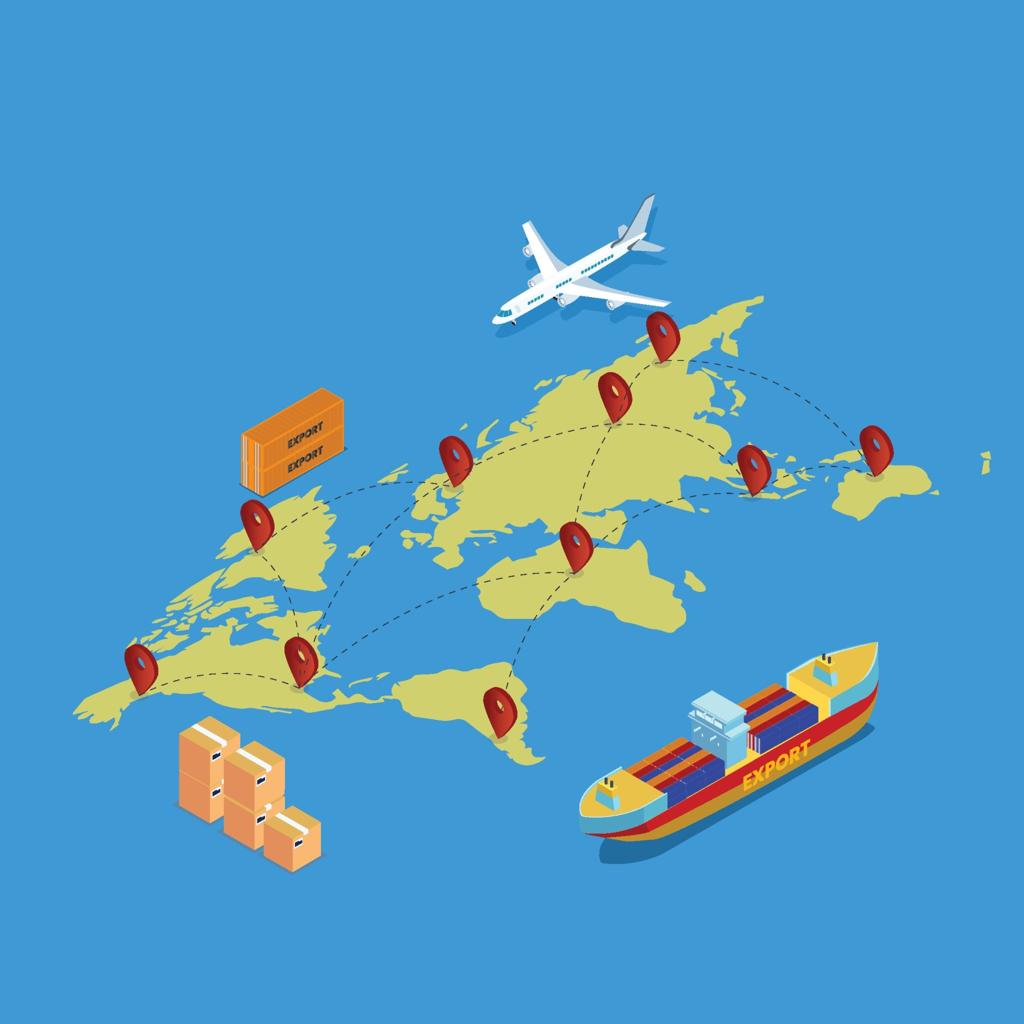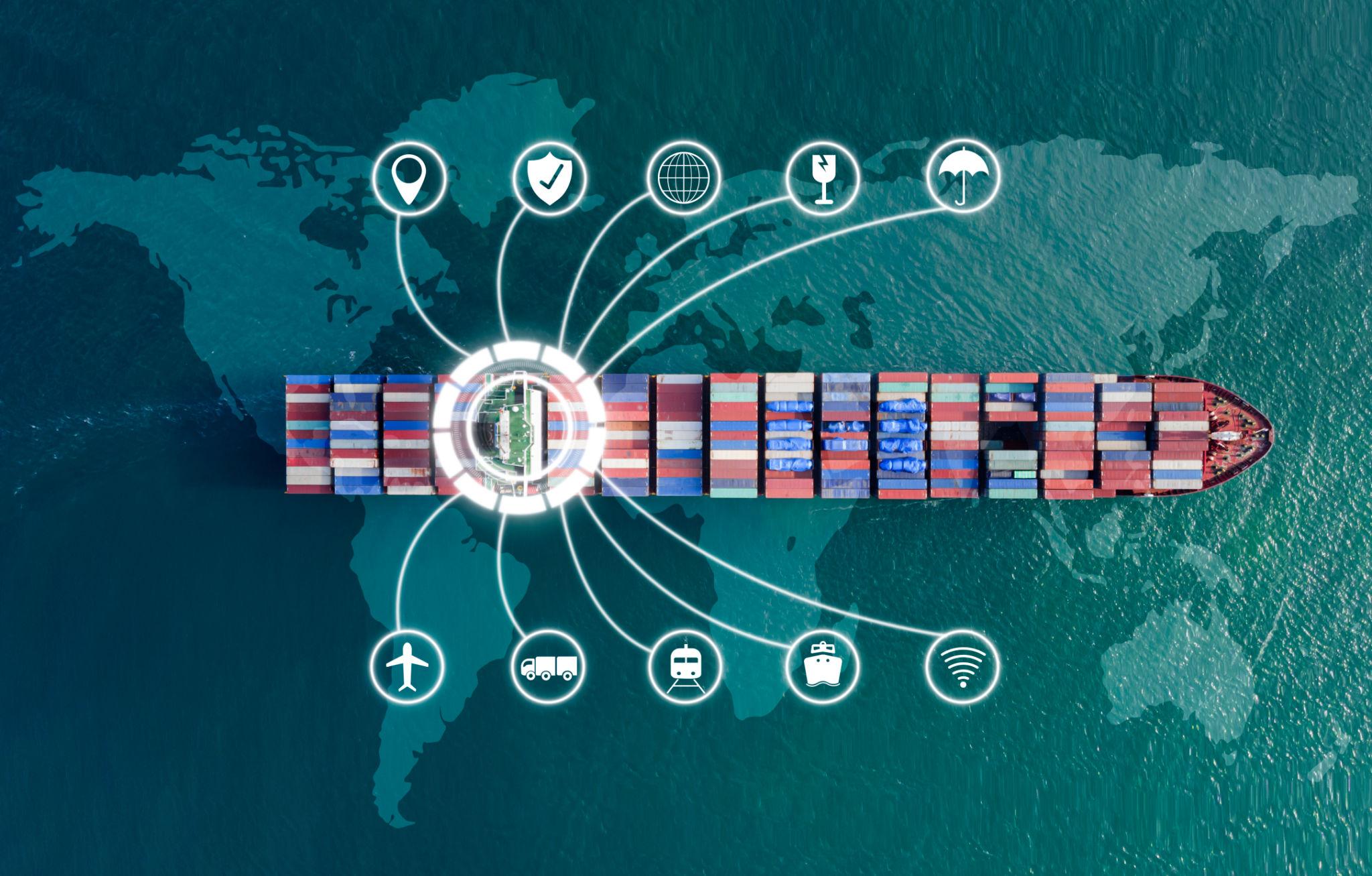
From import duties to foreign exchange regulations, government decisions can determine how easily goods enter Nigeria, how much businesses pay, and how competitive local products become.
Imagine placing an order for goods worth millions of naira from an overseas supplier. You've calculated your shipping costs, estimated your profit margin, and planned when the products will arrive.
Then the government introduces a new import duty, changes an existing regulation, or adjusts the requirements for importing certain products.
Suddenly, your original calculations may no longer tell the full story.
This is how government policies can directly affect international trade — and why Nigerian importers and exporters cannot afford to ignore them.
What Are Government Trade Policies?
Government trade policies are rules, regulations, taxes, restrictions, incentives, and agreements established to control and influence the movement of goods and services between countries.
These policies are designed to achieve different objectives, including:
- Protecting local industries
- Encouraging domestic production
- Generating government revenue
- Regulating imports and exports
- Promoting economic growth
- Improving international trade relationships
- Protecting consumers and national interests
But regardless of the government's objective, these decisions can have significant consequences for businesses involved in international trade.
1. Import Duties Can Change the Cost of Doing Business
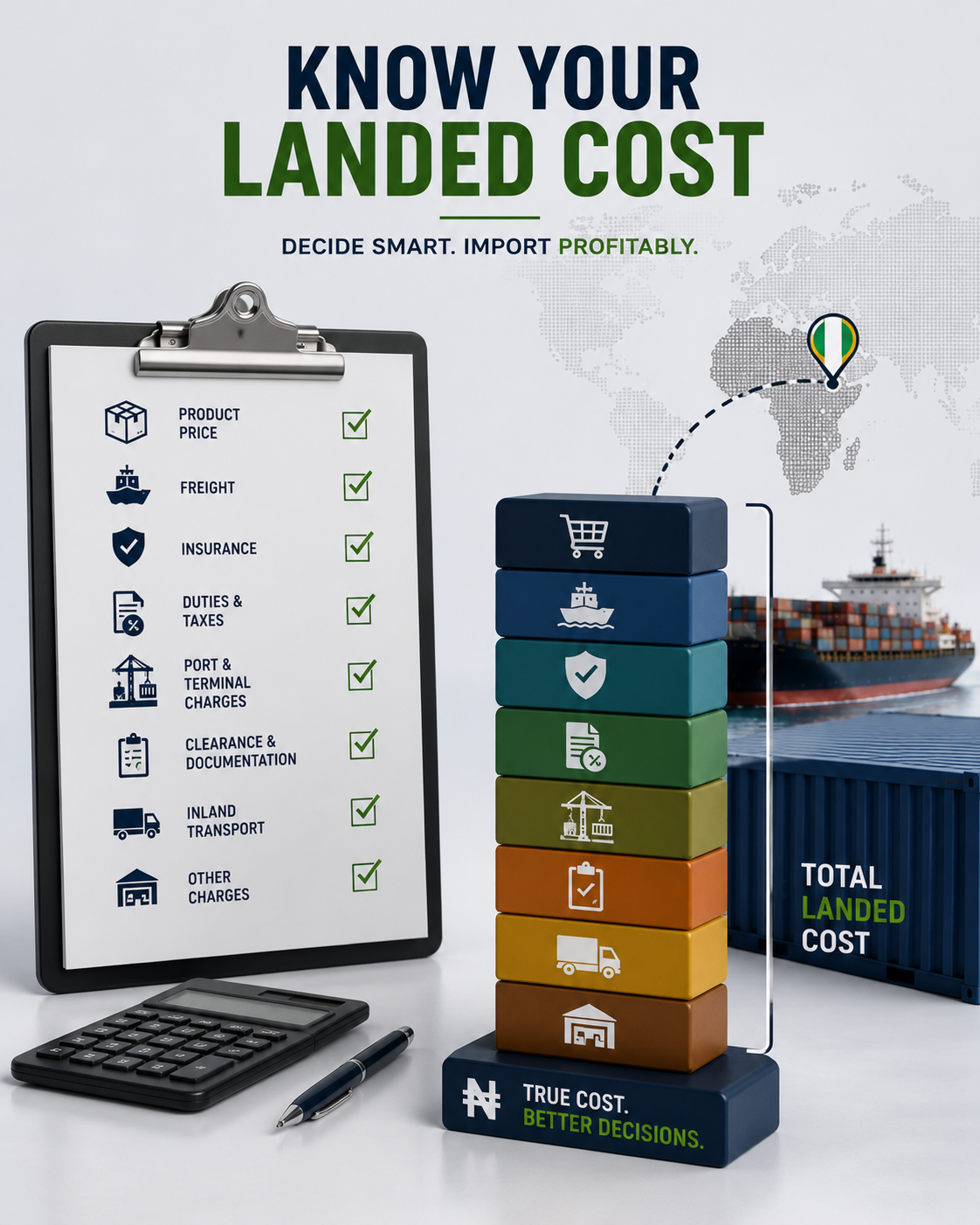
One of the most direct ways government policies affect international trade is through customs duties and other applicable import taxes.
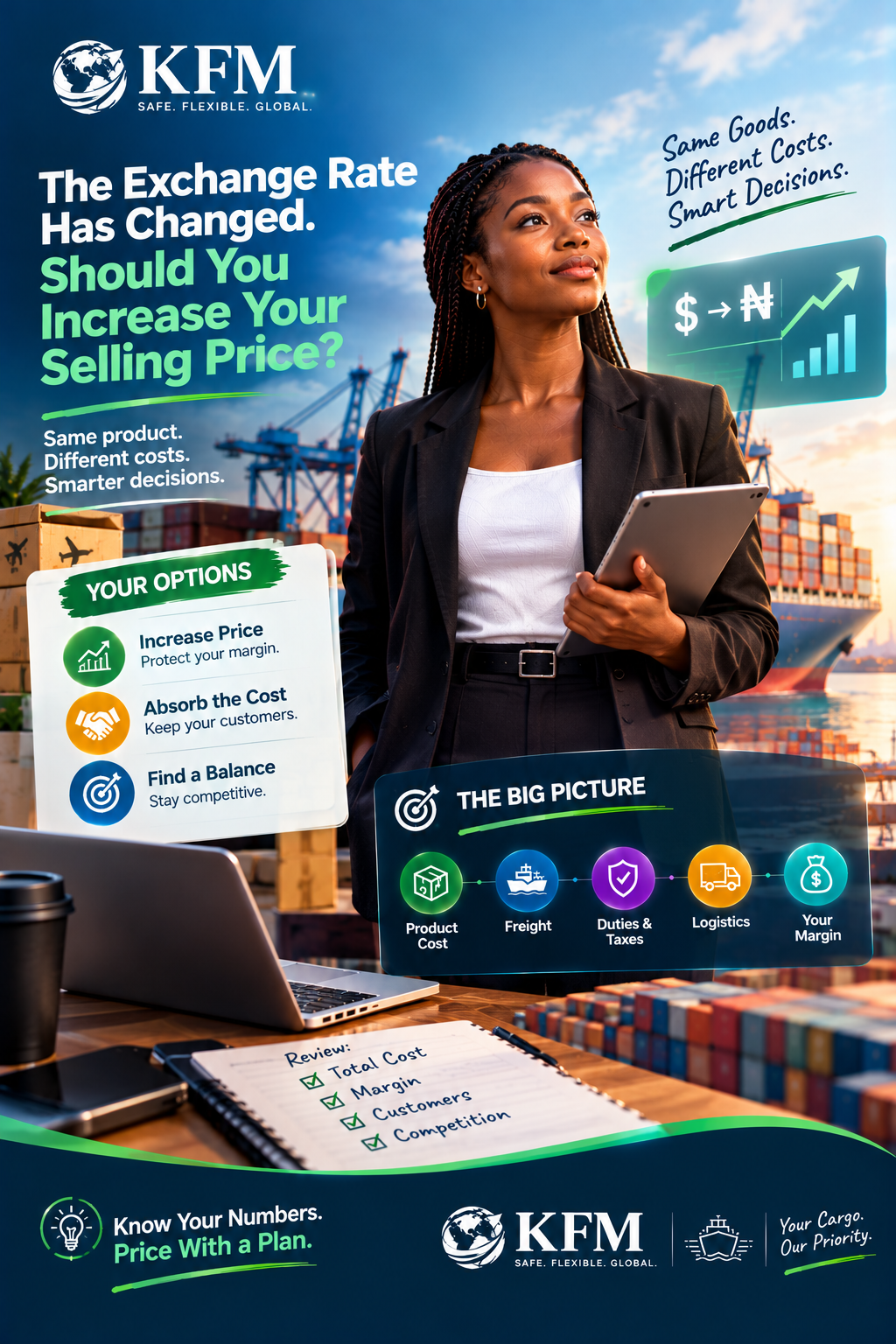
When import duties increase, businesses may have to spend more to bring certain products into Nigeria. When duties are reduced, importing those products may become less expensive, depending on the other costs involved.
For example, a business importing machinery, electronics, vehicles, or raw materials may experience a change in its total importation costs following a tariff adjustment.
These changes can affect:
- Product selling prices
- Business profit margins
- Consumer purchasing power
- Demand for imported products
- Local manufacturers competing with imported goods
What importers should do: Always verify the applicable tariff classification and current duty rates before finalising an import order. Never assume that the rate applied to your previous shipment will remain unchanged.
2. Import Restrictions Can Determine What Businesses Can Bring Into Nigeria
Not every product can be freely imported into Nigeria.
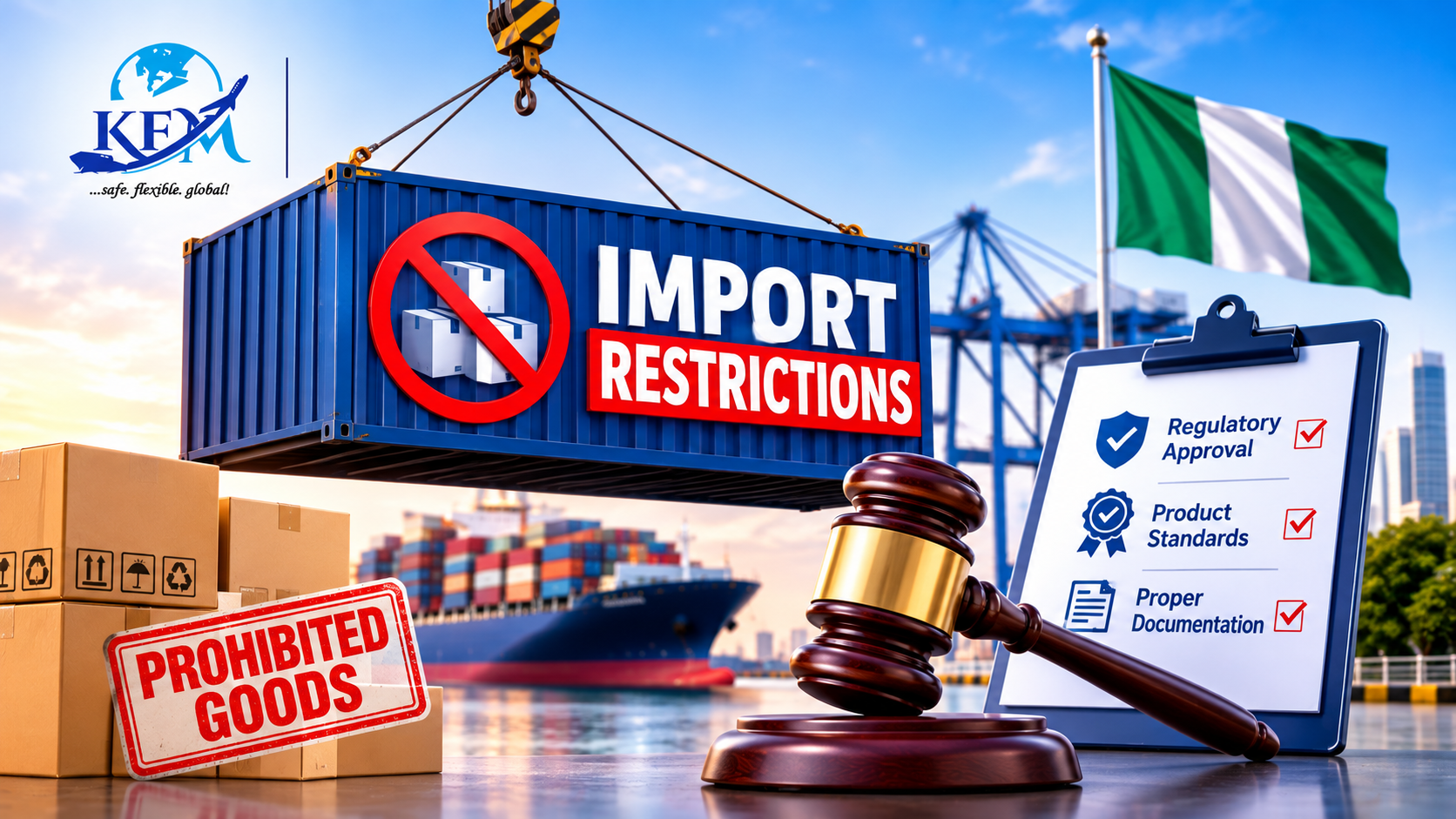
Government policies may prohibit certain goods, restrict their importation, or require specific licences, permits, certifications, or regulatory approvals.
These requirements may apply to products such as food, pharmaceuticals, chemicals, agricultural goods, and other regulated items.
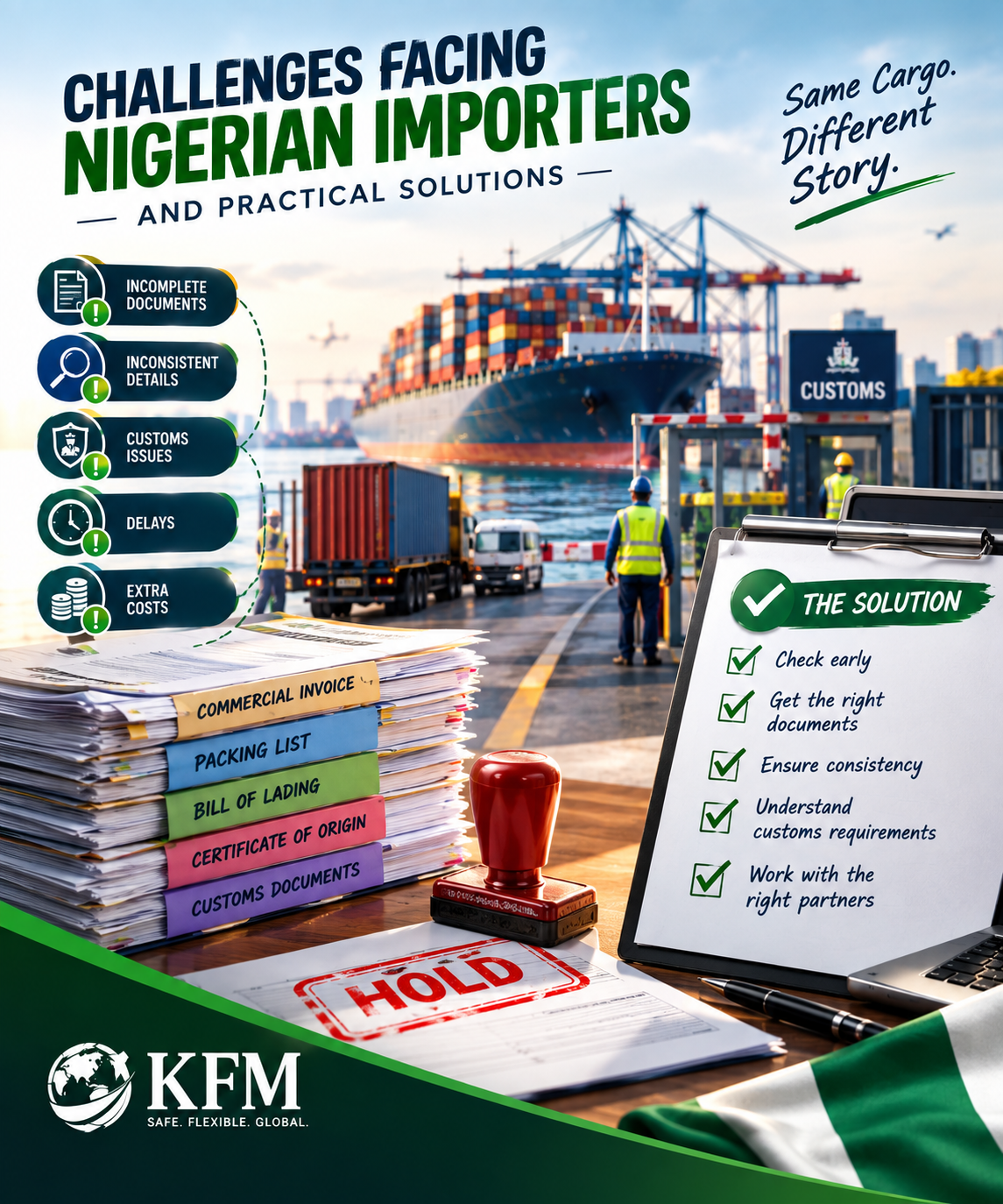
Importing goods without understanding the applicable restrictions can result in delays, additional expenses, regulatory complications, or other consequences.
What importers should do: Confirm whether your product is permitted, restricted, or subject to special requirements before purchasing it from your supplier.
3. Foreign Exchange Policies Affect International Payments
International trade often involves payments in foreign currencies, particularly US dollars.
Nigeria's foreign exchange policies can influence how businesses access foreign currency, make international payments, and manage the cost of purchasing goods from overseas suppliers.
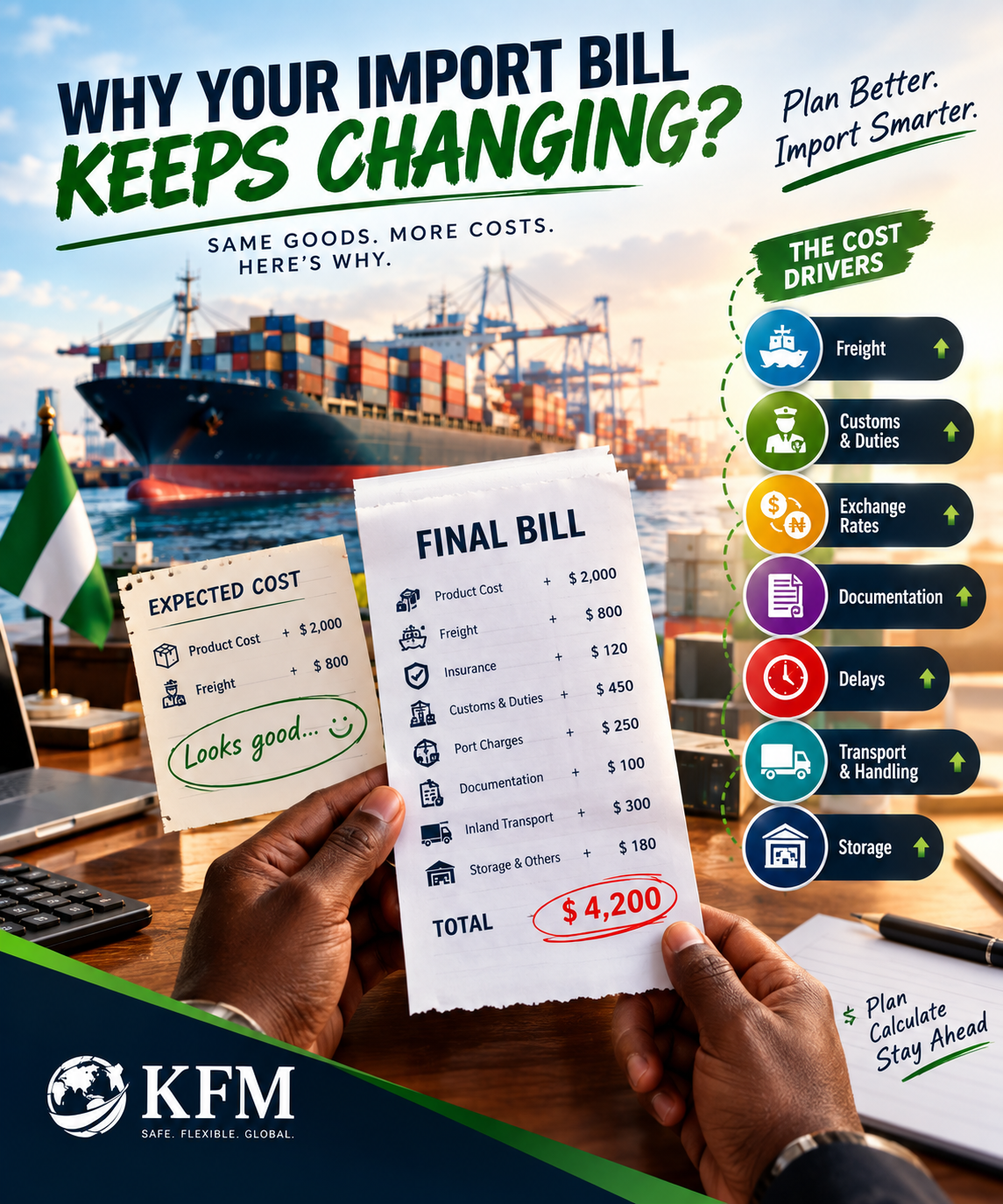
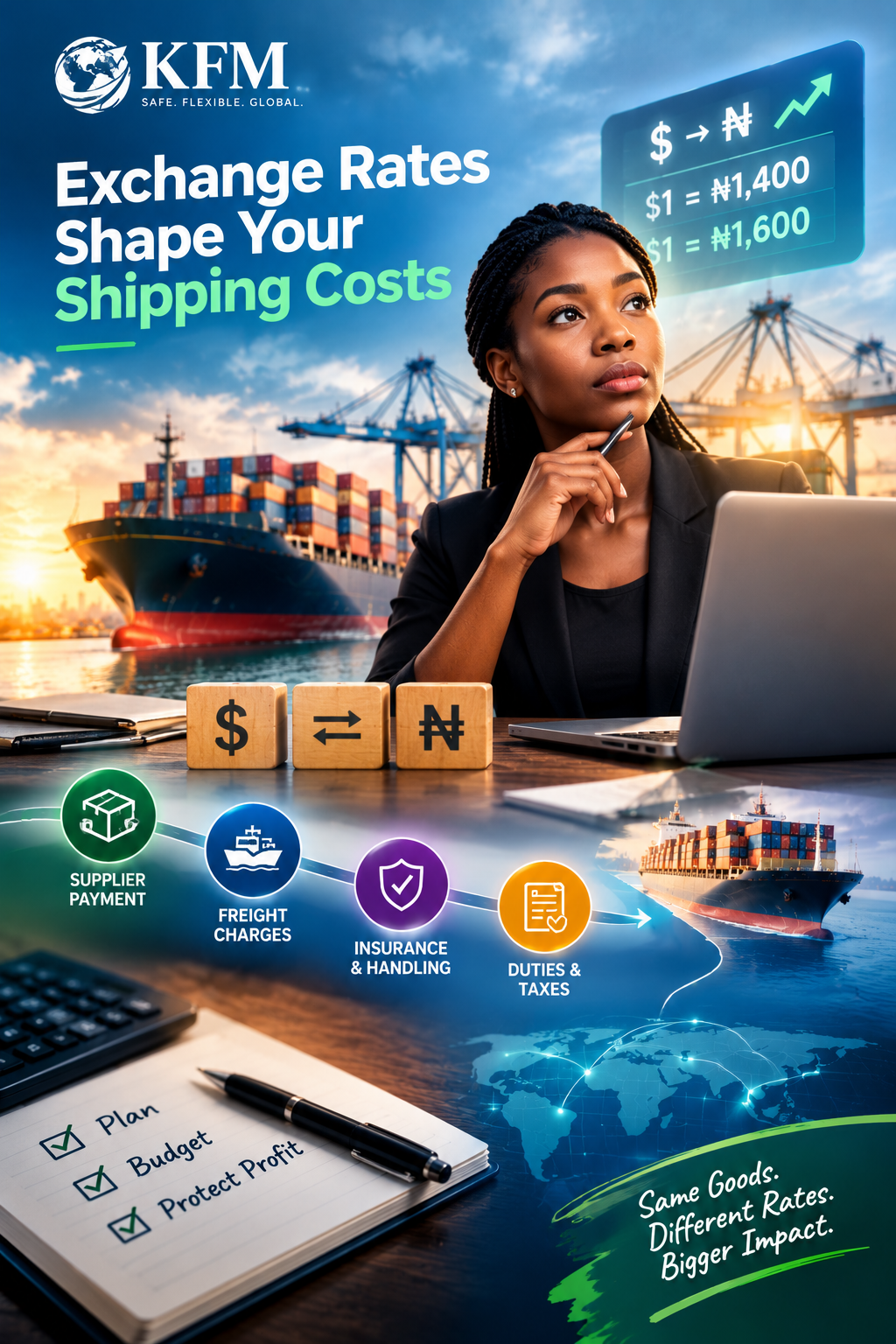
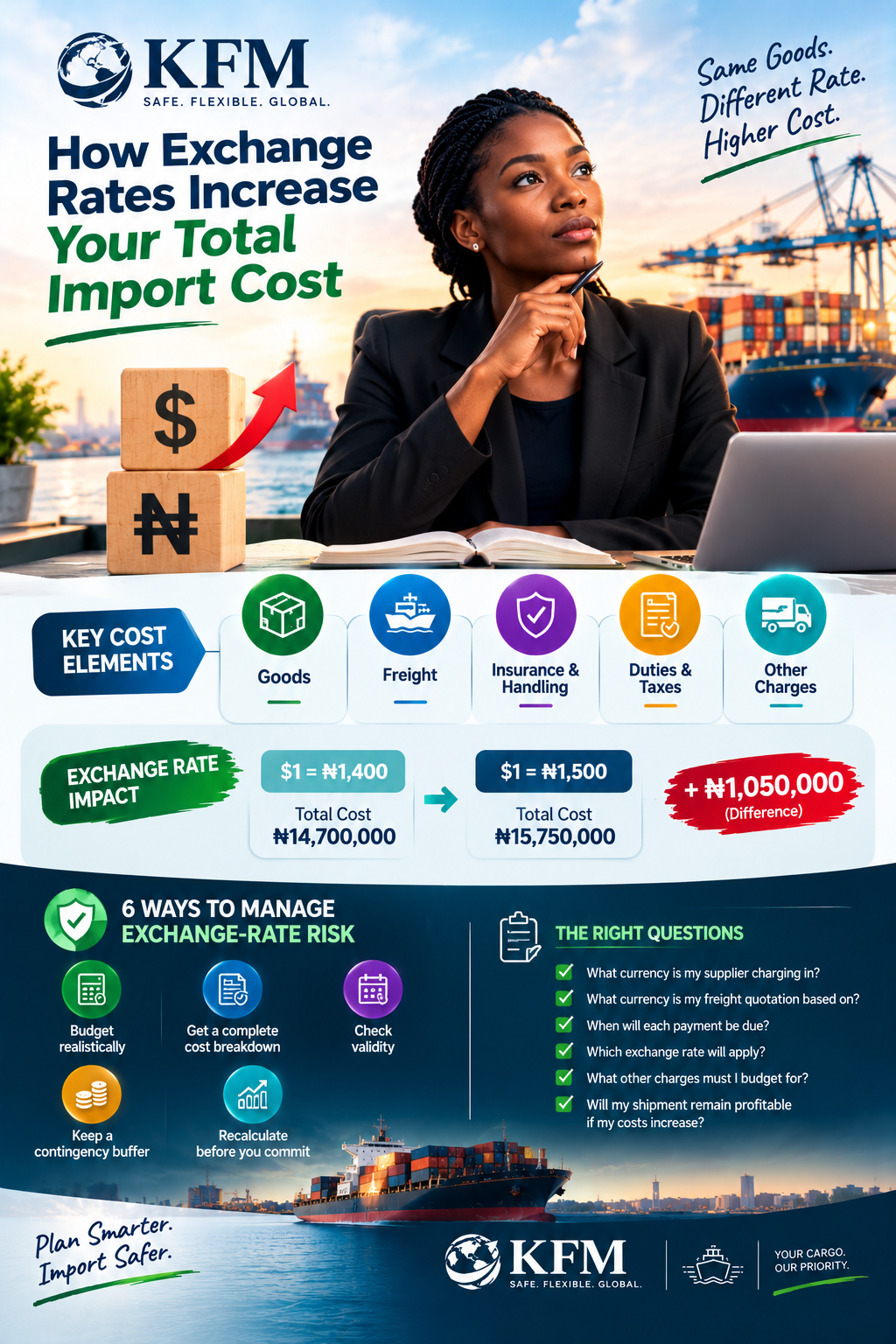
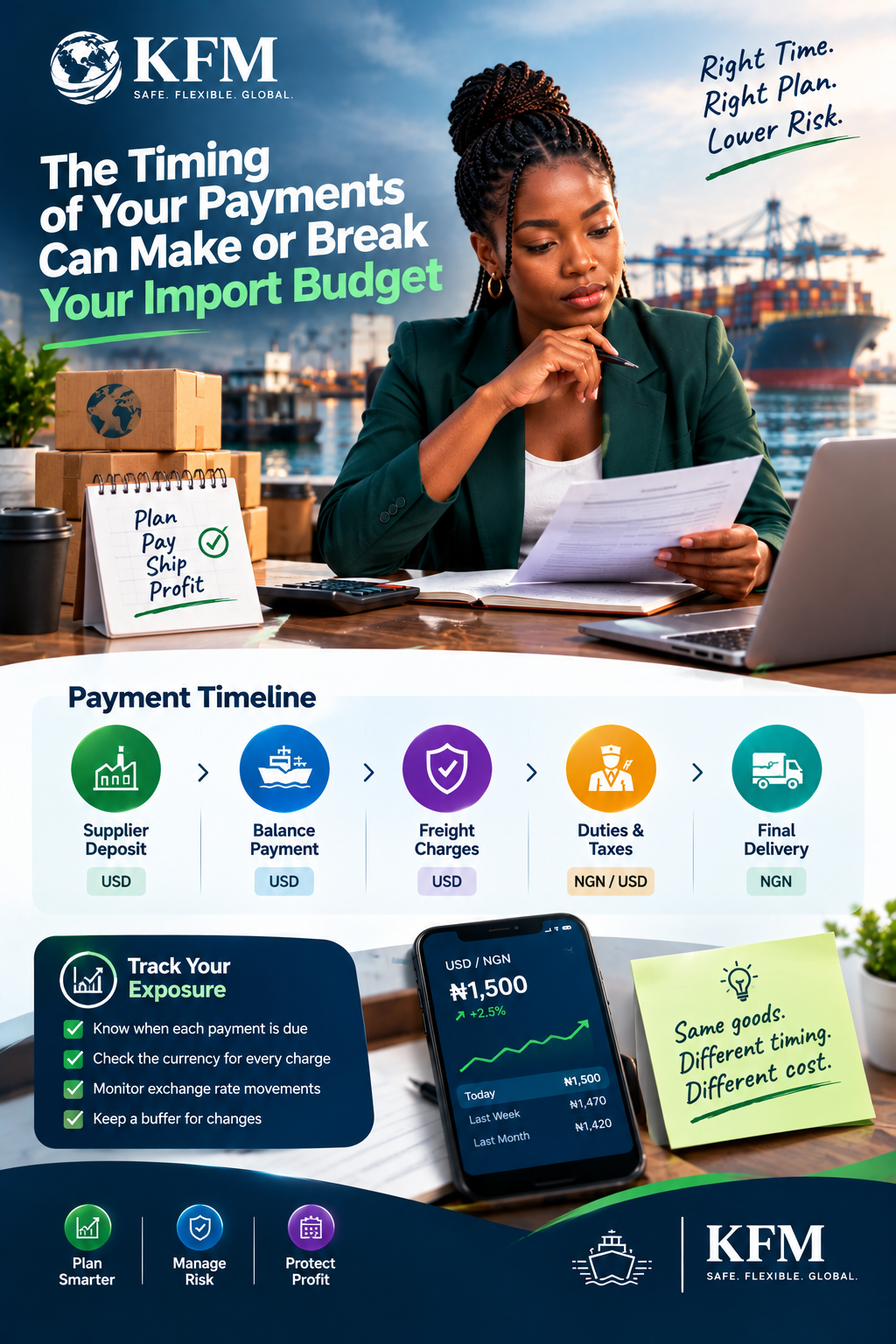
Changes in exchange rates can also affect the naira value of your purchase, even when the supplier's price remains unchanged.
For businesses importing goods for resale, this can create a major challenge when calculating expected costs and selling prices.
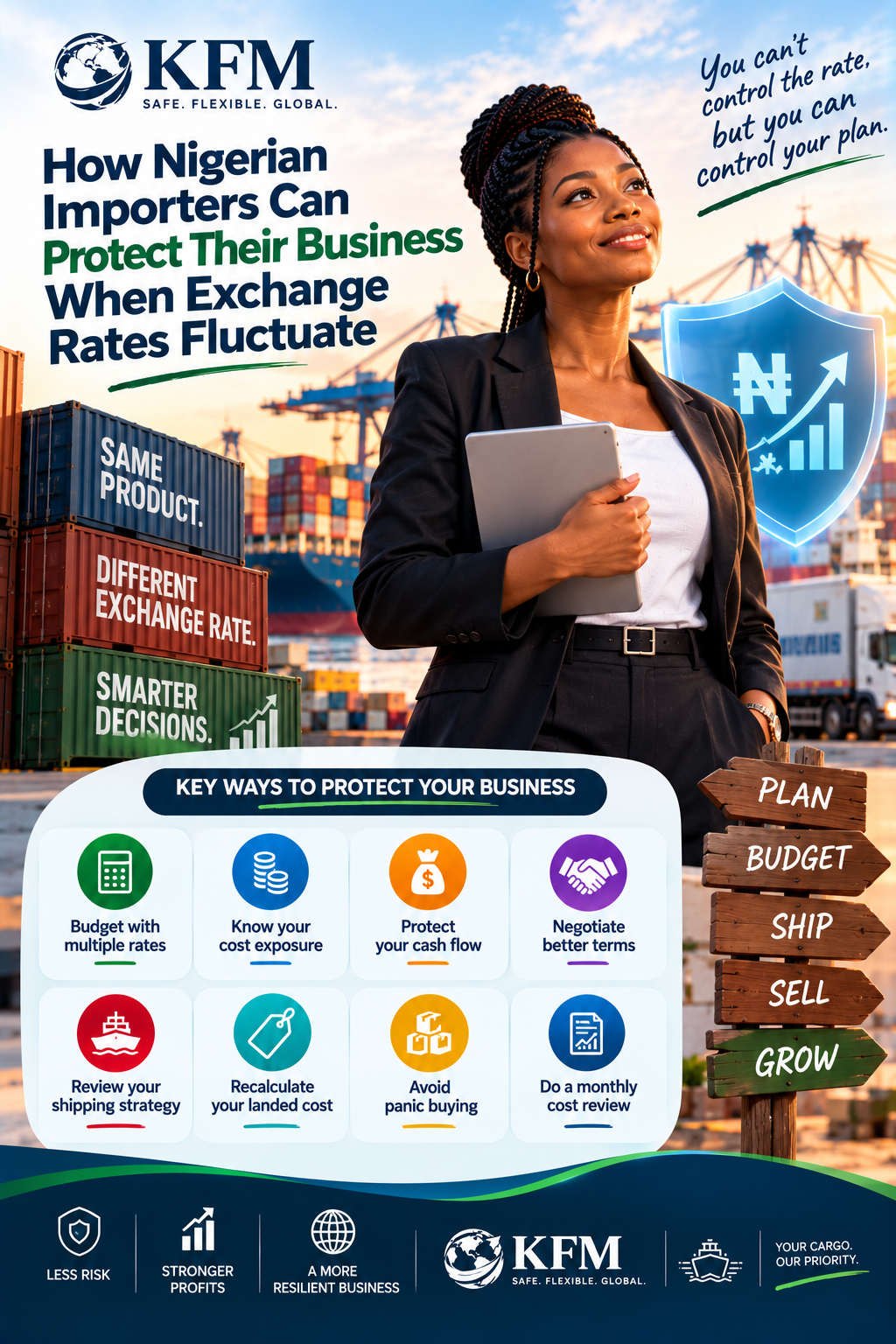
What importers should do: Consider exchange-rate fluctuations when budgeting for international purchases. Avoid relying entirely on an exchange rate that may change before your payment is completed.
4. Government Policies Can Create Opportunities for Local Manufacturers
Trade policies aren't always designed to make importing easier or cheaper.
Some policies are introduced to encourage local production, protect domestic industries, and reduce dependence on imported goods.
Depending on the policy, imported products may face additional costs or restrictions, potentially creating opportunities for Nigerian manufacturers to compete more effectively.
For businesses producing locally, such policies may create new opportunities. For businesses that depend on imported finished goods, they may require adjustments to sourcing and pricing strategies.
What businesses should do: Pay attention to policy changes affecting your industry and evaluate whether your sourcing strategy needs to evolve.
5. Export Policies Can Open or Restrict International Markets
Government policies also affect Nigerian businesses exporting products to other countries.
Export regulations, documentation requirements, quality standards, incentives, and trade agreements can influence how easily Nigerian products access international markets.
A business exporting agricultural products, manufactured goods, or other commodities must understand the applicable requirements in Nigeria and the destination country.
Trade agreements can also create opportunities by reducing certain trade barriers for eligible products.
What exporters should do: Research the regulations, product standards, documentation requirements, and trade preferences applicable to your target market before shipping.
6. Policy Changes Can Affect Your Logistics Planning
Government decisions don't only affect the price of goods. They can also influence the logistics process itself.
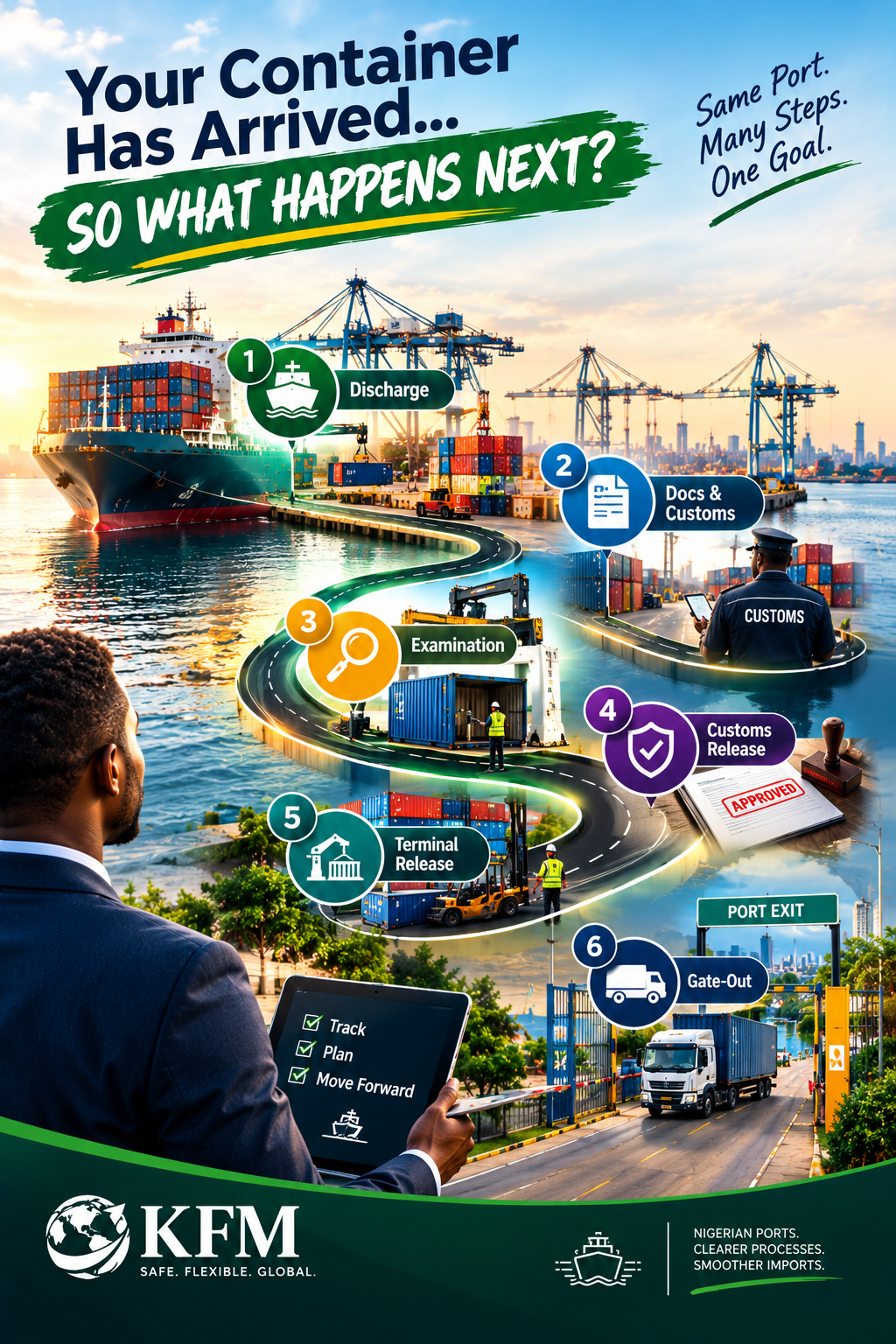
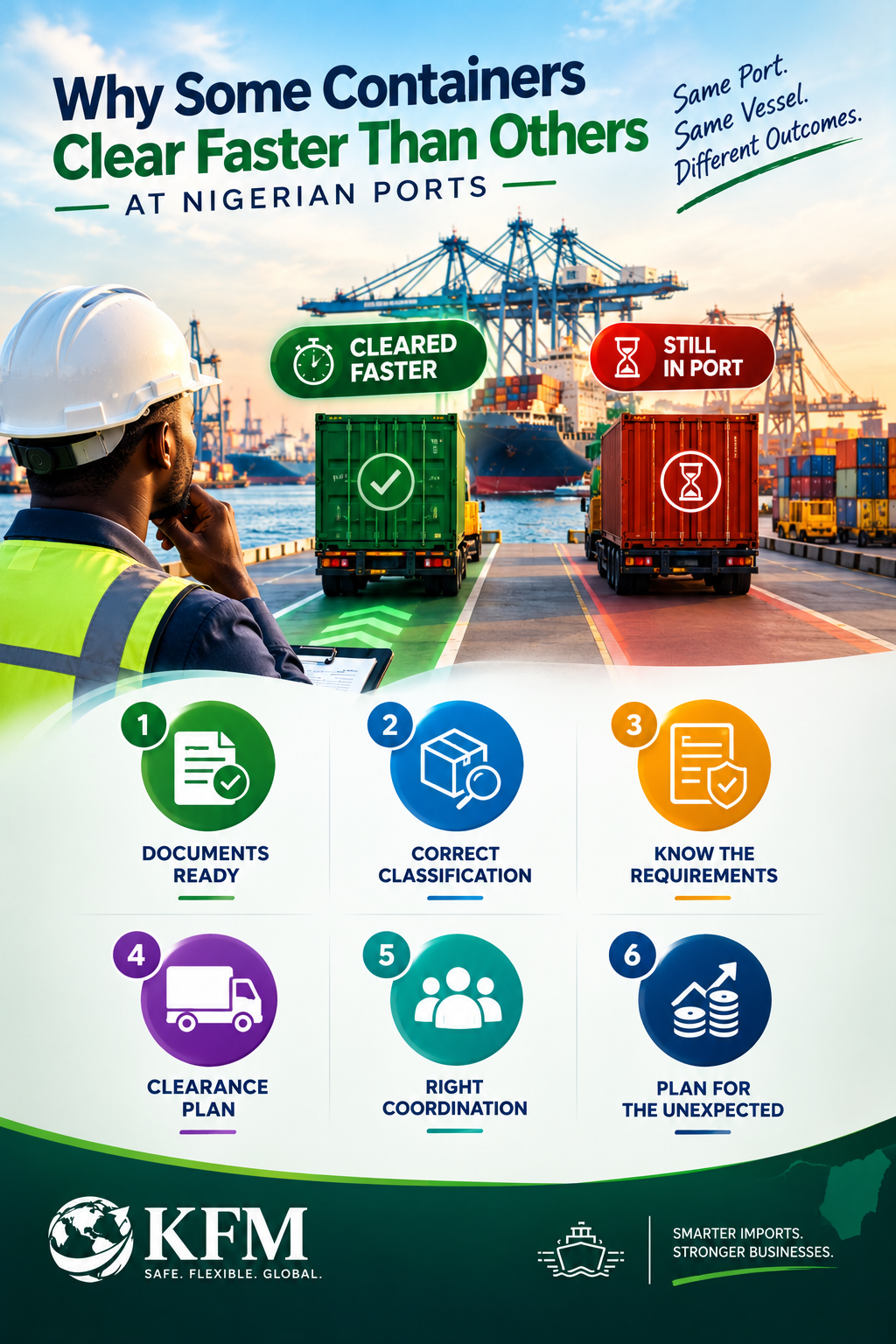
Changes in customs procedures, documentation requirements, regulatory inspections, port processes, or trade-related systems may affect how shipments are processed and cleared.
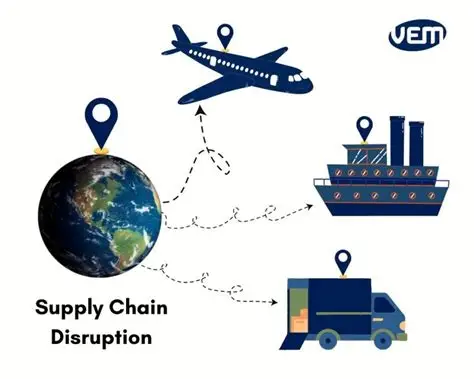
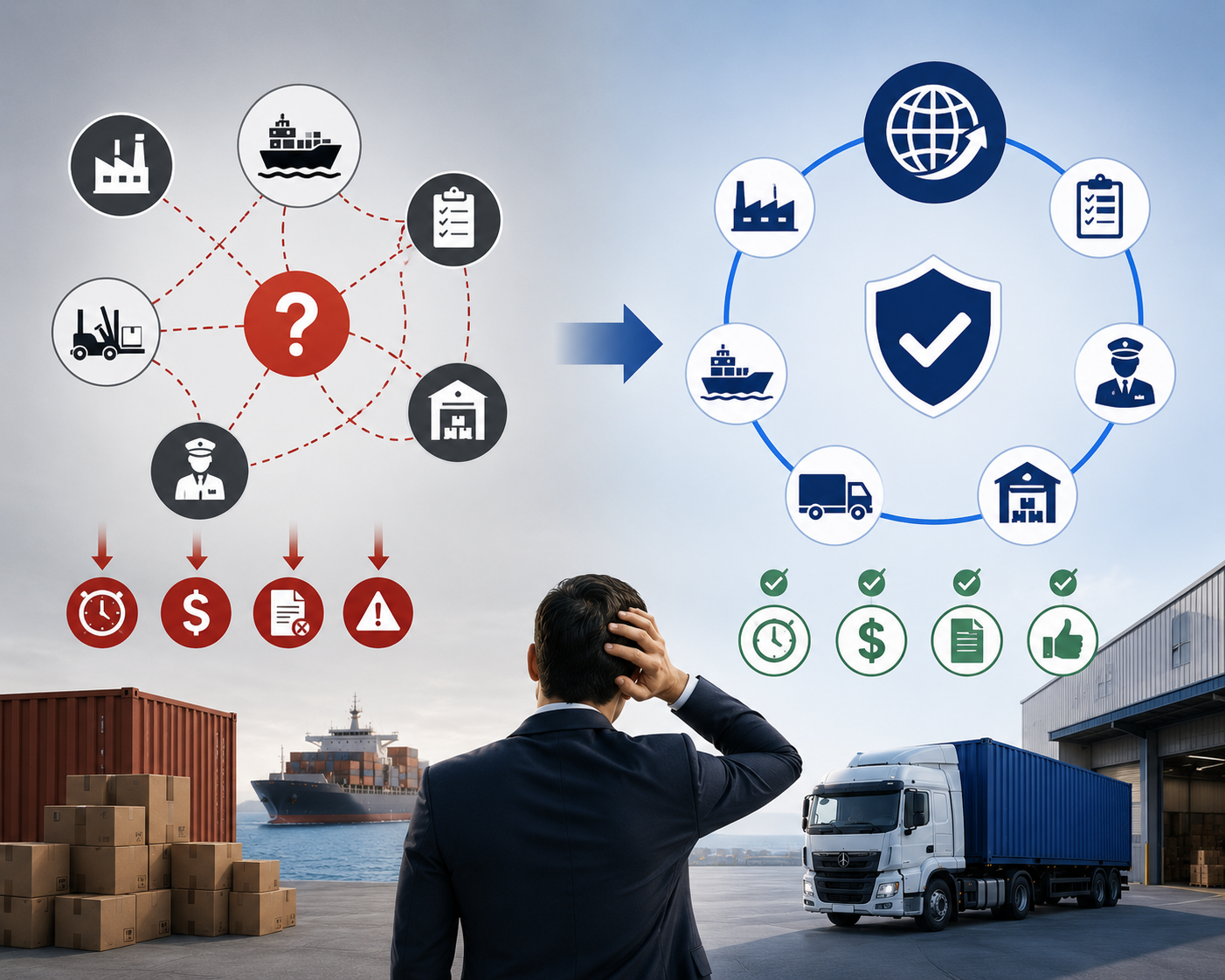
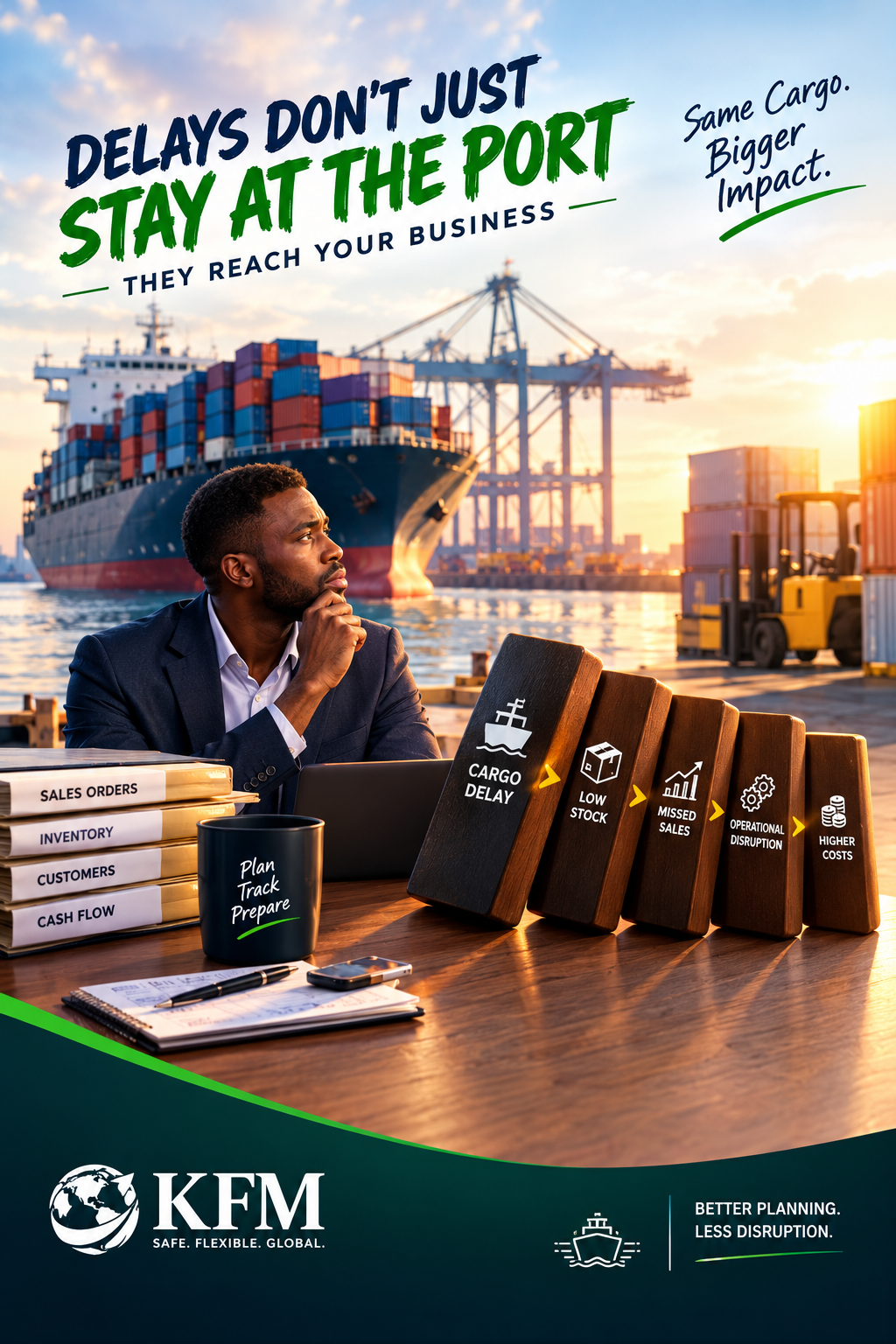
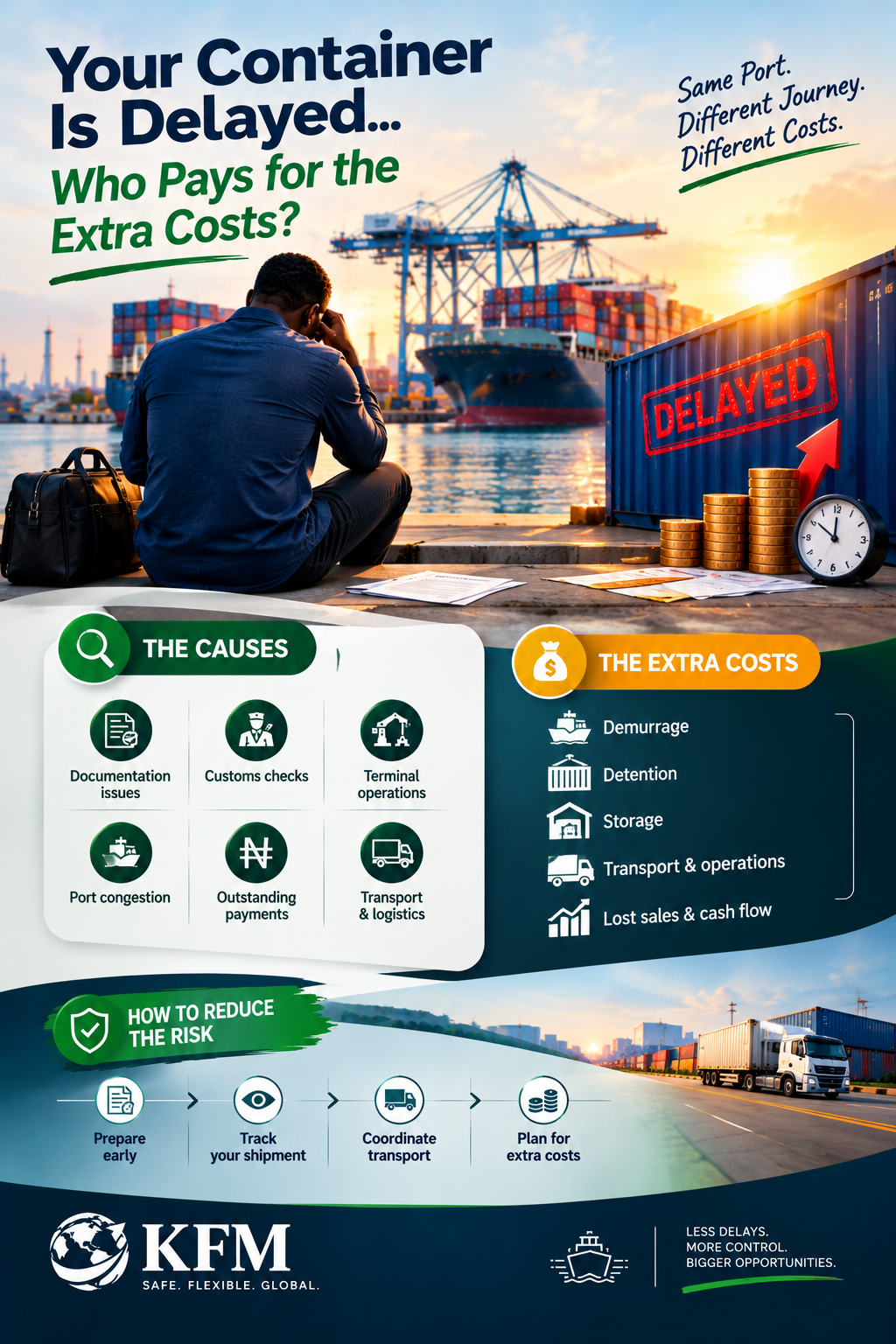
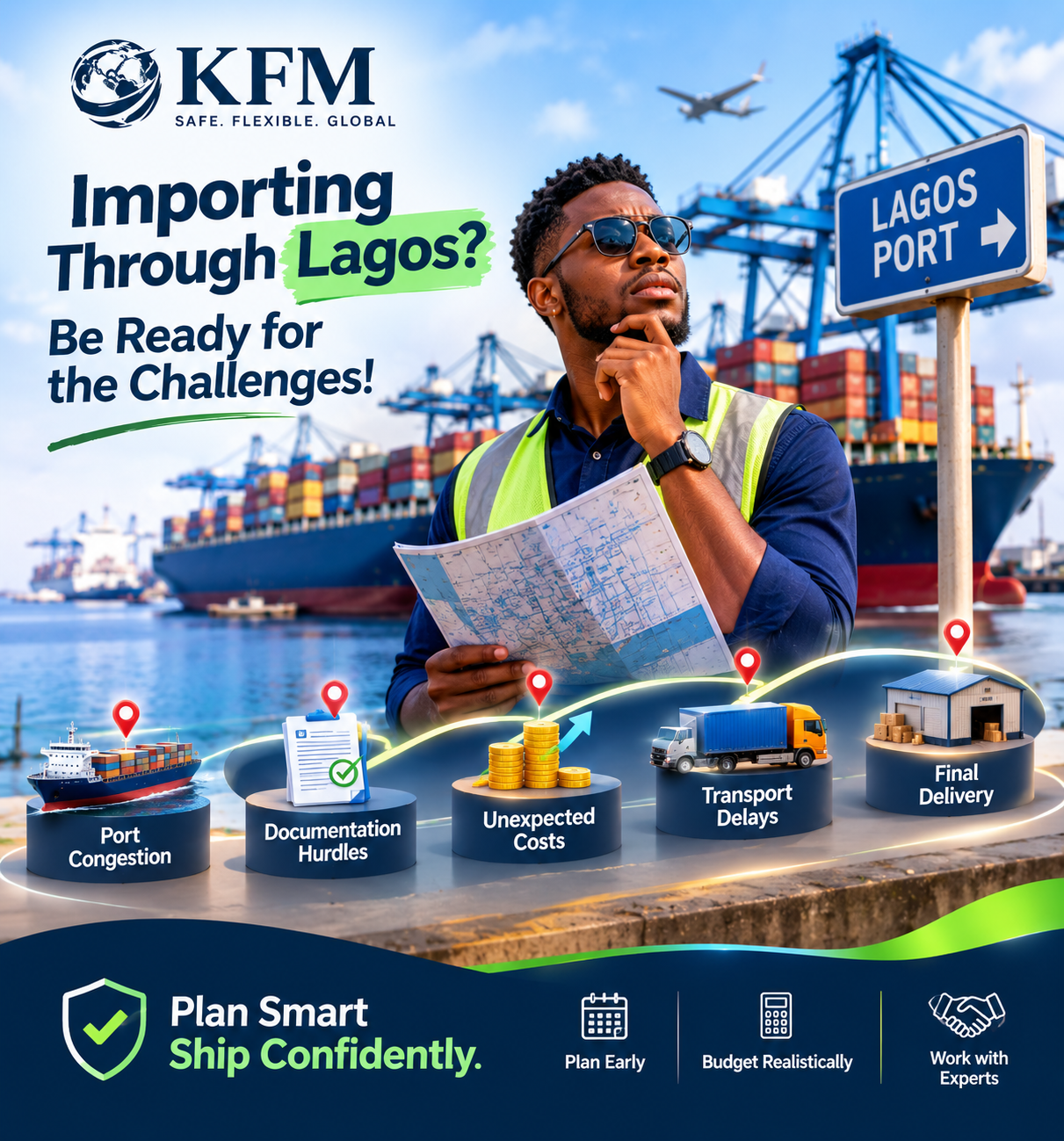
When businesses are unprepared for these changes, they may experience delays, additional administrative work, unexpected costs, and disruptions to their supply chains.
This is why keeping up with trade policy developments is an important part of logistics management.
Why Nigerian Importers and Exporters Must Stay Informed
International trade is constantly evolving. Policies that affect your business today may change tomorrow.
A successful importer or exporter must therefore do more than find suppliers and arrange shipping.
You must also understand the regulatory environment in which your business operates.
Staying informed can help you:
- Prepare for changes in importation costs
- Avoid preventable compliance issues
- Make better purchasing decisions
- Protect your profit margins
- Identify new business opportunities
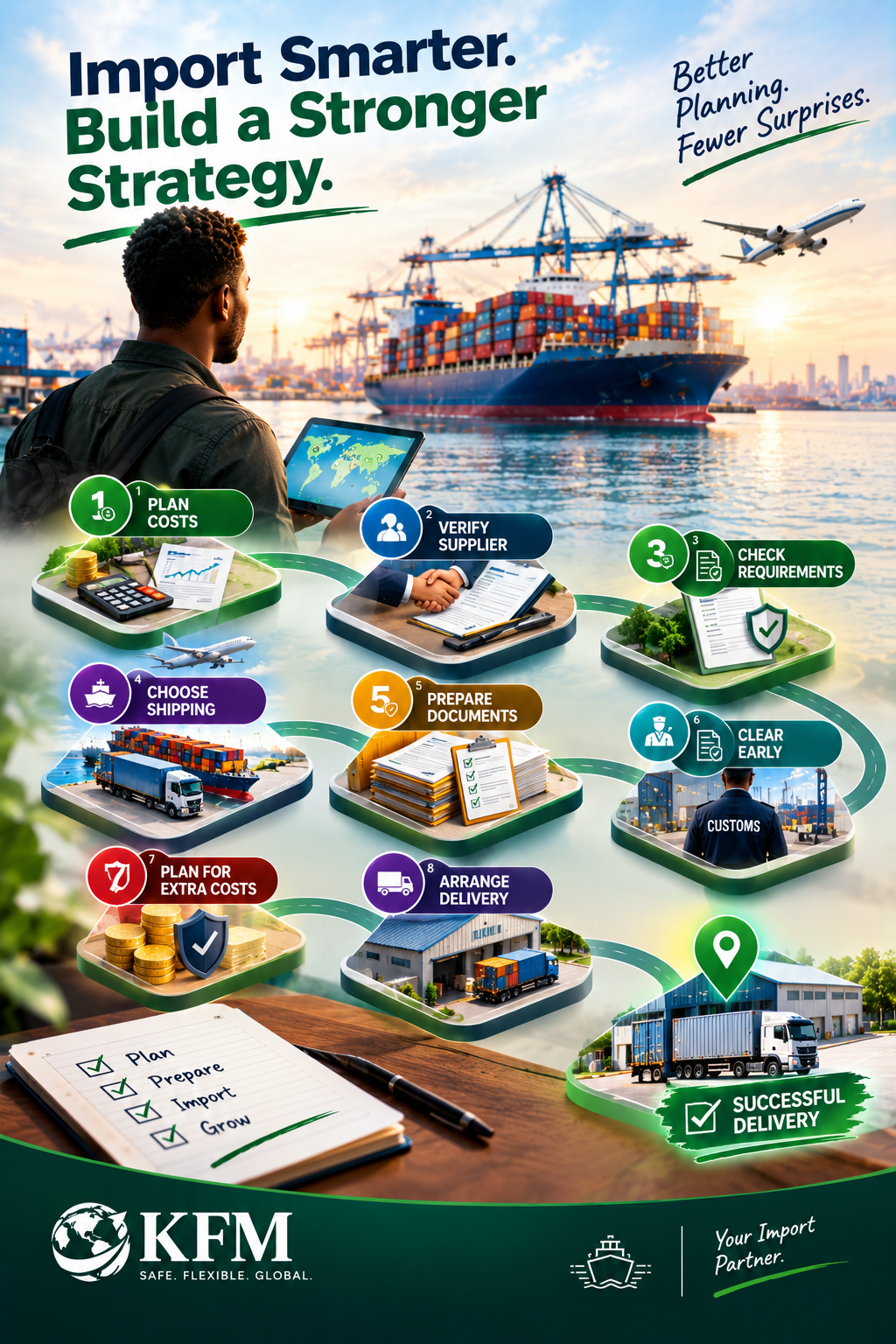
- Plan shipments more effectively
The KFM Perspective
At KFM, we understand that international trade involves more than moving cargo from one country to another.
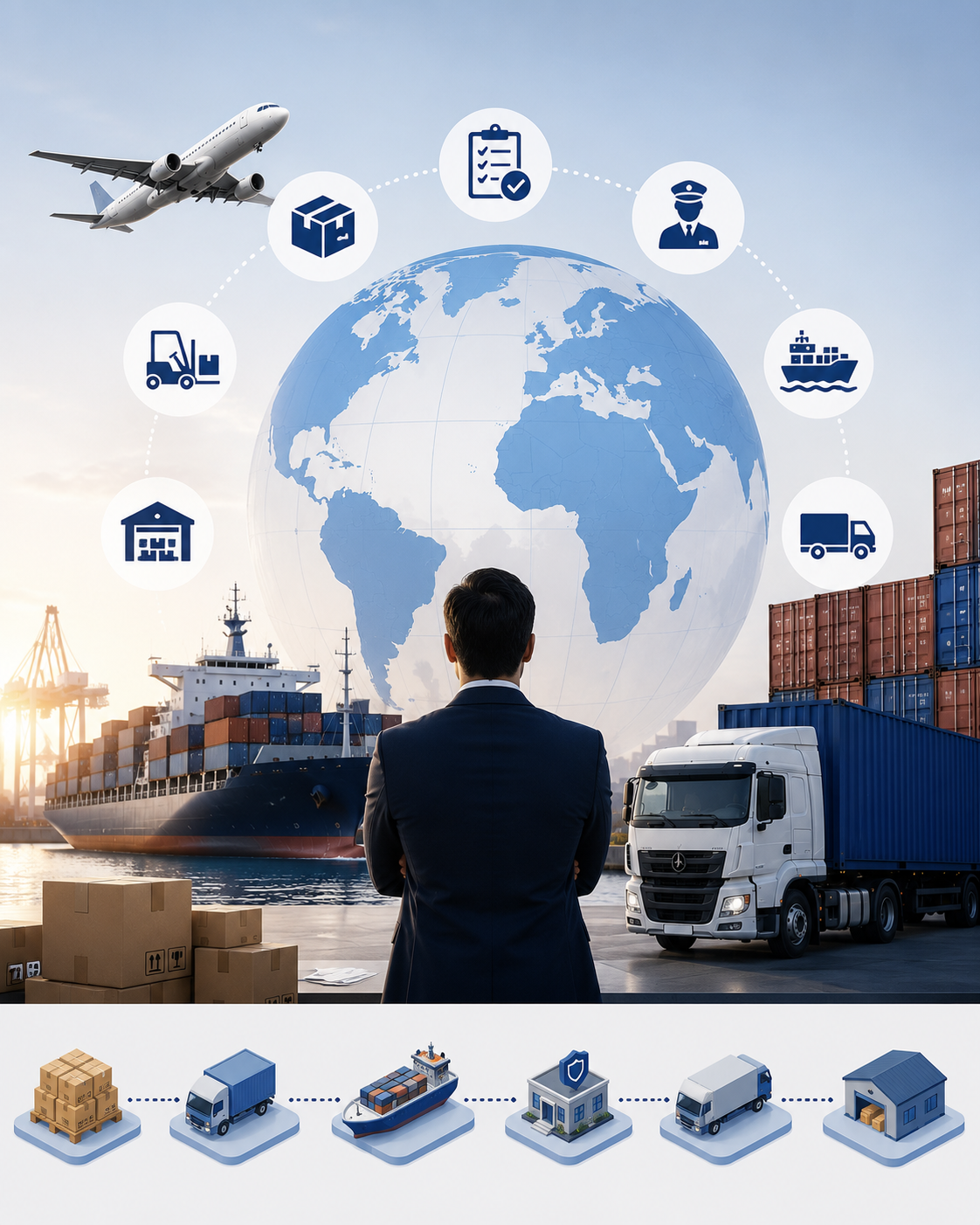
Government policies, customs regulations, documentation requirements, exchange rates, and logistics operations all play a role in determining how smoothly a shipment moves.
Businesses that stay informed and plan ahead are better positioned to navigate these changes and make smarter logistics decisions.
In international trade, understanding the rules is just as important as understanding the route.
Coming Up in Post 2
Next, we'll take a closer look at how import duties and tariff changes affect the prices of goods in Nigeria — and why a government policy change can eventually show up on the price tag in your shop.
KFM — Safe. Flexible. Global.