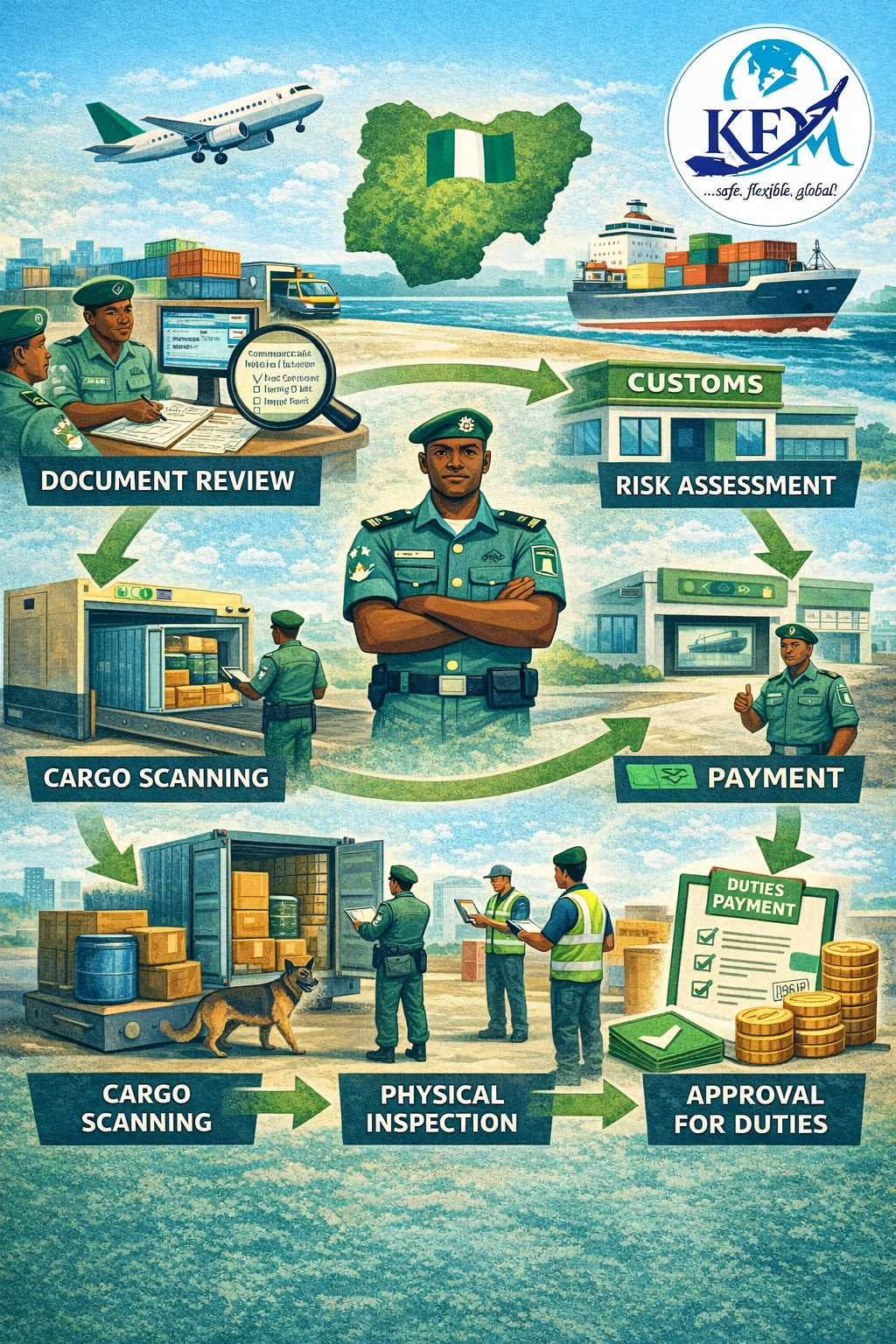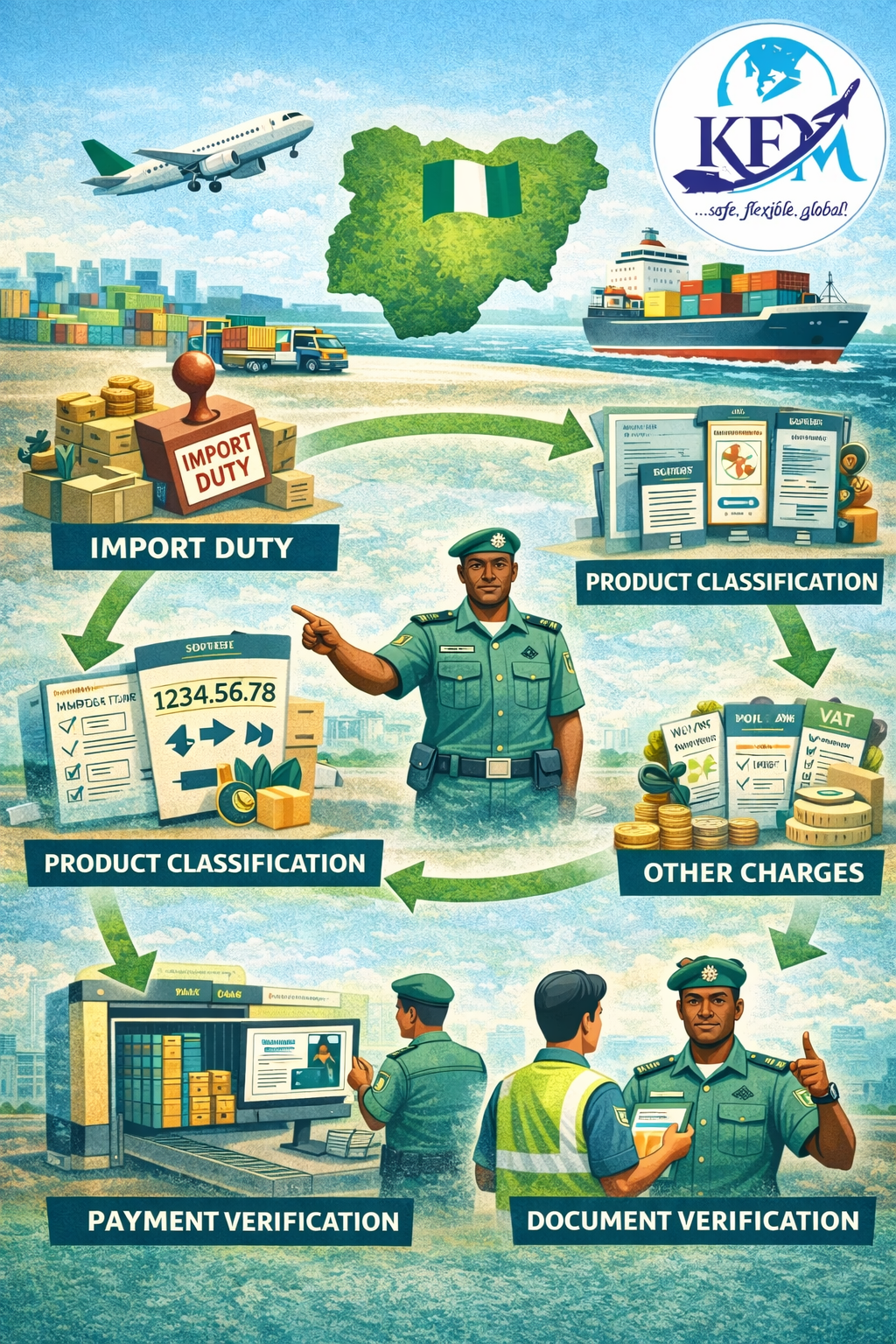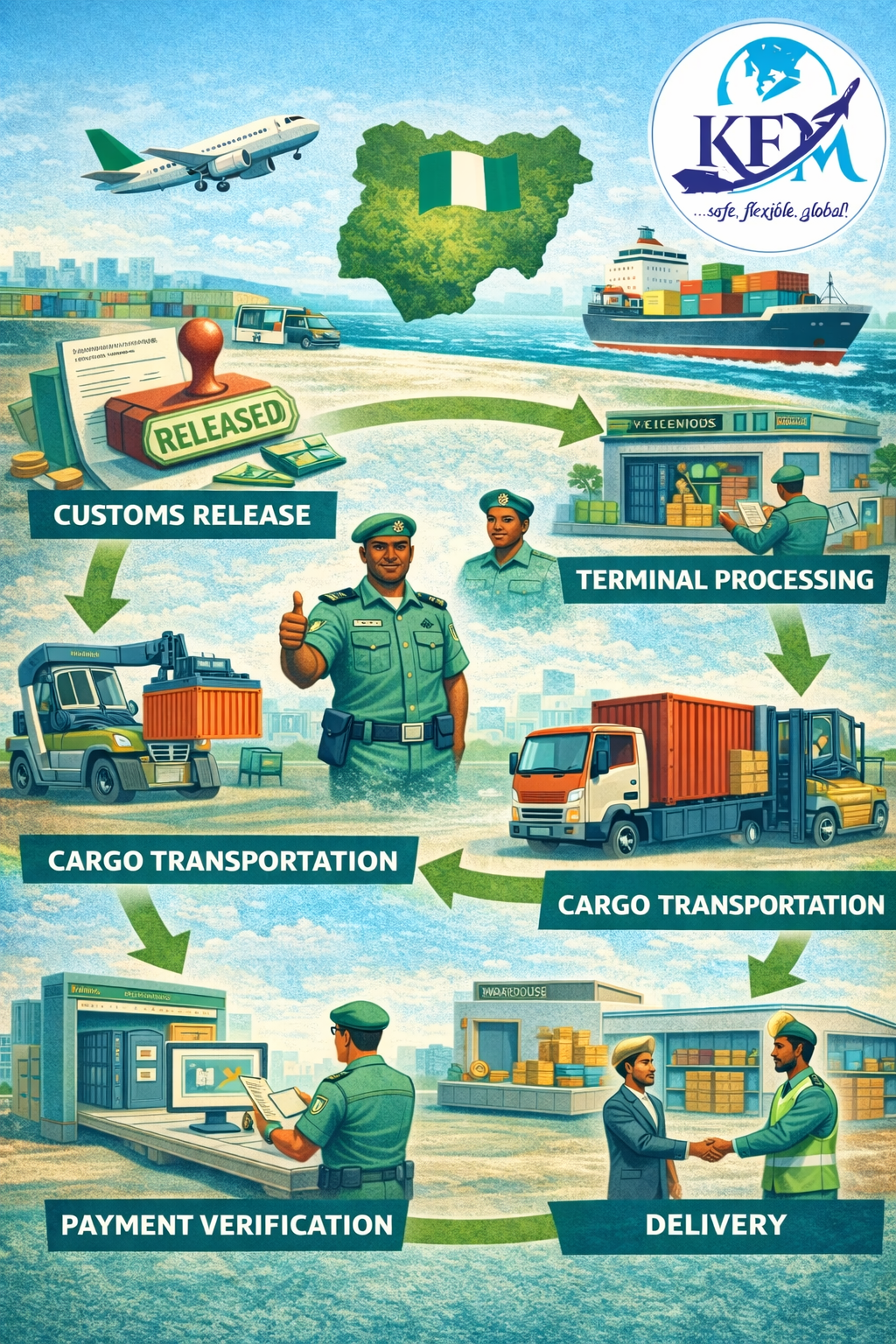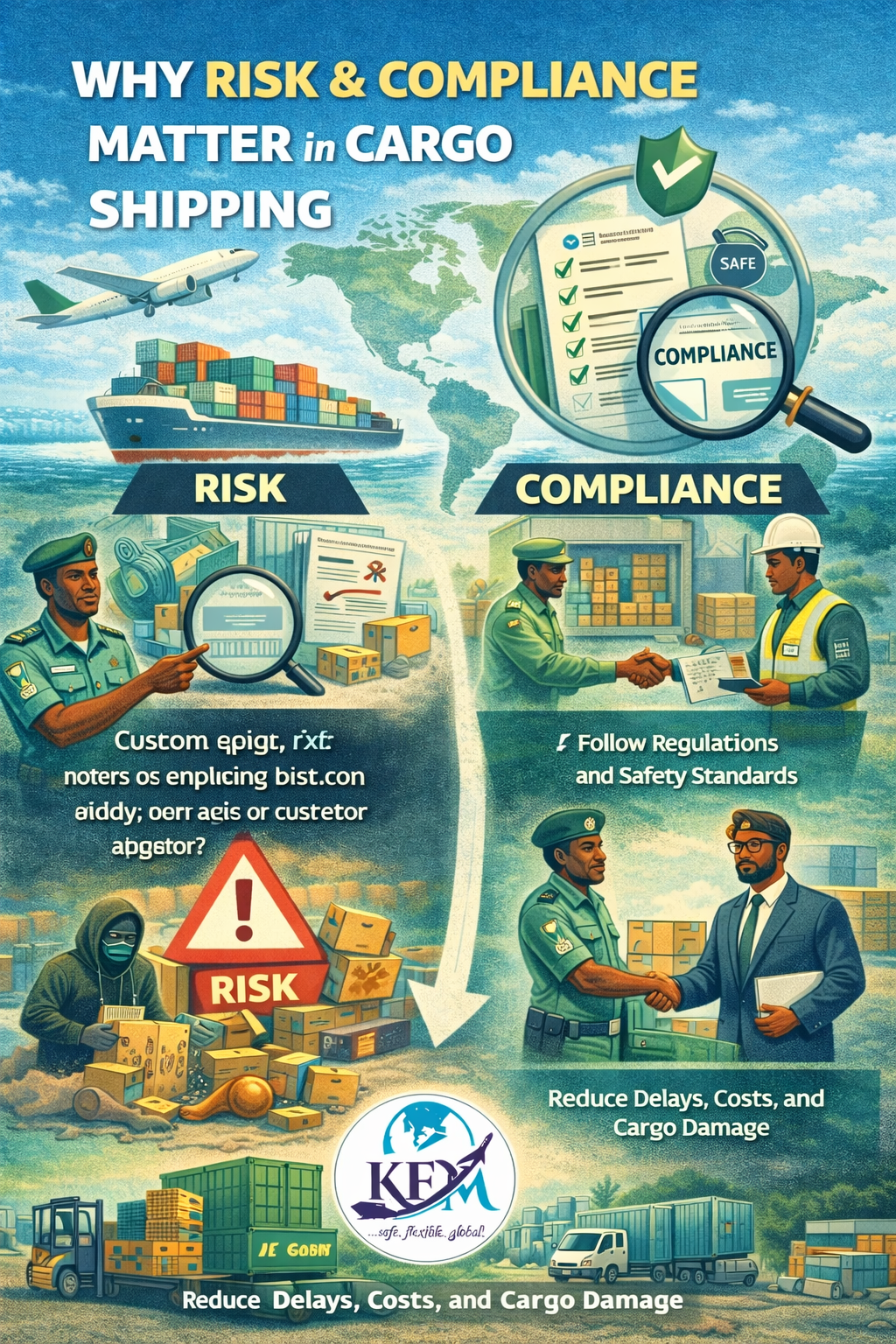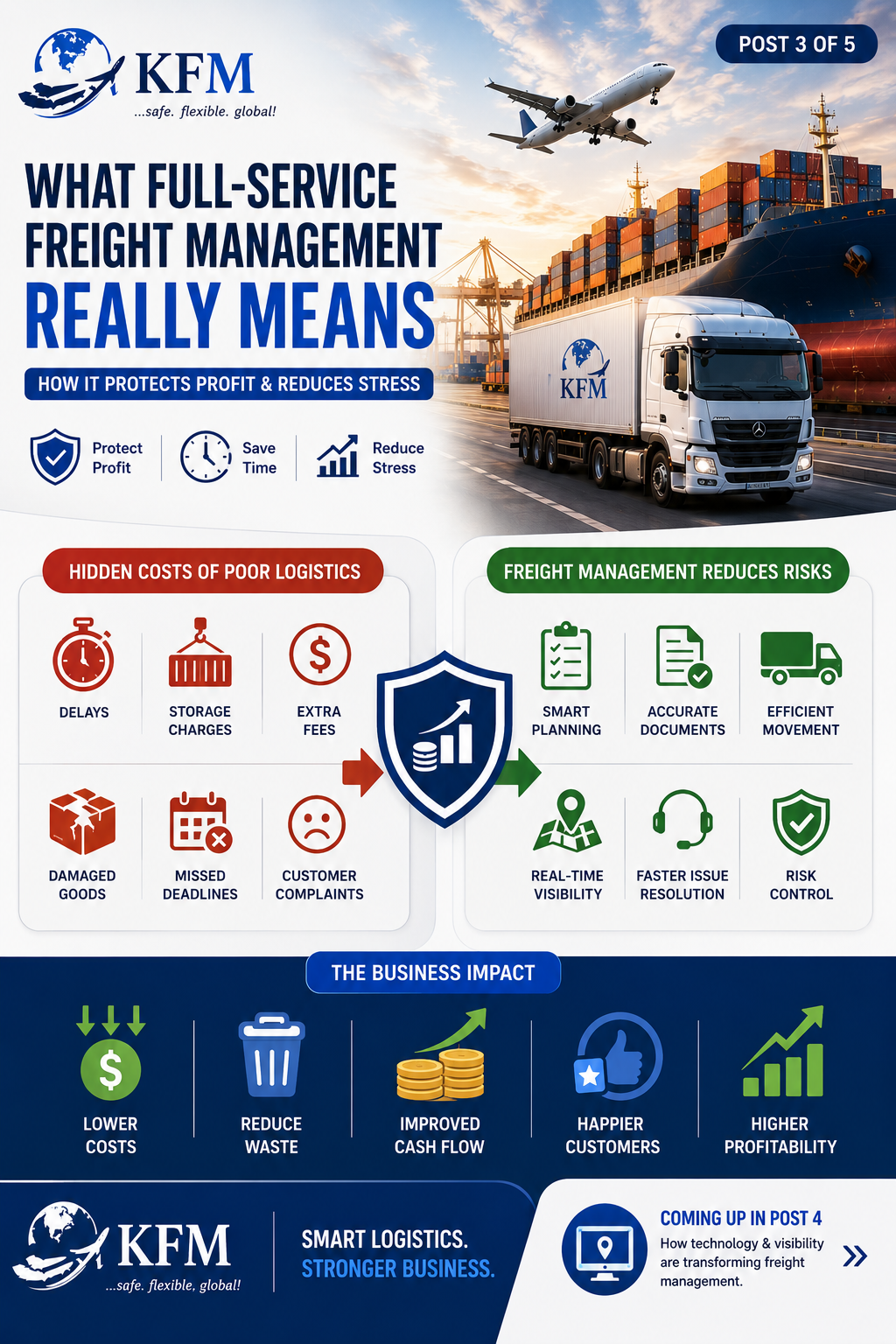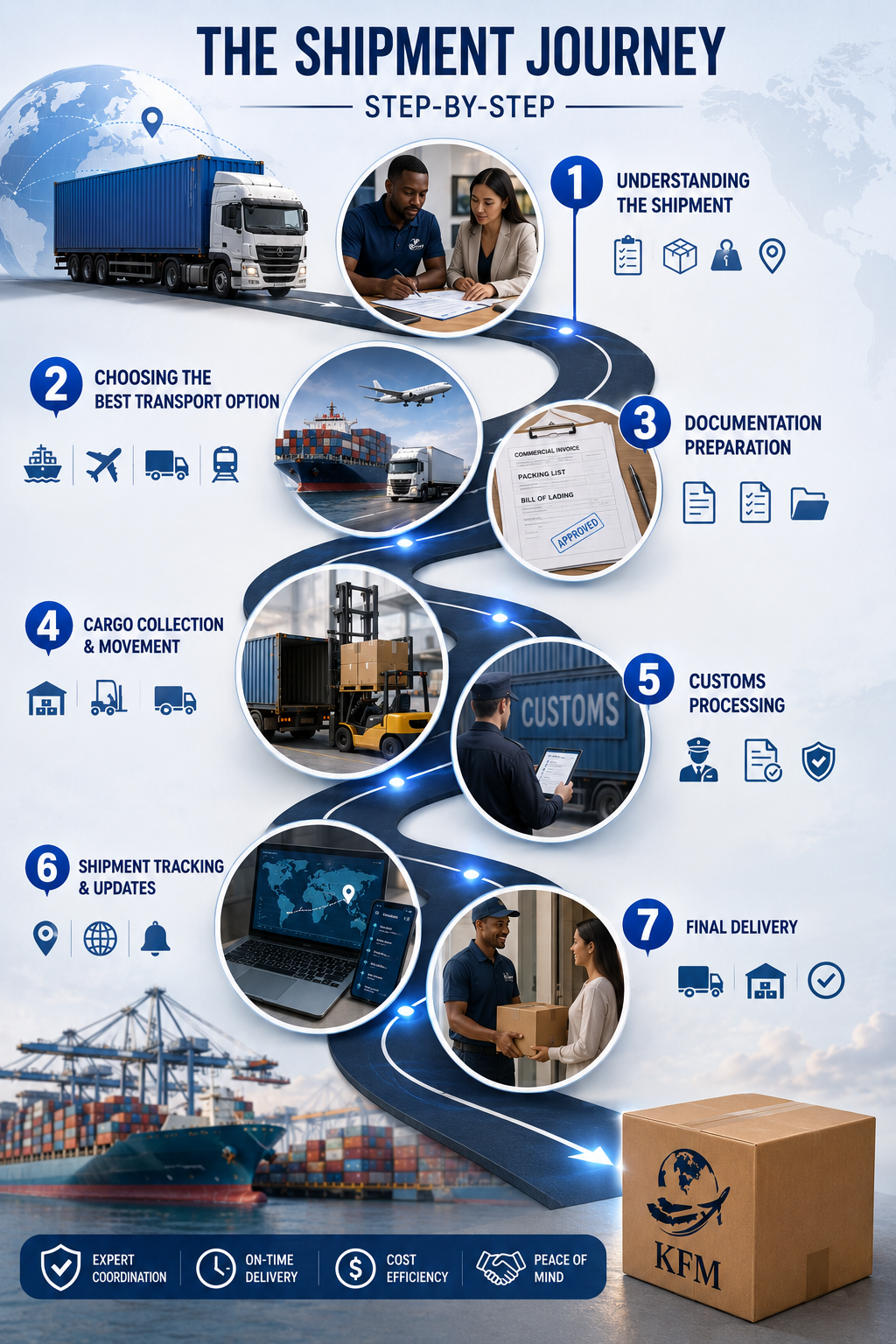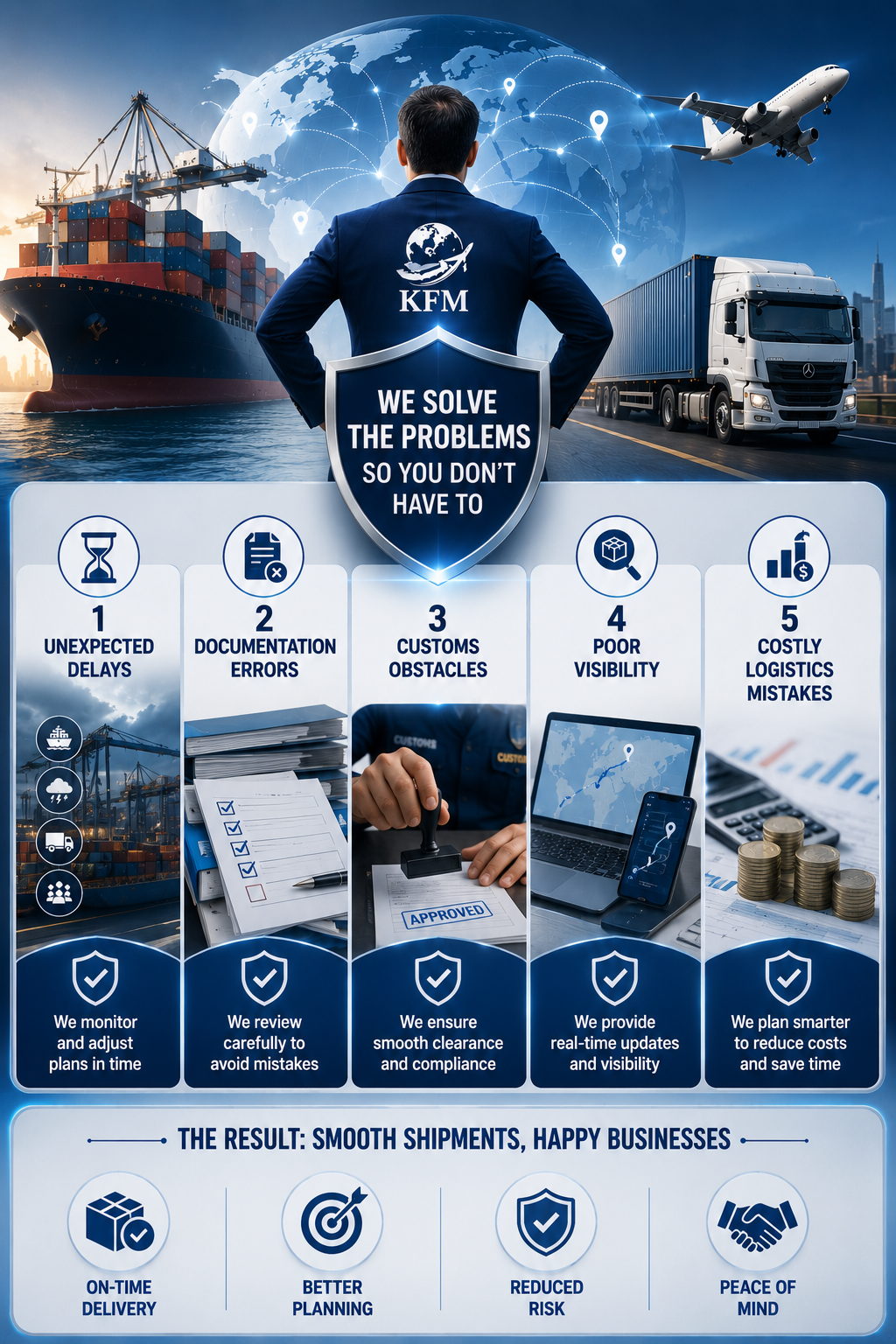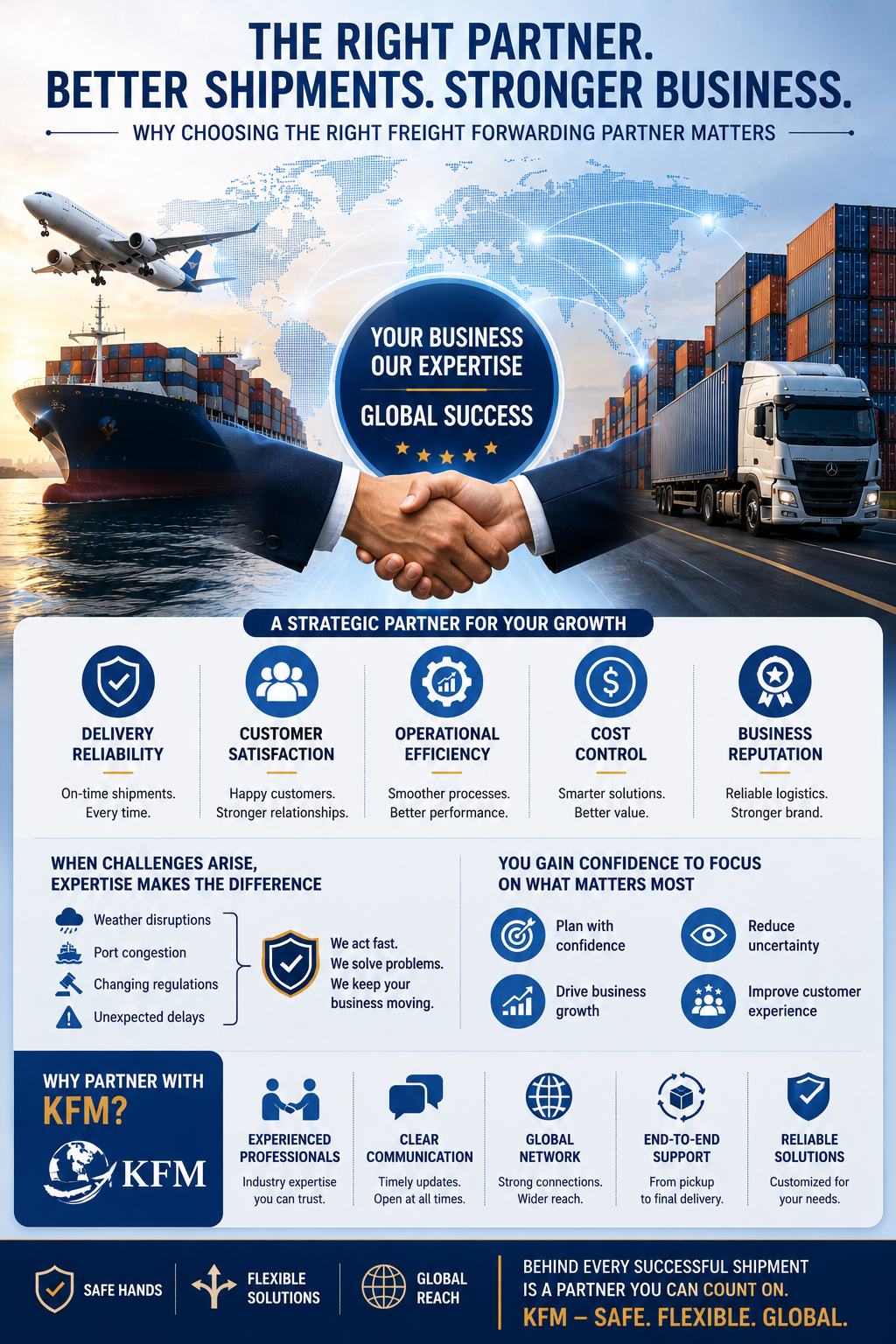
Not everything can be imported freely. Understanding Nigeria's import regulations before shipping can save businesses from costly delays, penalties, and unexpected complications.
Imagine purchasing a large shipment of goods from an international supplier, paying for shipping, and waiting weeks for the cargo to arrive in Nigeria, only to discover that the products cannot be cleared as expected.
For an importer, few situations are more frustrating than discovering a regulatory problem after the goods have already left the supplier's warehouse.
While international trade creates opportunities for businesses to access products, raw materials, machinery, and markets across the world, every country has regulations governing what can enter its borders.
Nigeria is no exception.
What Are Import Restrictions?
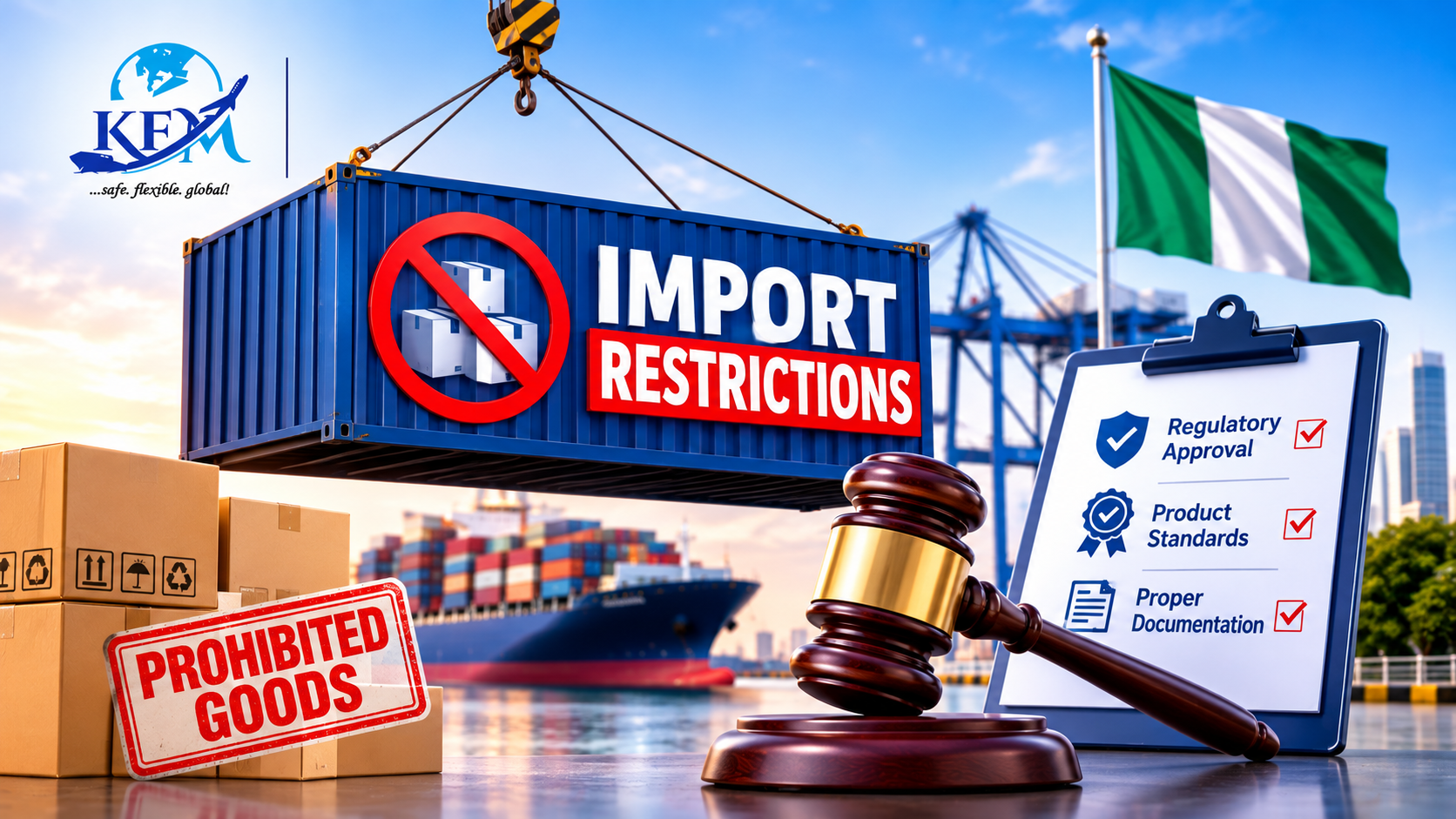
Import restrictions are government regulations that control, limit, or prohibit the entry of certain goods into a country.
These restrictions may exist for several reasons, including:
- Protecting local industries and manufacturers.
- Safeguarding public health and safety.
- Preventing the importation of dangerous or harmful products.
- Protecting the environment.
- Maintaining national security.
- Ensuring products meet approved standards.
Depending on the product, an importer may need special permits, certifications, approvals, or additional documentation before the goods can be shipped or cleared.
1. Some Goods Are Prohibited From Importation
Certain products are prohibited from entering Nigeria under applicable regulations.
Importing prohibited goods without understanding the relevant restrictions can expose businesses to serious consequences, including seizure of cargo, financial losses, penalties, and other regulatory actions.
Importers should never assume that a product being legally available in another country automatically means it can be imported into Nigeria.
2. Restricted Goods May Require Special Approval
Some products are not completely prohibited but may require regulatory approval, permits, licenses, or certification before importation.
Depending on the category of goods, importers may need to comply with requirements from relevant Nigerian regulatory agencies.
For example, products involving food, pharmaceuticals, chemicals, electrical equipment, agricultural materials, and other regulated categories may require additional checks or approvals.
The specific requirements depend on the product and the regulations applicable to it.
3. Product Standards and Certification Matter
Importation is not simply about purchasing a product at the right price.
Some goods must satisfy specific quality, safety, technical, or conformity requirements before they can be legally imported or distributed in Nigeria.
Failing to confirm these requirements early can result in delays, additional expenses, or difficulties during customs clearance.
Businesses should therefore verify applicable product standards before placing orders with overseas suppliers.
4. Incorrect Documentation Can Create Serious Problems
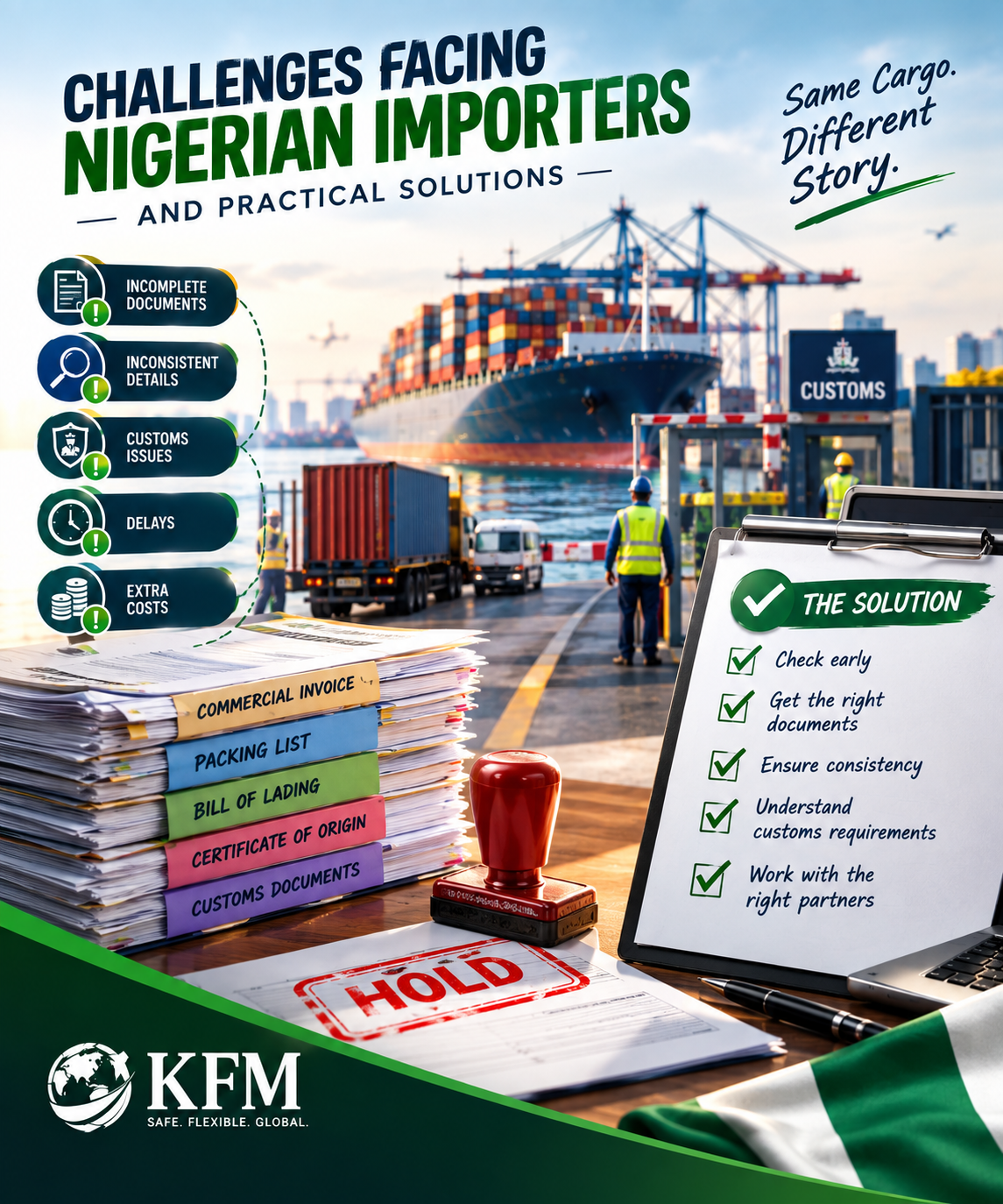
Even when a product is permitted for importation, inaccurate or incomplete documentation can complicate the clearance process.
Documents such as commercial invoices, packing lists, certificates, permits, and other applicable import documents must accurately reflect the shipment.
Discrepancies between the cargo and its documentation can lead to inspections, delays, additional costs, or regulatory complications.
Proper documentation is not just paperwork. It is an essential part of a smooth importation process.
5. Check Before You Ship
One of the most important habits every importer should develop is verifying the requirements for their goods before making shipping arrangements.
Before purchasing or shipping a product into Nigeria, businesses should:
- Confirm whether the product is permitted for importation.
- Identify any applicable restrictions or special requirements.
- Verify whether permits, licenses, or certifications are needed.
- Confirm the correct product classification.
- Prepare the required import documentation.
- Consult the relevant authorities or experienced logistics professionals where necessary.
Taking these steps early can help prevent avoidable complications after cargo has been shipped.
Why Import Compliance Matters to Your Business
Import compliance is not merely a government requirement. It is also a business risk-management strategy.
Businesses that understand import regulations are better positioned to:
- Make informed purchasing decisions.
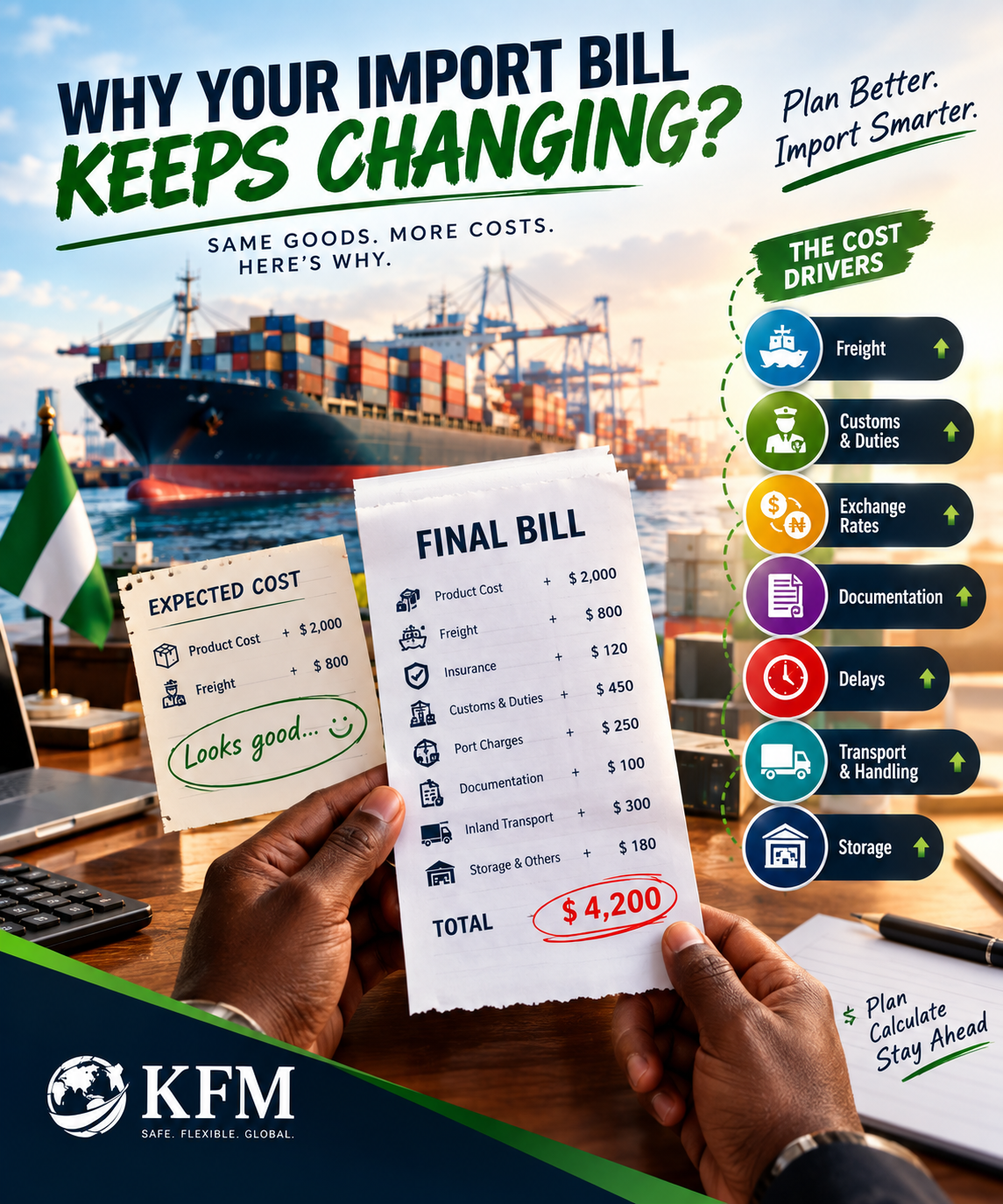
- Estimate total import costs accurately.
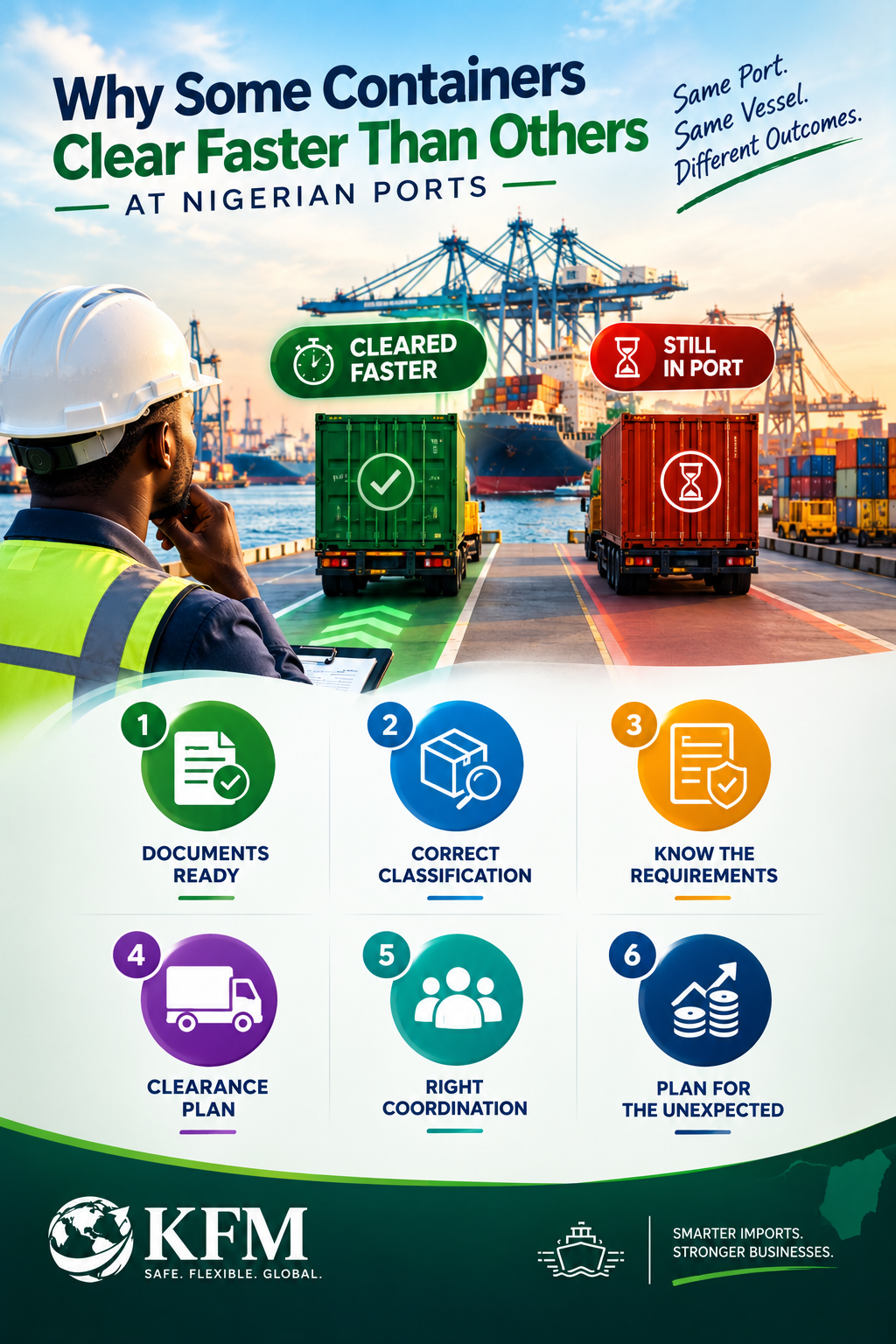
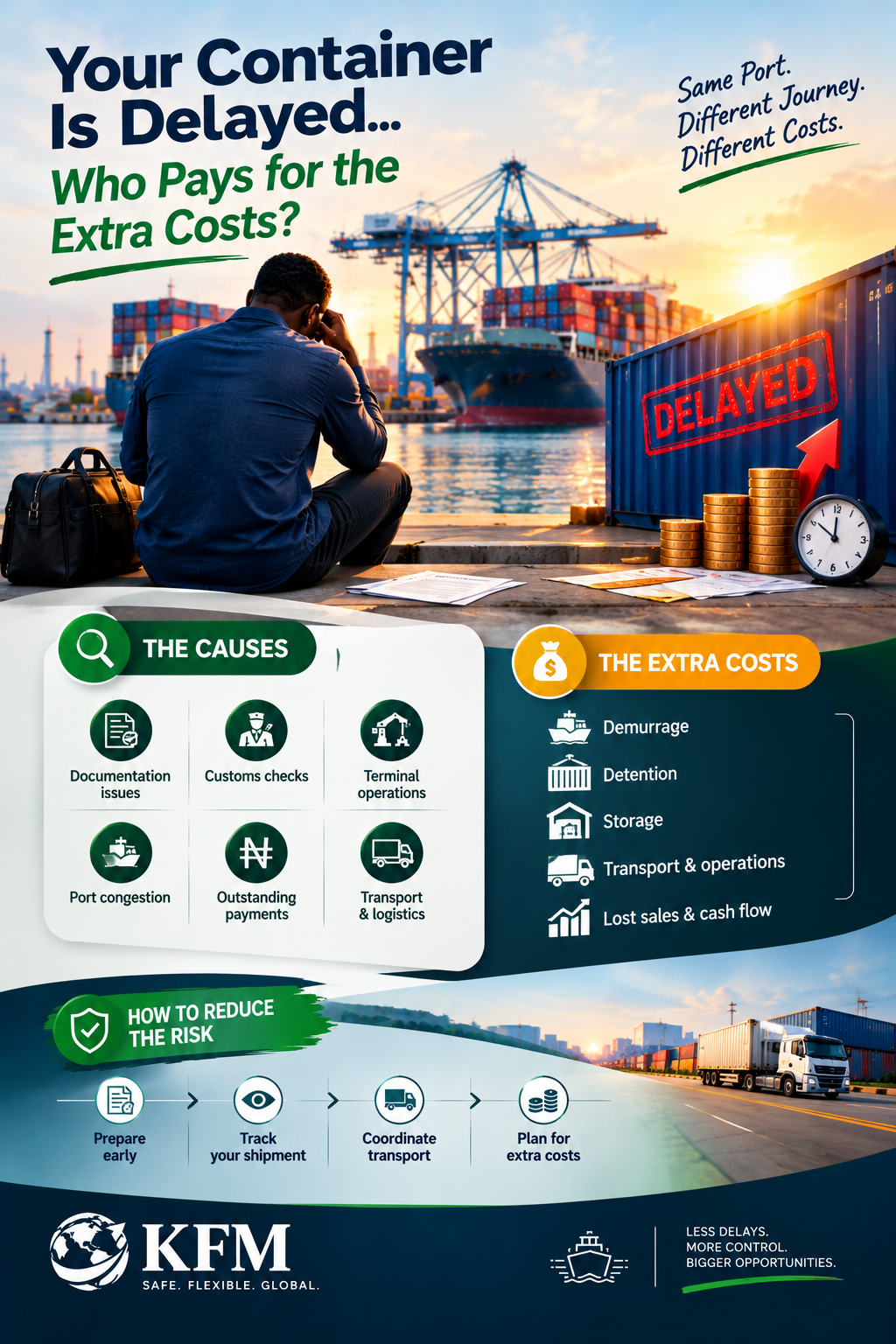
- Avoid preventable cargo delays.
- Reduce the risk of penalties and additional expenses.
- Protect their suppliers, customers, and business reputation.
- Plan more efficient shipping and clearance processes.
The KFM Perspective
At Kastro Freight Management (KFM), we understand that successful international shipping begins long before cargo reaches the port.
Proper planning, accurate documentation, regulatory awareness, and reliable freight management are essential components of a well-organised importation journey.
When businesses take the time to understand the requirements surrounding their cargo, they can make better decisions and reduce unnecessary risks throughout the shipping process.
<In international trade, knowing what you can ship is just as important as knowing how to ship it.
KFM — Safe. Flexible. Global.
Coming Up in Post 4
Foreign Exchange Policies and International Trade in Nigeria: How Currency Changes Affect Importers and Exporters.
Next, we'll explore how exchange rates, foreign currency availability, and payment regulations influence international transactions and the cost of doing business across borders.