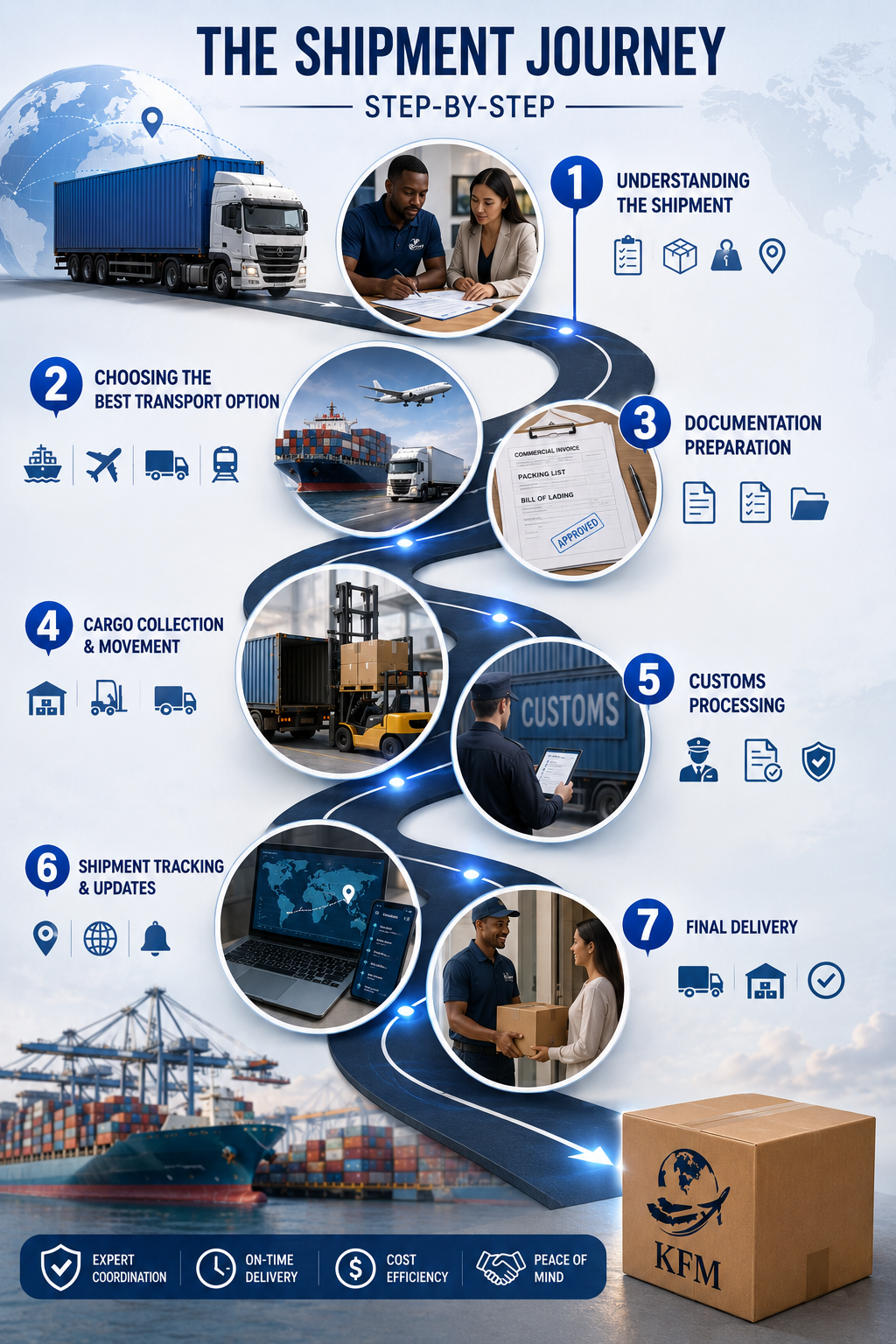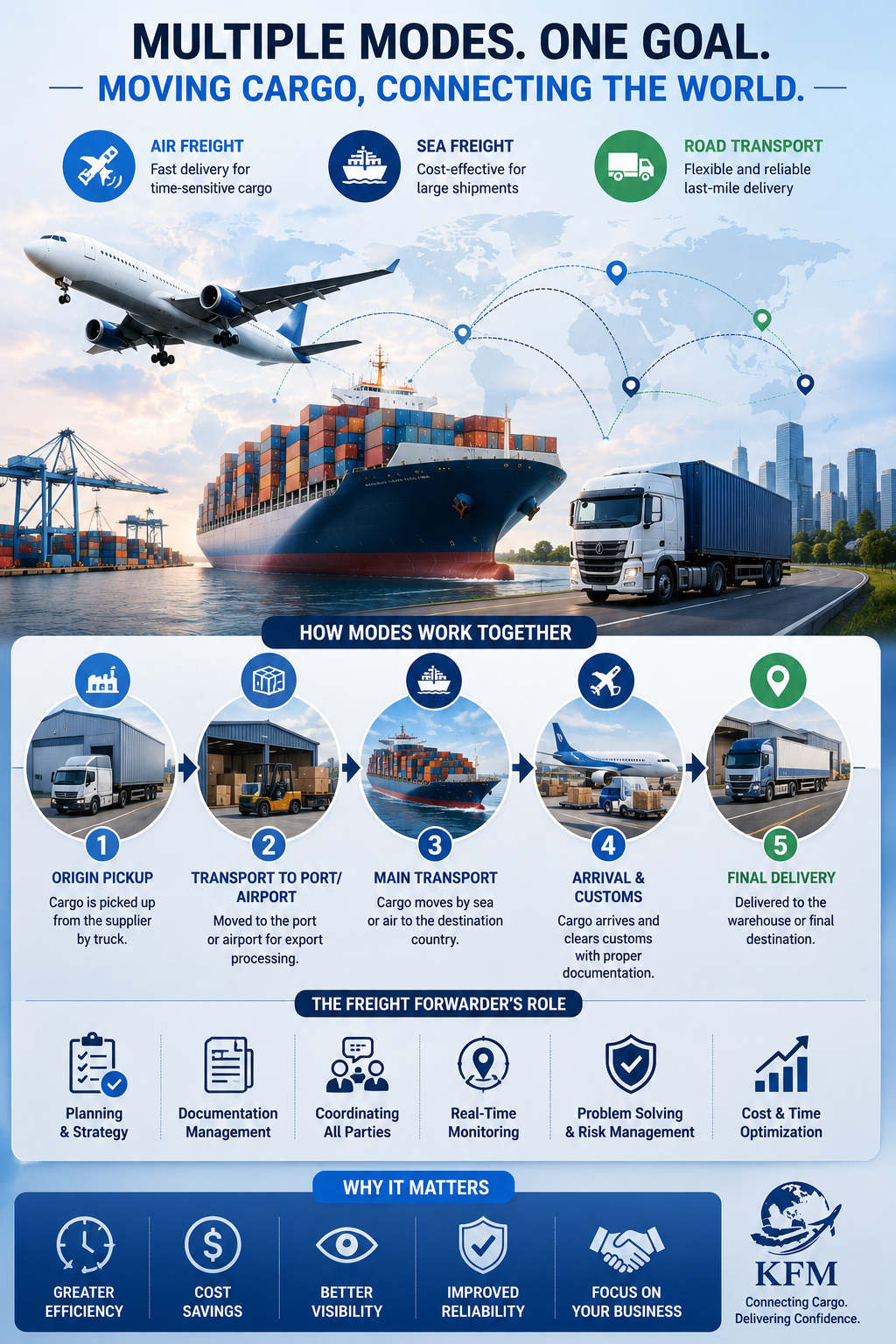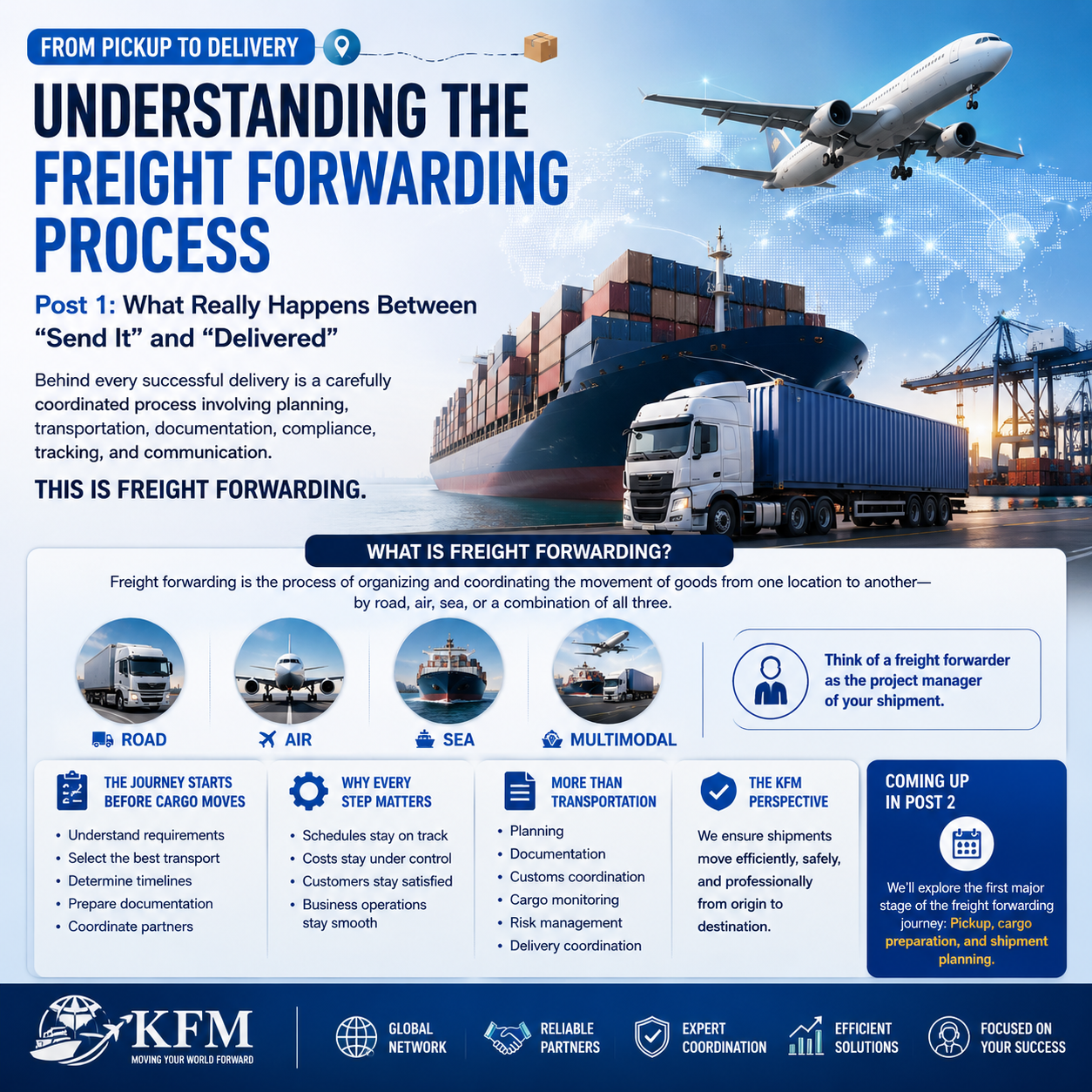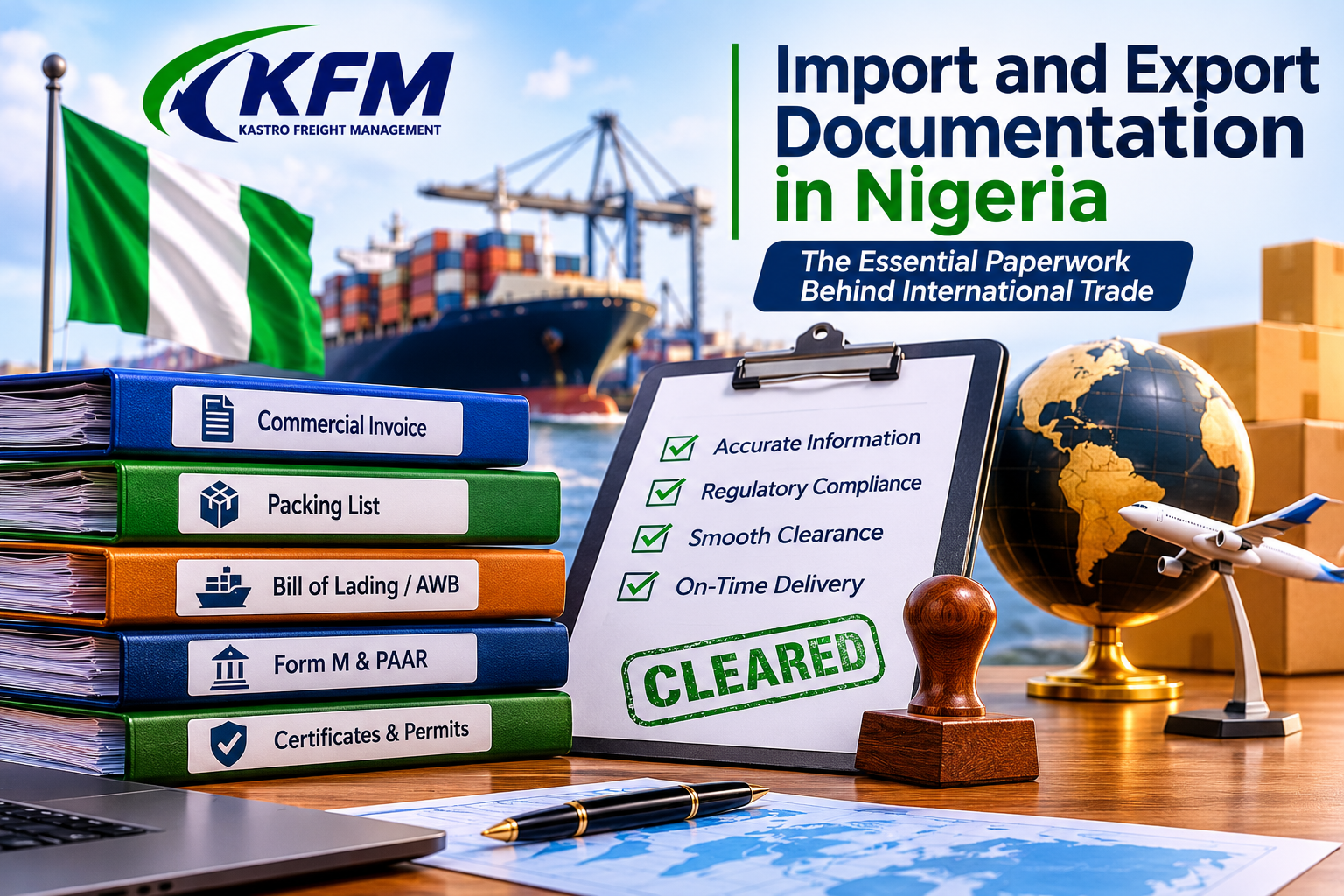
Behind every successful international shipment is a collection of documents that helps goods move across borders legally, accurately, and efficiently.
A shipment can be properly packaged, paid for, and ready to move, yet still encounter serious delays because of missing or inaccurate documentation.
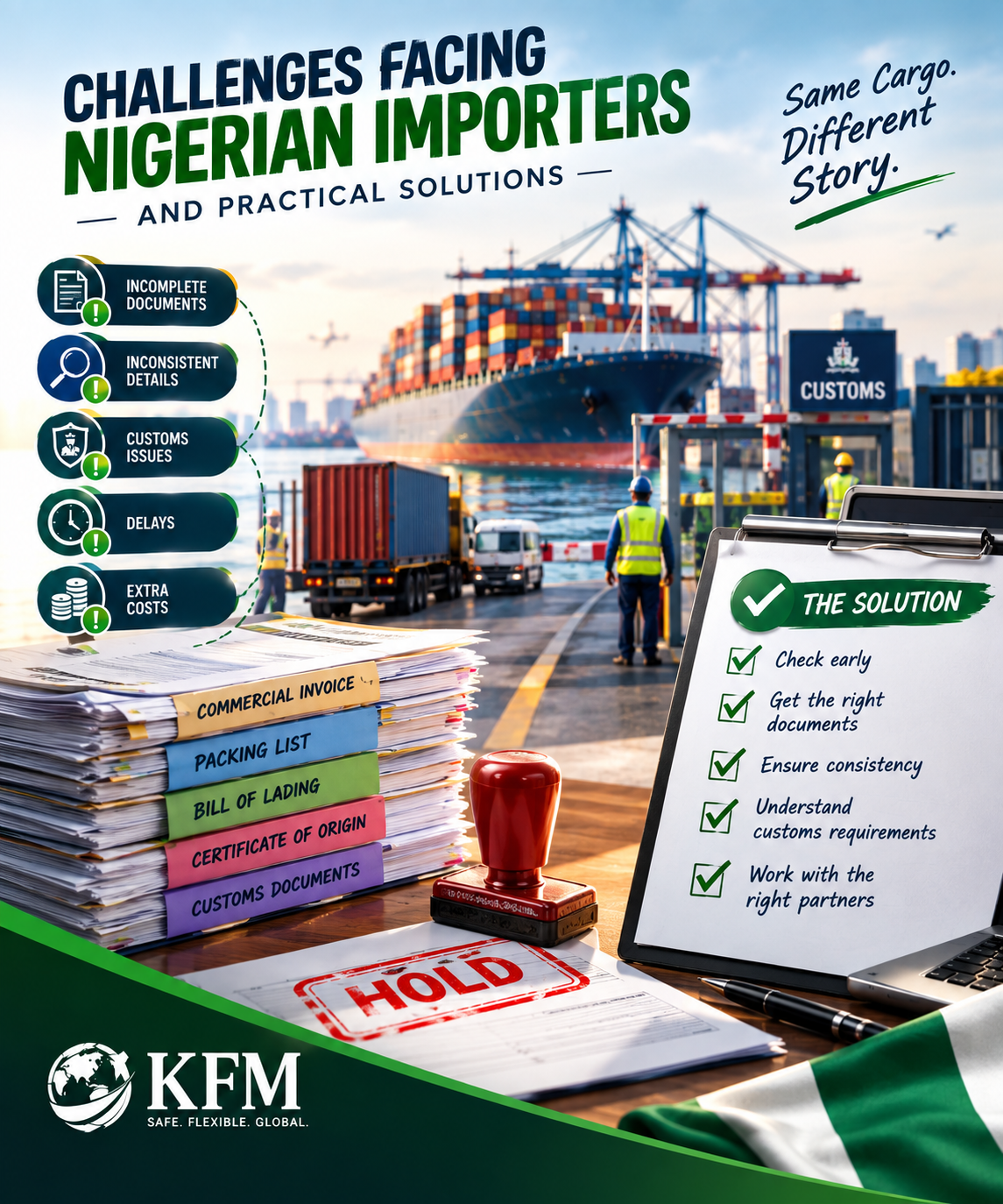
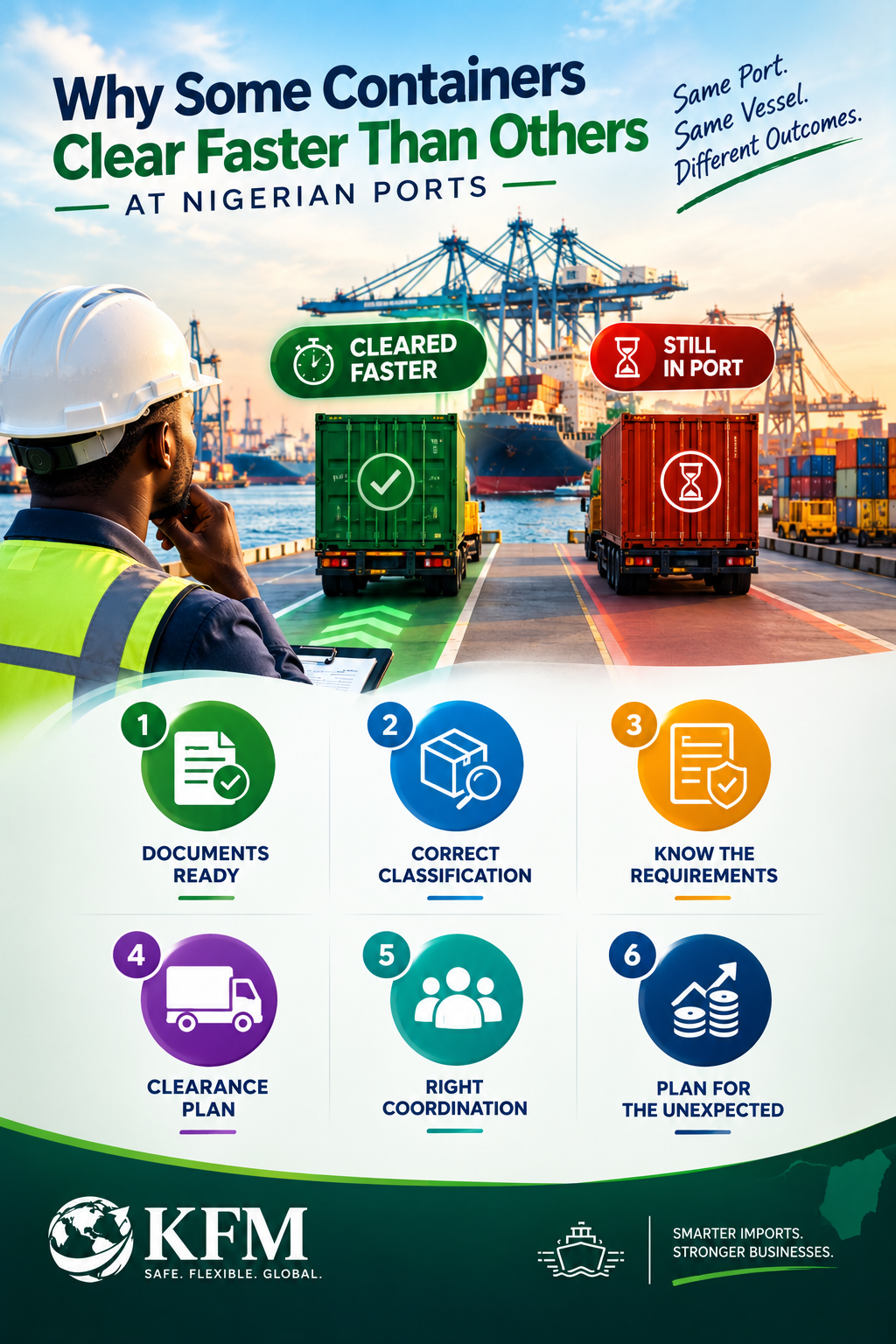
Imagine a container arriving at a Nigerian port, only for the importer to discover that the information on the commercial invoice does not match the packing list or shipping documents.
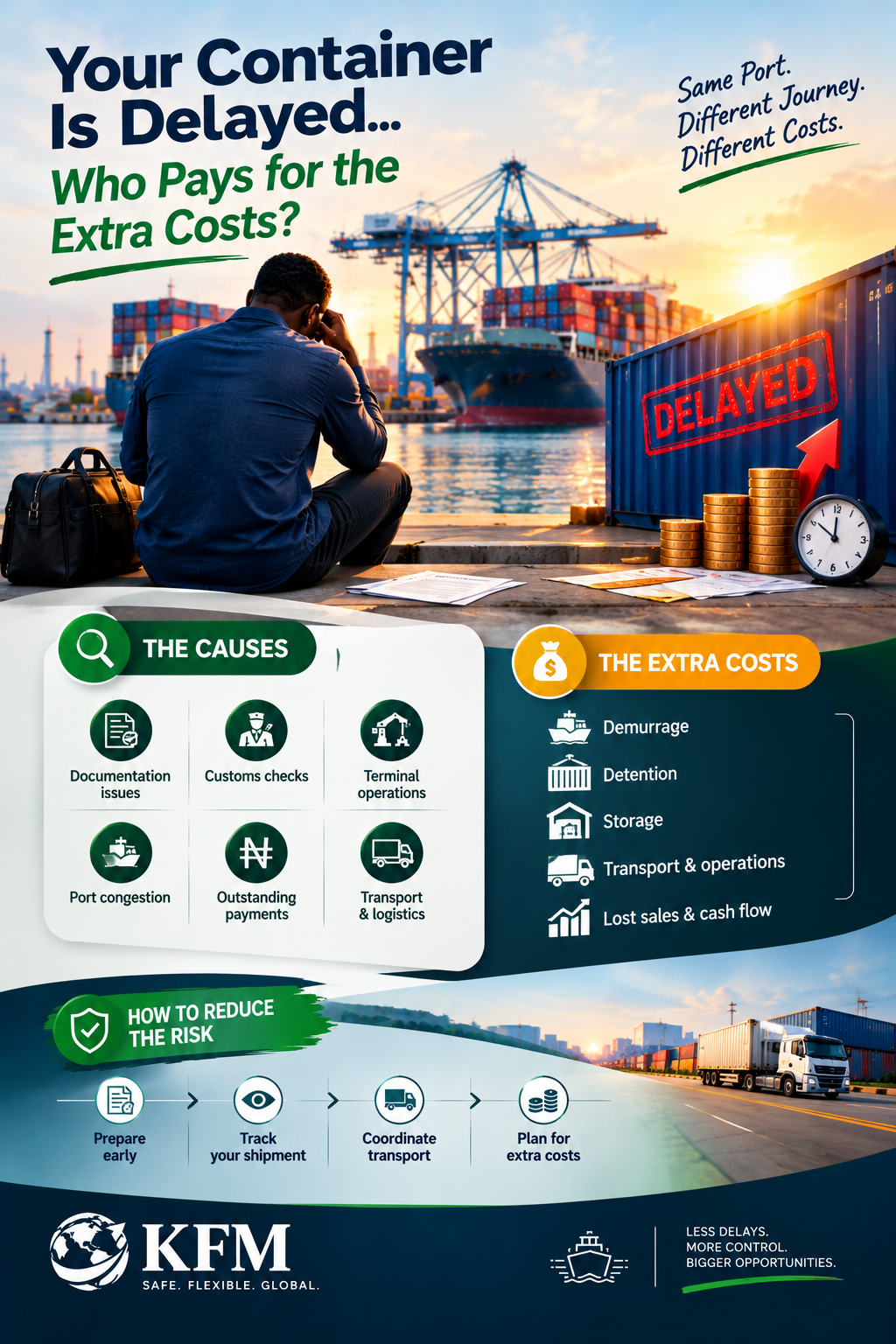
What should have been a straightforward clearance process can quickly become a complicated exercise involving document reviews, corrections, additional checks, and unexpected expenses.
This is why documentation is one of the most important parts of international trade.
Why Are Shipping Documents Important?
International shipping involves several parties, including buyers, sellers, shipping companies, banks, customs authorities, regulatory agencies, and logistics providers.
Each party needs reliable information about the shipment to perform its responsibilities.
Shipping documents help establish:
- What goods are being transported.
- Who is buying and selling the goods.
- The quantity and value of the shipment.
- Where the goods originated.
- Where the cargo is going.
- Whether the shipment satisfies applicable regulatory requirements.
Without accurate documentation, the movement of cargo can become unnecessarily difficult.
1. Pro Forma Invoice
A pro forma invoice is a preliminary document issued by a seller to a prospective buyer before the final transaction is completed.
It provides important information about the proposed purchase, including:
- Description of the goods.
- Quantity and unit price.
- Total estimated value.
- Currency of payment.
- Seller and buyer details.
- Proposed shipping and payment terms.
For Nigerian importers, the pro forma invoice is particularly important during the initial stages of import processing, including the preparation of Form M where applicable.
2. Commercial Invoice
The commercial invoice is an important transaction document issued by the seller to the buyer.
Unlike the pro forma invoice, which is generally preliminary, the commercial invoice records the actual sale and provides details used in customs and other trade procedures.
It typically contains:
- Names and addresses of the buyer and seller.
- Description of the products.
- Quantity and agreed prices.
- Total invoice value and currency.
- Country of origin, where required.
- Applicable delivery and payment terms.
Incorrect product descriptions or inconsistent values can create complications during customs assessment and clearance.
3. Packing List
The packing list provides a breakdown of how the goods have been packaged for transportation.
It helps customs officers, shipping companies, warehouse operators, and logistics professionals understand the physical contents of a shipment.
Depending on the shipment, it may contain:
- Description of the packaged goods.
- Number of cartons, pallets, or packages.
- Net and gross weights.
- Package dimensions.
- Marks and identification numbers.
A packing list should accurately reflect the cargo being transported. When the physical shipment differs significantly from its documentation, additional checks may become necessary.
4. Bill of Lading or Air Waybill
How do you establish that cargo has been received for transportation?
This is where transport documents become important.
Bill of Lading (B/L): This is a key document used in sea freight. It serves as evidence that the carrier has received the goods for shipment and records the terms of transportation. Depending on its type, it may also serve as a document of title.
Air Waybill (AWB): This is the transport document used for air cargo. It provides details about the shipment and the transportation arrangement between the shipper and the airline or carrier.
Other modes of transportation may require corresponding documents, such as road waybills or railway consignment notes.
5. Form M and Pre-Arrival Assessment Report (PAAR)
For businesses importing physical goods into Nigeria, certain customs and trade-processing documents are particularly important.
Form M is an import documentation requirement processed through an authorised dealer bank. Under the applicable CBN guidelines, it is required for imports of physical goods, whether or not foreign exchange is involved.
Pre-Arrival Assessment Report (PAAR) is a document issued by the Nigeria Customs Service as part of the import assessment process. It supports the assessment and clearance of imported goods.
These documents are important components of Nigeria's import procedures and should be handled in accordance with current regulatory requirements.
6. Certificate of Origin
A Certificate of Origin identifies the country in which goods originate.
It can be important for customs assessment, trade agreements, preferential tariff treatment, and other regulatory purposes.
For example, goods originating from countries covered by applicable trade arrangements may qualify for certain benefits when the relevant rules of origin and documentary requirements are satisfied.
Importers and exporters should ensure that the information on the certificate is accurate and that the document meets the requirements of the destination country.
7. Regulatory Permits and Product Certificates
Not every product can be imported or exported using only standard shipping documents.
Some goods require additional approvals, permits, inspections, or certificates from relevant government agencies.
Depending on the nature of the shipment, these may include:
- SONCAP documentation for applicable regulated products.
- NAFDAC approvals for relevant regulated products.
- Phytosanitary certificates for applicable plants and plant products.
- Health or veterinary certificates for certain animal products.
- Chemical analysis reports or laboratory test certificates where required.
- Export permits and other commodity-specific approvals.
The exact requirements depend on the product, its intended use, the country of origin or destination, and the regulations that apply.
8. Export Documentation: What Nigerian Exporters Should Know
Documentation is just as important when goods are leaving Nigeria.
Businesses exporting agricultural produce, manufactured products, raw materials, and other commodities must prepare the documents required for their particular export transaction.
Depending on the product and destination, export documentation may include:
- Commercial invoice.
- Packing list.
- Export declaration and applicable customs documentation.
- Certificate of Origin.
- Bill of Lading or Air Waybill.
- Relevant export permits and product certificates.
- Other documents required by the destination country's authorities.
Exporters should also confirm any applicable registration, documentation, and proceeds-repatriation requirements before shipping.
Preparing the correct documents early helps reduce the risk of regulatory complications and improves coordination between the exporter, buyer, carrier, and customs authorities.
9. Common Documentation Mistakes That Cause Shipping Problems
Many shipping complications are preventable. Unfortunately, small documentation errors can create significant problems when they occur during international transportation.
Some common mistakes include:
- Using different product descriptions across documents.
- Incorrect quantities or shipment weights.
- Inaccurate invoice values.
- Missing permits or certificates.
- Incorrect consignee or notify-party details.
- Late submission of required documents.
- Failure to confirm destination-country requirements.
One important practice is to cross-check all relevant documents before cargo departs. Correcting an error before shipment is generally easier than resolving it after the cargo has arrived.
10. How to Make Your Shipping Documentation Process More Efficient
Businesses do not need to wait until a shipment encounters a problem before taking documentation seriously.
Here are some practical steps:
- Confirm the documentation requirements before purchasing goods.
- Request accurate invoices and packing lists from suppliers.
- Ensure product descriptions and quantities are consistent.
- Identify all applicable permits and regulatory certificates.
- Work with authorised customs professionals where required.
- Keep digital and physical copies of relevant documents.
- Verify current customs and destination-country procedures.
For Nigerian import procedures, businesses should also take note that customs processing has transitioned to the Nigeria Customs Service's Unified Customs Management System (UCMS), popularly known as B'Odogwu. Importers should confirm the current process and submission requirements before commencing a transaction.
The KFM Perspective
At Kastro Freight Management (KFM), we understand that dependable logistics involves much more than arranging transportation.
Every successful shipment requires proper coordination, attention to detail, regulatory awareness, and effective planning.
When documentation is properly prepared and the relevant requirements are understood, businesses are better positioned to avoid unnecessary delays, manage costs, and maintain smoother international trade operations.
Because a shipment is only as well-prepared as the processes supporting it.
KFM — Safe. Flexible. Global.
Series Conclusion
Over the course of this series, we have explored how government policies, import duties, trade restrictions, foreign exchange regulations, and shipping documentation influence international trade in Nigeria.
One important lesson connects all five topics: successful international trade requires preparation, accurate information, and a clear understanding of the regulations and processes involved.
Whether you are importing goods into Nigeria or exporting products to international markets, understanding these factors can help you make better business decisions and build more dependable supply chains.