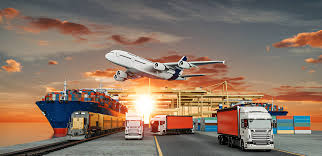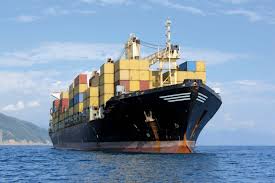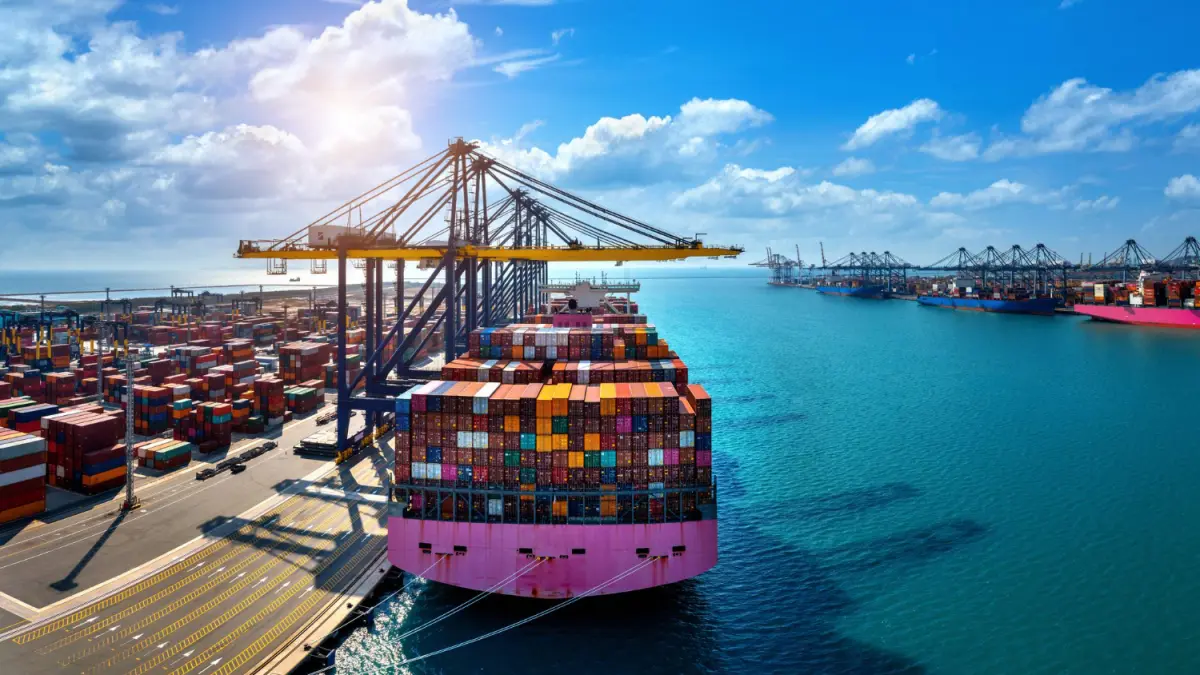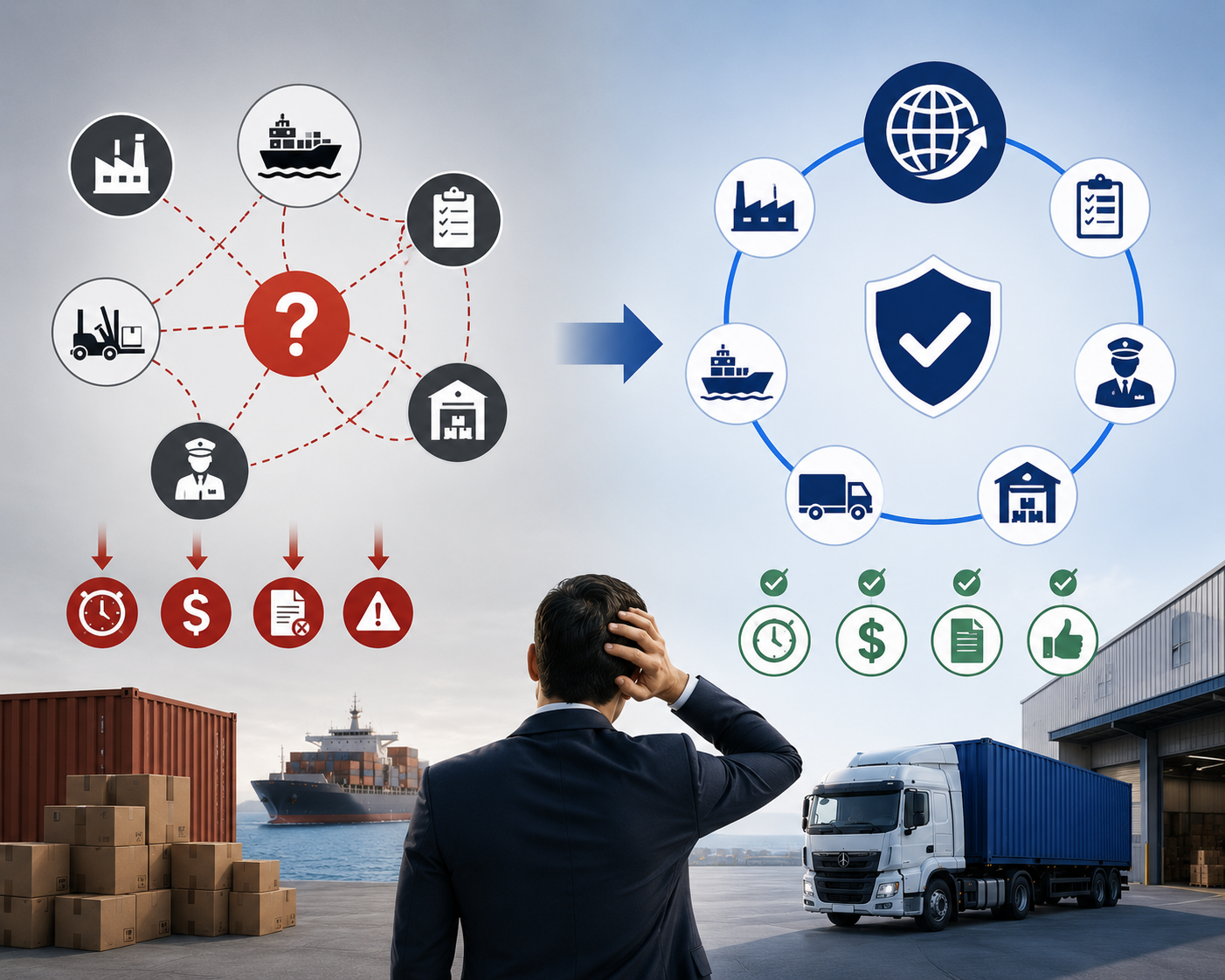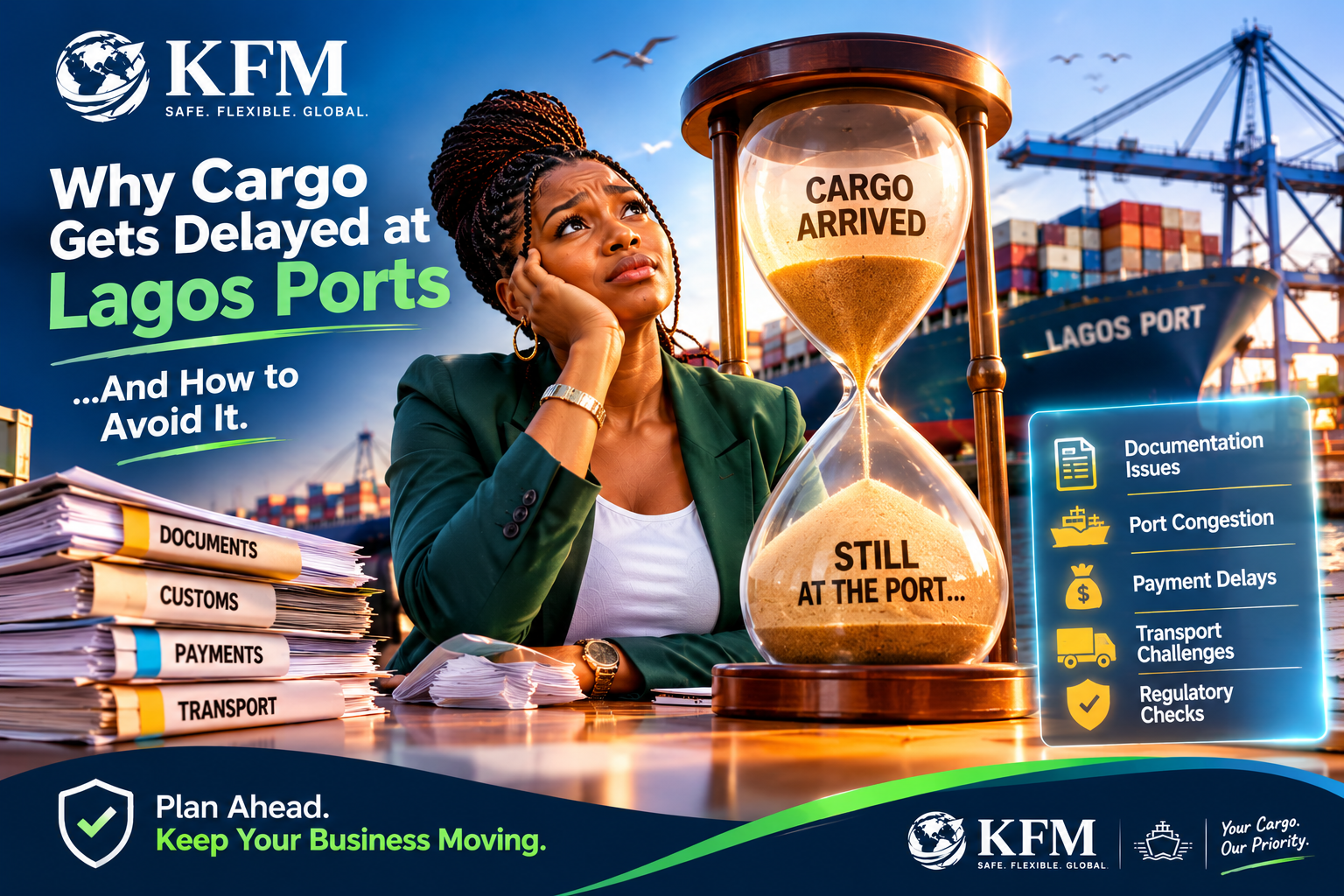
Your cargo has arrived. So why isn't it moving? Understanding the causes of port delays can save your business time and money.
Imagine tracking your shipment for weeks. The vessel finally arrives in Lagos, and you think the hardest part is over.
But days turn into weeks, and your cargo is still at the port.
Meanwhile, storage charges are building up, customers are waiting, and your business plans are on hold.
So, what exactly causes cargo delays at Lagos ports?
At KFM, we believe understanding the problem is the first step towards preventing it. Let's look at some common causes.
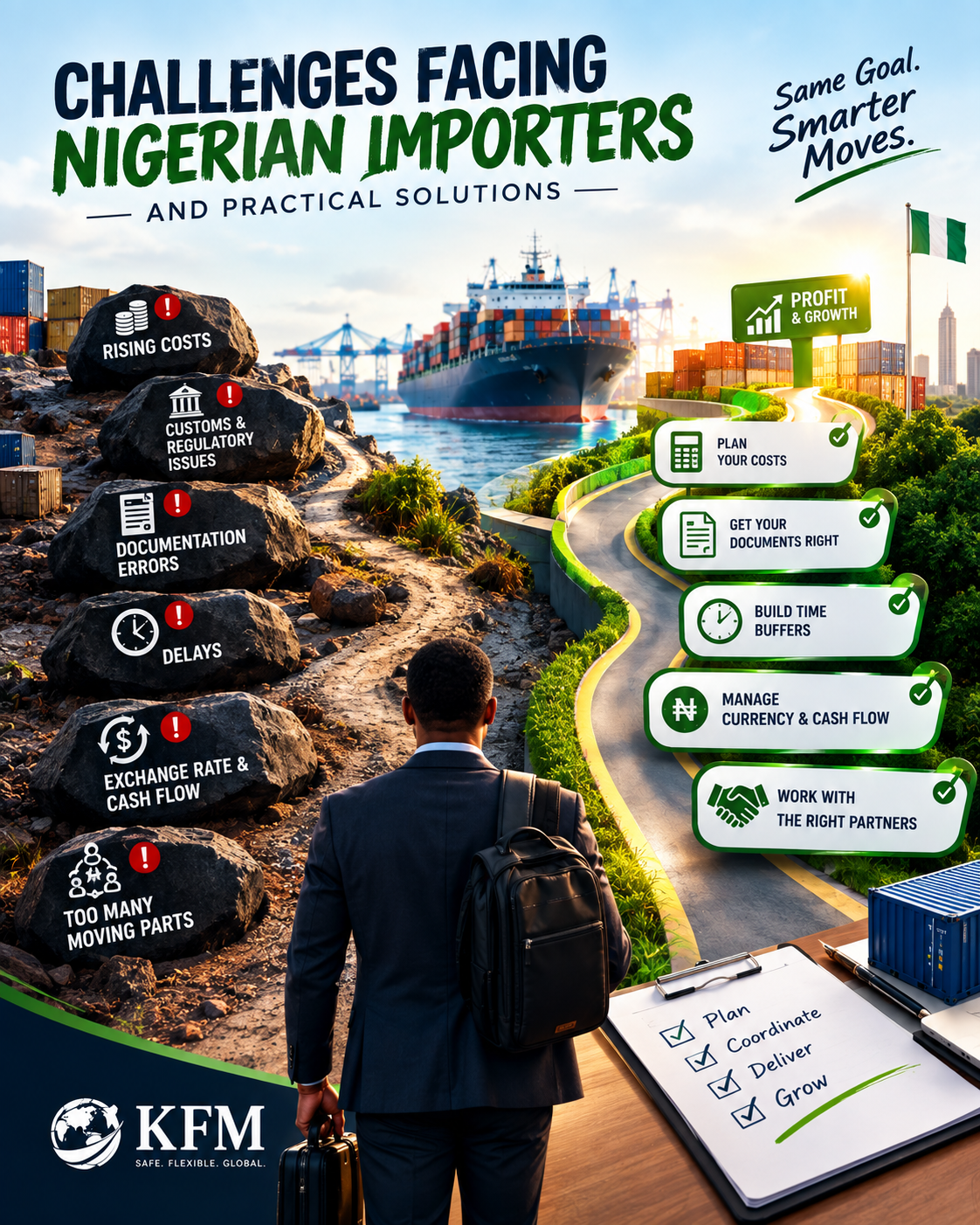
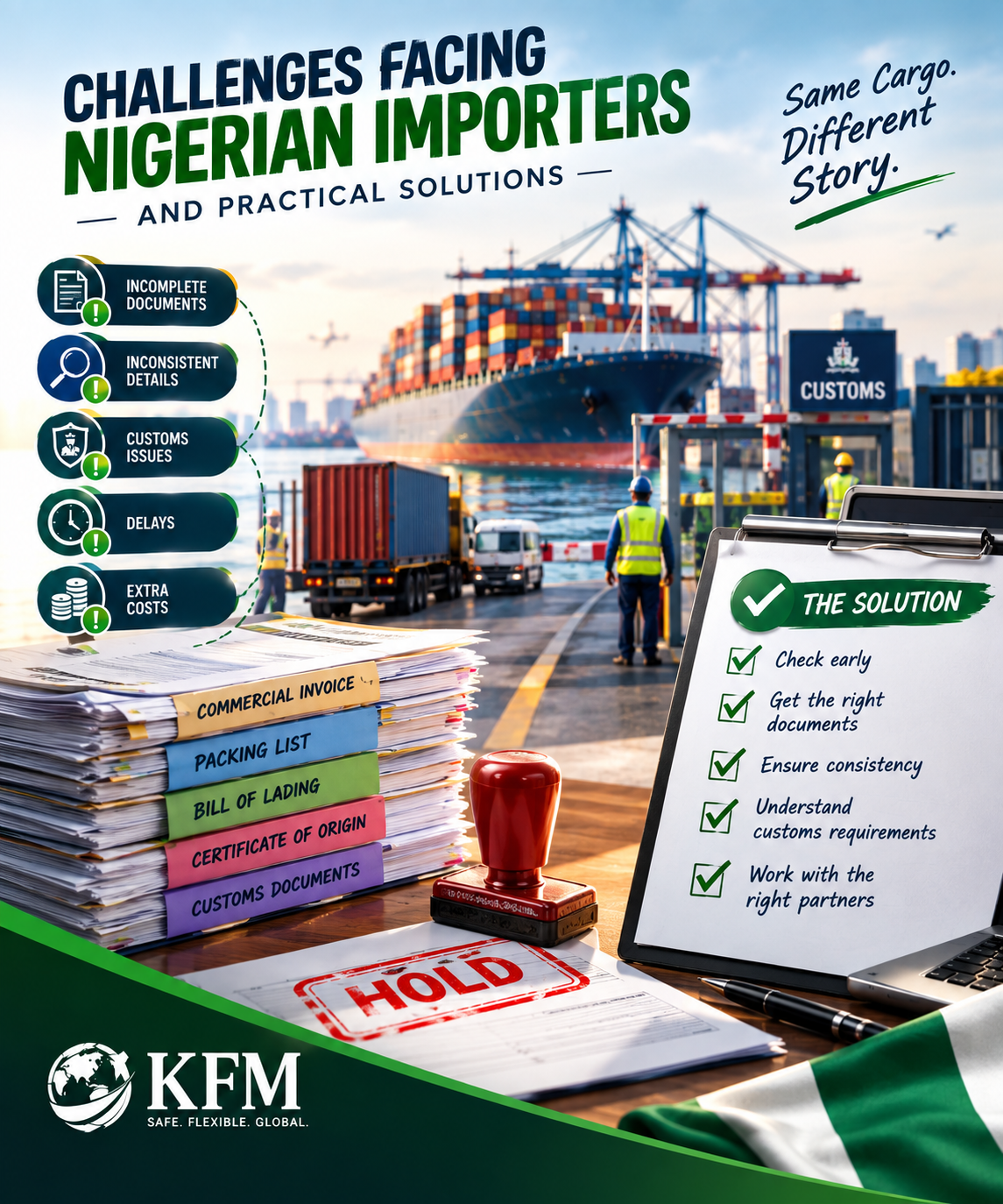
1. Incomplete or Incorrect Documentation
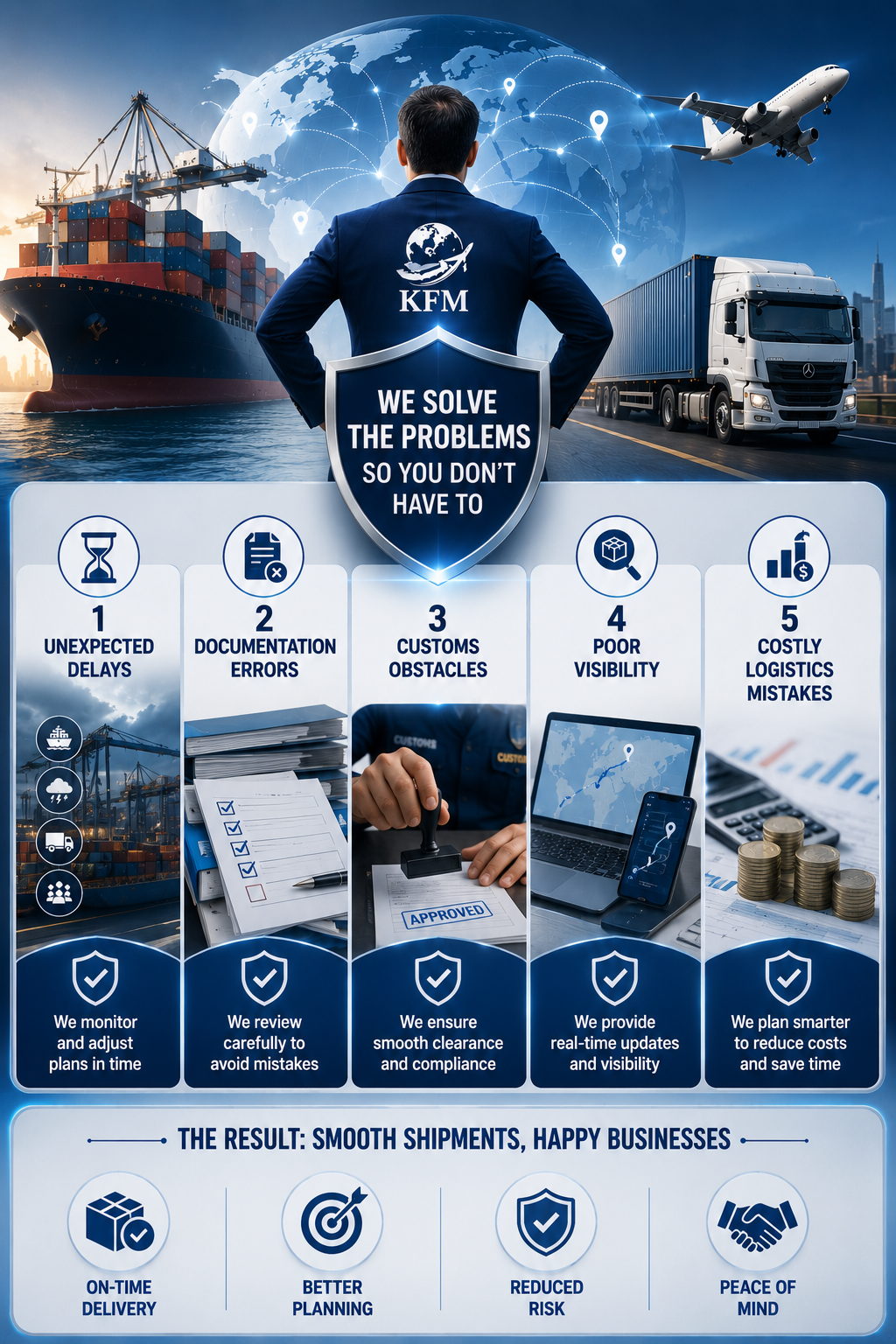
One of the most avoidable causes of cargo delays is documentation errors.
Even when your goods have arrived, missing, inconsistent, or incorrect paperwork can slow down the clearance process.
Common documentation issues include:
- Incorrect details on shipping documents
- Discrepancies between invoices and packing lists
- Missing permits or regulatory approvals where required
- Incorrect cargo descriptions or classification
- Incomplete customs documentation
The smart move: Have your documents reviewed before the vessel arrives. Don't wait until your cargo is at the port before checking for errors.
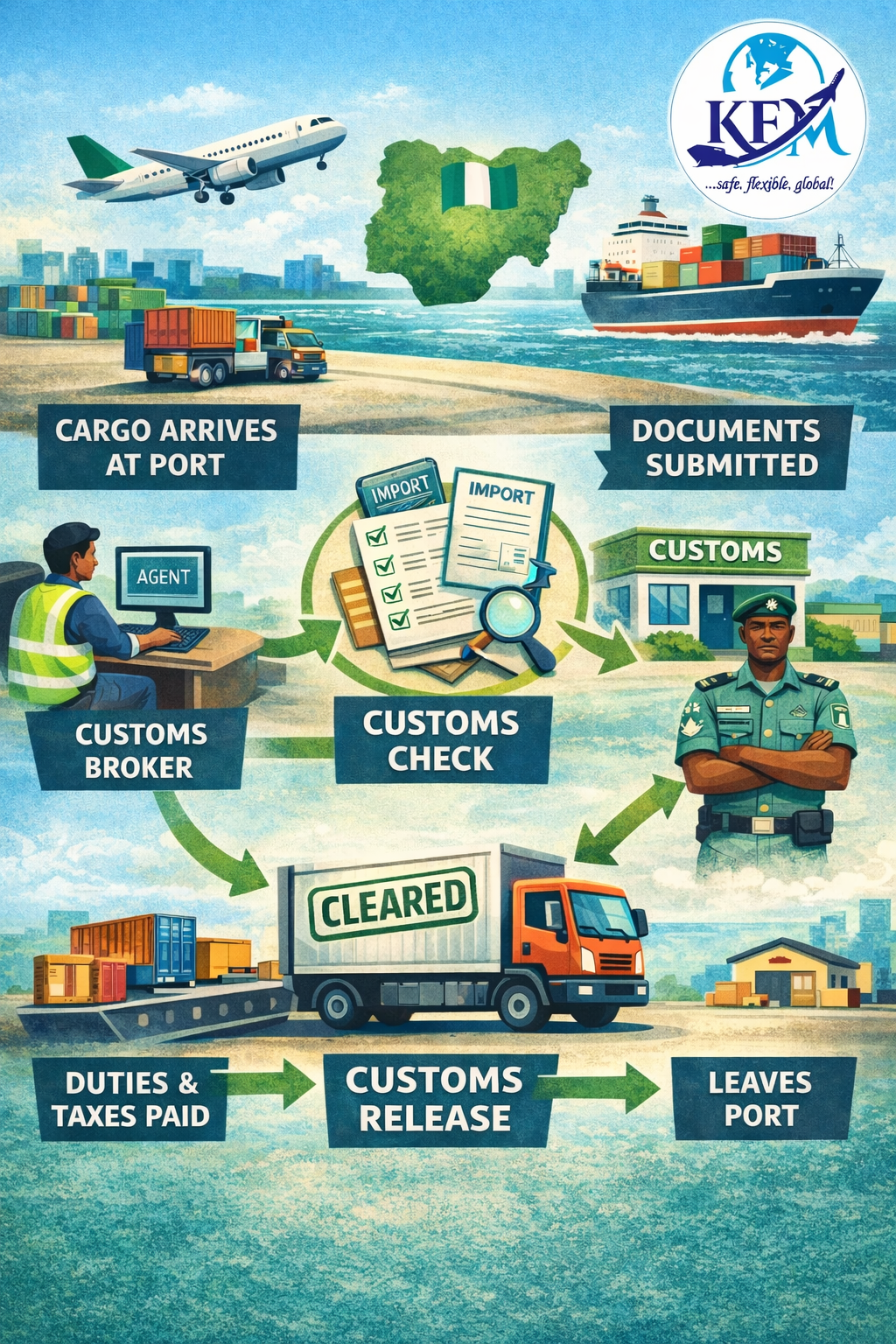
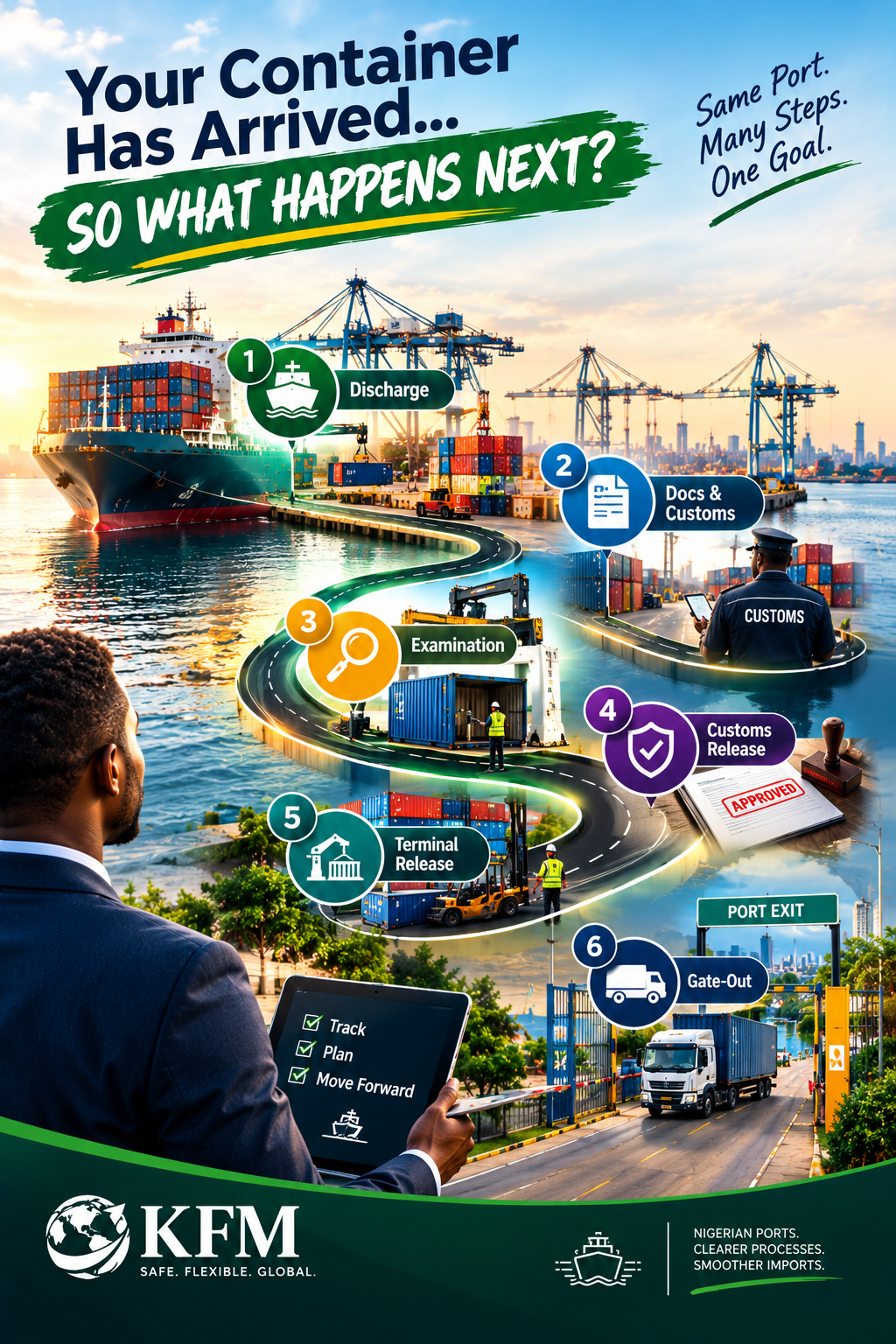
2. Customs Examination and Clearance Challenges
Not every shipment moves through the same clearance process.
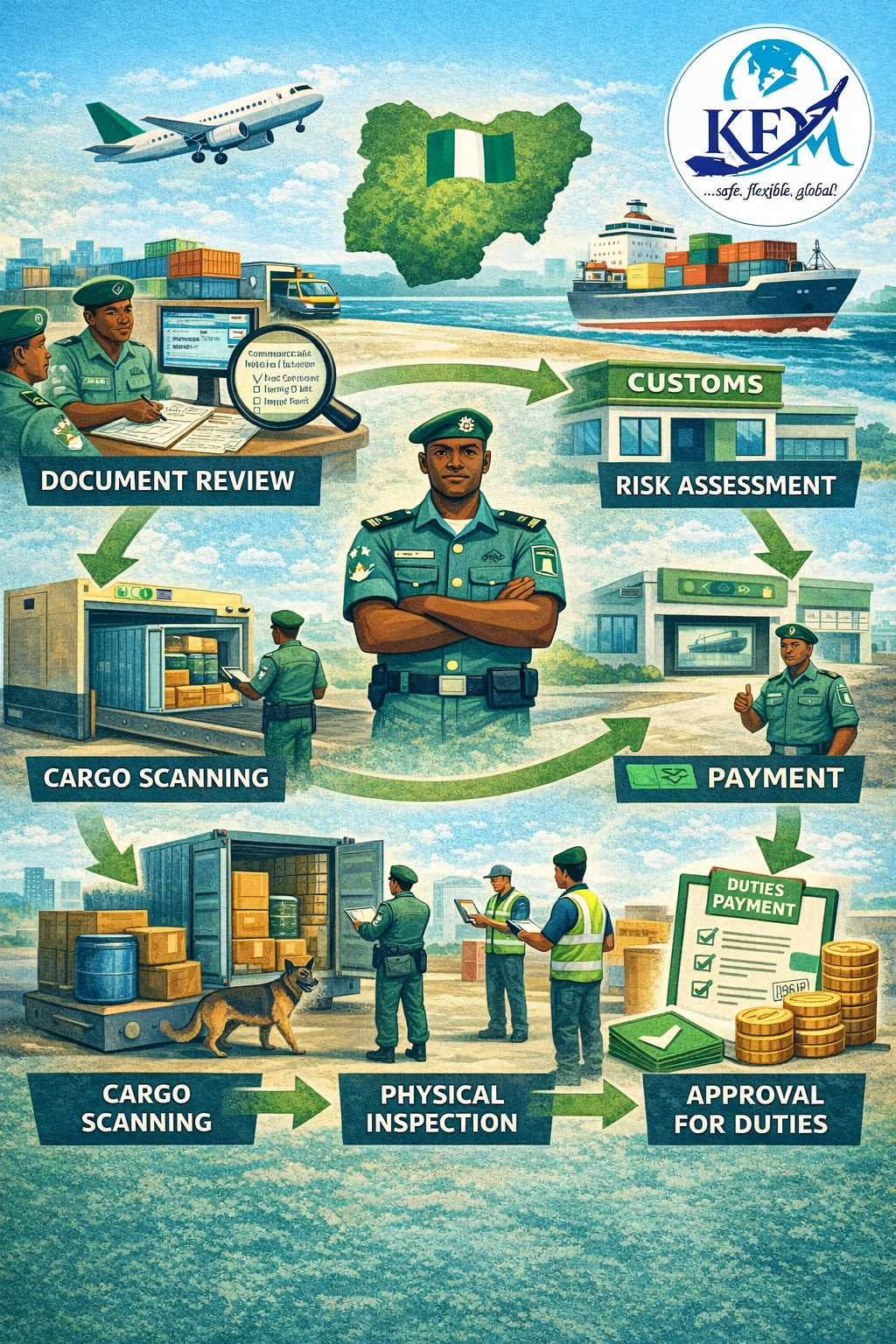
Depending on the cargo, documentation, risk assessment, and applicable regulations, customs authorities may require further checks or examination.
These processes can take additional time, particularly when there are discrepancies or compliance concerns.
The smart move: Ensure your cargo is properly declared, correctly classified, and supported by accurate documentation. Work with experienced clearing professionals who understand the applicable procedures.
3. Port Congestion and Terminal Delays
Lagos handles a significant volume of Nigeria's maritime cargo. When vessel traffic, cargo volumes, and terminal operations become congested, the movement of goods can slow down.
Possible challenges include:
- Limited terminal capacity
- Delays in cargo positioning and handling
- Equipment or operational constraints
- High volumes of incoming containers
Even when your documentation is complete, operational congestion can affect how quickly your cargo is released.
The smart move: Build realistic delivery timelines into your business plans. Avoid promising customers delivery dates based only on the vessel's estimated arrival.
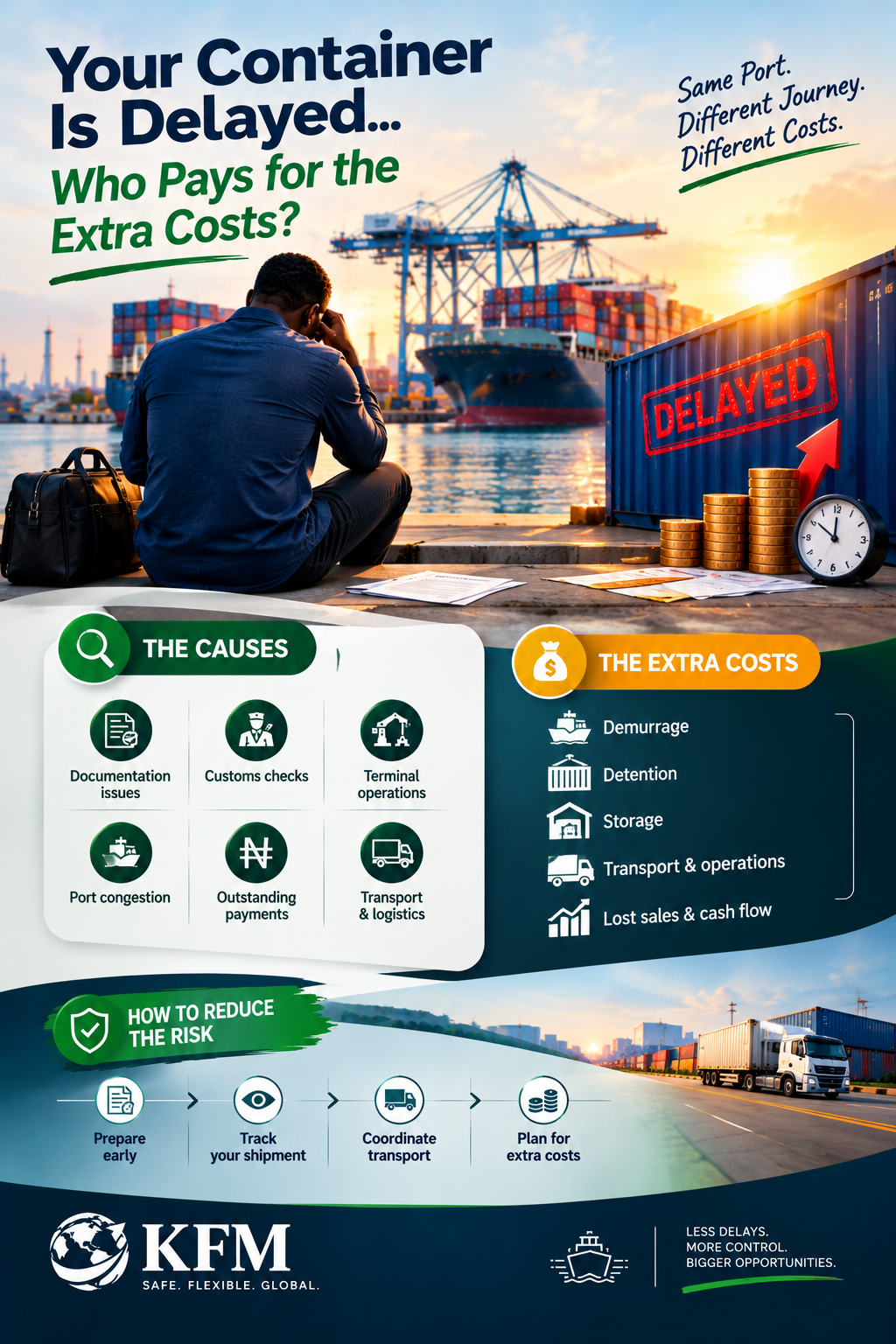
4. Delayed Payment of Applicable Charges
Cargo release involves more than completing customs procedures.
Depending on the shipment and agreed arrangements, several charges may need to be settled before cargo can be released or moved.
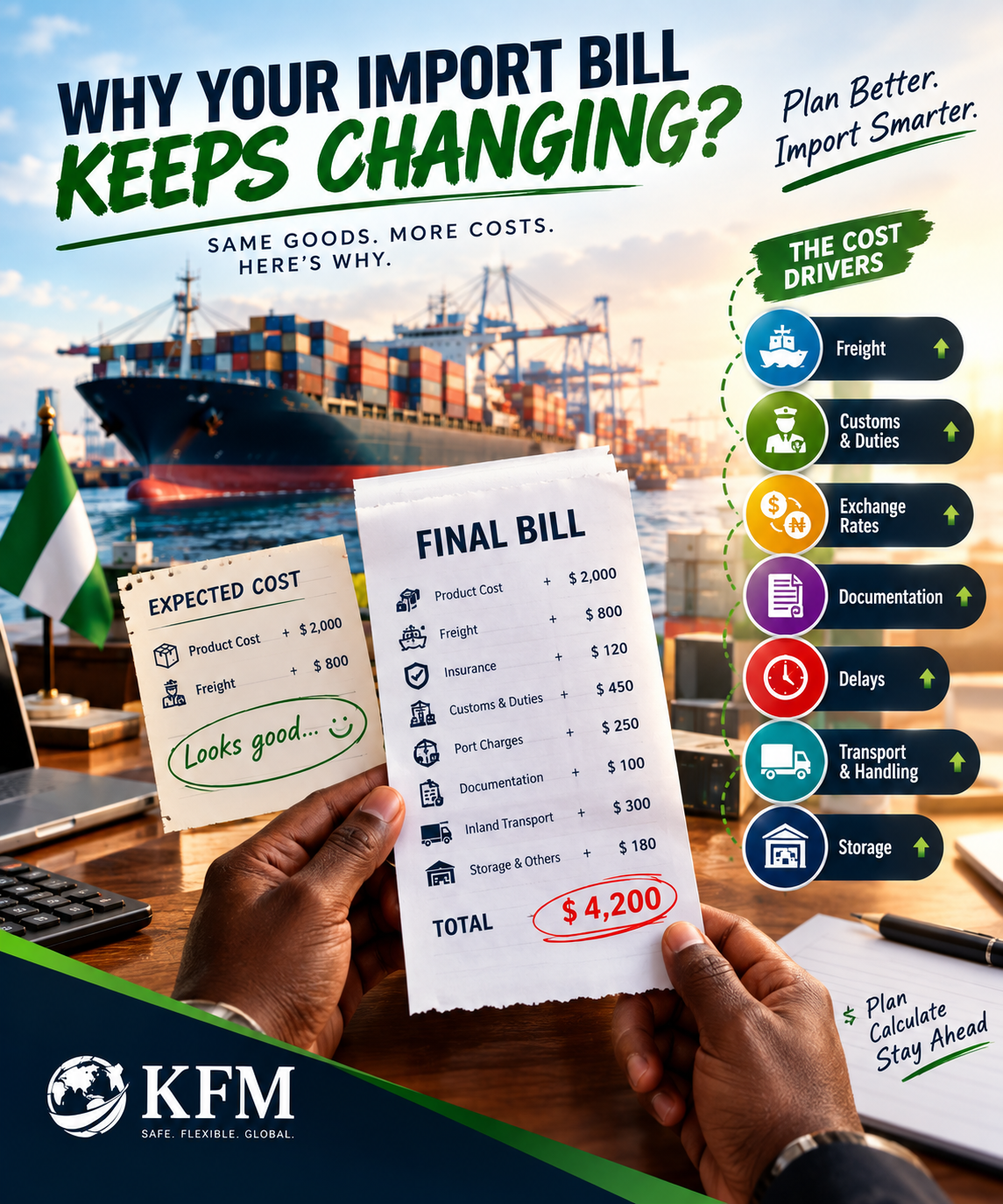
These may include:
- Shipping line charges
- Terminal handling charges
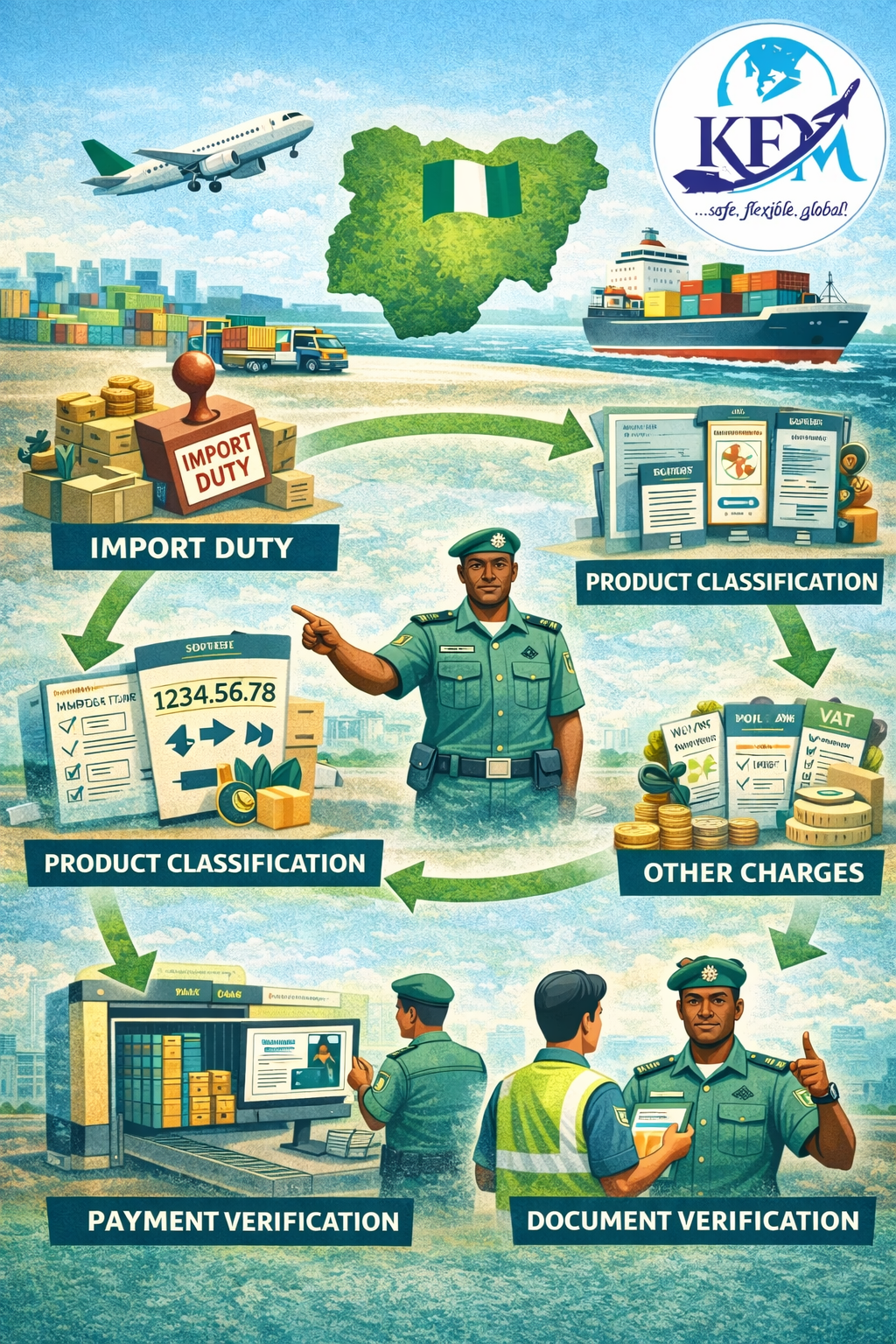
- Customs duties and applicable levies
- Storage and other relevant fees
Delays in arranging payments can create additional waiting time and may expose importers to extra costs.
The smart move: Request a clear breakdown of expected charges early and prepare your funds ahead of cargo arrival.
5. Truck Availability and Transport Challenges
Getting your cargo cleared is one thing. Moving it out of the port is another.
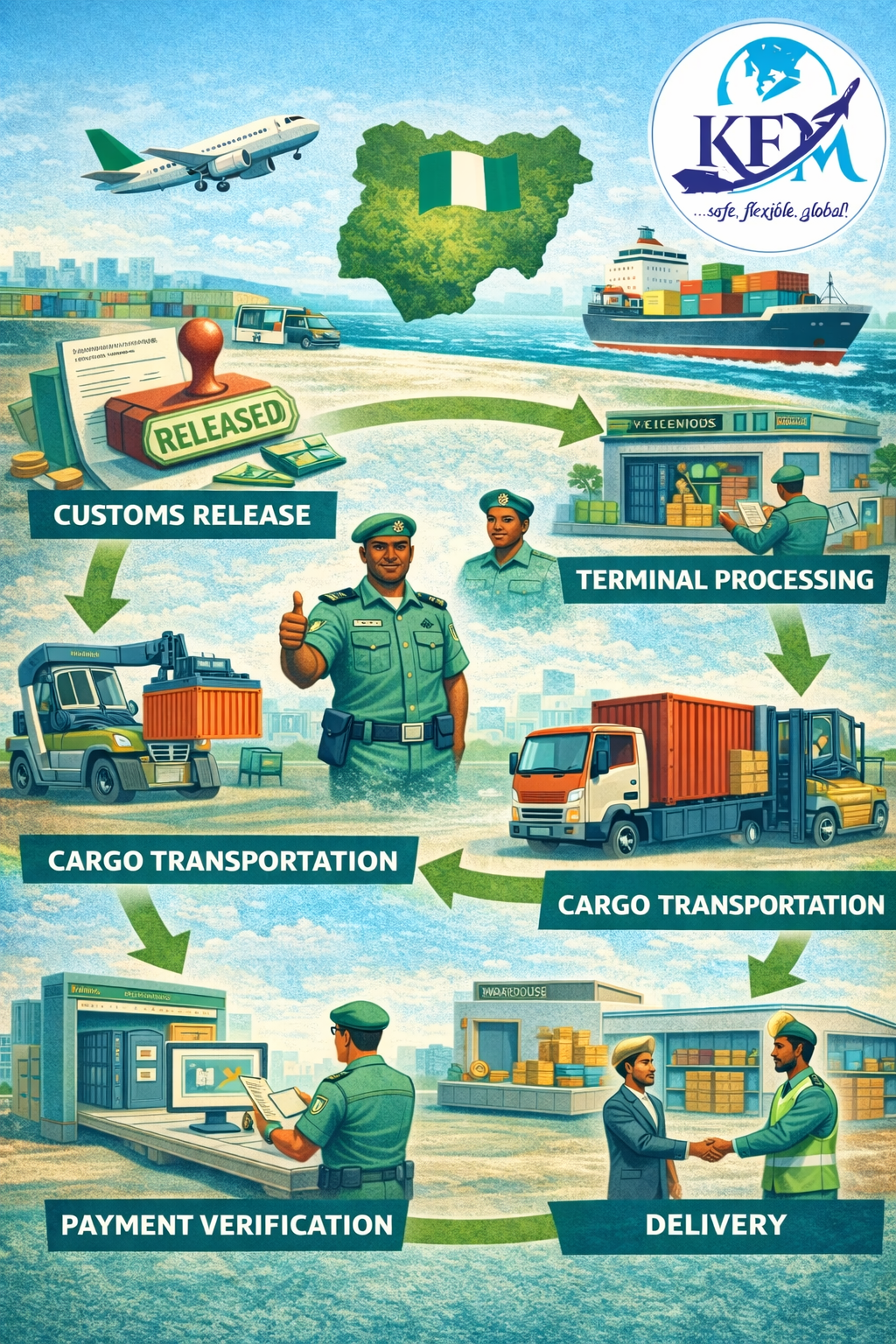
Truck availability, traffic conditions, access restrictions, scheduling issues, and coordination challenges can all affect the final delivery.
This is particularly important for businesses transporting containers or large volumes of cargo from Lagos ports to warehouses and other destinations.
The smart move: Arrange transportation early. Coordinate with your logistics provider to plan truck availability, delivery routes, and expected movement timelines.
6. Unexpected Regulatory or Inspection Requirements
Some goods are subject to additional regulatory requirements, permits, inspections, or approvals before they can be released.
If an importer is unaware of these requirements, the shipment may face unexpected delays.
The smart move: Confirm the requirements for your specific product before shipping. Product type, classification, and applicable Nigerian regulations all matter.
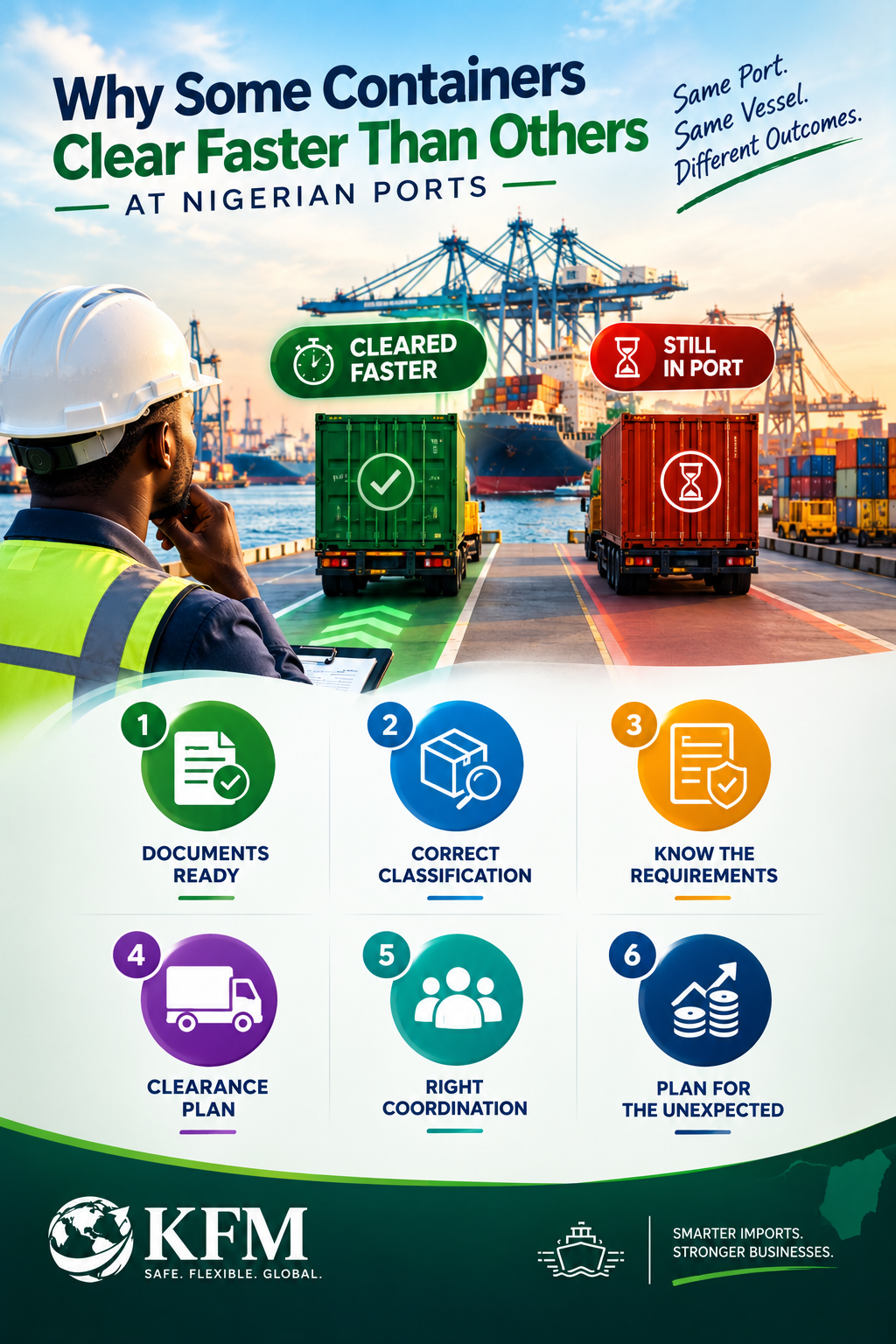
The KFM Delay-Prevention Checklist
Before your next shipment arrives, make sure you have:
- Reviewed all shipping documents
- Confirmed applicable permits and regulatory requirements
- Prepared for customs duties and other charges
- Coordinated with your clearing agent
- Planned transportation from the port
- Allowed room for unexpected operational delays
The KFM Perspective
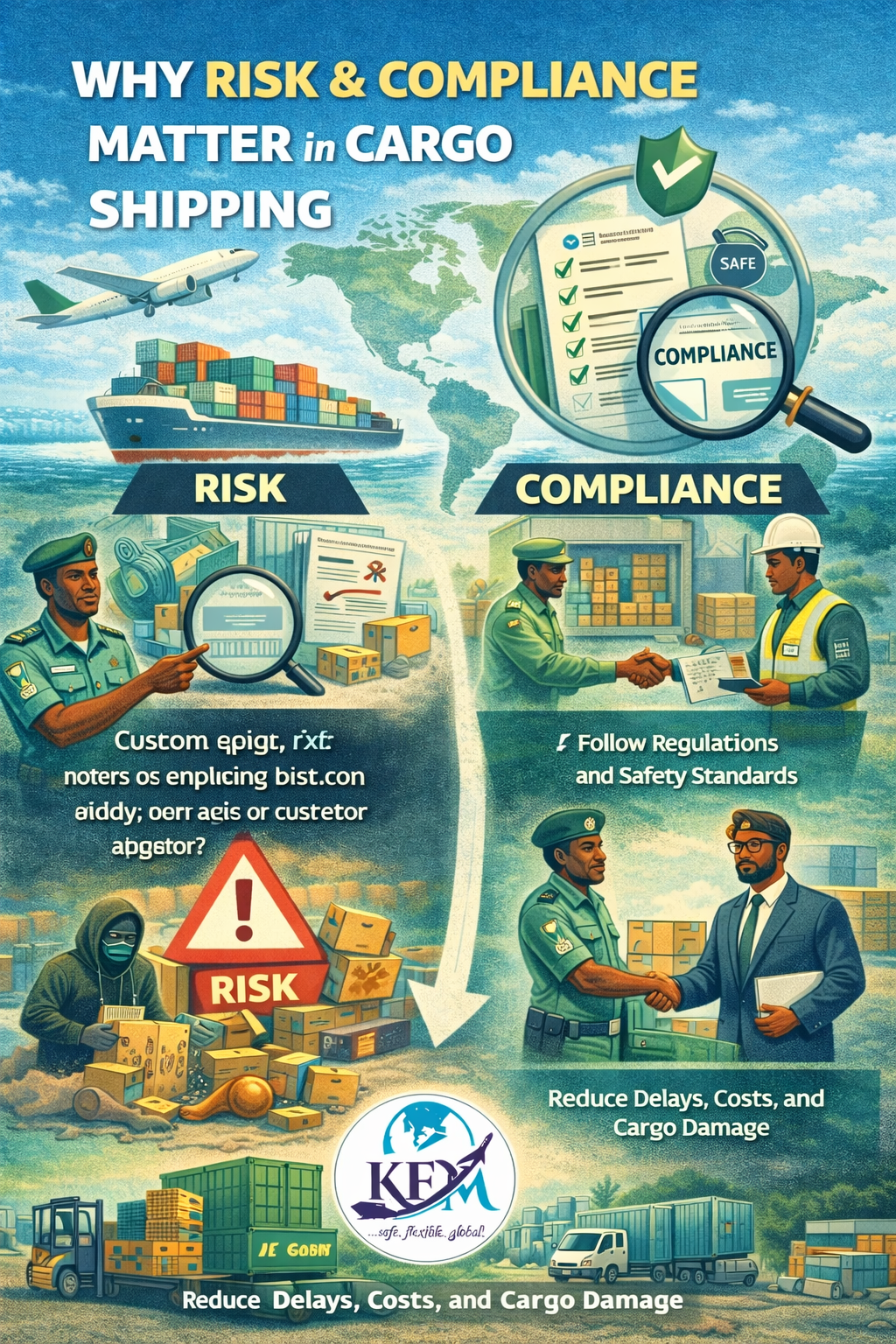
At KFM, we understand that a delayed shipment is more than a logistics problem. It can affect your cash flow, customer relationships, inventory, and business growth.
That's why proper planning, documentation, coordination, and professional logistics support matter at every stage of the shipping process.
Don't wait for your cargo to get delayed before you start looking for solutions.
Coming Up in Post 3
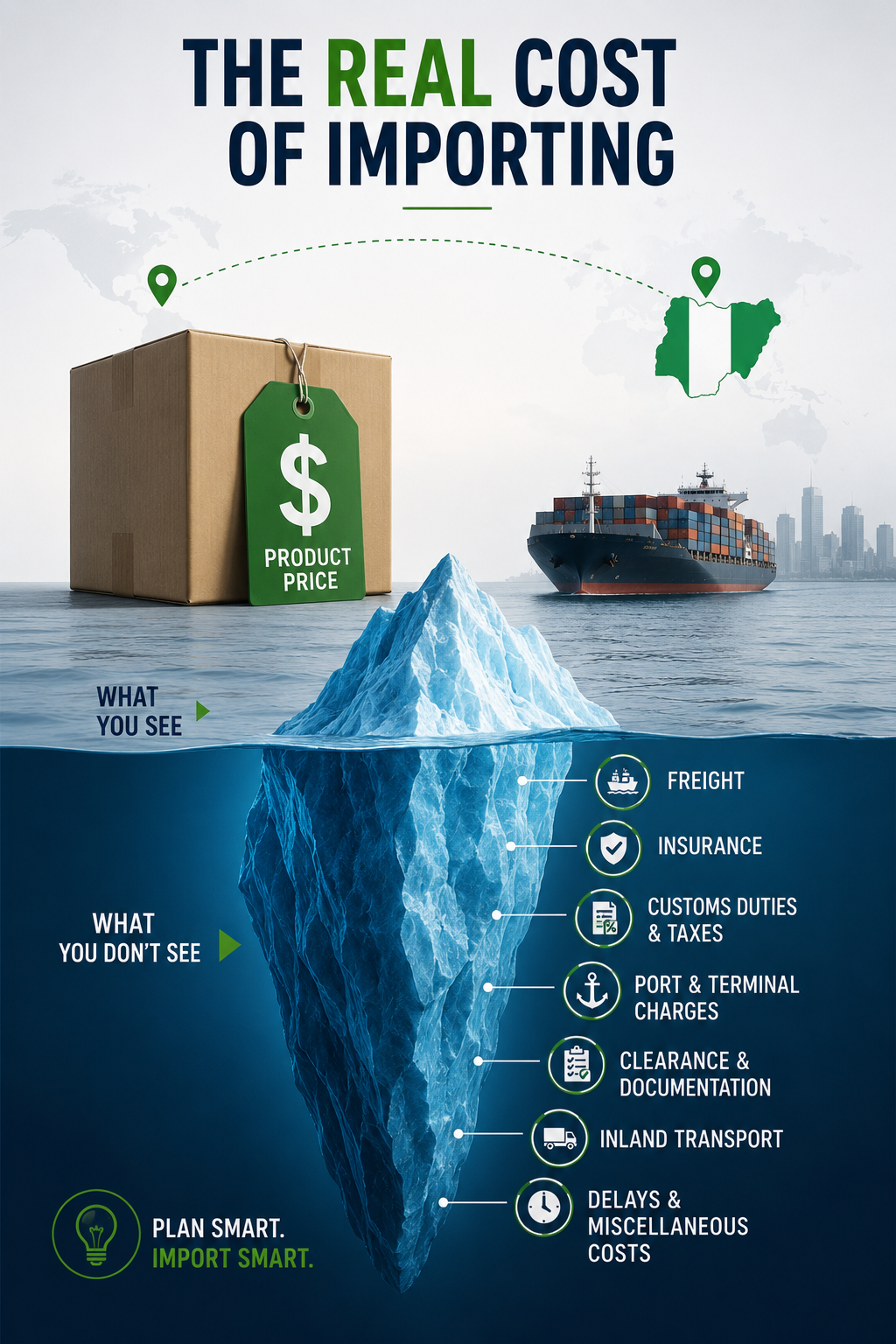
Next, we'll explore the hidden costs of importing through Nigerian ports — from demurrage and storage to unexpected handling and transportation expenses.
Because sometimes, the biggest cost of importing isn't the price of the goods. It's everything that happens after they arrive.
KFM — Safe. Flexible. Global.