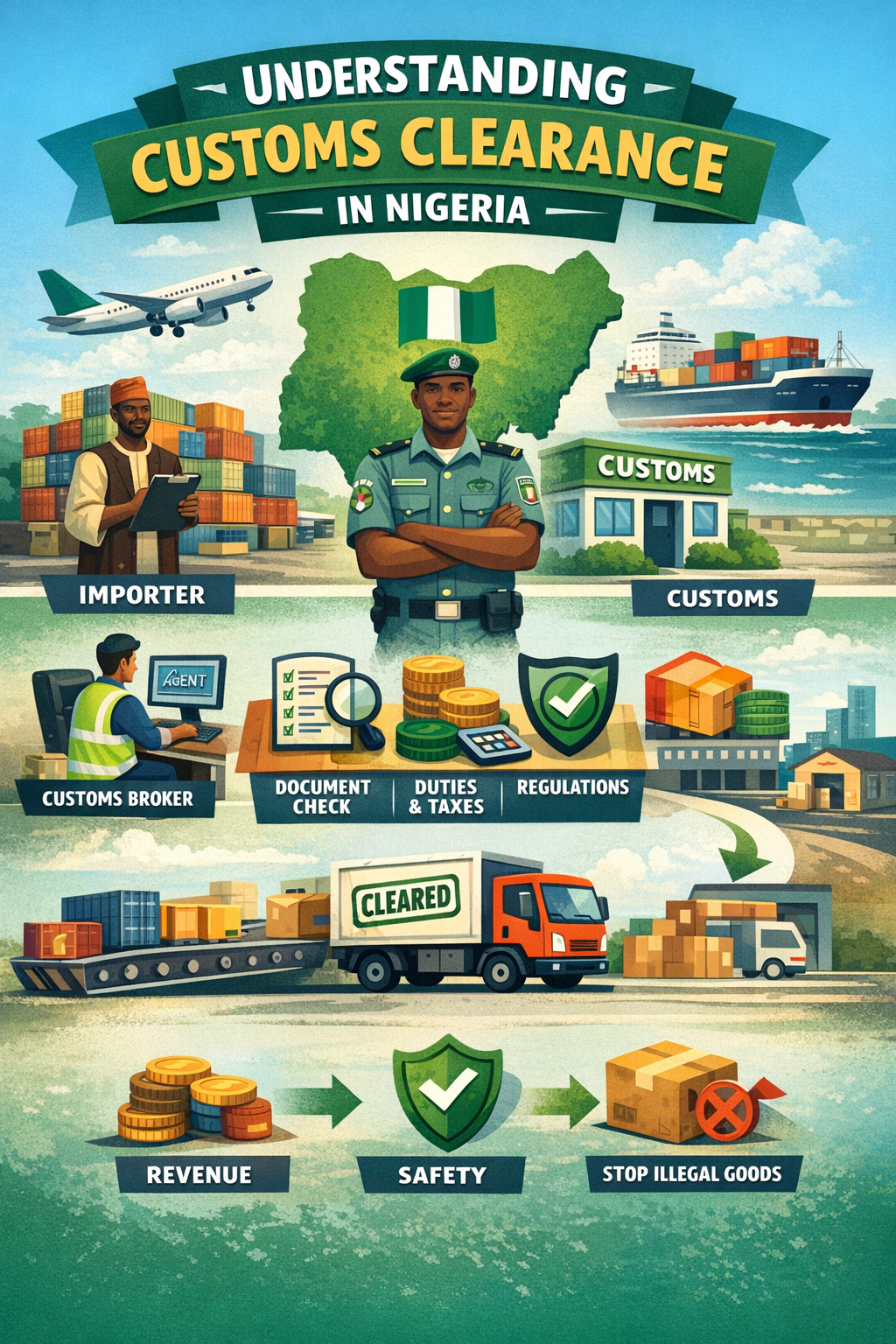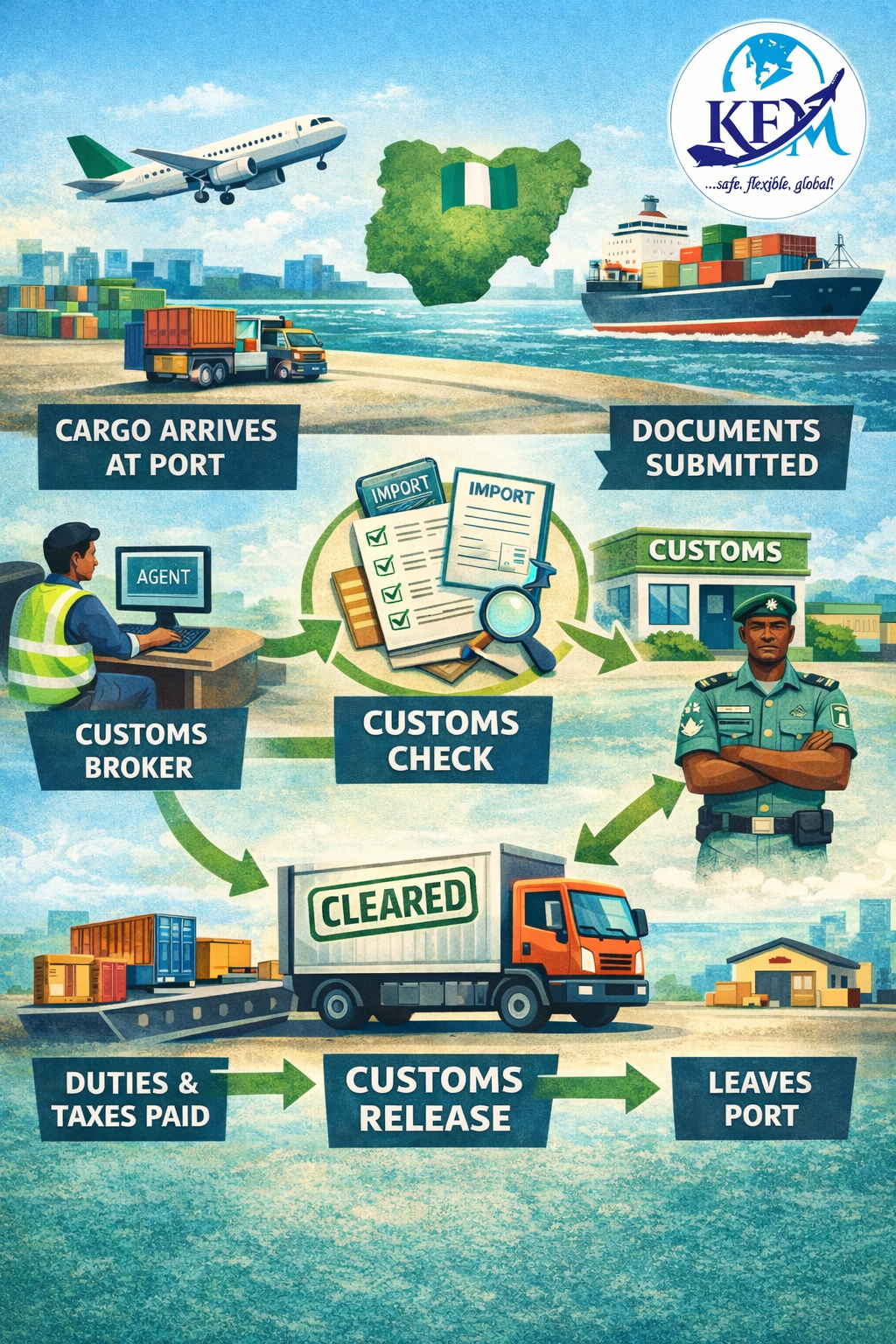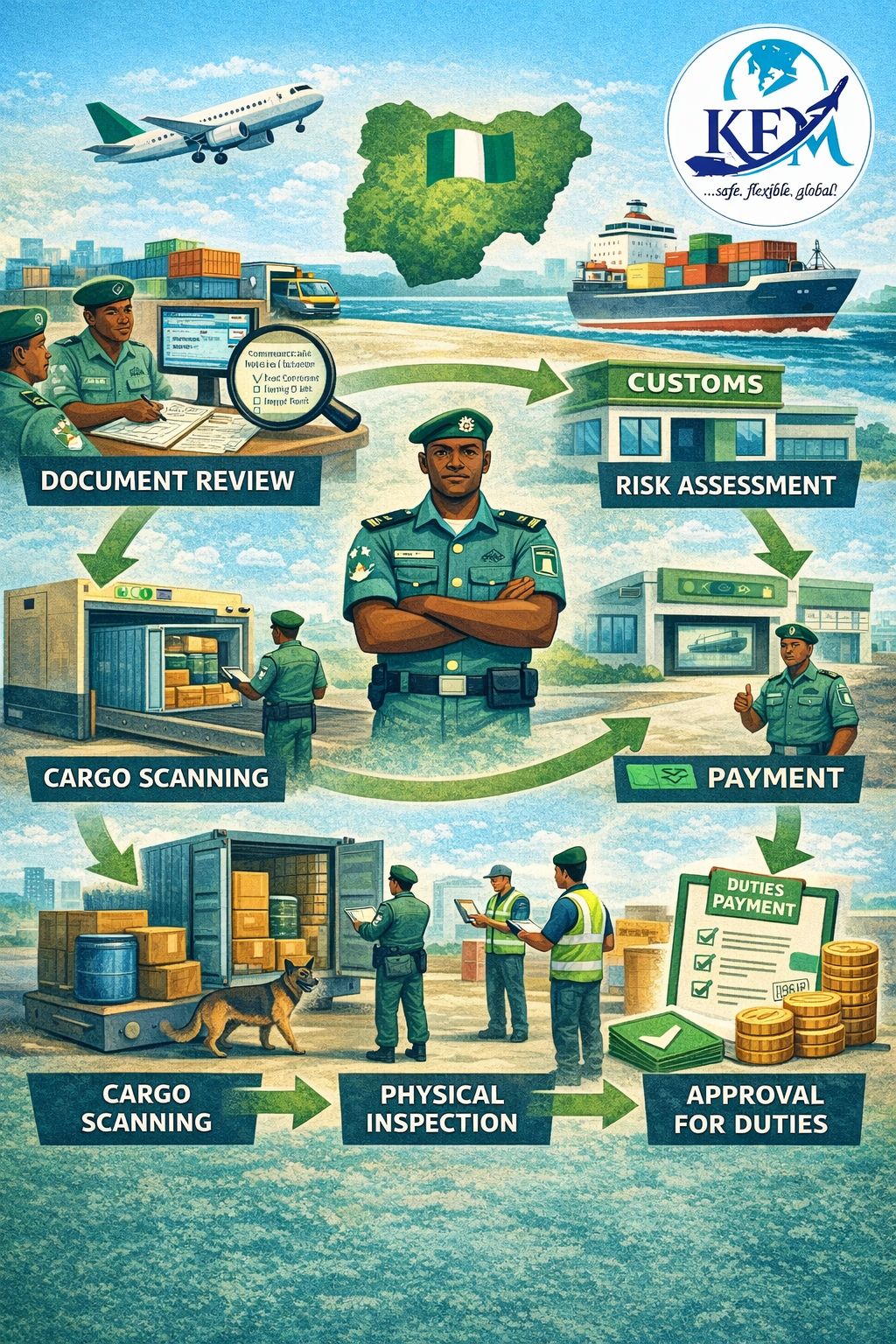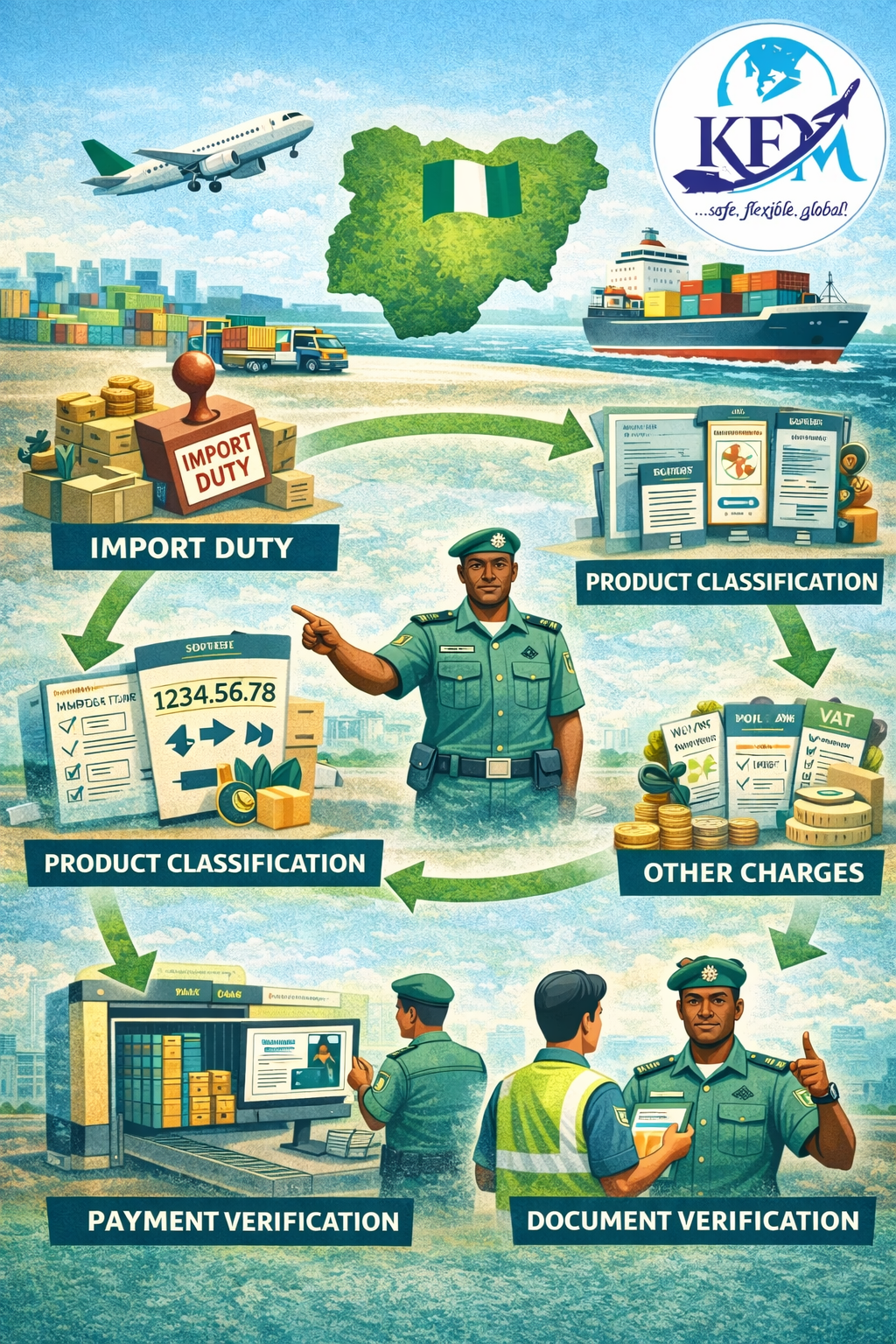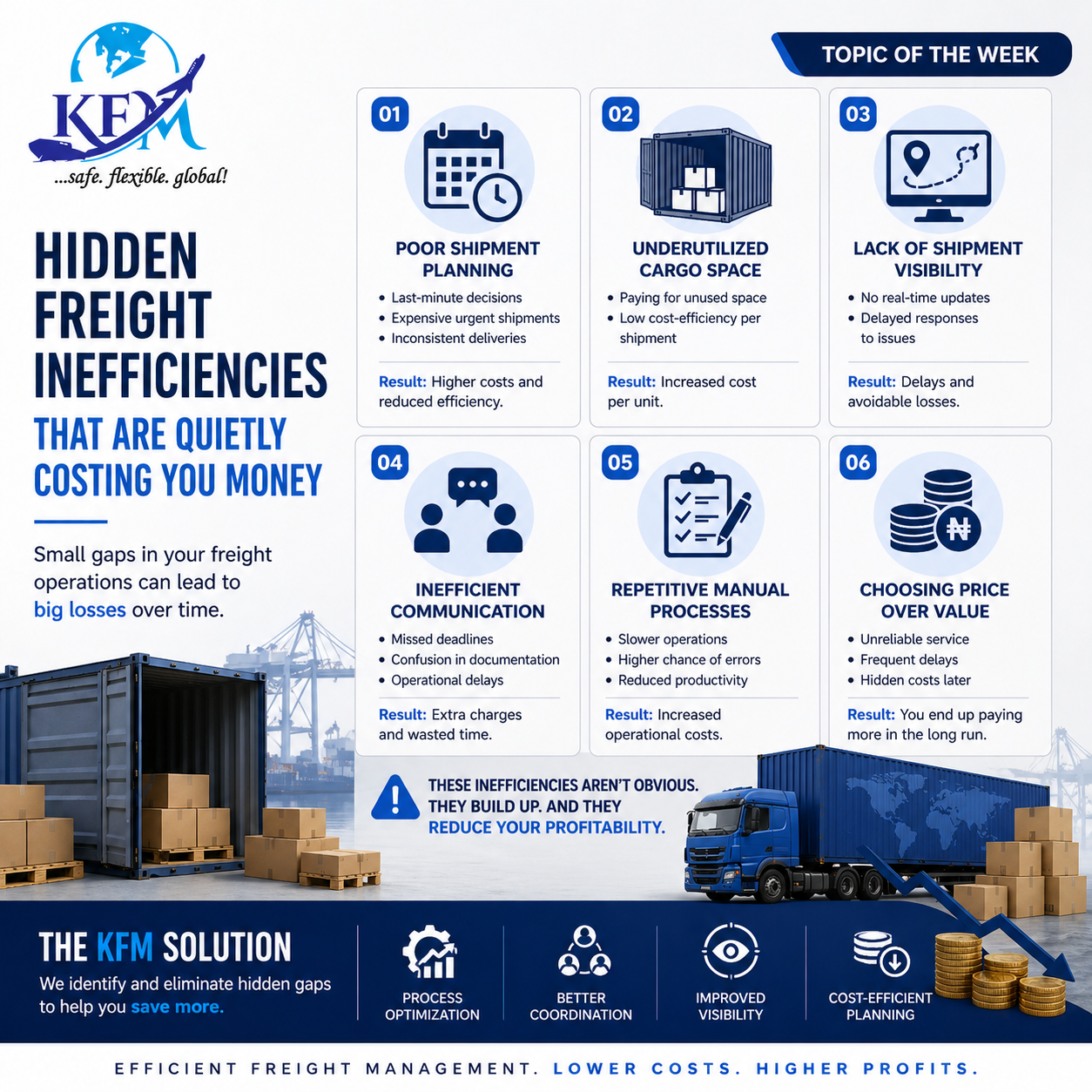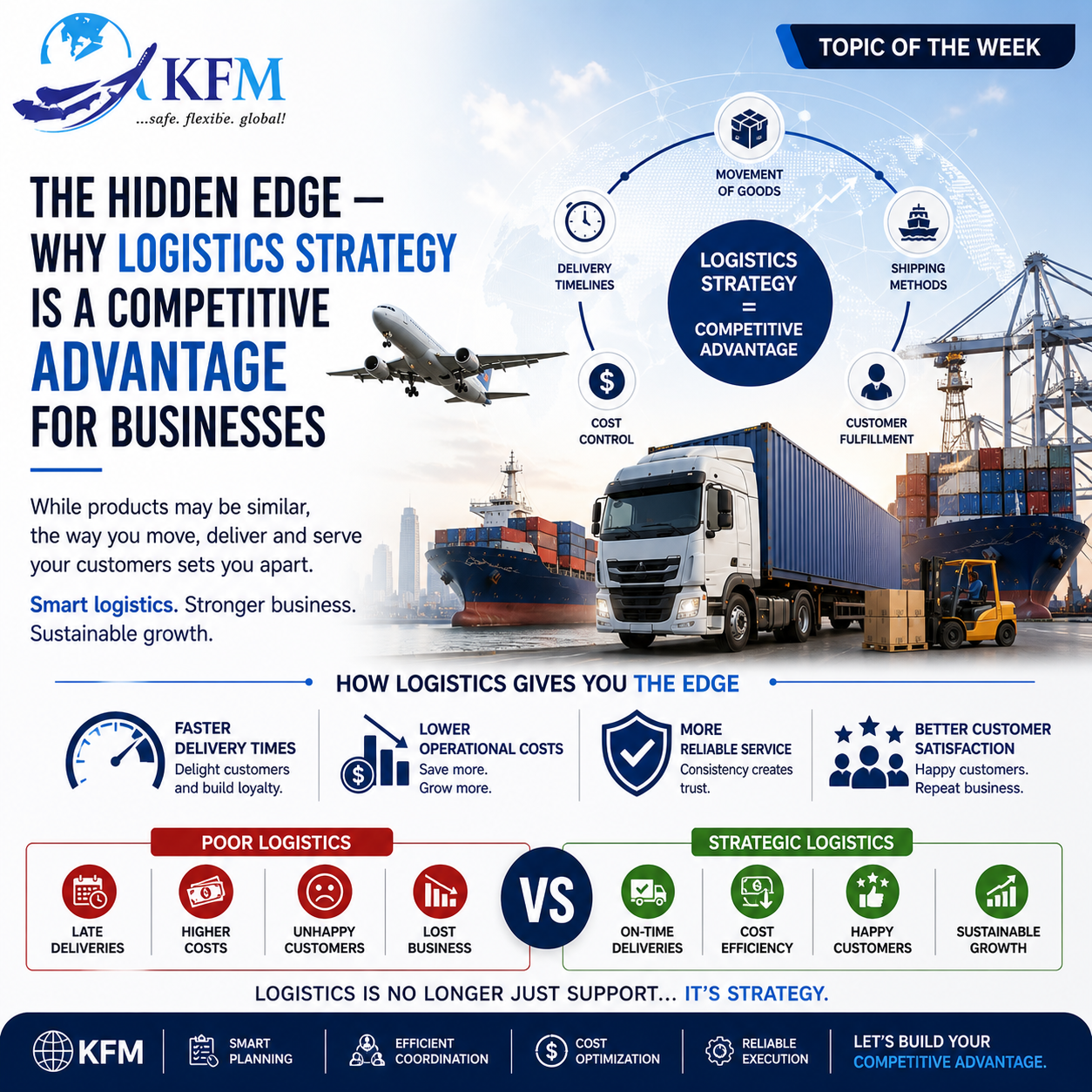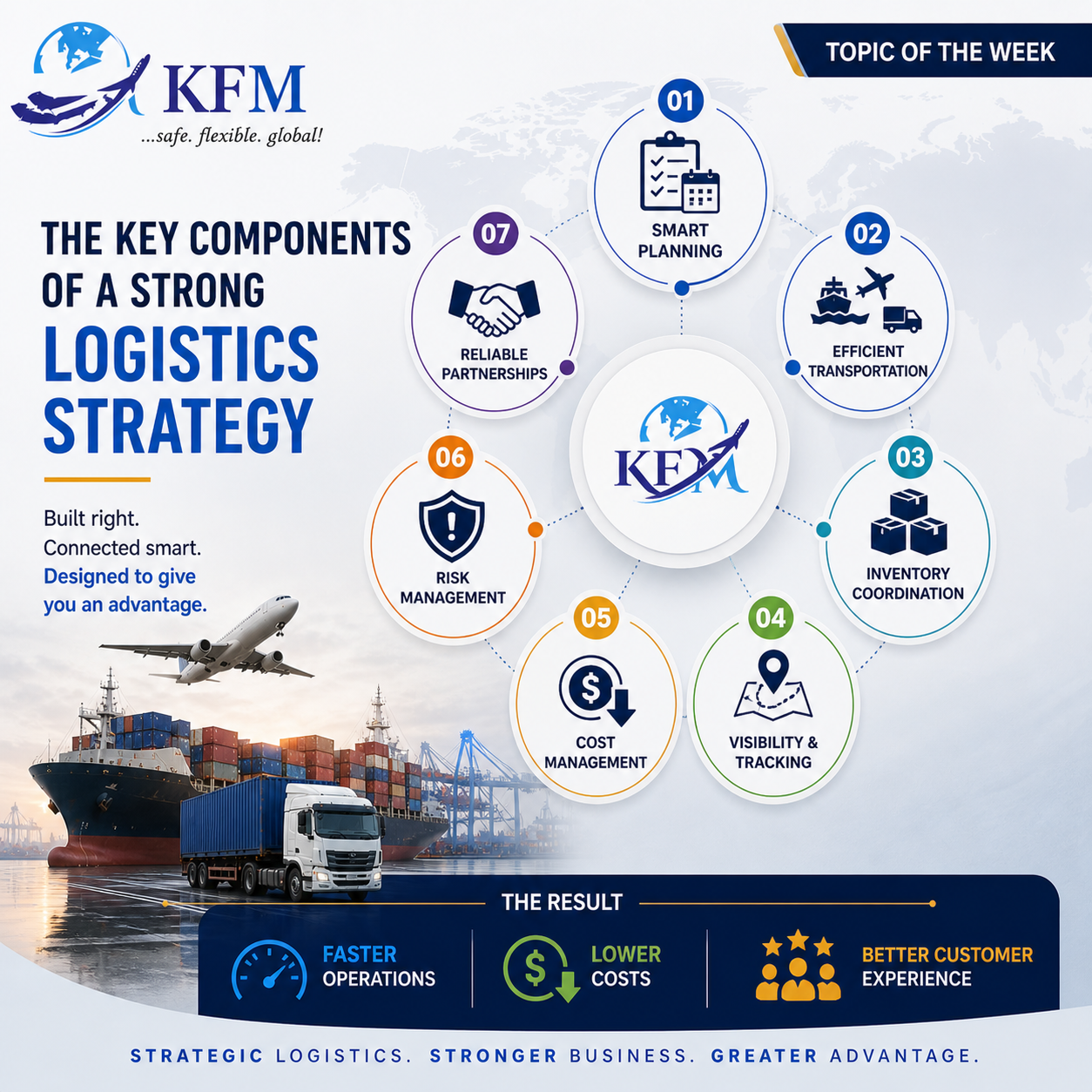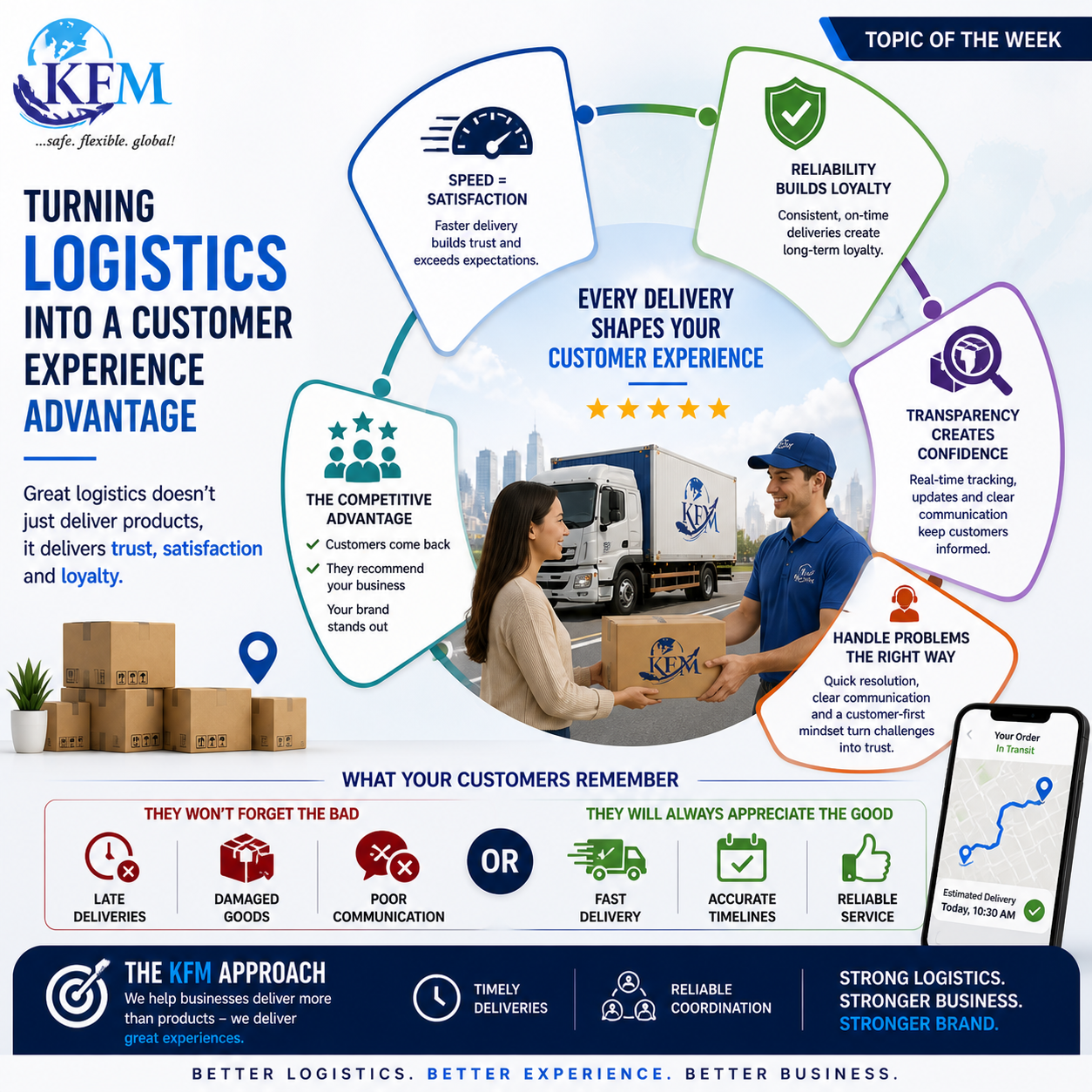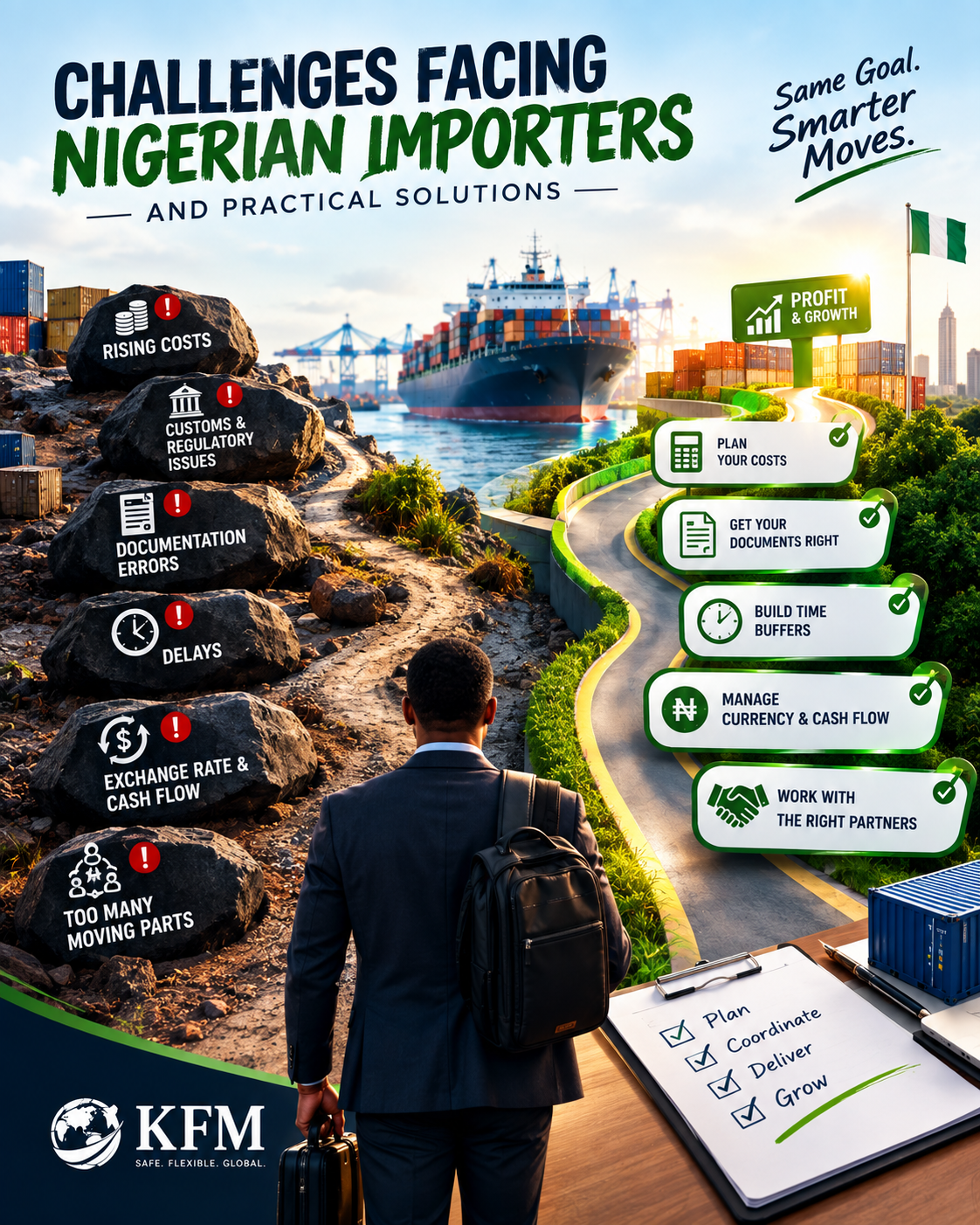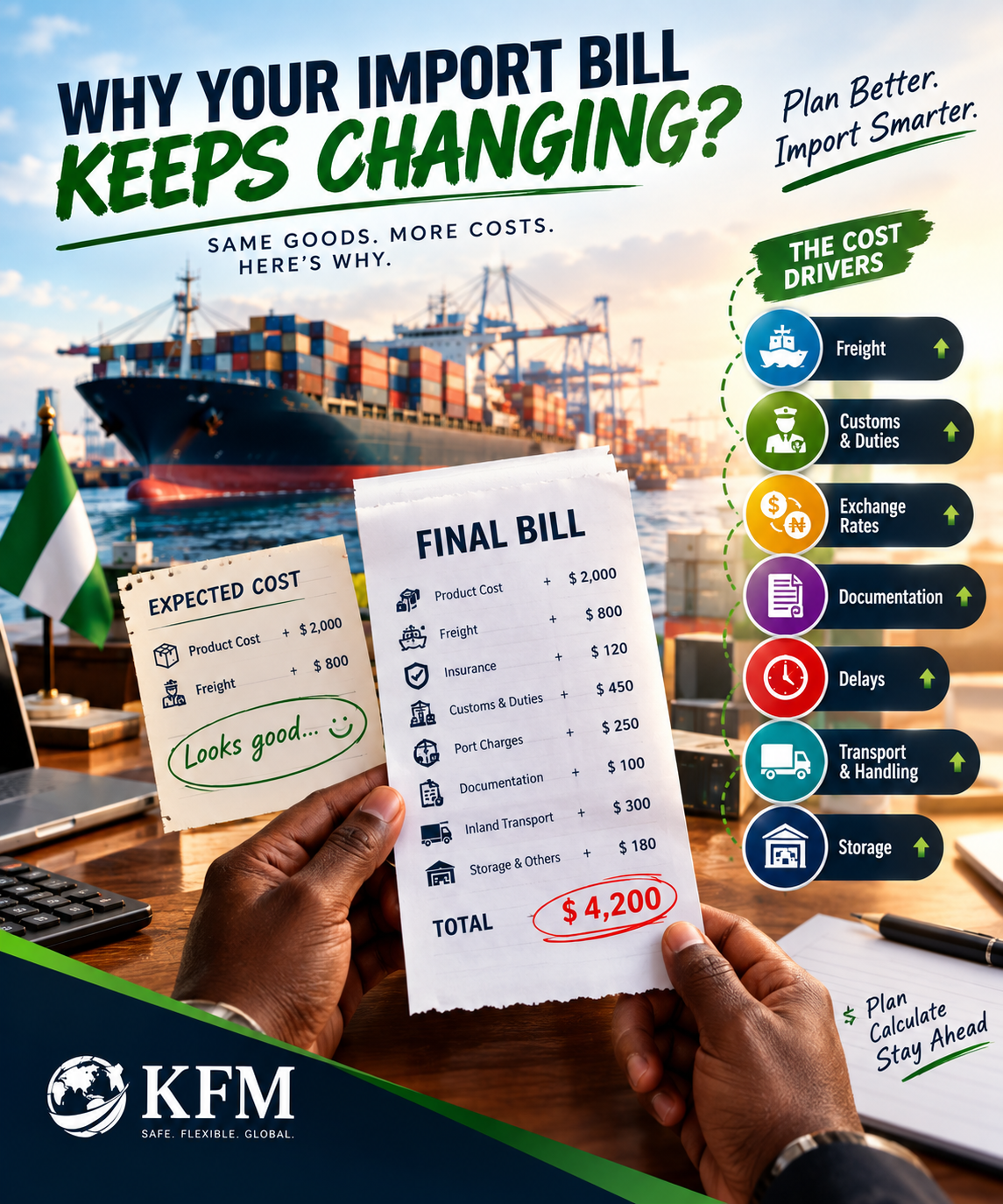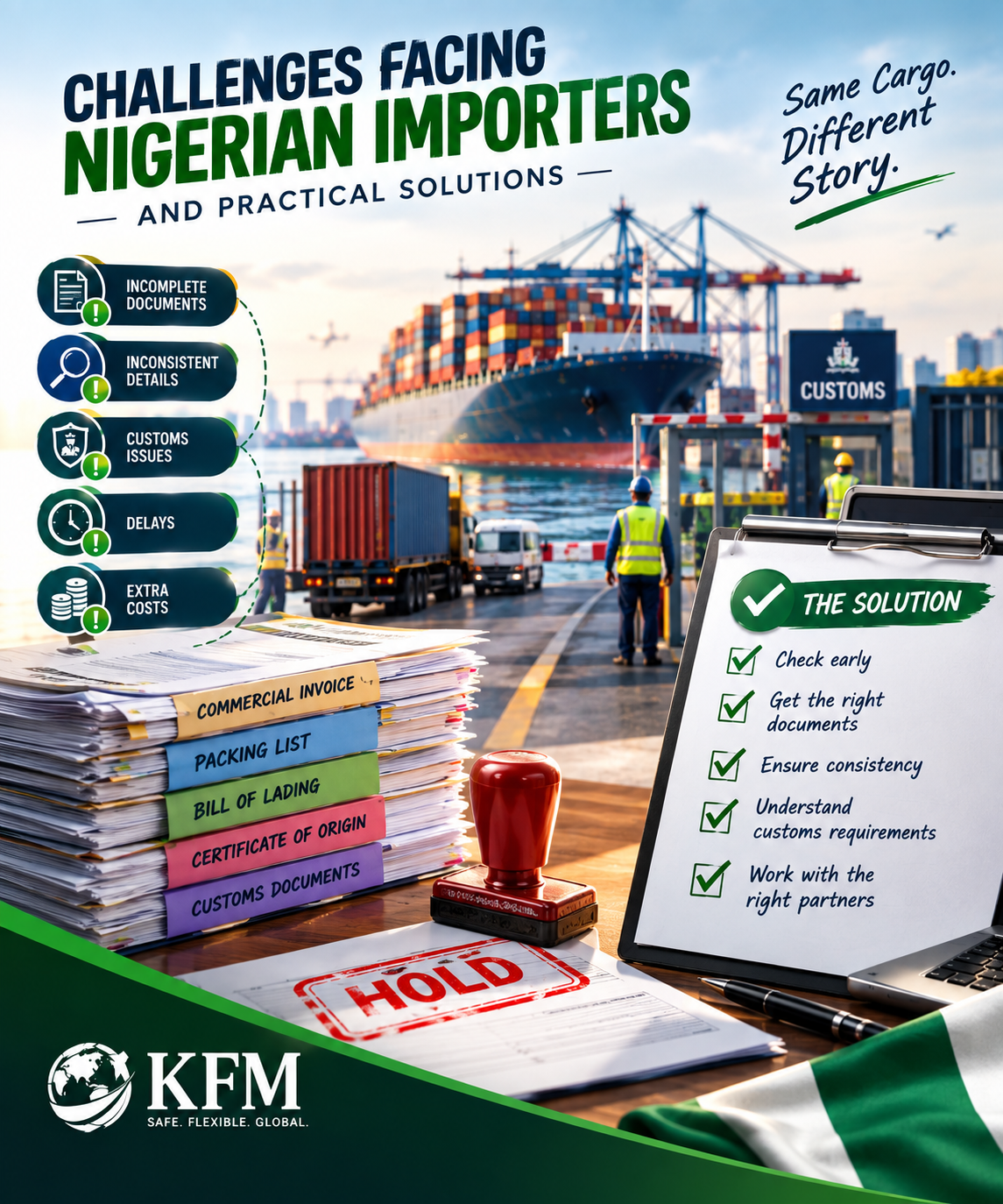
Your Cargo Can Be Ready. Your Documents Can Still Stop It.
Imagine this:
Your supplier has shipped the goods. The vessel has arrived. Your customers are waiting. Your inventory is needed urgently.
Then someone notices a problem with the paperwork.
Suddenly, the cargo isn't moving as quickly as you expected.
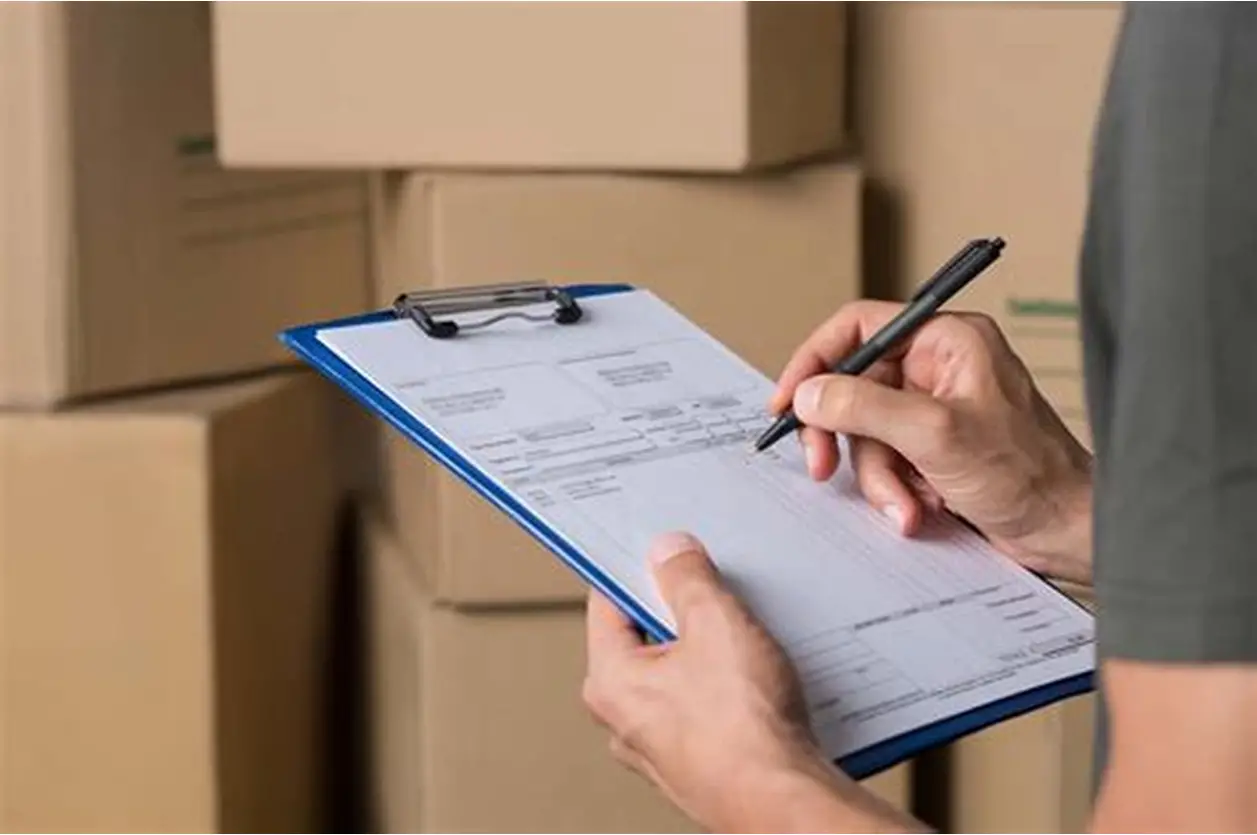
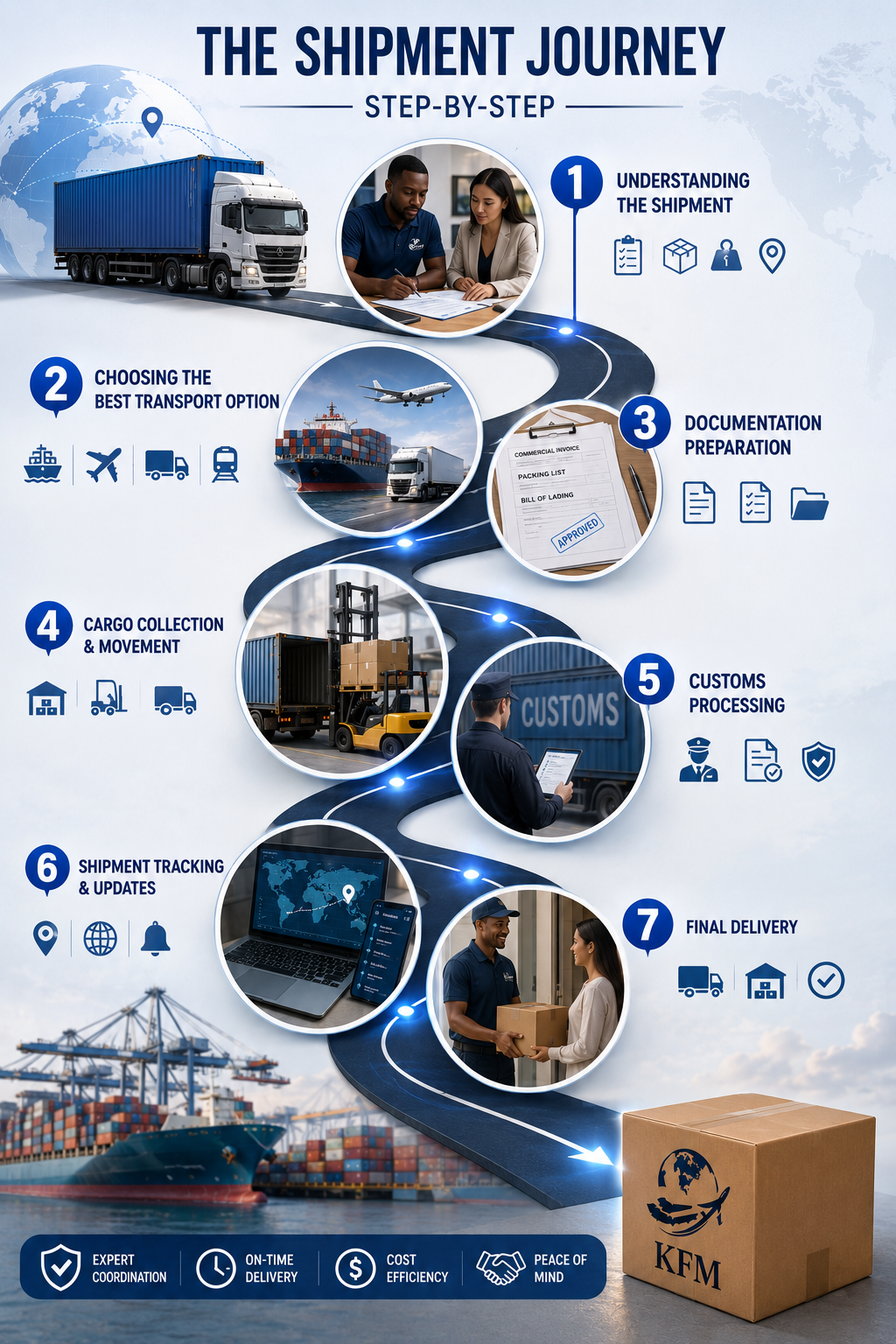
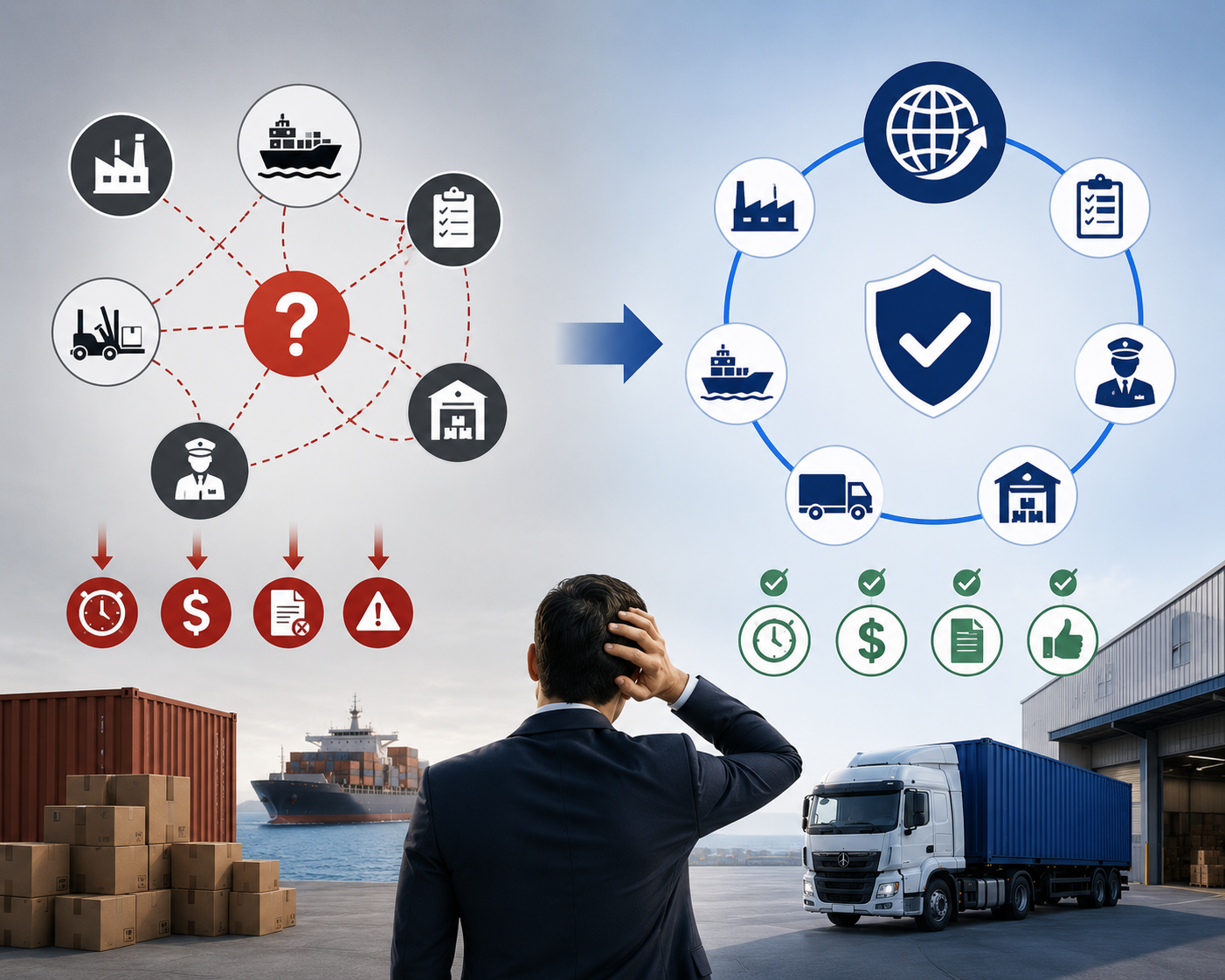
In freight forwarding, documentation isn't just paperwork. It is part of the journey.
Why Documentation Matters So Much
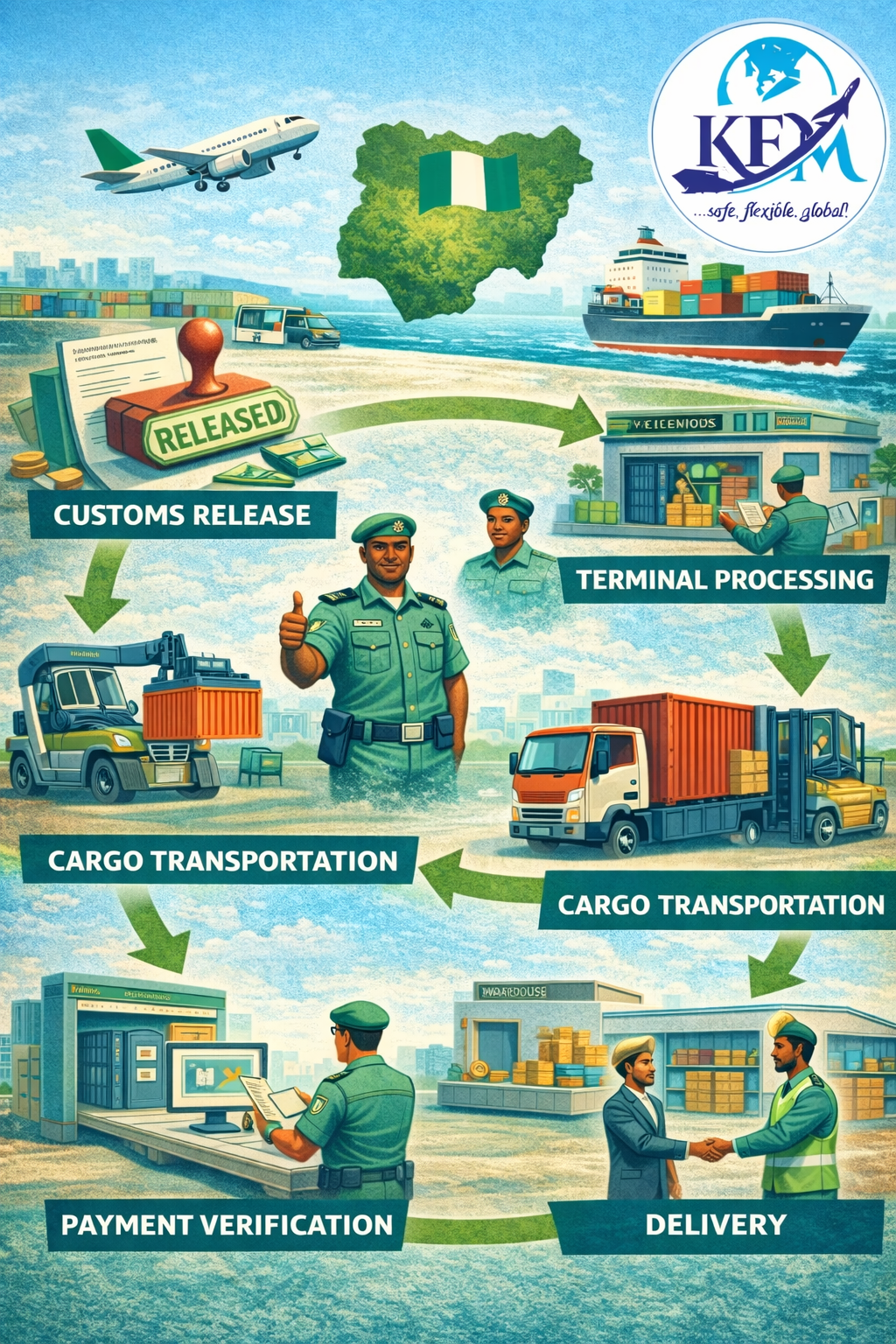
An import shipment involves information about the goods, the parties involved, the value of the shipment, its origin, transportation, and other relevant details.
That information needs to be accurate, complete, and consistent across the relevant documents.
When something doesn't line up, questions can arise and the clearance process may become more complicated.
And every extra step can potentially mean more time and more cost.
Common Documentation Problems
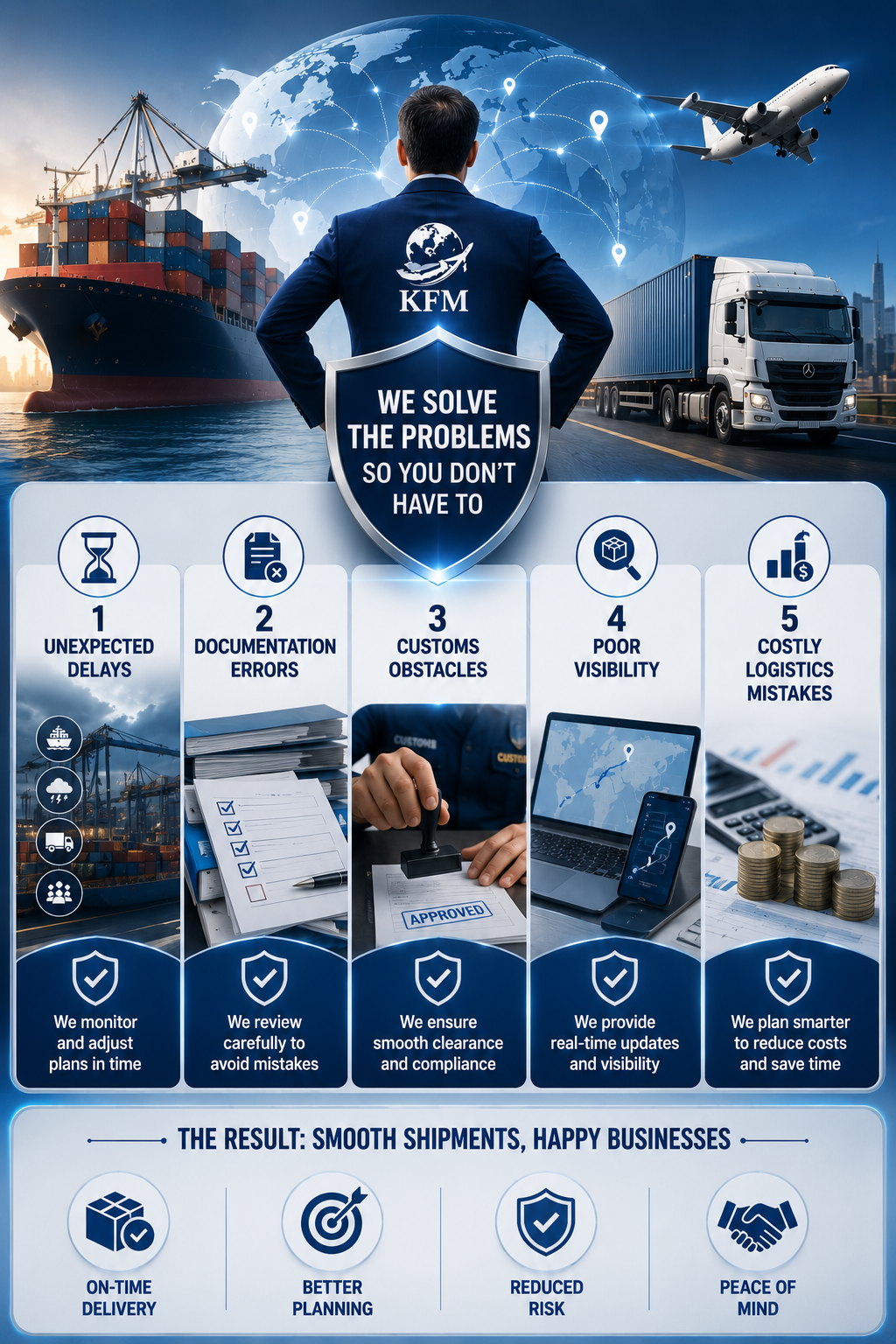
Some issues that can create unnecessary complications include:
- Incorrect or inconsistent shipment details
- Missing documentation
- Incorrect product descriptions
- Errors in commercial invoices
- Incorrect quantities or values
- Information that doesn't match across documents
- Failing to identify required approvals or supporting documents early enough
A small mistake on paper can become a much bigger problem when the cargo is already in transit.
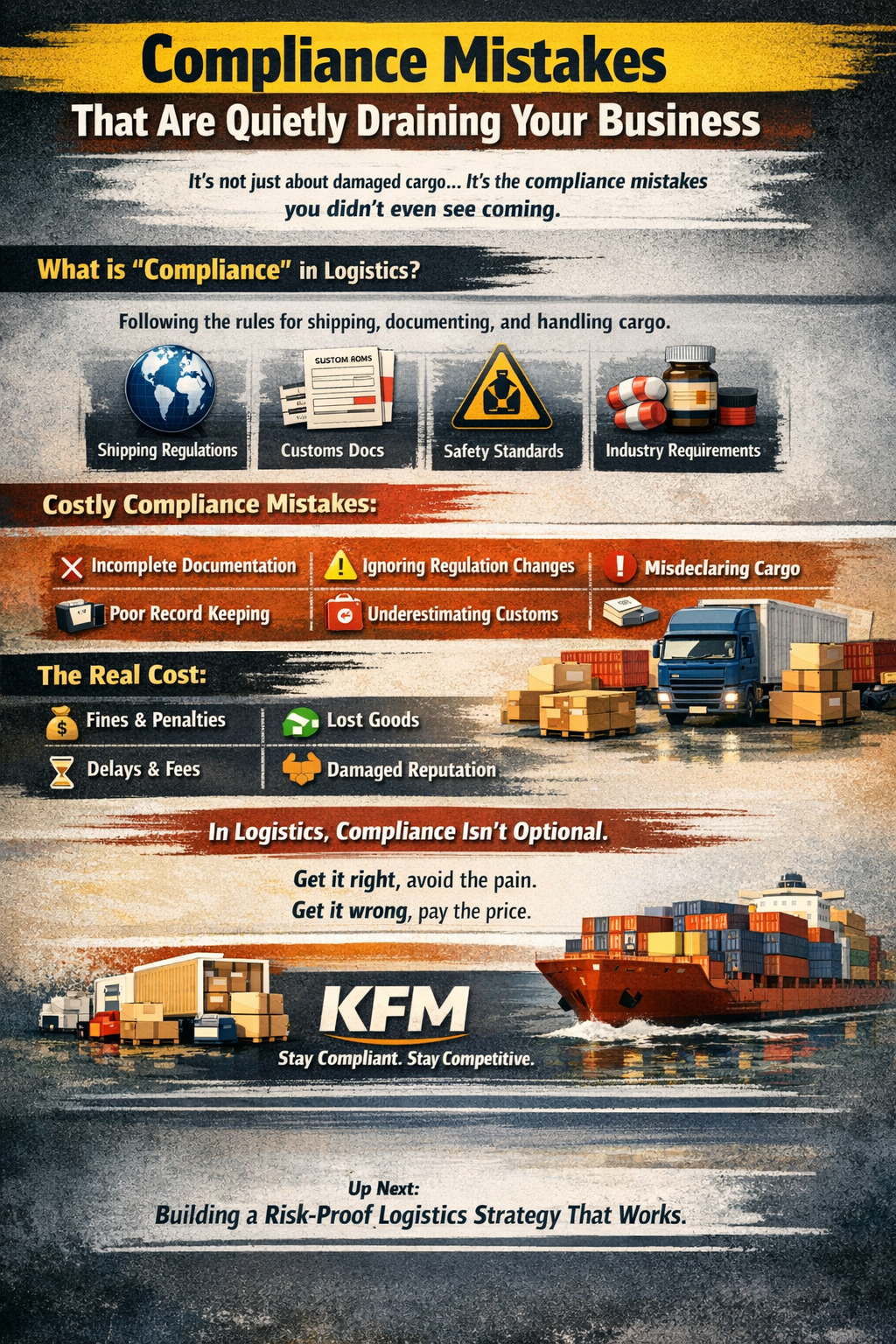
Customs Compliance Isn't Something to Figure Out at the Port
One of the biggest mistakes an importer can make is treating customs and regulatory requirements as something to deal with only after the goods arrive.
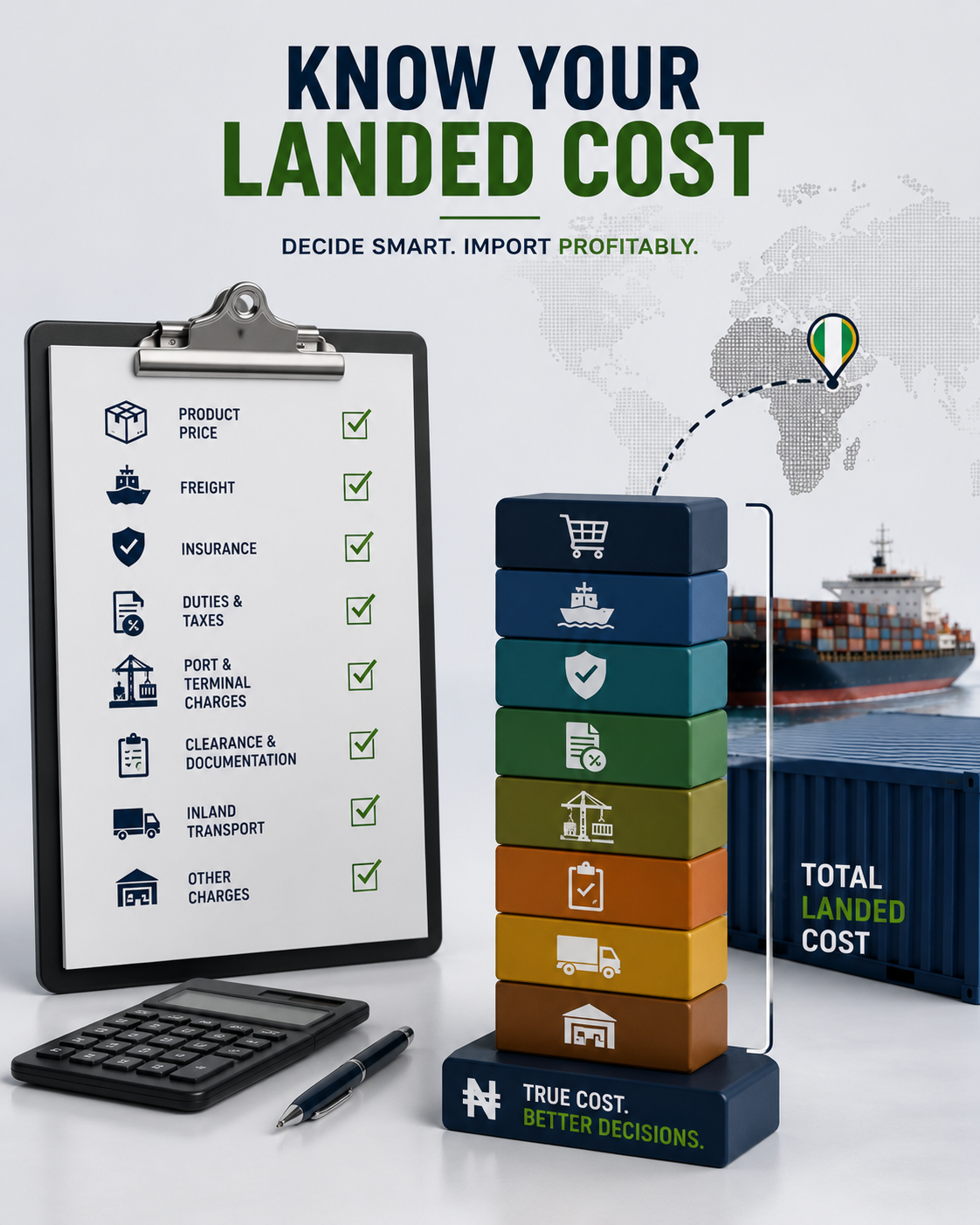
Different products can have different classification, documentation, duty, tax, and regulatory considerations.
These requirements should be investigated before the shipment is committed and shipped.
That way, potential issues can be identified while there is still time to address them.
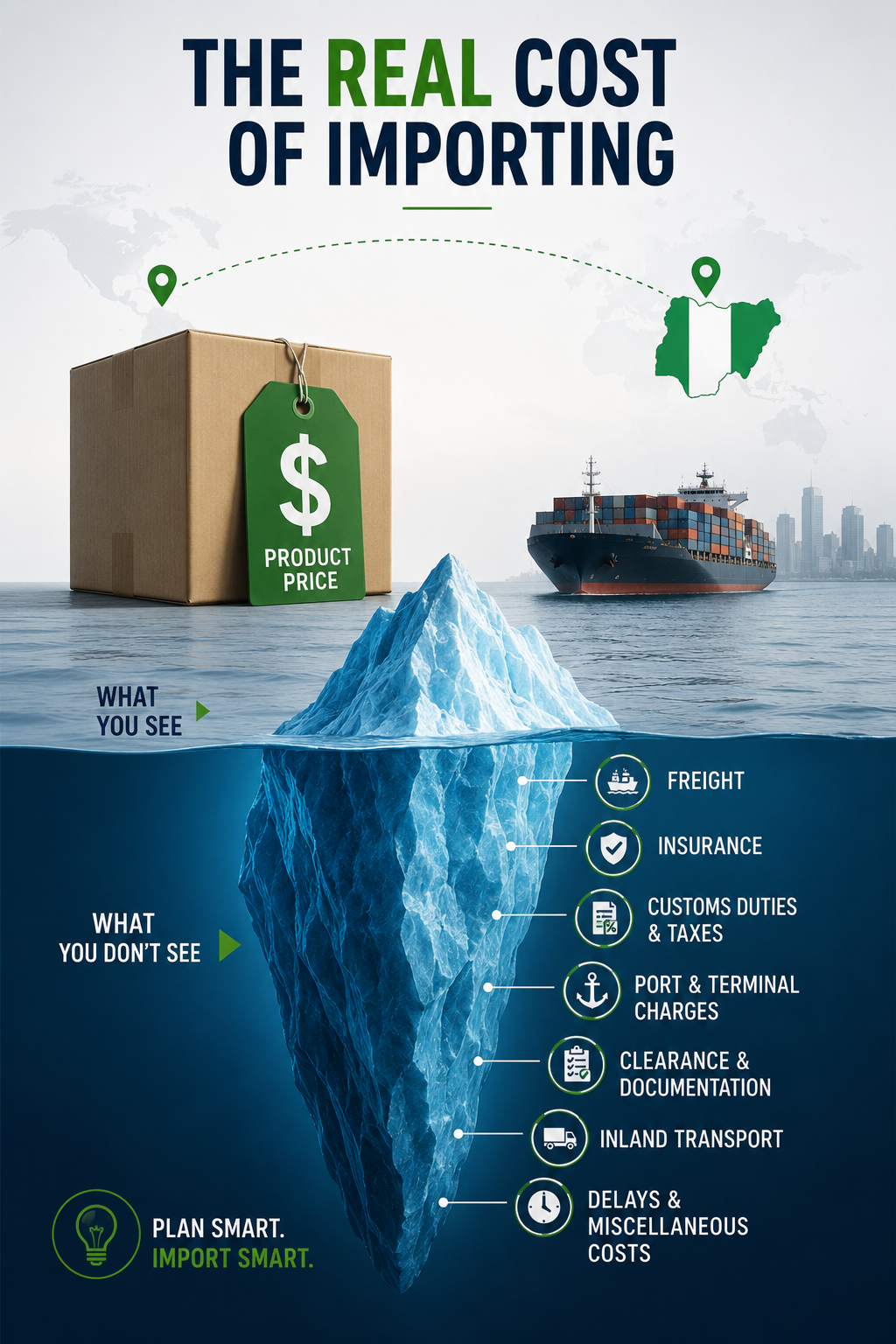
The Hidden Cost of a Documentation Problem
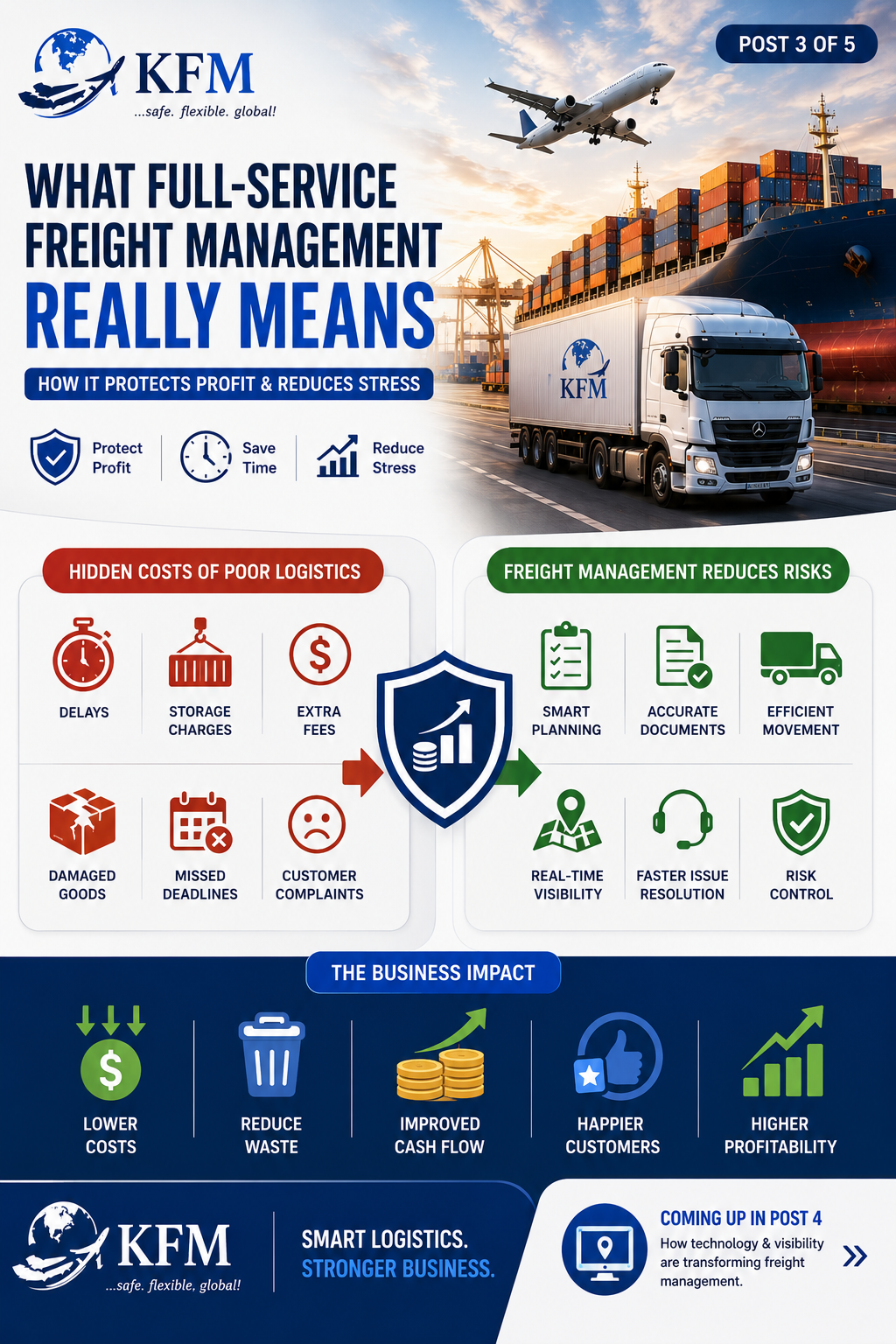
The obvious problem is delay.
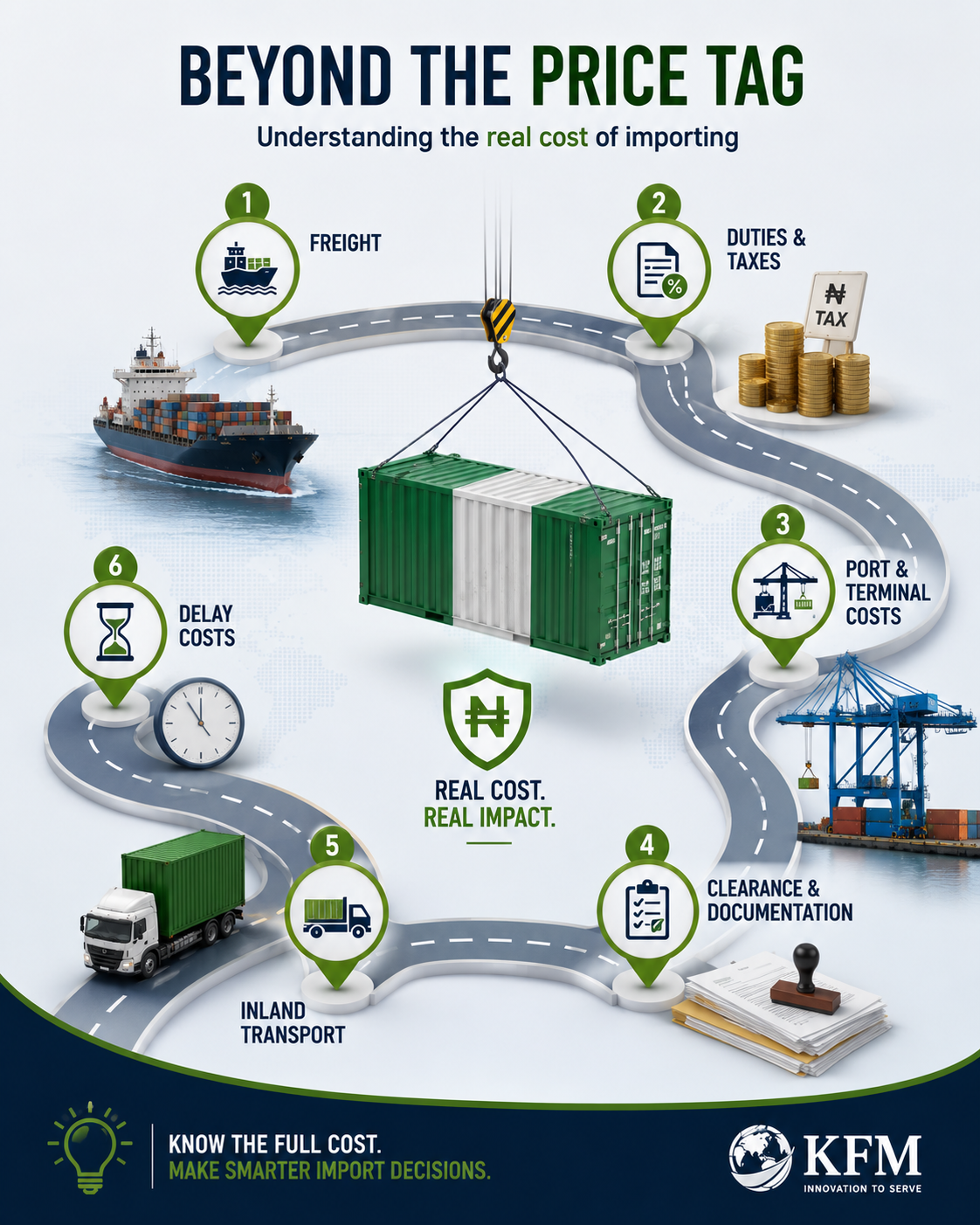
But the financial impact can go further.
Depending on the circumstances, delays or complications can contribute to:
- Additional handling costs
- Storage-related expenses
- Delayed inventory availability
- Disrupted customer deliveries
- Cash being tied up in goods that aren't yet available for sale
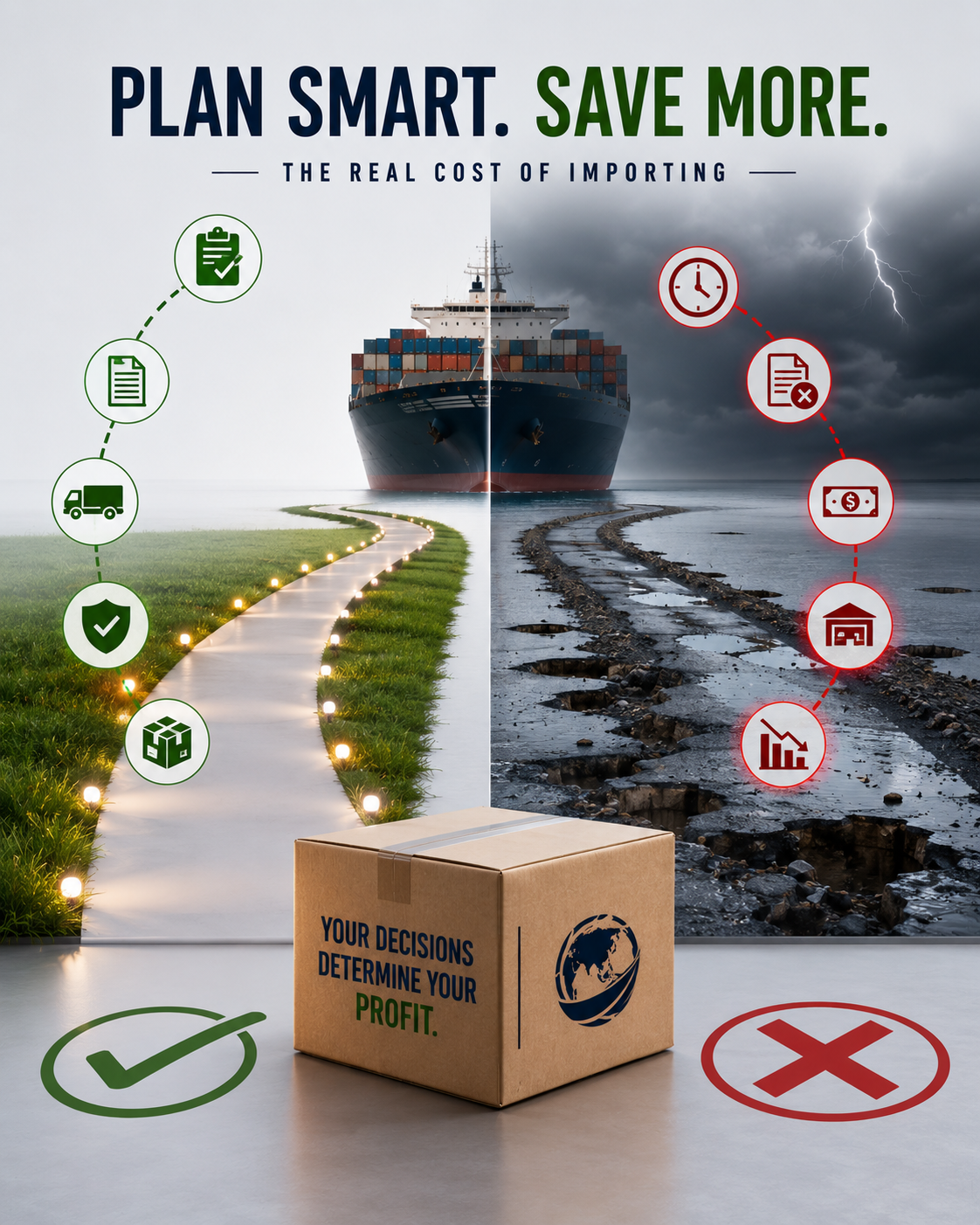
The cheapest documentation error can still be an expensive mistake.
The Practical Solution: Prepare Before the Shipment Moves
Don't wait until your cargo is on the water to start checking whether everything is in order.
Before shipping, review:
- What exactly are you importing?
- How is the product correctly classified?
- What documentation is required?
- Are the product details consistent across your documents?
- Are there applicable duties, taxes, approvals, or regulatory requirements?
- Who is responsible for coordinating the clearance process?
Preparation gives you something extremely valuable in logistics: time to fix problems before they become urgent.
Don't Let Every Party Work From a Different Story
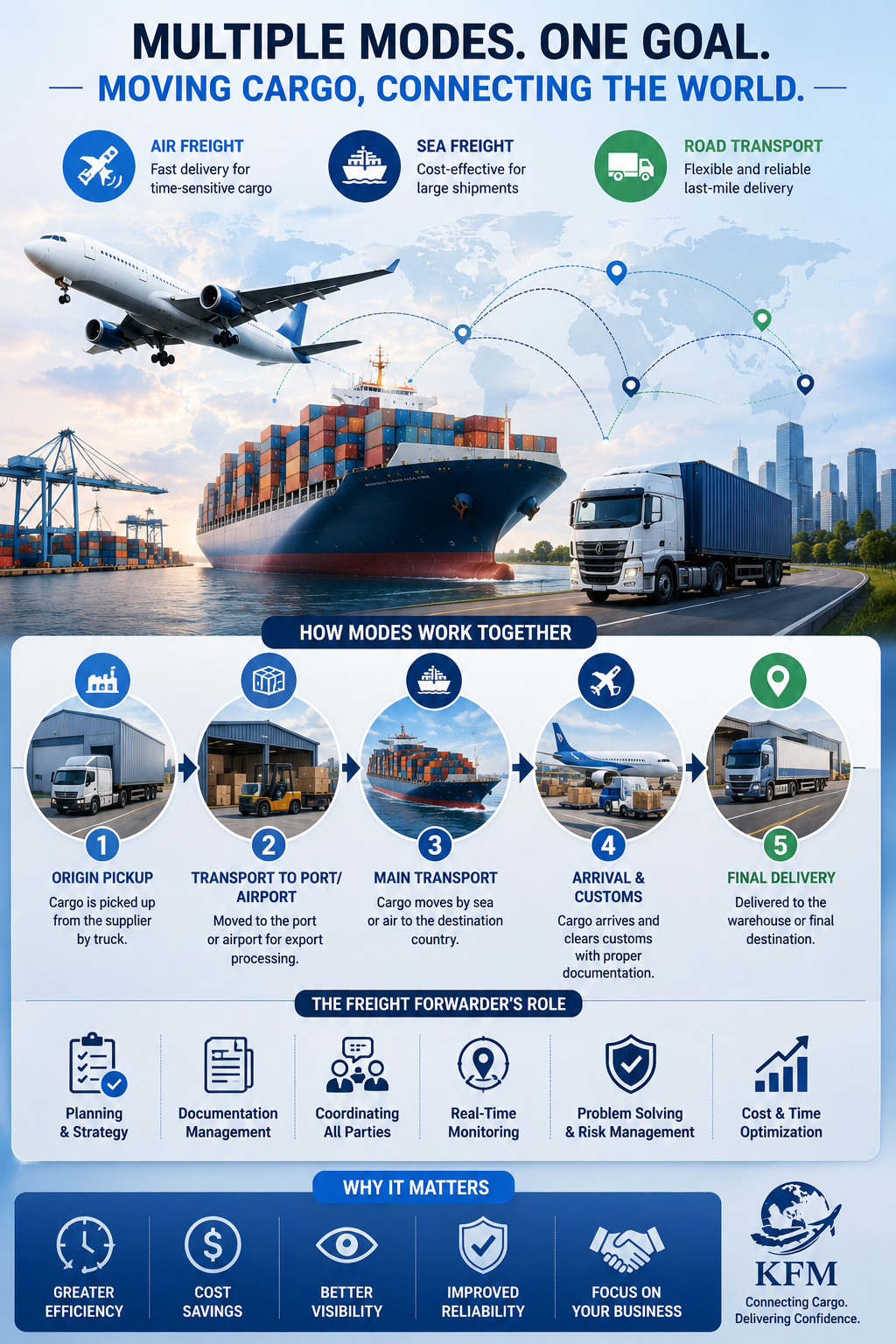
Your supplier, freight forwarder, clearing agent, transporter, and internal team should be working with accurate and consistent shipment information.
Clear communication between these parties reduces the risk of important details being missed.
This is where having an experienced logistics partner can make a meaningful difference.
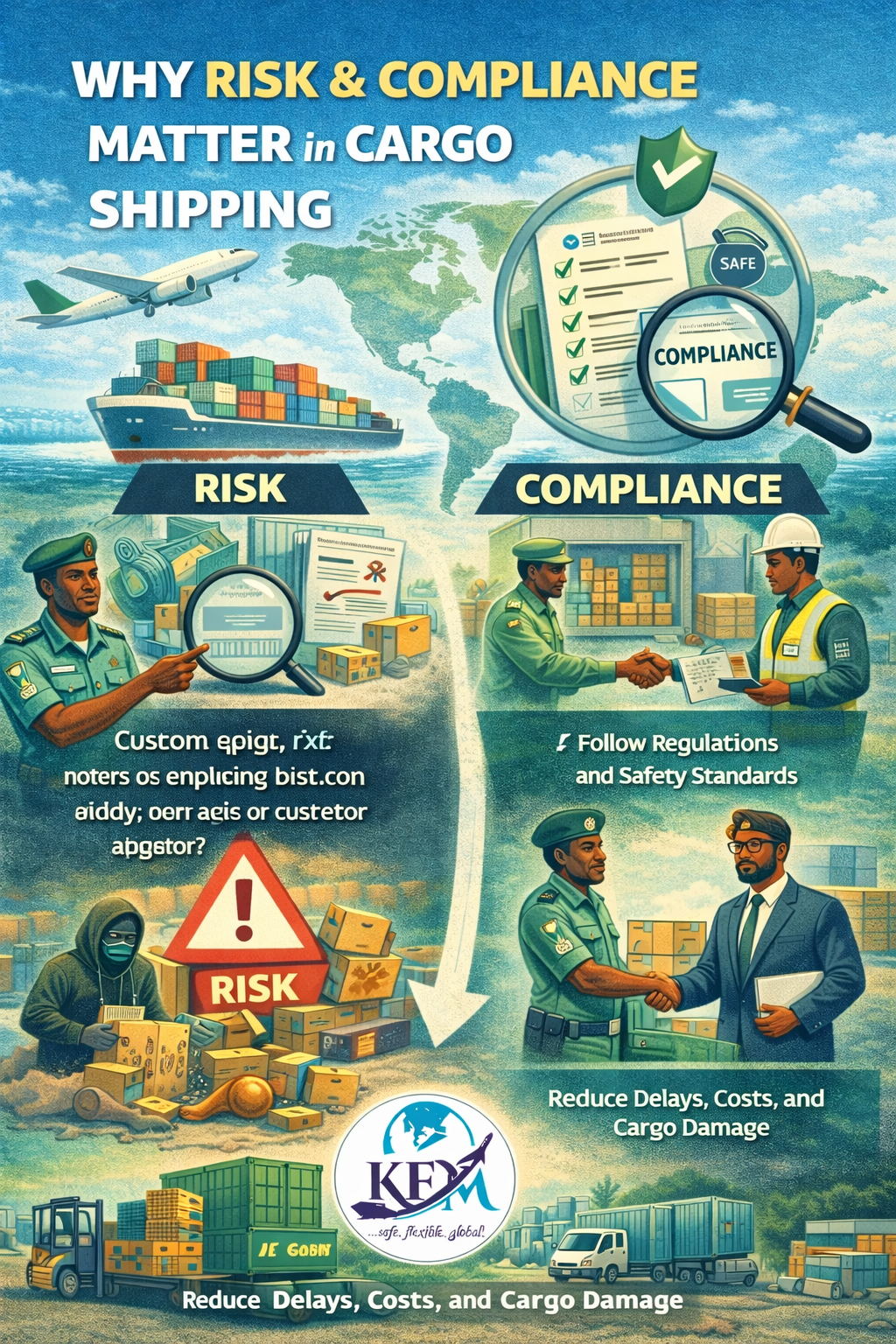
At KFM, we see documentation and compliance as part of the freight journey—not an administrative task that comes after everything else.
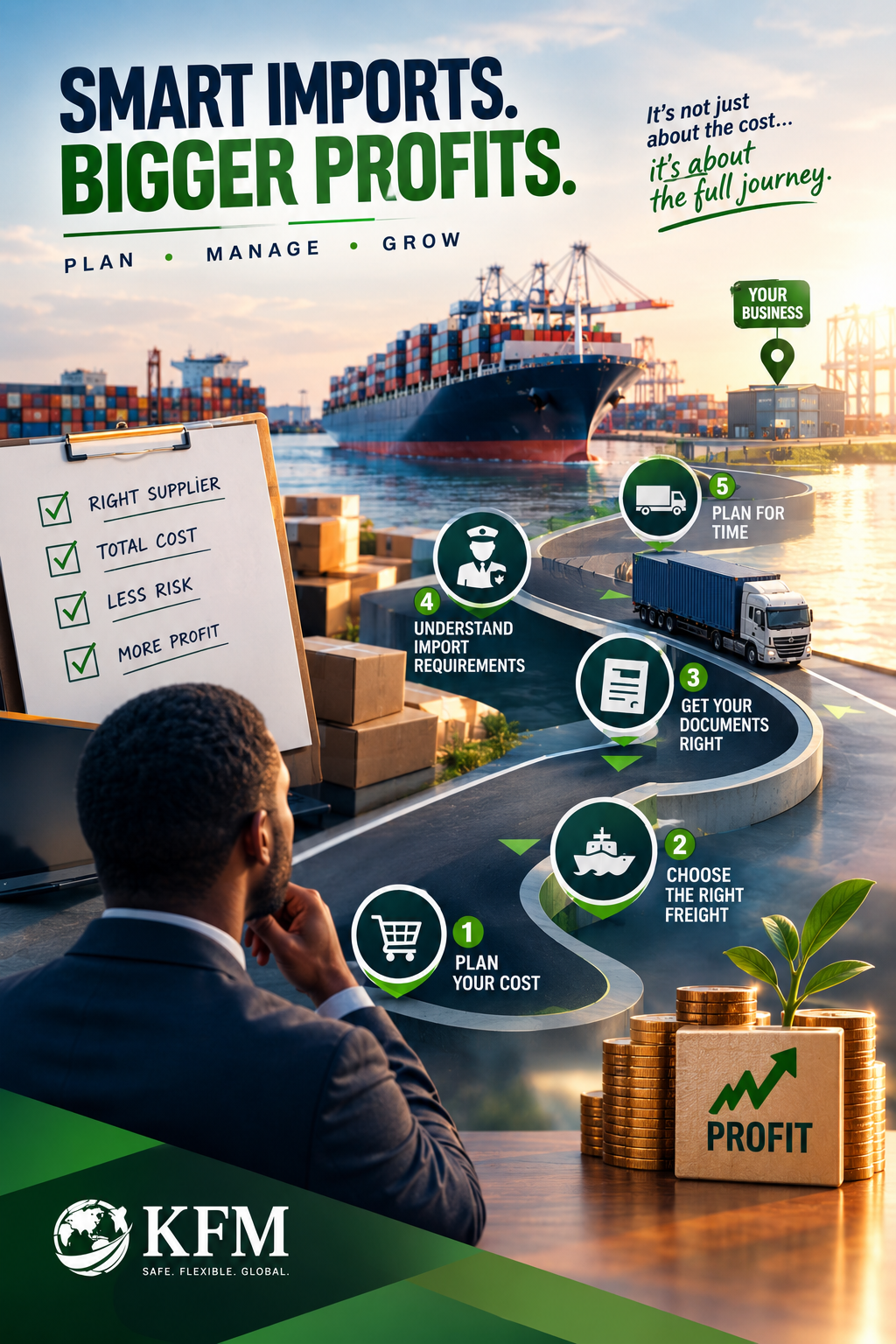
Good freight management means anticipating what the shipment will require, coordinating the relevant parties, and keeping the process organised from origin to destination.
Because when your cargo arrives, the last thing you want to discover is that an important detail should have been handled weeks earlier.
Prepare the paperwork. Prepare the shipment. Prepare the business.
Coming Up in Post 4 👀
Next, we'll tackle another major challenge for Nigerian importers: delays, port congestion, and the practical steps businesses can take to reduce the impact on their operations.
Your cargo can cross an ocean in days. One unresolved document can keep it waiting.