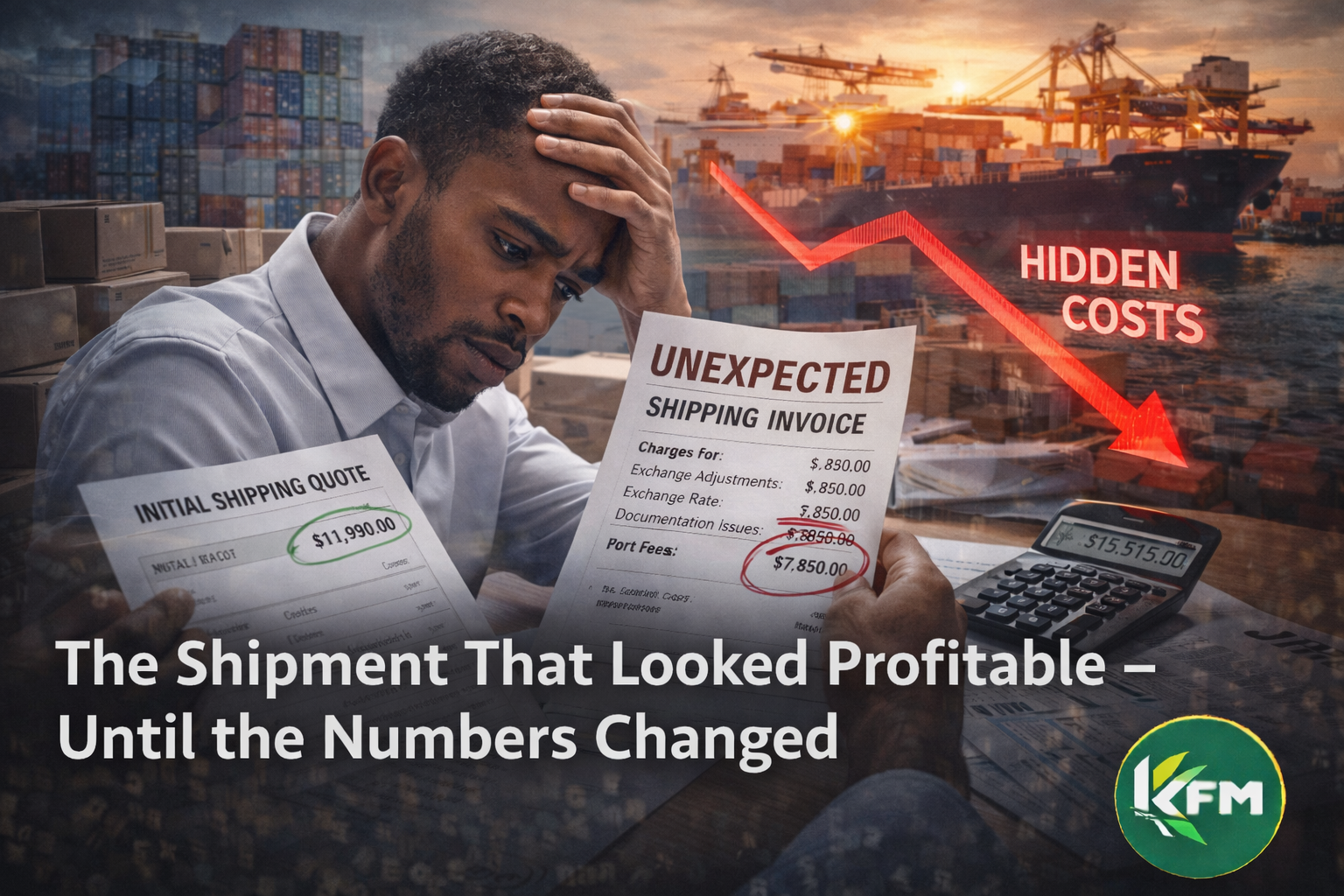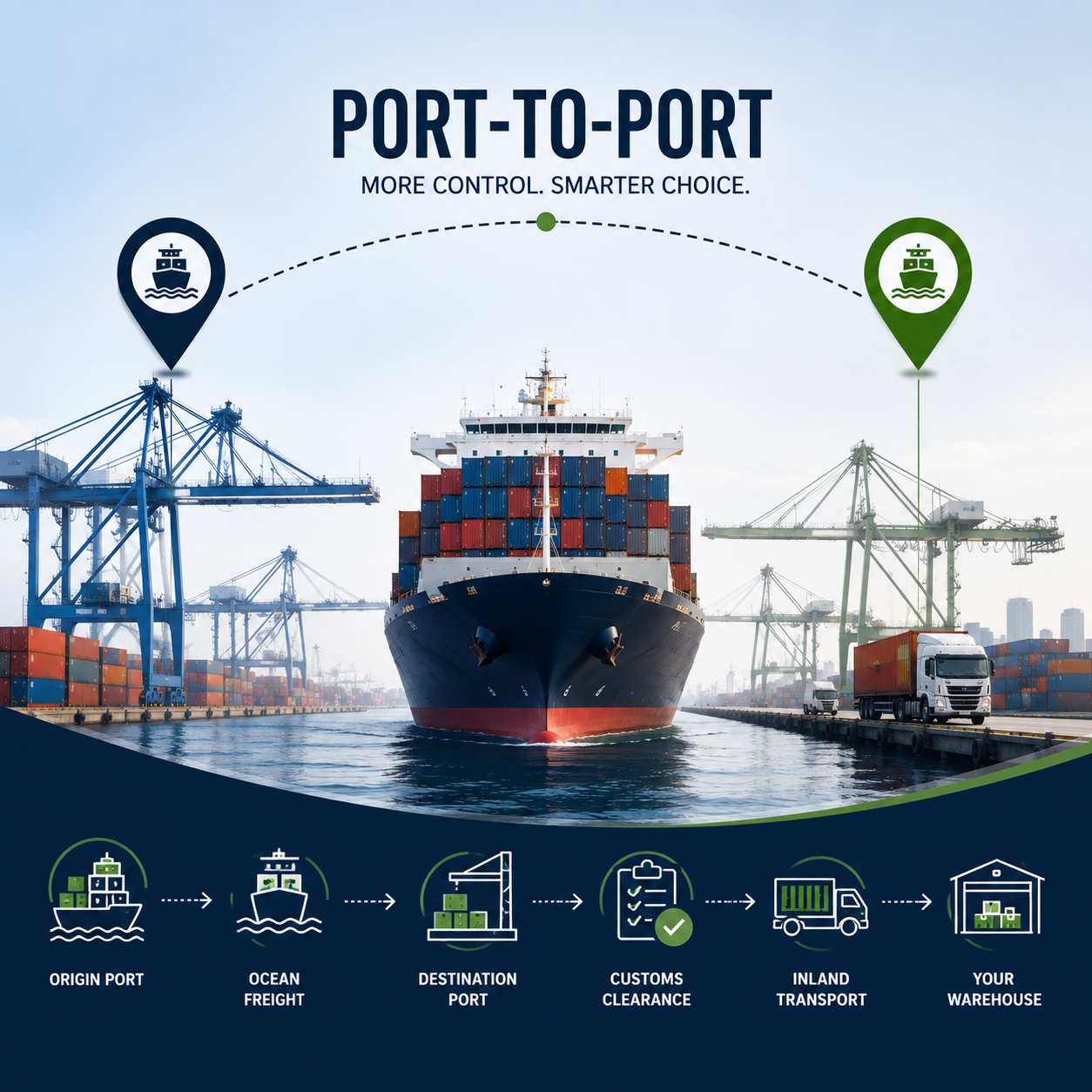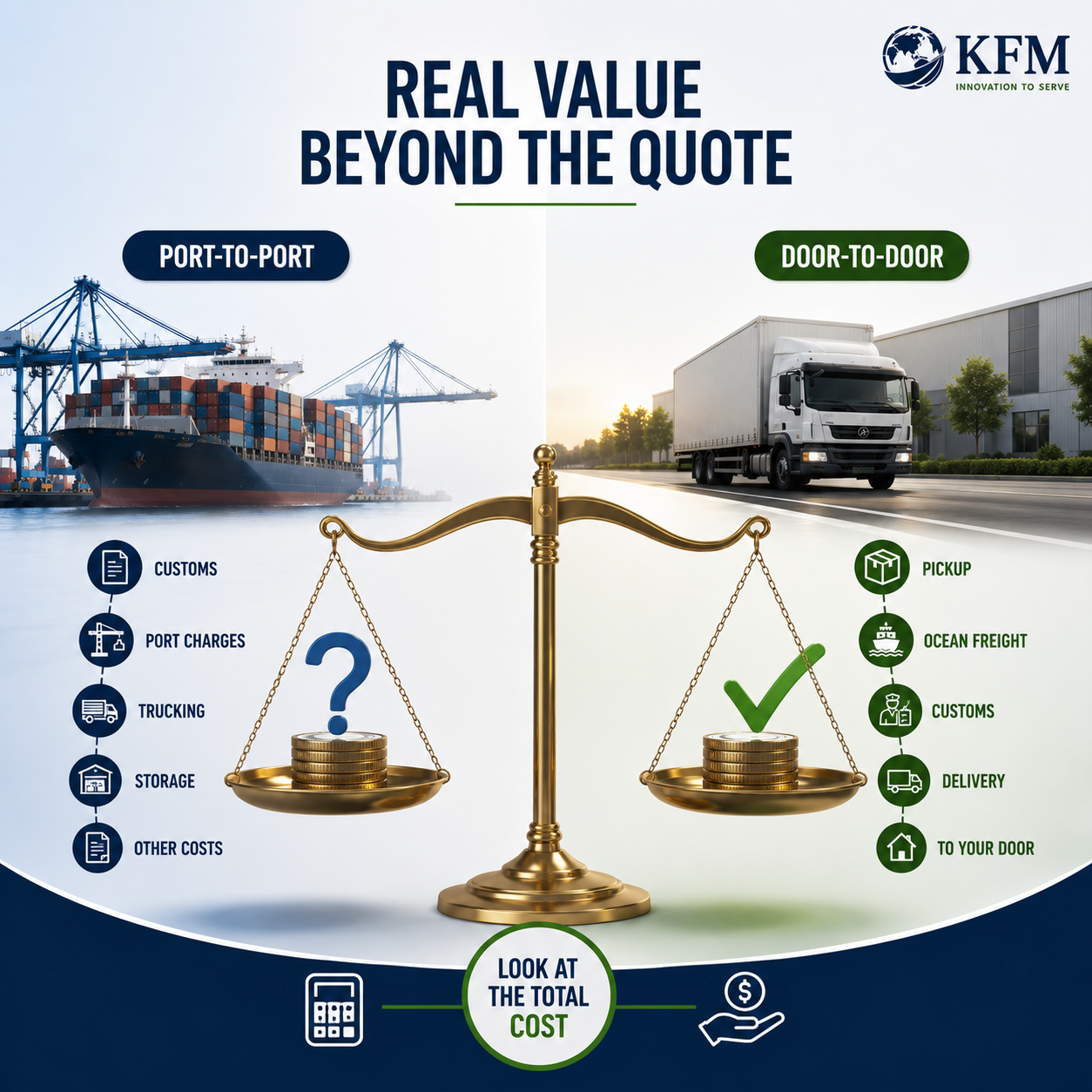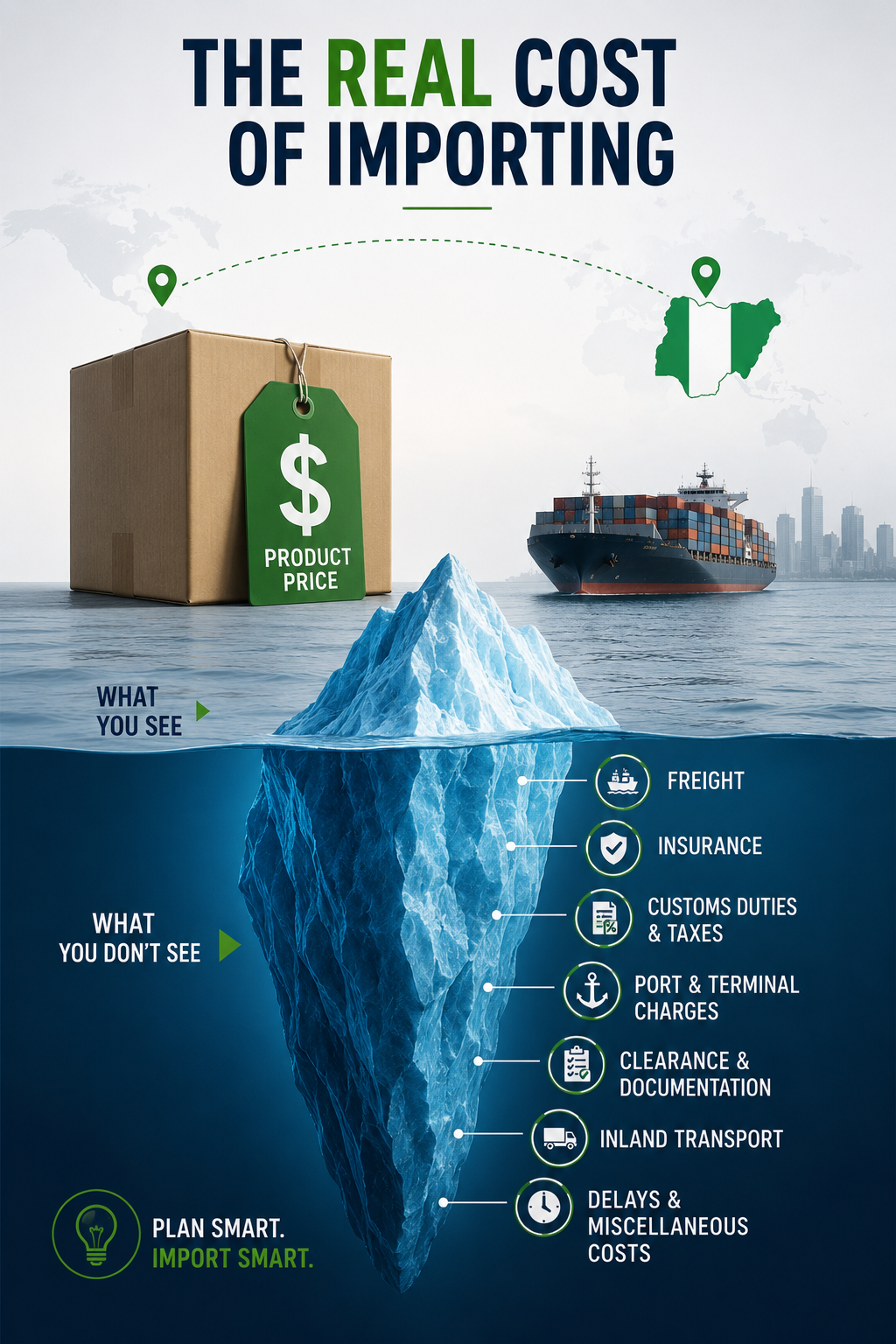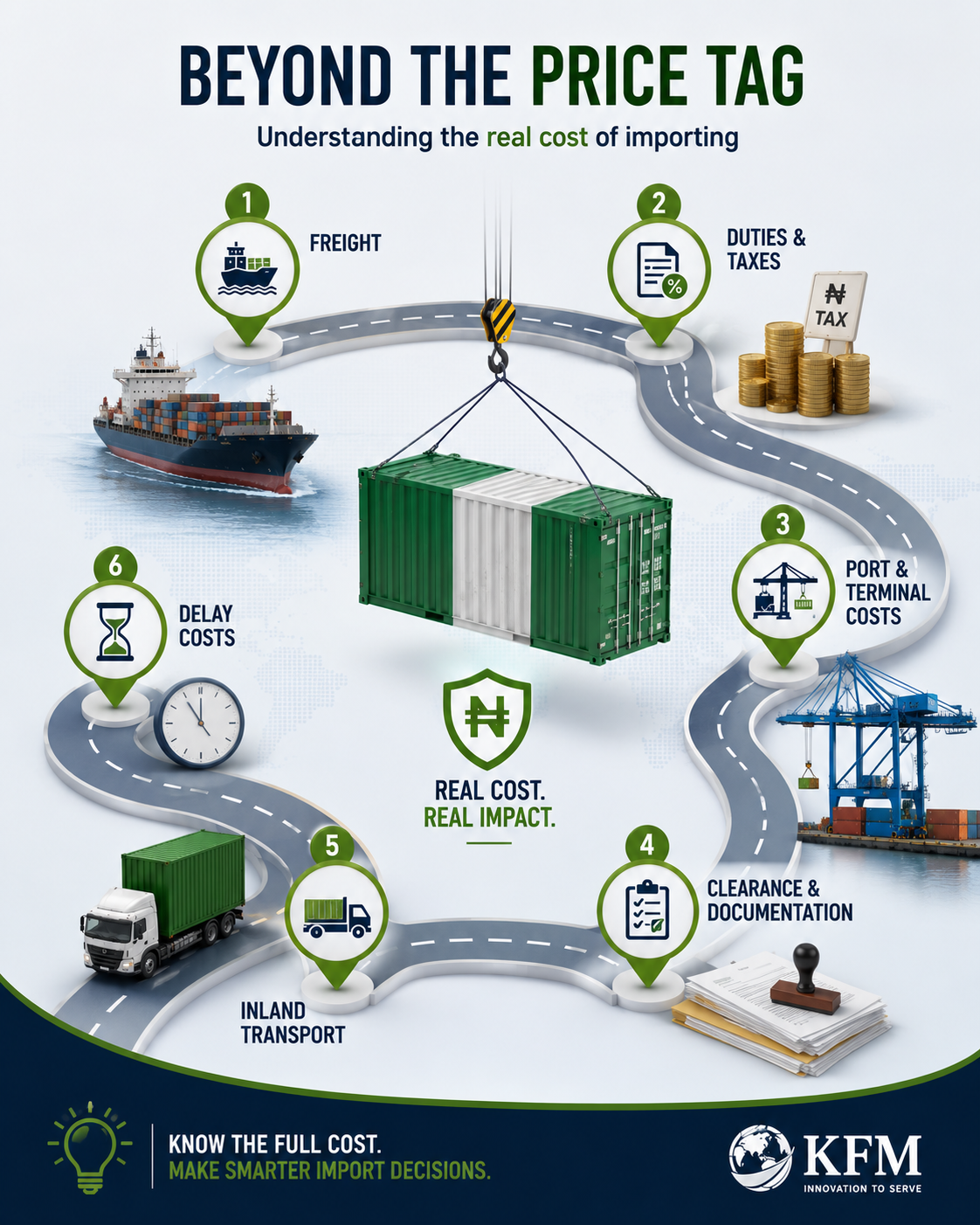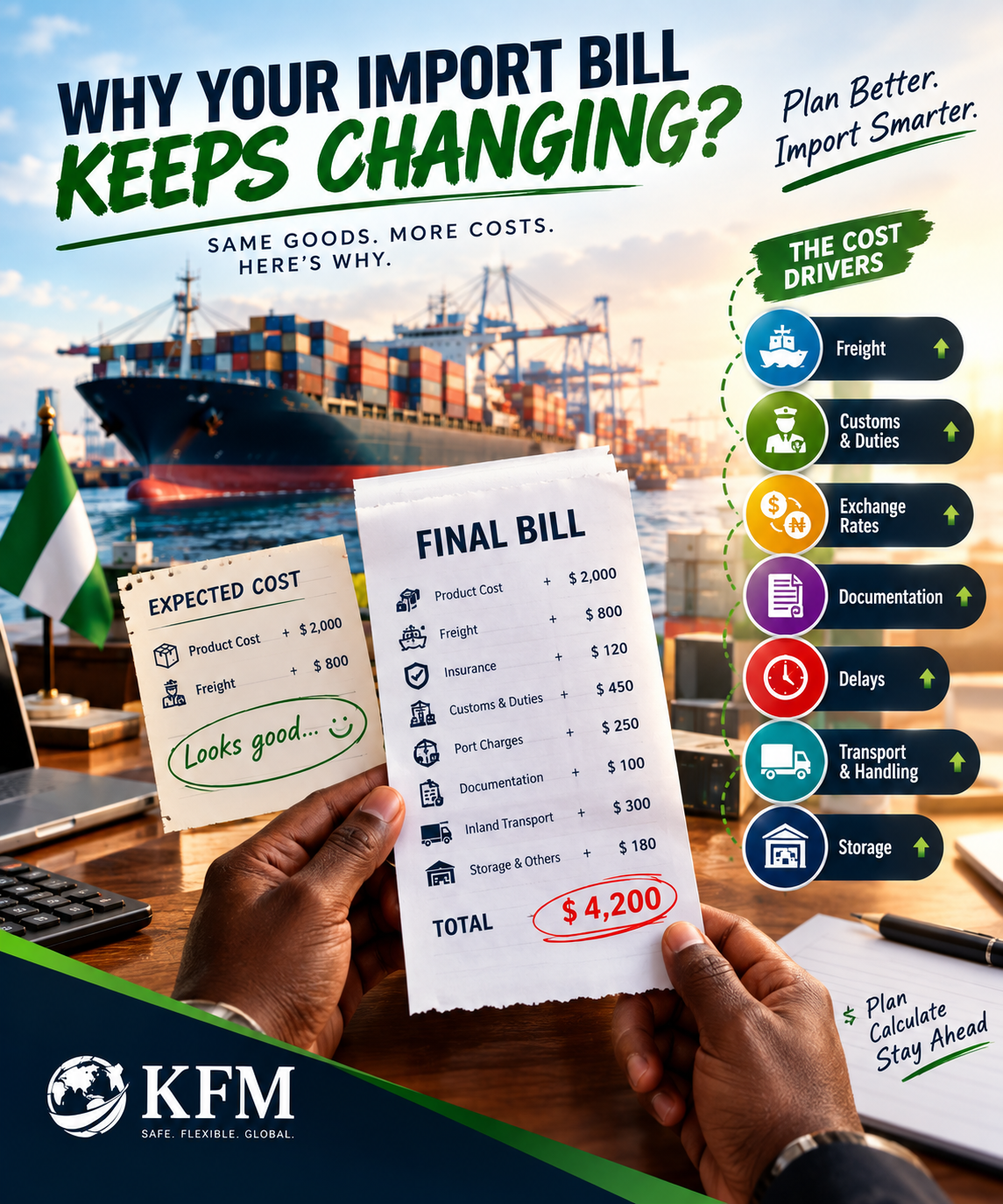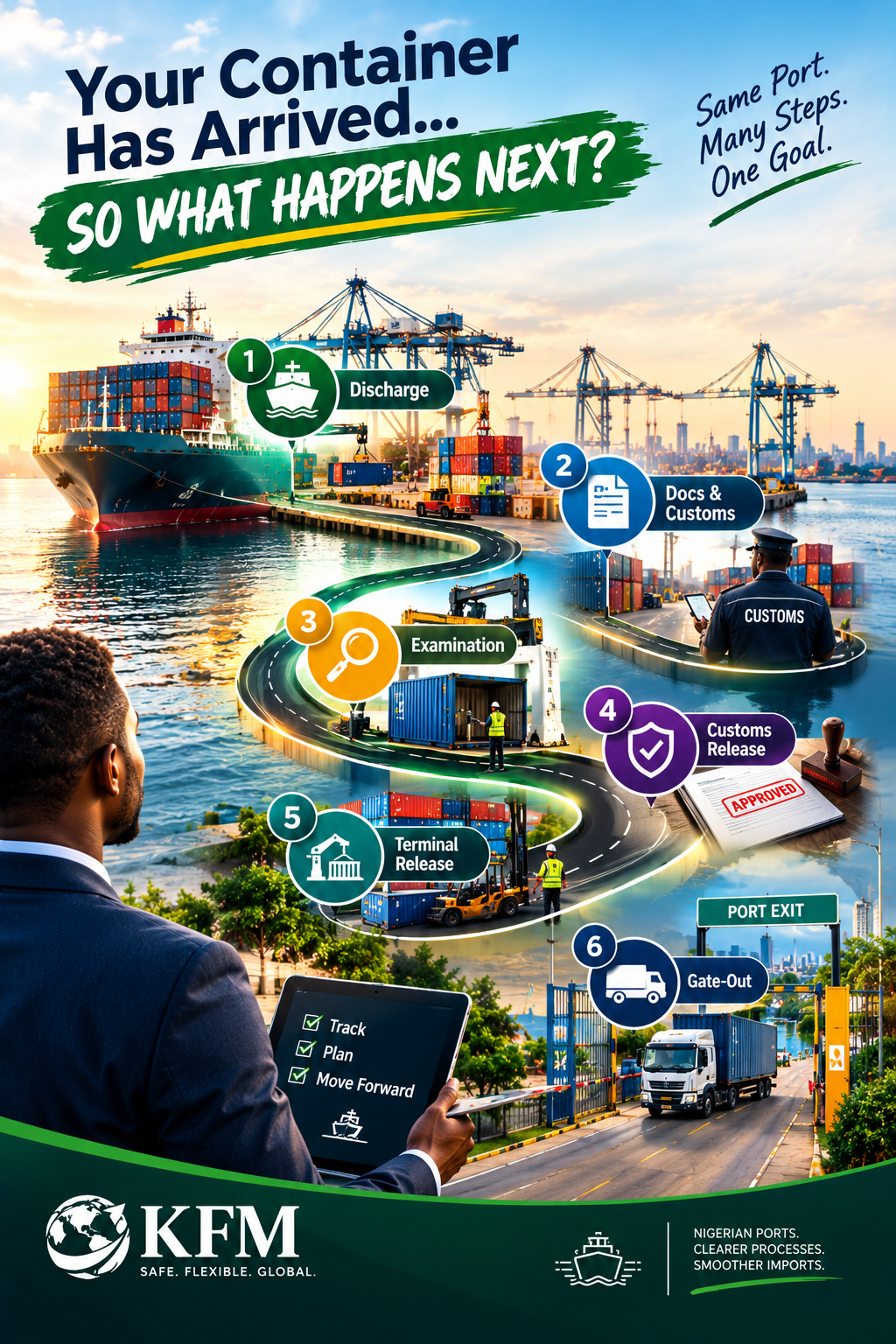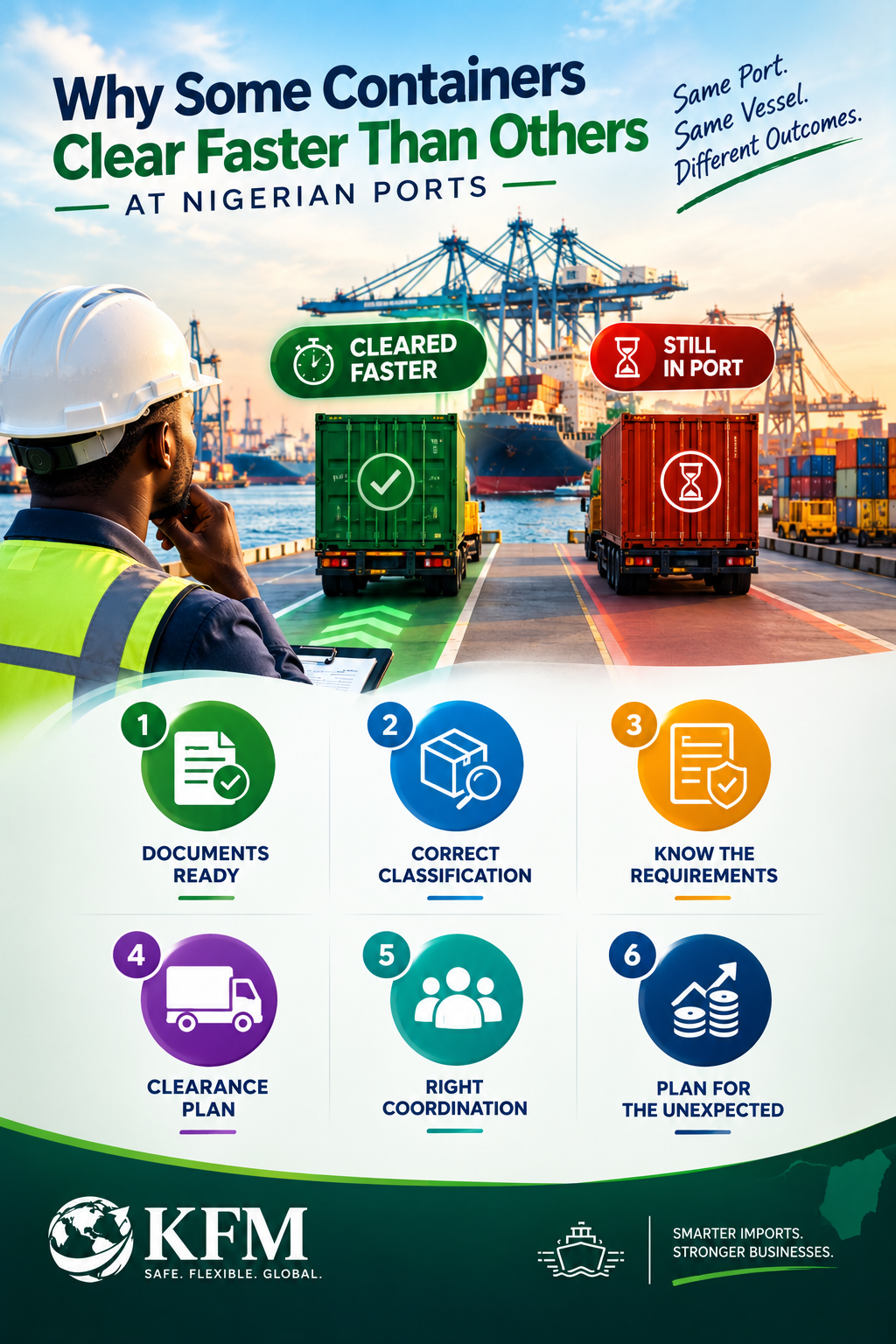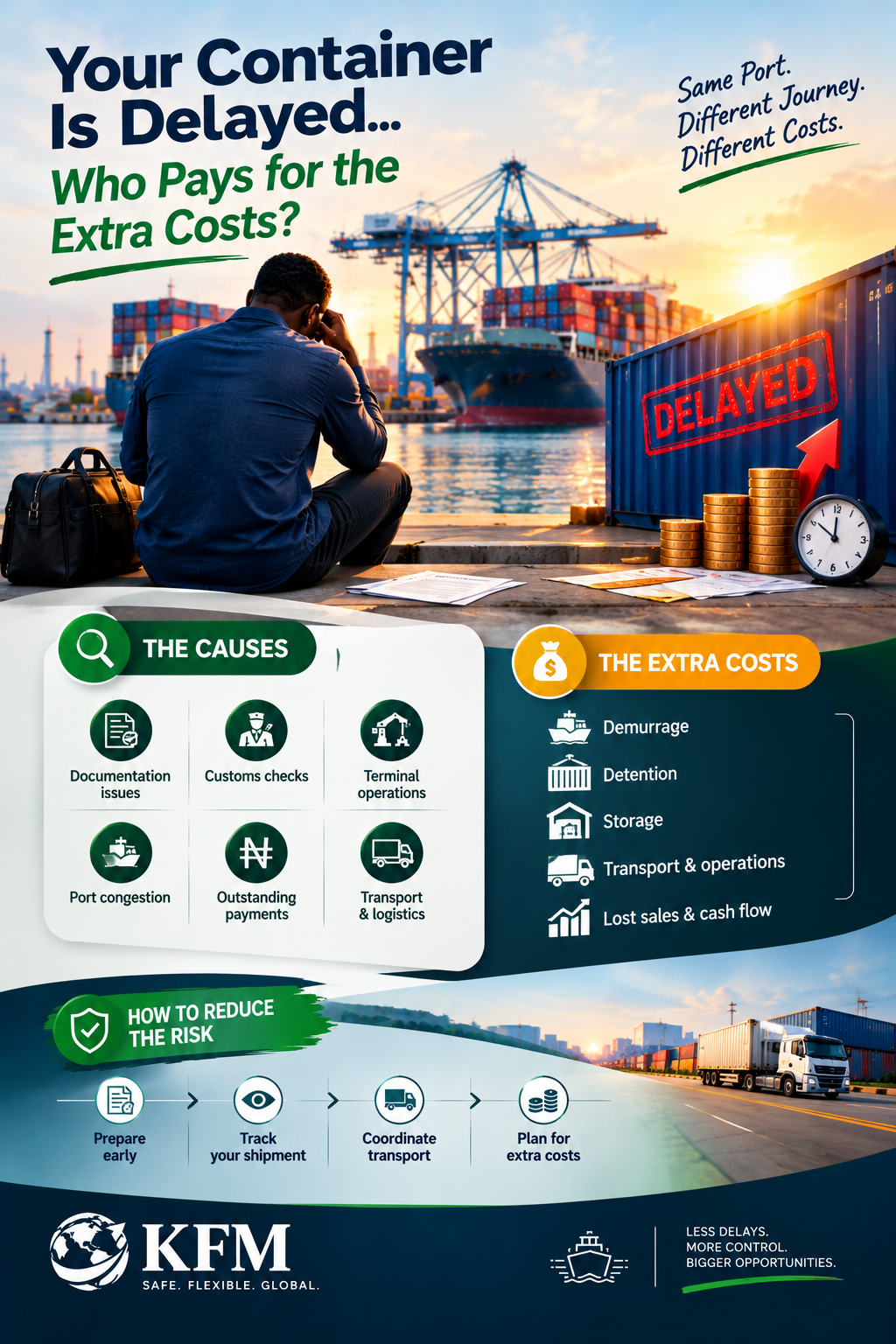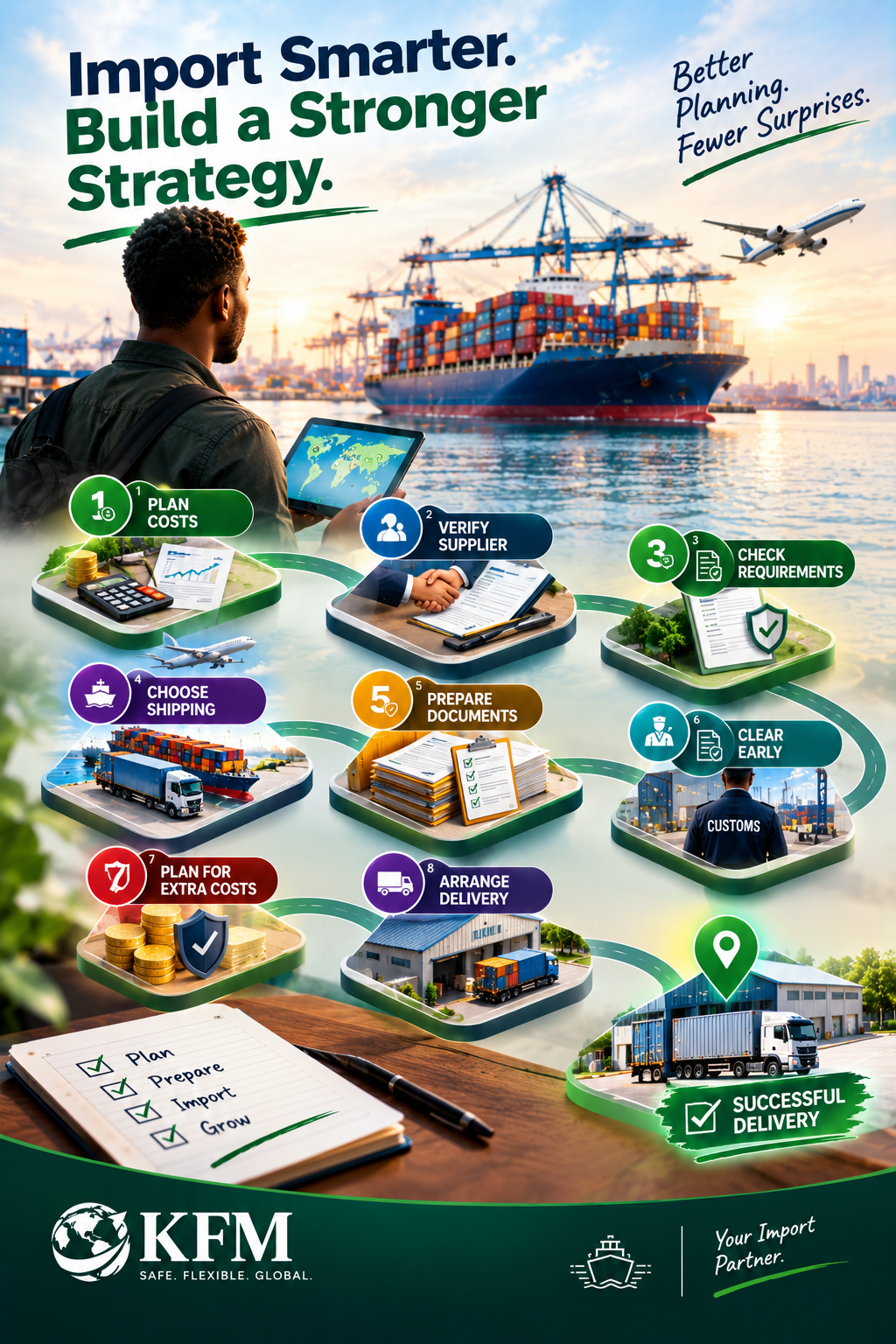
Your goods may be affordable, but are you prepared for everything it takes to get them out of the port?
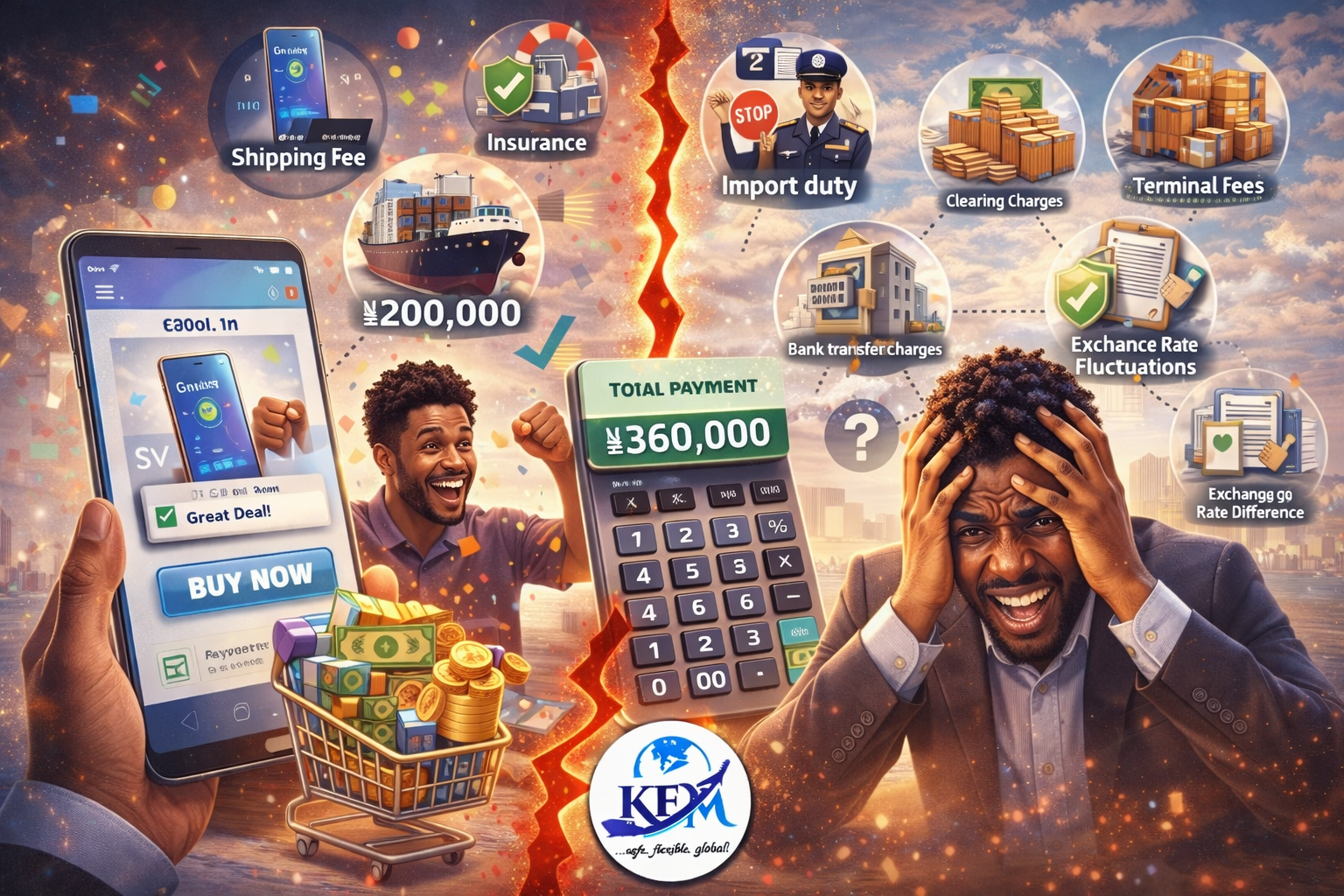
Let's say you purchase goods worth millions of naira from an overseas supplier.
You've paid for the products, arranged shipping, and waited patiently for the vessel to arrive in Nigeria.
Then the additional bills start coming in.
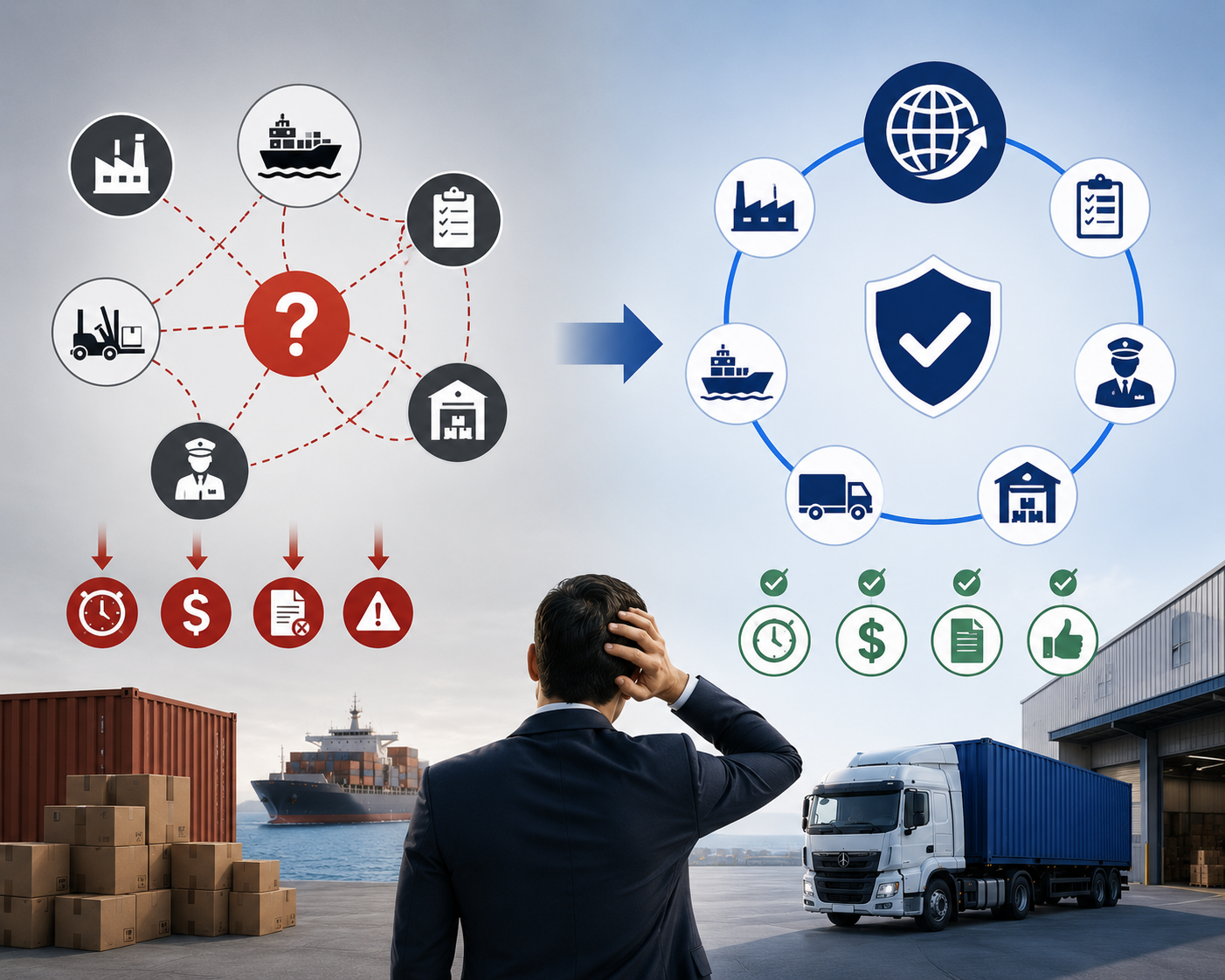
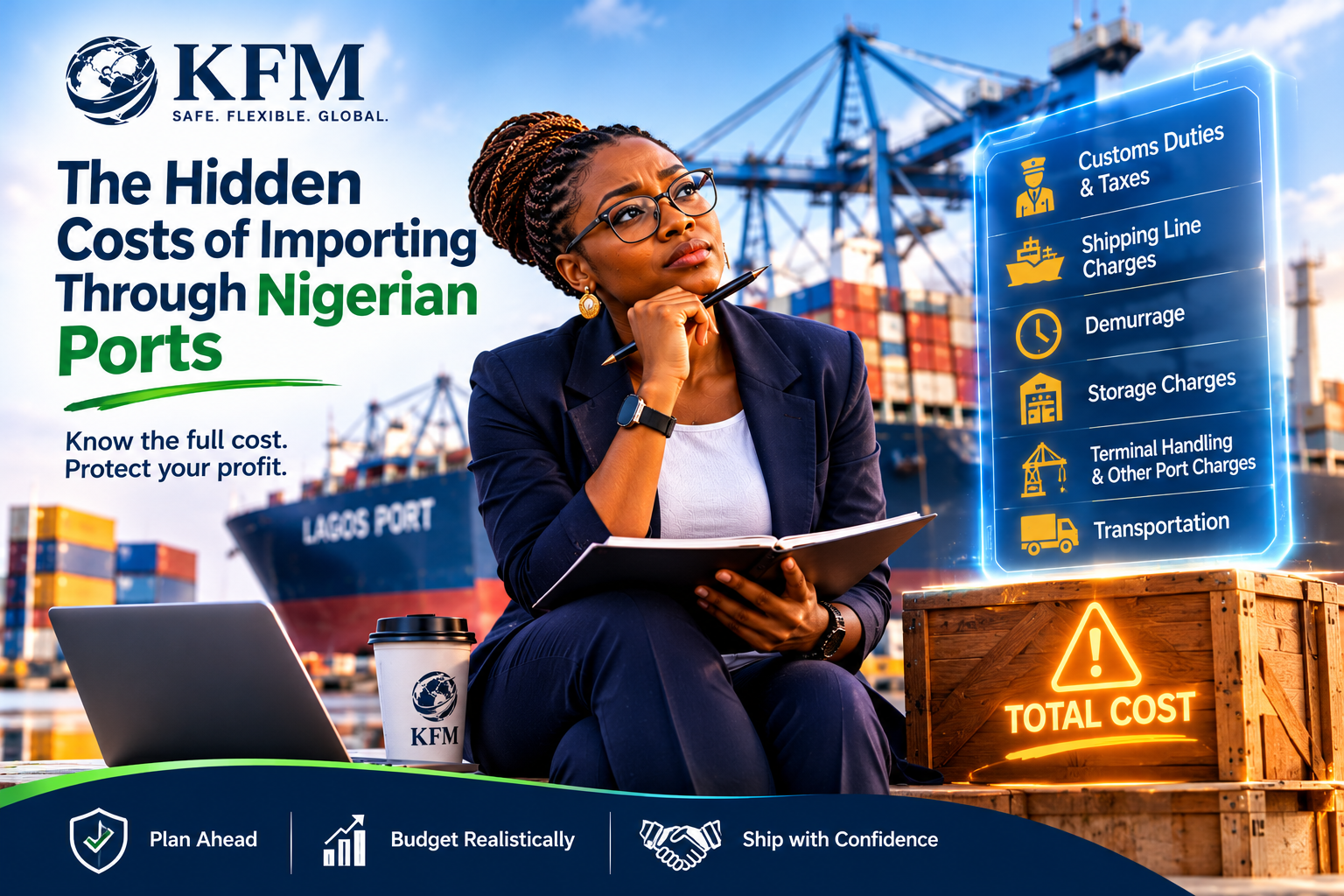
Port charges. Customs duties. Shipping line fees. Storage. Transportation.
Suddenly, your supposedly profitable importation is becoming much more expensive than expected.
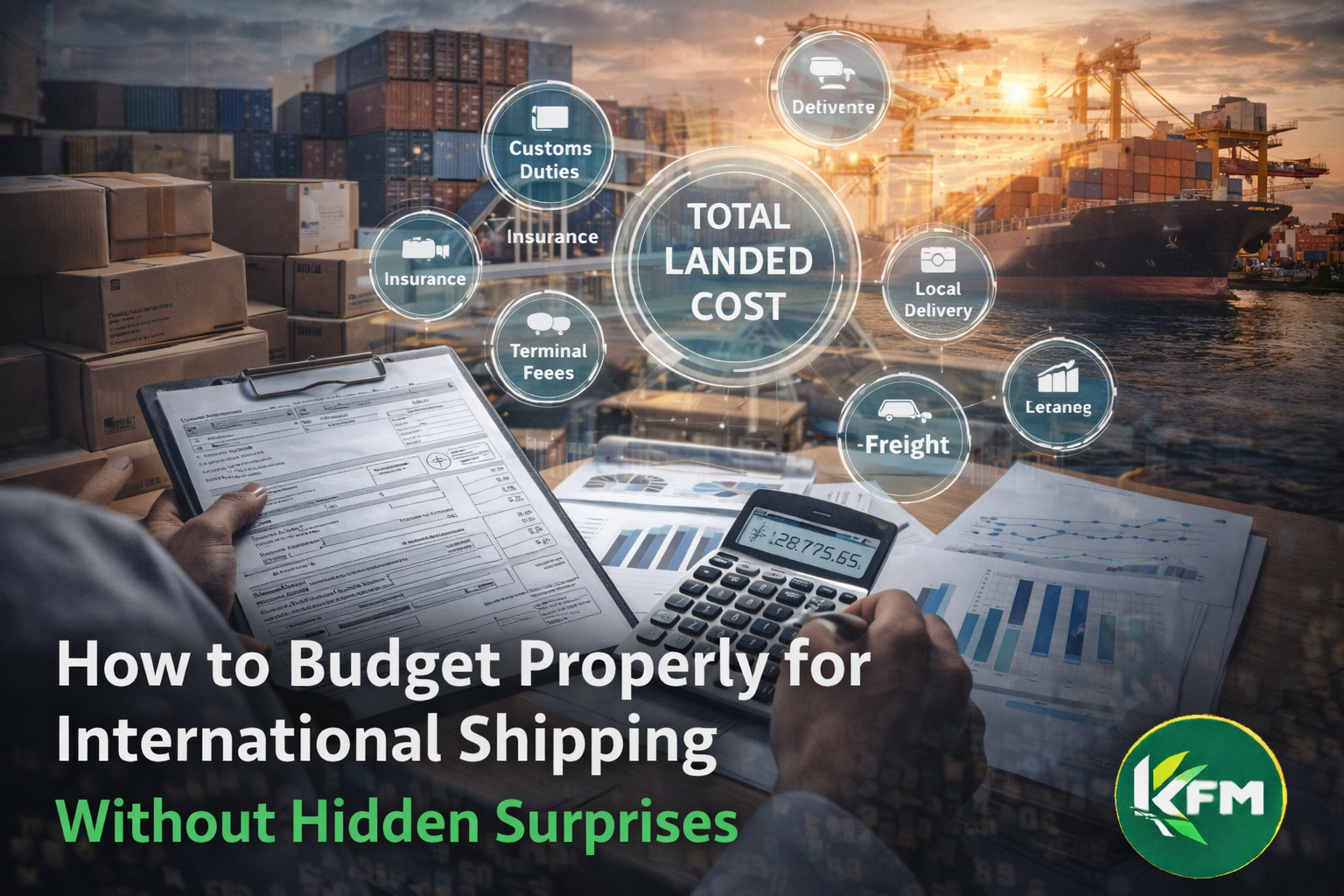
This is the reality of landed cost — and it's something every importer needs to understand.
At KFM, we believe successful importing isn't just about finding products at a good price. It's about understanding the full cost of getting those products safely to your warehouse.
1. Customs Duties and Applicable Taxes
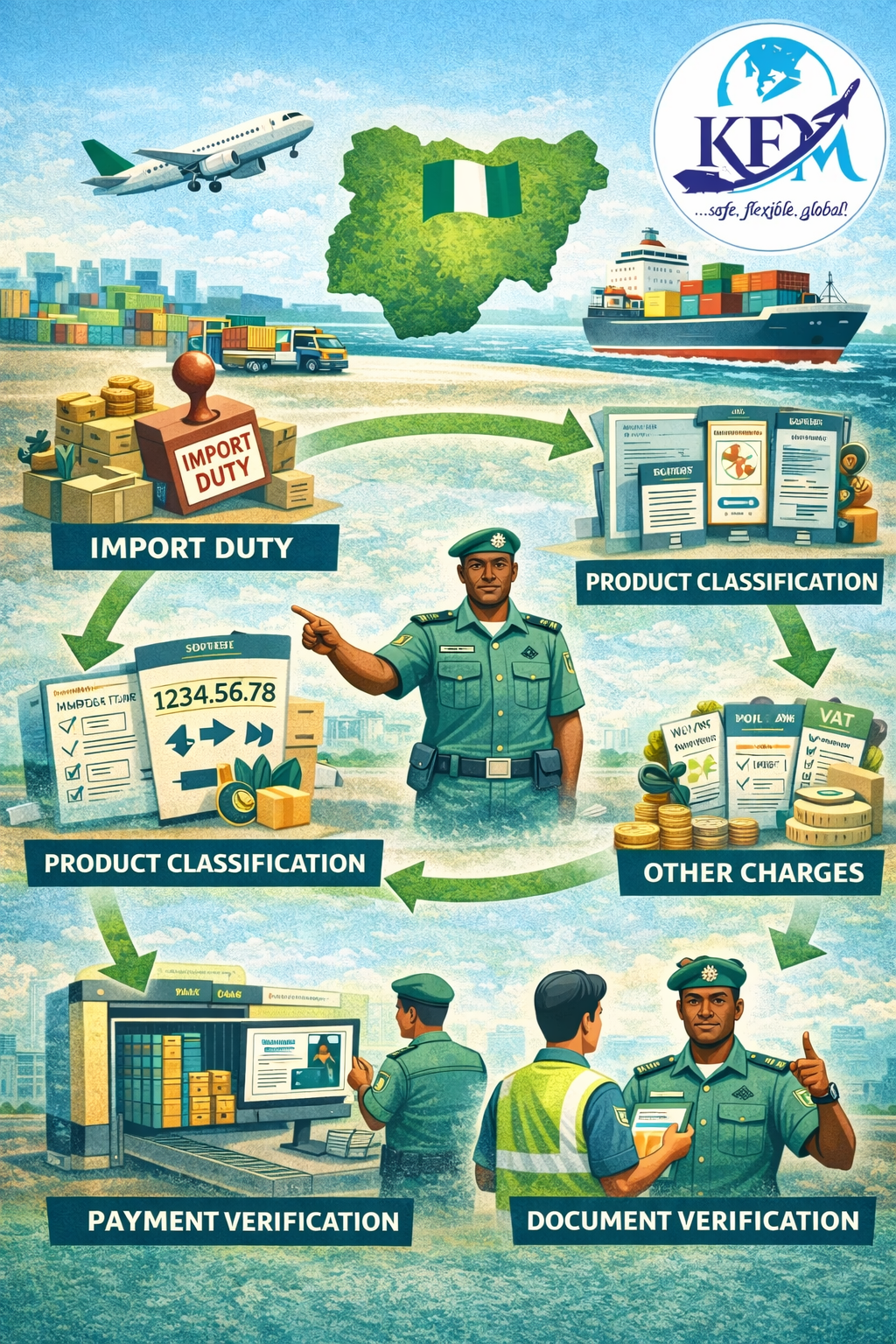
One of the major costs importers must plan for is the payment of applicable customs duties, taxes, and levies.
The amount payable can depend on factors such as:
- The type of goods being imported
- The applicable tariff classification
- The customs value of the goods
- Relevant import regulations and exemptions
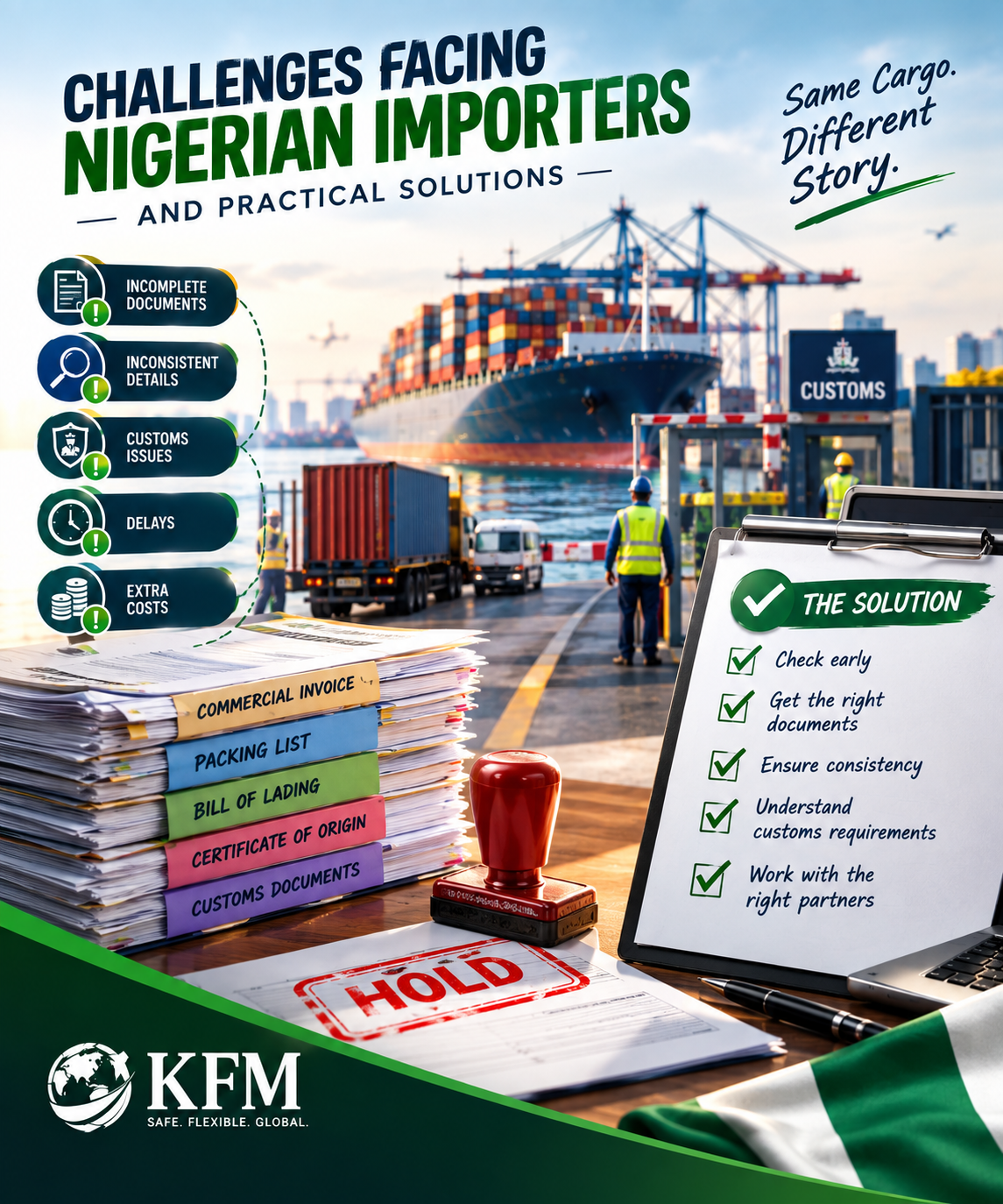
Incorrect product classification or inaccurate declarations can create compliance problems and unexpected financial exposure.
Smart move: Confirm the correct tariff classification and applicable charges before shipping your goods. Don't build your budget around assumptions.
2. Shipping Line Charges
Your relationship with shipping costs doesn't necessarily end when the vessel arrives.
Depending on your shipping arrangement and carrier, additional charges may apply during the destination process.
These may include:
- Delivery order or documentation charges
- Container-related charges
- Equipment or other applicable service fees
These charges vary depending on the carrier, shipment, and agreed terms.
Smart move: Request a breakdown of destination charges from your shipping line or logistics provider before your cargo arrives.
3. Demurrage — The Cost of Keeping a Container Too Long
This is one word every importer should take seriously: DEMURRAGE.
Demurrage is generally charged by the shipping line when a container remains inside the terminal beyond the agreed free-time period.
In simple terms, you're being charged for keeping the shipping line's container longer than the allowed time.
The longer the delay continues, the more expensive it can become.
Common reasons include:
- Delayed customs clearance
- Incomplete documentation
- Late payment of applicable charges
- Difficulty arranging cargo evacuation
Smart move: Understand your free-time allowance, prepare your documents early, and coordinate cargo clearance and evacuation before the container arrives.
4. Storage Charges
Storage charges are another expense that can catch importers off guard.
Depending on the applicable terminal arrangements, charges may arise when cargo remains at the terminal beyond the permitted free-storage period.
Remember, storage and demurrage are not necessarily the same thing. They may be charged by different parties and under different conditions.
A shipment that experiences clearance or evacuation delays may therefore attract multiple charges.
Smart move: Confirm the terminal's applicable free-storage period and charges. Plan to move your cargo out as soon as it is eligible for release.
5. Terminal Handling and Other Port Charges
Moving cargo through a port involves several handling and operational activities.
Depending on the shipment and terminal, importers may encounter charges relating to:
- Terminal handling
- Container positioning and movement
- Cargo examination or handling where applicable
- Other terminal services
These costs should be included in your import budget rather than treated as last-minute surprises.
Smart move: Ask for a clear estimate of applicable terminal charges and confirm which costs are already included in your shipping or logistics quotation.
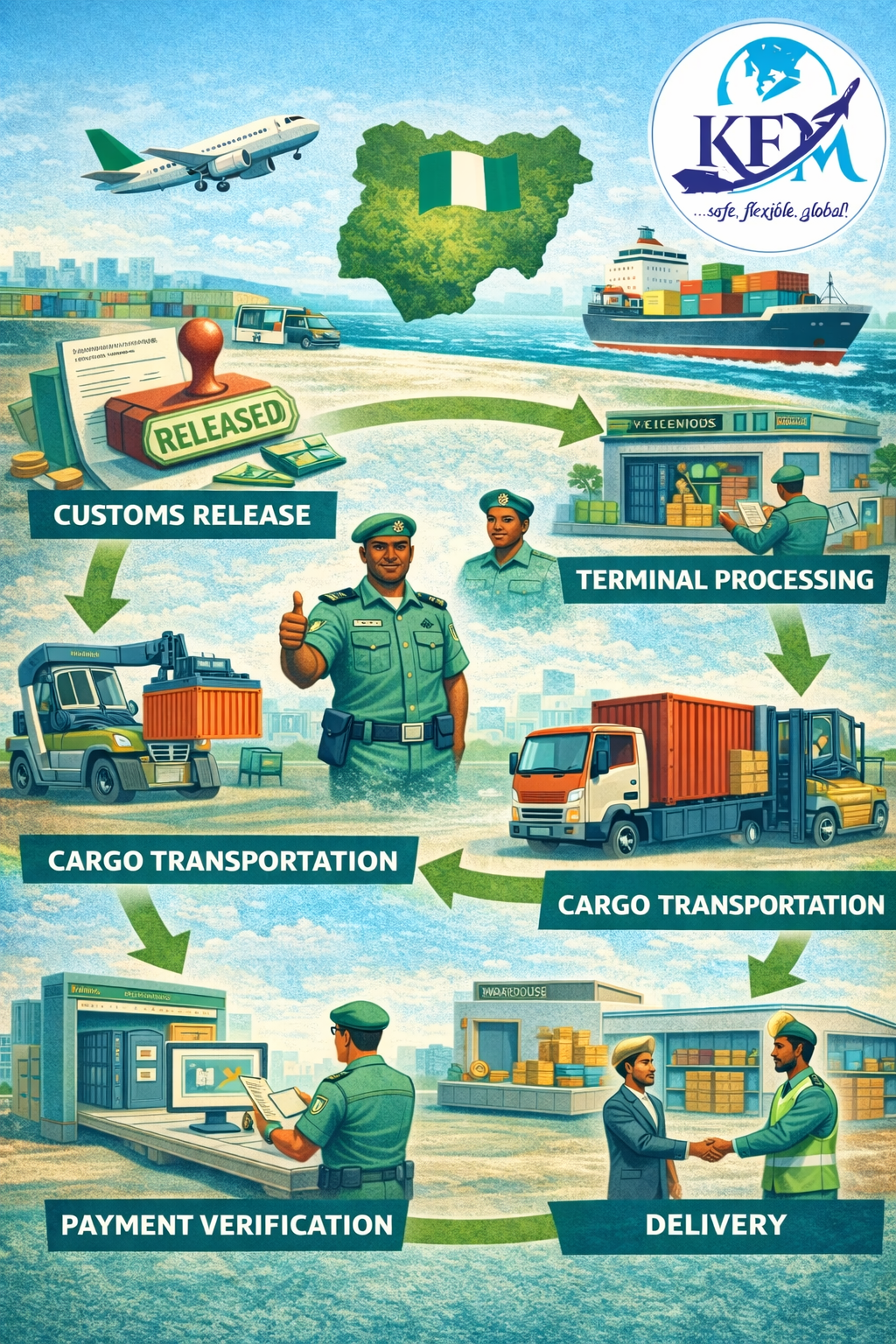
6. Transportation from the Port to Your Warehouse
Getting your cargo cleared doesn't mean the journey is over.
You still need to move it from the port to your warehouse, factory, distribution centre, or final destination.
Depending on the distance, cargo type, truck requirements, traffic, and operational conditions, transportation can significantly affect your total import cost.
Other possible expenses may include:
- Truck hire
- Haulage and delivery coordination
- Loading or offloading where applicable
- Additional movement or waiting charges
Smart move: Arrange transportation early and obtain a realistic quotation based on your cargo type and final destination.
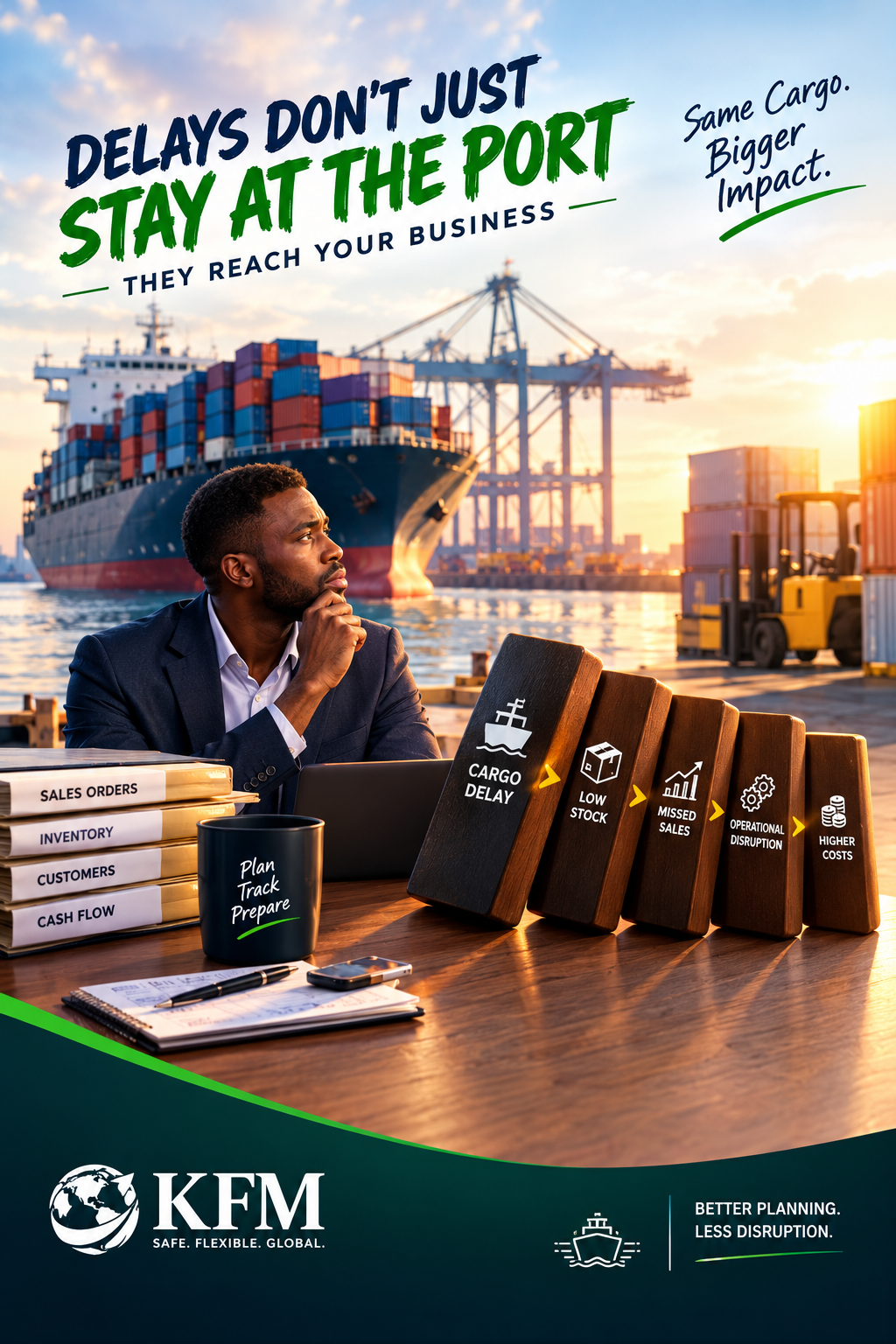
7. The Cost of Poor Planning
Sometimes, the most expensive part of importing isn't a particular port charge. It's the cost of being unprepared.
A delayed document, an unplanned payment, or a truck that isn't available when needed can create a chain reaction.
You may experience:
- Additional storage or container charges
- Delayed inventory availability
- Lost sales opportunities
- Disrupted cash flow
- Unplanned business expenses
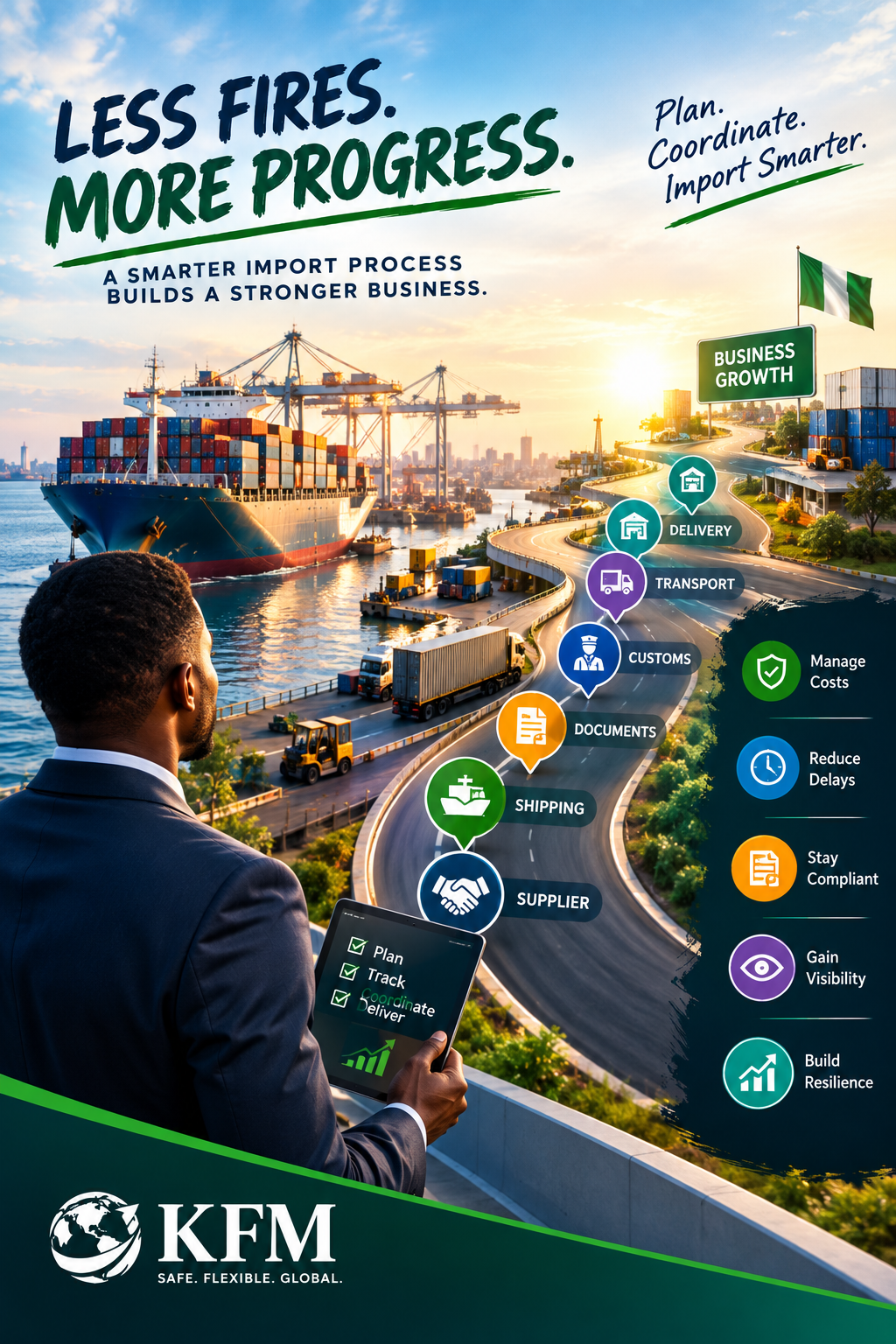
Smart move: Treat logistics planning as part of your purchasing strategy, not something to figure out after your goods arrive.
How to Calculate Your True Import Cost
Before placing your next overseas order, look beyond the supplier's price and international freight.
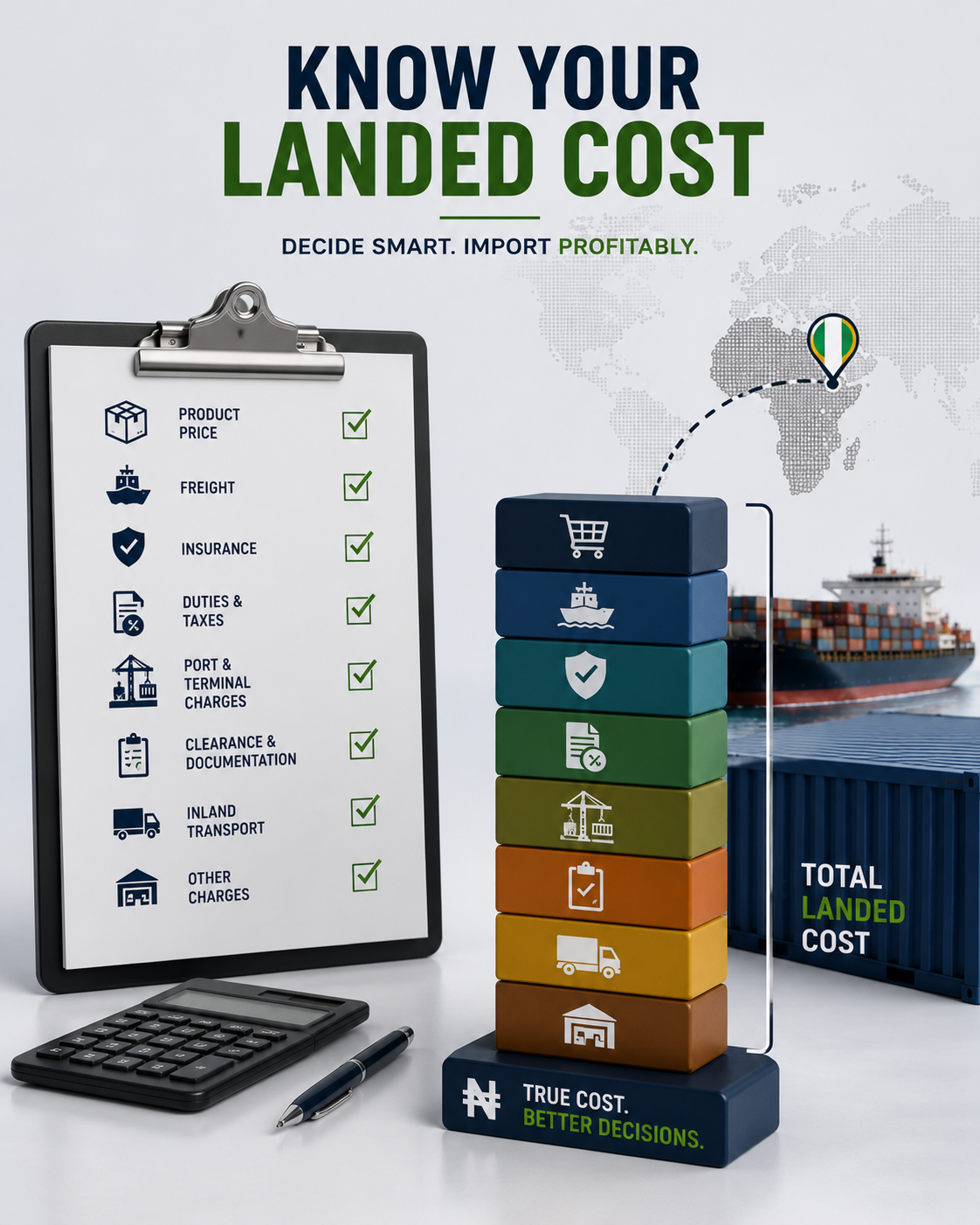
Your landed-cost estimate should consider:
- Purchase price of the goods
- International freight and insurance, where applicable
- Customs duties, taxes, and applicable levies
- Shipping line and destination charges
- Terminal handling and storage
- Clearing and documentation costs
- ```