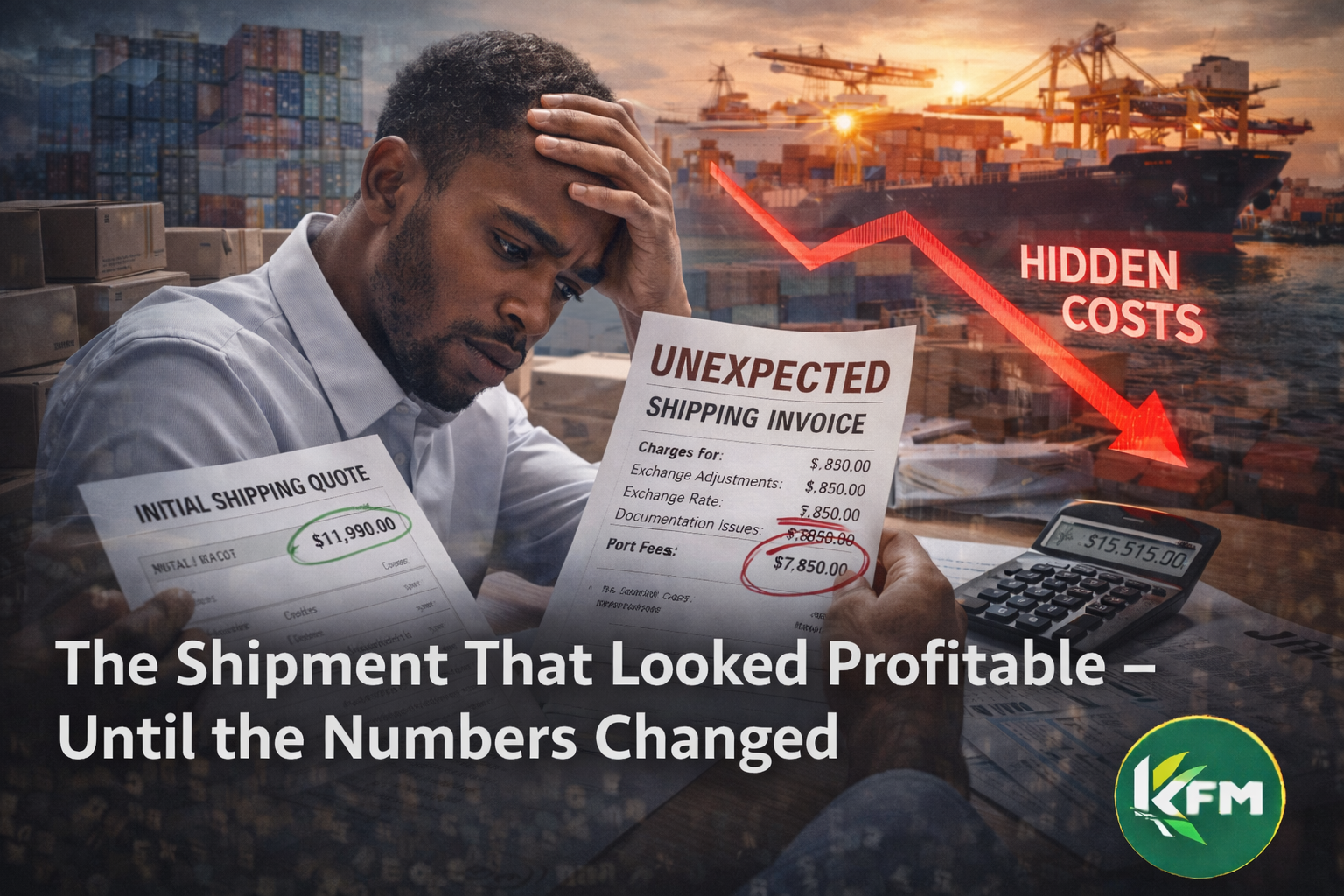
Imagine finding a supplier overseas, negotiating a good price, and preparing to import goods into Nigeria.
You've calculated your expenses, estimated your profit, and everything looks perfect.
Then the exchange rate changes.
Suddenly, the money you need to pay your supplier, cover freight charges, or settle other import expenses may be different from what you originally budgeted.
Your goods haven't changed. Your supplier hasn't necessarily increased the price. But your cost of importing may have increased simply because the value of your currency has changed.
This is one of the financial realities every importer and international trader needs to understand.
At KFM, we believe smarter shipping starts with understanding the factors that influence your total logistics cost — and exchange rates are a major part of that conversation.
What Is an Exchange Rate? 💱
An exchange rate tells you how much one currency is worth in relation to another.
For example, if an importer needs to pay a supplier in US dollars but earns revenue in Nigerian naira, the importer must consider how many naira are needed to obtain the required dollars.
Let's use a simple illustration.
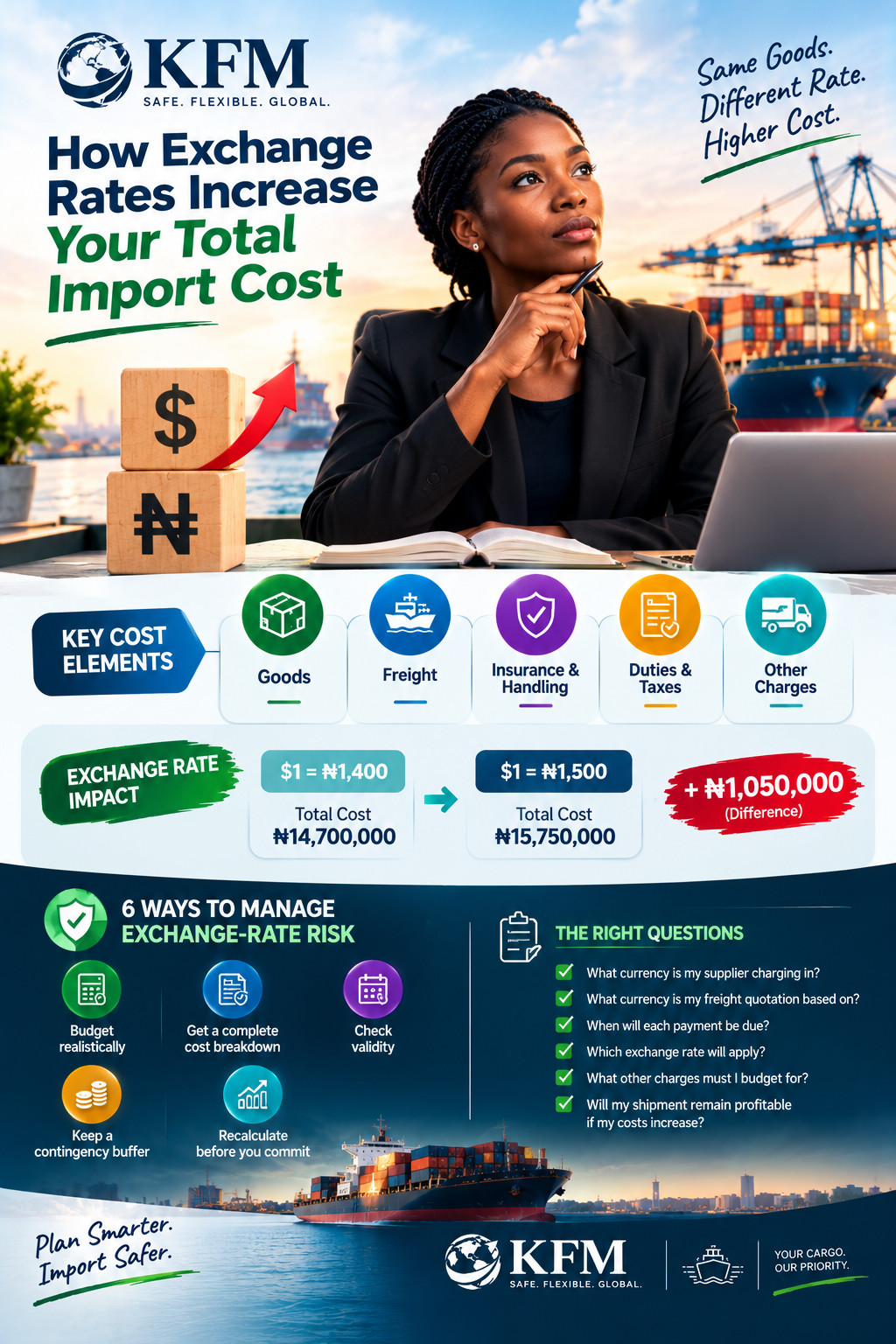
- If $1 costs ₦1,400, a $5,000 payment equals ₦7,000,000.
- If $1 rises to ₦1,500, the same $5,000 payment equals ₦7,500,000.
That's an additional ₦500,000 for exactly the same dollar payment.
These figures are illustrative, not current exchange-rate quotations, and exclude bank charges and other transaction costs.
The lesson is simple: when the naira weakens against the currency you need, your naira-denominated import expenses can increase.
How Do Exchange Rates Affect International Shipping? 🌍
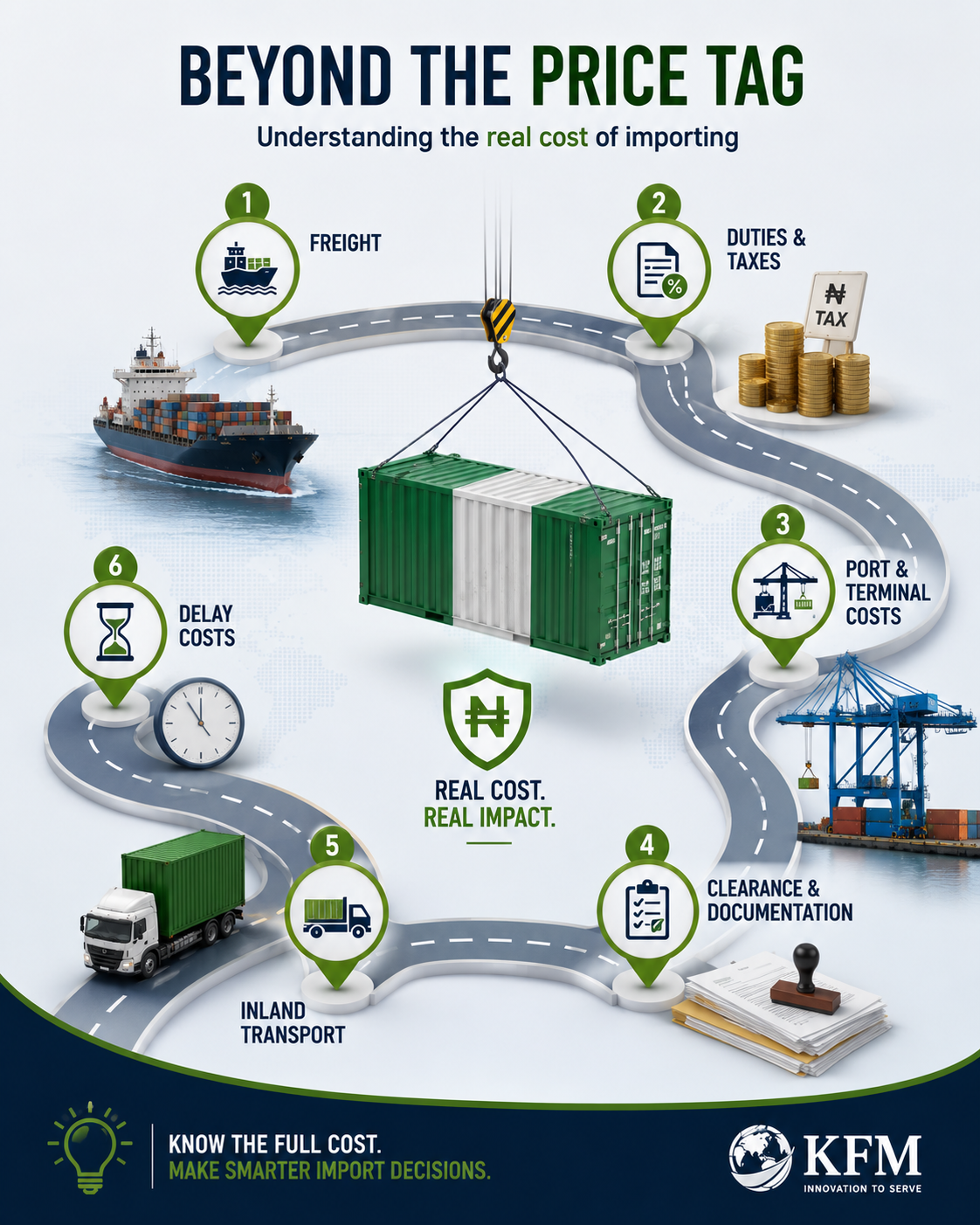
Exchange-rate movements can influence several parts of the import process, not just the cost of purchasing goods.
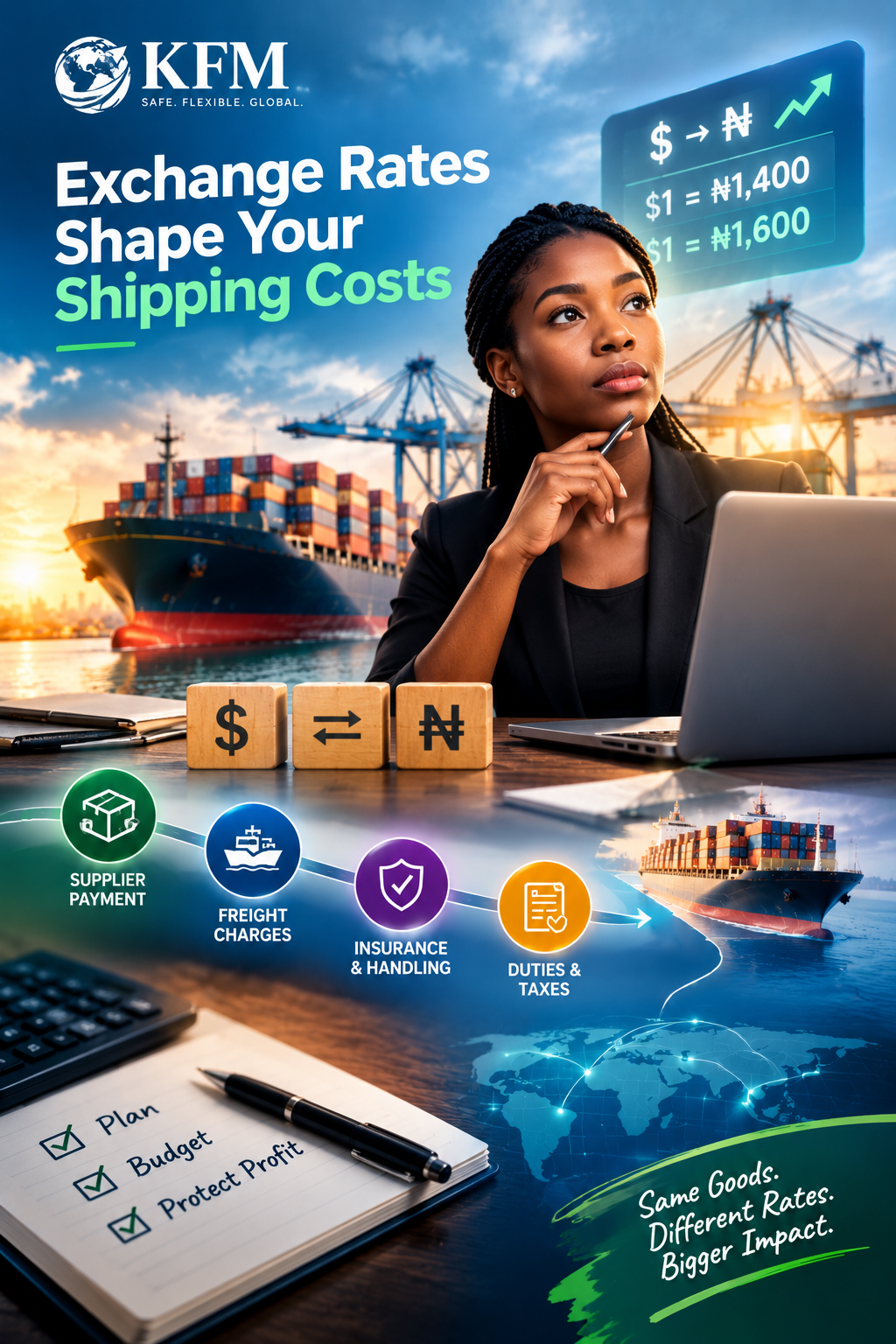
1. The Cost of Paying Overseas Suppliers
Many international suppliers quote prices in currencies such as the US dollar, although the currency depends on the supplier and the transaction.
If your supplier invoices you in dollars and the naira weakens before you make payment, you may need more naira to purchase the same amount of foreign currency.
For businesses operating on tight margins, this difference can significantly affect profitability.
2. International Freight Charges
International freight rates may be quoted in foreign currencies, depending on the route, carrier, service, and shipping agreement.
If your freight charges are denominated in US dollars, changes in the naira-dollar exchange rate can affect how much you ultimately pay in naira.
Even when the freight rate itself remains unchanged, the naira equivalent may increase.
In other words, a stable freight rate does not always mean a stable shipping cost in your local currency.
3. Insurance, Handling, and Other Logistics Expenses
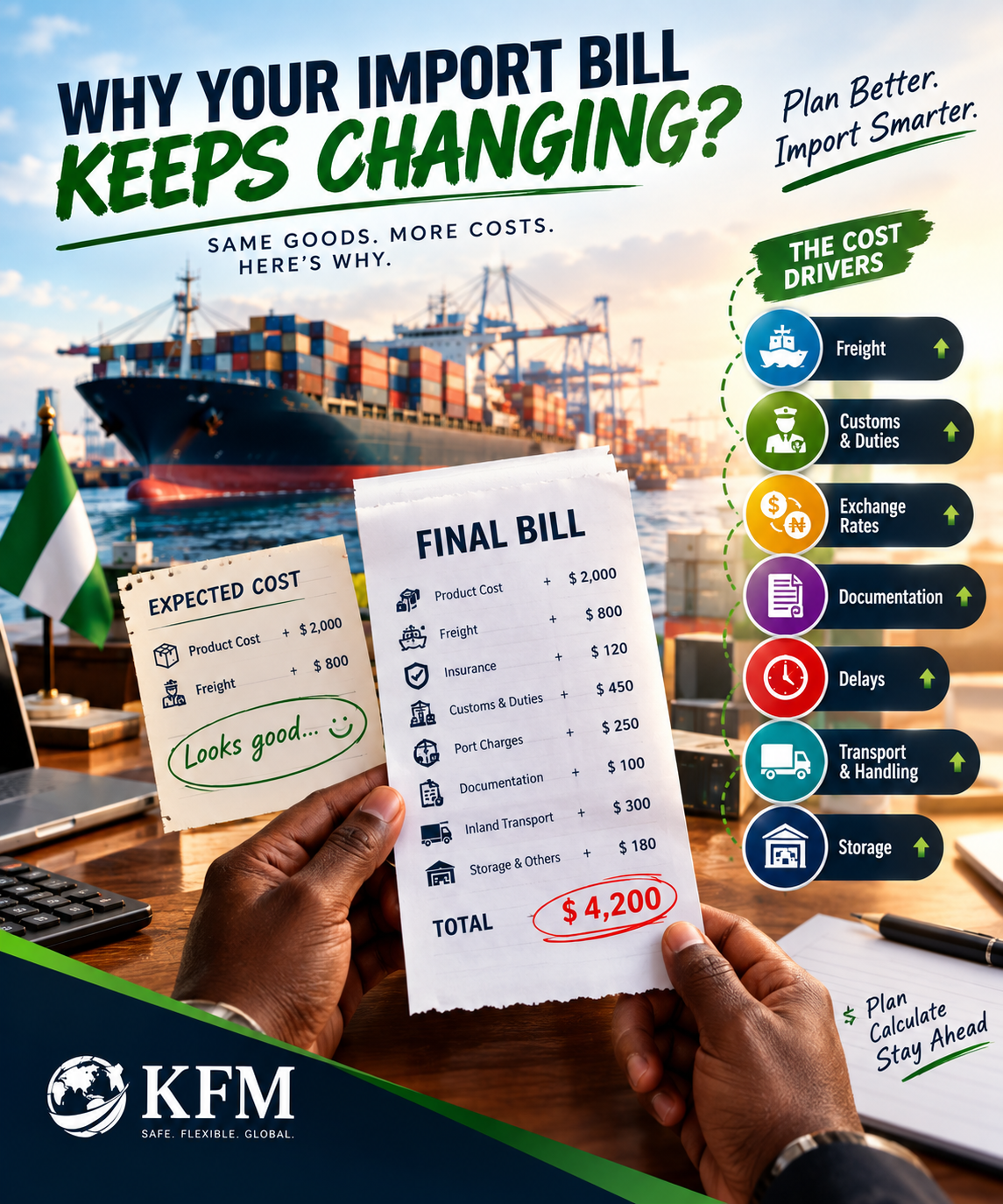
Depending on your shipment, certain insurance premiums, handling services, documentation services, or other logistics charges may also be quoted in foreign currencies.
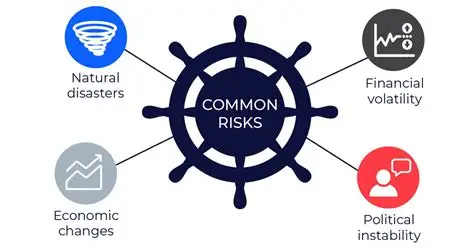
When several foreign-currency expenses are involved, exchange-rate movements can have a cumulative effect on your overall import budget.
That's why importers should examine the full quotation instead of focusing only on the freight charge.
4. Import Duties and Taxes
Exchange rates can also matter when customs values and applicable charges are determined.
In Nigeria, customs valuation and duty assessment follow the applicable customs rules, including the prescribed exchange-rate arrangements where relevant.
This means importers should not assume that the exchange rate used for a personal bank transfer or supplier payment will automatically be the rate applicable to customs assessment.
Confirm the applicable customs valuation rules and rate for your shipment before calculating your final import costs.
5. Your Profit Margin and Selling Price 📉
Here's where the impact becomes particularly important for business owners.
Imagine importing products with an expected total cost of ₦10 million and planning to sell them for ₦12 million.
Your projected difference is ₦2 million before other business expenses.
Now imagine exchange-rate movements increase your import costs by ₦800,000 before the goods arrive.
If your selling price remains unchanged, your projected difference falls to ₦1.2 million.
That's a substantial reduction in your expected margin.
This is why importers who ignore currency movements may discover that a shipment that looked profitable when ordered becomes less profitable by the time it arrives.
Why Nigerian Importers Should Pay Attention
For businesses importing goods into Nigeria, exchange-rate movements can influence:
- Working capital requirements
- Supplier payment budgets
- International freight expenses
- Total landed cost
- Inventory planning
- Product pricing and profit margins
The challenge is not simply that exchange rates change. It's that importers often make financial commitments before knowing exactly how much their foreign-currency obligations will cost in naira when payment becomes due.
Without proper planning, even a small movement can create cash-flow pressure.
What Can Importers Do About It? 🛡️
Although businesses cannot control the foreign-exchange market, they can take practical steps to manage their exposure.
- Prepare a realistic budget: Estimate the full cost of the shipment, including foreign-currency expenses and applicable charges.
- Request clear quotations: Confirm the currency of each charge, how long the quotation remains valid, and which costs may change.
- Understand payment timelines: Know when supplier, freight, and other payments are due.
- Allow for currency fluctuations: Include a reasonable contingency in your import budget.
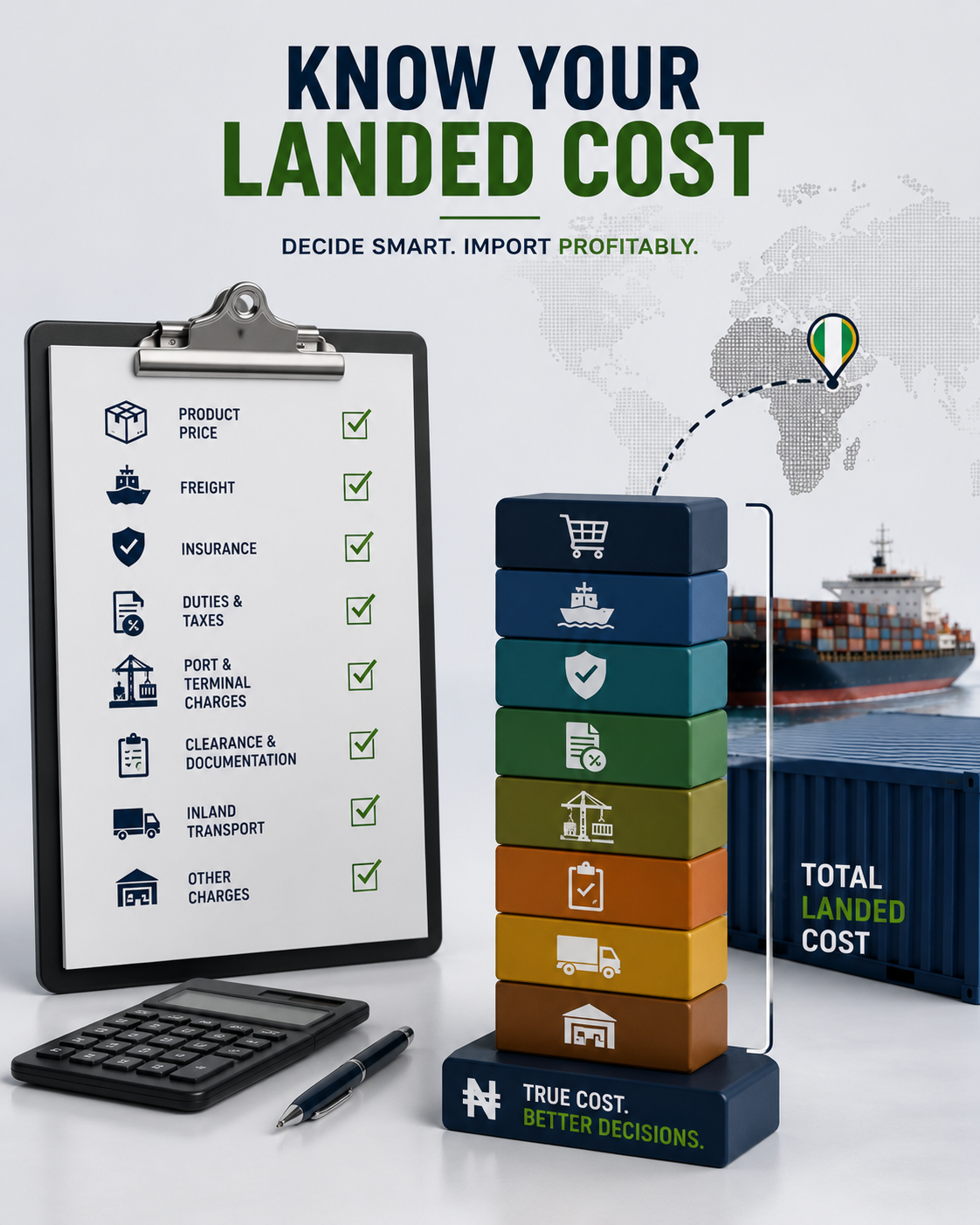
- Calculate landed cost carefully: Review the total cost of getting goods to their final destination before setting your selling price.
- Monitor your exposure: Keep track of outstanding foreign-currency payments and seek professional financial advice when appropriate.
These measures will not eliminate currency risk, but they can help you make more informed decisions and avoid unnecessary surprises.
The KFM Perspective
At KFM, we understand that successful international shipping involves more than moving cargo from one country to another.
It also requires understanding the financial factors that influence the journey — including exchange rates, freight quotations, applicable charges, and the total cost of bringing goods into Nigeria.
A shipment may be physically on schedule and handled correctly, yet currency movements can still affect the financial outcome.
That's why we encourage importers to look beyond the shipping price and consider the bigger picture.
Don't just plan how your goods will arrive. Plan how much they will truly cost you.
KFM — Safe. Flexible. Global.
Coming Up in Post 2 📦
Next, we'll explore how a change in the exchange rate can increase your total landed cost — with a practical example showing how import expenses can add up and affect your business profit.