It's not just the exchange rate that matters. When you pay can matter too.
Imagine you're importing goods worth $10,000 into Nigeria.
You've agreed on the price with your supplier, received your freight quotation, and calculated your expected profit.
But there's one thing you haven't considered carefully enough: when you'll actually make your payments.
Your supplier may require payment before production. Your freight provider may request payment closer to shipment. Other expenses may become due when your cargo arrives.
If the exchange rate changes between those payment dates, the naira amount you need could change too.
That means two importers buying similar goods at the same price may end up with different costs simply because their payment arrangements and timing differ.
Let's explore why this happens and how Nigerian importers can plan more effectively.
1. Your Purchase Price Is Not Always Your Final Naira Cost 💰
When a supplier quotes $10,000, that figure tells you the foreign-currency price of the goods. It doesn't tell you exactly how many naira you'll need when payment becomes due.
Consider this hypothetical example:
- Supplier invoice: $10,000
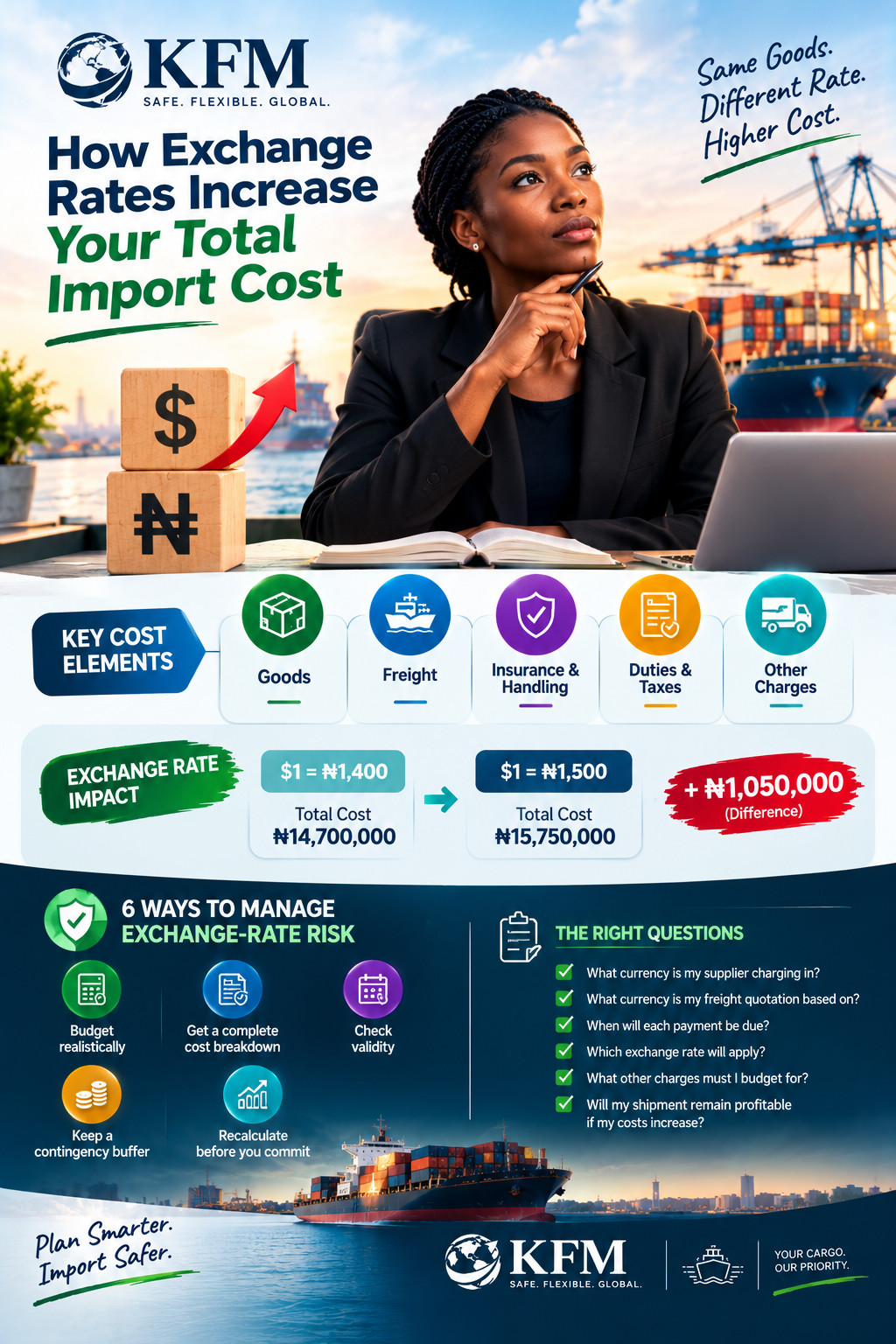
- Exchange rate when budgeting: $1 = ₦1,400
- Expected naira cost: ₦14,000,000
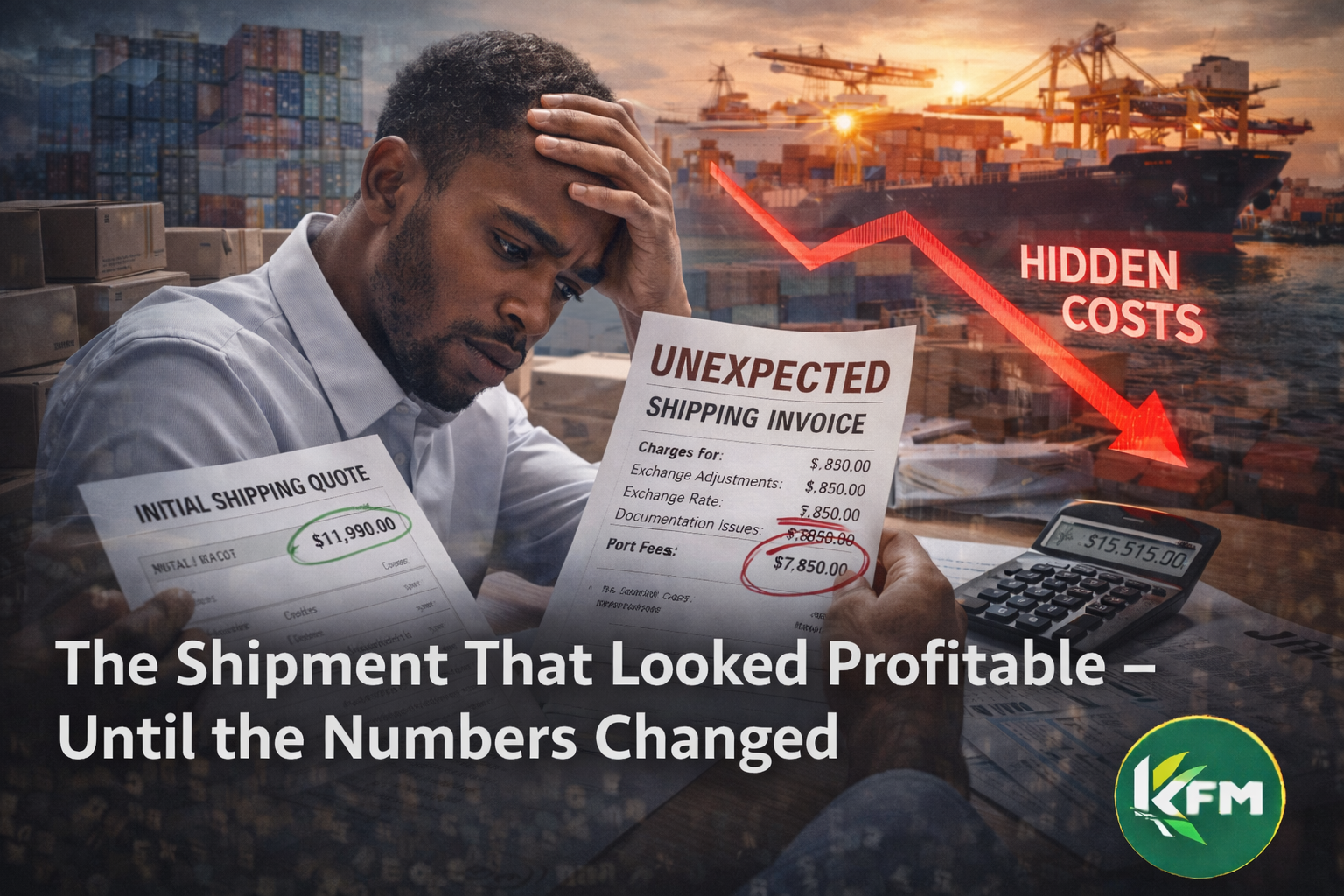
Now imagine the applicable rate when you make payment is ₦1,500 per dollar.
- Supplier invoice: $10,000
- Applicable payment rate: $1 = ₦1,500
- Actual naira equivalent: ₦15,000,000
That's a difference of ₦1,000,000, even though the supplier charged exactly the same price.
These rates are illustrative only. Your actual cost will depend on the rate available for your transaction, payment fees, and applicable arrangements.
The lesson: don't confuse the price you've agreed to pay with the naira amount you'll ultimately need.
2. Multiple Payment Dates Can Create Multiple Exchange-Rate Exposures 📅
International shipments rarely involve just one financial commitment.
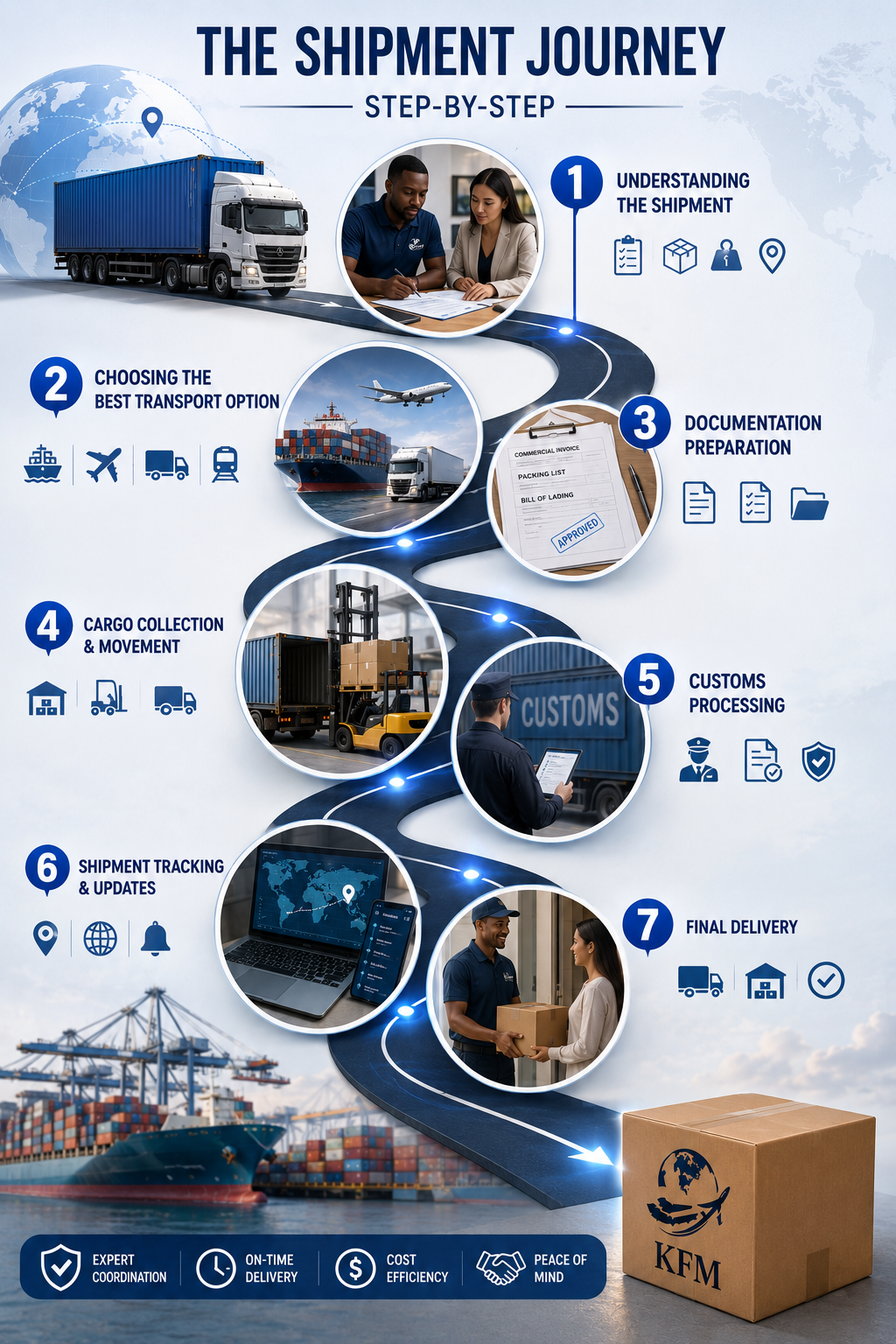
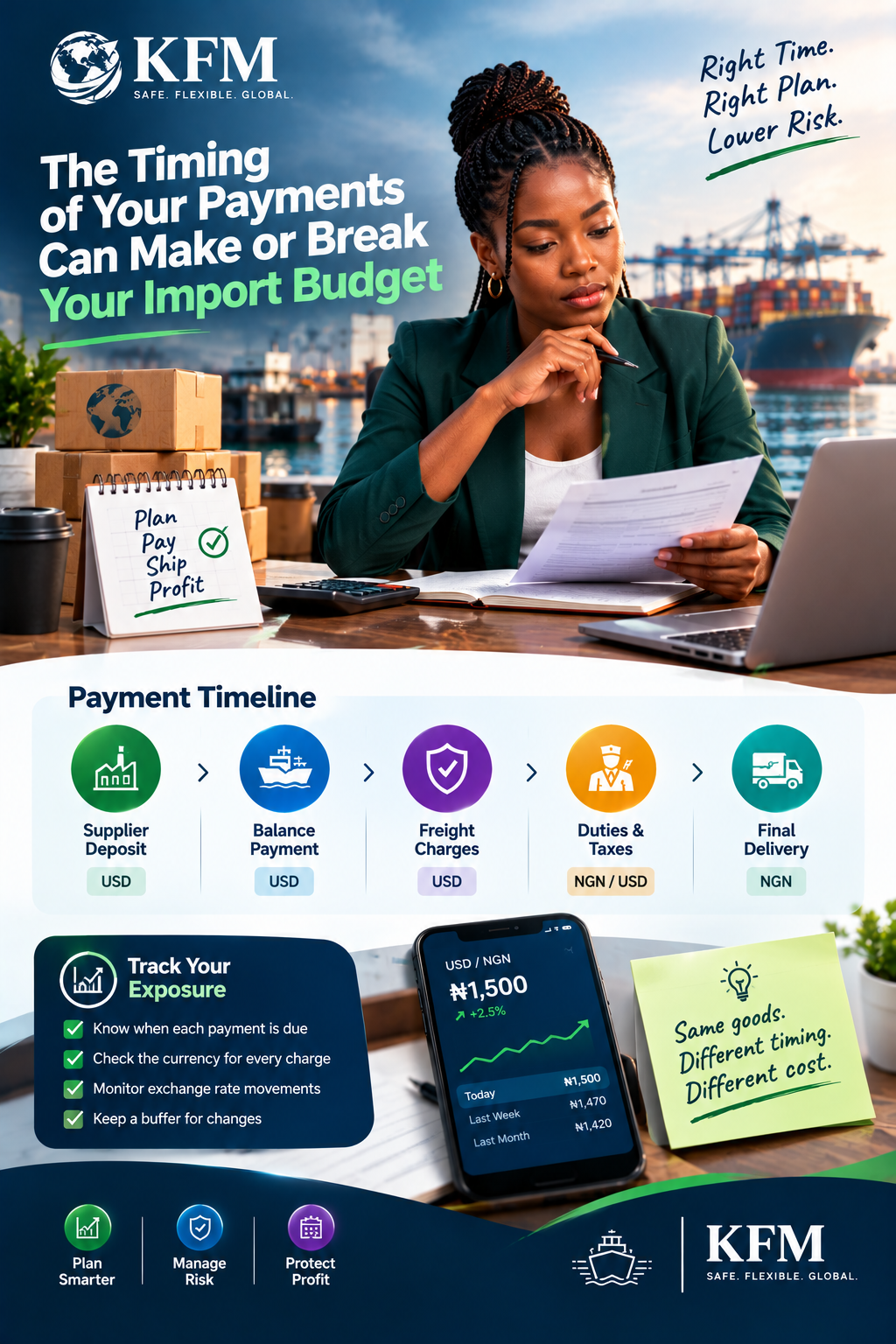
Depending on your supplier agreement and logistics arrangements, your payments might be spread across several stages:
- Before production: An initial supplier deposit.
- Before dispatch: The remaining supplier balance.
- During shipping arrangements: International freight or related charges.
- During clearance: Applicable duties, taxes, terminal charges, and other expenses.
- Before final delivery: Inland transportation and any remaining service charges.
Not every payment will be in foreign currency. Some may be denominated in naira, and their amounts may follow different pricing arrangements.
However, when foreign-currency payments fall on different dates, each payment may be exposed to a different exchange rate.
This makes it important to track not only how much you owe, but also when you need to pay it.
3. A Delay Can Change Your Financial Position ⏳
Suppose your supplier is ready to dispatch your goods, but an unexpected issue pushes your payment or shipping arrangements back.
If you still have foreign-currency obligations outstanding, the exchange rate available when you eventually pay may differ from the rate you used in your original budget.
This does not mean every delay will make your shipment more expensive. Exchange rates can move in either direction.
But when the naira weakens against the currency you need, an outstanding payment can cost more in naira than expected.
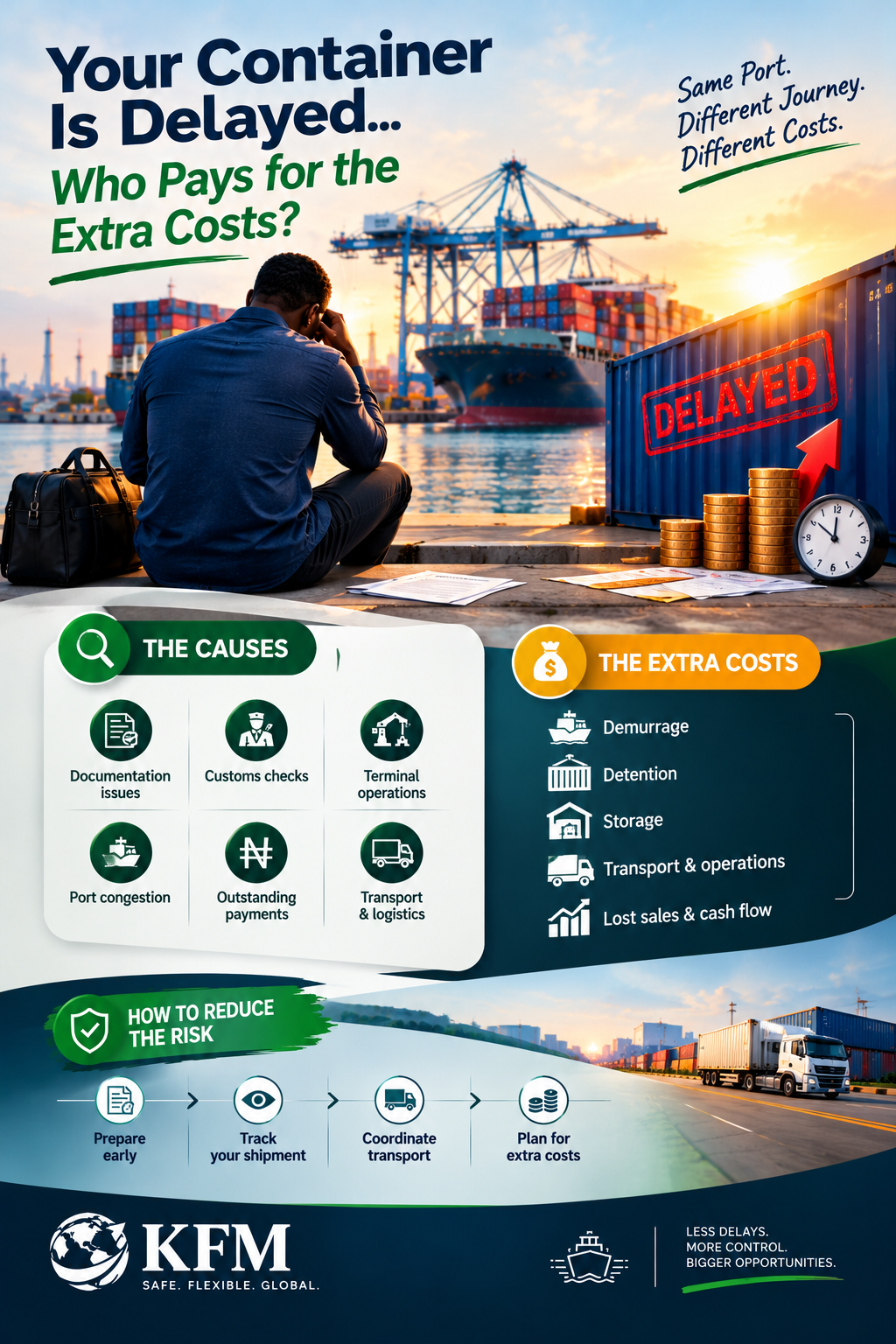
And if the delay also creates additional storage, detention, demurrage, or rescheduling expenses, your overall budget may come under even greater pressure.
One shipment can face both currency risk and logistics-cost risk at the same time.
4. Should You Pay Everything Early to Avoid Exchange-Rate Changes?
Not necessarily.
Paying earlier may reduce your exposure to future exchange-rate movements on the amount paid, depending on how the transaction is funded and settled.
But early payment also has trade-offs:
- Your working capital becomes tied up sooner.
- You may have less cash available for other business expenses.
- You take on supplier-performance and delivery risks earlier.
- You may miss a more favourable exchange rate if the market subsequently moves in your favour.
On the other hand, waiting to pay may preserve cash temporarily but leave you exposed to an unfavourable exchange-rate movement.
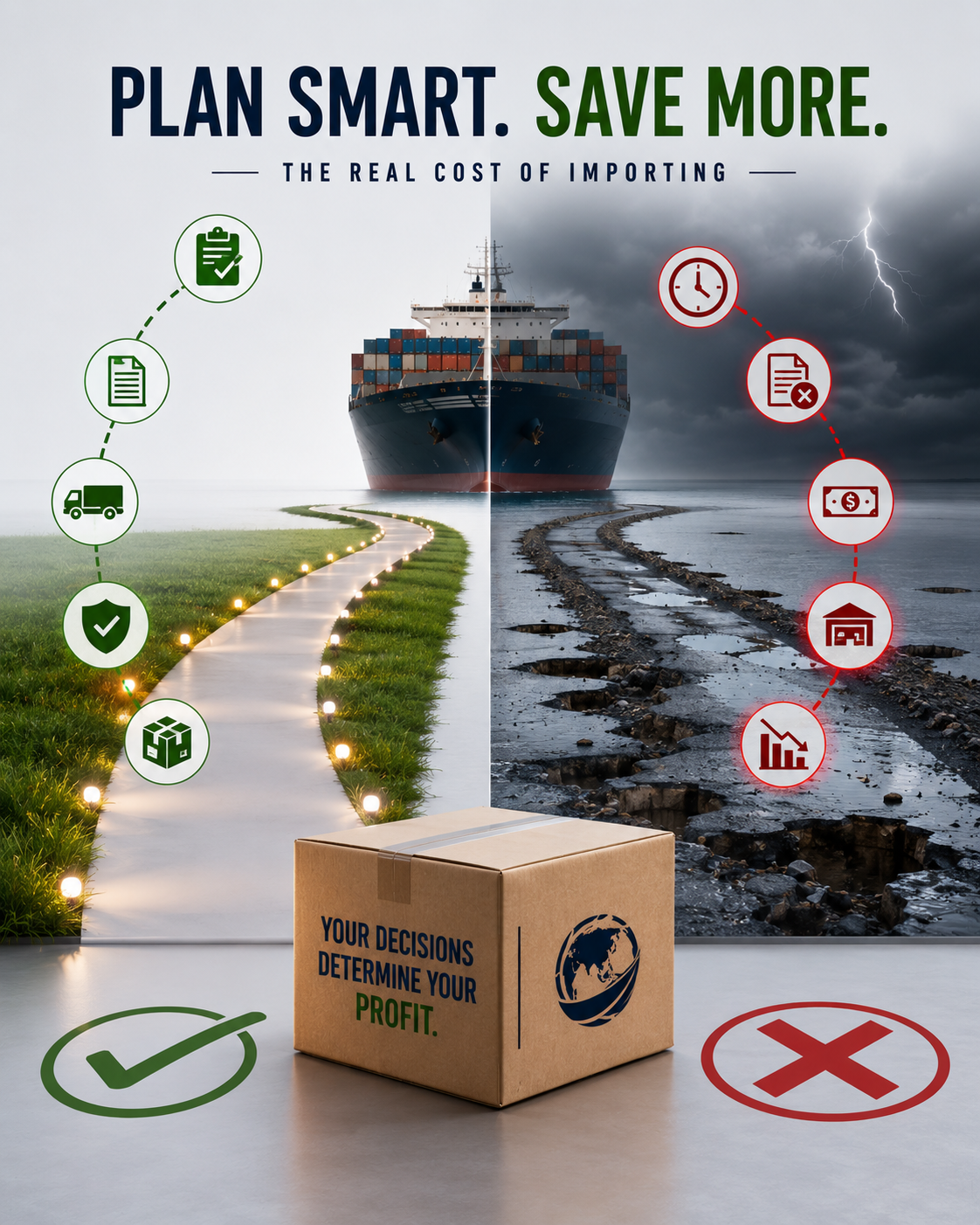
The best approach depends on your cash flow, supplier terms, shipment timeline, risk tolerance, and available payment options.
Don't make payment decisions based on exchange-rate predictions alone. Consider the entire business transaction.
5. Build a Payment Timeline Before You Ship 🗂️
One practical way to manage uncertainty is to map out your expected payment obligations before committing to the shipment.
Create a simple schedule showing:
- The amount due at each stage.
- The currency in which each amount must be paid.
- The expected payment date.
- The exchange rate used in your budget.
- The available funds needed to settle the payment.
- Any charges that could change before payment.
This gives you a clearer view of when you'll need naira, when you'll need foreign currency, and where your biggest exposures lie.
It also helps you identify cash-flow gaps before they become urgent problems.
6. Five Practical Ways to Manage Payment Timing Risk 🛡️
- Agree on clear supplier payment terms. Understand deposit requirements, balance-payment deadlines, and the conditions for releasing your goods.
- Request clear freight-payment terms. Confirm the currency, payment deadline, quotation validity, and any conditions that could change the amount due.
- Track outstanding foreign-currency commitments. Maintain a record of what you owe, in which currency, and when payment is expected.
- Prepare more than one budget scenario. Calculate how your costs would change if the exchange rate moved against you or in your favour.
- Discuss risk-management options with qualified professionals. Depending on your circumstances, your bank or financial adviser may explain options such as forward contracts and their costs, terms, and risks.
These steps won't eliminate currency risk, but they can help you make better-informed decisions about your money.
7. Don't Forget the Landed Cost
A common mistake is focusing on the exchange rate for the supplier invoice while ignoring the rest of the shipment.
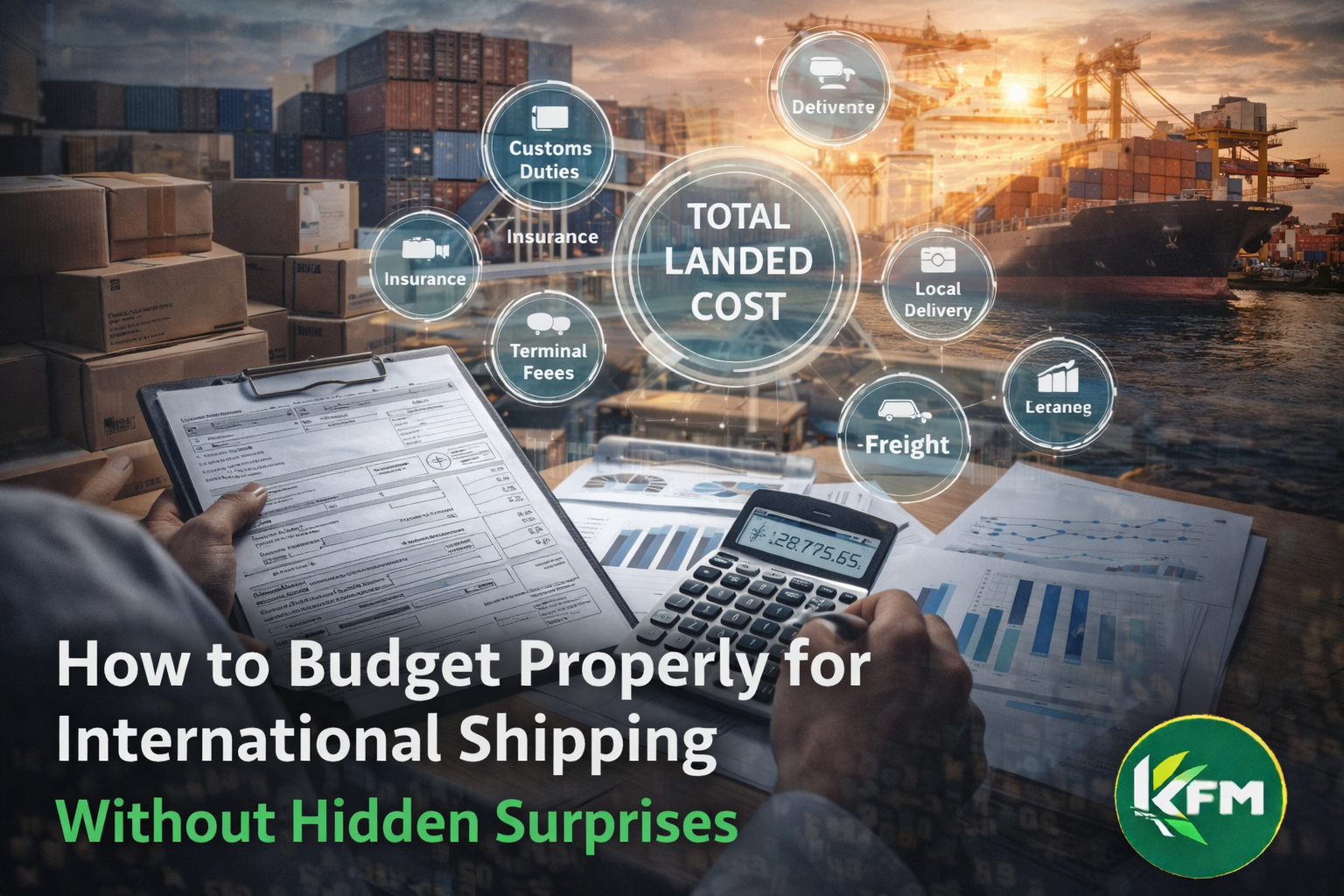
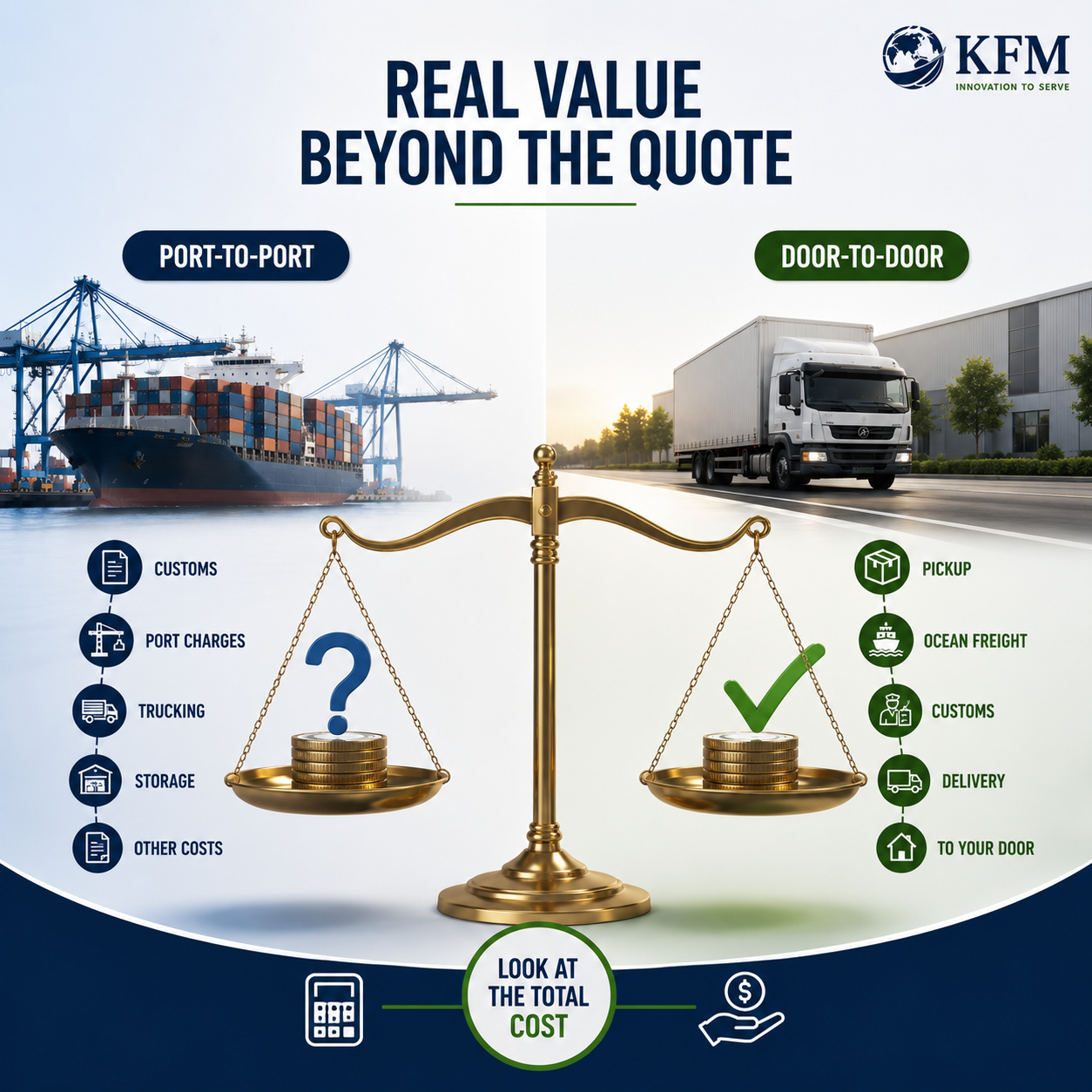
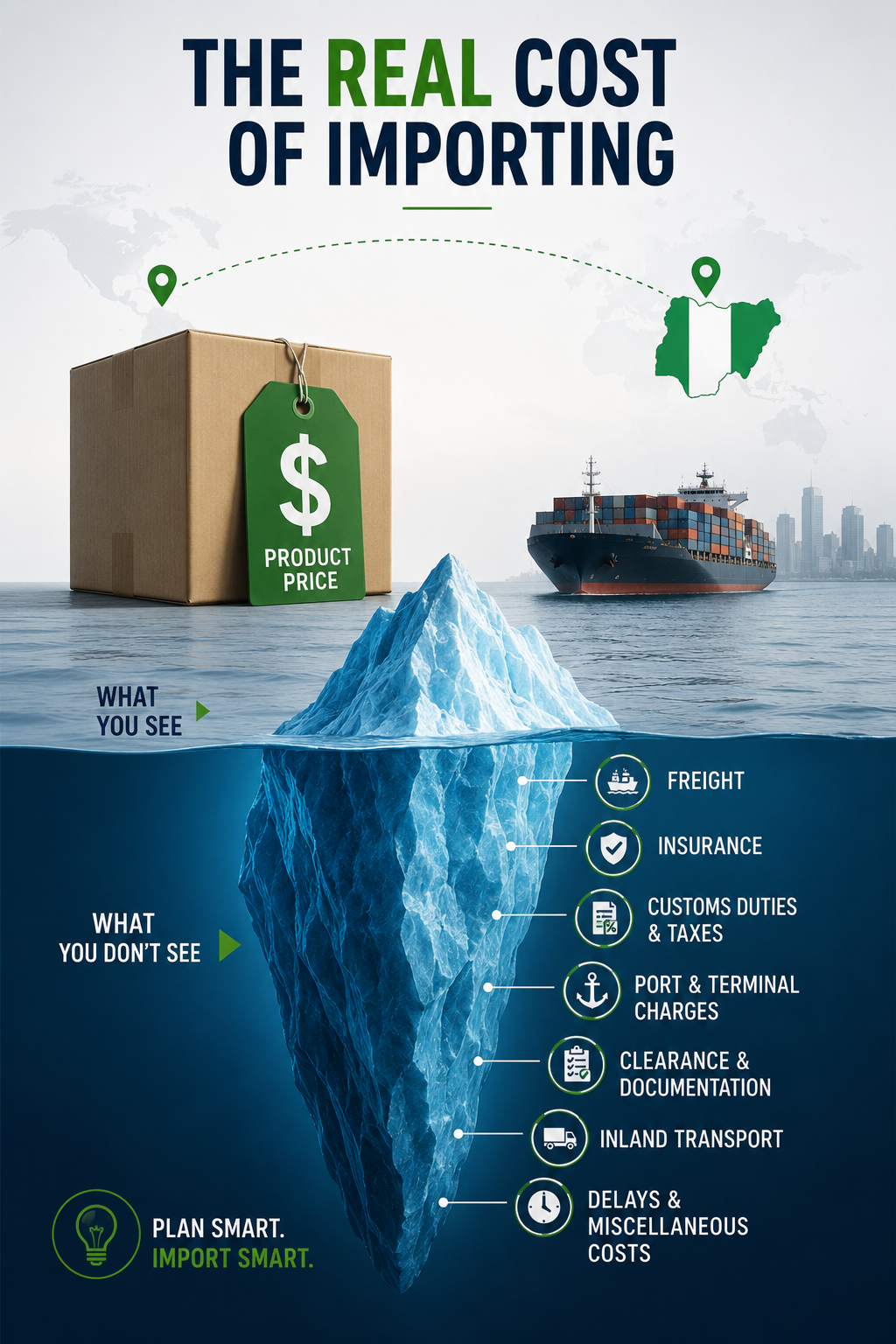
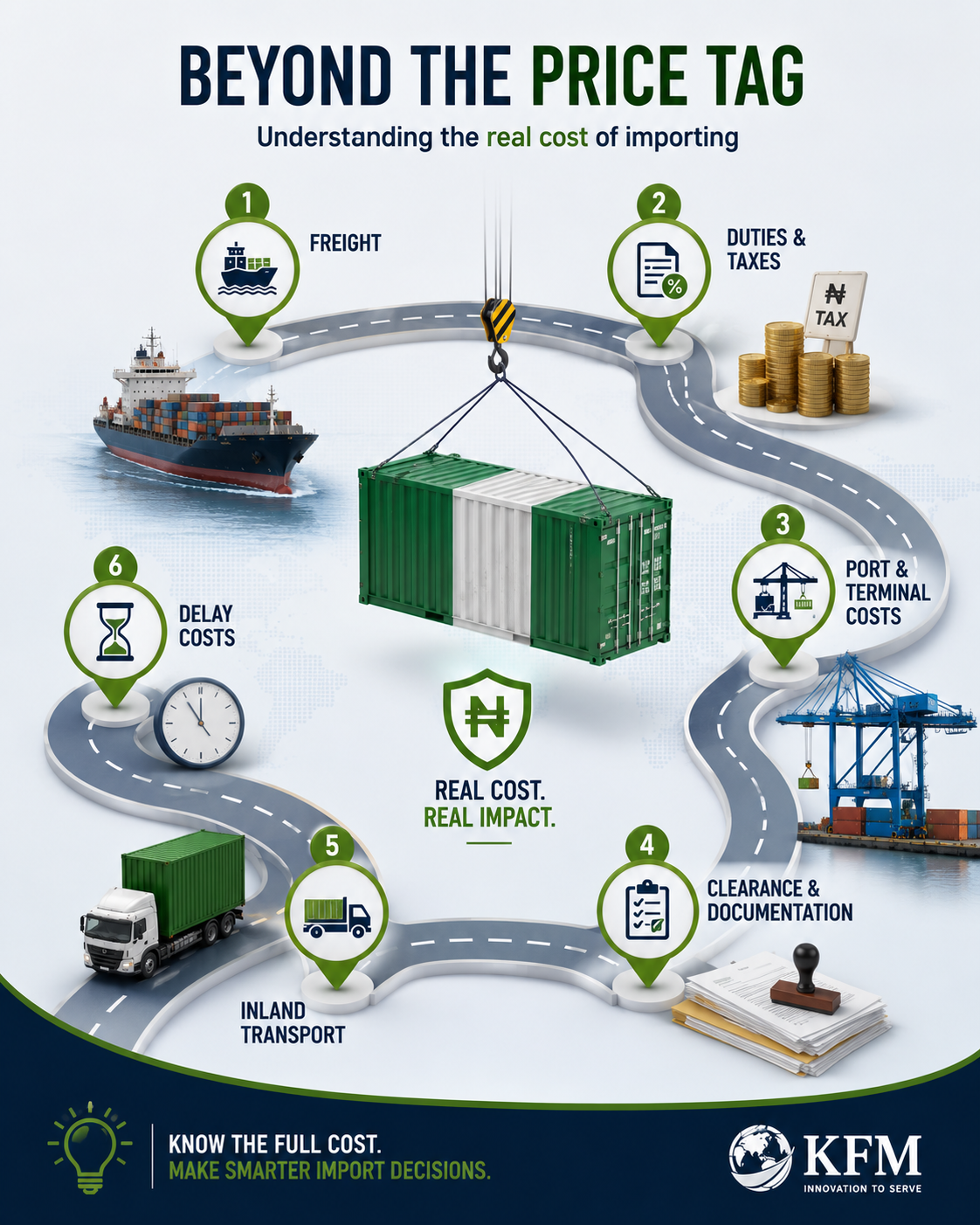
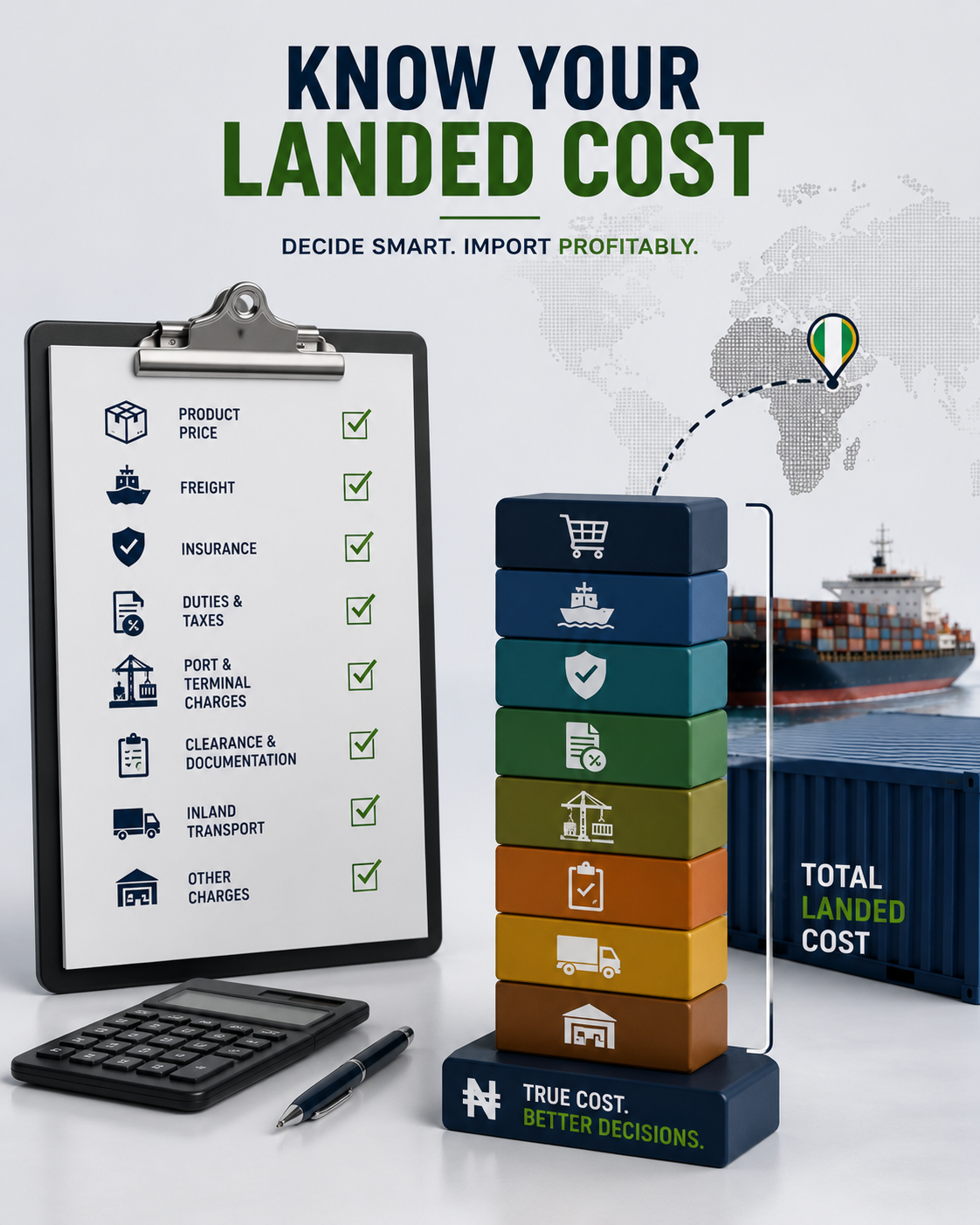
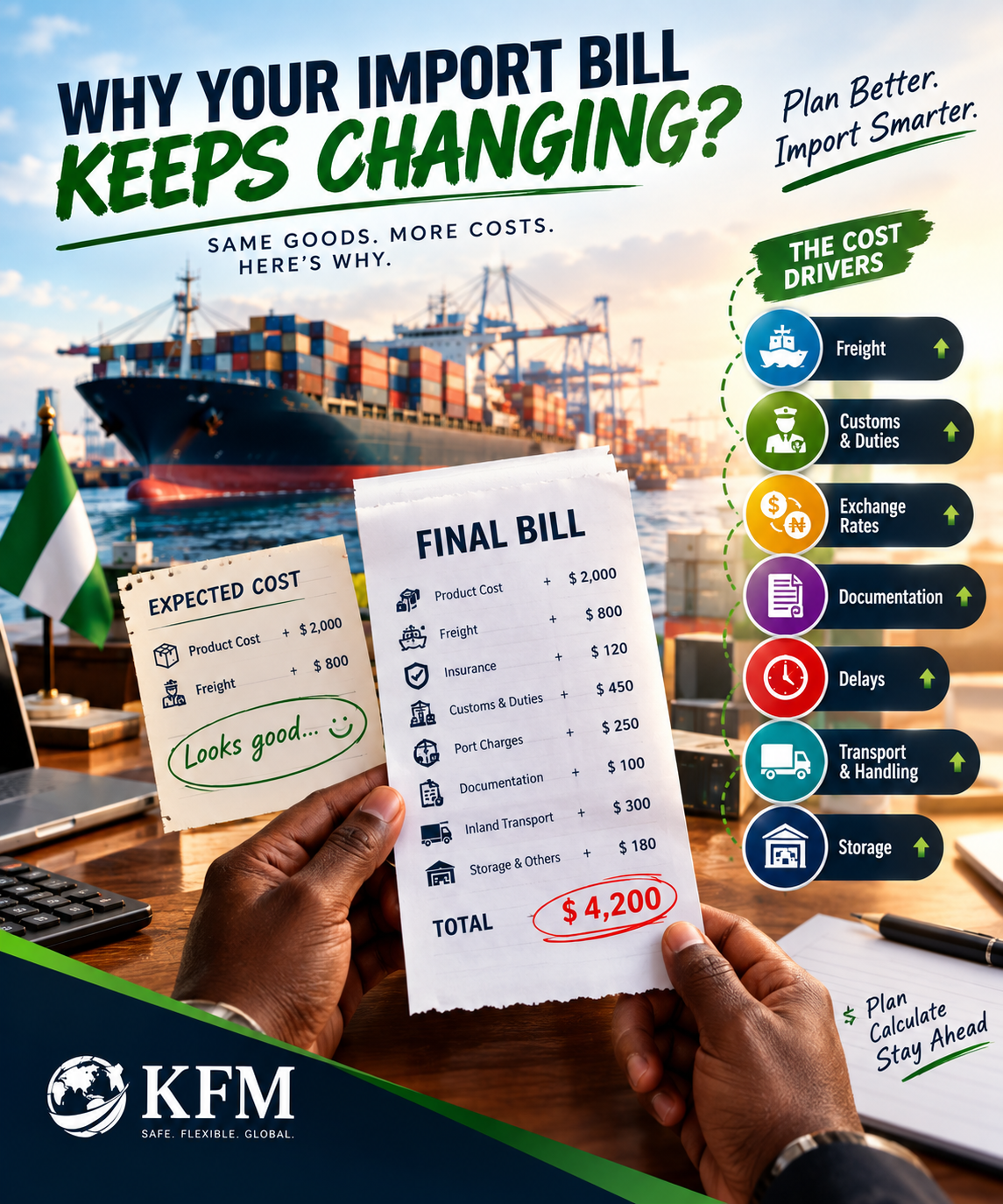
Your final landed cost may include the product price, international freight, insurance, applicable customs duties and taxes, port and terminal charges, clearance services, inland transport, and other relevant expenses.
Some charges may be fixed in naira, others may be quoted in foreign currency, and some may change for reasons unrelated to exchange rates.
Reviewing the full cost breakdown helps you distinguish currency-related changes from freight-rate changes, additional service charges, and other expenses.
Better cost visibility leads to better pricing and more realistic profit expectations.
The KFM Perspective
At KFM, we believe successful importing requires more than finding the right supplier and arranging transportation.
It also requires understanding how your financial commitments fit into the shipping timeline.
When you know what you owe, when it is due, and which currency applies, you can plan your cash flow more effectively and make decisions with greater confidence.
You cannot control every exchange-rate movement. But you can avoid being caught completely unprepared when the market changes.
Plan your payments. Understand your exposure. Protect your business.
KFM — Safe. Flexible. Global.
Coming Up in Post 4 📦
Next, we'll look at a question many importers ask:
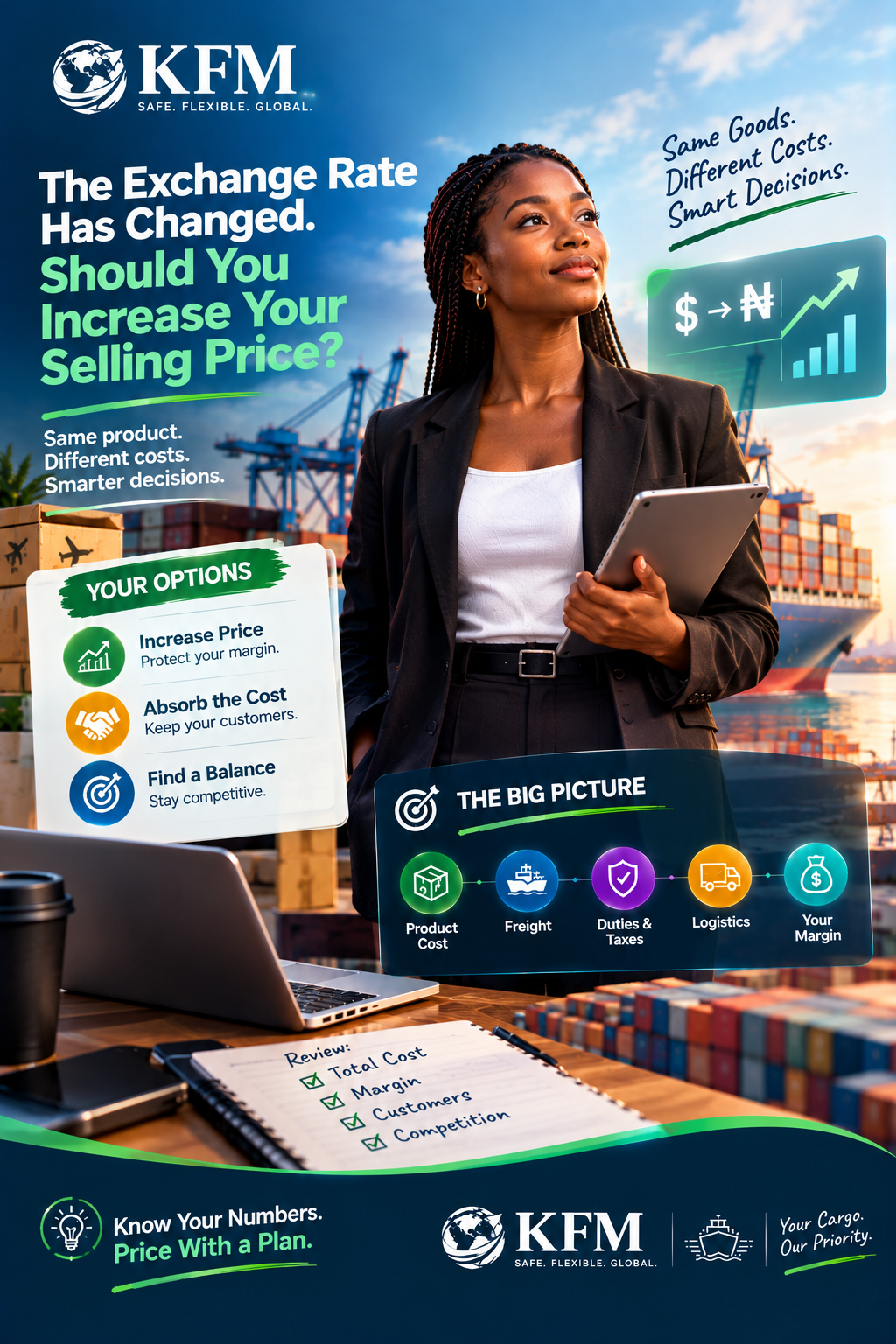
Should you adjust your selling prices when exchange rates rise, or absorb the extra cost to stay competitive?
We'll explore how to balance profit margins, customer expectations, and business growth when import costs become unpredictable.