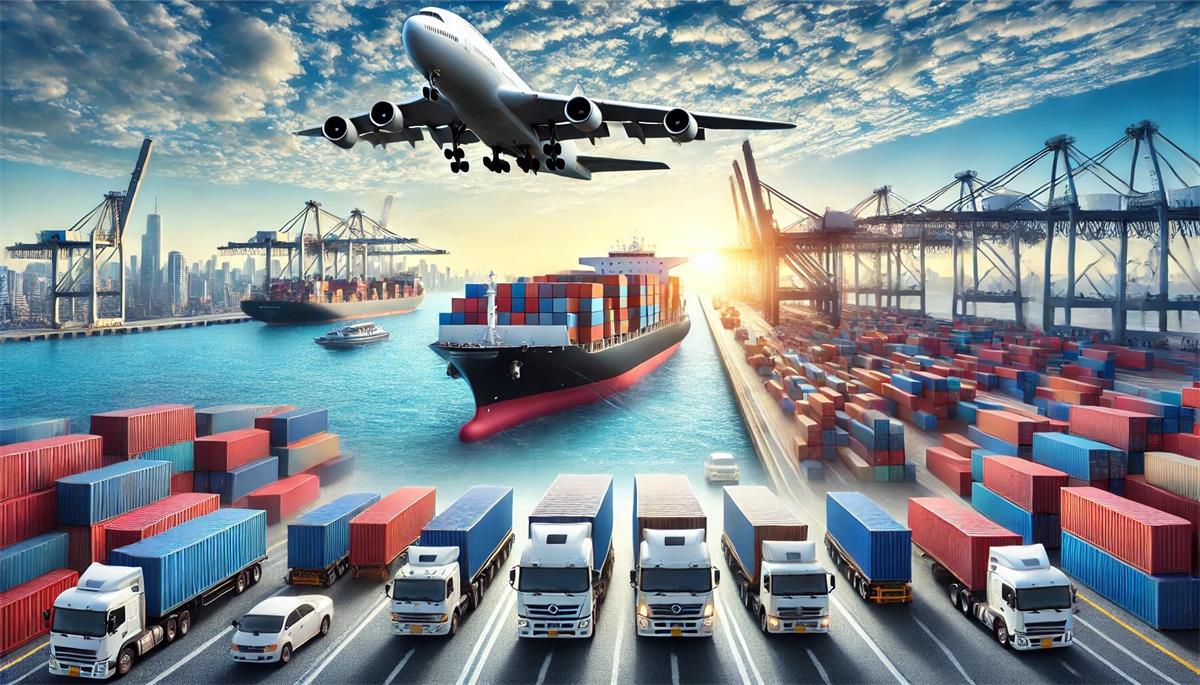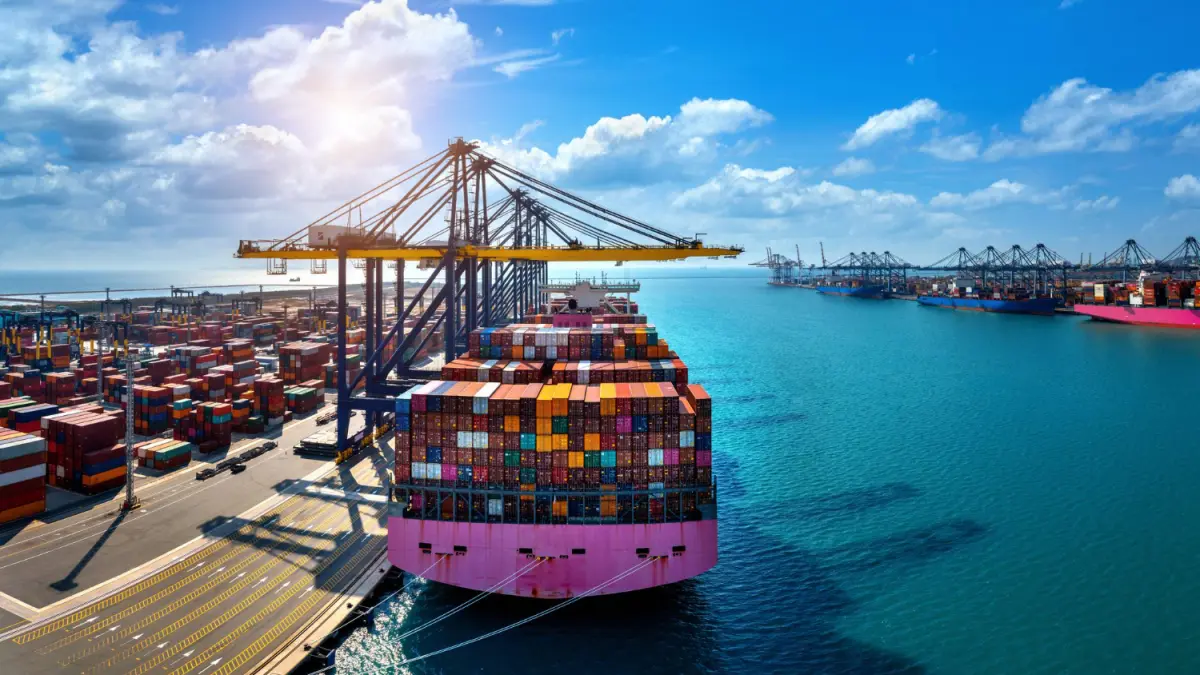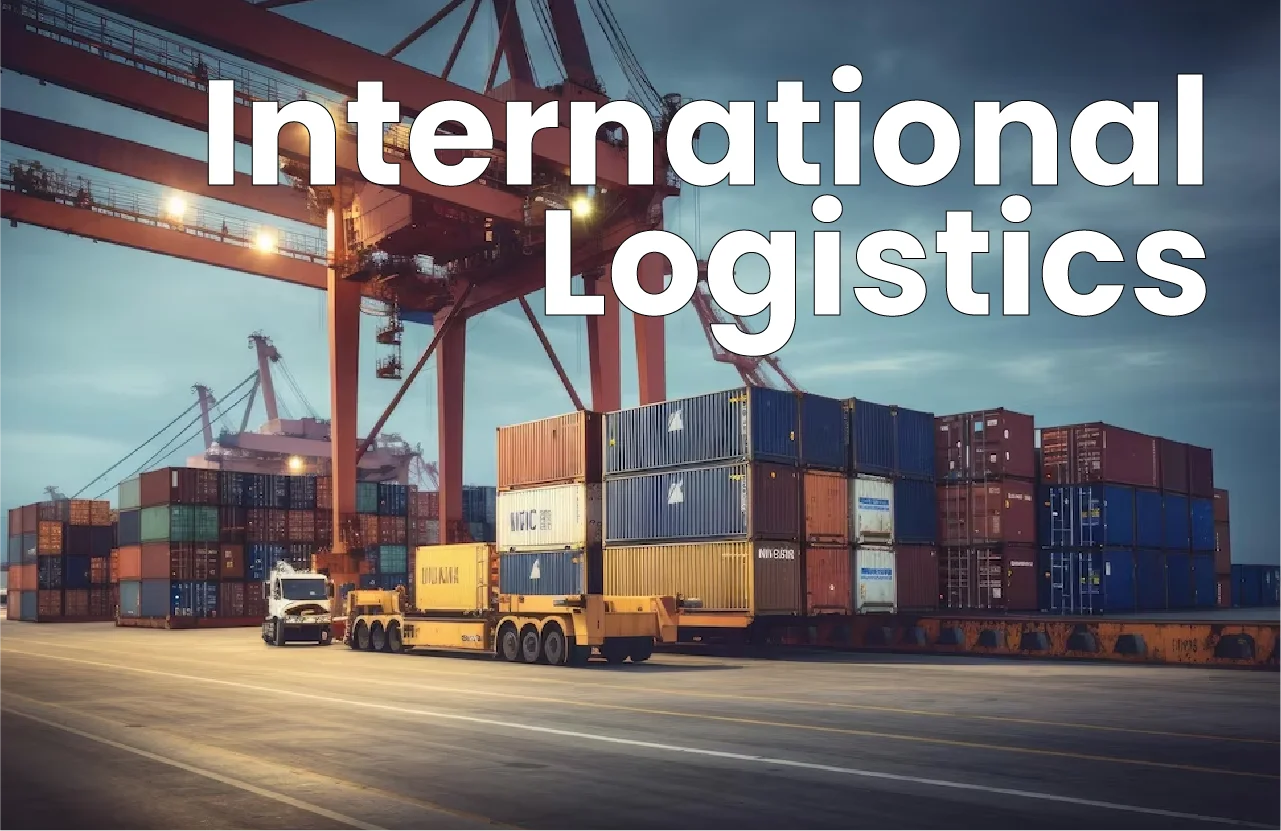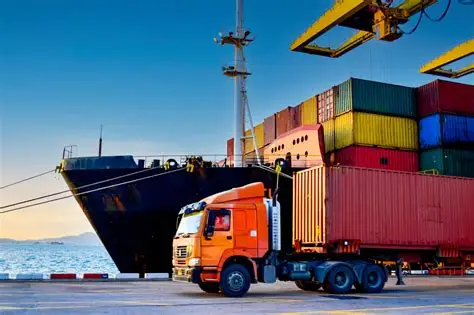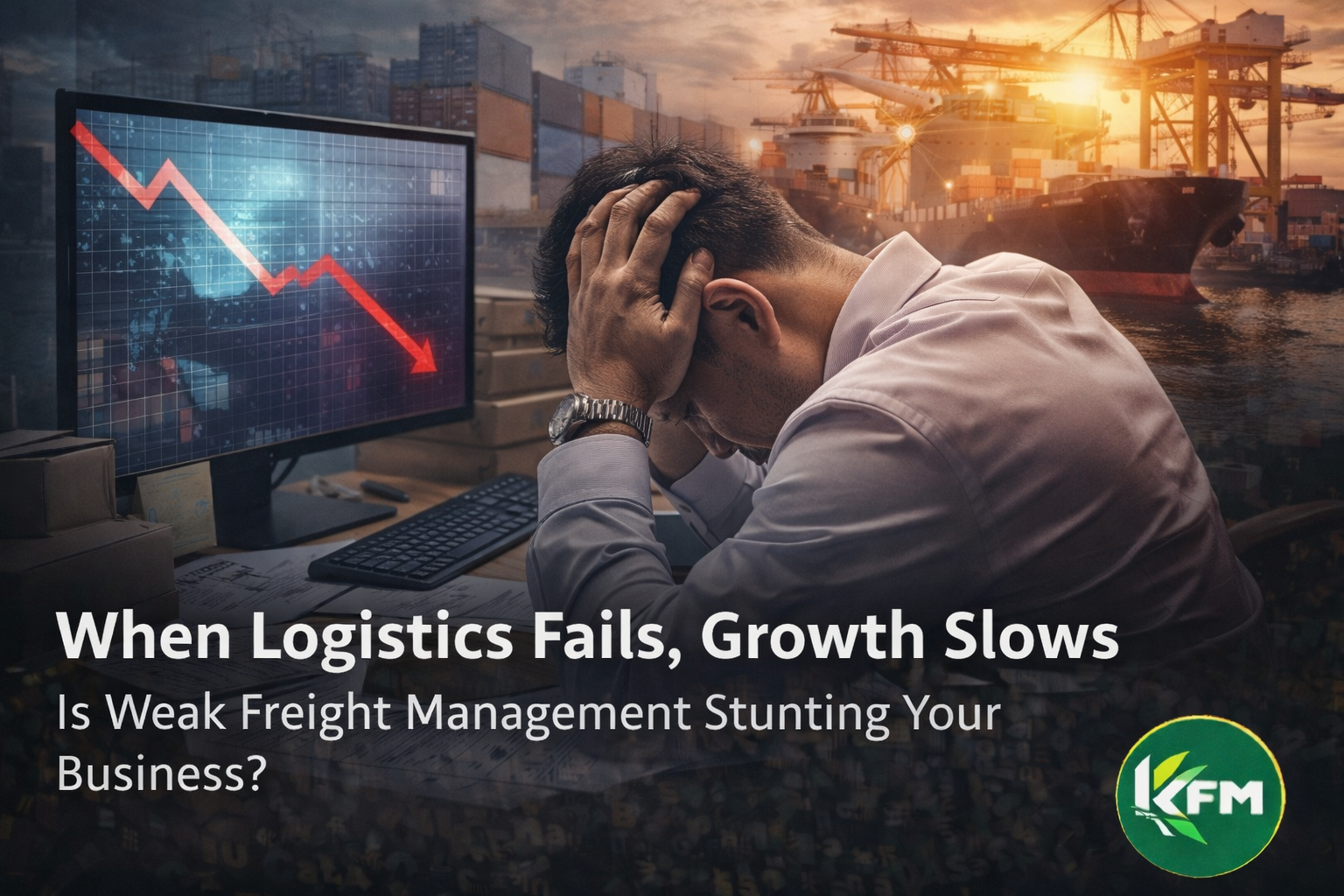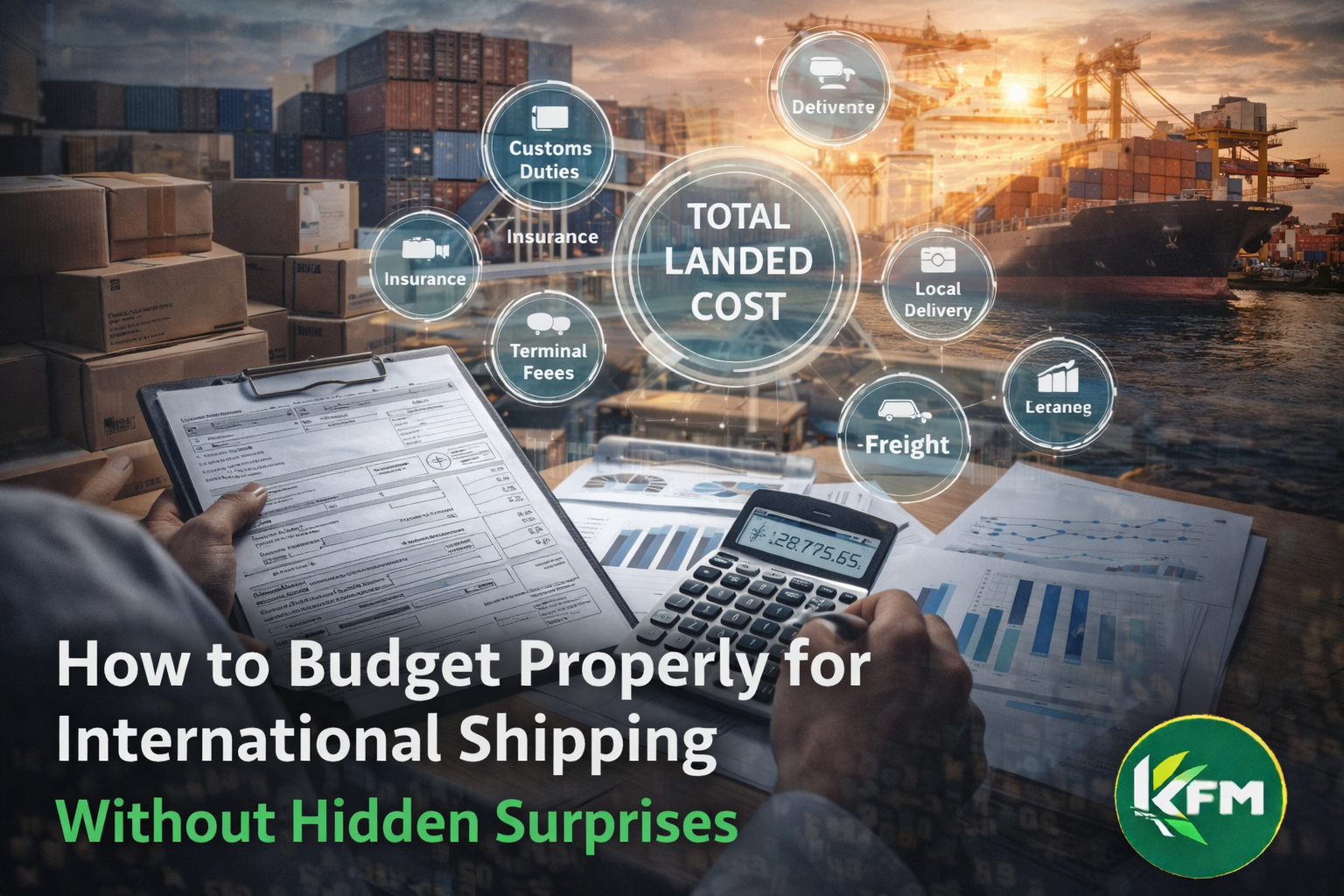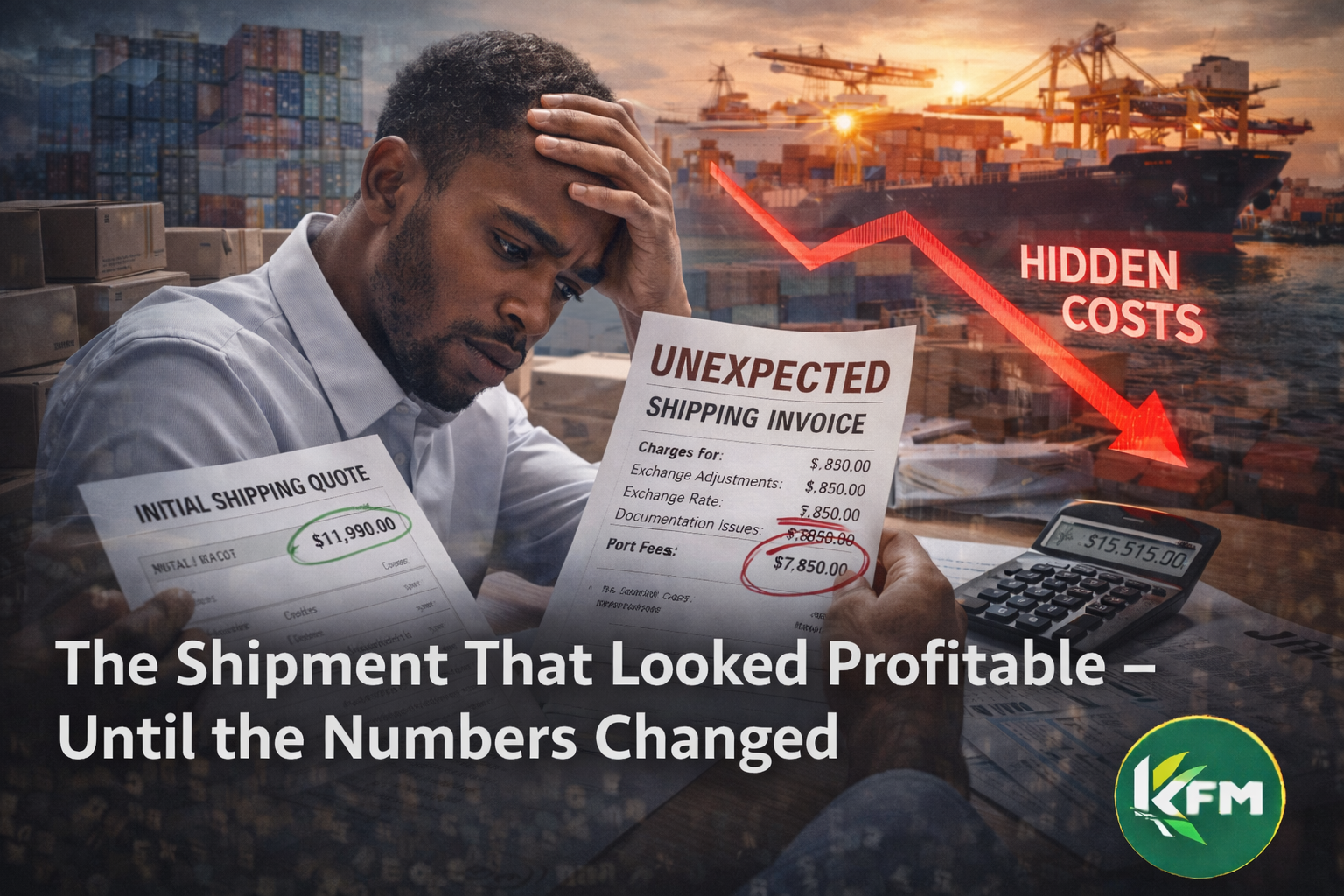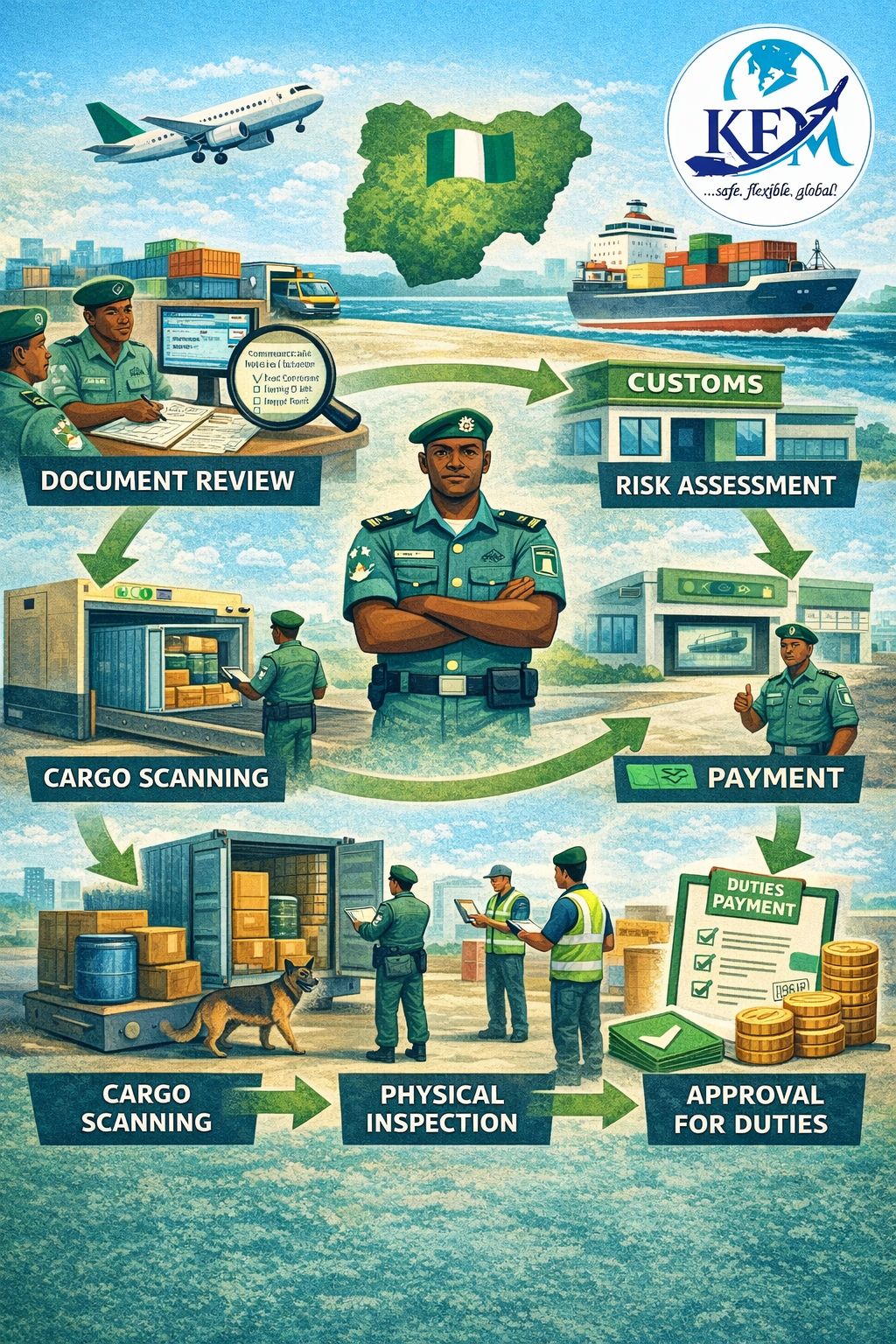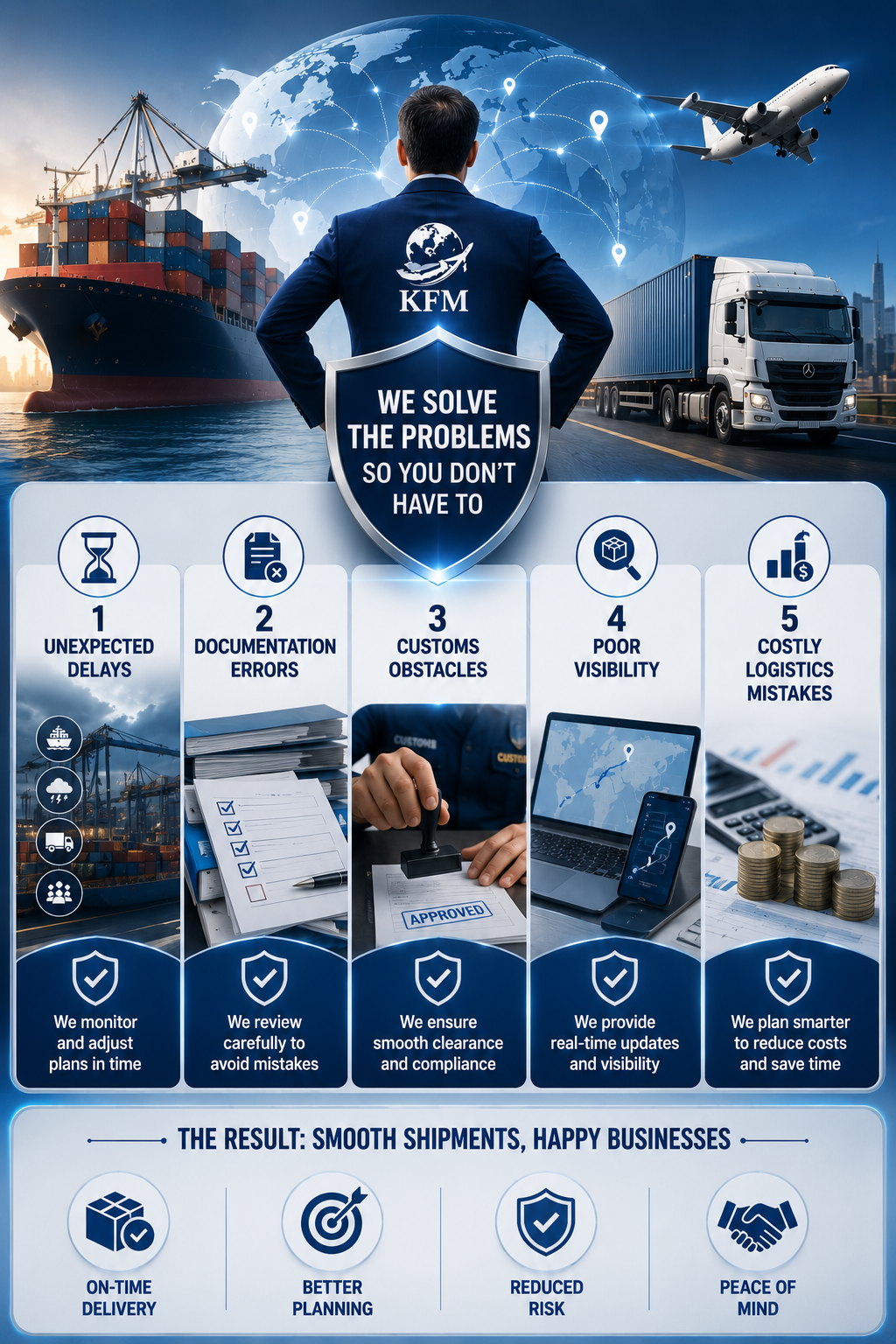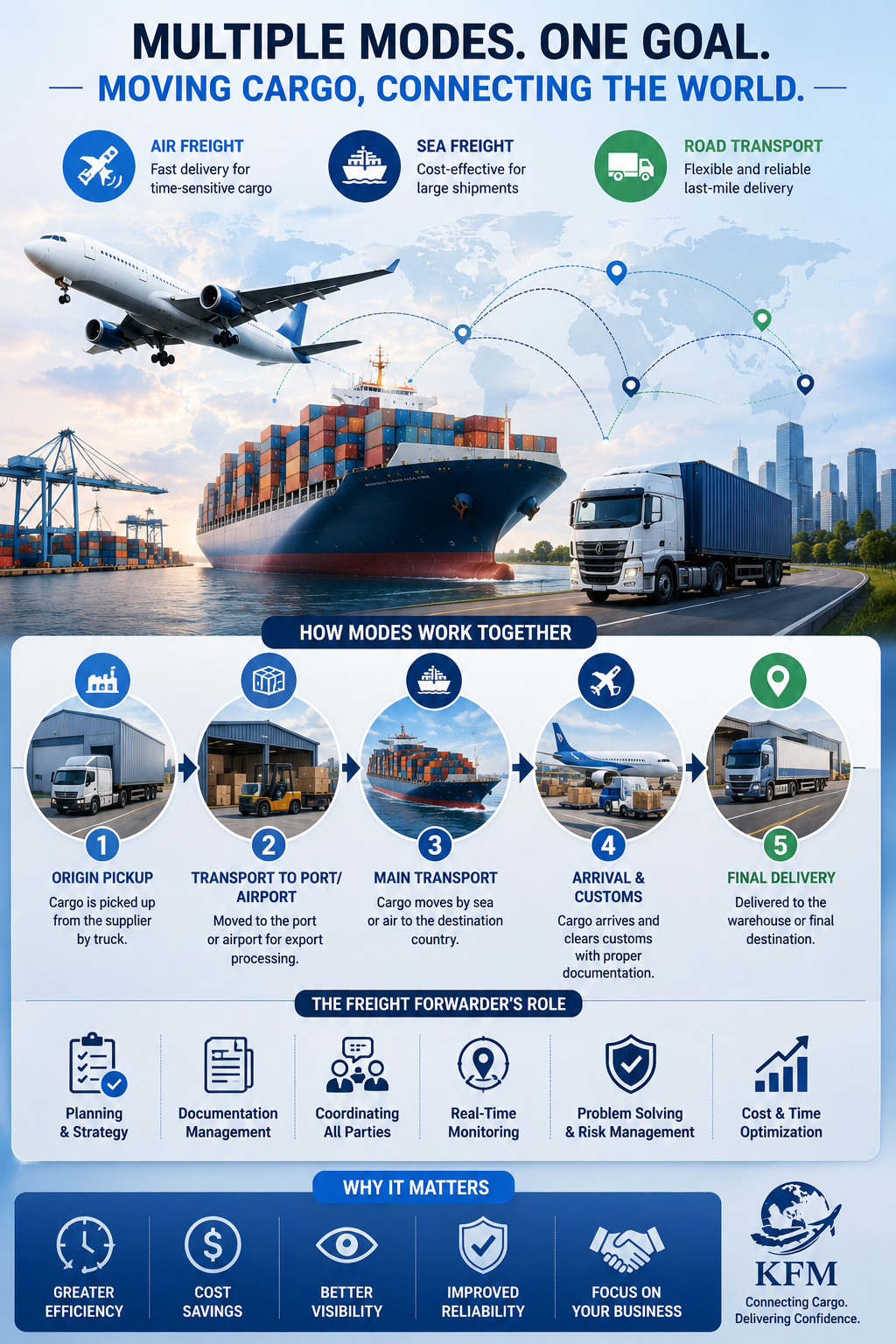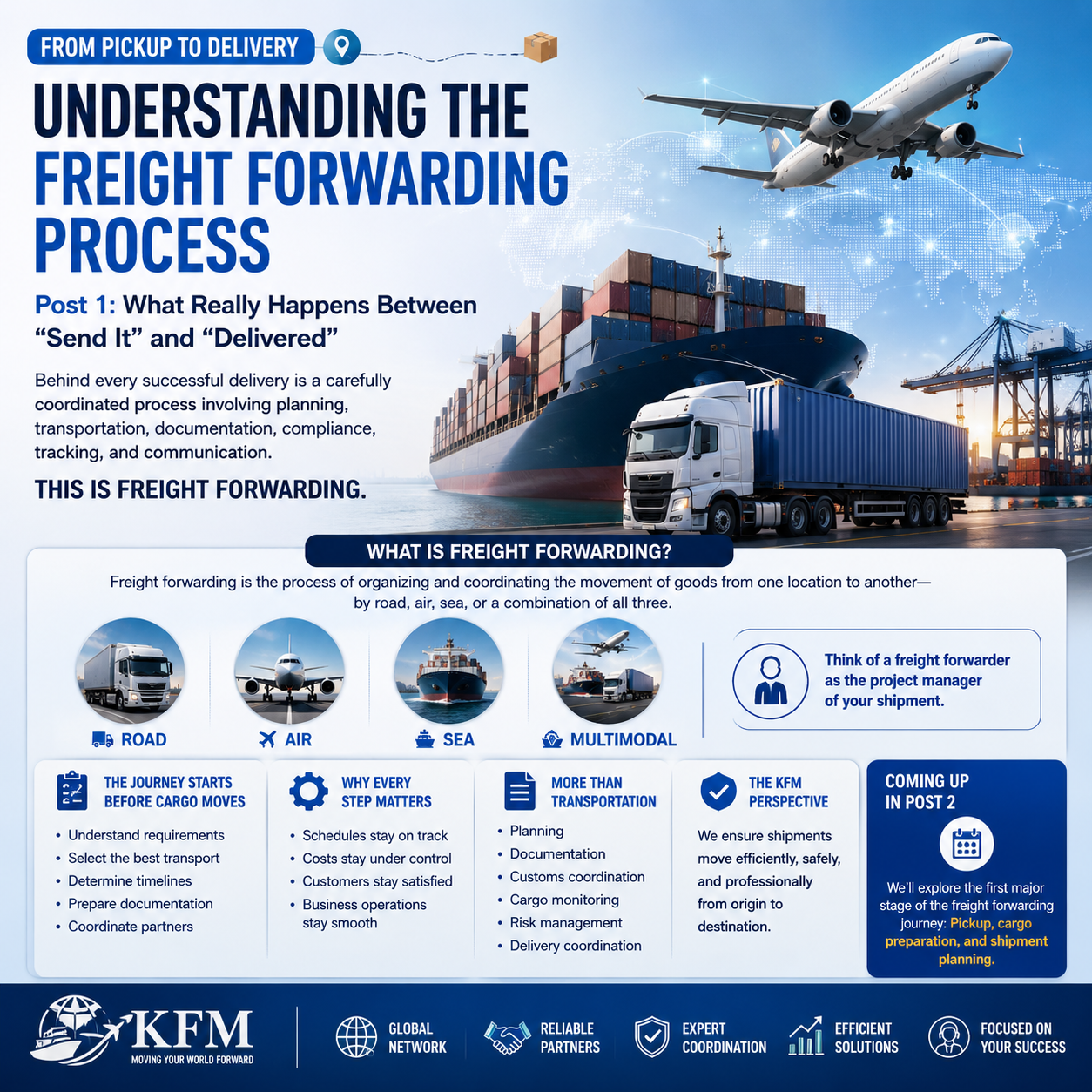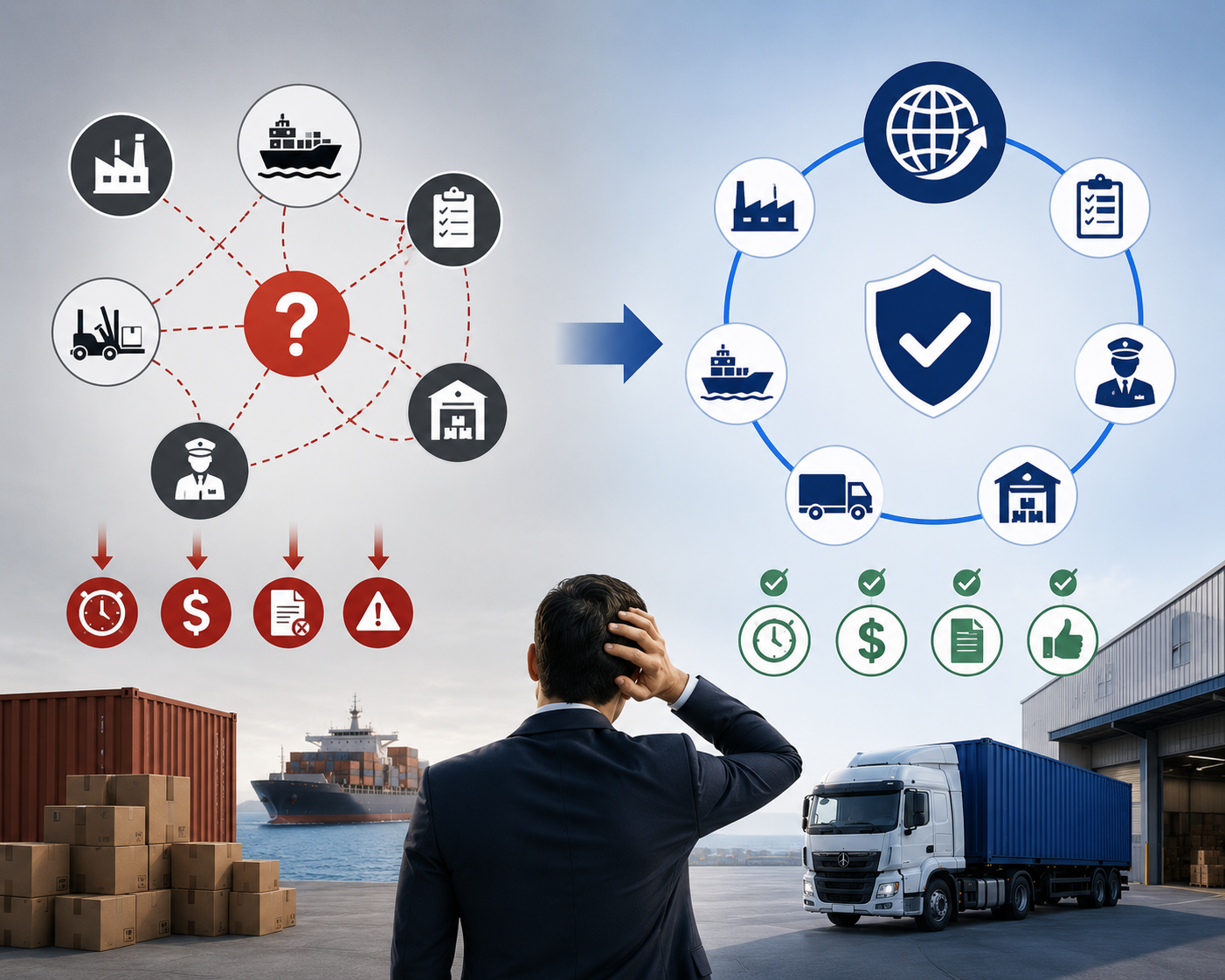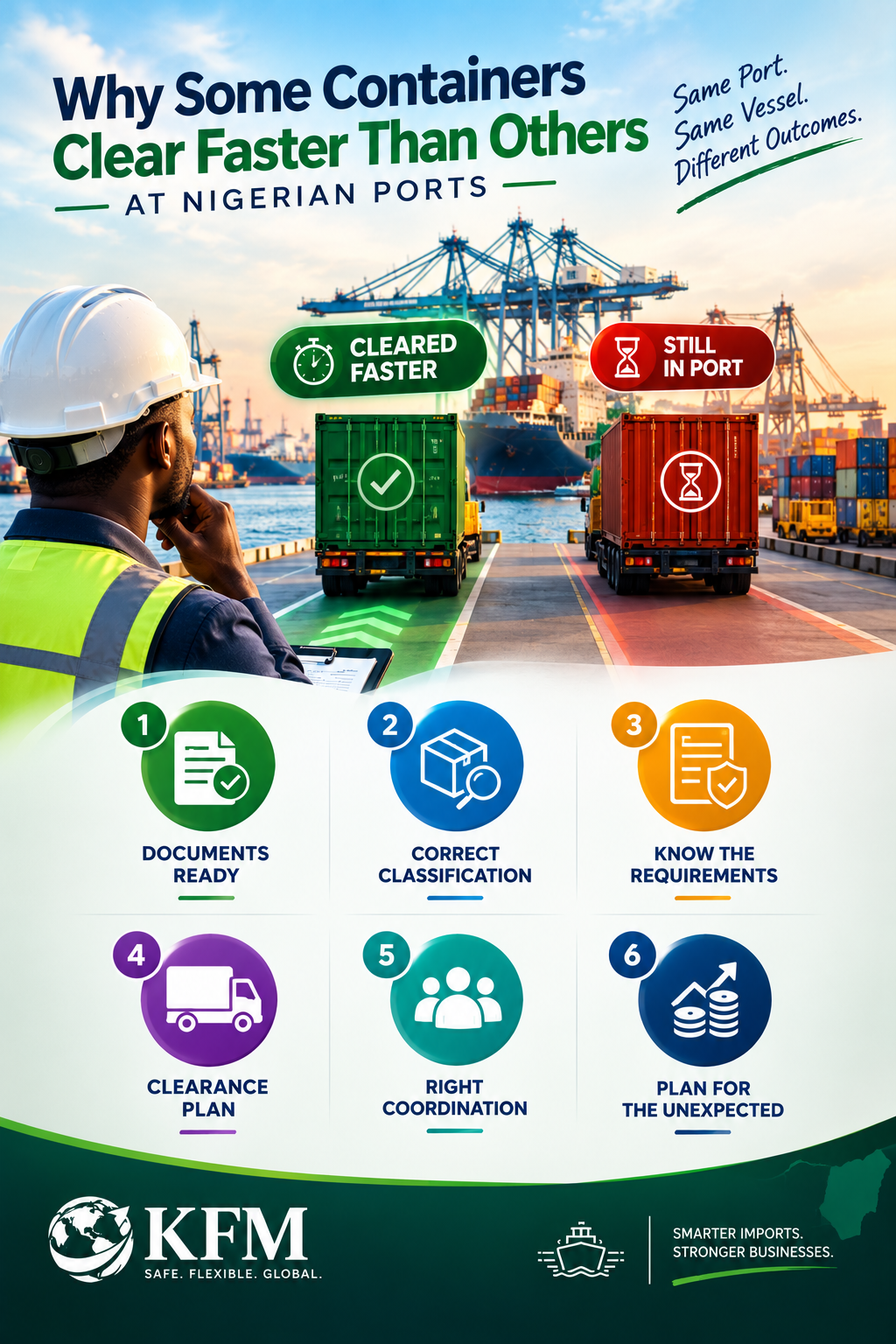
Two containers arrive at the same Nigerian port.
They may even arrive on the same vessel.
Yet, one importer receives their goods quickly, while the other keeps asking: “What exactly is delaying my container?”
What's the difference?
In many cases, it comes down to preparation, documentation, compliance, coordination, and the specific checks required for each shipment.
Let's break it down.
1. The Paperwork Was Prepared Before the Vessel Arrived 📄
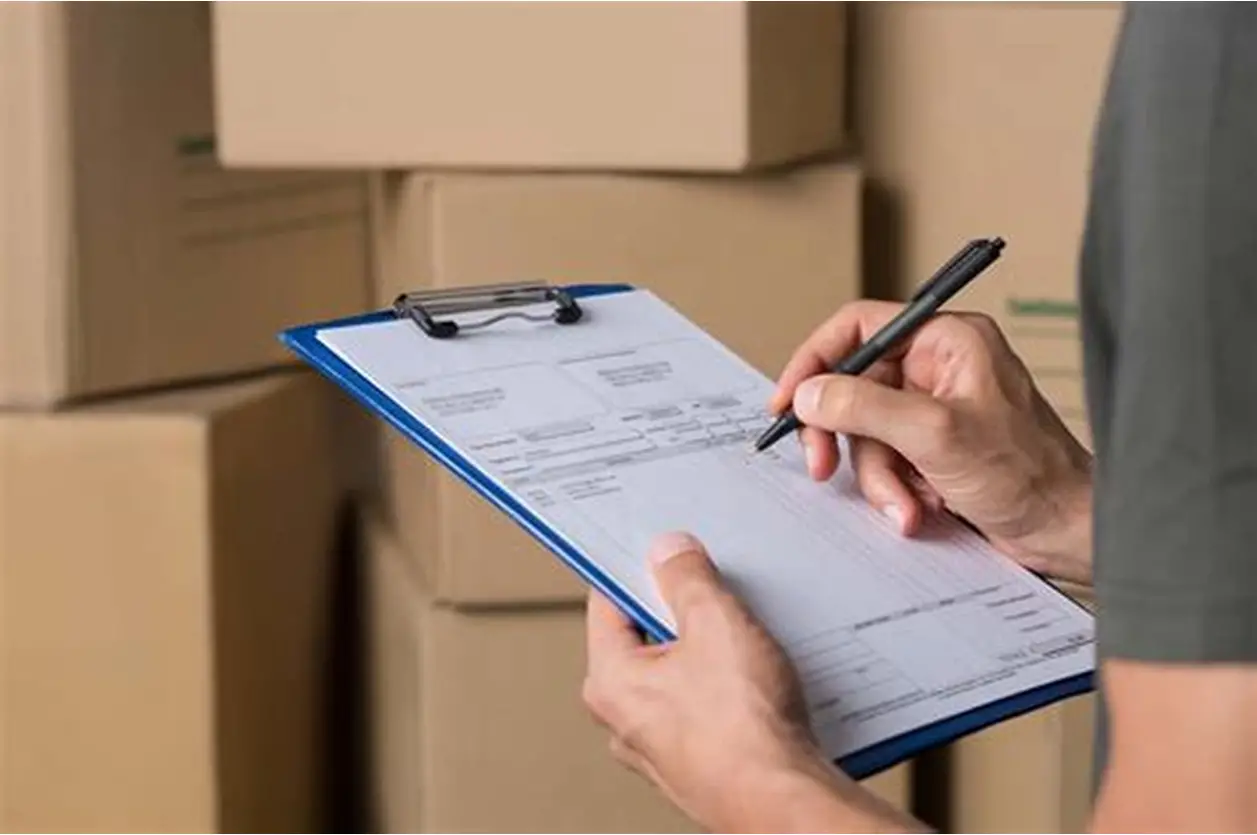
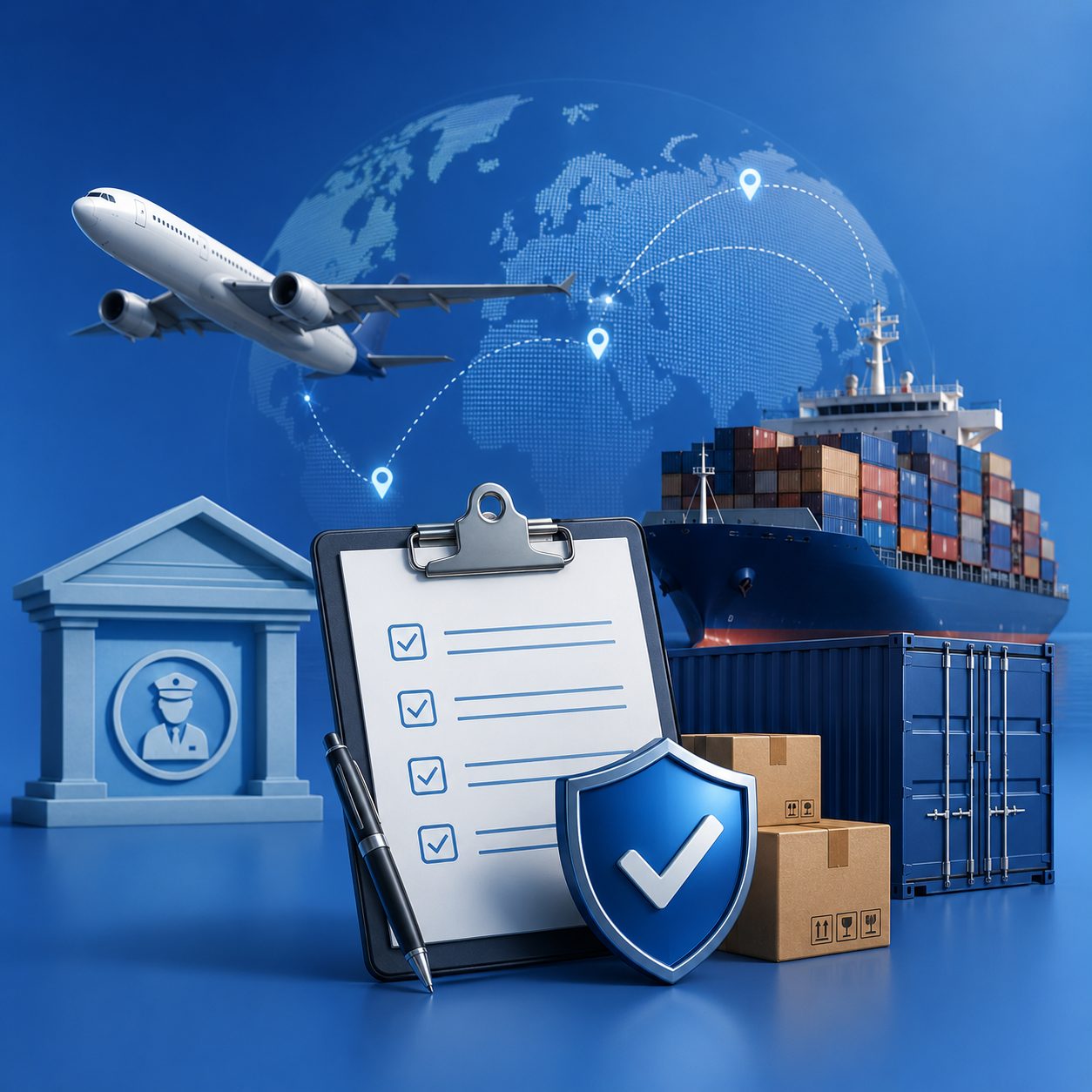
One of the biggest advantages an importer can have is getting the required documentation right before the shipment reaches the port.
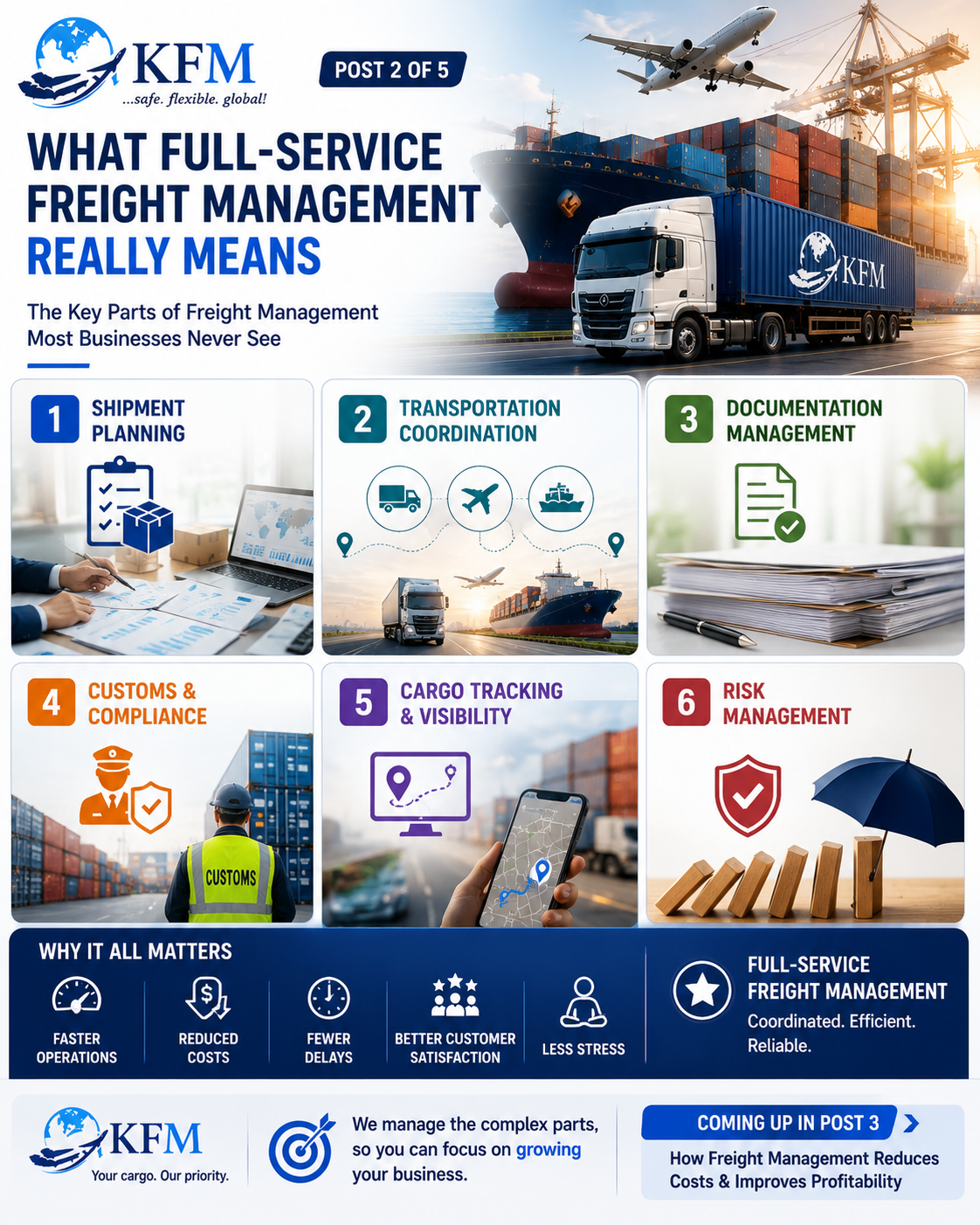
Depending on the shipment, this may involve documents and procedures such as:
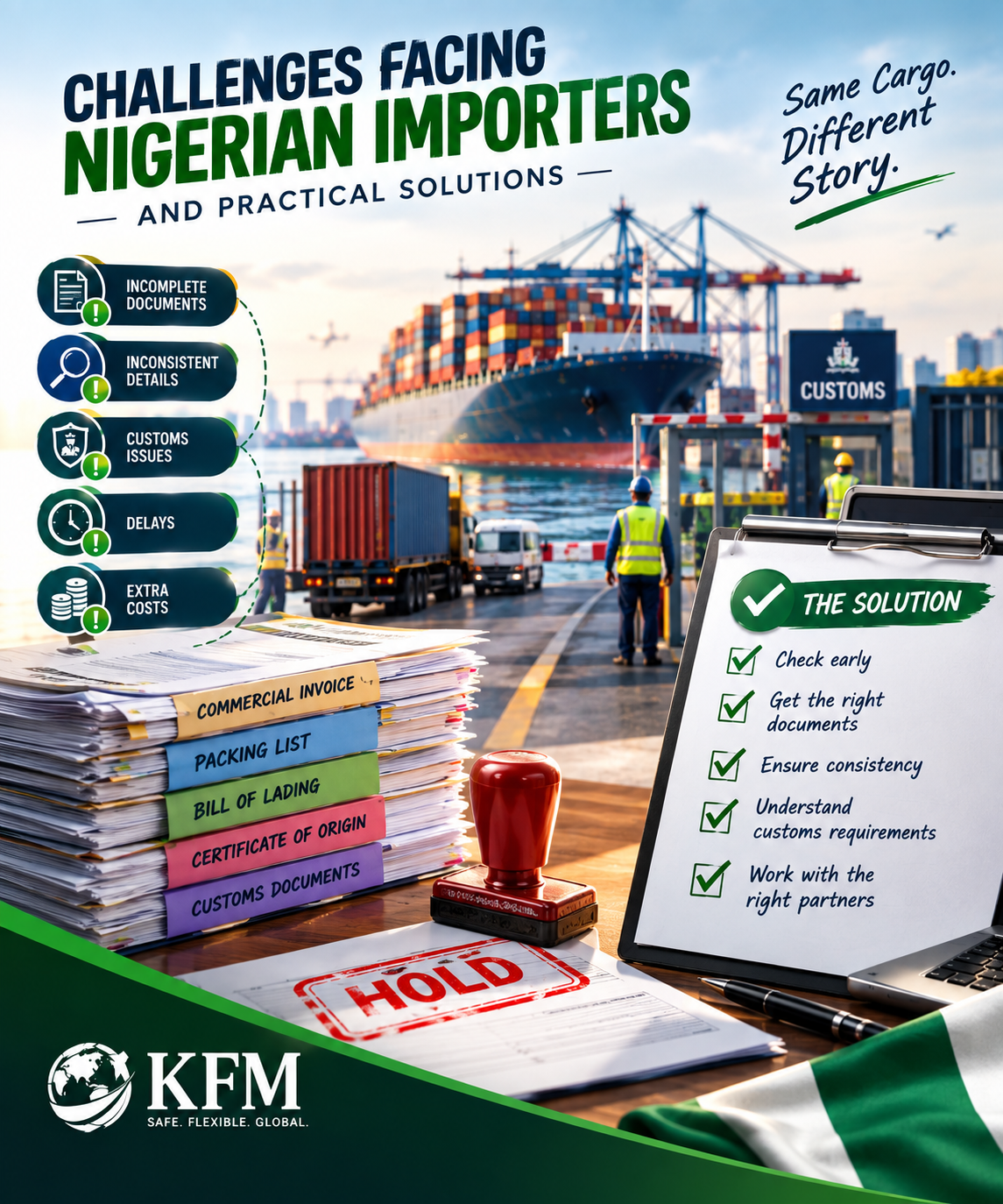
- Form M and PAAR, where applicable
- Commercial invoice and packing list
- Bill of lading
- Relevant permits and regulatory approvals
- Accurate customs declaration
Missing documents, inconsistent information, or incorrect declarations can create additional work and delay clearance.
Smart importers don't wait for their containers to arrive before preparing their paperwork.
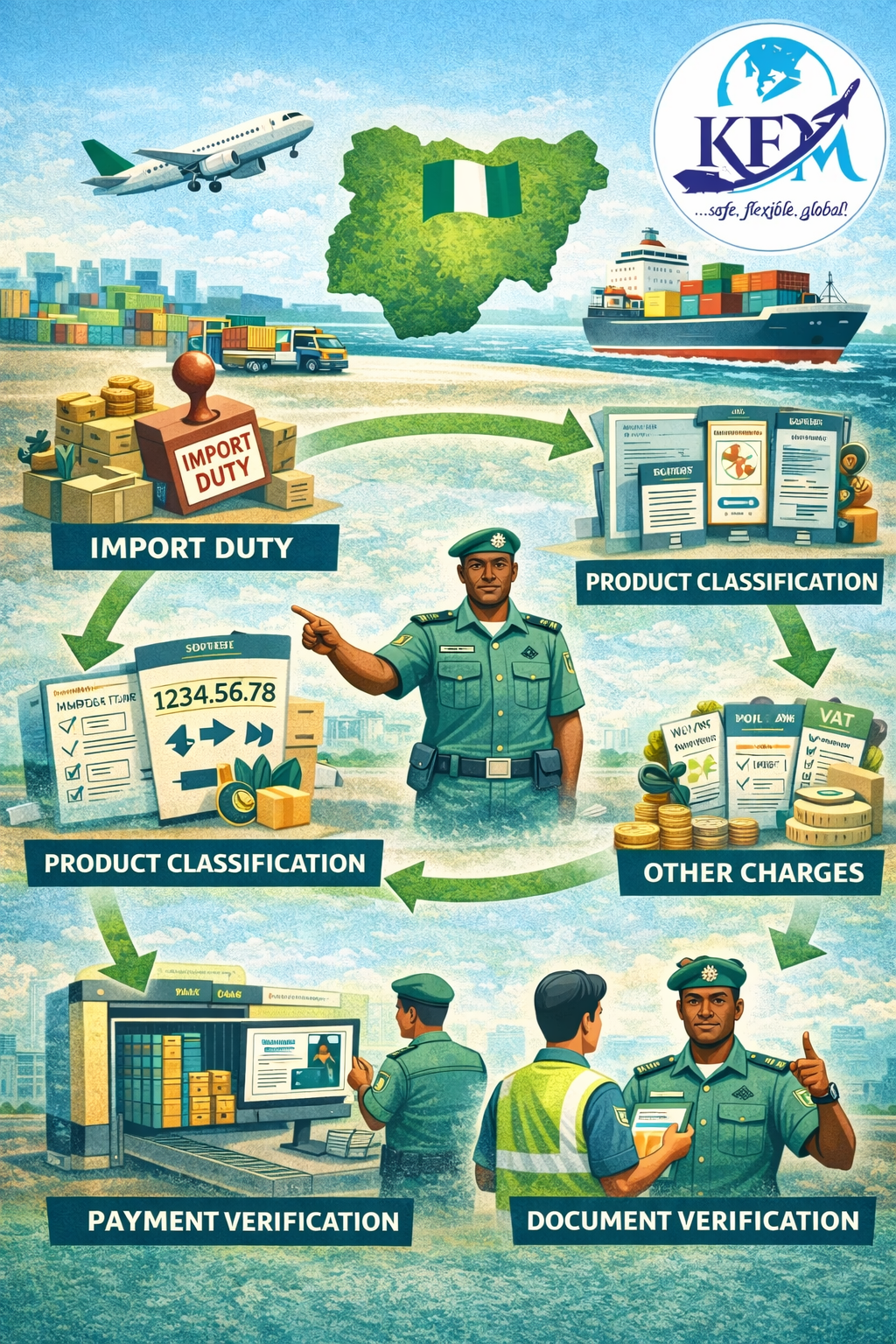
2. The Goods Were Classified Correctly 🧾
Every imported product must be declared accurately for customs purposes.
This includes identifying the correct product classification, describing the goods properly, and providing the information needed to determine the applicable duties, taxes, and regulatory requirements.
When the declared information does not match the actual goods, questions and additional checks may follow.
For example, describing a specialised machine simply as “equipment” may not provide enough information for proper assessment.
The lesson? Accurate declarations help reduce avoidable complications.
3. The Importer Understood the Rules Before Shipping 🌍
Not every product follows the same import requirements.
Some goods may require permits, certifications, inspections, or approvals from relevant government agencies.
Discovering these requirements after the cargo has arrived can put your shipment under pressure.
Before shipping, confirm:
- Whether the product is permitted for import
- Which documents and approvals are required
- Whether product-specific standards apply
- Whether any restrictions affect the shipment
A little research before shipping can prevent expensive surprises later.
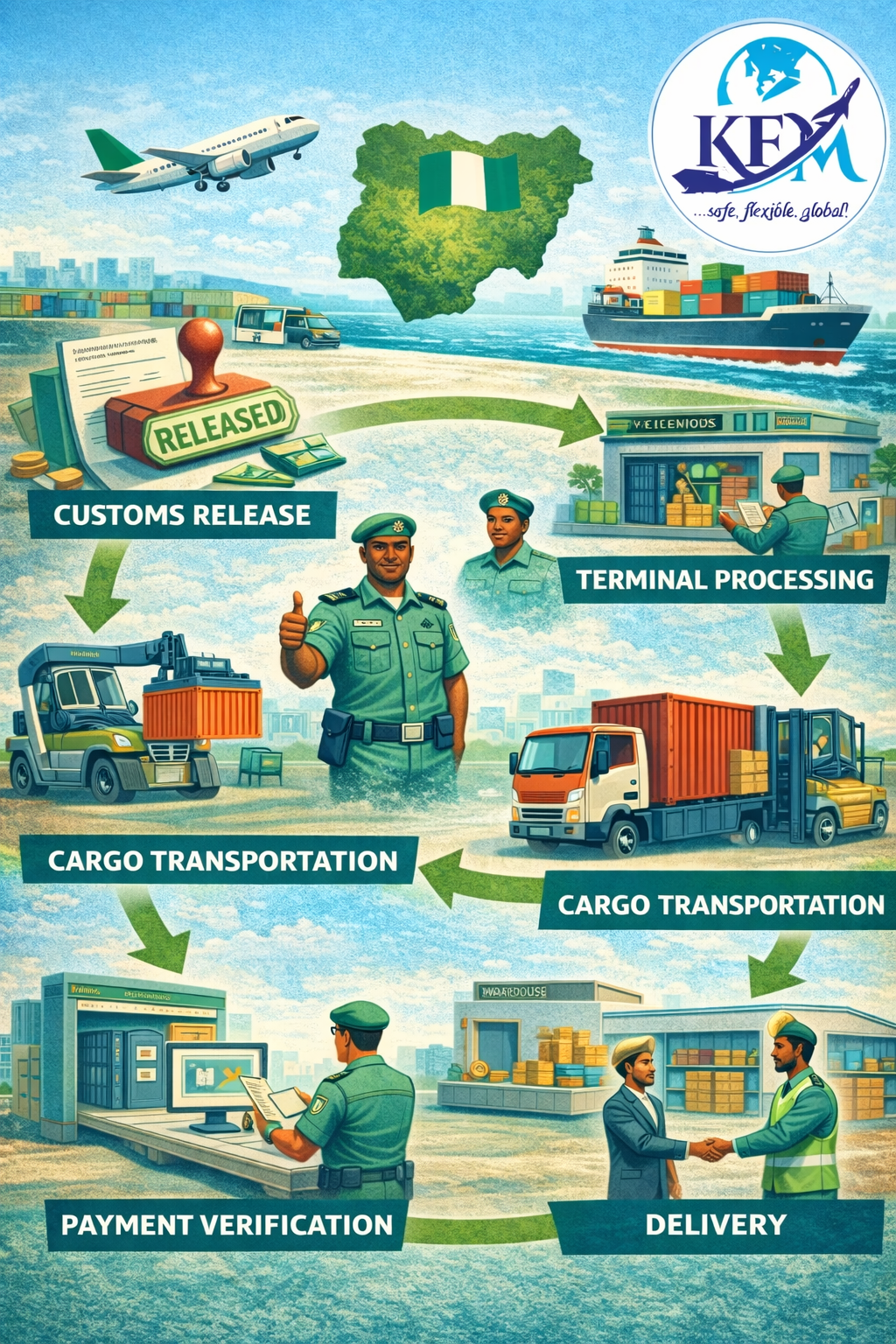
4. The Importer Had a Clear Clearance Plan 🚛
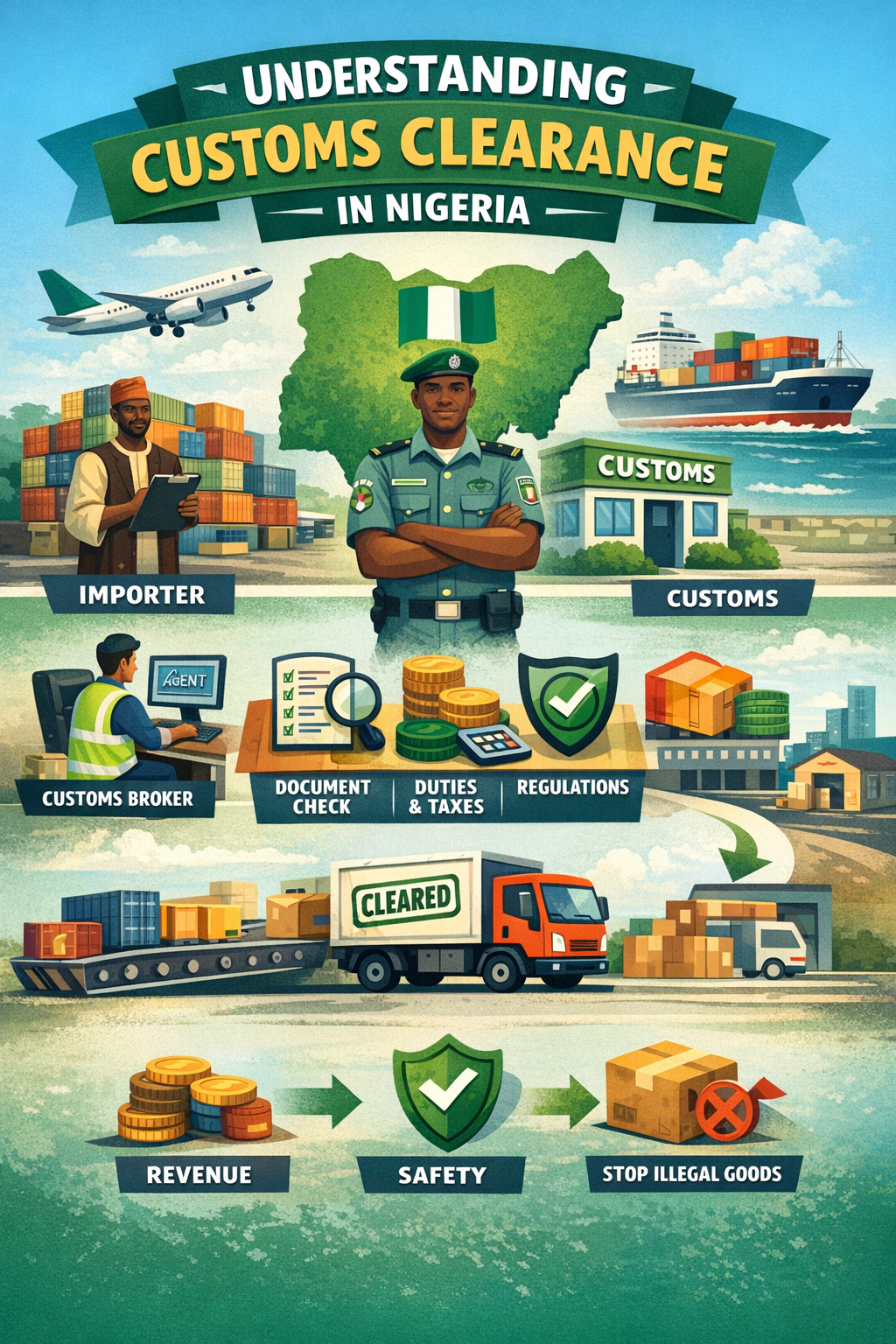
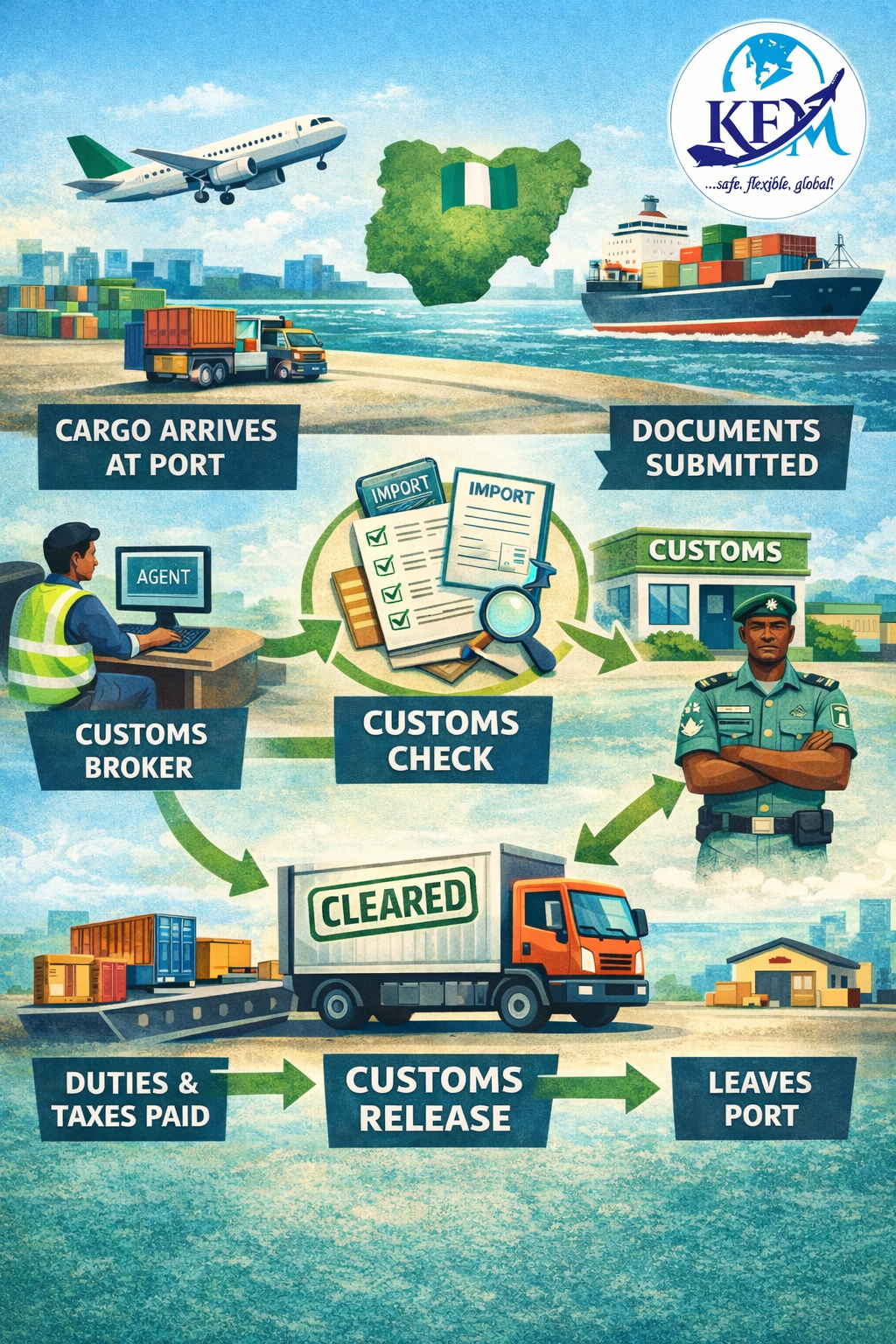
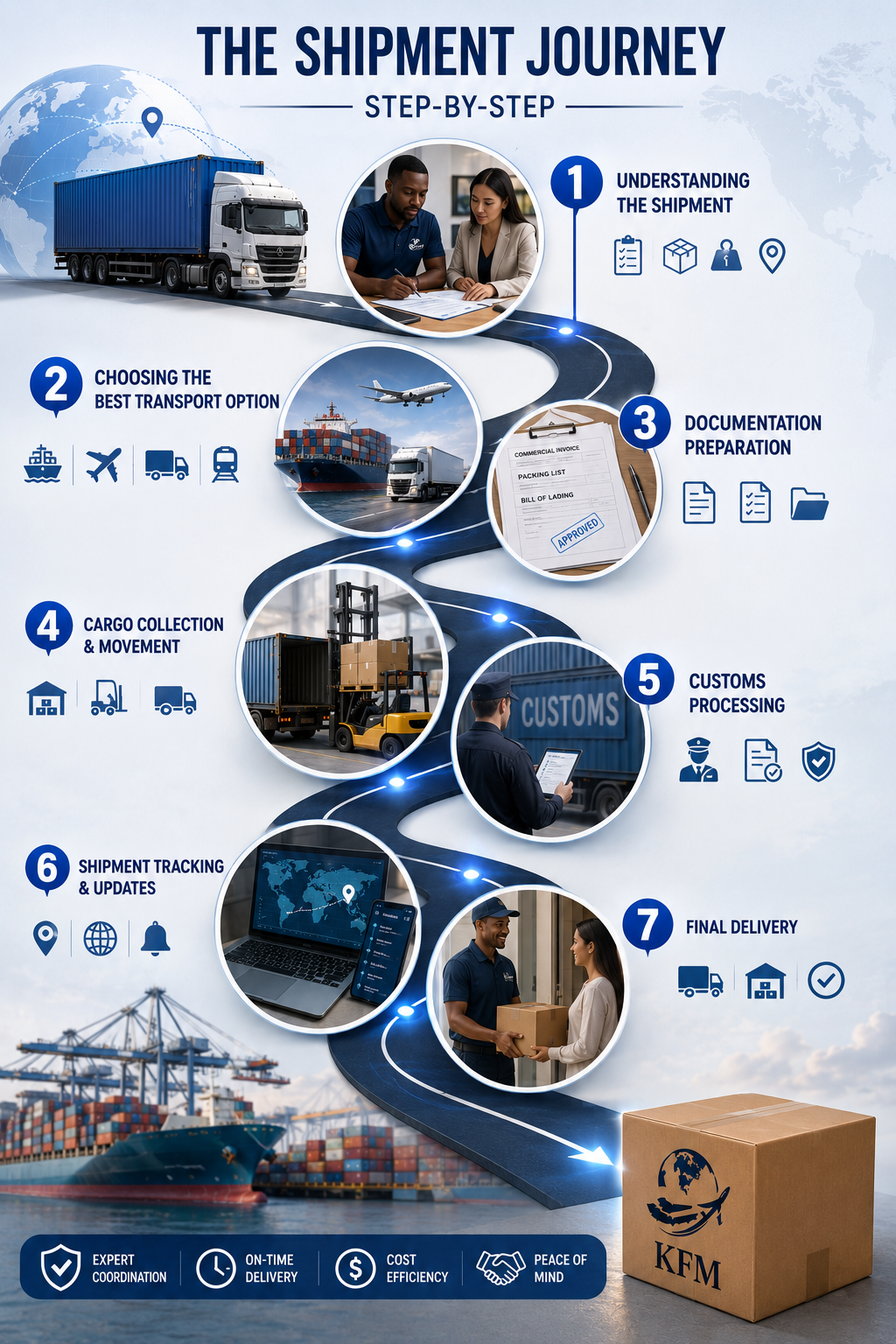
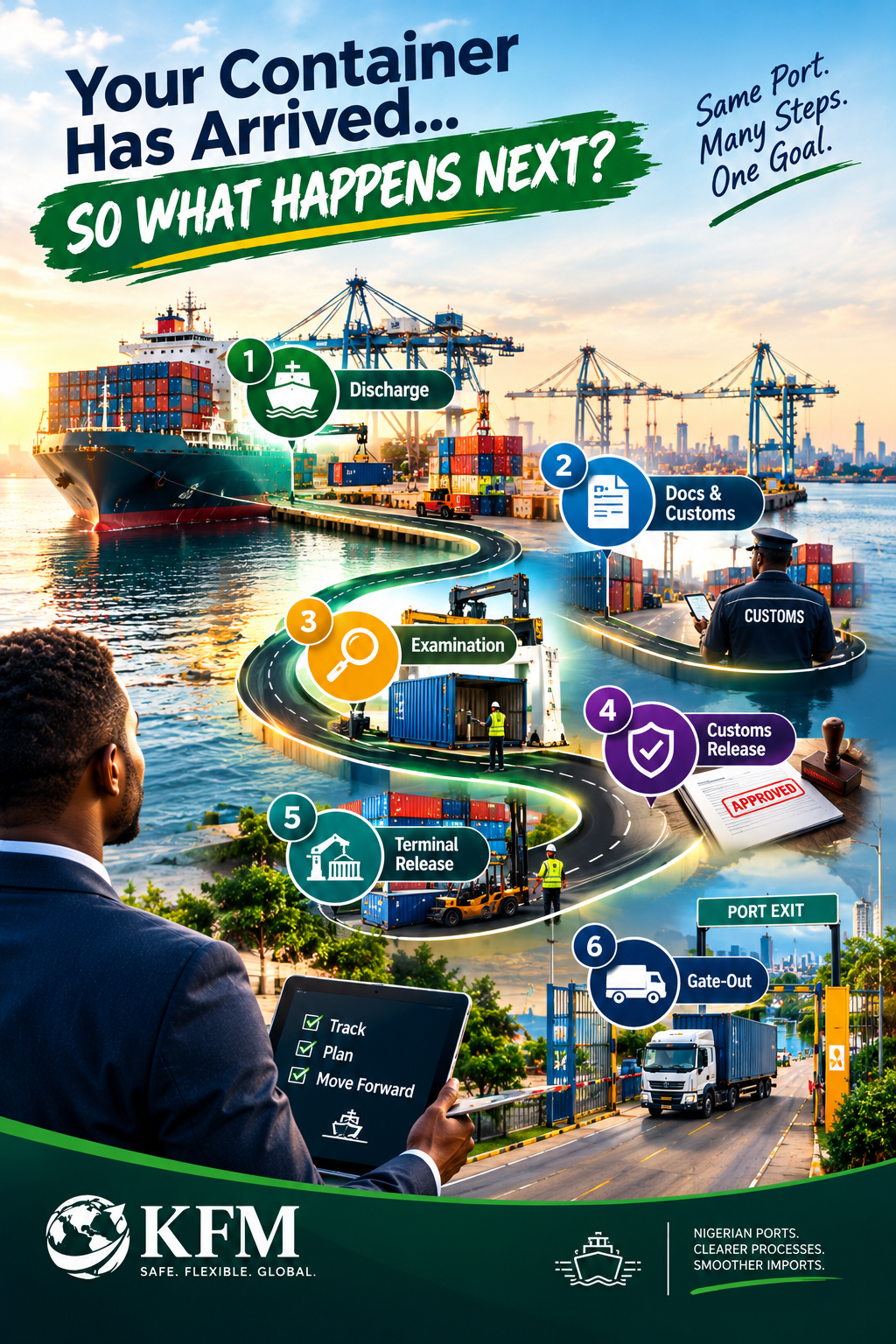
Customs clearance is only one part of getting cargo out of the port.
Terminal procedures, applicable charges, shipping-line requirements, transport arrangements, and other release conditions may also need attention.
Imagine your cargo has received customs release, but your truck is unavailable or a required terminal procedure remains incomplete.
Your shipment may still be waiting.
A good clearance plan considers the entire journey — not just customs.
5. The Right People Were Coordinating the Process 🤝
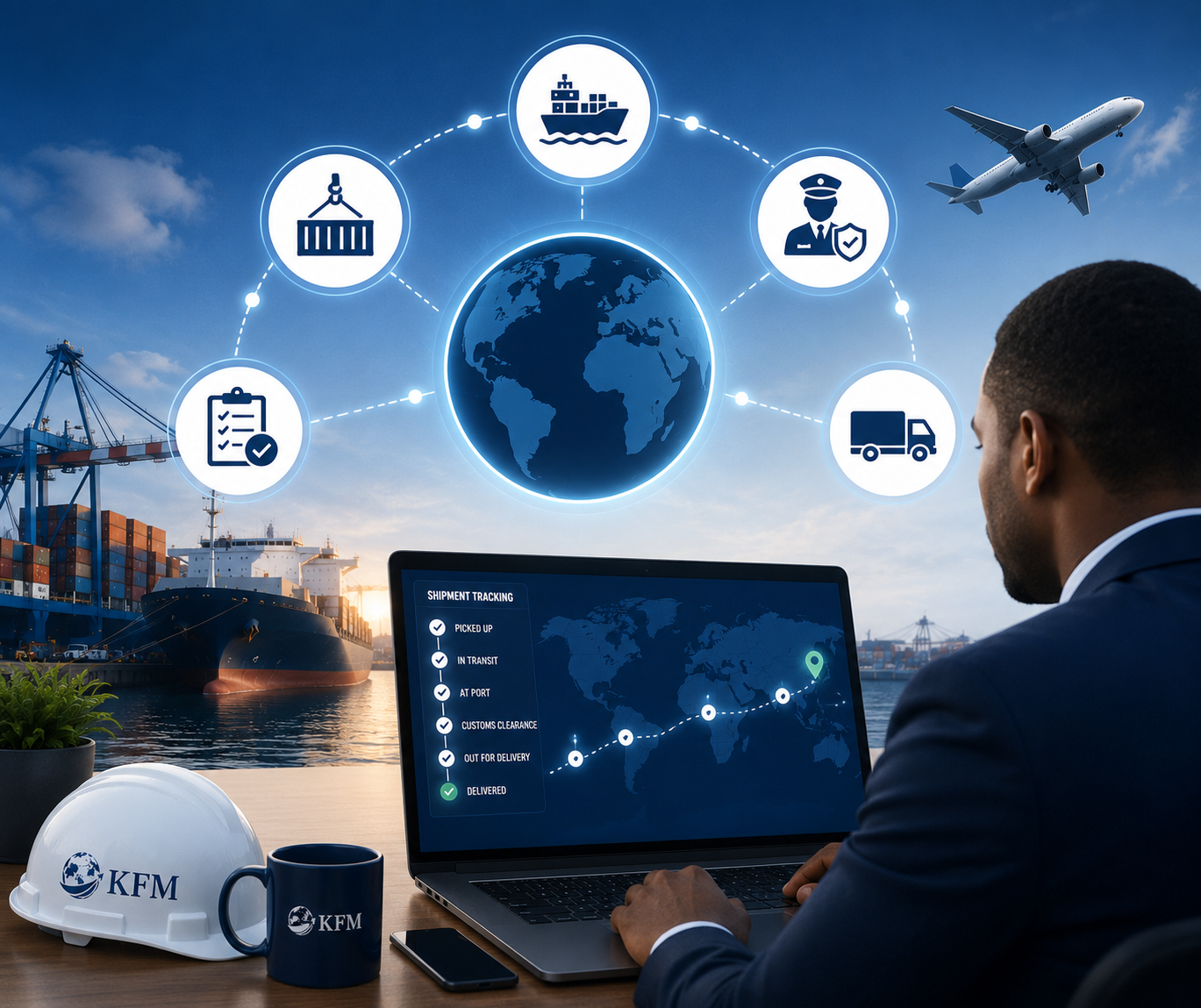
Import clearance involves multiple stakeholders, and their activities must connect properly.
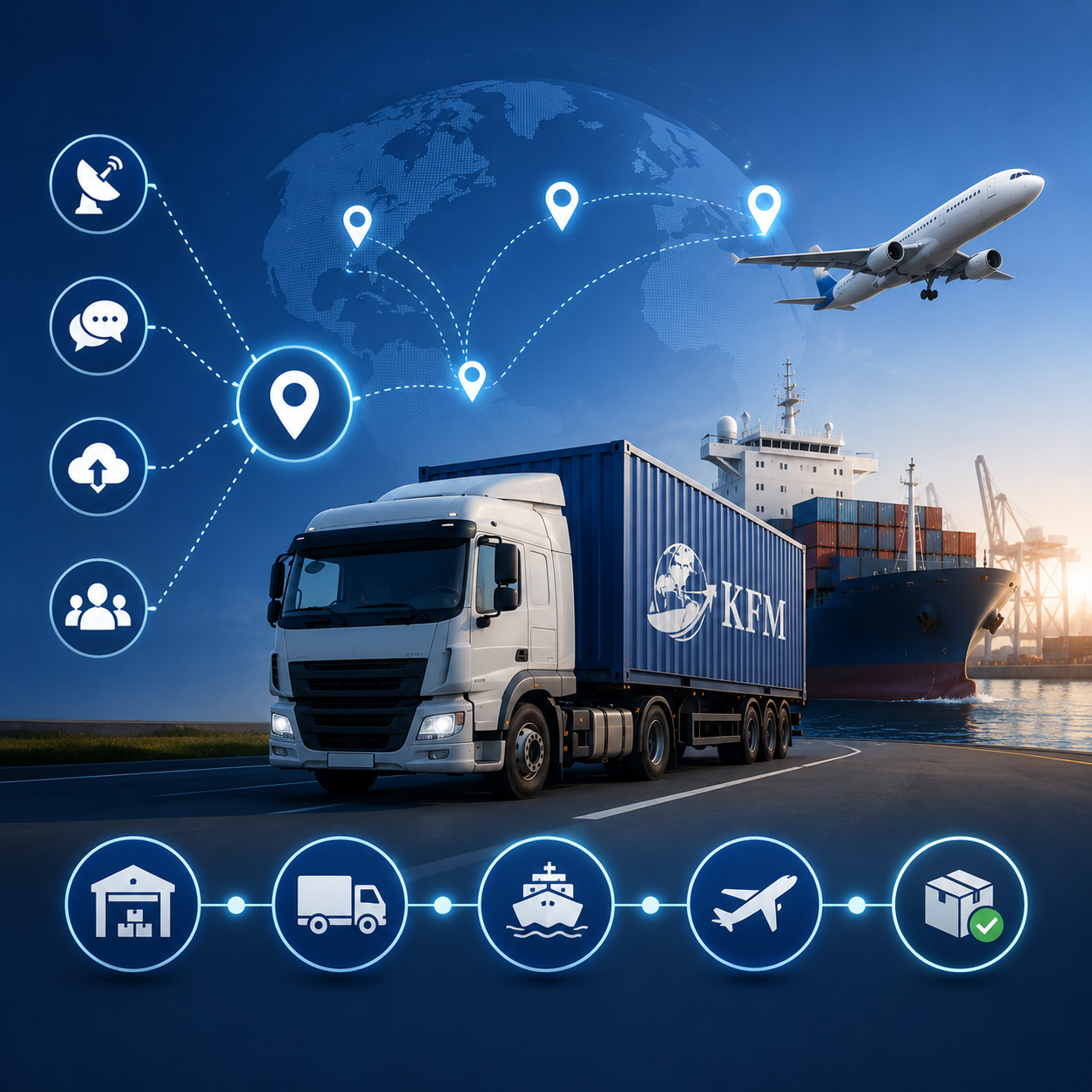
A freight forwarder or clearing agent can help coordinate documentation, monitor progress, communicate outstanding requirements, and organise the next steps.
However, no logistics provider can guarantee that every shipment will clear within a fixed timeframe. Customs checks, regulatory requirements, terminal operations, and other circumstances can affect the process.
The real advantage is having someone who can help you understand what is happening, what is outstanding, and what needs to happen next.
6. The Importer Planned for More Than the Best-Case Scenario 💰
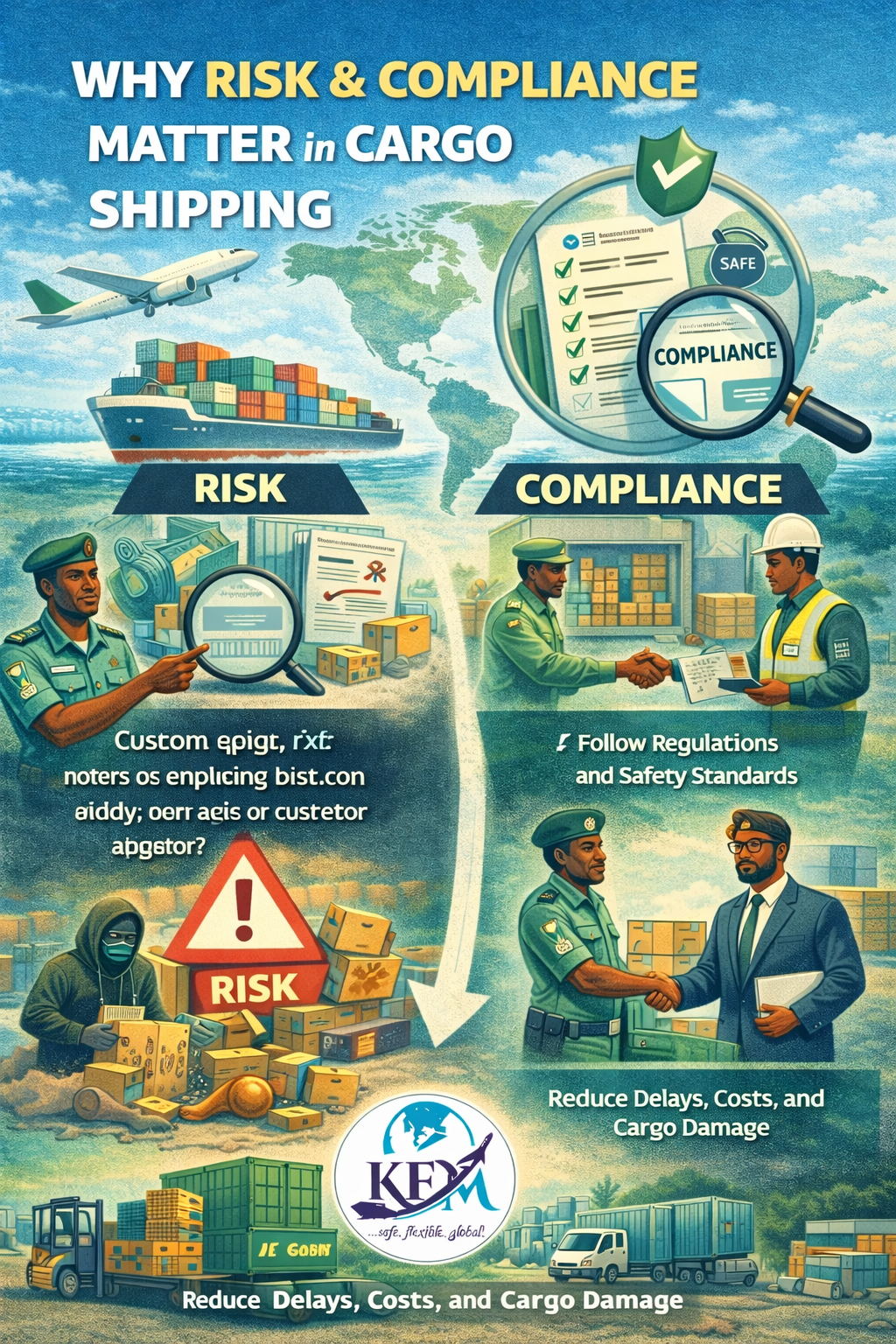
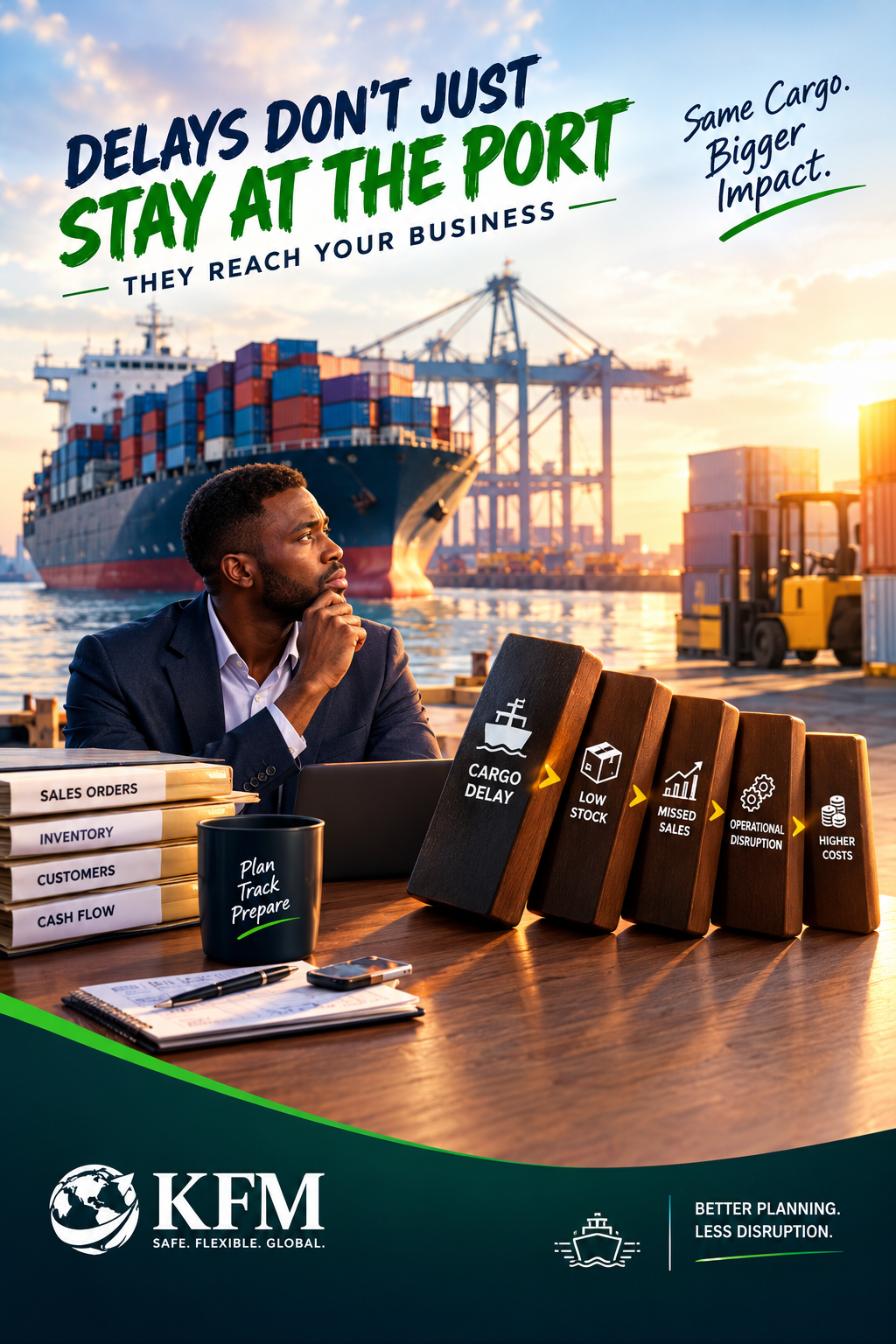
Even a well-prepared shipment can encounter unexpected checks or operational delays.
If your business has no financial or inventory buffer, a short delay can quickly become a major problem.
Consider planning for:
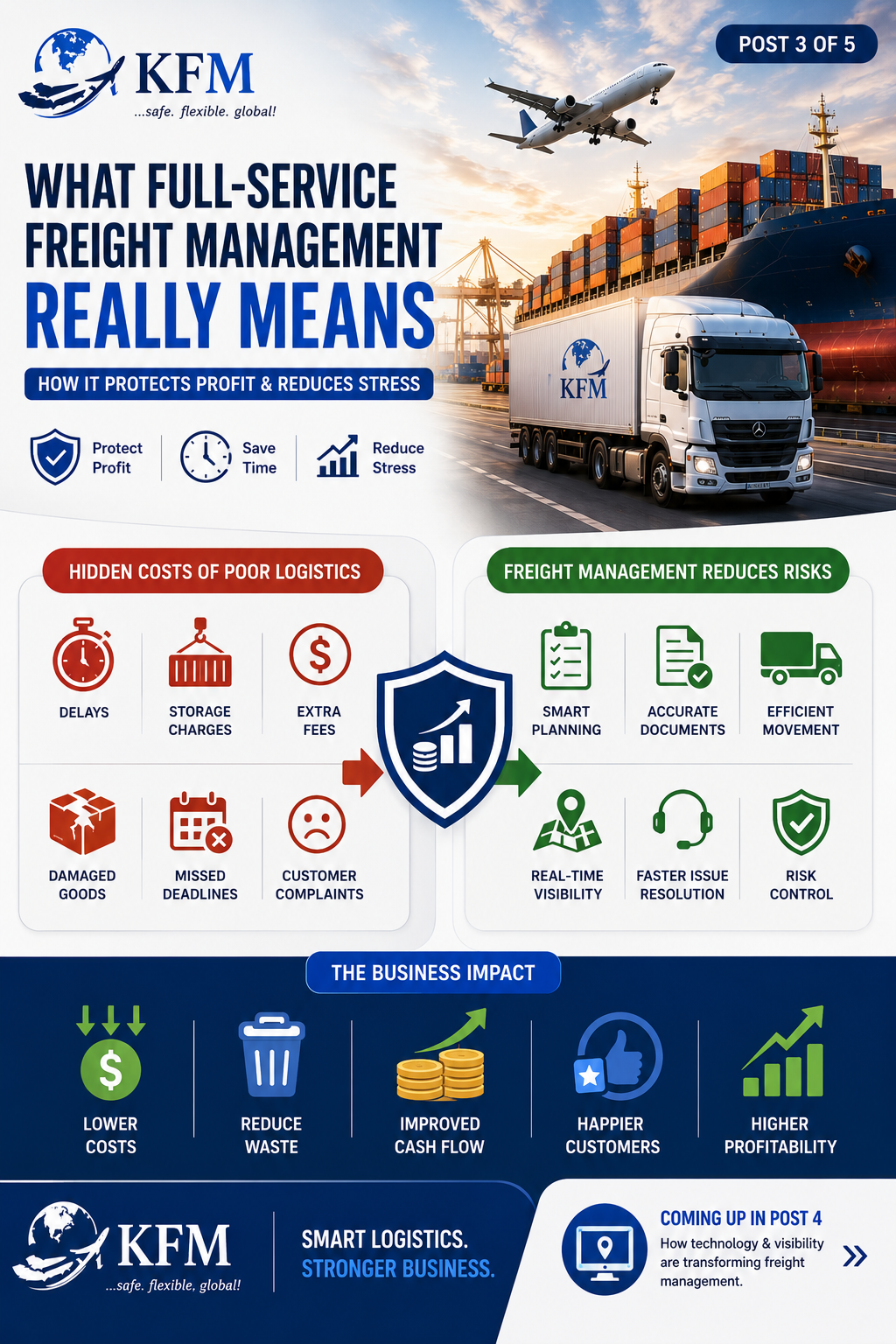
- Possible storage and demurrage charges
- Changes in delivery schedules
- Additional inspections or documentation requirements
- Transport and warehouse availability
- Working capital needed while goods are in transit
The goal isn't to expect the worst. It's to ensure your business can handle the unexpected.
Does Faster Clearance Always Mean Something Is Wrong With Slower Cargo?
Not at all.
Different shipments may face different risk assessments, examinations, regulatory requirements, and operational circumstances.
A delay does not automatically mean an importer has made a mistake.
Instead of comparing your container with someone else's, focus on identifying your shipment's current status and any outstanding requirements.
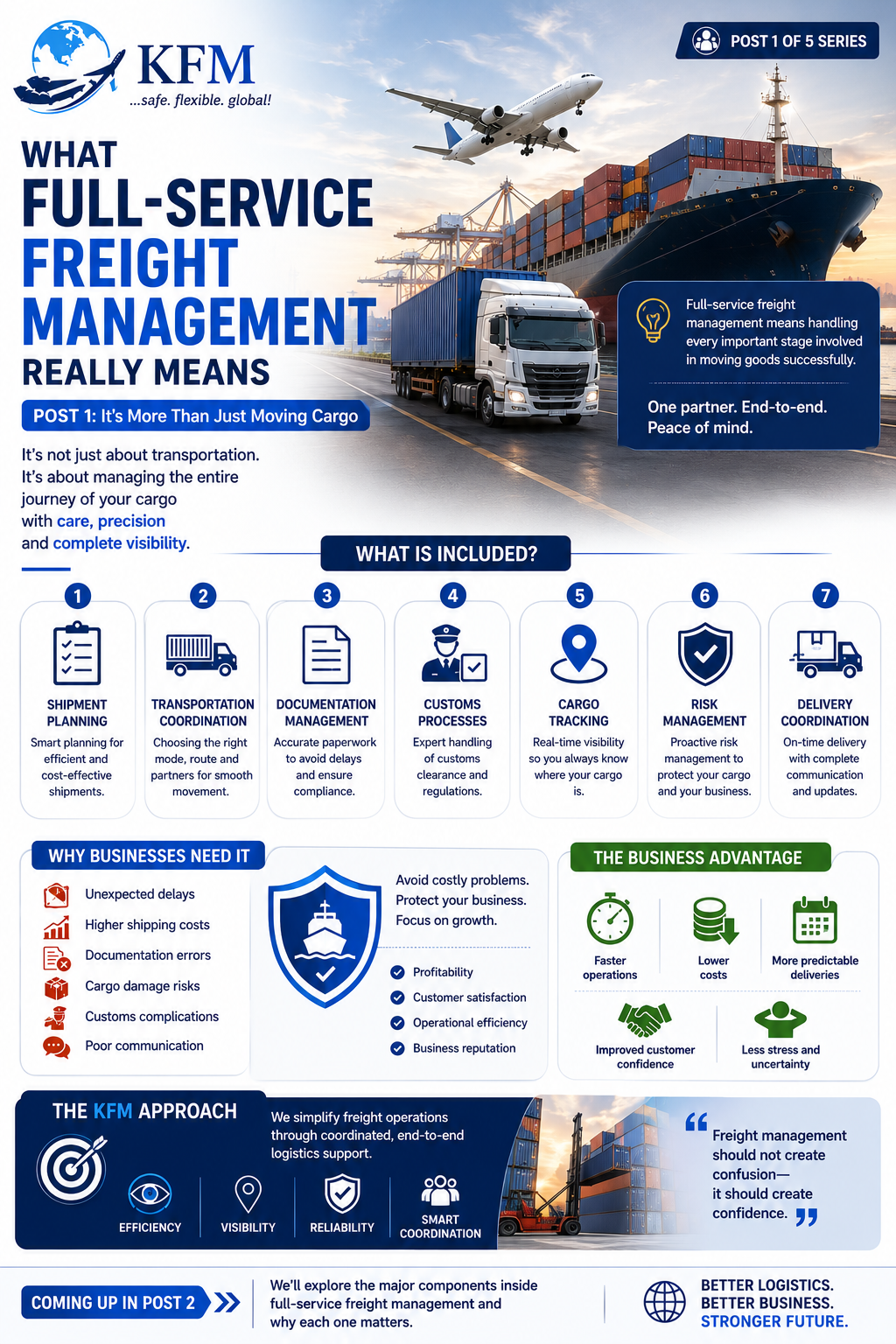
At KFM, we believe successful importing starts long before cargo reaches a Nigerian port.
Preparation helps you make better decisions. Accurate documentation helps reduce avoidable complications. Clear coordination helps you respond when something changes.
You may not control every stage of the clearance process, but you can control how prepared your business is.
Don't wait for a problem at the port before you start looking for a solution.
Coming Up in Post 4
Next, we'll explore one of the most frustrating questions importers face:
What happens when your container is delayed — and how can you protect your business from the extra costs?