The Challenge of Unpredictable Import Costs — and How to Stay Ahead
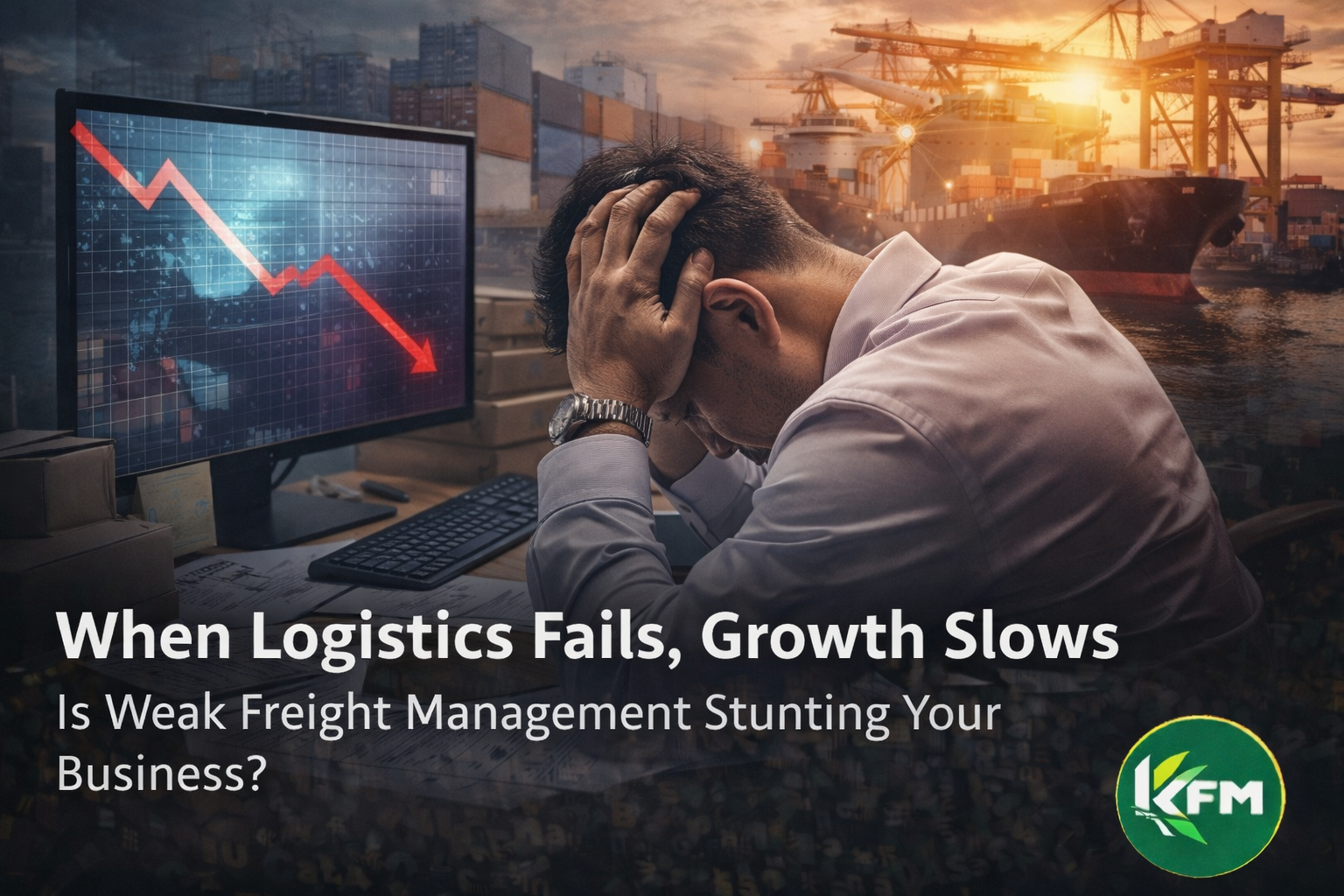
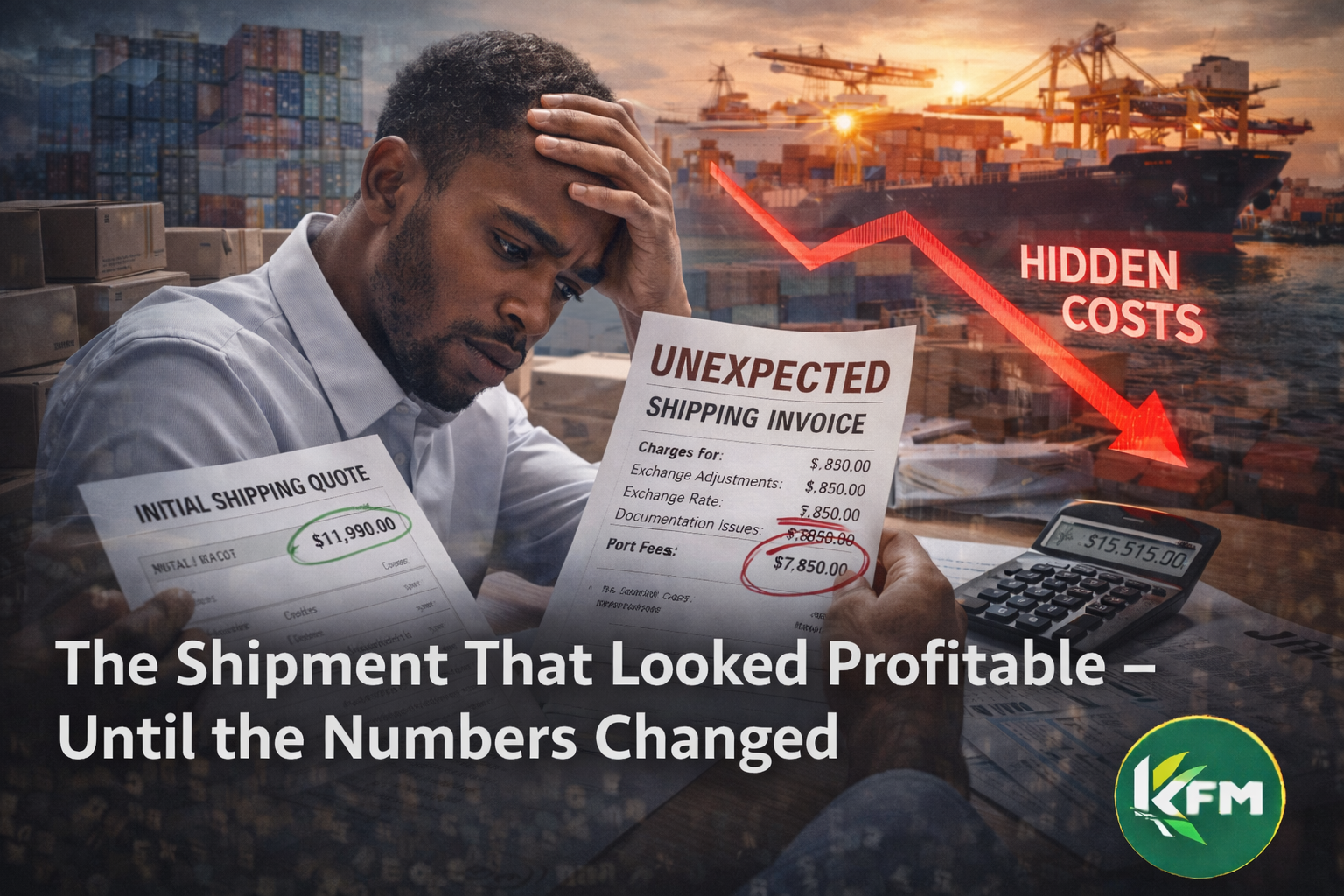
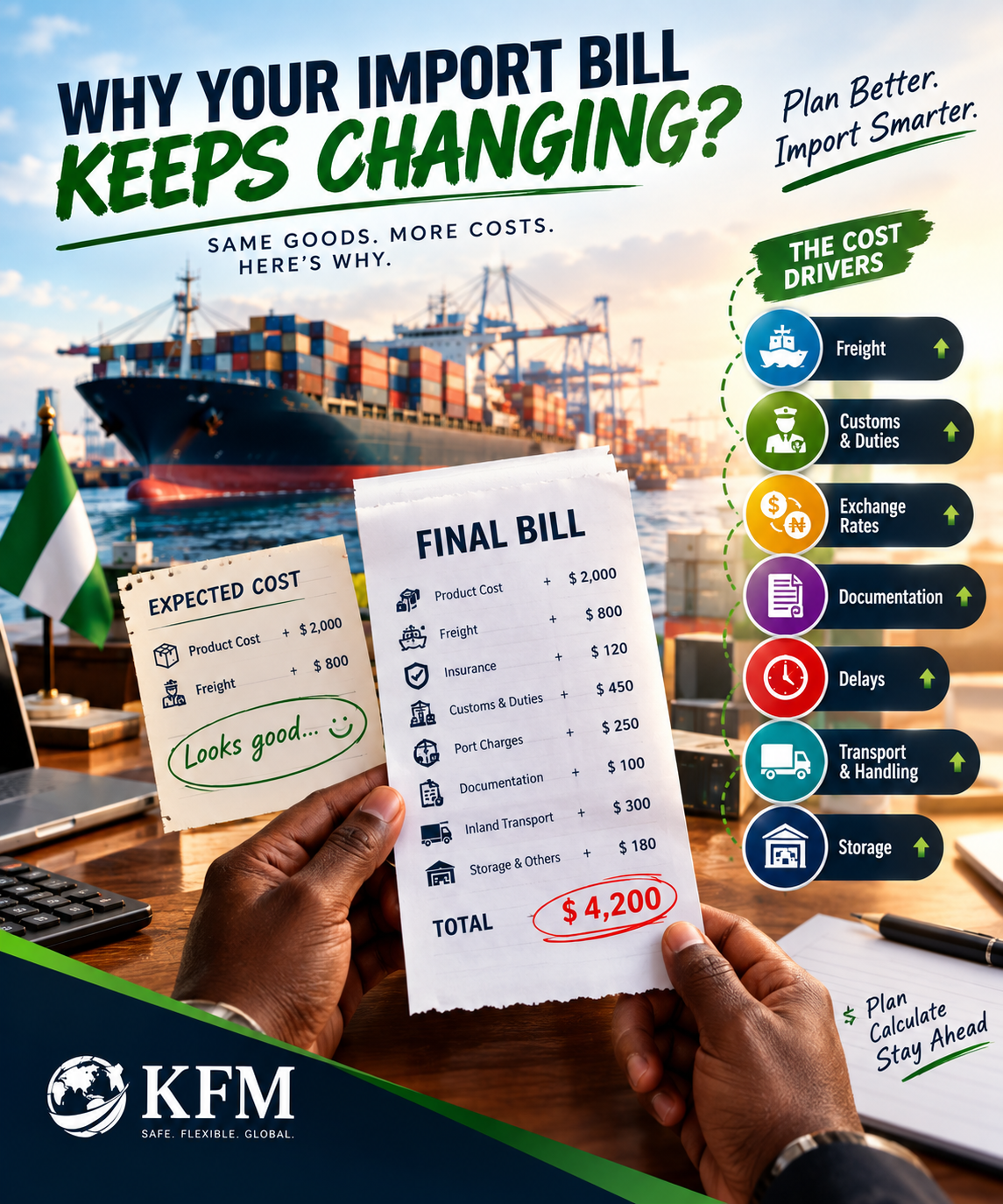
You budgeted for the shipment.
You did your calculations.
Everything looked profitable.
Then the final bill arrives…
And it is higher than you expected.
This is one of the biggest frustrations Nigerian importers face. But unpredictable costs don't always have to be a surprise.
The first step is understanding why import costs change in the first place.
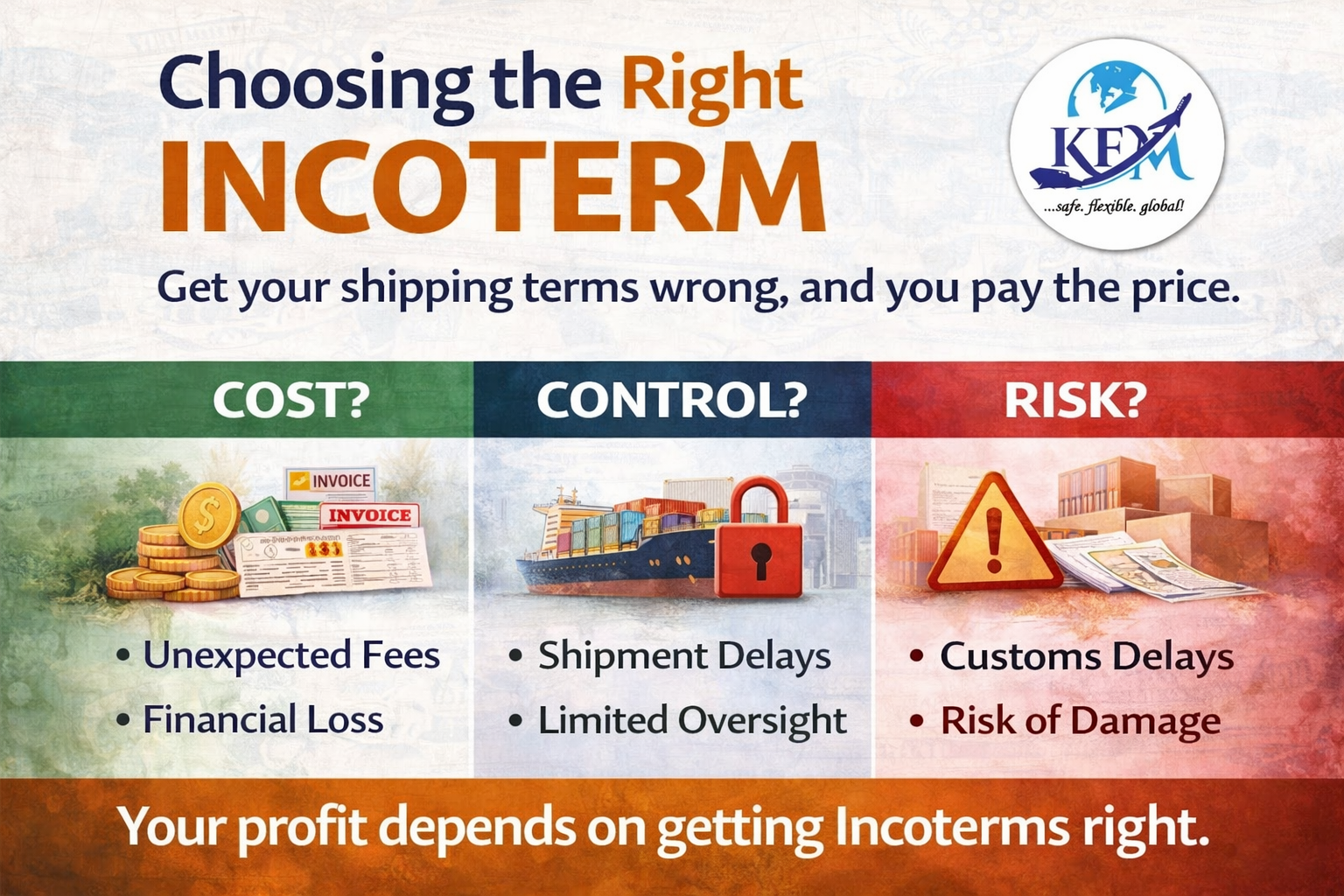
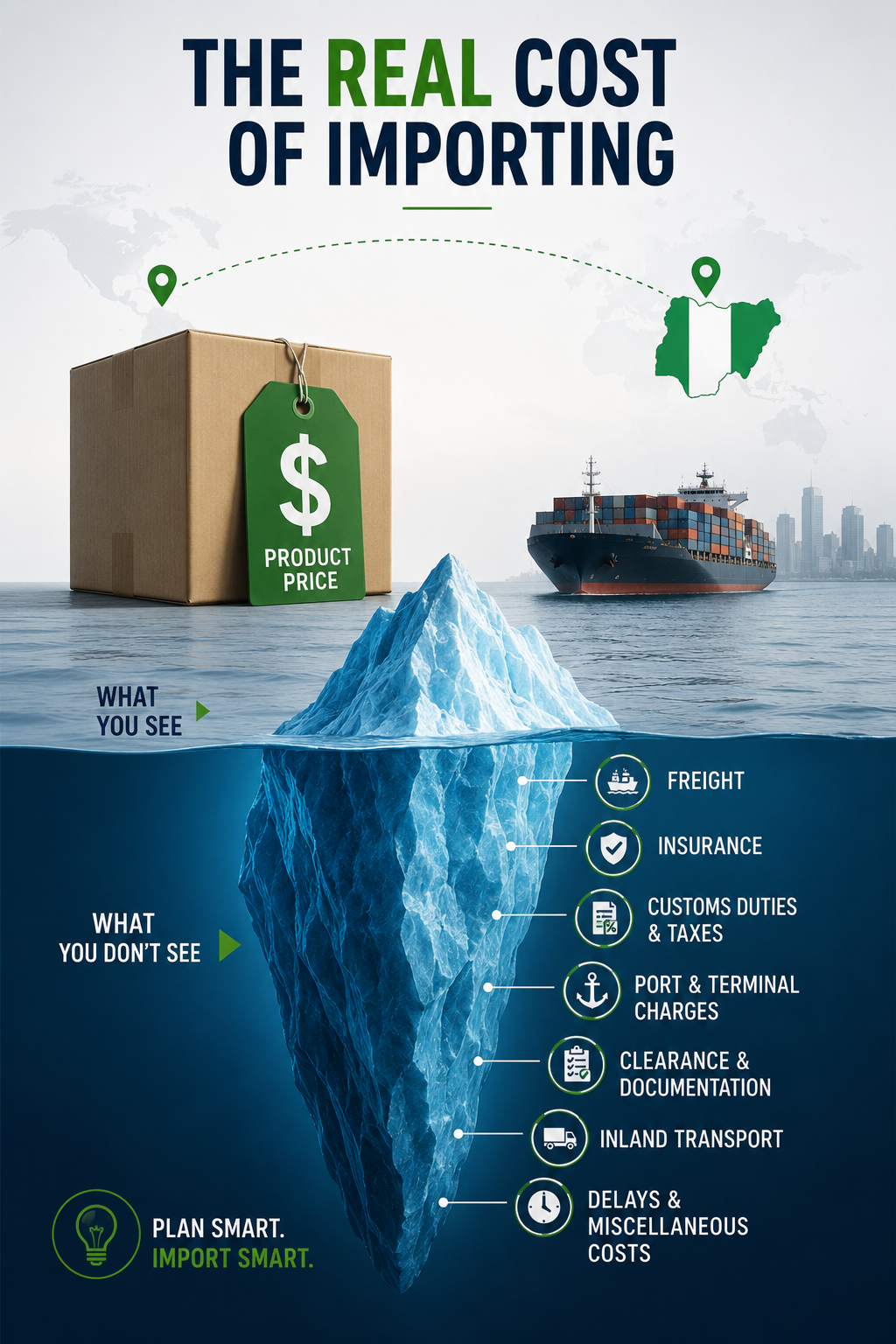
The Price You See Is Not the Price You Pay
An overseas supplier may give you an attractive product price.
Your freight quotation may also look reasonable.
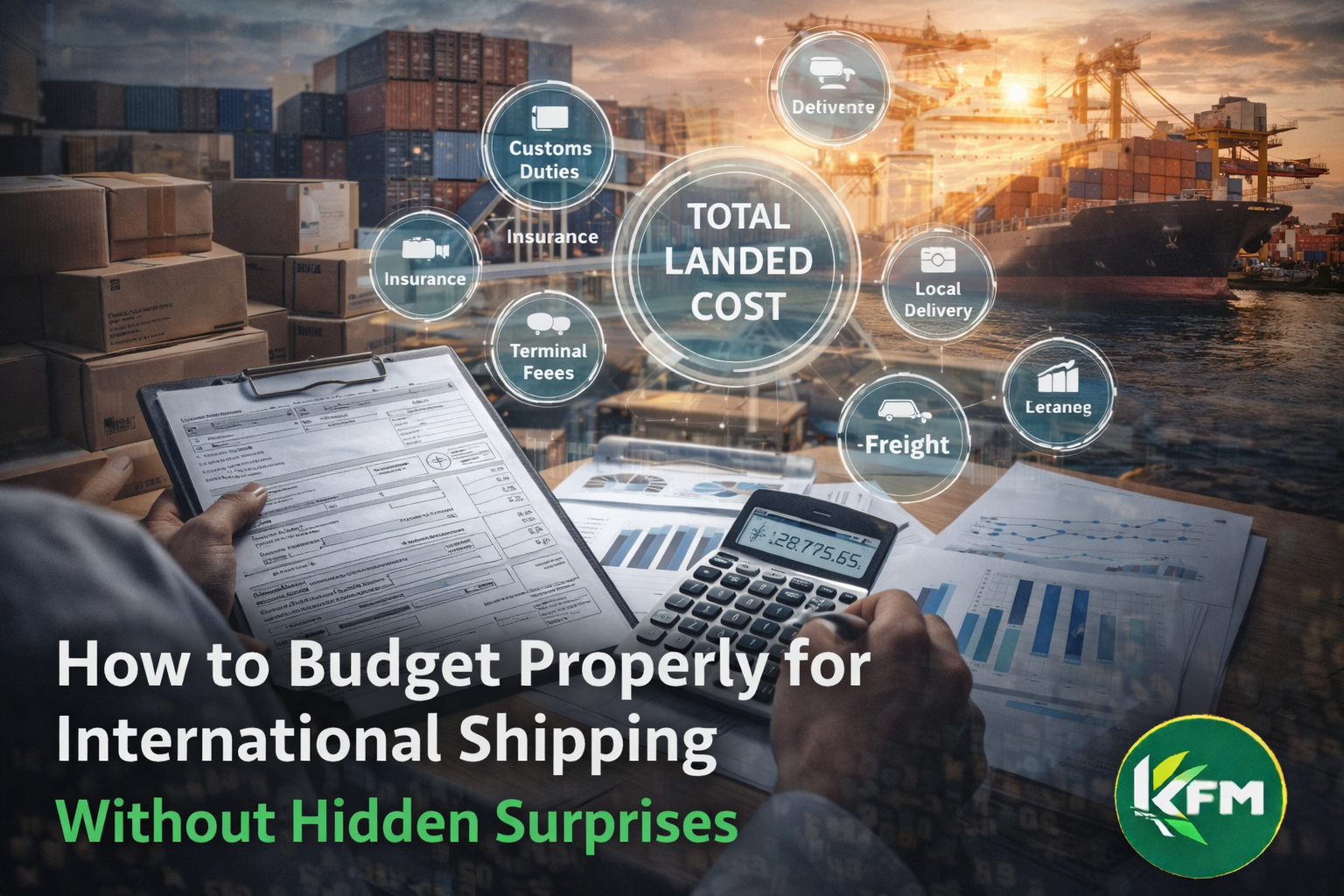
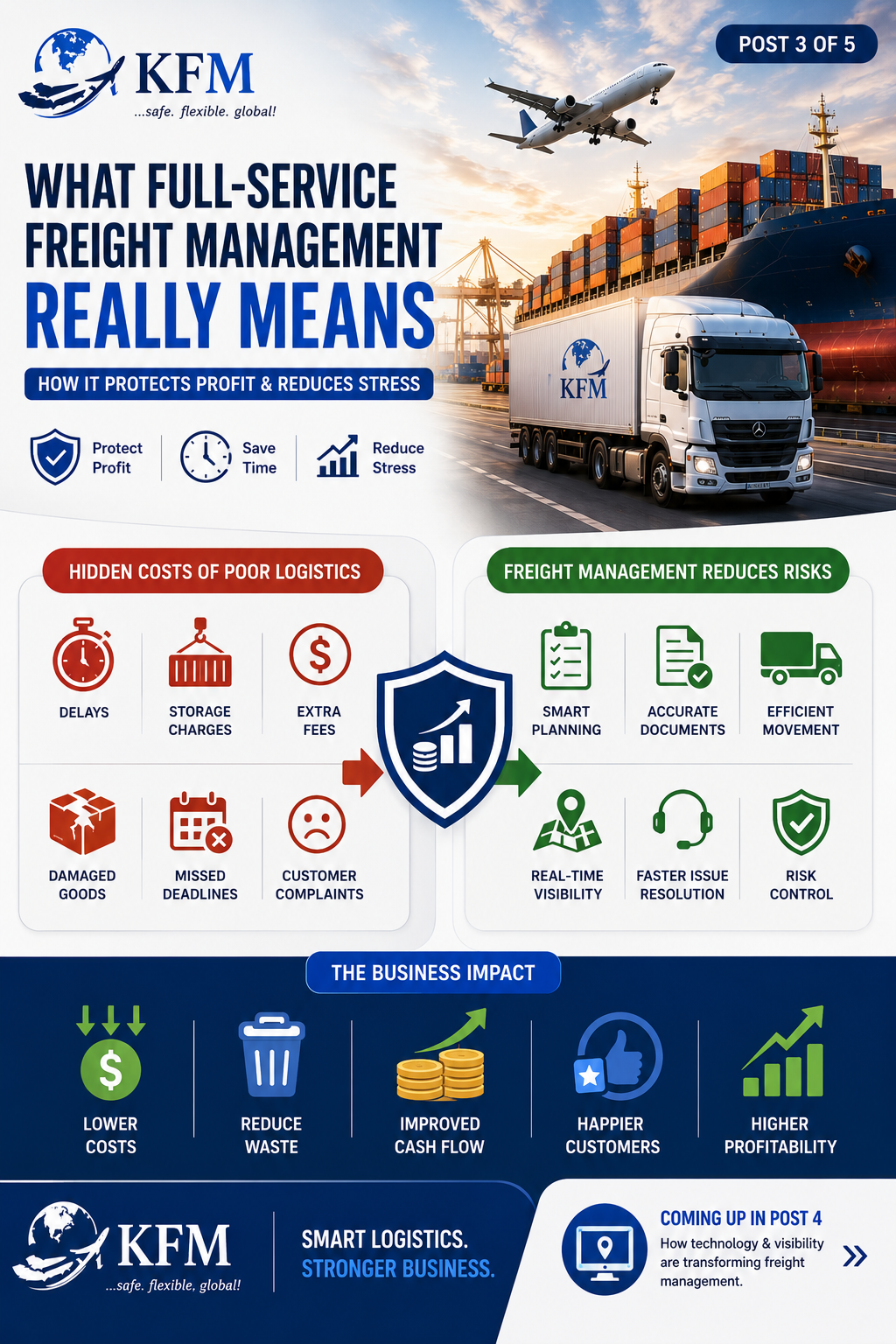
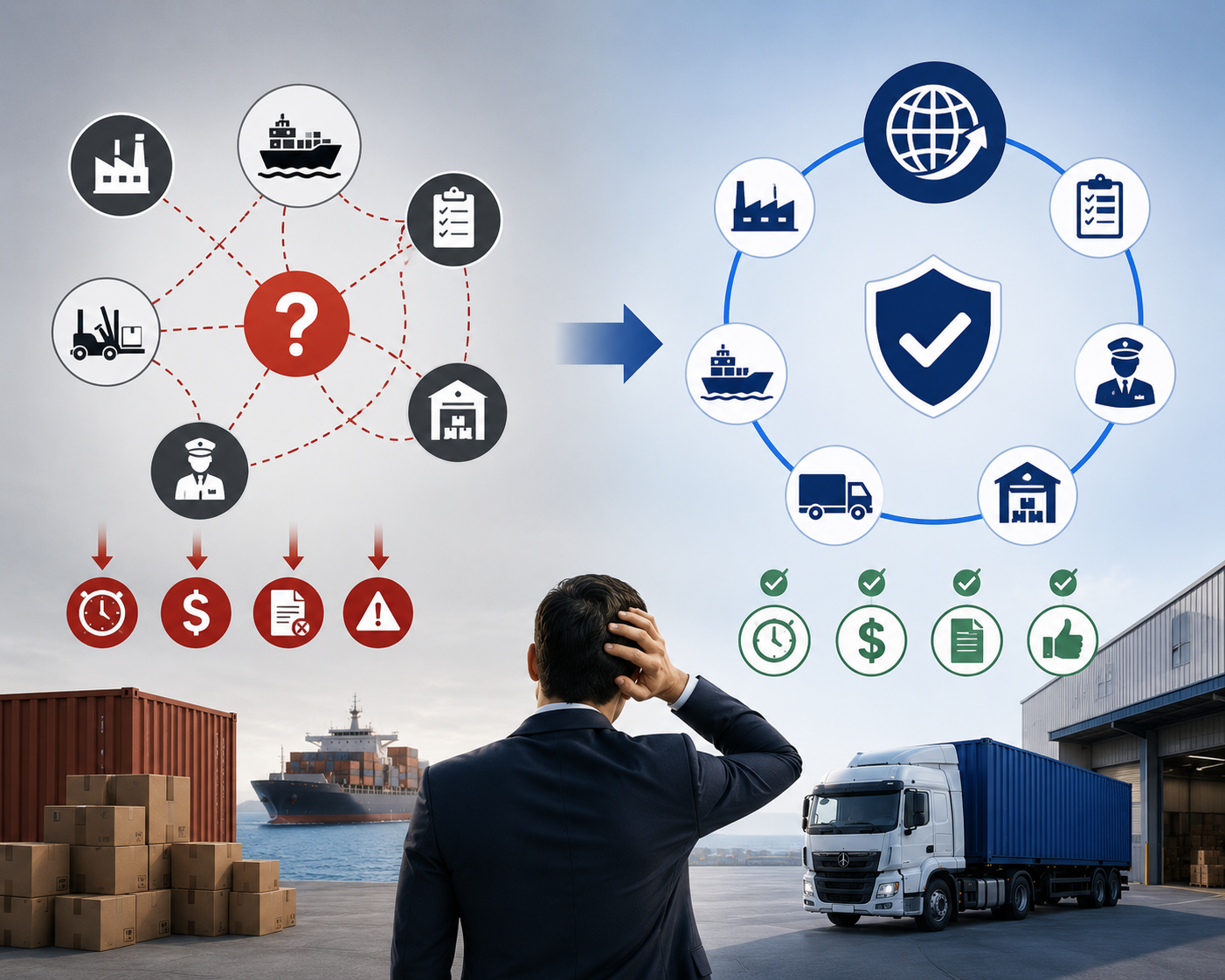
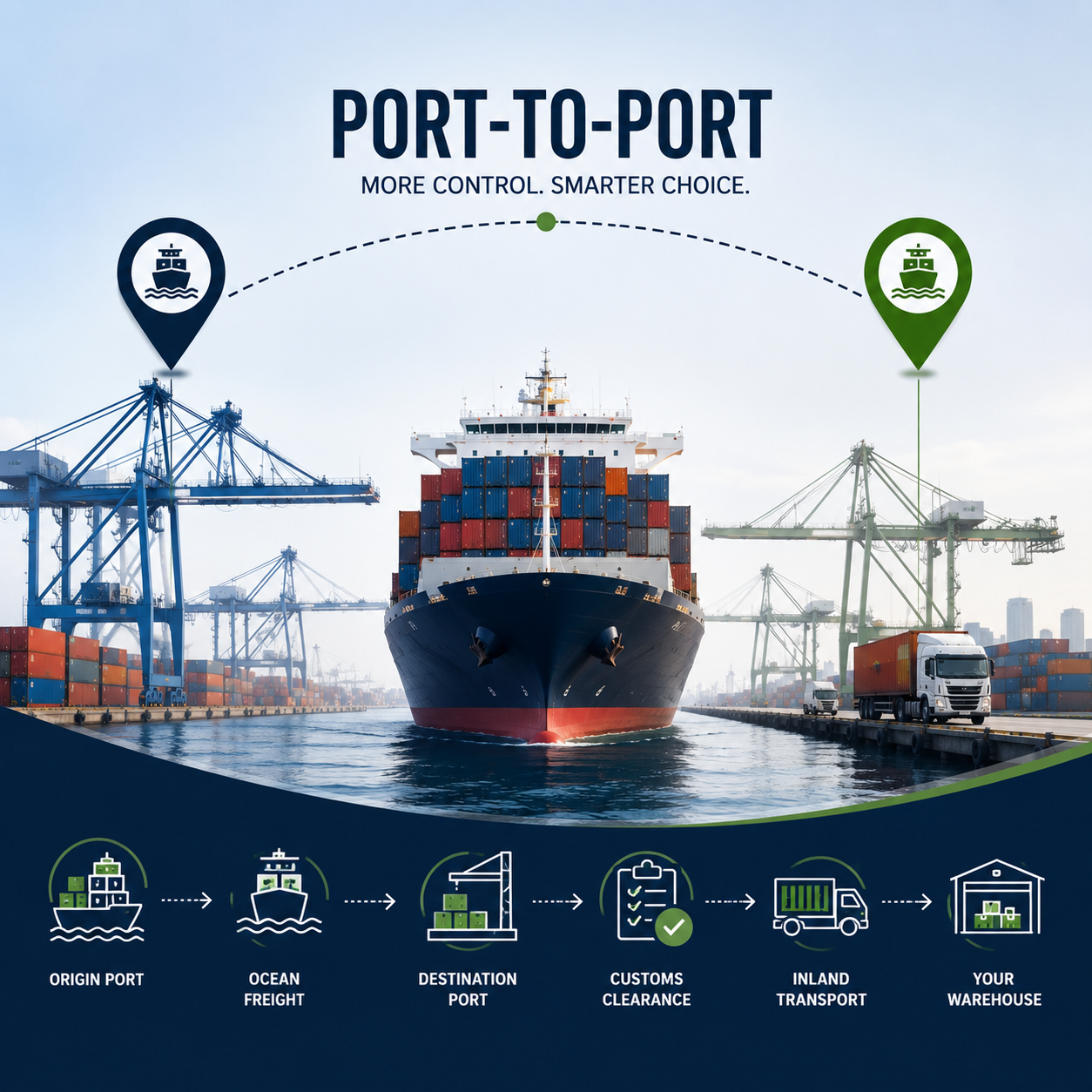
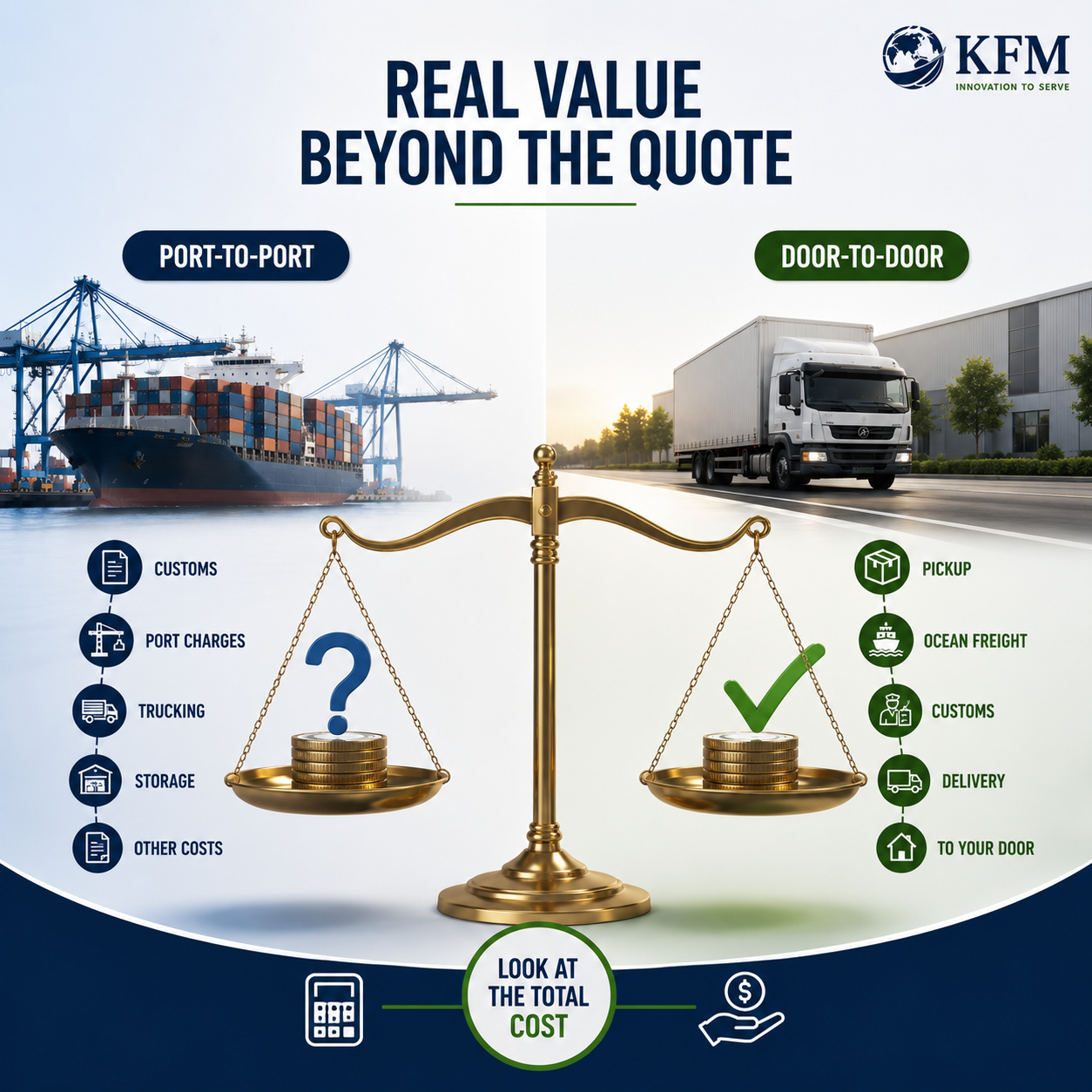
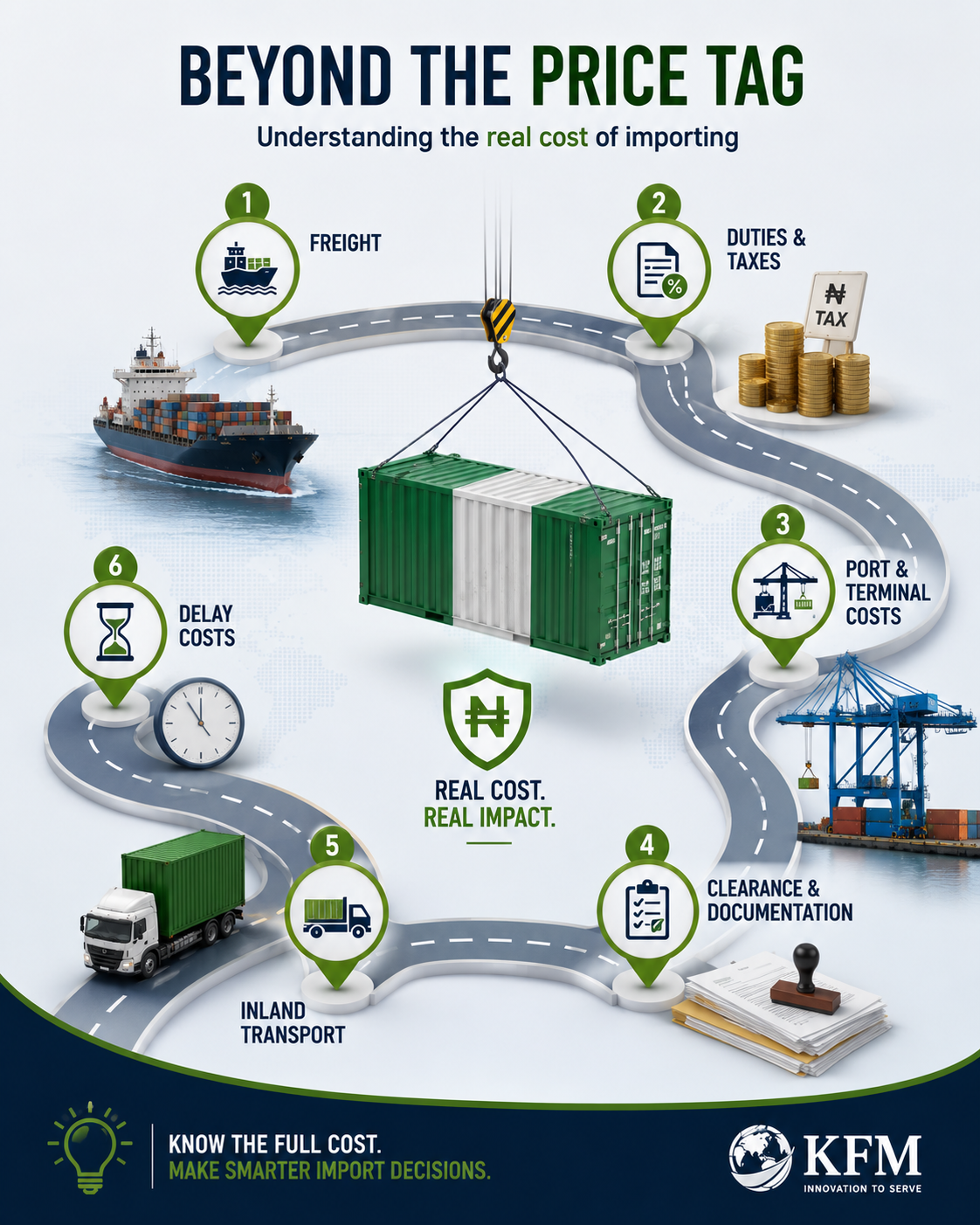
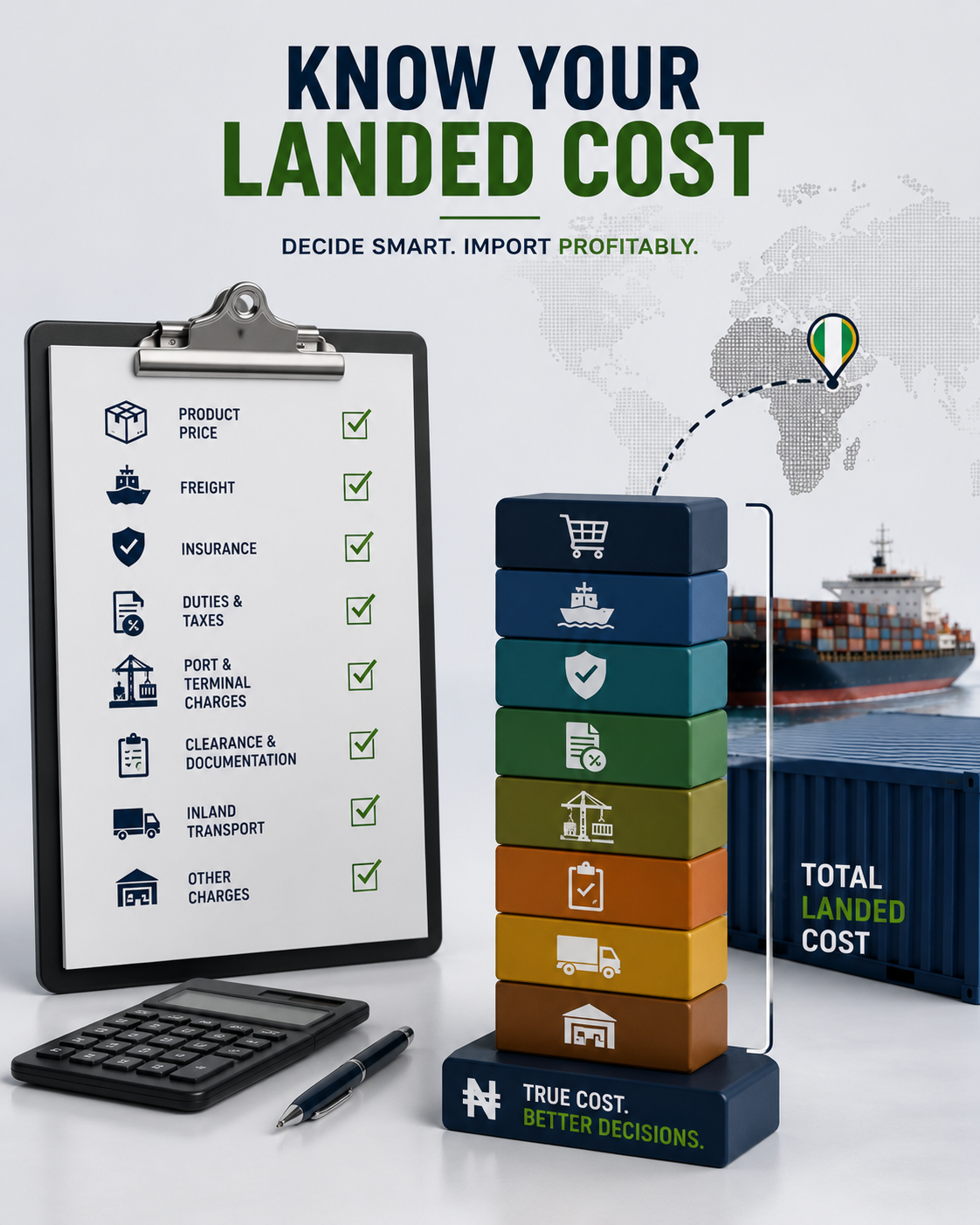
But between the supplier and your warehouse, there are several other cost points that can affect the final amount.
Depending on the shipment, these may include:
- International freight
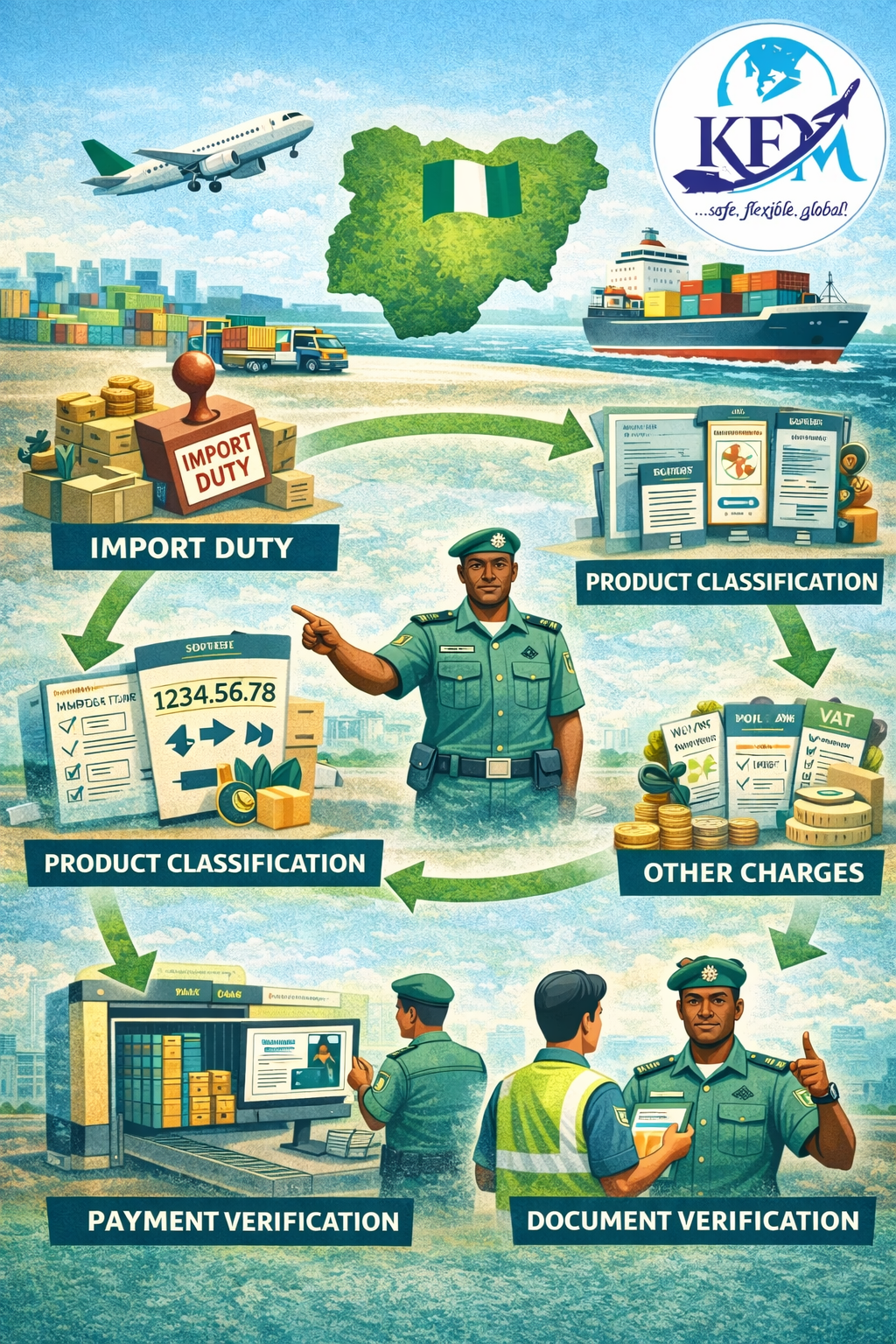
- Customs duties and applicable taxes
- Port and terminal charges
- Clearance and documentation costs
- Inland transportation
- Storage and delay-related charges
The mistake is not that these costs exist. The mistake is failing to account for them early.
Exchange Rates Can Change the Equation
International trade often involves foreign currency.
When exchange rates move between the time you budget for an order and the time payments or related expenses are made, your naira cost can change.
That difference can have a direct impact on your profit margin.
Practical Solution
Don't build your pricing strategy around a currency assumption that leaves your business with no room for movement.
Understand your currency exposure and include a sensible buffer when planning your import.
Freight Rates Aren't Always Static
Freight pricing can be influenced by factors such as:
- Shipping route
- Cargo volume or weight
- Seasonal demand
- Fuel and operational costs
- Equipment availability
- Type of transportation
That means the freight price you saw previously may not necessarily be the price available when you're ready to ship.
Practical Solution
Get current freight information when making your purchasing decision.
Don't base today's import decision entirely on an old quotation.
Delays Can Turn Into Extra Costs
A shipment sitting longer than expected can create problems beyond inconvenience.
Depending on the circumstances, delays can contribute to additional storage, handling, or other time-related expenses.
They can also create a less obvious cost: lost business.
If your inventory isn't available when customers need it, you could lose sales even when the goods eventually arrive.
Practical Solution
Track your shipment, prepare documentation early, and build realistic time buffers into your inventory planning.
Documentation Can Protect Your Budget
A documentation problem can become a logistics problem.
Incorrect or incomplete shipment information may lead to delays, additional processing, or unexpected complications.
Before your cargo moves, make sure the relevant documents and shipment details are properly prepared and consistent.
Five minutes of checking can be cheaper than days of fixing.
The Smart Importer's Rule
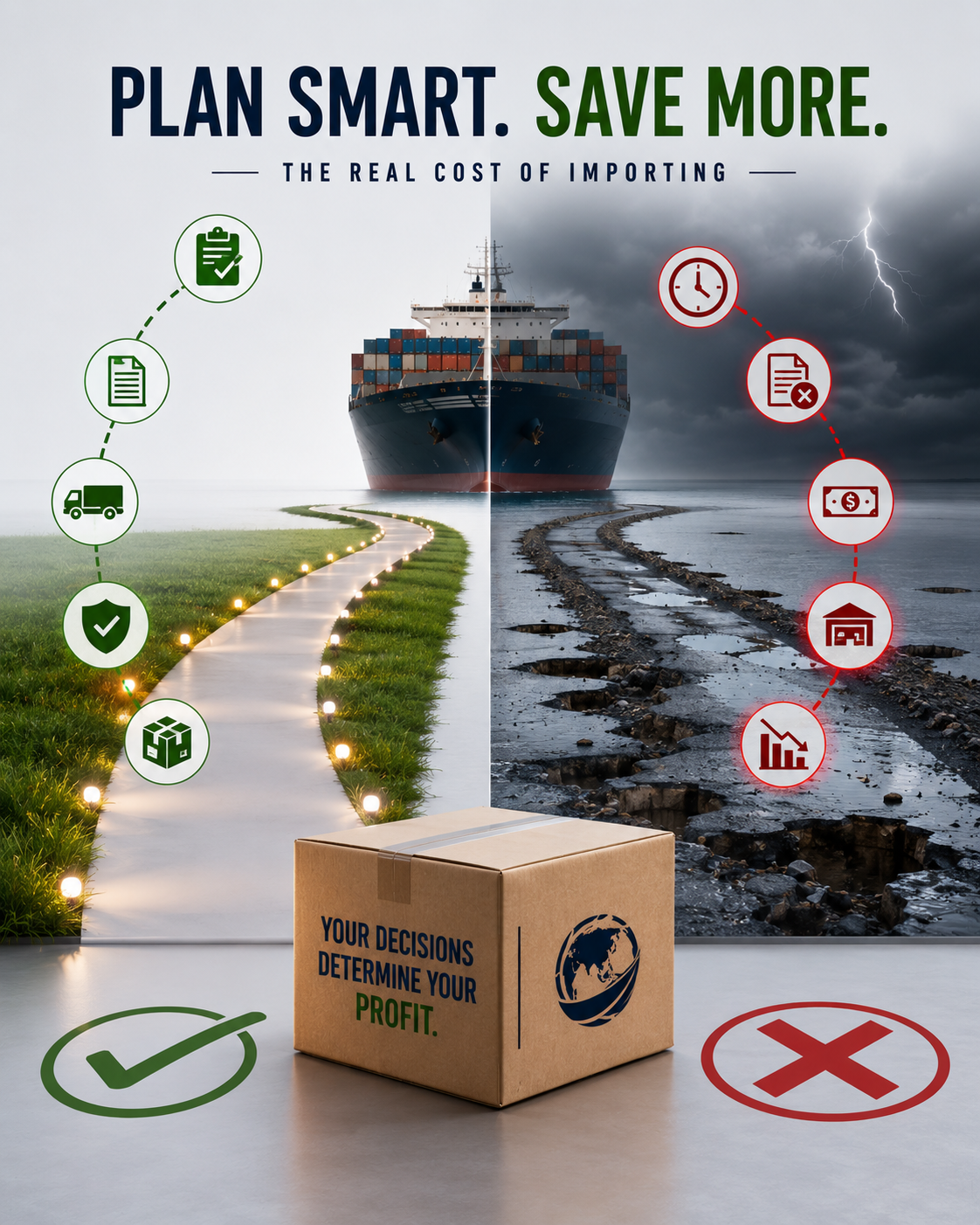
Don't plan your import using one number.
Plan using a cost range.
Know your expected costs, identify the areas that can change, and create a reasonable contingency for the variables you cannot fully control.
This gives your business room to breathe when the unexpected happens.
At KFM, we believe good freight management starts before the shipment begins.
Understanding the possible cost drivers allows importers to plan better, price more confidently, and reduce avoidable surprises.
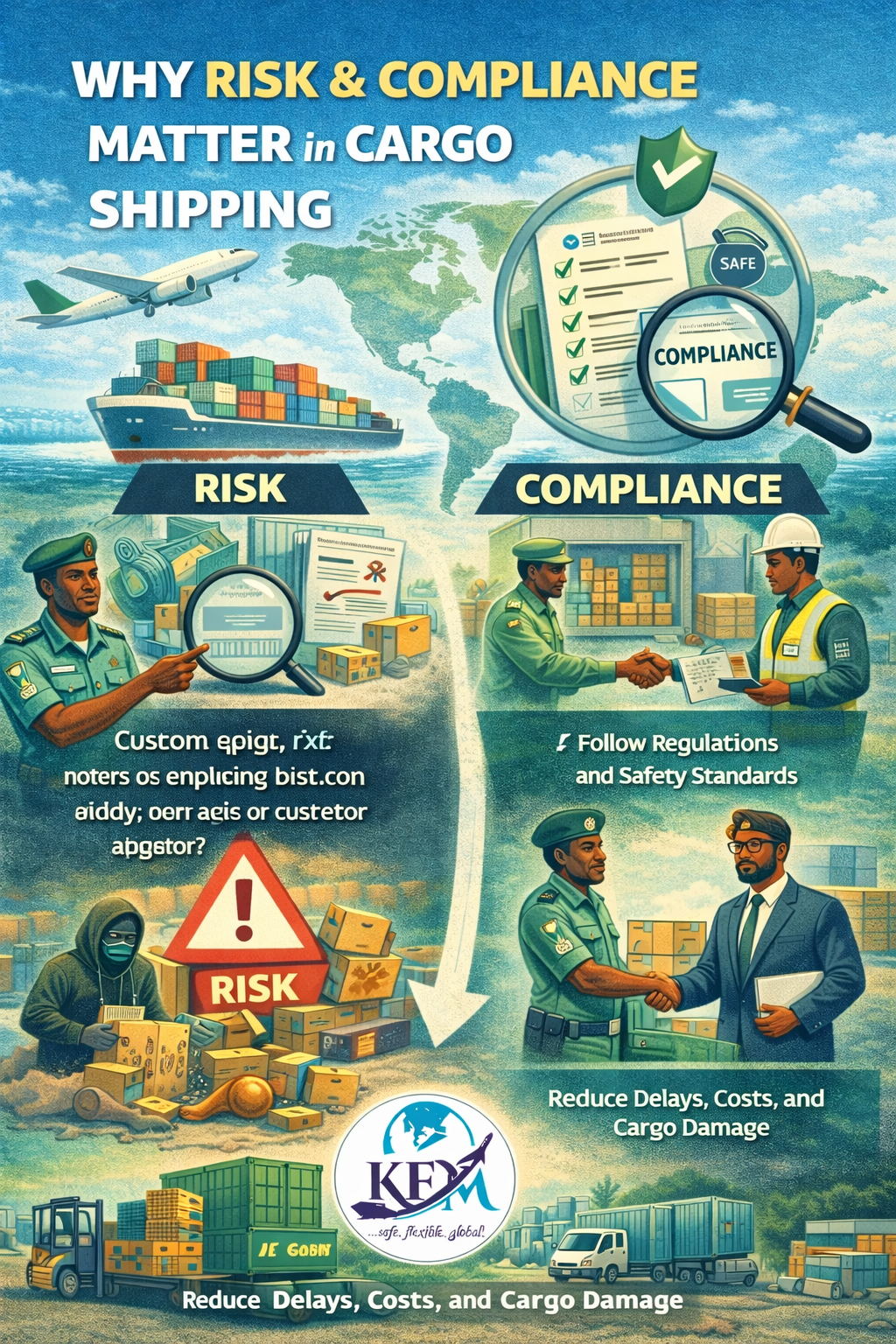
You can't control every variable in international logistics.
But you can control how prepared you are for them.
Coming Up in Post 3 👀
Next, we'll tackle another major challenge: customs, documentation, and regulatory requirements—and how mistakes in this area can hold your cargo back.
Don't budget for the perfect shipment. Budget intelligently for the real one.