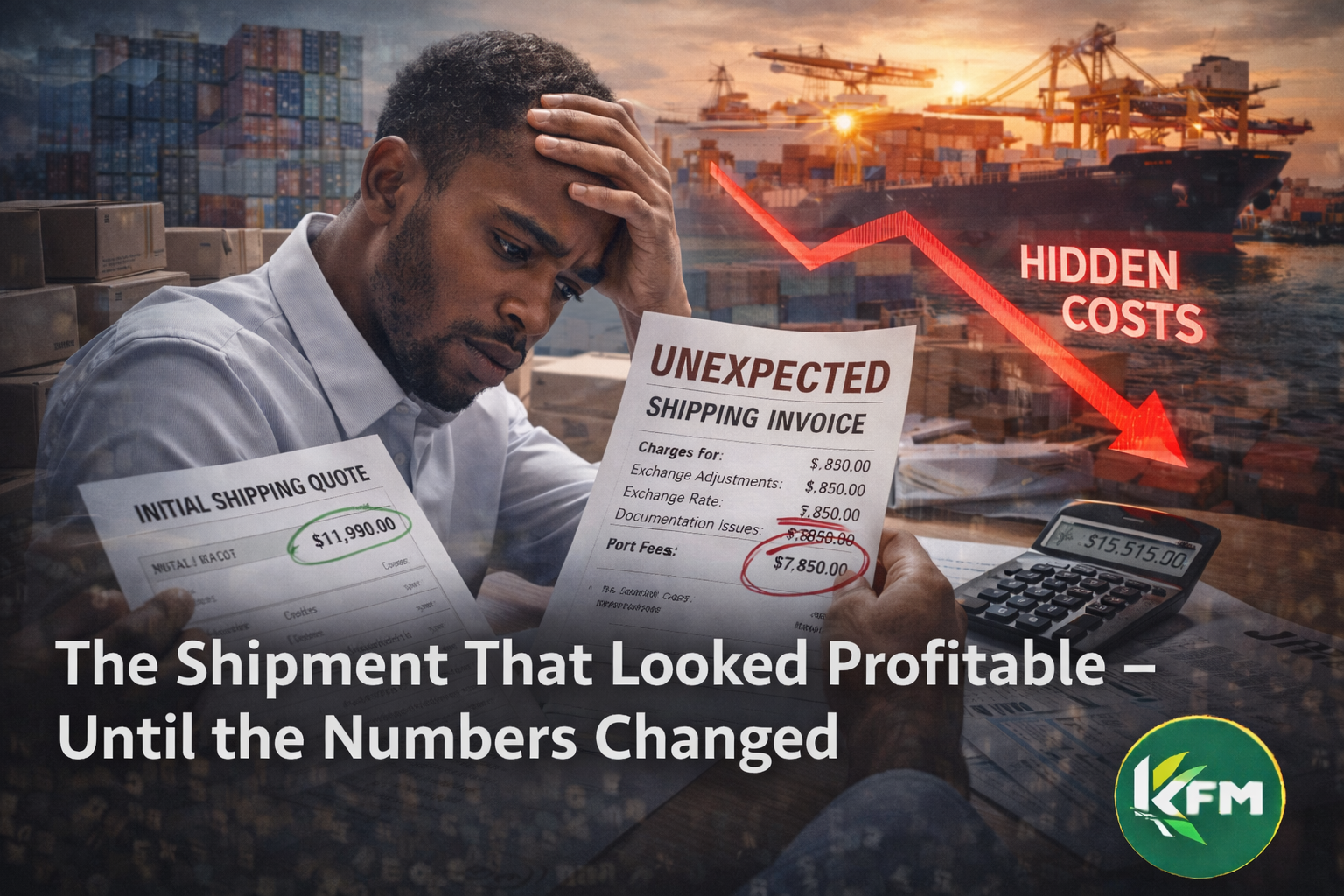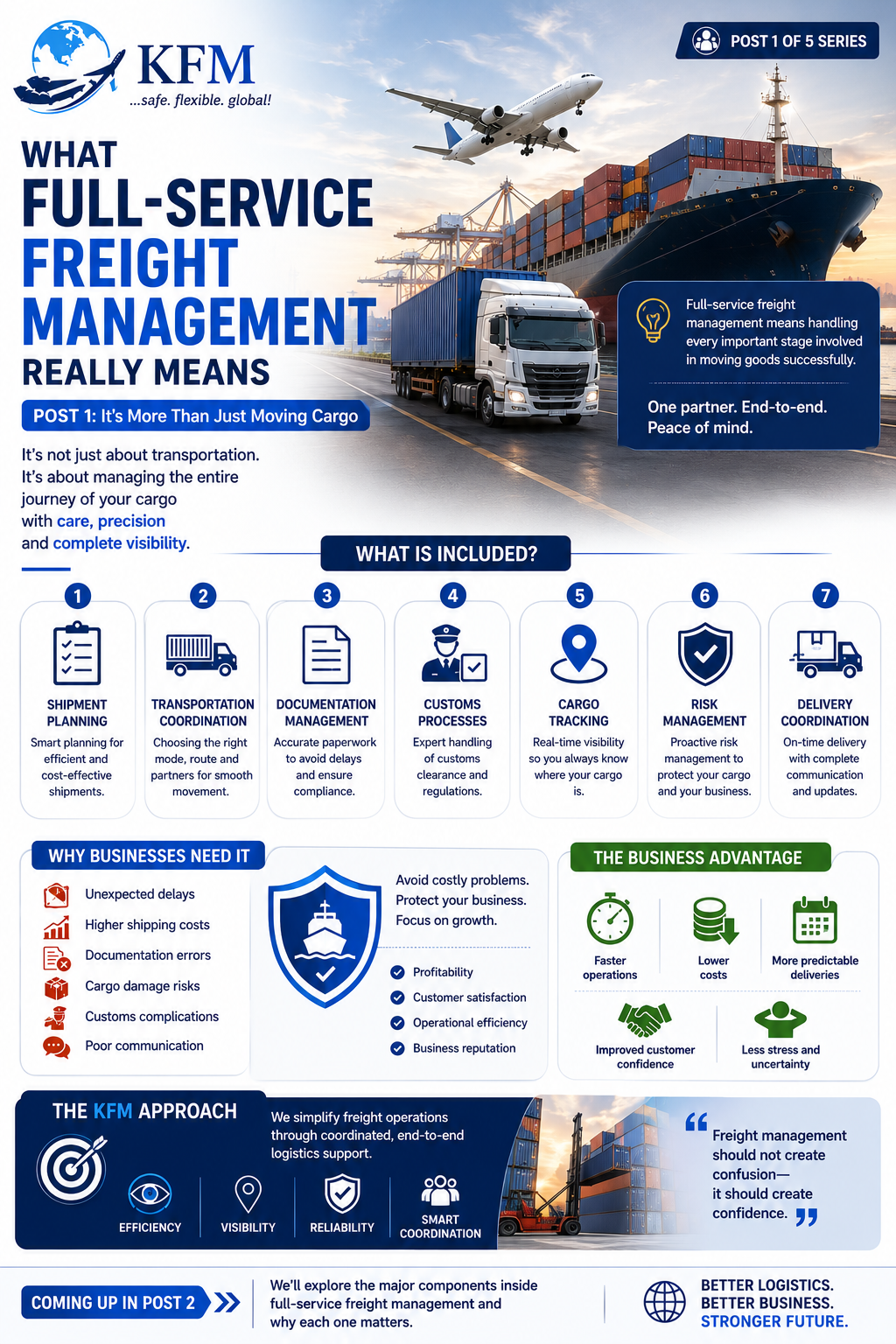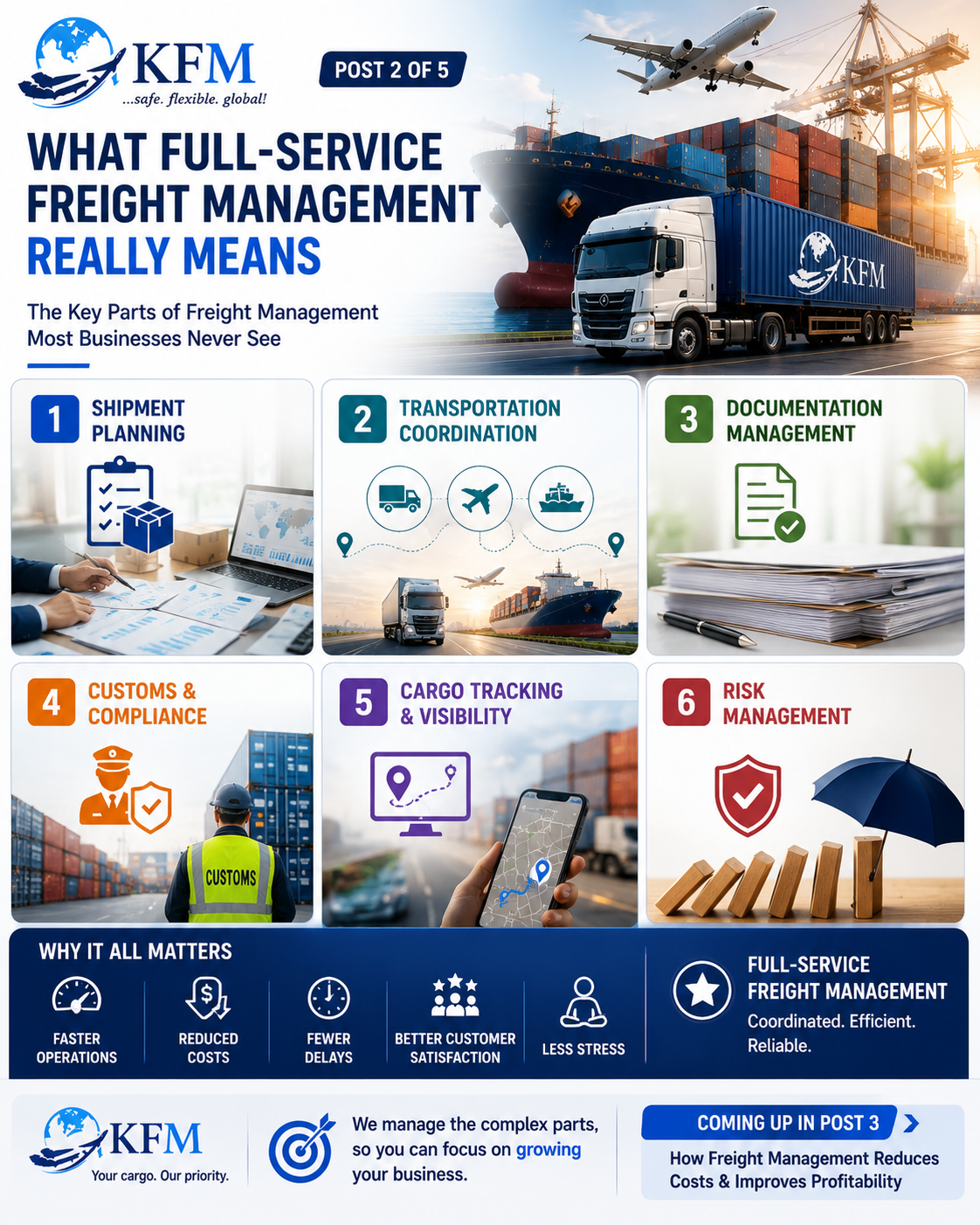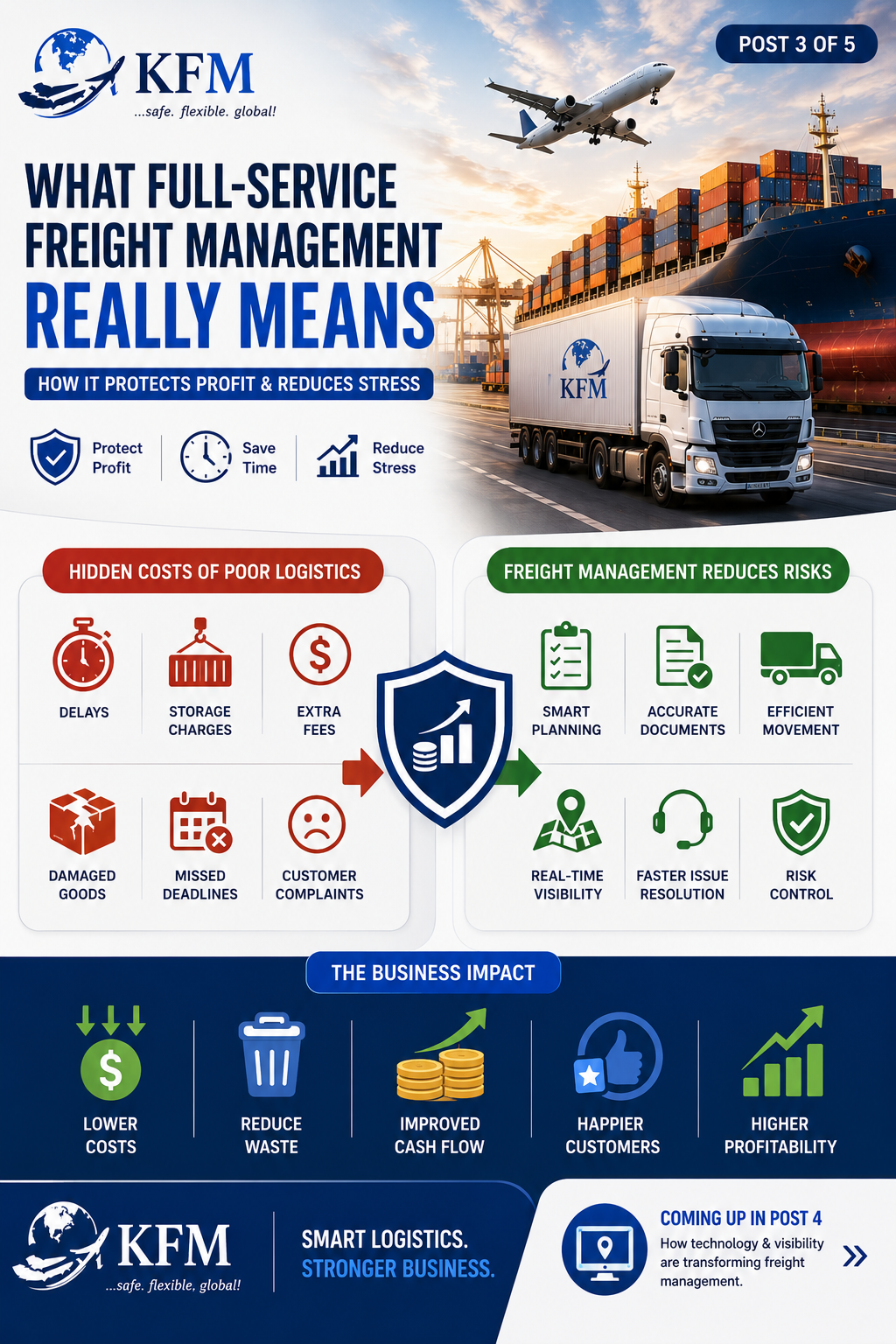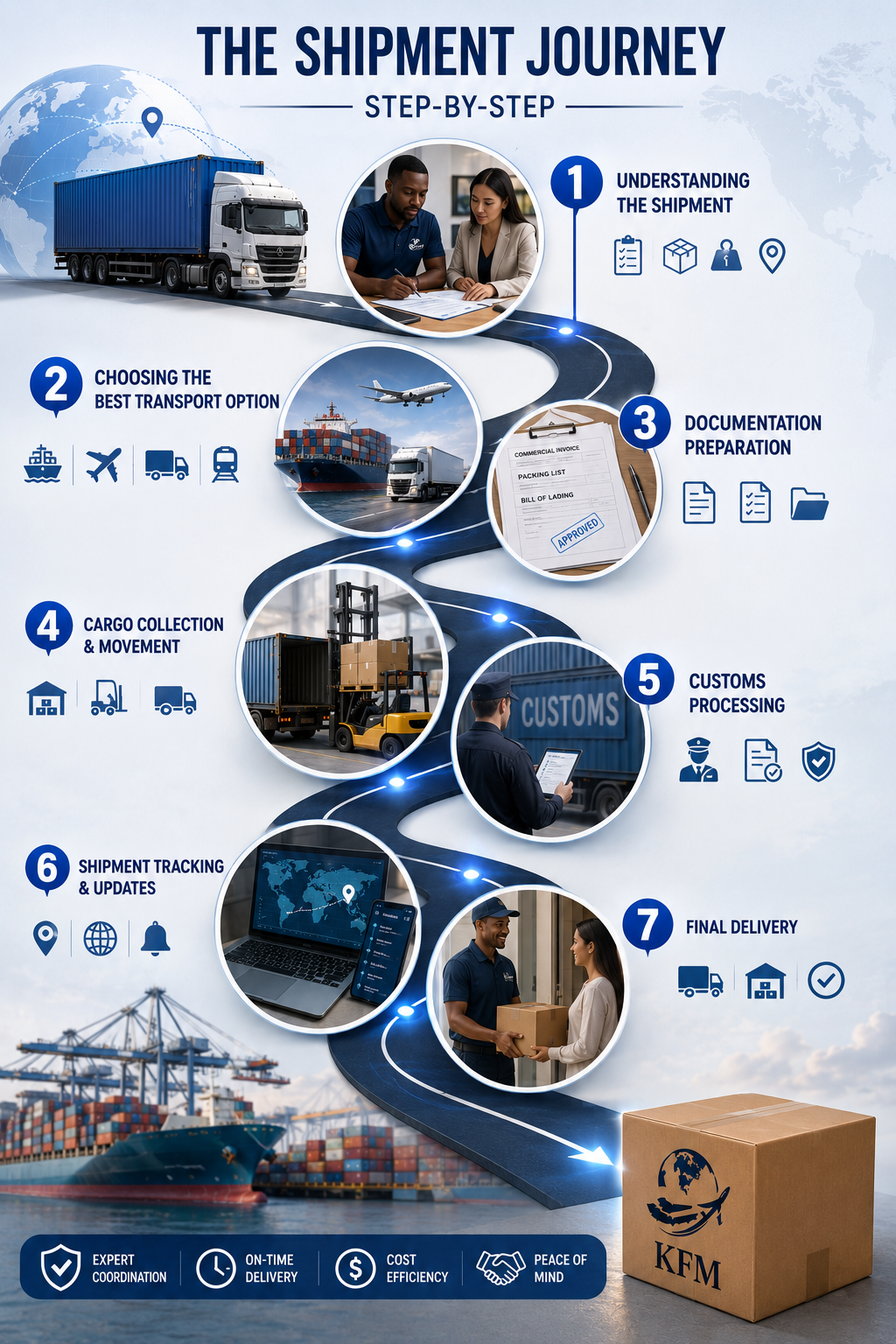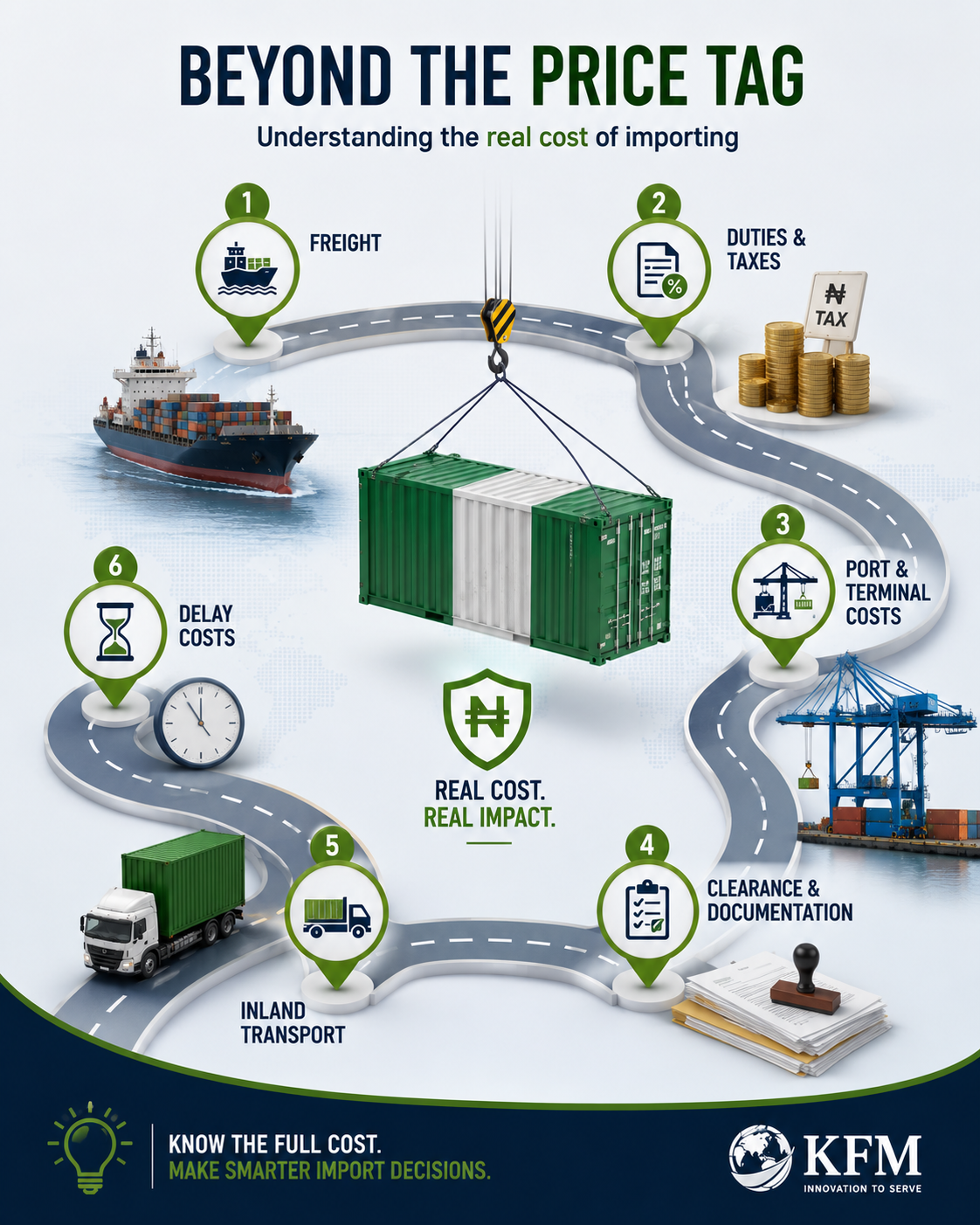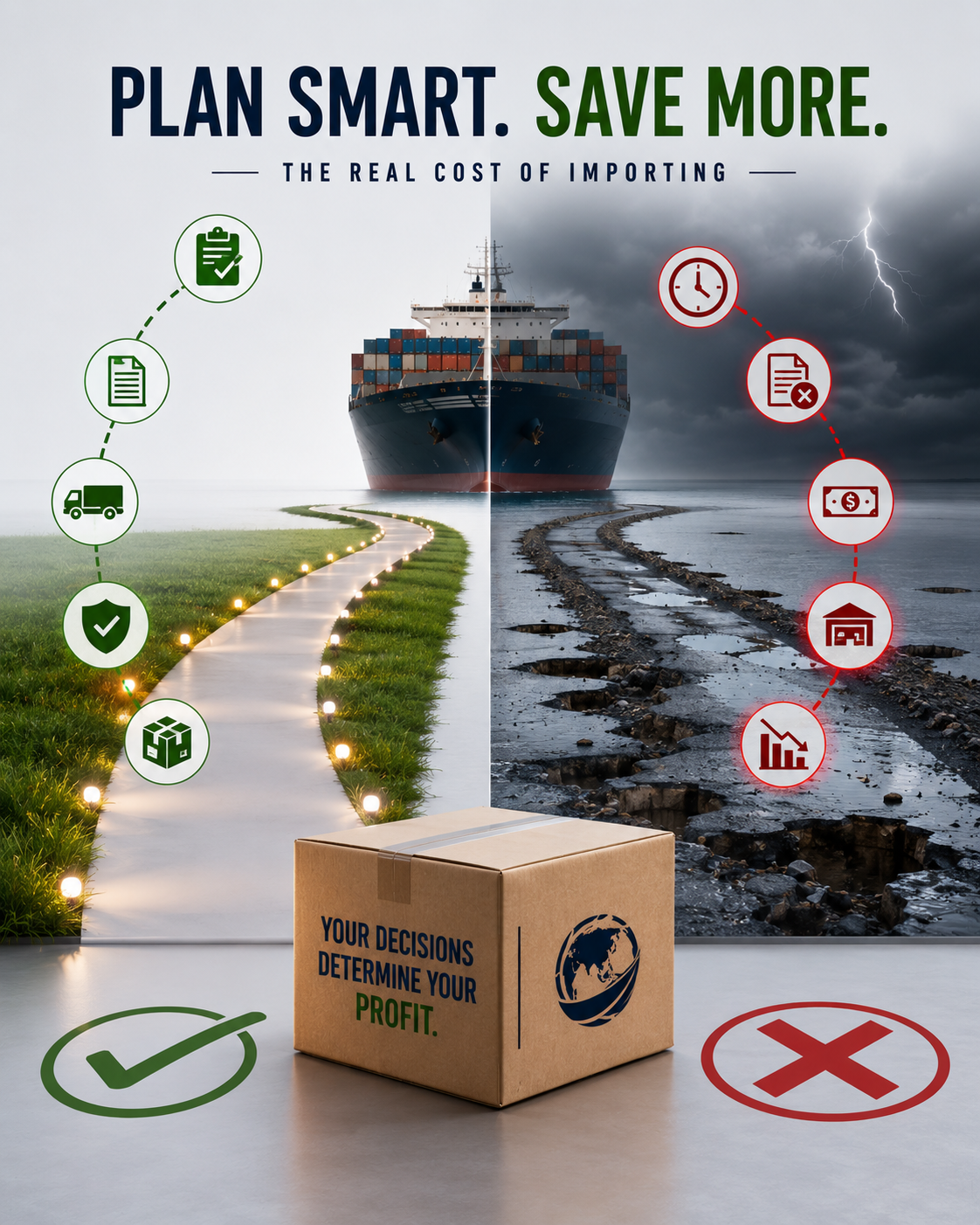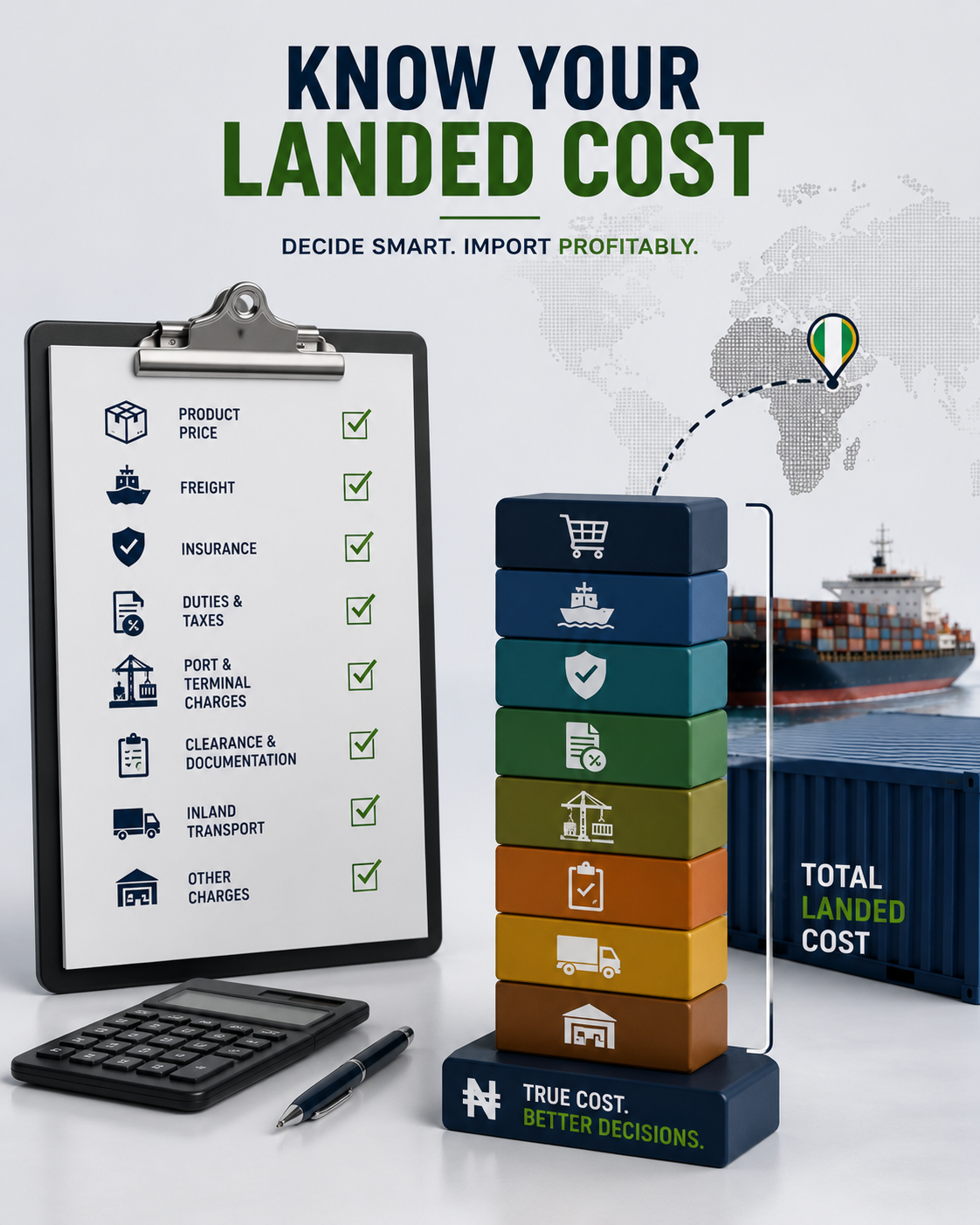
Your goods have left the supplier.
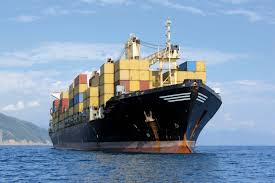
The vessel is on its way.
You have customers waiting. Your warehouse is ready. Your money is already tied up in the shipment.
Then the waiting begins.
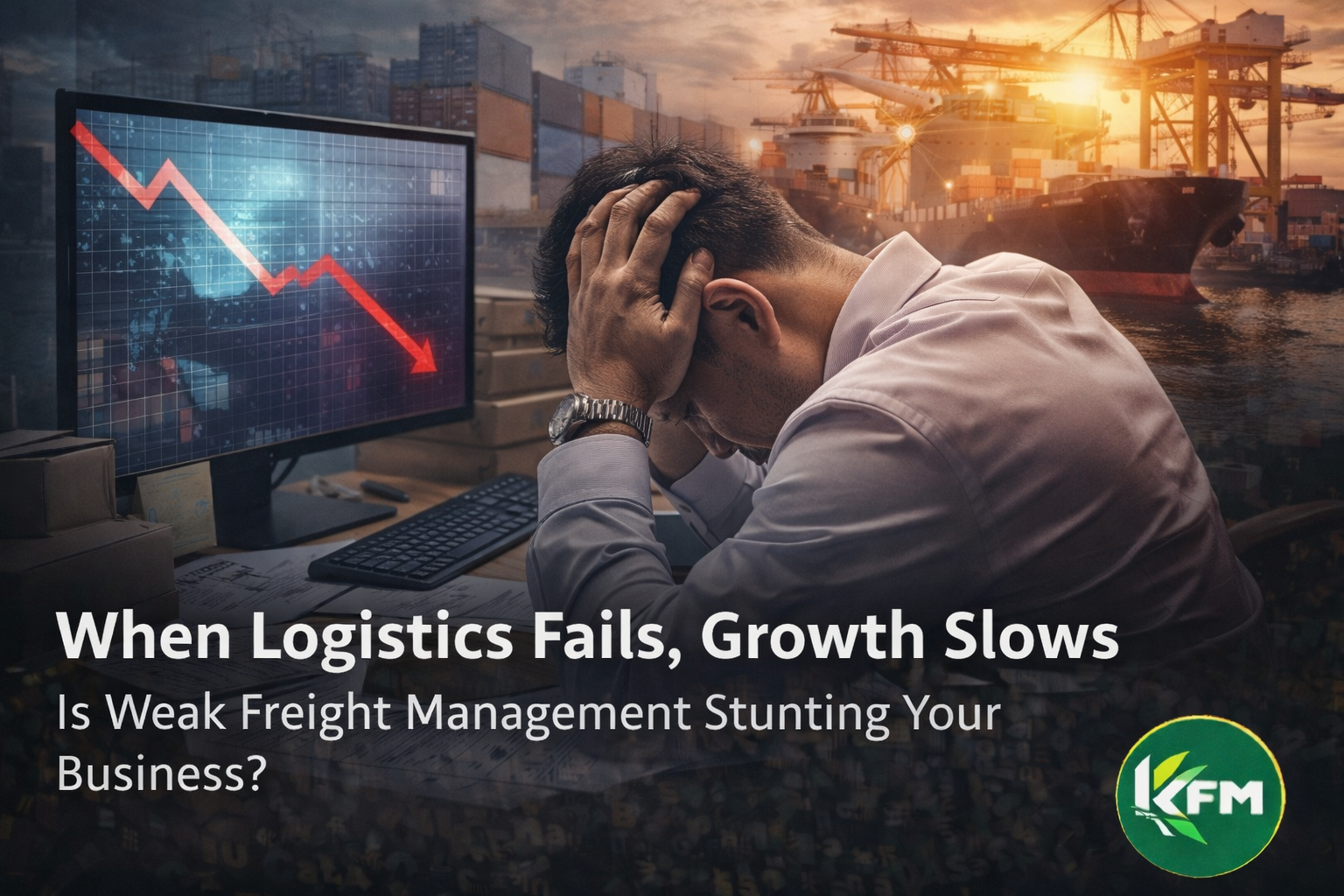
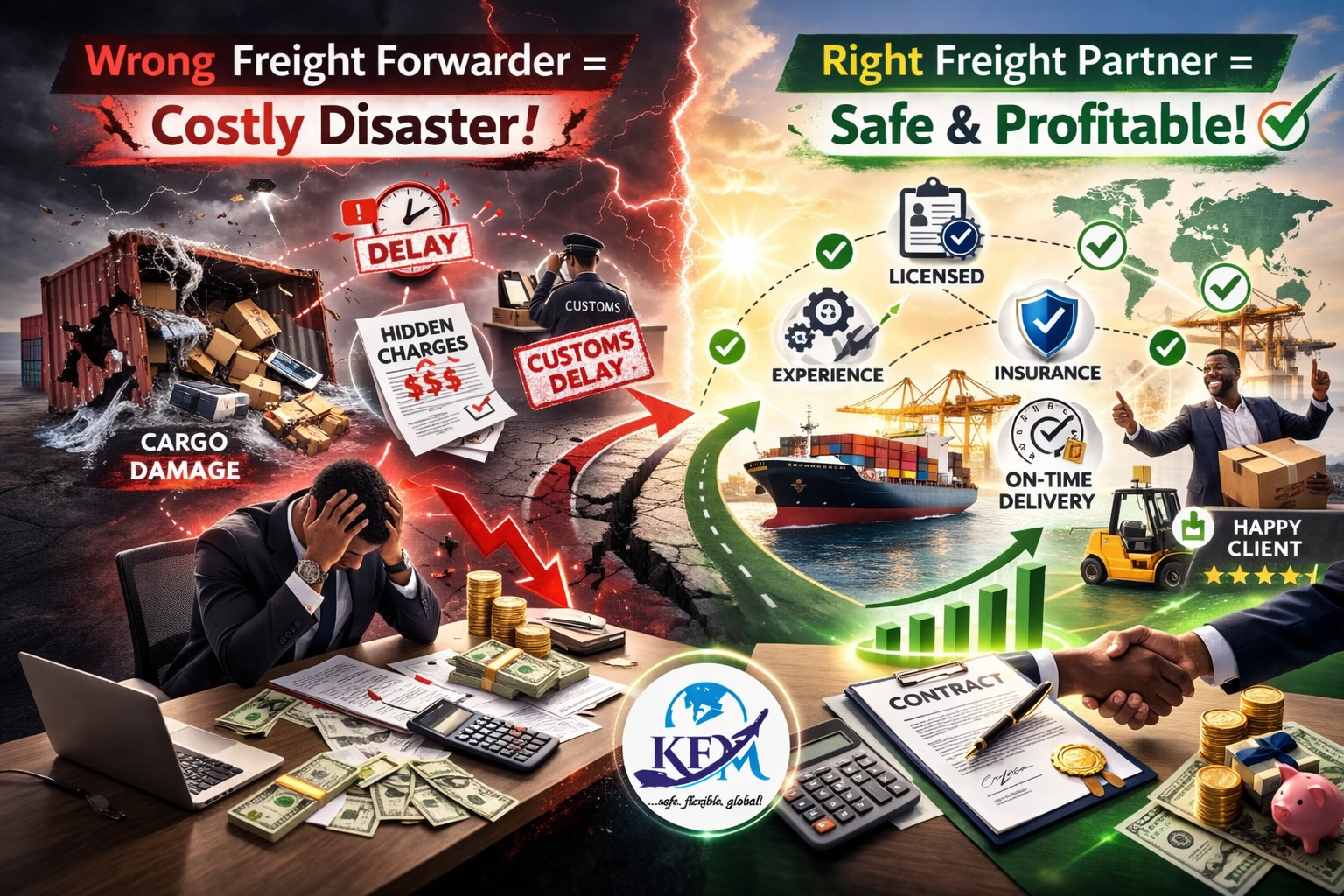
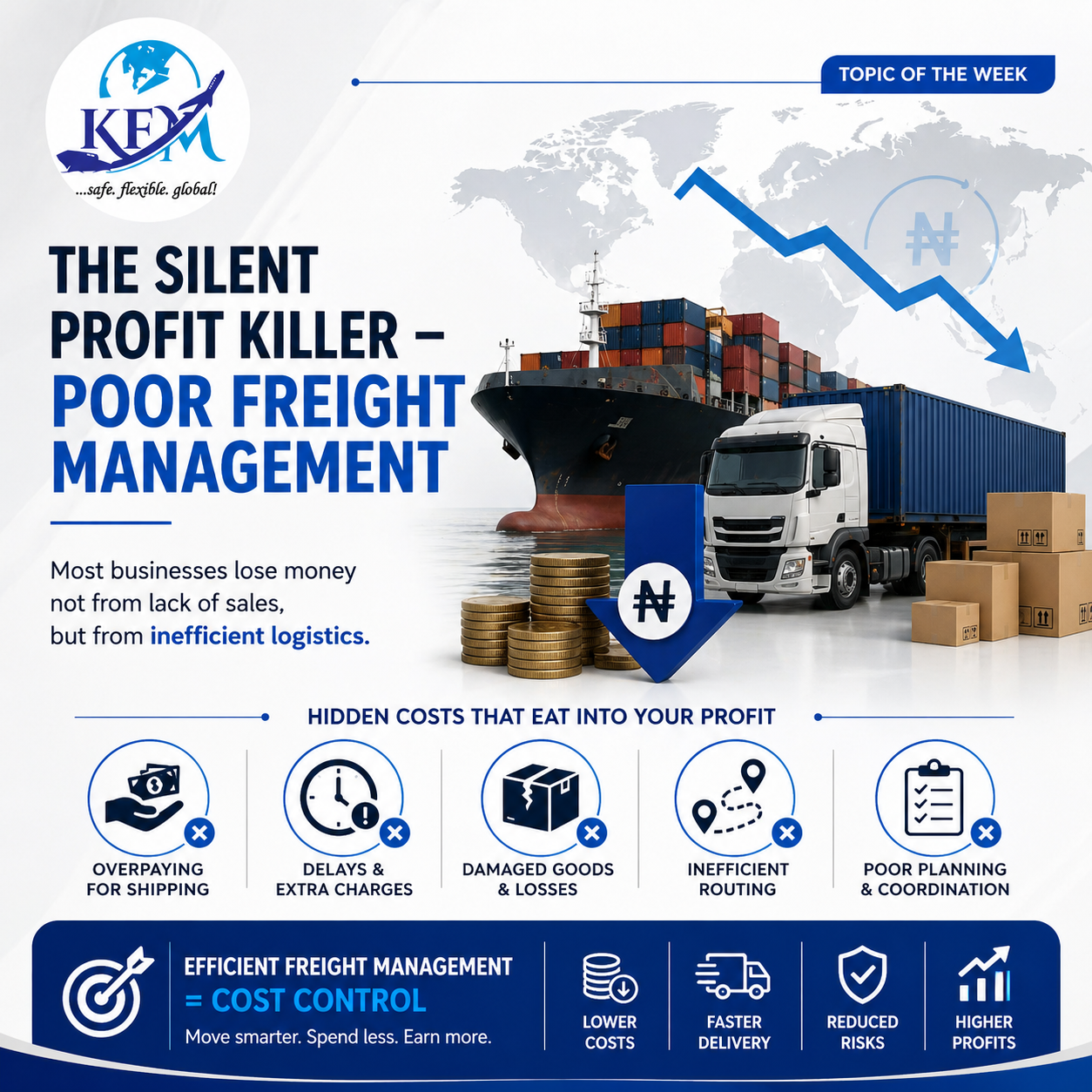
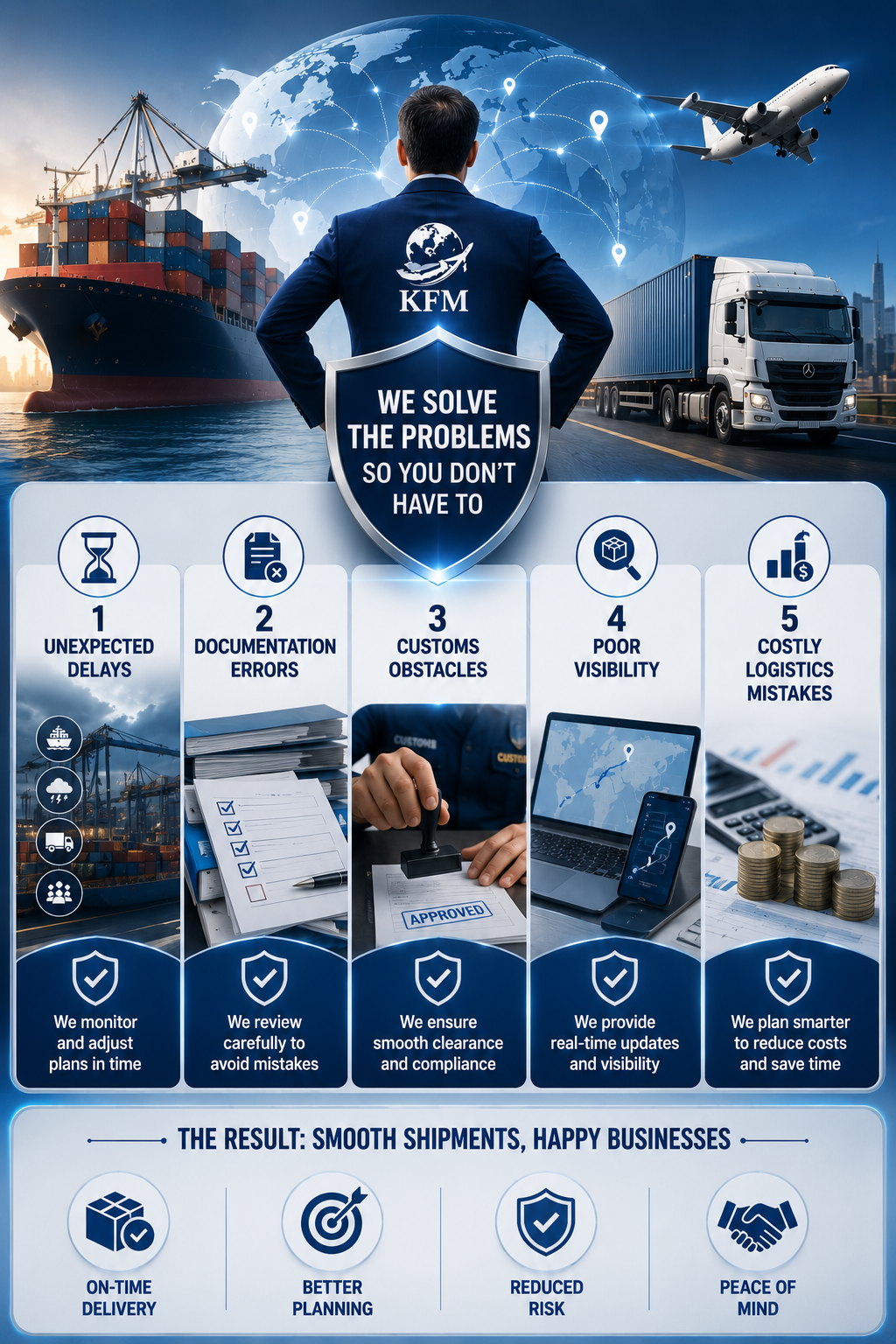
Delays are one of the biggest challenges an importer can face because cargo delays can quickly become business delays.
A Delay Is More Than "Waiting"
When an expected shipment doesn't arrive on schedule, the impact can spread across the entire business.
- Stock may run low.
- Customer orders may be postponed.
- Production may be interrupted.
- Promotions may have to be changed.
- Cash can remain tied up in inventory that isn't available for sale.
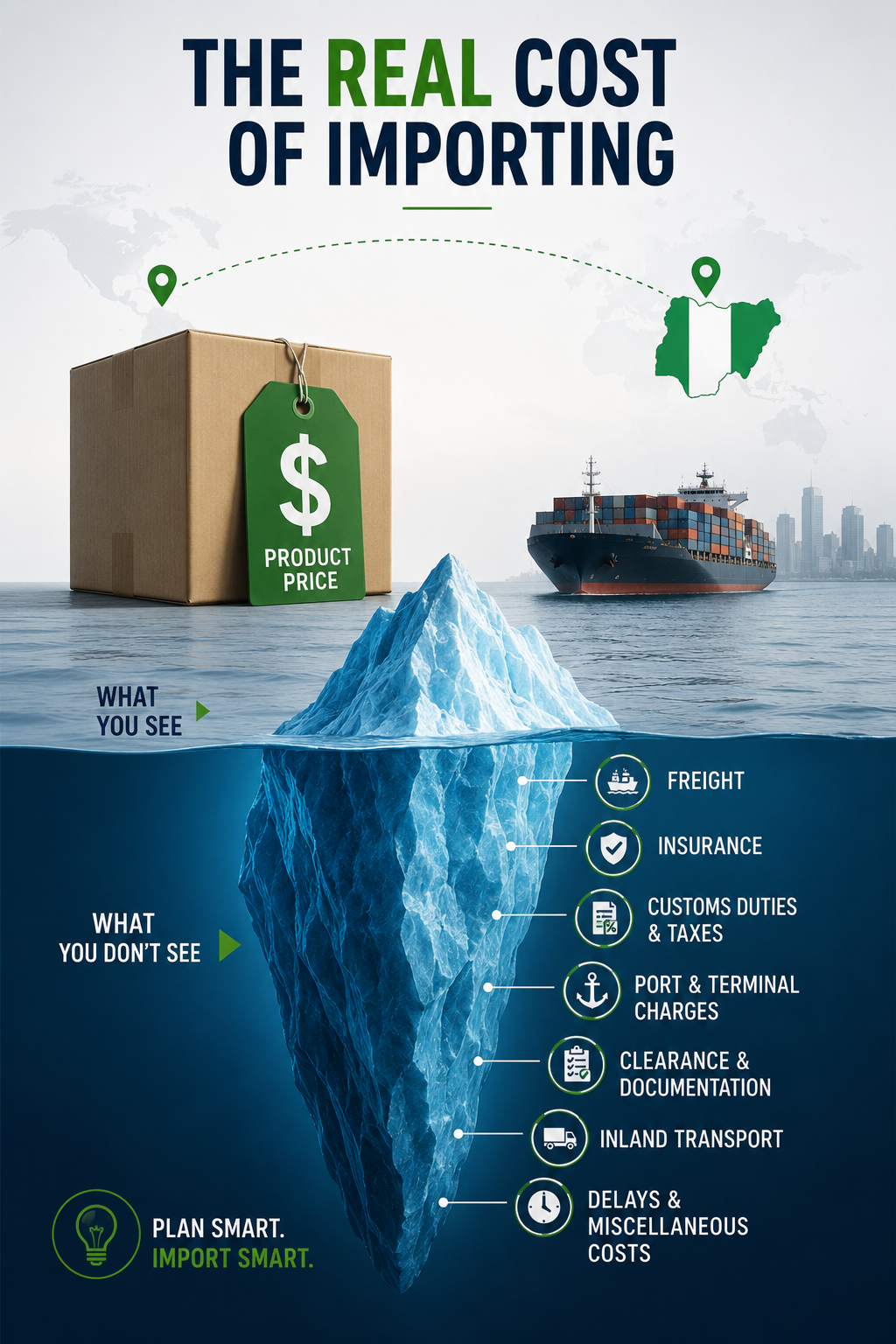
And depending on the circumstances, additional storage, handling, or other delay-related costs may arise.
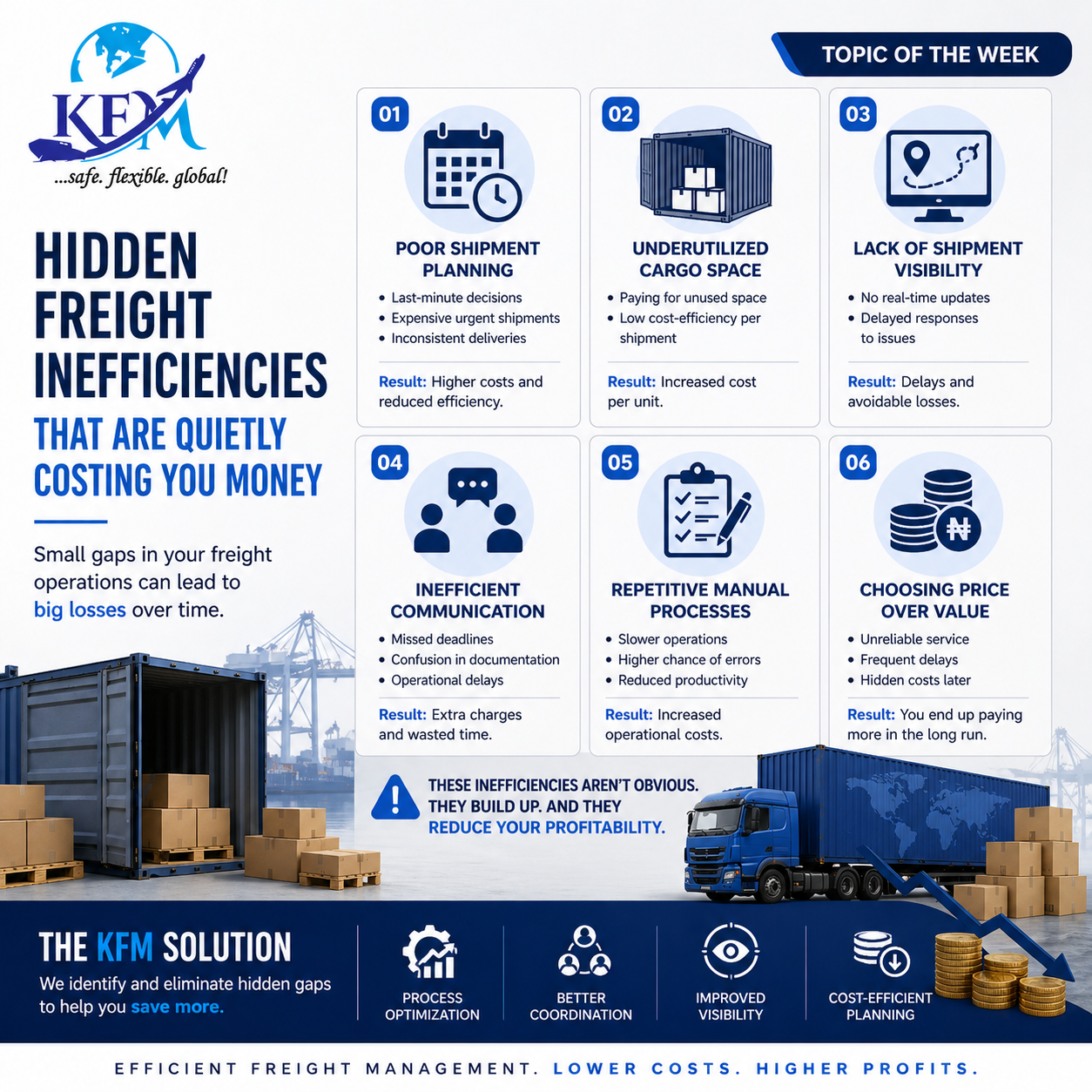
Why Do Delays Happen?
Not every delay has the same cause.
Delays can result from different points in the logistics chain, including:
- Port congestion
- Documentation or clearance issues
- Incomplete shipment information
- Transportation challenges
- Operational disruptions
- Unexpected changes during transit
The important thing is not simply knowing that delays happen.
It's knowing where the risks are and preparing for them before they affect your business.
The Most Dangerous Assumption: "It Will Arrive on Time"
Building your entire inventory plan around one expected arrival date can be risky.
If your business needs imported goods to maintain daily operations, you need to think beyond the estimated arrival date.
Ask:
- What happens if the shipment arrives later than expected?
- How much stock do I have available?
- Do I have alternative suppliers or sourcing options?
- How quickly can I respond if something changes?
Good import planning includes a Plan B.
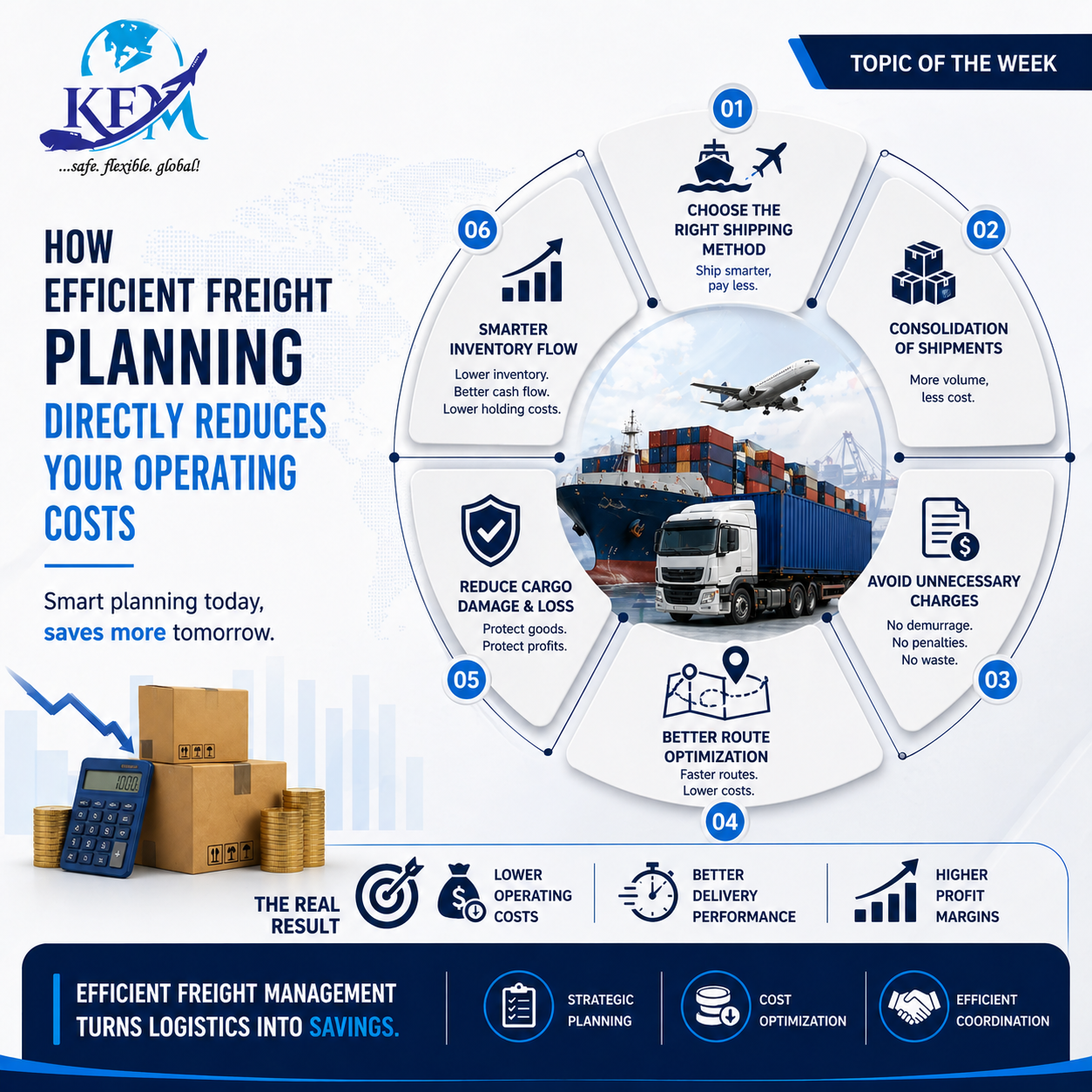
Practical Solution #1: Build Time Buffers
If your business absolutely needs the goods by a particular date, don't plan around the most optimistic timeline.
Allow reasonable time for unexpected events along the journey.
This gives your business breathing room instead of forcing you into emergency decisions when a shipment is delayed.
Practical Solution #2: Track the Shipment
You can't solve a problem you don't know about.
Maintain visibility over your shipment and pay attention to important updates throughout the logistics process.
Early information gives you more time to respond.
Visibility turns surprises into decisions.
Practical Solution #3: Prepare Before Arrival
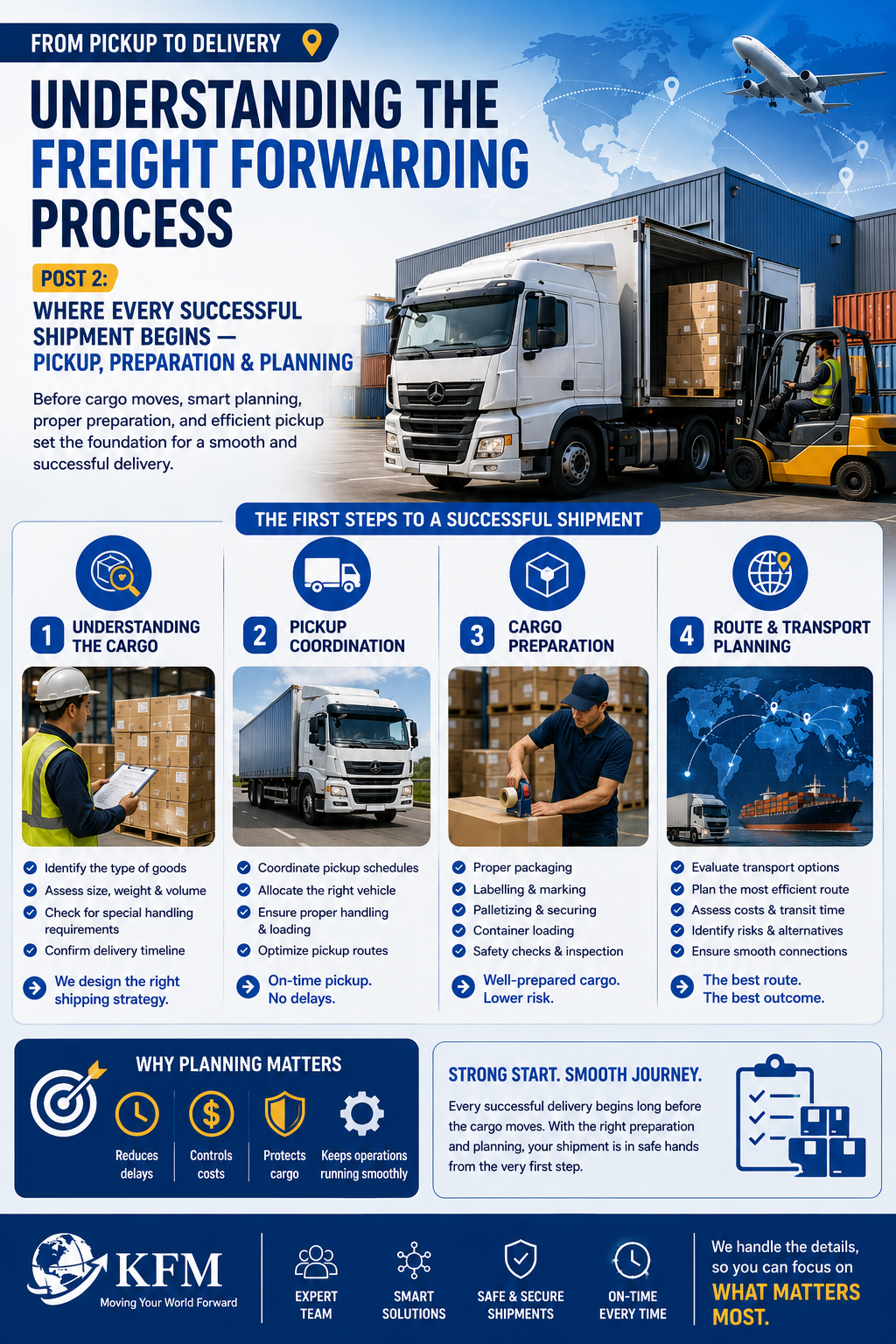
Don't wait until your cargo reaches the destination before preparing for the next stage.
Make sure the relevant documentation, clearance arrangements, transport plans, and delivery instructions are ready ahead of time.
The faster the next stage can begin, the less unnecessary waiting you may introduce into the process.
Practical Solution #4: Have the Right People in the Chain
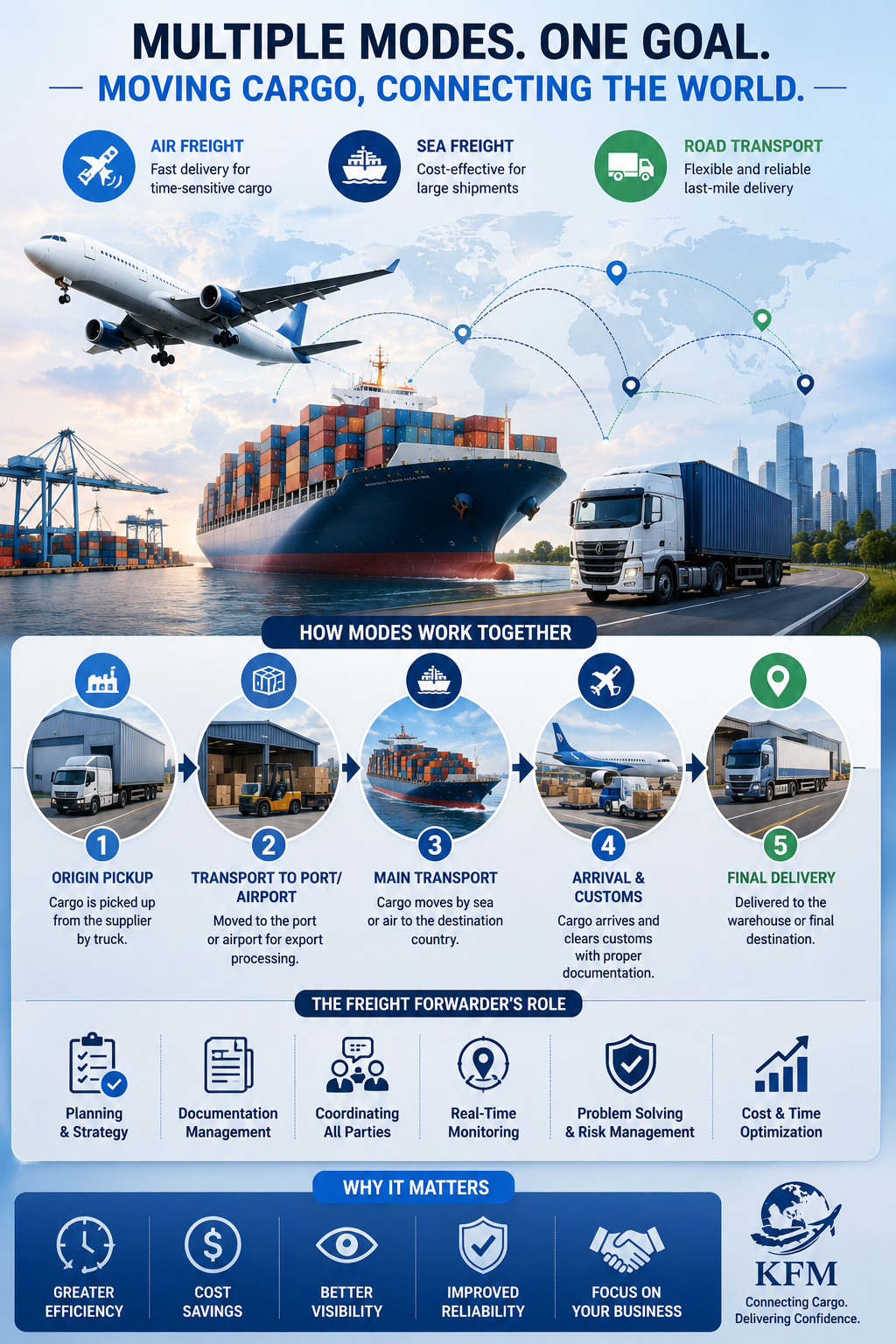
Freight forwarding involves coordination between multiple parties.
When responsibilities are unclear, small problems can take longer to resolve.
Working with reliable logistics partners and establishing clear communication channels can make it easier to identify issues and respond quickly.
Think Beyond the Shipment
The real question isn't:
"When will my cargo arrive?"
A smarter question is:
"What does my business need to do if it arrives earlier, later, or exactly as planned?"
That shift in thinking can completely change how you manage inventory and logistics.
e
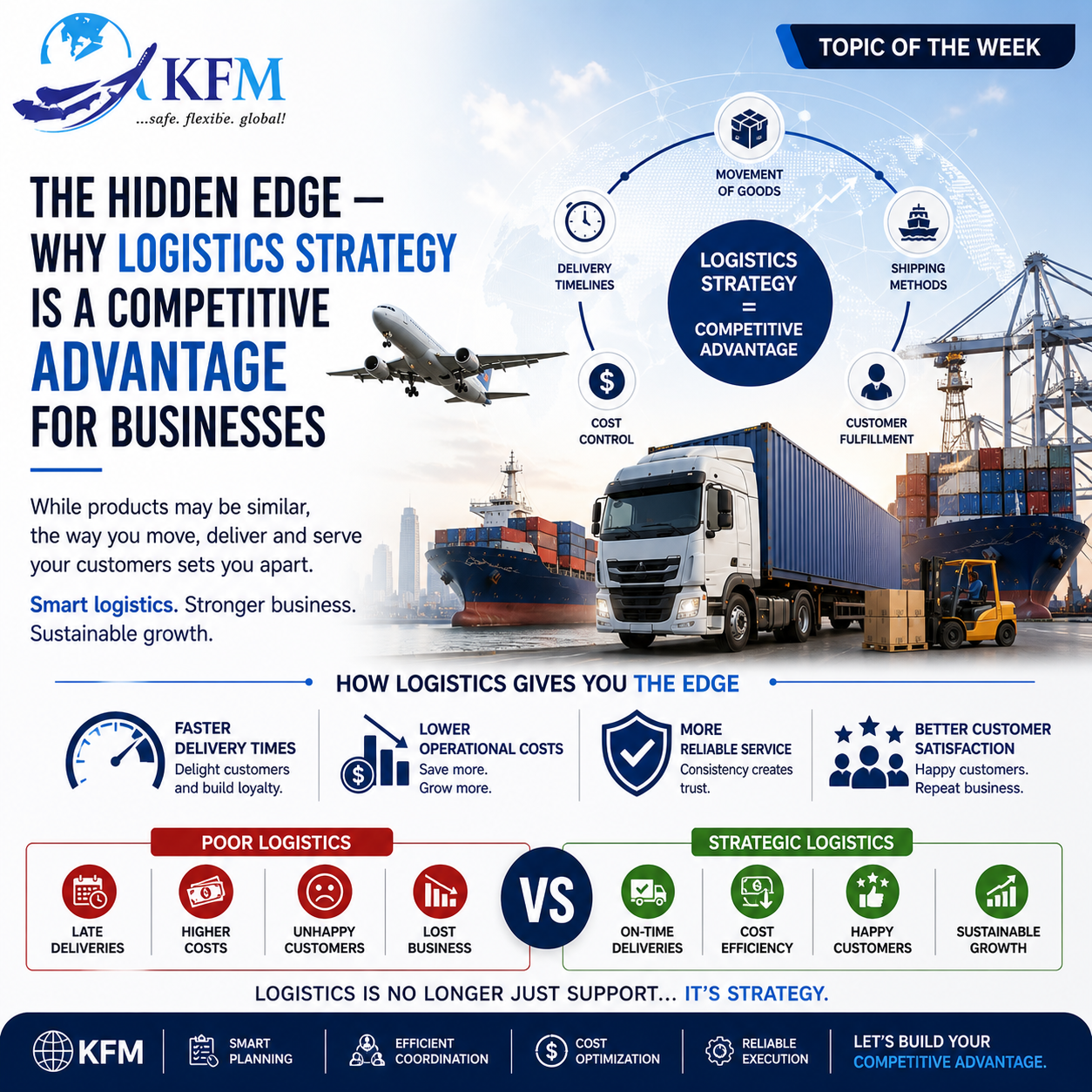
At KFM, we understand that freight forwarding isn't simply about moving cargo.
It's about coordinating the journey so businesses have better visibility and can make informed decisions when circumstances change.
Delays cannot always be eliminated.
But better planning can reduce how badly a delay affects your business.
That's the difference between simply waiting for cargo and actively managing your supply chain.
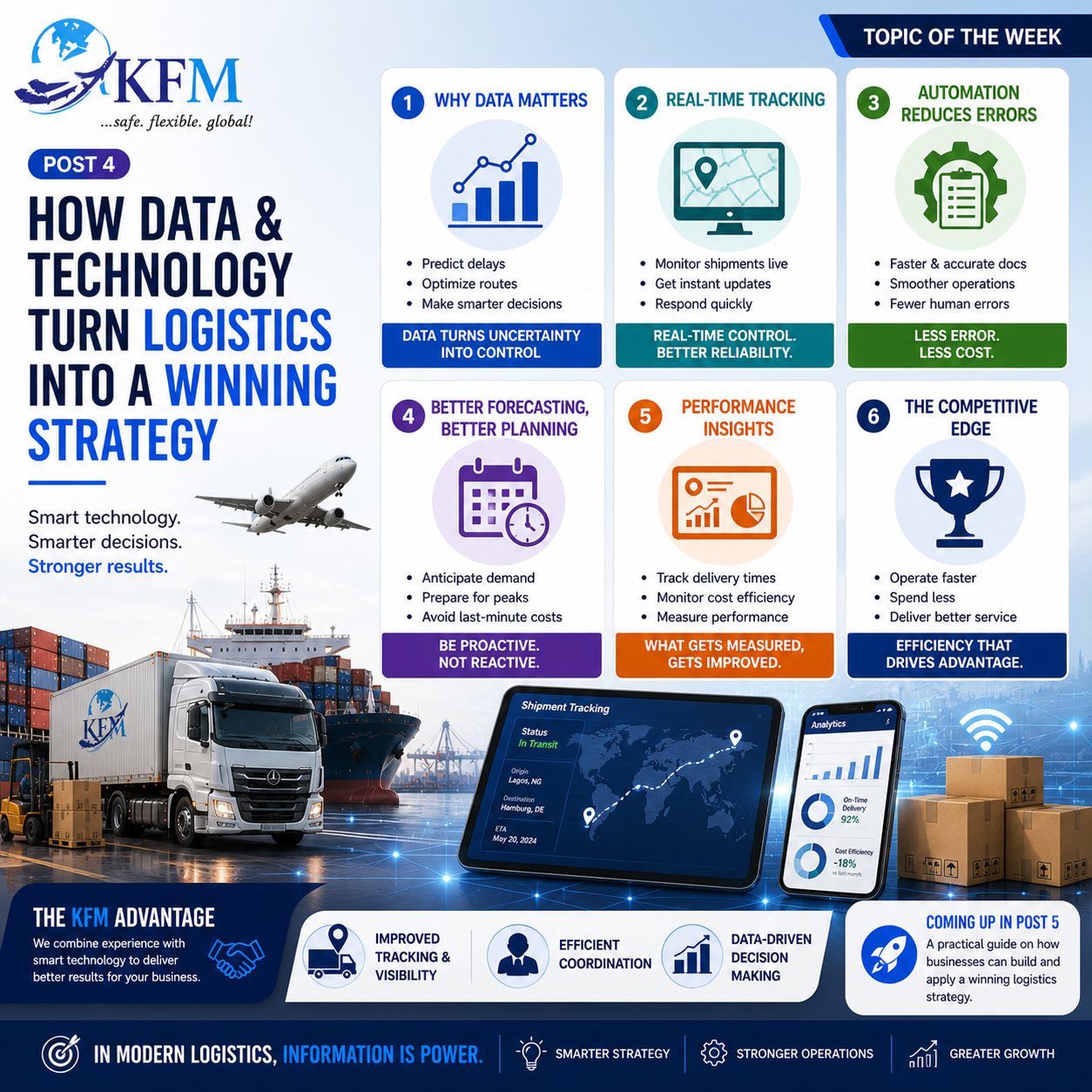
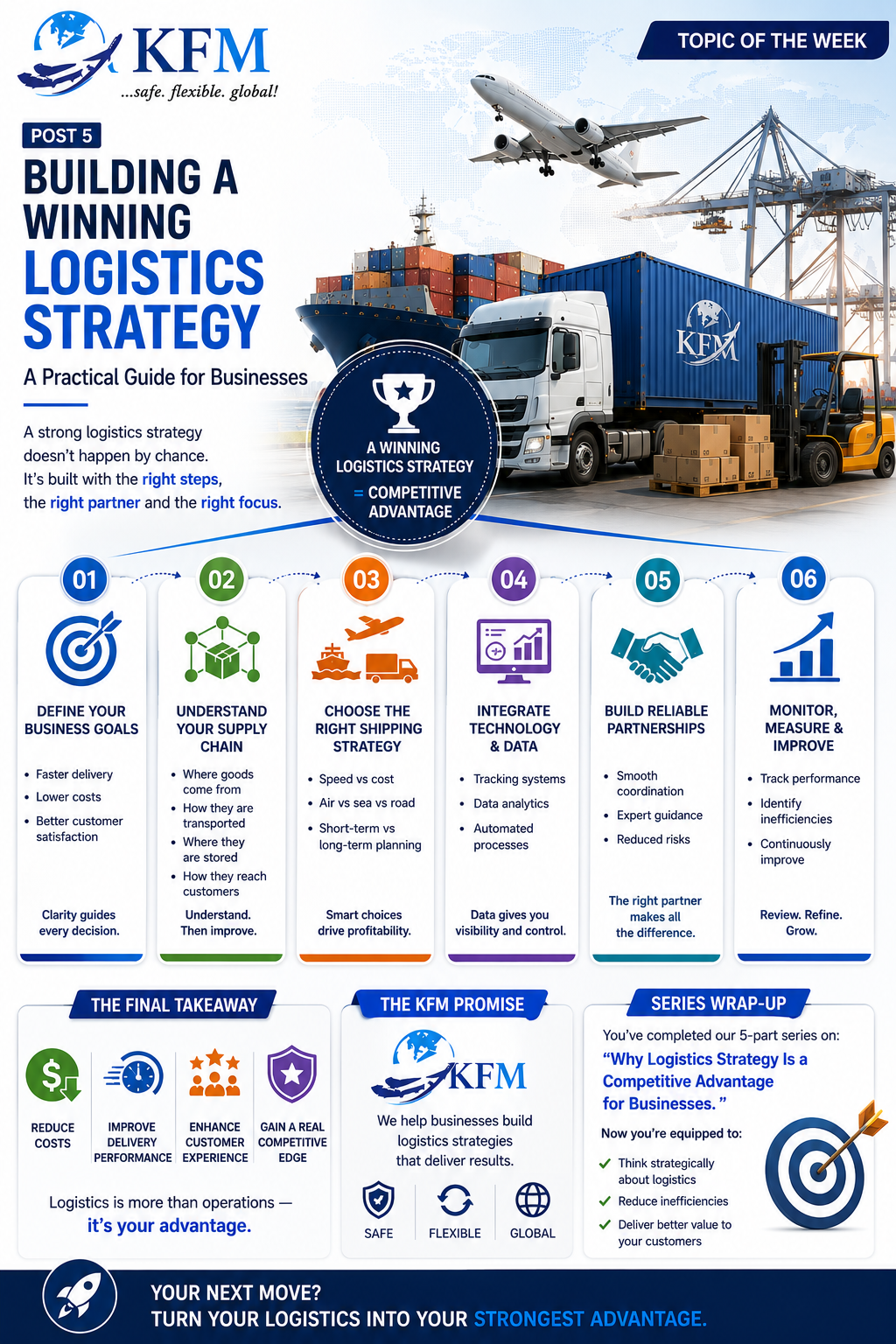
Coming Up in Post 5 👀
In our final post, we'll bring everything together: how Nigerian importers can build a smarter, more resilient import process instead of constantly reacting to problems.
You can't control every delay. You can control how prepared your business is when one happens.