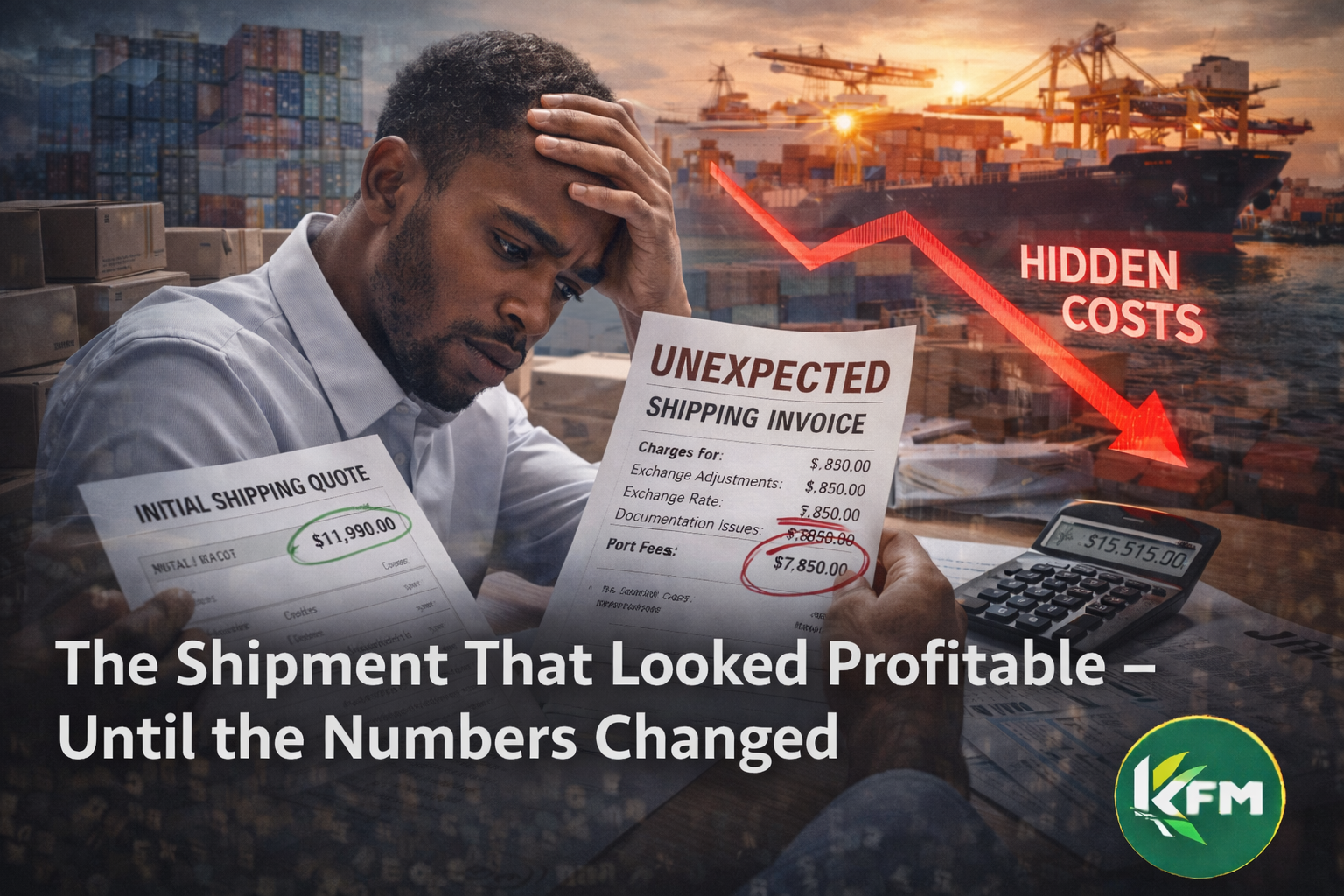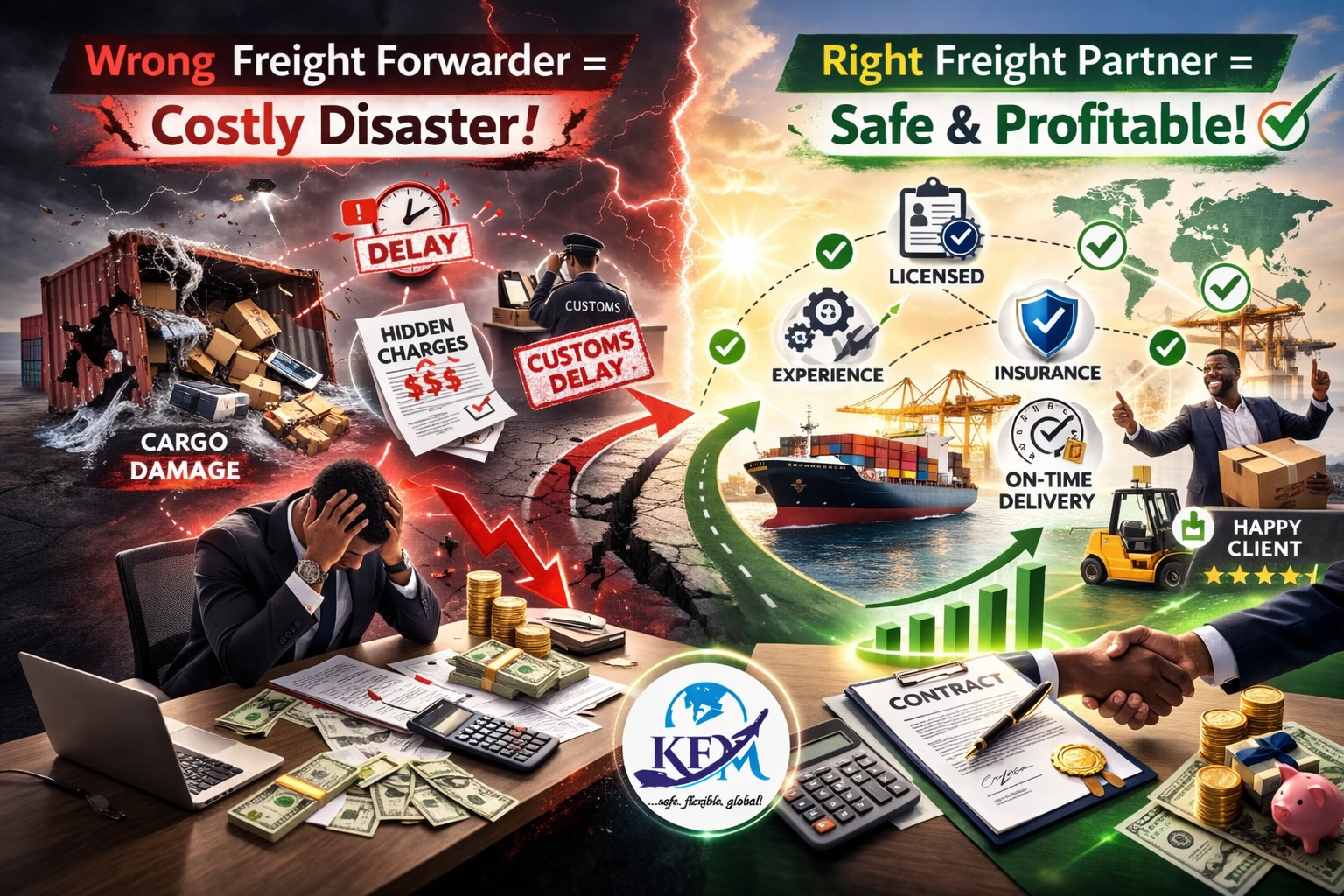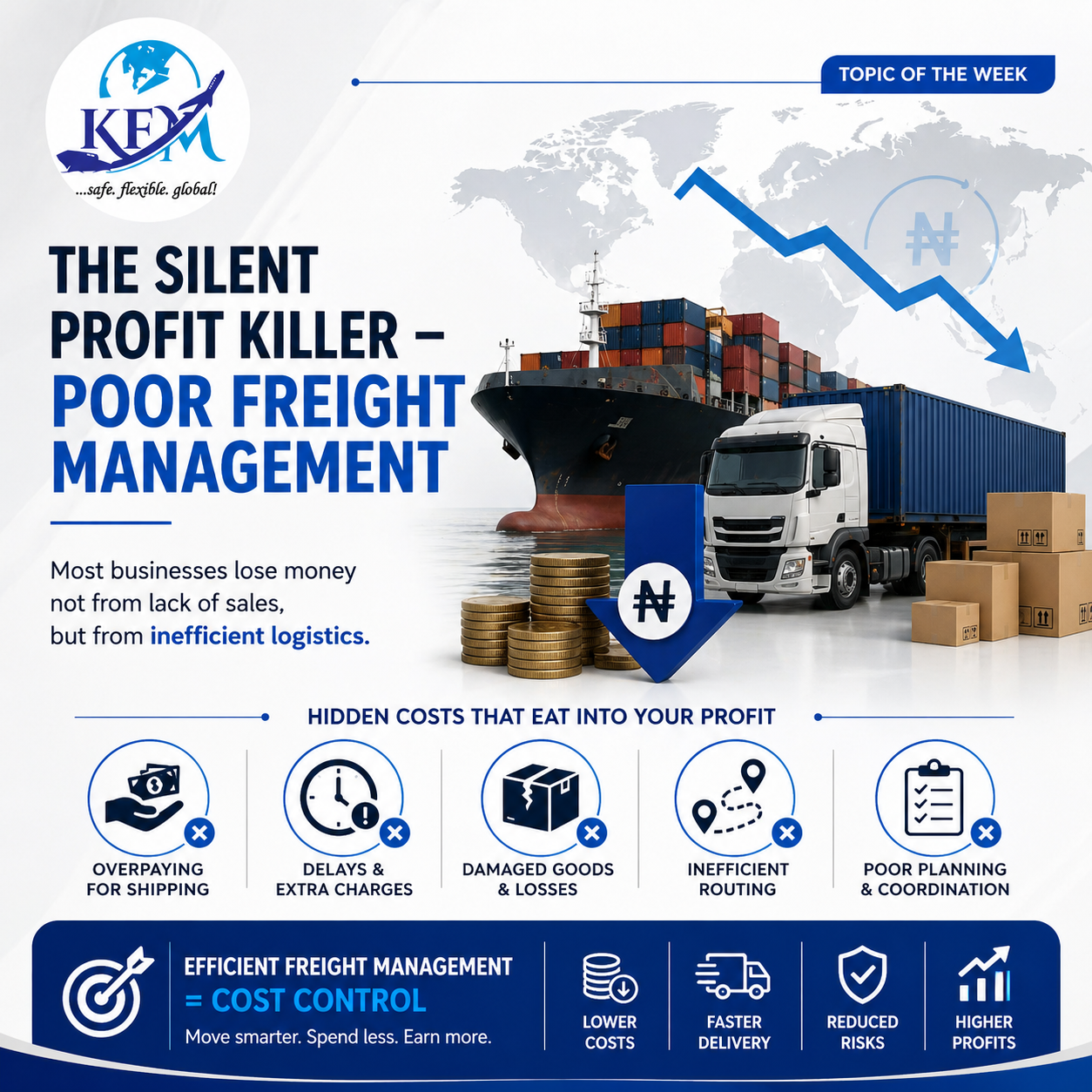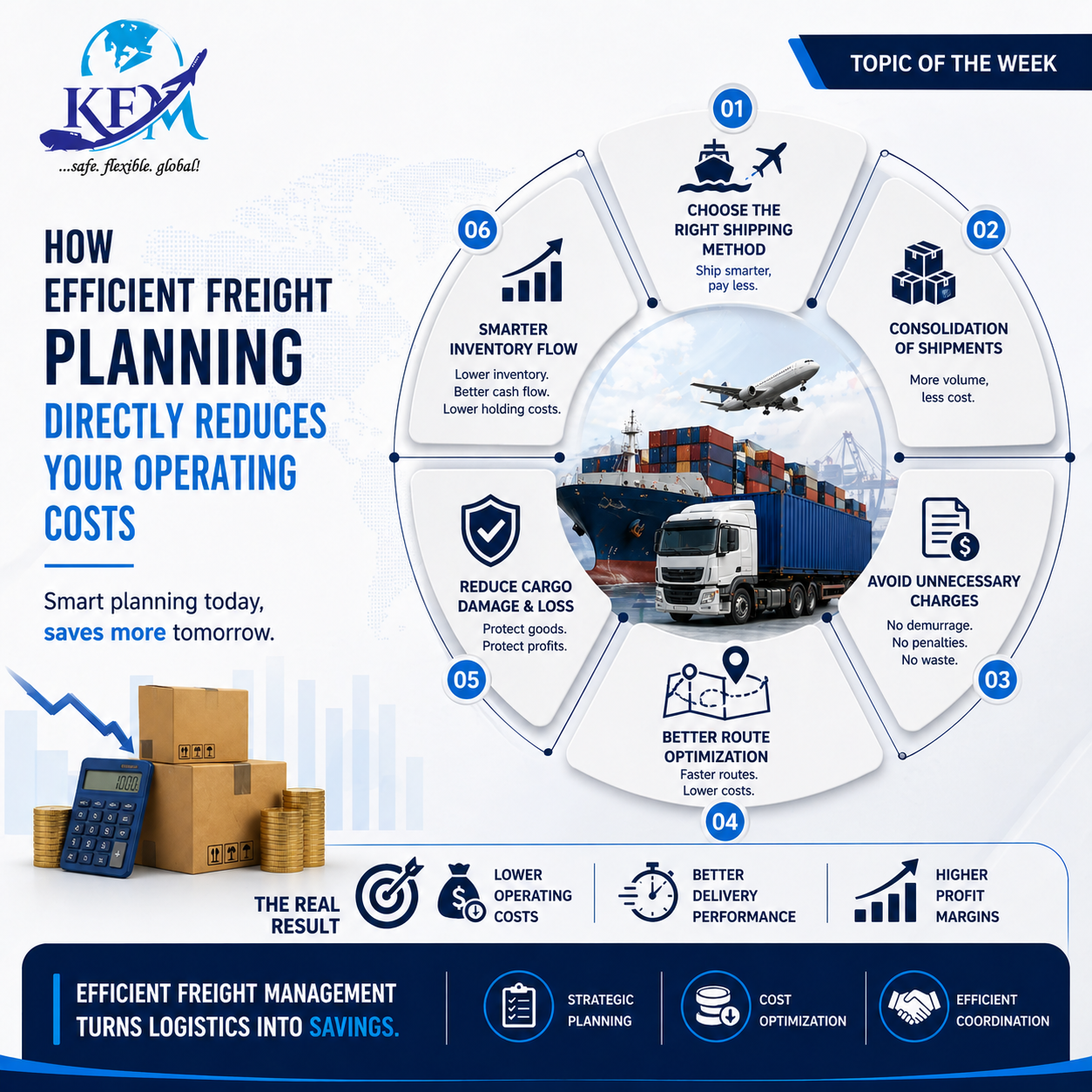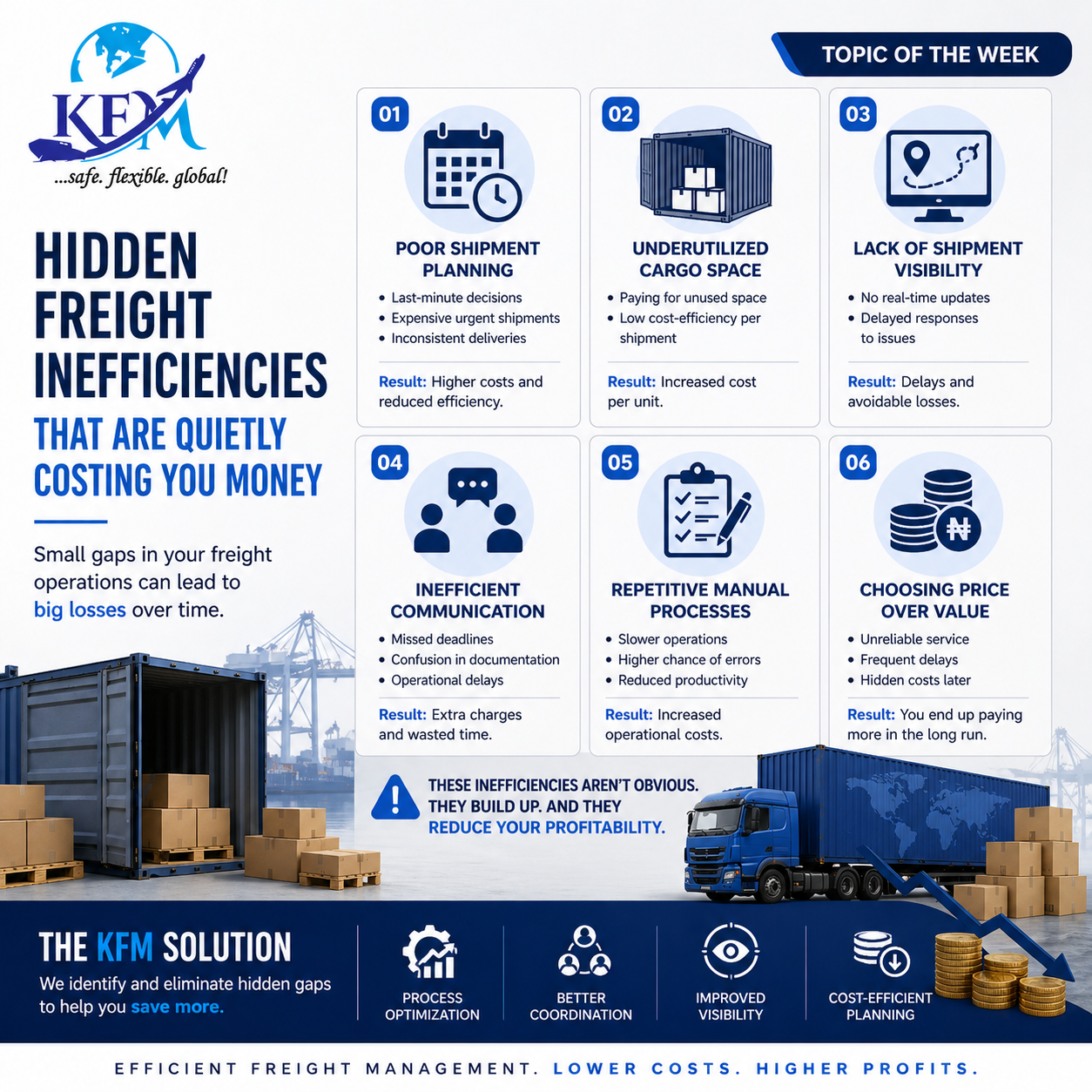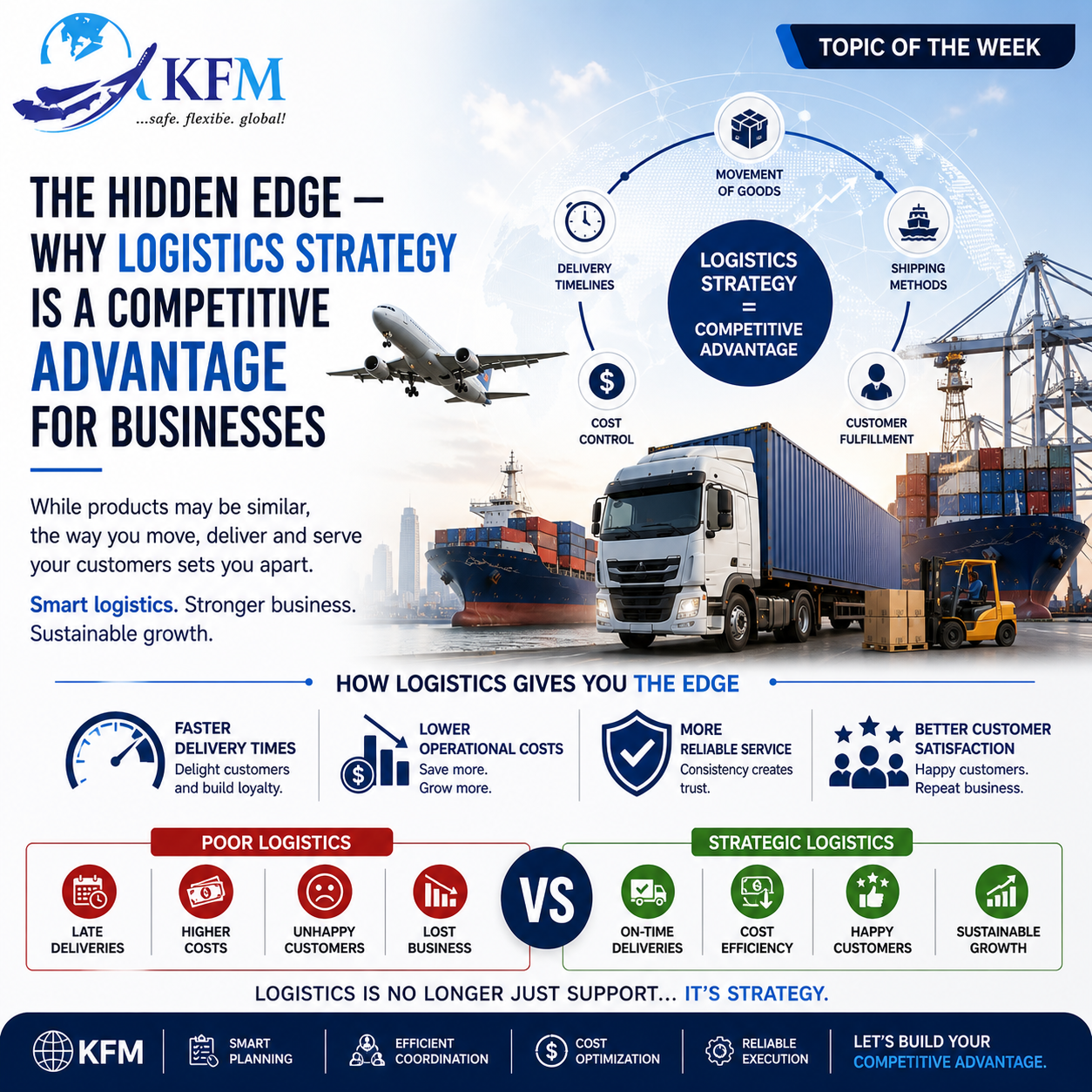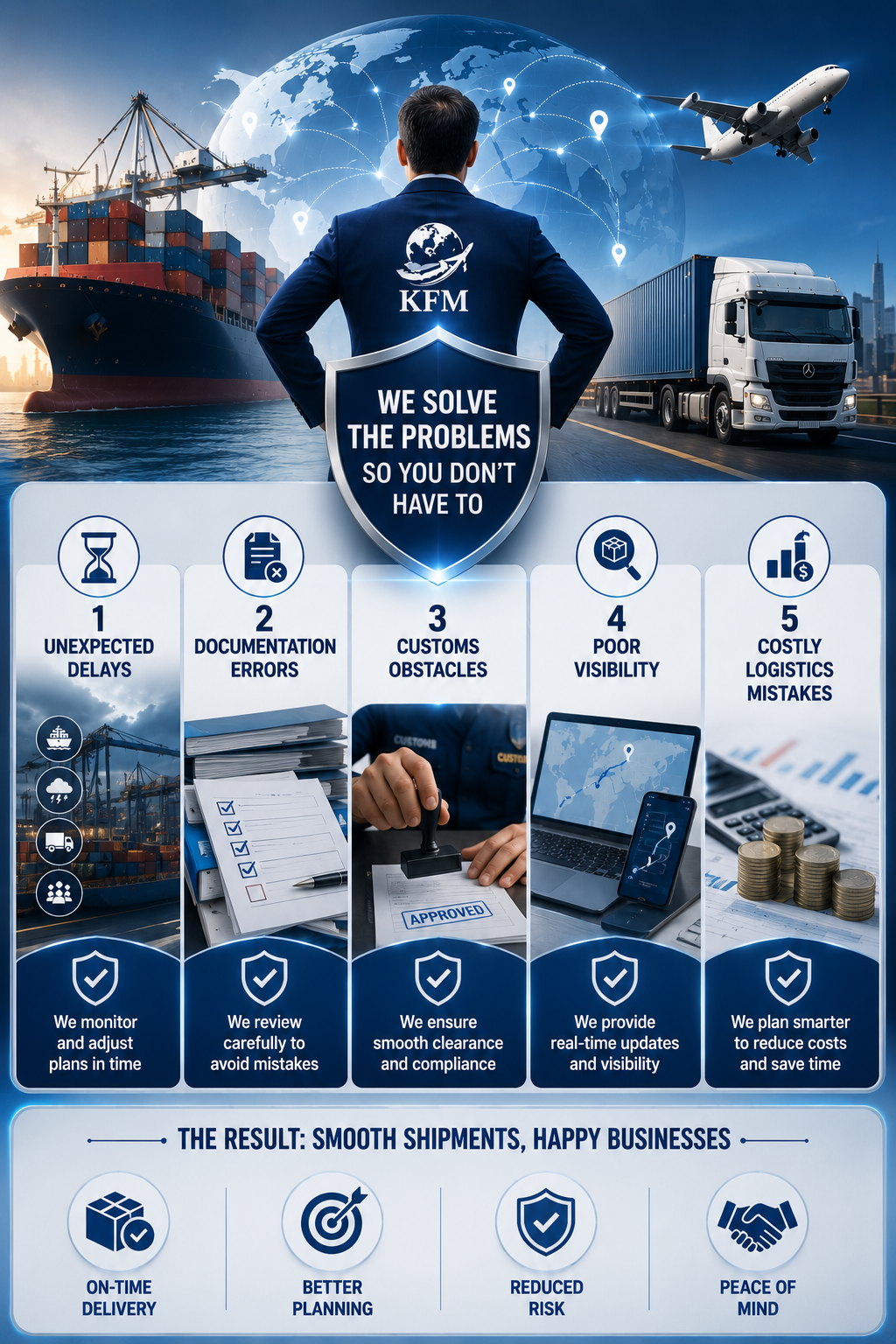
You've dealt with unexpected costs.
You've chased documents.
You've waited for delayed cargo.
You've probably had that moment where you thought:
"There has to be a better way to do this."
There is.
Successful importing isn't about hoping everything goes perfectly. It's about building a process that can handle what happens when things don't.
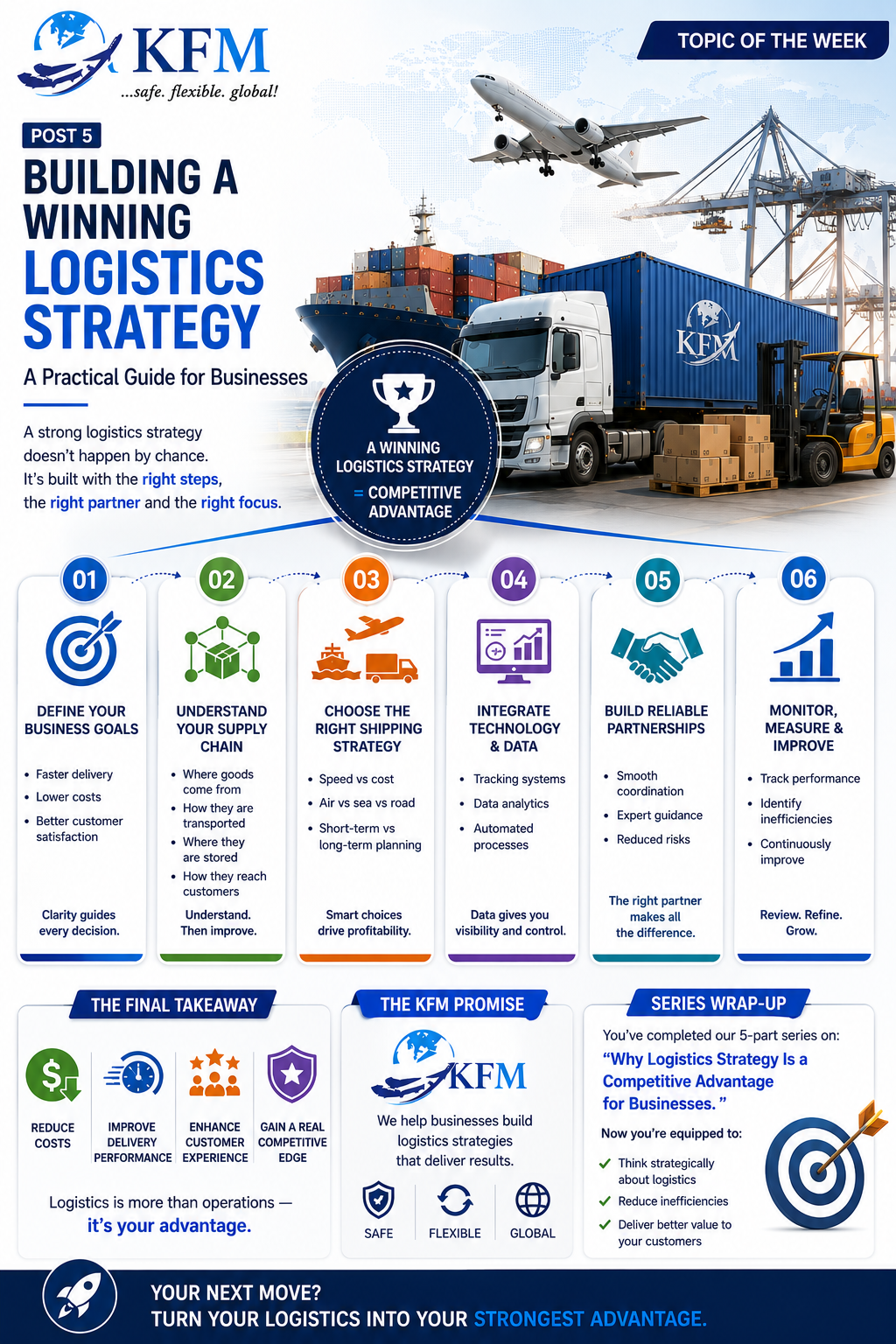
Step 1: Stop Looking at Importing as One Transaction
Importing is not simply:
Buy → Ship → Receive
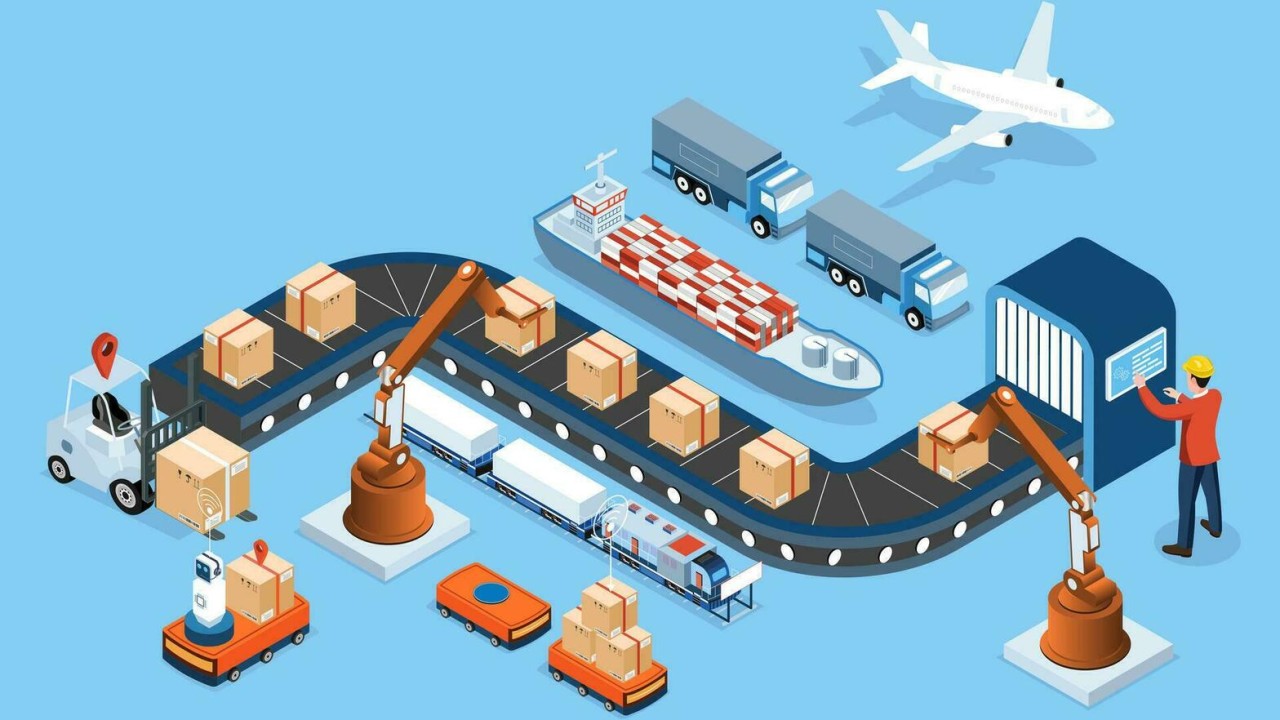
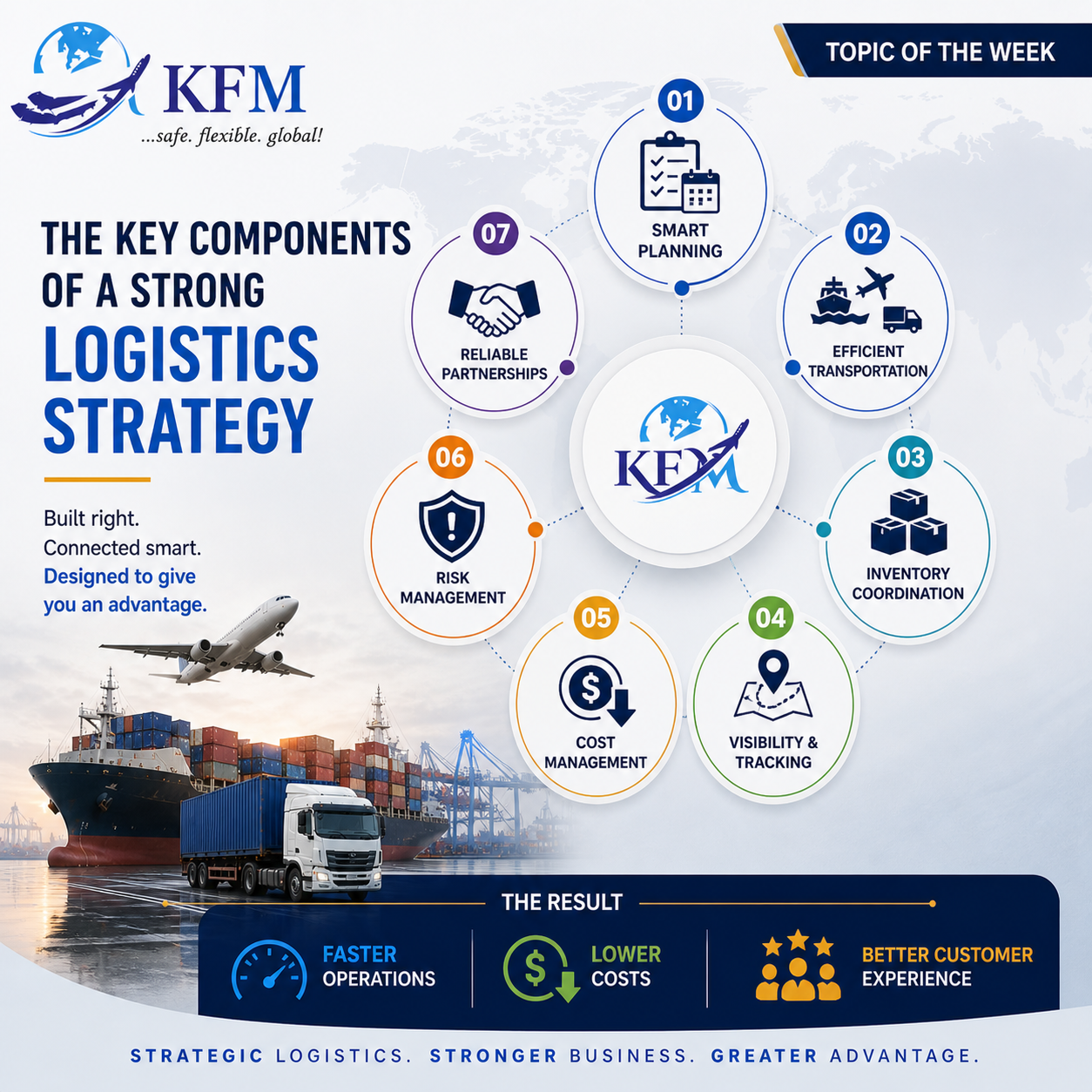
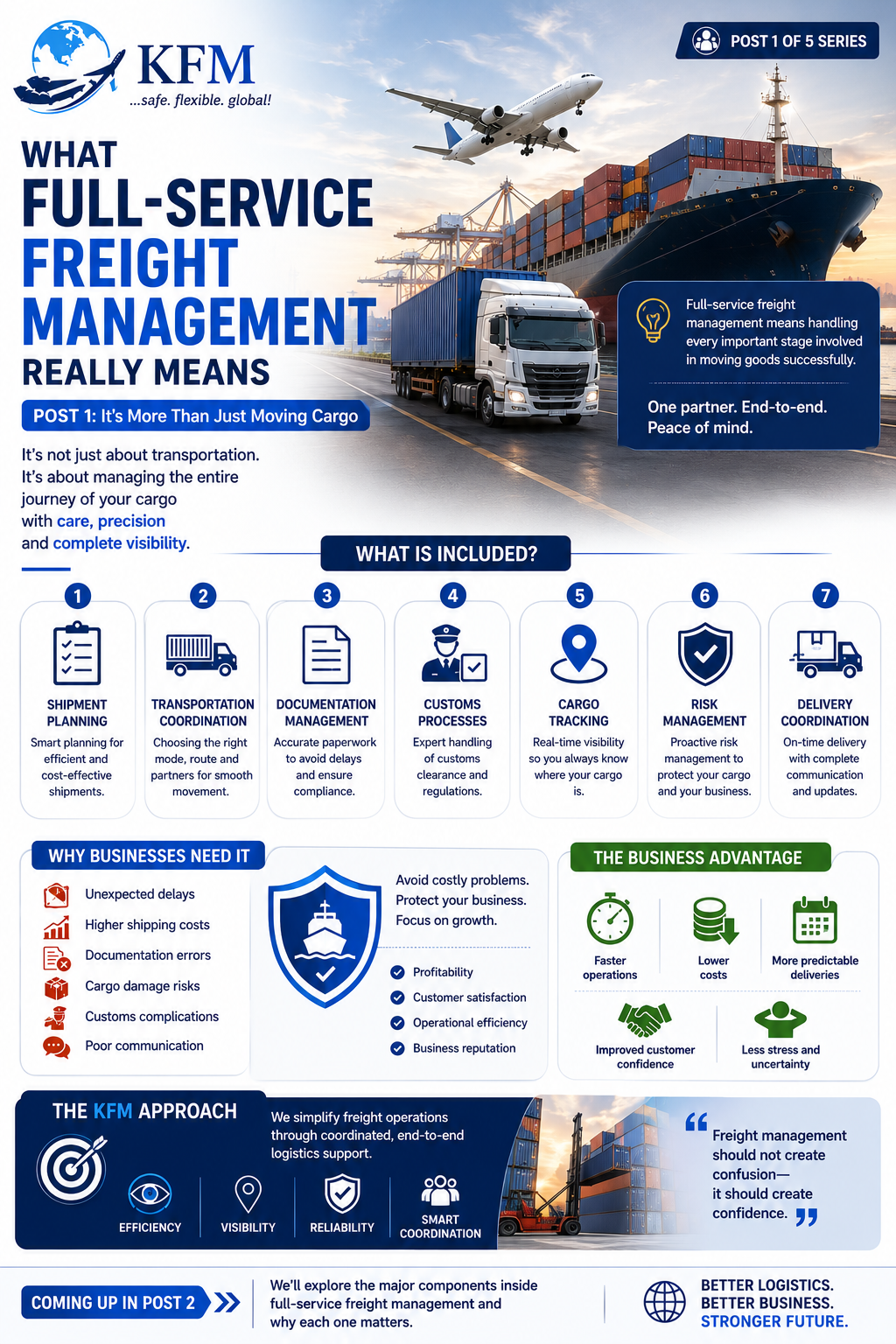
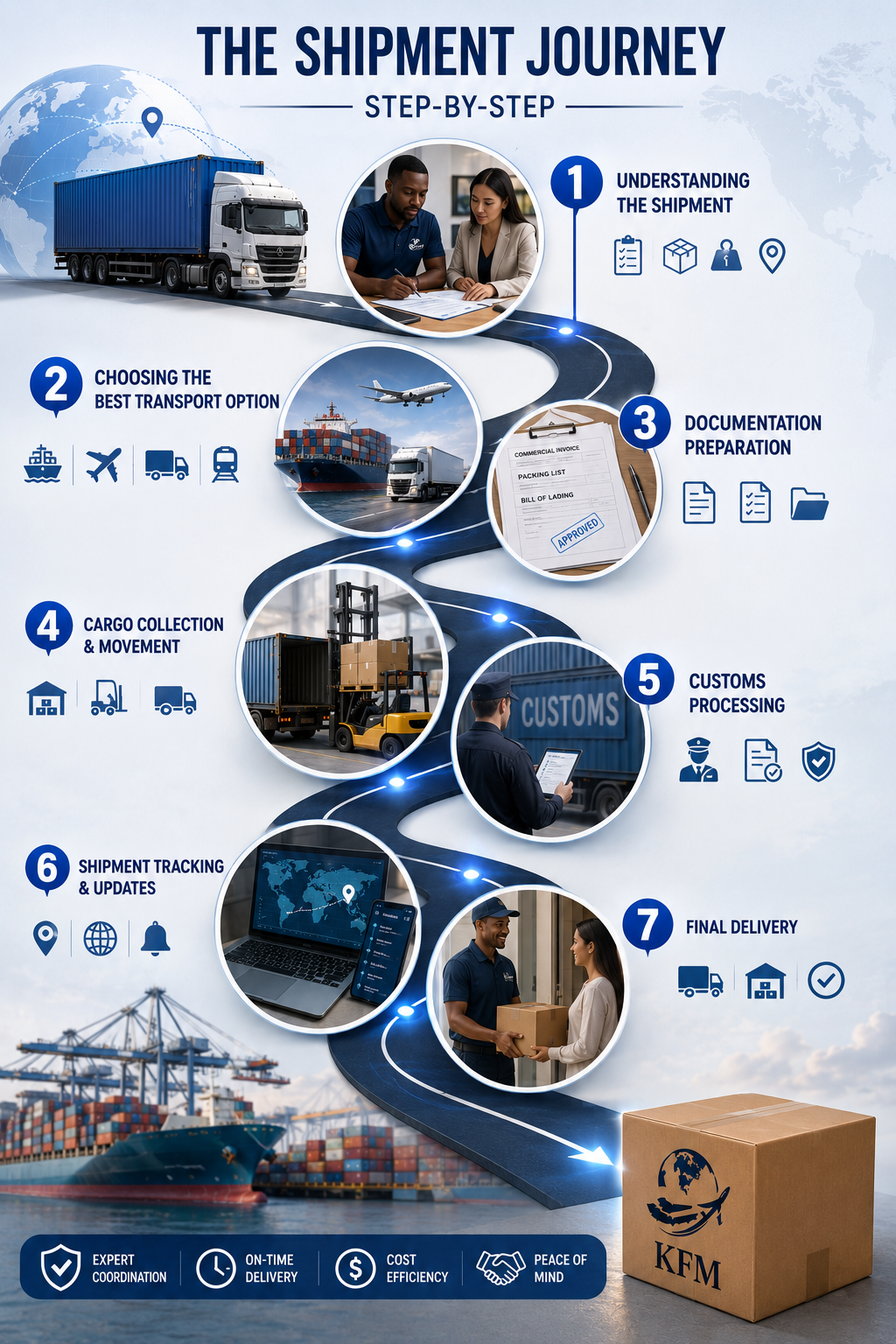
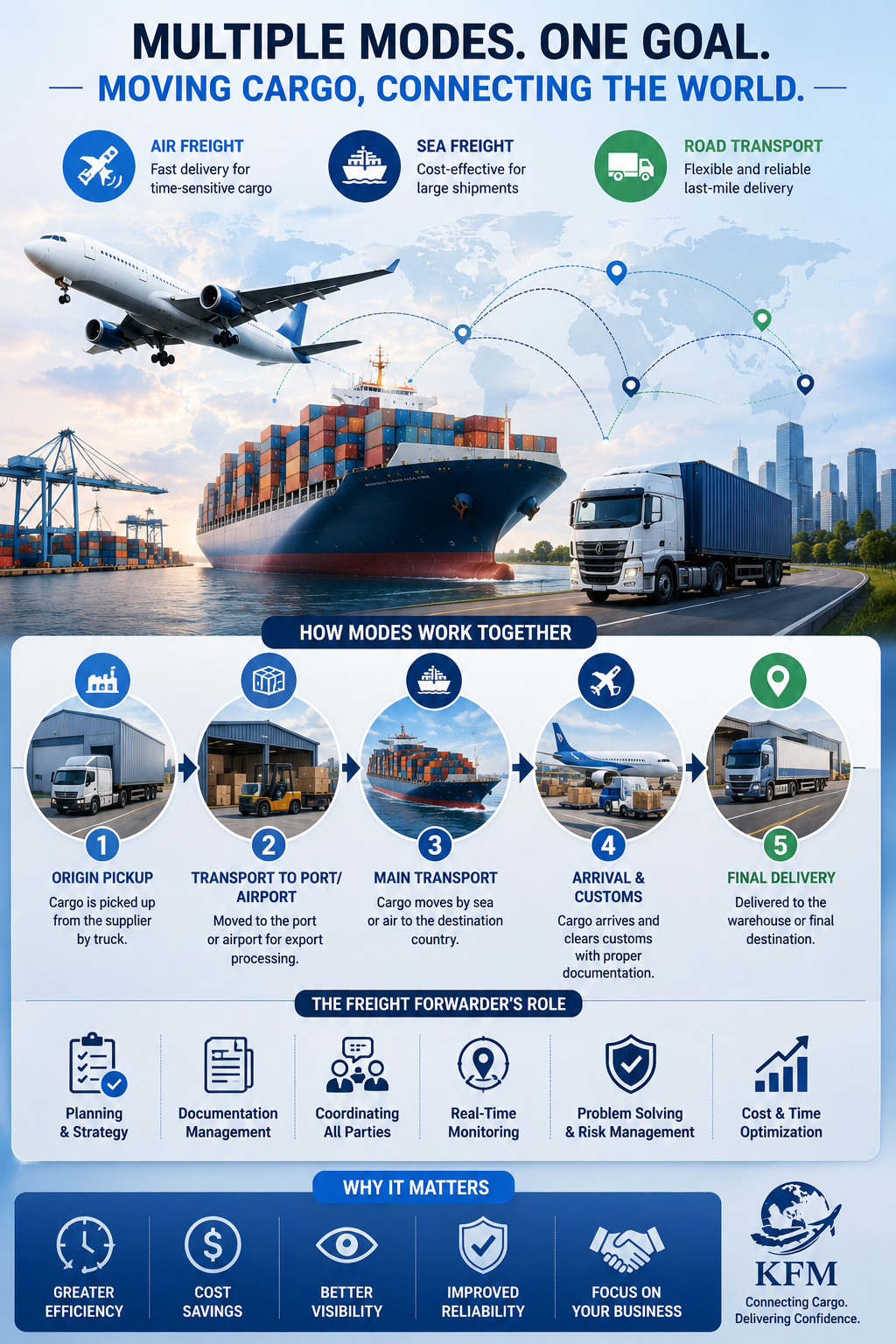
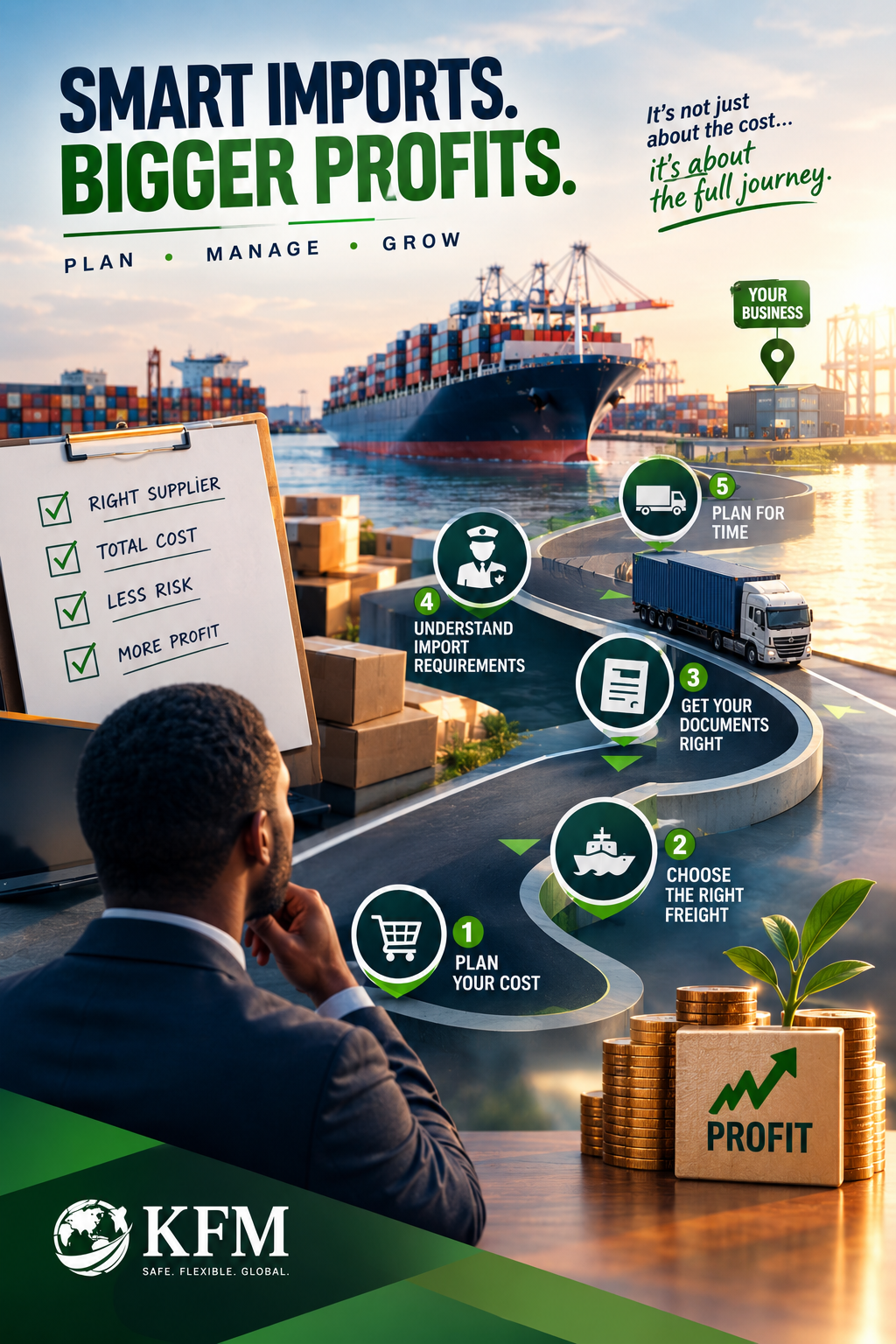
It's a chain of connected decisions:
- Choosing the right supplier
- Understanding the product and applicable requirements
- Preparing documentation
- Selecting the right freight solution
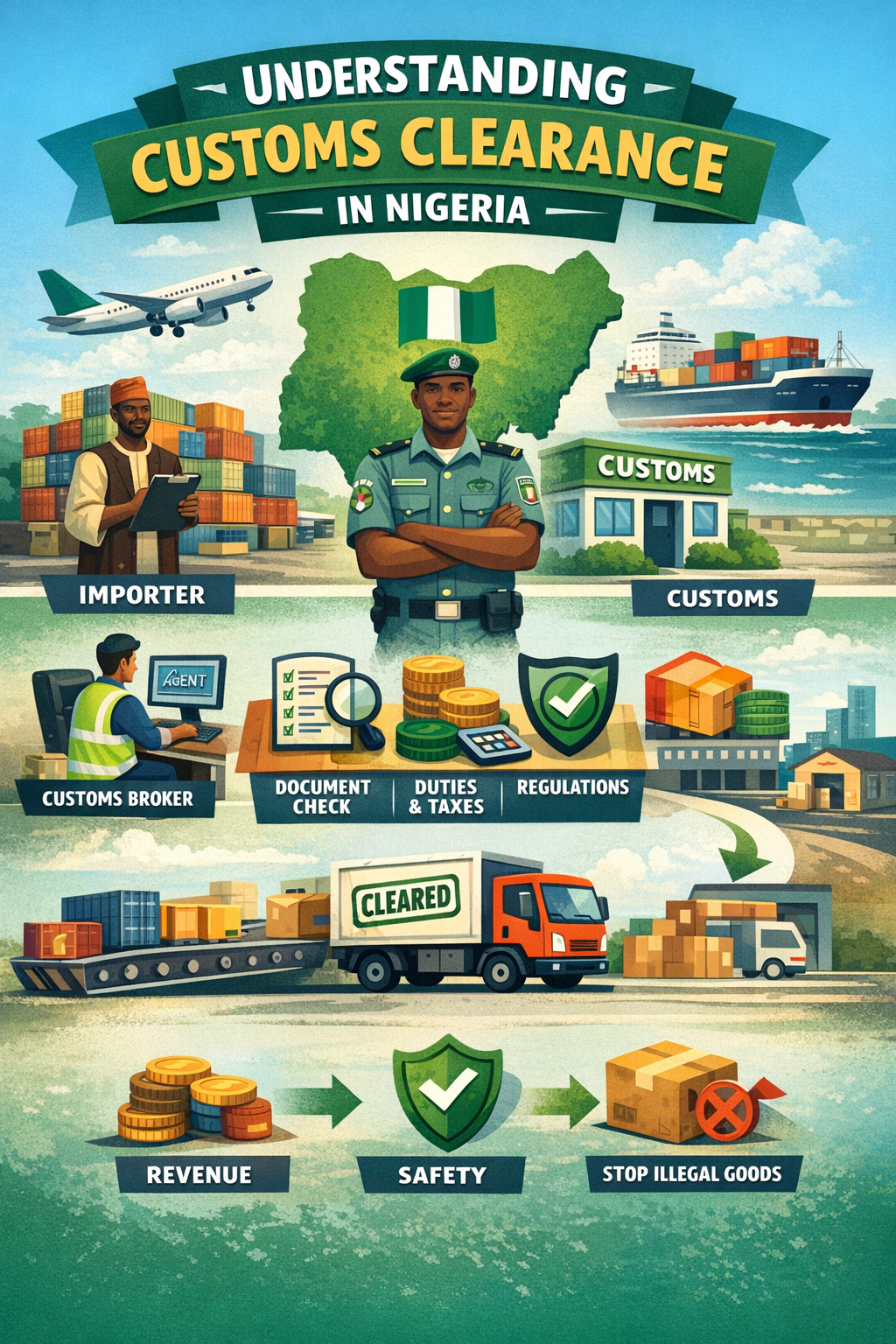
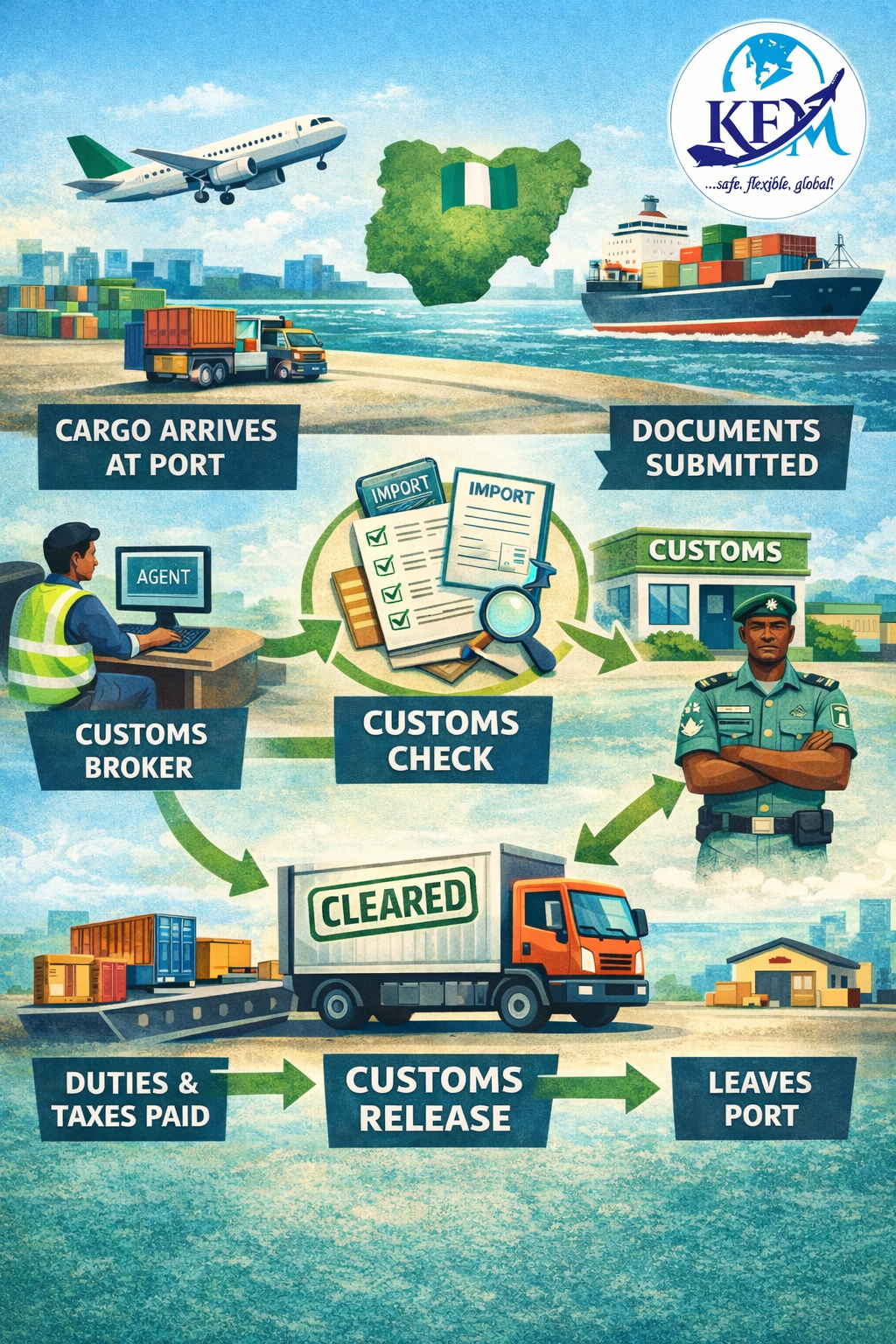
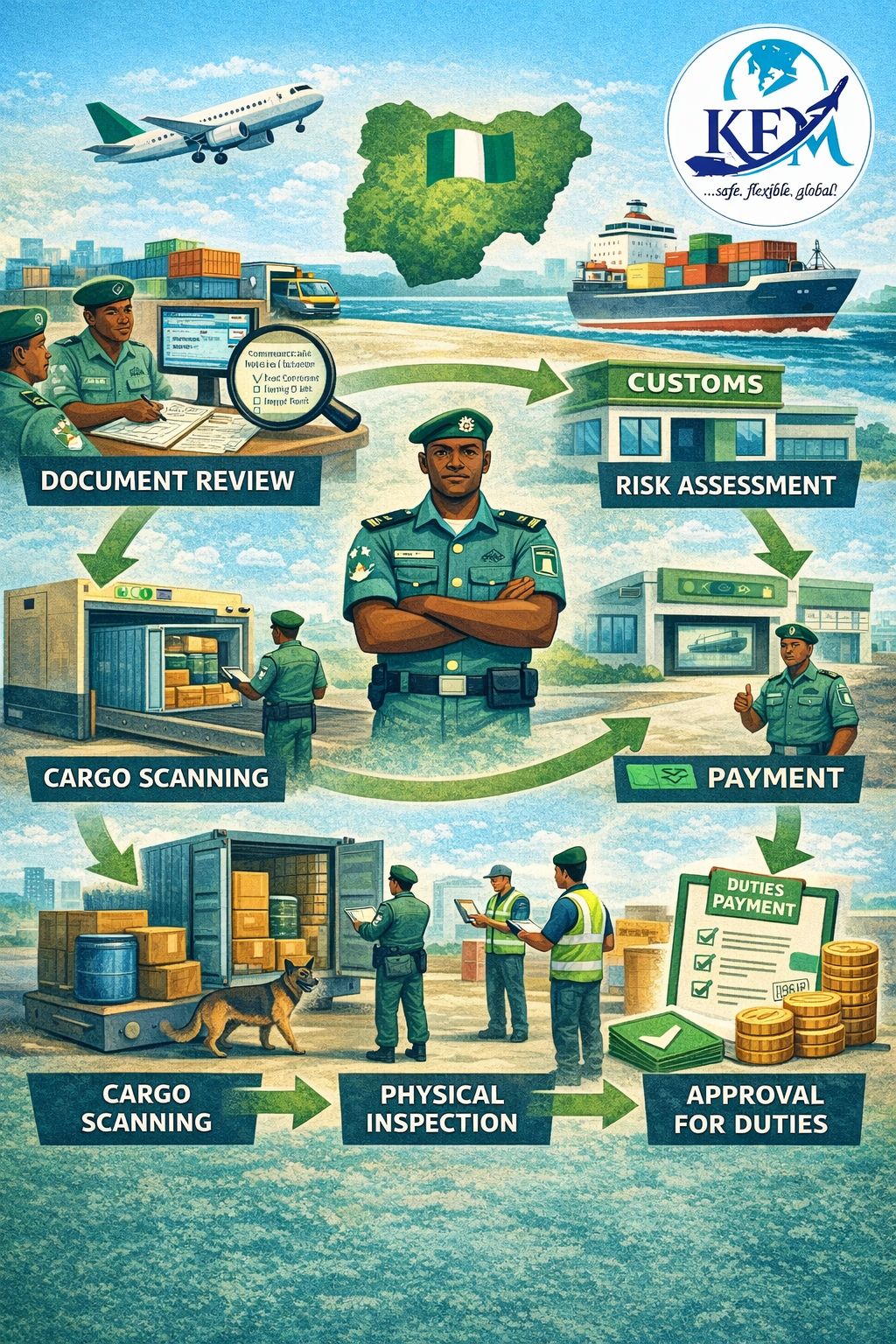
- Planning customs clearance
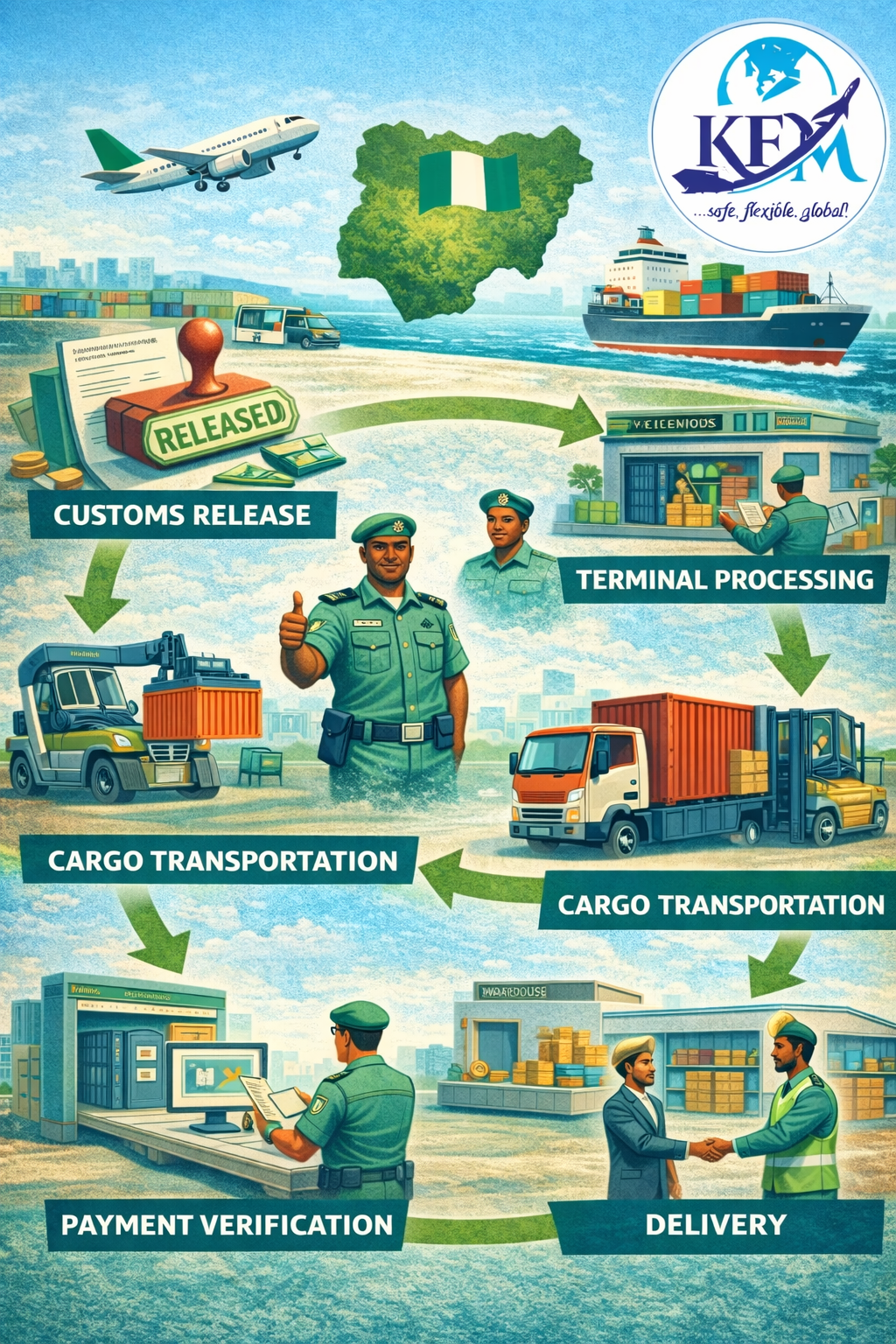
- Coordinating destination handling
- Getting the goods to their final destination
A weakness at one stage can affect everything that follows.
Step 2: Know the Numbers Before the Cargo Moves
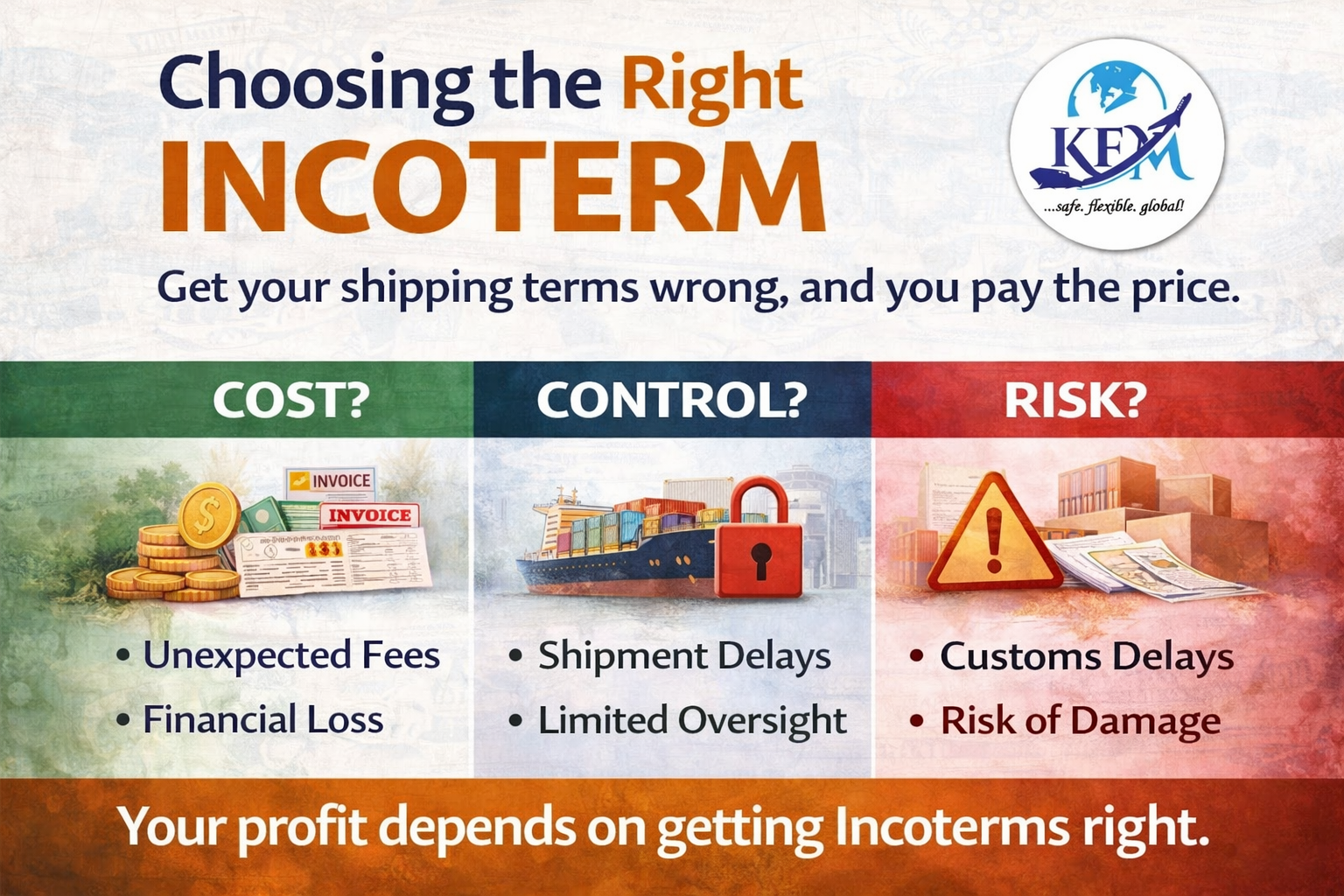
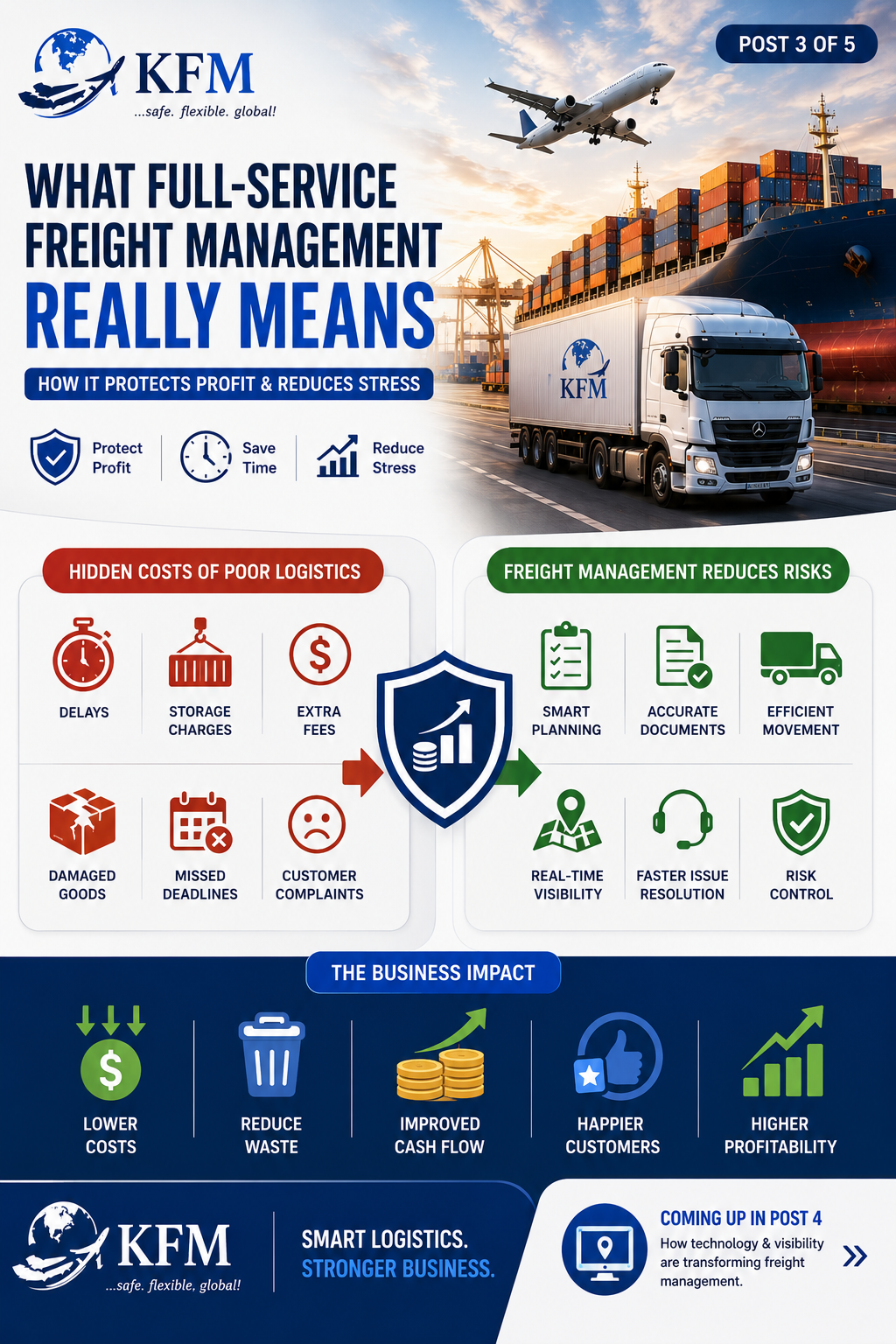
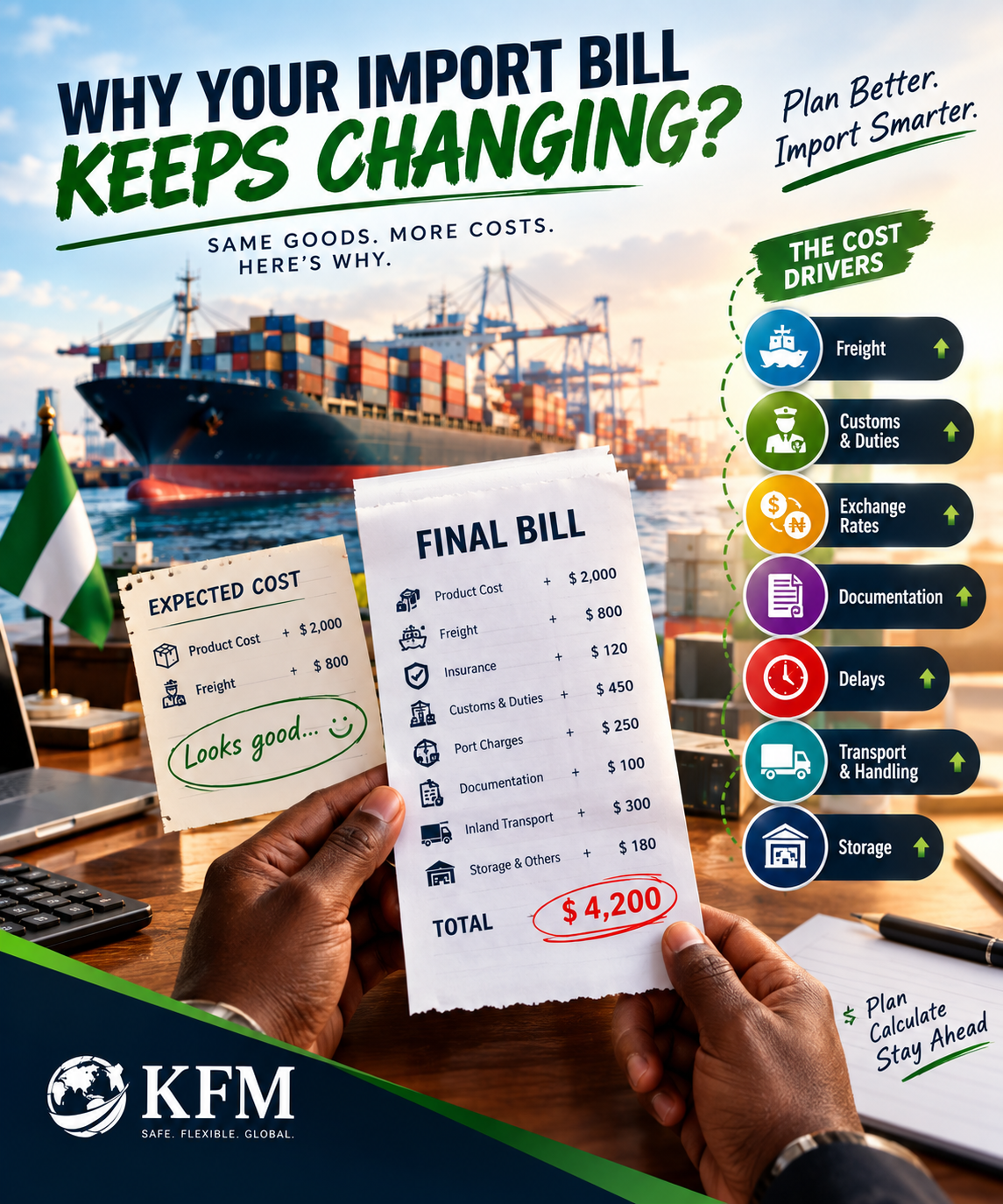
Don't wait for the final bill before discovering what your import really cost.
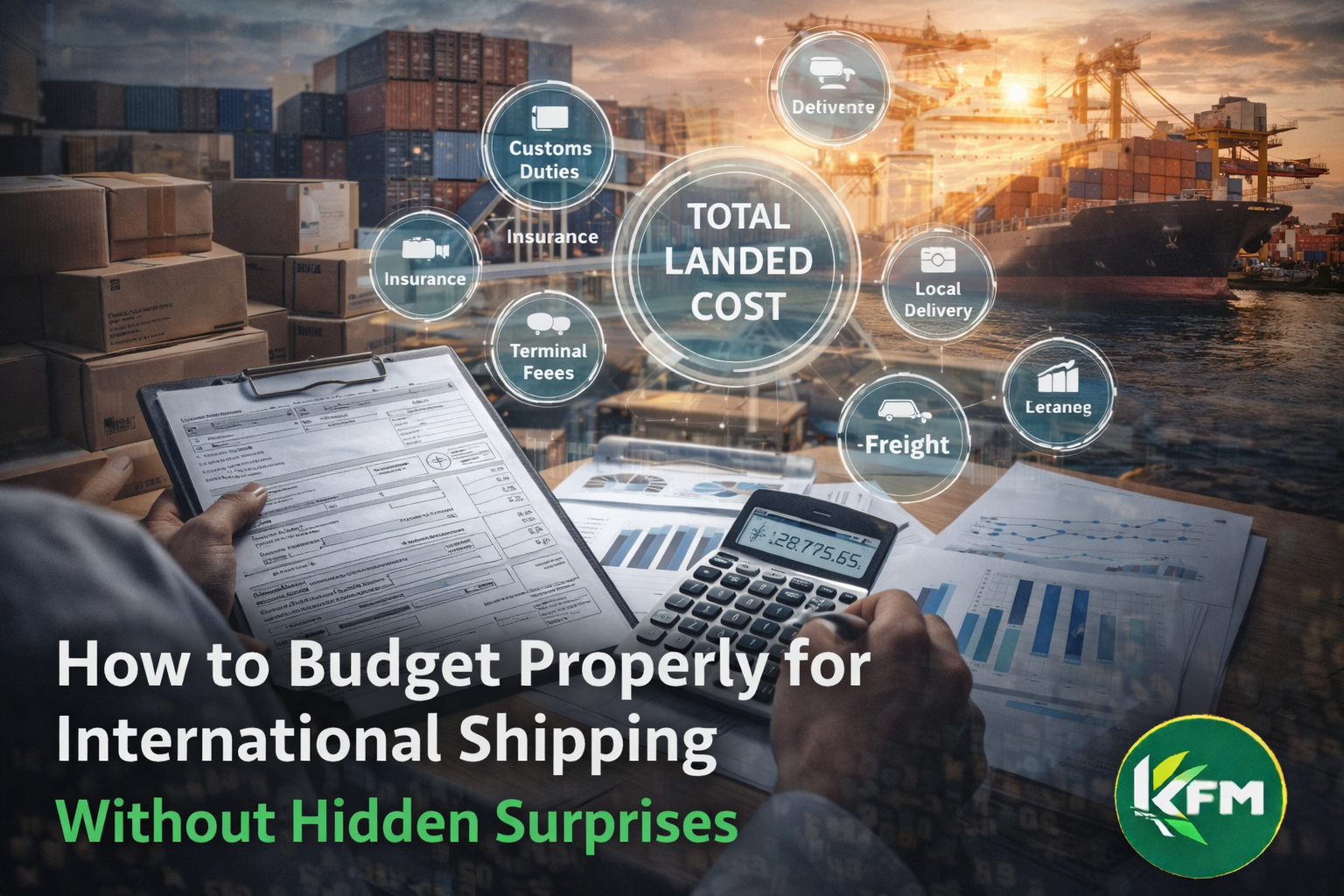
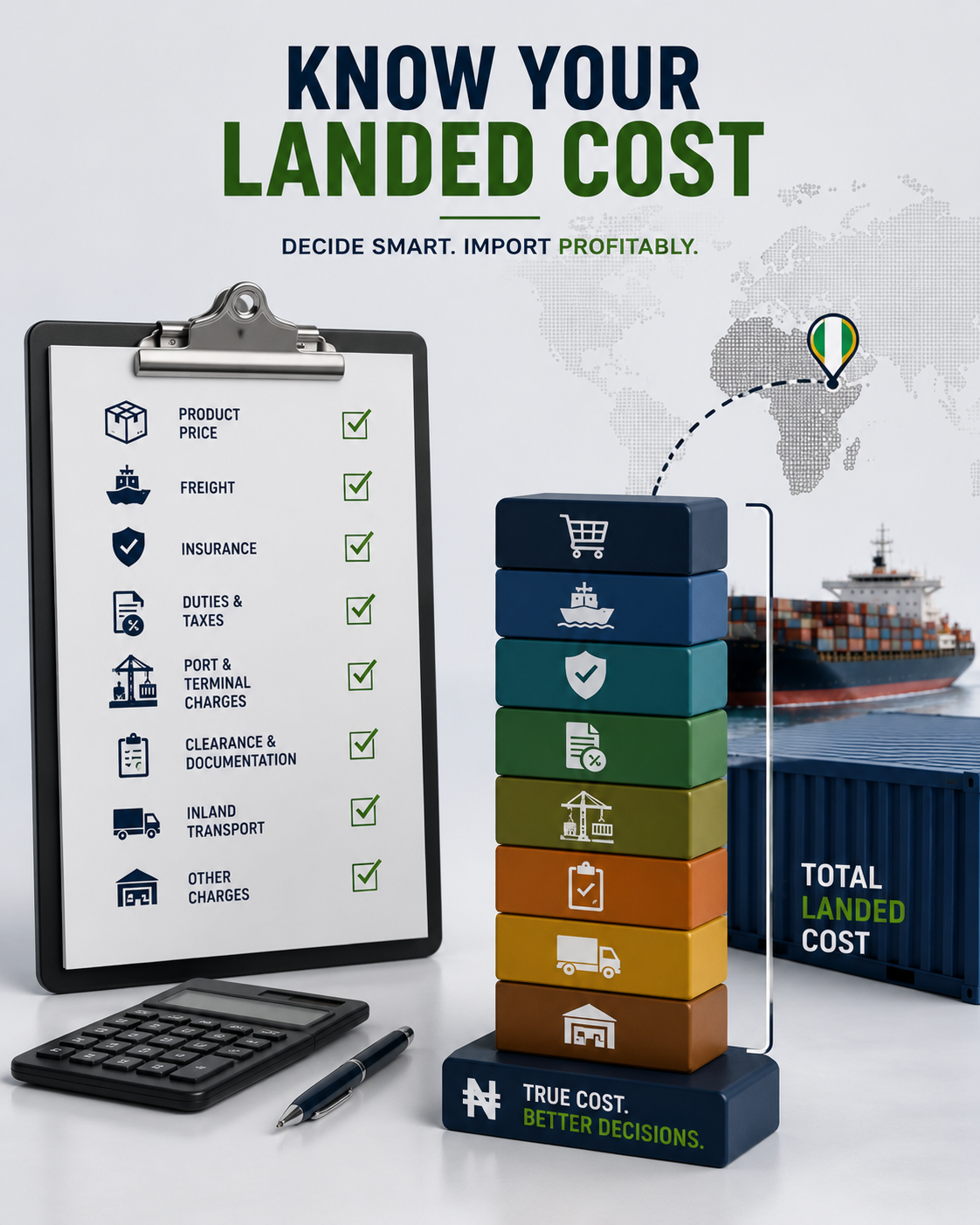
Build your expected landed cost before placing the order.
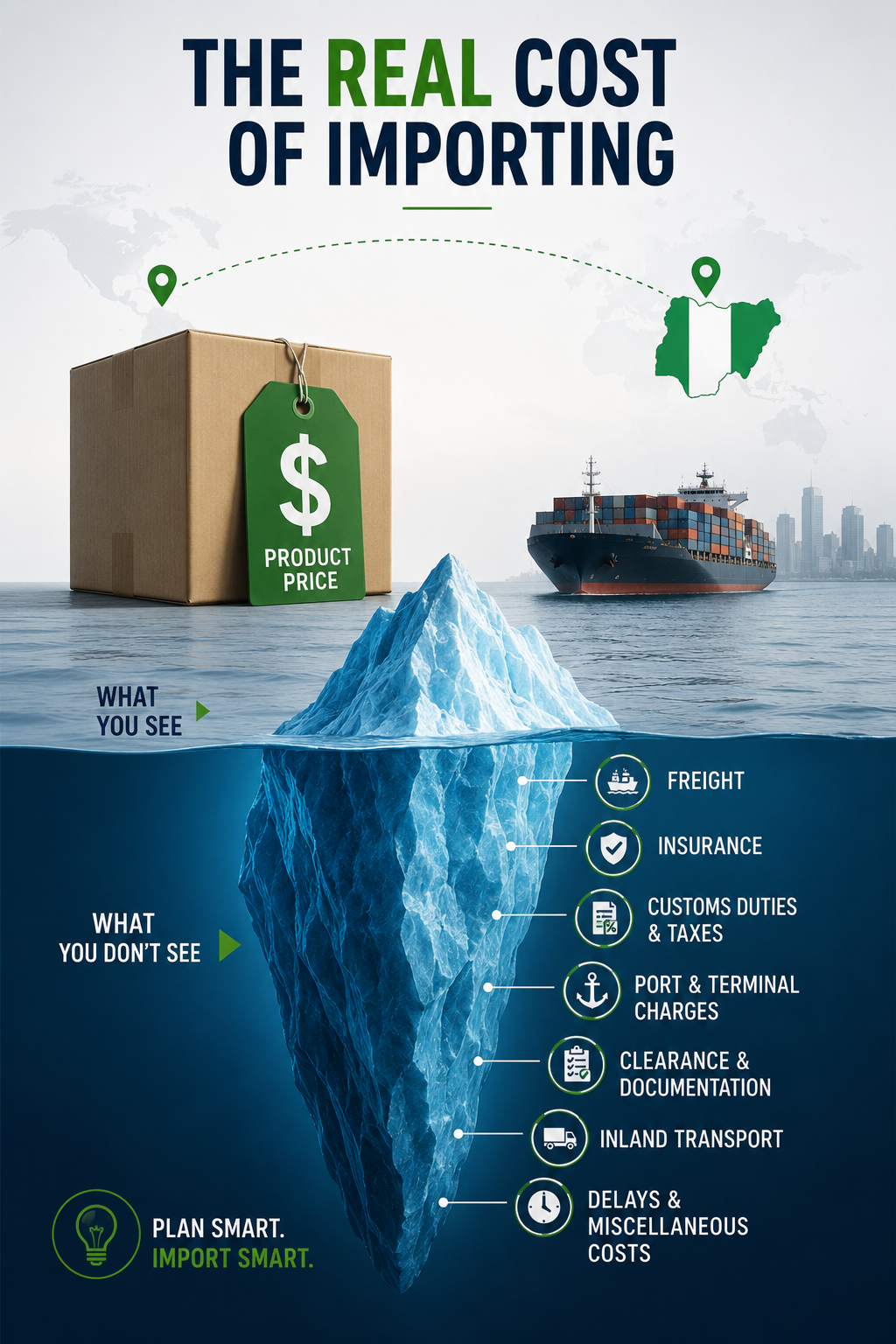
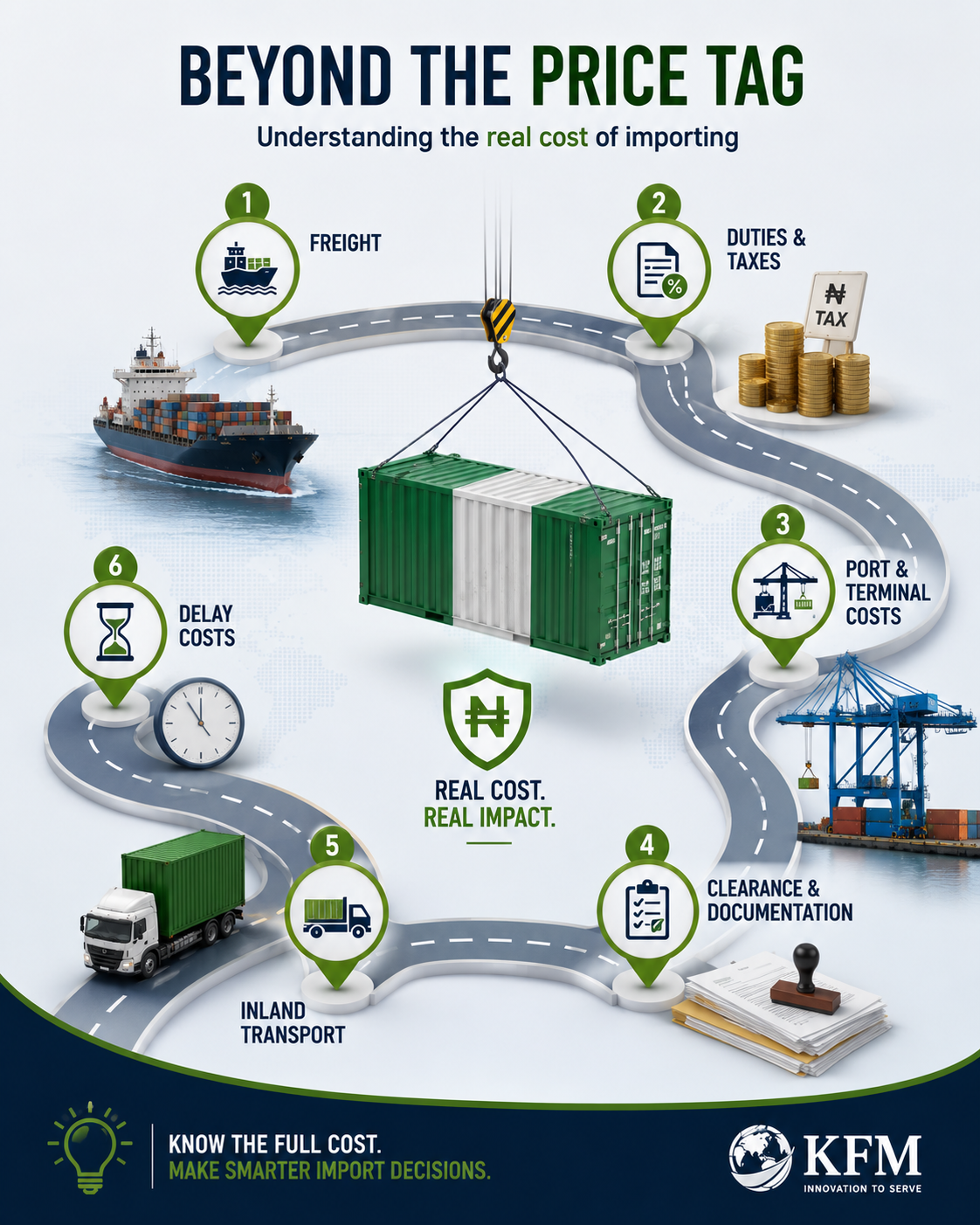
Consider the applicable:
- Product cost
- Freight
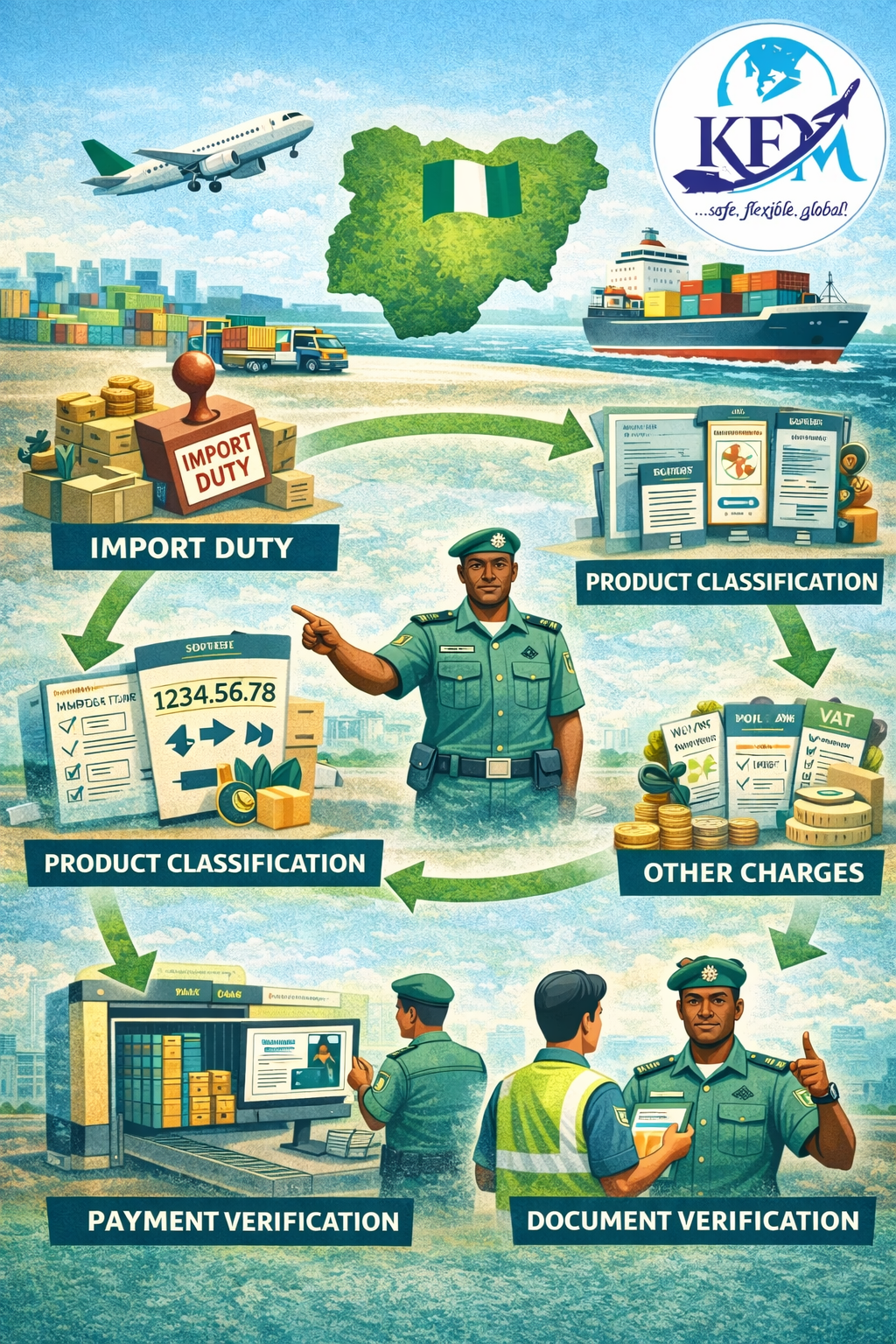
- Duties and taxes
- Port and terminal charges
- Clearance expenses
- Inland transportation
- Possible storage or delay-related costs
Know your numbers before your money is committed.
Step 3: Make Documentation Part of the Plan
Don't treat paperwork as something you fix when the shipment arrives.
Make documentation a pre-shipment checklist.
Verify the relevant shipment information, product details, commercial documents, and applicable requirements before the cargo moves.
Early checks are easier than emergency corrections. Step 4: Build Inventory Around Reality
Your supplier may promise a timeline. Your freight provider may provide an estimated schedule. But international logistics can involve variables outside your control.
That's why your inventory planning should include reasonable buffers.
If one delayed shipment can completely empty your stock, your business may be too dependent on a single timeline.
Resilience starts with planning for what could go wrong.
Step 5: Don't Build Your Supply Chain Around One Person
Importing involves multiple players.
Your supplier, freight forwarder, customs professionals, transport provider, warehouse, and internal team all have a role to play.
Make sure responsibilities are clear and communication doesn't disappear between stages.
Good coordination reduces the number of "Who is handling this?" moments.
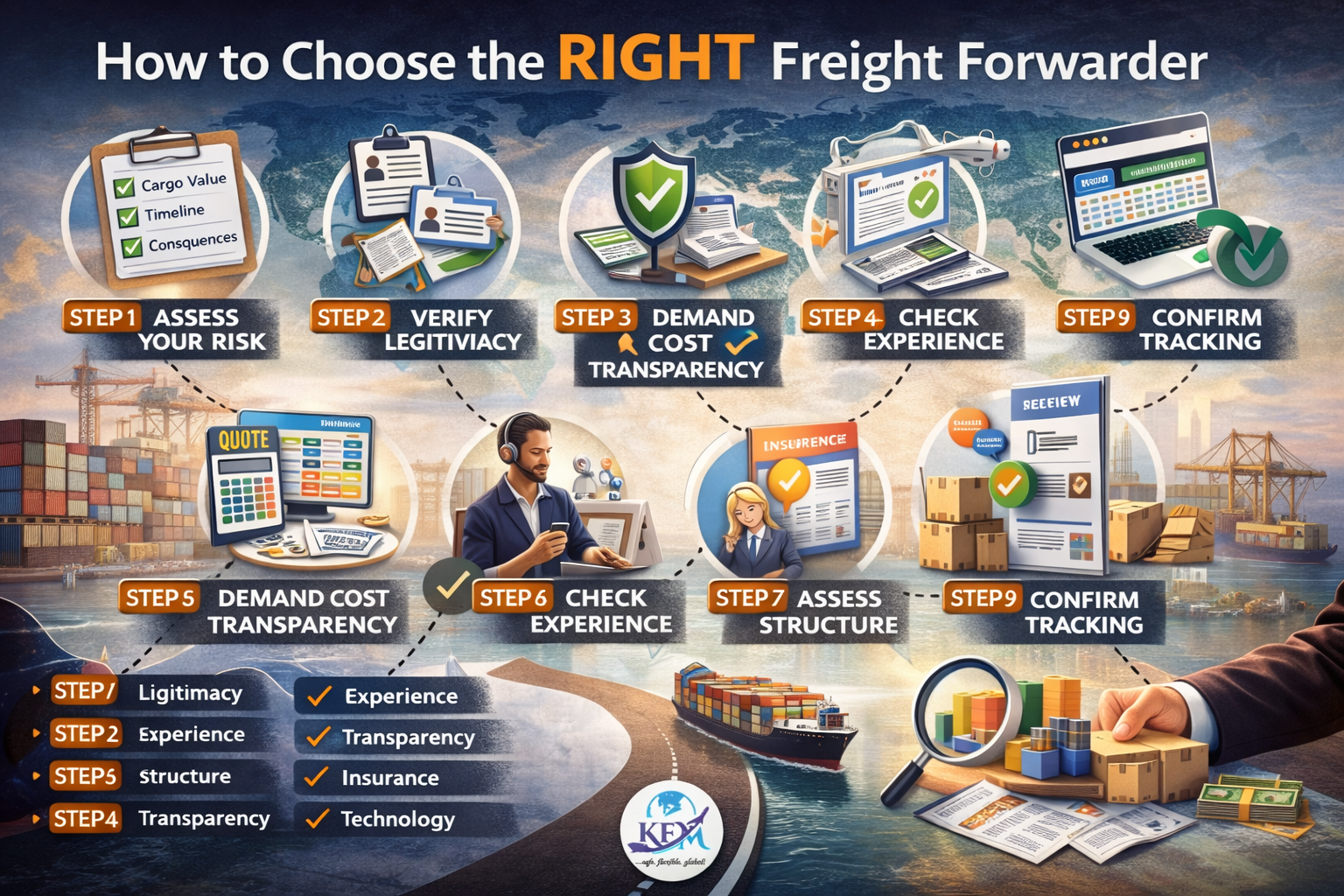
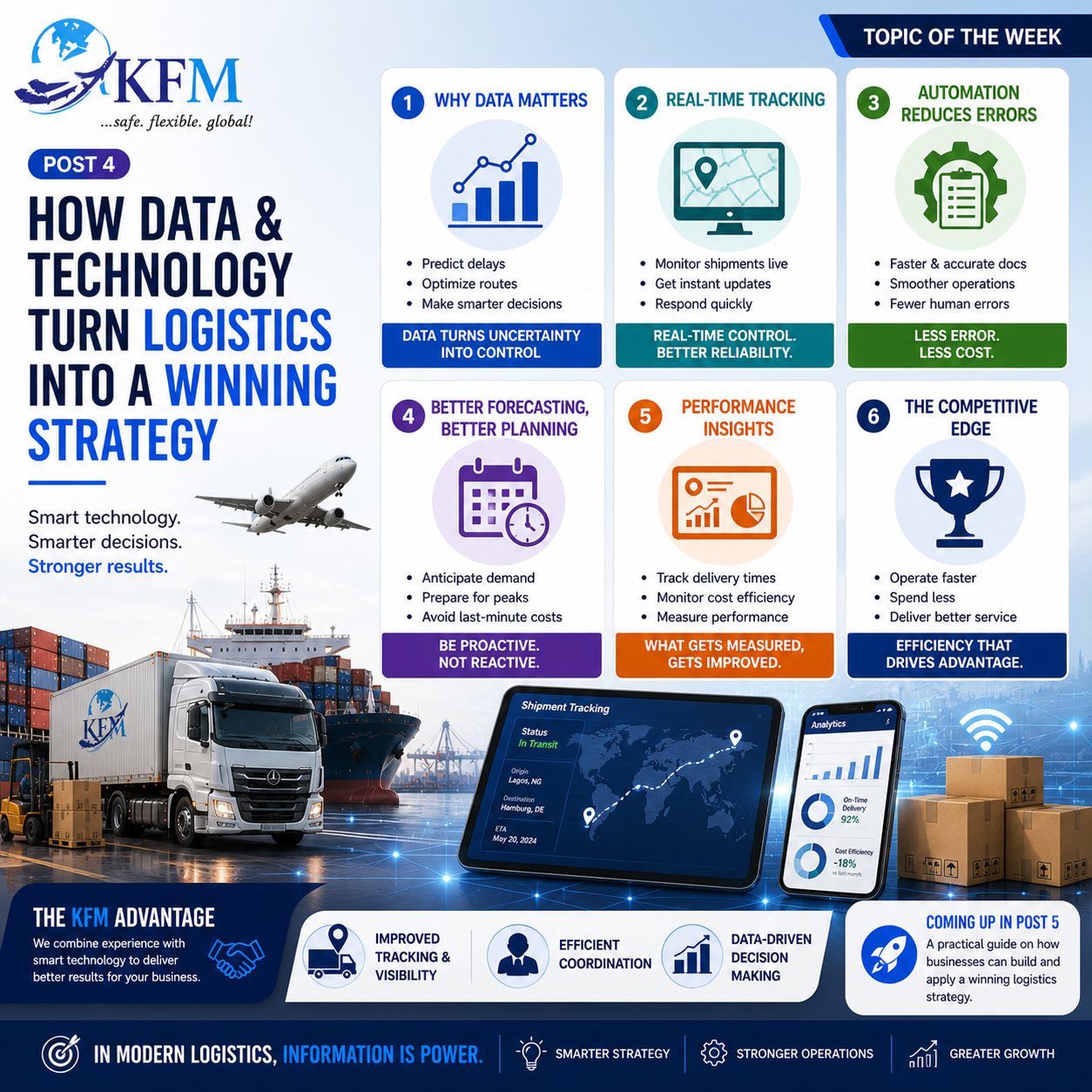
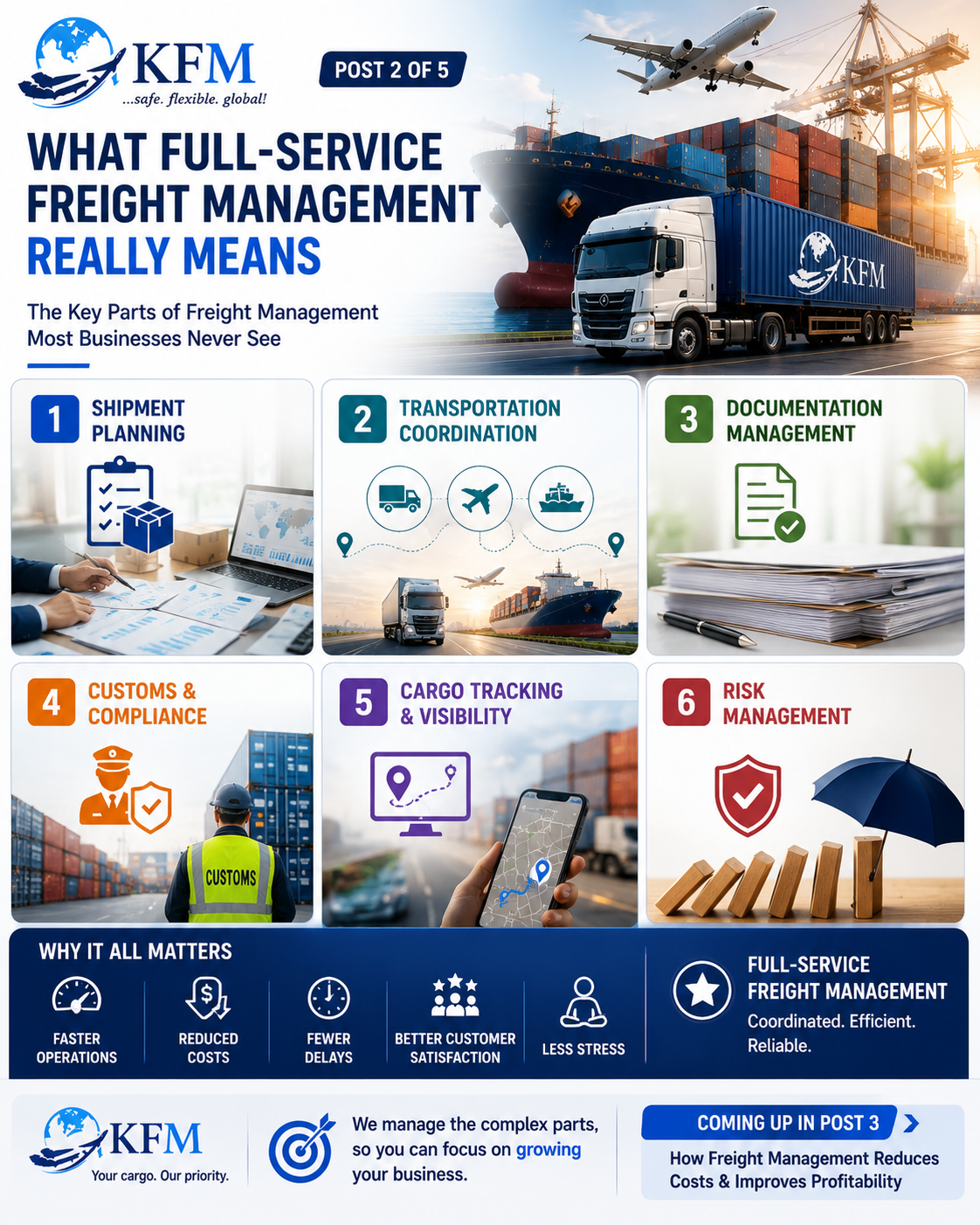
Step 6: Demand Visibility
You shouldn't have to wonder where your cargo is or what happens next.
A well-managed shipment should have clear milestones and communication throughout its journey.
The more visibility you have, the earlier you can react when something changes.
Information gives you options. Silence takes them away.
Build a Plan B Before You Need One
What happens if:
- Your shipment is delayed?
- Your expected costs increase?
- A supplier misses a deadline?
- Your inventory runs low?
- A documentation issue appears?
You don't need a perfect answer to every possible problem.
But having a response strategy before the problem happens can save valuable time.
The Bigger Lesson
The biggest challenge facing many importers isn't one specific problem.
It's the habit of reacting to problems only after they appear.
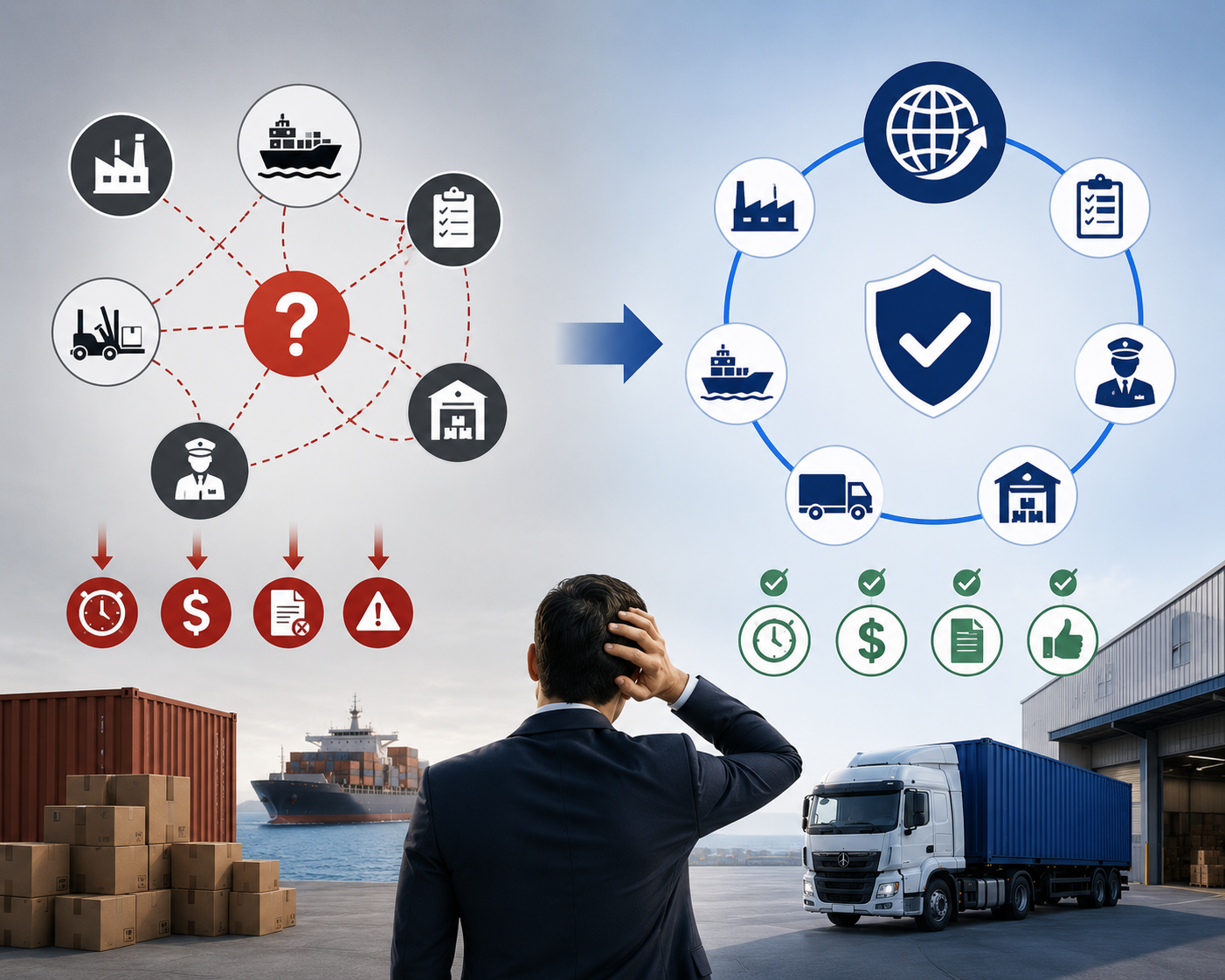
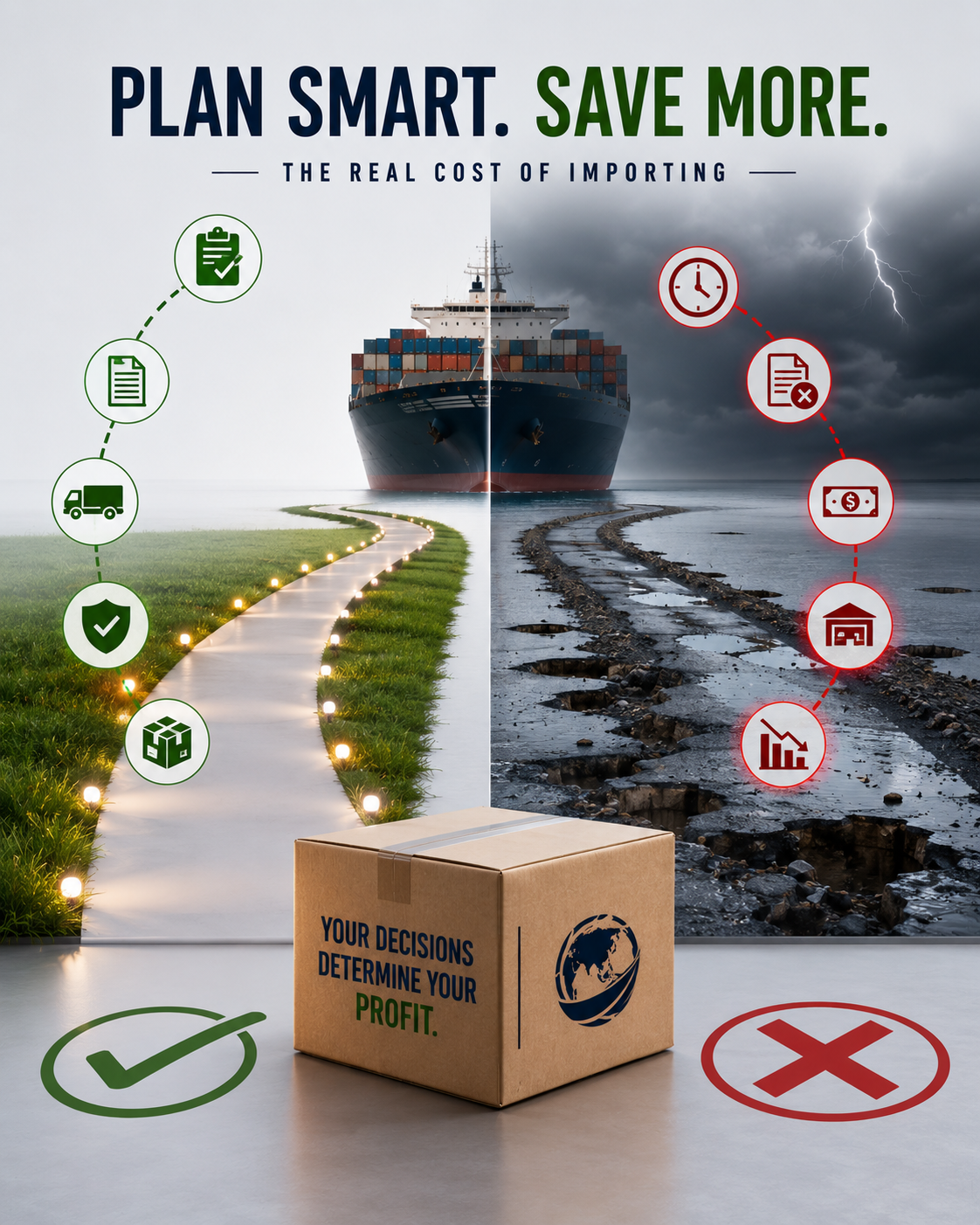
A smarter approach is to move from:
REACTIVE → PROACTIVE
Instead of asking:
"What do we do now?"
Ask:
"What could go wrong, and what can we do about it before it happens?"
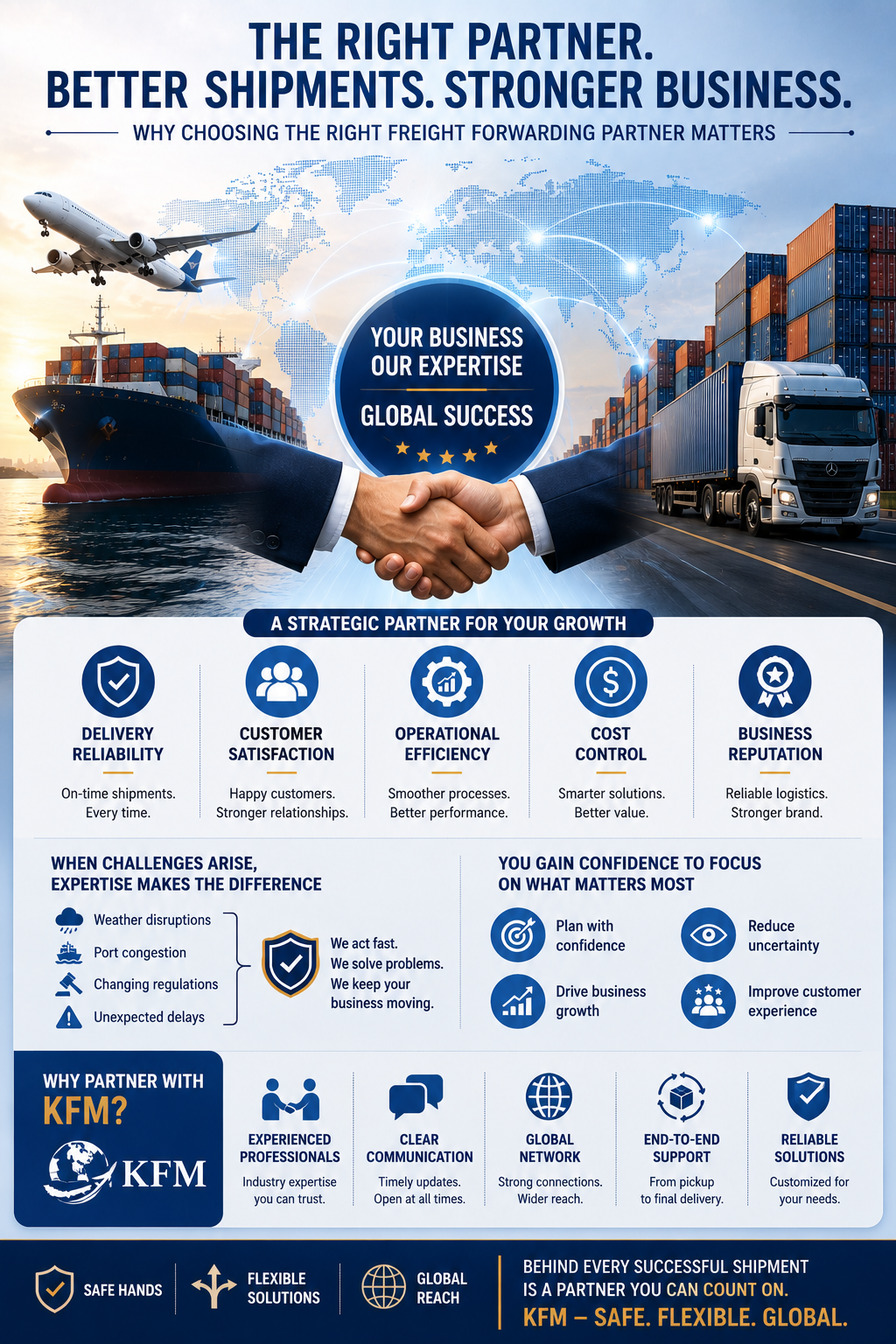
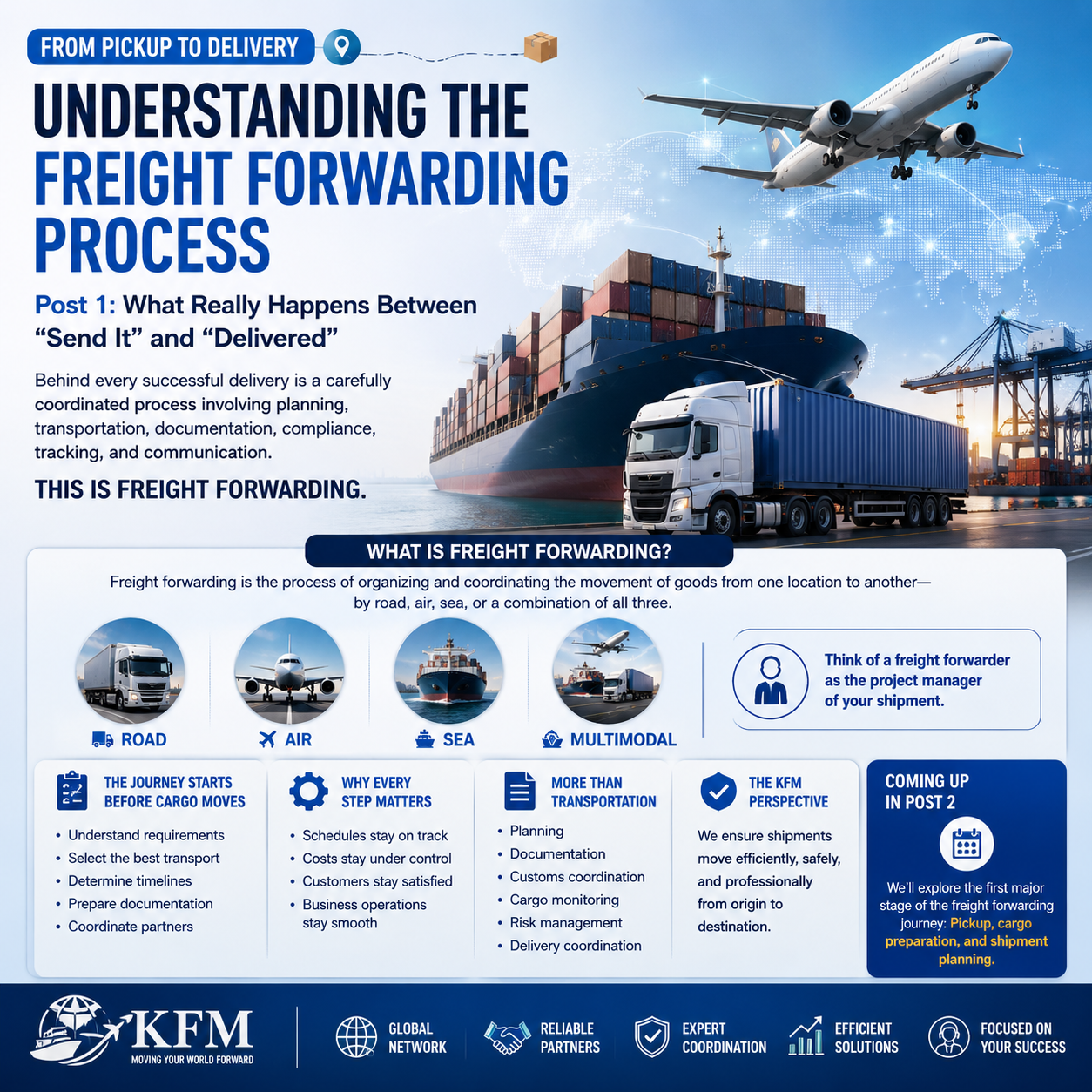
At KFM, we believe freight forwarding should be about more than moving cargo from one country to another.
It's about connecting the different stages of the import journey so businesses have better coordination, clearer expectations, and fewer avoidable surprises.
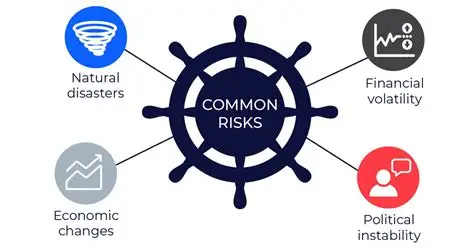
We can't control every port condition, market movement, regulatory development, or unexpected event.
But with proper planning and the right logistics support, businesses can be better prepared to navigate them.
Because the goal isn't simply to get your cargo here.
The goal is to get it here without letting logistics derail your business.
💡 Final Thought
If importing constantly feels like putting out fires, don't just get better at fighting fires.
Build a system that creates fewer fires in the first place.
Plan better. Coordinate better. Import smarter.
KFM — Safe. Flexible. Global.