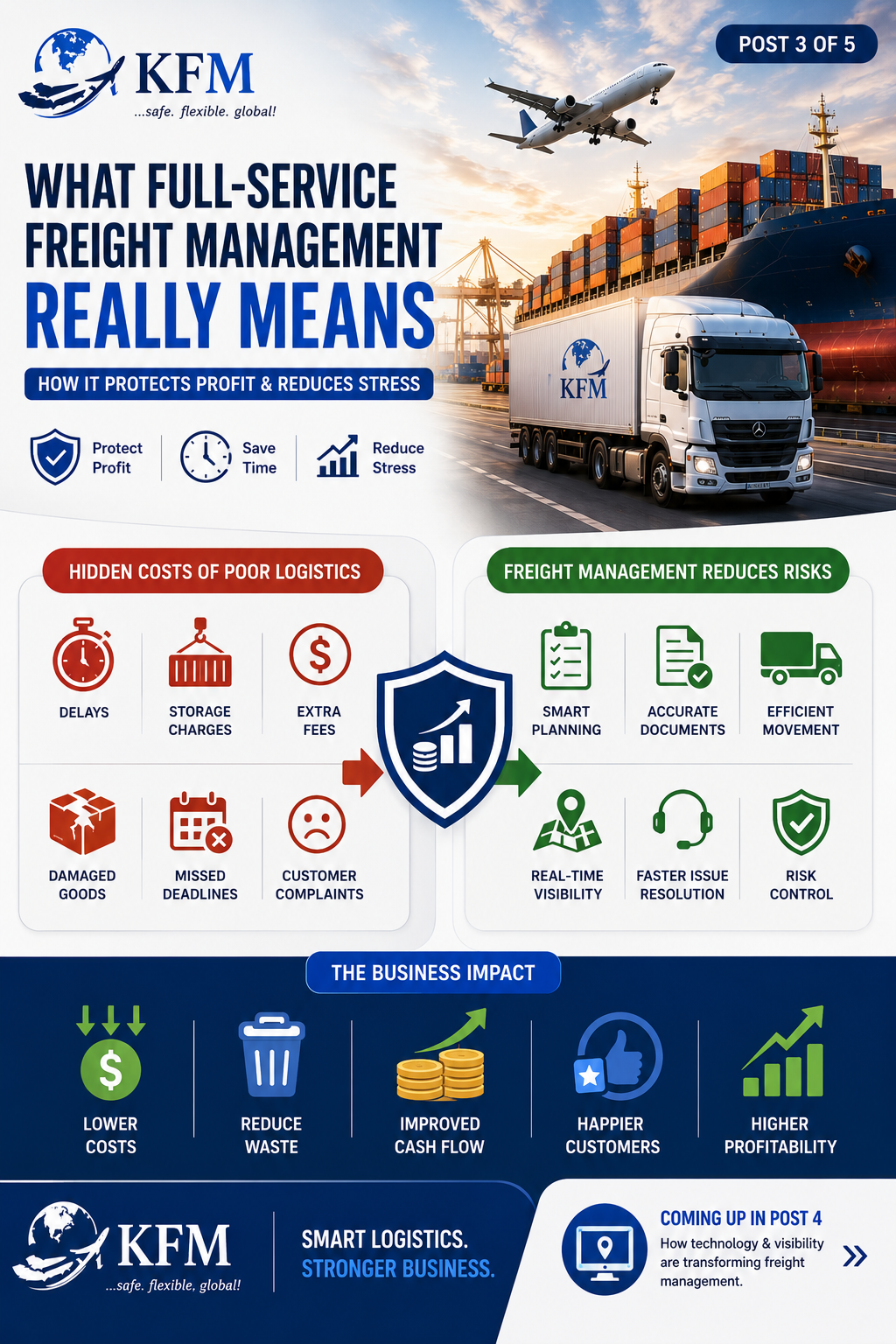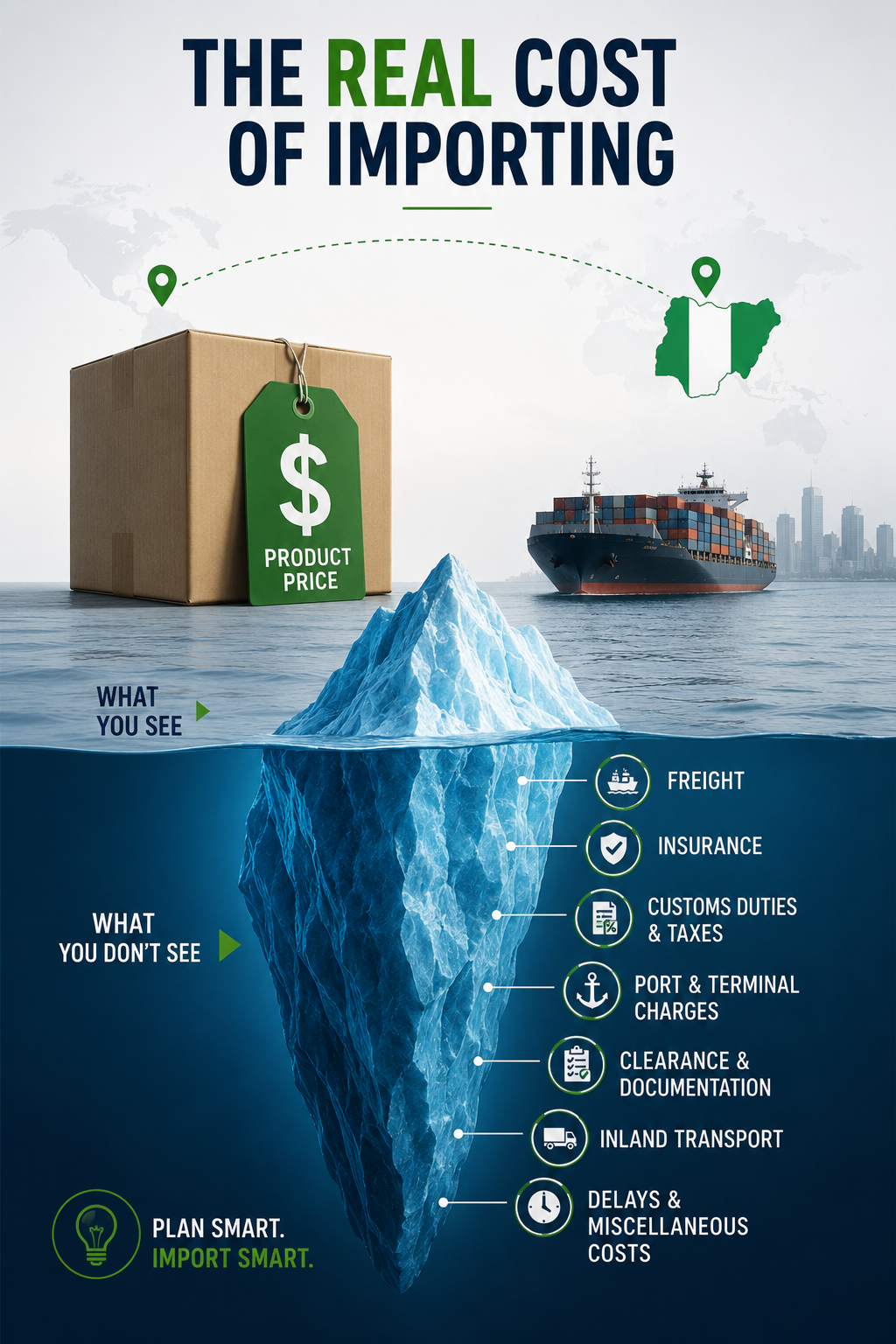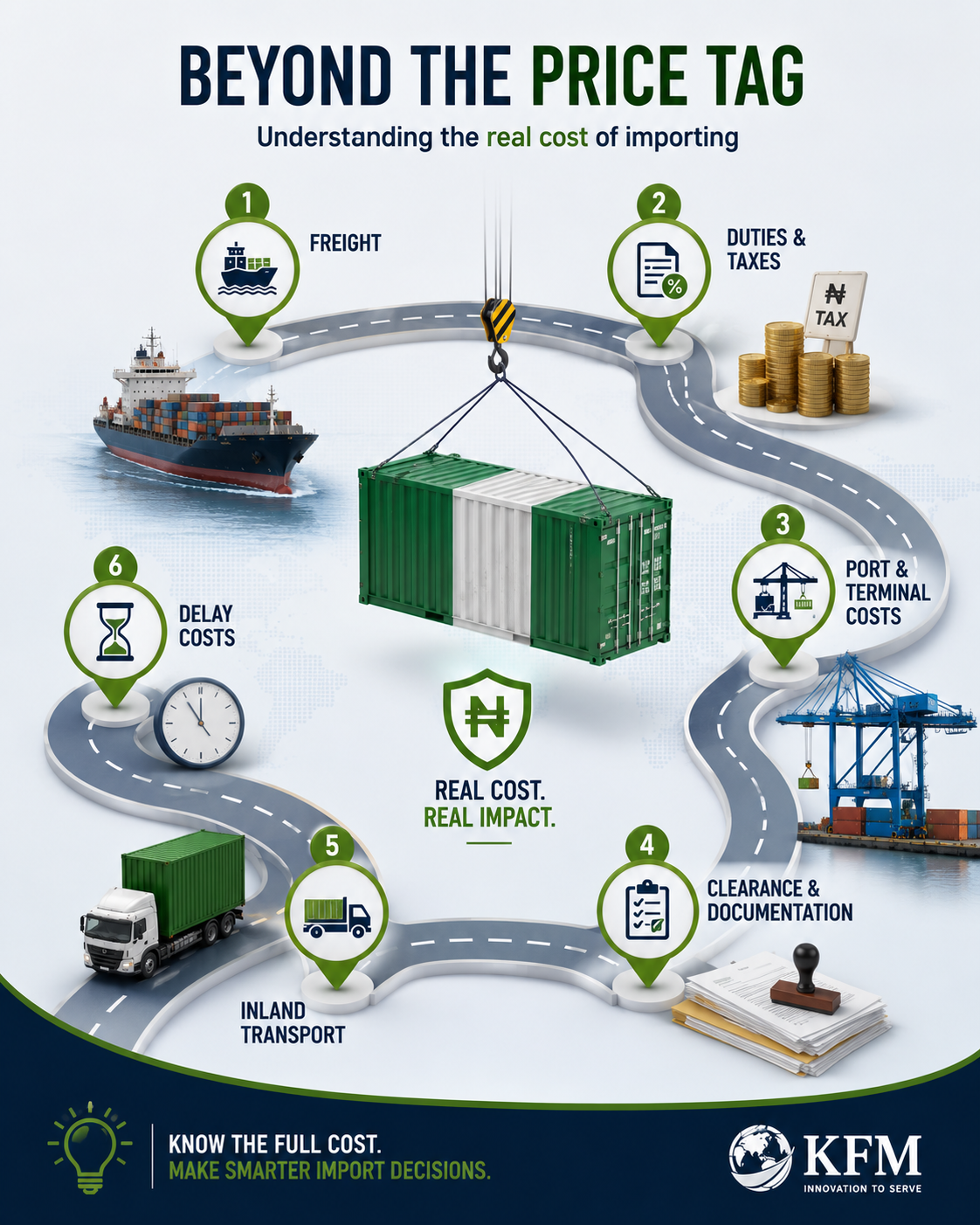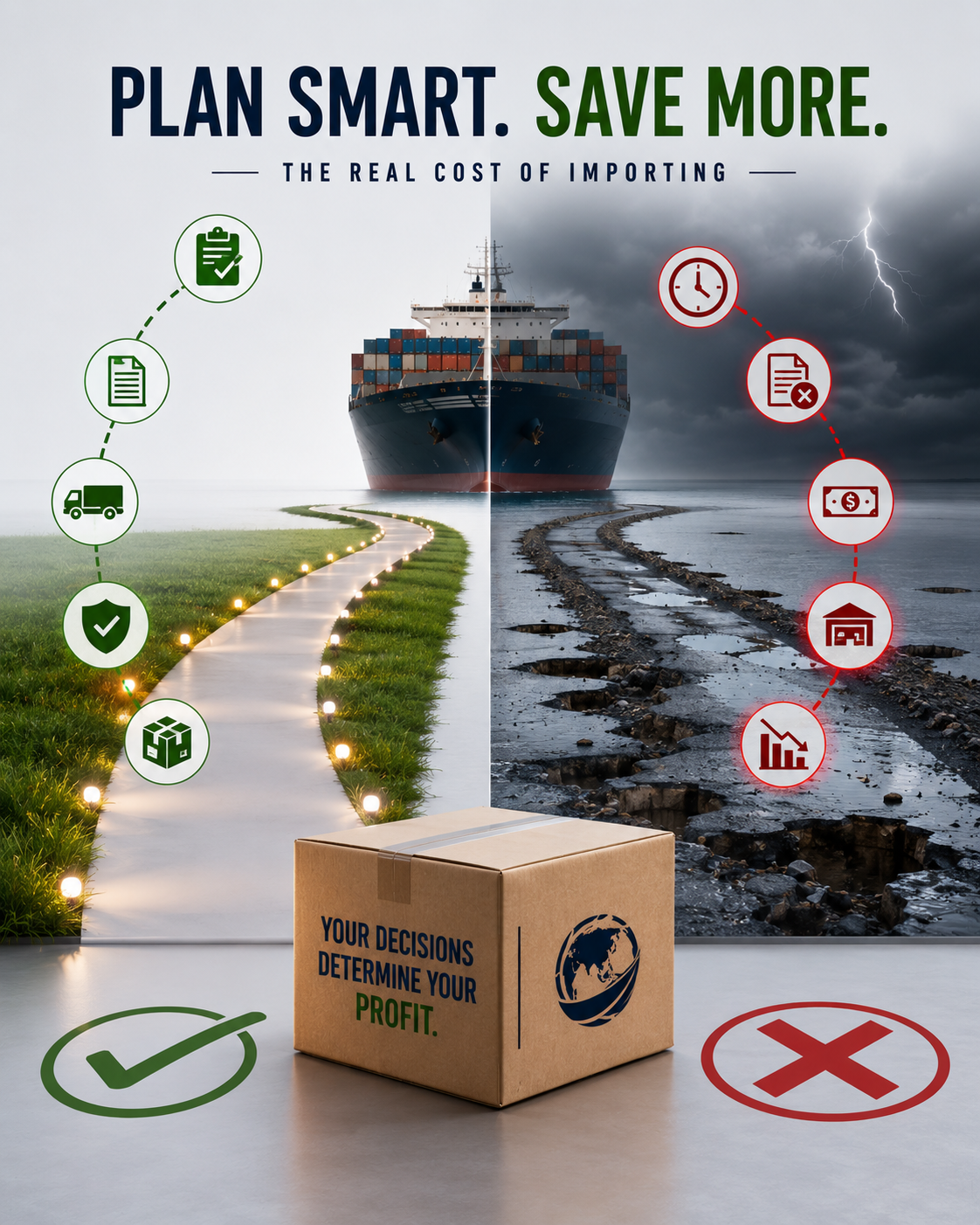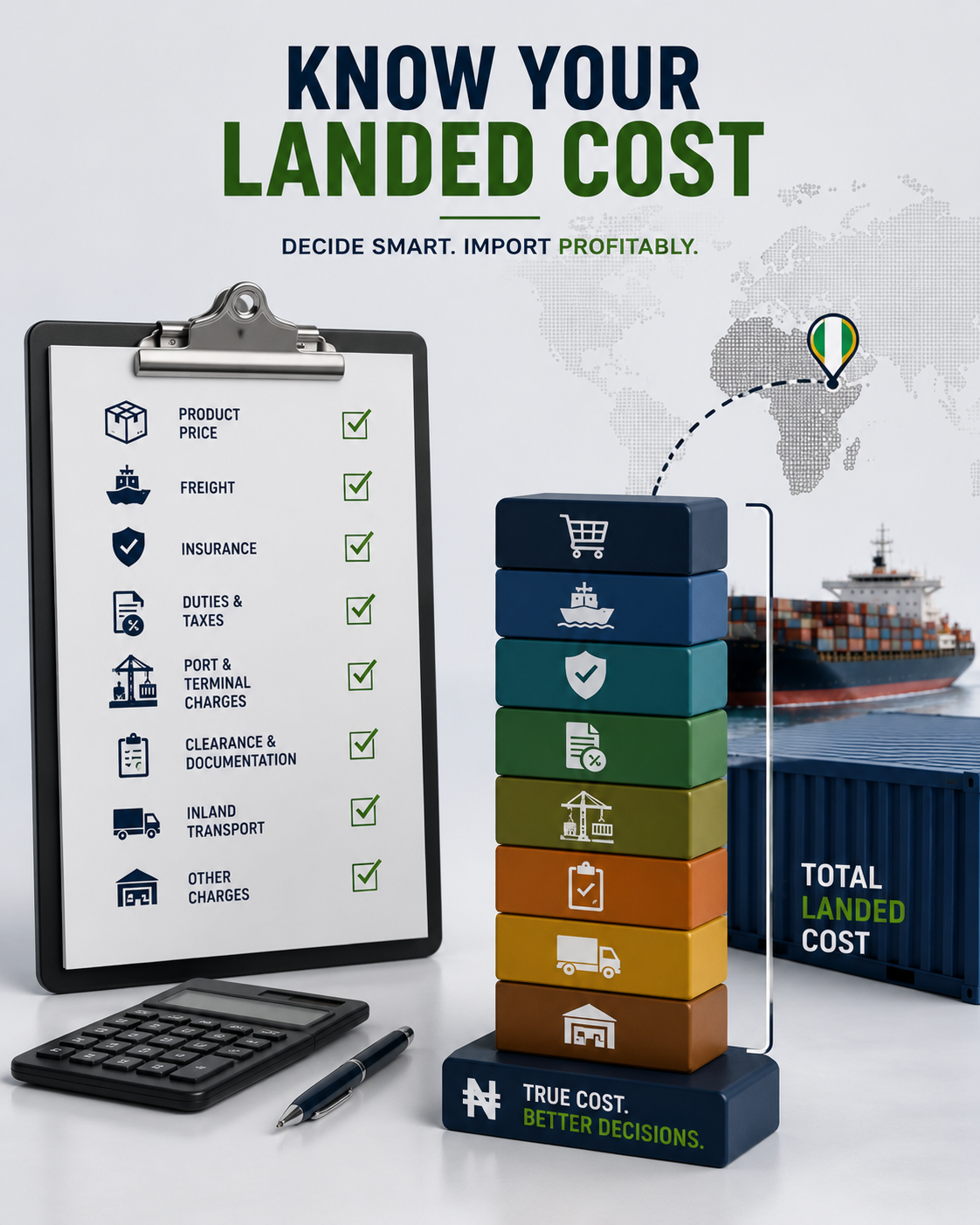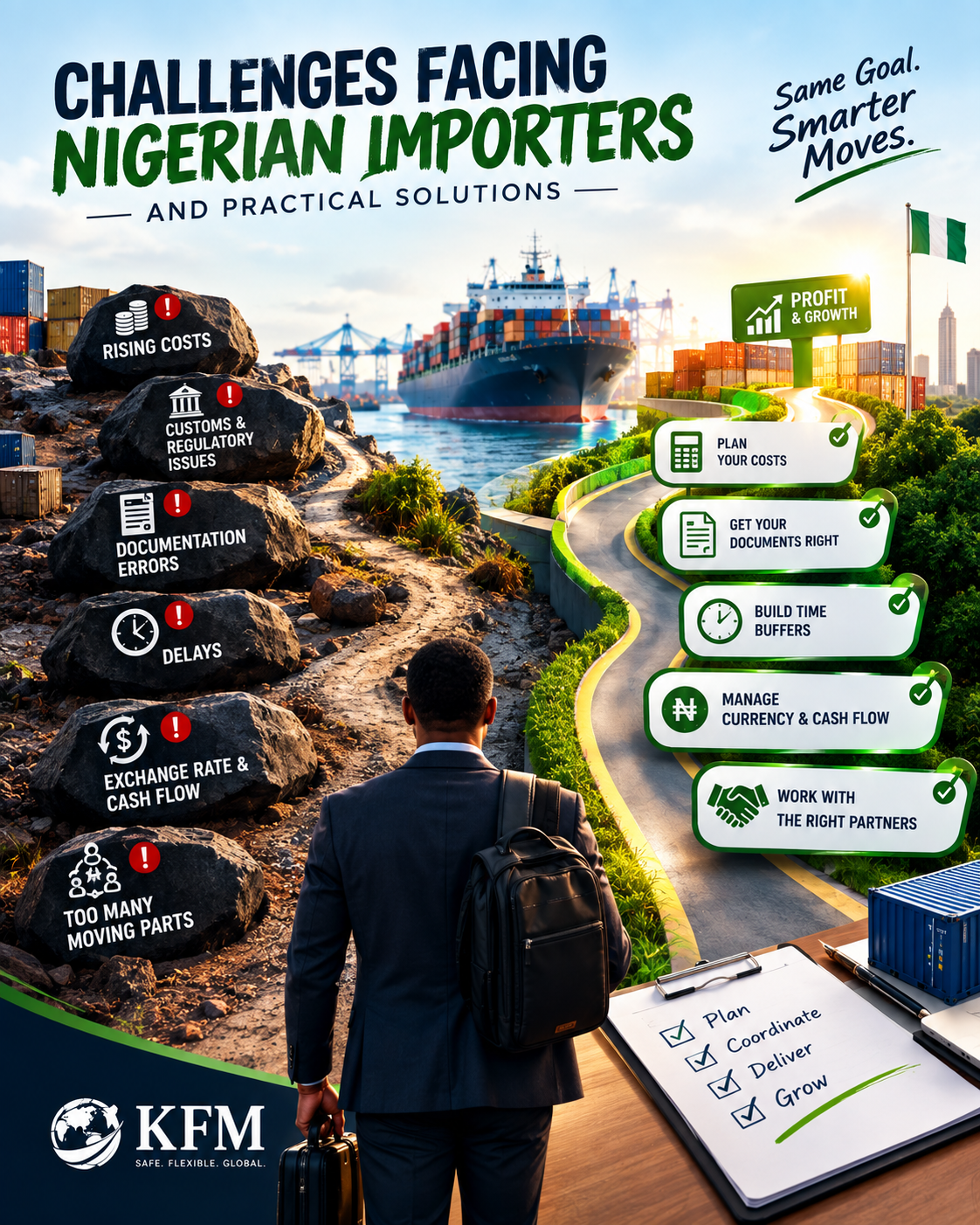
We've talked about the costs you can see.
We've talked about the costs you don't always see.
Now let's talk about the question that really matters:
How do you keep those costs from eating into your profit?
The answer isn't necessarily to find the cheapest supplier or the lowest freight quote.
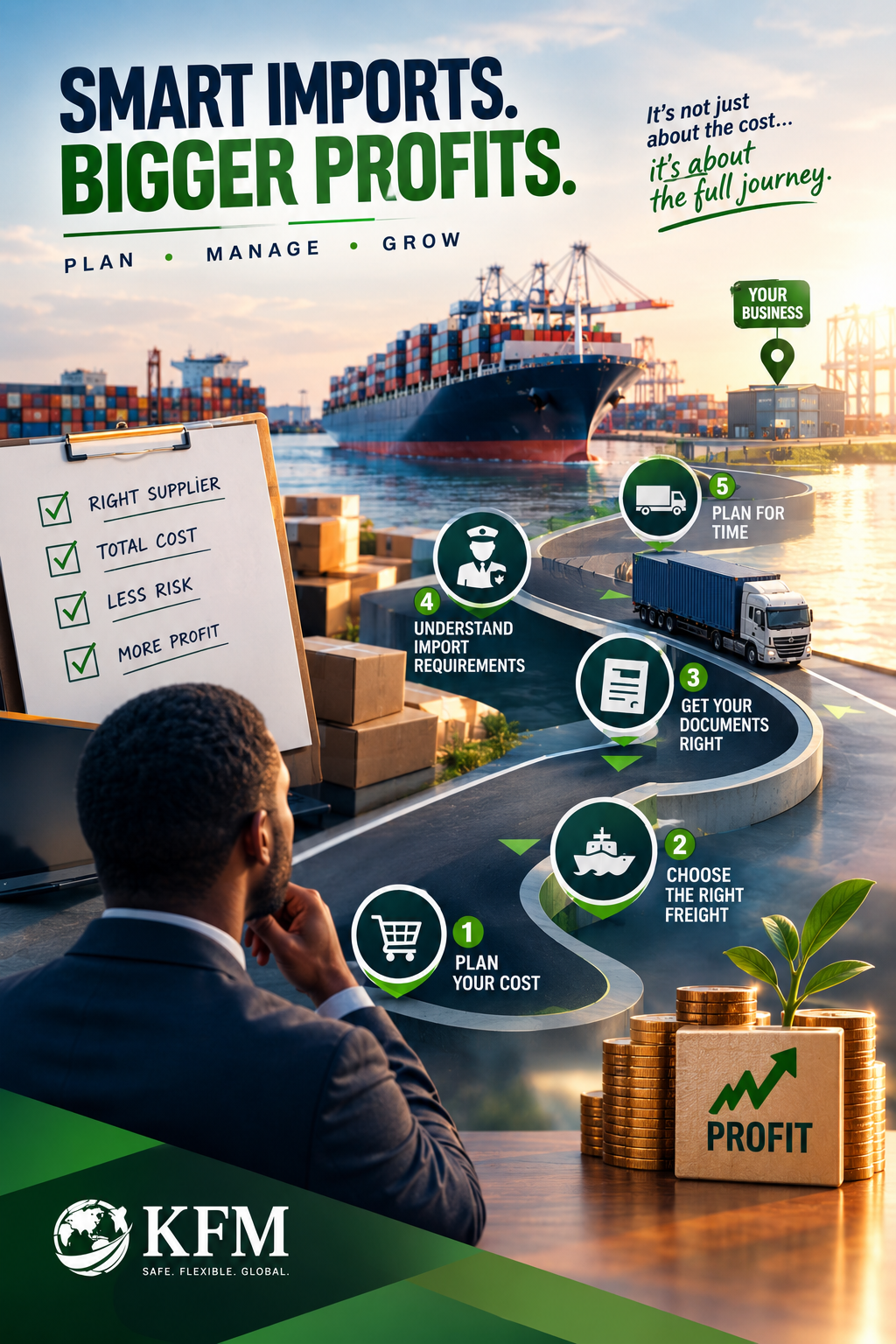
It's to plan the entire import properly.
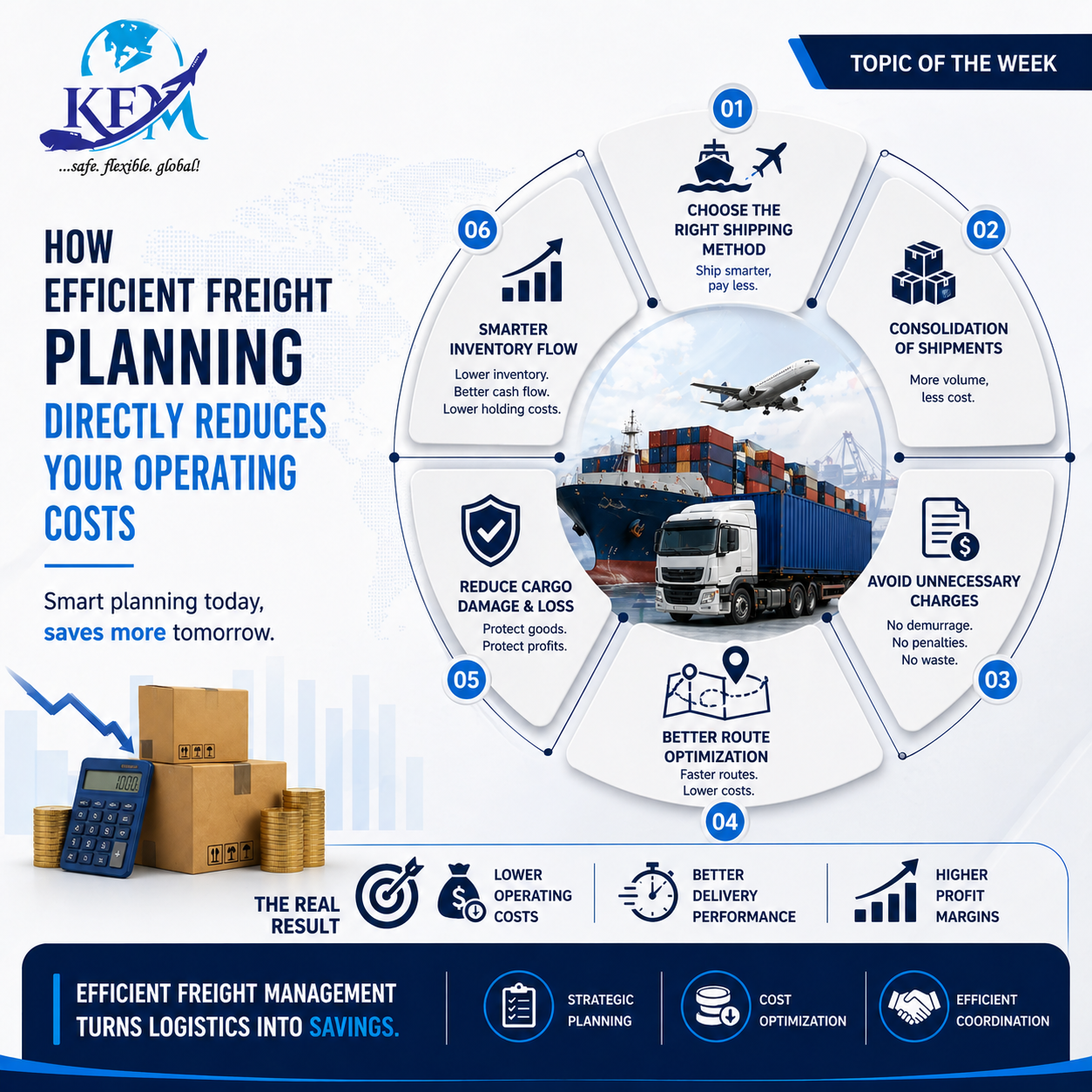
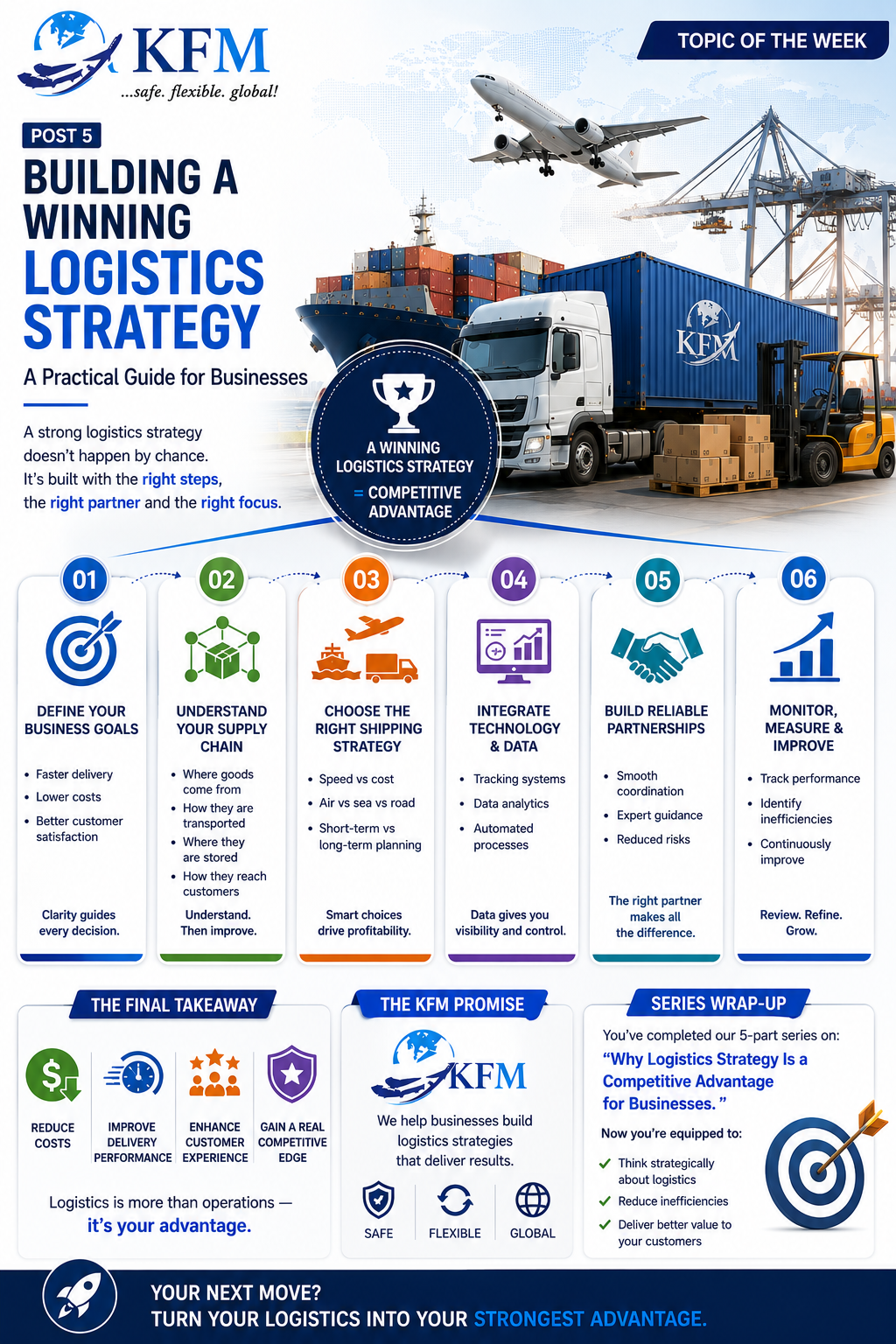
1. Know Your Numbers Before You Buy
Don't place an order simply because the supplier's price looks attractive.
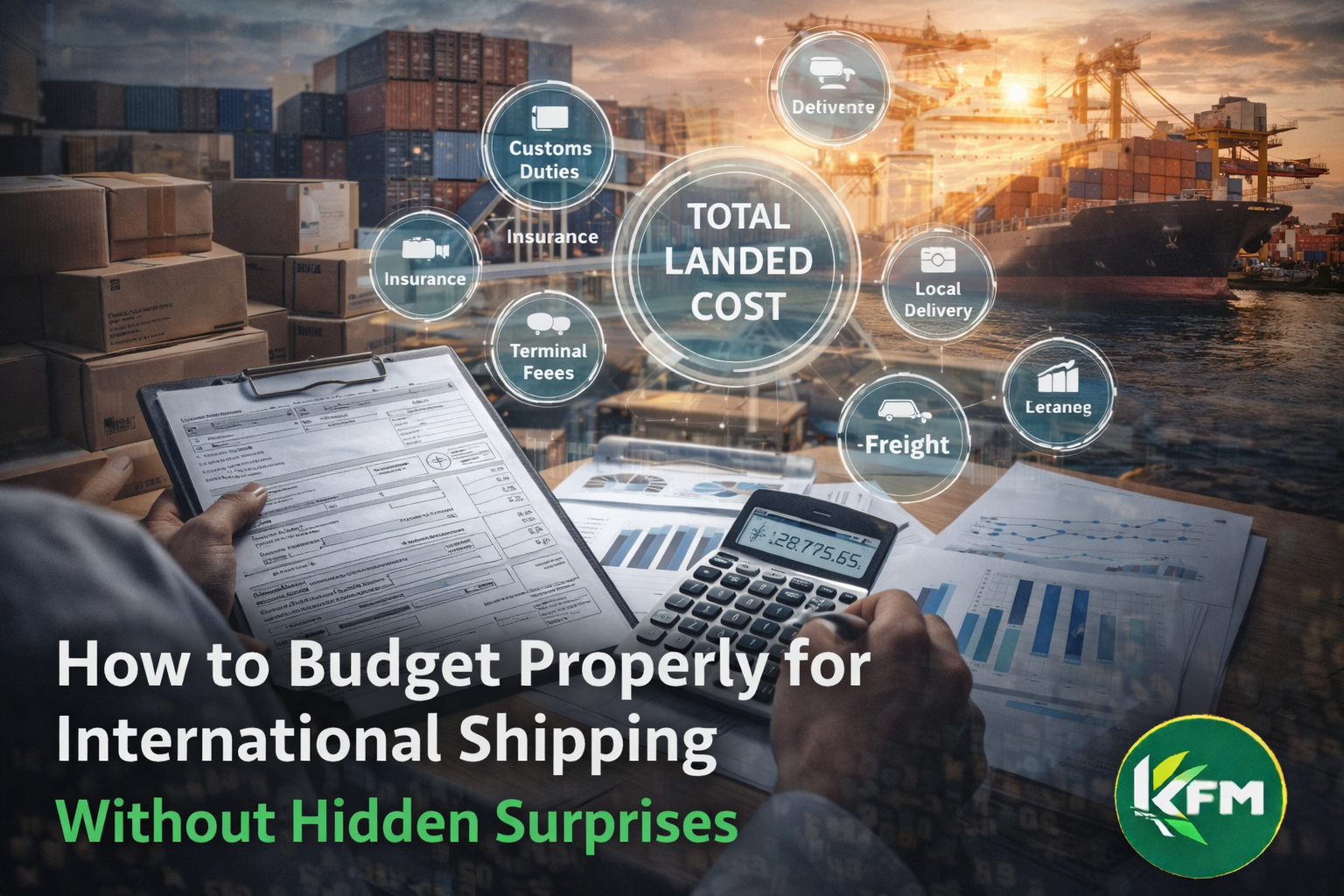
Estimate the complete cost of getting the goods to your intended destination before committing your money.
This gives you a realistic picture of your expected margin and helps you decide whether the import is actually worth it.
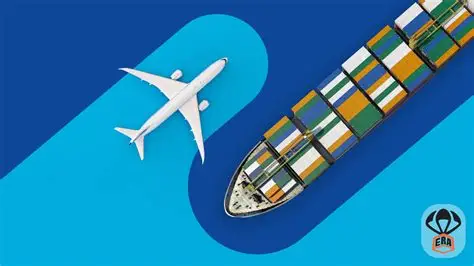
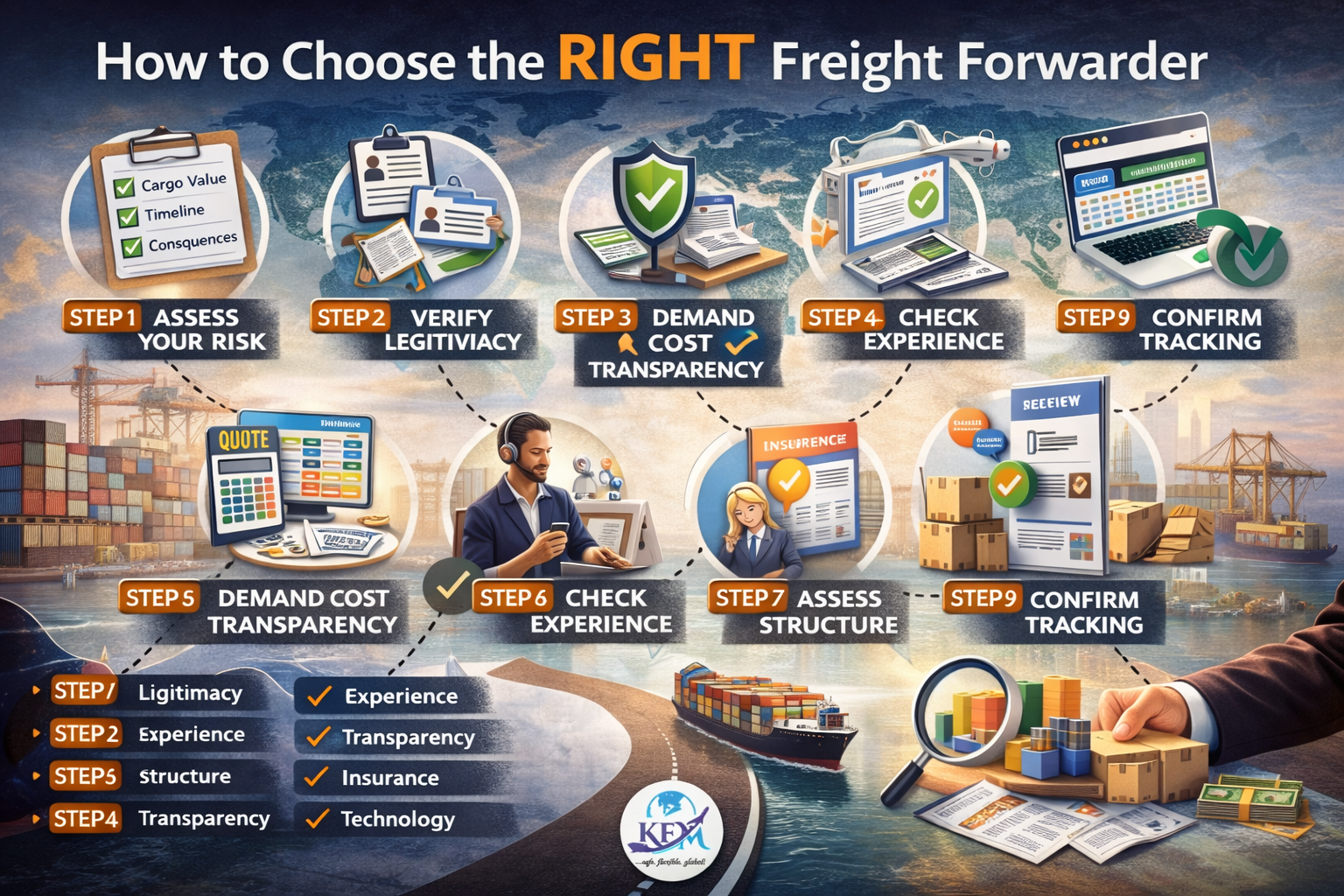
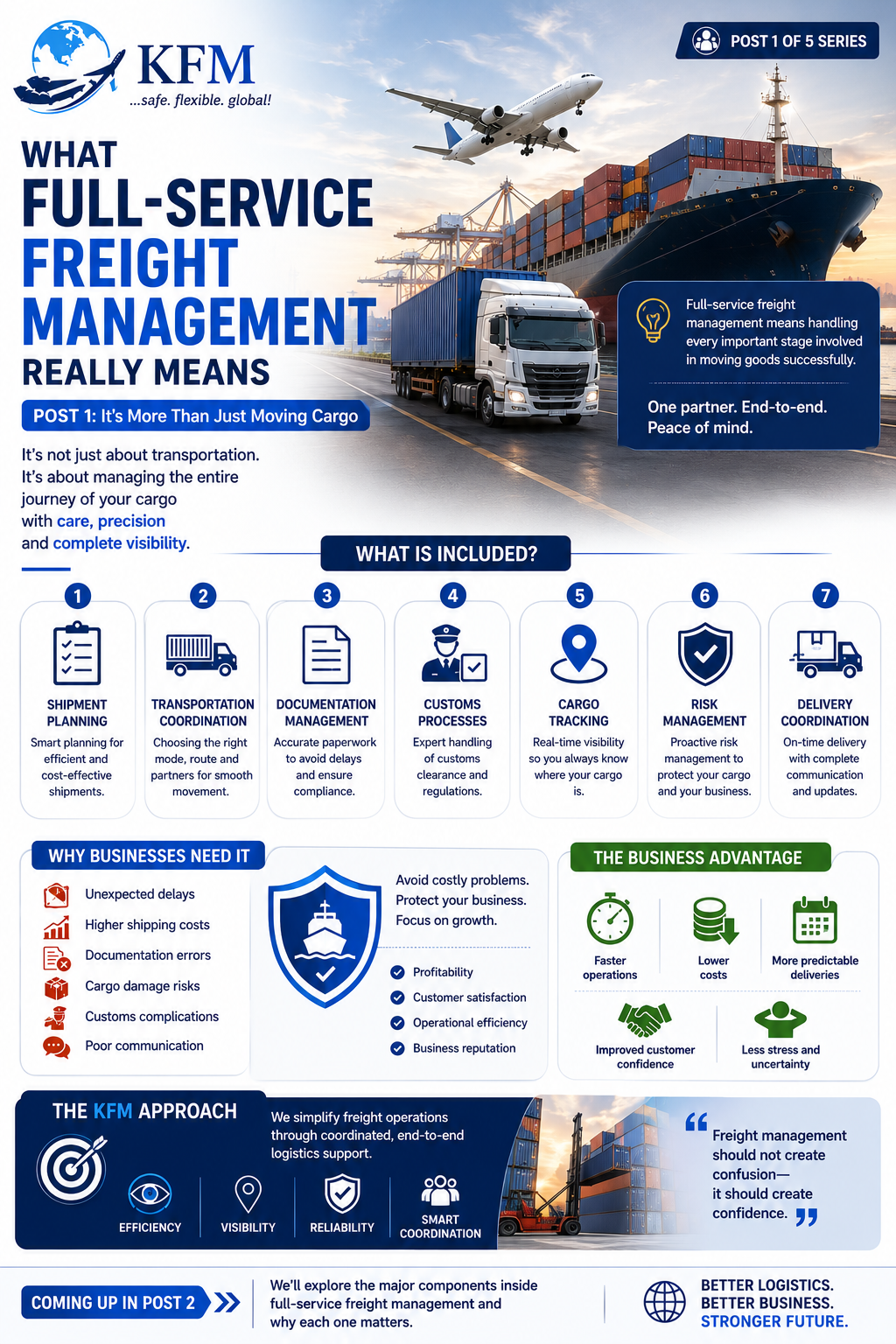
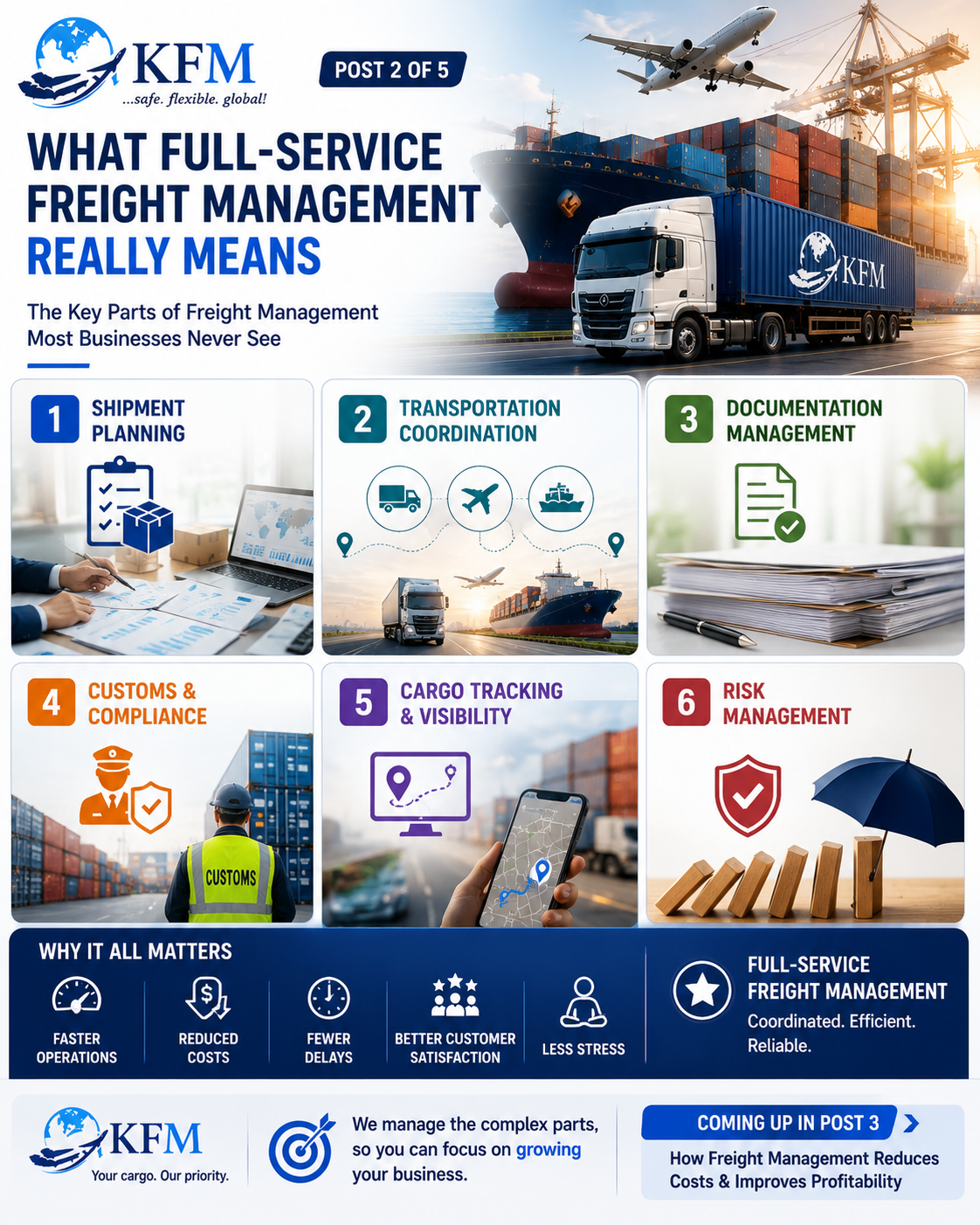
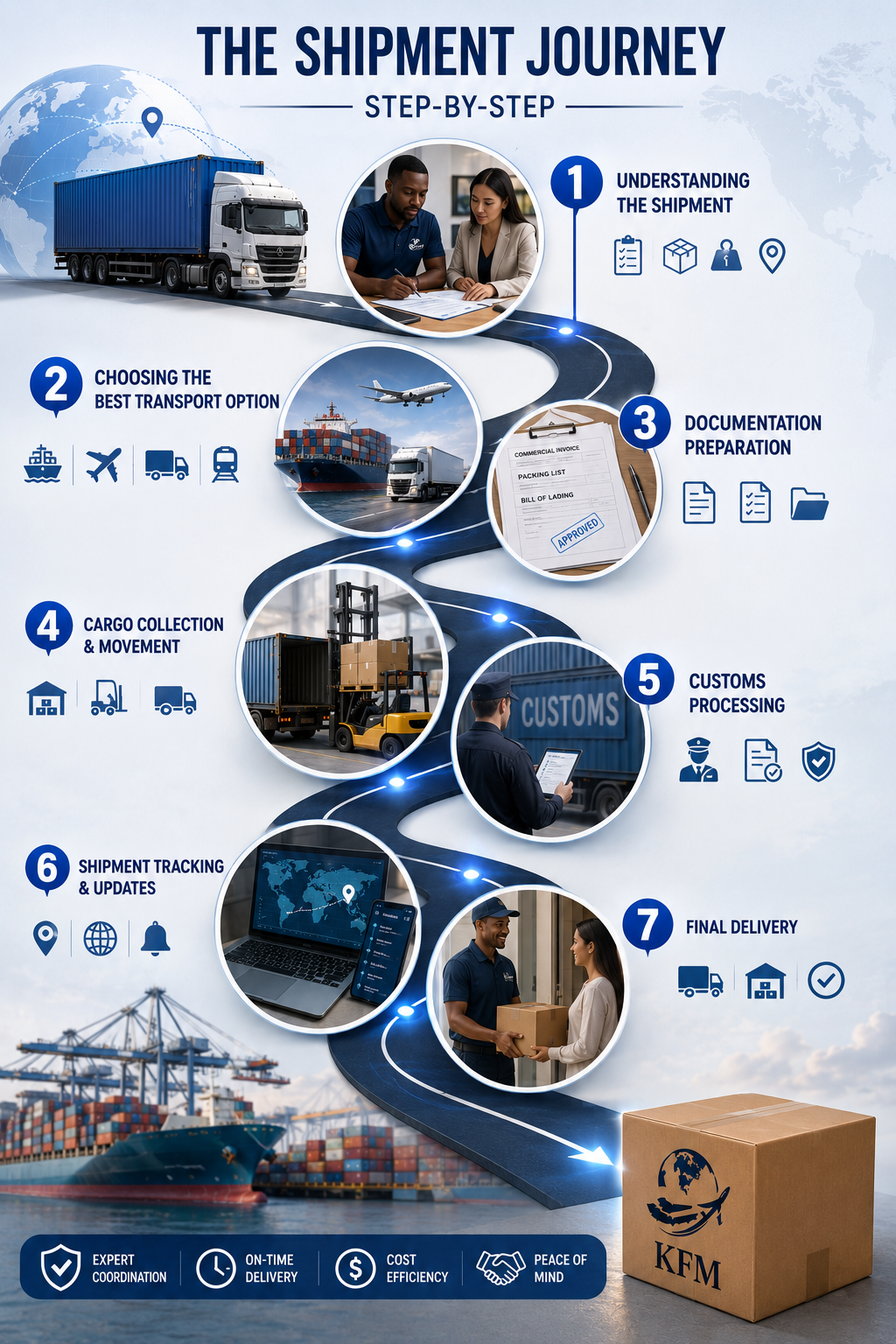
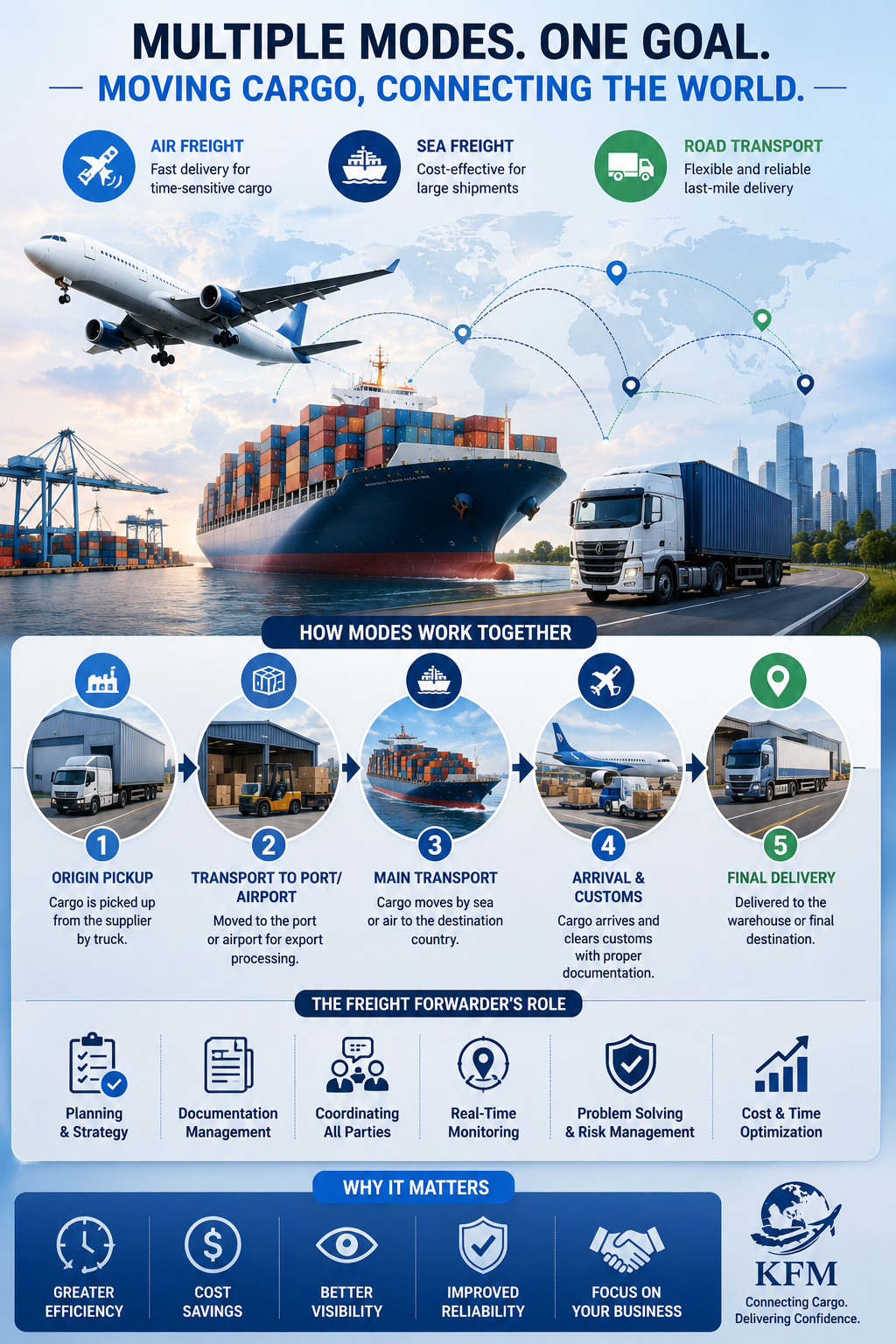
2. Choose the Right Freight Solution
The cheapest freight option isn't always the best option for your business.
Consider the:
- Size and nature of your cargo
- Urgency of the shipment
- Available budget
- Destination
- Level of logistics support you need
A well-planned shipping solution can help you balance cost, reliability, and delivery requirements.
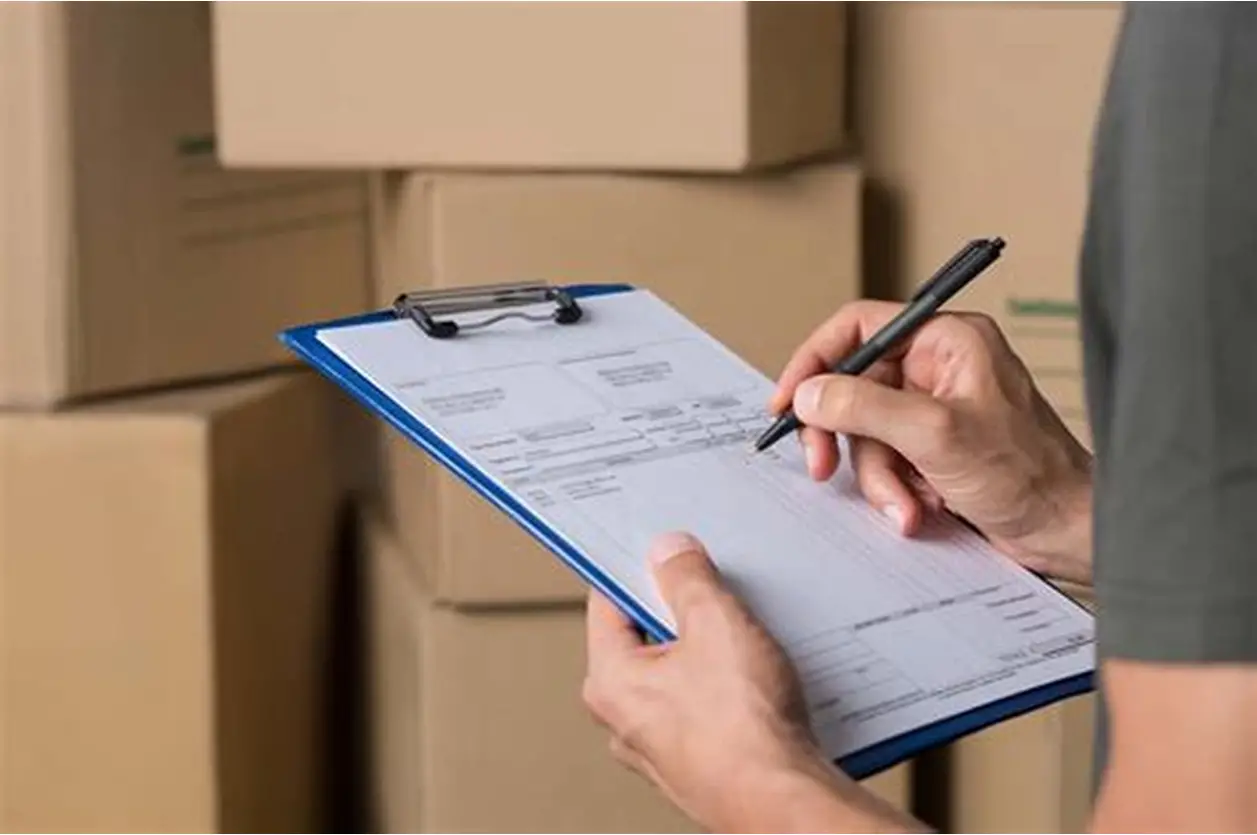
3. Get the Documentation Right
Good logistics starts with good information.
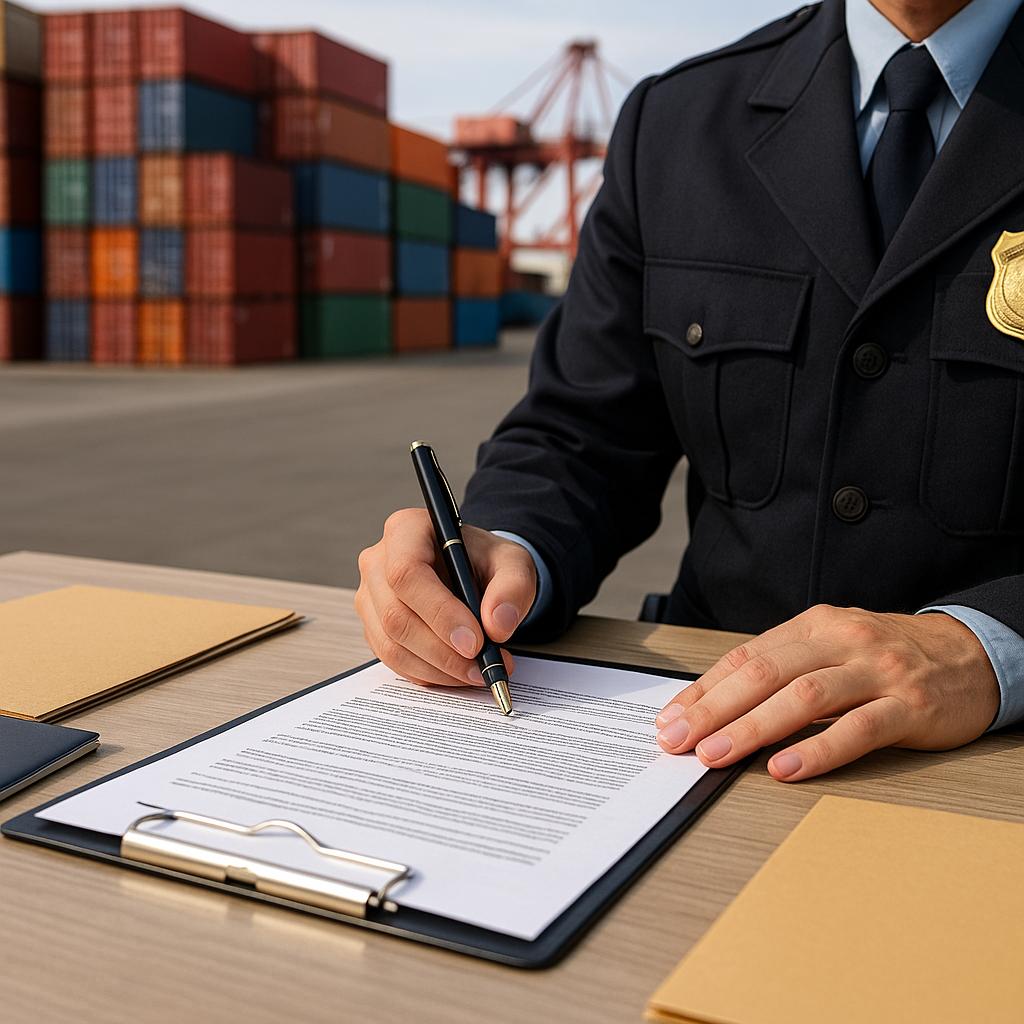
Make sure your commercial and shipping documents are properly prepared and consistent with your shipment.
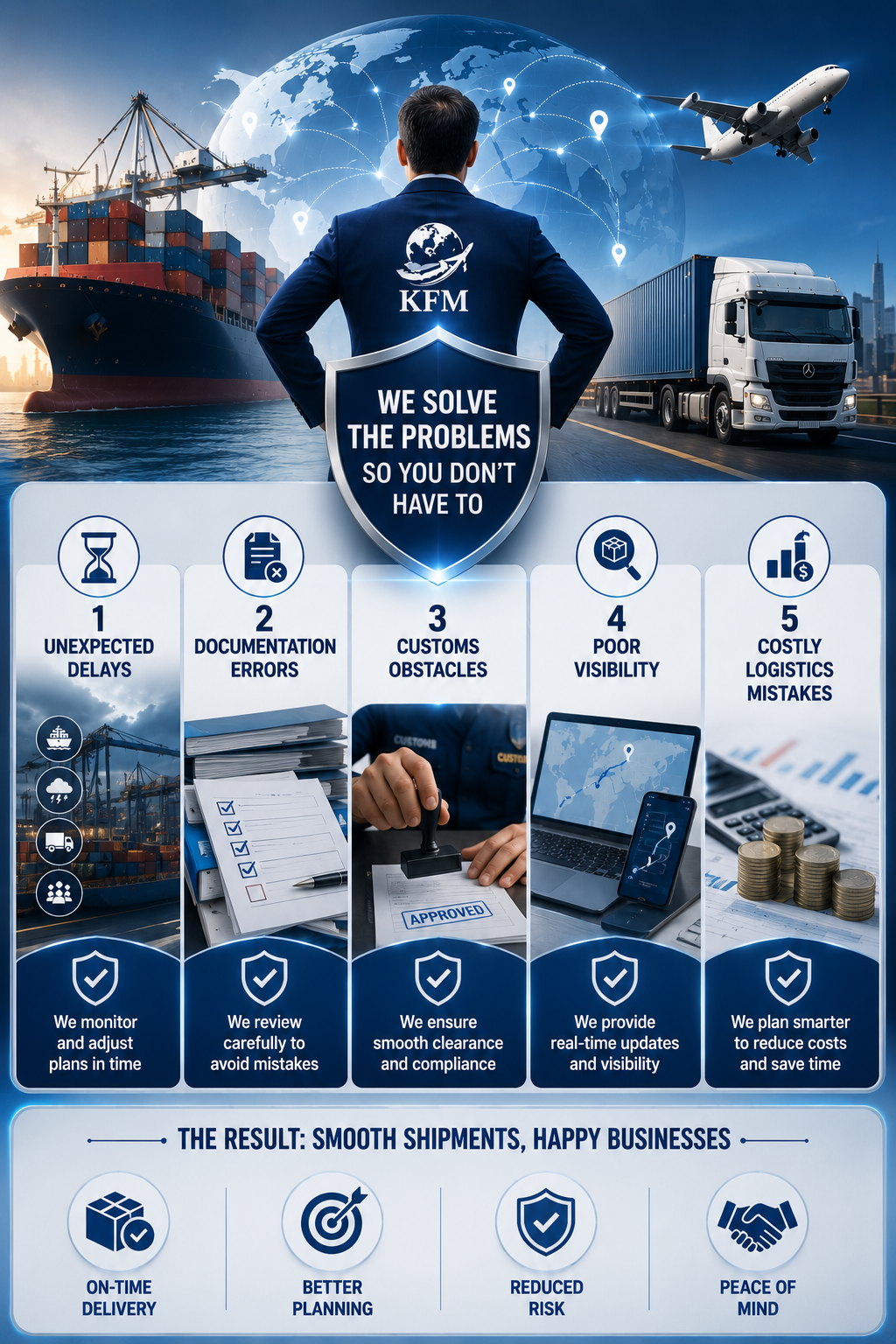
Errors and missing information can create unnecessary complications and delays.
Good documentation is one of the simplest ways to reduce avoidable problems.
4. Understand the Import Requirements
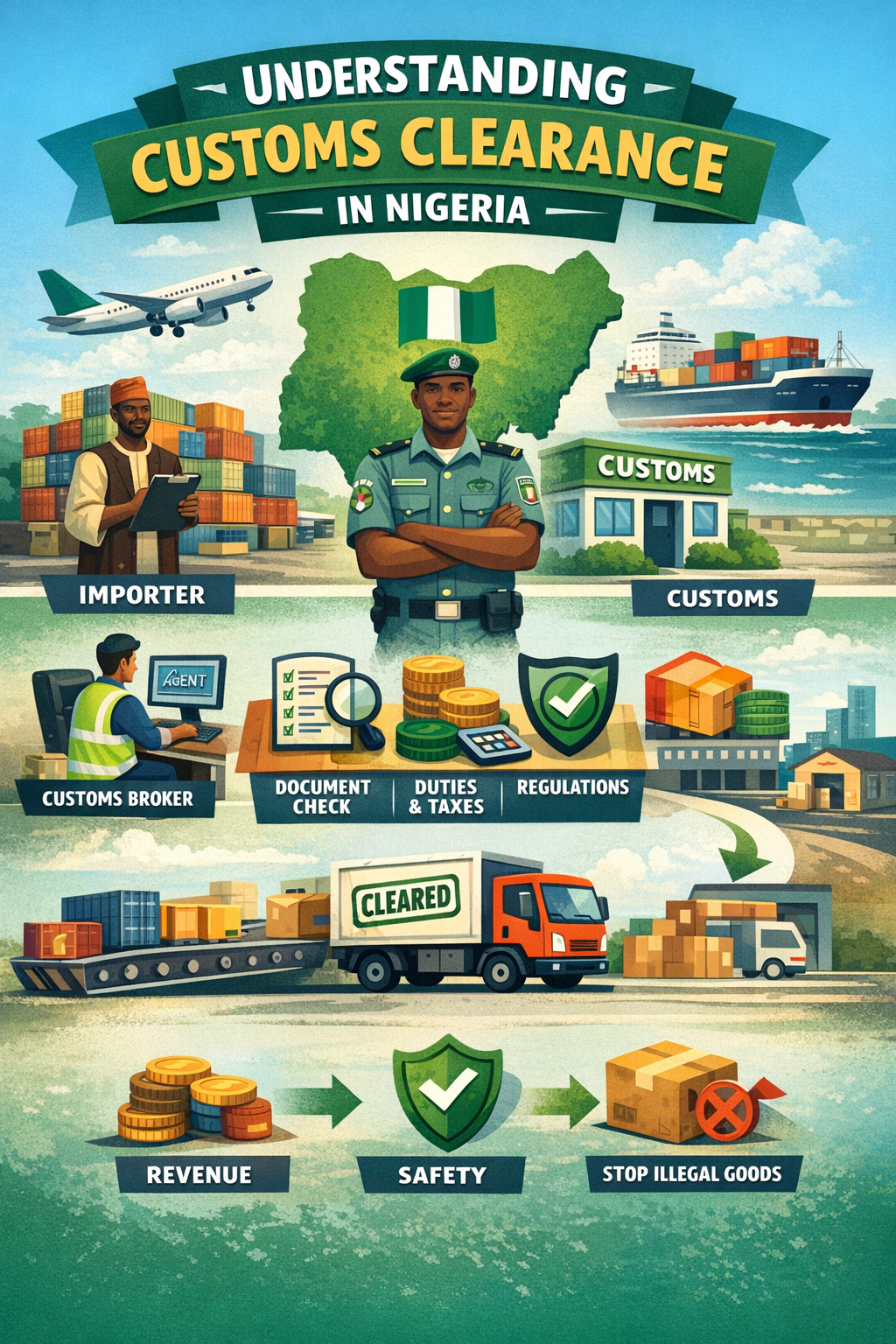
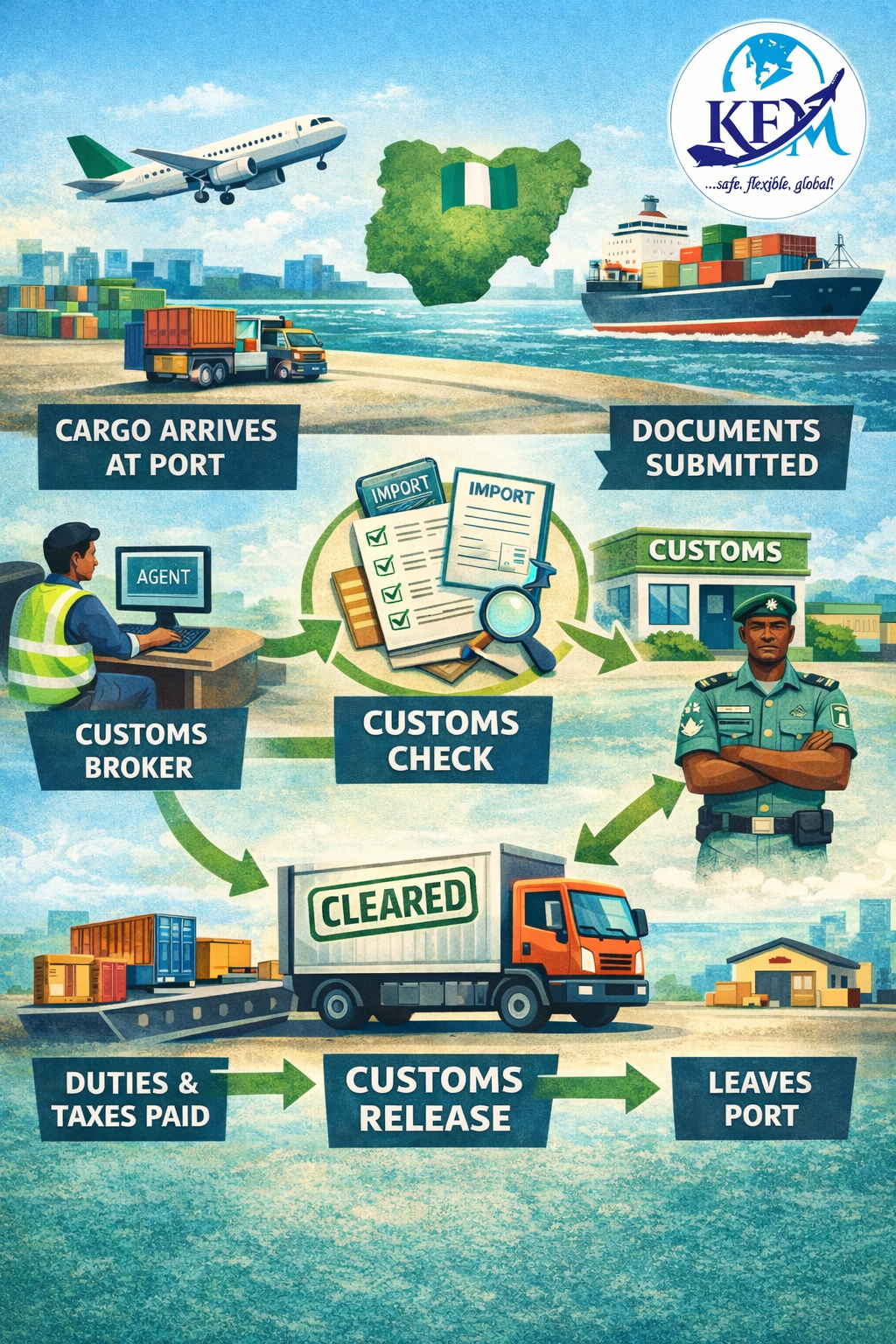
Before importing a product, understand the applicable customs, regulatory, duty, tax, and documentation requirements for that particular shipment.
Different products can have different requirements.
Never build your business decision around assumptions.
Know what applies to your goods before they leave the supplier.
5. Plan for Time, Not Just Money
Your inventory only creates value when it is available for sale or use.
That's why delivery timelines matter.
Build realistic time expectations into your purchasing and inventory plans, and avoid leaving critical stock until the last minute.
Good planning reduces the pressure that often makes logistics expensive.
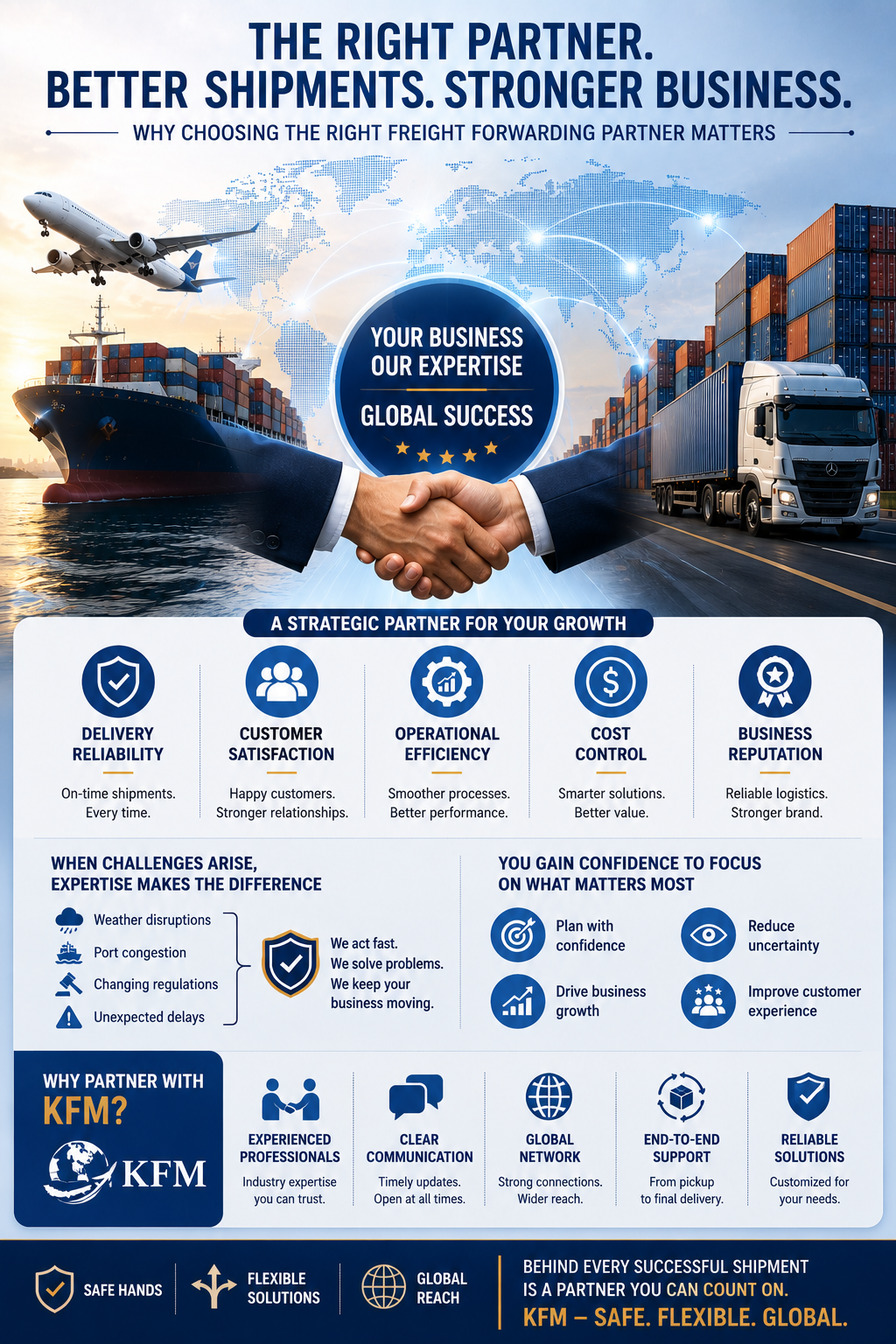
6. Work With the Right Logistics Partner
Importing involves multiple moving parts.
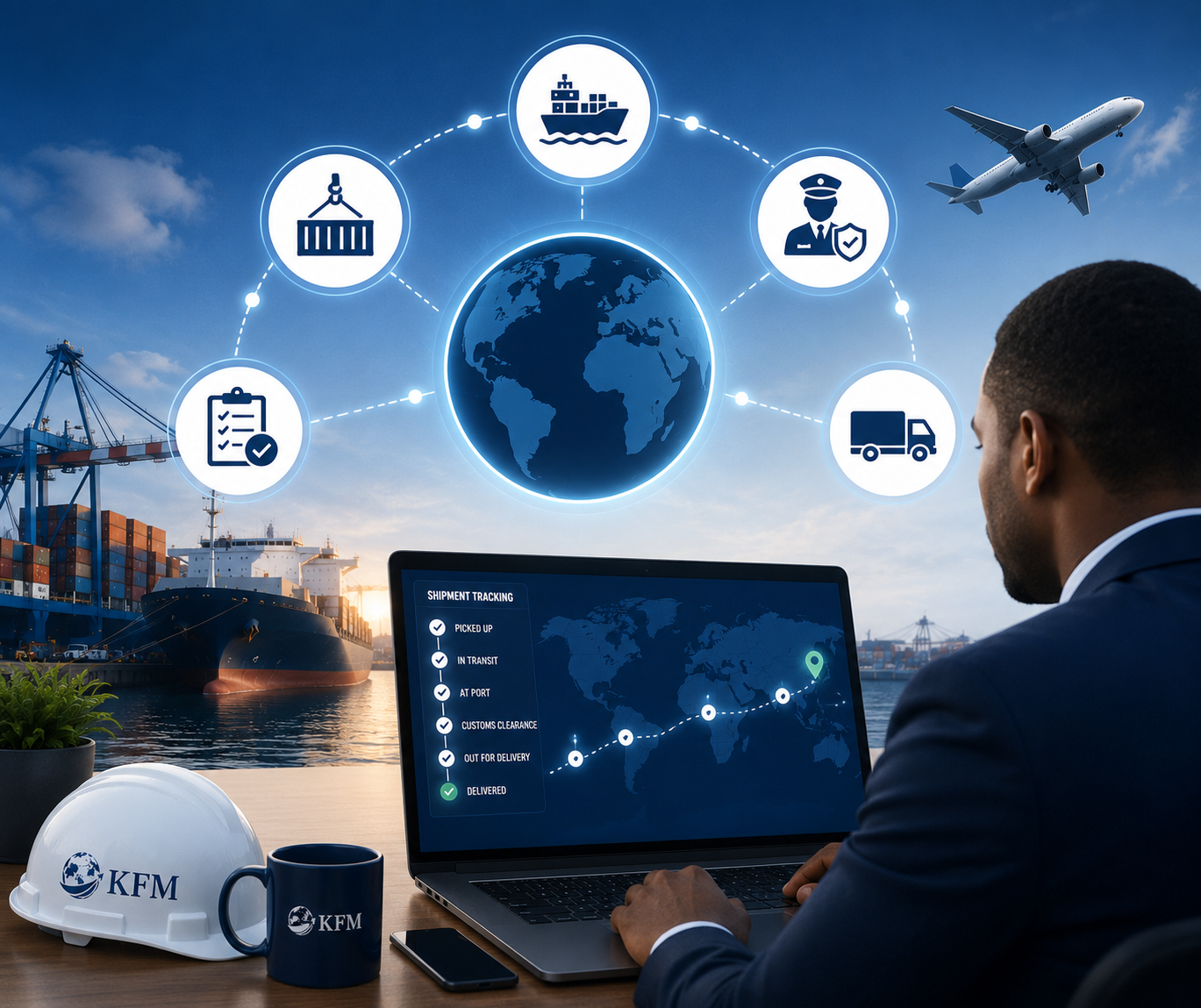
A professional freight partner can help coordinate the journey, identify potential issues, and keep the different stages of the shipment connected.
This becomes even more valuable when you're importing regularly or dealing with complex shipments.
The Biggest Lesson From This Series
The real cost of importing isn't just the amount you pay your supplier.
It is the combination of everything required to move your goods from origin to their intended destination.
And the businesses that understand this are better positioned to:
- Price their products properly
- Protect their profit margins
- Manage cash flow
- Avoid unnecessary delays
- Make smarter purchasing decisions
- Grow their imports sustainably
The KFM Perspective
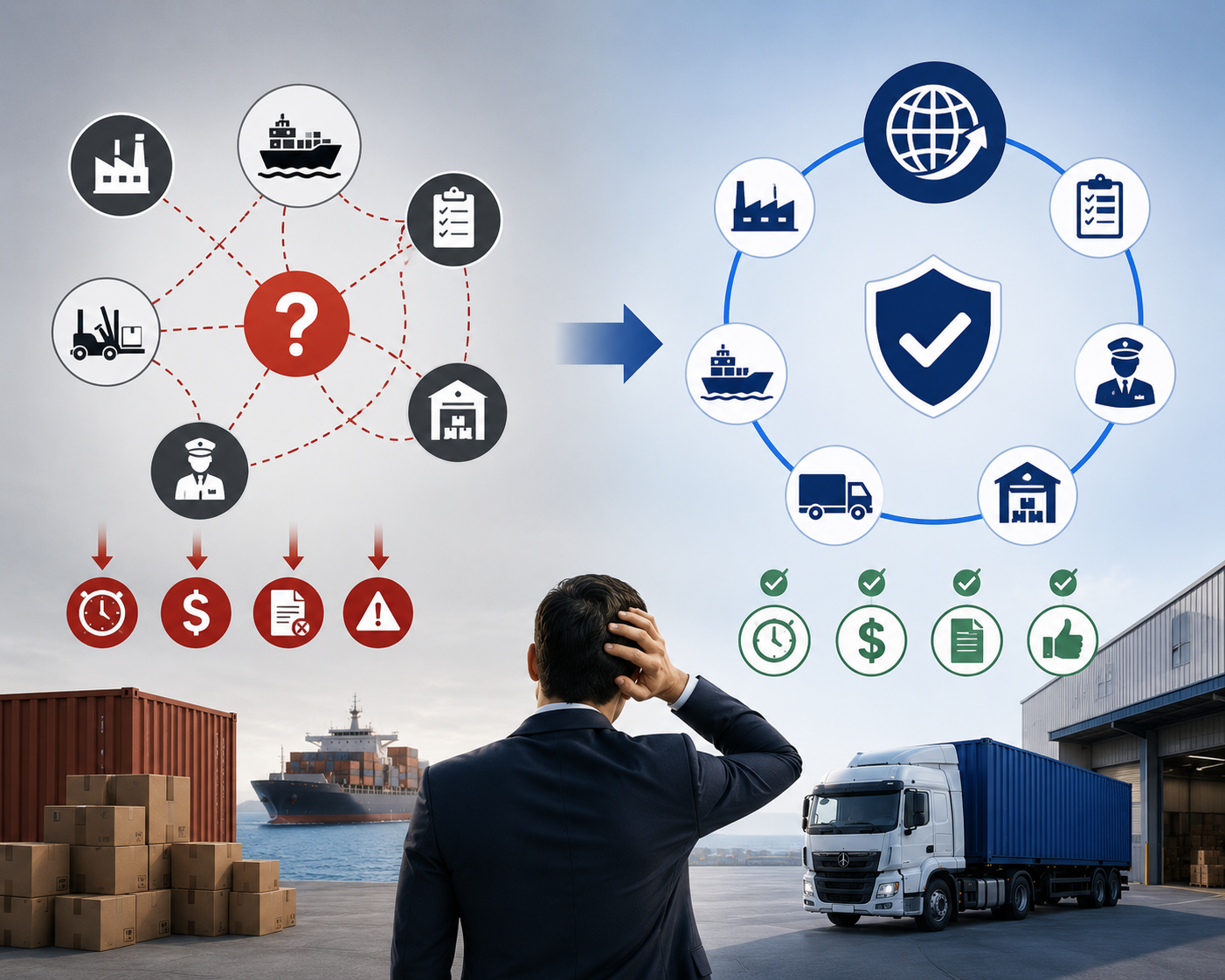
At KFM, we believe importing should be approached as a business strategy—not a guessing game.
From freight coordination and documentation to customs support and destination logistics, every stage matters.
Our goal is to help businesses move their goods with better planning, better coordination, and fewer avoidable surprises.
Because when logistics is properly managed, more of your hard-earned revenue can stay where it belongs: in your business.
Final Thought
Before your next import, don't ask only:
"How cheap can I buy this product?"
Ask:
"What will it really cost me to get this product here—and will I still make the profit I expect?"
Smart importing starts with knowing the real cost.
KFM — Safe. Flexible. Global.