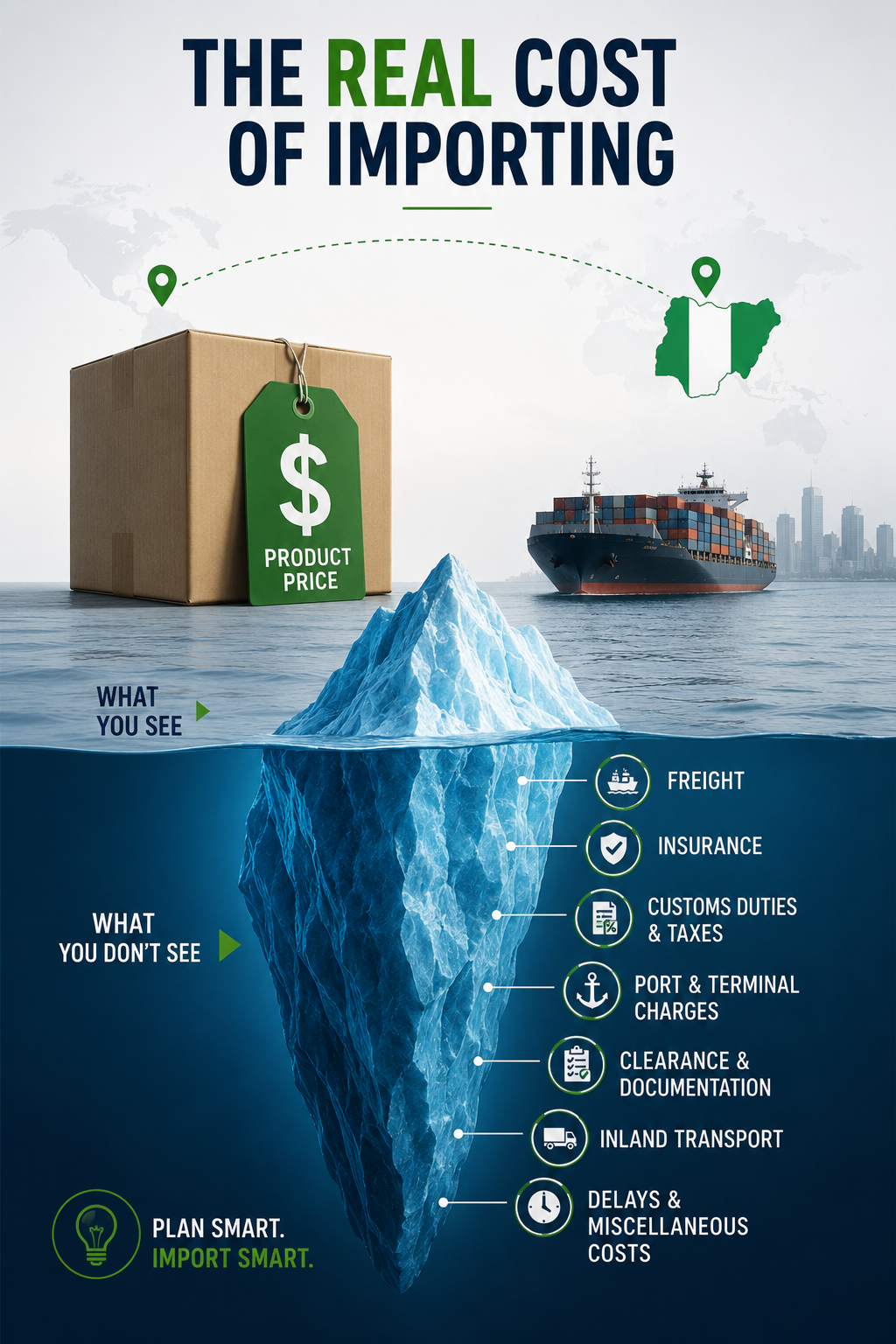
In our last post, we established one important fact: the supplier's price is not the true cost of your import.
But where does the extra cost actually come from?
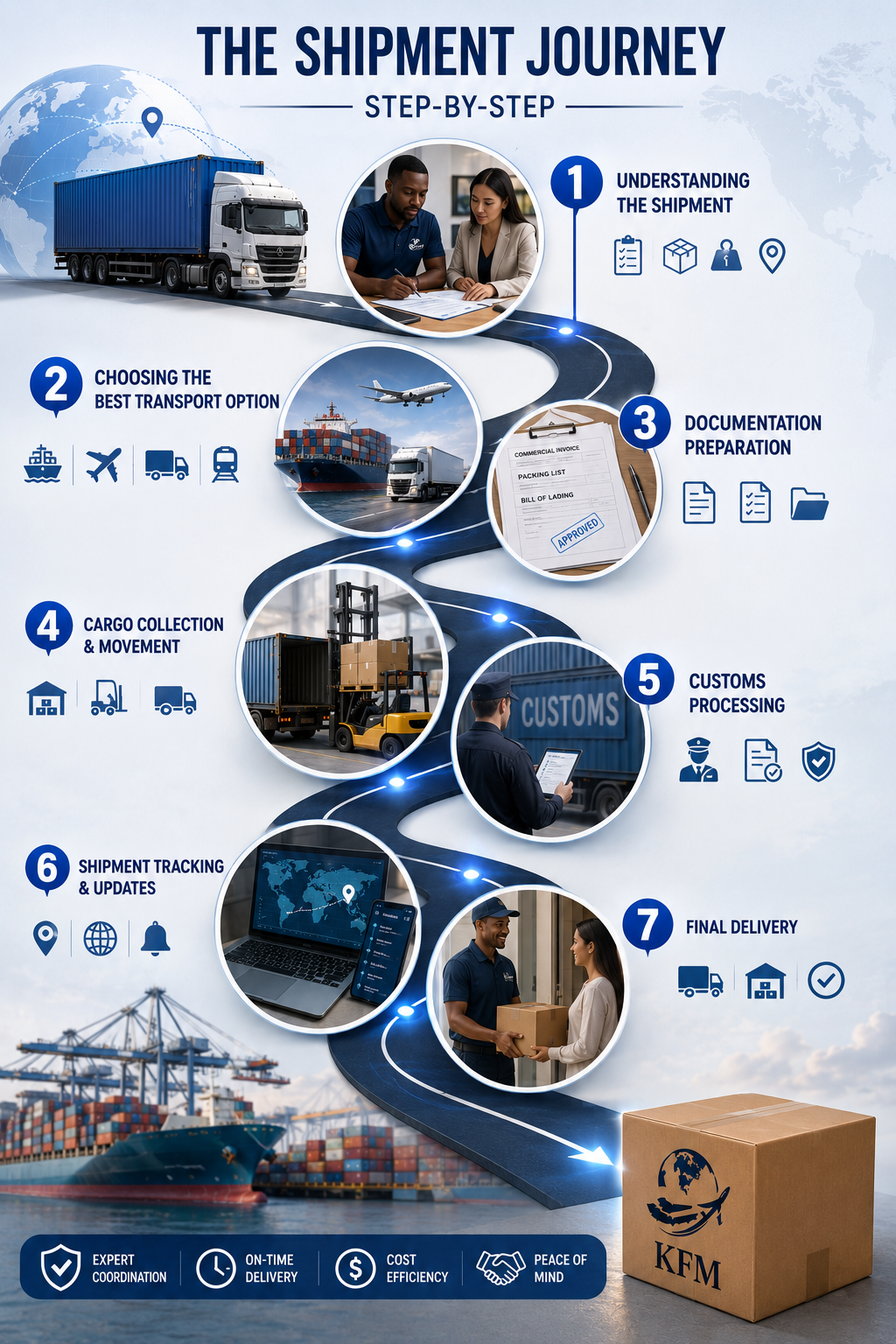
Let's follow a shipment from the moment you pay your supplier to the moment those goods arrive at your business in Nigeria.
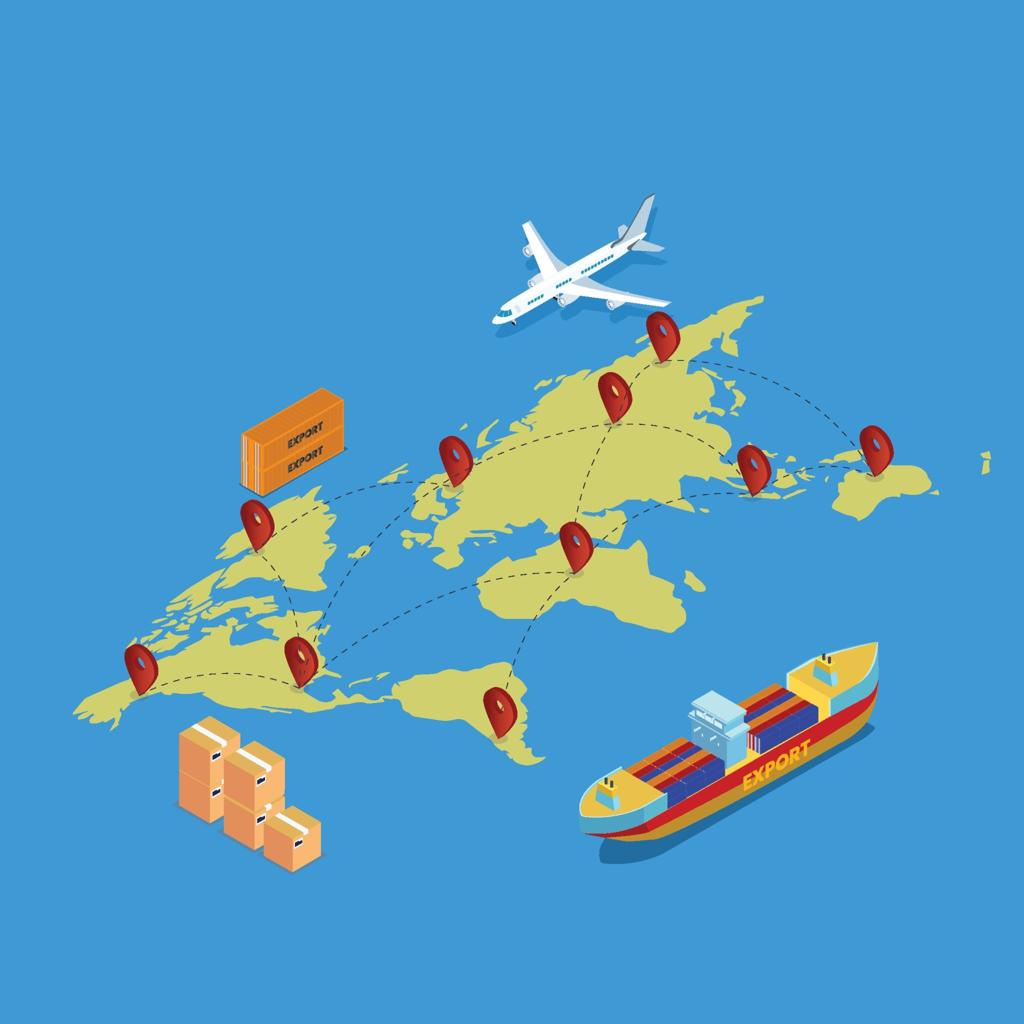
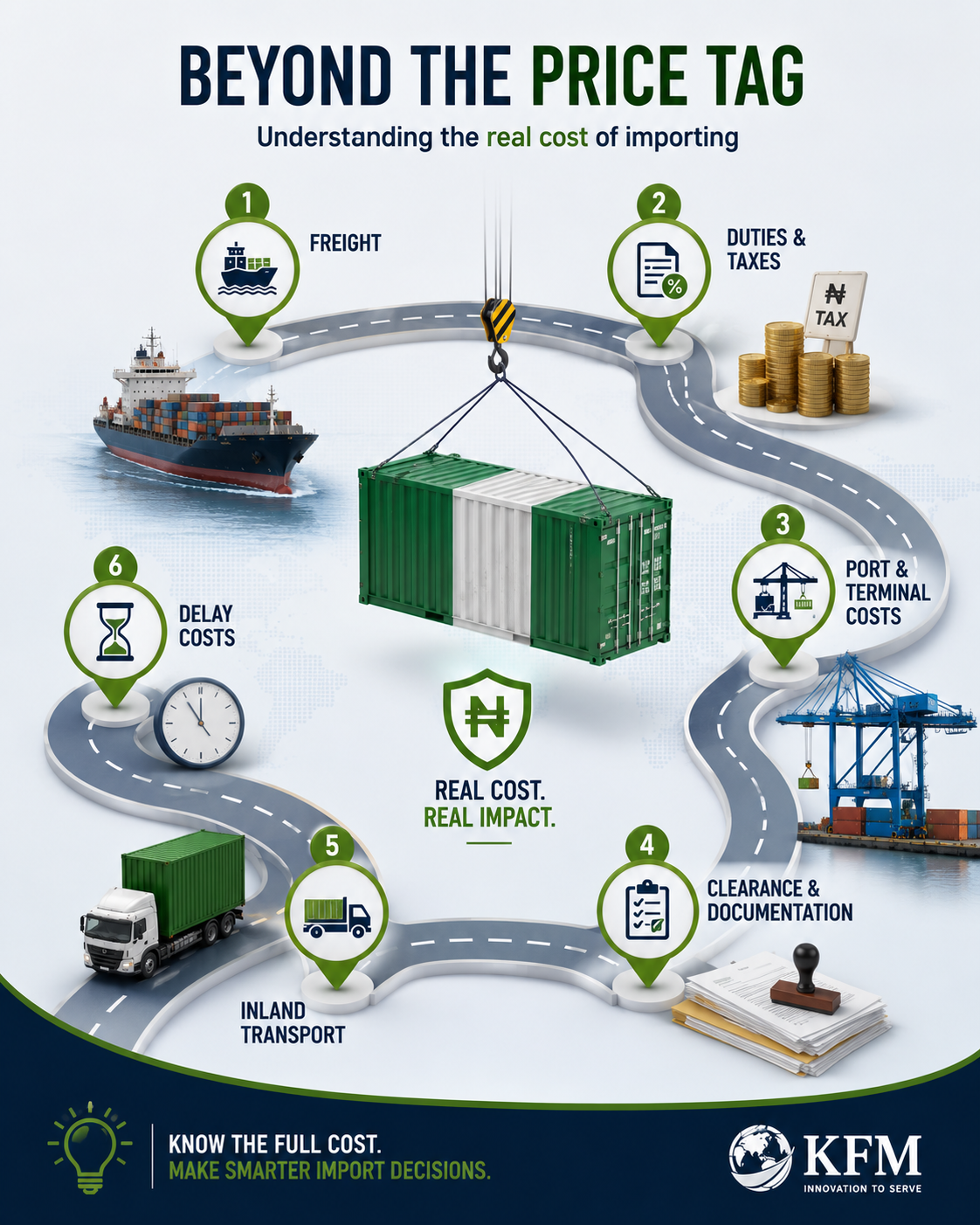
1. International Freight
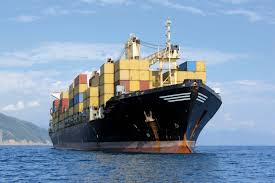
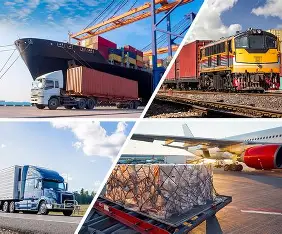
Your goods need to travel from the supplier's country to Nigeria.
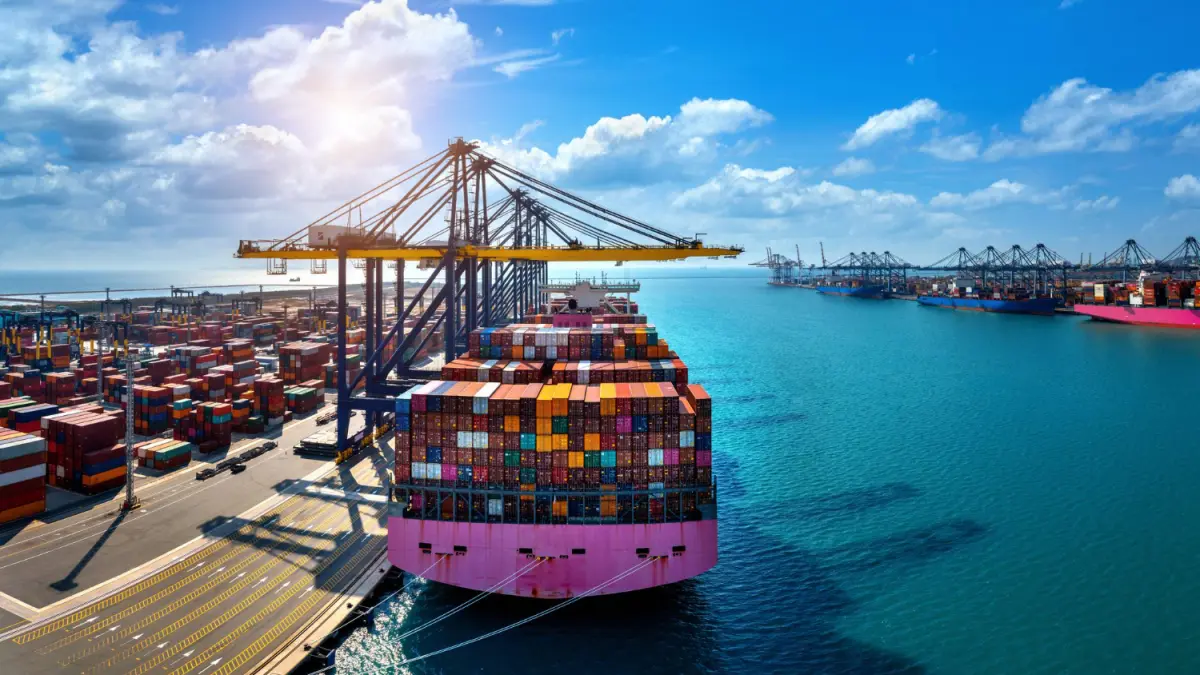
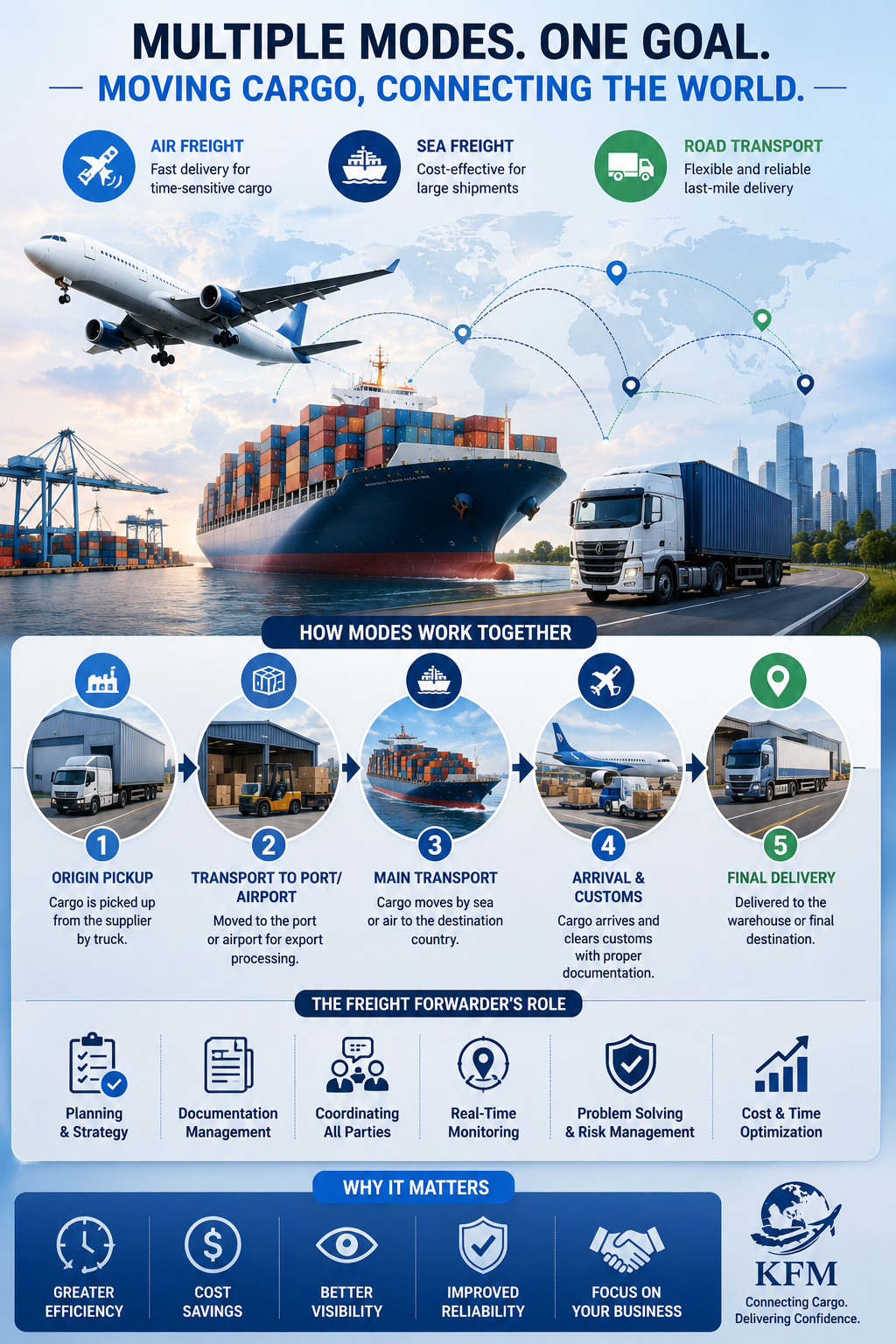
Whether you use sea or air freight, transportation is a major part of your landed cost.
The amount can vary depending on factors such as shipment size, weight, route, cargo type, shipping method, and market conditions.
Choosing the right freight option can make a significant difference.
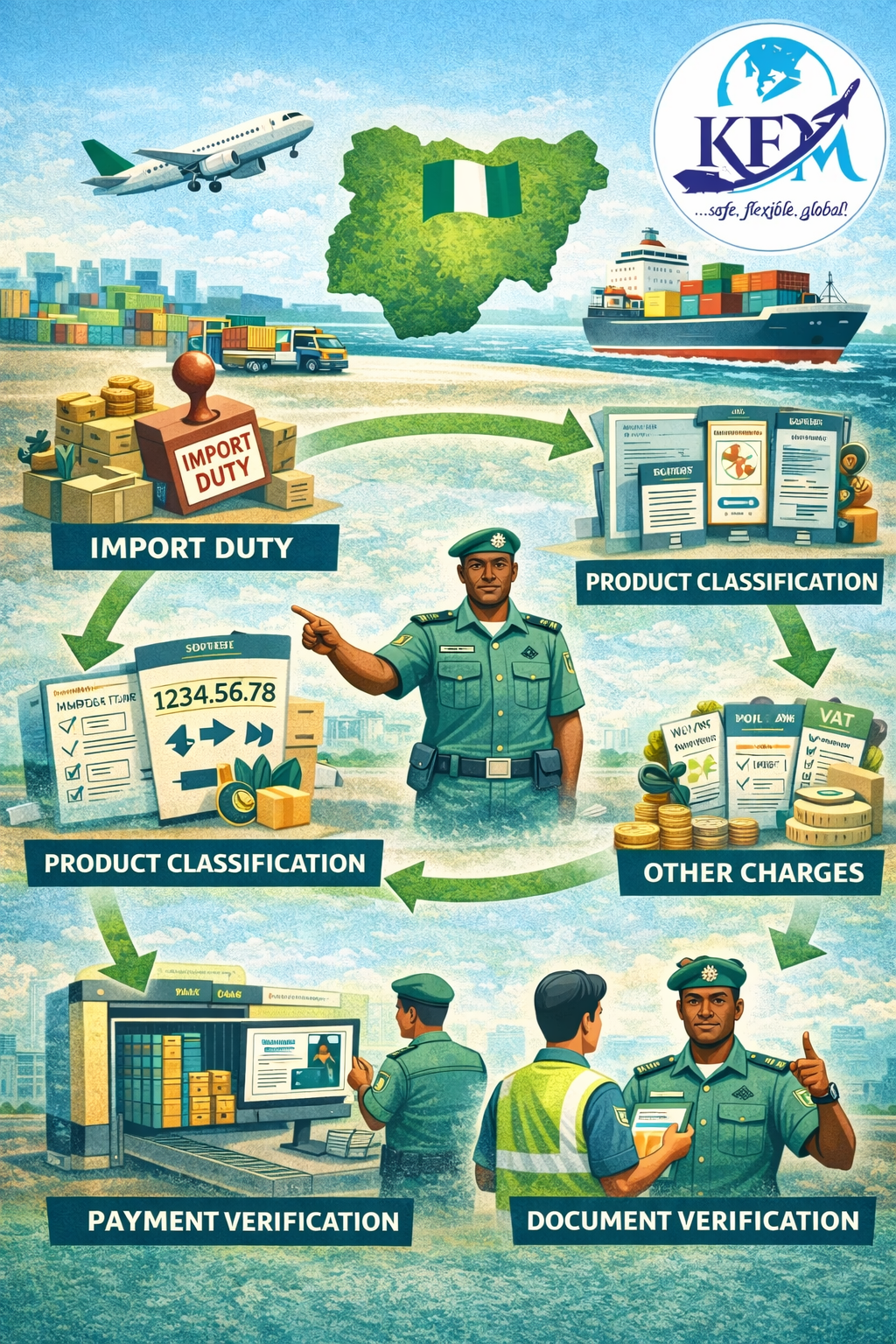
2. Customs Duties & Applicable Taxes
This is an area where importers need to pay close attention.
Depending on the goods being imported, their classification, value, origin, and applicable Nigerian regulations, customs duties, taxes, levies, or other statutory charges may apply.
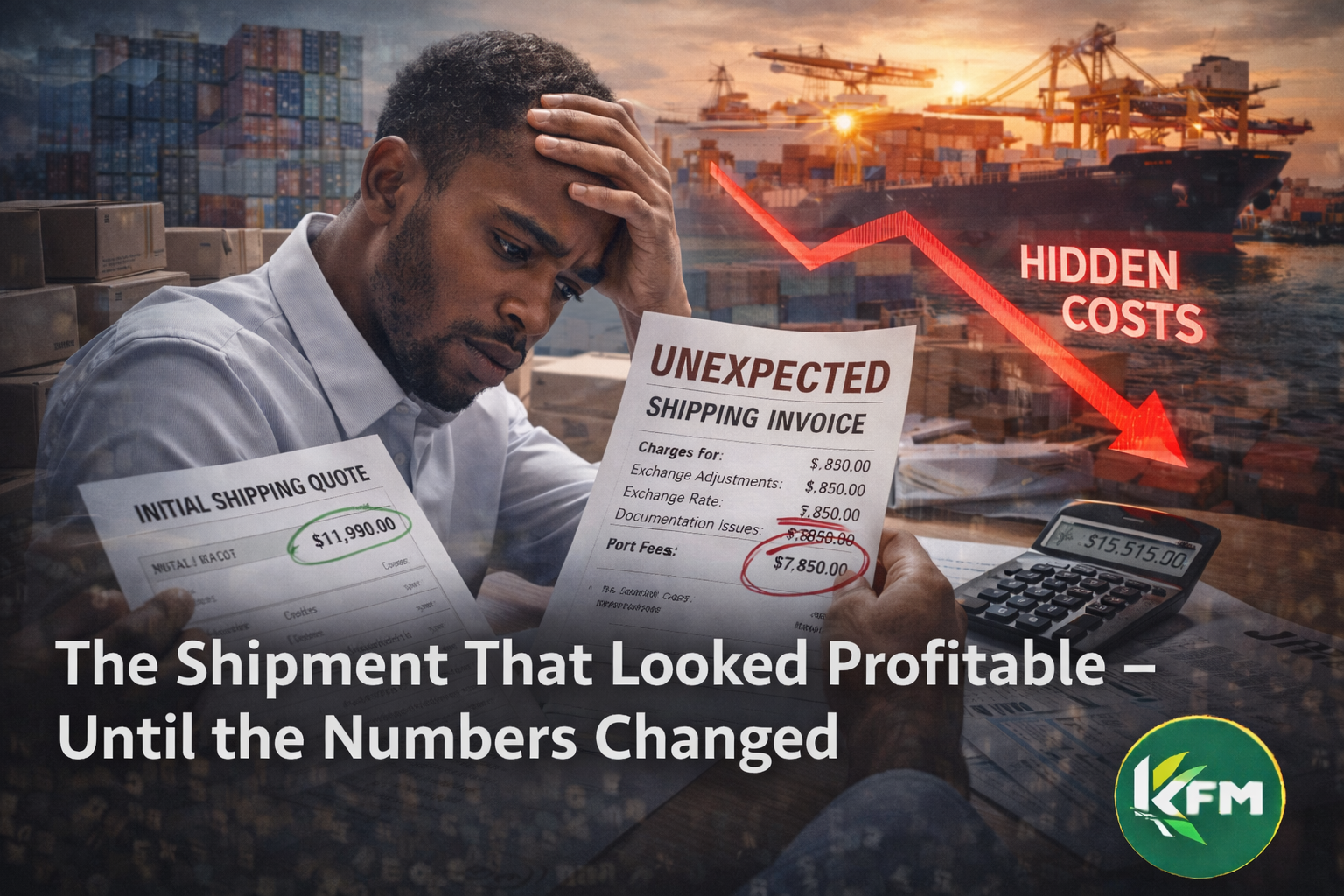
A product that looks profitable before importation can have a very different margin after these costs are accounted for.
Don't estimate these costs blindly. Know what applies to your particular goods.
3. Port & Terminal Costs
Your cargo doesn't simply arrive at the port and leave immediately.
Depending on the shipment and service arrangement, there can be destination-side handling, terminal, documentation, and other port-related charges.
These costs need to be considered when calculating your total import budget.
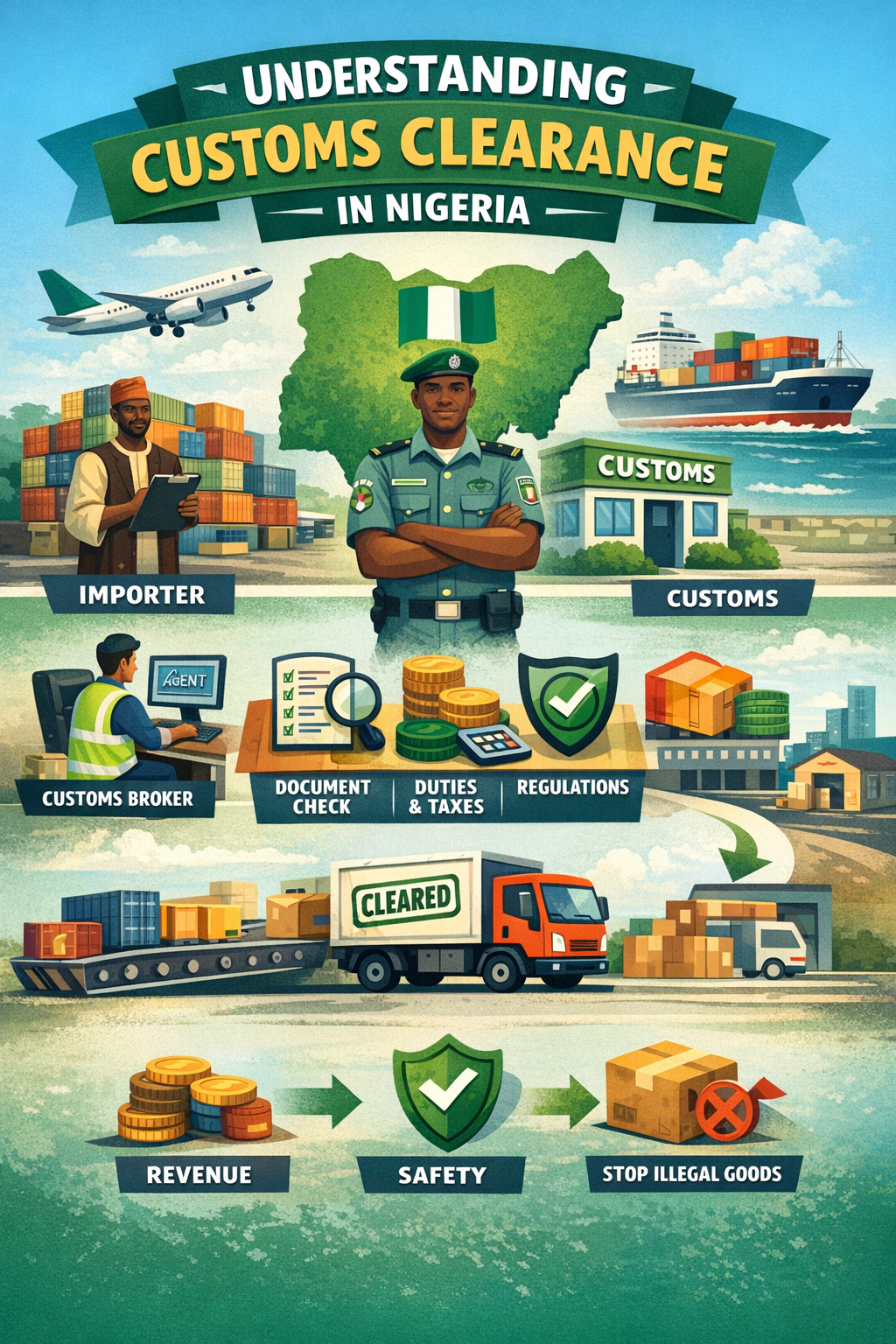
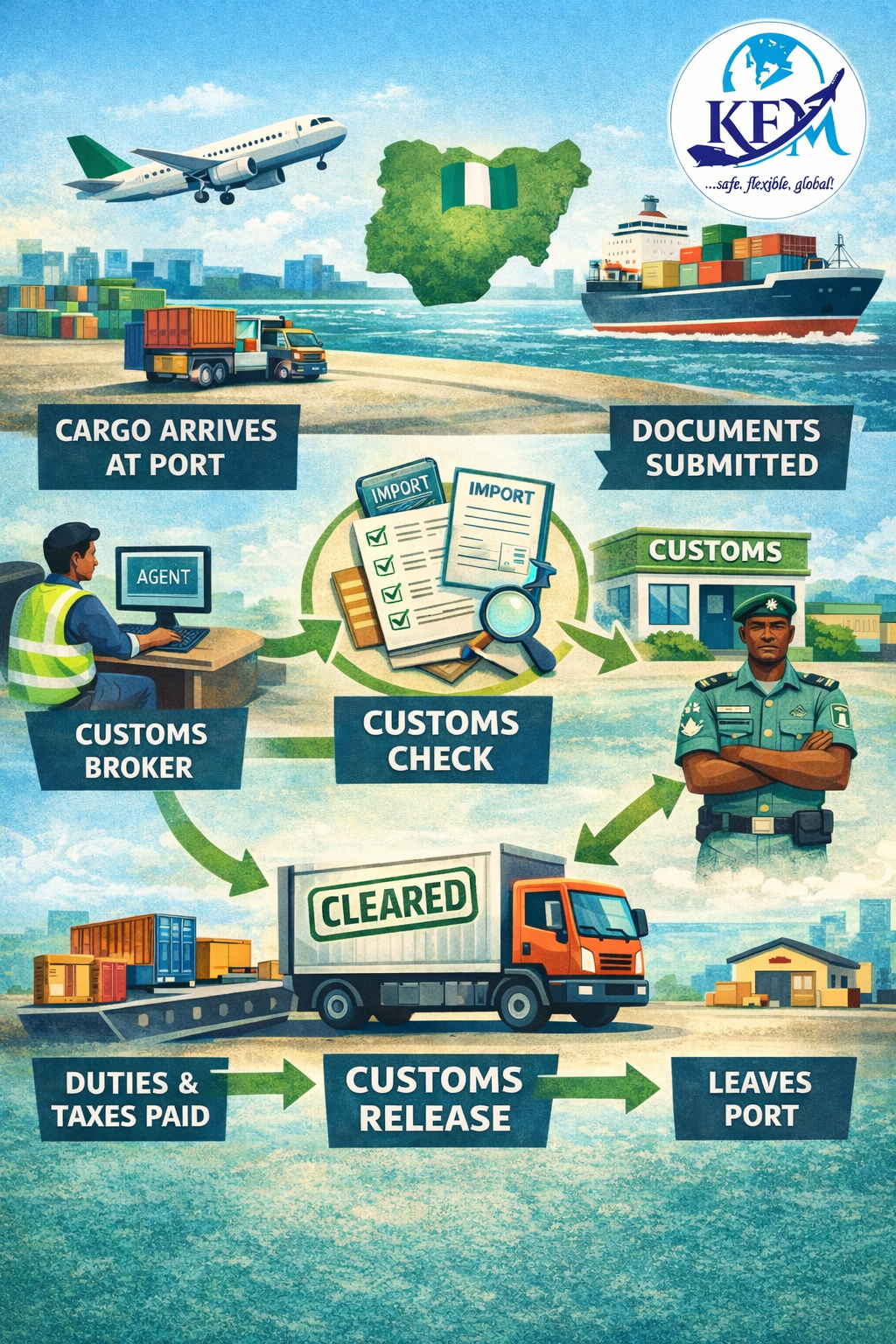
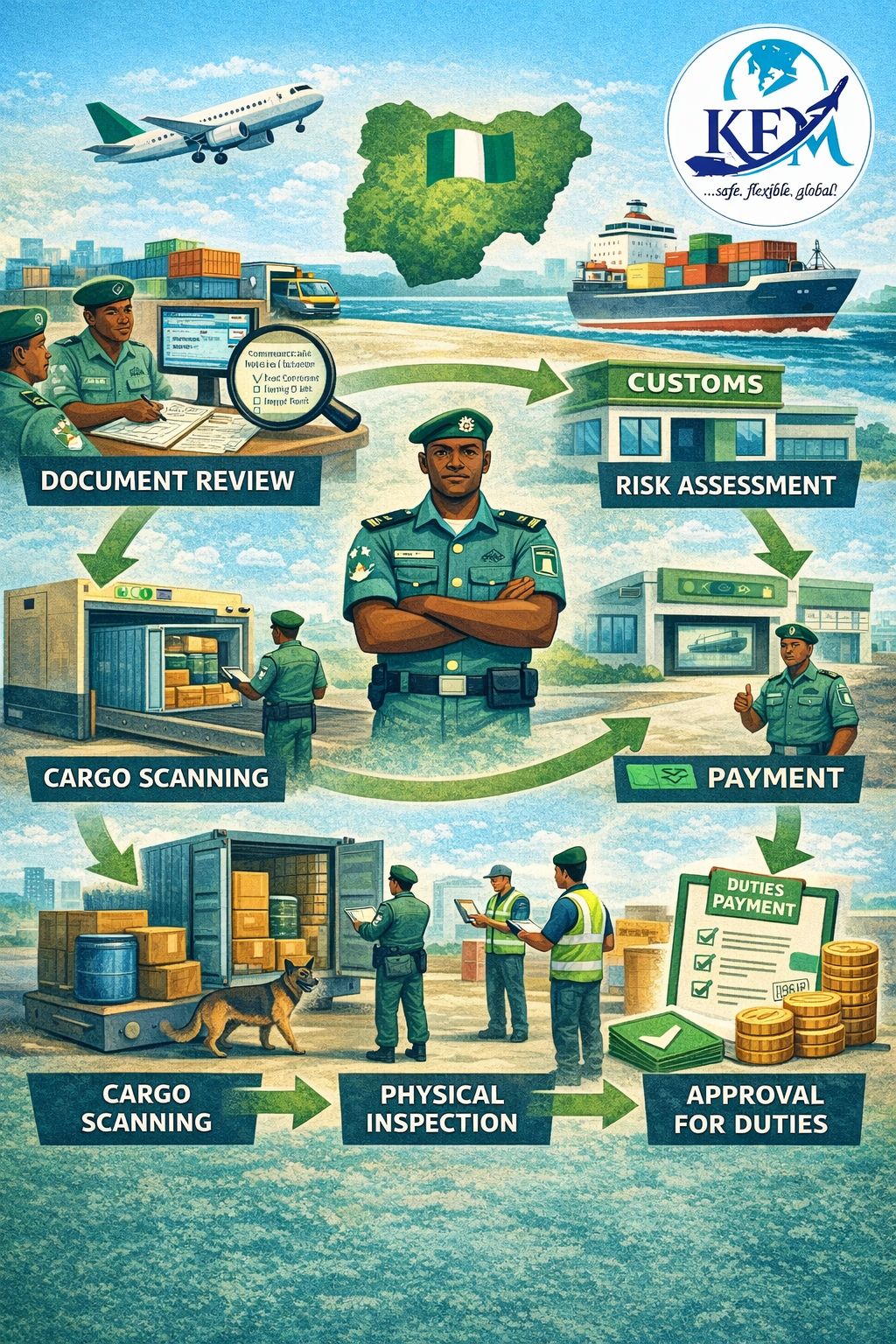
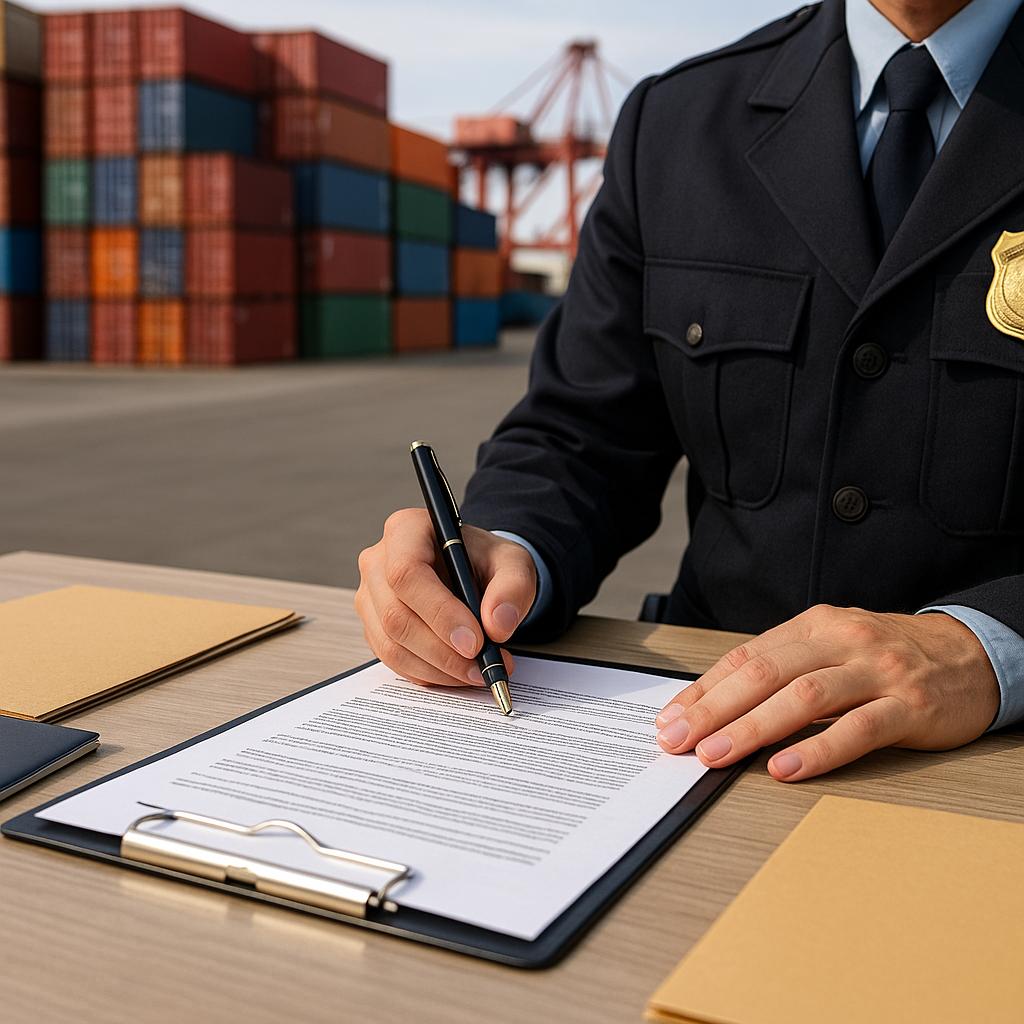
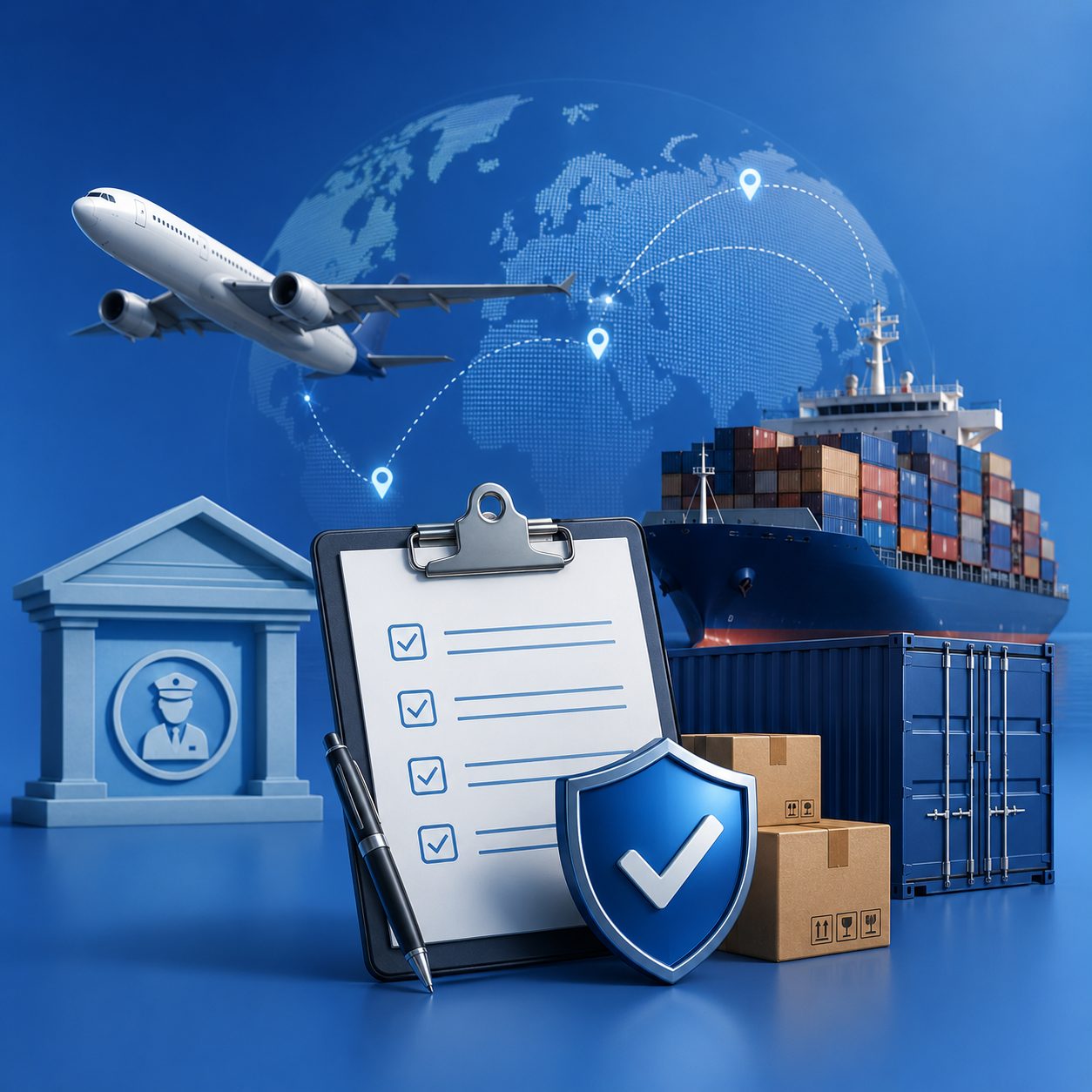
4. Customs Clearance & Documentation
Documentation is not just paperwork.
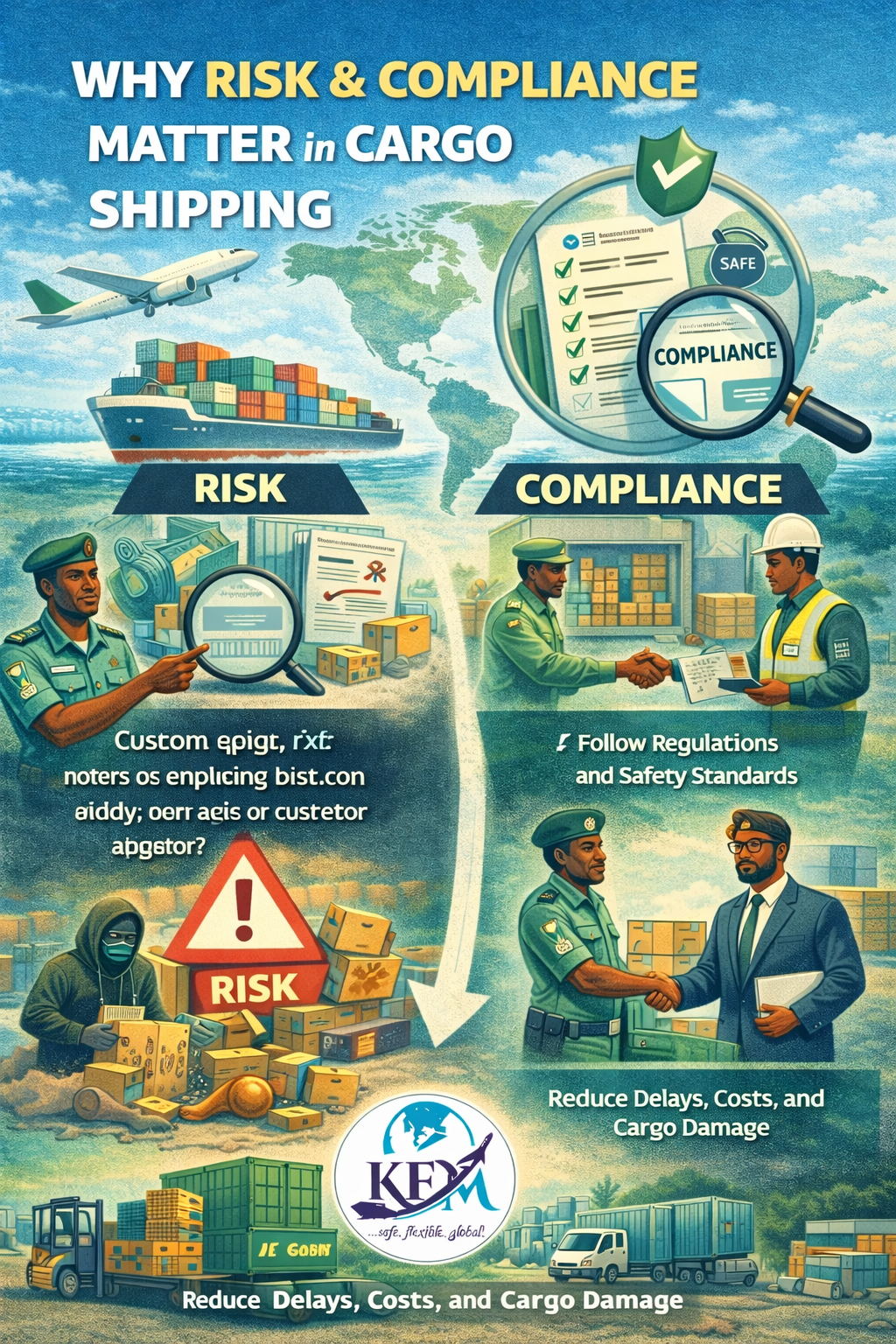
Incorrect, incomplete, or inconsistent documentation can create complications, delays, and additional expenses.
Proper preparation and professional coordination can help keep the clearance process moving efficiently.
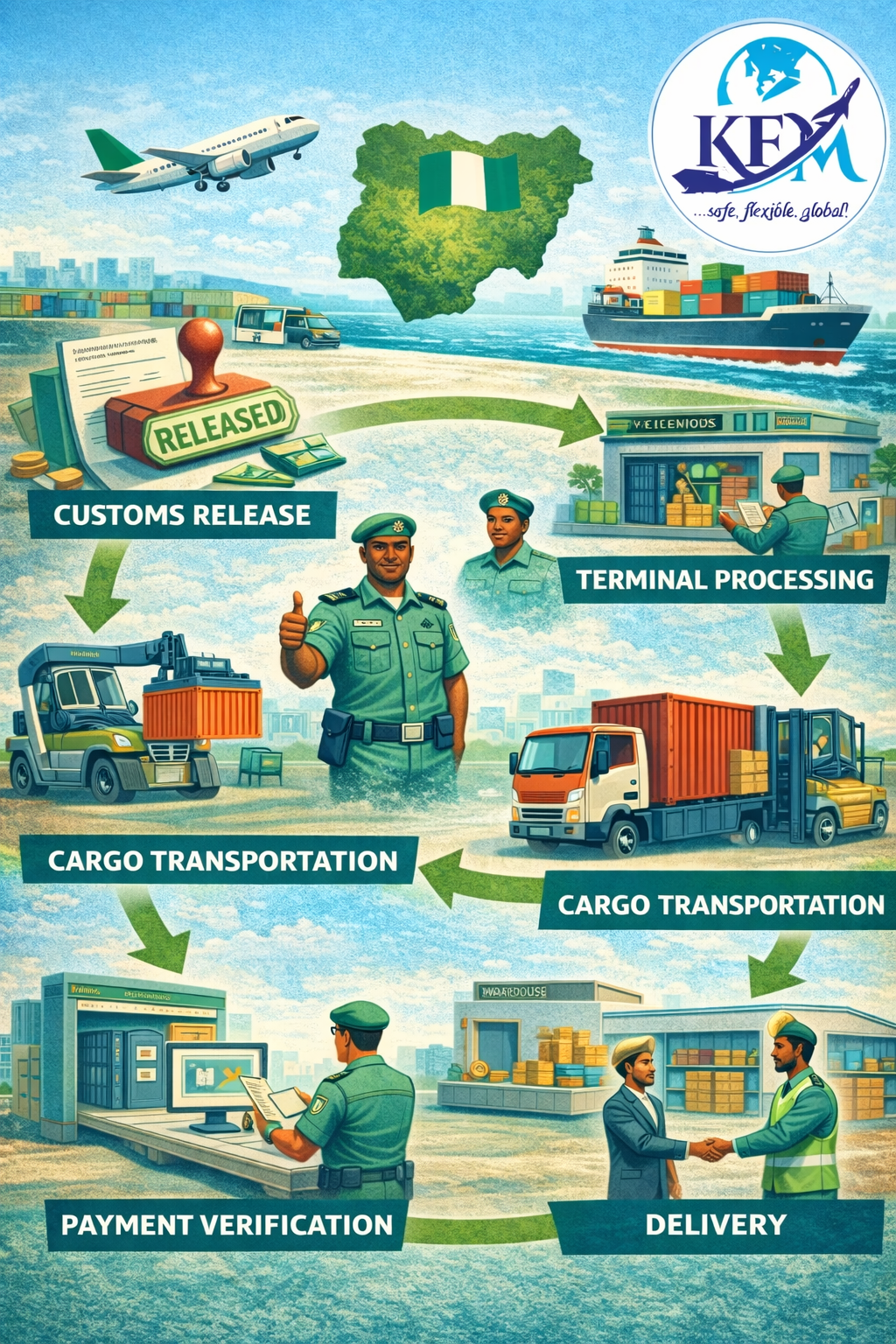
5. Getting the Goods From the Port to You
Your goods have cleared the port. Great!
But they're still not in your warehouse.
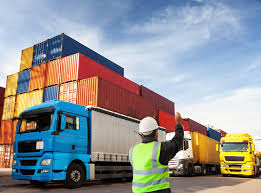
You may still need inland transportation to move the cargo from the port to your final destination.
Distance, cargo type, vehicle requirements, route conditions, and delivery arrangements can all influence this cost.
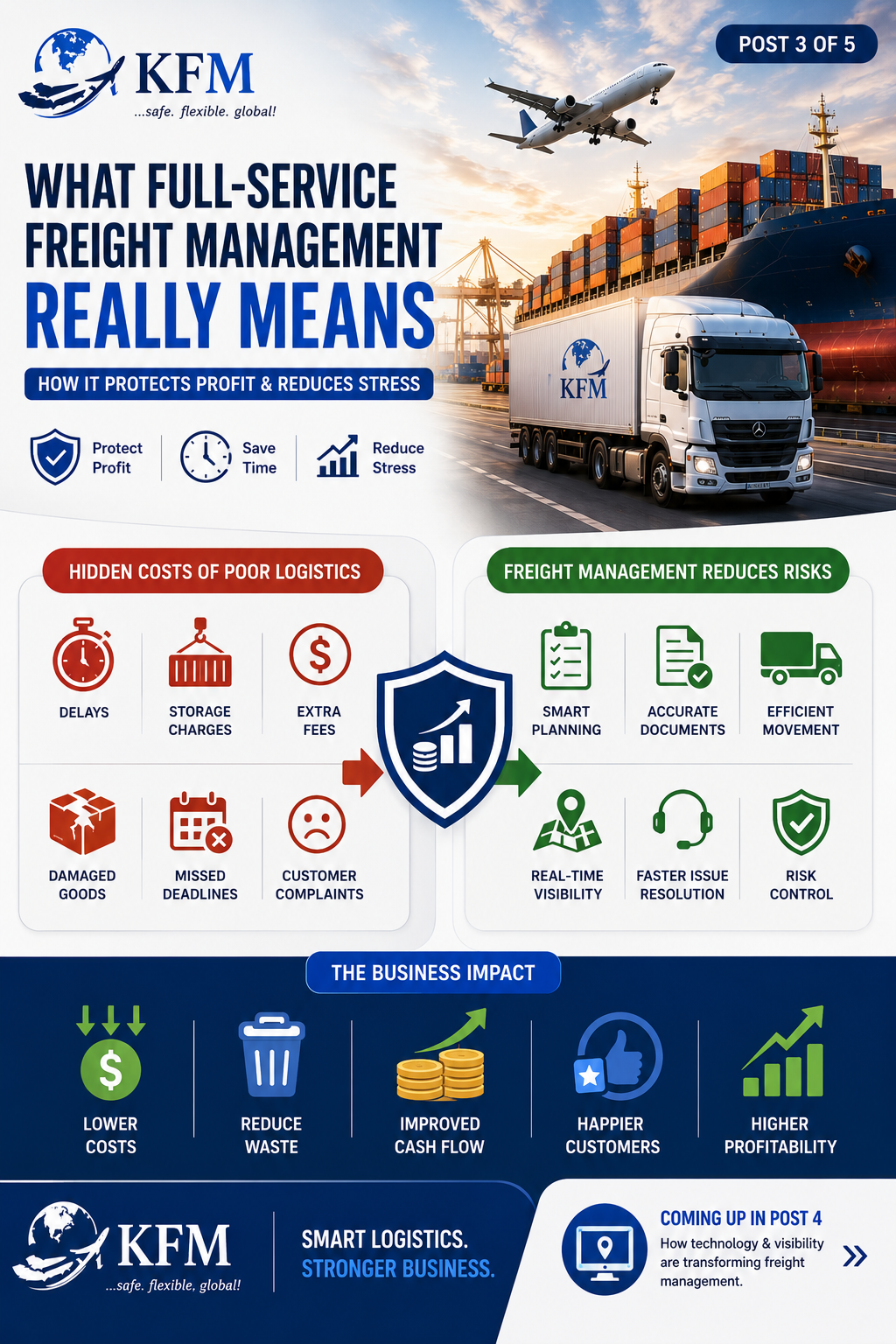
6. The Cost of Delays
This is the cost many importers don't plan for.
Delays can disrupt inventory, postpone sales, affect customer commitments, and potentially create additional storage or delay-related charges.
In other words: time can become money very quickly in logistics.
Add Everything Up
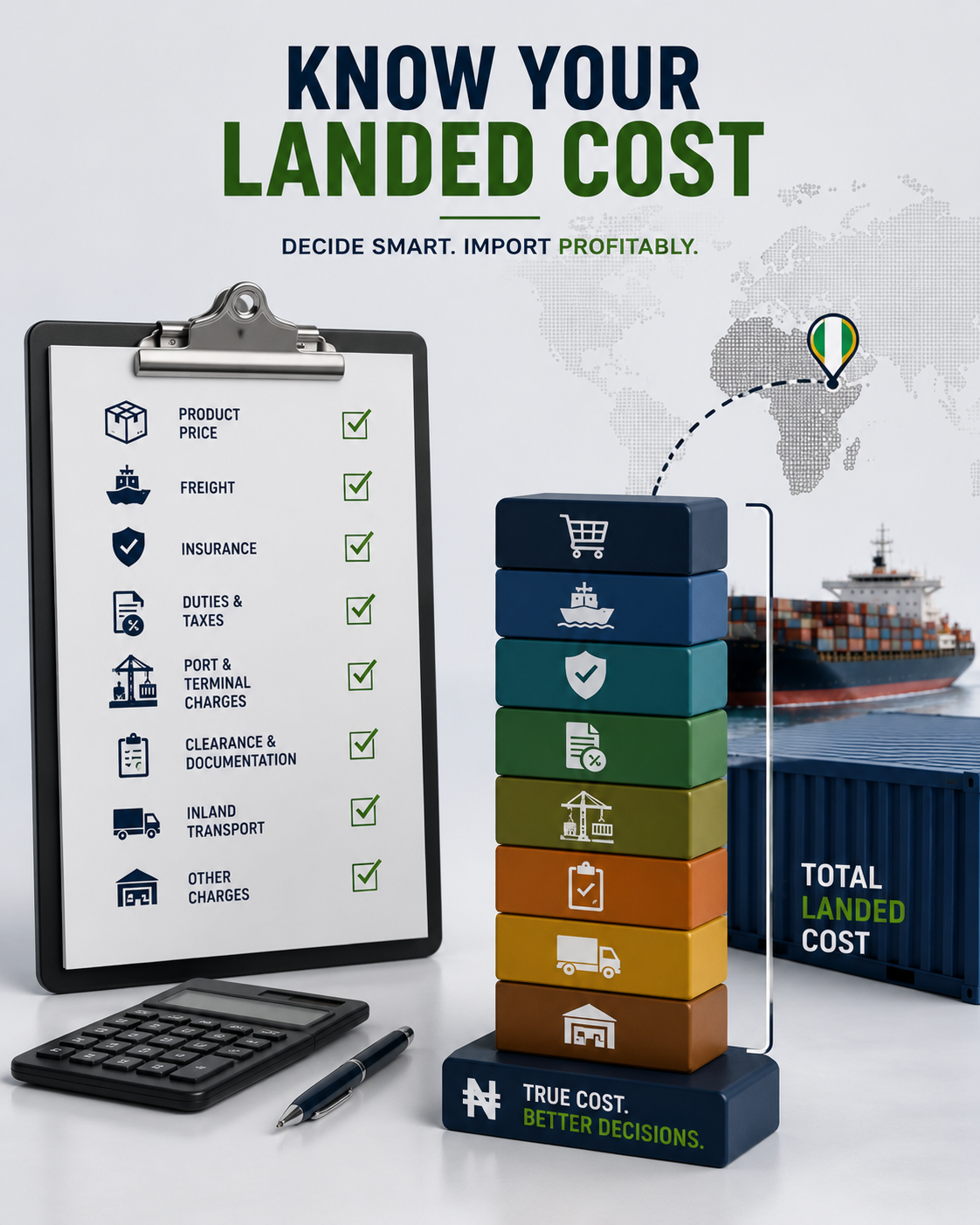
Your real import cost is not simply:
Product Price + Shipping
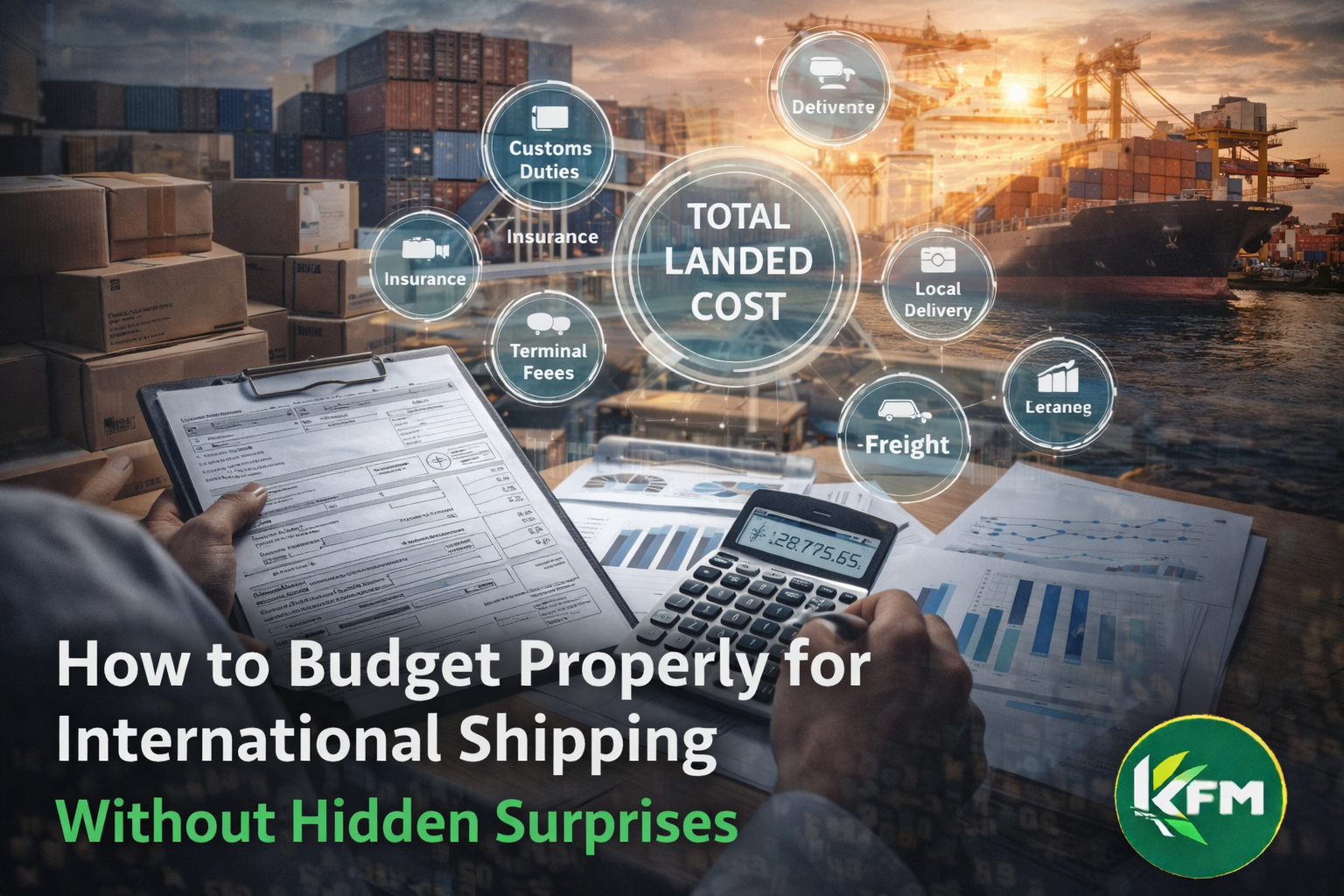
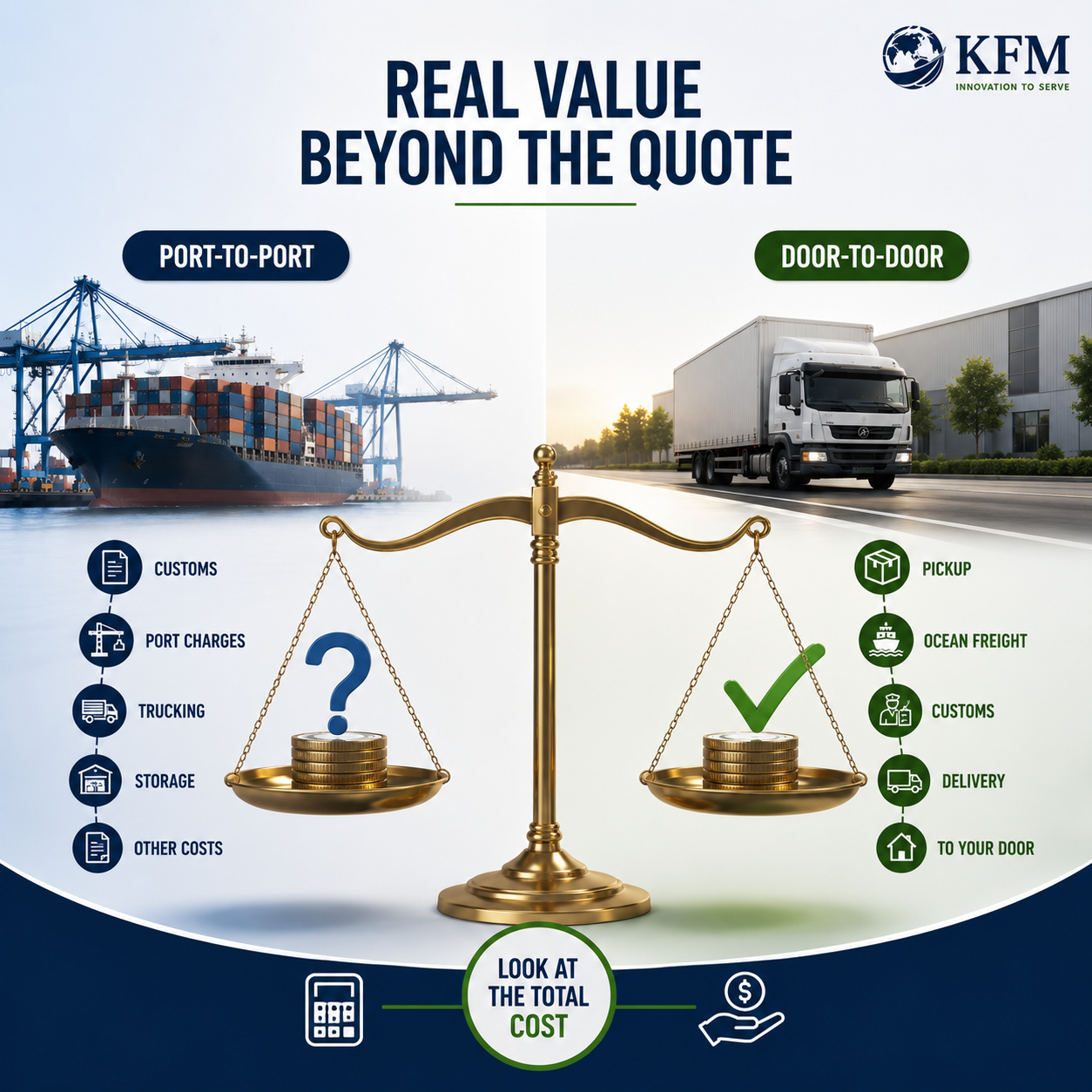
It can involve a much wider chain of costs:
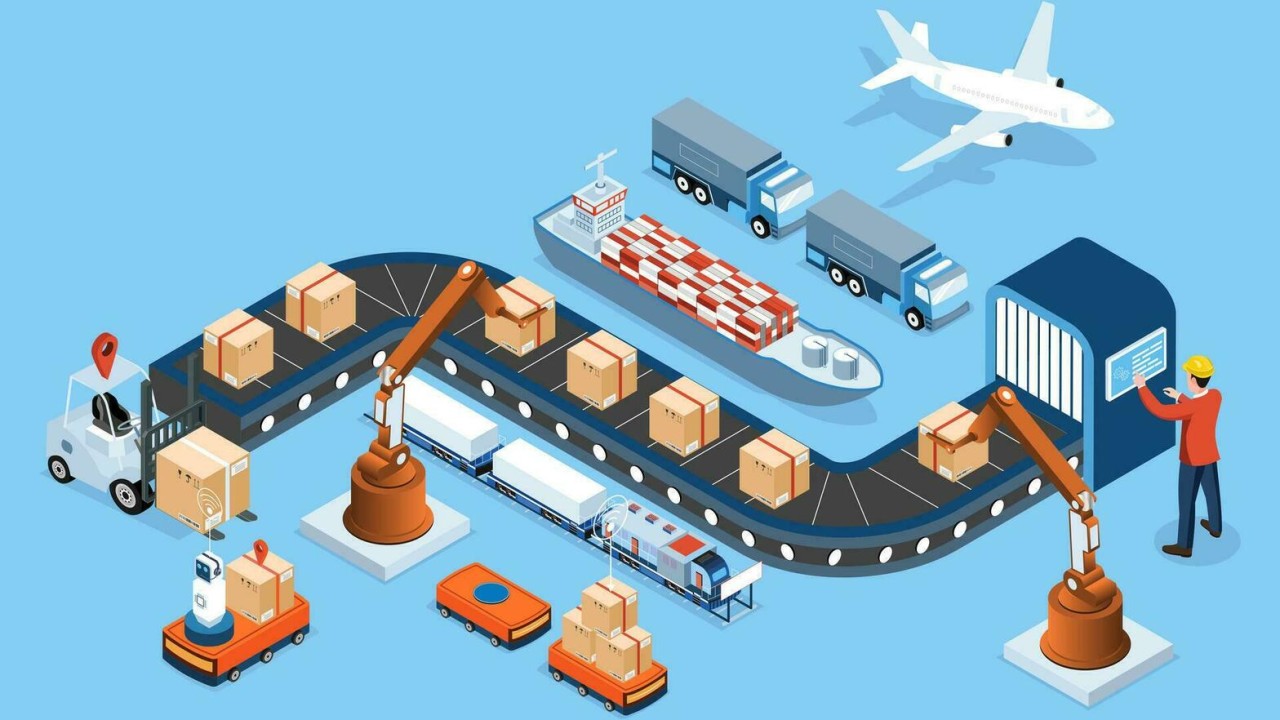
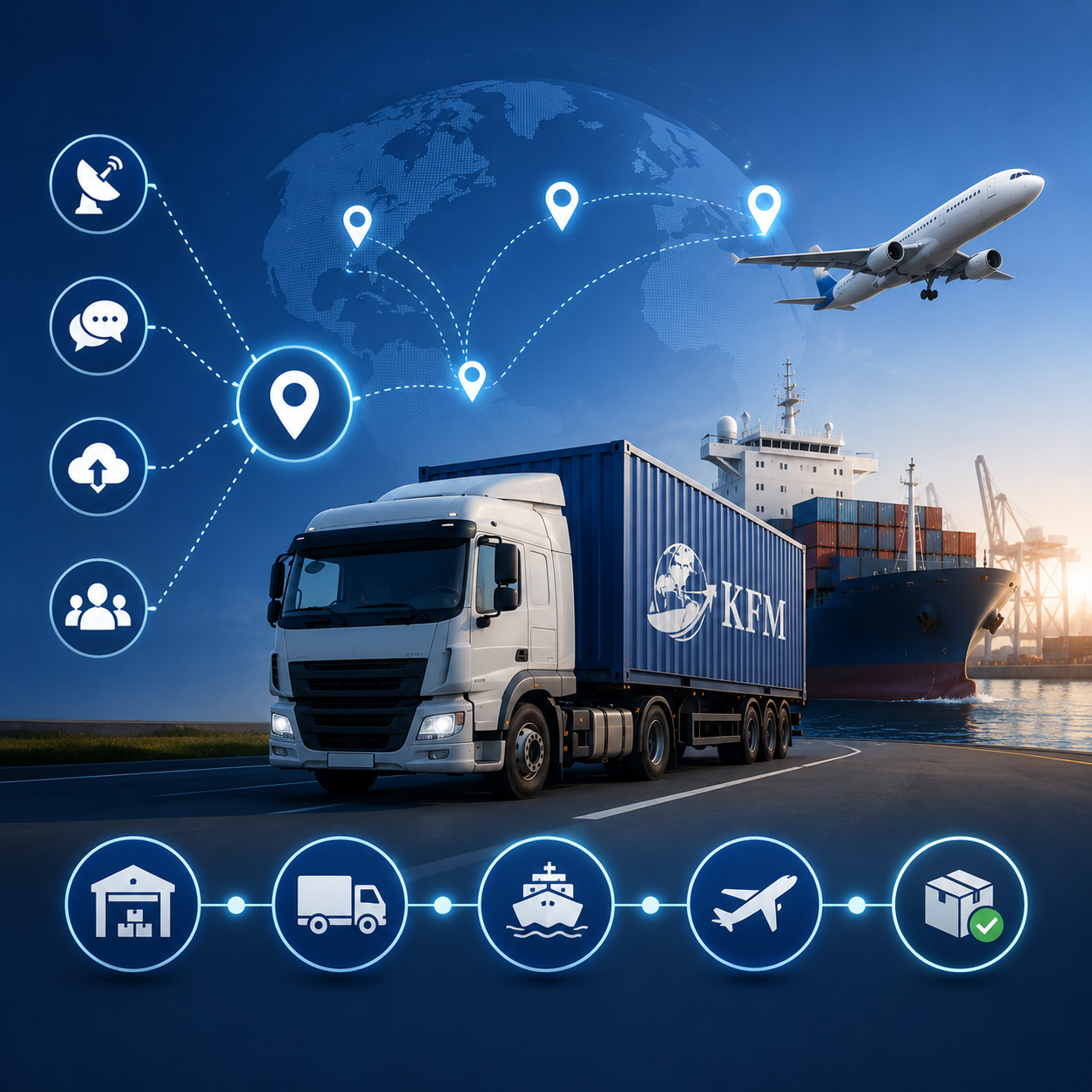
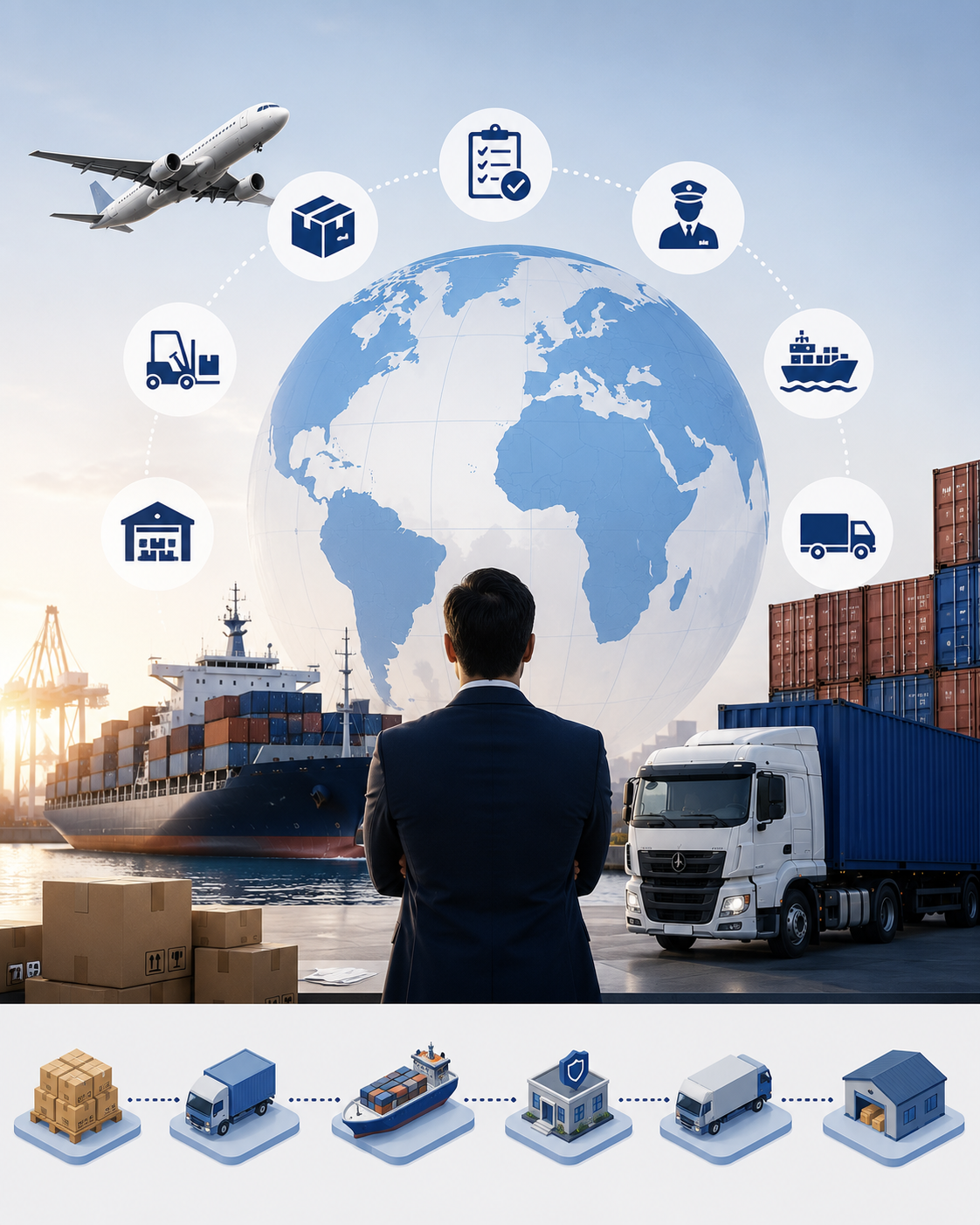
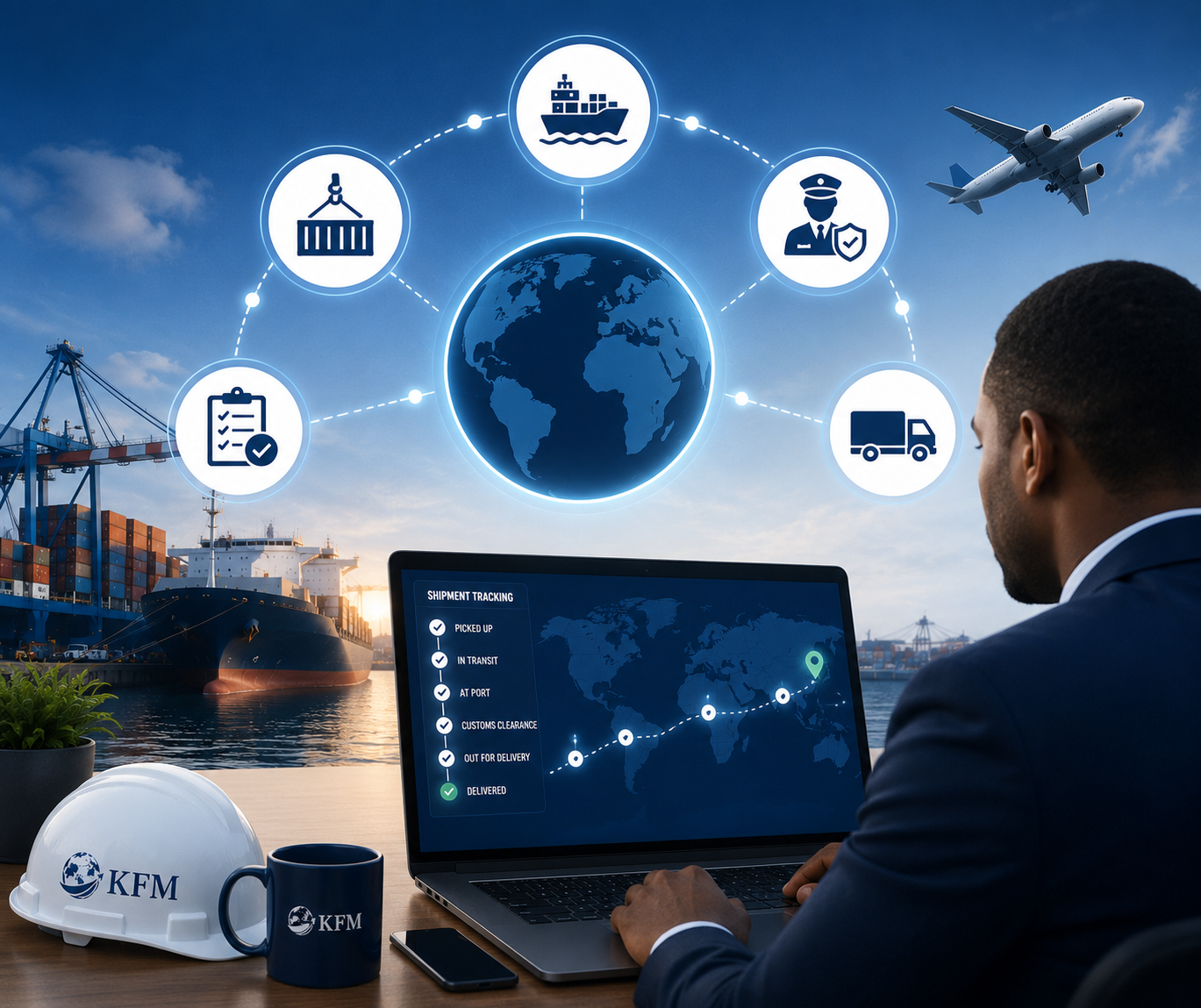
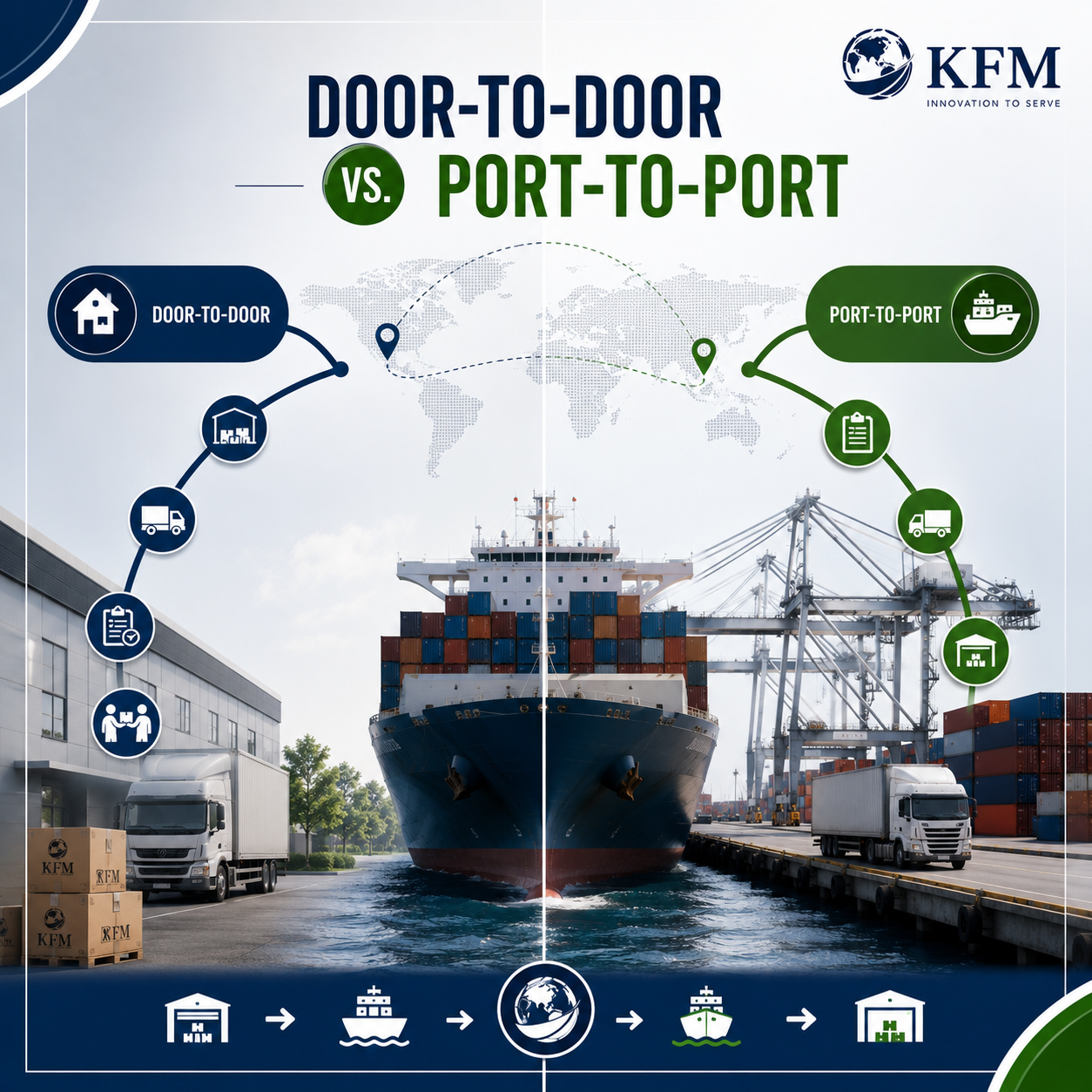
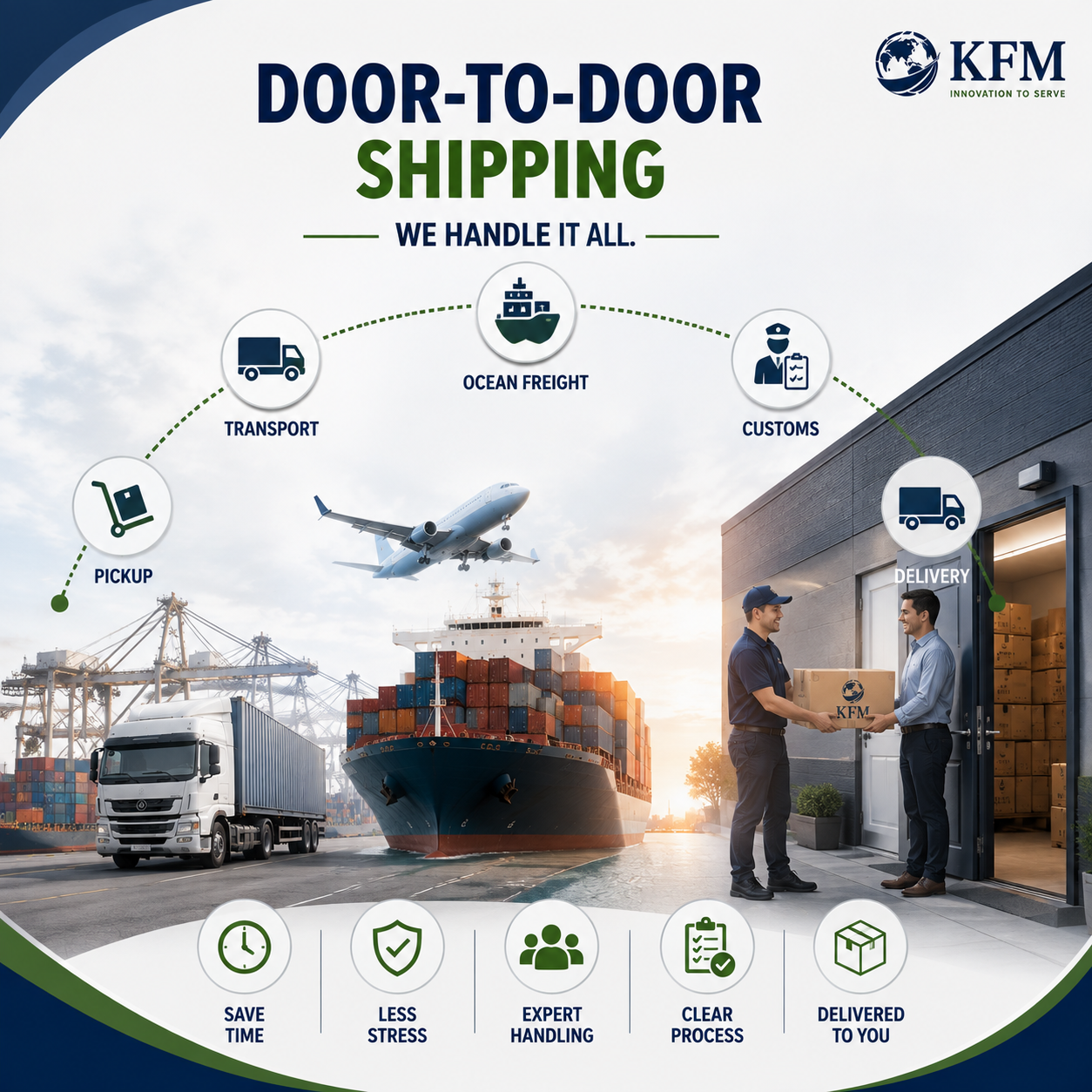
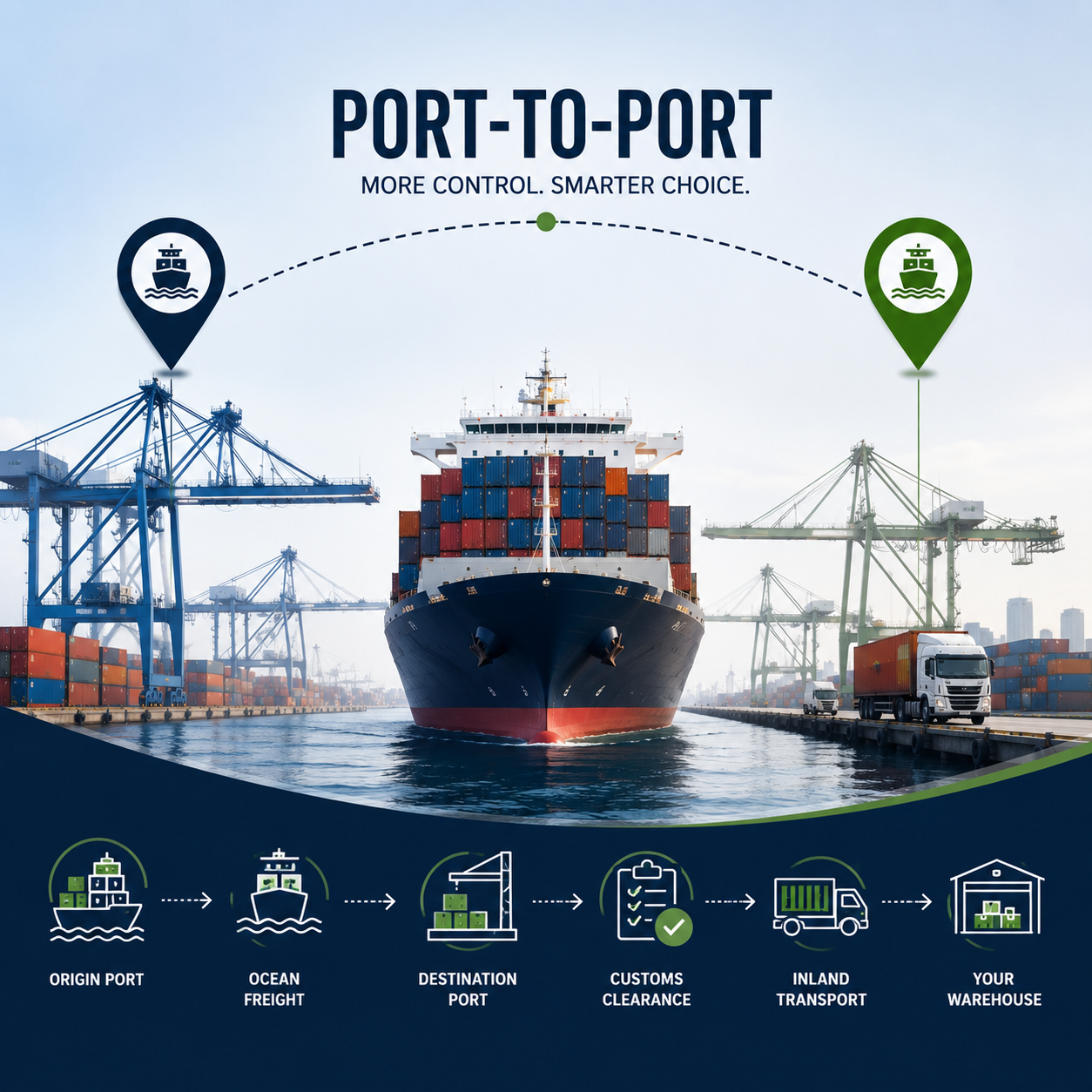
Product → Freight → Duties/Taxes → Port → Clearance → Inland Transport → Final Delivery
Understanding this chain before you place an order helps you determine whether the shipment is genuinely profitable.
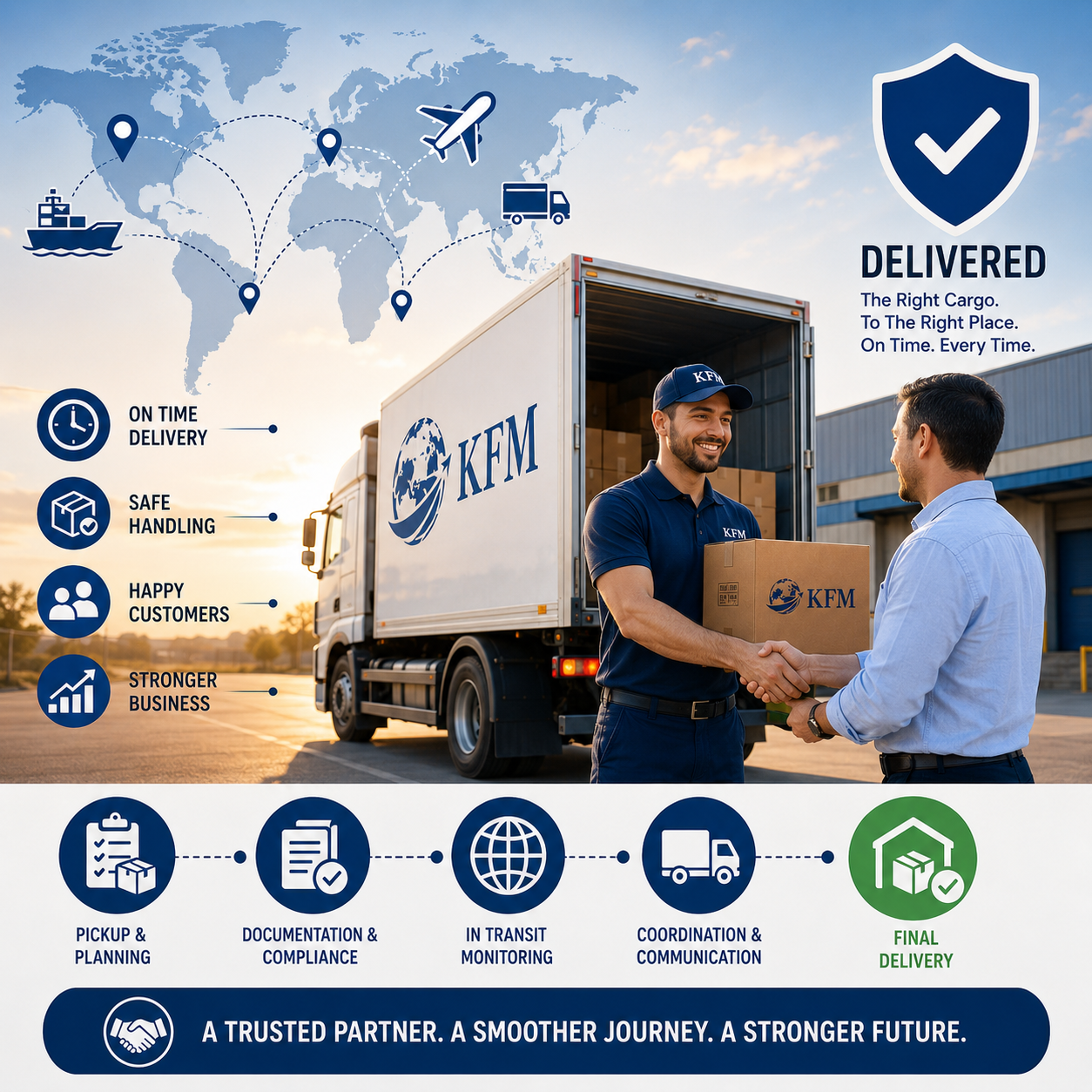
At KFM, we understand that successful importing requires more than simply getting cargo across the ocean.
It requires proper planning and coordination across the entire logistics journey.
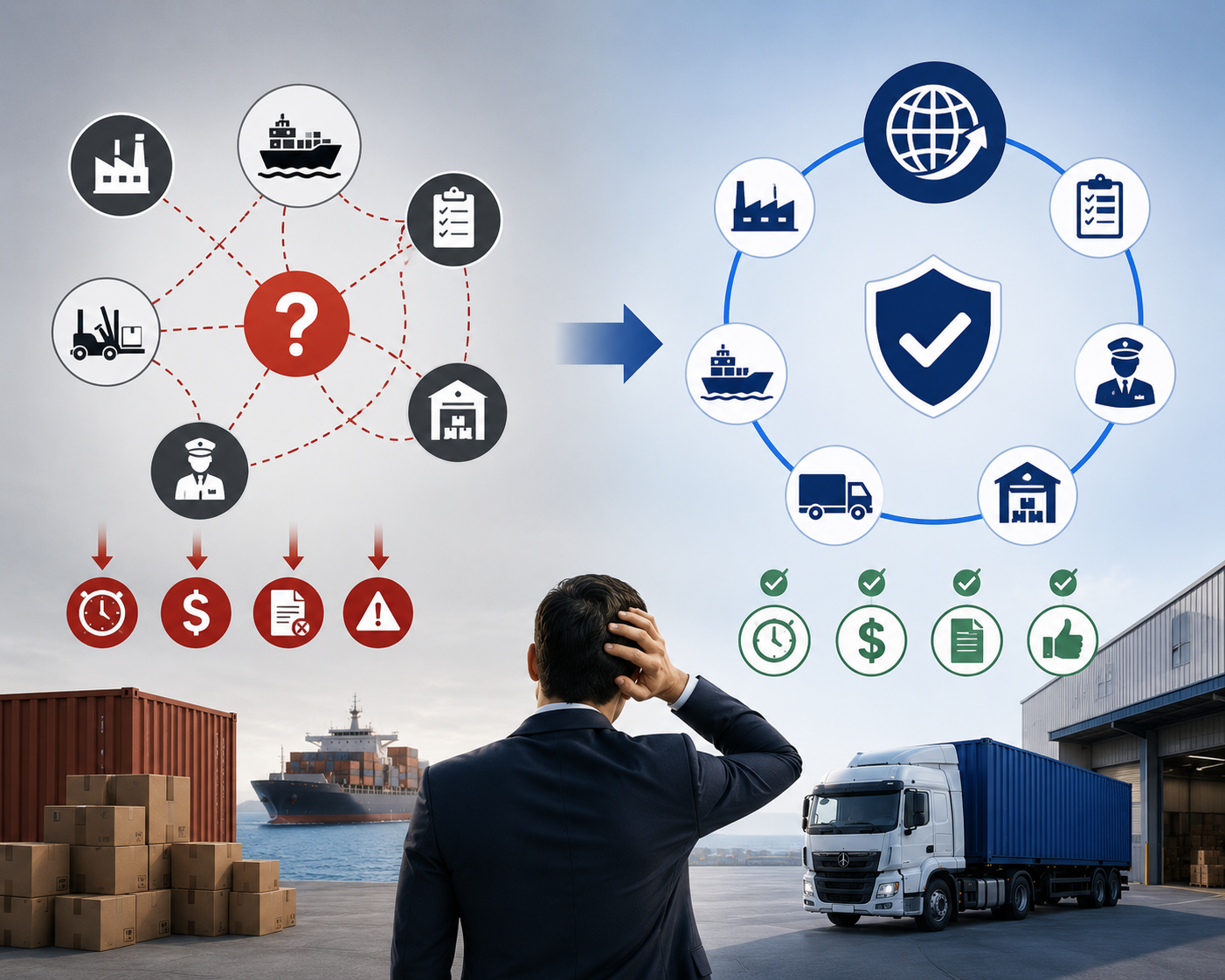
Our goal is to help businesses move from:
"I found a cheap product."
to:
"I understand exactly what it will take to get this product to my business."
Coming Up in Post 3 👀
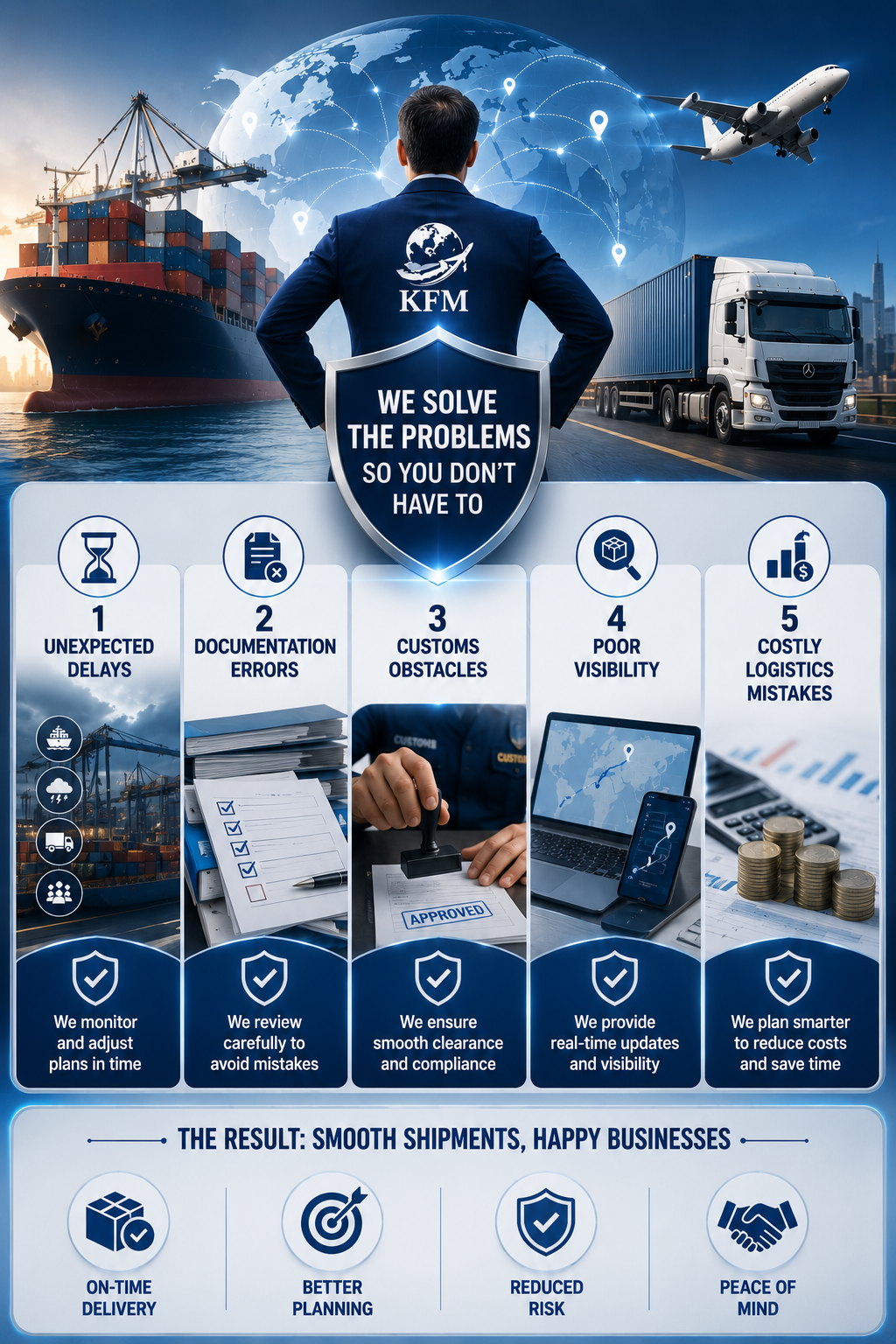
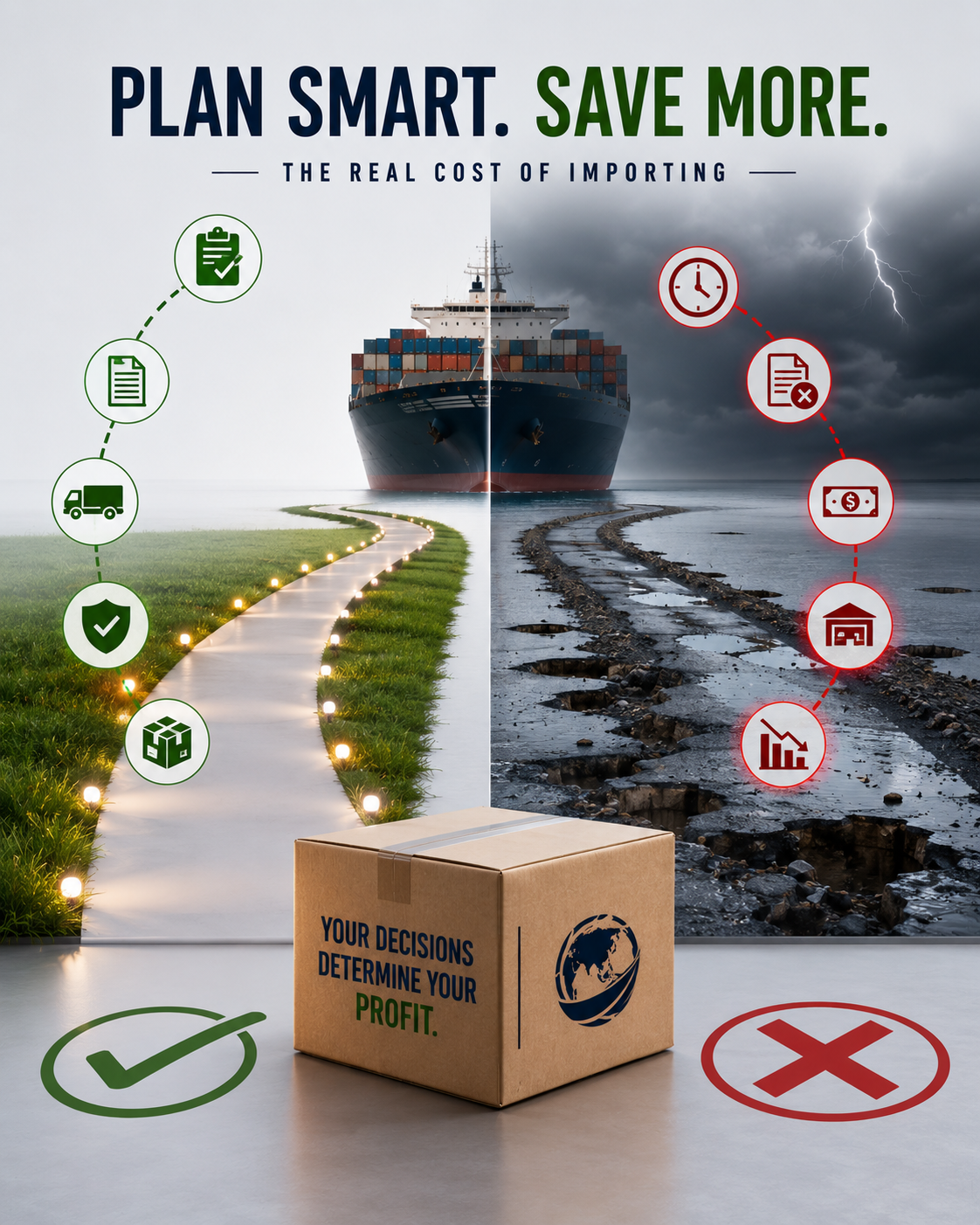
Next, we'll look at one of the most overlooked parts of importing: how delays, mistakes, and poor planning can quietly turn a profitable shipment into an expensive one.
The cost of importing isn't what you pay to buy it. It's what you spend to get it into your hands.