You've found the product.
You've negotiated a good supplier price.
You've even found a freight option that looks affordable.
Before you send that payment, there's one question you should be able to answer:
"How much will this shipment actually cost me by the time it reaches my business?"
That's where landed cost comes in.
What Is Landed Cost?
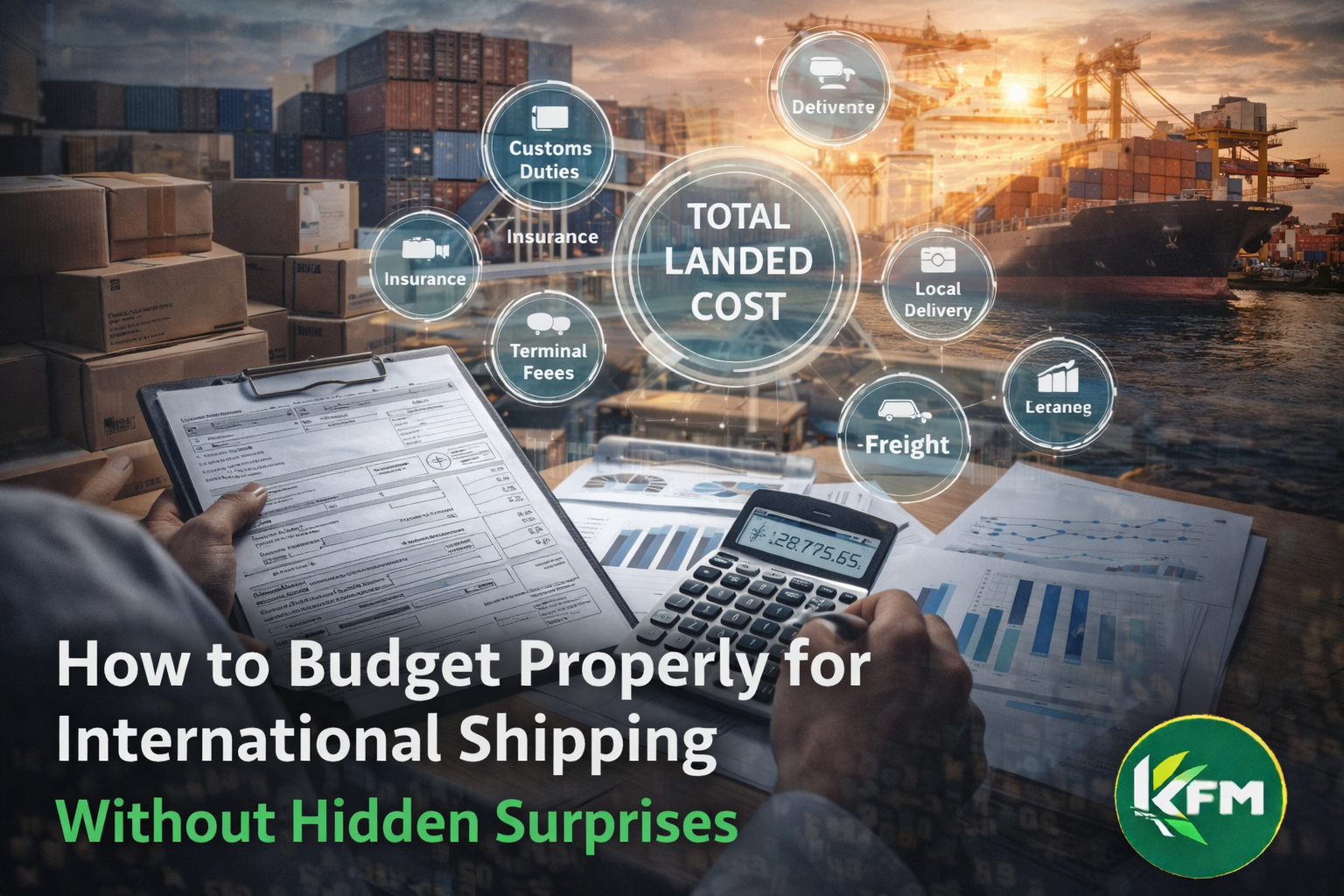
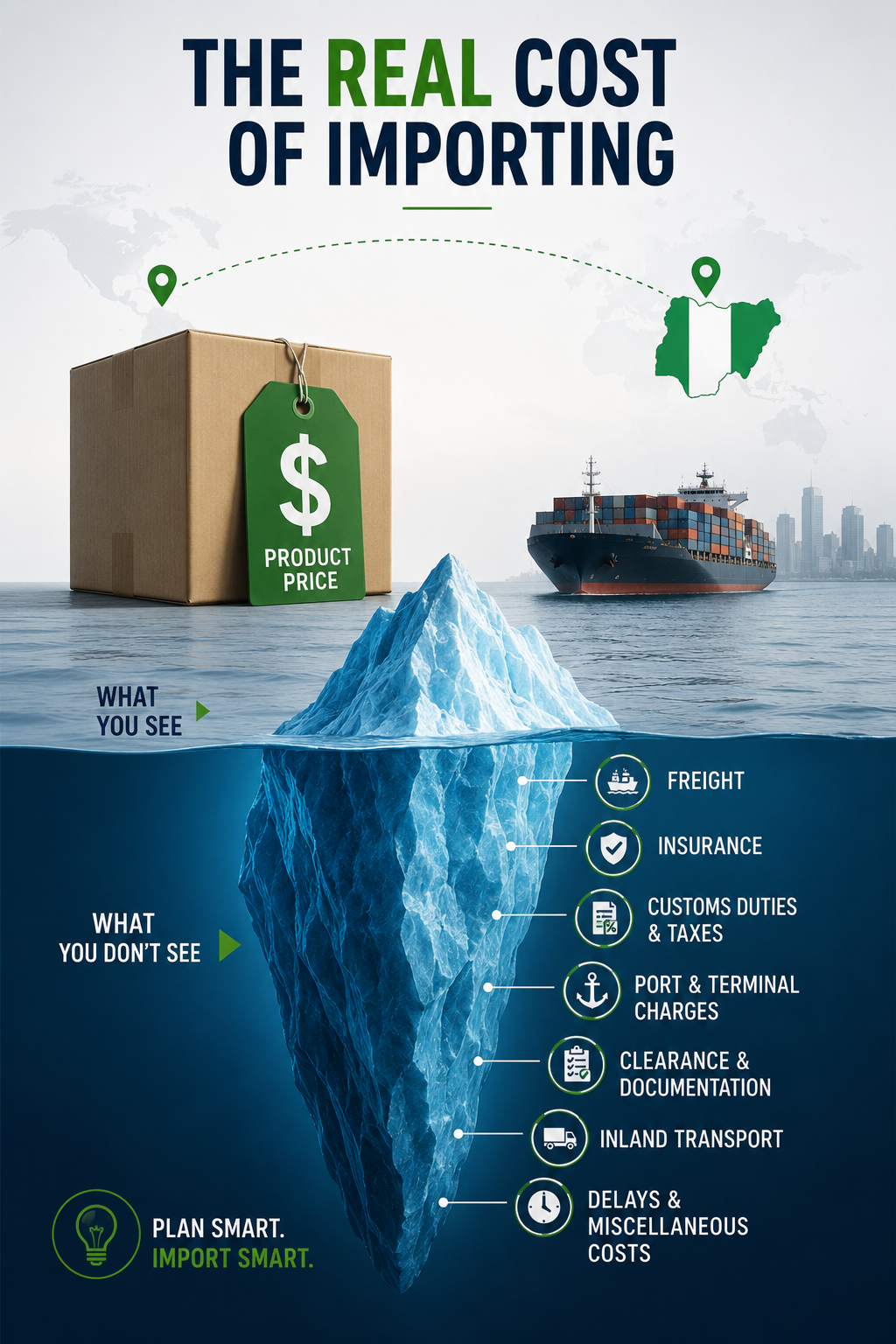
Landed cost is the total cost associated with getting your imported goods from the supplier to your intended destination.
It goes beyond the product's purchase price.
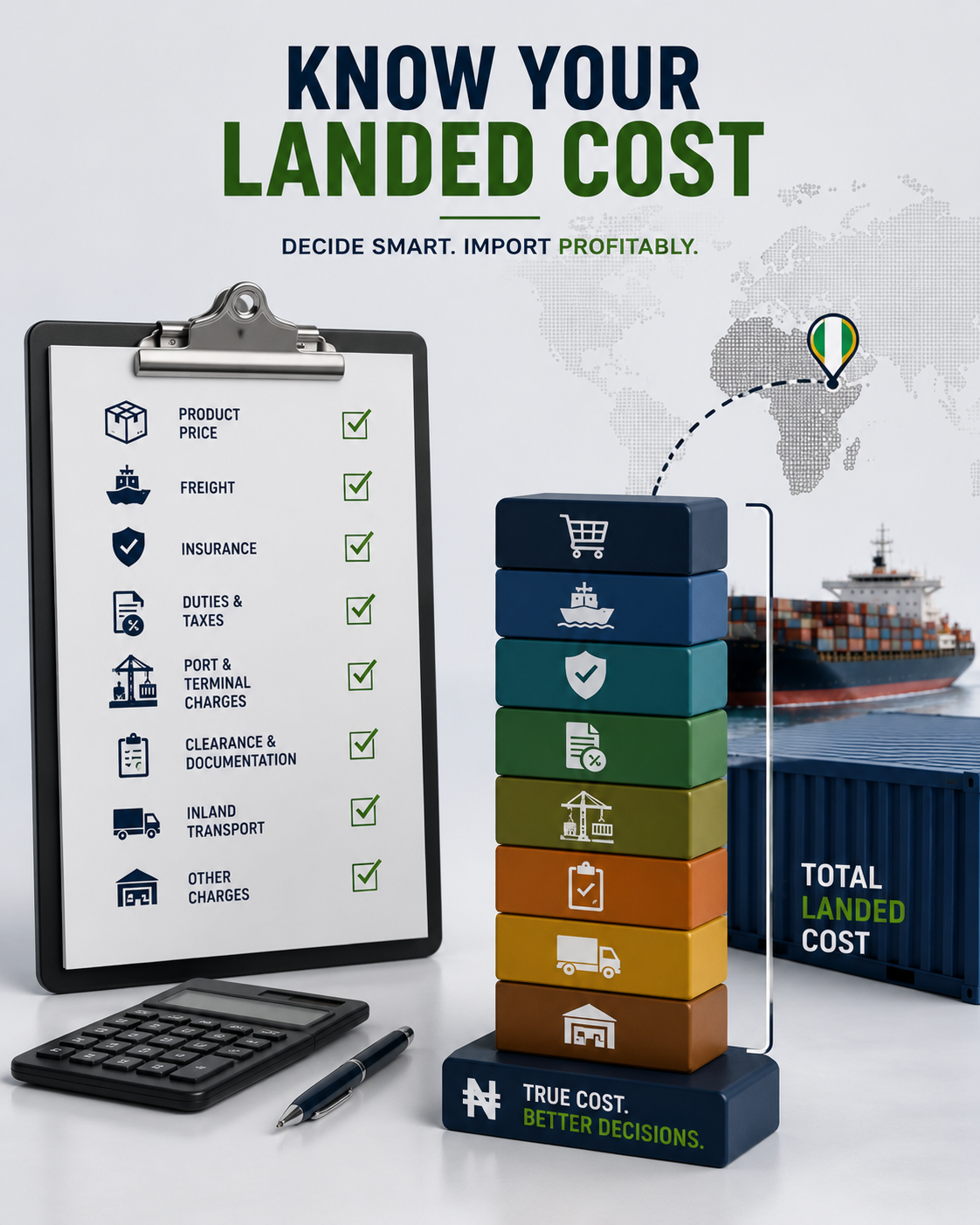
Depending on the shipment, your calculation may need to account for:
- Product purchase price
- International freight
- Insurance, where applicable
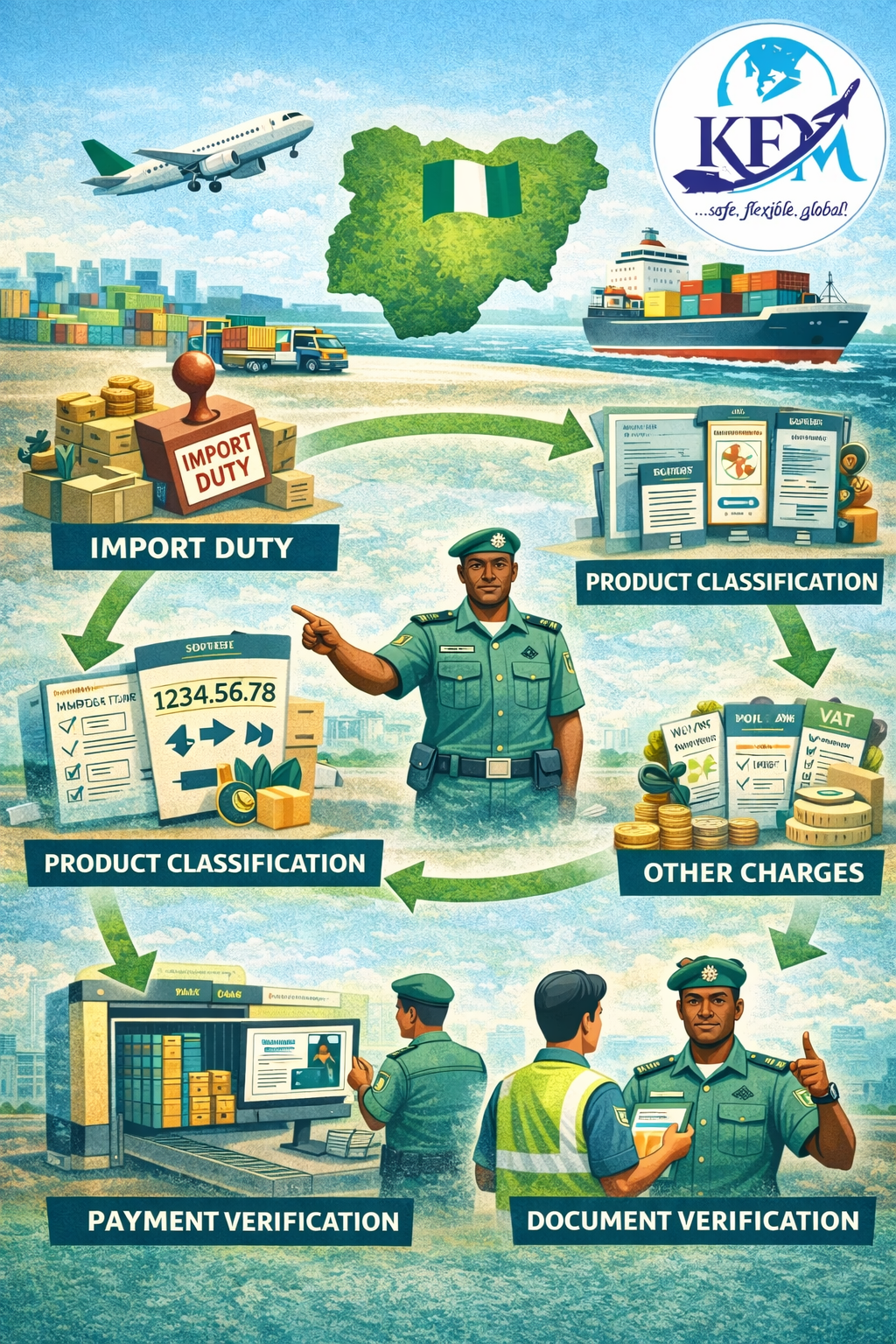
- Customs duties and applicable taxes
- Port and terminal charges
- Clearance and documentation
- Inland transportation
- Storage or delay-related costs, where applicable
Why Calculate It Before Importing?
Because your landed cost affects almost every important business decision.
It helps you determine:
- Whether the product is actually profitable
- How much you should charge your customers
- How much inventory you can realistically afford
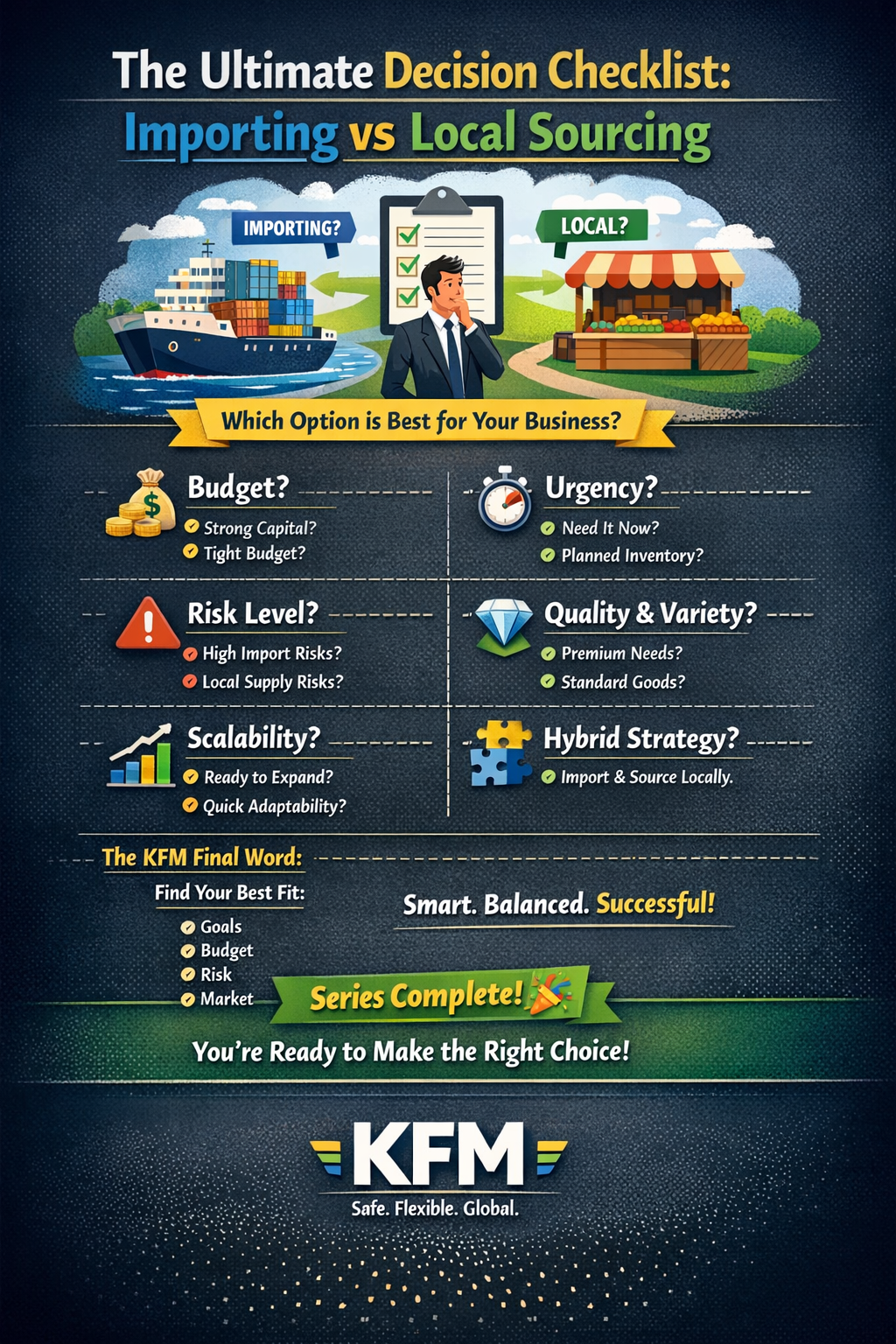
- Whether importing is better than sourcing locally
- Whether a supplier's "cheap" price is really a good deal
Without this calculation, you could be setting your selling price based on incomplete information.
Here's a Simple Example
Imagine your goods cost ₦2,000,000 from the supplier.
It would be a mistake to assume your investment is simply ₦2,000,000 plus freight.
Other applicable import, handling, clearance, transportation, and related costs can increase the amount you actually spend before the goods are ready for sale.
If you don't account for those costs, your expected profit margin may be significantly overstated.
The numbers need to be calculated for the specific shipment—not guessed.
Don't Confuse Landed Cost With Just "Shipping Cost"
This is one of the biggest mistakes new importers make.
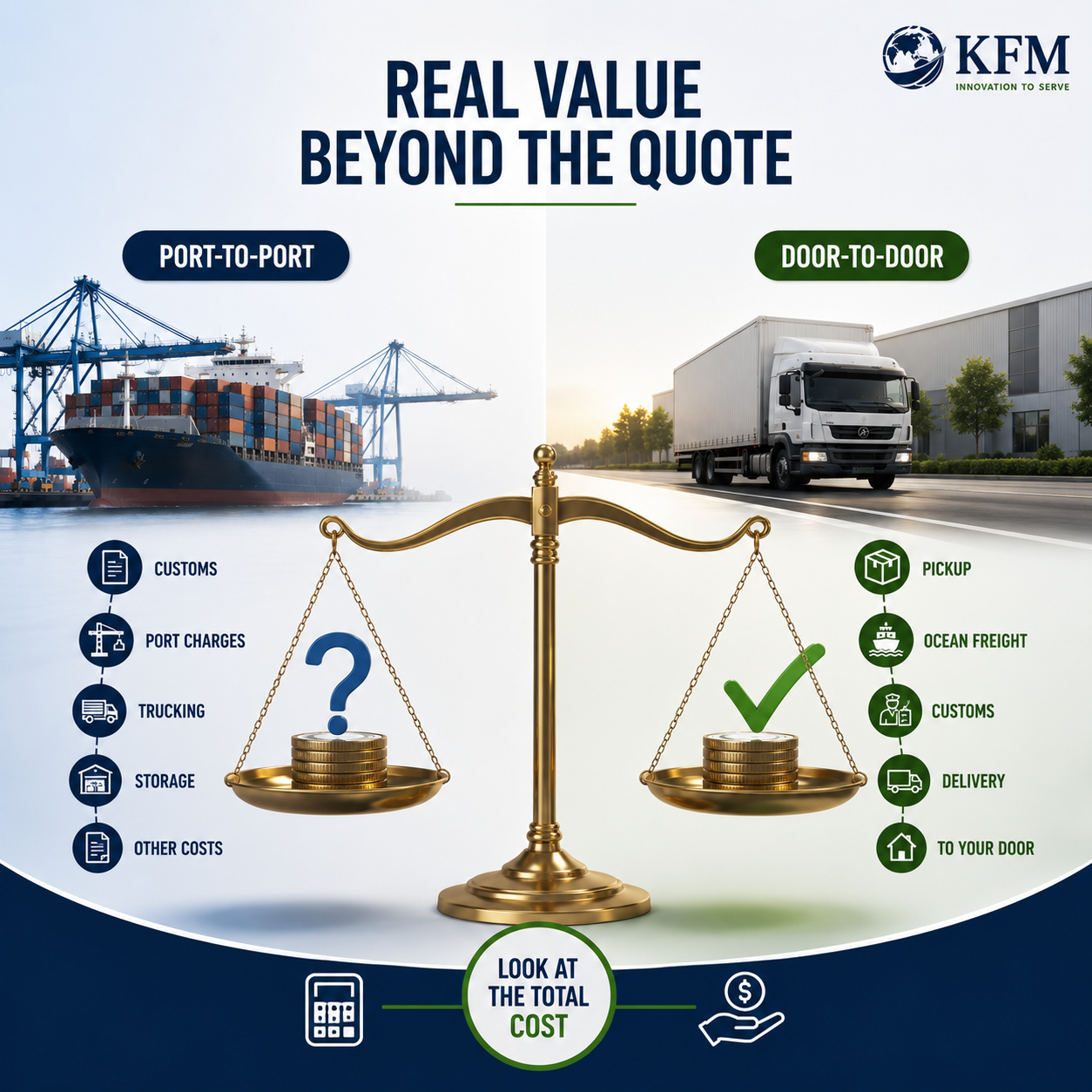
Freight is only one component of getting your goods into your hands.
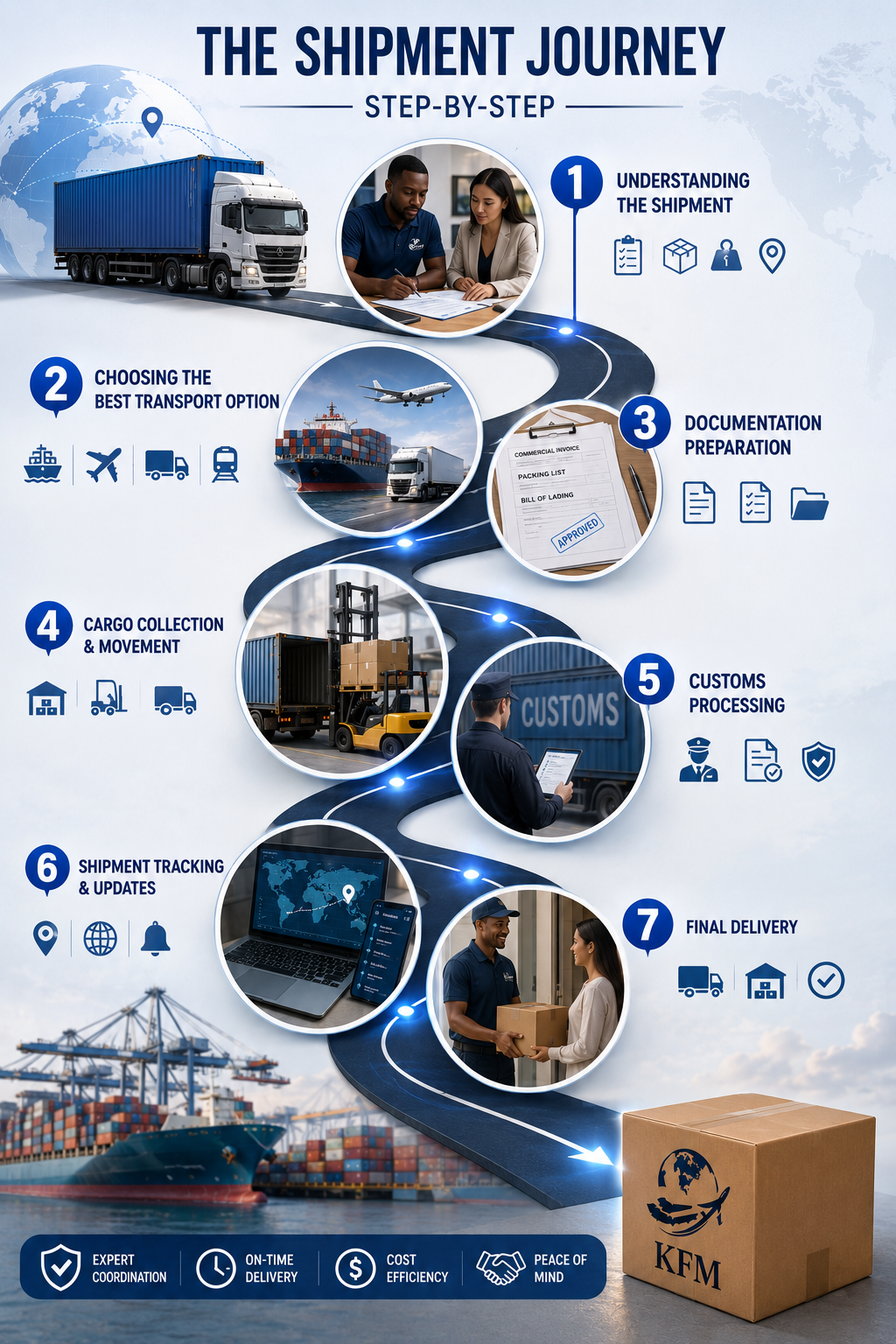
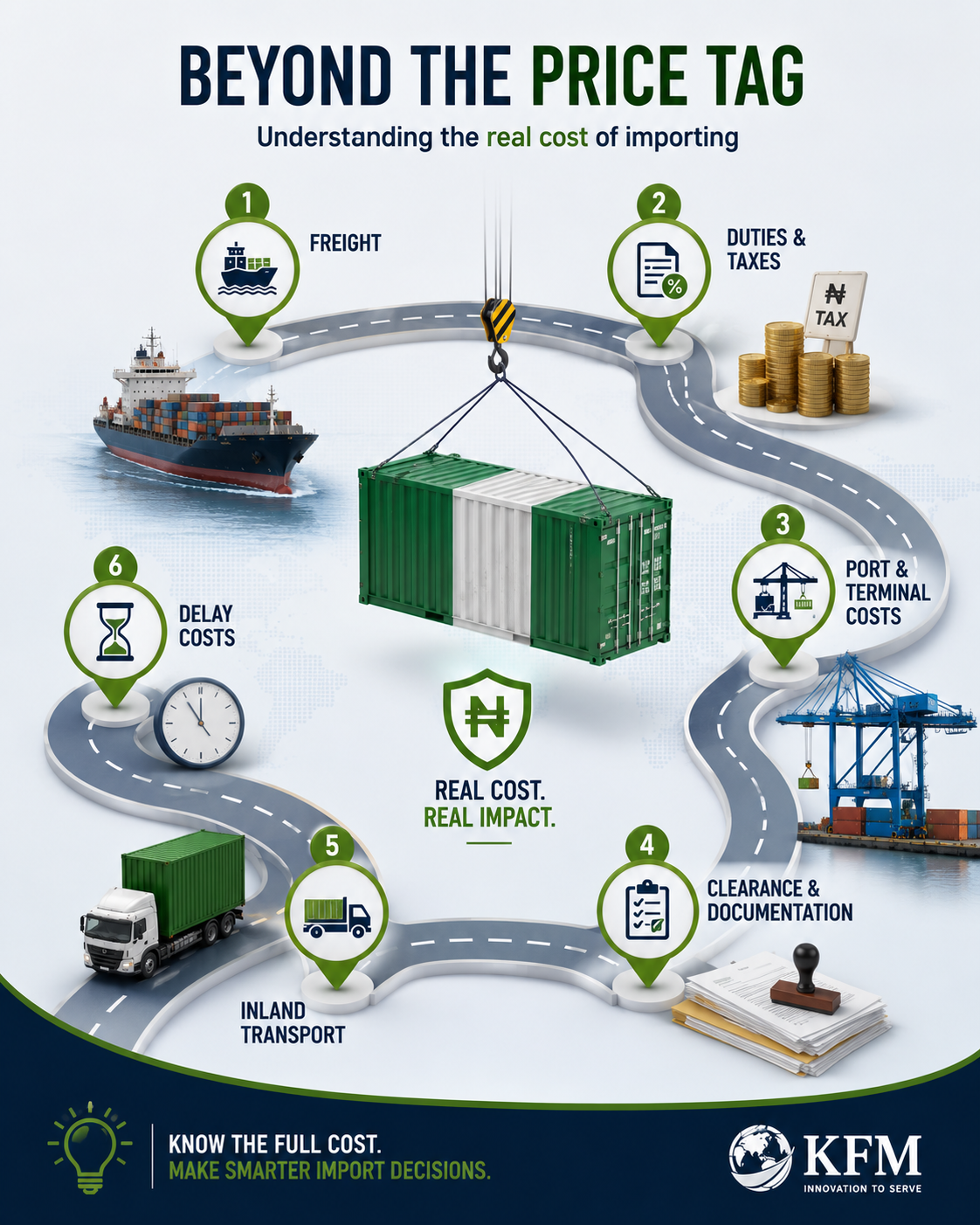
You need to look at the entire journey:
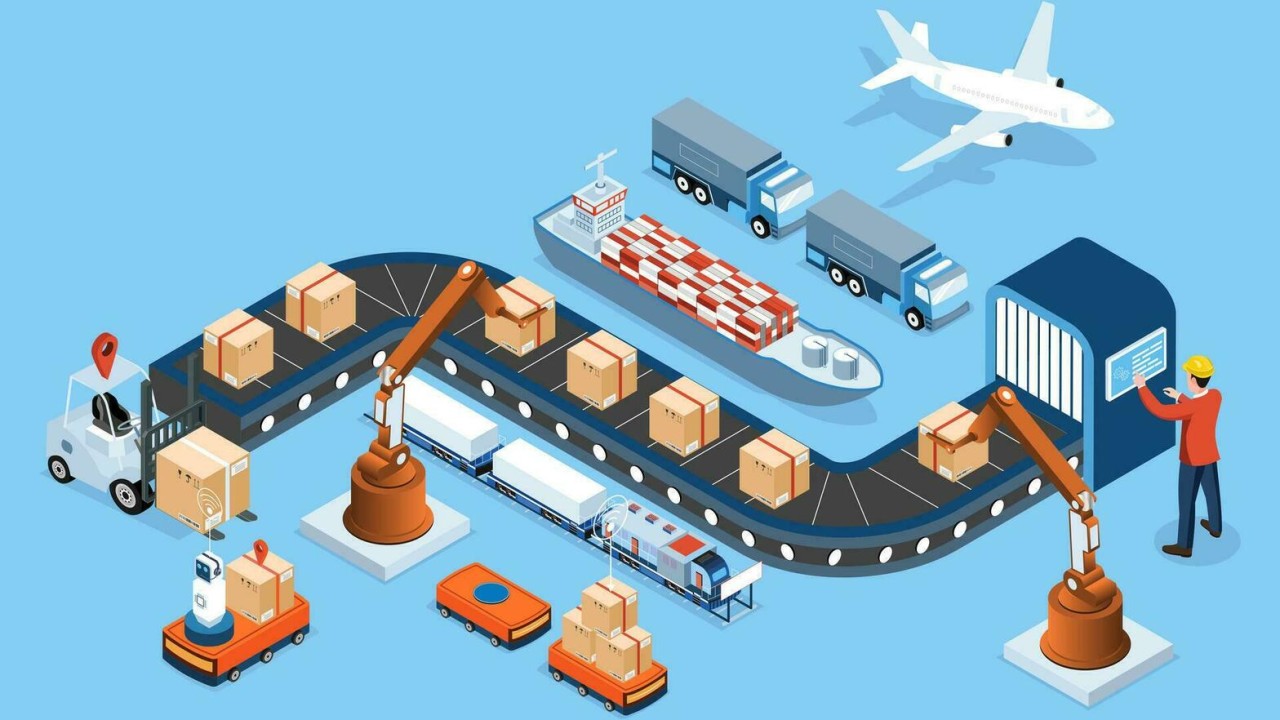
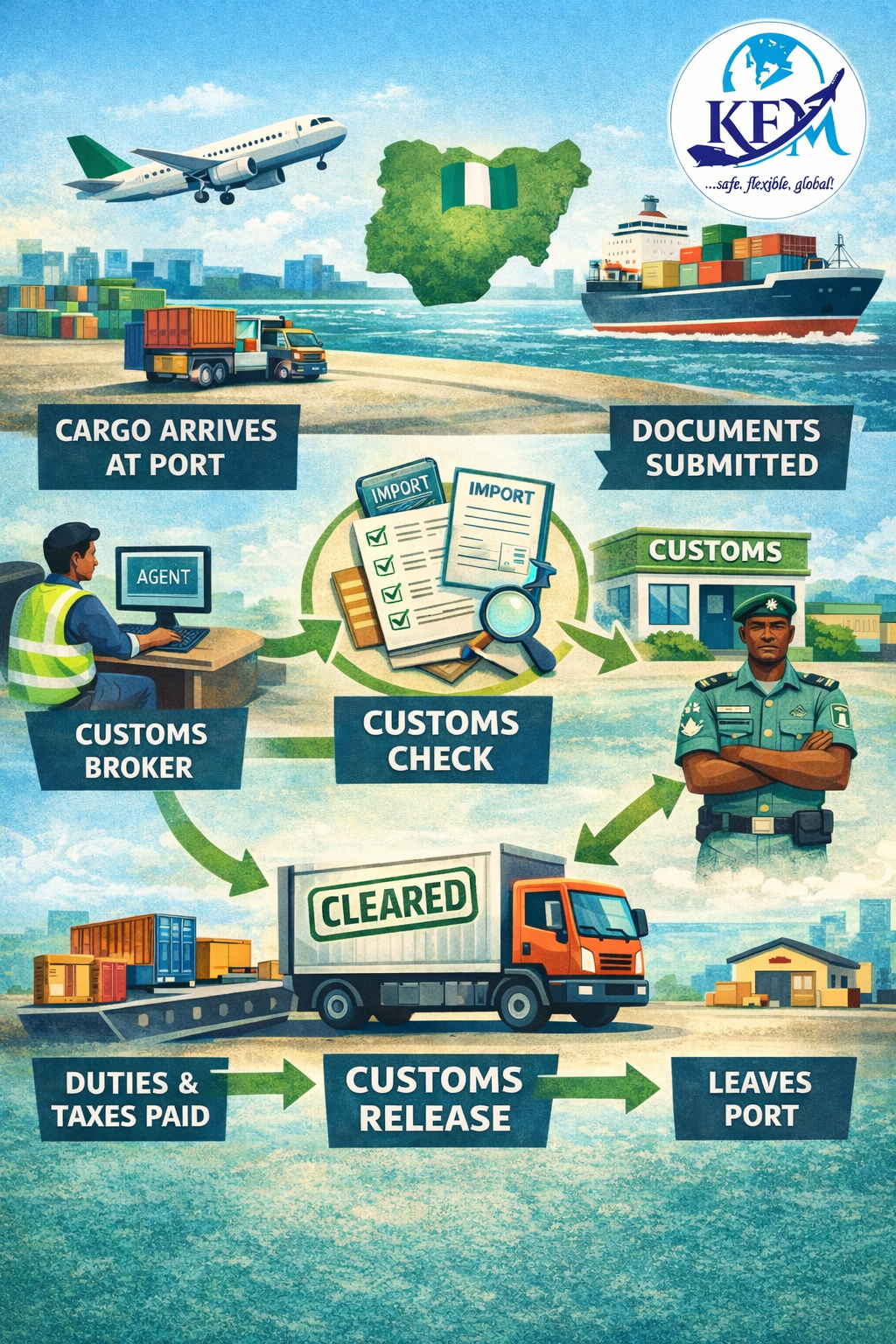
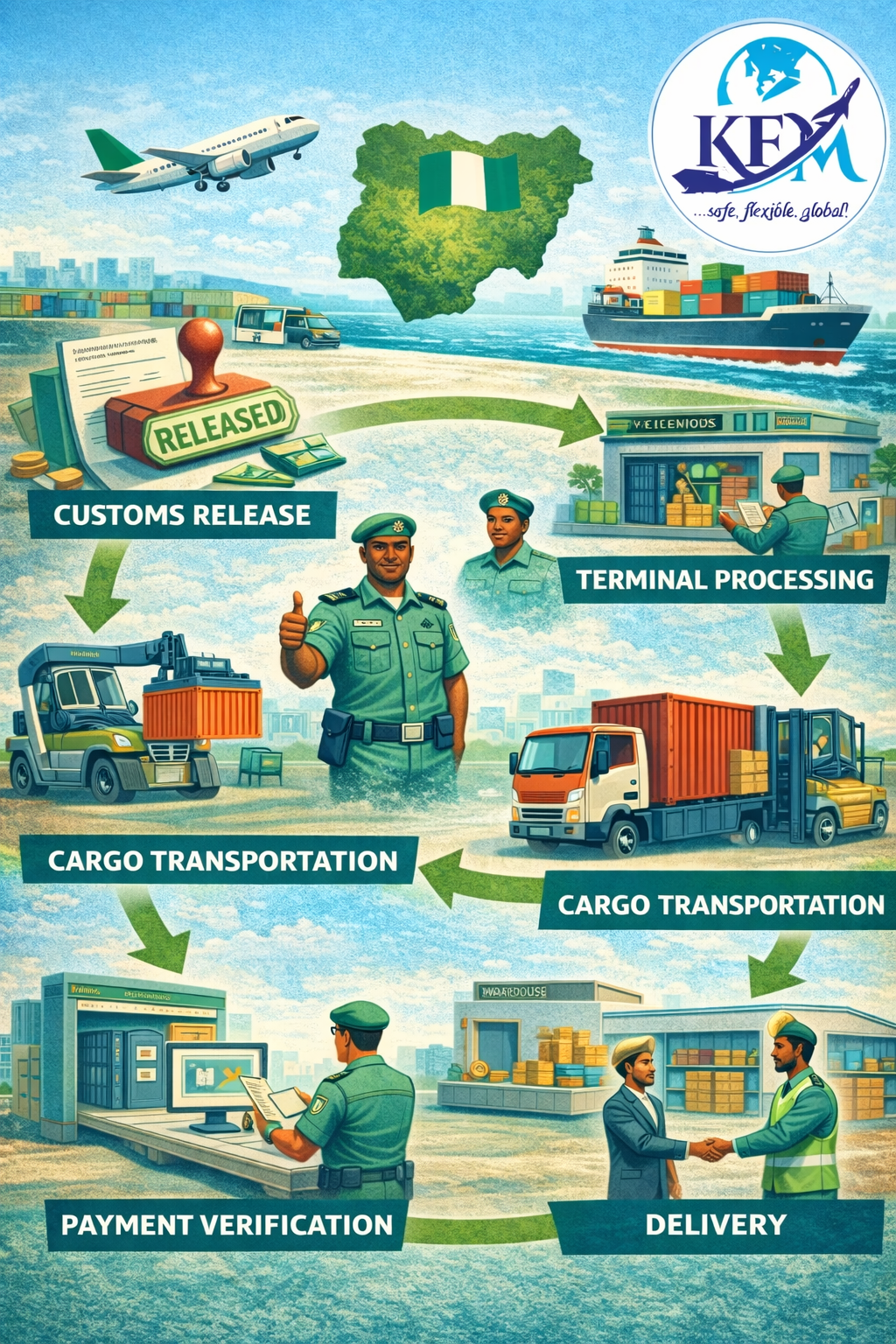
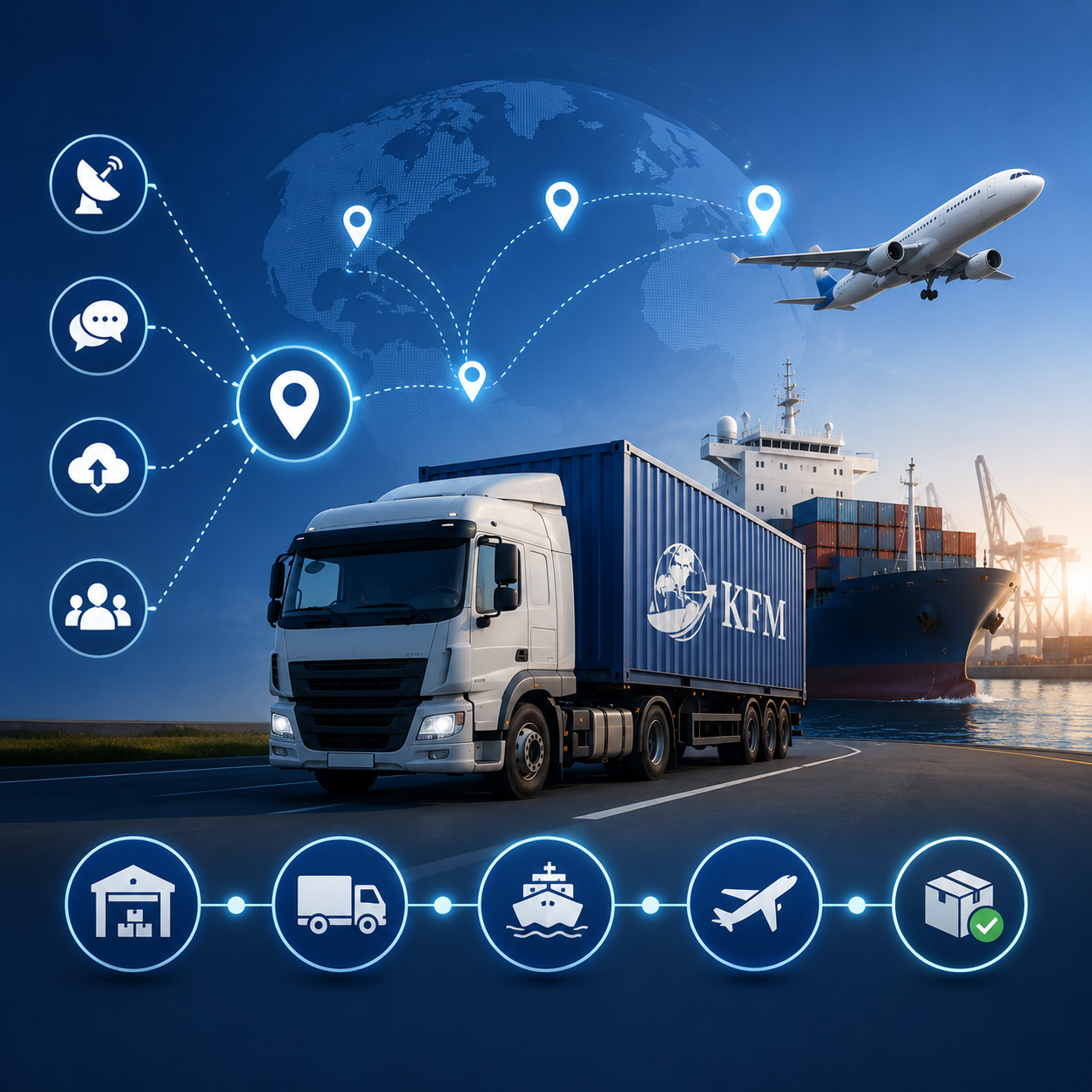
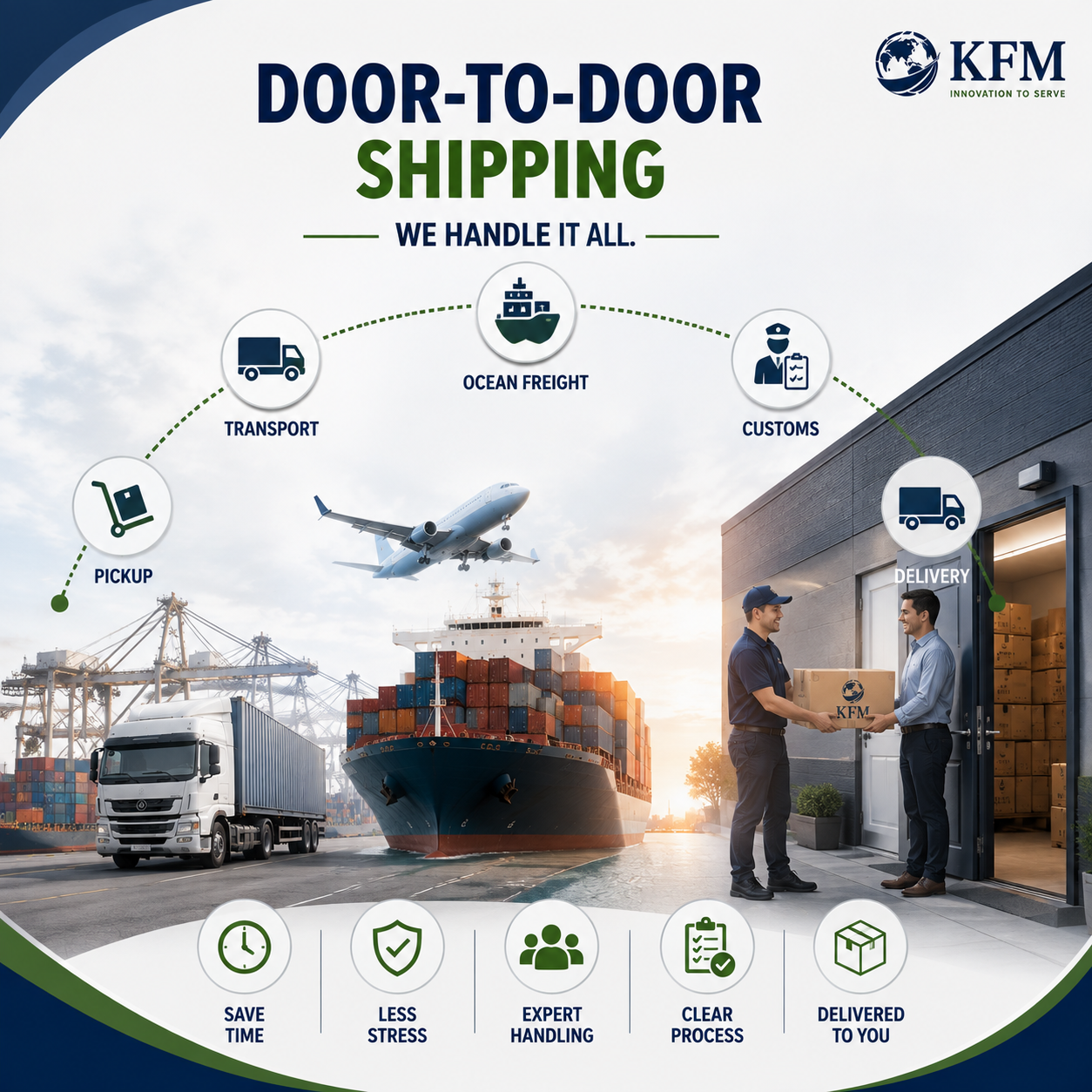
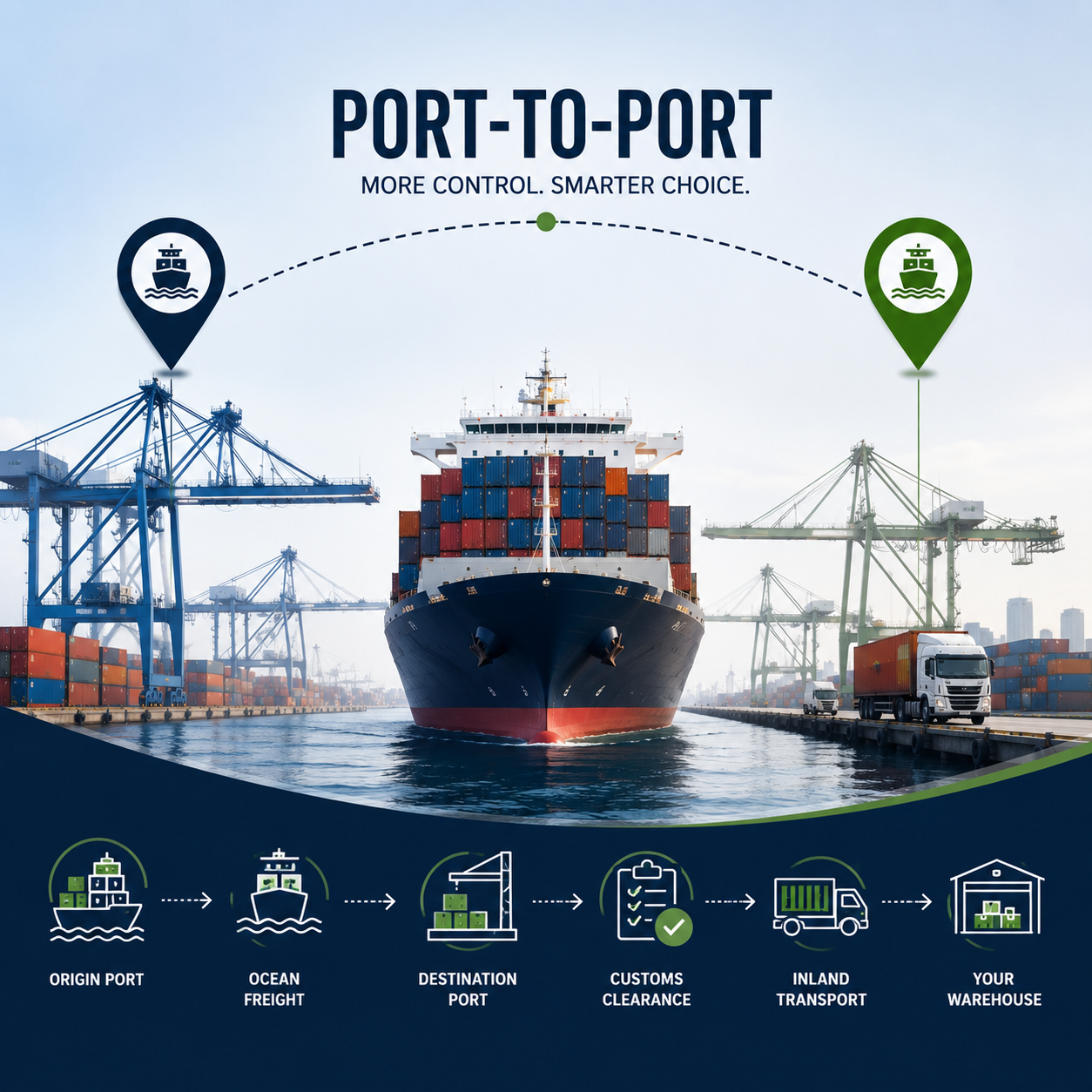
Supplier → Origin → International Freight → Nigerian Port → Clearance → Inland Transport → Your Business
Every stage can influence the final amount you spend.
Use Landed Cost to Make Better Decisions
Before committing to an import order, compare your expected landed cost with the price your market is willing to pay.
If the numbers leave you with a healthy margin, you have a stronger basis for moving forward.
If the margin is too thin, you can reconsider the supplier, shipping method, order quantity, product, or even the decision to import.
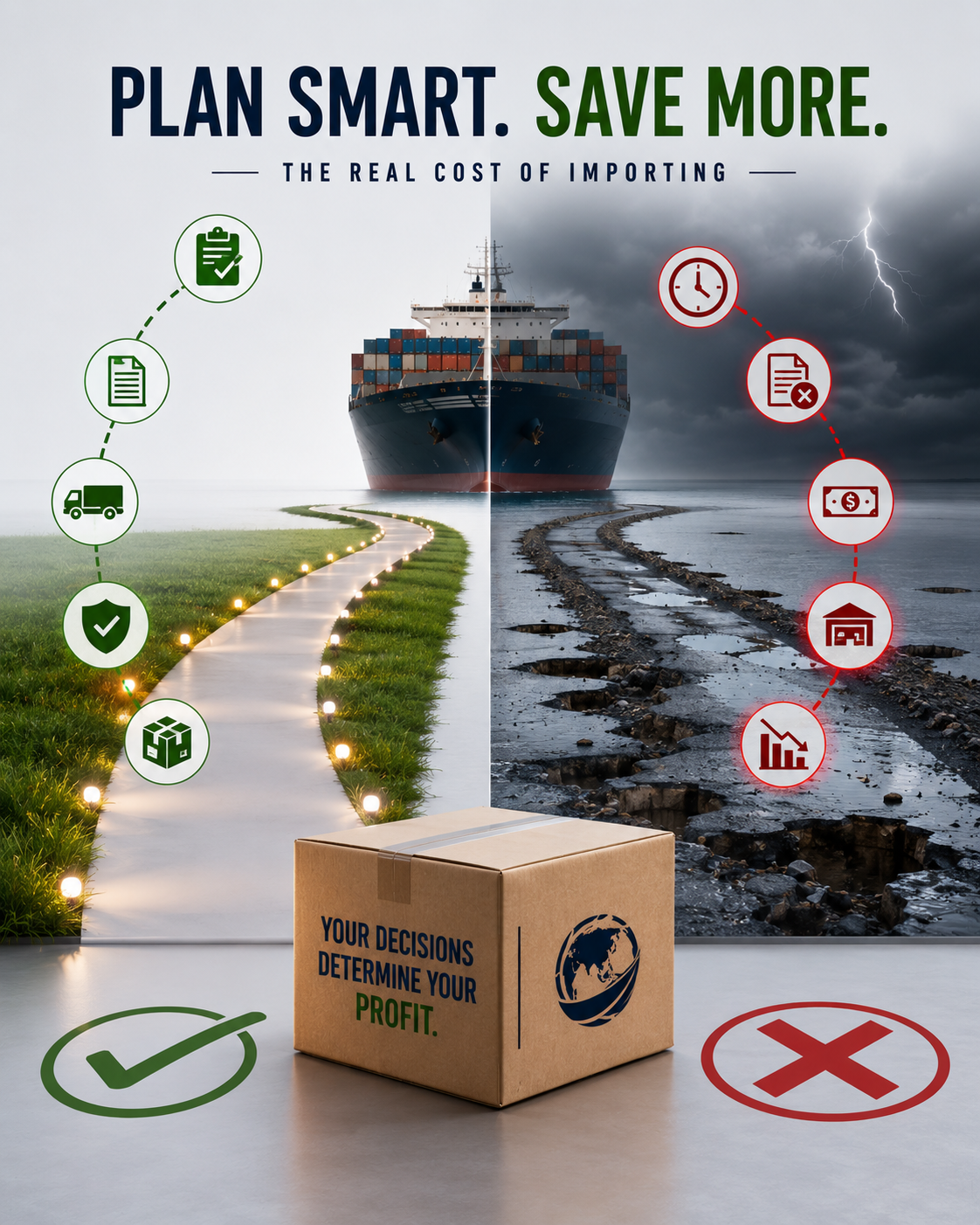
Good importing decisions are made before the cargo leaves the supplier.
At KFM, we believe importers should have a clear understanding of the logistics journey before committing their money.
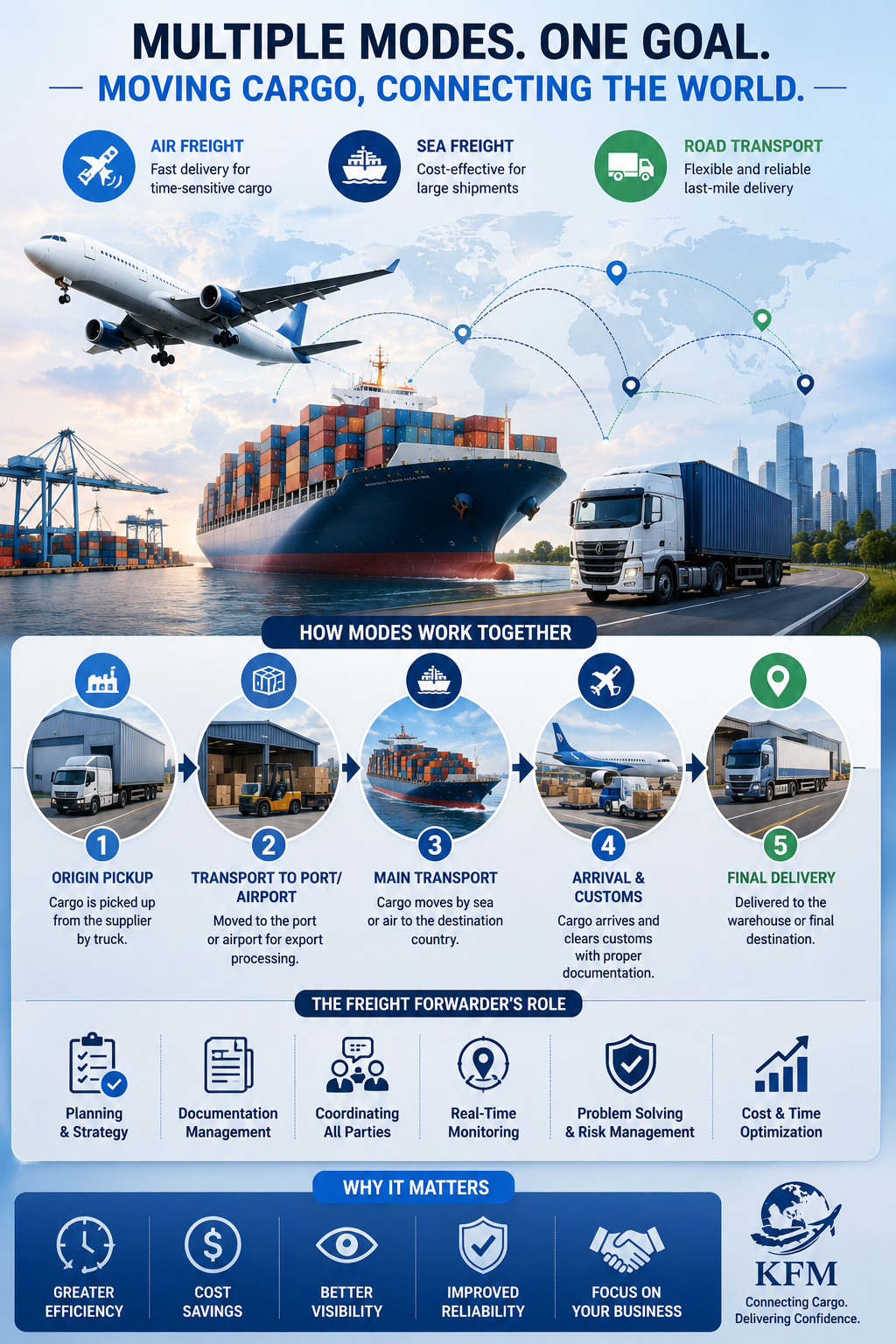
Professional freight coordination can help you understand the different stages involved and plan your shipment more effectively.
The objective isn't simply to find the cheapest freight rate.
It's to build a realistic picture of what your goods will cost from origin to destination.
Coming Up in Post 5 👀
In our final post, we'll bring everything together and explore how smart importers can reduce unnecessary costs, protect their margins, and make better importing decisions.
Know your landed cost before you know your profit.