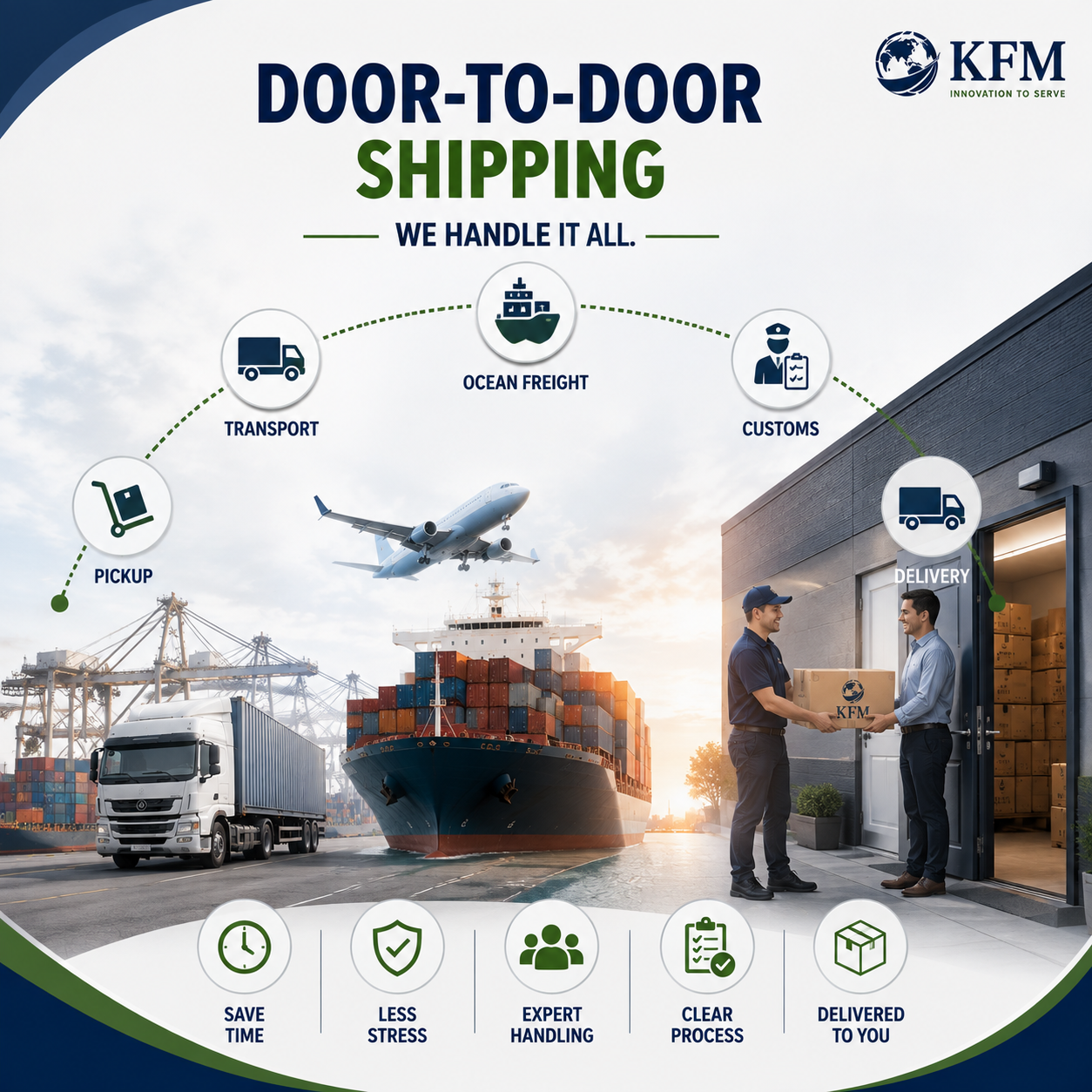
Door-to-door shipping offers convenience.
But sometimes, you don't need someone else to manage the entire journey.
If your business already has trusted clearing agents, transport providers, warehouse arrangements, or an experienced logistics team, port-to-port shipping can give you greater control and potentially lower your overall logistics cost.
⚓ What Does Port-to-Port Actually Mean?
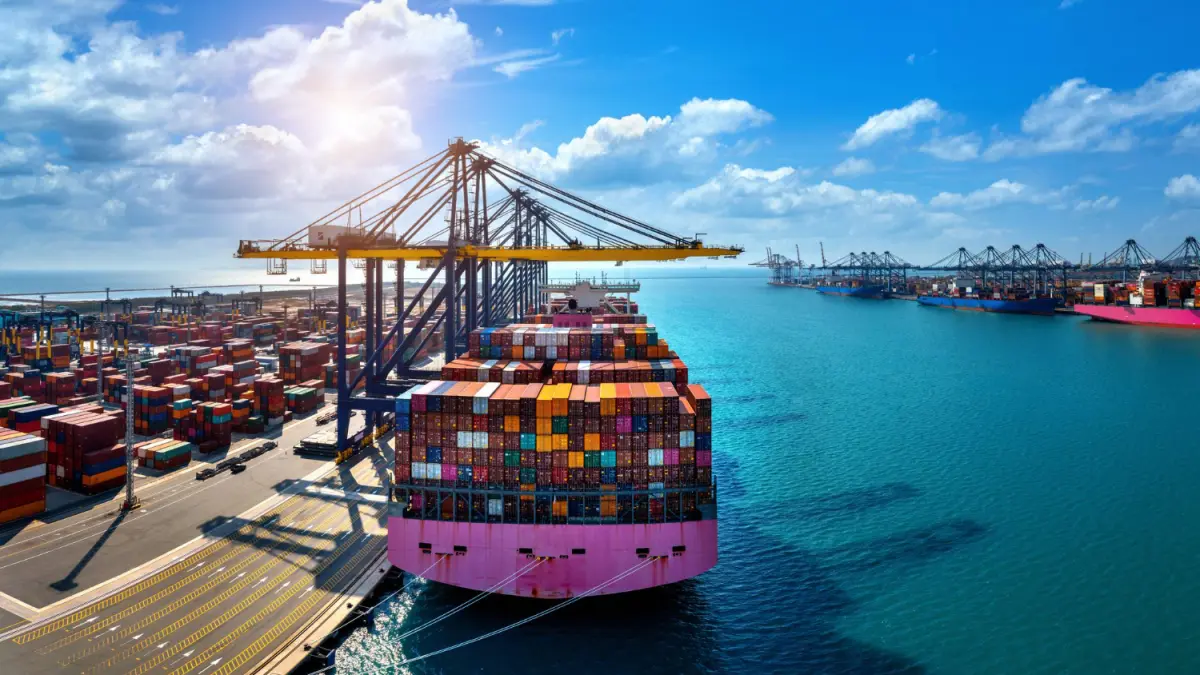
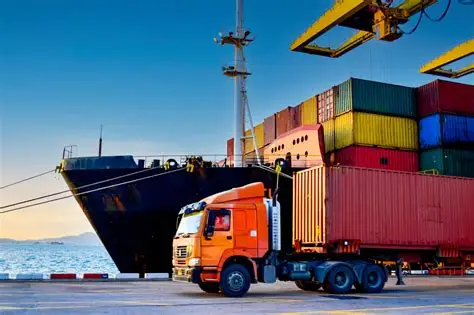
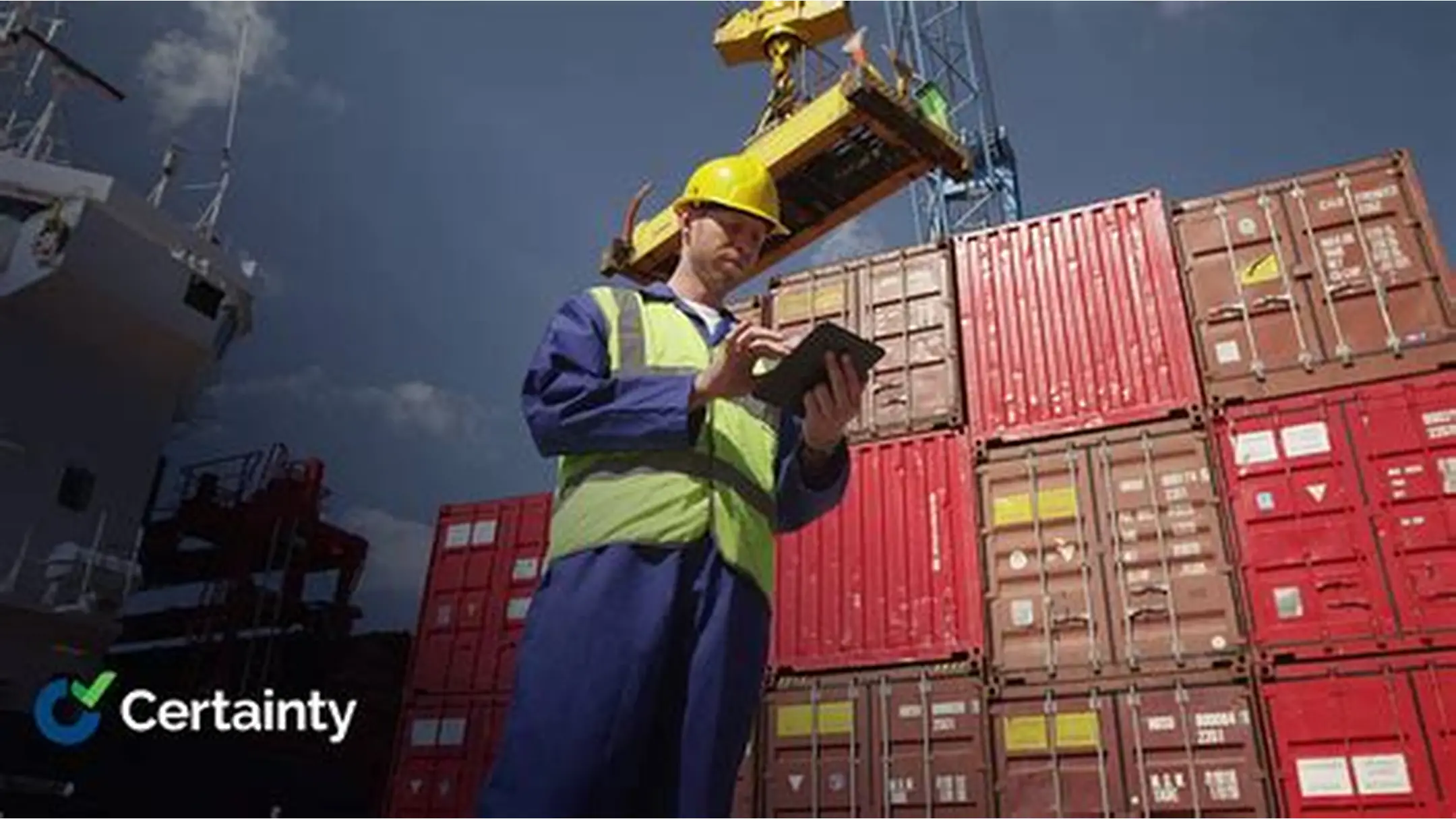
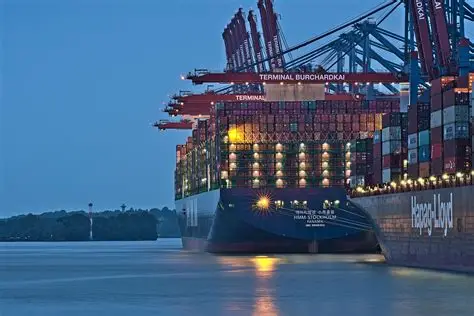
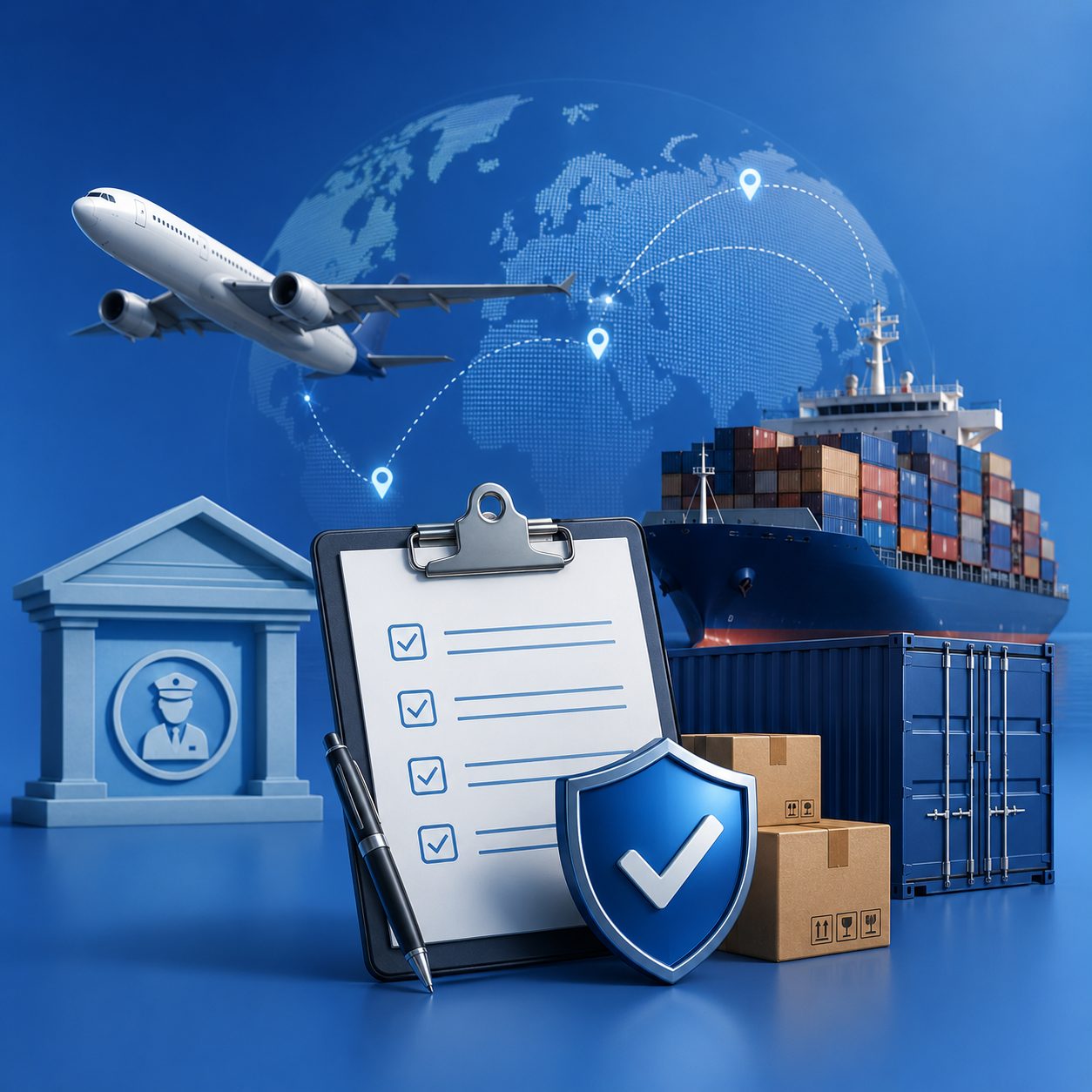
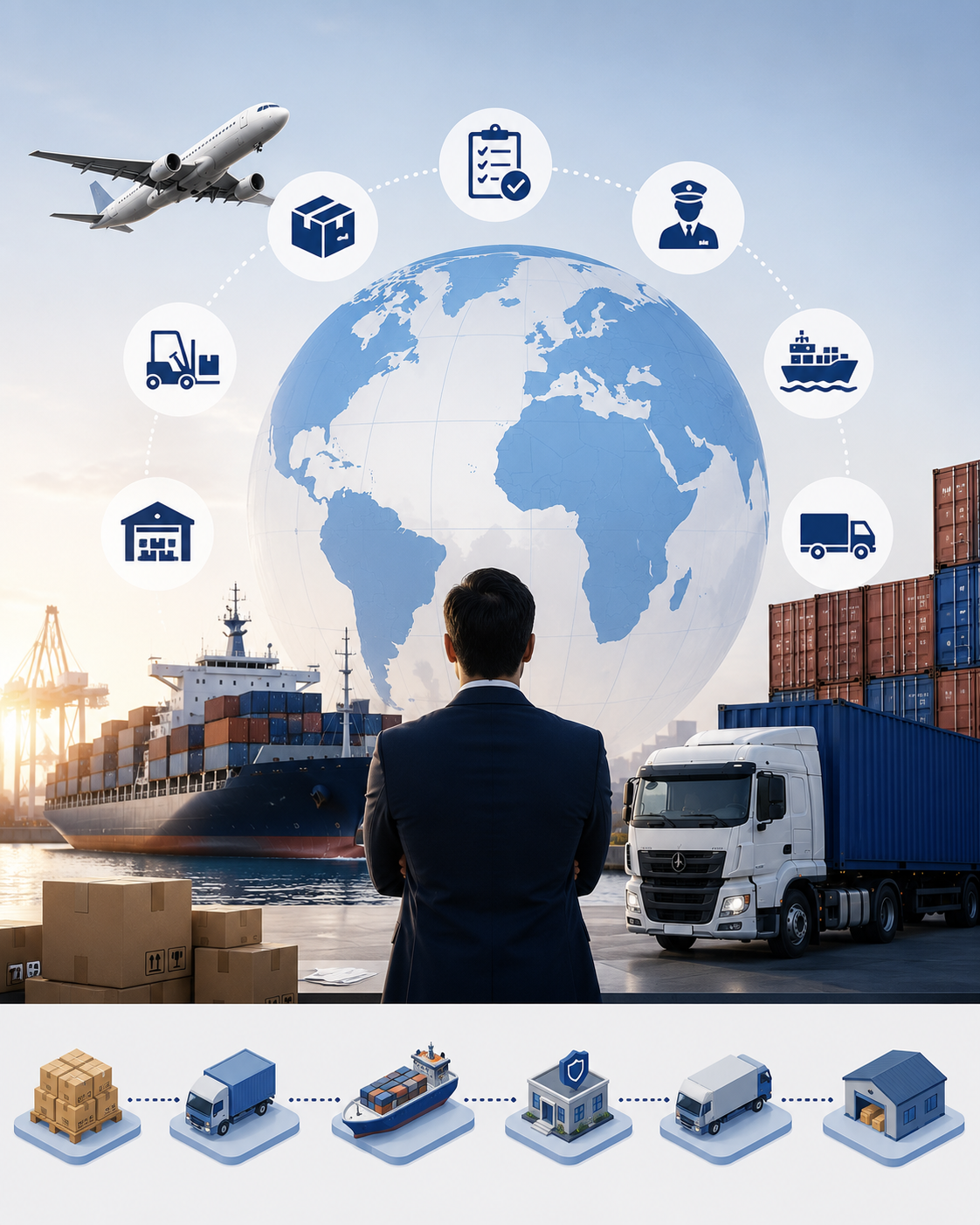
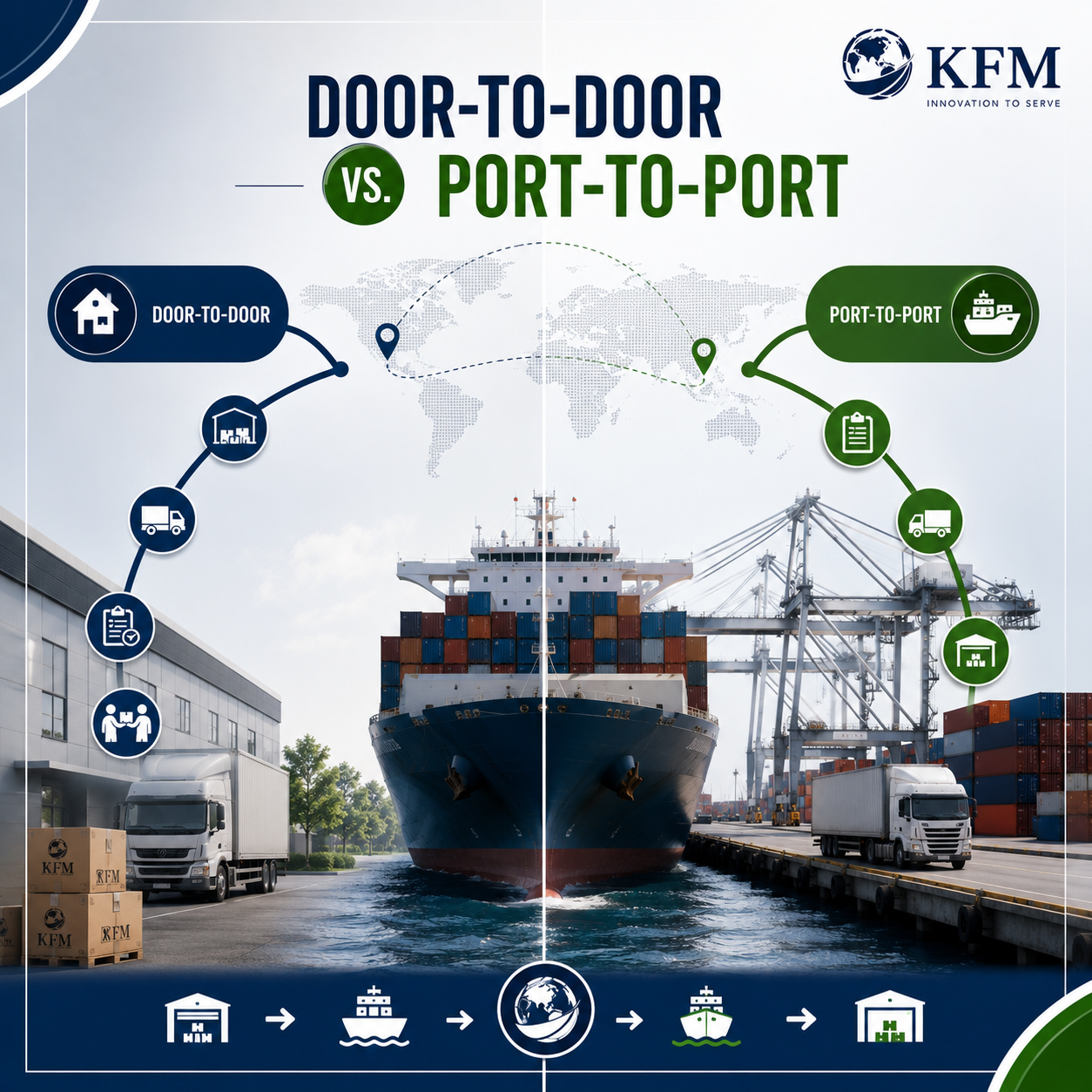
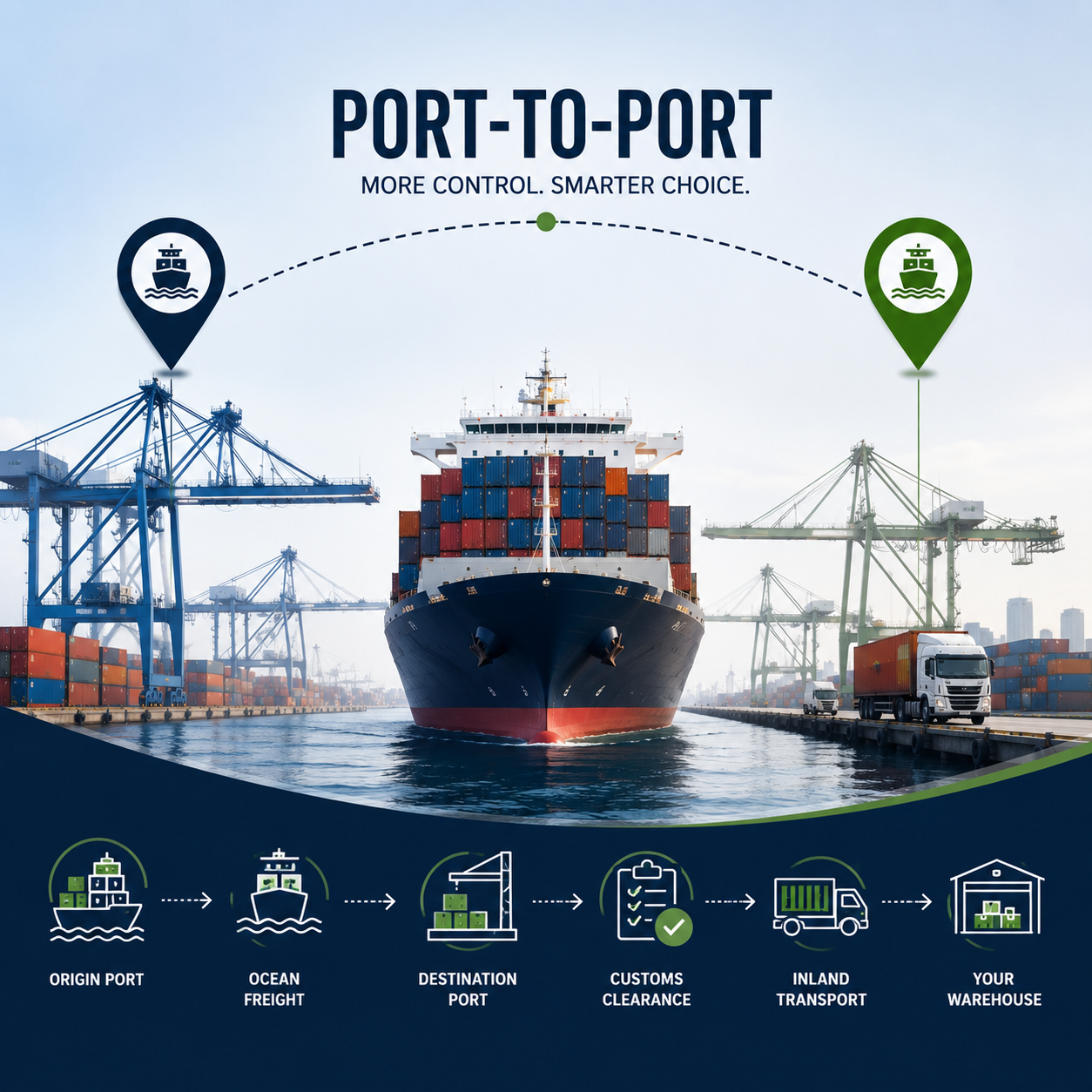
Port-to-port shipping primarily covers the movement of your cargo between the agreed origin and destination ports.
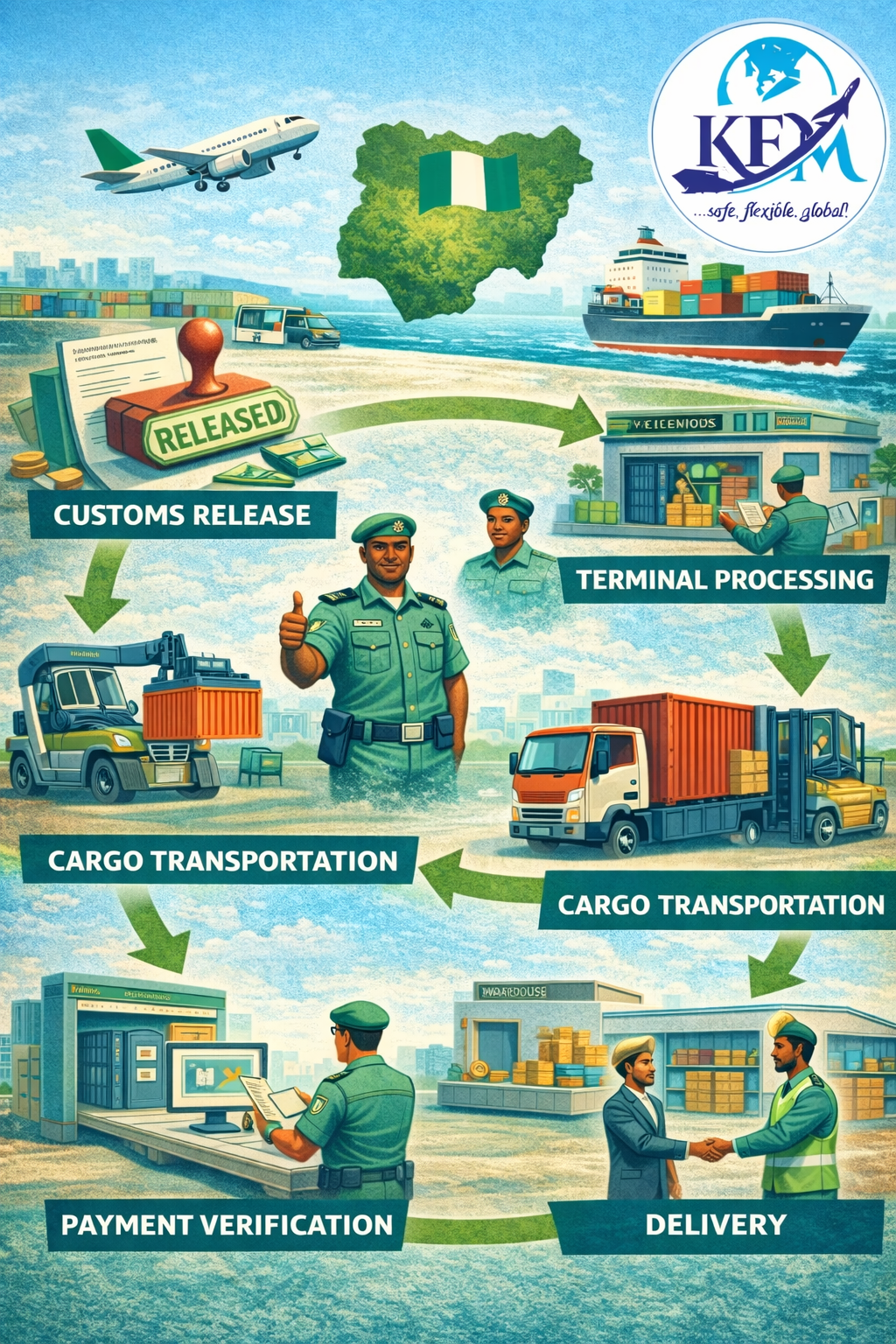
Once your cargo arrives at the destination port, you take responsibility for the next stages—such as customs clearance, inland transportation, and final delivery—unless those services are separately arranged.
This makes it particularly attractive to businesses that already have the resources to manage the destination side.
Who Should Consider It?
Port-to-port shipping may be a good fit for businesses that:
- Import regularly and understand the process
- Have a reliable customs clearing agent
- Already work with trusted transport providers
- Have their own warehouse or distribution network
- Want greater control over destination logistics
- Have the team to coordinate multiple logistics stages
Where Can the Savings Come From?
Port-to-port shipping can sometimes reduce the amount you pay to a single logistics provider because you're handling certain destination services yourself.
But there's an important catch:
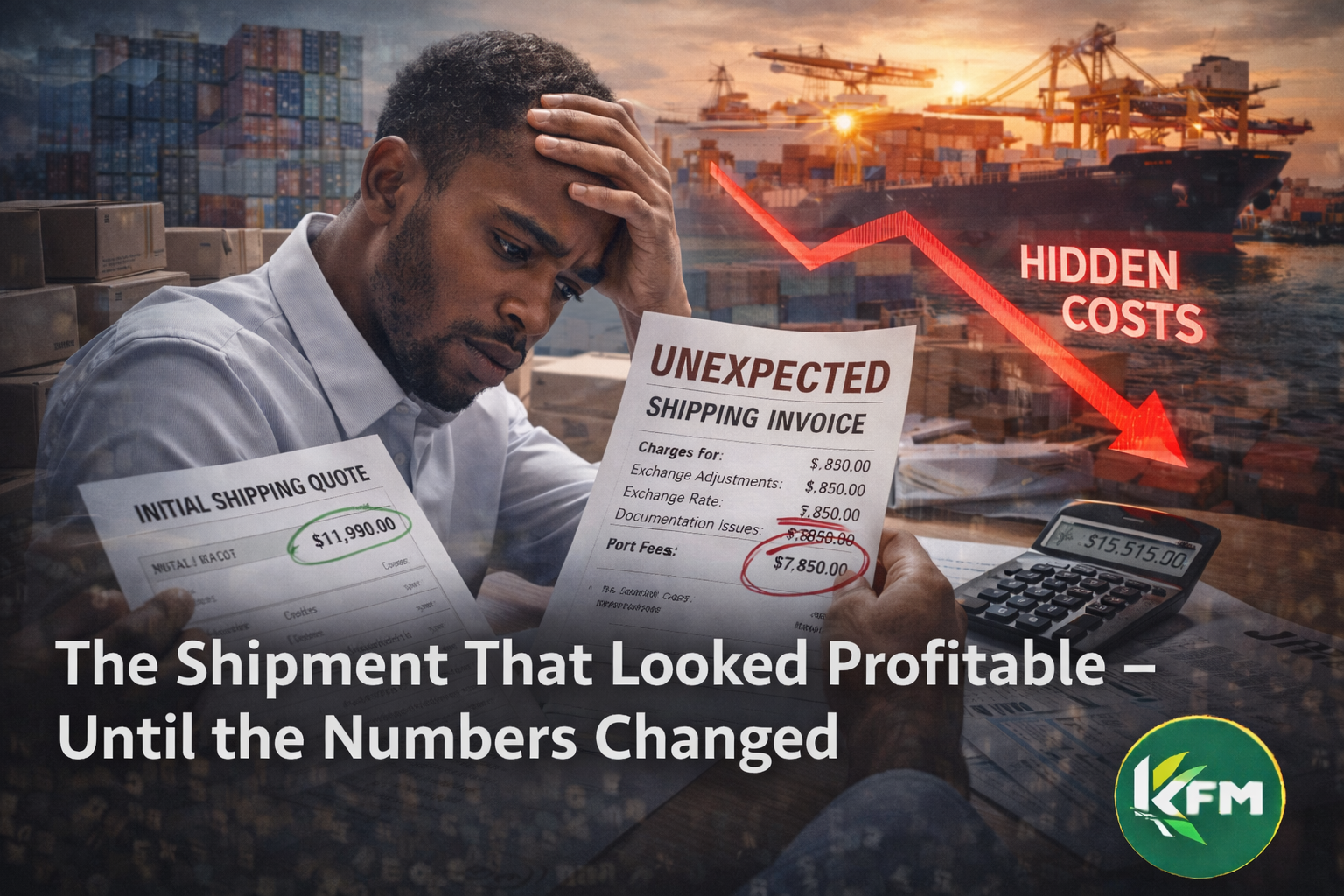
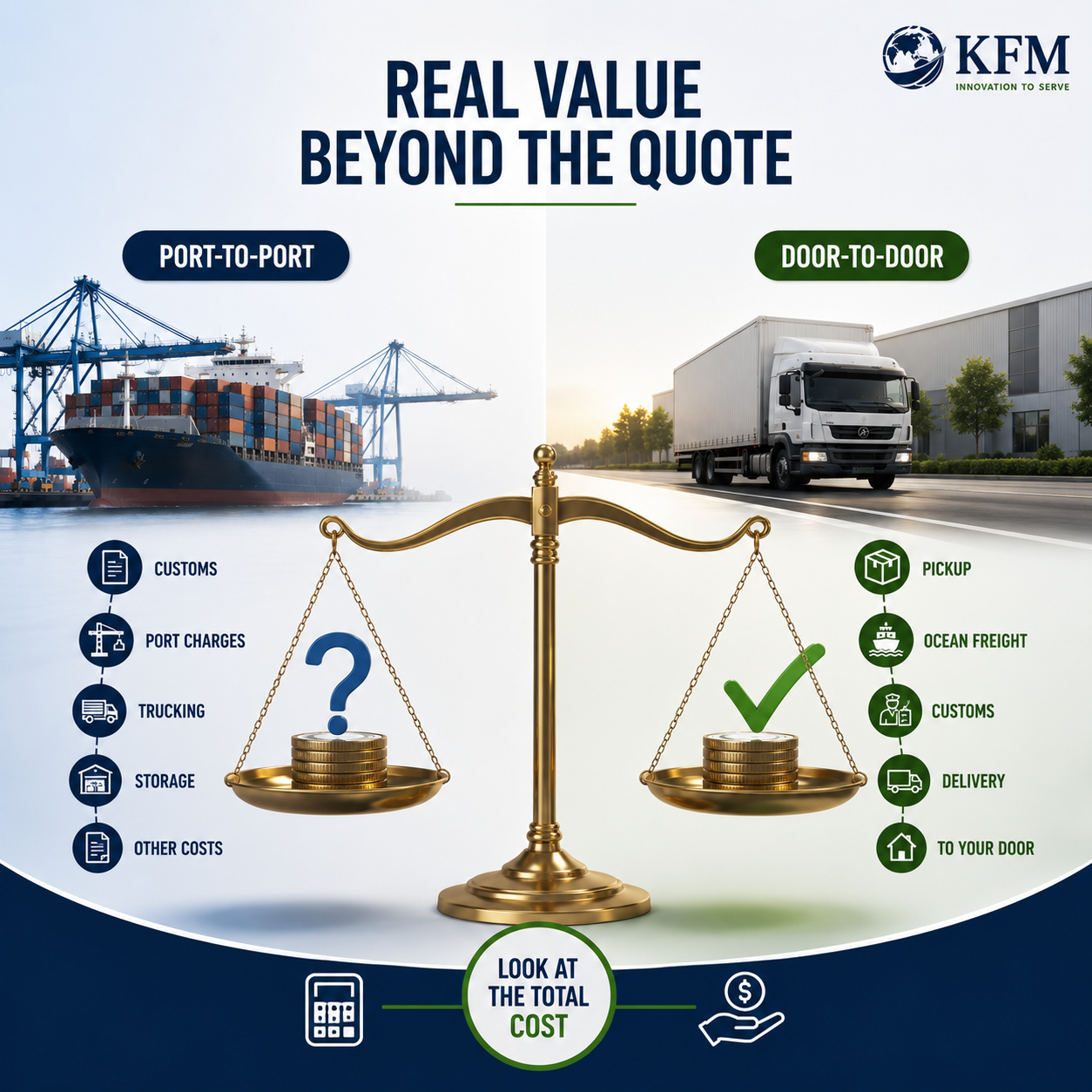
A lower freight quote does not automatically mean a lower total cost.
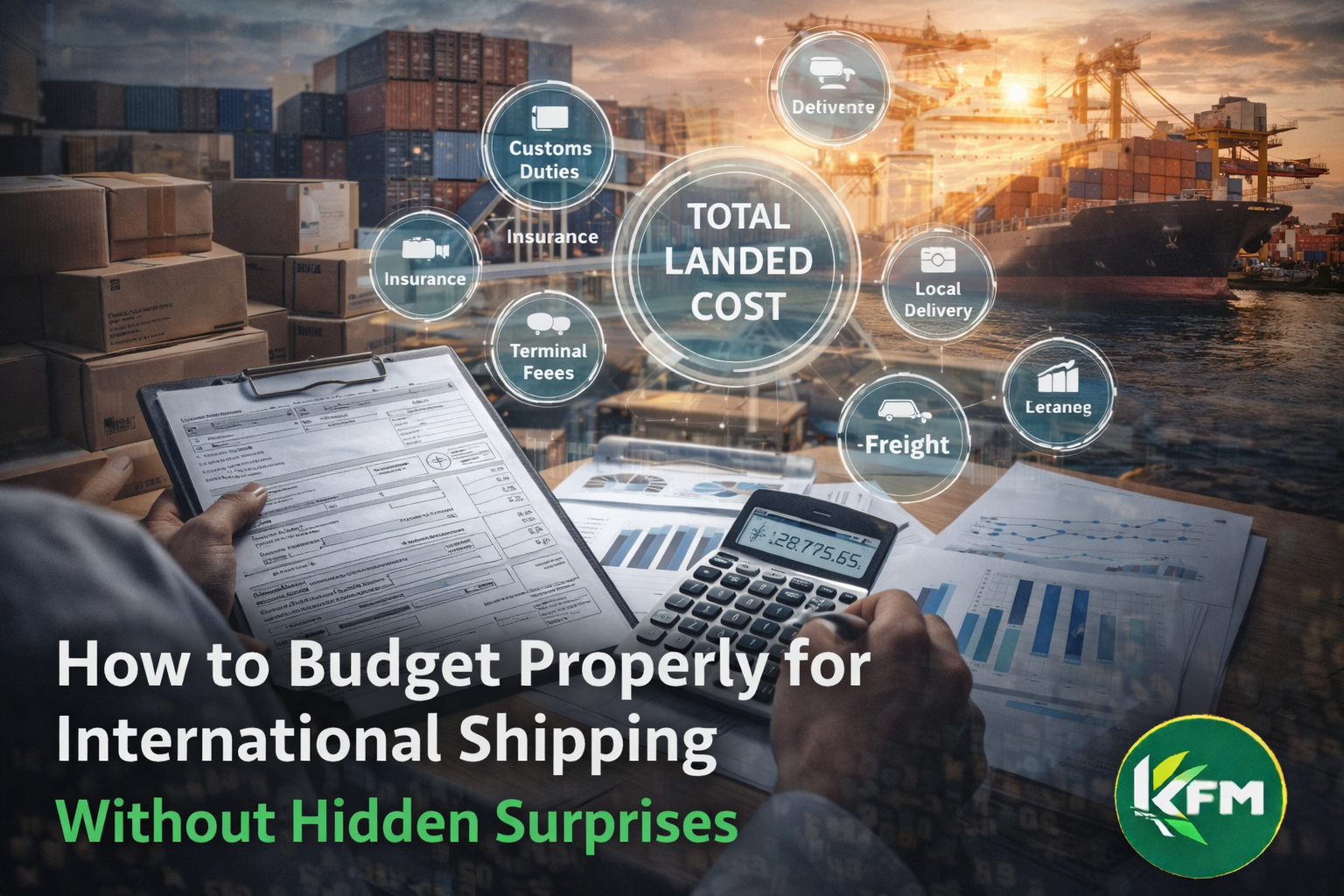
You still need to consider:
- Customs and clearance costs
- Port and terminal charges
- Trucking or inland transportation
- Storage and possible demurrage
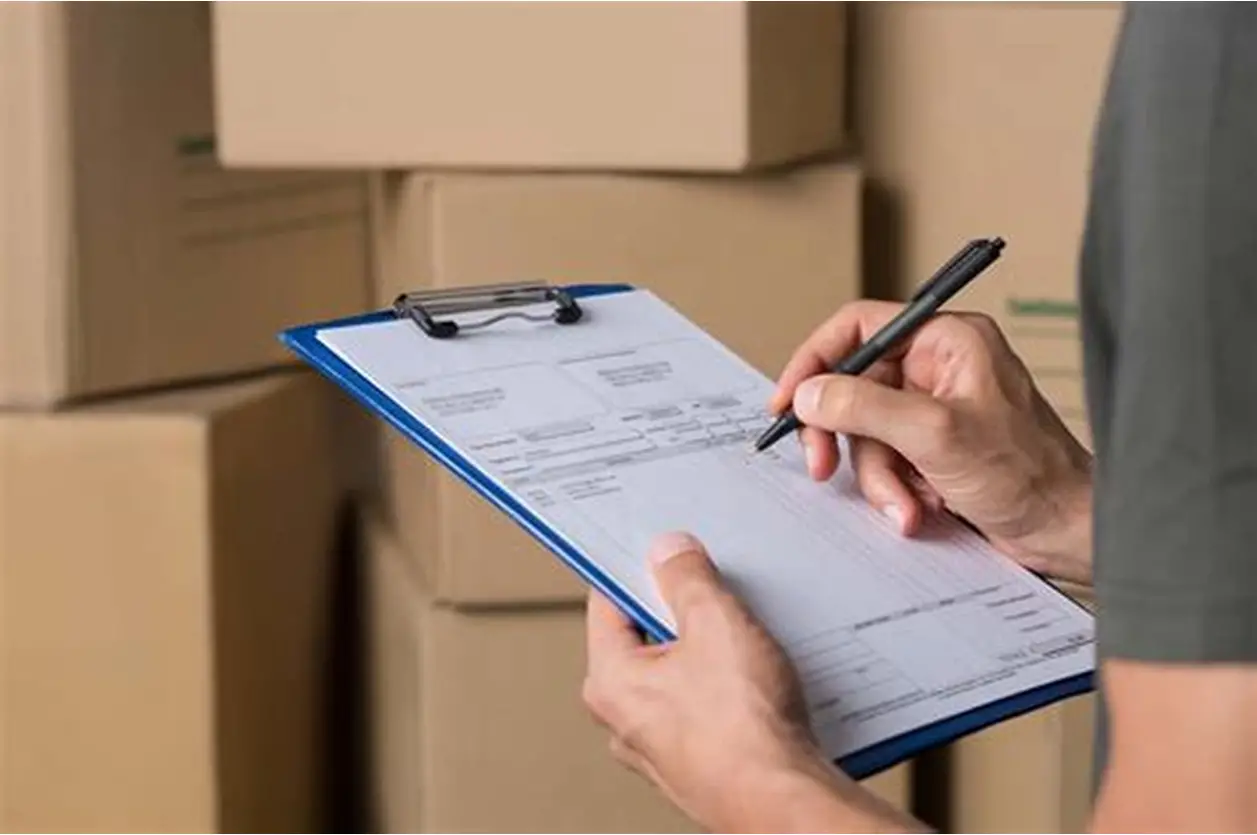
- Documentation and handling expenses
The smart importer calculates the full landed logistics cost, not just the ocean freight price.
Control Can Be an Advantage
For experienced importers, managing the destination side independently can provide flexibility.
You may already know which clearing agent works best for your business, which transporter offers reliable service, and how to move your cargo efficiently from the port to your warehouse.
In that situation, paying for services you already have covered may not make sense.
But Don't Underestimate the Responsibility
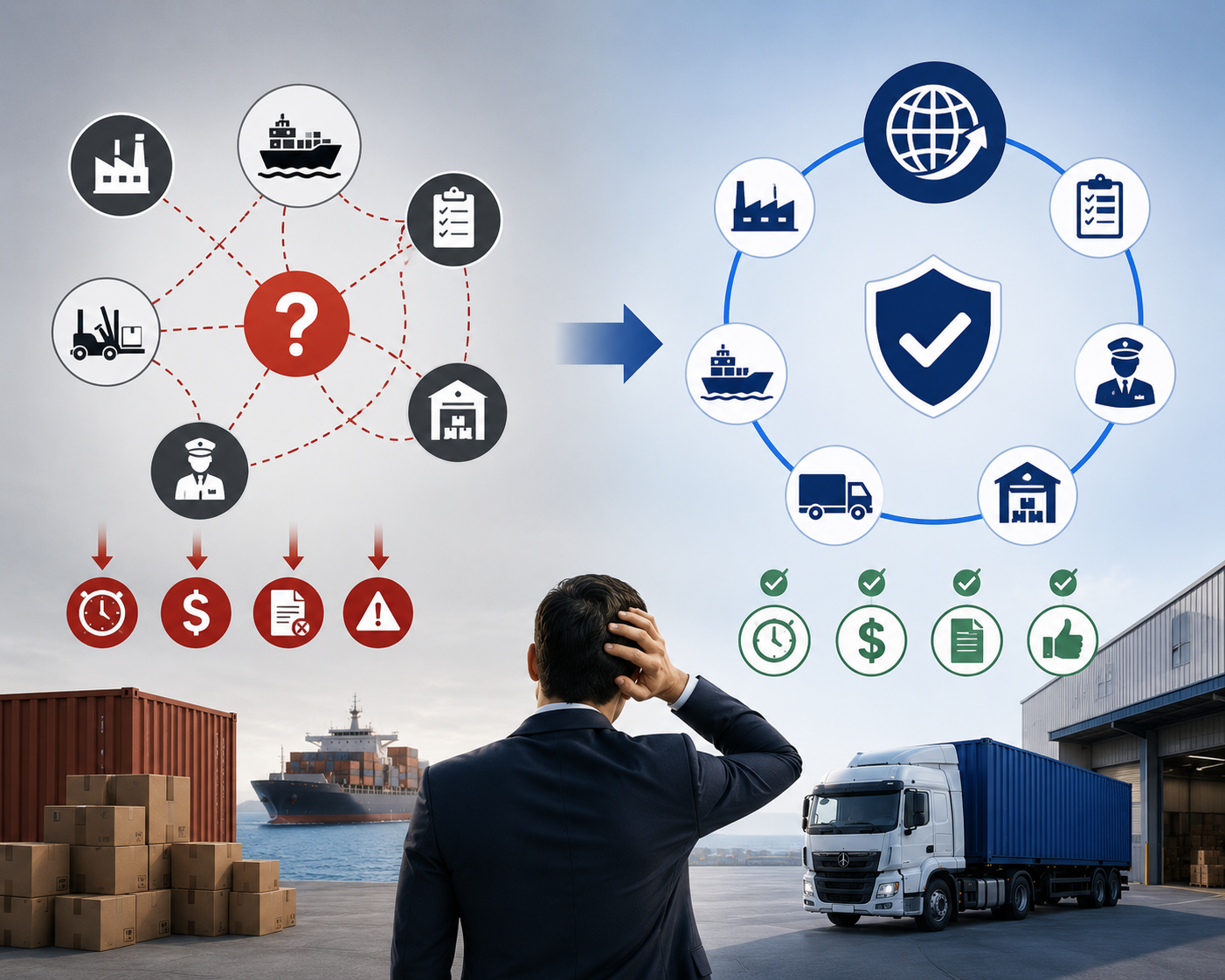
Port-to-port gives you more control—but it also gives you more responsibility.
If something goes wrong after your cargo arrives at the destination port, you're responsible for resolving it.
That's why port-to-port works best when your business has the experience, contacts, and systems to manage the process effectively.
🚀 The KFM Perspective
At KFM, we don't believe every importer needs the same shipping solution.
For an experienced business with established destination-side support, port-to-port may be the smarter option.
For another business, door-to-door may provide much better overall value.
The goal is to choose the model that fits your operation, your budget, and your level of logistics control.
Coming Up in Post 4
Next, we'll tackle the question every importer wants answered: Which option actually costs less—door-to-door or port-to-port?
We'll look beyond the initial freight quote and uncover the costs that are easy to overlook.
More control can mean more savings—but only when you have the capacity to manage it.