The Price You Pay Isn't Always the Cost You Bear
You find a supplier overseas.
The product looks affordable. The supplier gives you a good price, and you think:
"This is a great deal!"
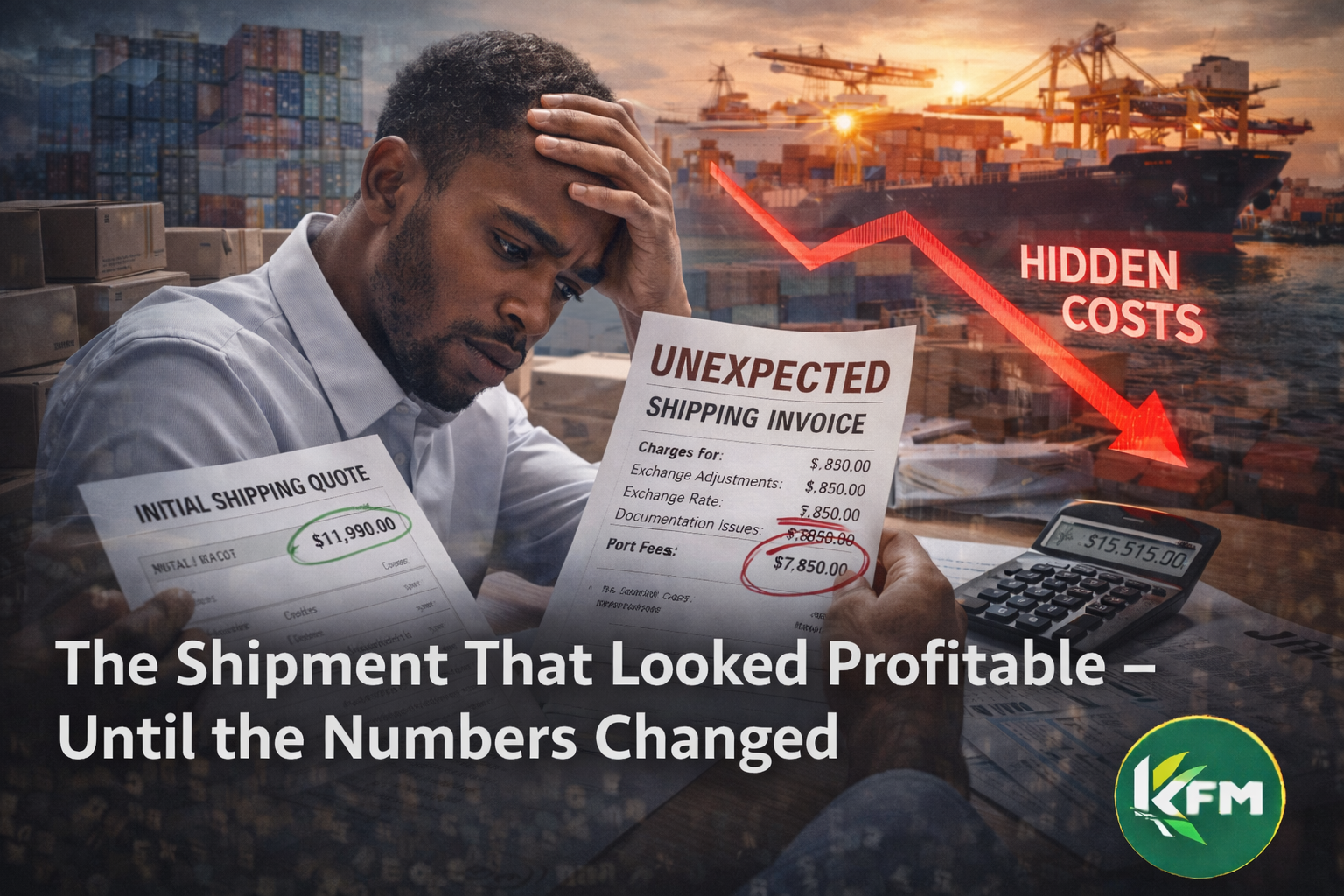
Then the shipment arrives in Nigeria... and suddenly, the numbers look very different.
What happened?
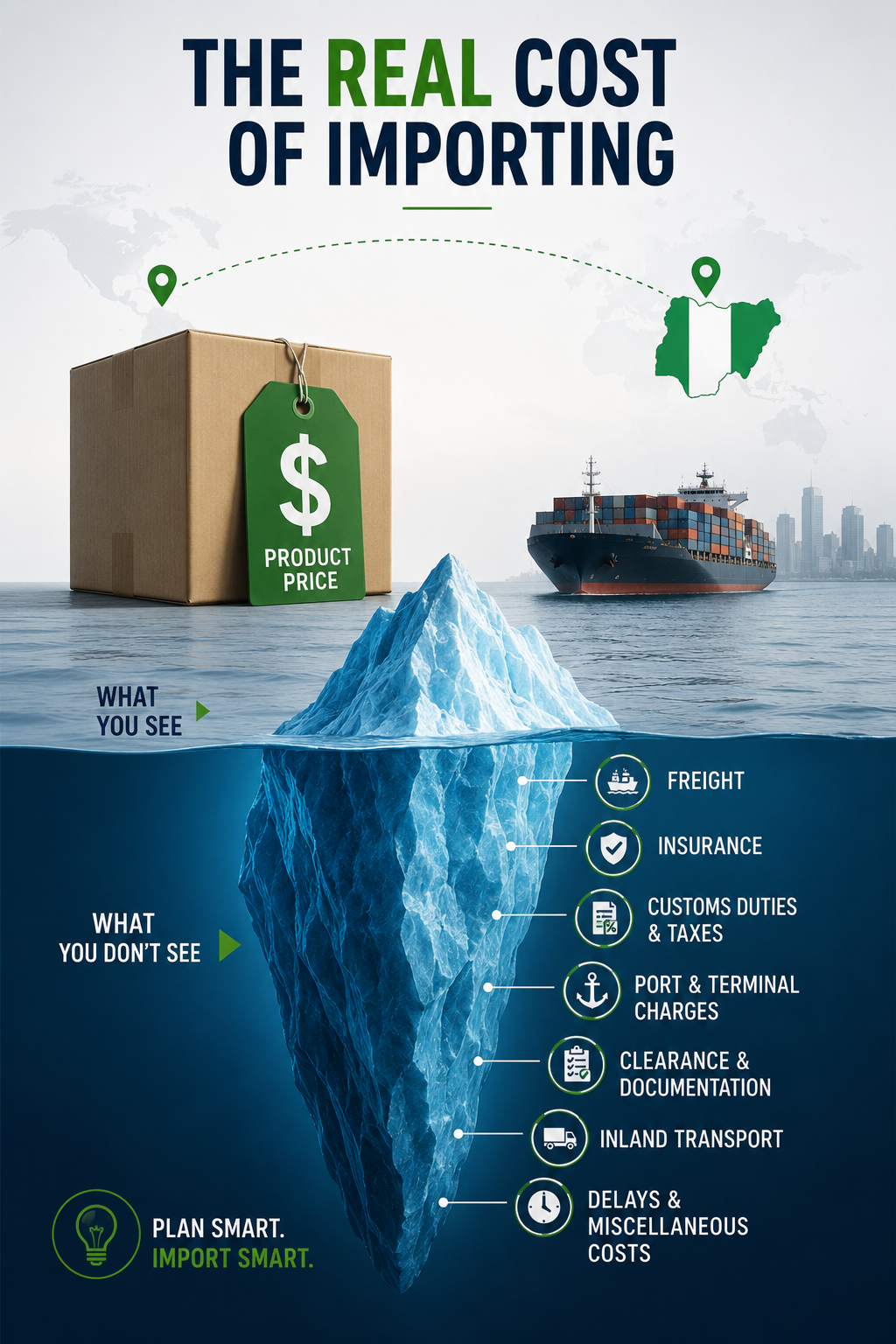
The answer is simple: the purchase price is only one part of the real cost of importing.
The Cost Goes Beyond the Supplier's Price
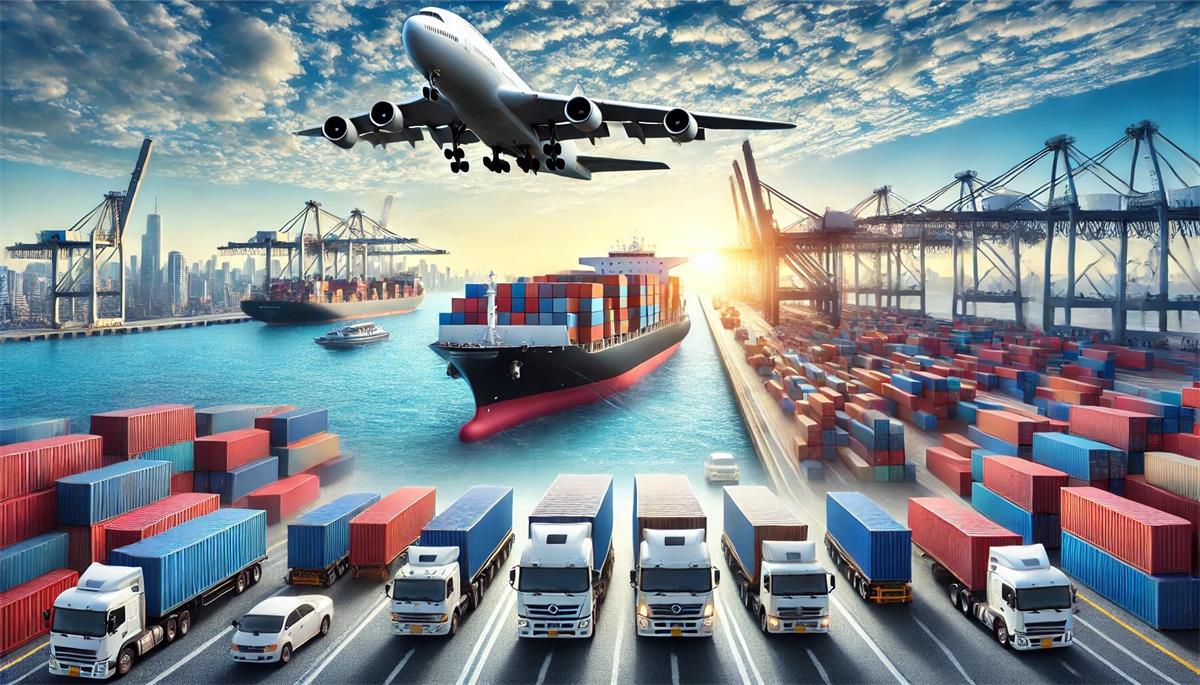
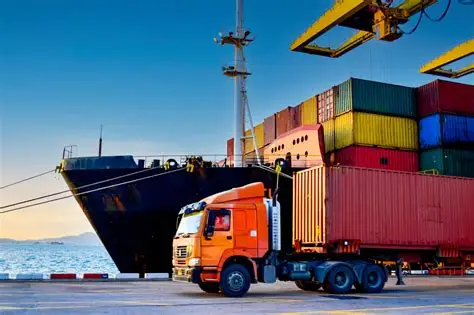
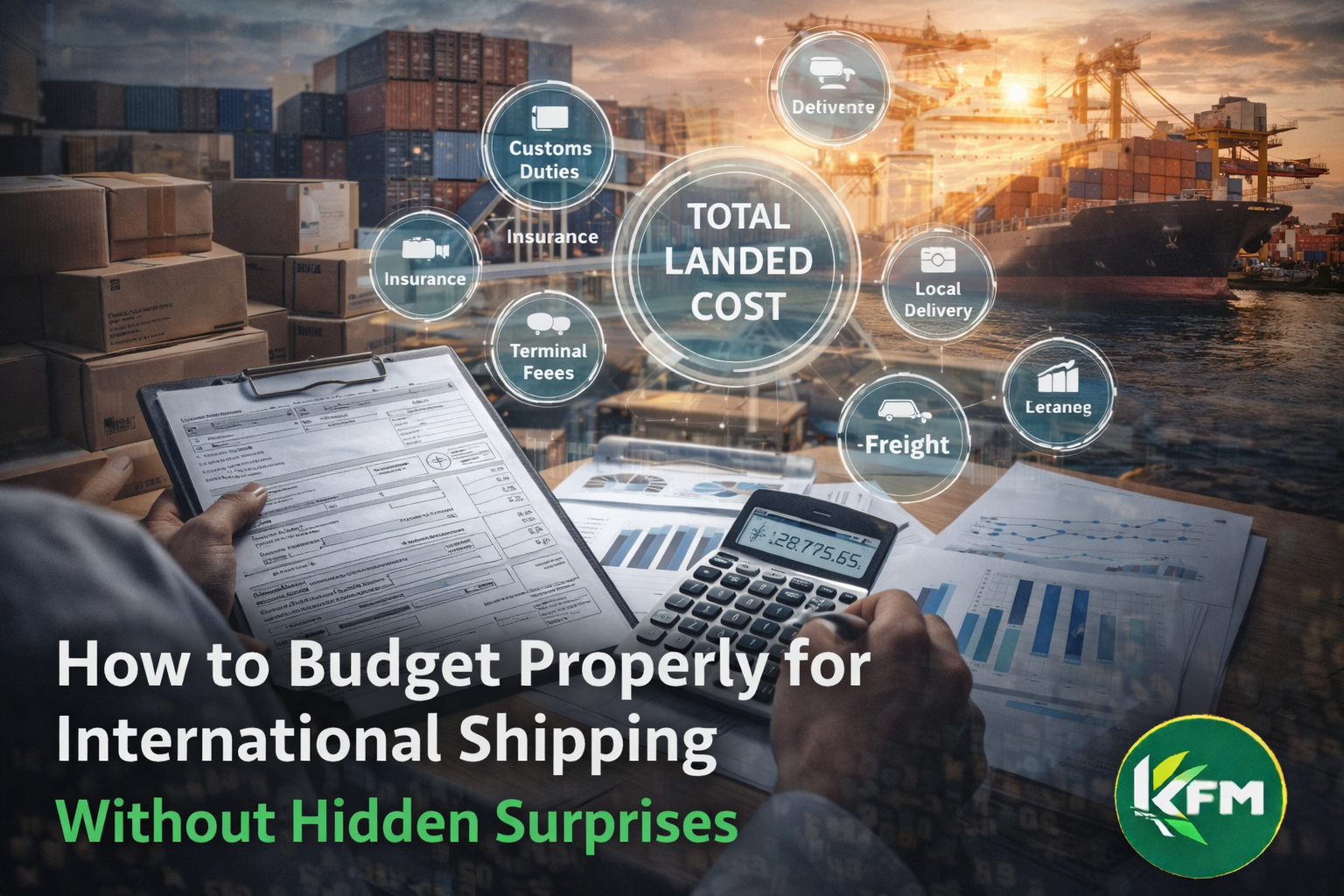
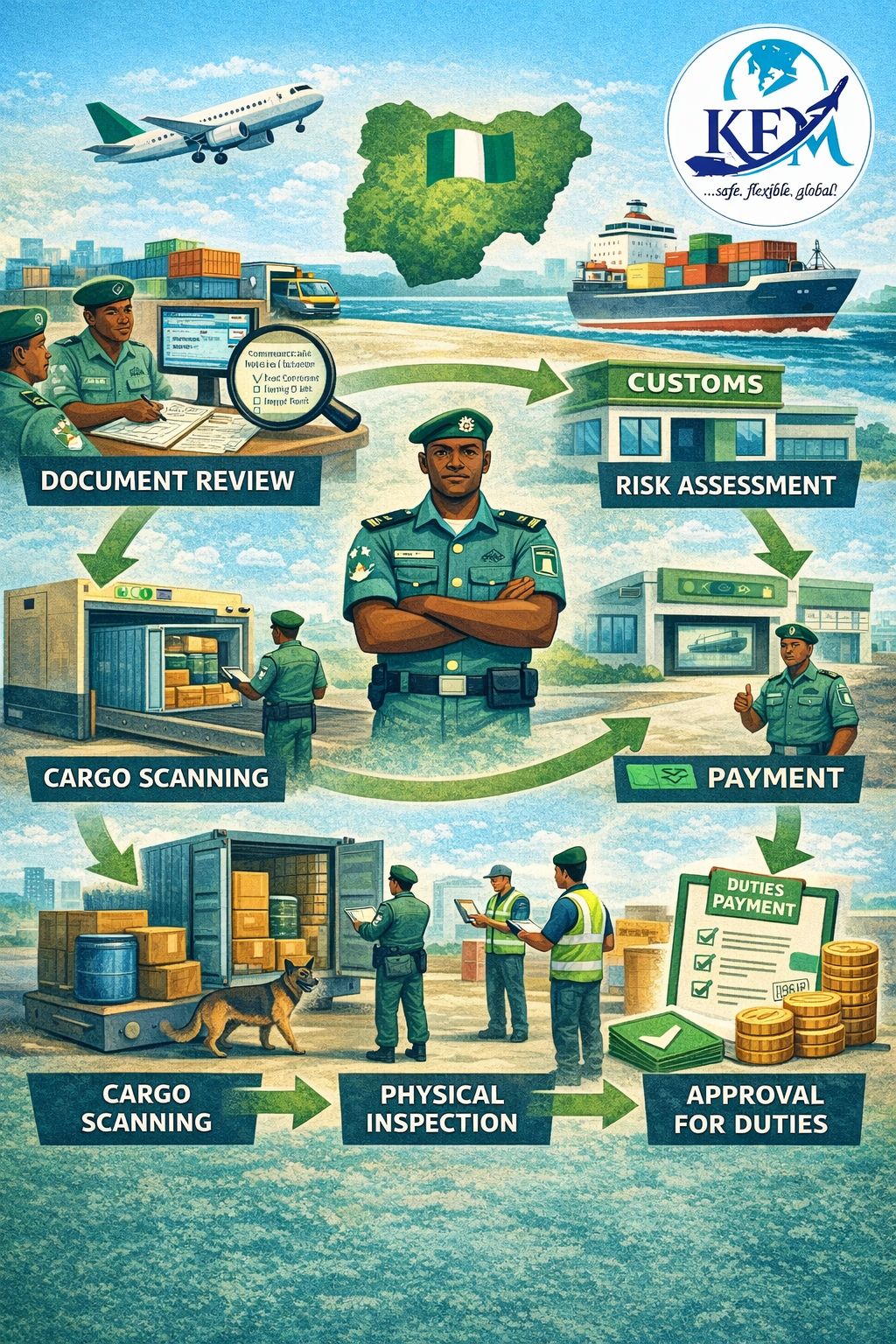
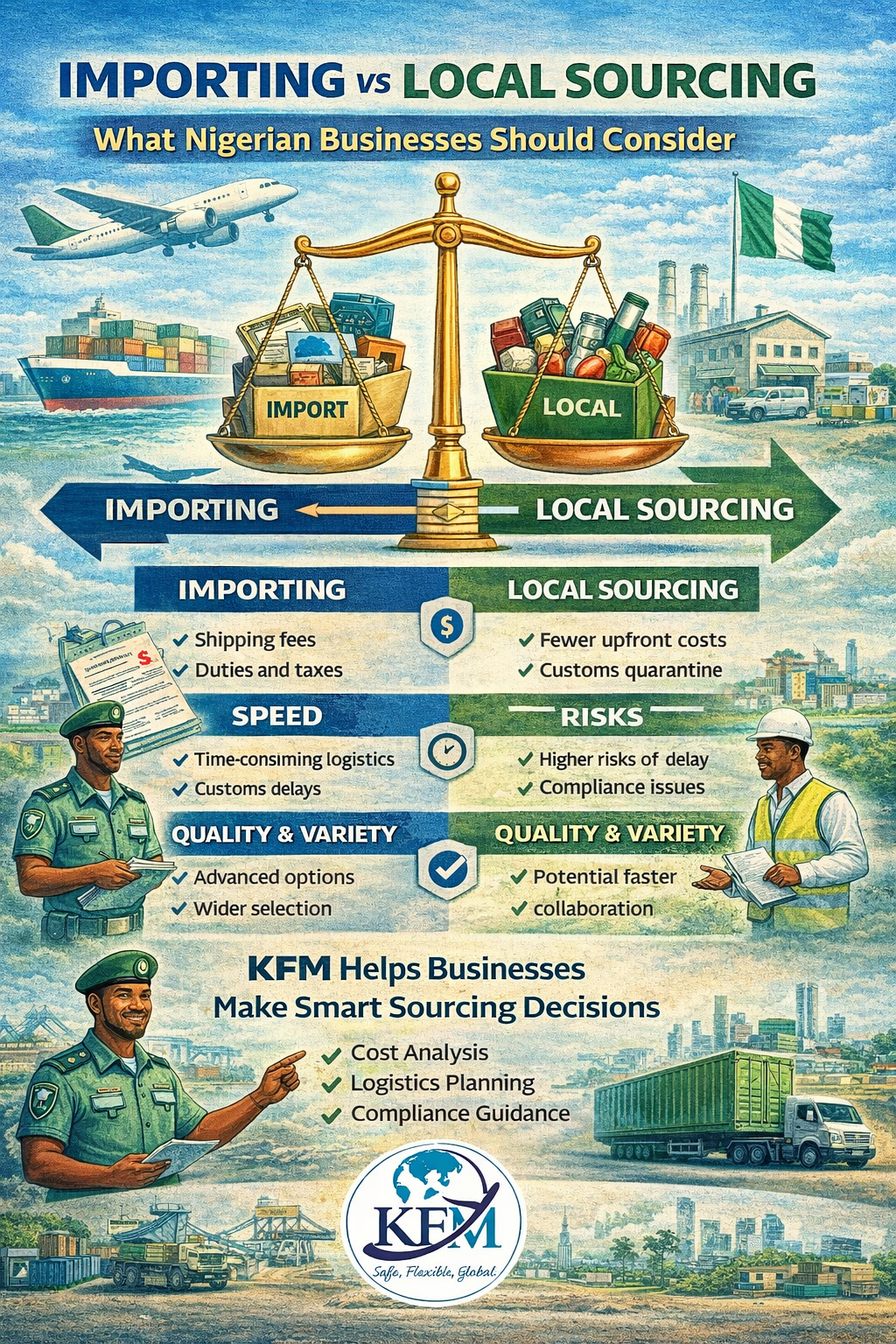
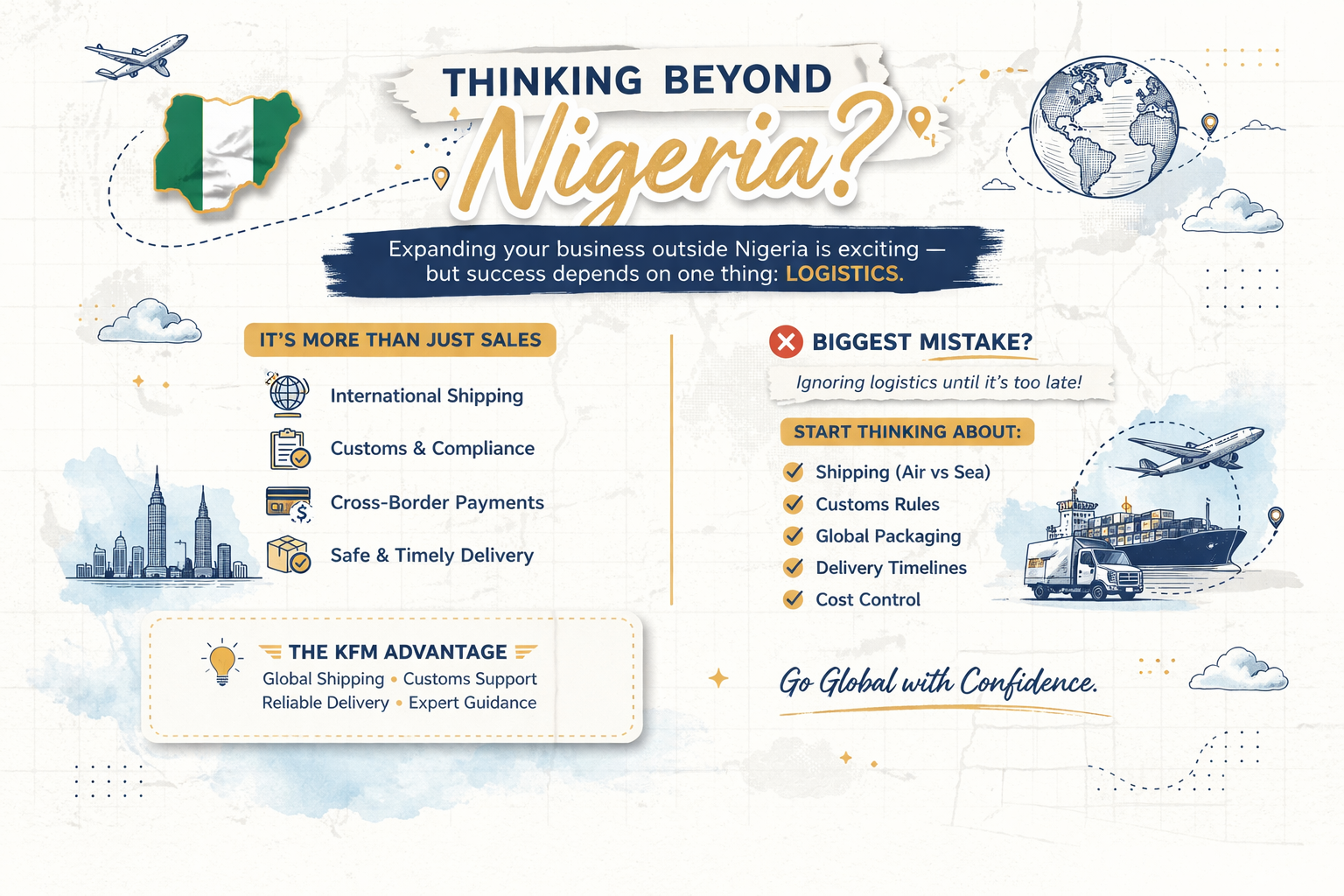
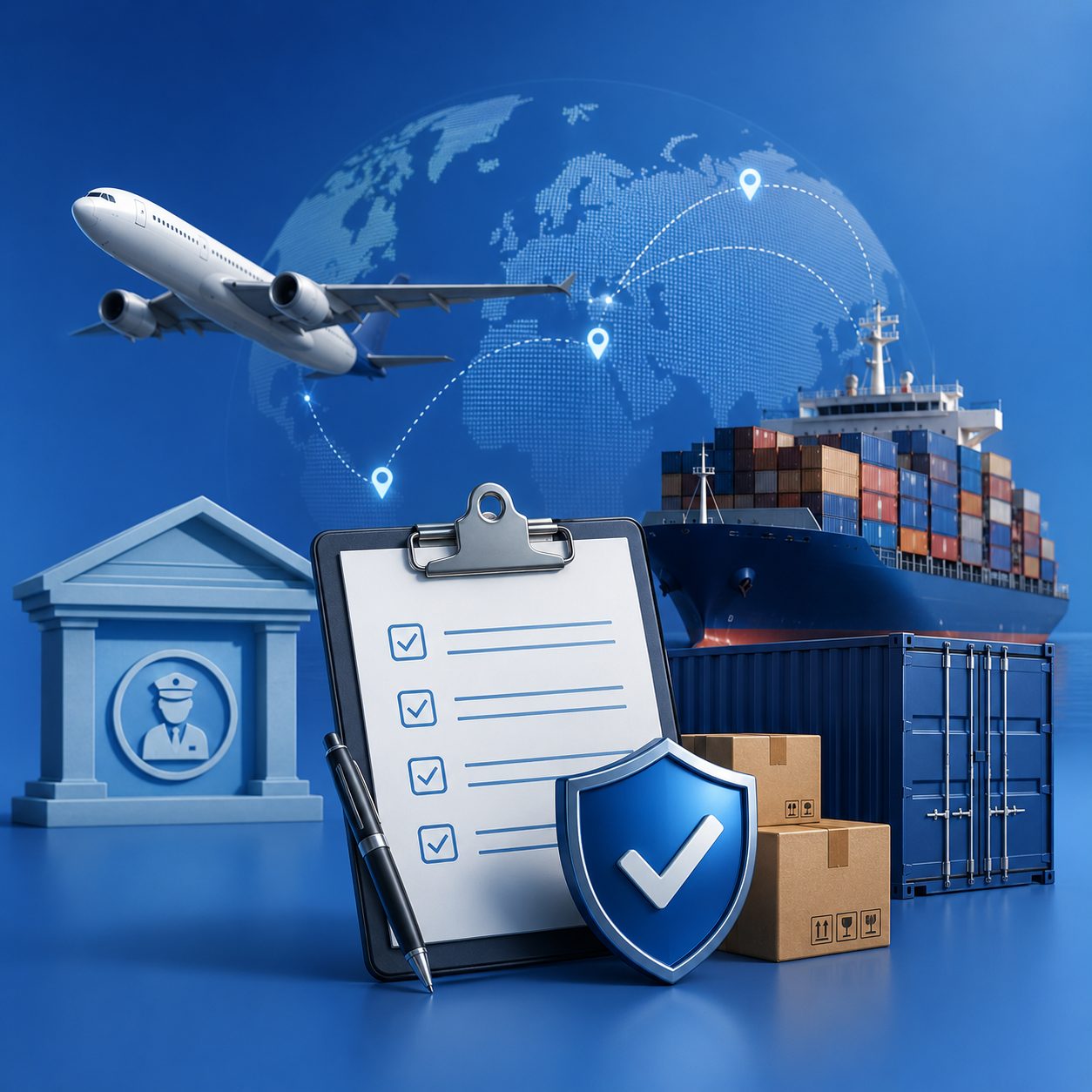
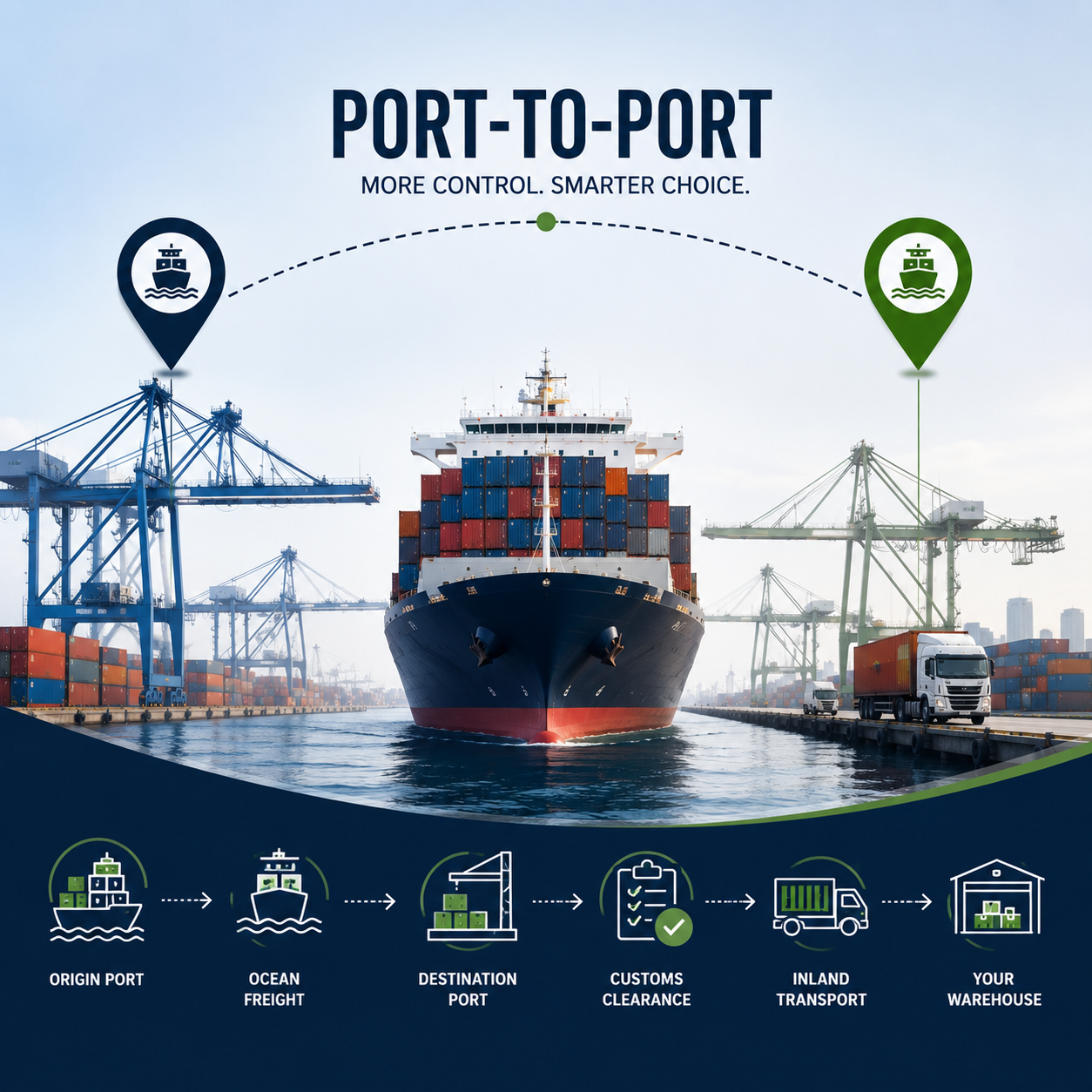
When importing goods into Nigeria, several costs can come into play before those goods reach your warehouse, shop, or customer.
Depending on the shipment, these may include:
- Product purchase cost
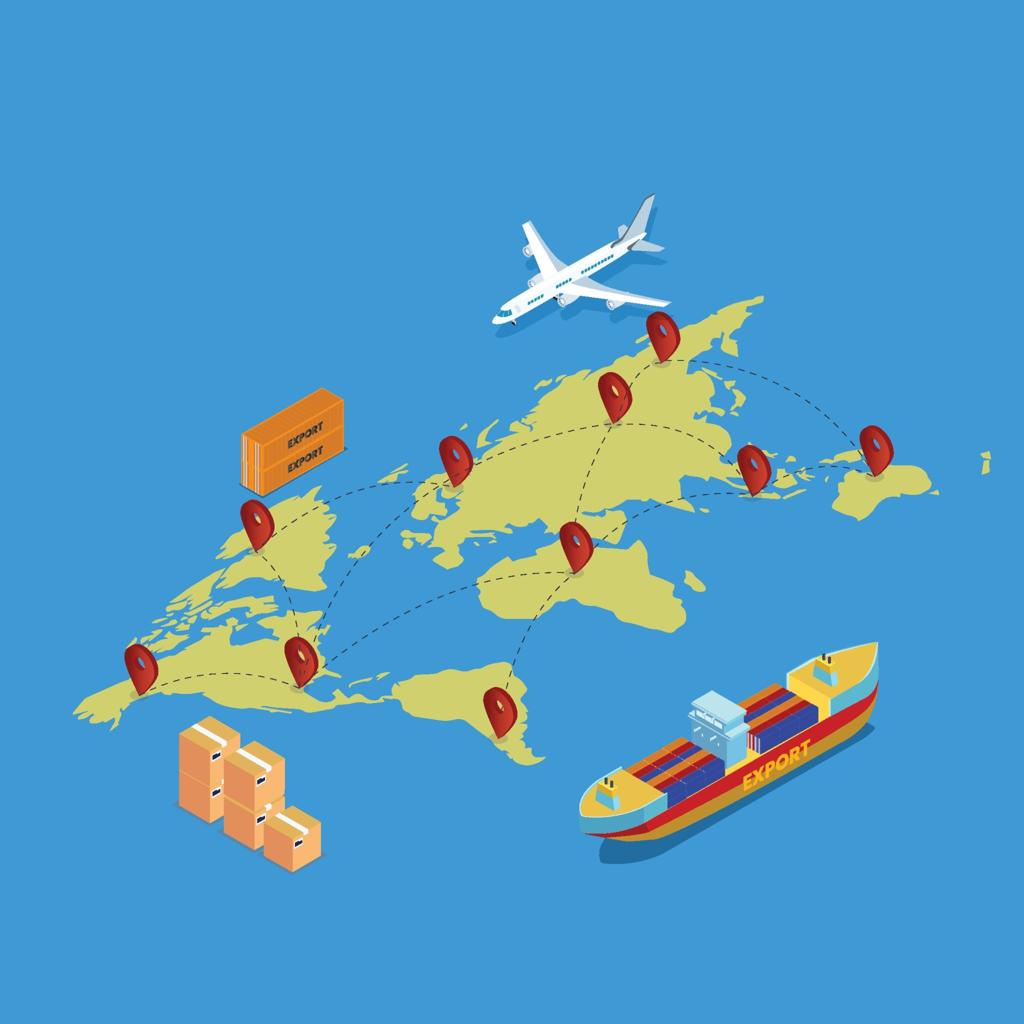
- International freight
- Insurance, where applicable
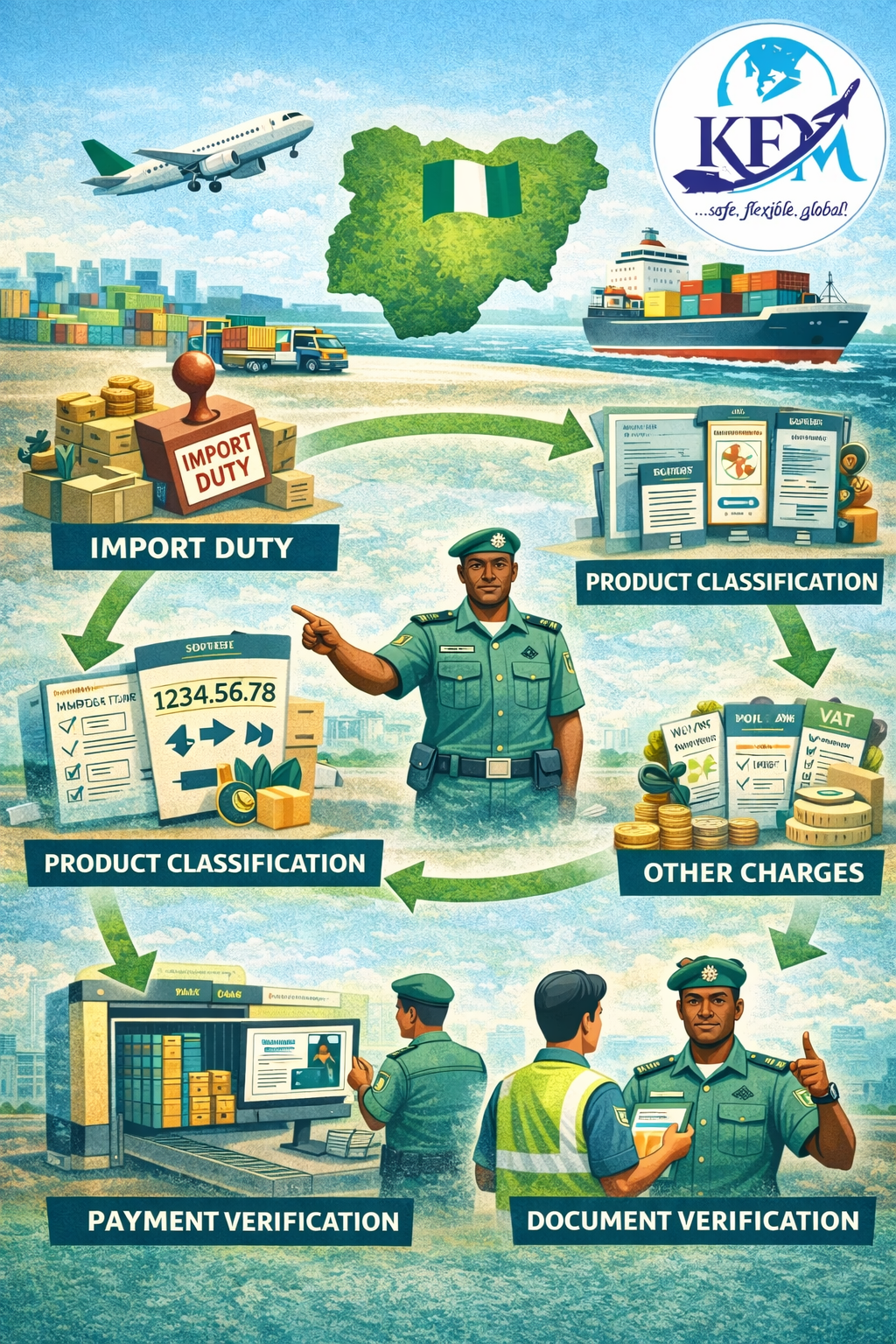
- Customs duties and applicable taxes
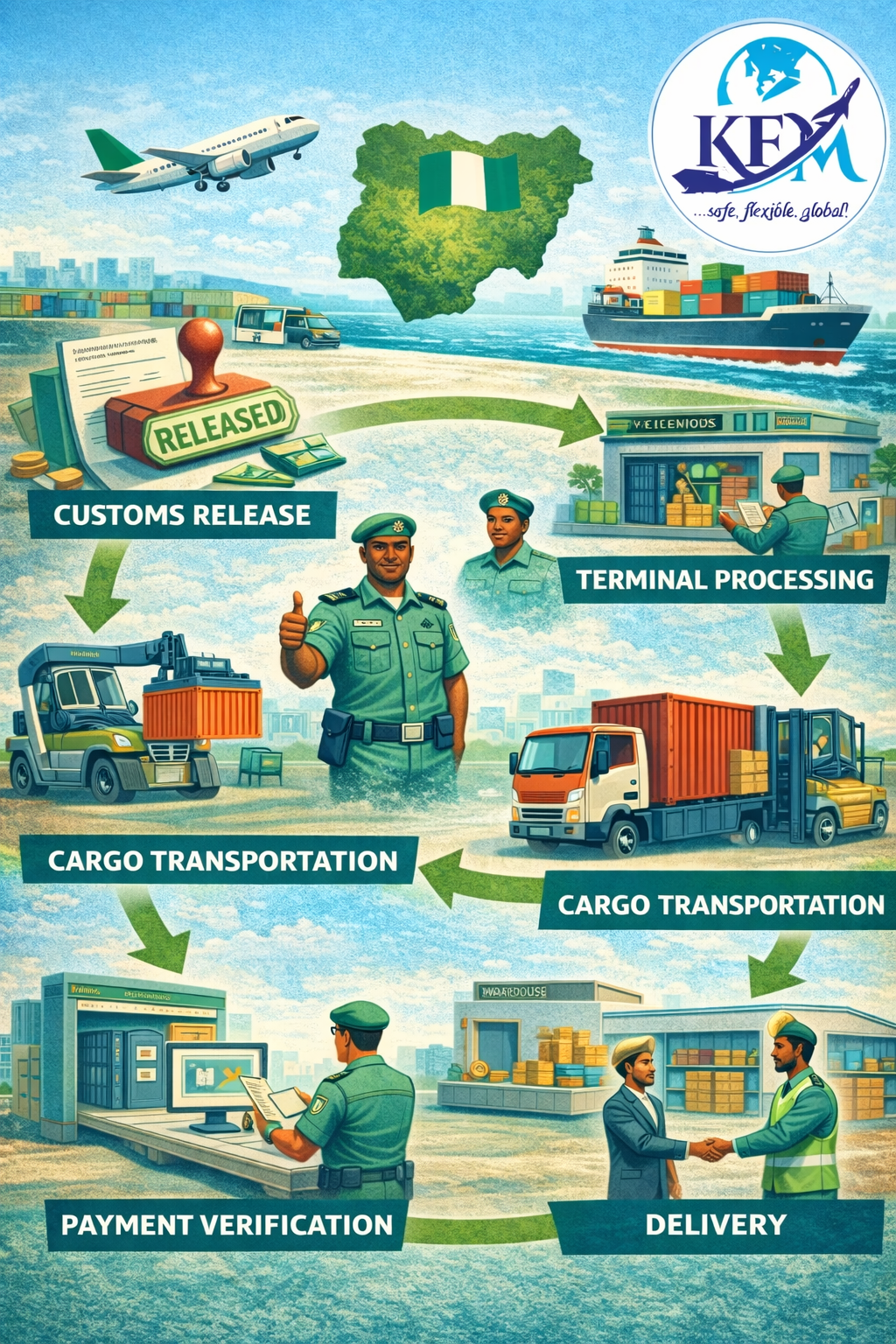
- Port and terminal-related charges
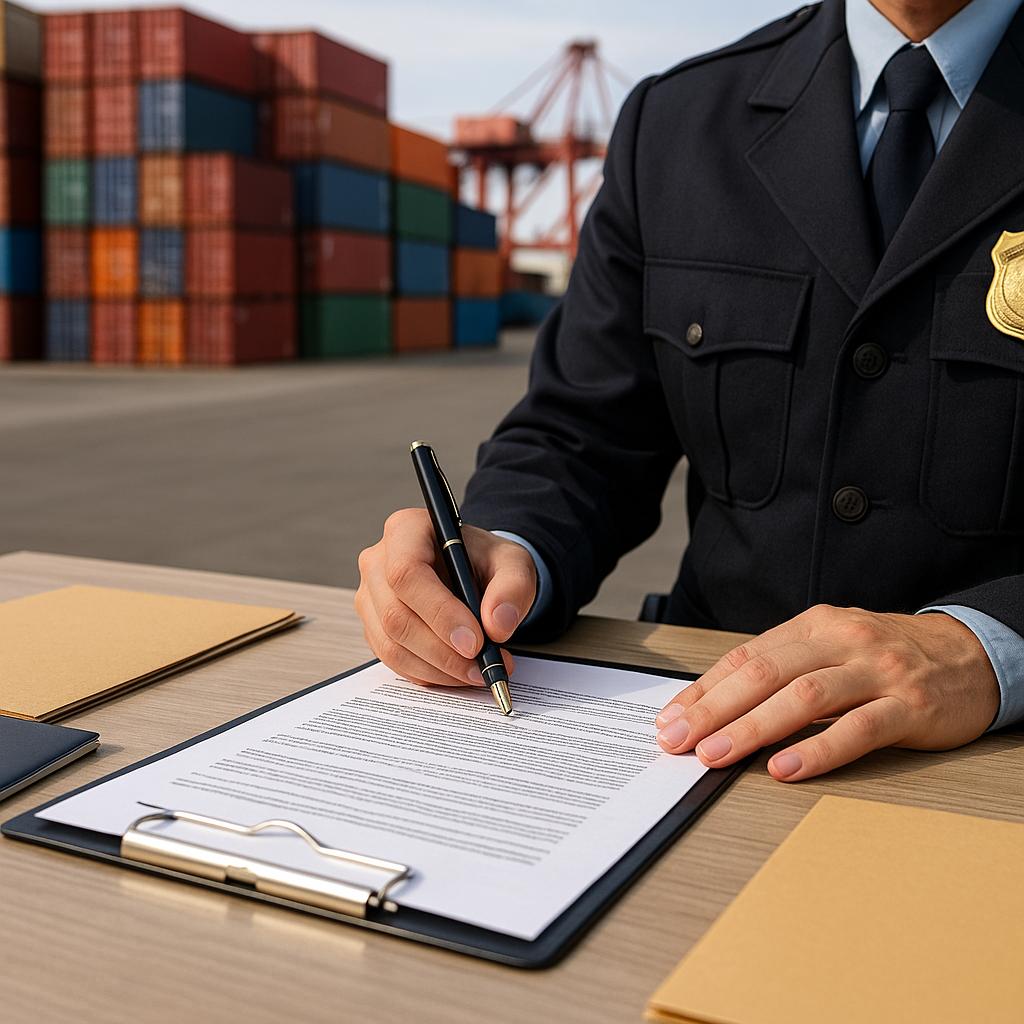
- Customs clearance and documentation
- Inland transportation
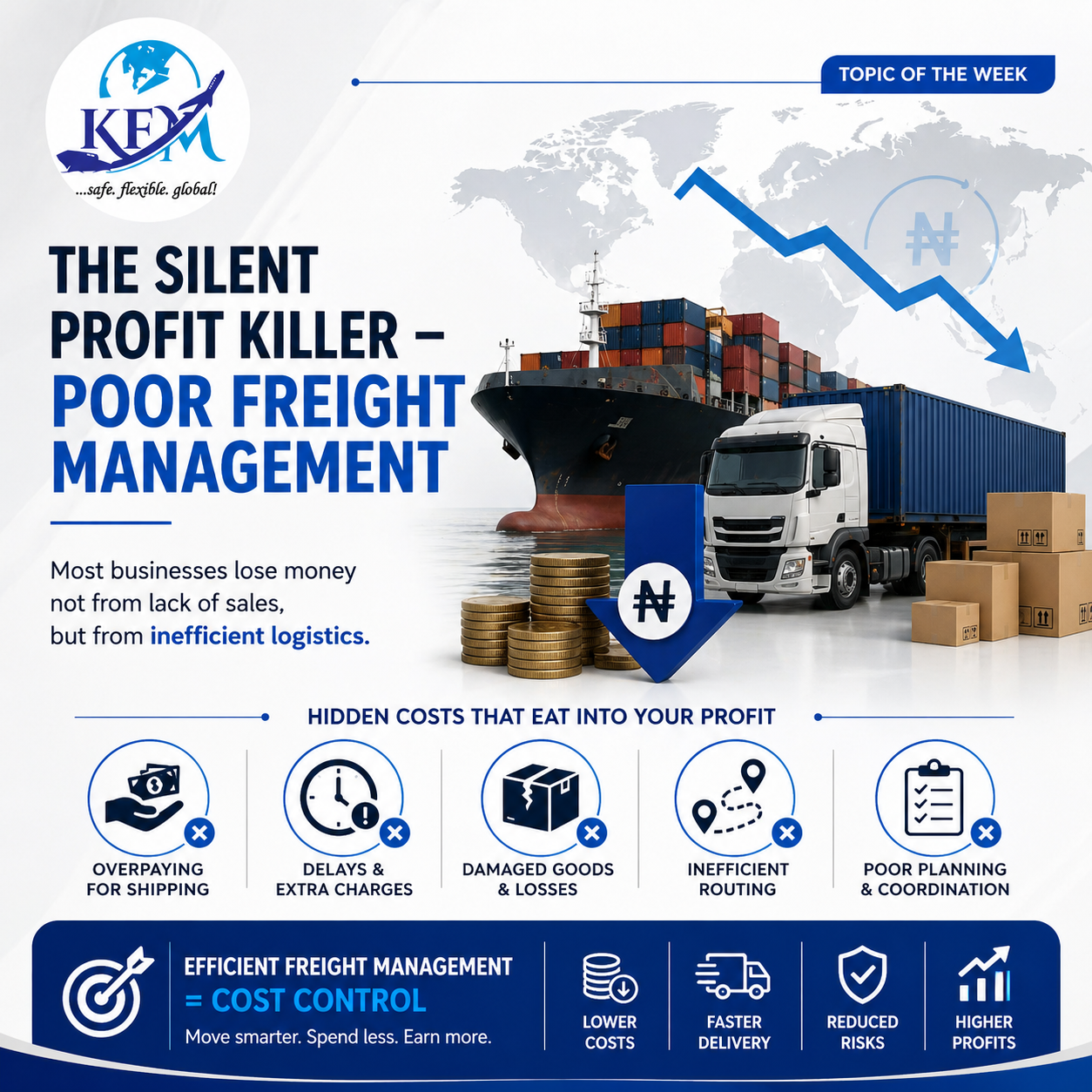
- Storage and possible delay-related charges
And that's before you consider the cost of your own time, coordination, and unexpected problems.
A Cheap Product Can Become an Expensive Import
Imagine buying a product overseas at a very attractive price.
If you only compare the supplier's price with what similar products sell for in Nigeria, the opportunity may look extremely profitable.
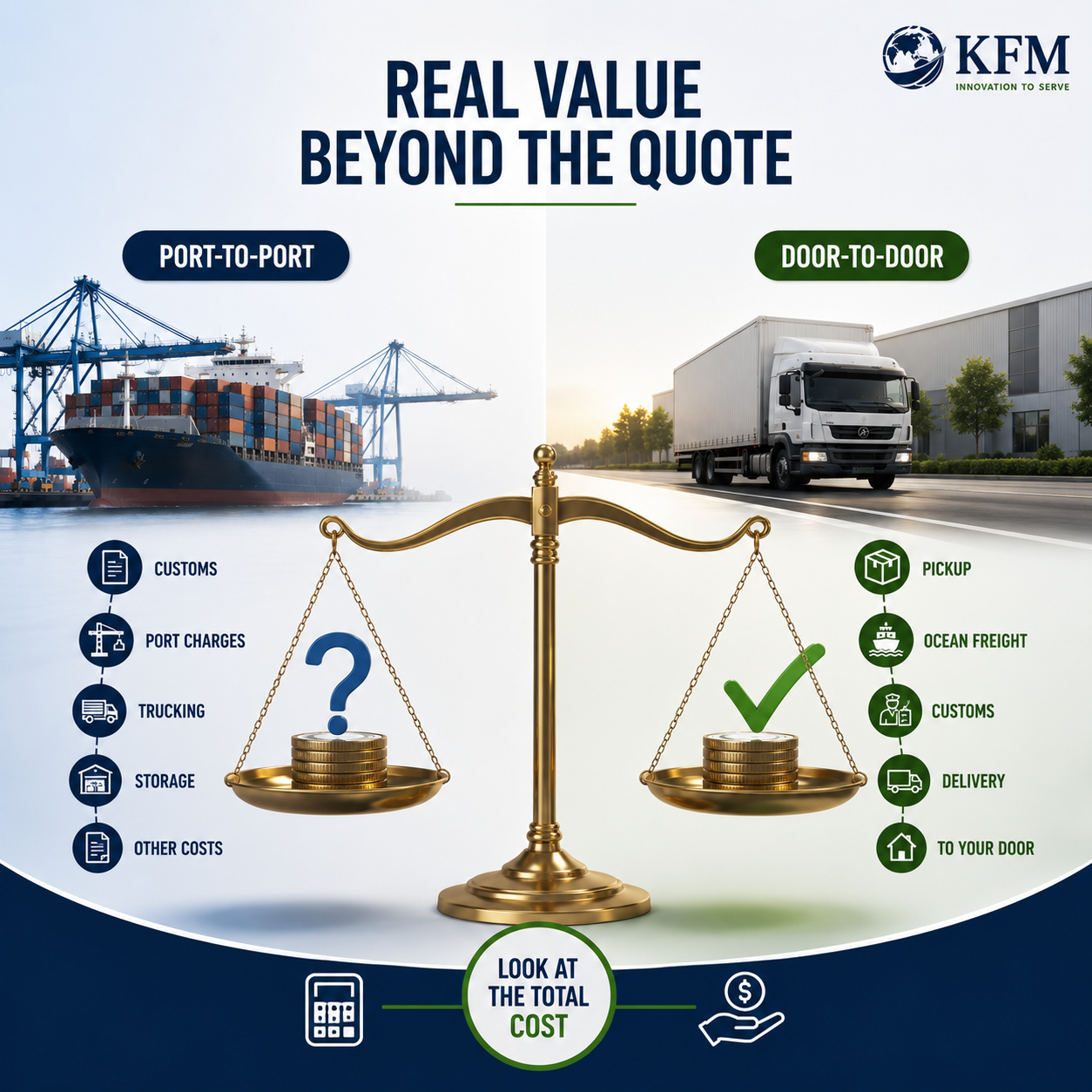
But if you don't calculate the complete landed cost, your expected profit can disappear quickly.
That's why smart importers calculate the cost of getting the goods all the way to their intended destination—not just the cost of buying them.
Where Importers Often Get Caught Out
Some costs are easy to anticipate.
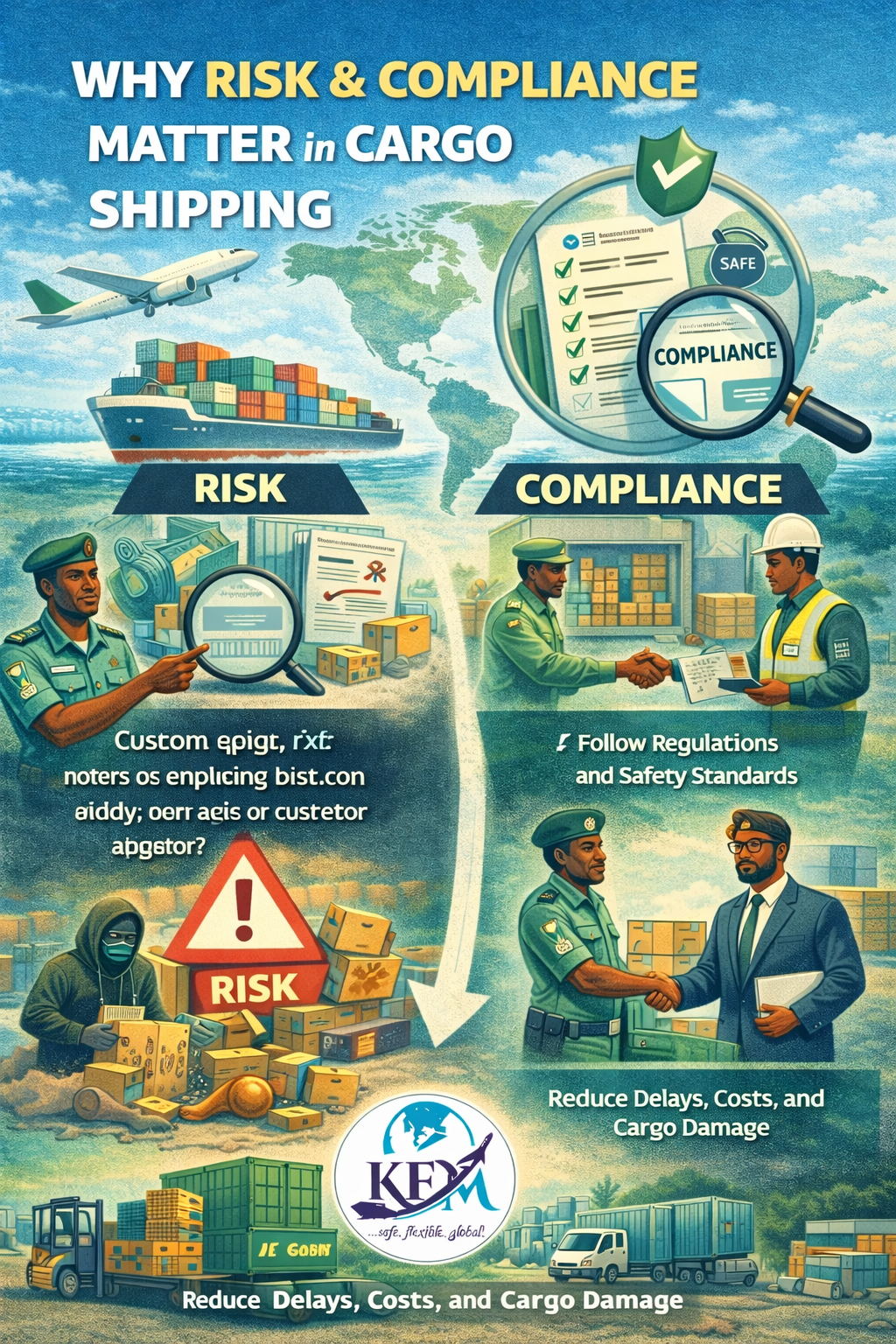
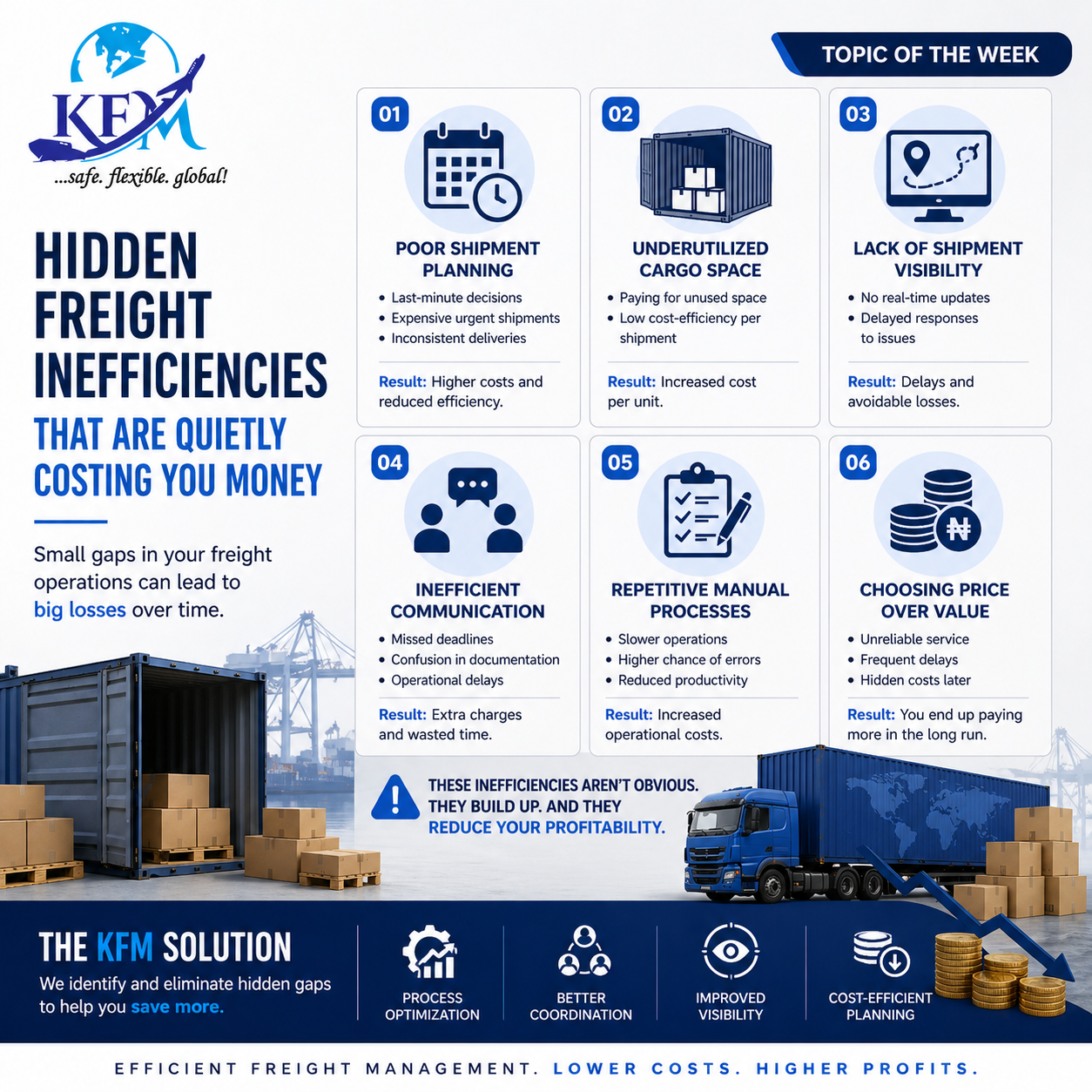
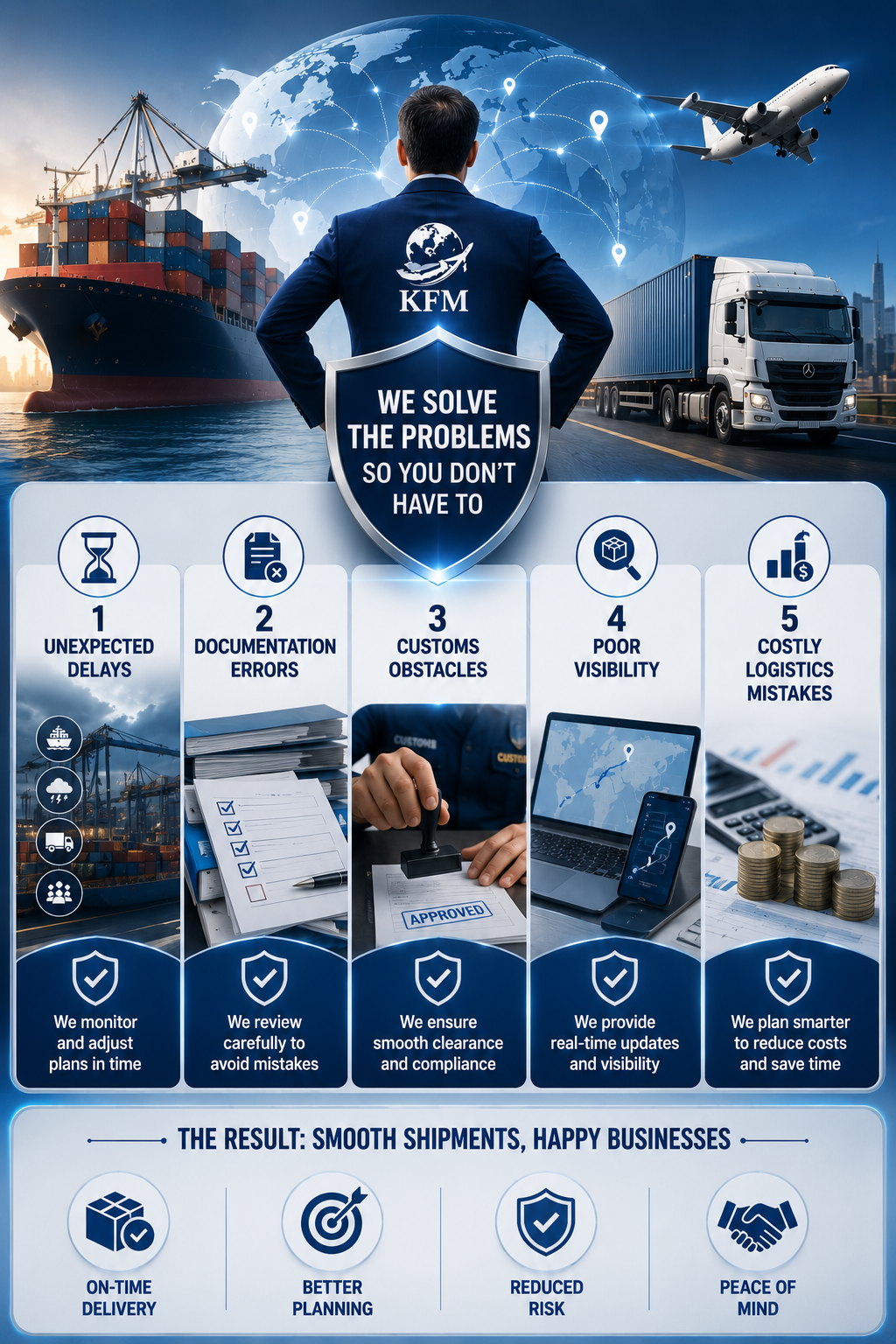
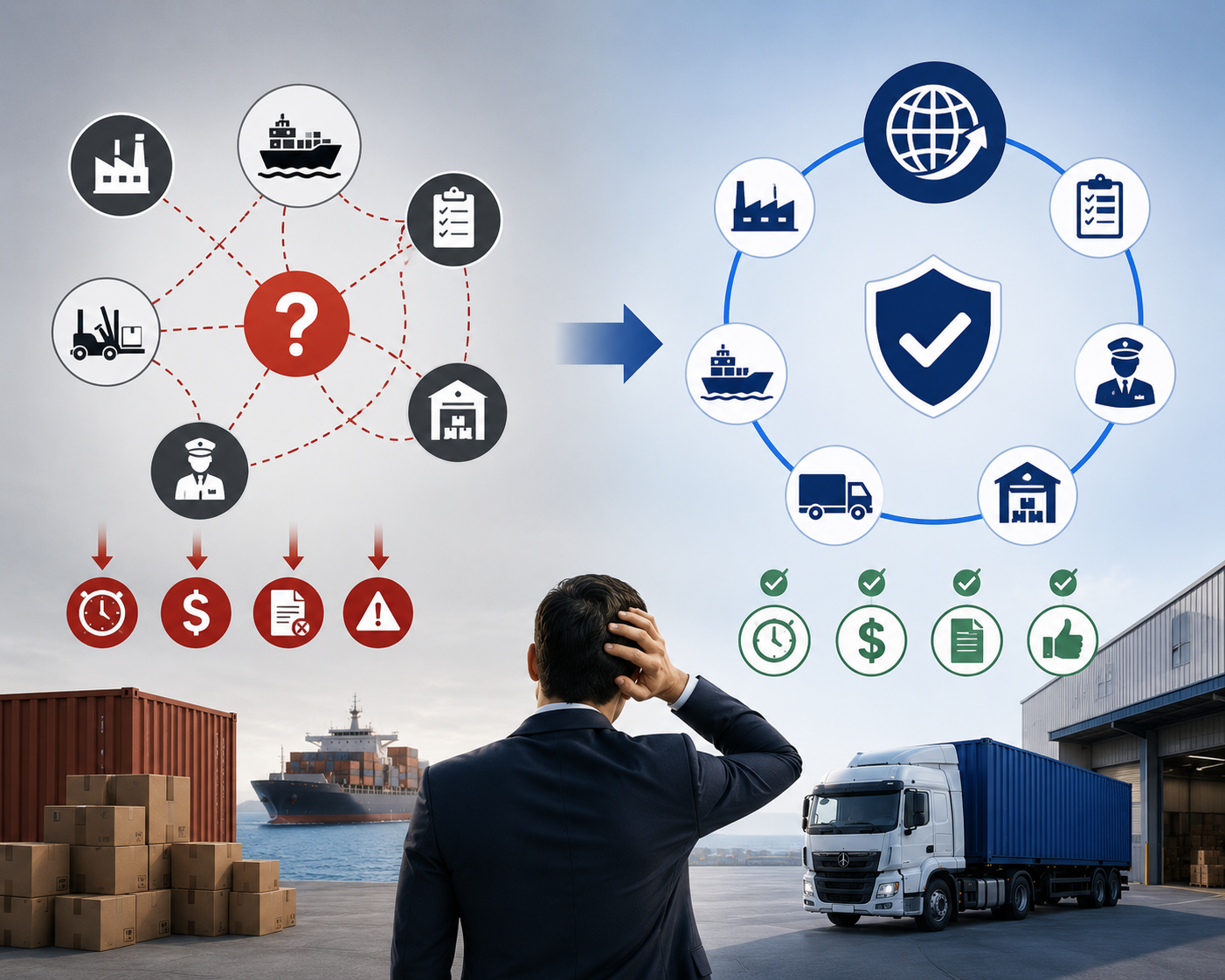
Others can arise from mistakes, delays, incomplete documentation, poor planning, or unexpected changes during the shipment process.
A delay at the wrong point in the supply chain can create additional expenses and disrupt your business operations.
This is why importing isn't simply about finding a cheap supplier.
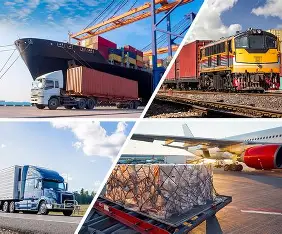
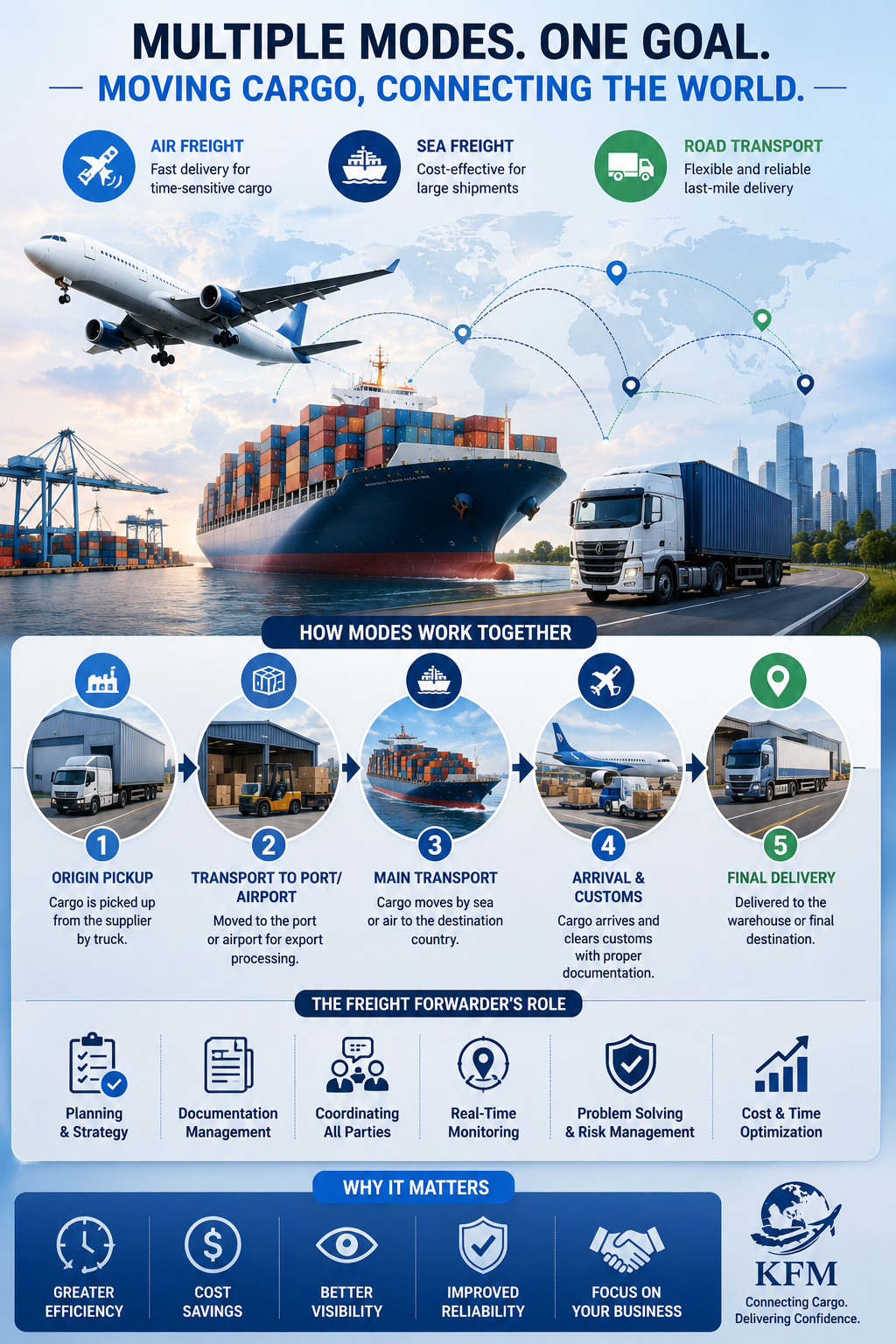
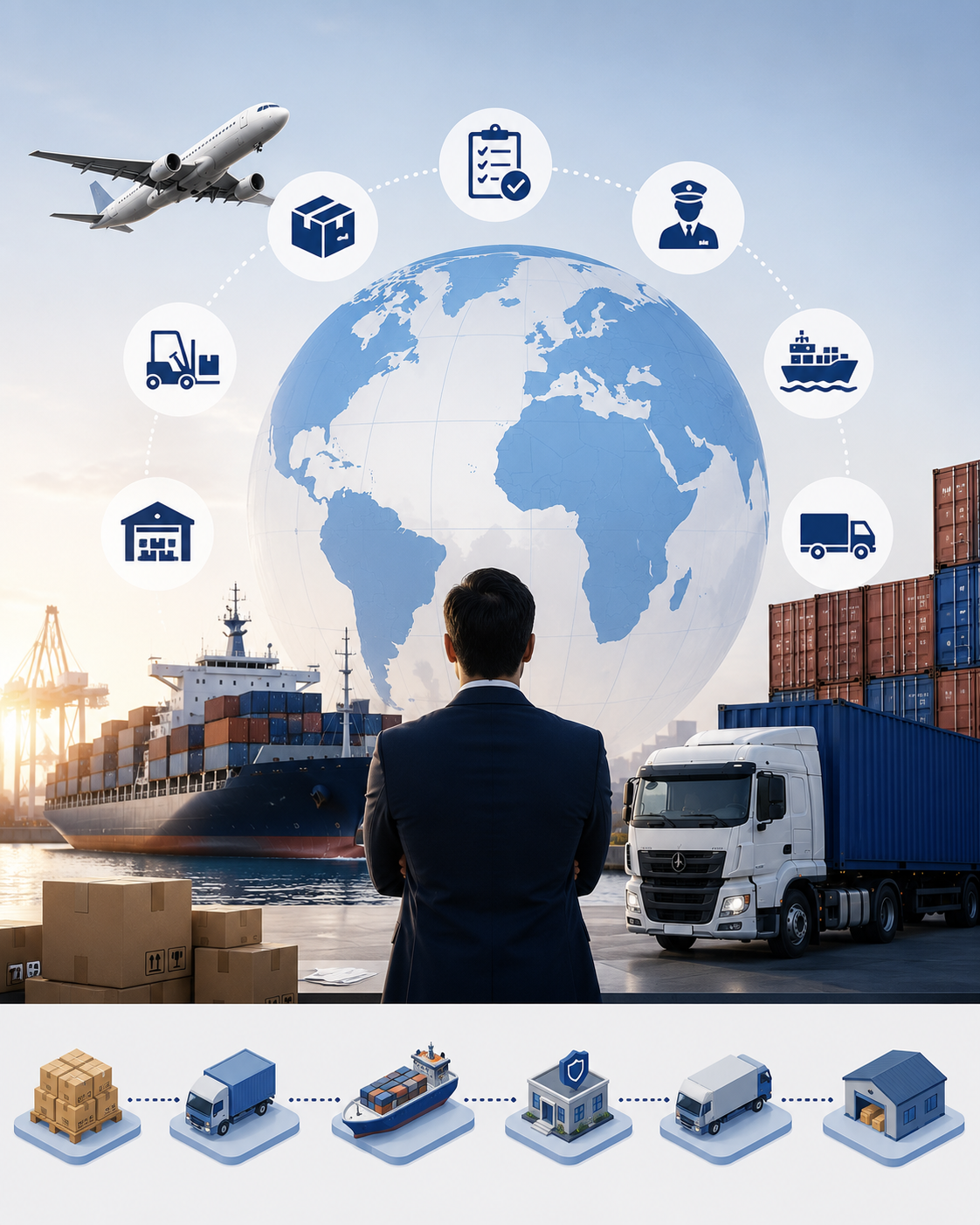
It's about managing the entire logistics journey.
Think in Terms of Landed Cost
Before placing your next import order, ask:
- How much will the goods cost?
- How much will it cost to transport them?
- What duties, taxes, and applicable charges should I account for?
- What will clearance and destination handling cost?
- How much will it cost to get the goods from the port to my final destination?
Once you have a realistic picture of the total landed cost, you can make better decisions about pricing, margins, order quantities, and whether the import makes financial sense at all.
At KFM, we believe successful importing starts long before your cargo reaches the port.
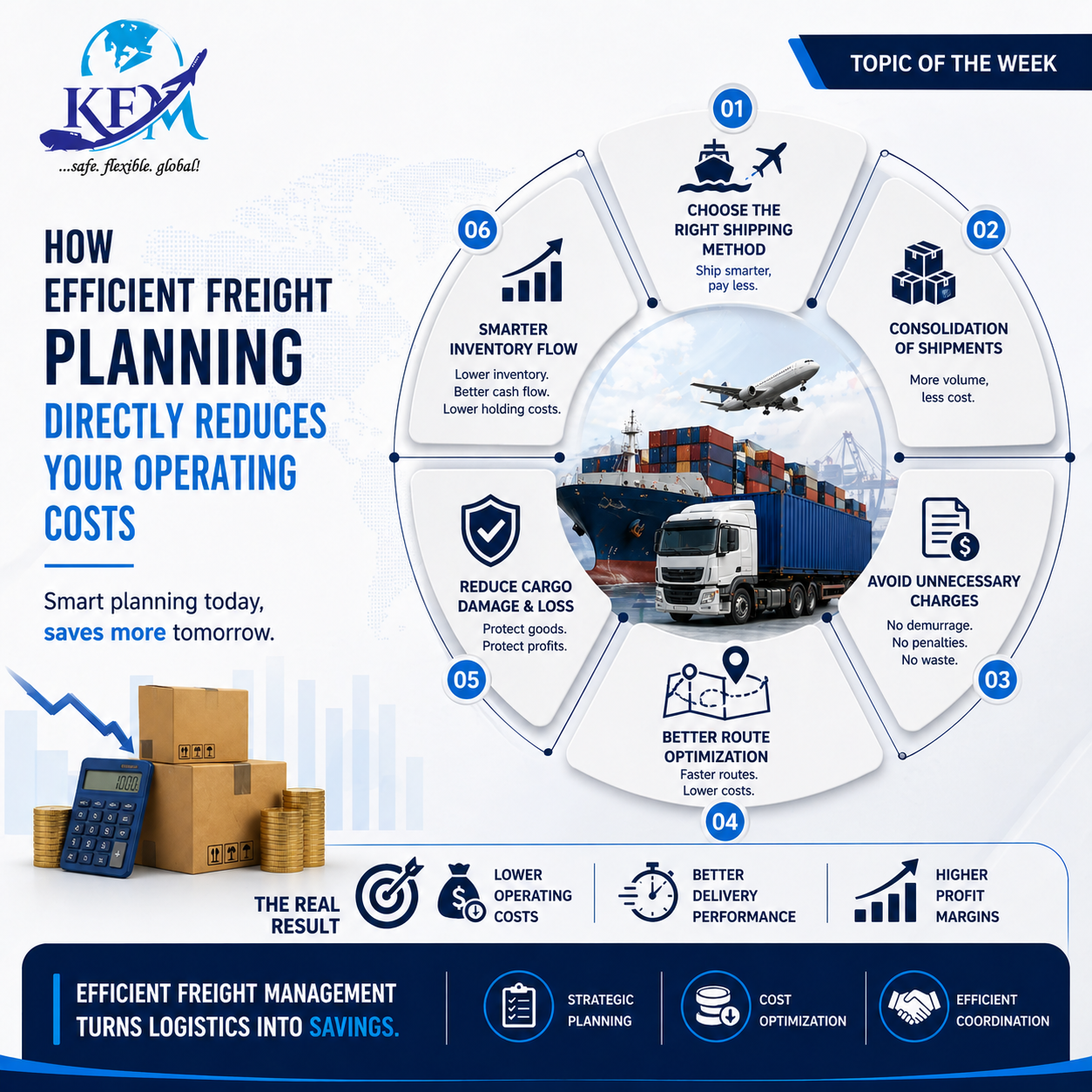
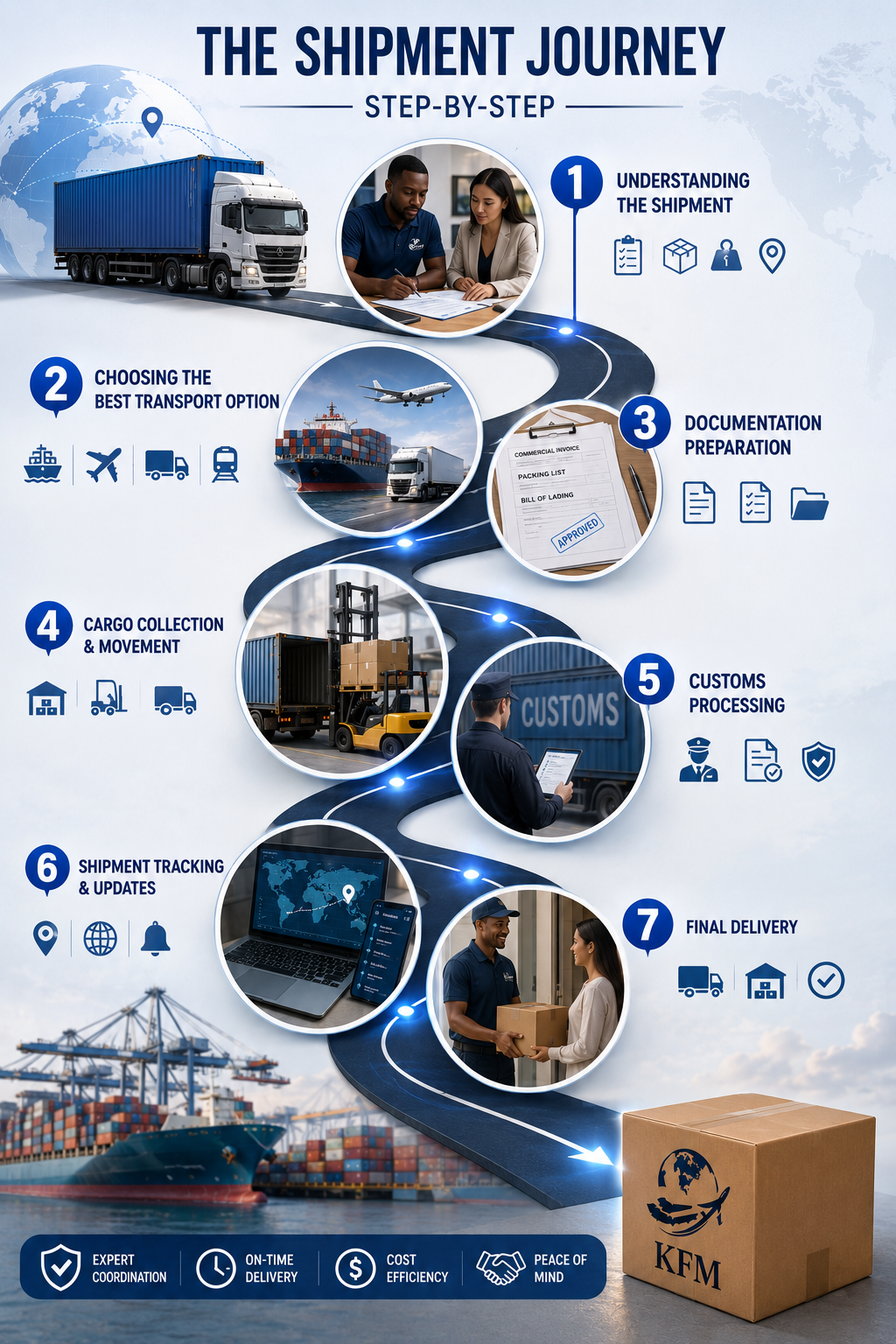
Proper planning, documentation, freight coordination, customs support, and destination logistics can help businesses avoid unnecessary surprises and make more informed import decisions.
Our goal is not simply to move your goods. It's to help you understand and manage the journey.
Coming Up in Post 2
Next, we'll break down one of the biggest parts of the import equation: freight, customs duties, taxes, and the costs that can quietly increase your landed cost.
Don't ask only, "How much does the product cost?" Ask, "How much will it cost me to get it here?"