If you run a business in Nigeria, one question will always come up: “Should I import this product or source it locally?”
At first glance, the answer may seem simple — import if it’s cheaper, buy locally if it’s faster. But in reality, the decision is far more strategic.
At KFM, we’ve seen businesses succeed (and struggle) based on this one choice. Let’s break it down in a simple and practical way.
Understanding the Two Options
Before choosing, it’s important to clearly understand what each option involves.
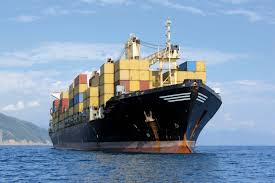
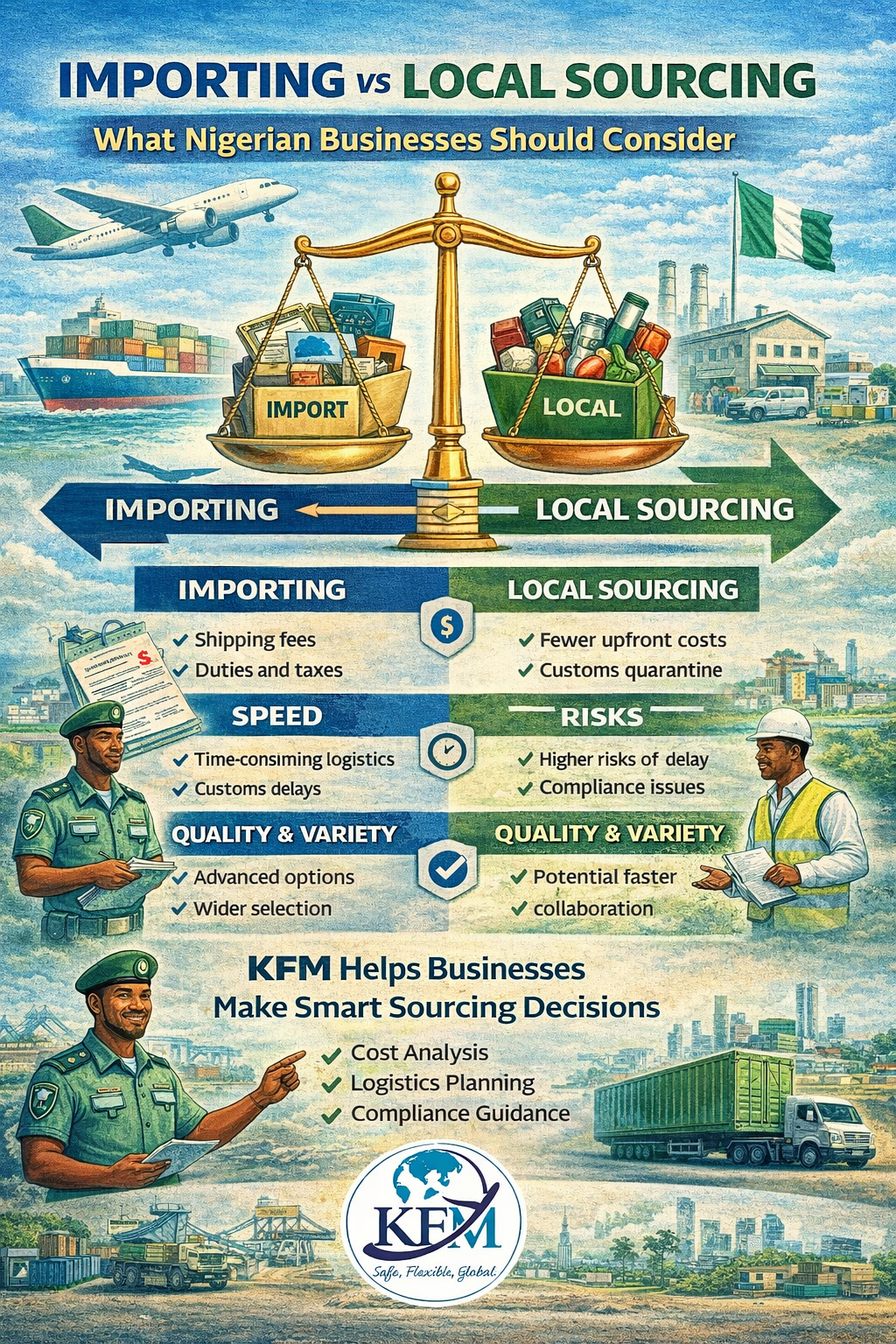
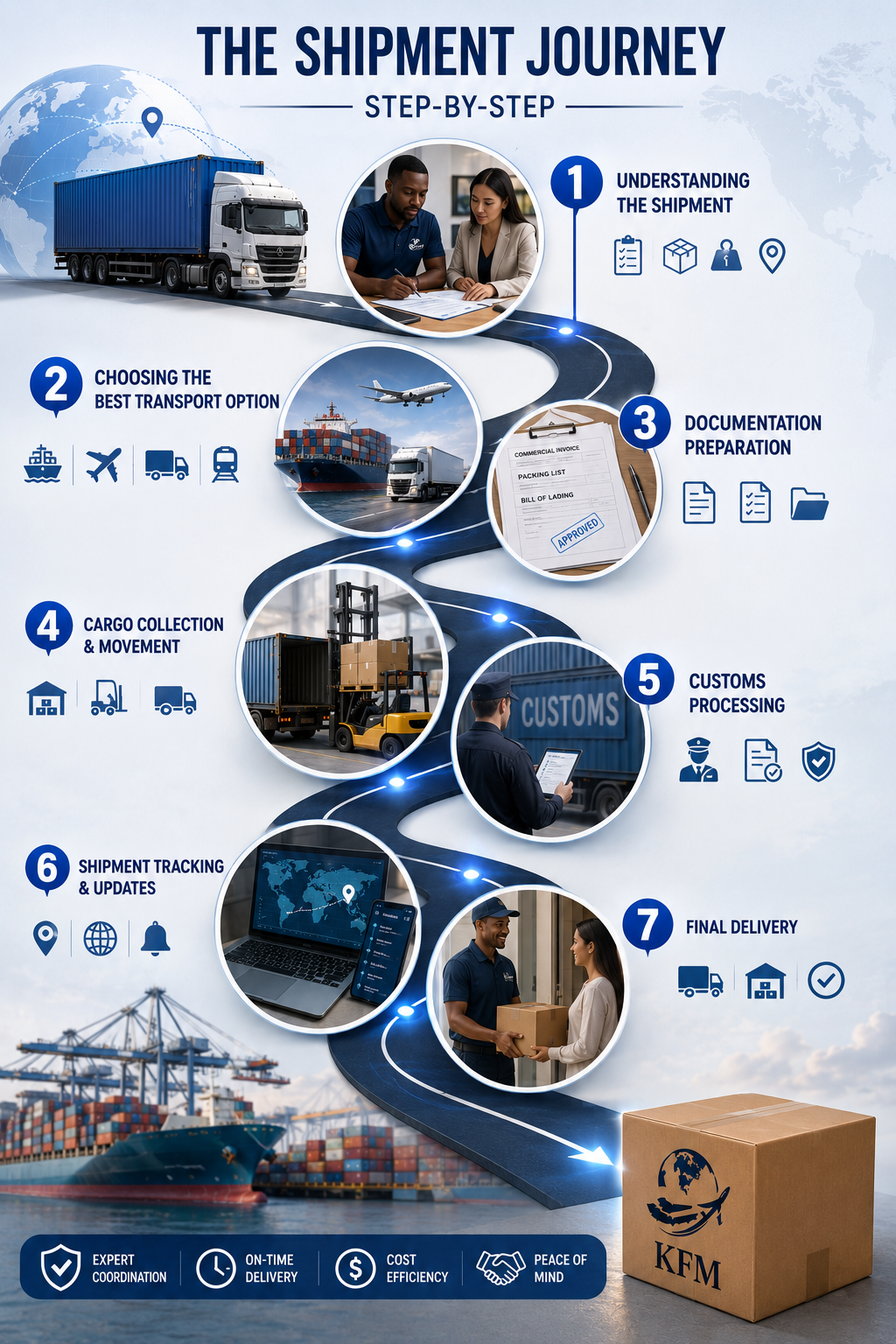
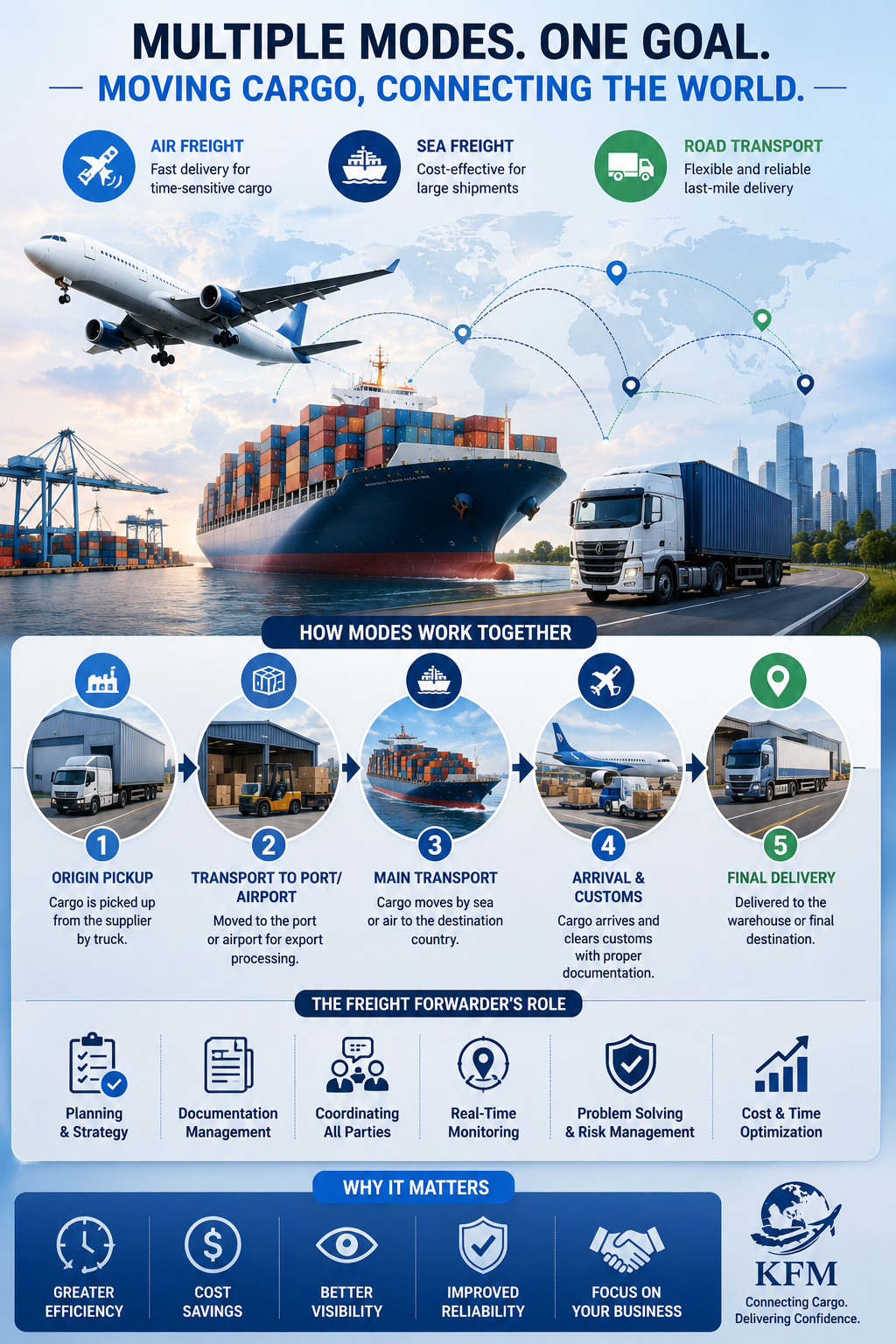
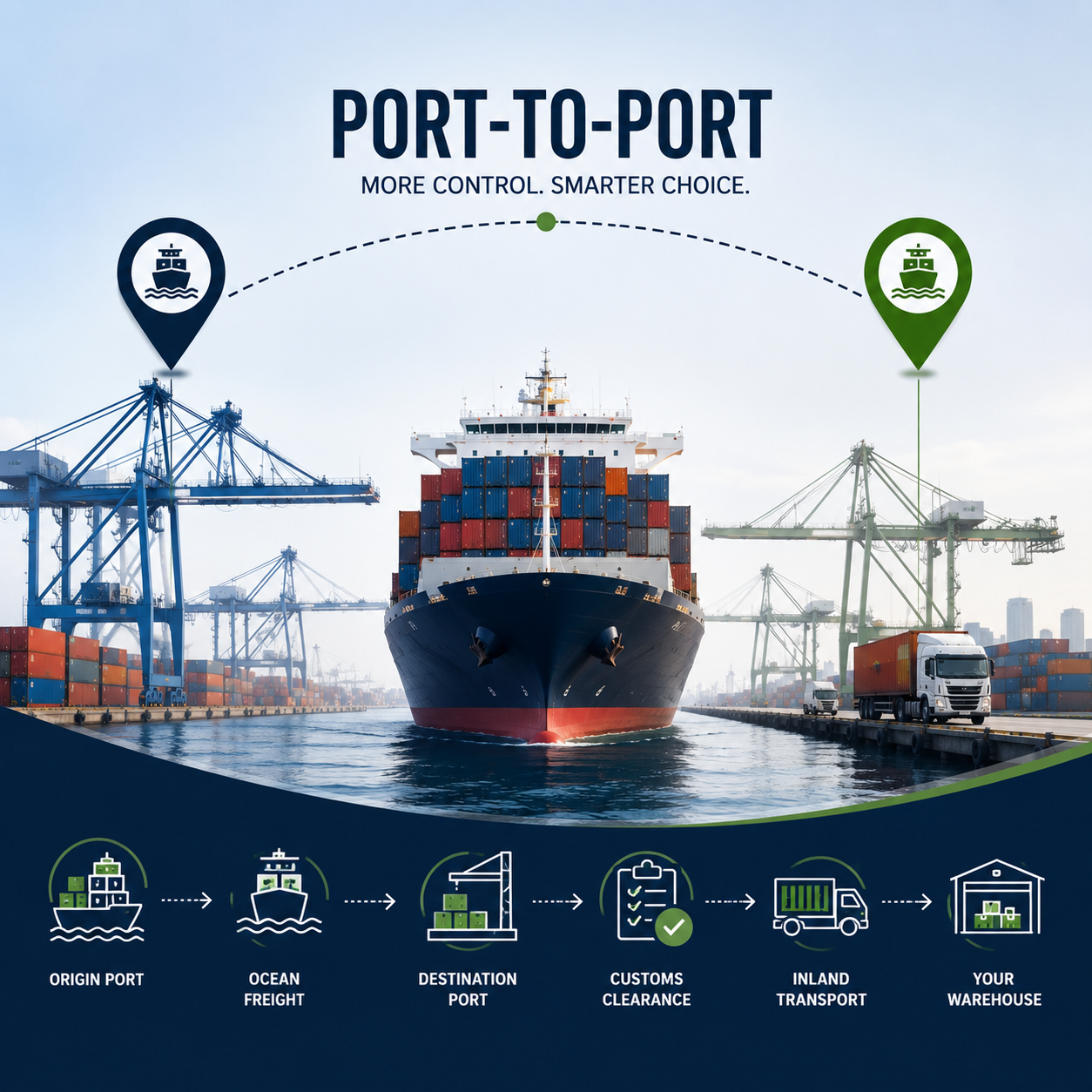
Importing means buying goods from another country and bringing them into Nigeria.
- International suppliers
- Shipping and freight costs
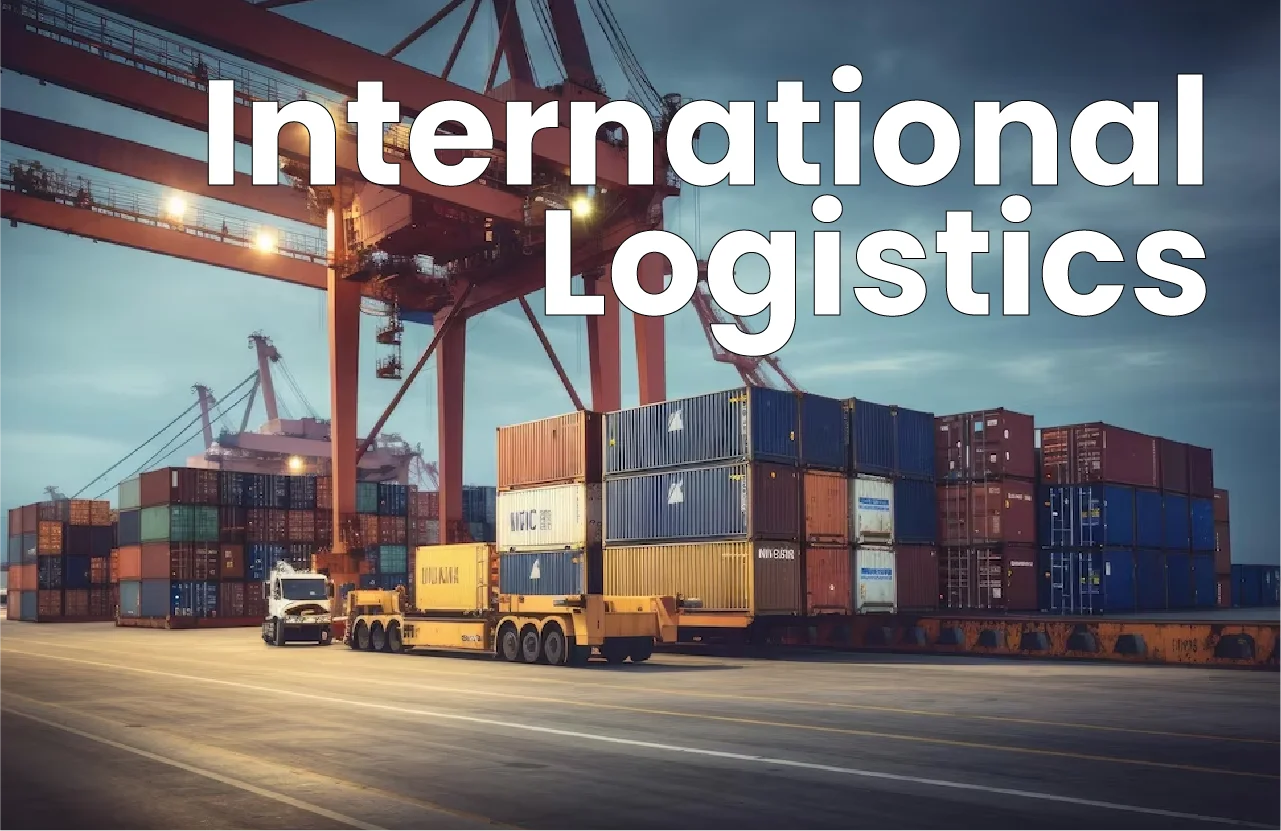
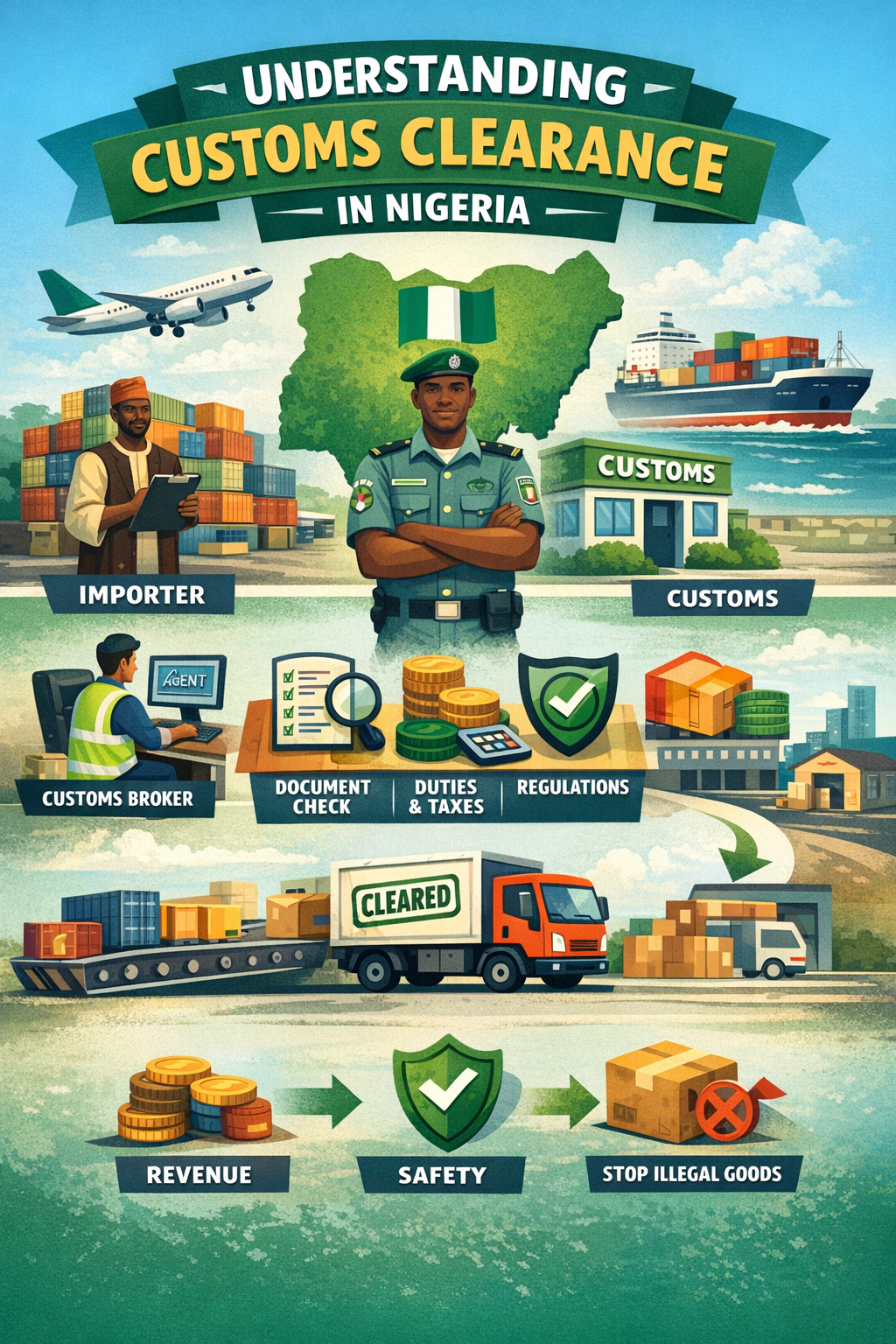
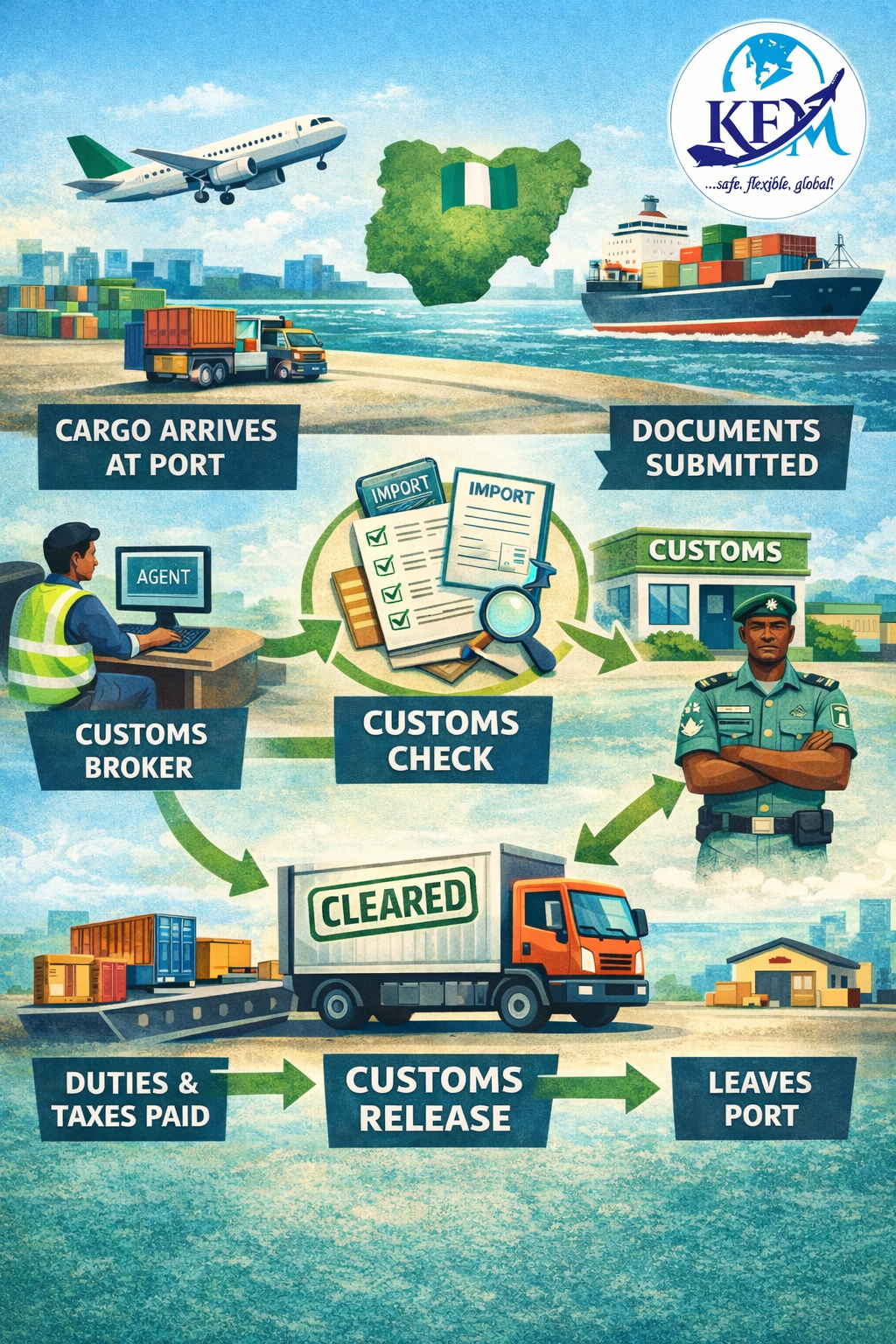
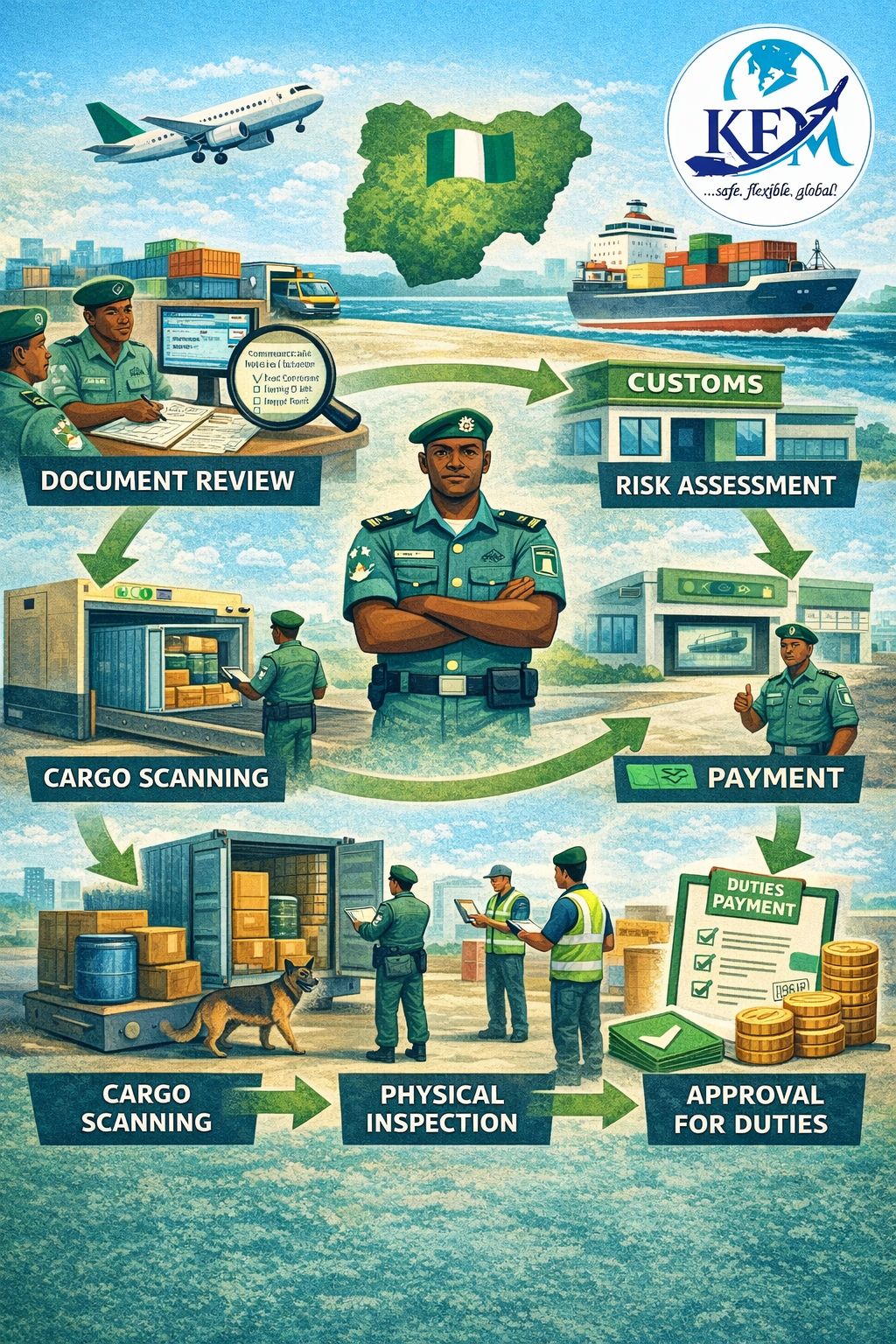
- Customs clearance
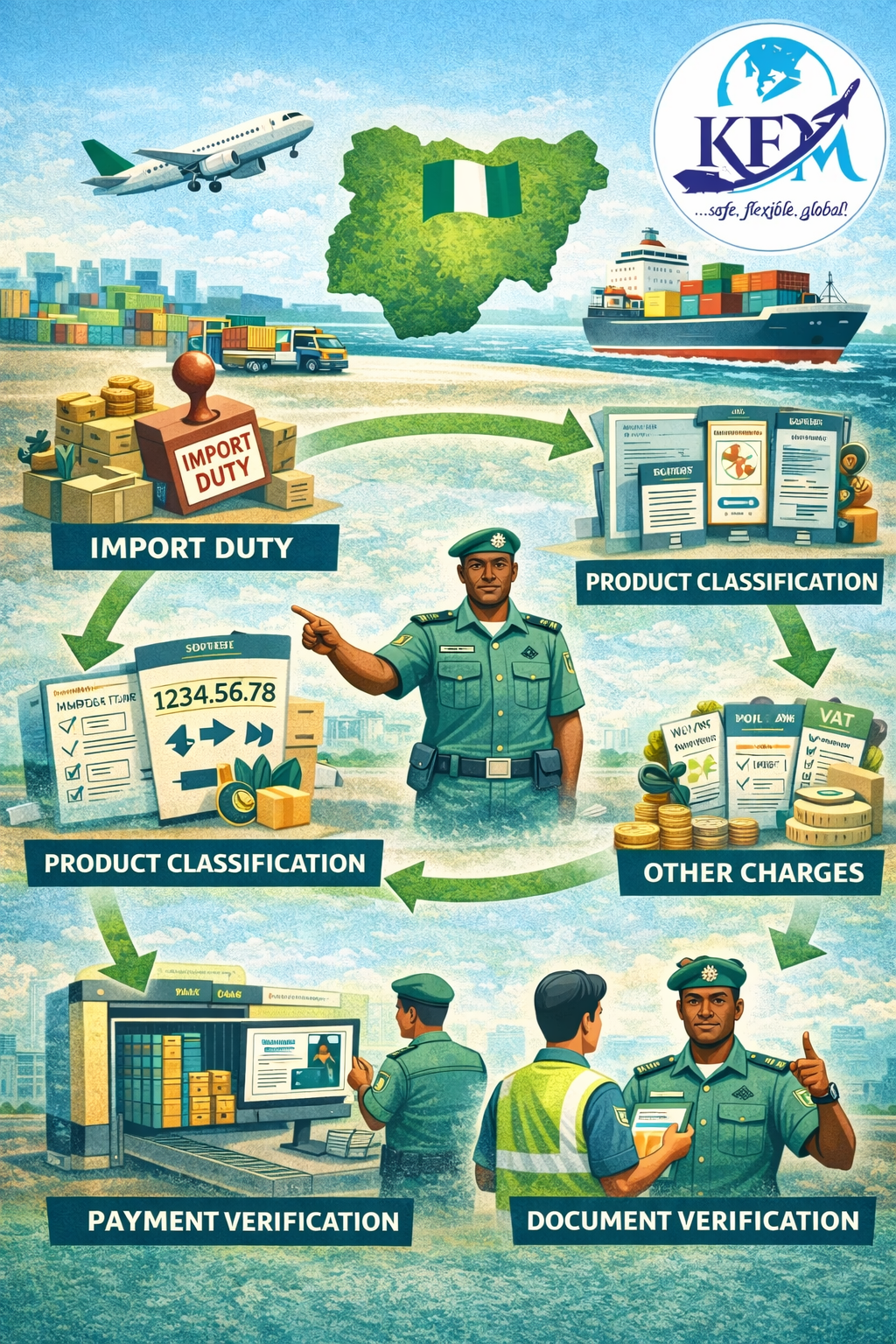
- Duties and taxes
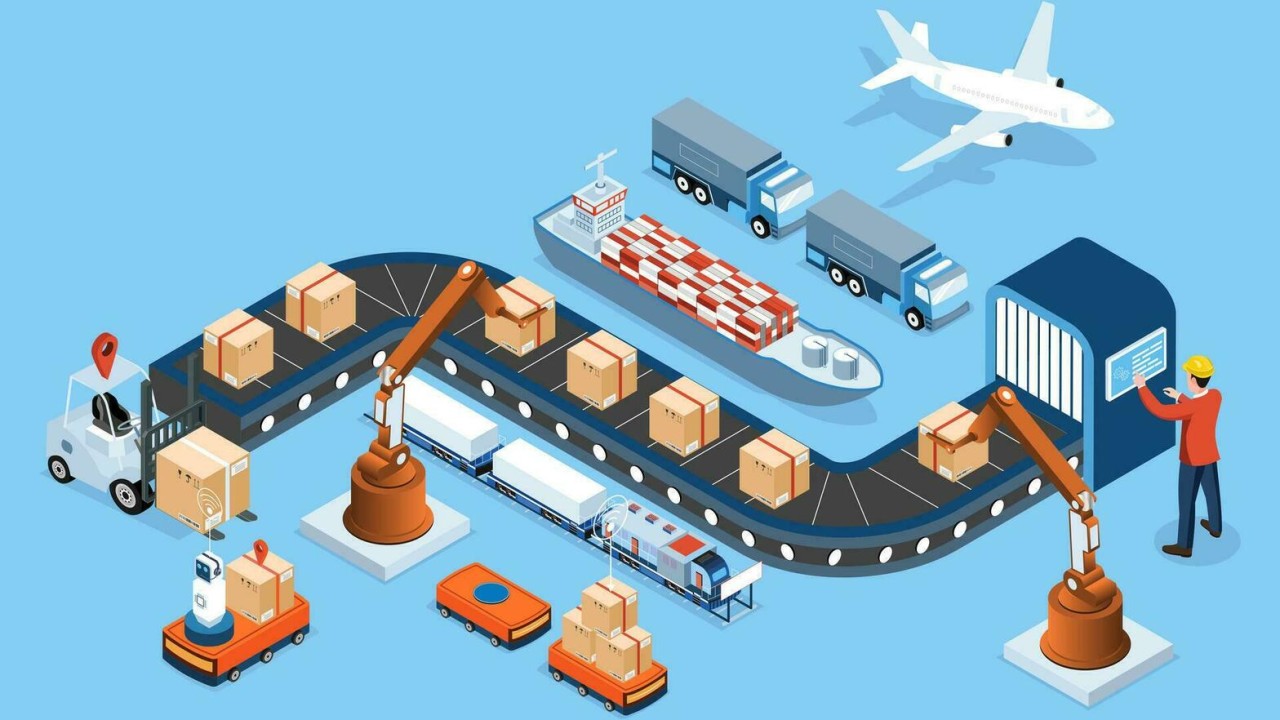
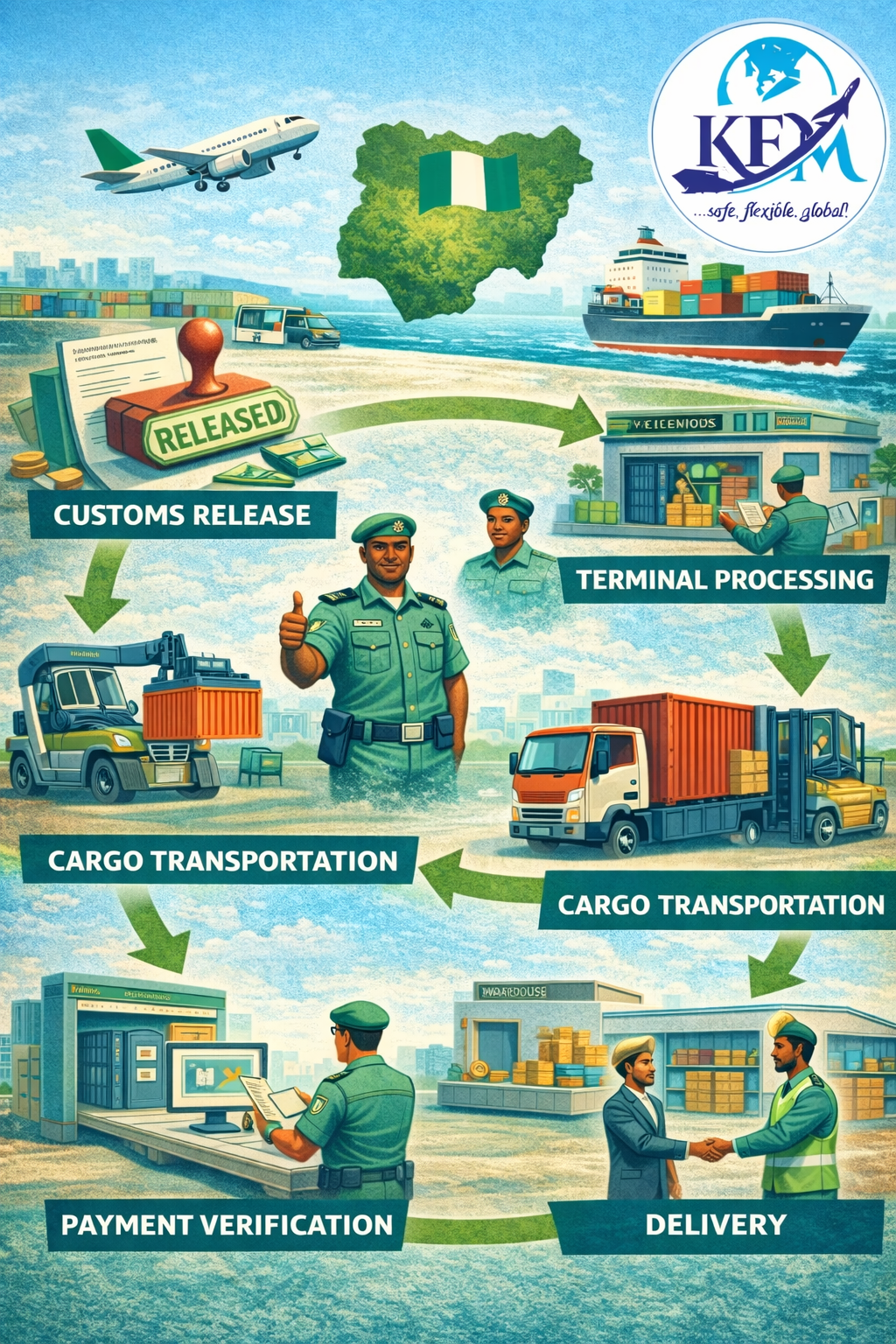
- Delivery logistics
Local sourcing means purchasing goods within Nigeria from manufacturers, distributors, or wholesalers.
- Faster delivery timelines
- Fewer regulatory steps
- Easier communication with suppliers
Cost: It’s Not Always What It Seems
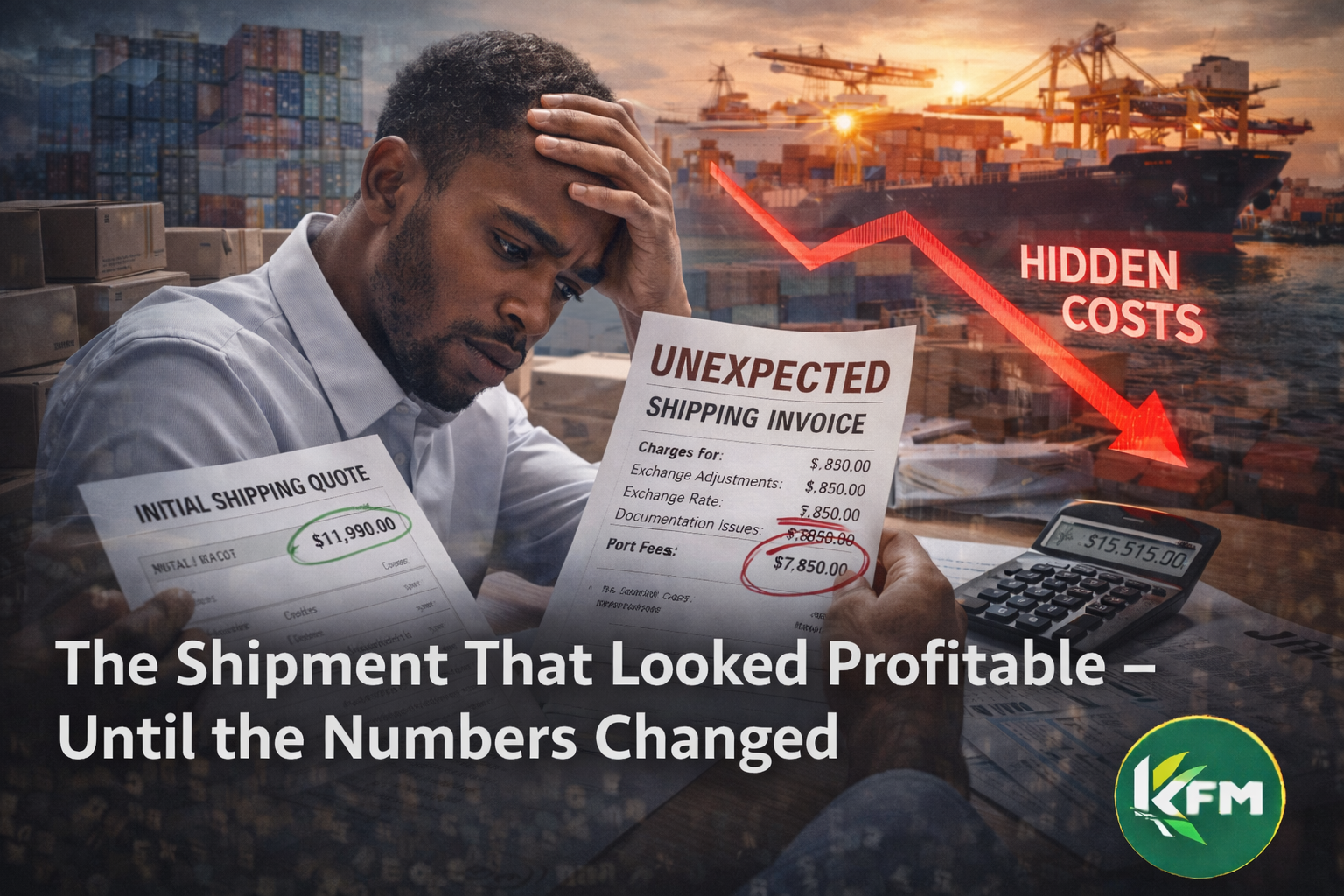
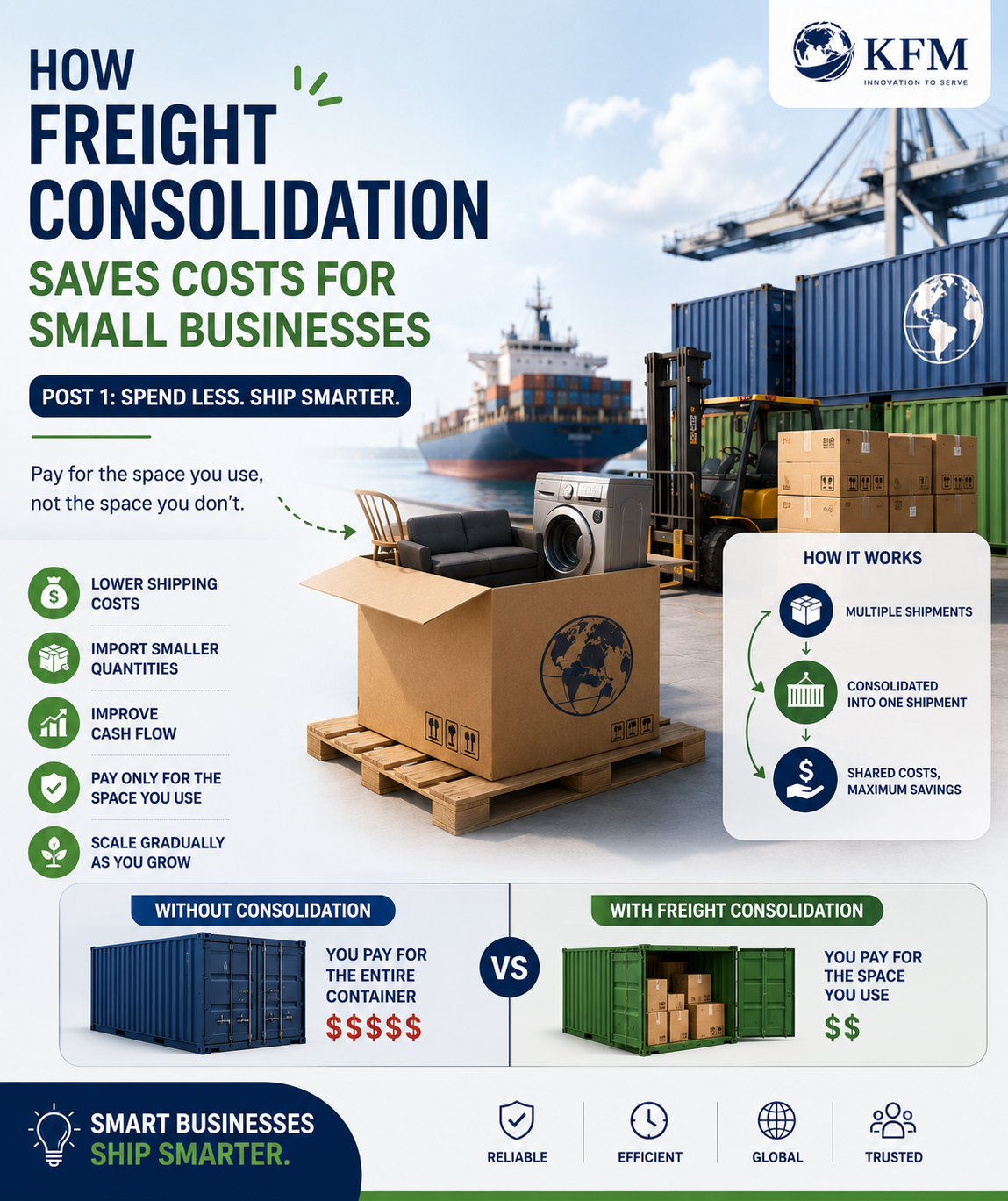
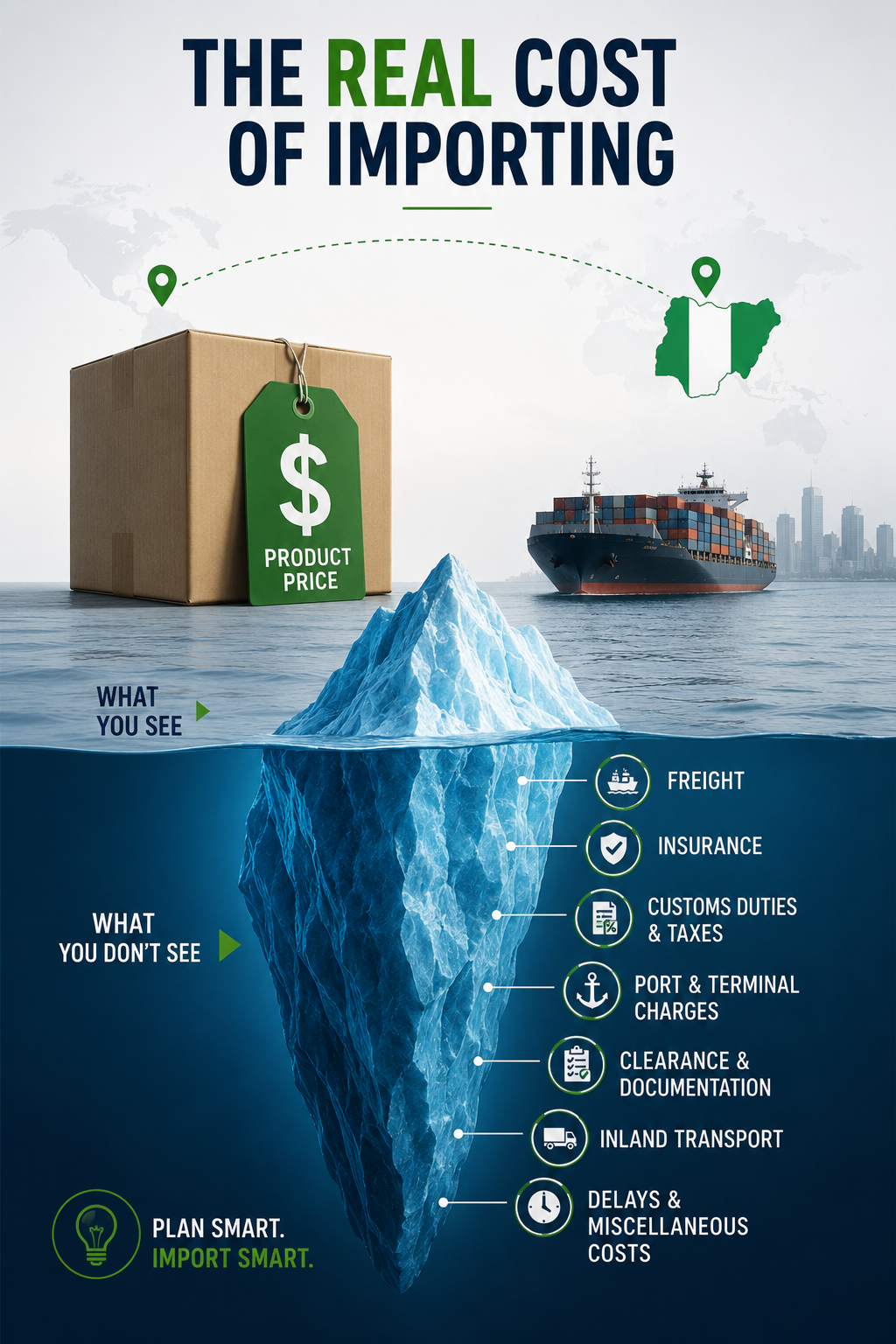
Many businesses assume importing is always cheaper, but that’s not always true.
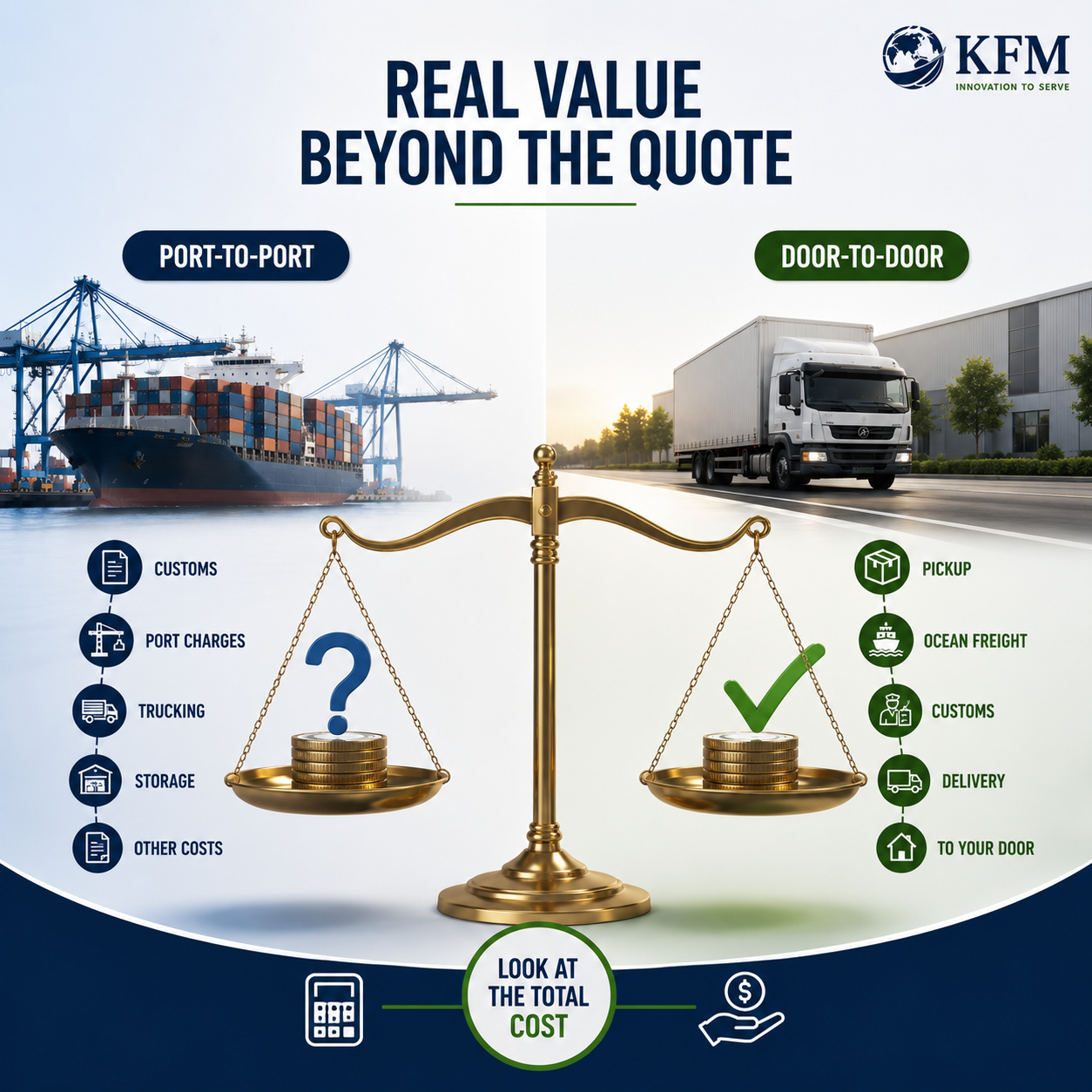
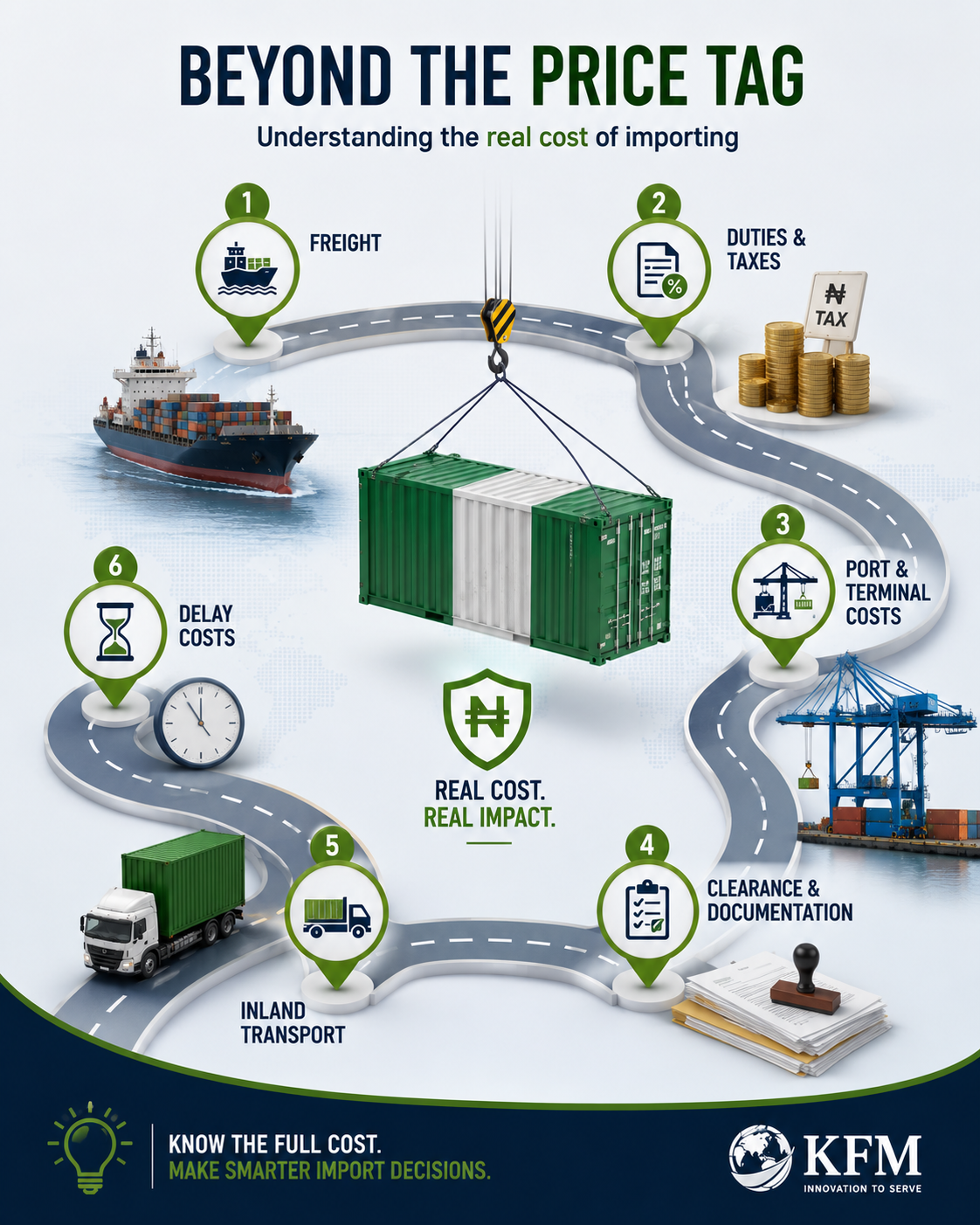
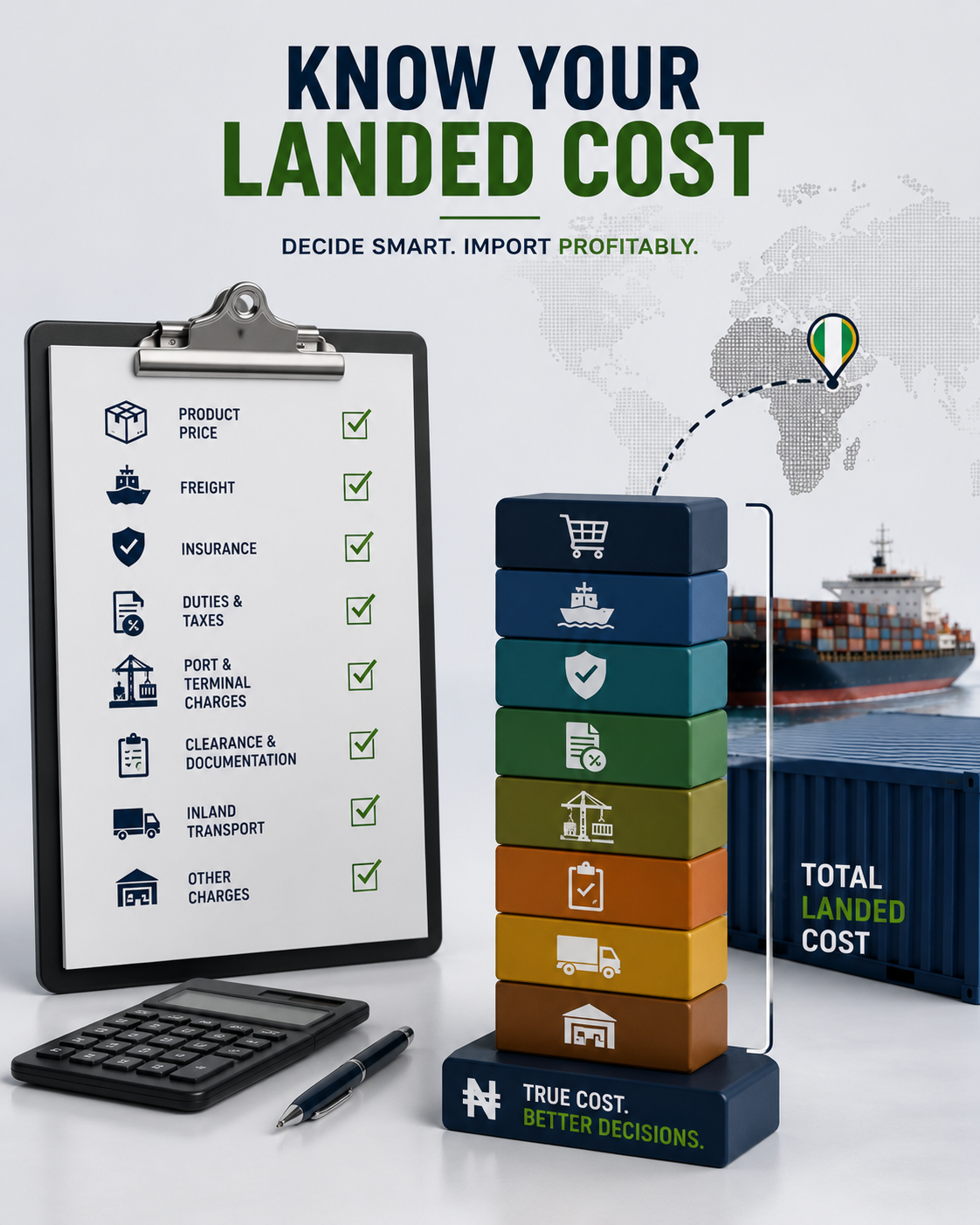
Additional costs of importing include:
- Shipping fees
- Customs duties
- Port charges
- Clearing agent fees
- Exchange rate fluctuations
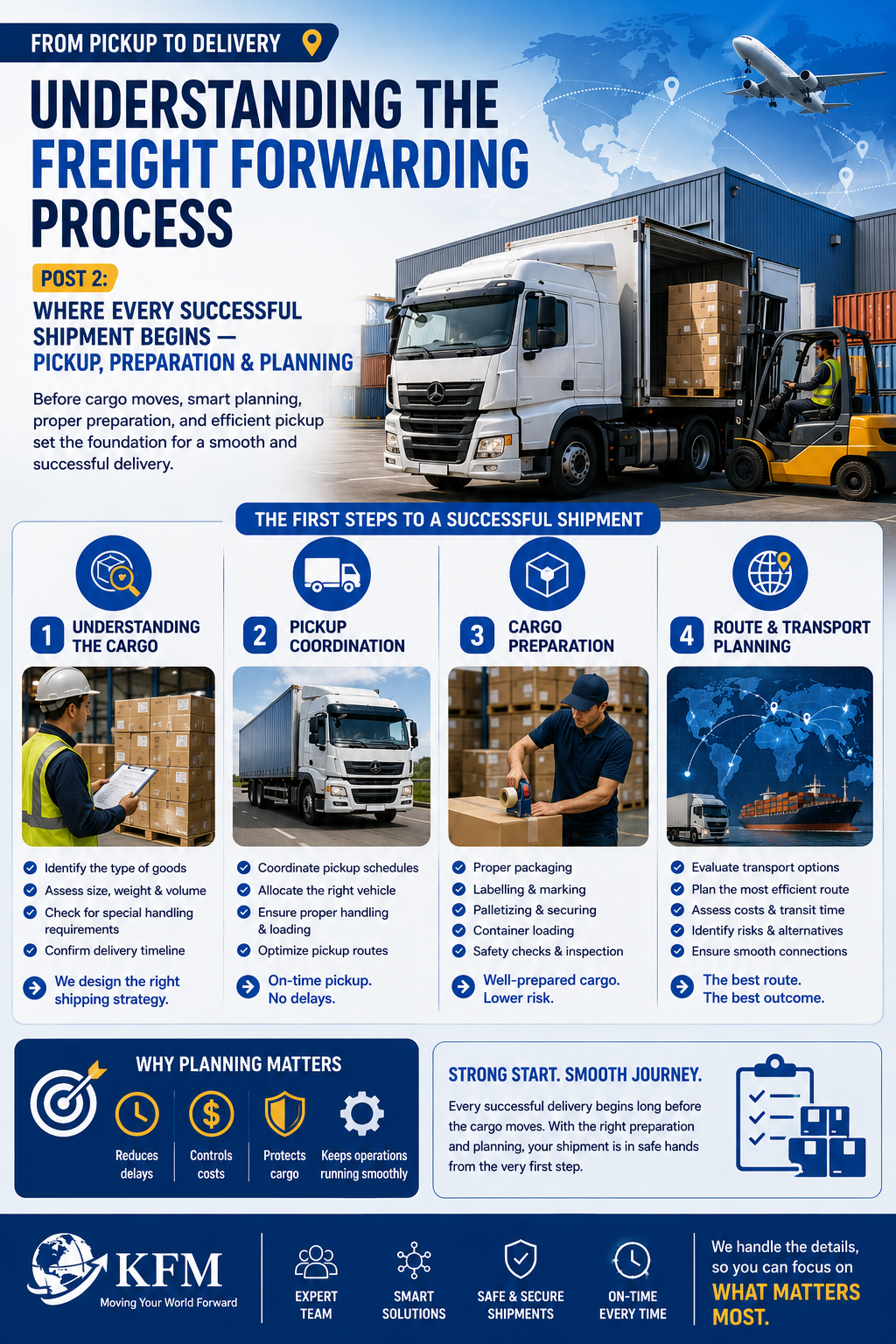
At KFM, we help businesses calculate the true landed cost before making decisions.
Time and Speed to Market
Time is critical, especially for fast-moving businesses.
- Imported goods may take weeks due to shipping and customs processes
- Locally sourced goods are usually available much faster
Delays can lead to missed opportunities and lost sales.
Quality and Variety
Imported goods often offer:
- More variety
- Advanced technology
- Higher manufacturing standards (in some cases)
However, many Nigerian manufacturers now produce high-quality goods that can compete globally.
Risk Factors to Consider
Both options come with risks.
Importing risks include:
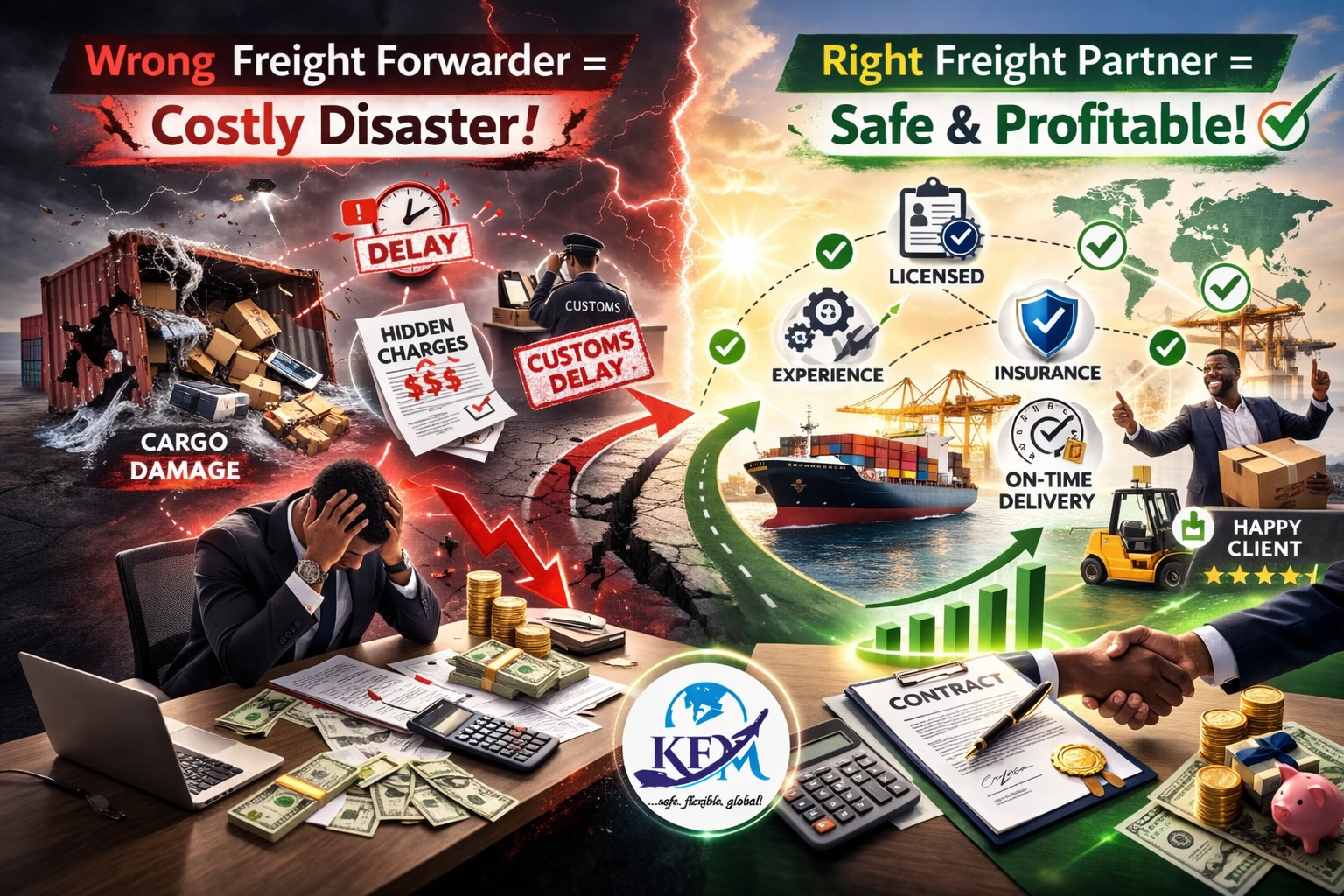
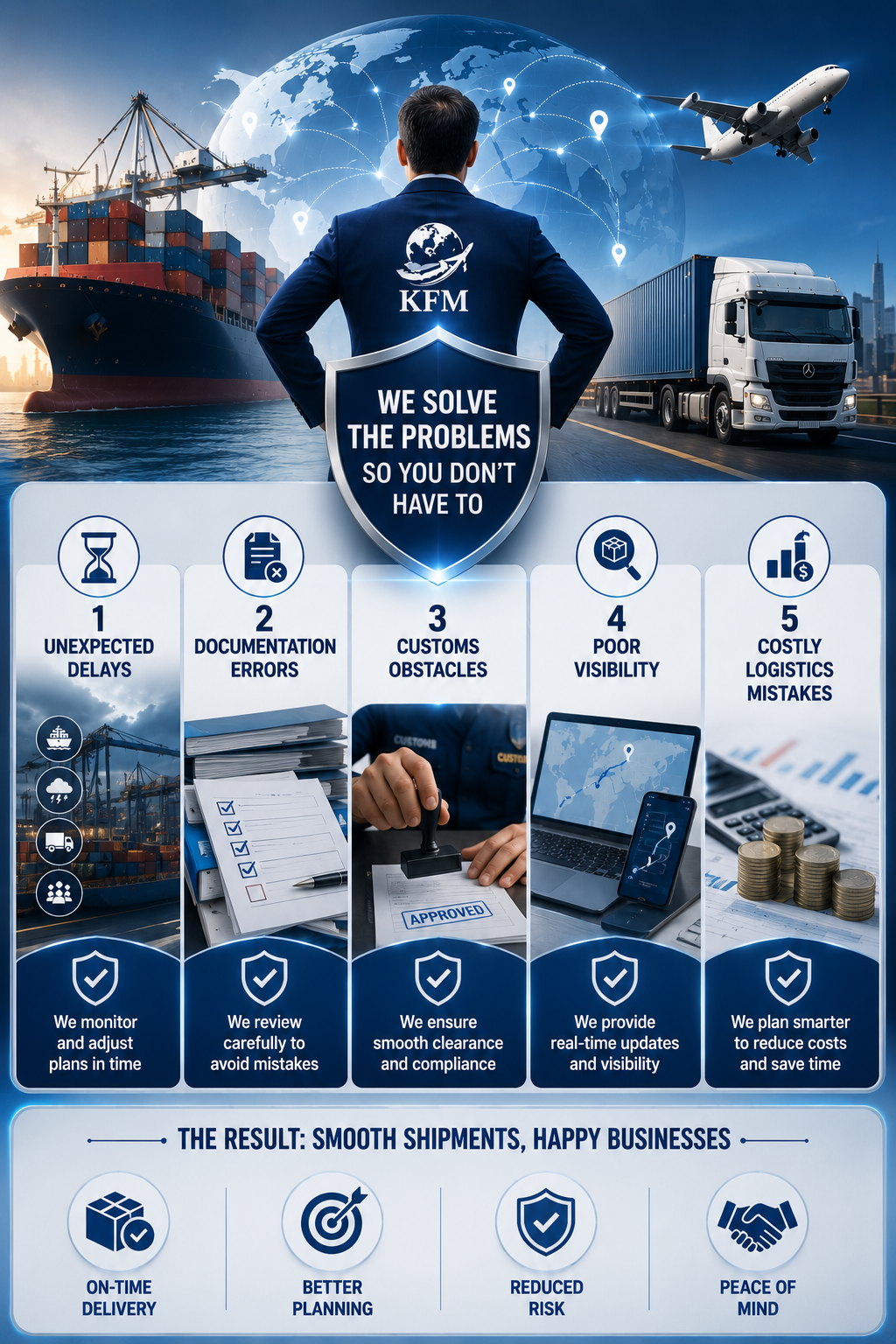
- Customs delays
- Regulatory issues
- Cargo damage
- Exchange rate instability
Local sourcing risks include:
- Inconsistent supply
- Limited product options
- Quality variations
Working with experienced logistics providers like KFM helps reduce these risks.
Compliance and Regulations
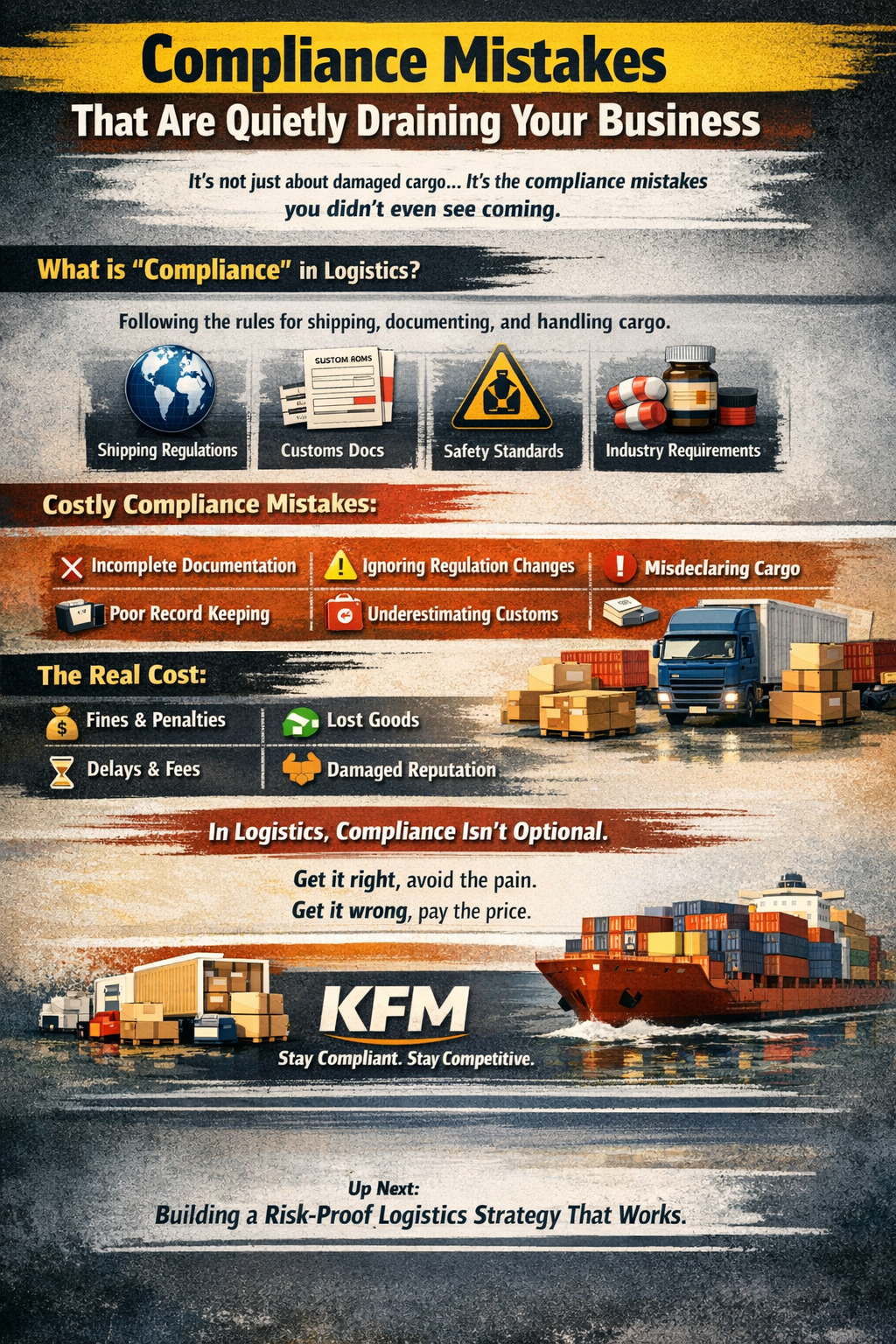
Importing requires strict compliance with Nigerian regulations.
- Proper documentation
- Duty and tax payments
- Regulatory approvals
Failure to comply can lead to delays, fines, or cargo seizure.
Local sourcing involves fewer regulatory hurdles, making it simpler in many cases.
So, Which Should You Choose?
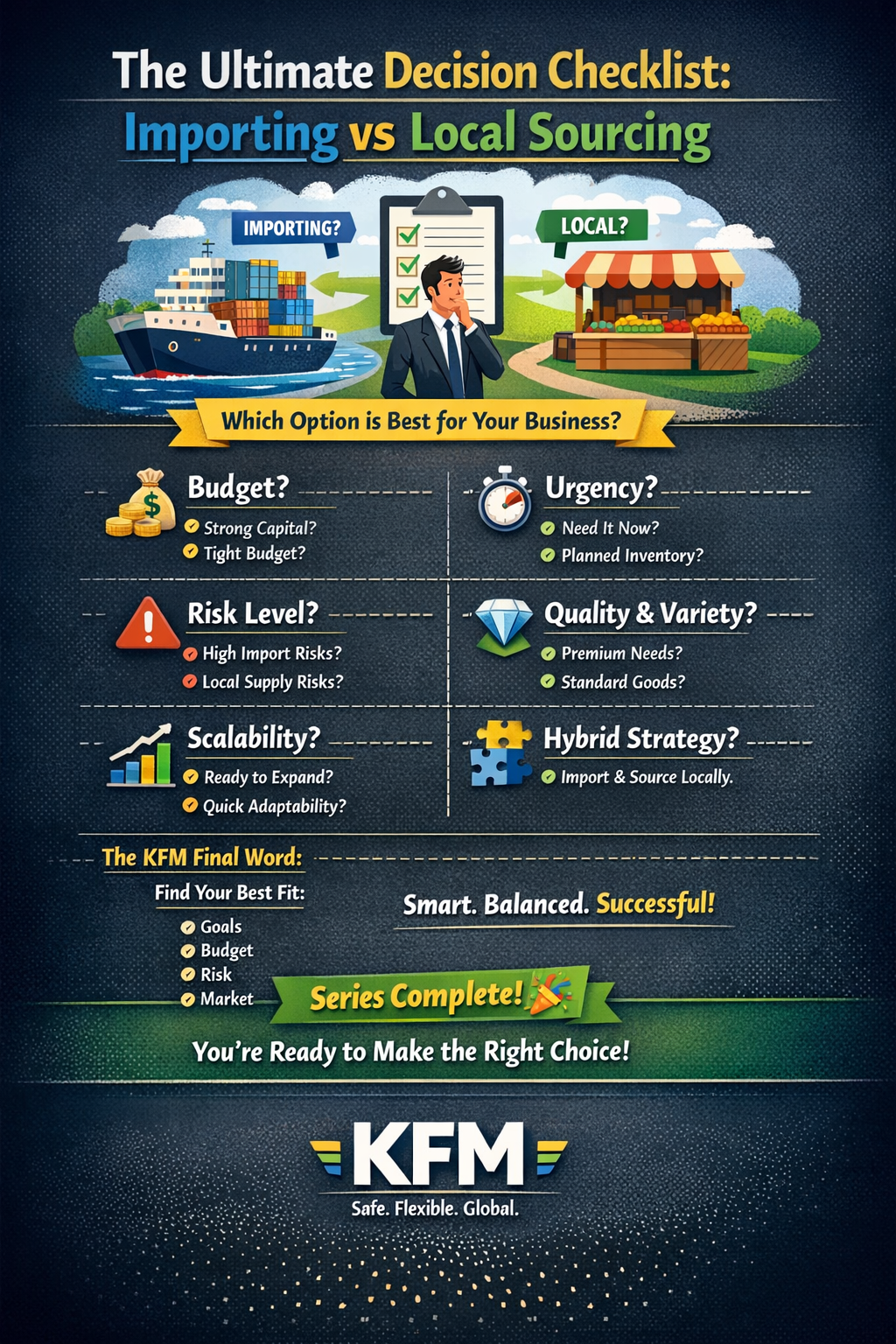
There is no one-size-fits-all answer.
The right choice depends on:
- Your budget
- Your timeline
- Your product type
- Your risk tolerance
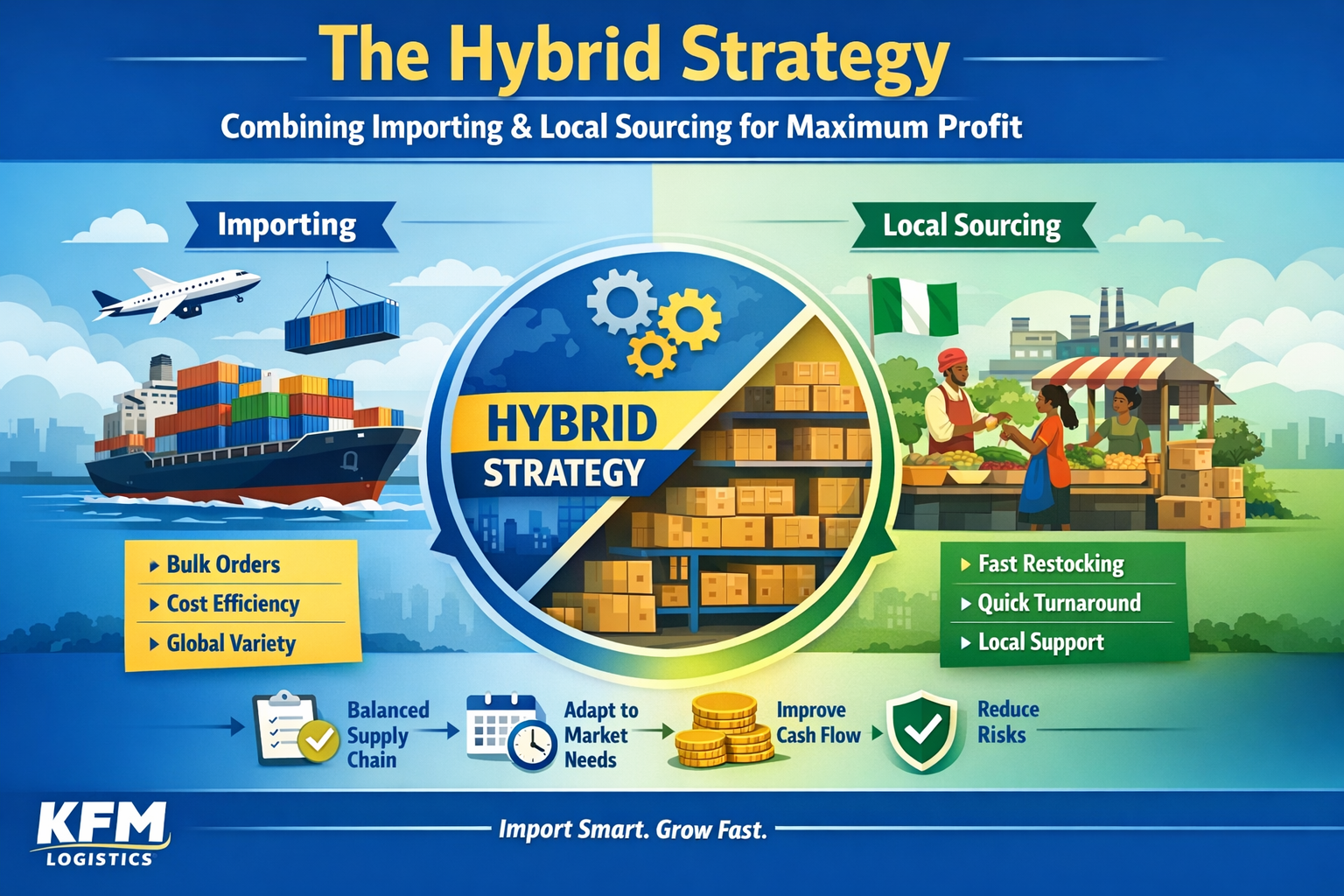
Many successful businesses use a hybrid approach — combining importing and local sourcing strategically.
The KFM Advantage
At KFM, we help businesses:
- Evaluate sourcing options
- Calculate true import costs
- Navigate customs and compliance
- Ensure smooth cargo delivery
Whether you import or source locally, the goal remains: efficiency, profitability, and reliability.
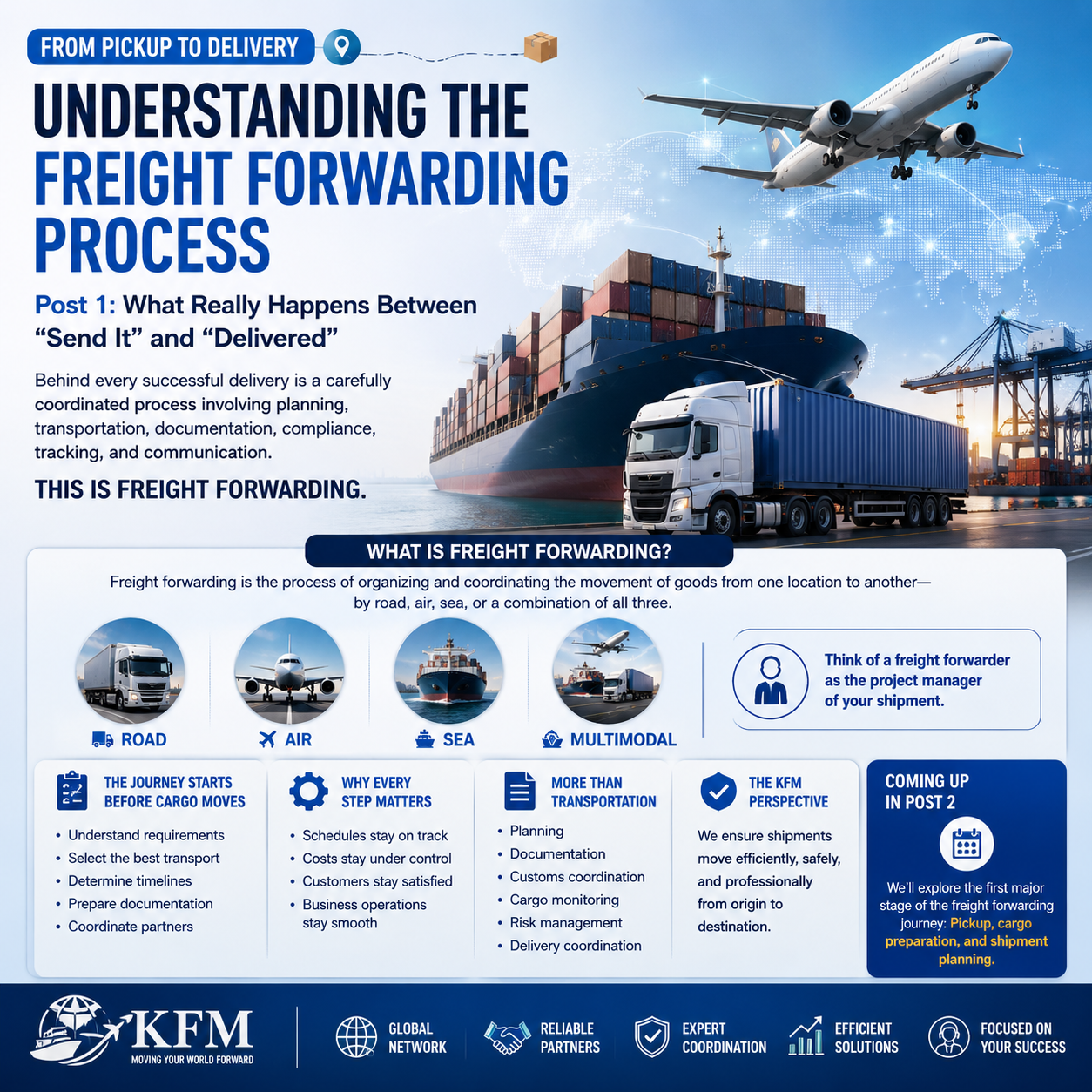
Coming Up in Post 2
Next, we’ll explore when importing makes more sense than local sourcing and how to get it right.