How Customs Clearance Works in Nigeria (A Non-technical Guide) –
Every product that enters a country must pass through a process called customs clearance.
If you are importing goods into Nigeria for the first time, the term might sound technical, complicated, or even intimidating.
In reality, customs clearance is simply the official process that allows your goods to legally enter the country.
Think of it as a checkpoint.
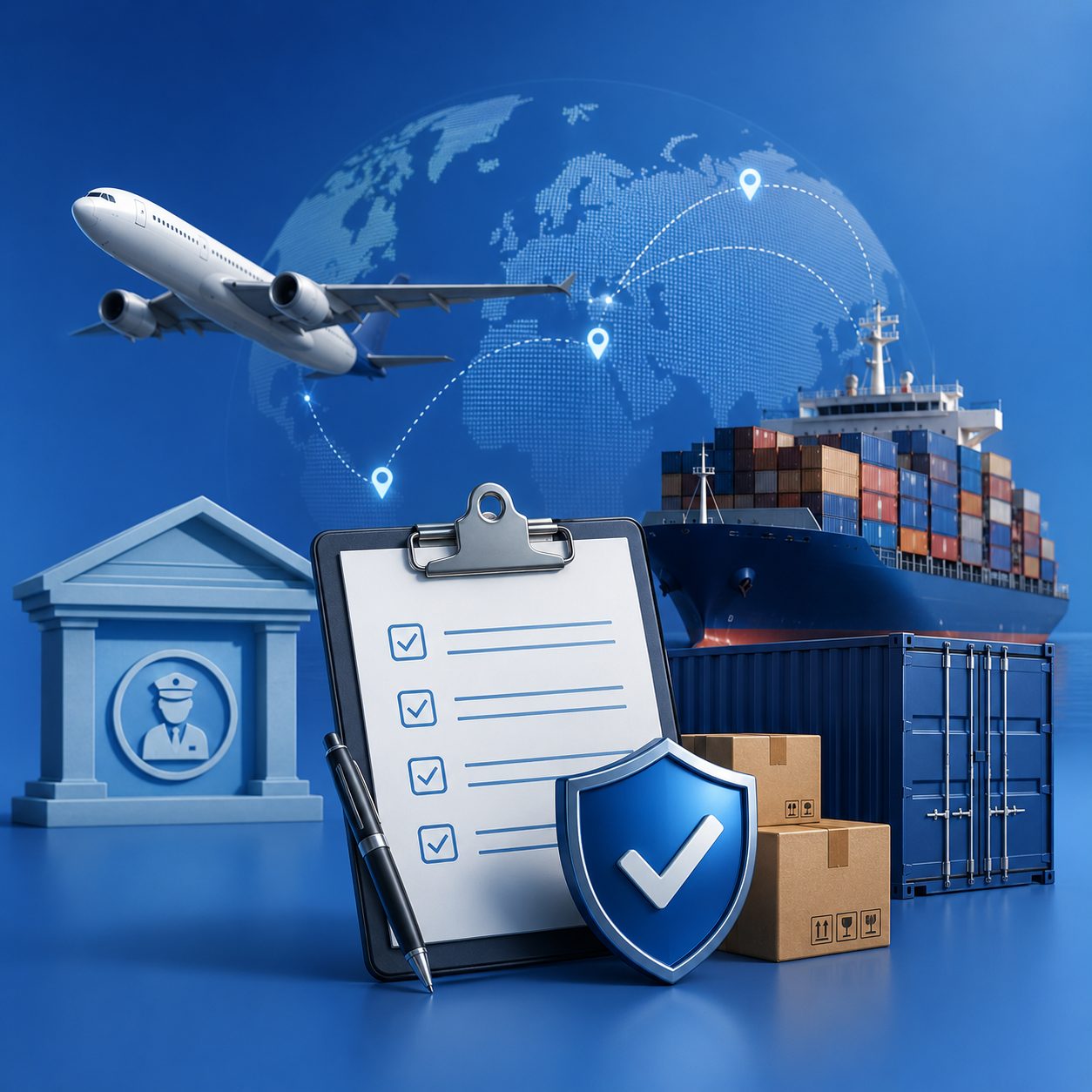
Before goods move from the port into the Nigerian market, the government needs to confirm a few important things:
- What the goods are
- Where they came from
- Who is importing them
- Whether they meet Nigerian regulations
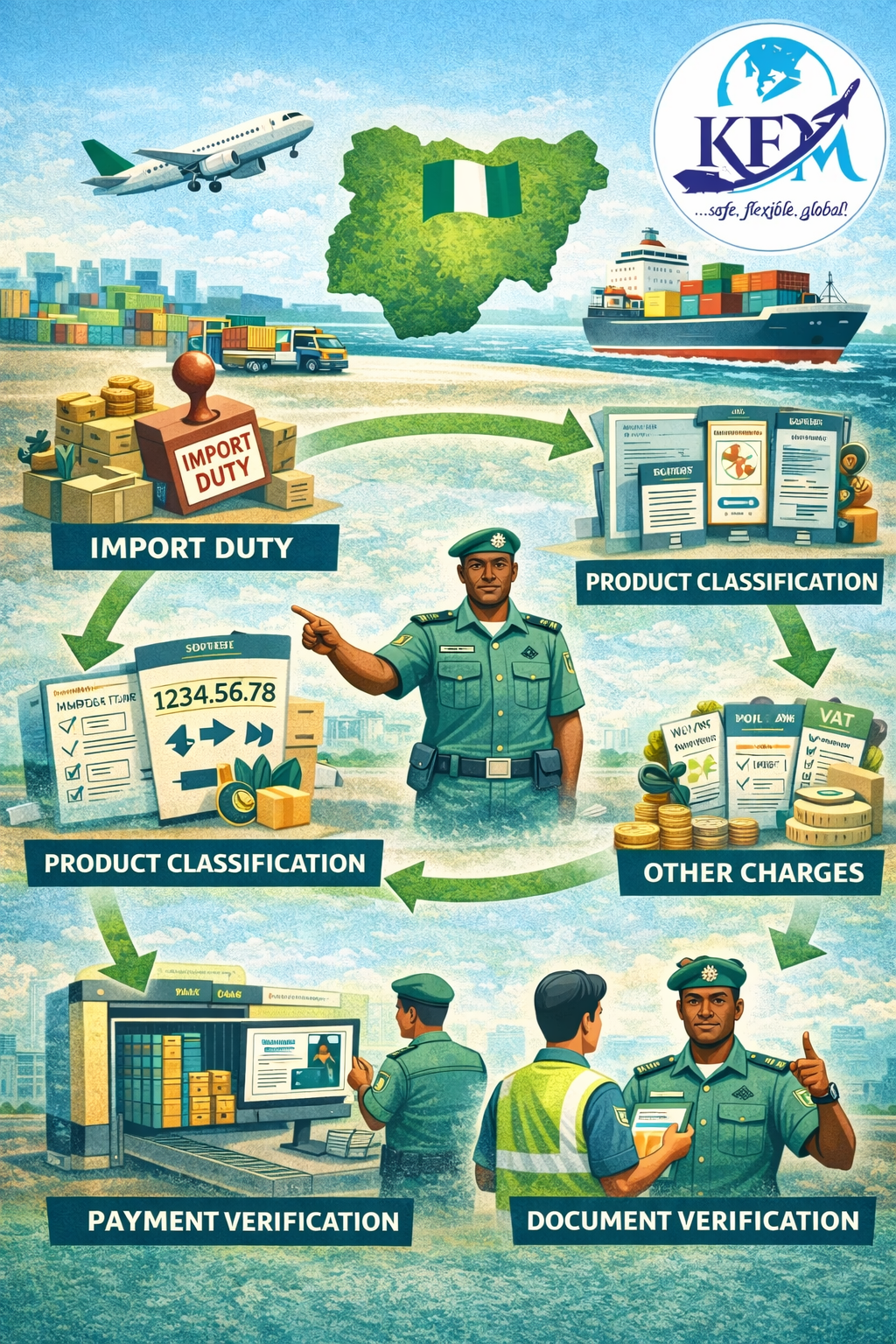
- What duties or taxes must be paid
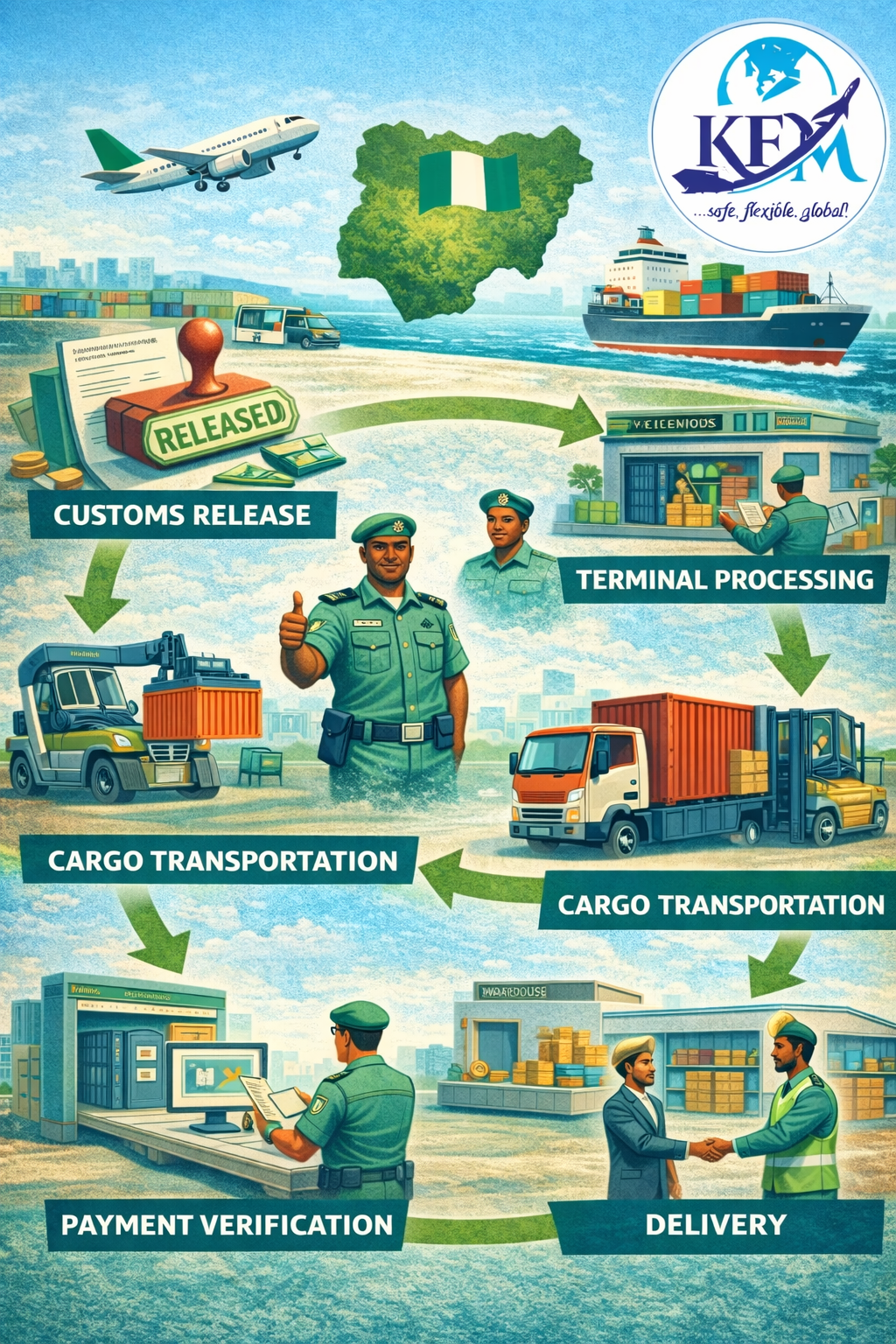
Once these checks are completed, the goods can be released for delivery.
Why Customs Clearance Exists
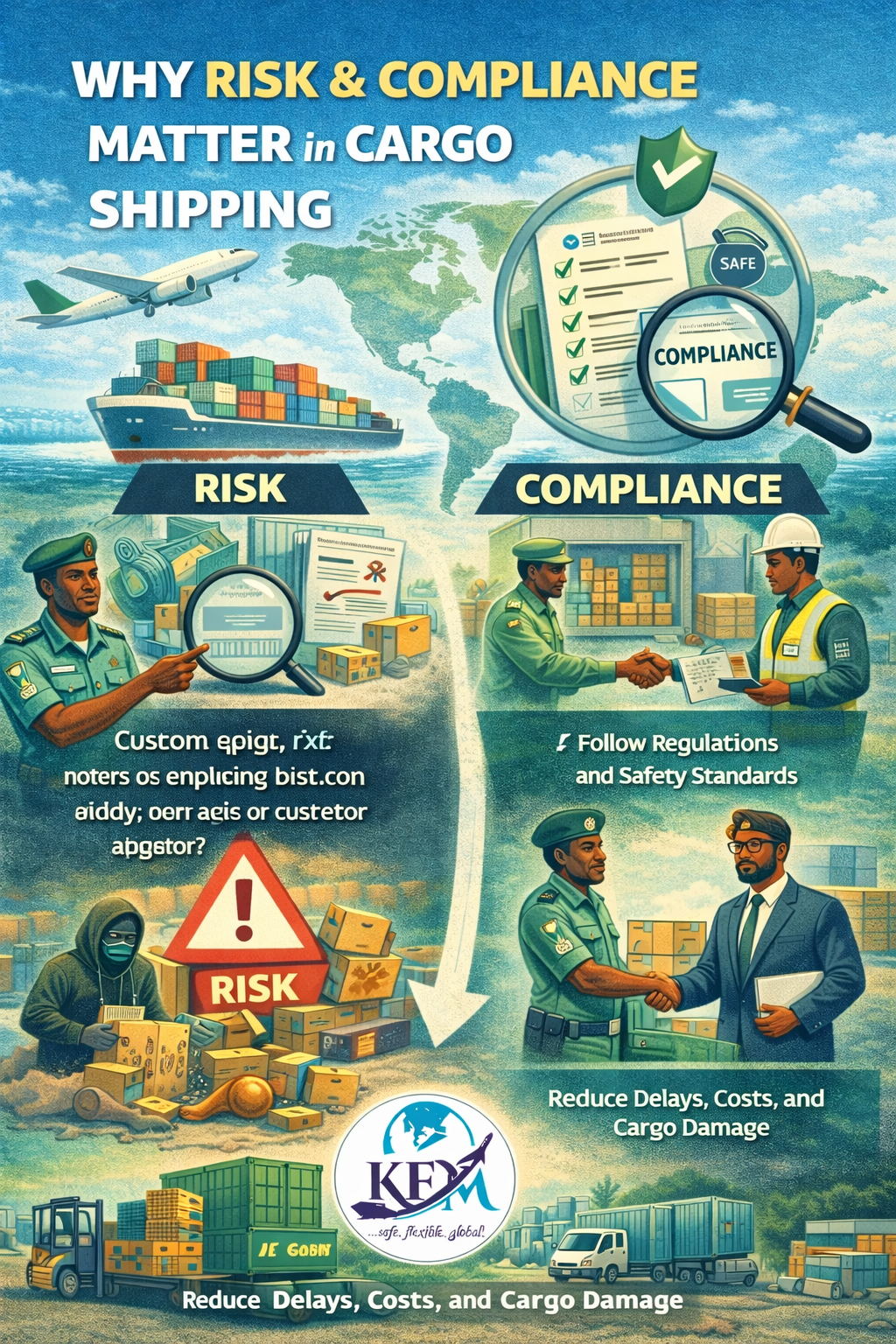
Customs clearance is not designed to make importing difficult. It serves several important purposes for the country:
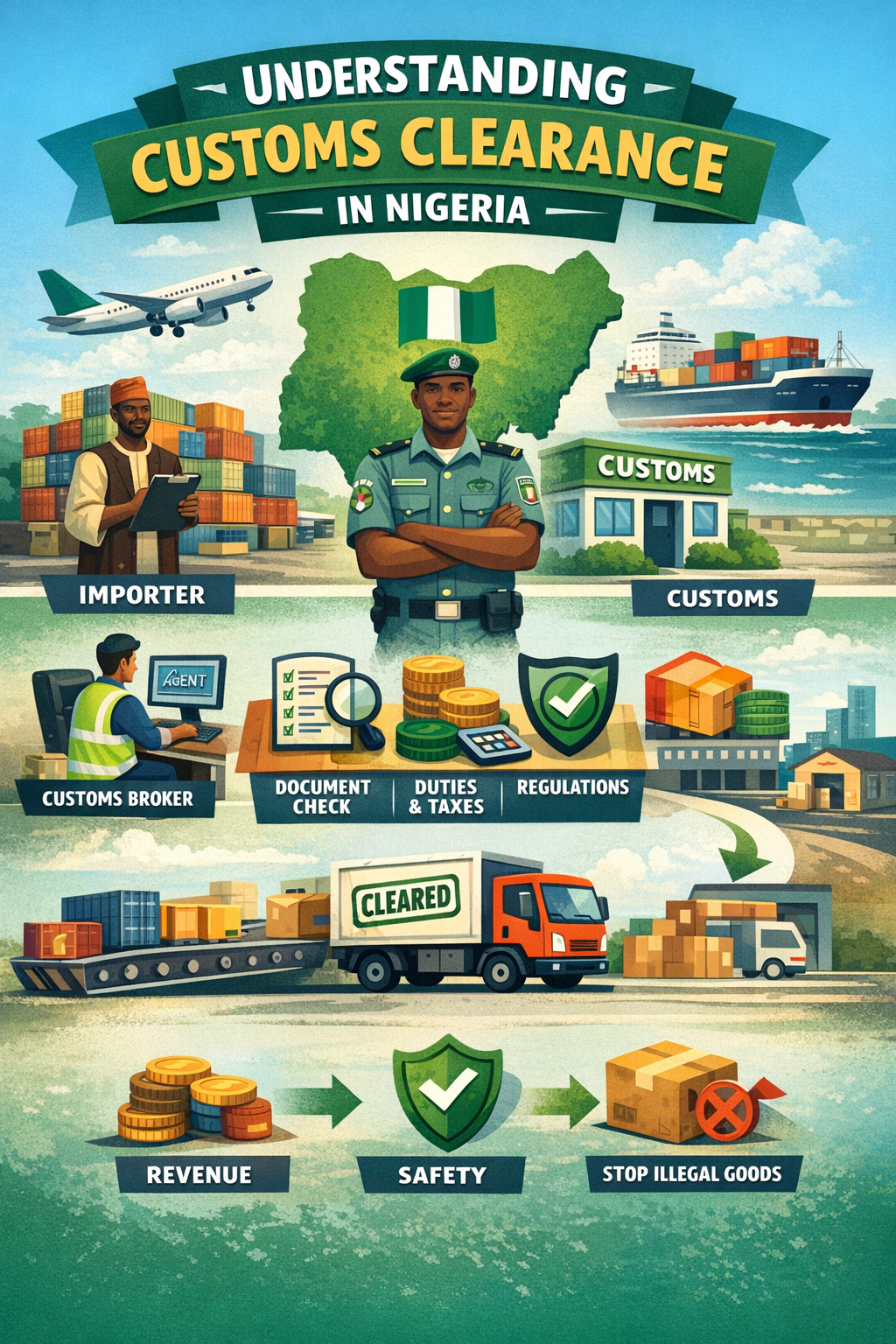
1. Revenue Collection
Import duties and taxes contribute significantly to government revenue.
2. Safety and Regulation
Certain goods must meet safety and quality standards before entering the Nigerian market.
3. Preventing Illegal Imports
Customs helps stop prohibited or restricted items from entering the country.
4. Proper Trade Documentation
The process ensures that international trade transactions are properly recorded.
Where Customs Clearance Happens
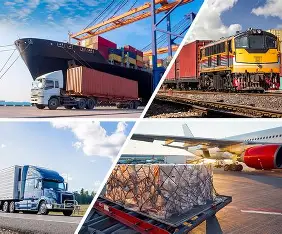
In Nigeria, customs clearance usually happens at major entry points such as:
- Seaports
- Airports
- Land borders
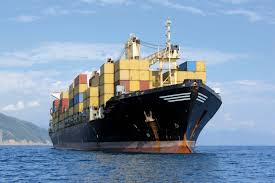
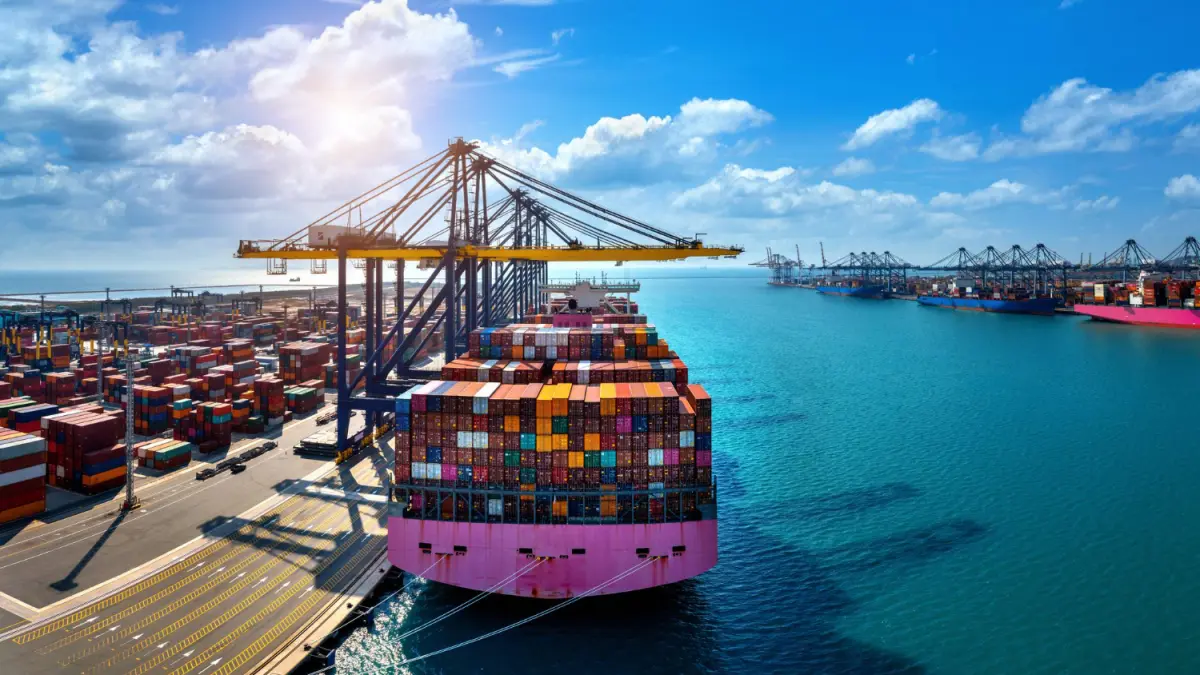
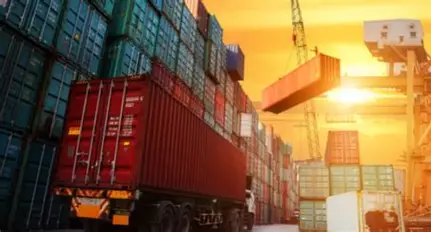
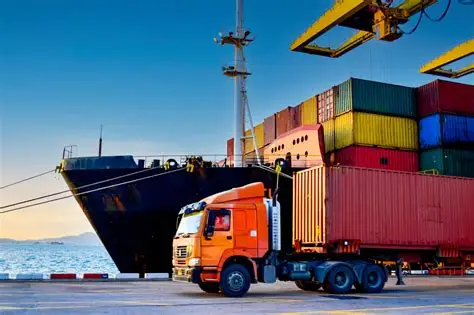
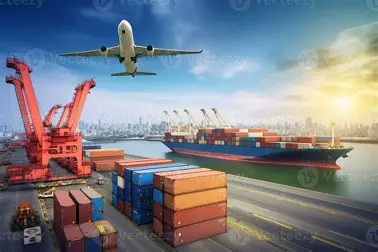
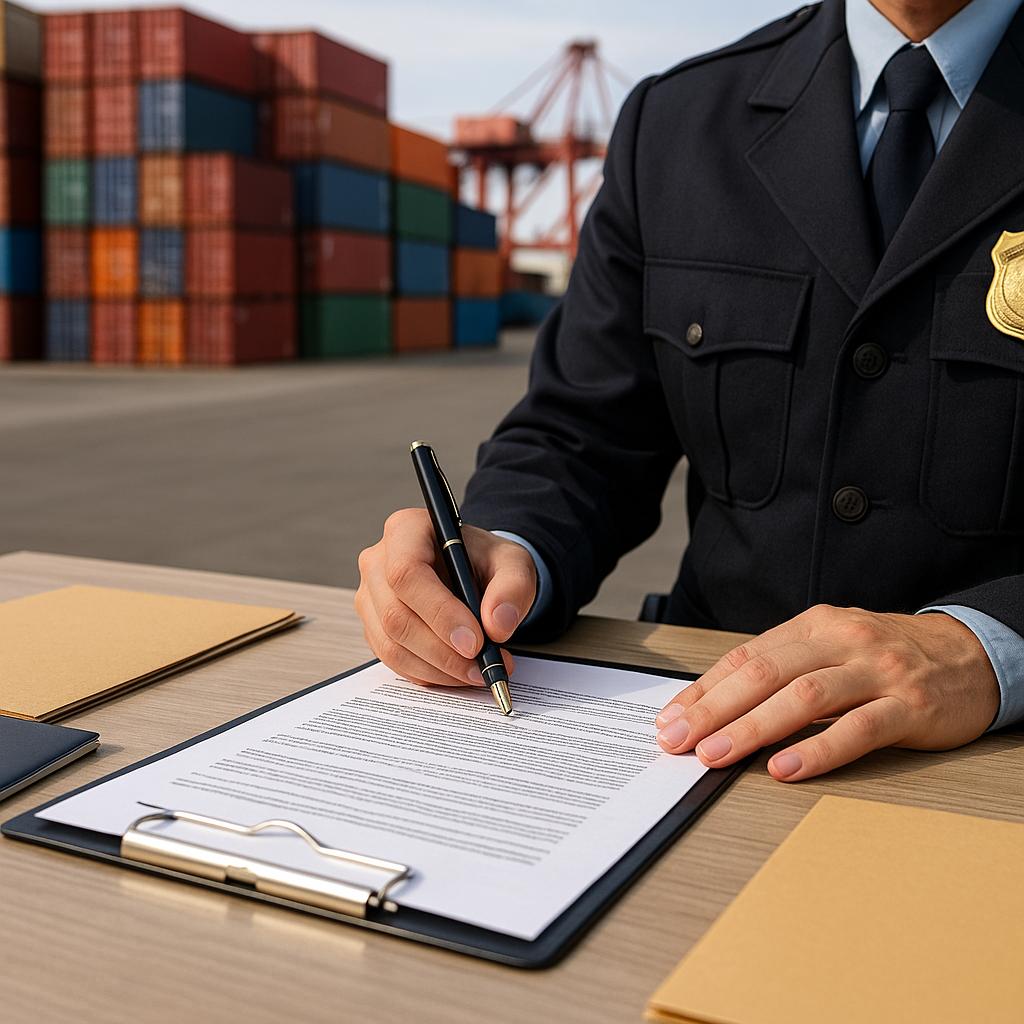
Most imported goods arrive through seaports, where customs officers inspect documentation and assess duties.
The Key Parties Involved
The Importer
The individual or business bringing goods into Nigeria.
The Customs Broker / Clearing Agent
A licensed professional who processes documentation and communicates with customs authorities.
The Shipping Line or Airline
The company responsible for transporting the goods into Nigeria.
Nigeria Customs Service
The government authority responsible for regulating imports and collecting duties.
A Simple Way to Understand It
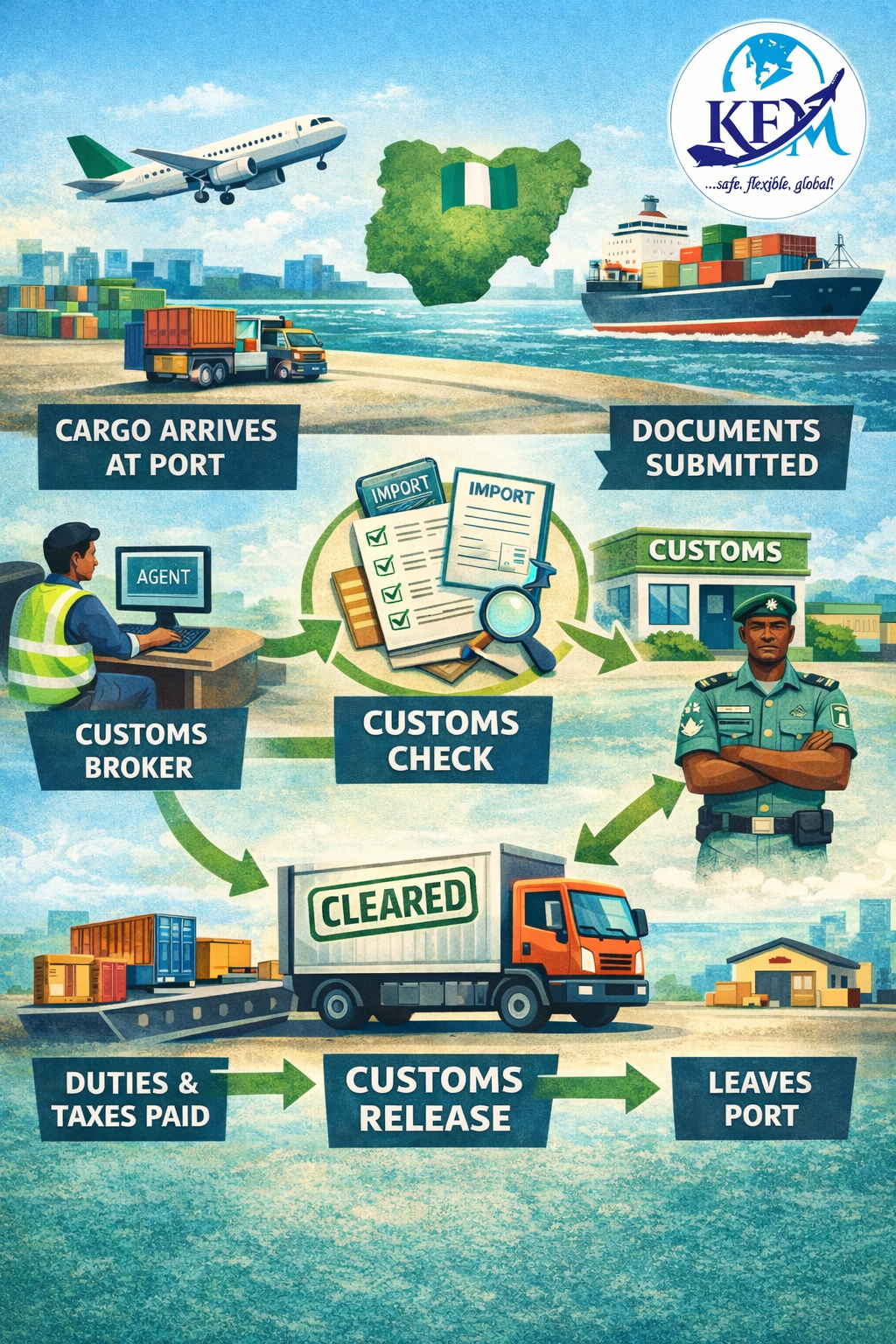
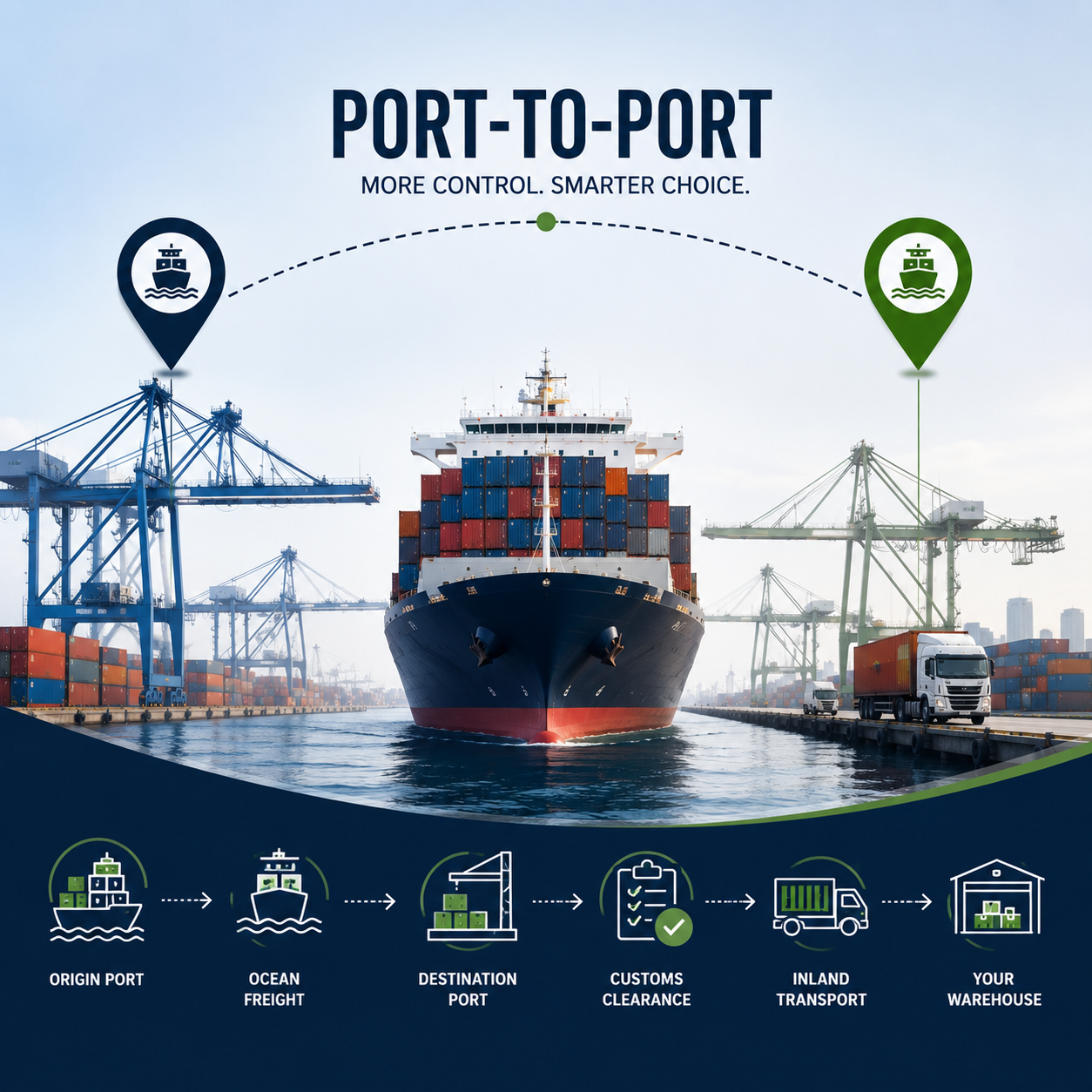
Imagine ordering goods from another country. Before the goods can reach your warehouse or shop in Nigeria, they must first go through a verification process at the port.
During this process:
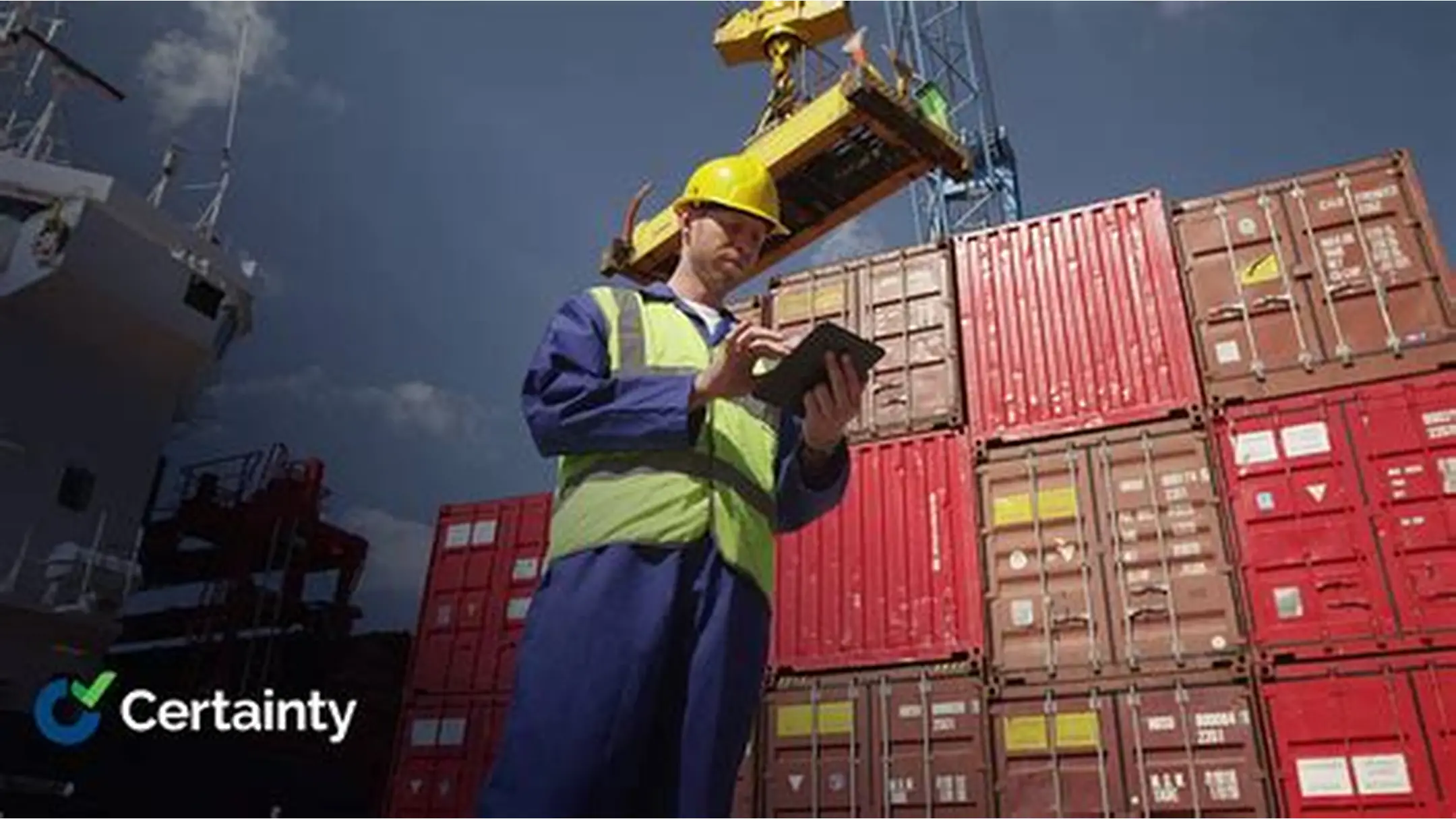
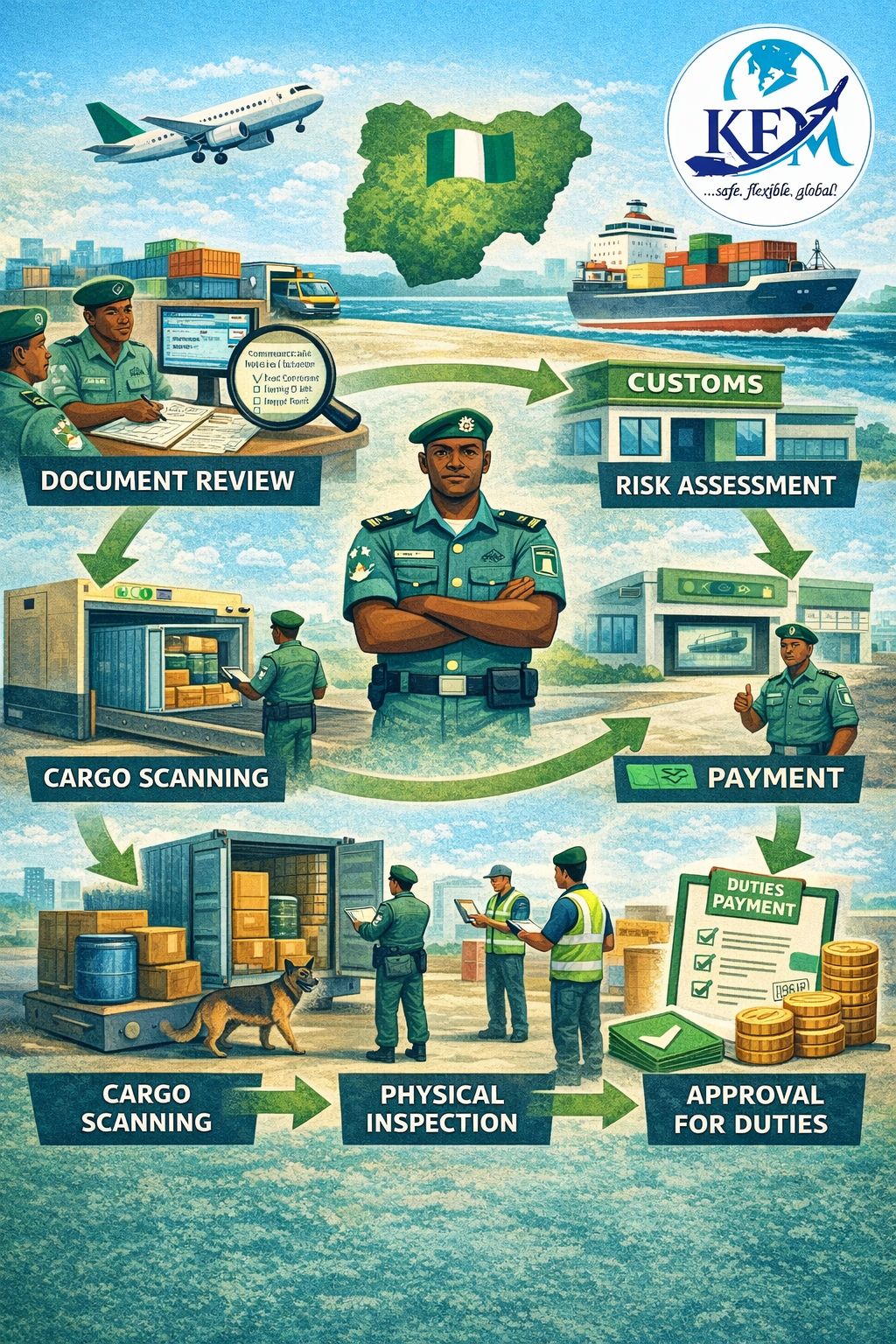
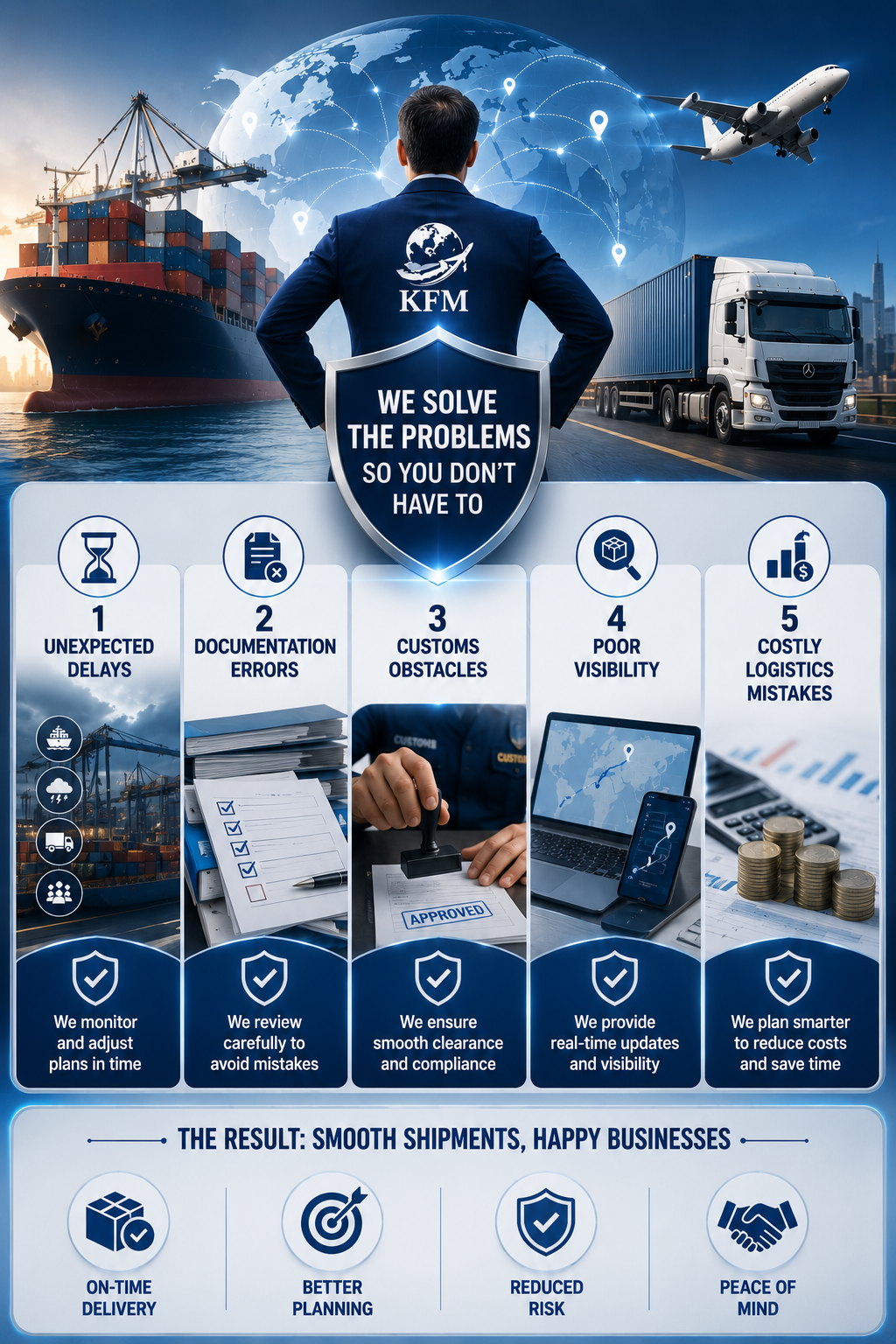
- Documents are checked
- Duties are calculated
- Regulations are verified
Once everything is in order, customs gives approval for the goods to leave the port.
That approval is what importers refer to as “clearing the goods.”
The Good News
Although customs clearance may sound complicated, the process becomes much easier when you understand the basic steps and work with experienced professionals.
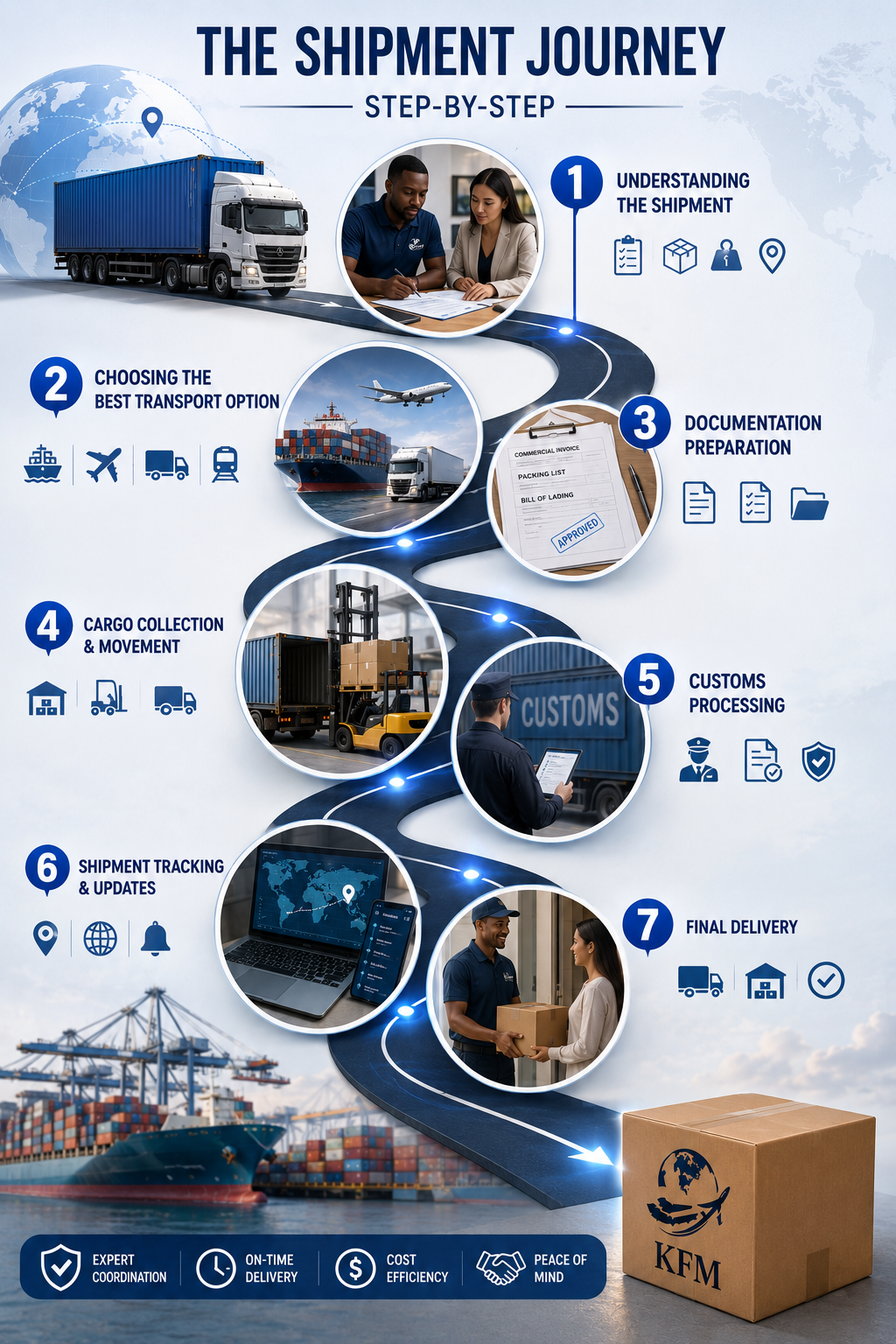
In the next post, we will walk through the step-by-step journey your goods take from arrival at the port to final release.
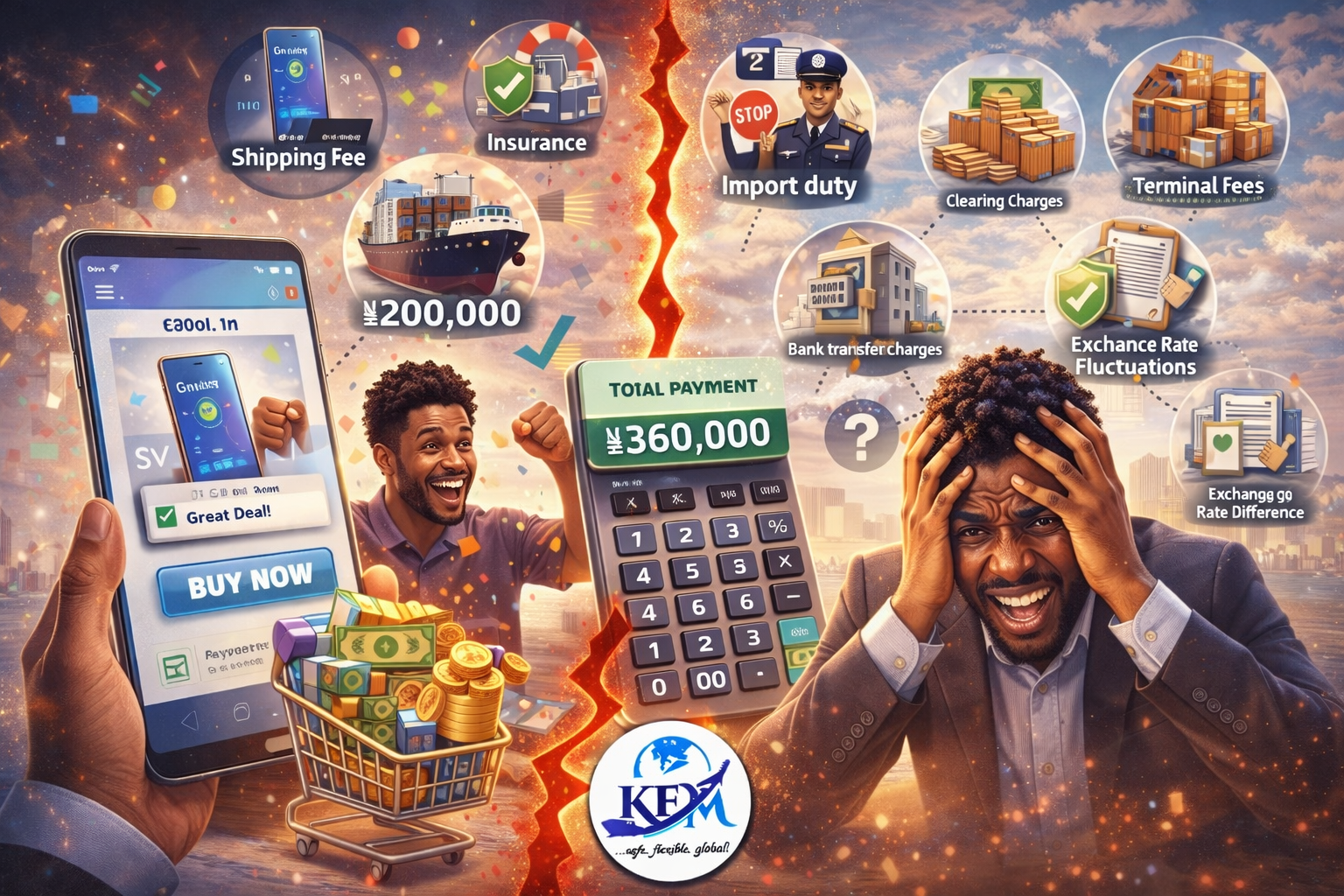
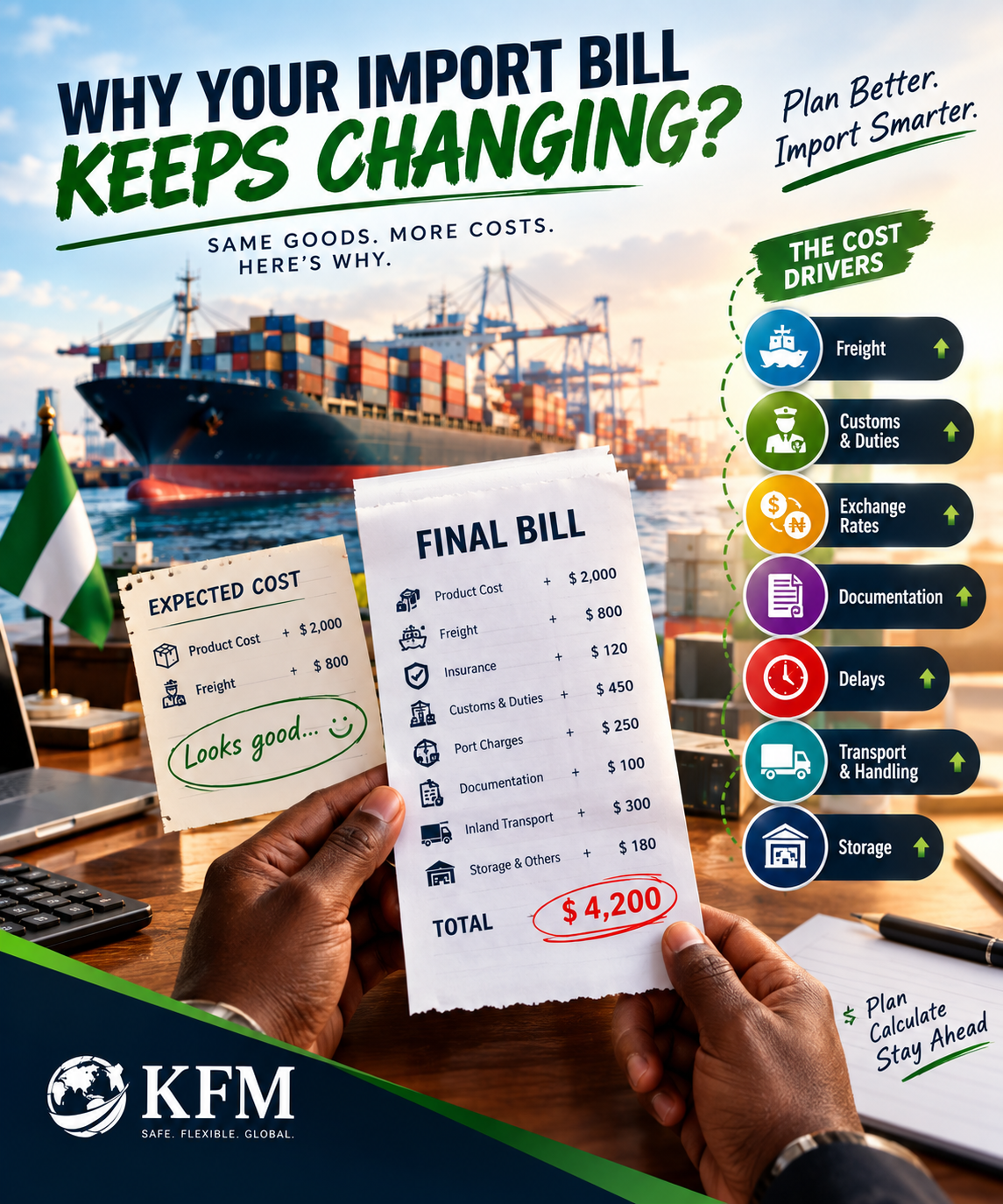
Understanding that journey will help you avoid delays, unexpected charges, and costly mistakes.