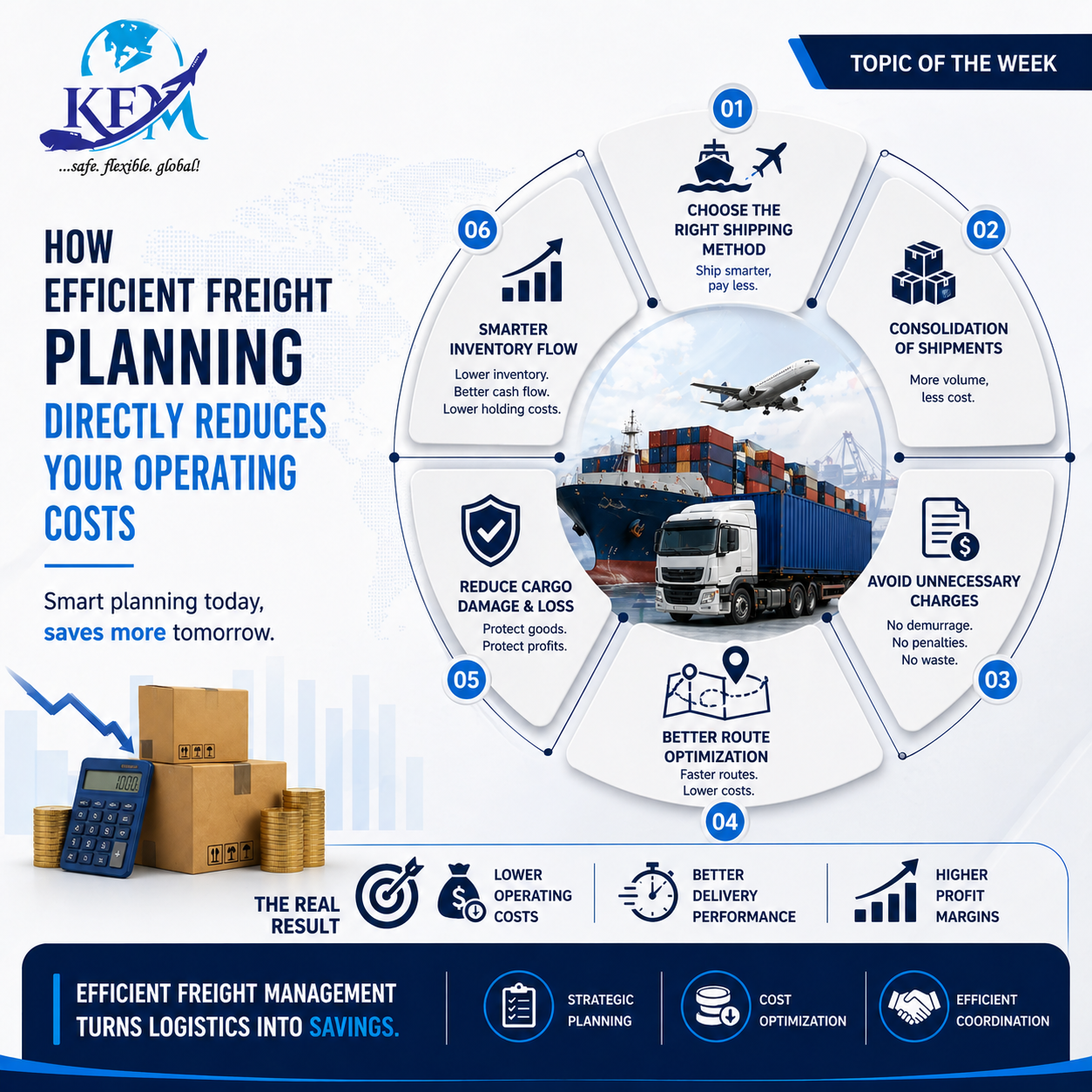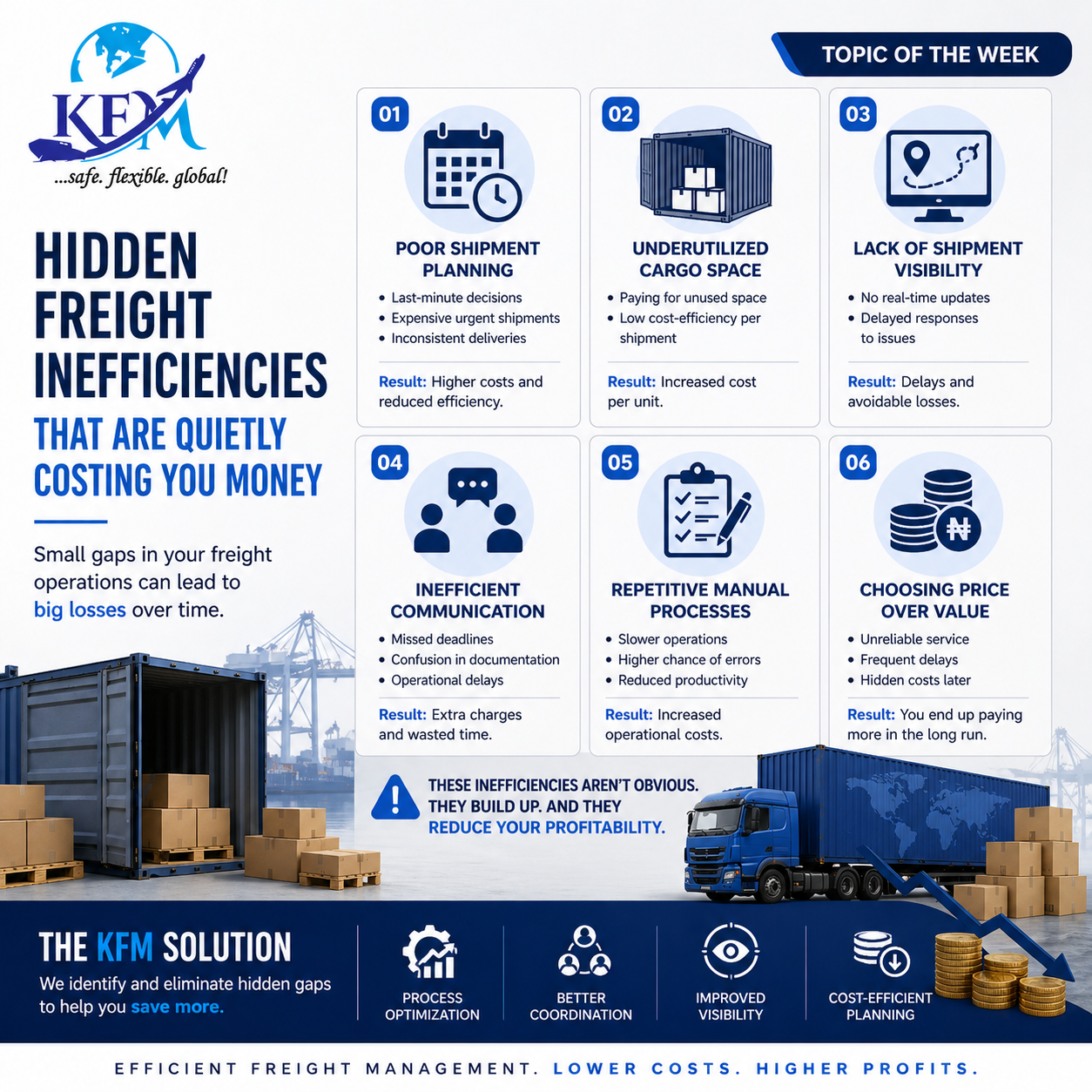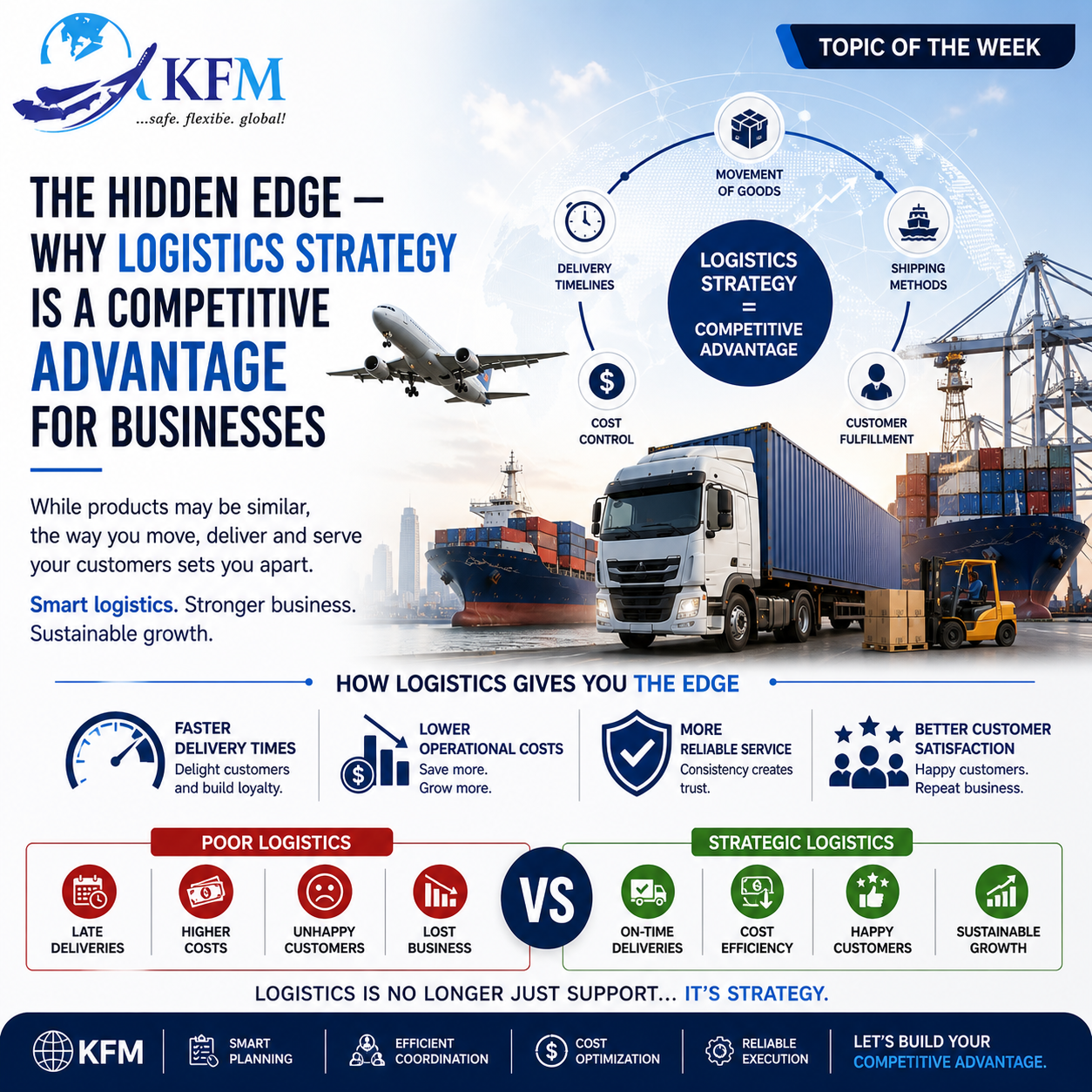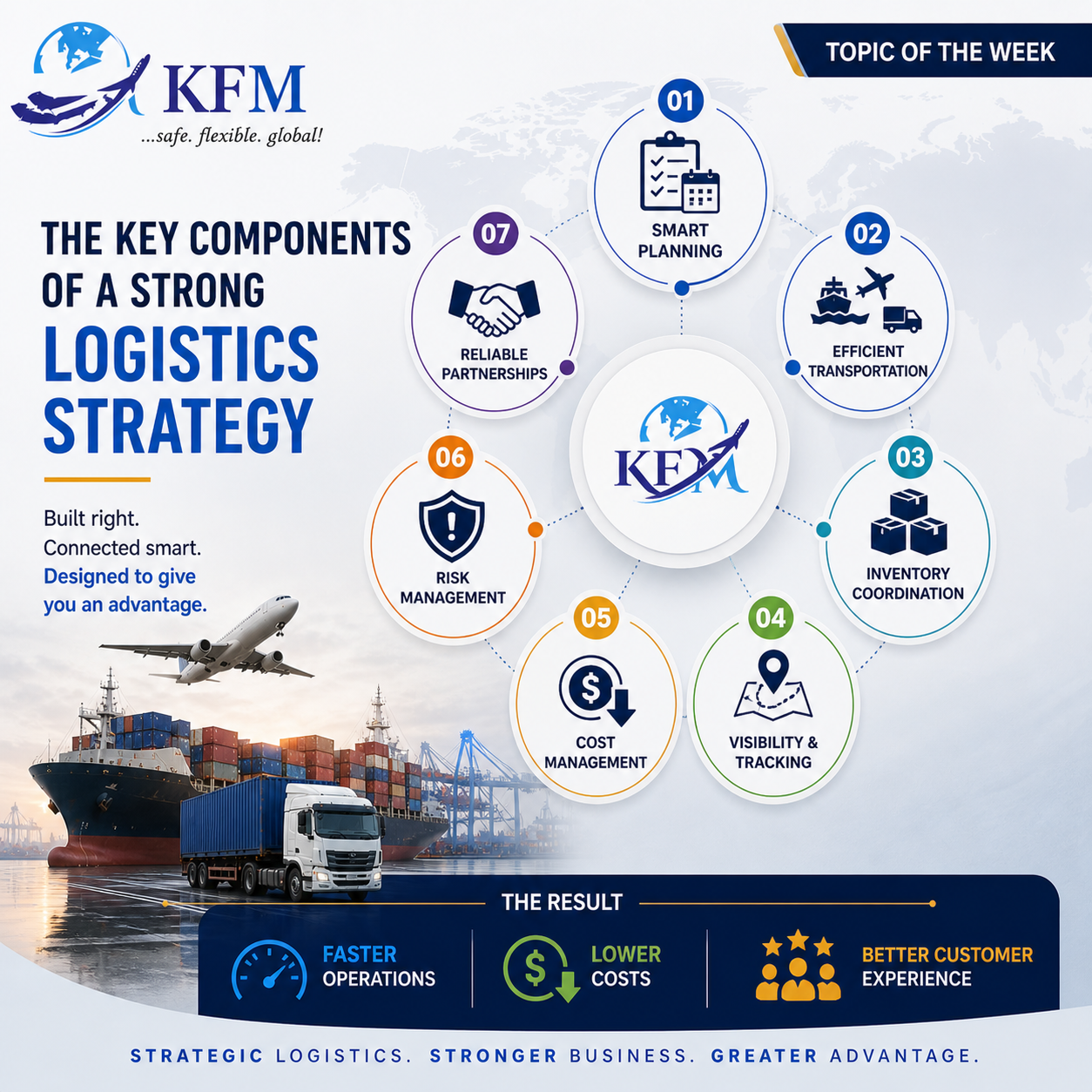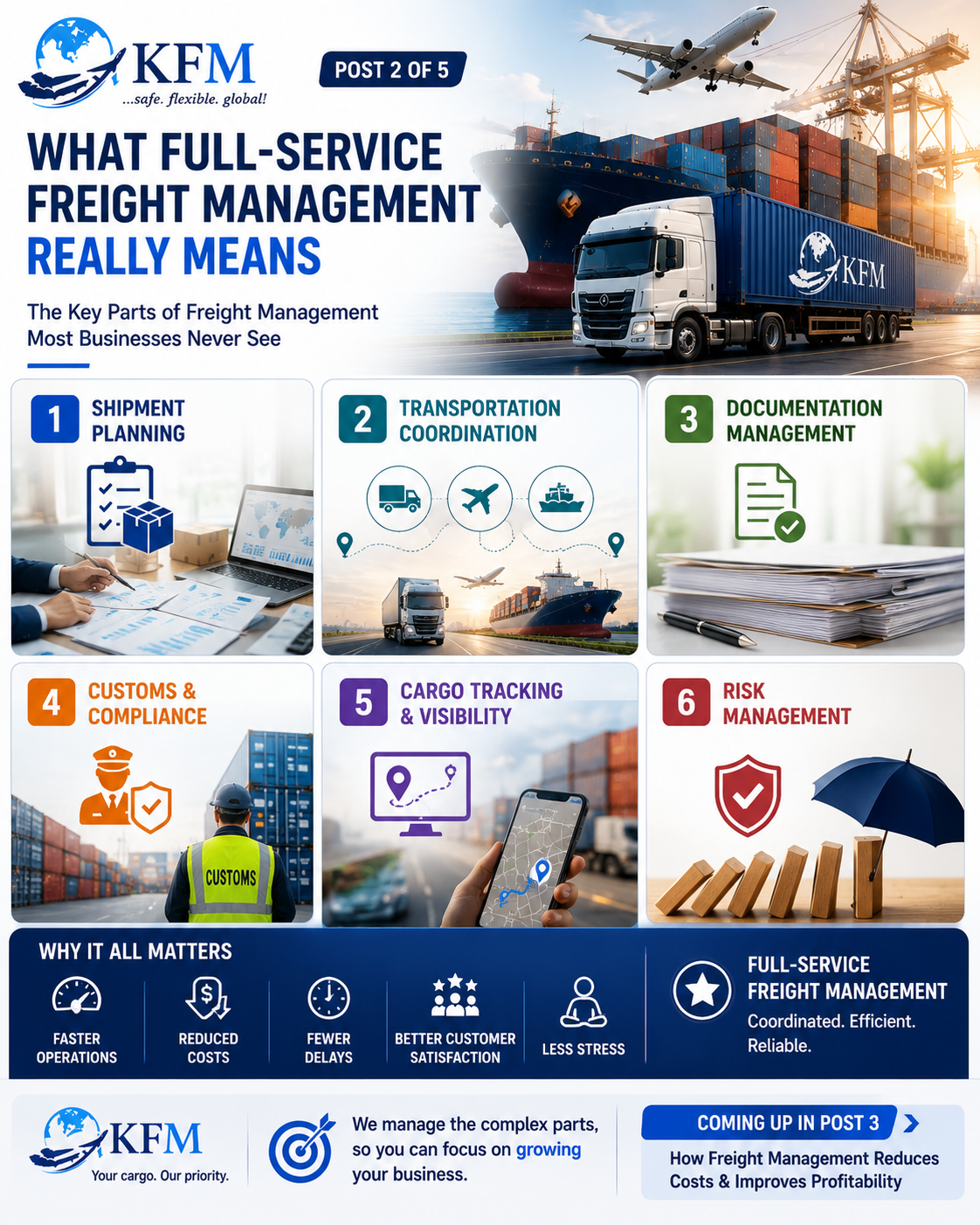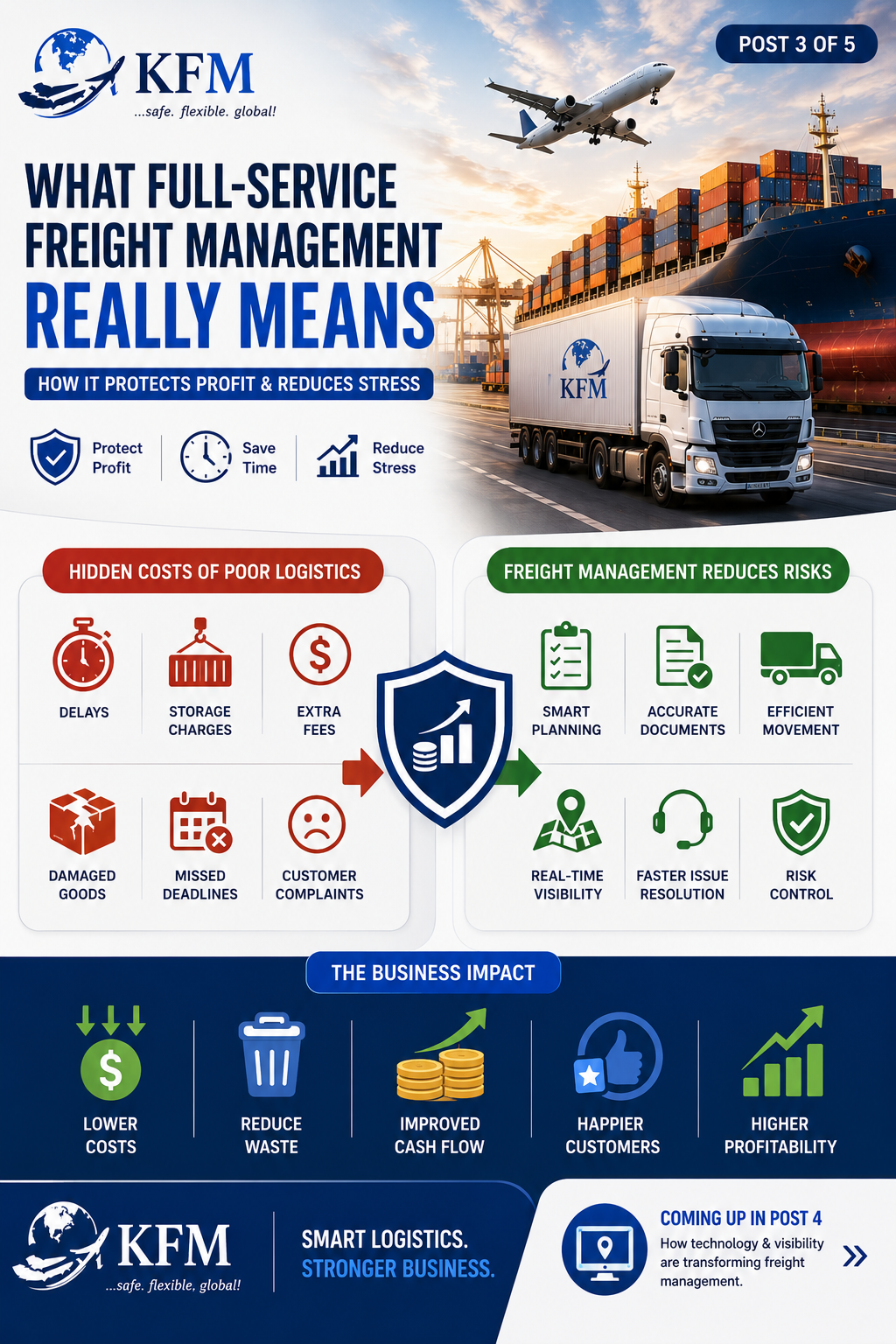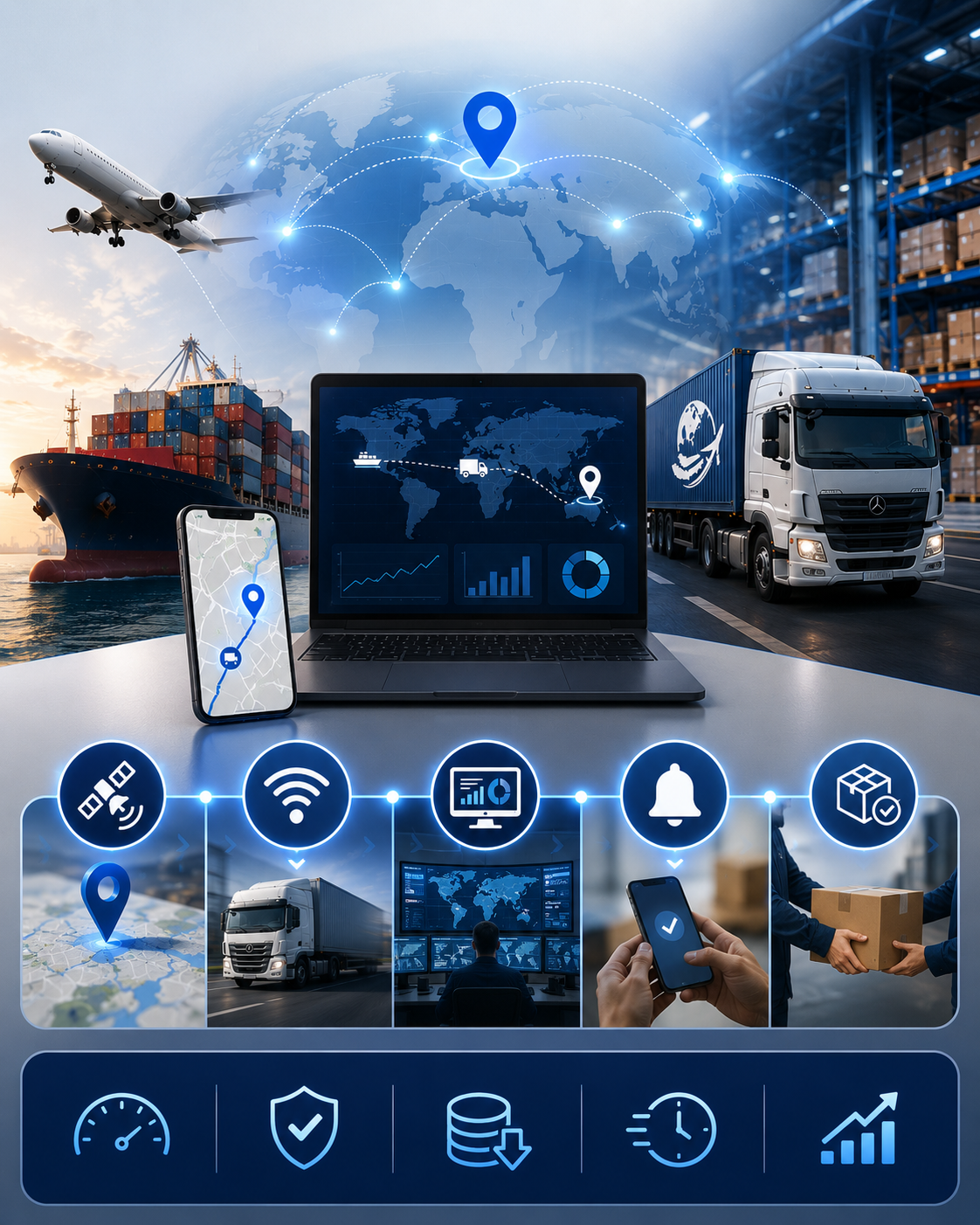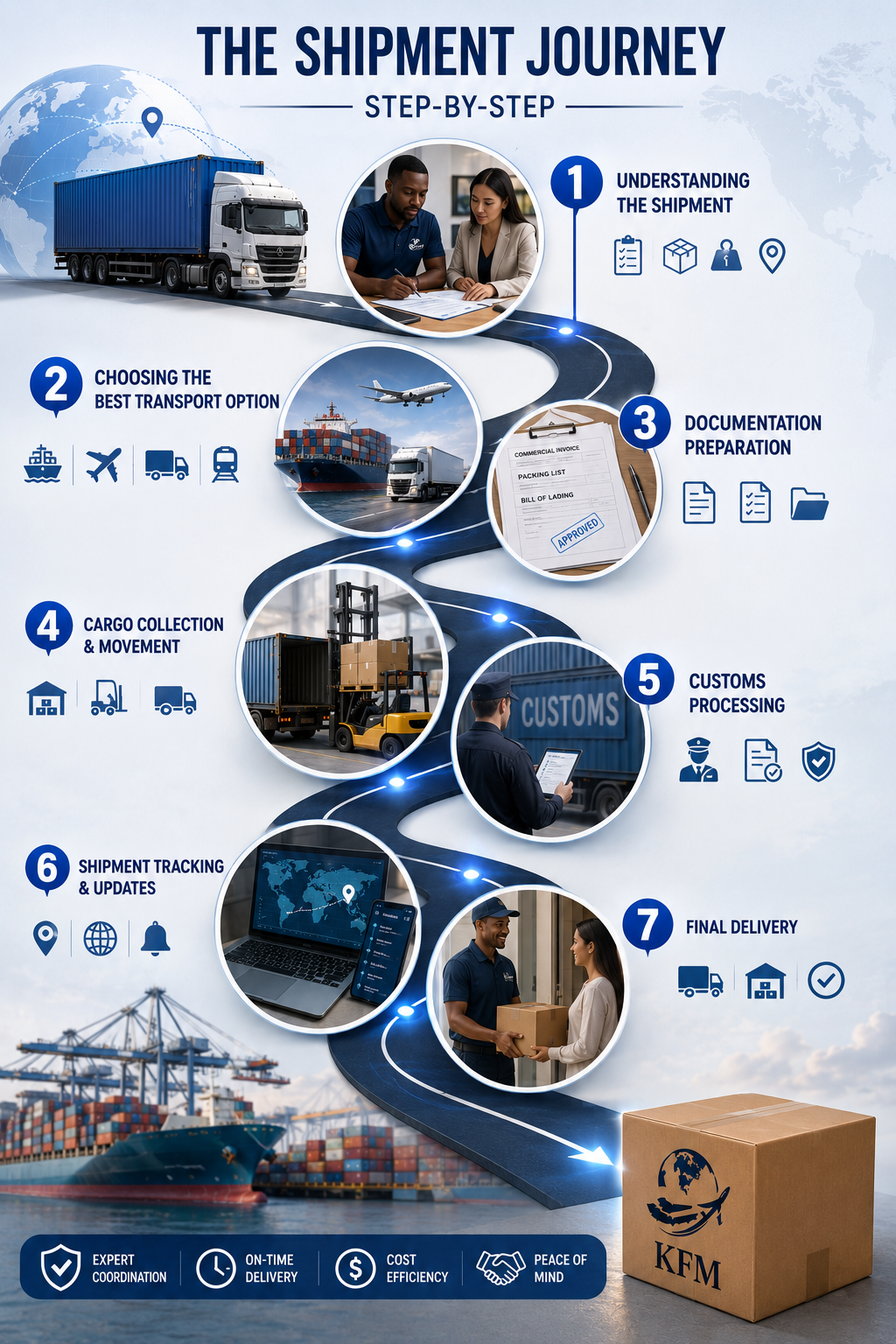
Growth is exciting — until it becomes uncomfortable.
At first, orders increase. Then shipment volumes grow. Then customers expect faster delivery. Then partners demand consistency.
And somewhere in between, many businesses quietly hit a wall they didn’t plan for.
Not because demand dropped. Not because the product lost relevance.
But because logistics stopped scaling with ambition.
The Plateau No One Talks About
Many businesses assume growth problems come from marketing, pricing, or competition.
So they invest more in ads. They redesign packaging. They hire salespeople.
Yet results stay flat.
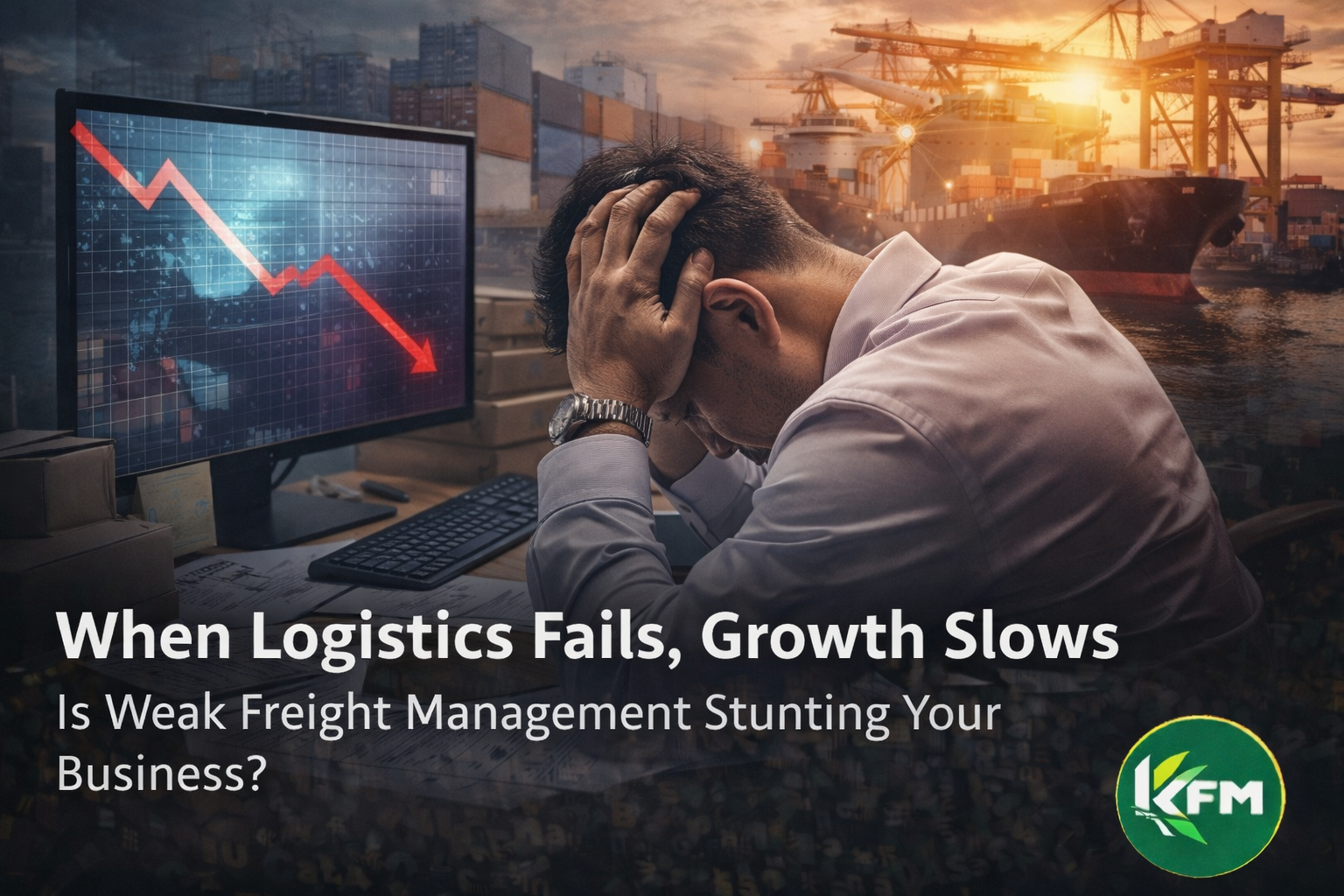
What they often miss is this: You cannot outgrow weak logistics.
At a certain stage, logistics stops being a support function and starts becoming the system that determines whether growth continues — or stalls.
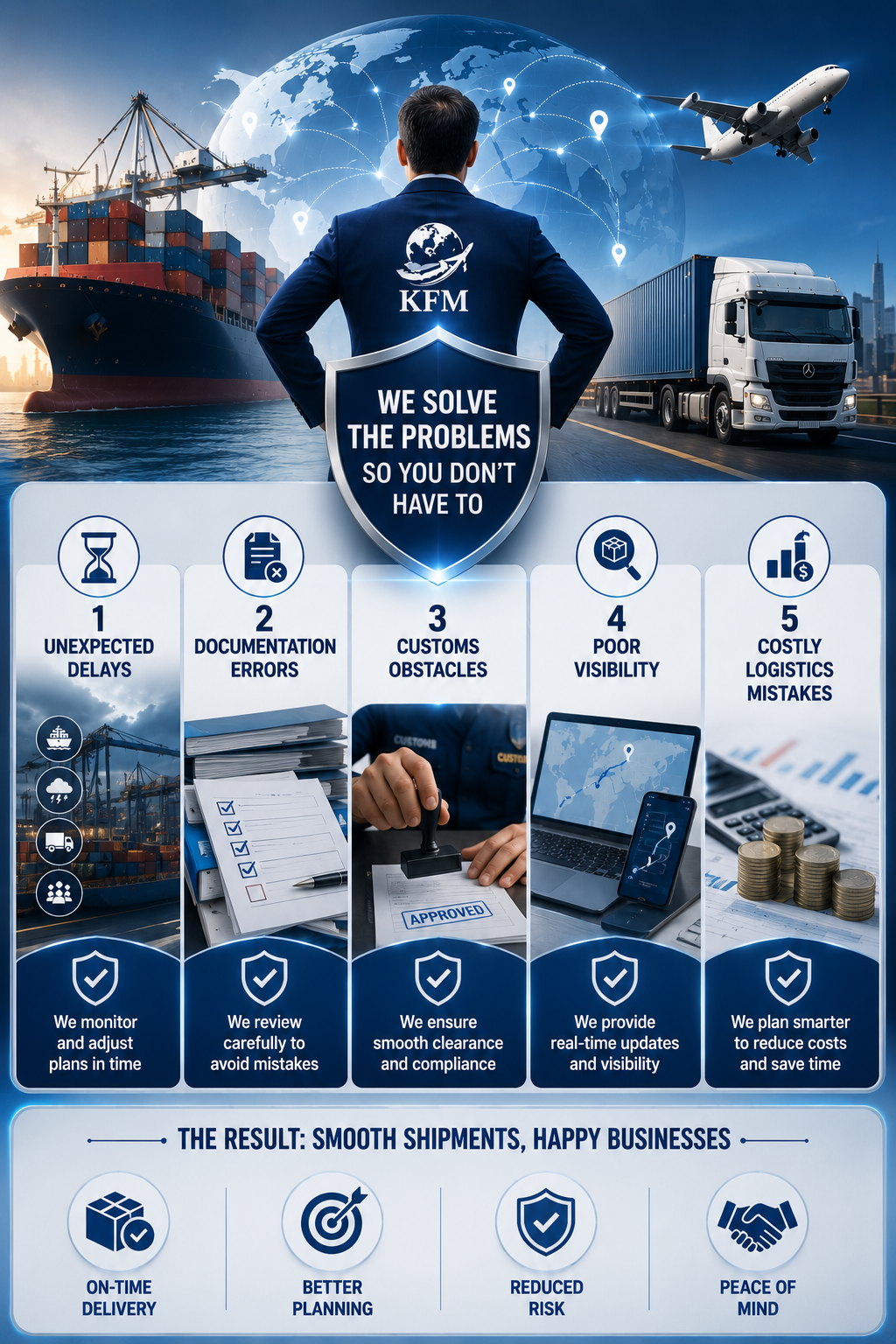
- Late shipments
- Inconsistent supply
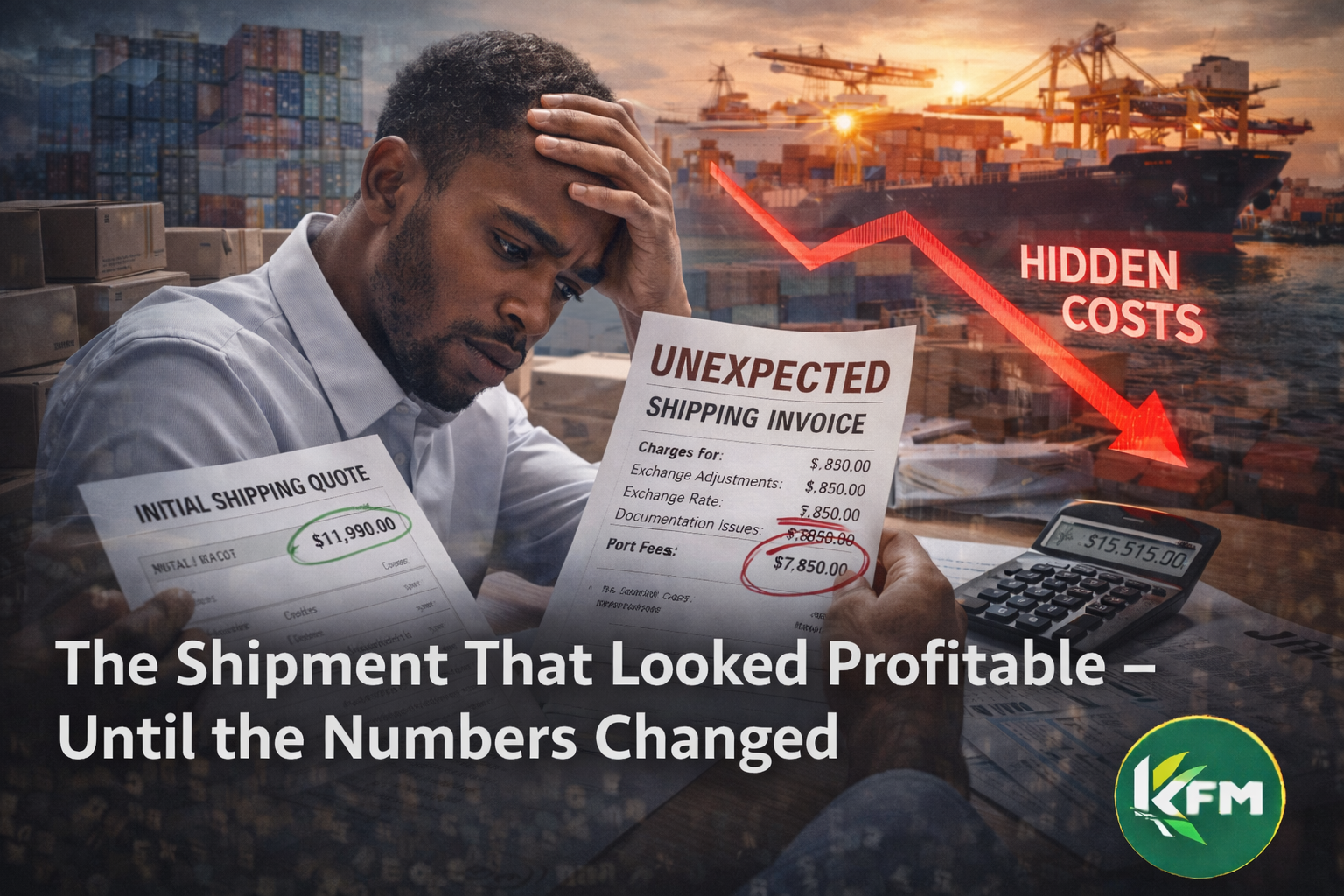
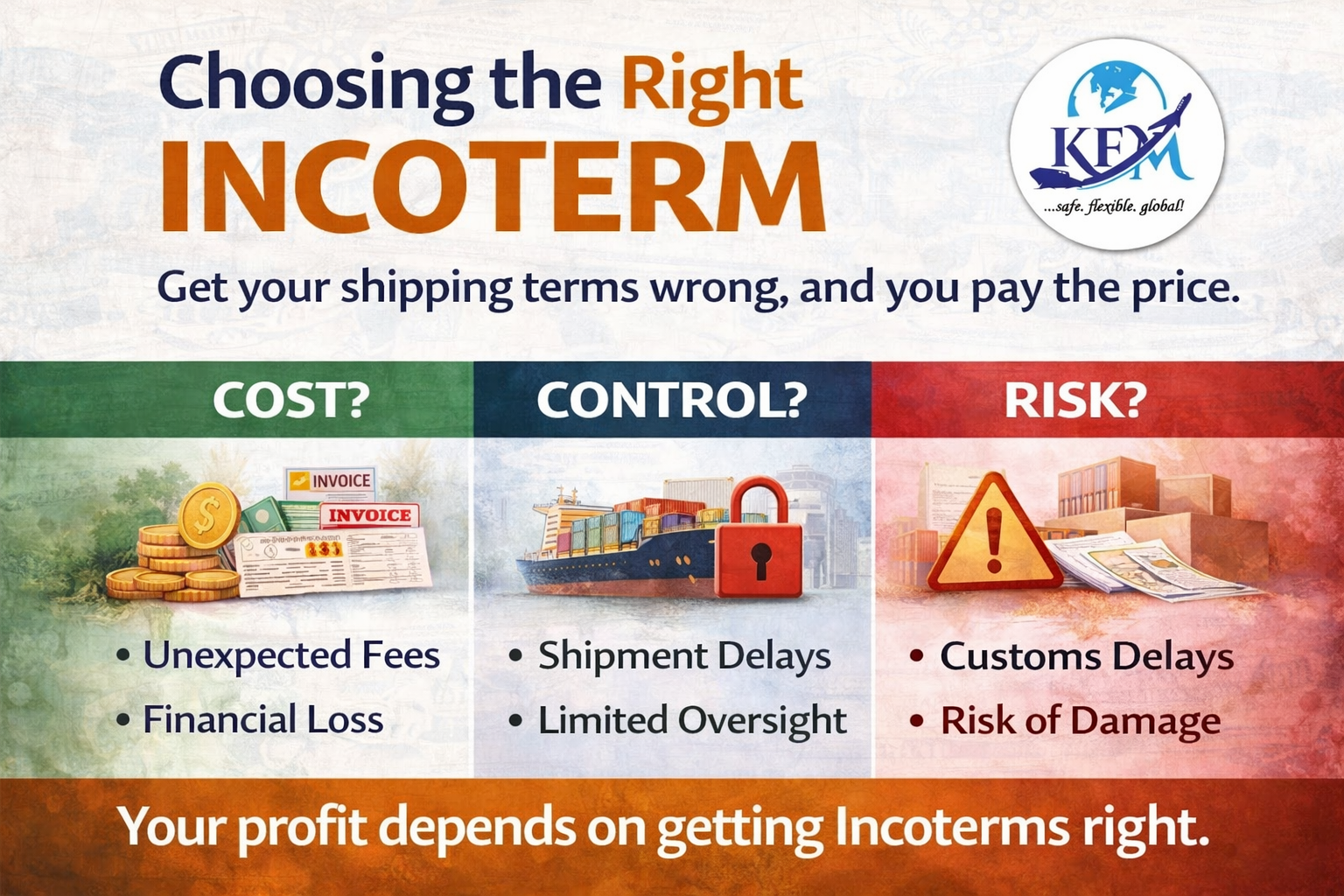
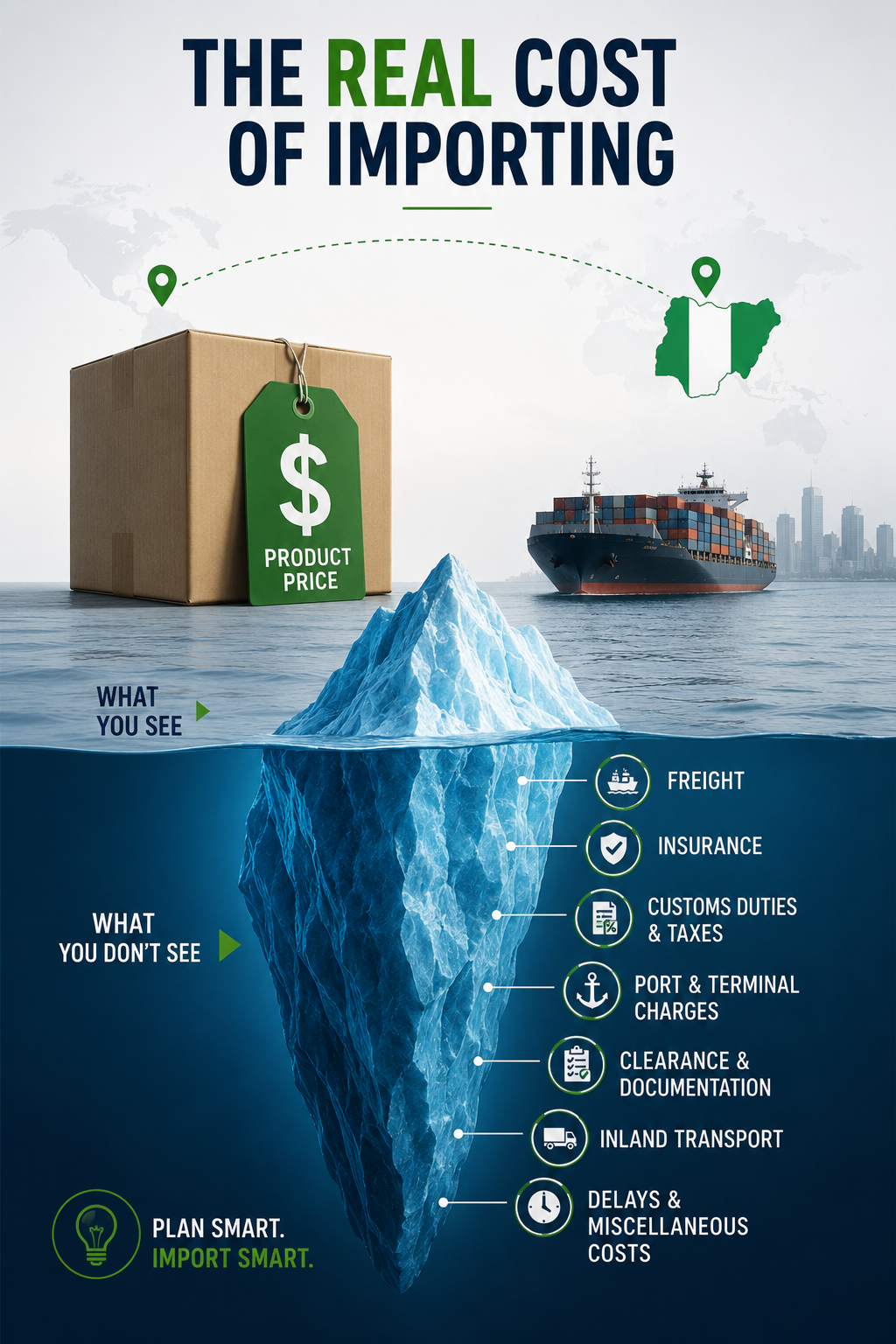
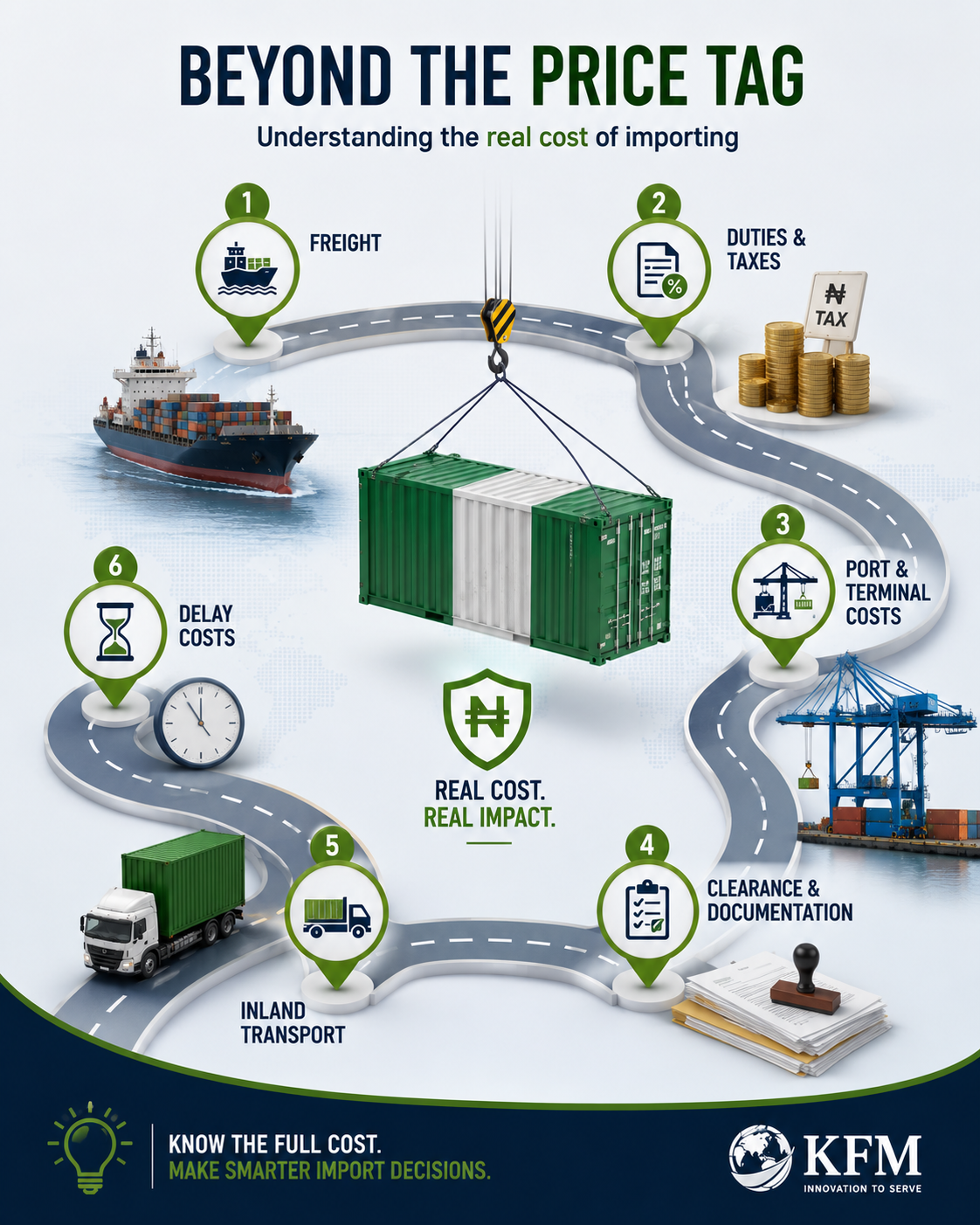
- Rising hidden costs
- Unreliable delivery timelines
- Customer complaints creeping in quietly
These are not operational inconveniences. They are growth blockers.
Growth Changes the Rules of Shipping
What works for small volumes breaks under scale.
A business shipping occasionally can survive with improvisation. A growing business cannot.
As volume increases:
- Mistakes become more expensive
- Delays affect more customers
- Errors compound faster
- Cash flow becomes more sensitive
- Reputation becomes harder to protect
In this stage, logistics decisions stop being tactical. They become strategic.
Why Improvised Logistics Is a Risky Bet in Today’s Market
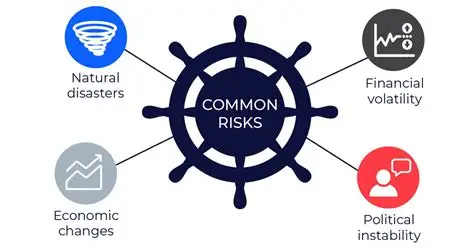
In today’s trade environment, uncertainty is no longer an exception. It is the baseline.
- Ports are congested
- Regulations change frequently
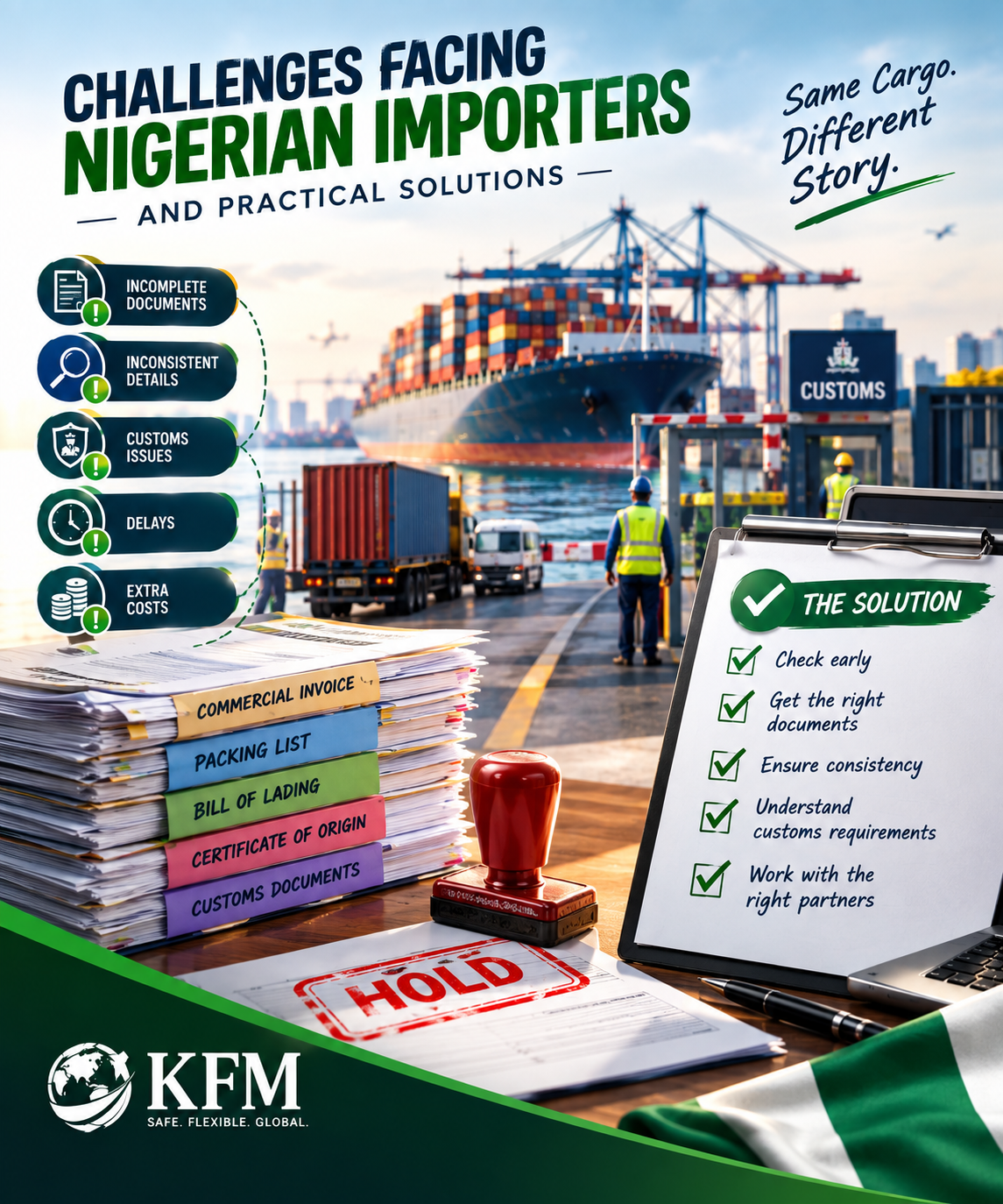
- Documentation scrutiny is tighter
- Costs fluctuate unpredictably
- Compliance mistakes are punished faster
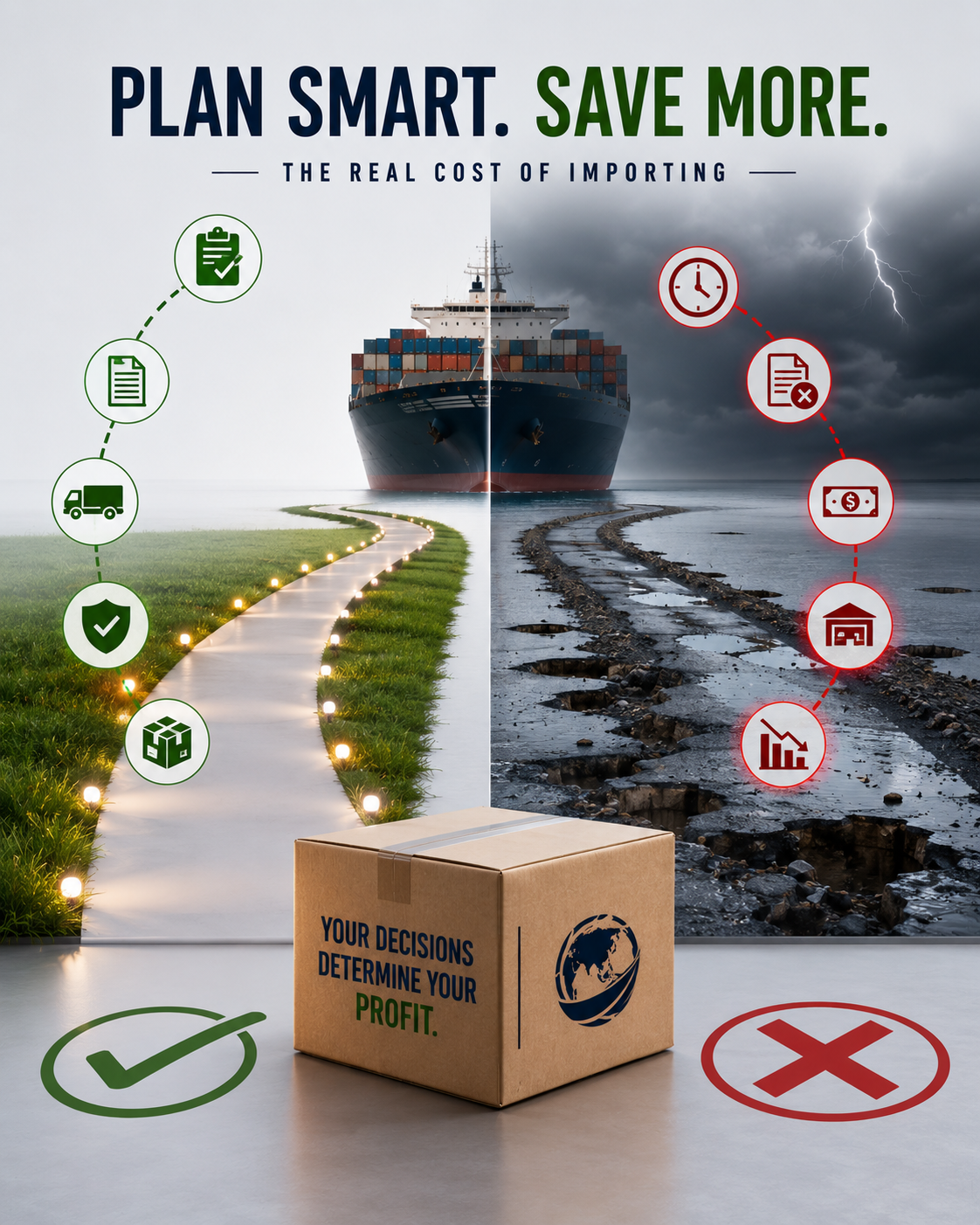
Trying to “manage as it comes” is no longer flexibility. It is exposure.
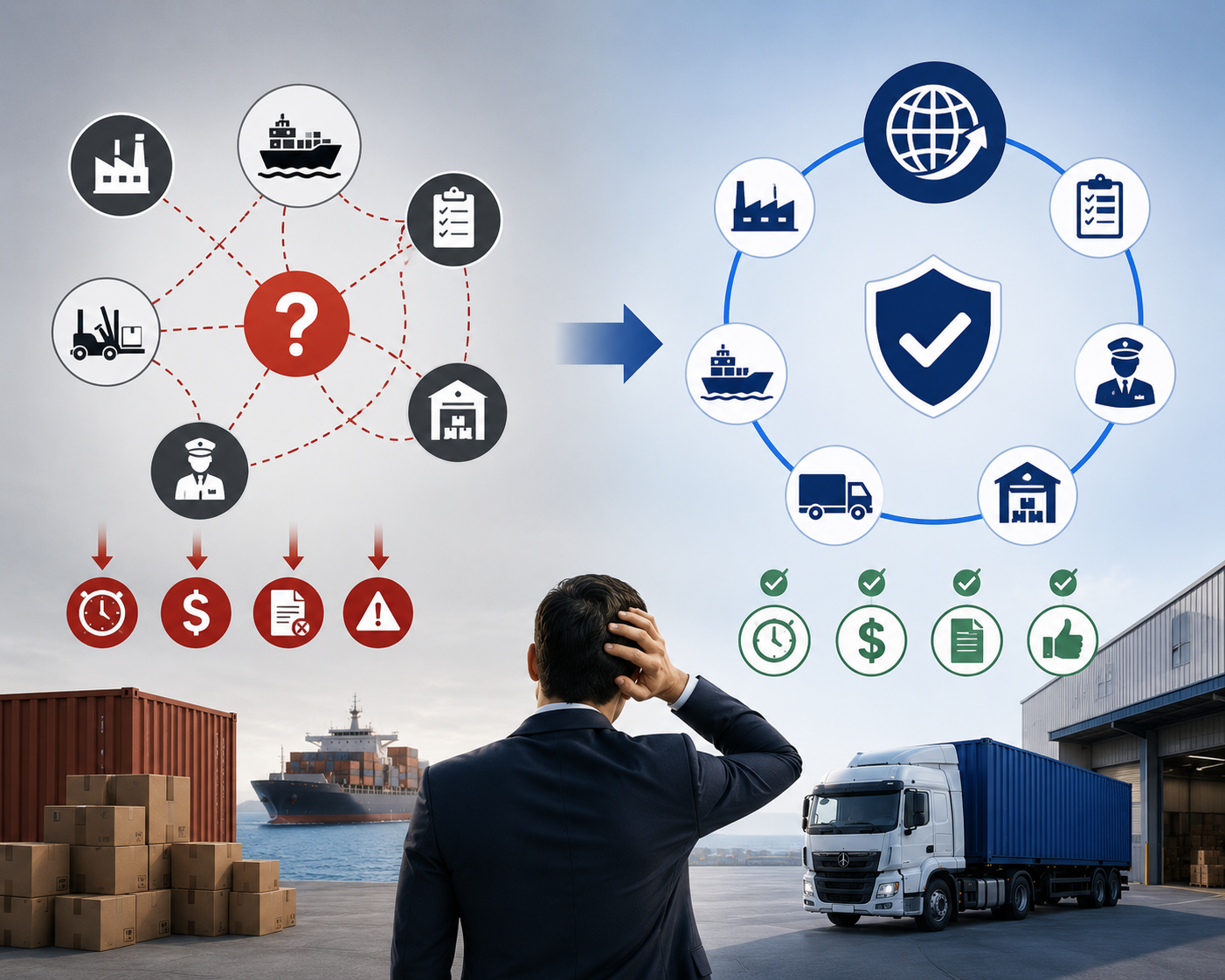
Professional freight management replaces reaction with preparation.
Instead of asking “What went wrong?” you start asking “What could go wrong — and how do we prevent it?”
Logistics Is No Longer About Movement — It’s About Control
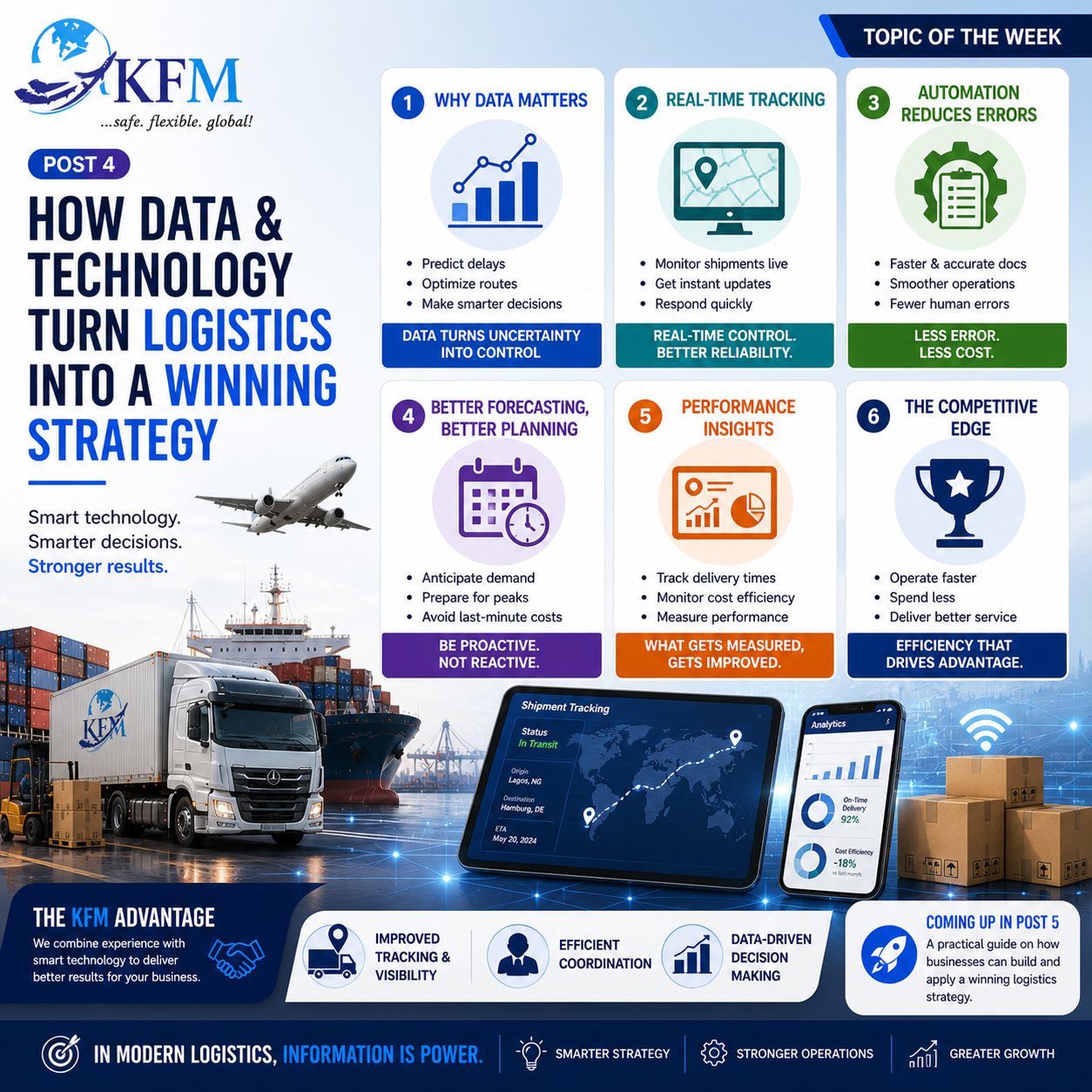
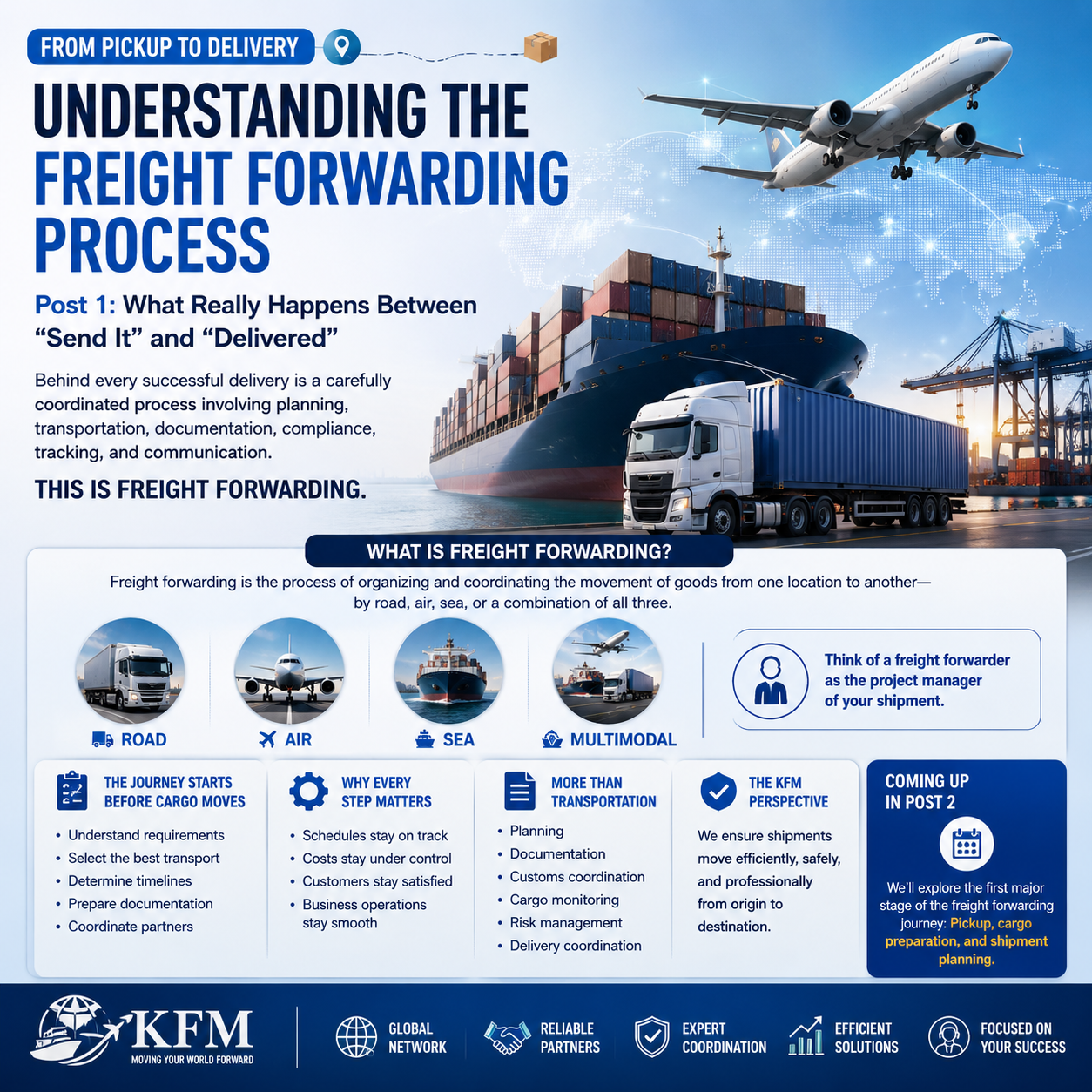
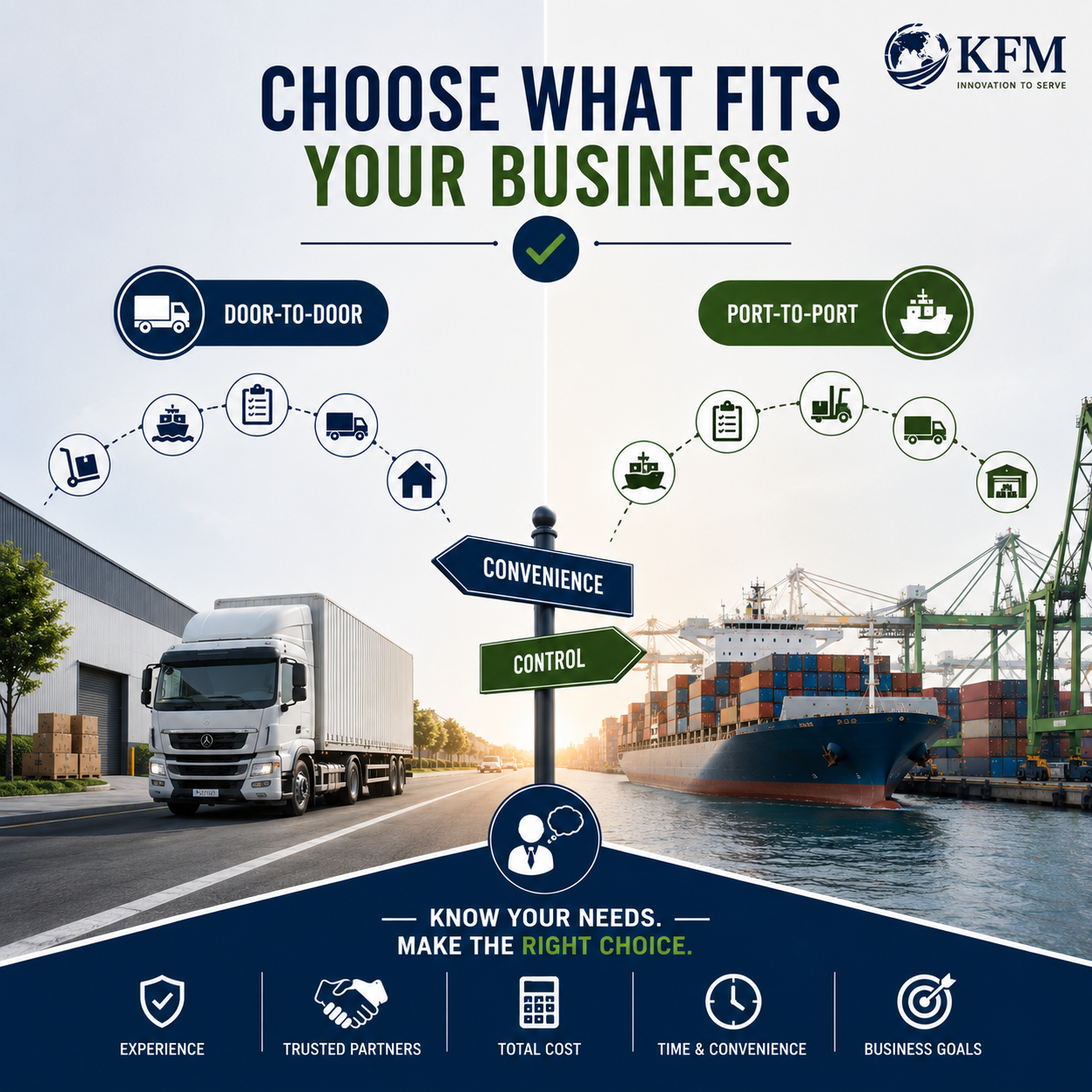
Modern freight management is not about speed alone. It is about control over outcomes.
- Control over costs
- Control over timelines
- Control over compliance
- Control over risk
- Control over customer experience
Businesses with strong logistics systems don’t panic when conditions change. They adapt calmly.
Because their systems were designed for volatility — not ideal conditions.
The Businesses That Scale Think Differently
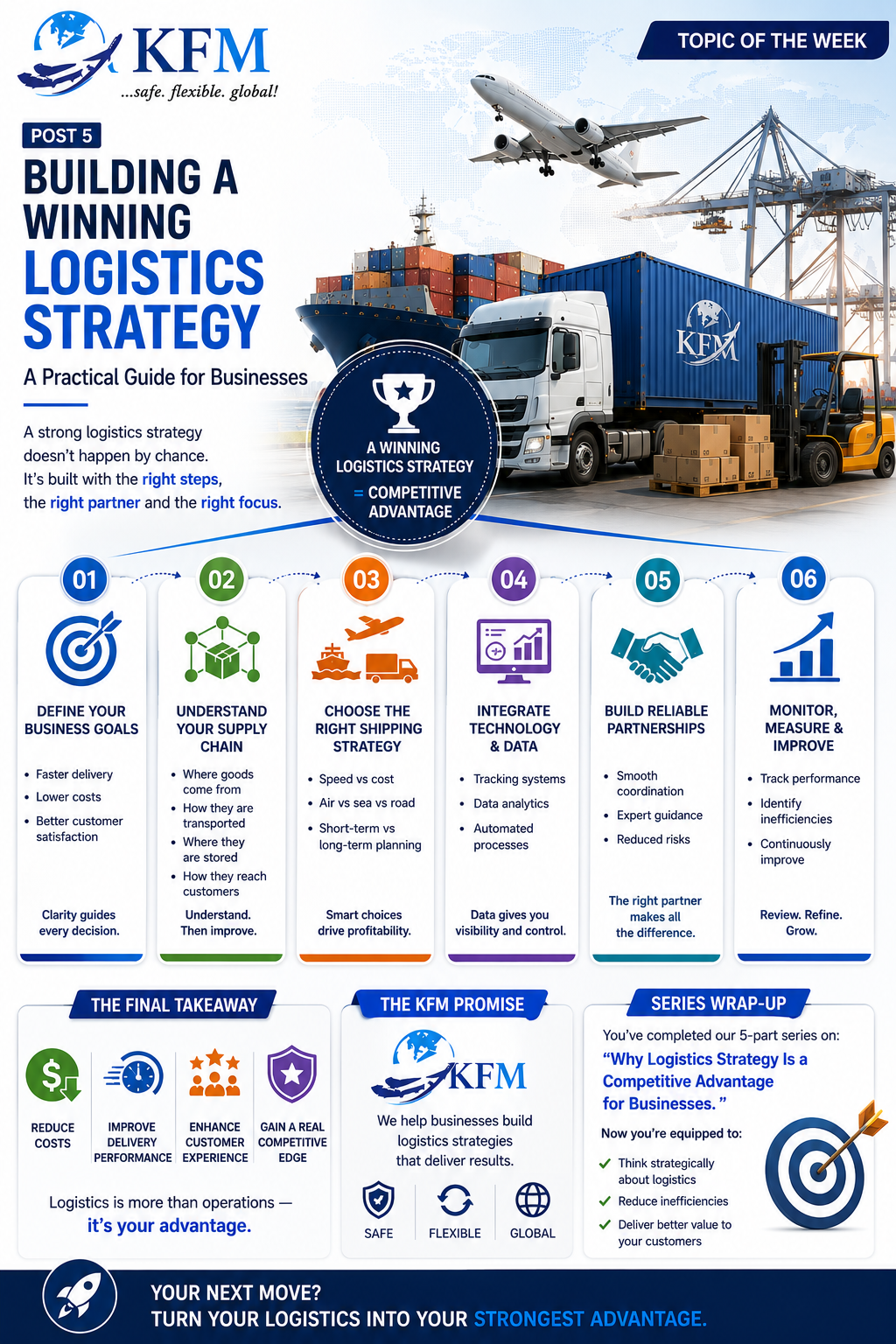
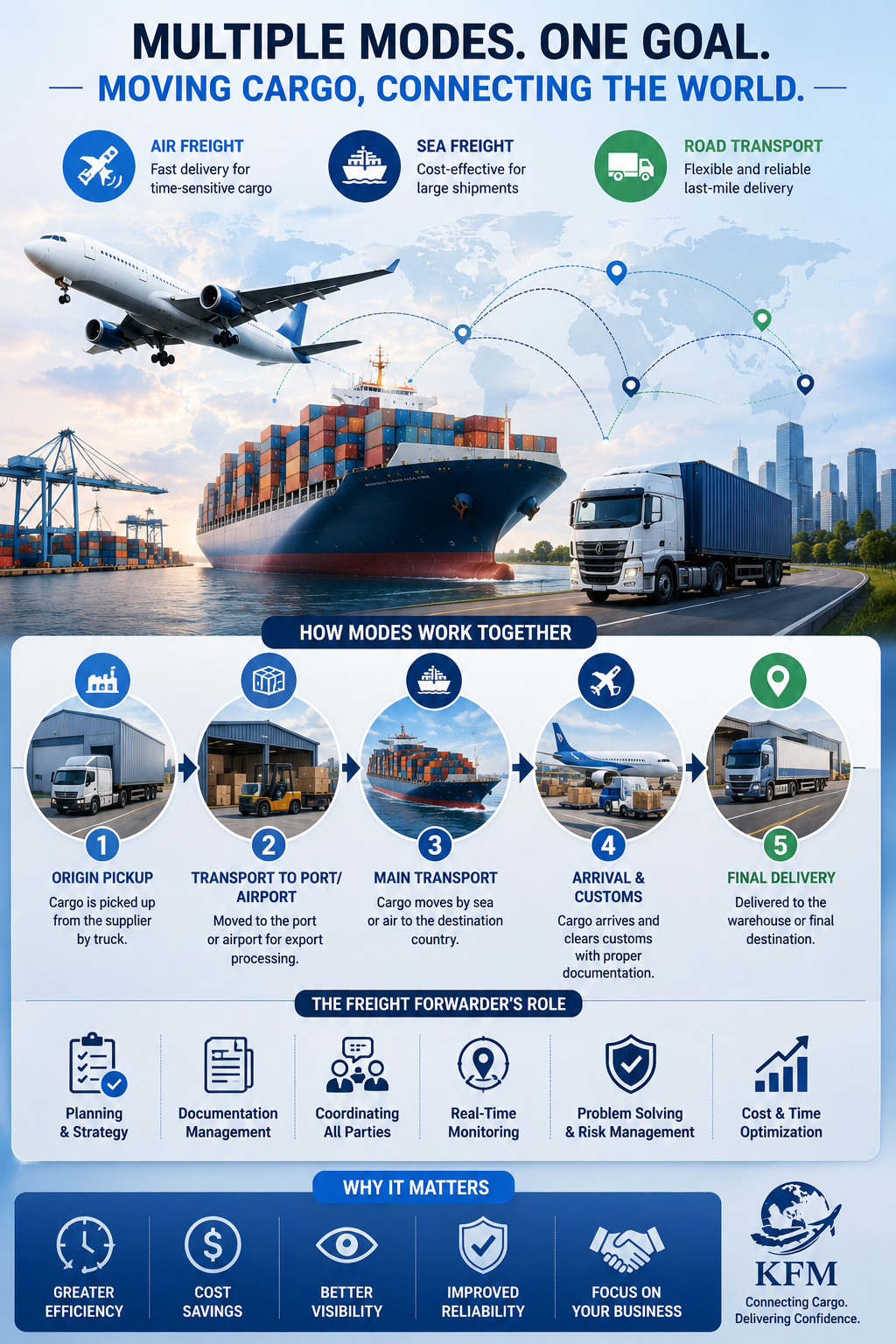
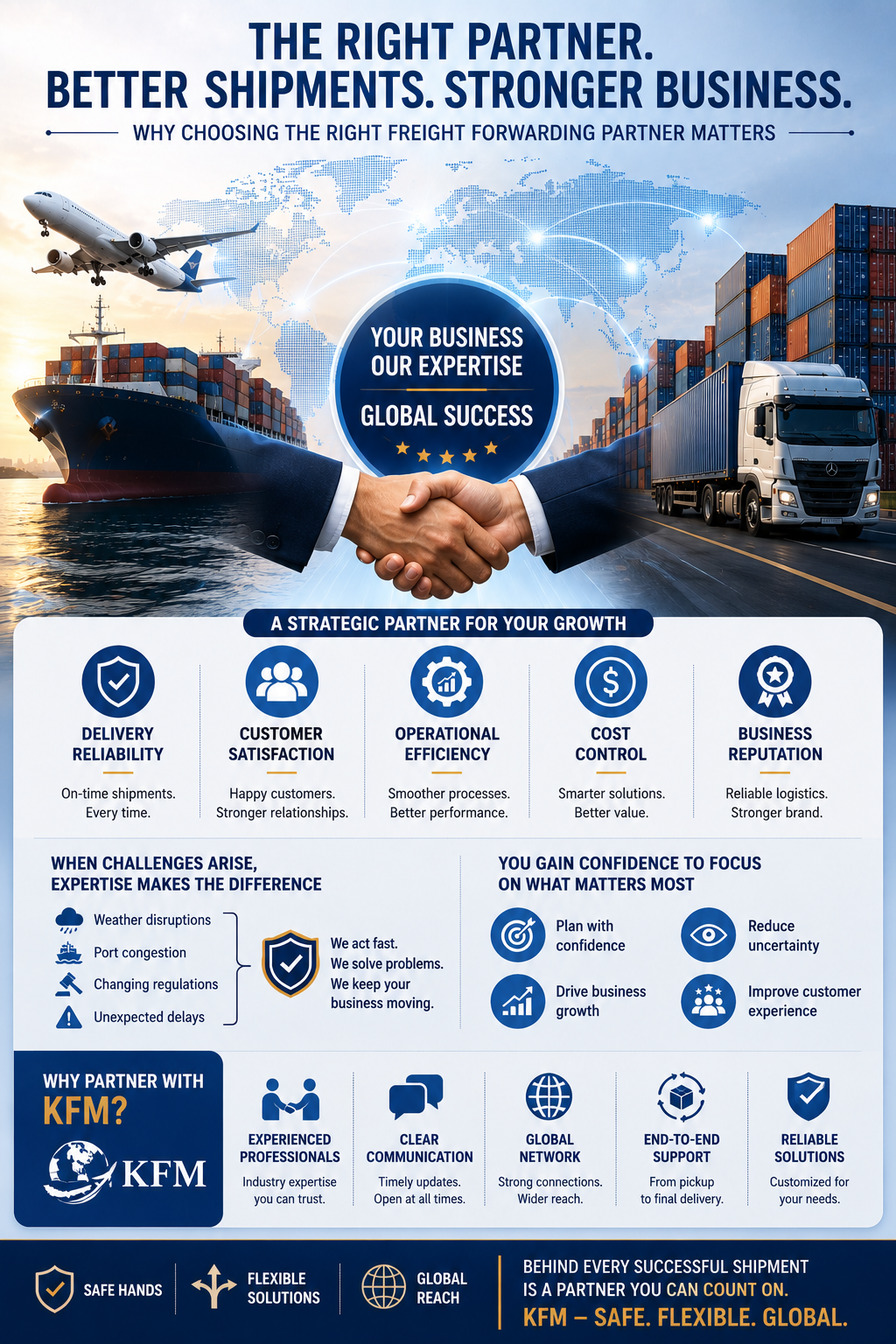
Scaling businesses don’t look for freight vendors. They look for freight partners.
Partners who:
- Understand their business model
- Plan shipments intentionally
- Forecast costs accurately
- Flag risks early
- Communicate clearly
- Think long-term, not shipment-by-shipment
This is why the fastest-growing businesses often appear calm from the outside.
Their growth is supported by structure.
Where KFM Comes In
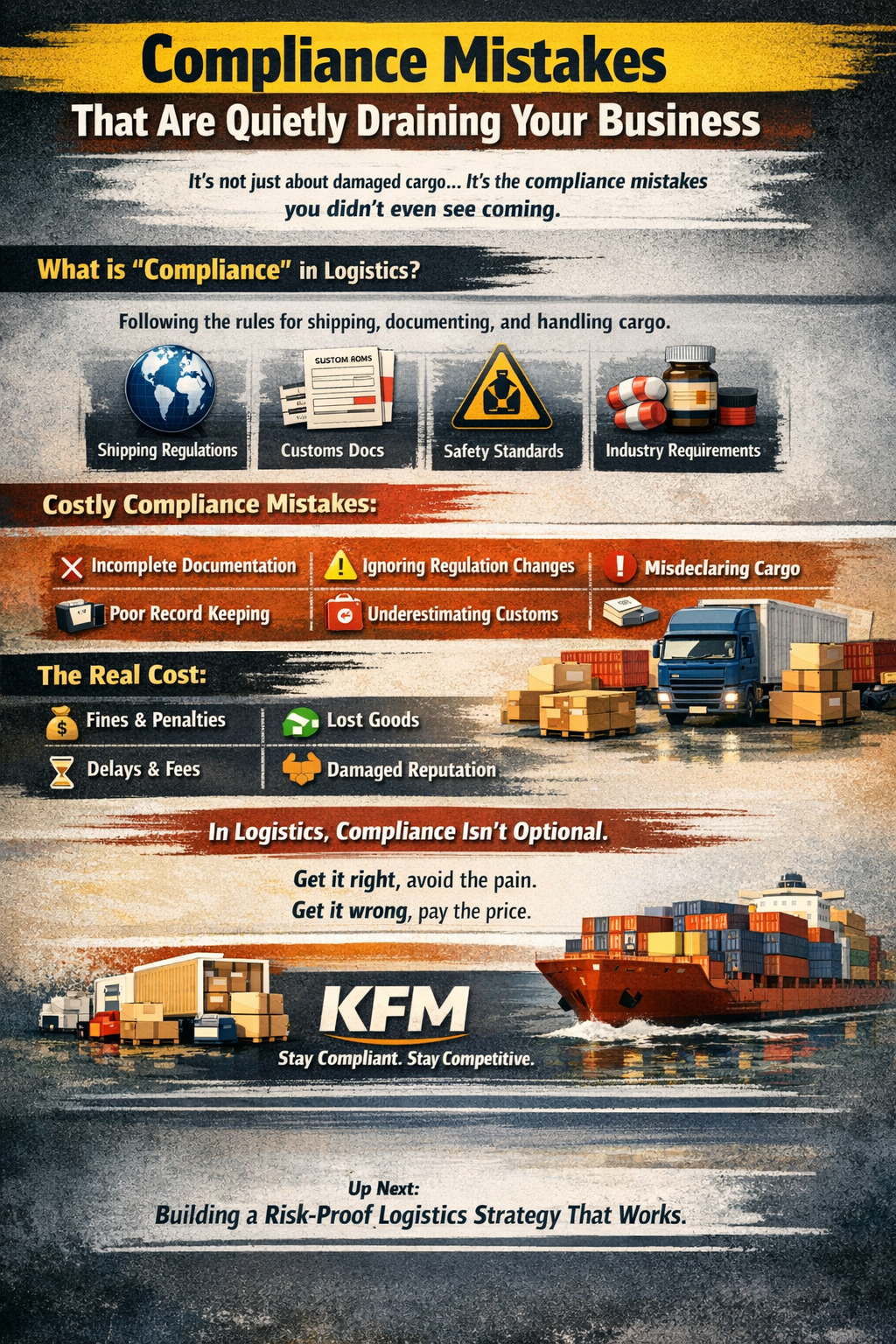
At KFM, we work with businesses at this exact crossroads.
The stage where ambition is no longer the problem. Where demand is real. Where opportunity is visible.
But where systems must evolve.
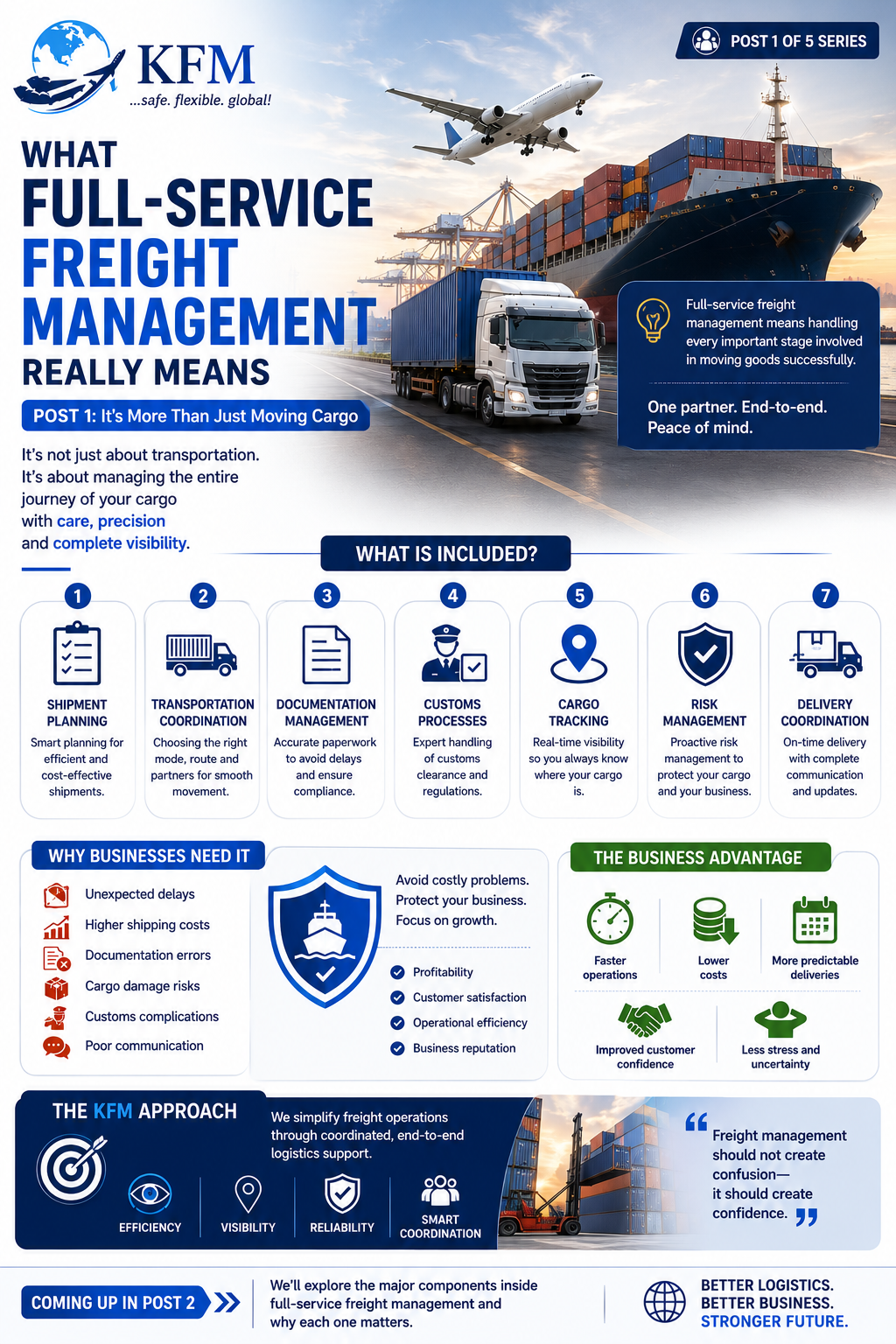
We help businesses move from reactive shipping to professional freight management — with clarity, compliance, and consistency at the core.
Not just to move cargo. But to remove friction from growth.
The Real Competitive Edge
In today’s market, many businesses sell similar products. Many compete on price. Many fight for attention.
But few invest deeply in the systems that keep everything running smoothly behind the scenes.
And that is where the real advantage lives.
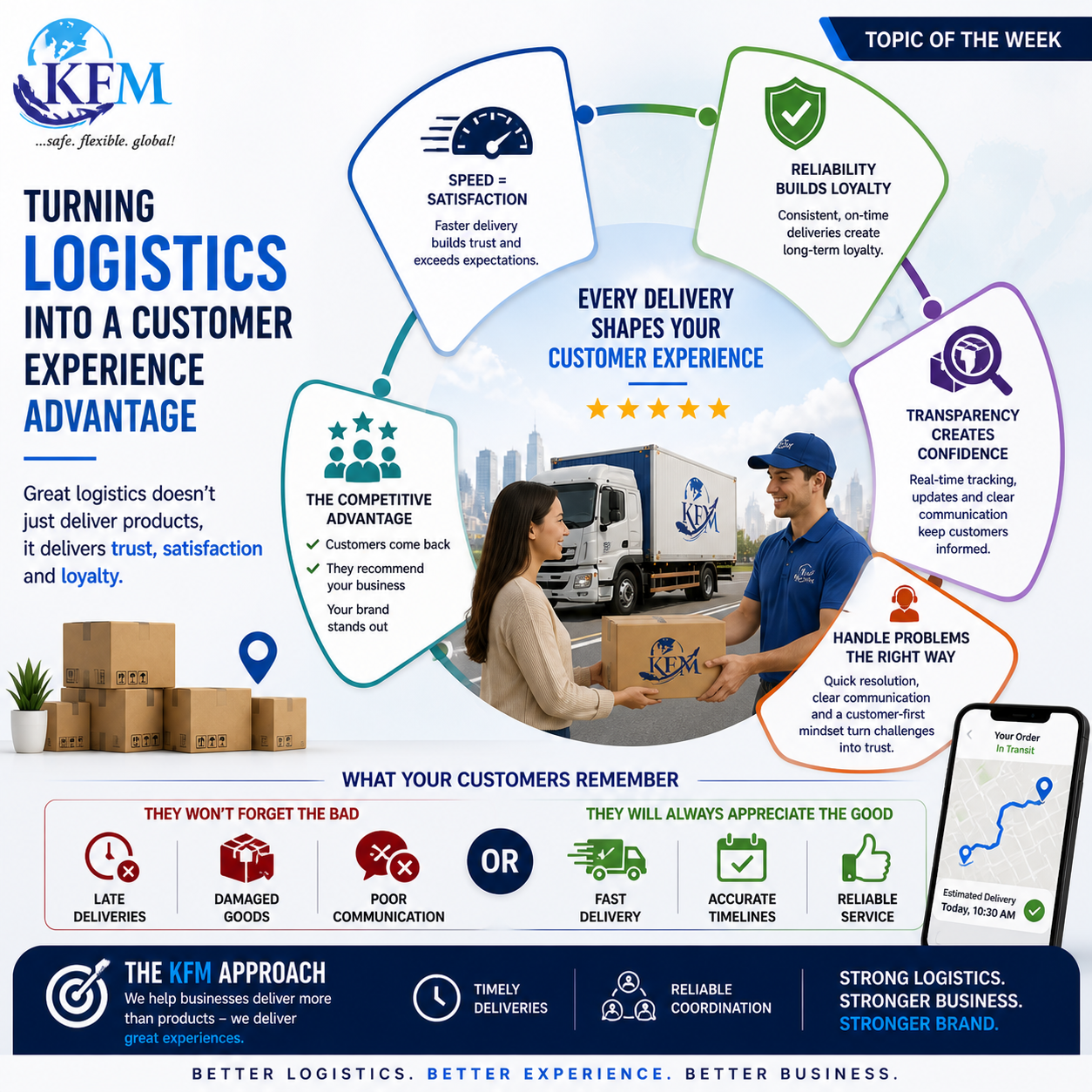
Strong logistics doesn’t just support growth. It protects it.
And in a world where volatility is guaranteed, protection is power.