Small businesses are not just surviving in Nigeria — they are building the backbone of the economy.
From fashion brands sourcing fabrics from China, to electronics sellers importing gadgets from Dubai, to agro-exporters sending produce to Europe, Nigerian SMEs are trading across borders every single day. But behind every successful cross-border business, there is often one silent growth partner most people overlook:
The freight forwarder.
Not just as a shipping agent. Not just as a middleman. But as a strategic enabler of growth.
SMEs Don’t Fail Because of Product — They Fail Because of Process
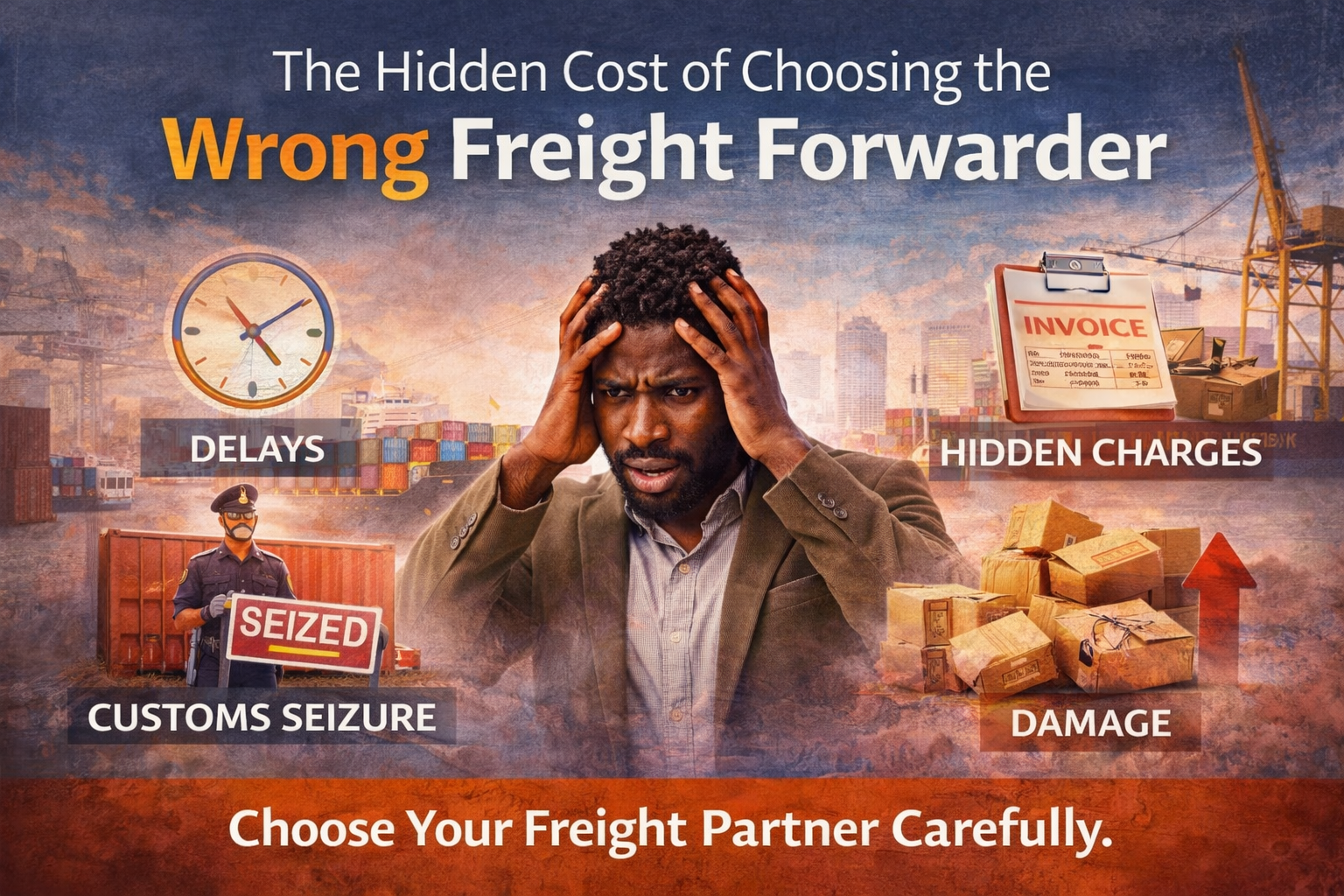
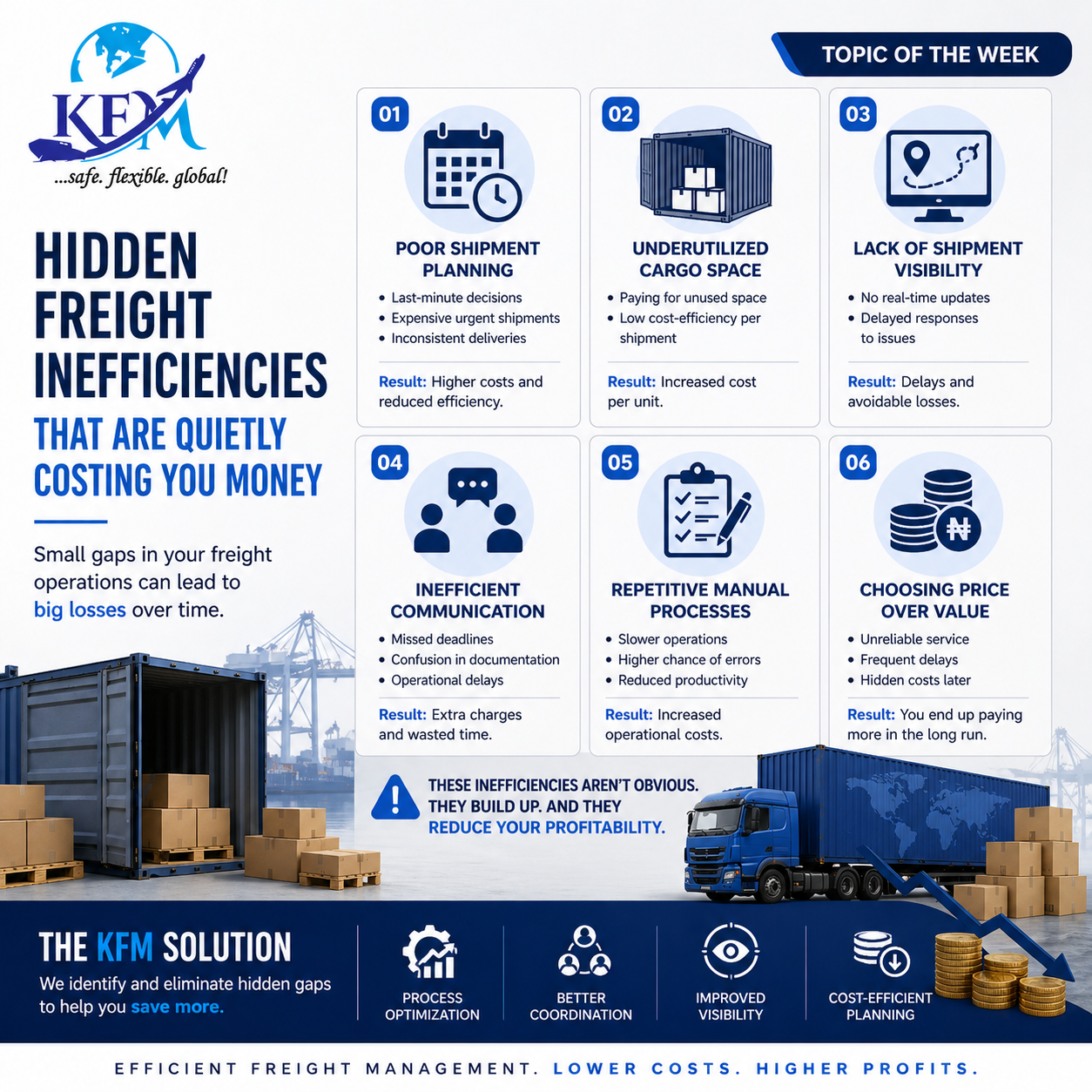
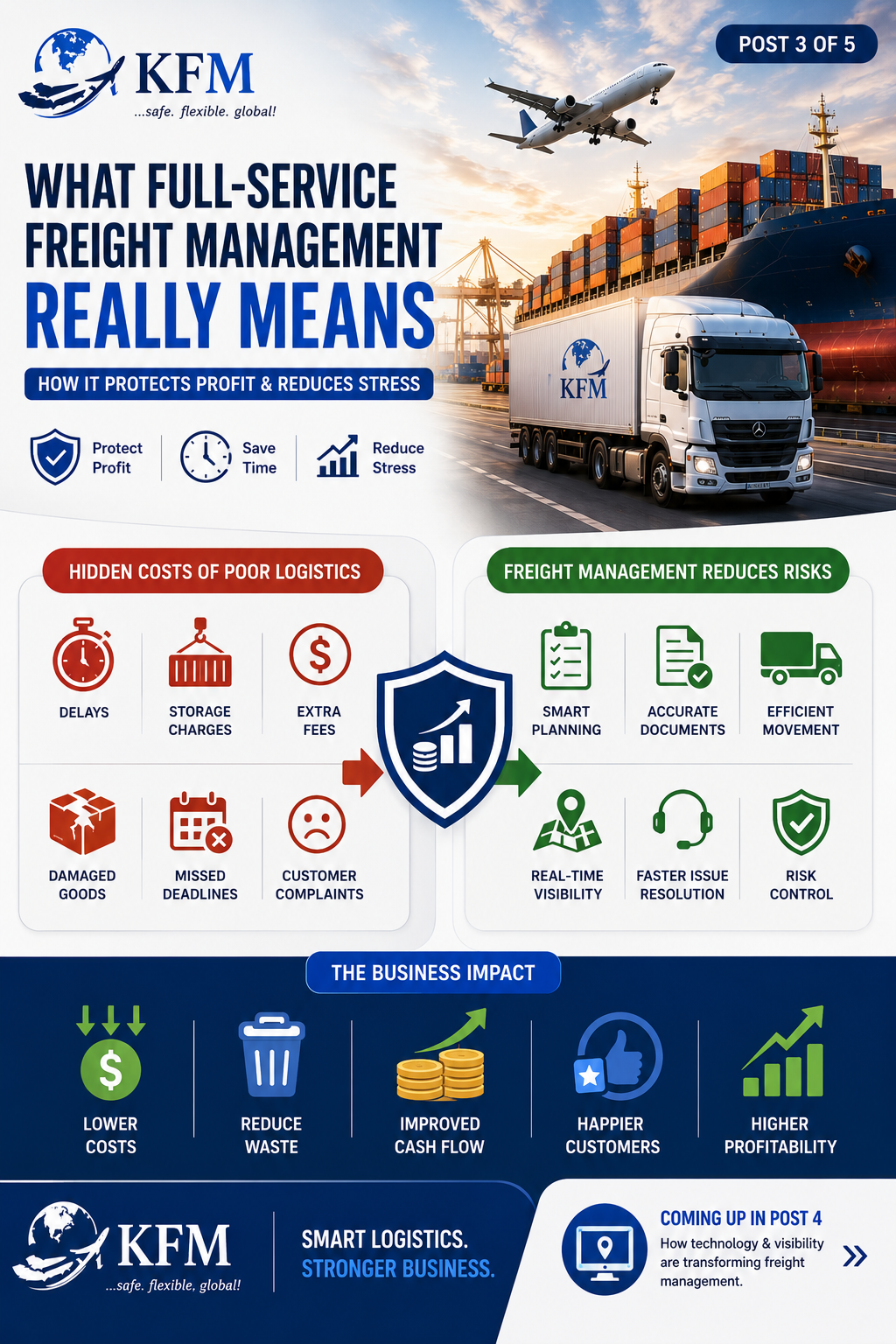
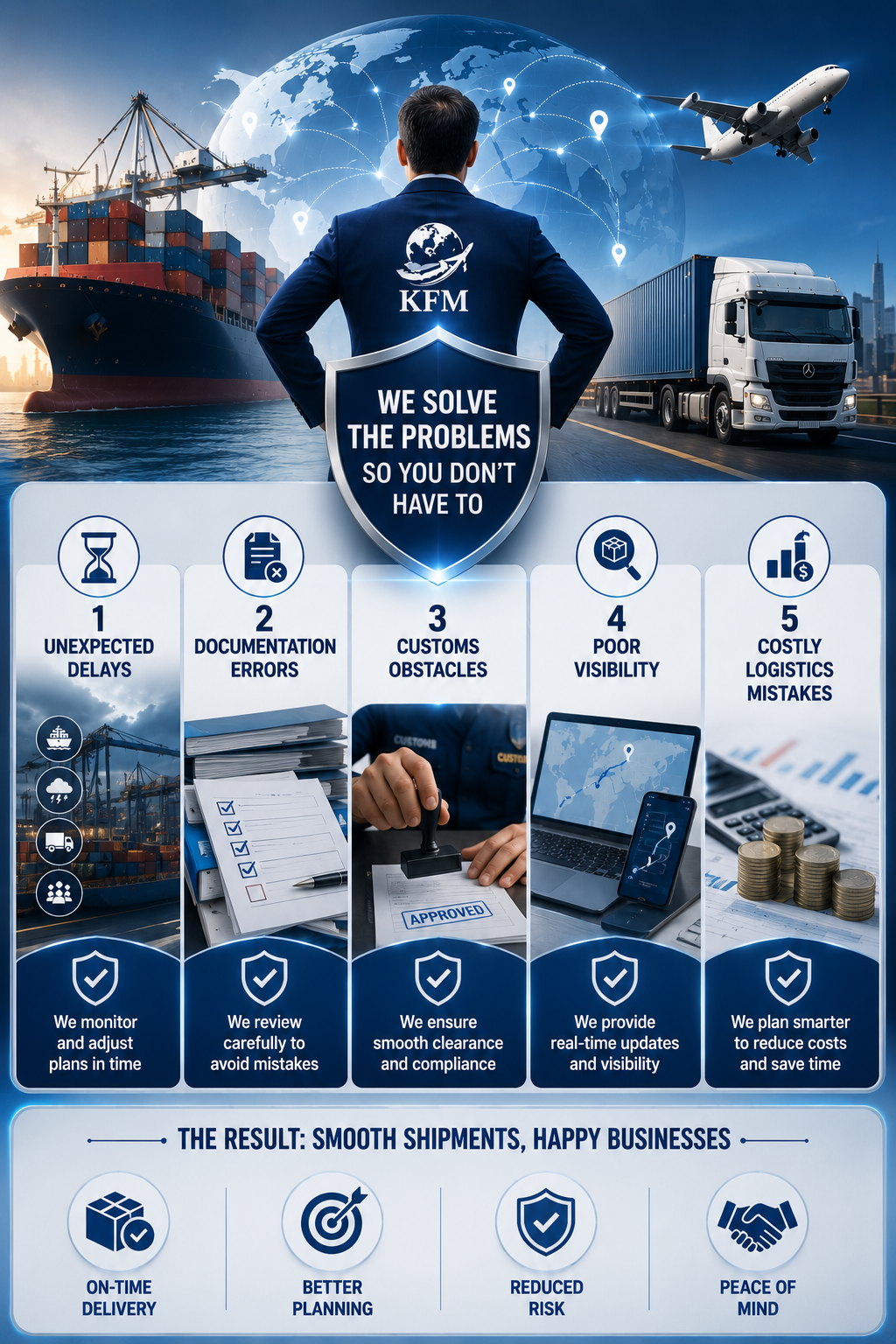
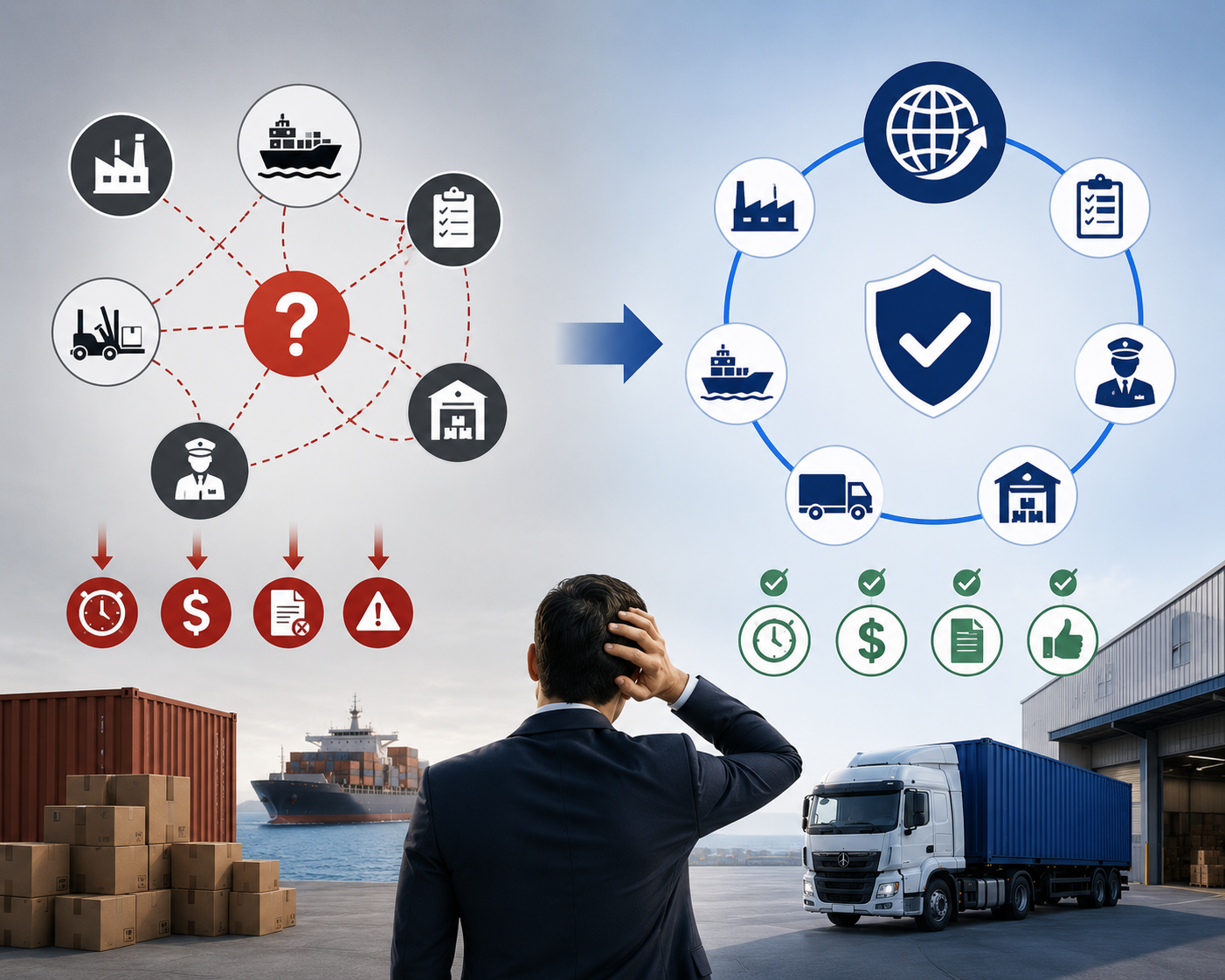
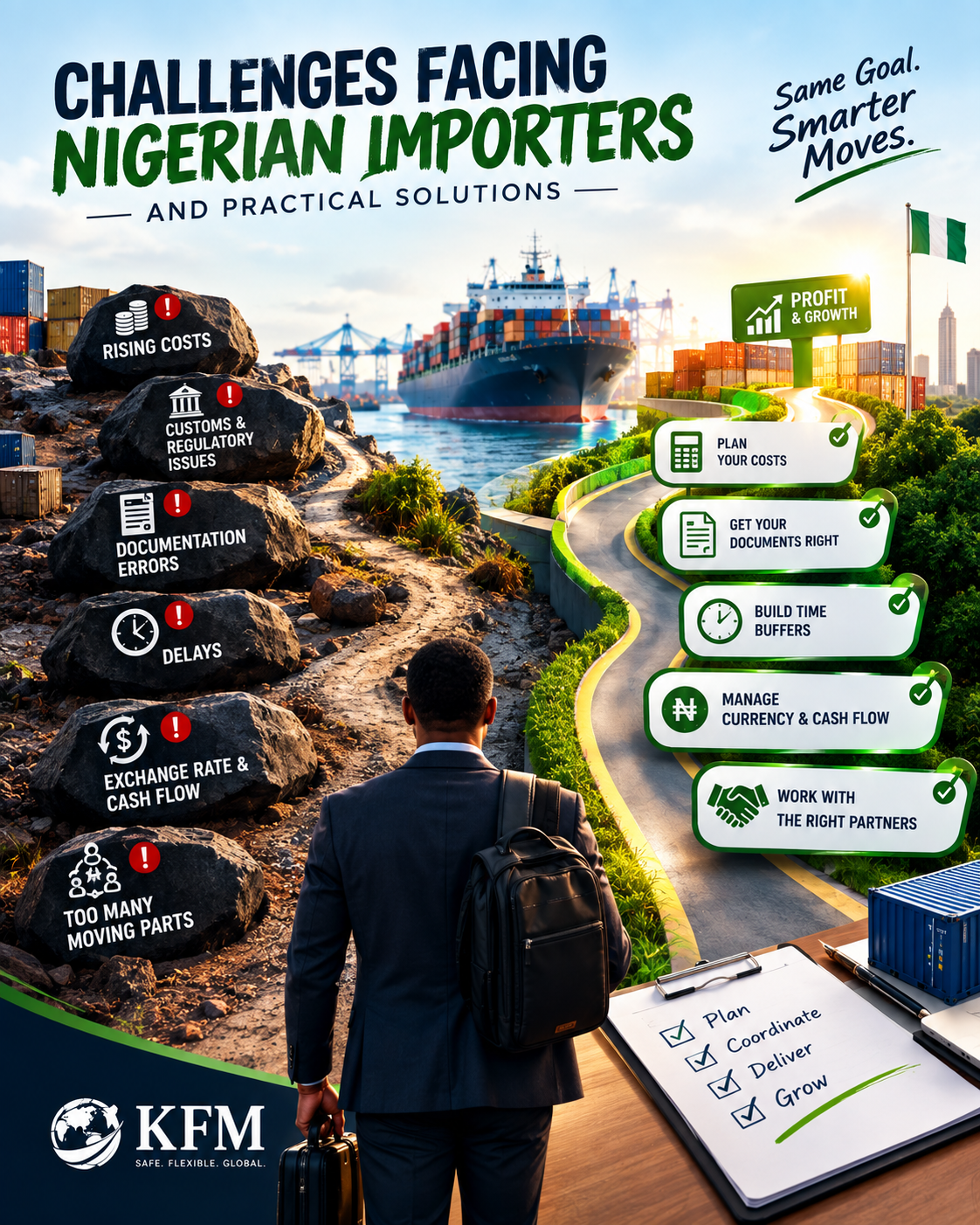
Many SMEs start with strong ideas and promising markets. Yet growth becomes difficult when logistics turns into a constant struggle:
- Delayed shipments that frustrate customers
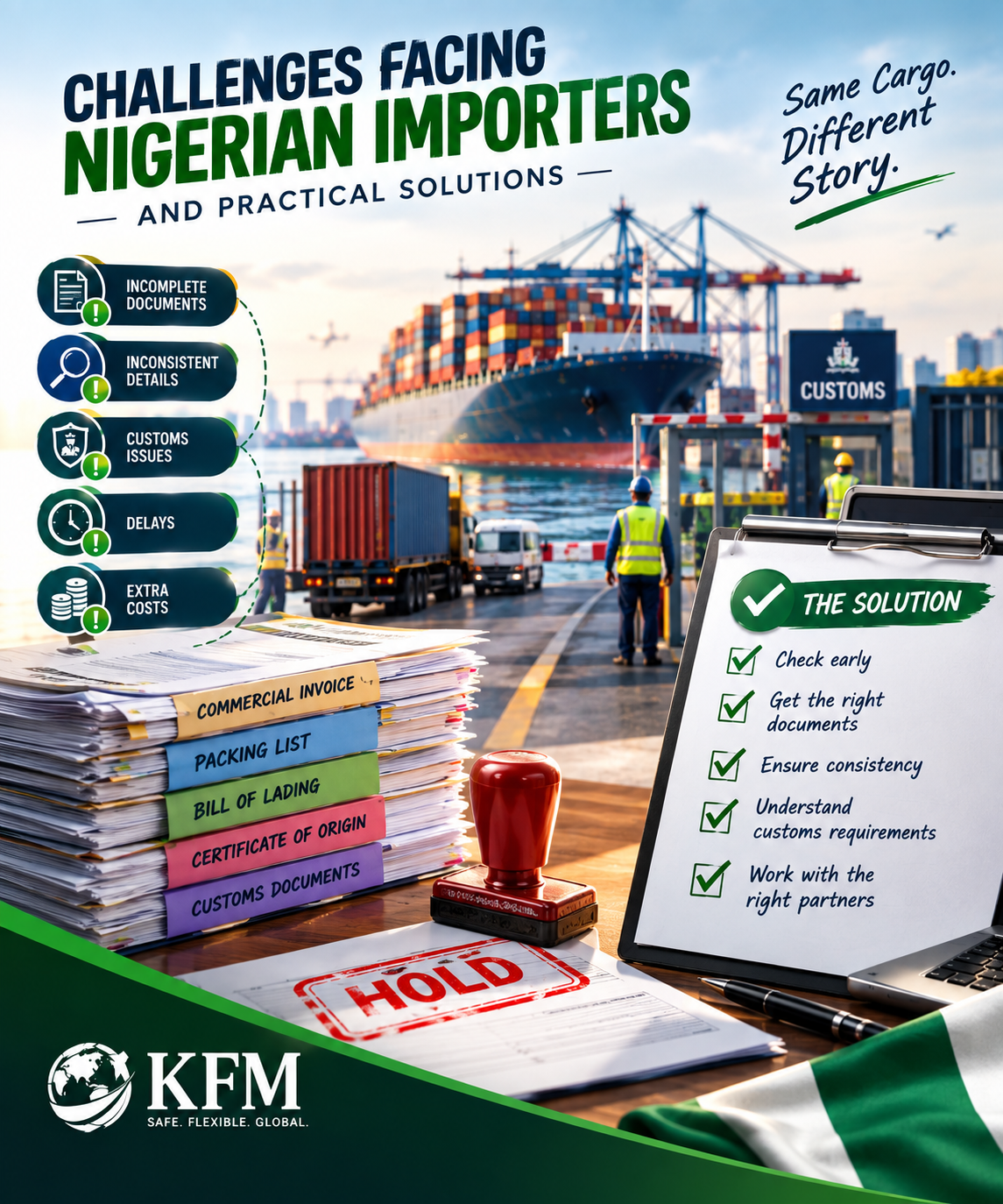
- Unclear documentation that leads to penalties
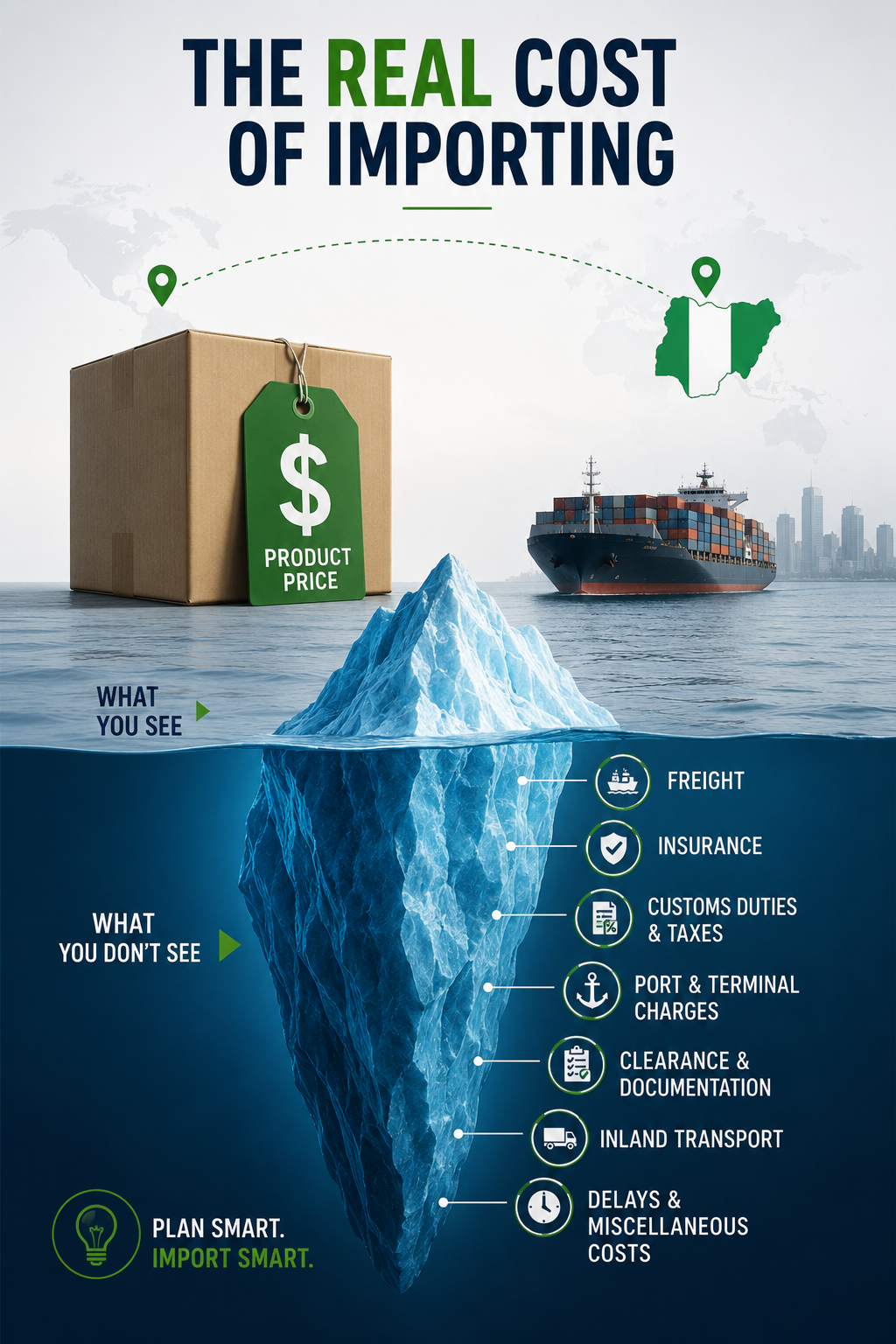
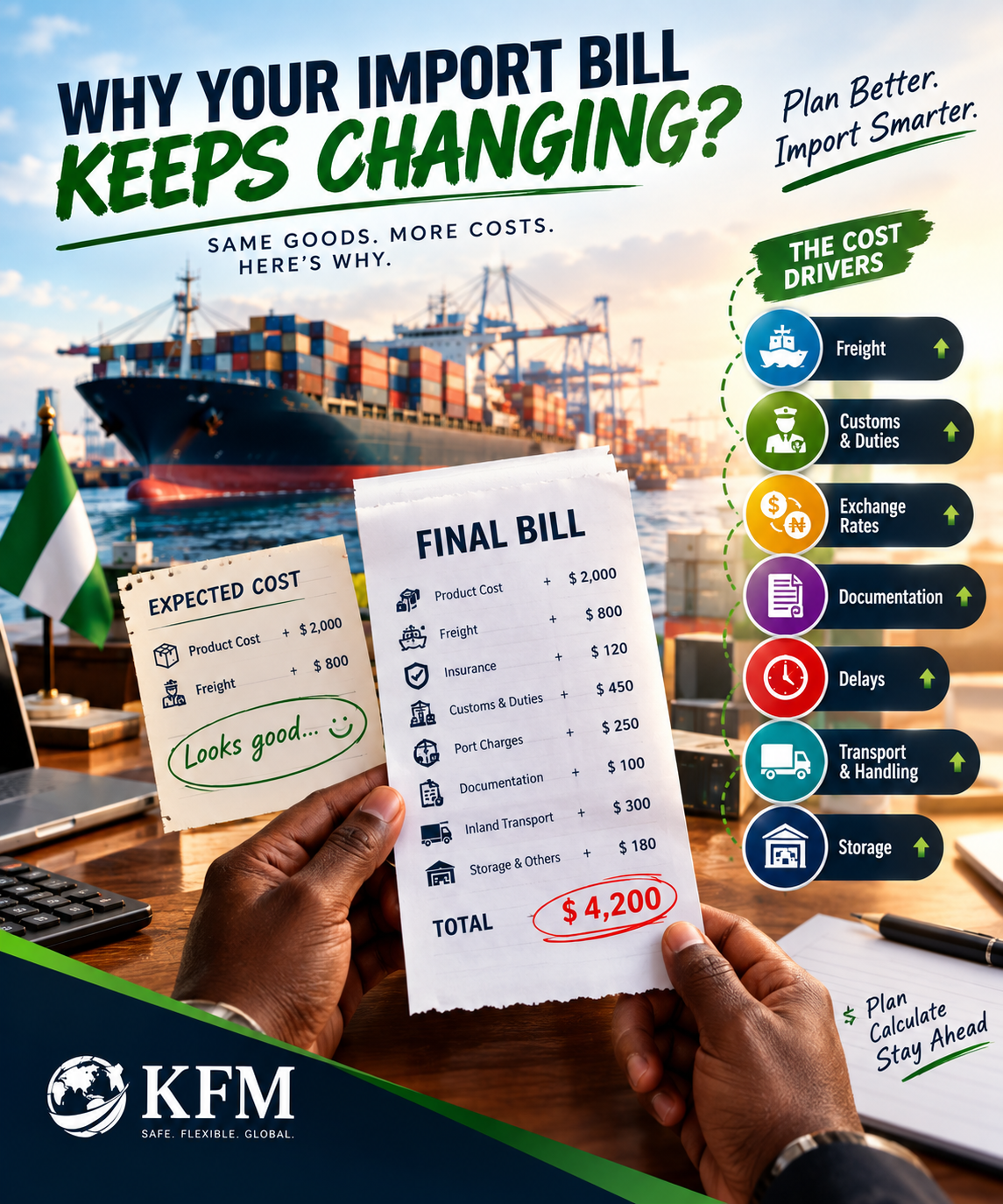
- Unpredictable costs that destroy profit margins
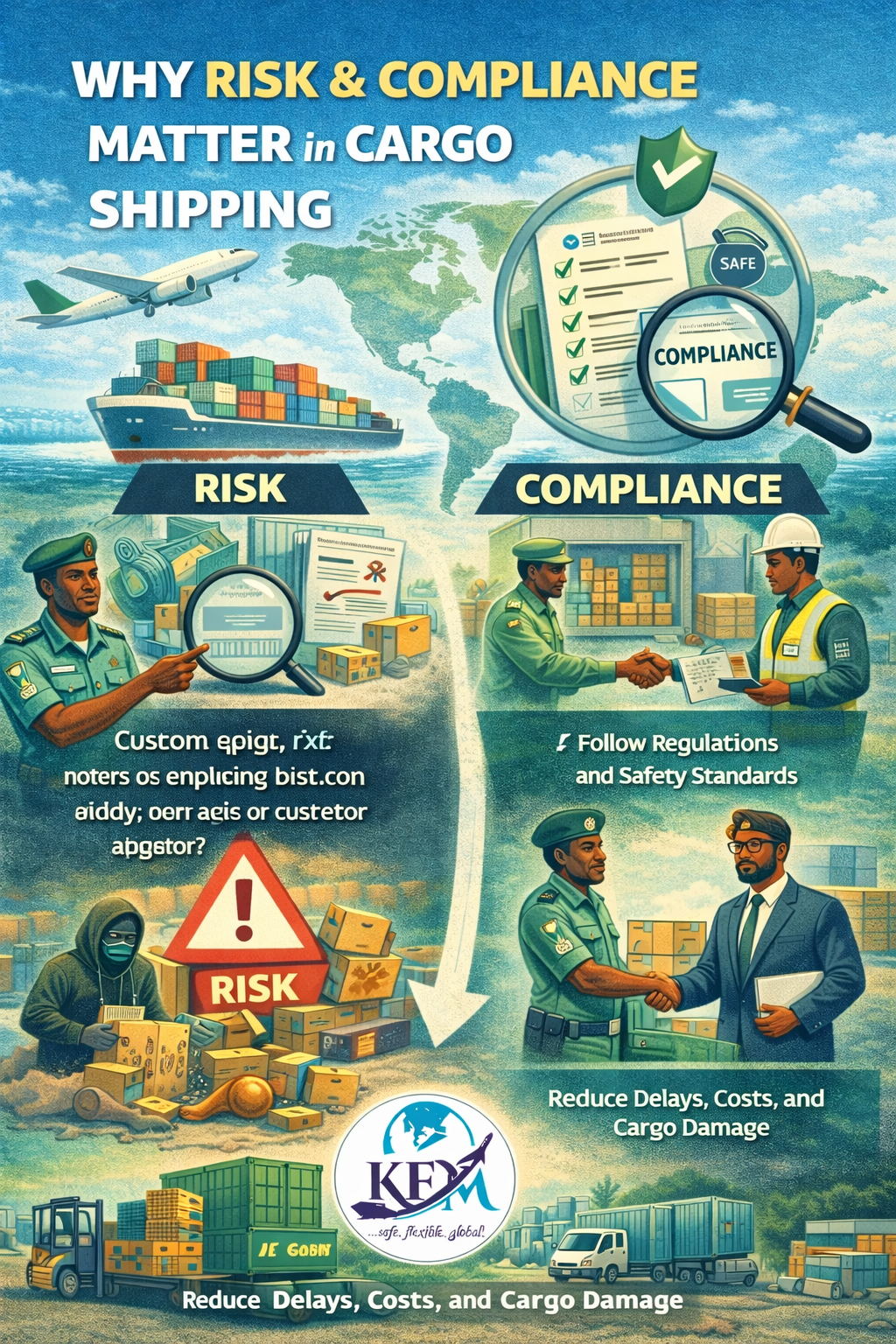
- Goods stuck at the port due to compliance issues
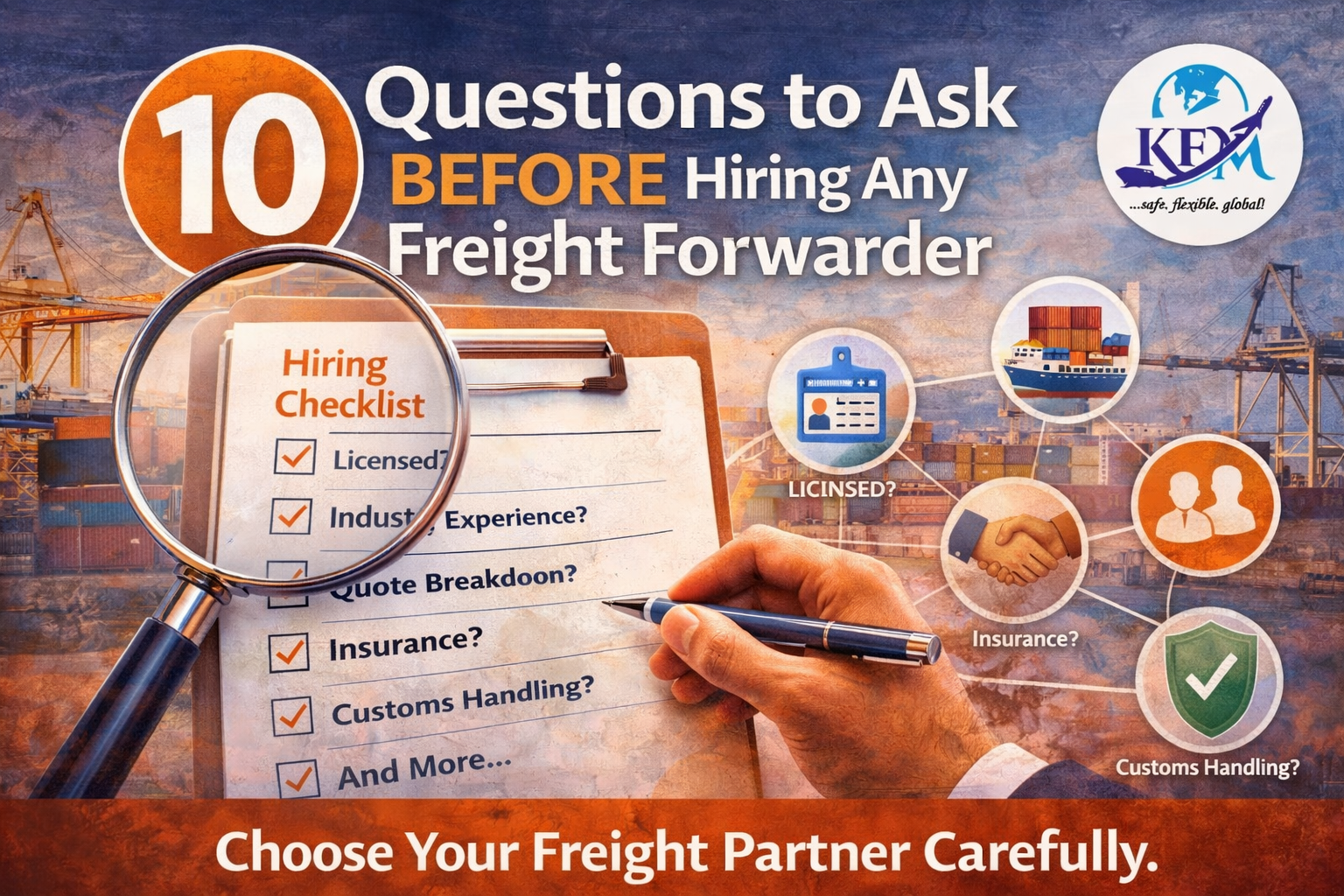
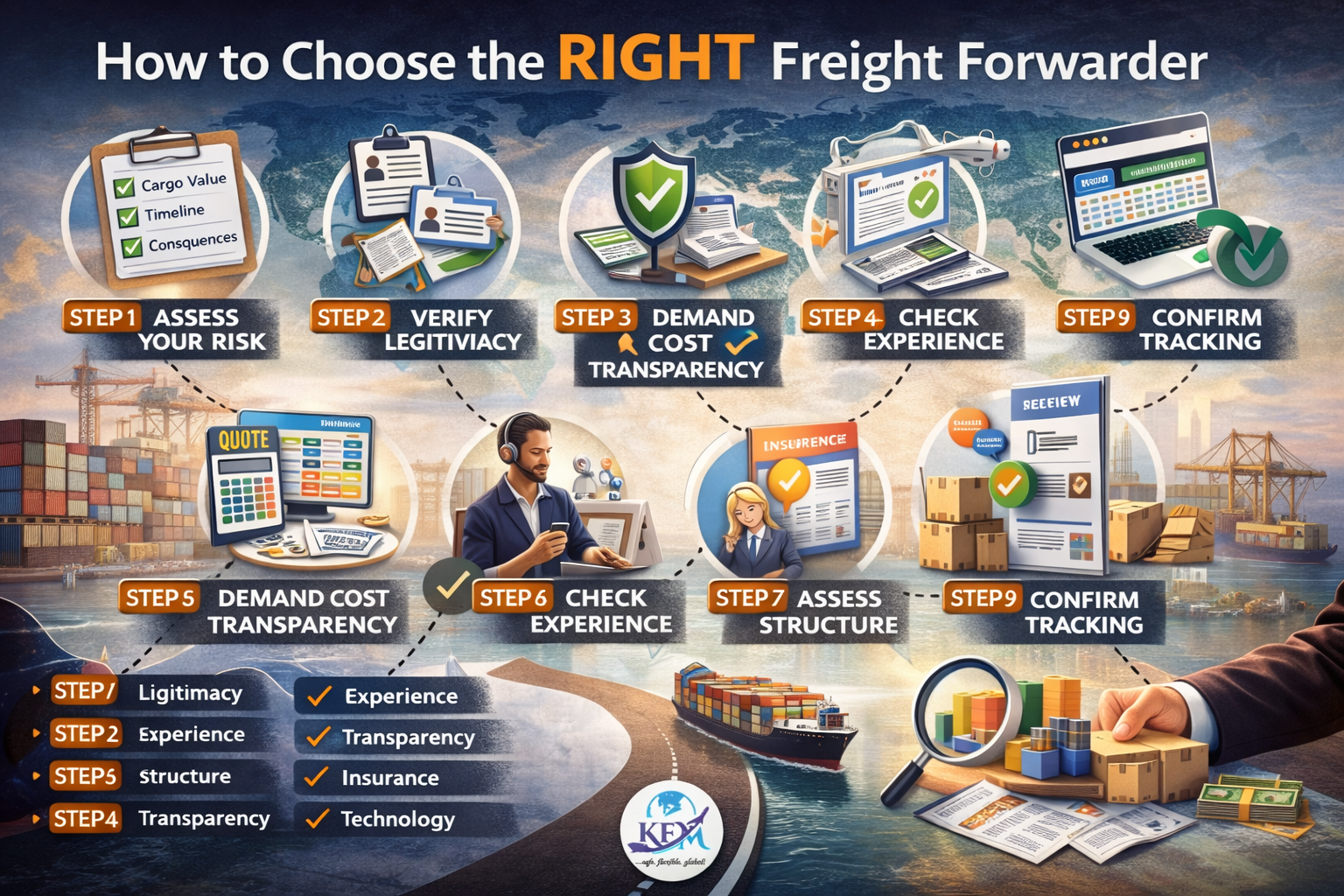
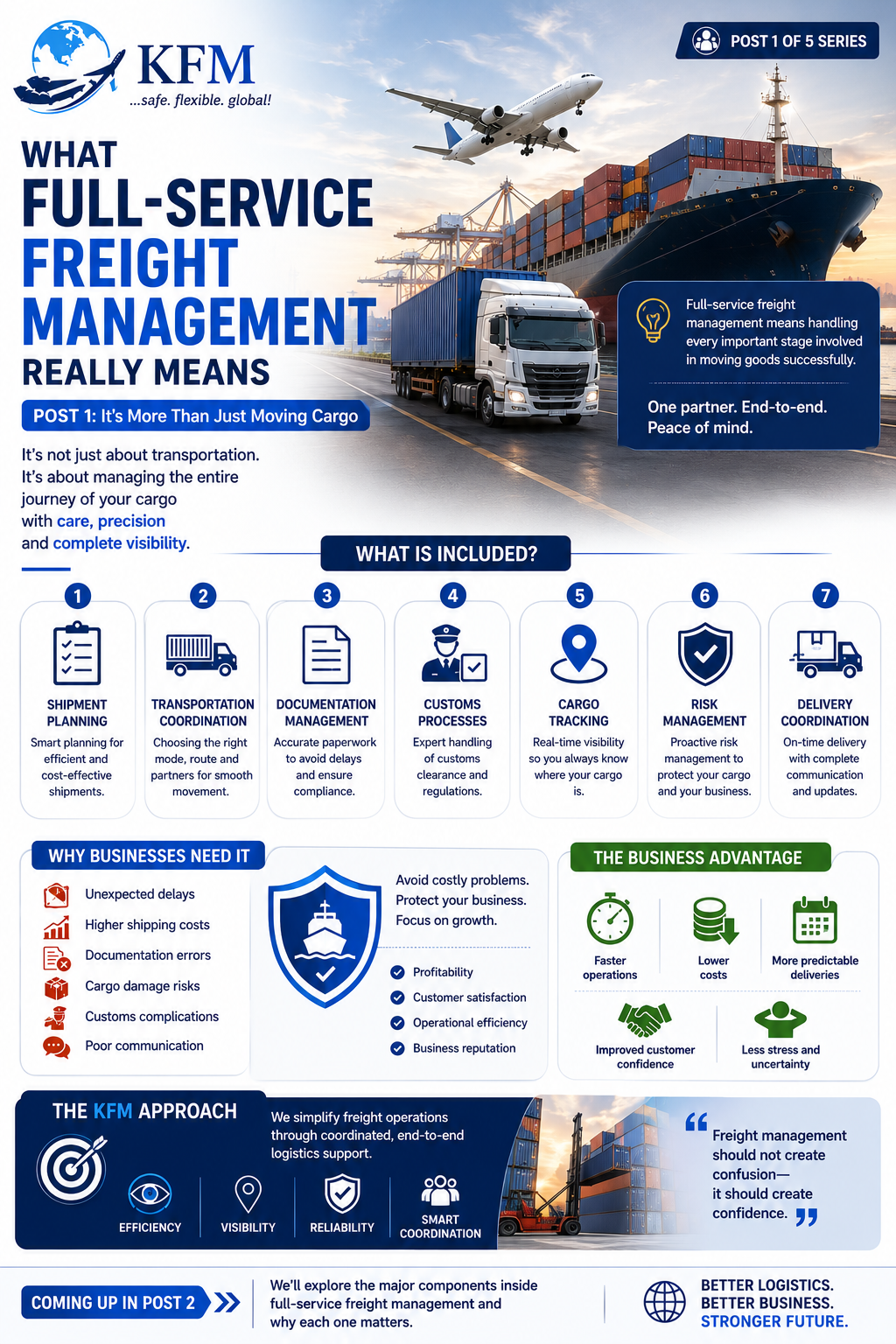
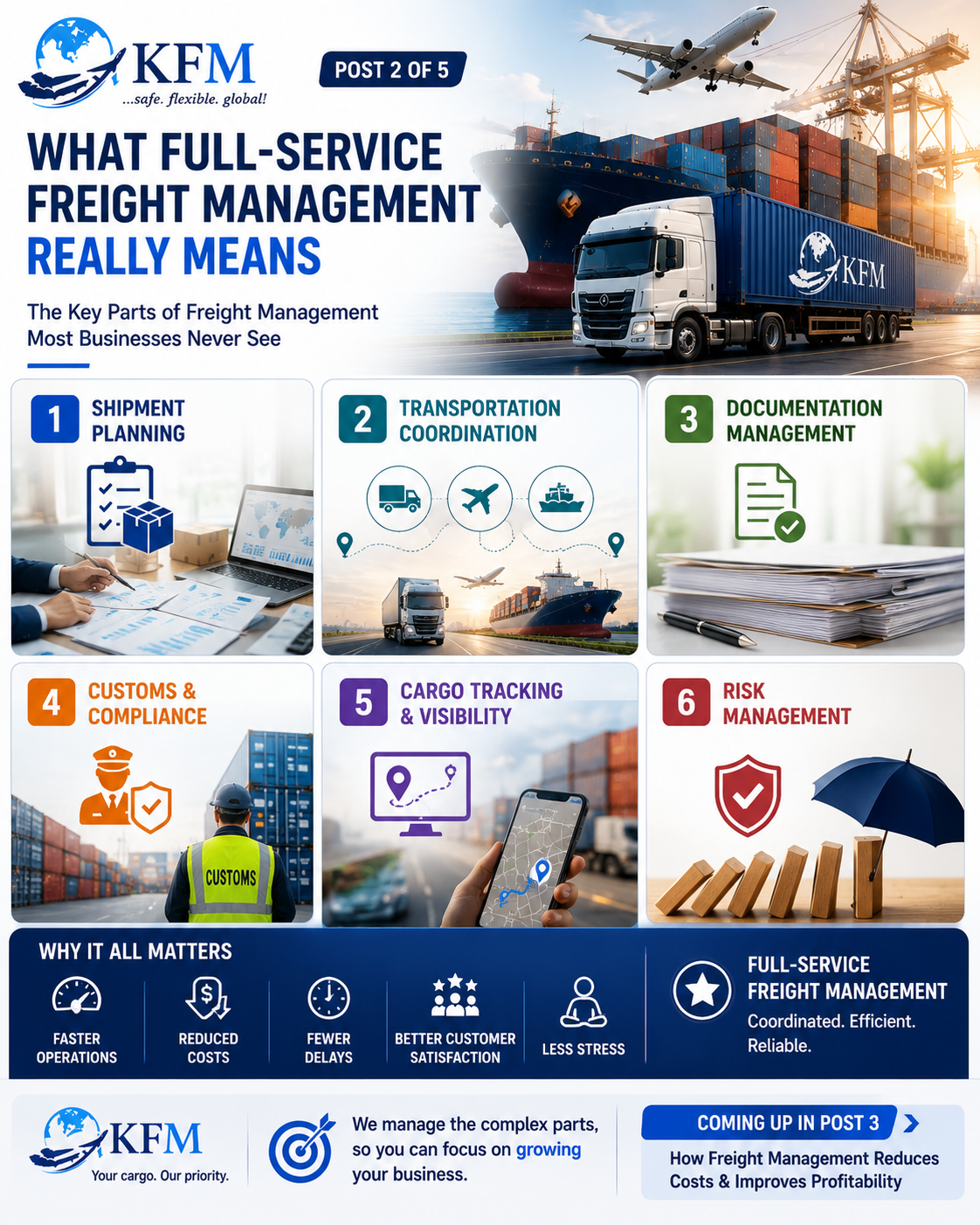
This is where the role of a professional freight forwarder becomes critical. A good freight forwarder does not merely move cargo; they protect the business itself.
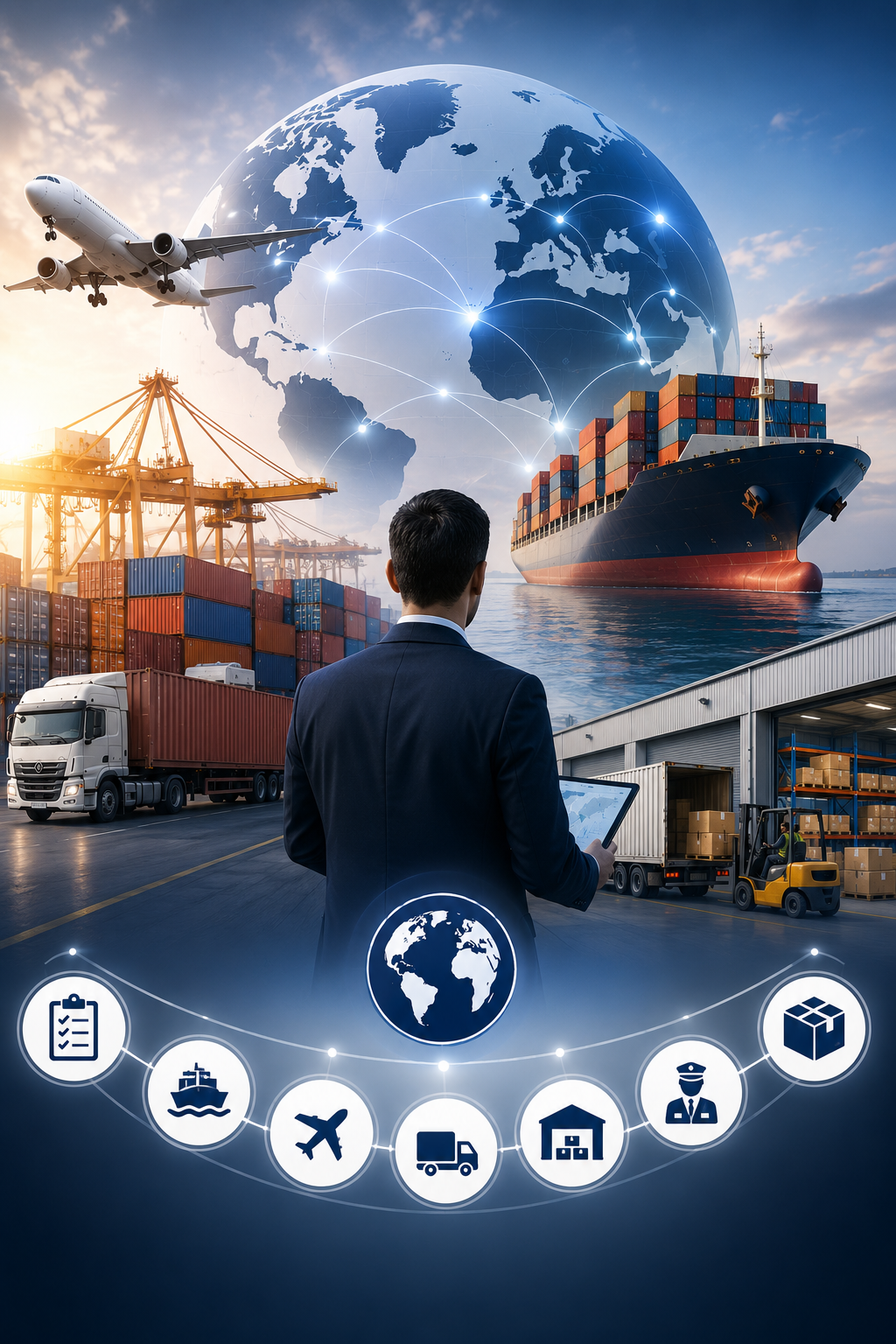
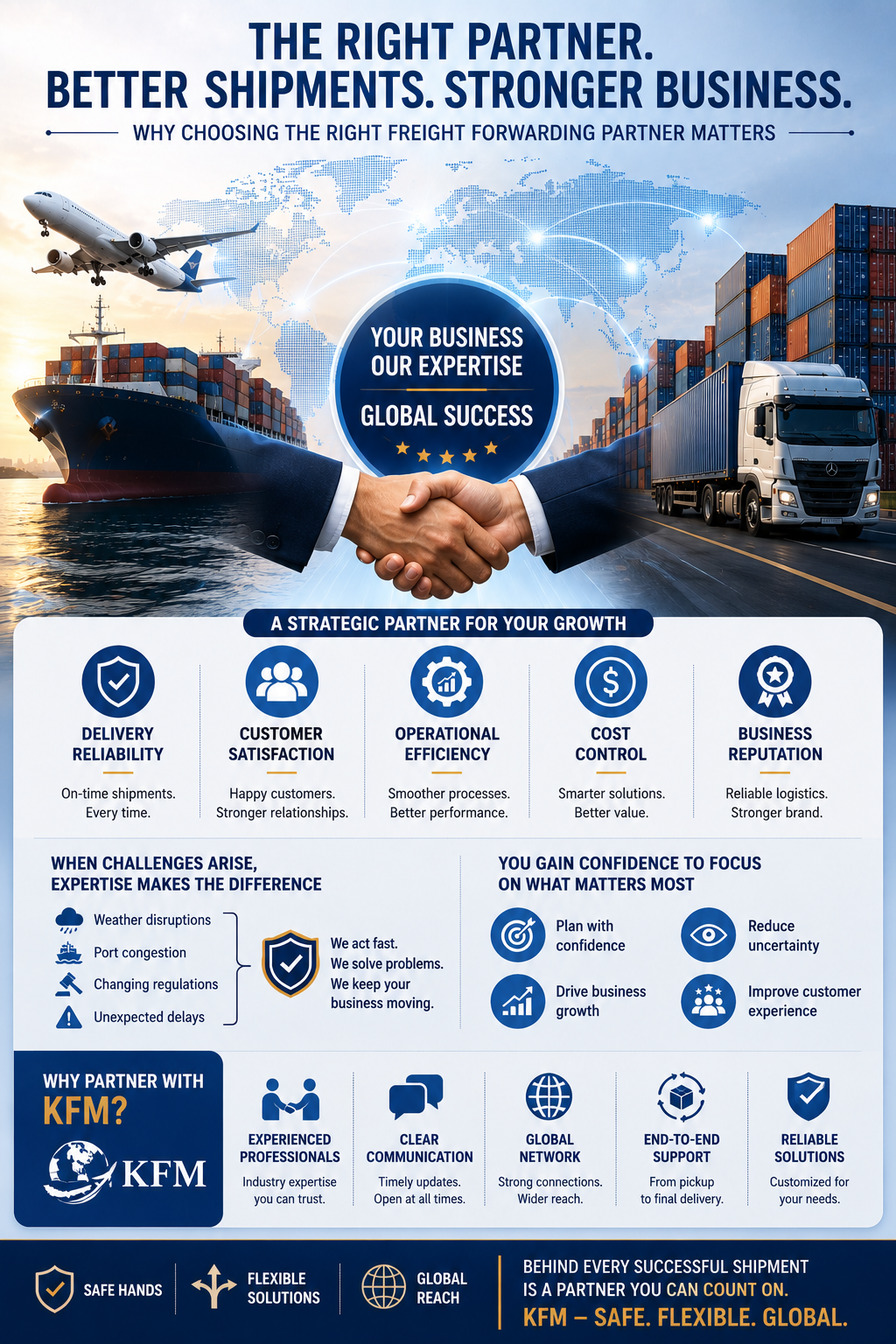
Freight Forwarders as Growth Partners, Not Vendors
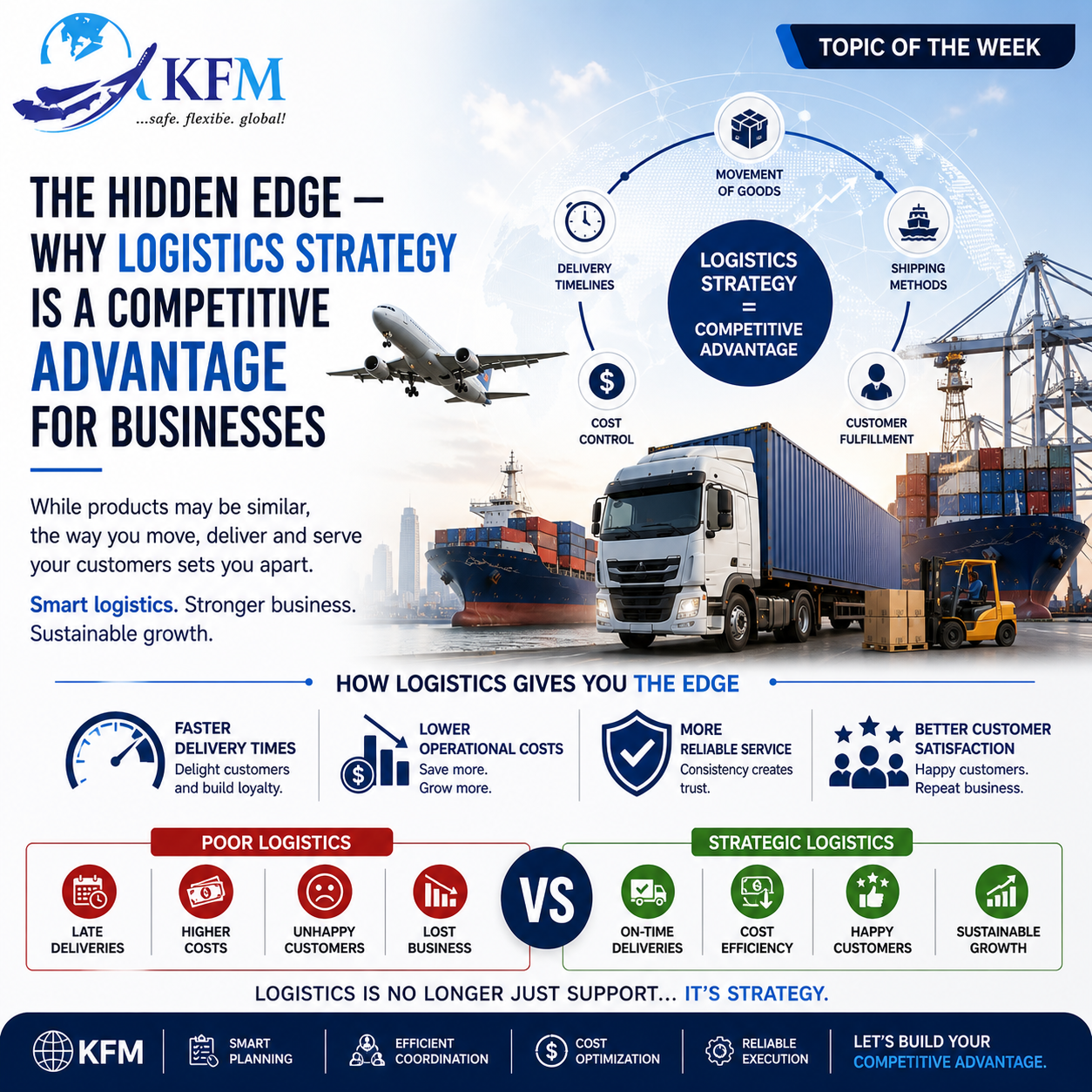
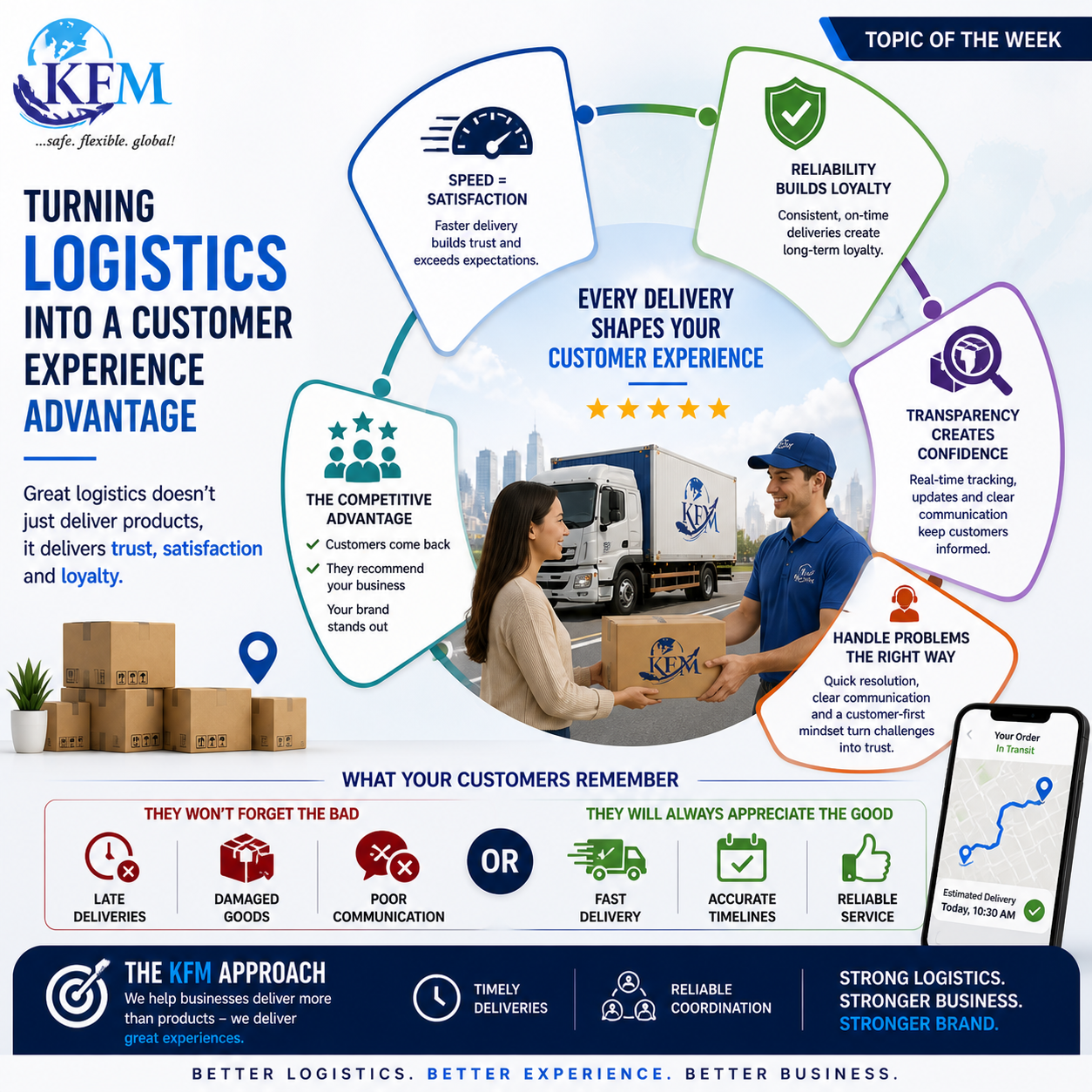
For growing SMEs in Nigeria, logistics is not an operational detail — it is a competitive advantage.
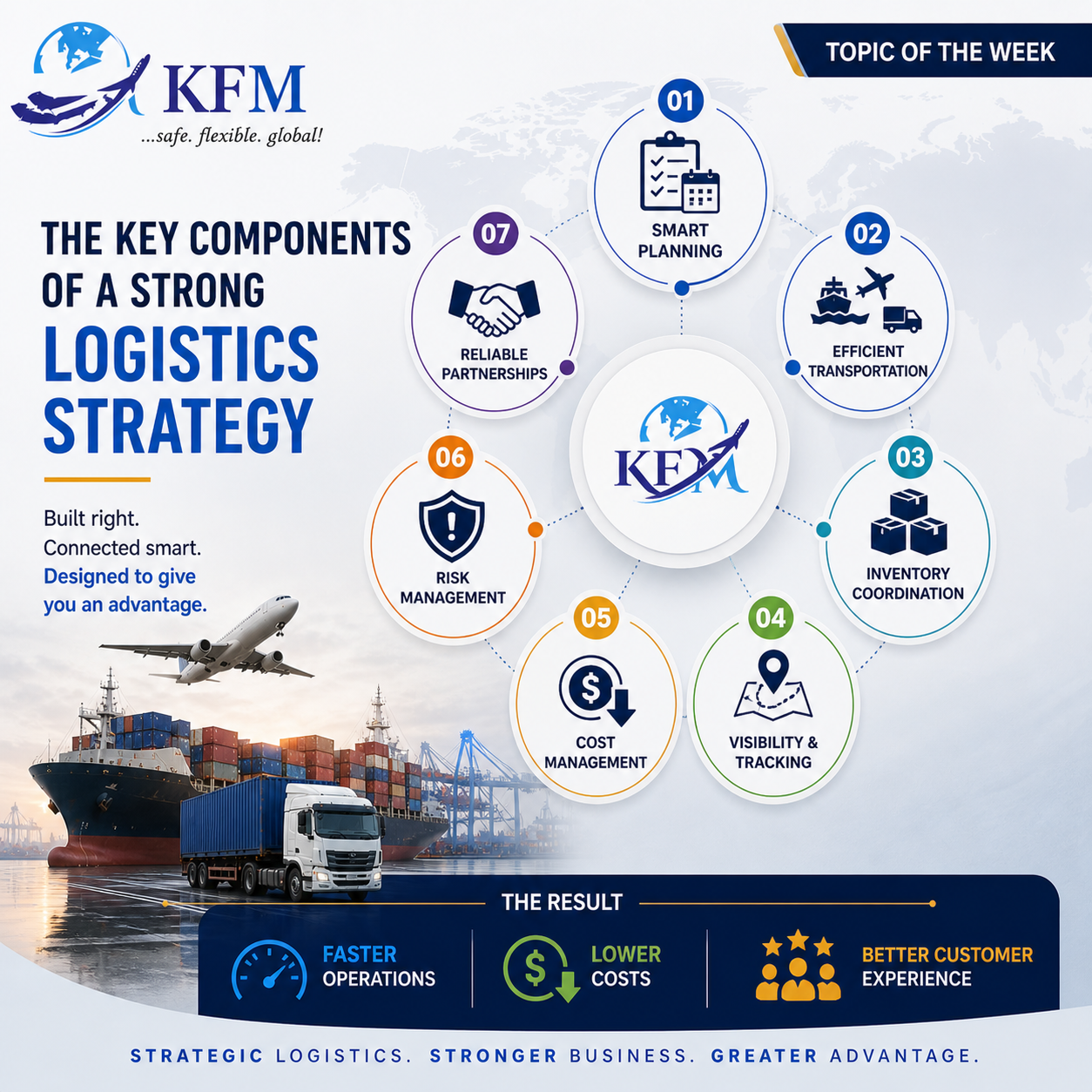
A strong freight forwarding partner helps SMEs:
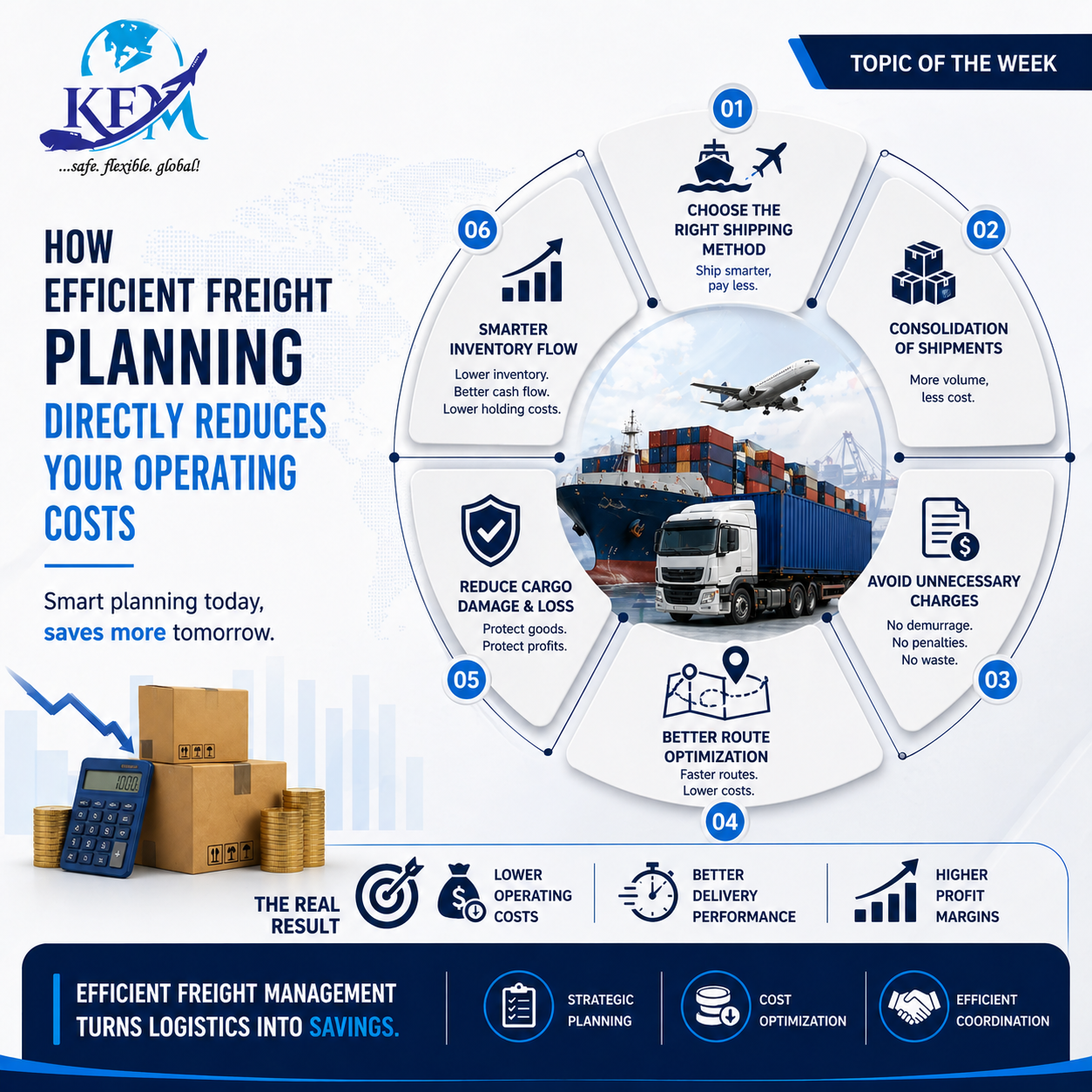
- Plan smarter shipping routes to reduce costs
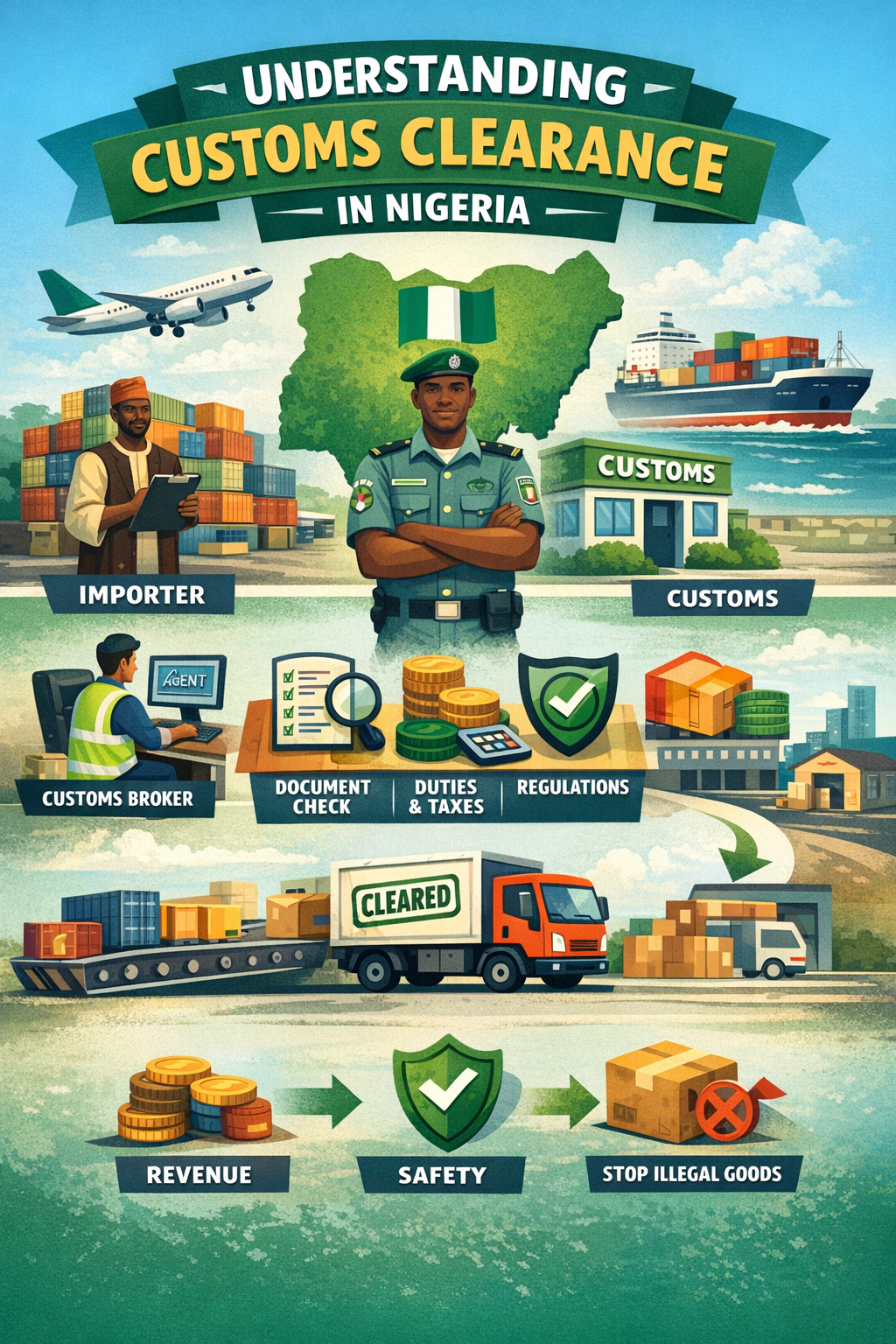
- Navigate Nigeria’s complex import and export regulations
- Avoid delays through proactive documentation handling
- Scale operations without logistics becoming a bottleneck
Instead of constantly reacting to problems, business owners gain the freedom to focus on sales, branding, and customer experience — the real drivers of growth.
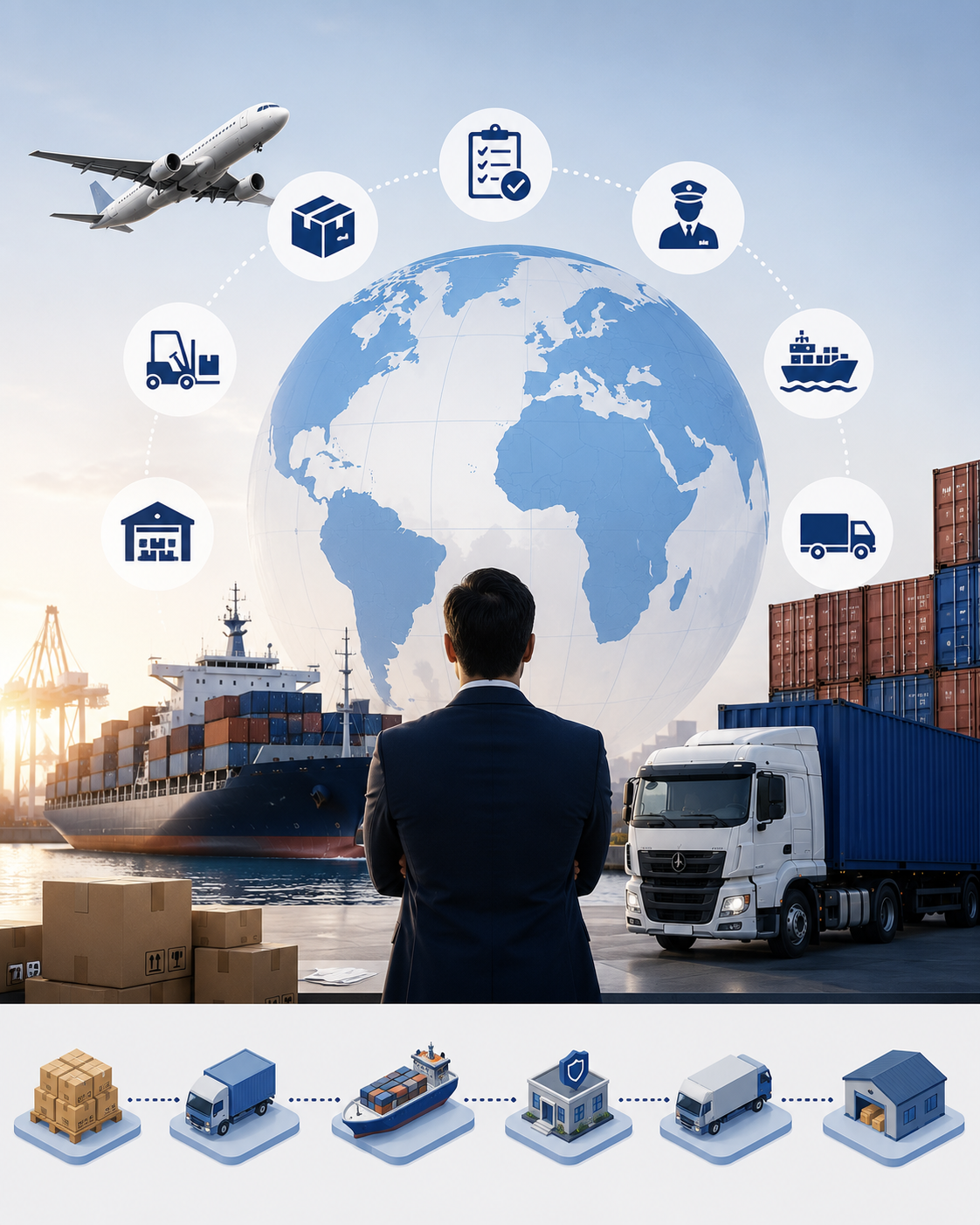
Access to Global Markets Without Global Confusion
One of the biggest barriers for Nigerian SMEs is international complexity.
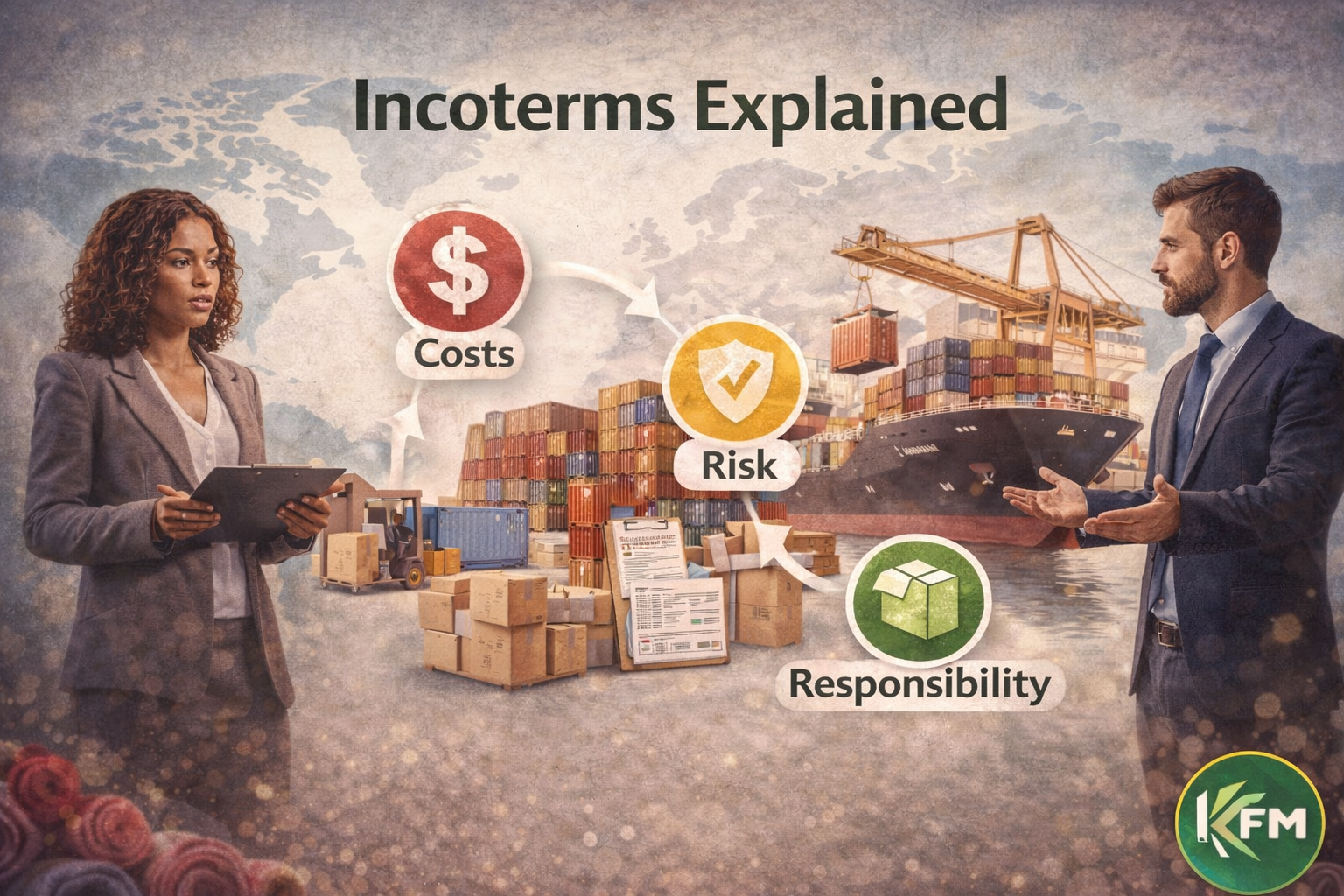
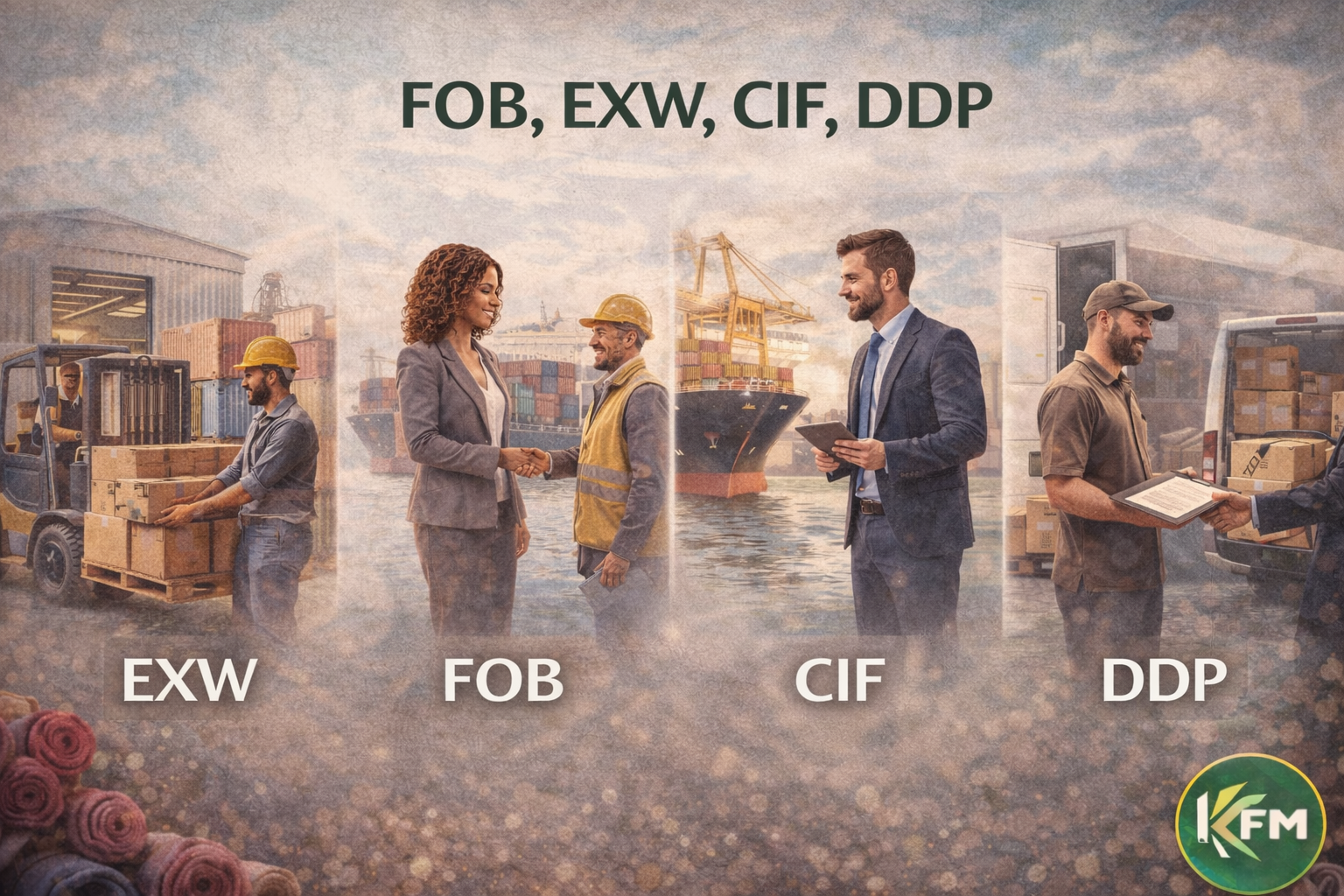
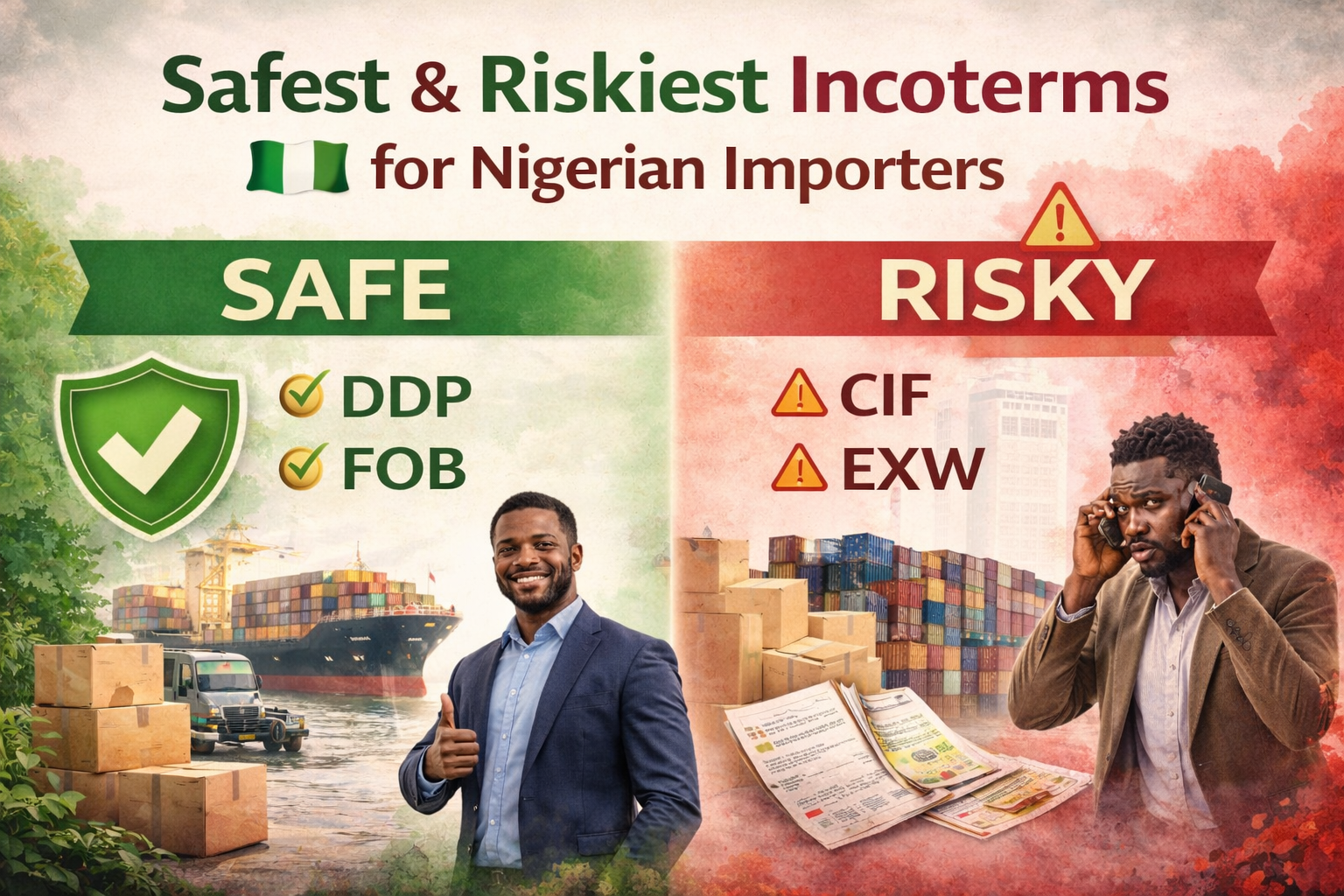
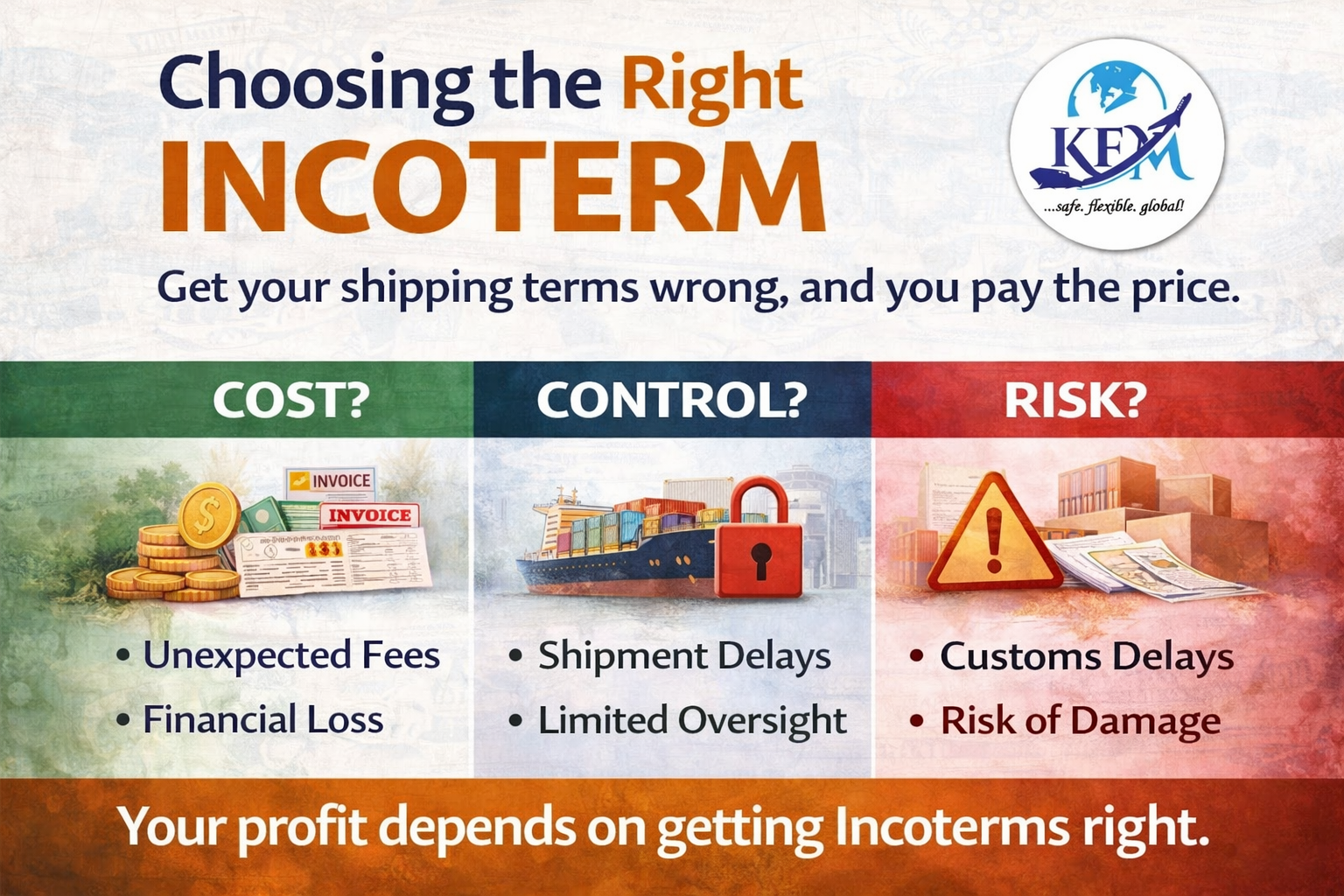
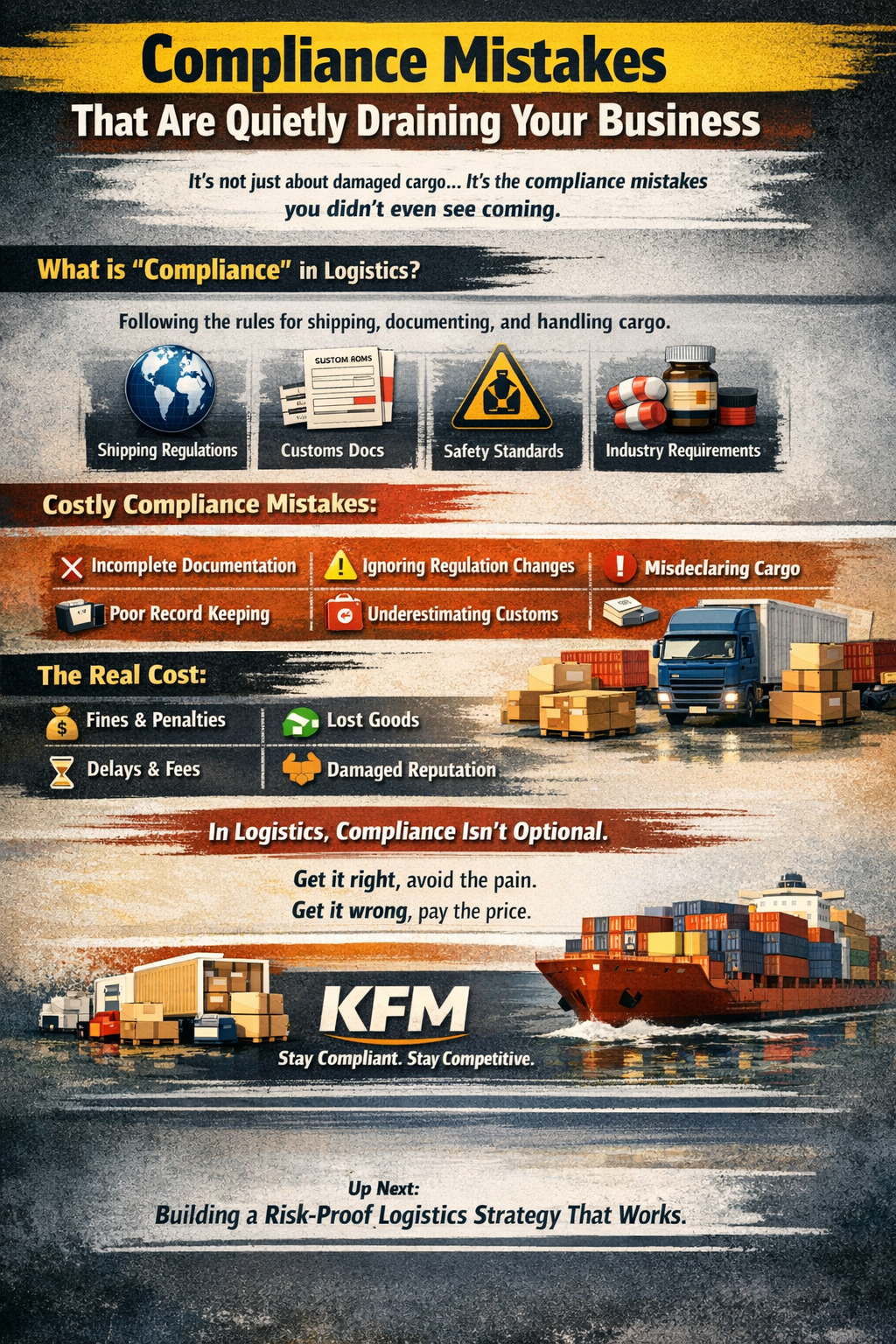
Incoterms. Customs regulations. HS codes. Duties. Port procedures. Compliance requirements. Each mistake is expensive.
Freight forwarders bridge this gap.
They translate global trade systems into clear, manageable processes for business owners. Suddenly, international trade stops feeling like a risk and starts feeling like an opportunity.
This is how local businesses begin to think bigger.
Trust Is the New Currency in Logistics
For SMEs, every shipment carries more than goods. It carries reputation.
Late delivery damages credibility. Missing cargo damages trust. Poor communication damages customer relationships.
Professional freight forwarders protect that trust by offering:
- Transparent communication
- Predictable delivery timelines
- Accountability across the shipping chain
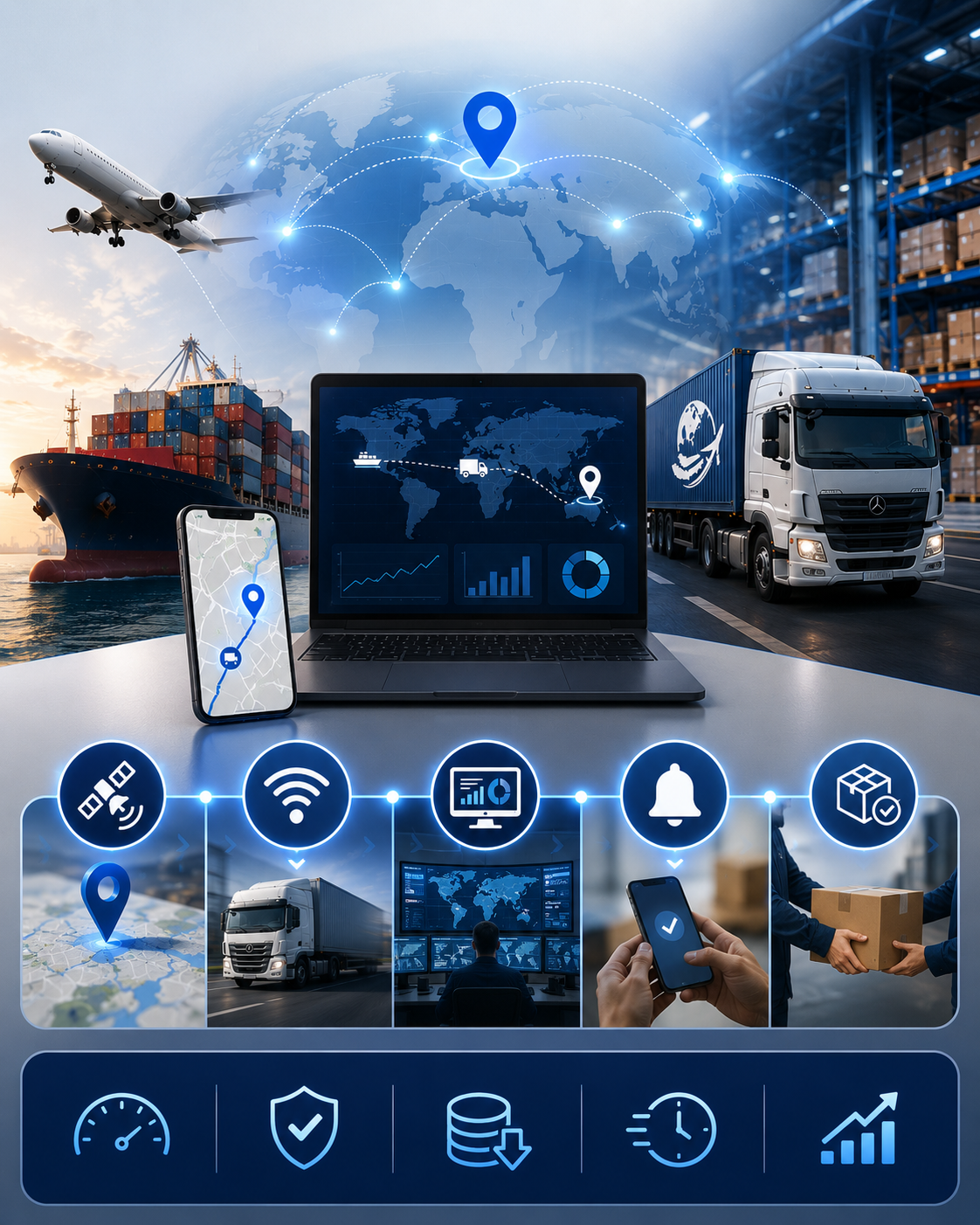
- Real-time problem solving when issues arise
In today’s competitive market, reliability is not a luxury. It is survival.
The Bigger Picture: When SMEs Grow, Nigeria Grows
Supporting SME logistics is not just a business opportunity. It is an economic responsibility.
When small businesses scale successfully:
- Employment increases
- Local production improves
- Export capacity expands
- Foreign exchange inflow strengthens
Freight forwarders who take this role seriously become enablers of national growth, not just commercial service providers.
The Real Question Isn’t “Who Ships Your Goods?”
The real question is:
Who is helping your business grow safely, consistently, and sustainably?
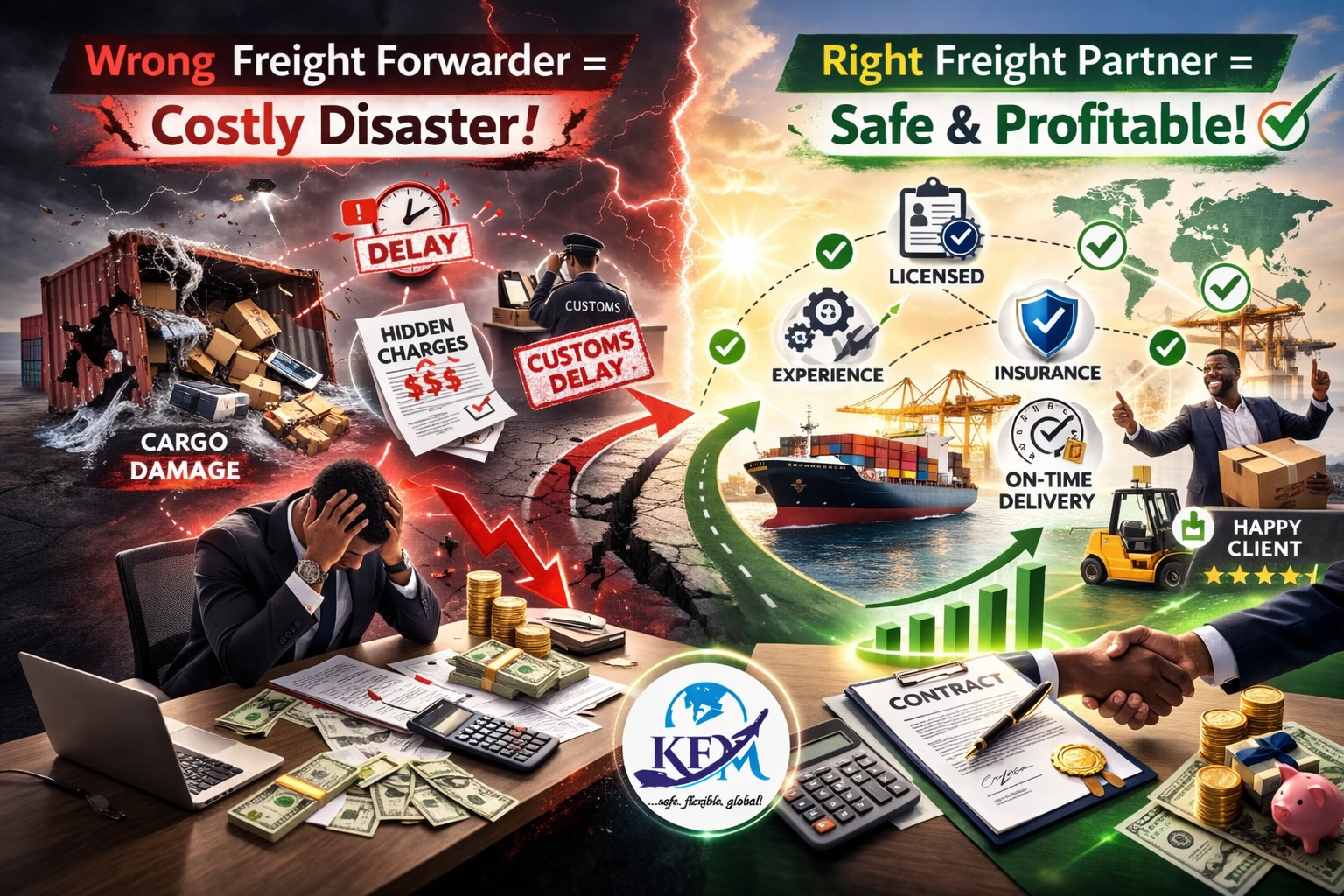
Because in today’s Nigeria, the right freight forwarder is not an expense.
They are an investment in your future.
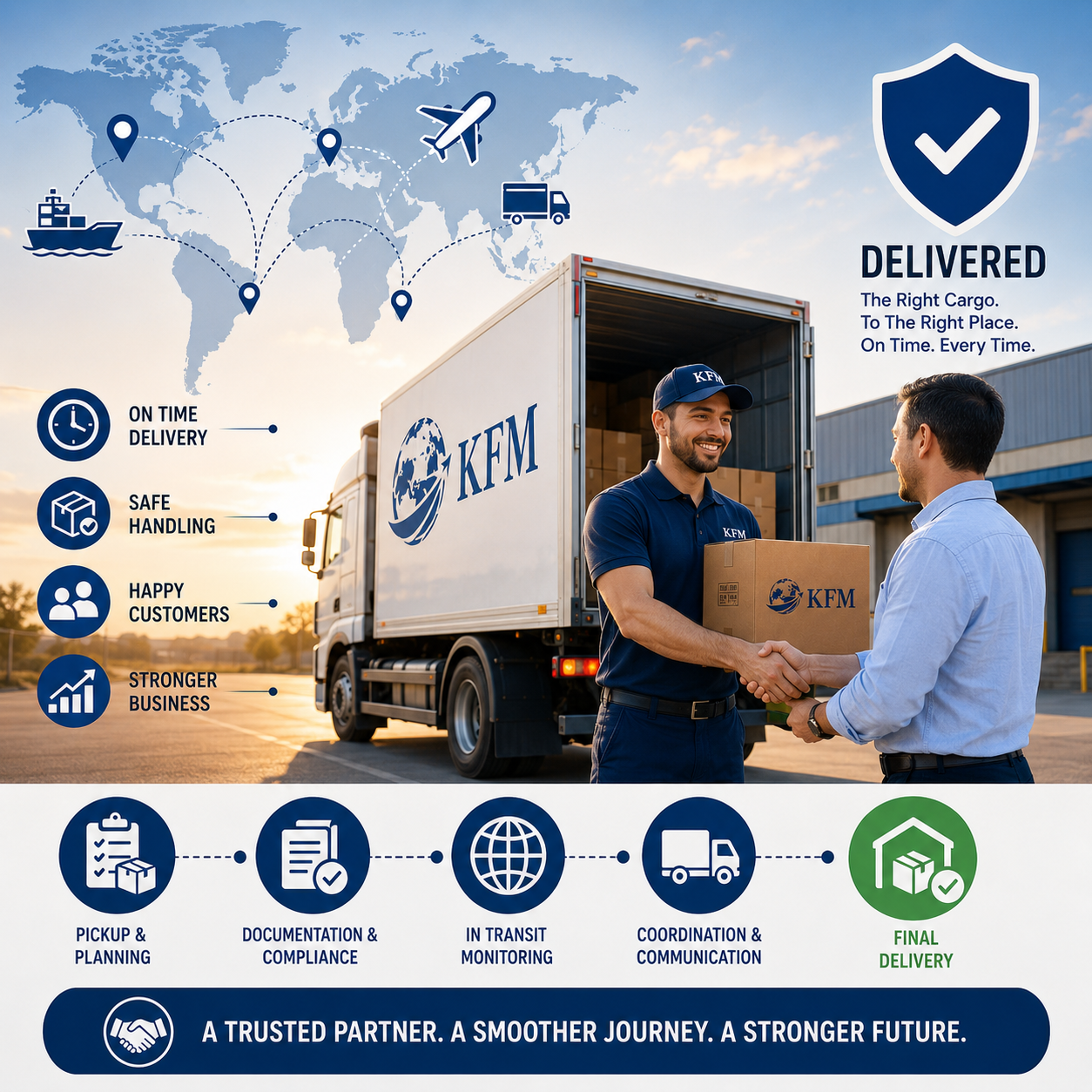
At KFM, we believe logistics should empower businesses, not limit them. We don’t just move cargo — we support growth.