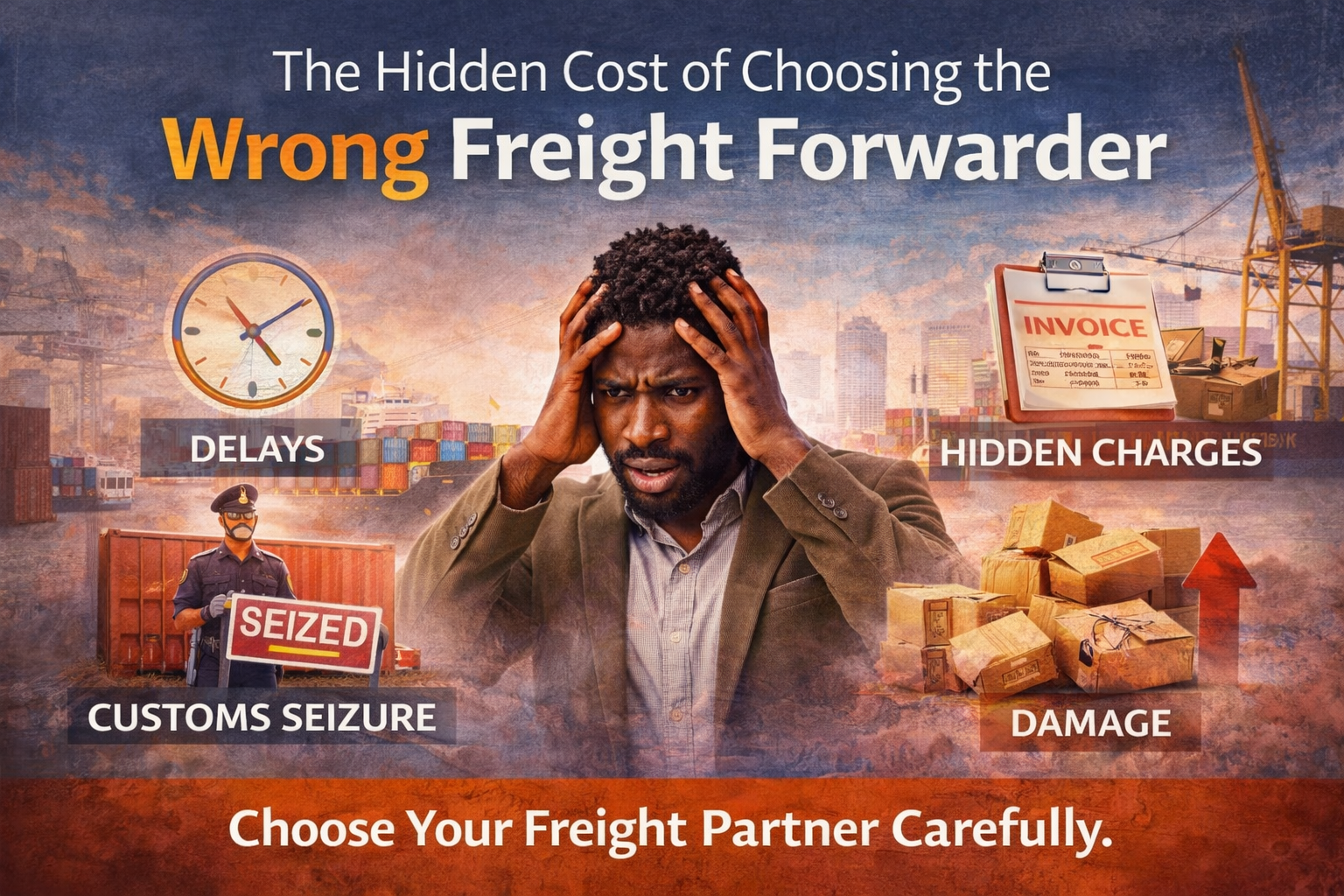
The Hidden Cost of Choosing the Wrong Freight Forwarder
Choosing a freight forwarder is not a small decision.
It is not “just shipping.”
It is choosing:
- Who controls your cargo
- Who manages your risk
- Who protects your profit margin
- Who represents your business at ports and borders
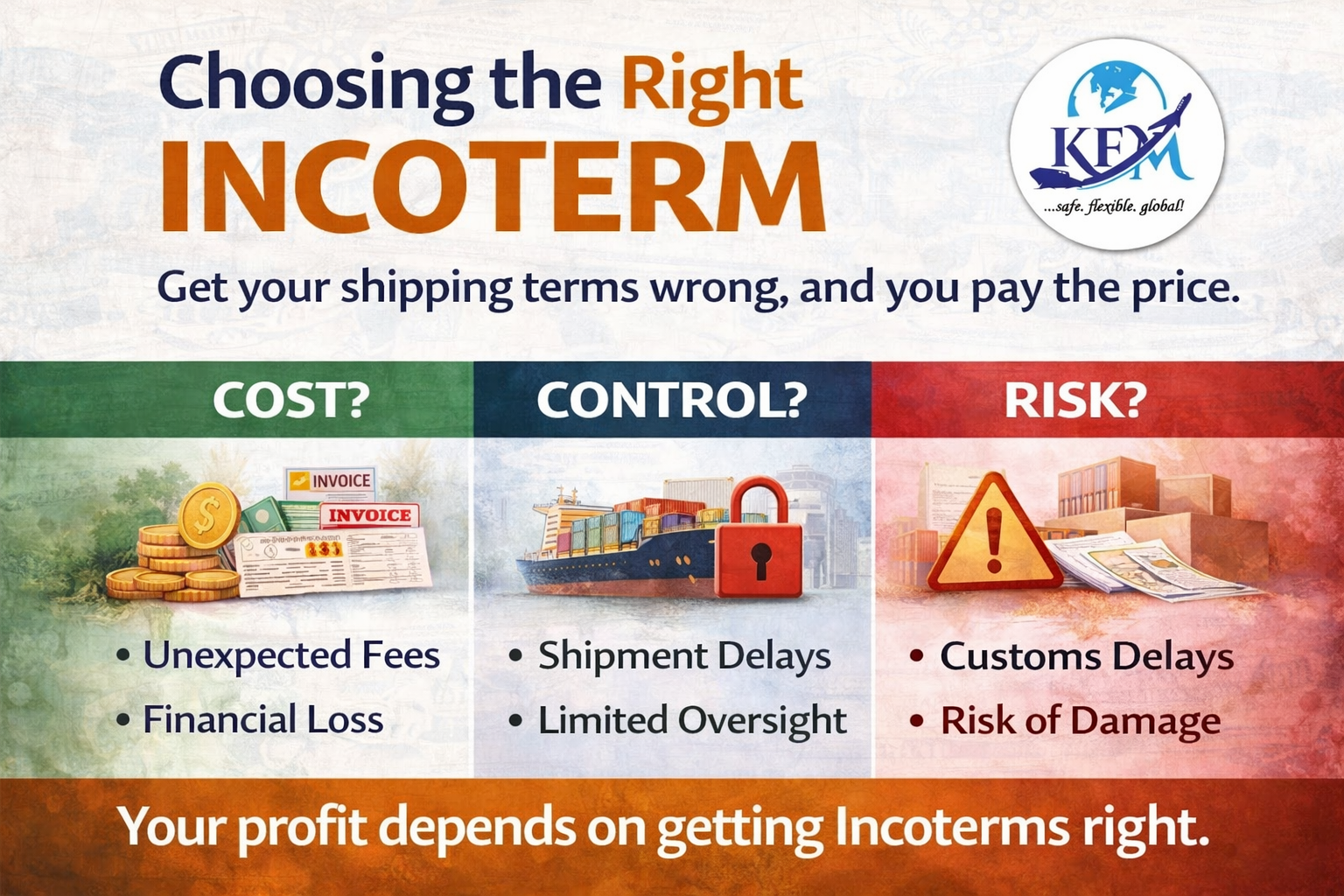
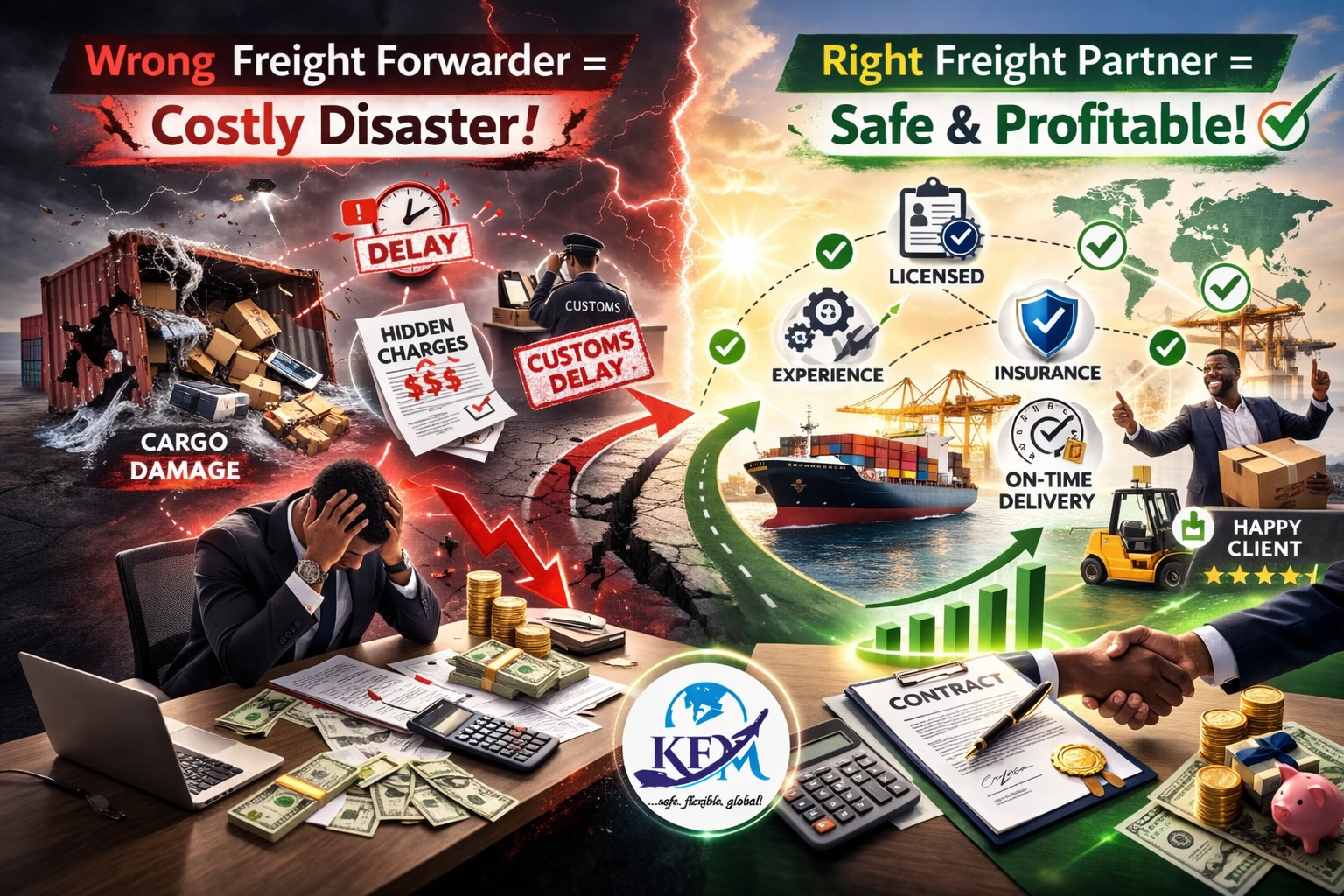
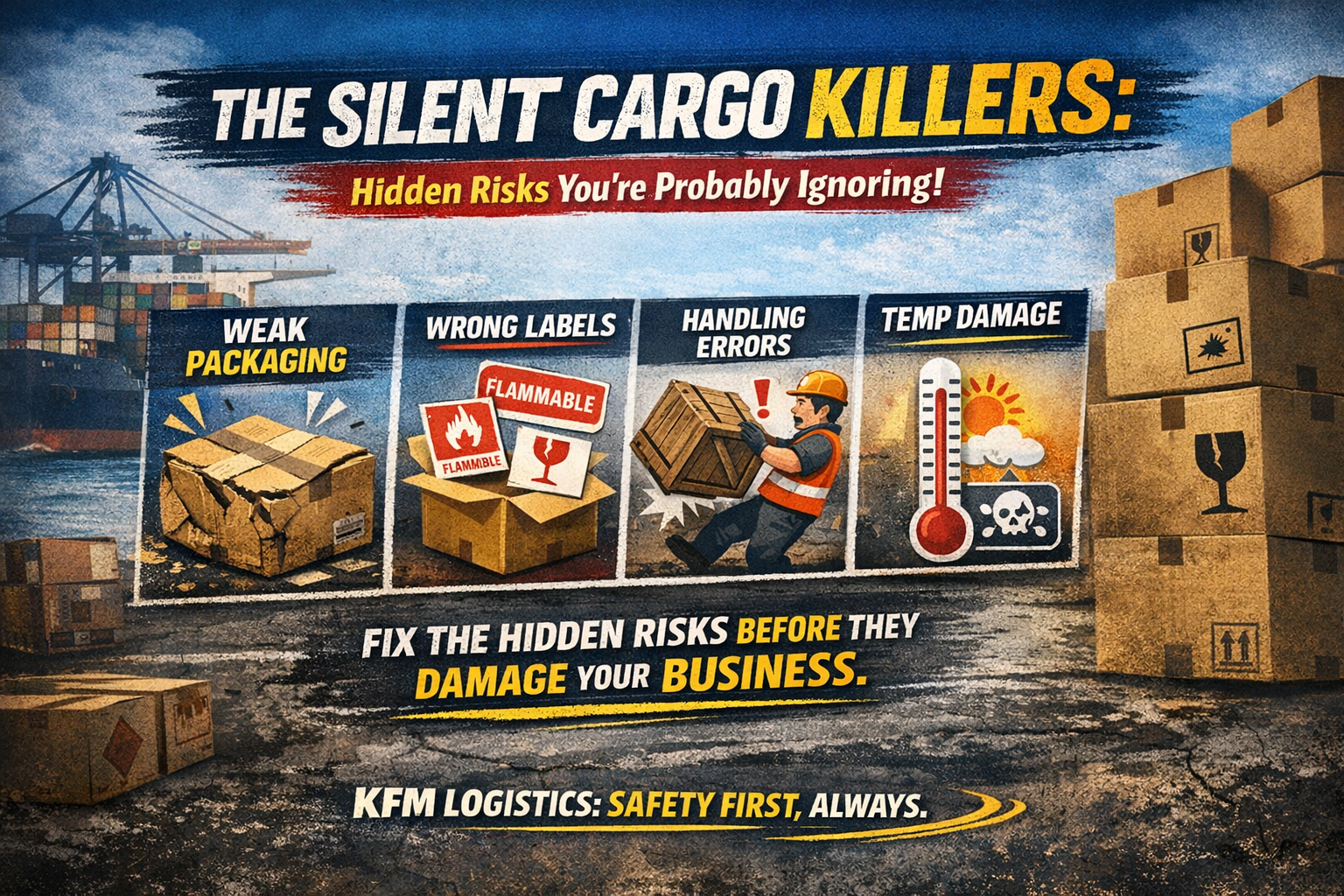
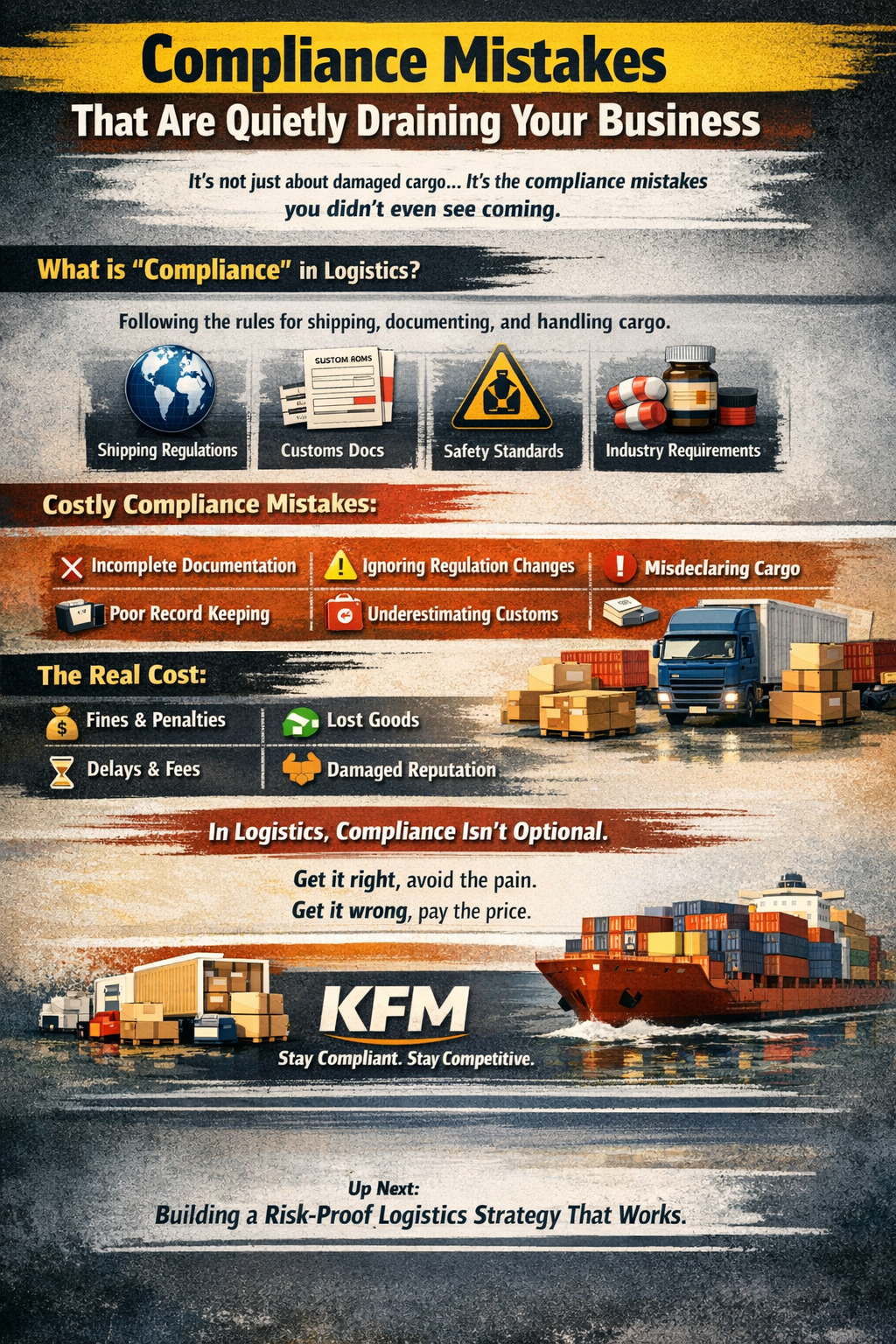
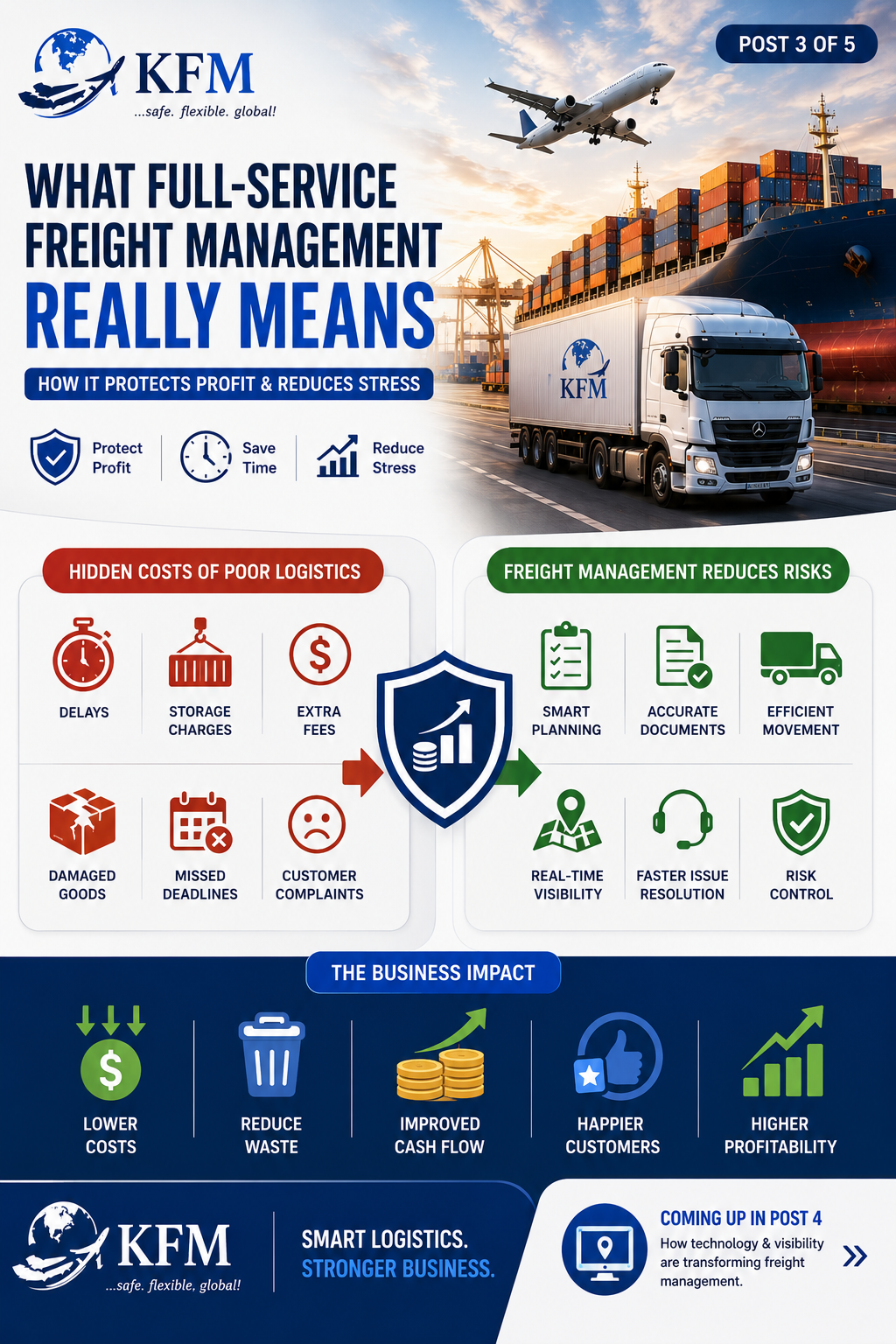
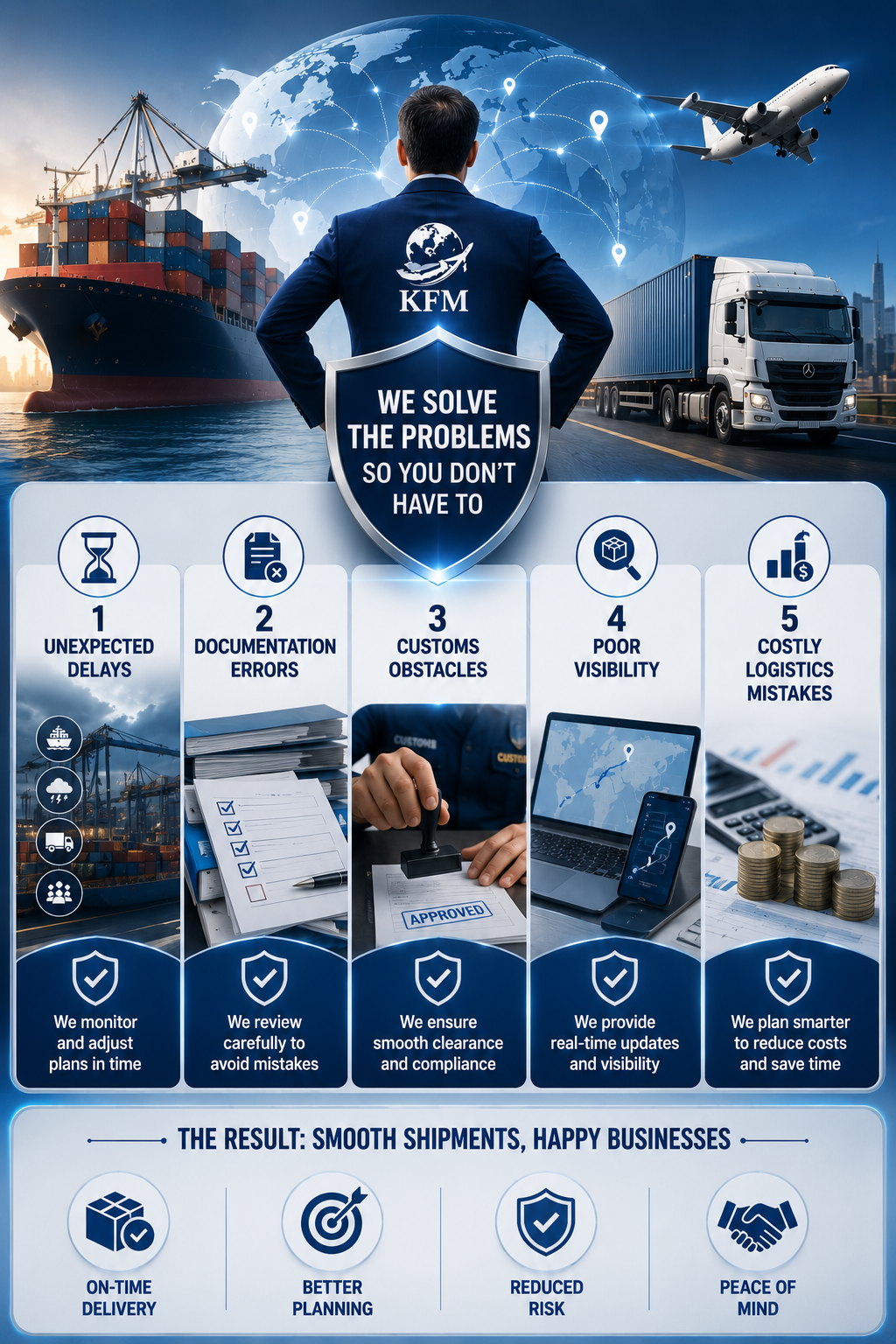
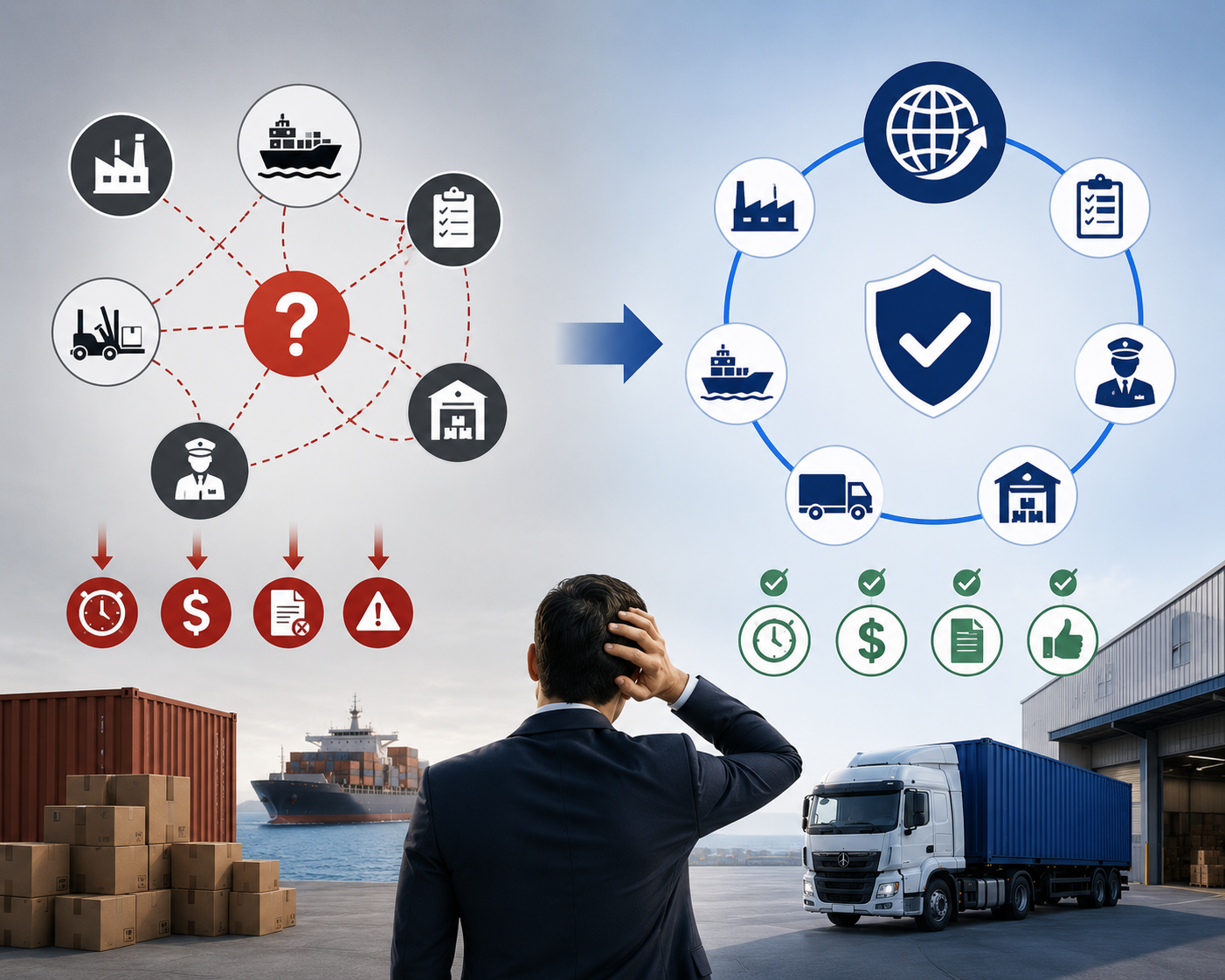
One wrong choice can lead to:
- Delays
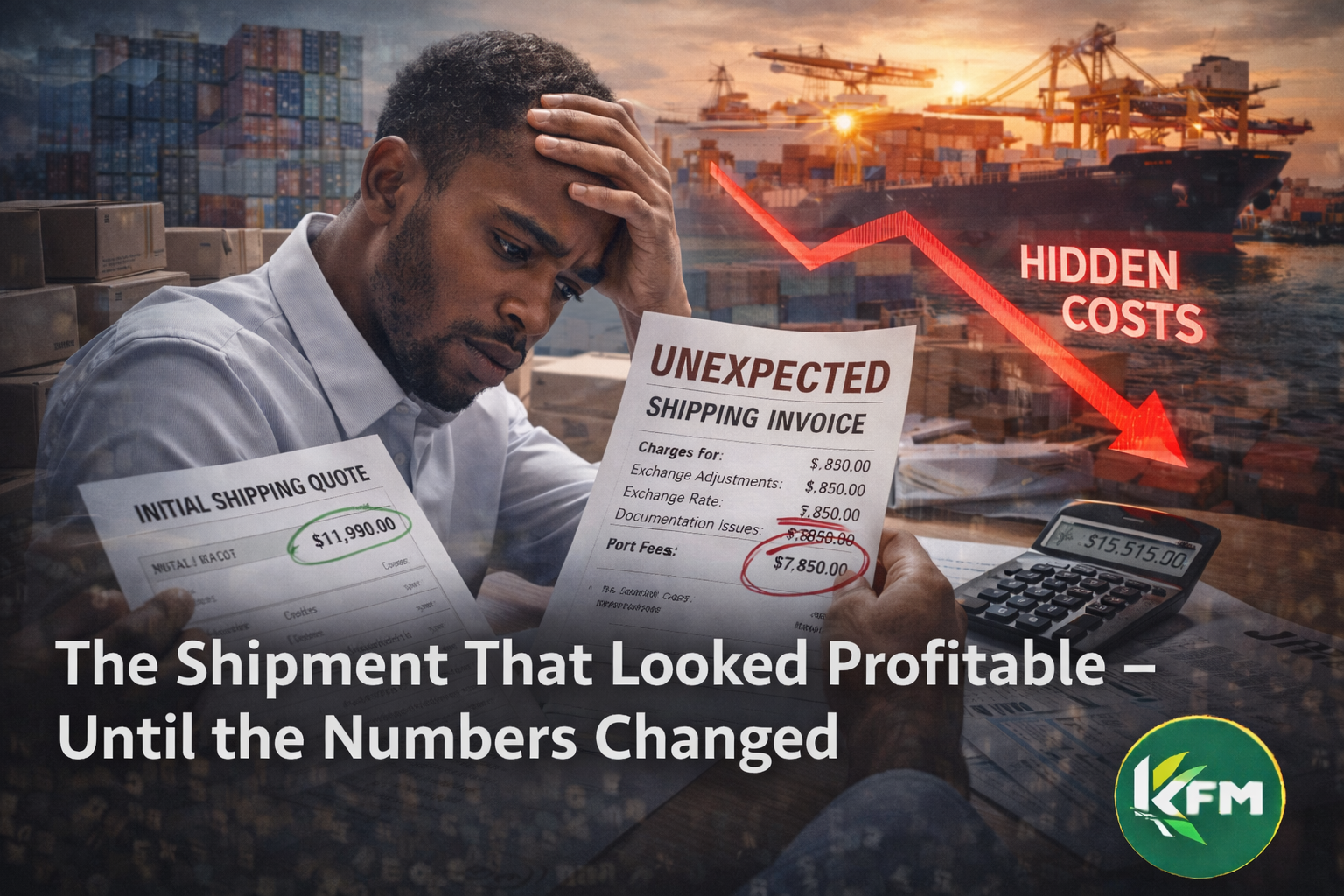
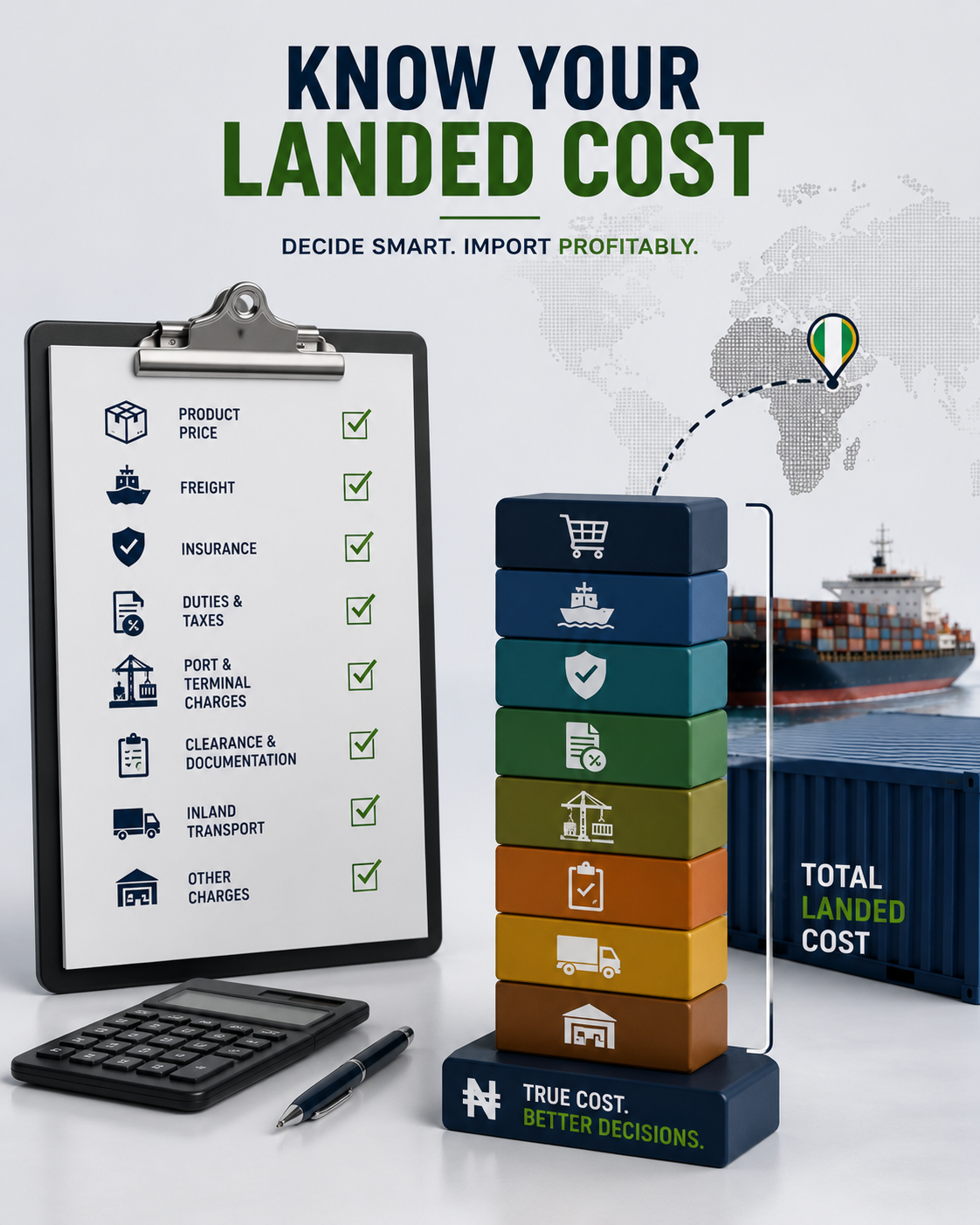
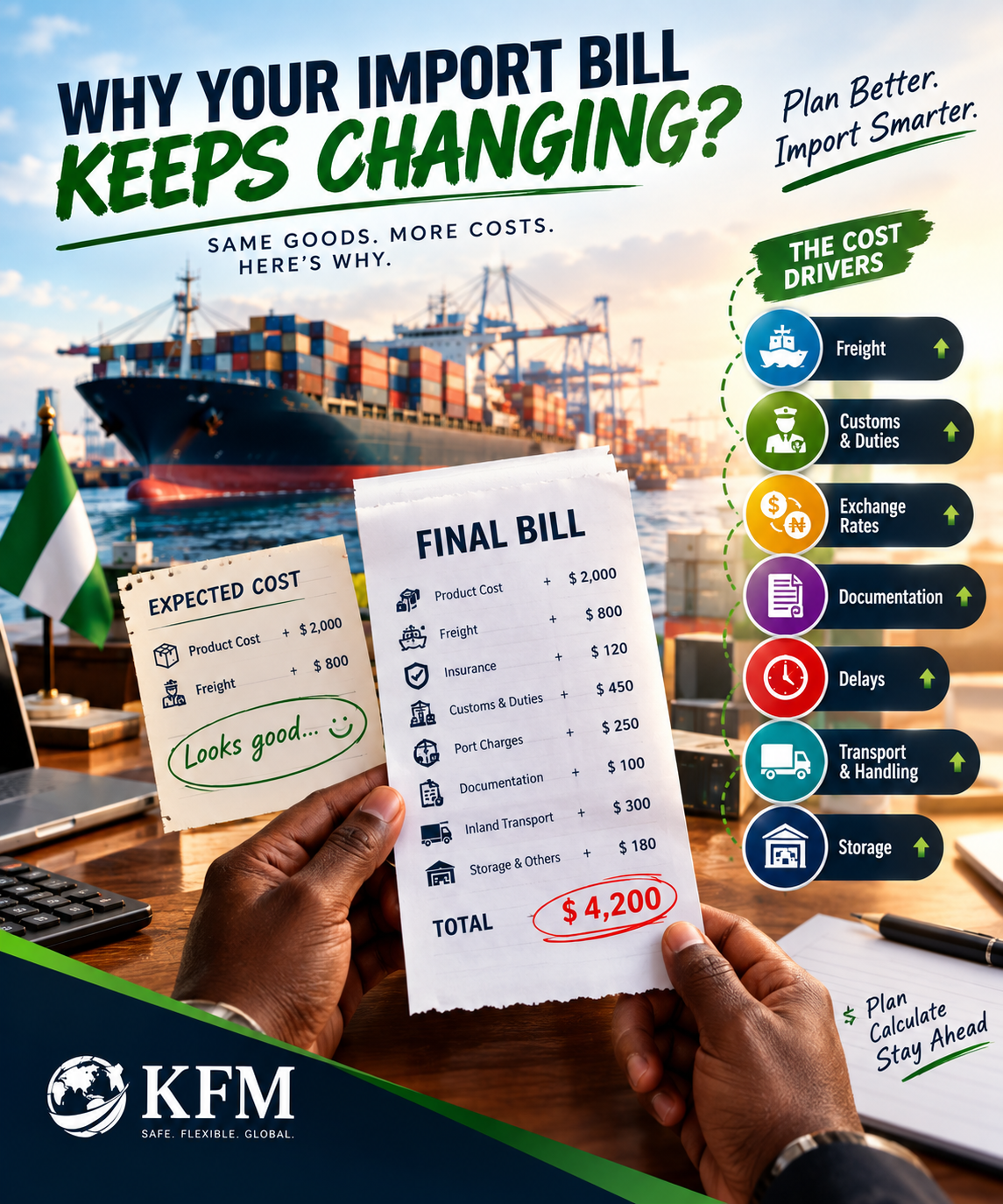
- Hidden charges
- Customs seizures
- Cargo damage
- Lost customers
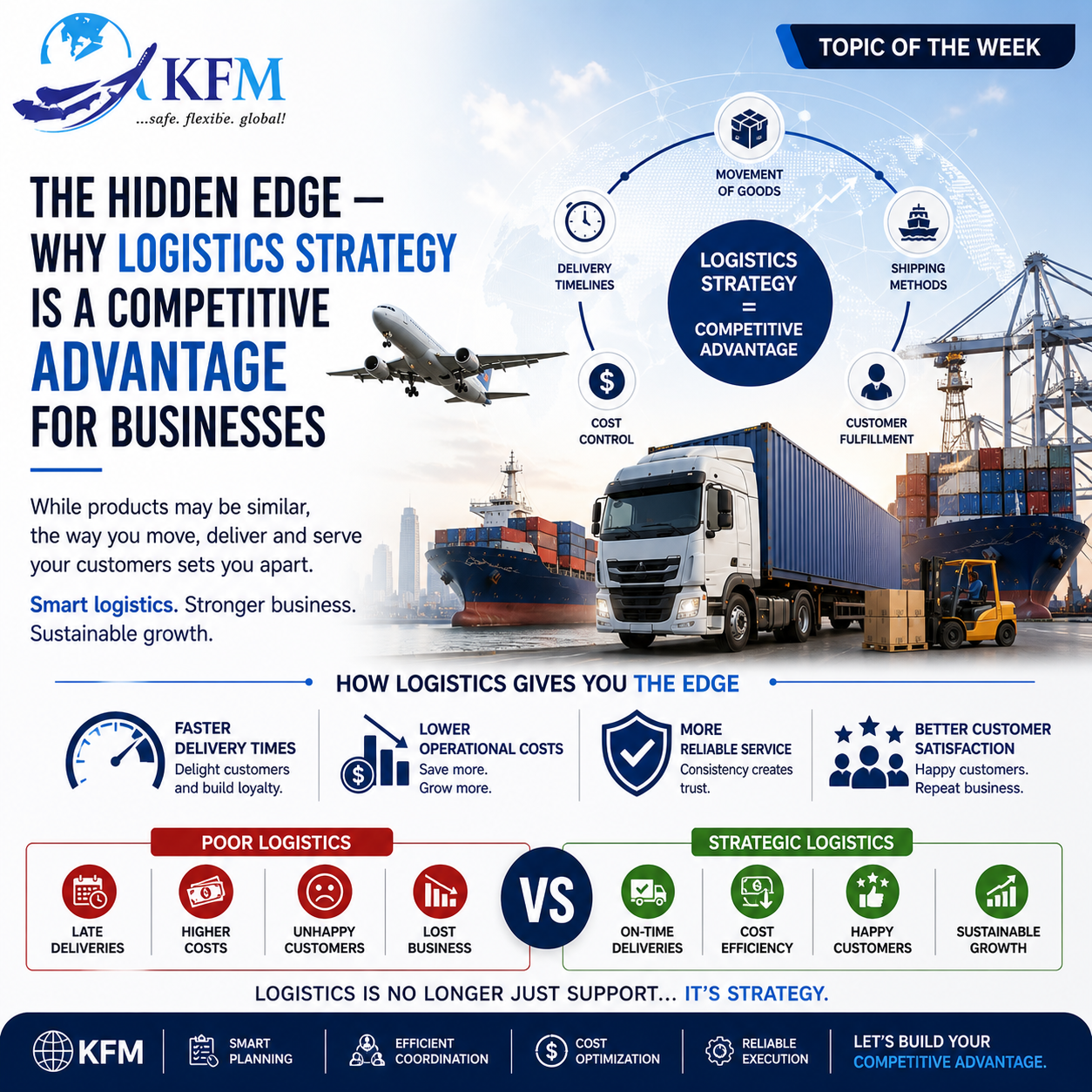
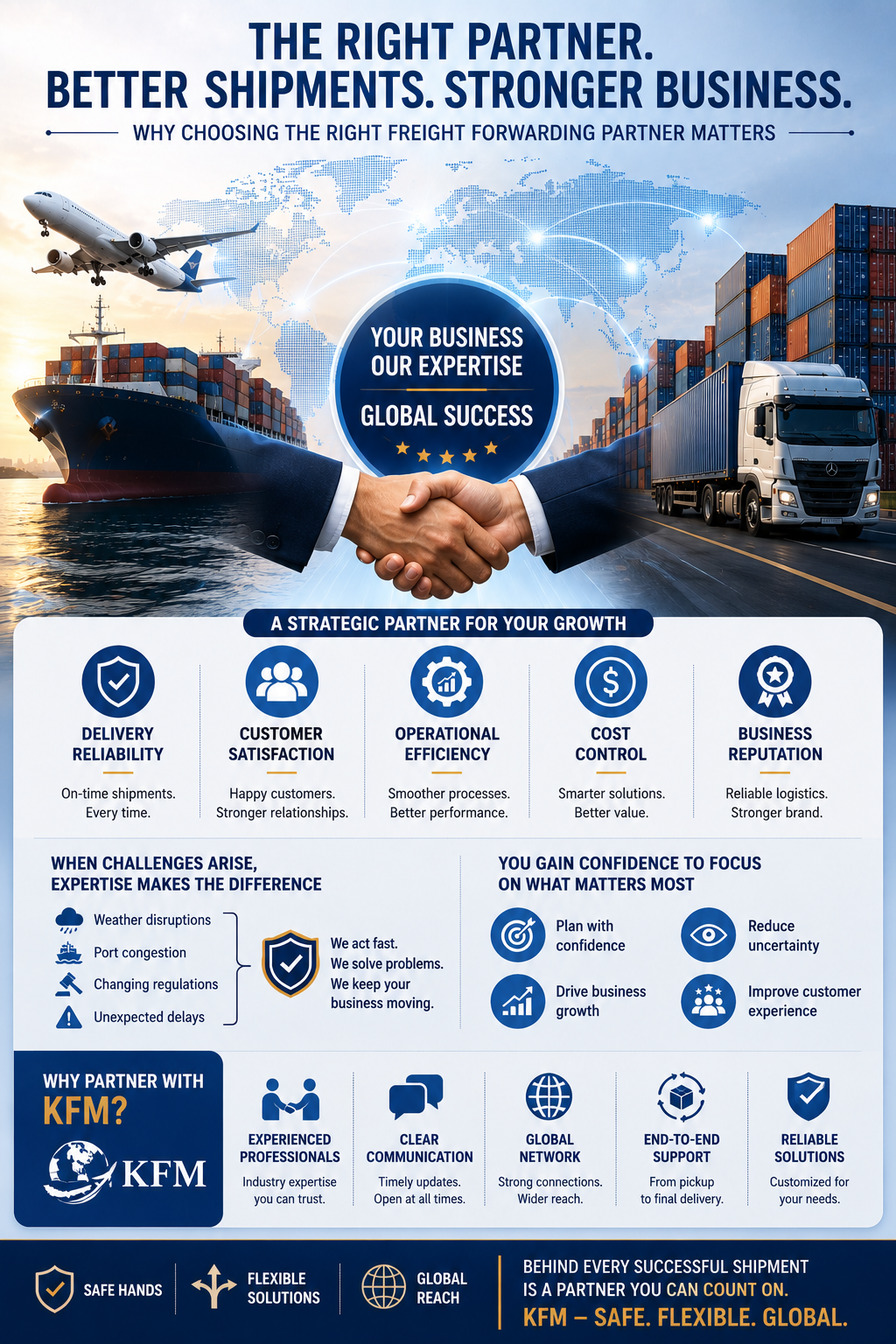
The right freight forwarder becomes a competitive advantage.
The wrong one becomes an expensive mistake.
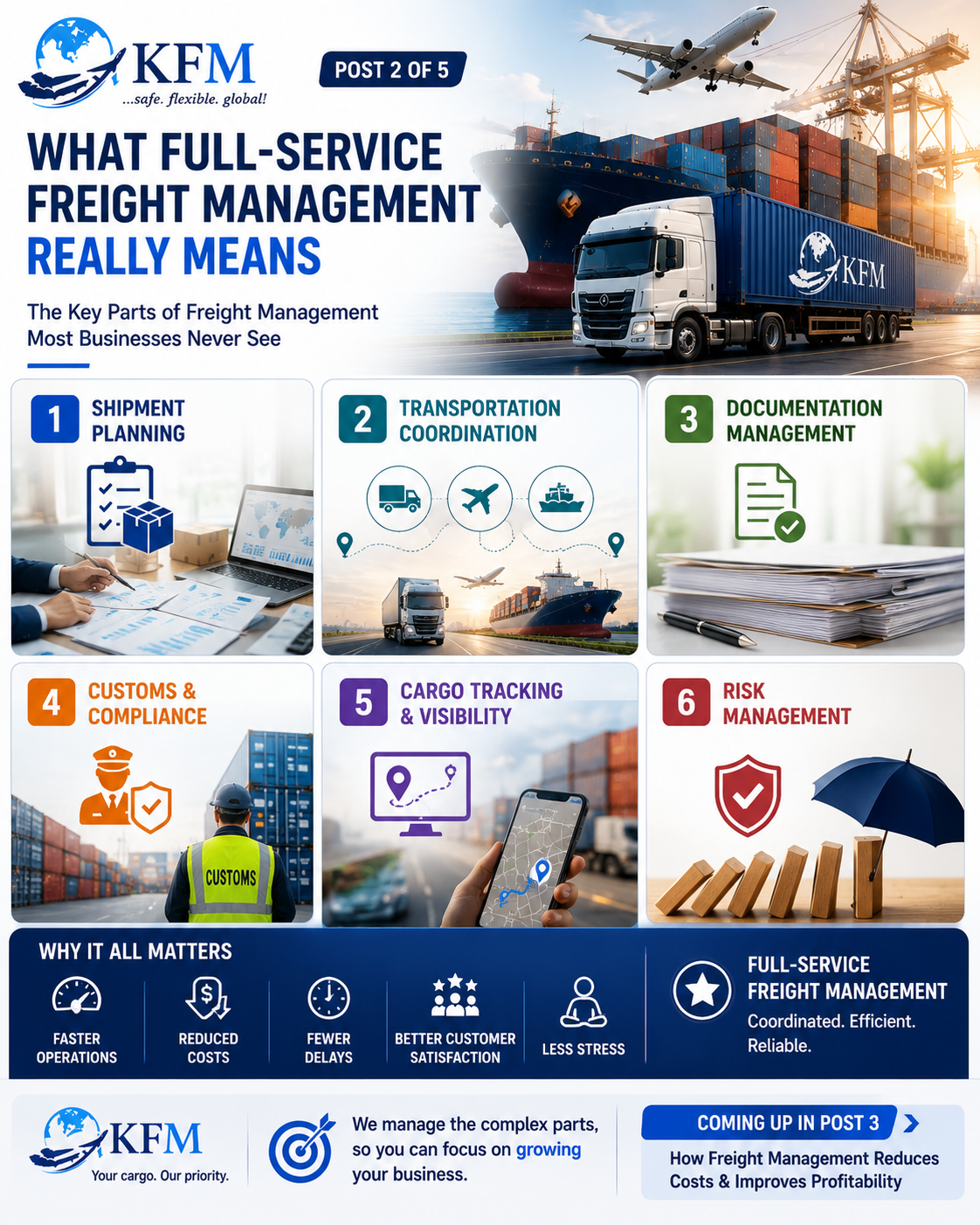
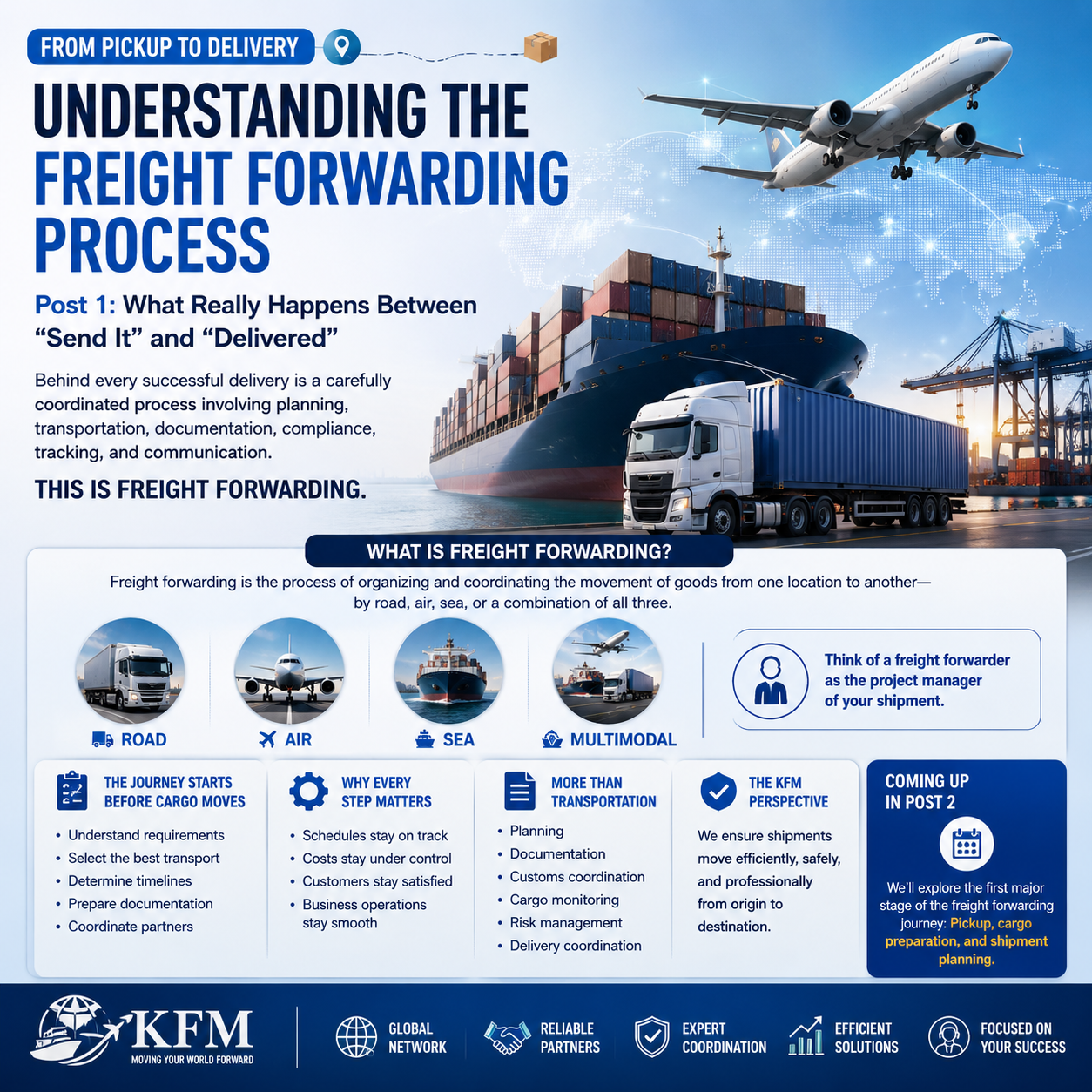
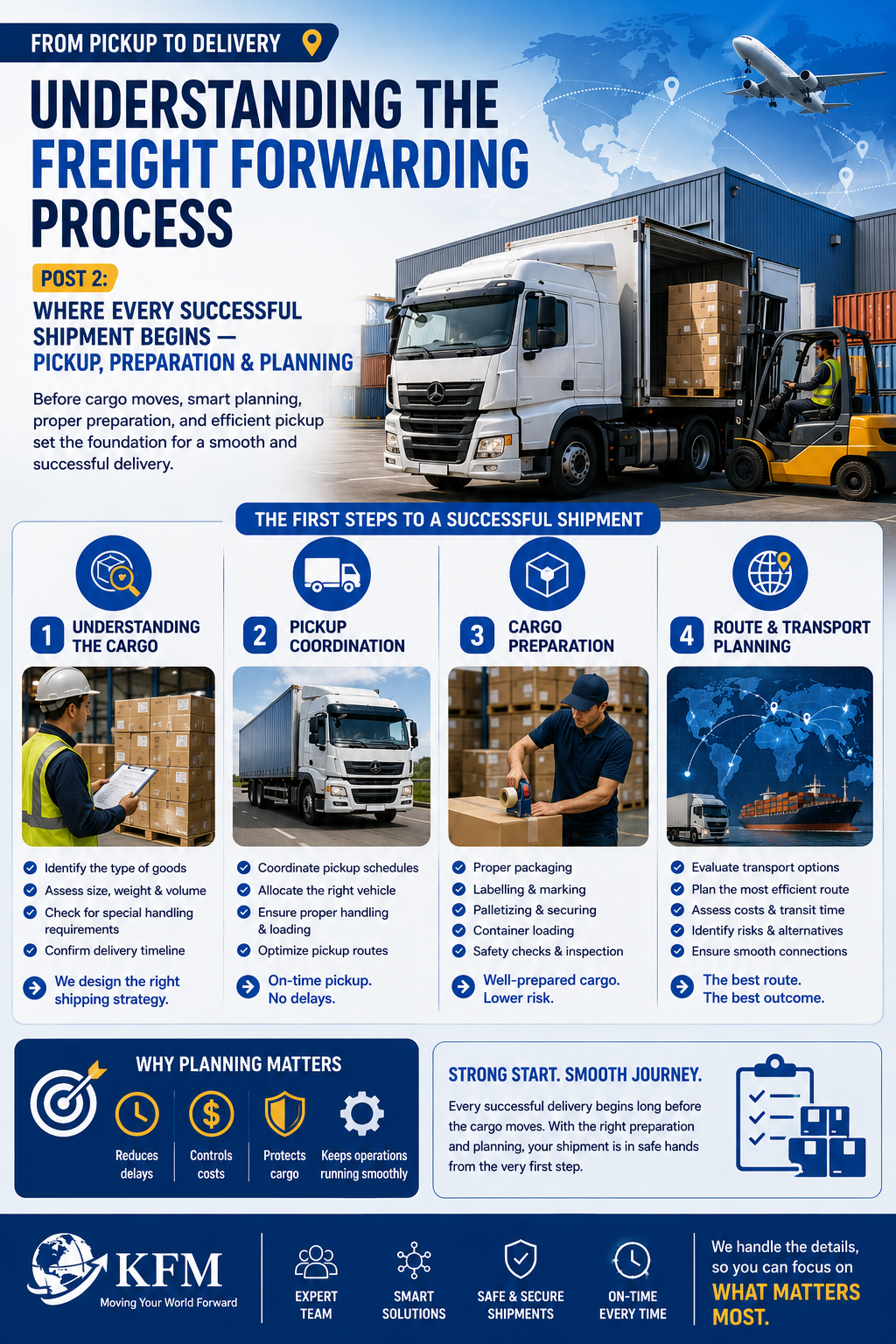
What Exactly Does a Freight Forwarder Do?
Many business owners misunderstand this.
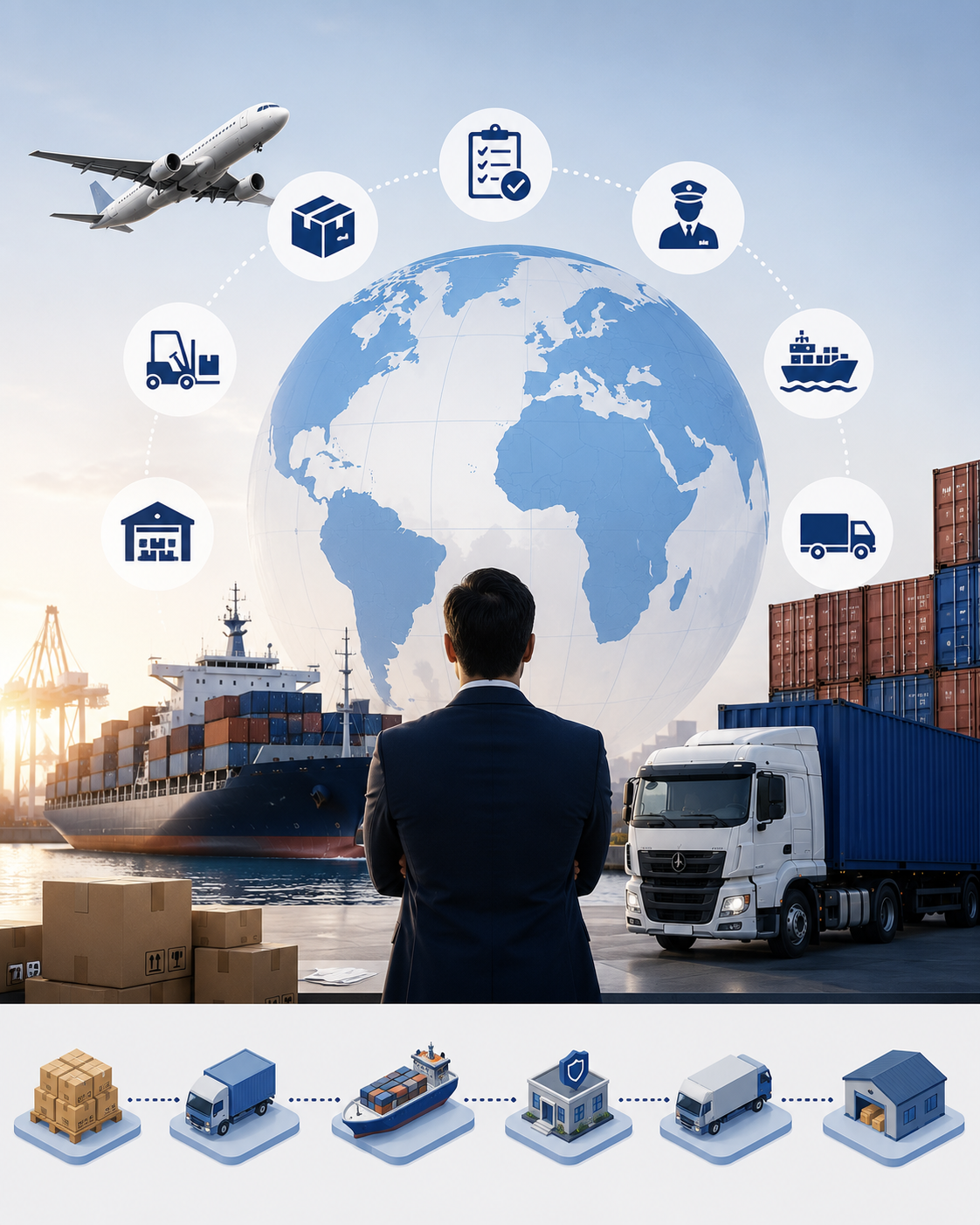
A freight forwarder is not just someone who books space on a ship or aircraft.
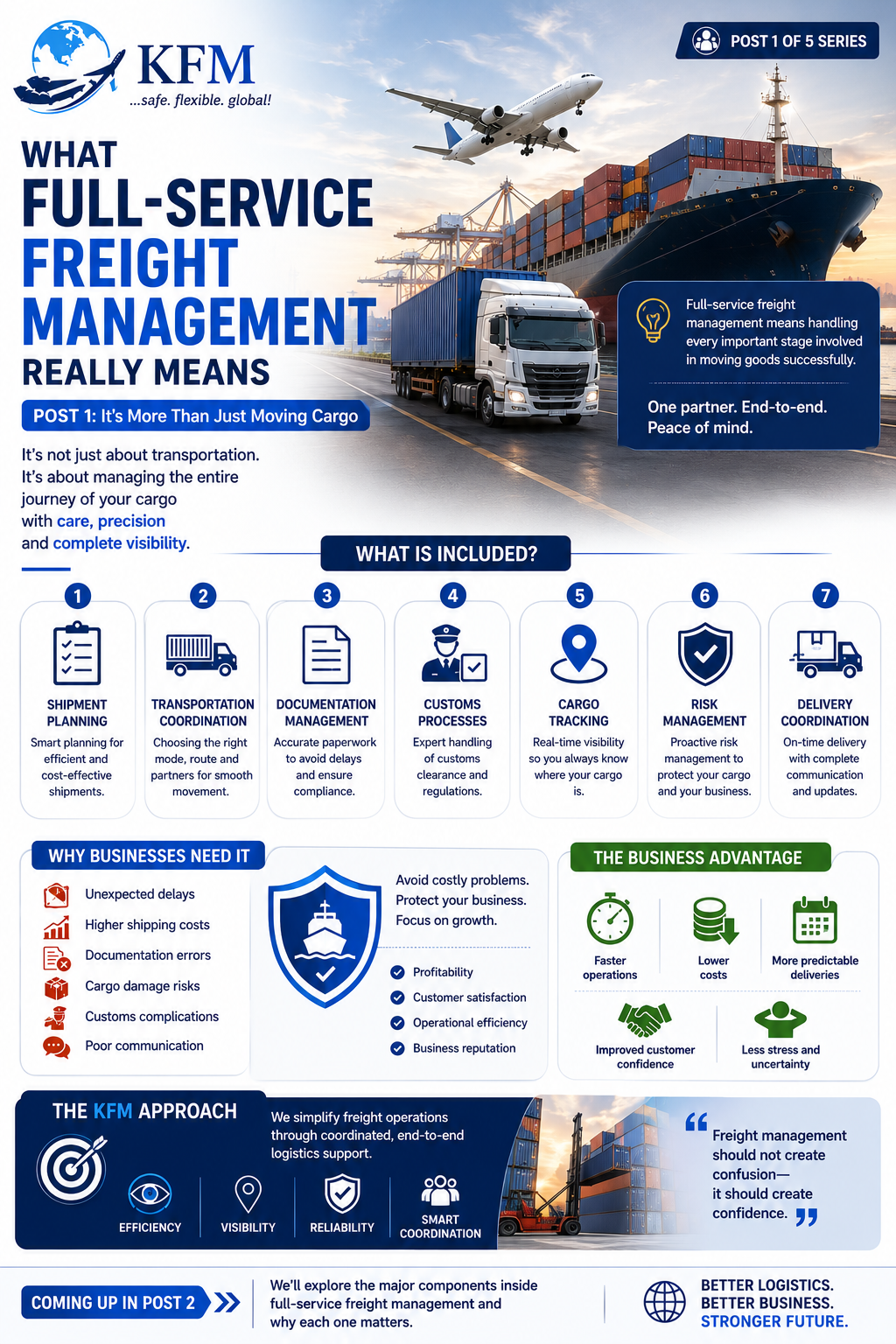
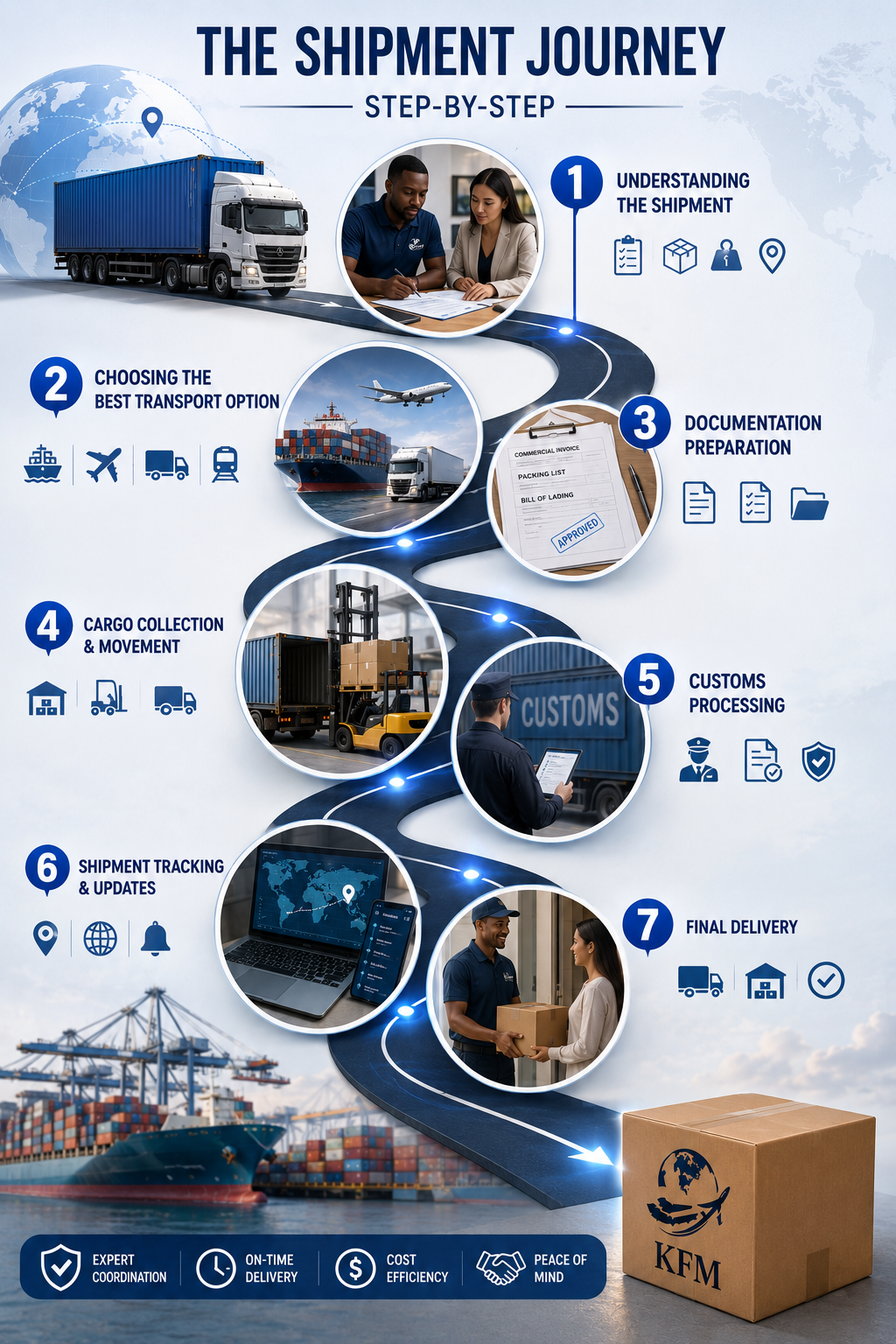
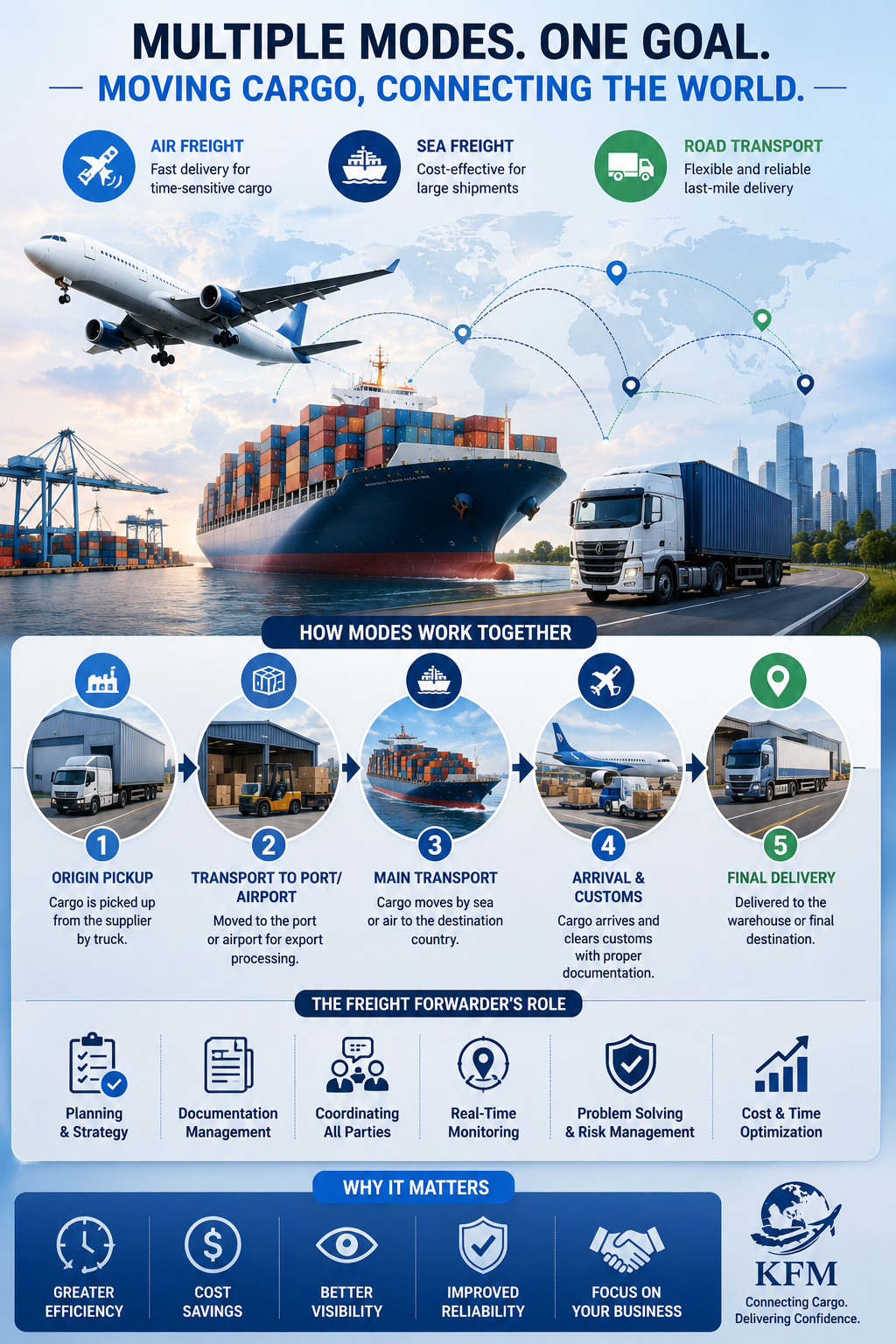
A professional freight forwarder:
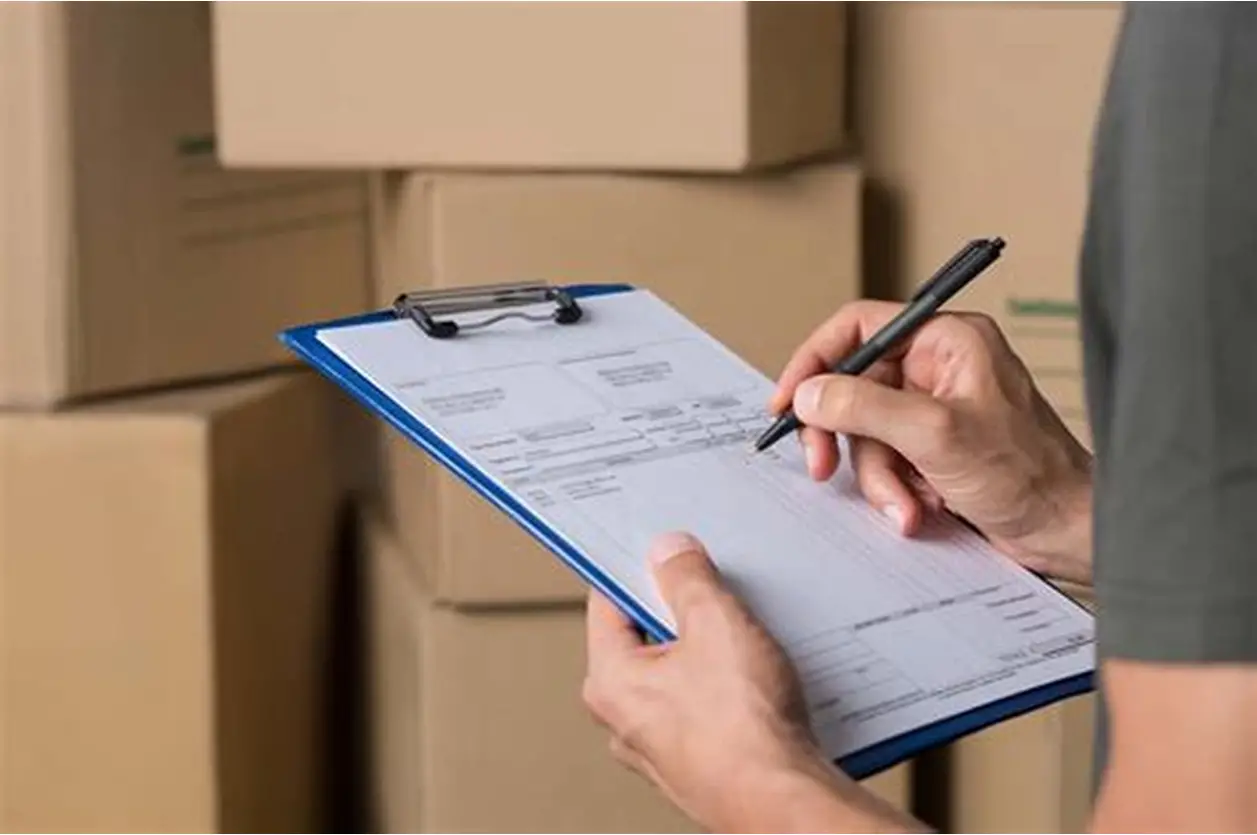
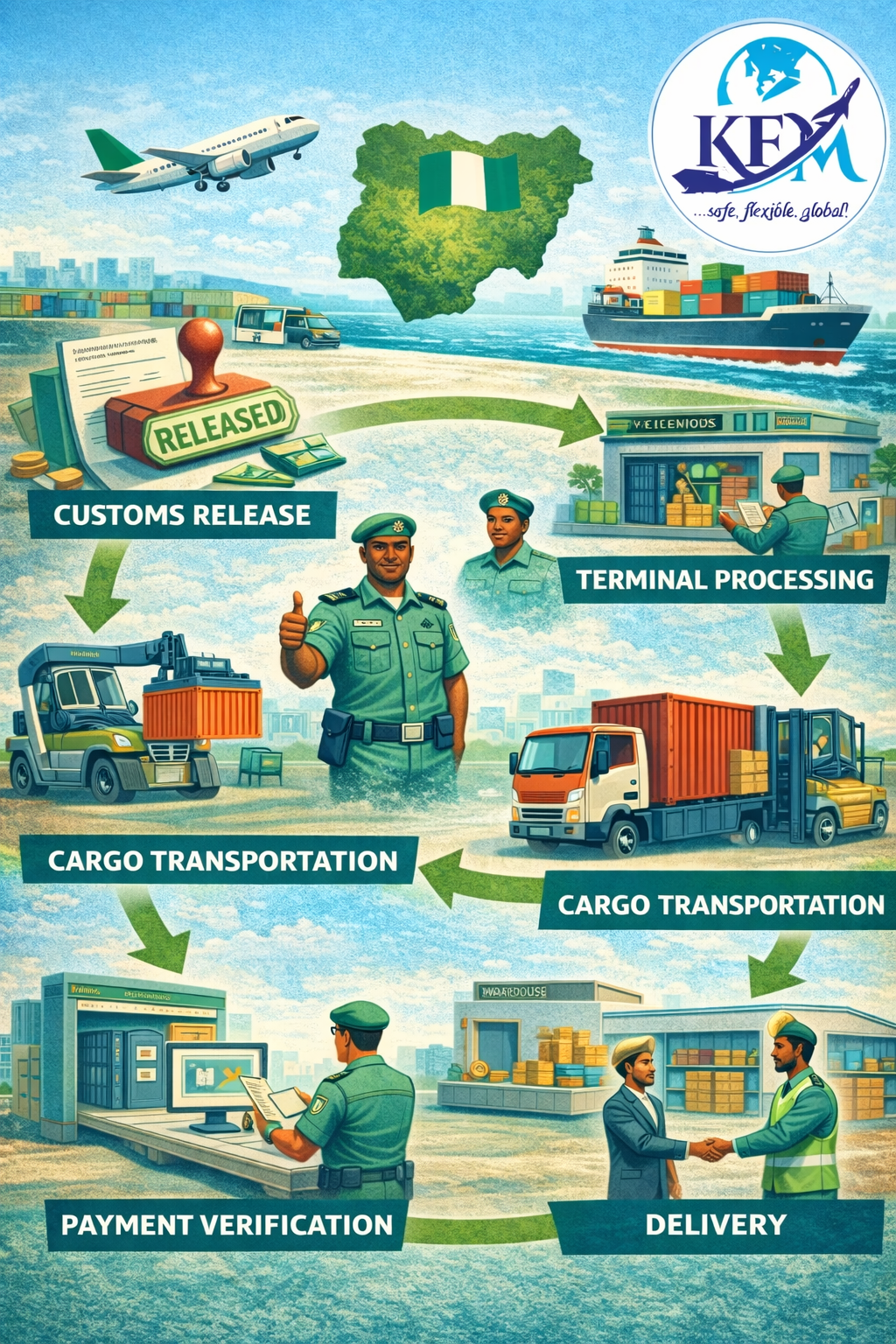
- Manages documentation
- Handles customs coordination
- Advises on shipping terms
- Negotiates freight rates
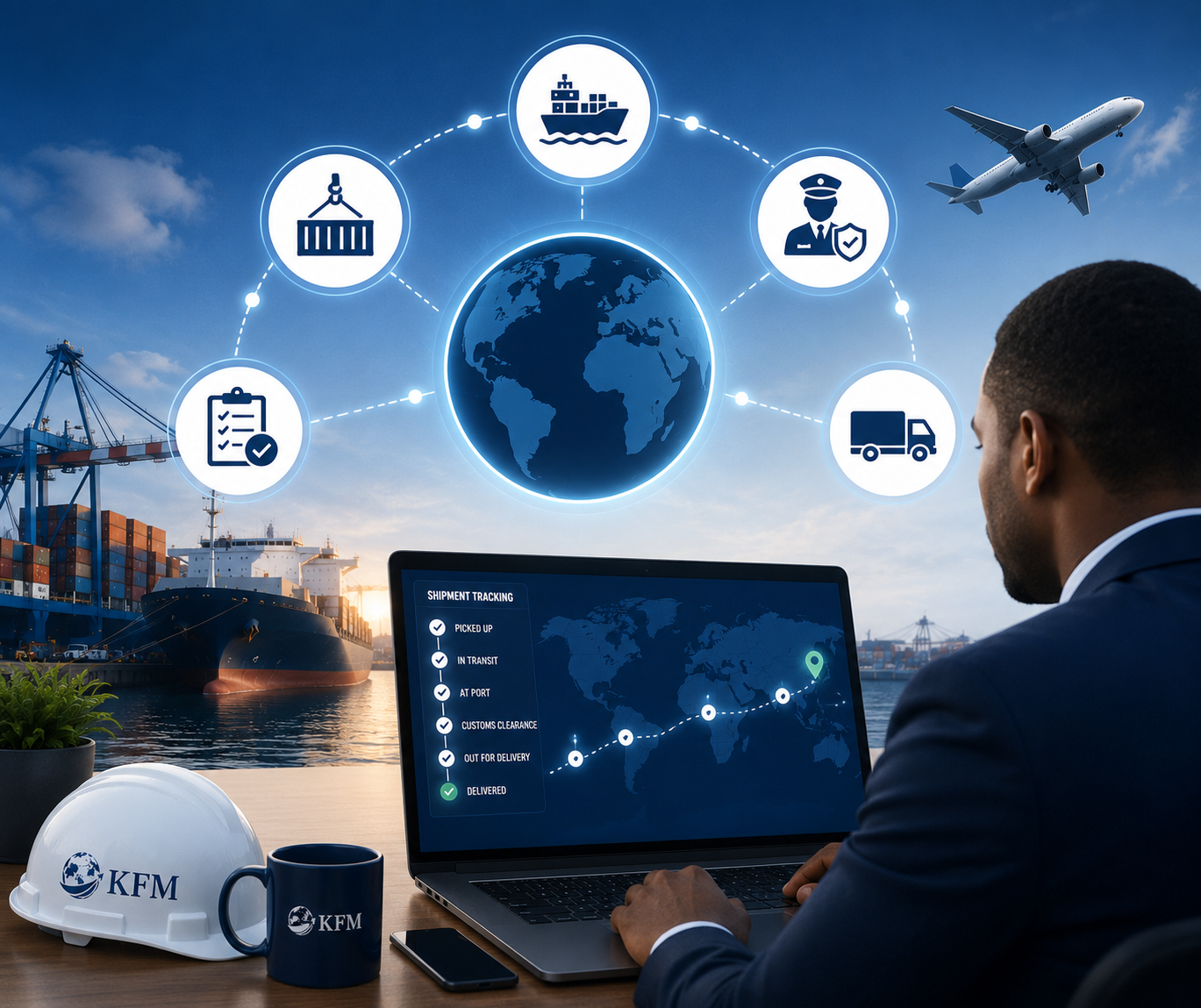
- Tracks cargo movement
- Solves port issues
- Prevents clearance delays
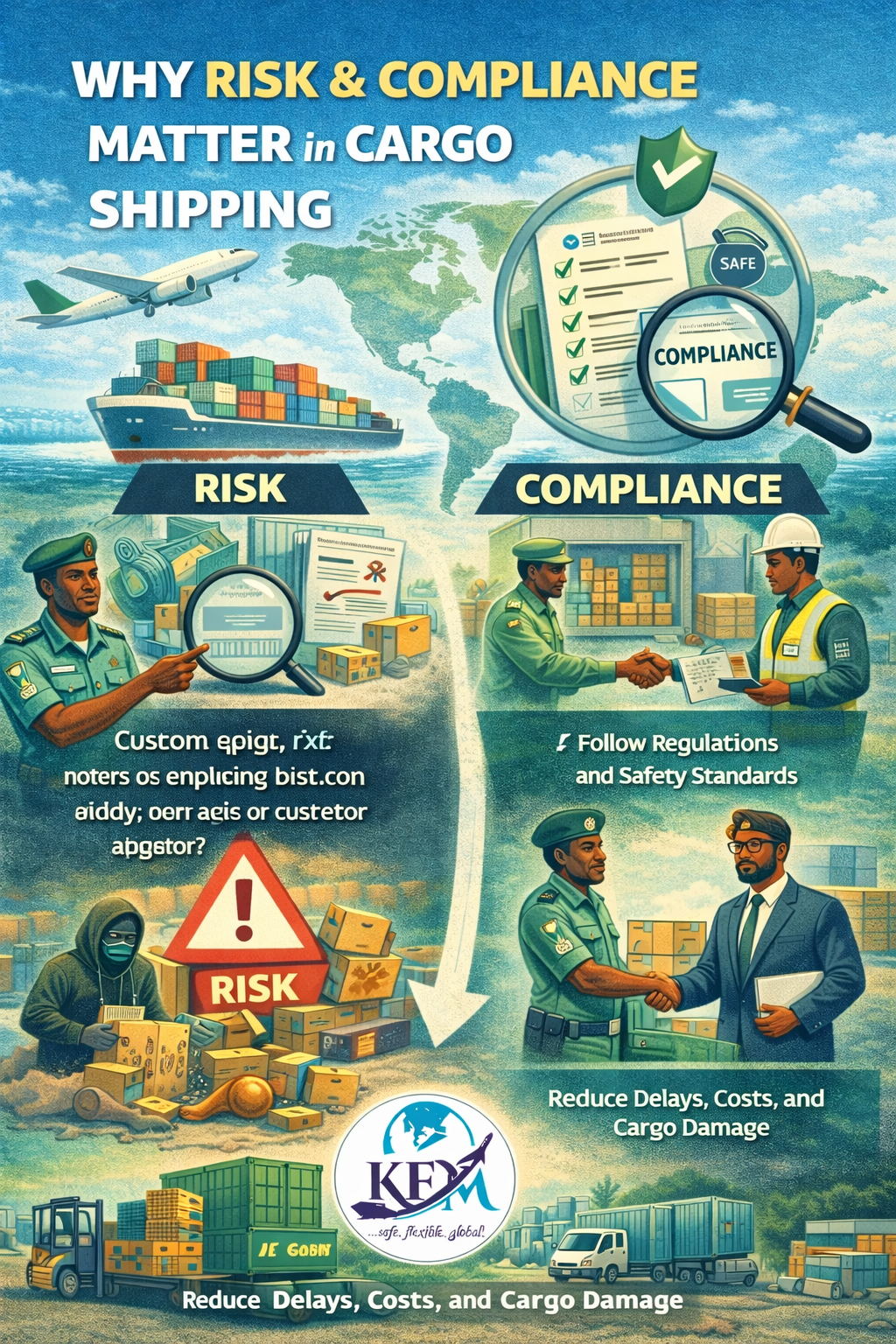
- Mitigates regulatory risk
They are your operational arm in global trade.
If they fail, your supply chain fails.
The 5 Biggest Mistakes Businesses Make When Choosing a Freight Forwarder
1️⃣ Choosing Based on Price Alone
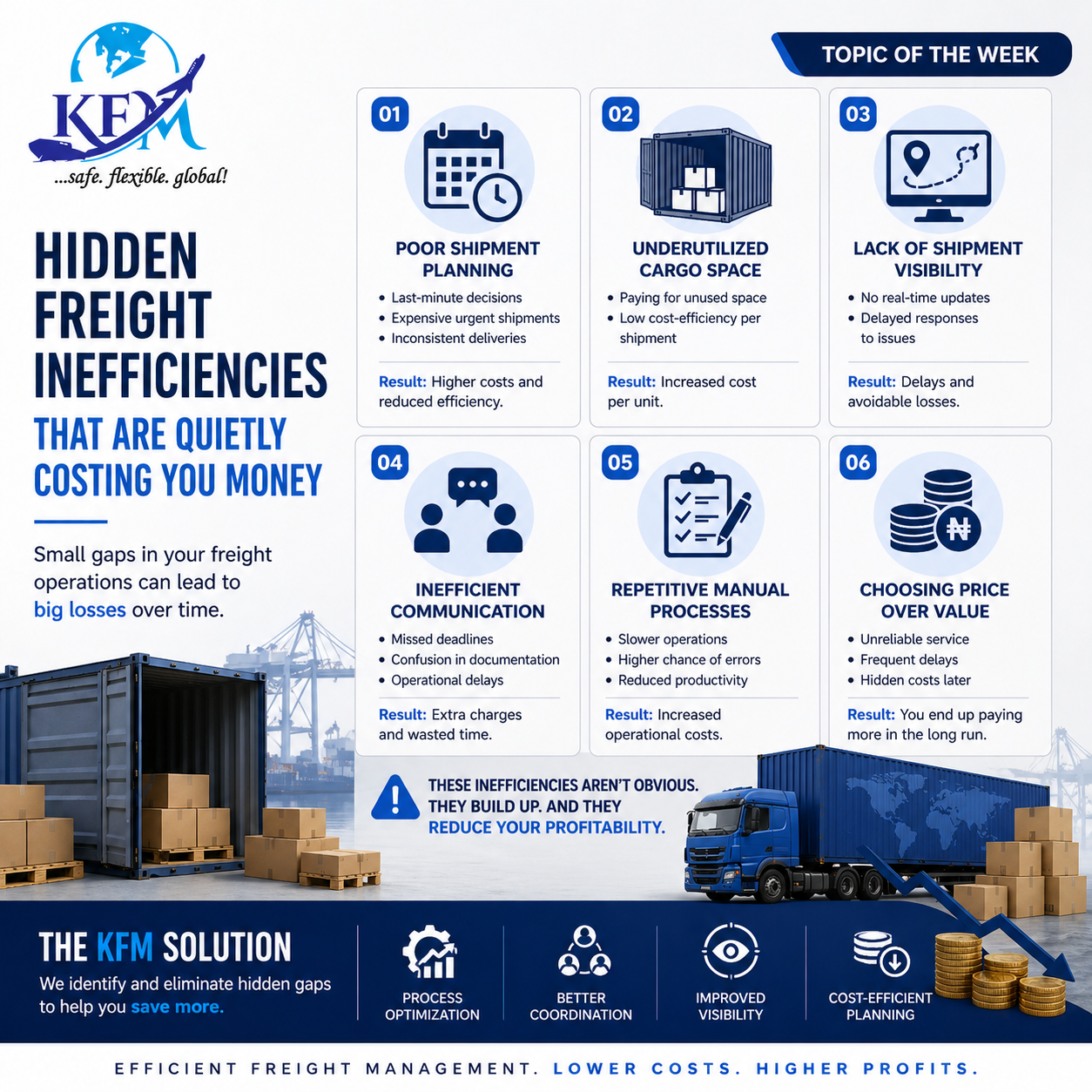
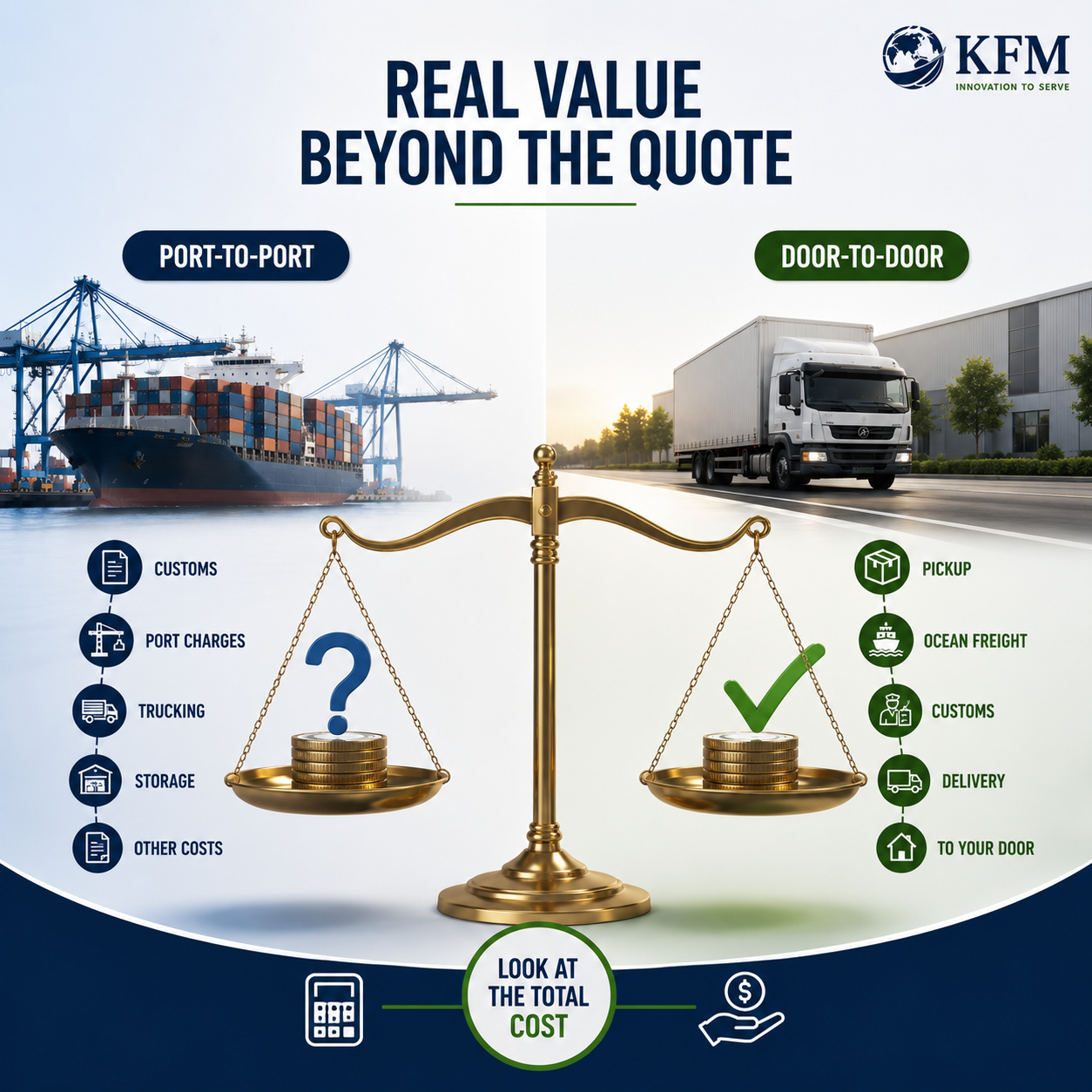
The cheapest quote often becomes the most expensive shipment.
Low-cost forwarders:
- Add hidden port charges
- Exclude customs handling
- Charge extra for documentation
- Provide poor cargo monitoring
If a quote looks too cheap, something is missing.
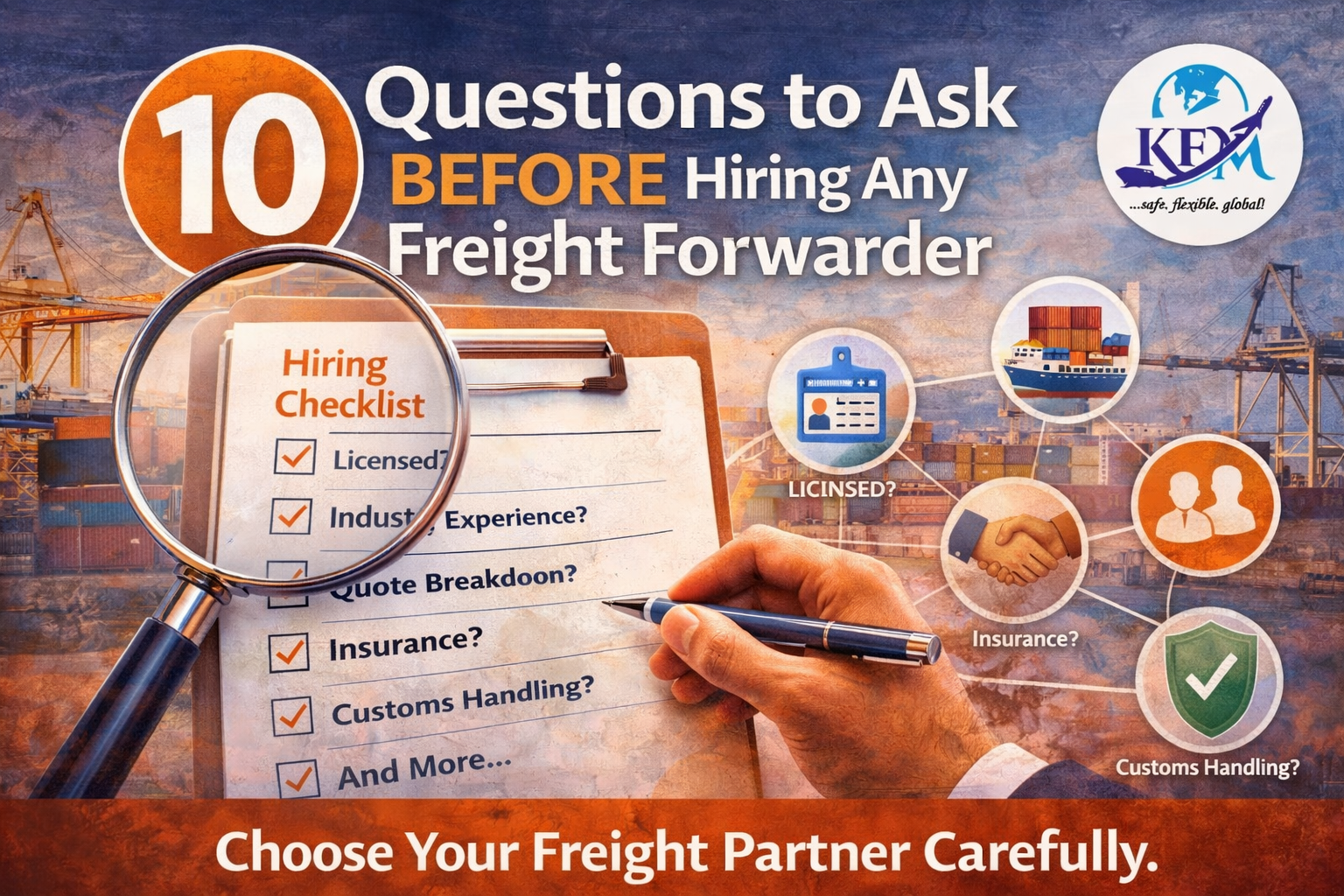
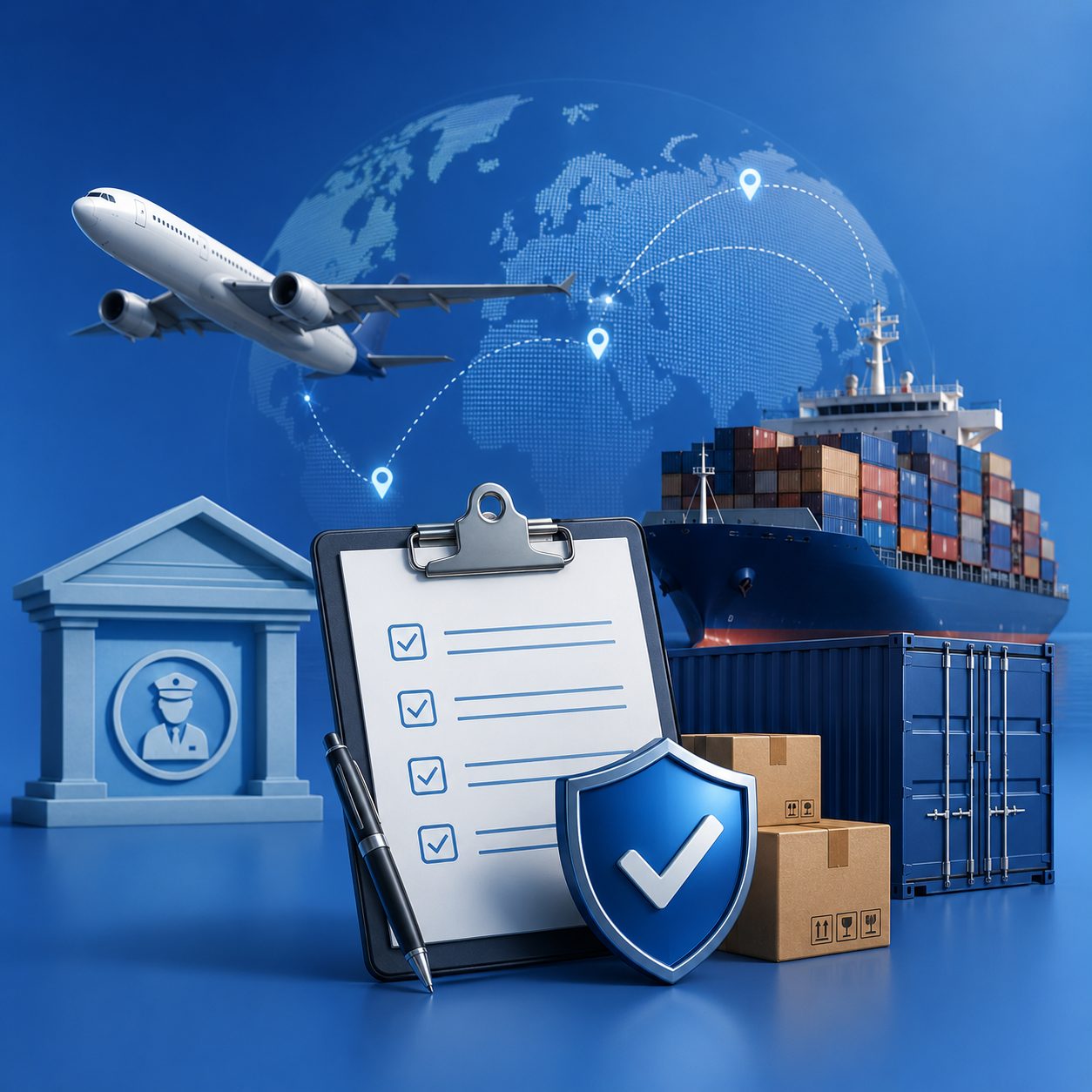
2️⃣ Not Verifying Licensing & Compliance
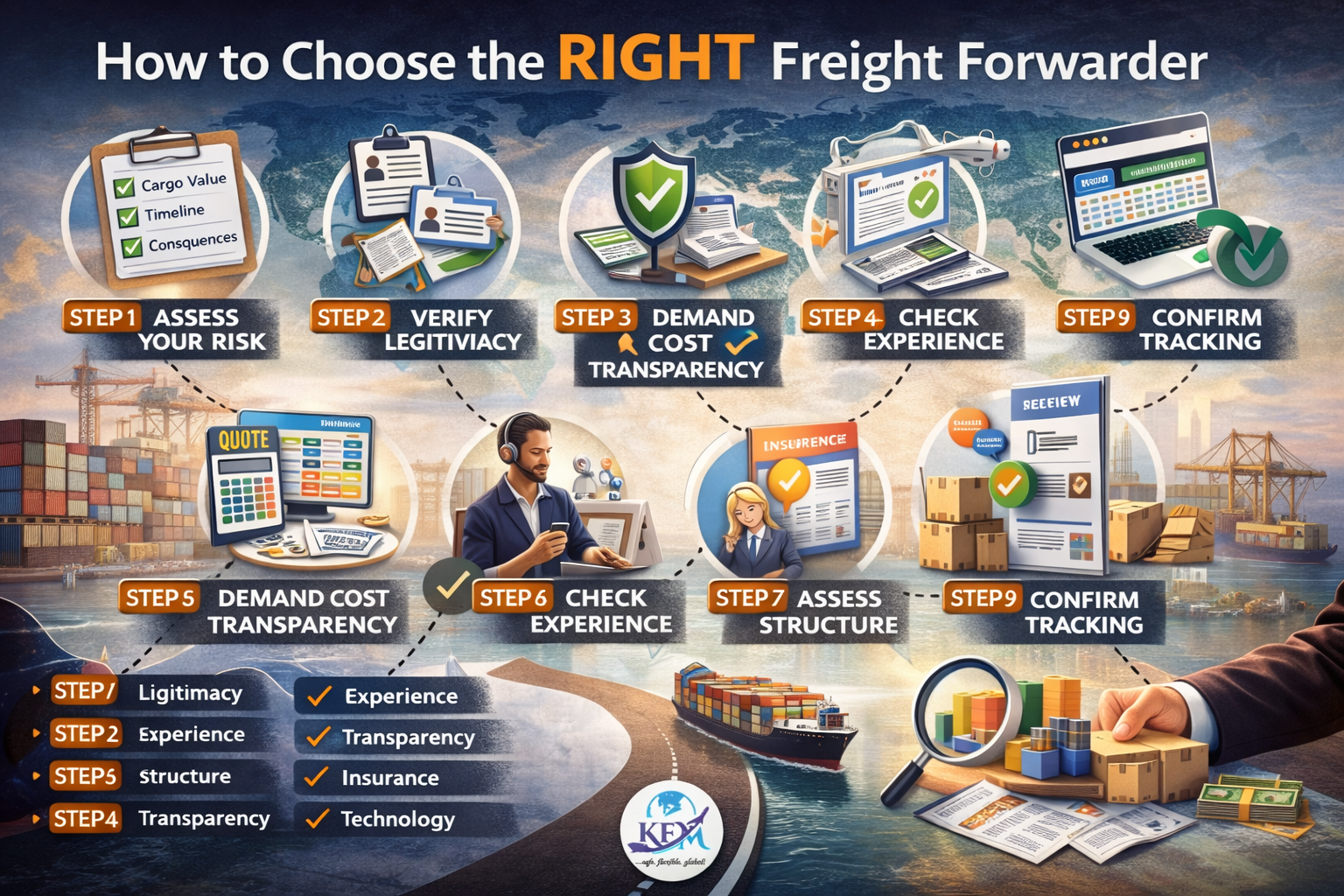
A reliable freight forwarder must have:
- Valid freight forwarding license
- Customs clearance authorization
- Proper regulatory registration
- Insurance coverage
Failure here can result in:
- Shipment seizure
- Heavy penalties
- Delayed clearance
- Legal complications
3️⃣ Ignoring Industry Experience
Freight forwarding is not generic.
Different cargo requires different expertise:
- Perishable goods
- Textiles
- Industrial machinery
- Automotive parts
- Hazardous cargo
If your forwarder lacks sector experience, your cargo is at risk.
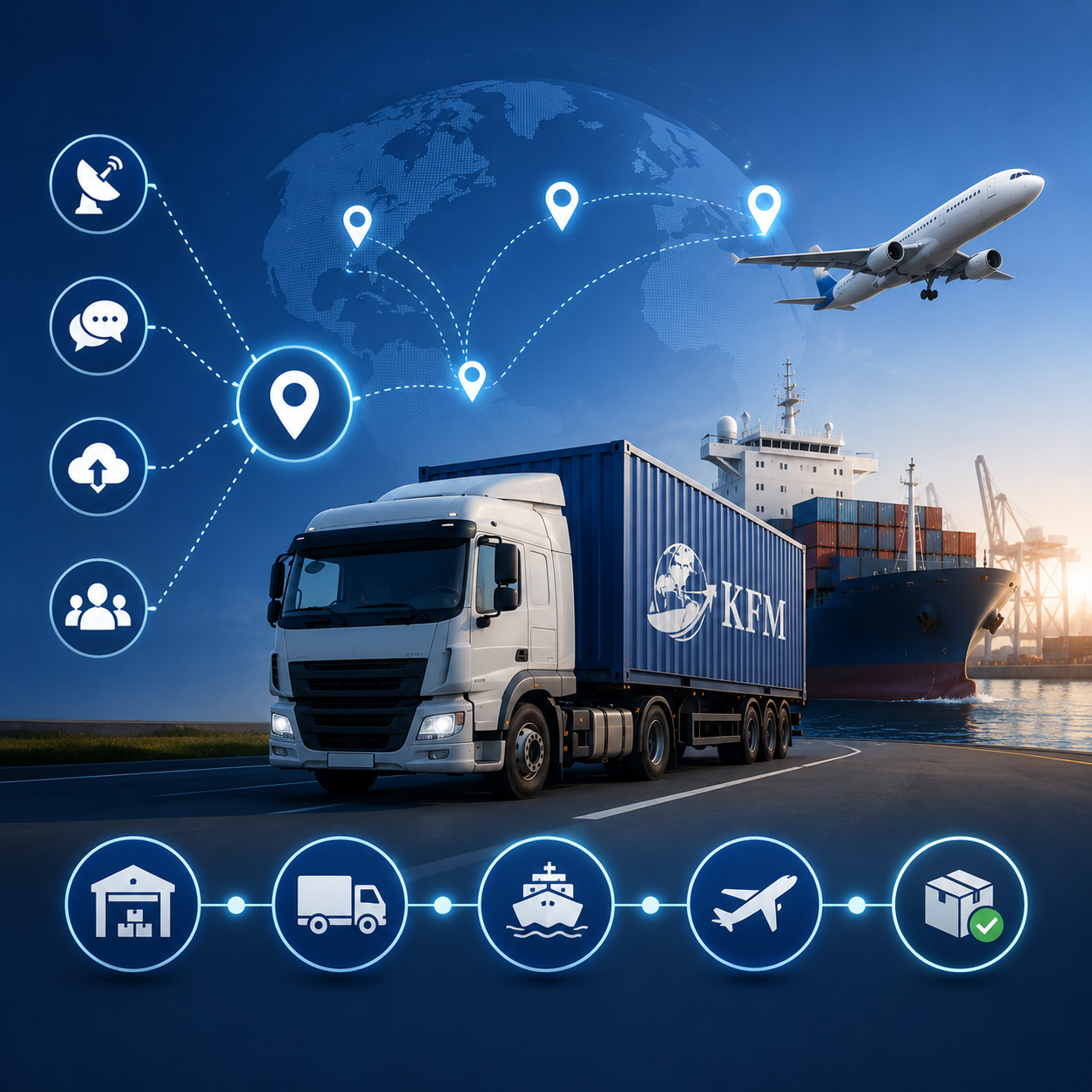
4️⃣ Poor Communication Standards
If they are slow to reply before payment, imagine after shipment begins.
Red flags:
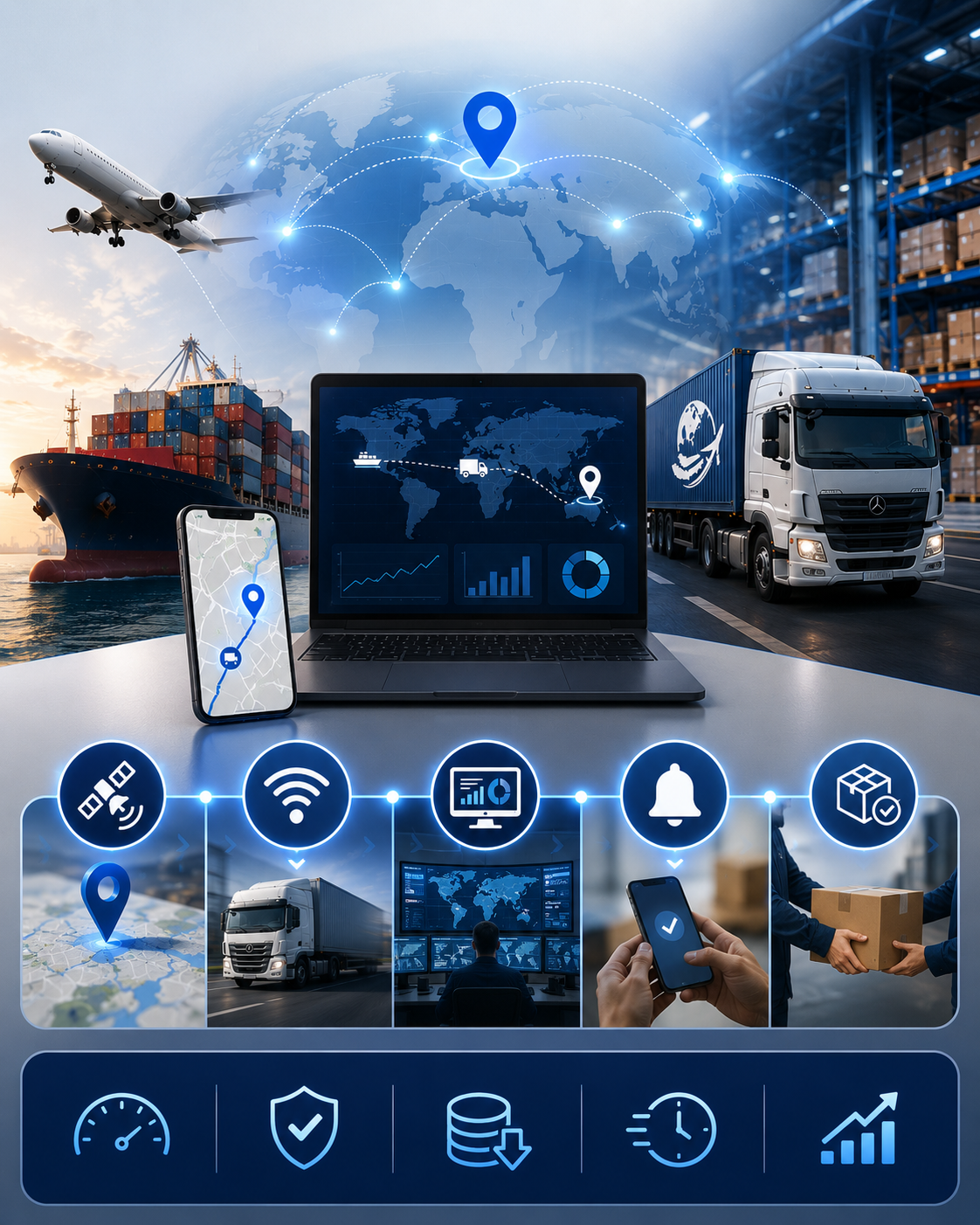
- No shipment tracking system
- Delayed email responses
- No proactive updates
- No dedicated contact person
Global trade requires real-time coordination.
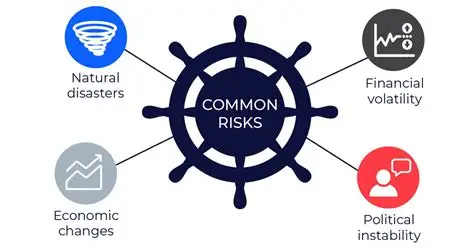
5️⃣ No Risk Management Strategy
Unexpected issues happen:
- Port congestion
- Customs inspections
- Weather delays
- Regulatory changes
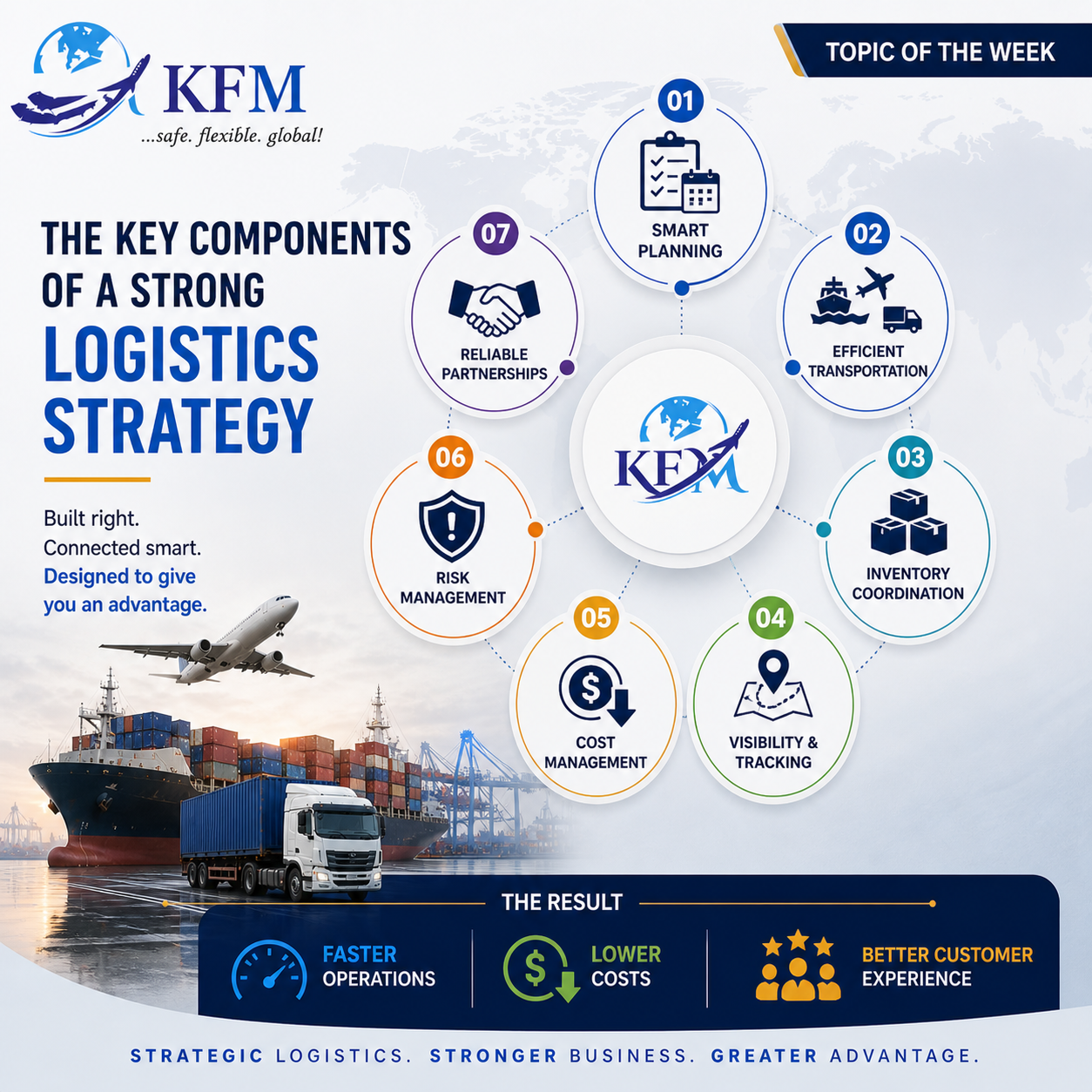
A strong freight forwarder prepares contingency plans.
An inexperienced one reacts late.
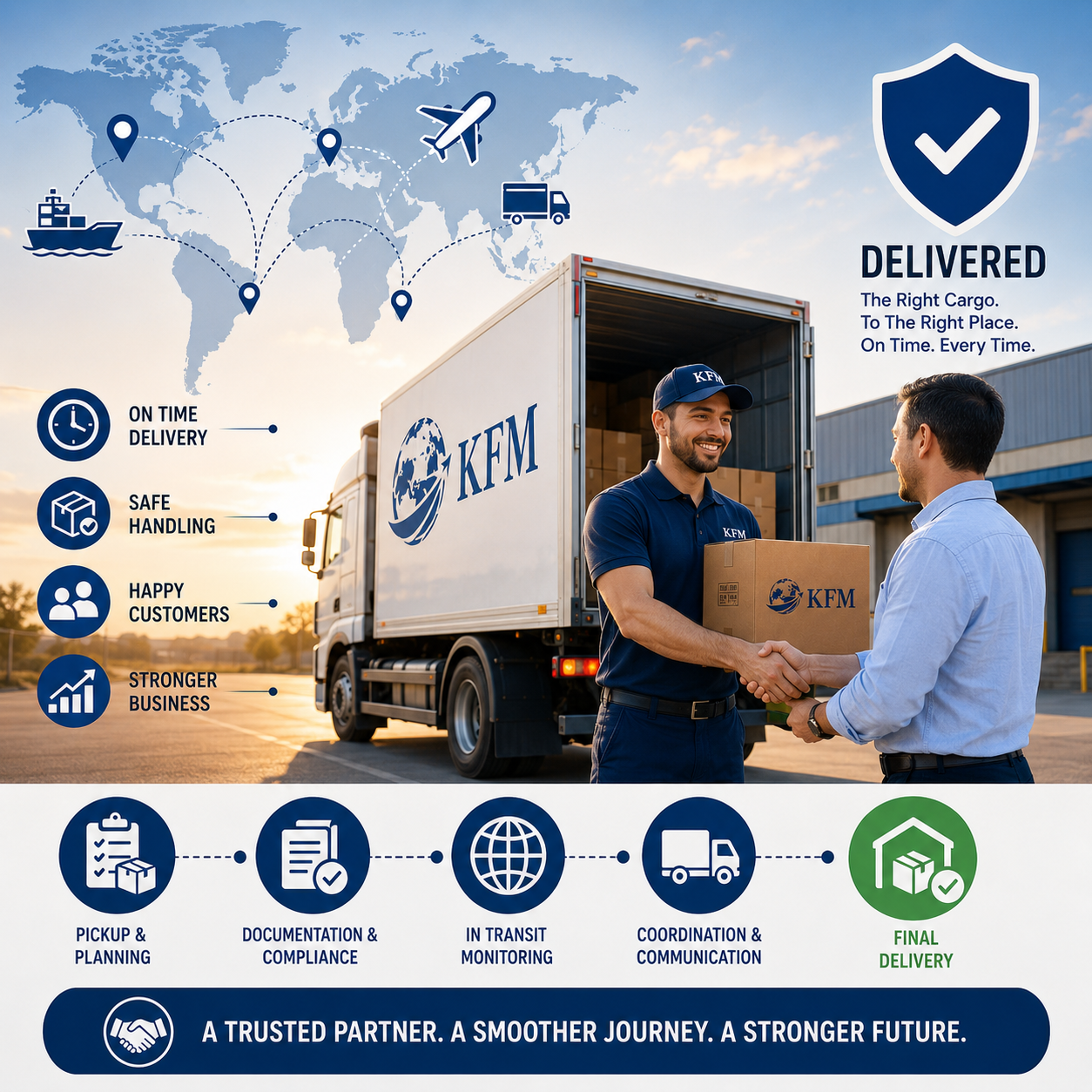
What the Right Freight Forwarder Actually Does for Your Business
A serious freight partner:
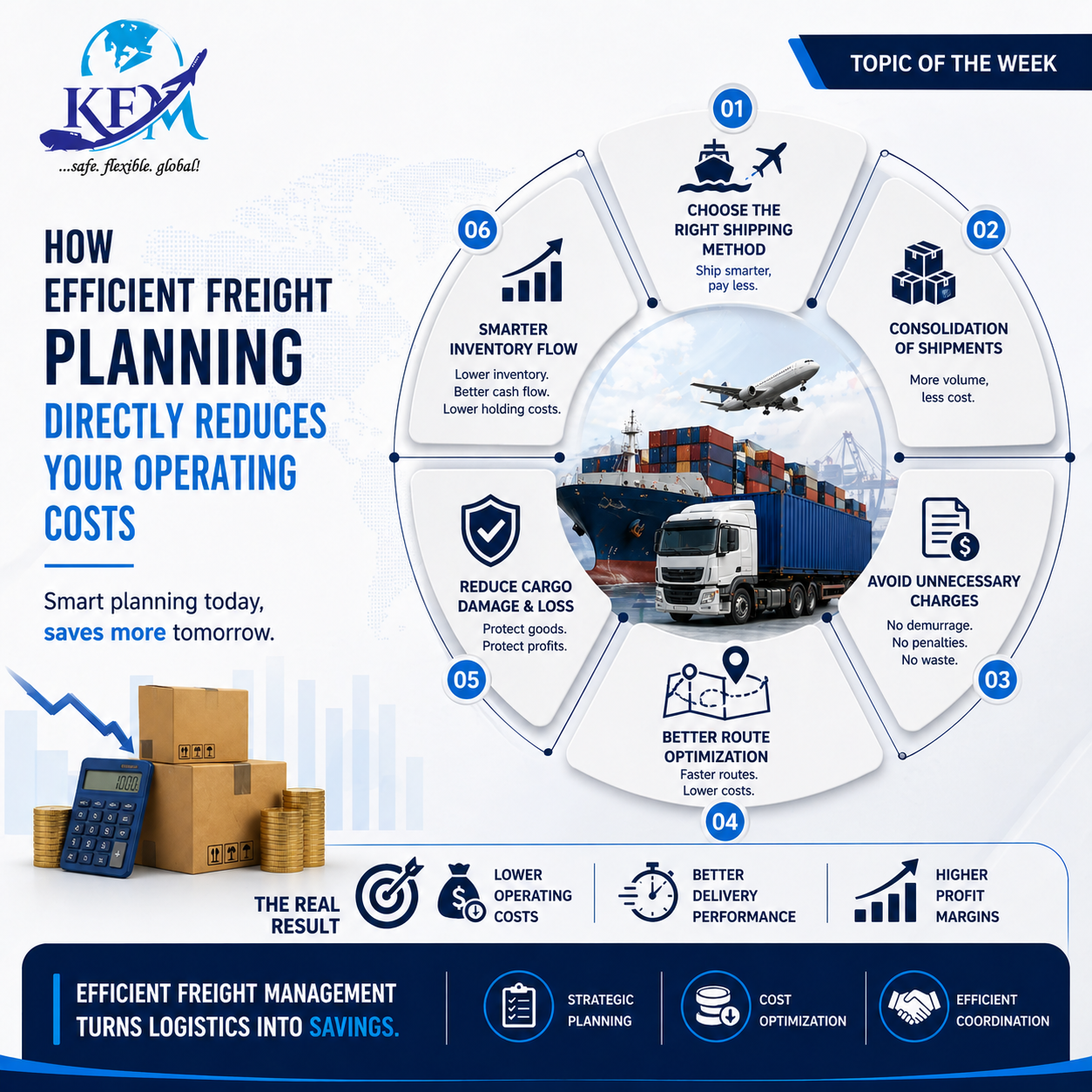
- ✔ Reduces landed cost
- ✔ Prevents unnecessary demurrage charges
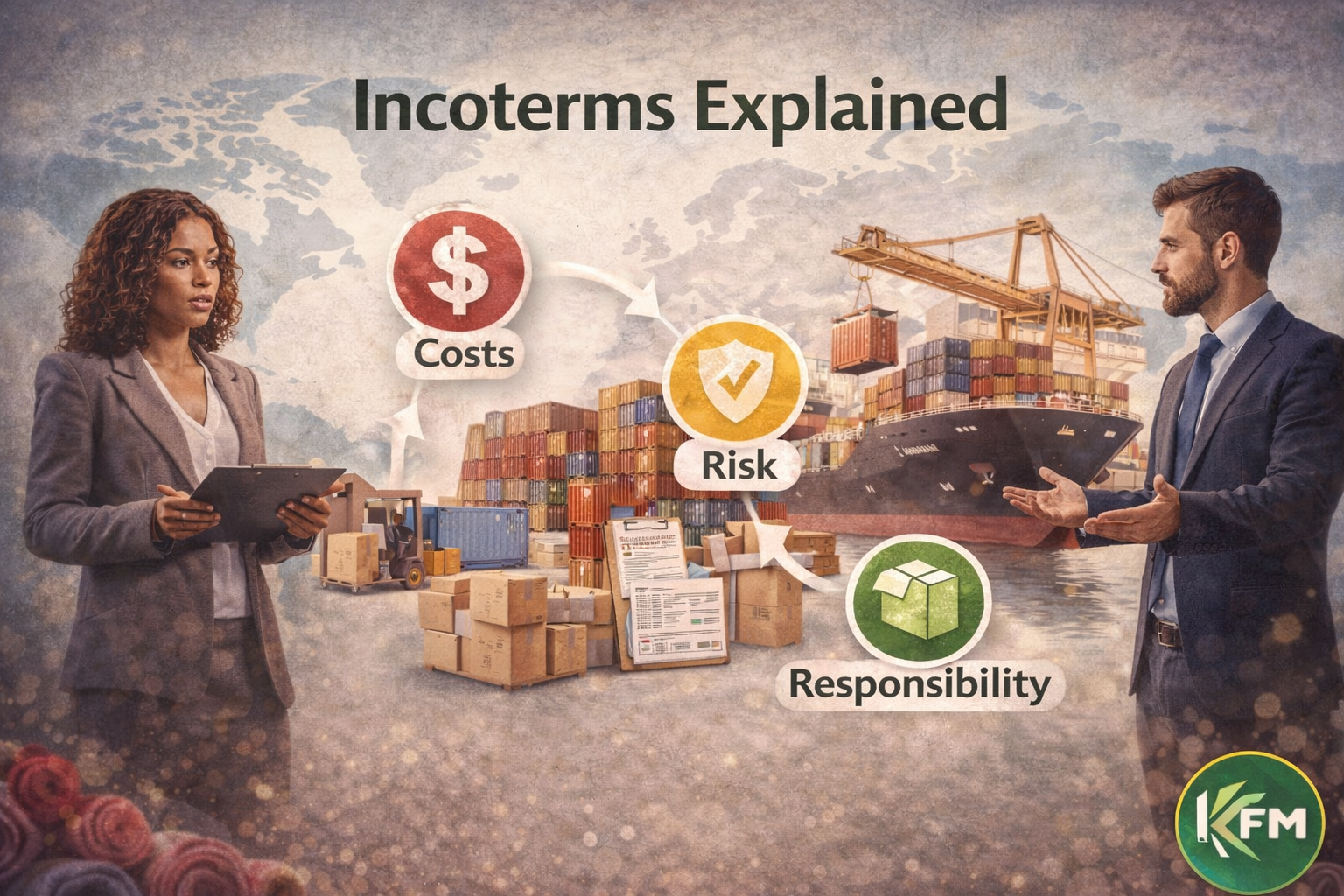
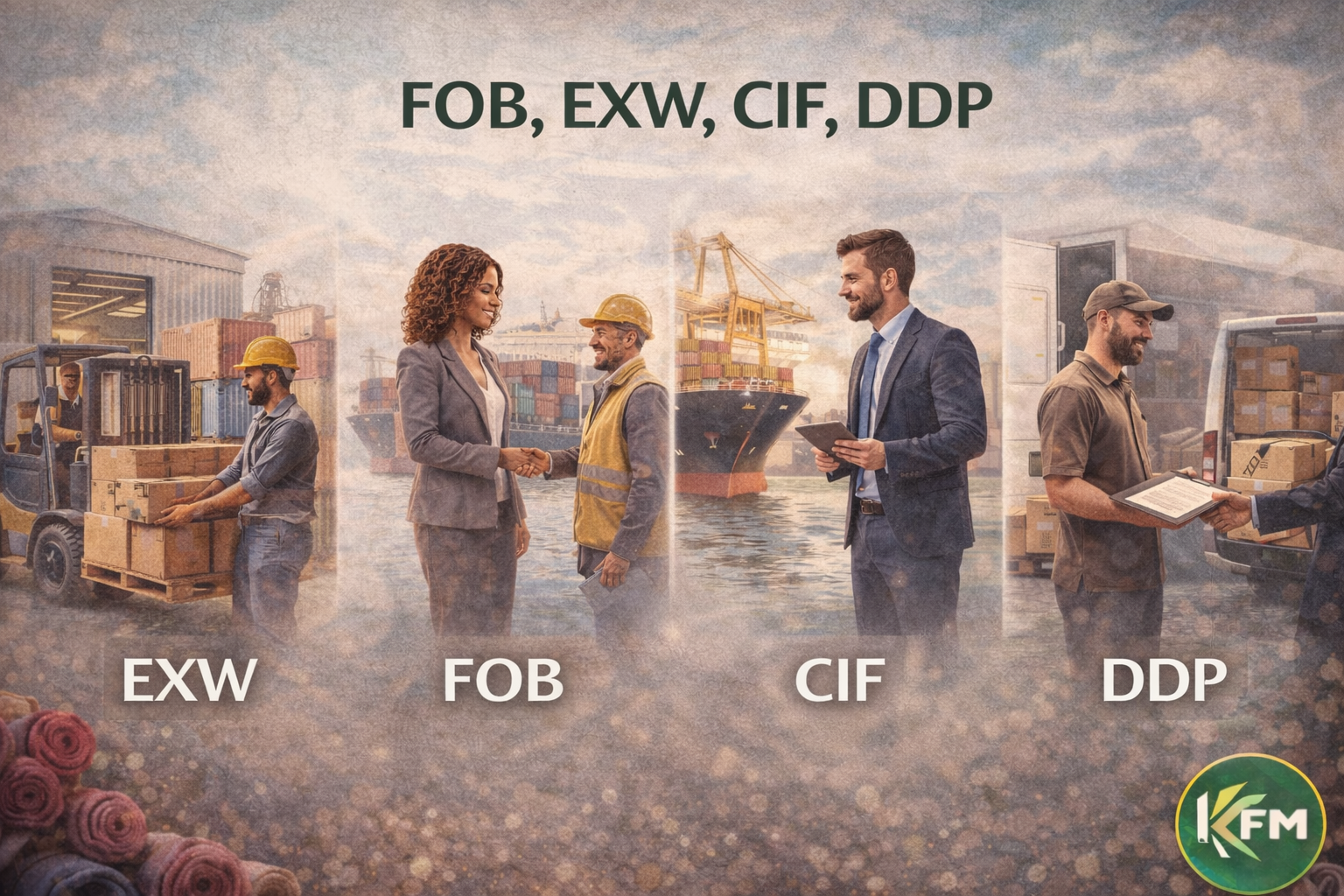
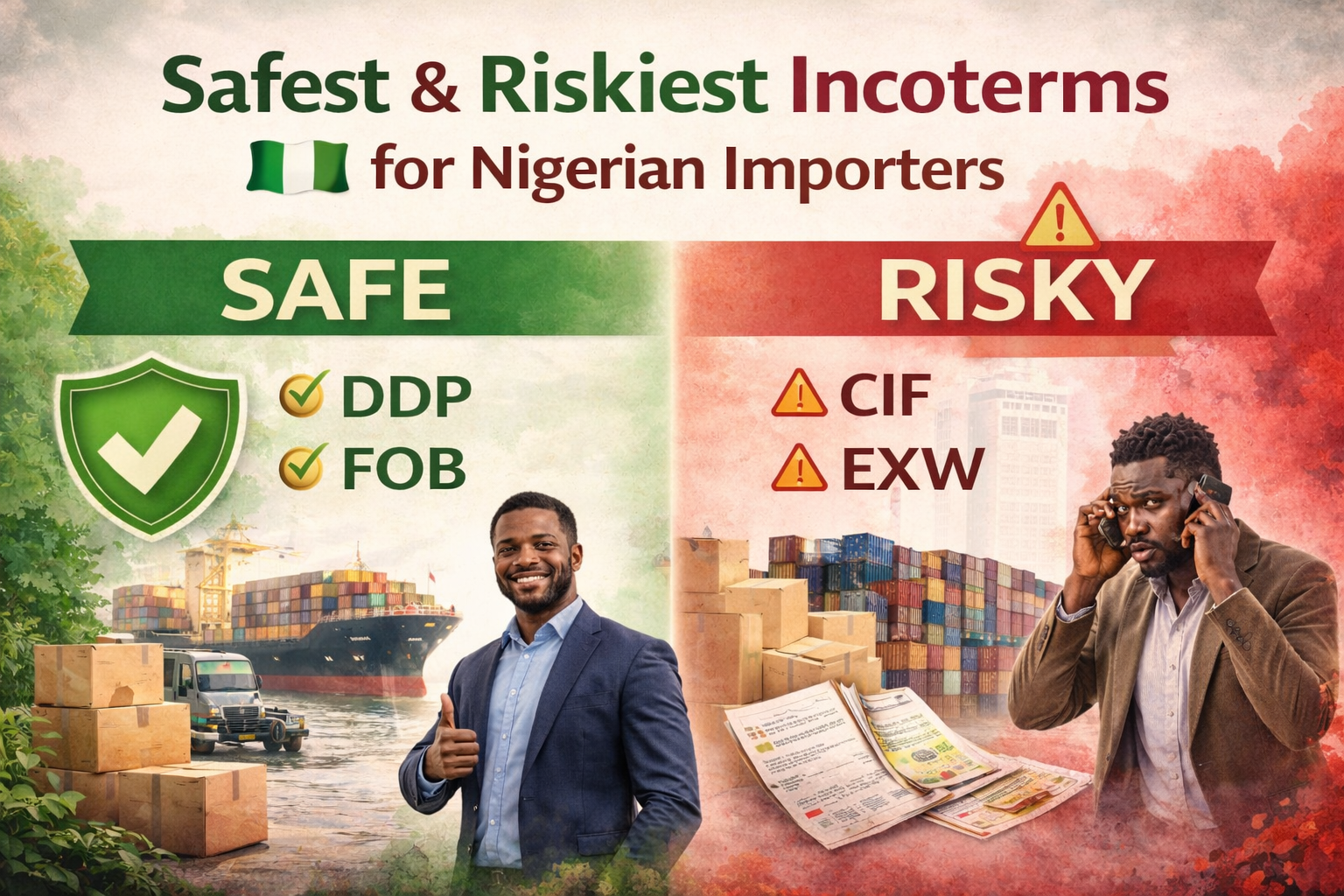
- ✔ Advises on Incoterms
- ✔ Helps optimize shipping routes
- ✔ Anticipates customs challenges
- ✔ Protects your timeline
This directly impacts:
- Profit margins
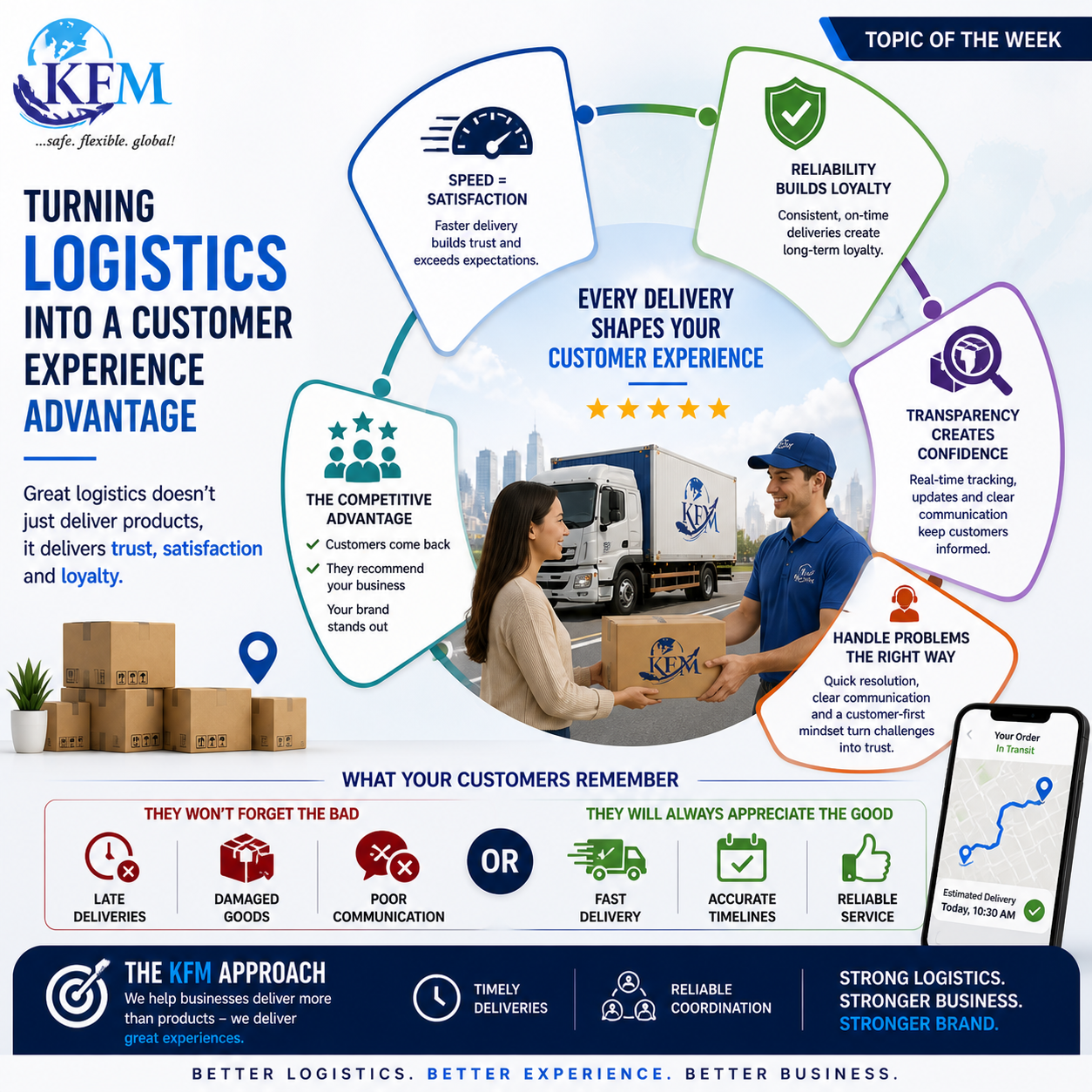
- Customer satisfaction
- Brand reputation
- Business scalability
Freight Forwarder vs Logistics Partner
There is a difference.
A freight forwarder moves goods.
A logistics partner protects your business.
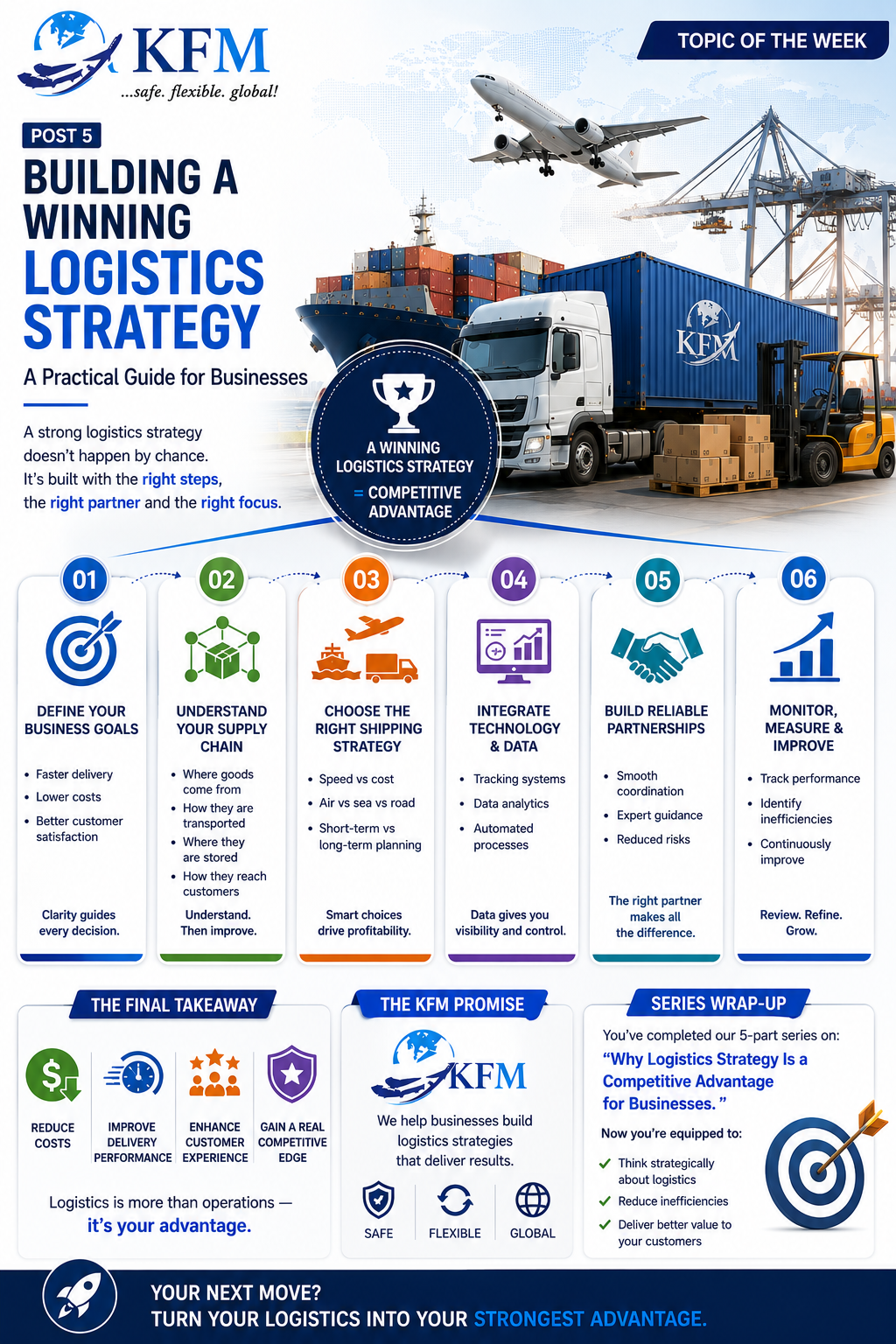
The best companies treat freight forwarding as strategy, not transaction.
Final Thought
Your freight forwarder controls the most vulnerable stage of your business — movement.
Choose carelessly, and you risk your capital.
Choose strategically, and you gain operational advantage.
In the next post, we’ll break down the exact questions every serious business owner must ask before signing any freight agreement.