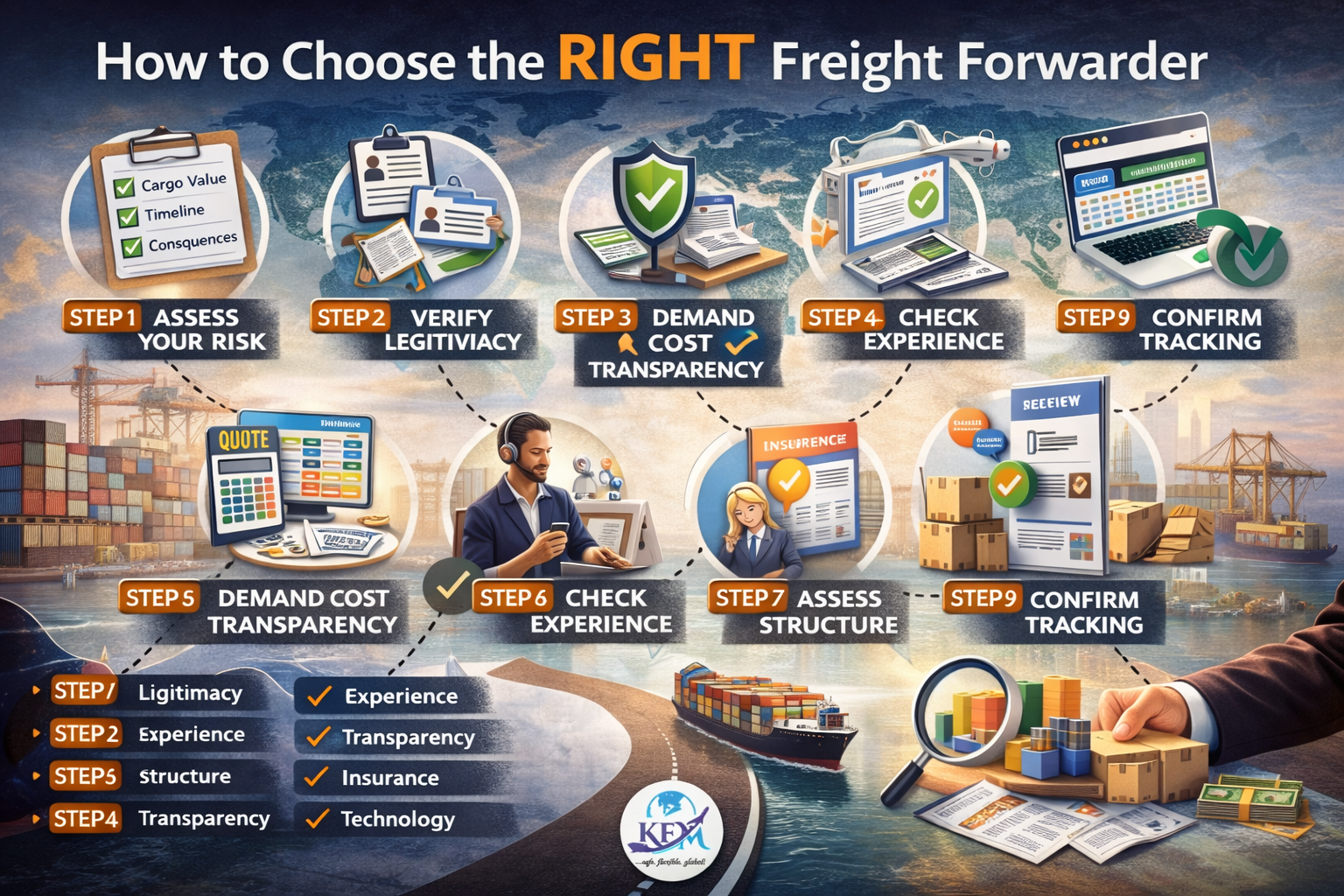
A Practical Framework to Choose the Right Freight Forwarder (Step-by-Step Guide)
Enough theory.
Enough warnings.
Here is a clear, structured framework you can use immediately to select the right freight partner.
No guesswork. No emotions. No price traps.
STEP 1: Risk Assessment First (Not Price Comparison)
Before contacting any forwarder, define:
- What are you shipping?
- What is the cargo value?
- How sensitive is the timeline?
- What happens if delivery is delayed?
- What happens if goods are damaged?
If the consequences are high, your selection process must be strict.
Freight selection is proportional to risk exposure.
STEP 2: Verify Legitimacy (Non-Negotiable)
Request documented proof of:
- Business registration
- Freight forwarding license
- Customs authorization
- Operational address
- Insurance capability
No documentation = No discussion.
Never rely on verbal assurances.
STEP 3: Demand Cost Transparency
Request a full written breakdown, including:
- Freight charges
- Documentation fees
- Customs clearance
- Terminal handling
- Delivery costs
- Surcharges
- Demurrage terms
- Storage terms
Then ask one critical question:
“Under what circumstances can this cost increase?”
If the answer is vague, that is a red flag.
STEP 4: Evaluate Industry Experience
Ask:
- Have you handled my cargo type?
- What are common risks in this route?
- What regulatory challenges should I expect?
- How do you prevent delays?
Experienced forwarders answer confidently and specifically.
Inexperienced ones speak in generalities.
STEP 5: Assess Operational Structure
You need to know:
- Who is my dedicated contact?
- What is the communication protocol?
- How often are updates sent?
- What happens during emergencies?
- Is there a documented escalation process?
Structure protects you when problems occur.
STEP 6: Confirm Technology & Tracking
Modern freight partners provide:
- Real-time tracking
- Automated status updates
- Digital documentation access
- Shipment history records
If operations are manual-only, risk increases.
STEP 7: Review Insurance Properly
Ask for:
- Coverage limits
- Risk exclusions
- Claims procedure
- Claim timeline
Then ask yourself:
Can my business absorb this loss if something goes wrong?
If not, upgrade coverage.
STEP 8: Request References
Serious freight partners can provide:
- Client testimonials
- Case studies
- Long-term business relationships
If they cannot show proof of performance, be cautious.
STEP 9: Compare Value — Not Just Price
Instead of asking:
“Who is cheapest?”
Ask:
“Who reduces my total risk exposure?”
The cheapest quote often excludes the most critical safeguards.
STEP 10: Start Small Before Scaling
- Test with a smaller shipment
- Evaluate communication quality
- Assess documentation accuracy
- Monitor cost consistency
Trust should be built through performance.
The Final Framework Summary
Choose a freight forwarder based on:
- Legitimacy
- Experience
- Structure
- Transparency
- Insurance
- Technology
- Accountability
Not based on:
- Cheap quotes
- Fast promises
- Friendly conversations
Final Thought
Freight forwarding is not about moving cargo.
It is about protecting:
- Your capital
- Your timeline
- Your contracts
- Your reputation
- Your long-term growth
The right freight partner becomes a competitive advantage.
The wrong one becomes an invisible liability.

Dec 20, 2025
Cost-Efficient Logistics Solutions: How Smart Businesses Optimize Supply Chains with KFM
In today’s highly competitive global marketplac...
Read more
Dec 20, 2025
International Logistics from Nigeria to the UK and Canada: A Complete Guide for Shippers
In an increasingly globalized world, seamless mov...
Read more
Dec 21, 2025
Shipping from the UK and Canada to Nigeria: A Comprehensive Guide by Kastro Freight Management
In an era where global trade continues to shape e...
Read more
Dec 23, 2025
Why Thousands Trust Kastro Freight Management for International Shipping Between Nigeria, the UK, and Canada
In today’s interconnected world, international ...
Read more
Dec 24, 2025
The Future of Freight Forwarding in Africa: Trends Shaping Cross-Border Trade
Freight forwarding is a cornerstone of global com...
Read more
Dec 25, 2025
How to Budget Properly for International Shipping Without Hidden Surprises
International shipping has become an essential pa...
Read more

Dec 28, 2025
Why 2026 Is the Year Logistics Becomes a Business Superpower
Introduction: The Invisible Chain That Will Defi...
Read more
Dec 29, 2025
The Calm Advantage: Why the Most Successful Businesses Will Win by Making Logistics Boring (And How the Right Freight Partner Turns Chaos into Control)
In a World of Supply Chain Noise, Calm Is the...
Read more
Dec 31, 2025
As the Year Ends, One Thing Moved Relentlessly Forward: Trust in Logistics
As the final hours of the year tick away, busine...
Read more
Jan 1, 2026
Happy New Year to the Businesses That Keep the World Moving
Here’s to fresh starts, new possibilities, and...
Read more
Jan 4, 2026
Beyond Borders: The New Age of Freight Forwarding Transforming African Trade
Africa is moving — not just in population or i...
Read more
Jan 4, 2026
A Shipment’s Journey: What Freight Forwarding Really Looks Like in Africa
No one sees it when it begins. Not the customer w...
Read more
Jan 10, 2026
How Technology Is Transforming International Logistics in Nigeria
The Silent Revolution Moving Goods Across Borde...
Read more
Jan 10, 2026
The Digital Shift Redefining Cross-Border Trade in Nigeria
When Containers Started Talking Back For decades...
Read more
Jan 14, 2026
Blog Series: Global Supply Chain Disruptions and Nigerian Importers
Part 1 What Global Supply Chain Disruptions ...
Read more
Jan 14, 2026
Global Supply Chain Disruptions And Nigerian Importers : Part 2
Beyond Survival: How Smart Nigerian Importers Ar...
Read more
Jan 14, 2026
Global Supply Chain Disruptions And Nigerian Importers : Final Part
The Future of Importing in Nigeria: Will Disrupt...
Read more
Jan 18, 2026
The Role of Freight Forwarders in Supporting SME Growth in Nigeria
Small businesses are not just surviving in Niger...
Read more
Jan 20, 2026
7 Costly Shipping Mistakes Nigerian Importers Make (And How to Avoid Them)
Every week, containers arrive at Nigerian ports ...
Read more
Jan 20, 2026
From One Container to a Thriving Business: The SME Story That Mirrors Many in Nigeria
When Aisha launched her skincare brand in Lagos,...
Read more
Jan 24, 2026
Nigeria’s Love for Lifestyle Entertainment - The Business Behind Every Bottle
Nigeria is not just a country.It is a mood. Eve...
Read more
Jan 28, 2026
Air Freight vs Sea Freight: How Global Trends Are Changing Cost and Speed
Global trade is evolving faster than ever. From ...
Read more
Jan 30, 2026
Air Freight vs Sea Freight: How One Importer Learned the Hard Way
When Chinedu started his electronics import bu...
Read more
Jan 30, 2026
Air Freight vs Sea Freight in 2026: What Businesses Must Understand
The logistics industry is no longer operating un...
Read more
Feb 2, 2026
Why Professional Freight Management Matters More Than Ever in 2026
The Shipment That Changed Everything The containe...
Read more
Feb 4, 2026
When Logistics Fails, Growth Slows: The Hidden Reason Many Businesses Plateau
Growth is exciting — until it becomes uncomfor...
Read more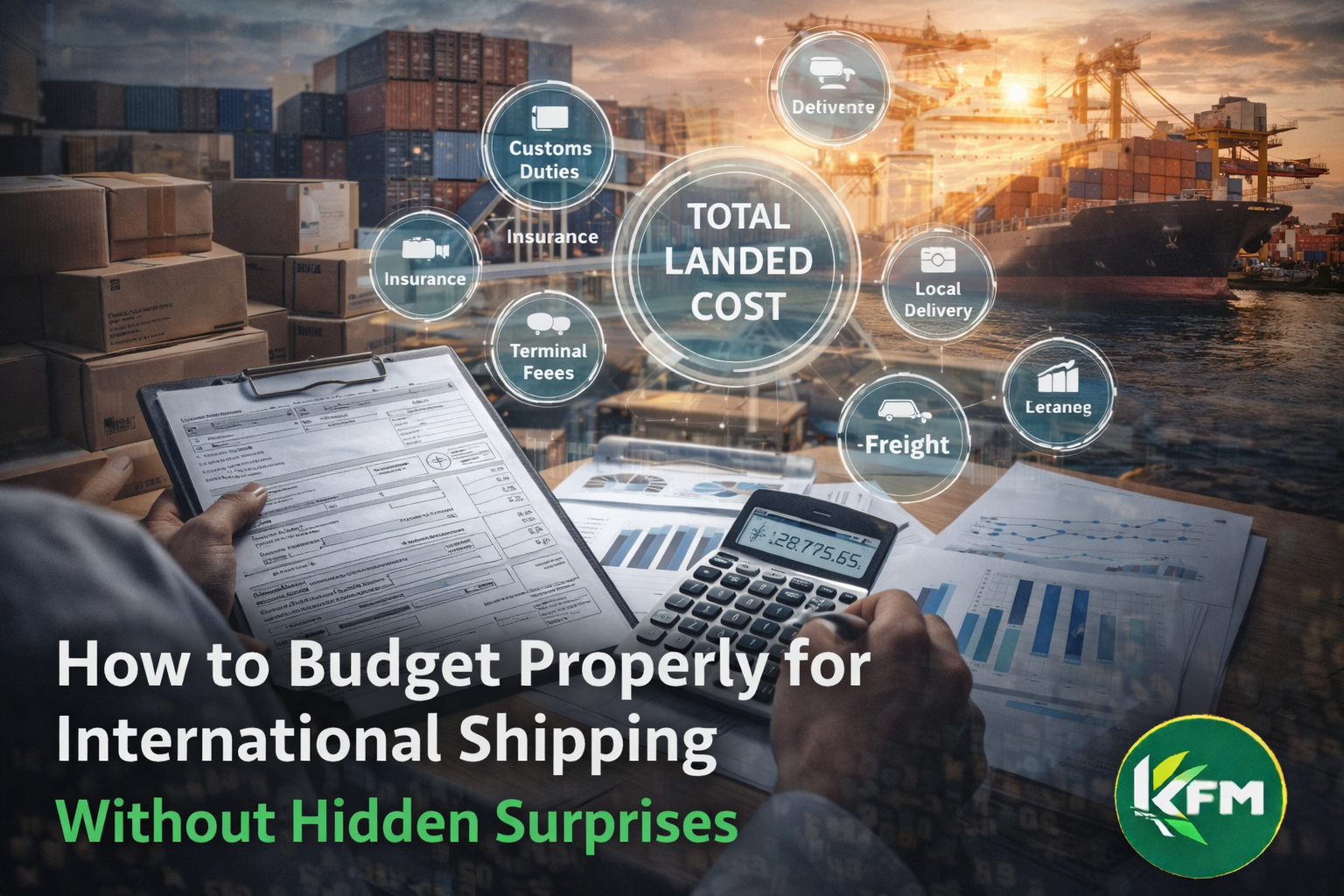
Feb 8, 2026
How to Budget Properly for International Shipping Without Hidden Surprises
International shipping can either protect your p...
Read more
Feb 10, 2026
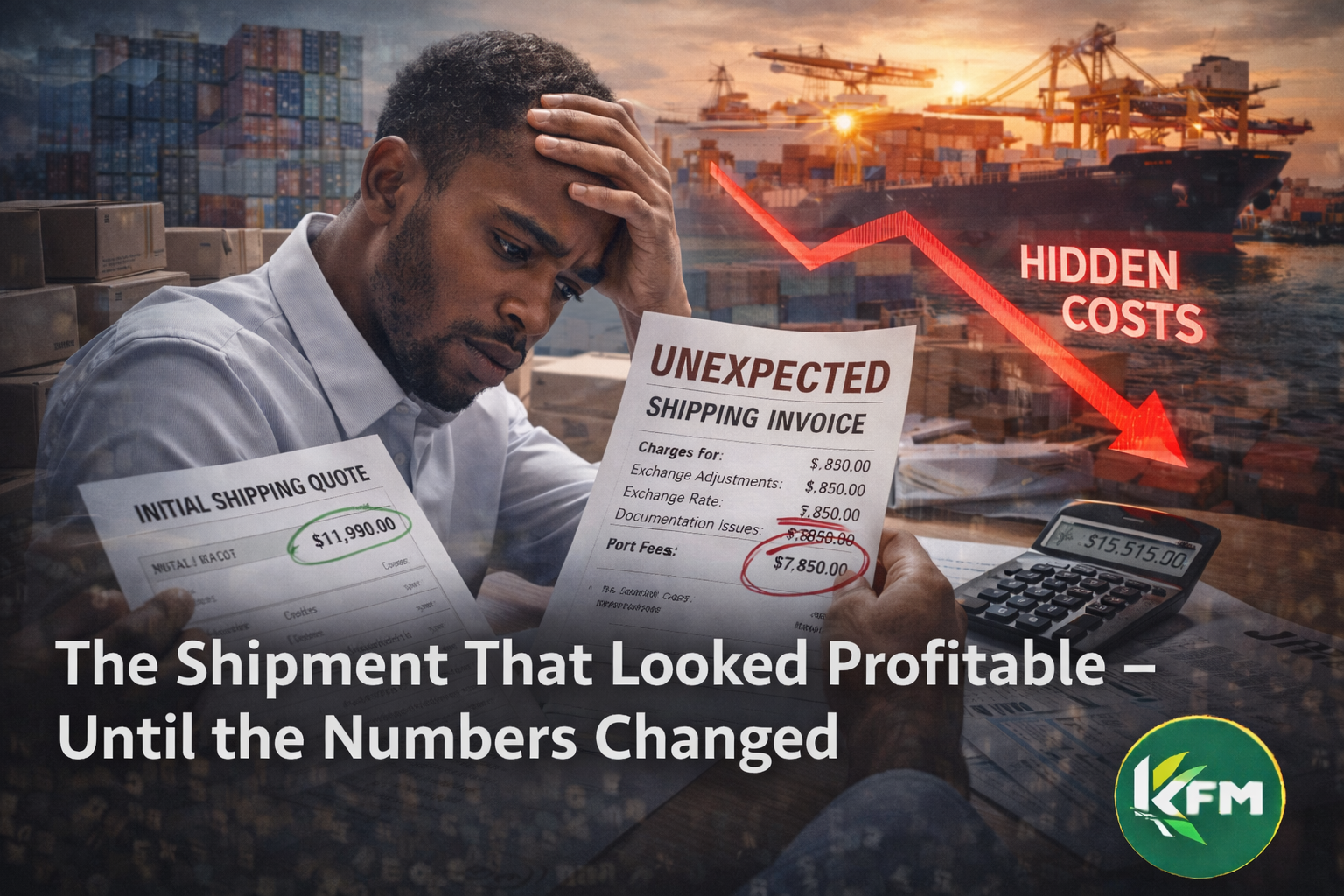
The Shipment That Looked Profitable — Until the Numbers Changed
On paper, the deal was perfect. Chinedu had done ...
Read more
Feb 11, 2026
The Hidden Cost Behind Every Shipment: A Lesson Many Businesses Learn Too Late
The shipment arrived exactly on schedule. No d...
Read more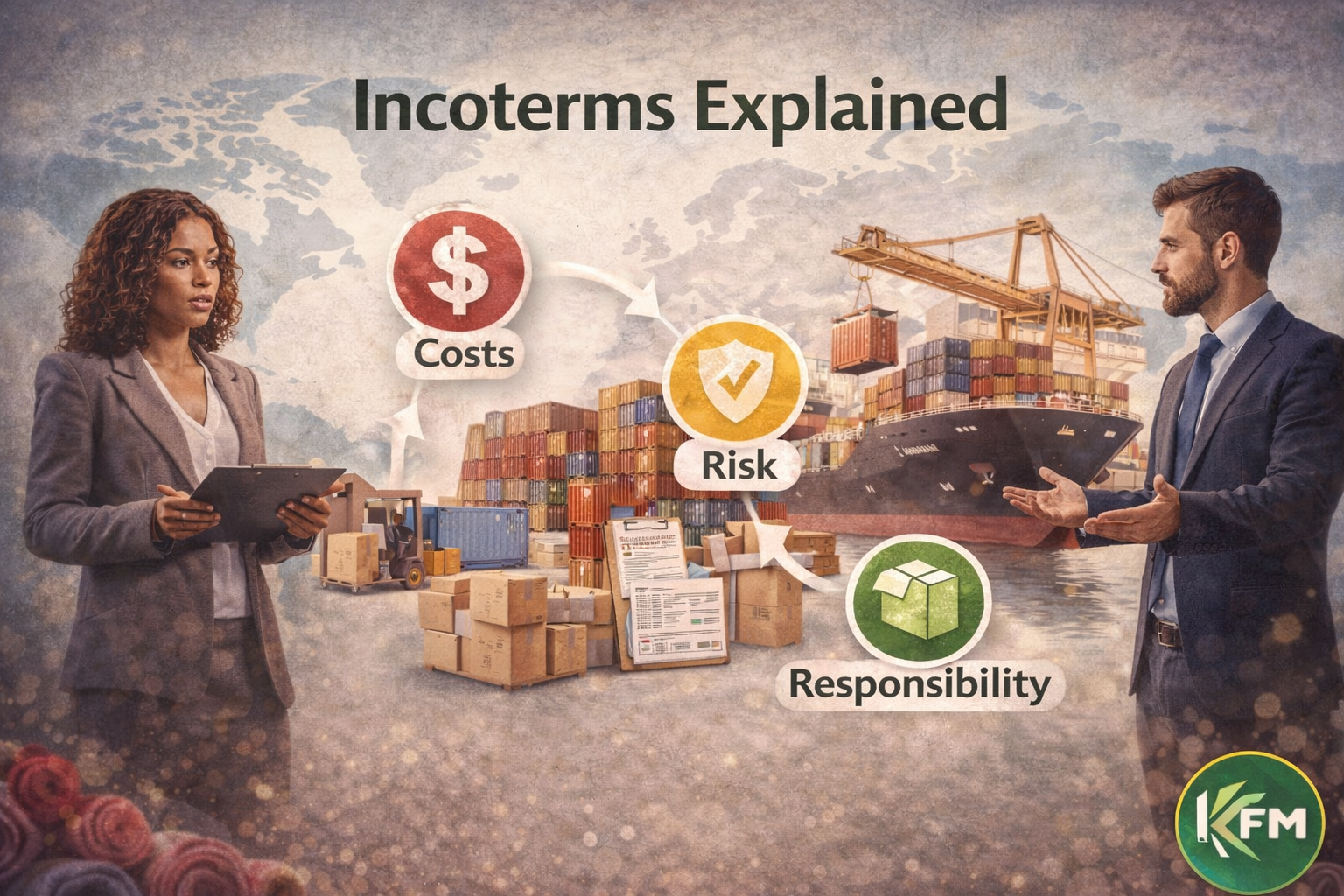
Feb 15, 2026
Understanding Incoterms Explained Simply for Business Owners (Part 1): The Hidden Language Behind Every Shipment
Chinedu had done everything right. He found a ...
Read more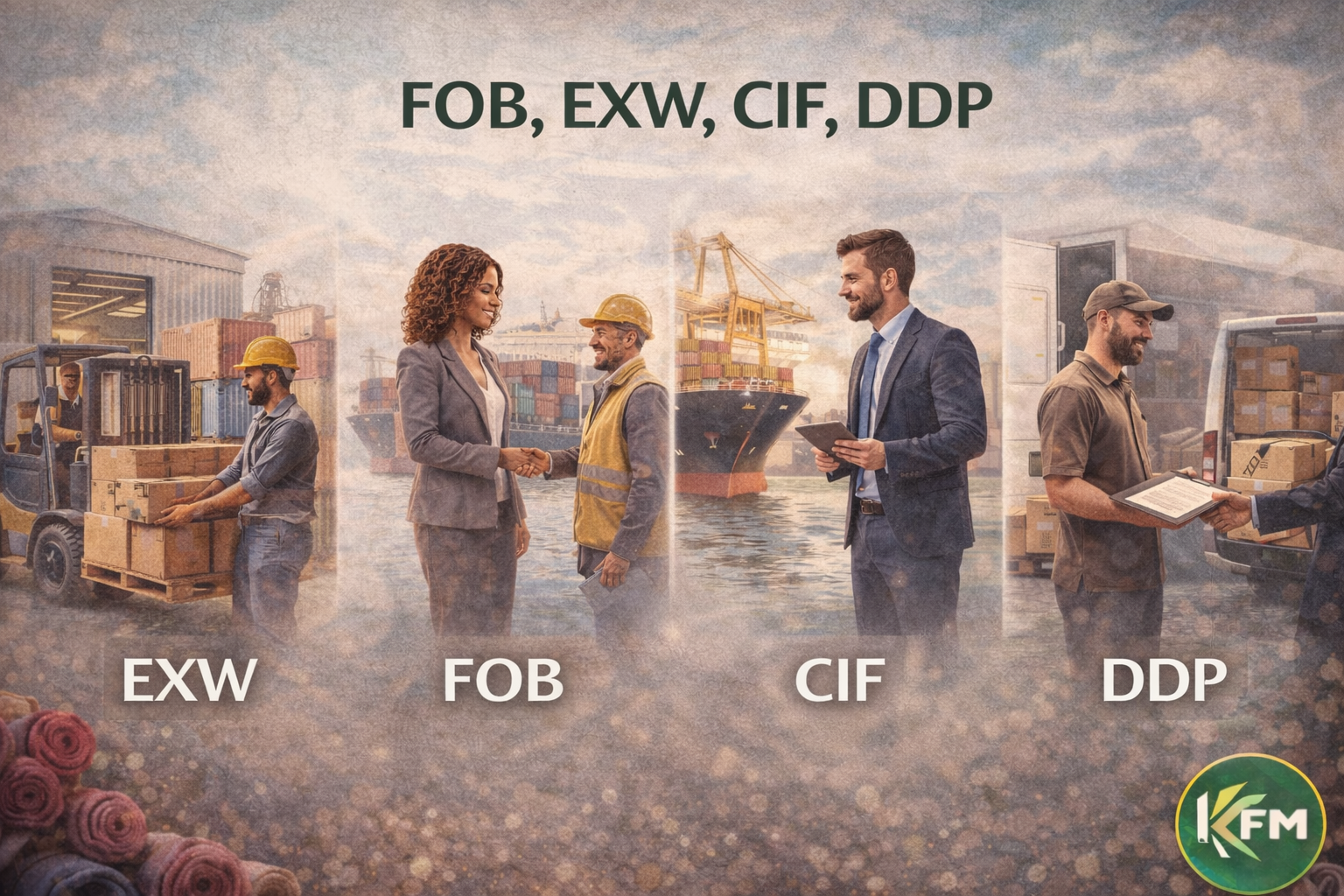
Feb 16, 2026
Understanding Incoterms Explained Simply for Business Owners (Part 2): FOB, EXW, CIF, and DDP in Real Business Situations
The Supplier Gave Three Prices — And Only O...
Read more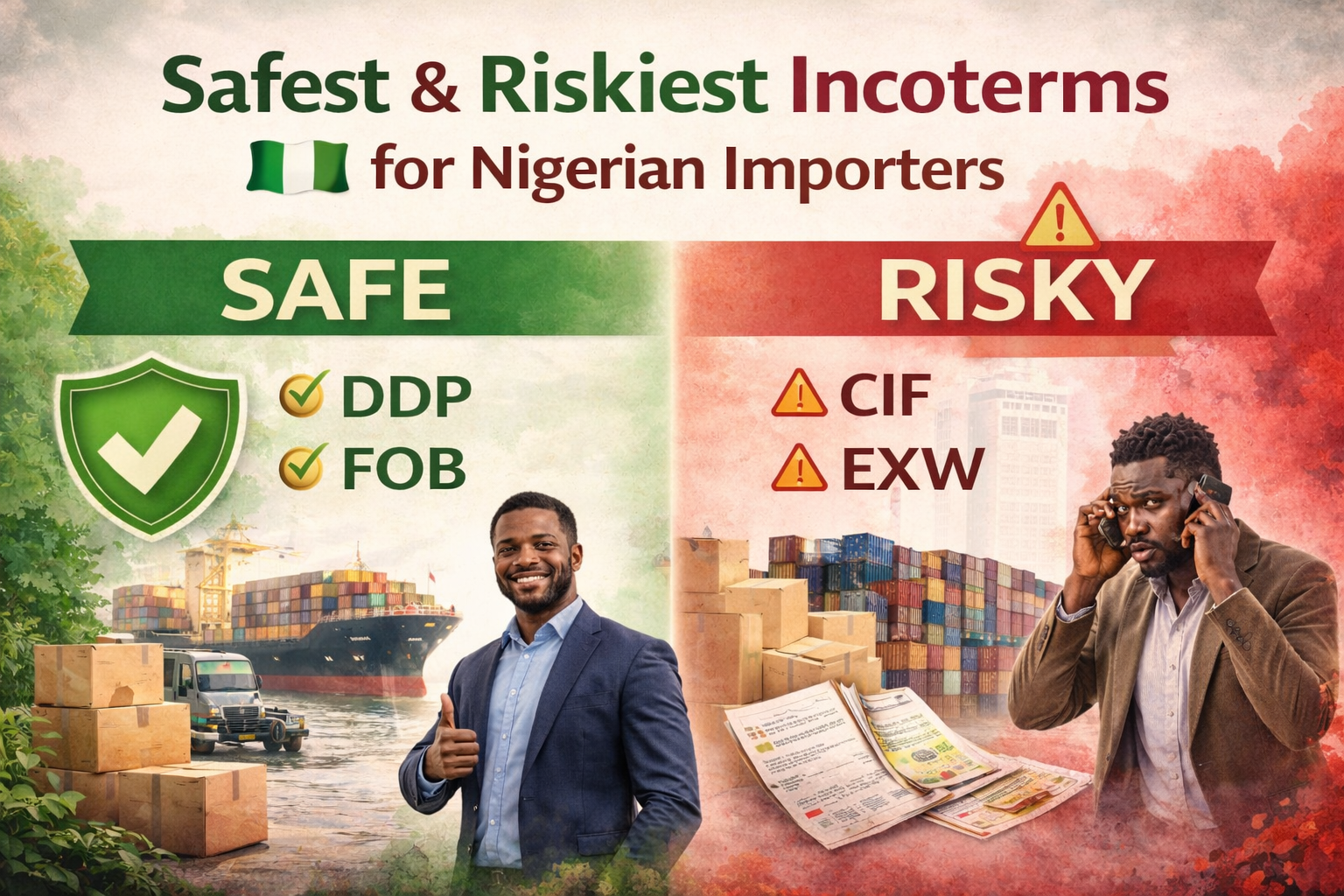
Feb 17, 2026
Understanding Incoterms Explained Simply for Business Owners (Part 3): The Safest Incoterms for Nigerian Importers — and the Riskiest Ones to Avoid
The Container That Stayed at the Port for 47 ...
Read more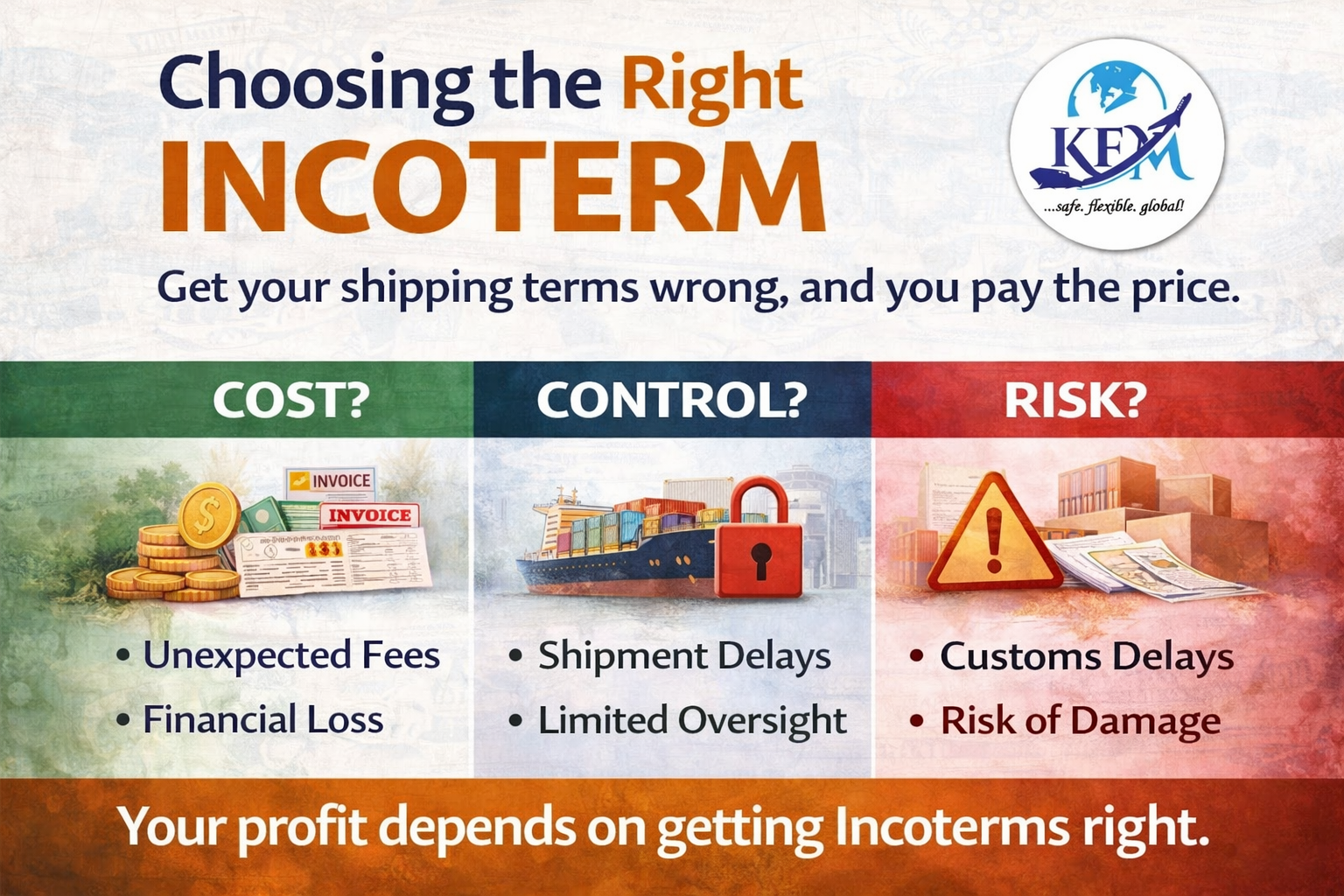
Feb 17, 2026
Incoterms Explained Simply for Business Owners (Post 4): Choosing the Right Incoterm to Protect Your Business
Understanding Incoterms is not enough. Choosing...
Read more
Feb 22, 2026
How to Choose the Right Freight Forwarder for Your Business
The Hidden Cost of Choosing the Wrong Freight F...
Read more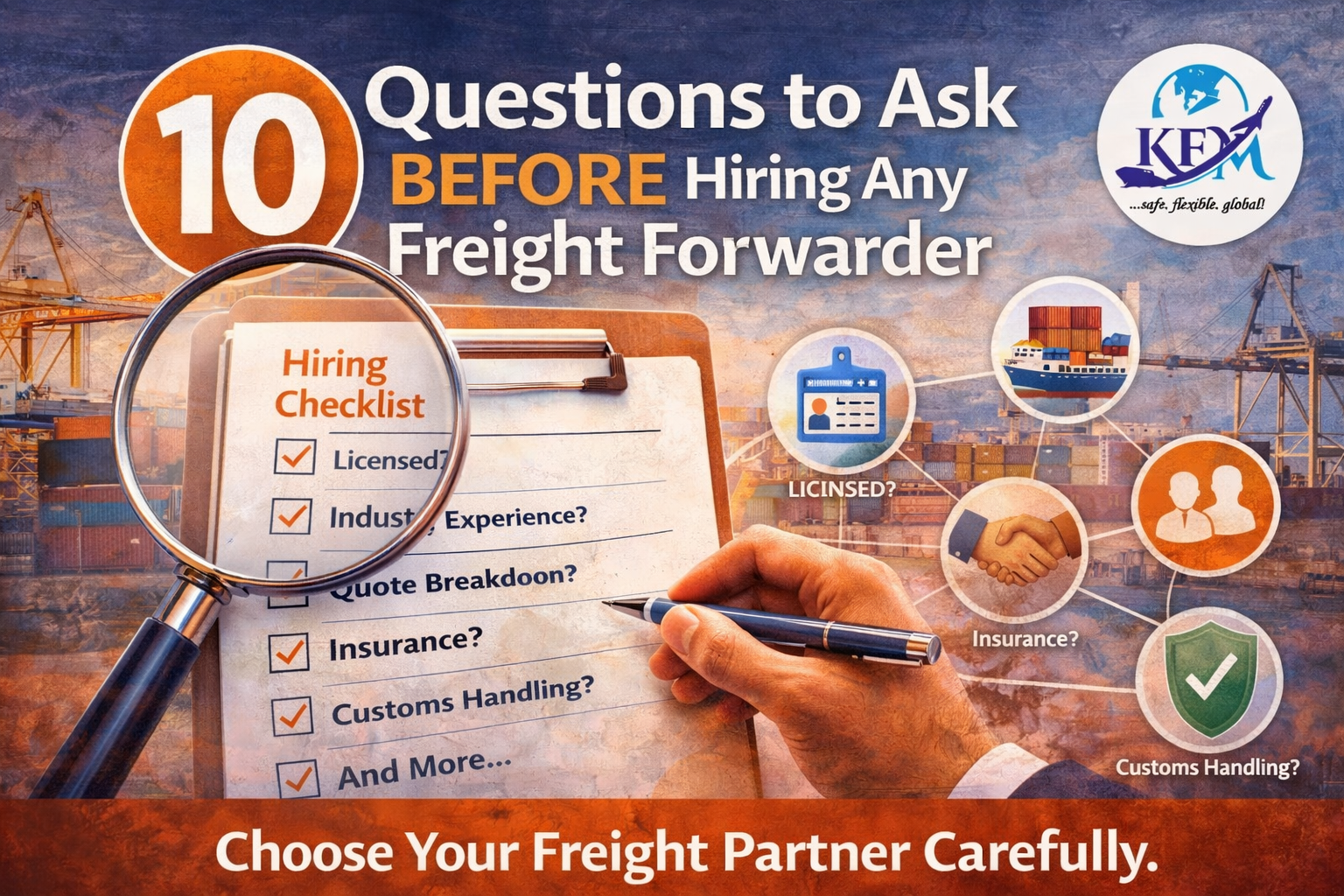
Feb 22, 2026
10 Non-Negotiable Questions to Ask Before Hiring Any Freight Forwarder
Most businesses hire freight forwarders witho...
Read more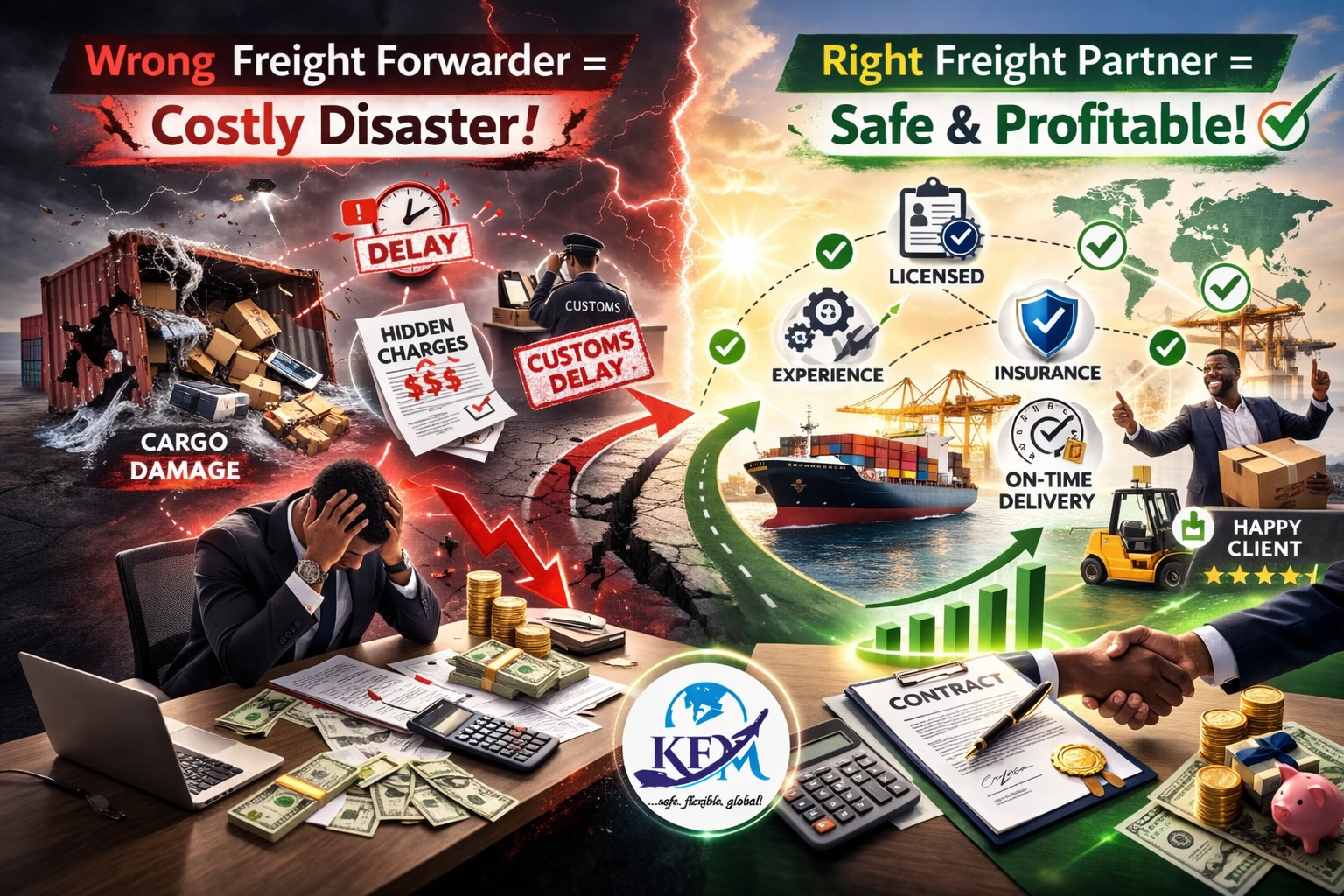
Feb 22, 2026
The Cost of Choosing the Wrong Freight Forwarder (A Real Business Scenario)
In 2024, a mid-sized electronics distributor de...
Read more
Mar 2, 2026
Welcome to a New Month — A Smart Start to Smarter Imports
Happy New Month! A new month means new opportun...
Read more
Mar 2, 2026
So You Want to Import? Let’s Talk Money (The Hidden Costs Edition)
So you’ve found the supplier. The price looks...
Read more
Mar 3, 2026
The Paperwork That Can Stop Your Goods at the Port
Let’s talk about something that doesn’t loo...
Read more
Mar 6, 2026
Ethical Sourcing: Building a Fairer Global Market
Ethical sourcing ensures that products are ob...
Read more
Mar 6, 2026
How to Choose the Right Freight Forwarder for Your Business
The Framework Smart Businesses Use to Select Fr...
Read more
Mar 8, 2026
Understanding Customs Clearance in Nigeria — The Basics
How Customs Clearance Works in Nigeria (A Non-t...
Read more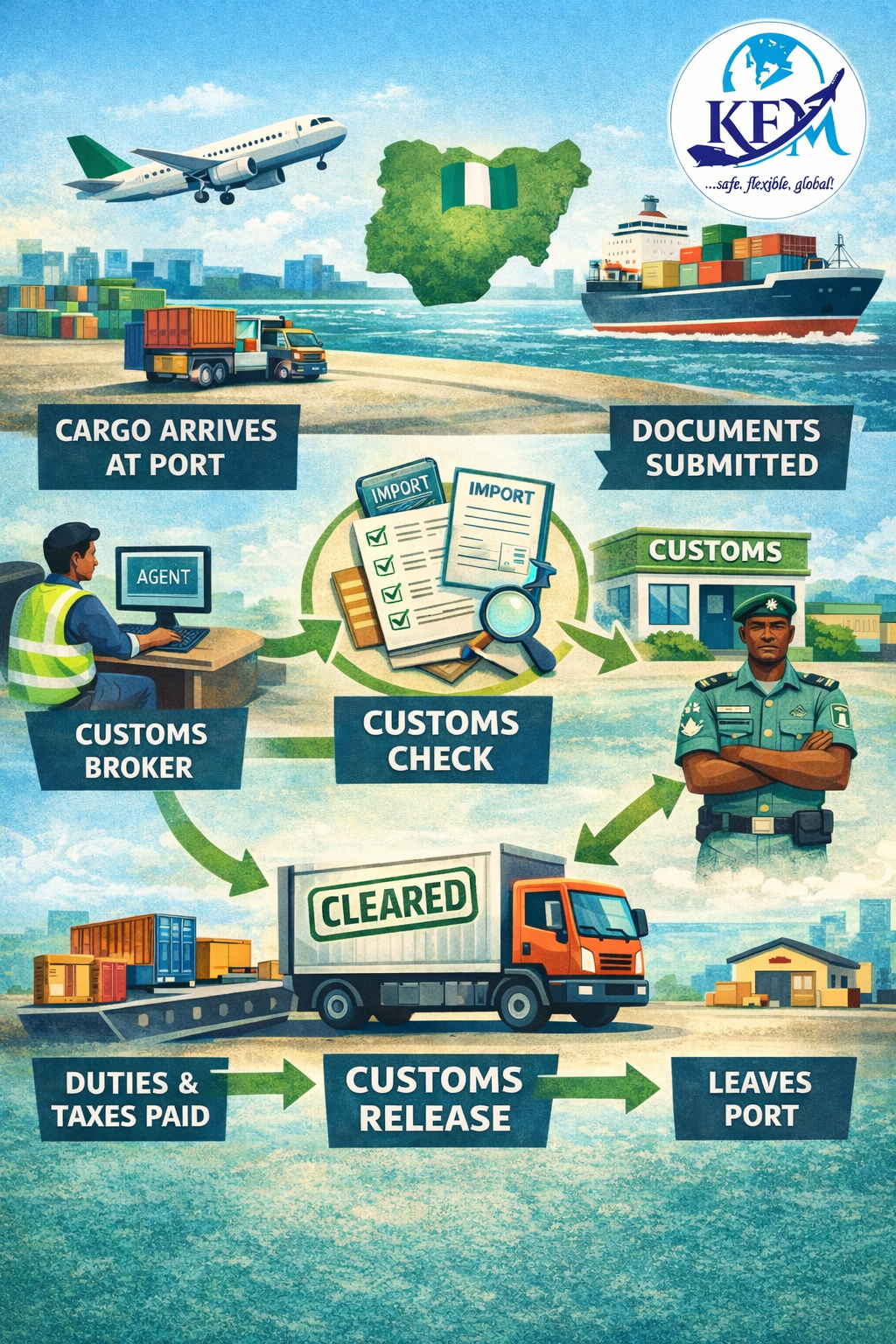
Mar 10, 2026
The Journey Your Cargo Takes at the Port
How Customs Clearance Works in Nigeria (A Non-t...
Read more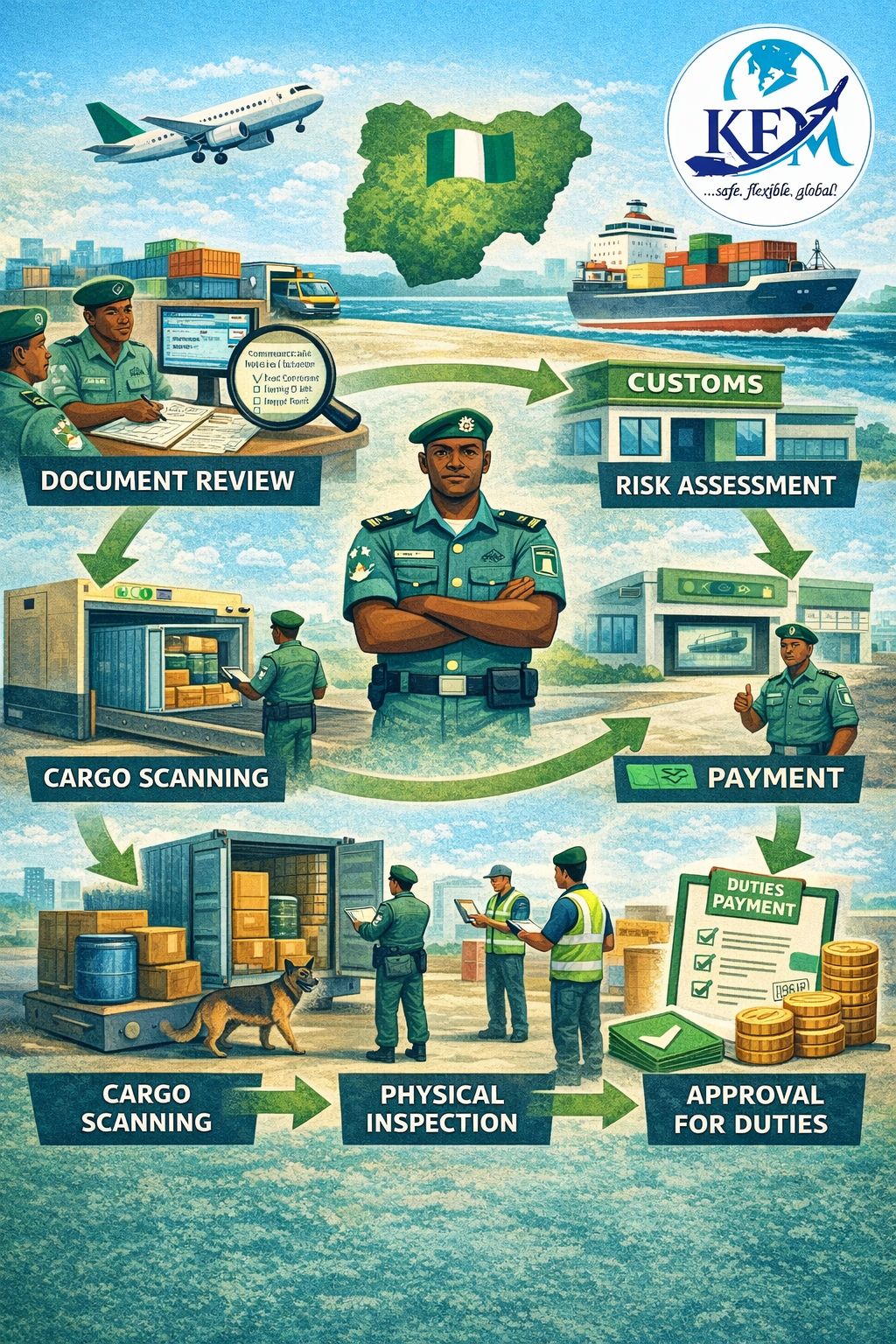
Mar 10, 2026
The Customs Inspection Process - What Really Happens to Your Cargo?
When your cargo finally arrives in Nigeria, it ...
Read more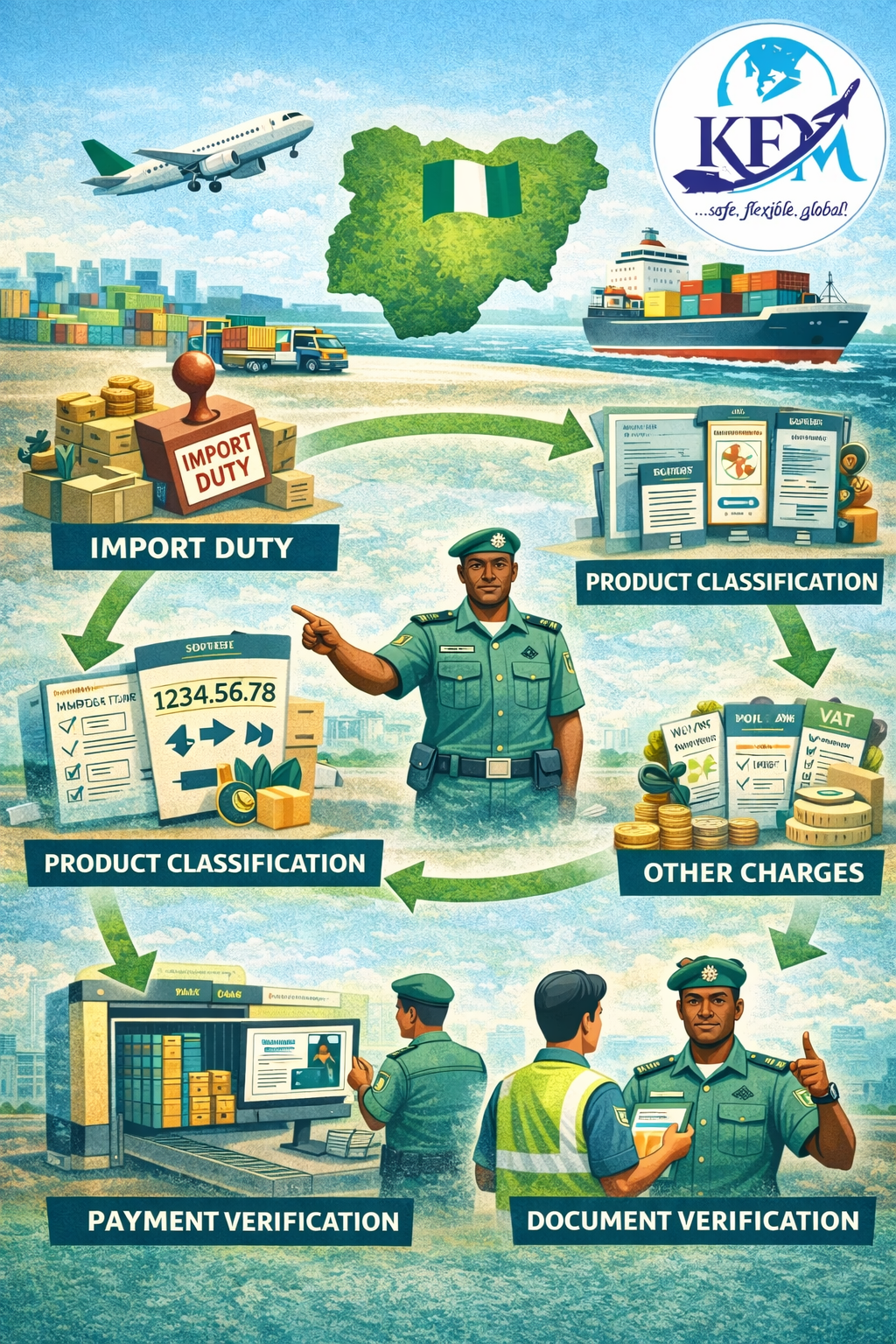
Mar 12, 2026
Duties and Taxes — What Importers Must Pay During Customs Clearance
One of the most important stages in customs ...
Read more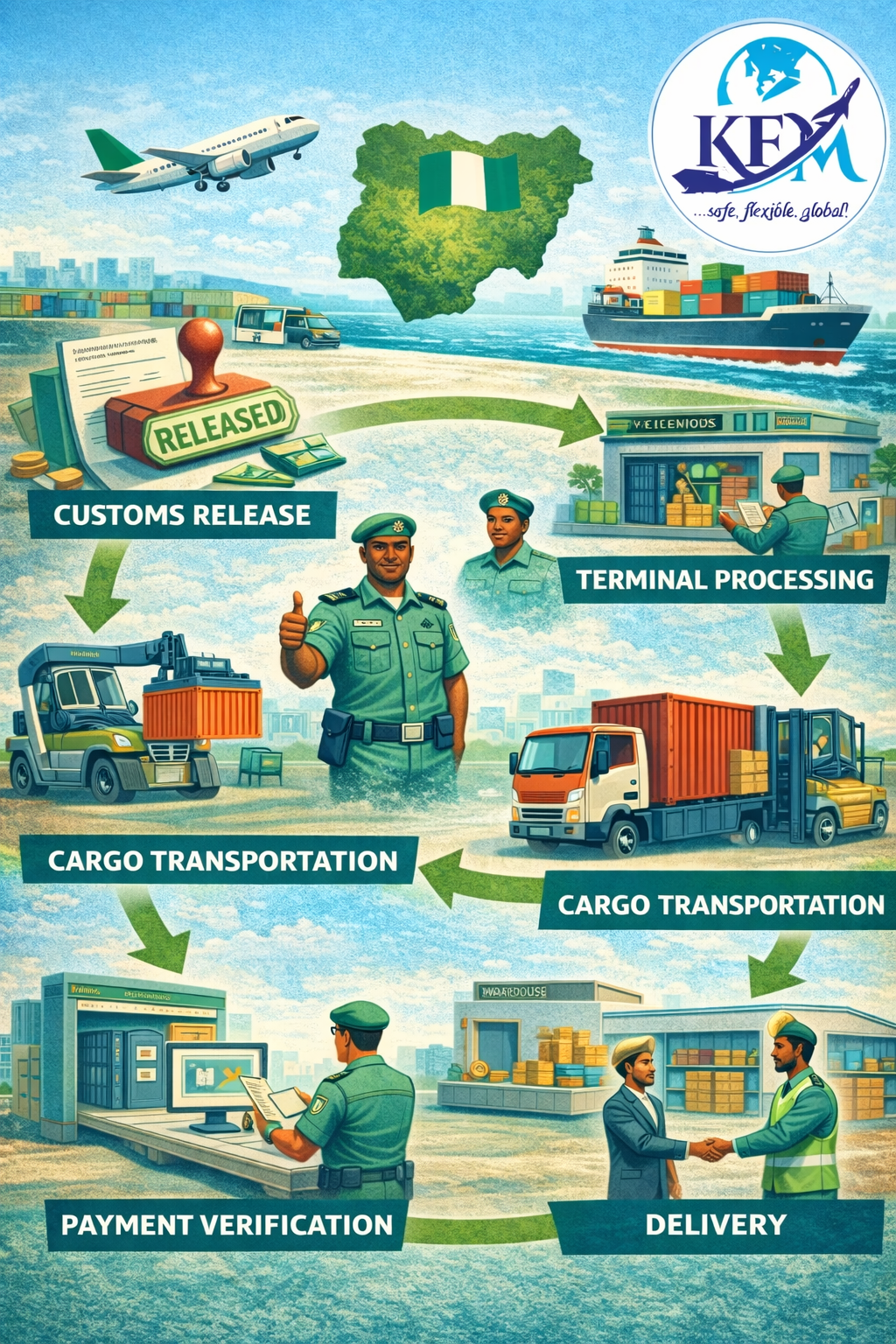
Mar 12, 2026
Final Release and Delivery - When Your Cargo Finally Leaves the Port
After documents have been verified, inspection...
Read more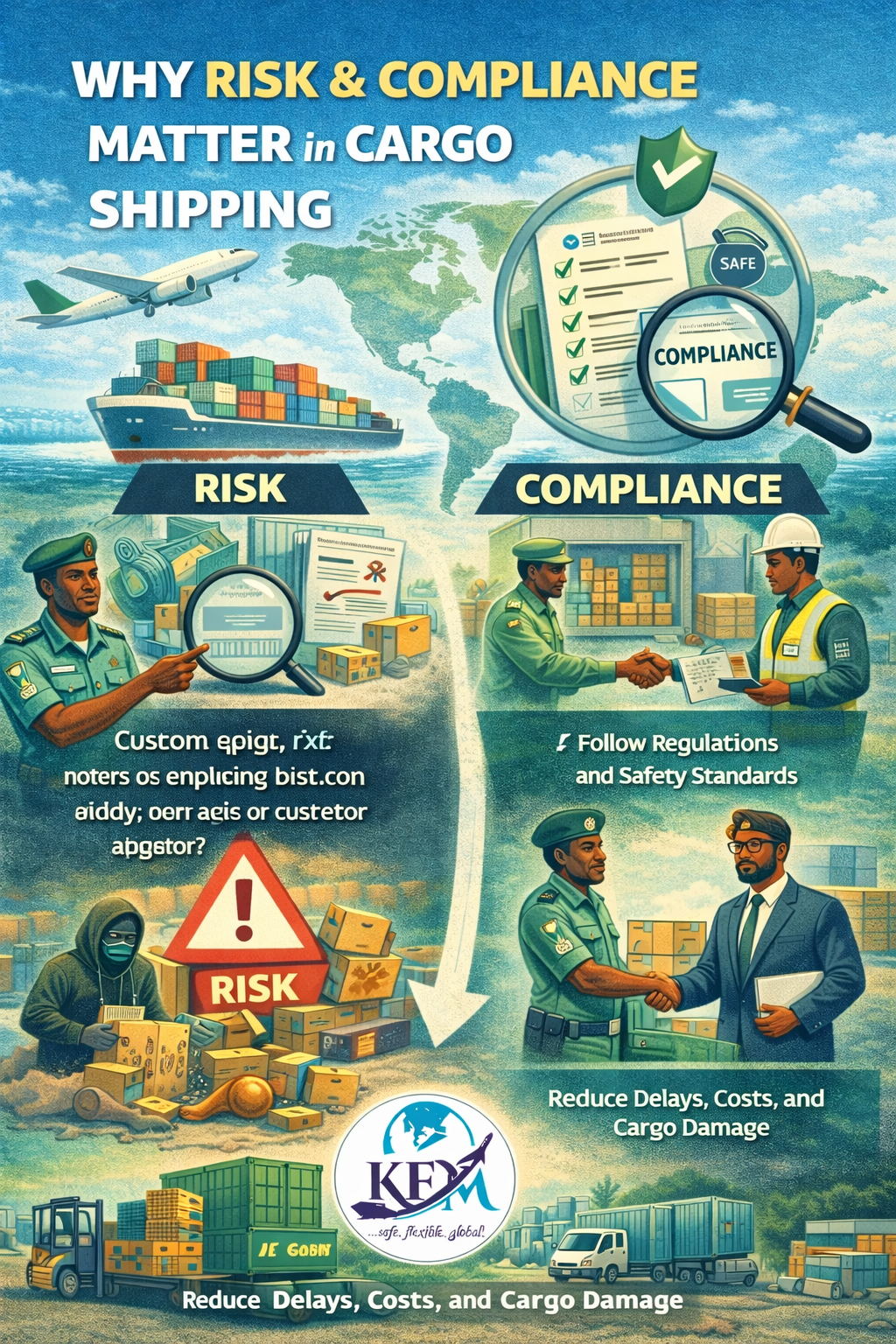
Mar 16, 2026
Why Risk & Compliance Matter in Cargo Shipping
Imagine ordering a shipment worth thousands of...
Read more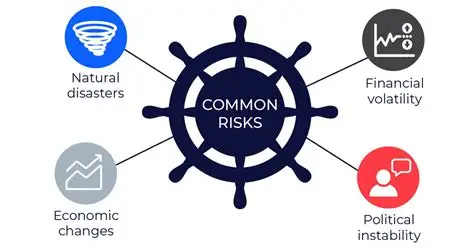
Mar 16, 2026
The Most Common Cargo Risks in International Shipping
Shipping cargo across borders can feel like se...
Read more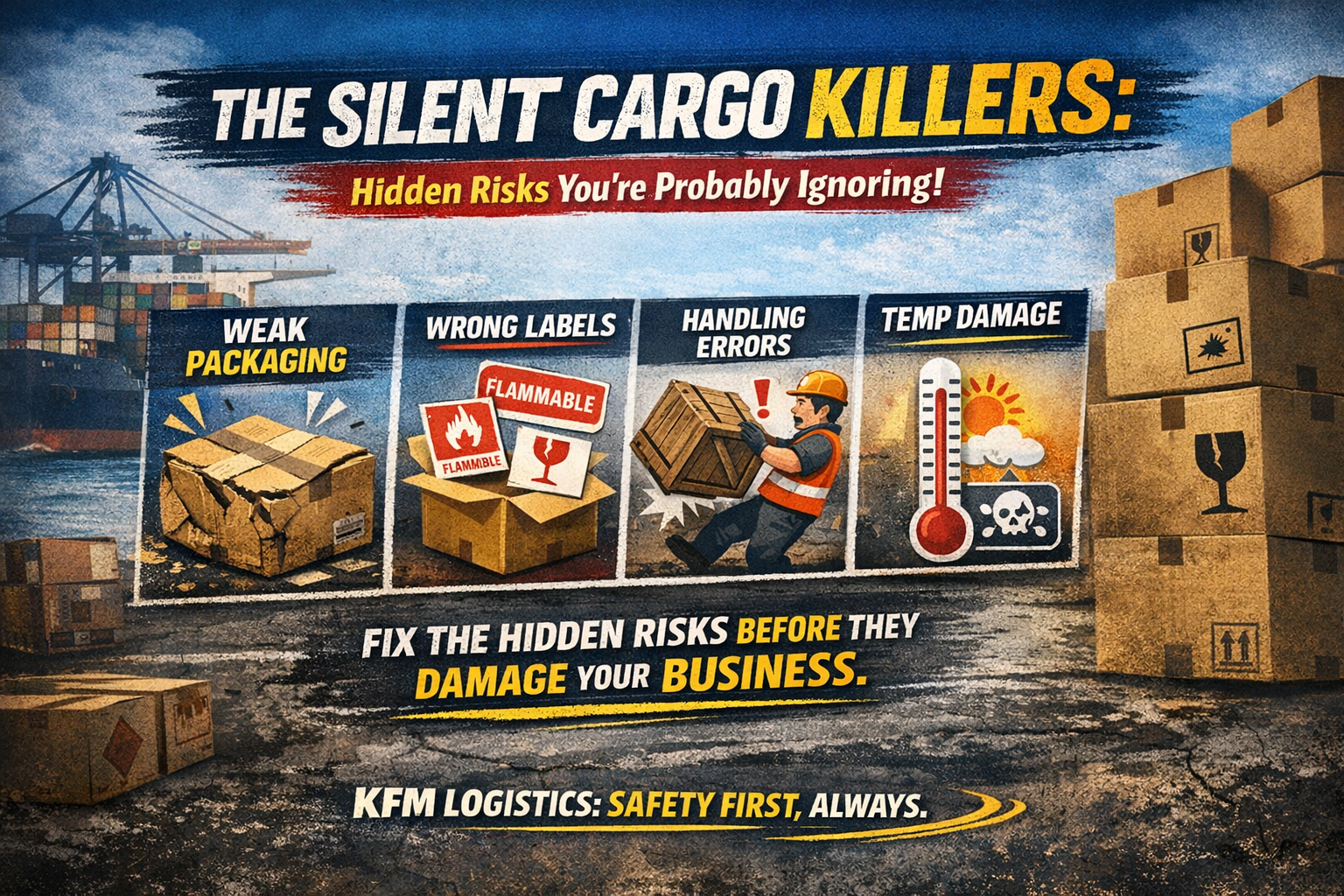
Mar 18, 2026
The Silent Cargo Killers: Hidden Risks You’re Probably Ignoring
Let’s be honest for a second… Most people t...
Read more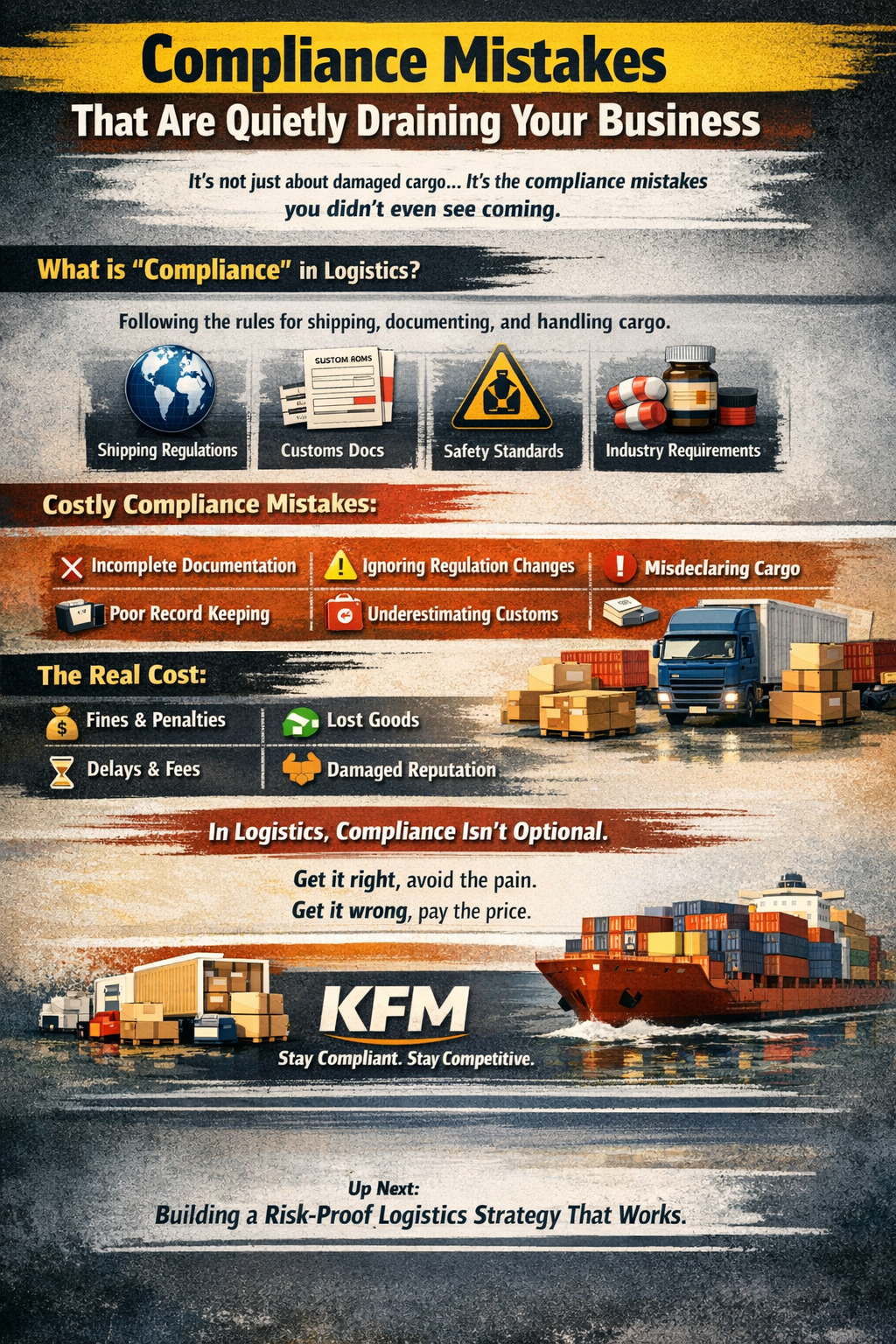
Mar 18, 2026
Compliance Mistakes That Are Quietly Draining Your Business
Here’s something most businesses don’t real...
Read more
Mar 18, 2026
The Ultimate Cargo Glow-Up: Turning Your Logistics Intao a Risk-Proof Machine
Alright… we’ve talked about hidden risks. W...
Read more
Mar 23, 2026
Importing vs Local Sourcing — What Nigerian Businesses Should Consider
If you run a business in Nigeria, one question ...
Read more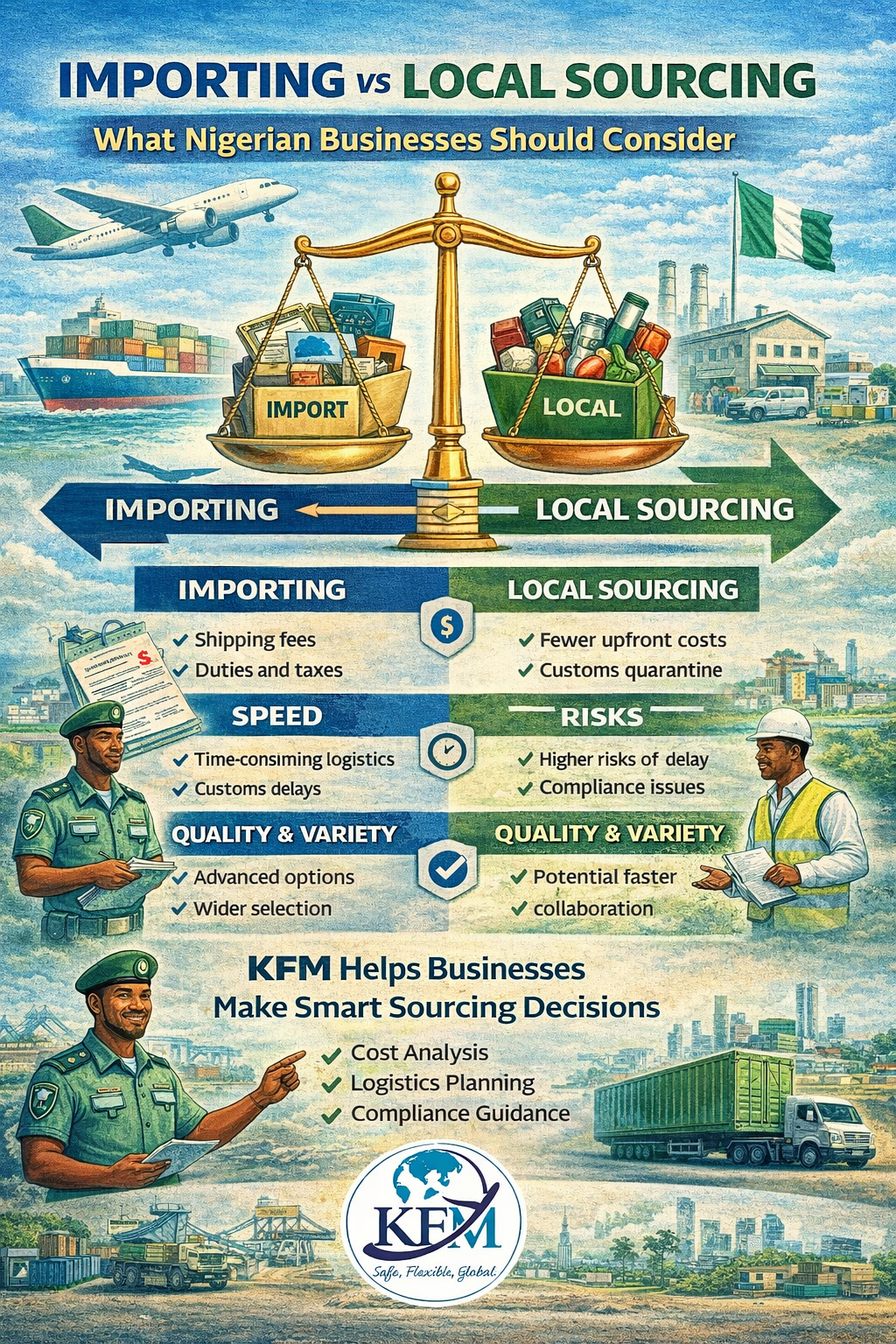
Mar 24, 2026
When Importing Makes More Sense Than Local Sourcing
So you’ve seen the differences between impo...
Read more
Mar 24, 2026
When Local Sourcing Is the Smarter Choice for Nigerian Businesses
We’ve talked about when importing makes sen...
Read more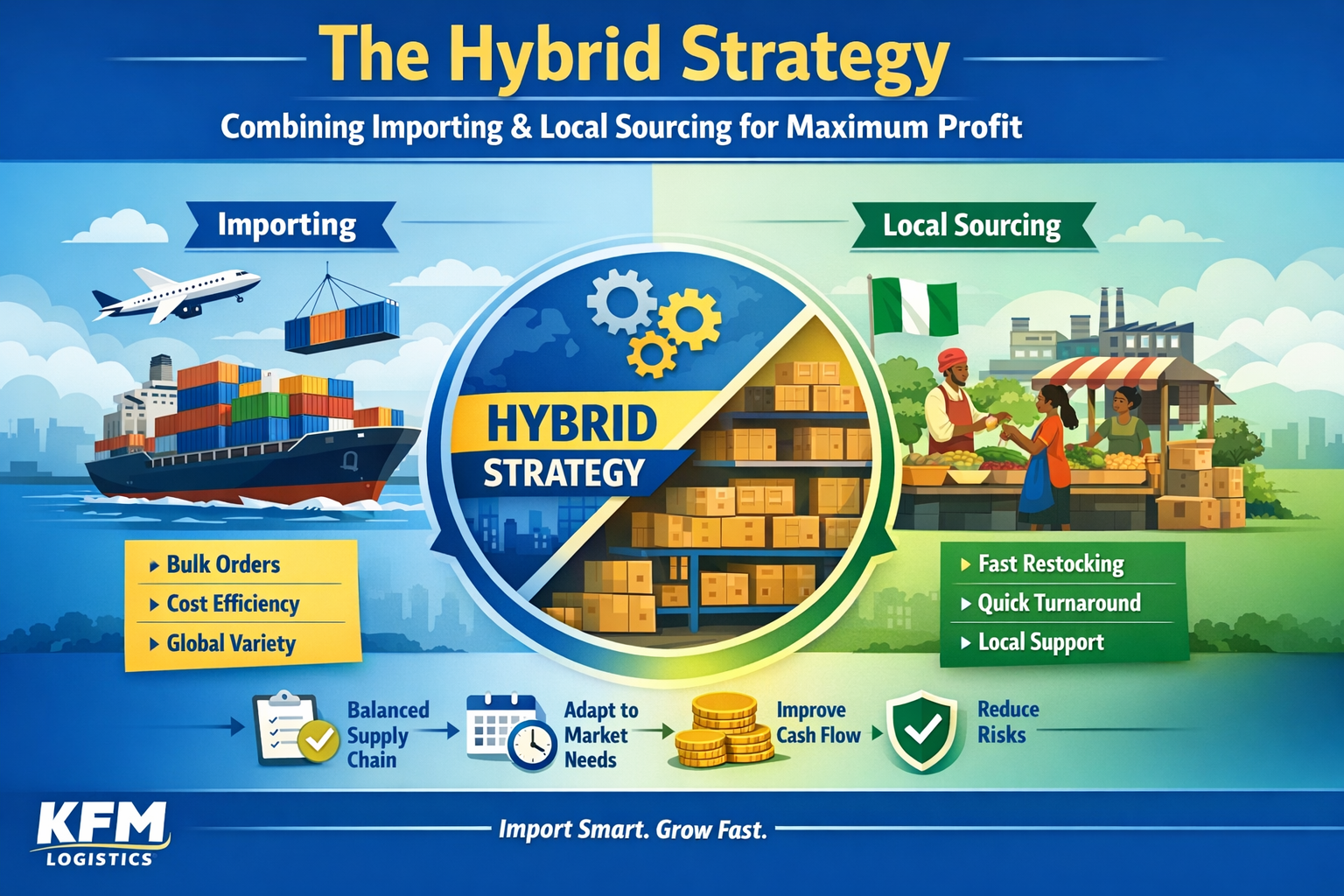
Mar 24, 2026
The Hybrid Strategy — Combining Importing & Local Sourcing for Maximum Profit
By now, you’ve seen the strengths of both imp...
Read more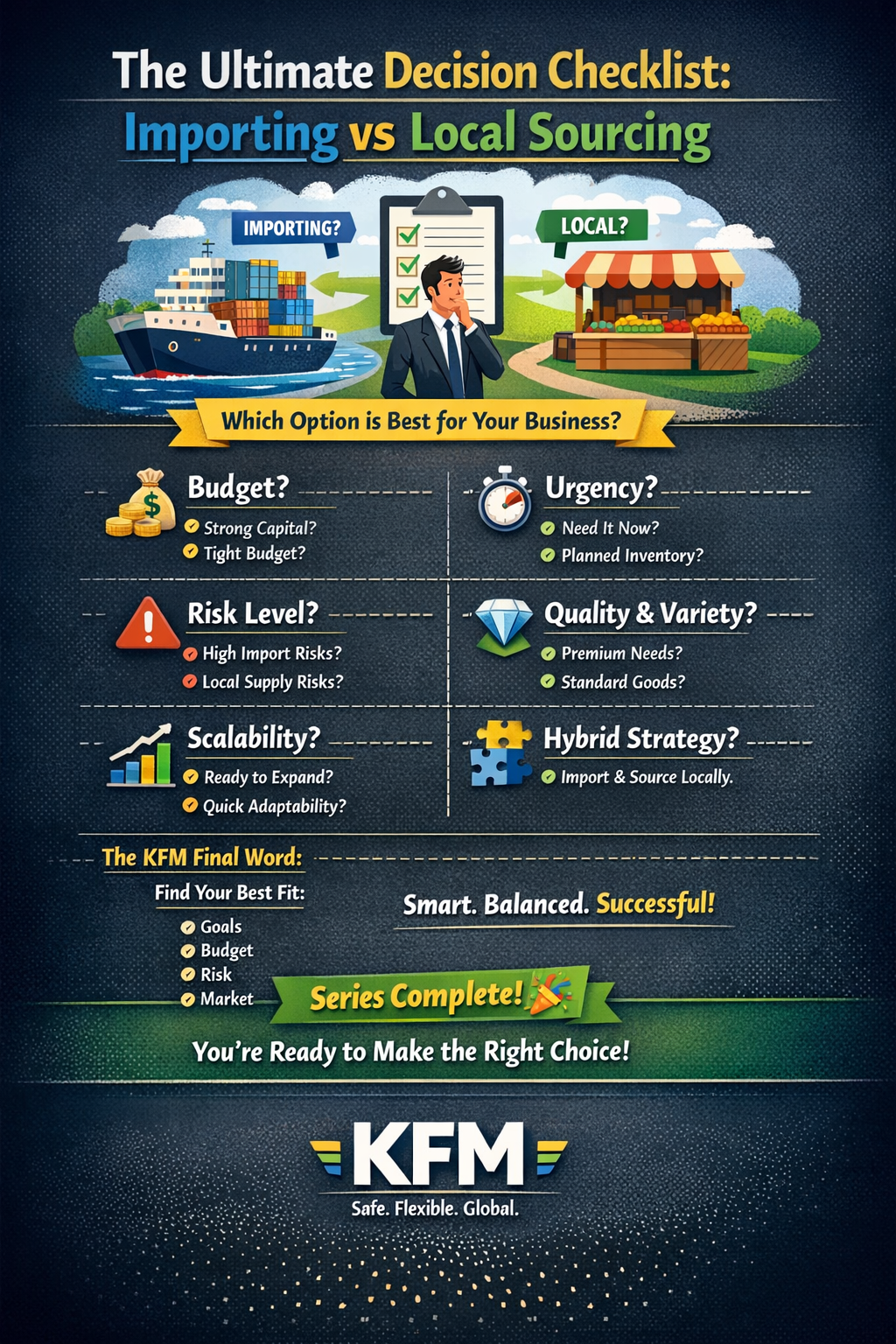
Mar 24, 2026
The Ultimate Decision Checklist — Importing vs Local Sourcing
We’ve explored importing, local sourcing, a...
Read more
Mar 31, 2026
The Hidden Hero of E-commerce - Logistics & Customer Satisfaction
Let’s play a quick game… You order a prod...
Read more
Apr 5, 2026
7 Logistics Mistakes That Frustrate E-commerce Customers
Let’s be real… Customers don’t usually ...
Read more
Apr 5, 2026
How Fast & Reliable Delivery Turns Customers into Loyal Fans
Let’s flip the script… Instead of bad ...
Read more
Apr 5, 2026
Last-Mile Delivery — The Make-or-Break Moment in E-commerce
Everything has gone perfectly… ✅ Order p...
Read more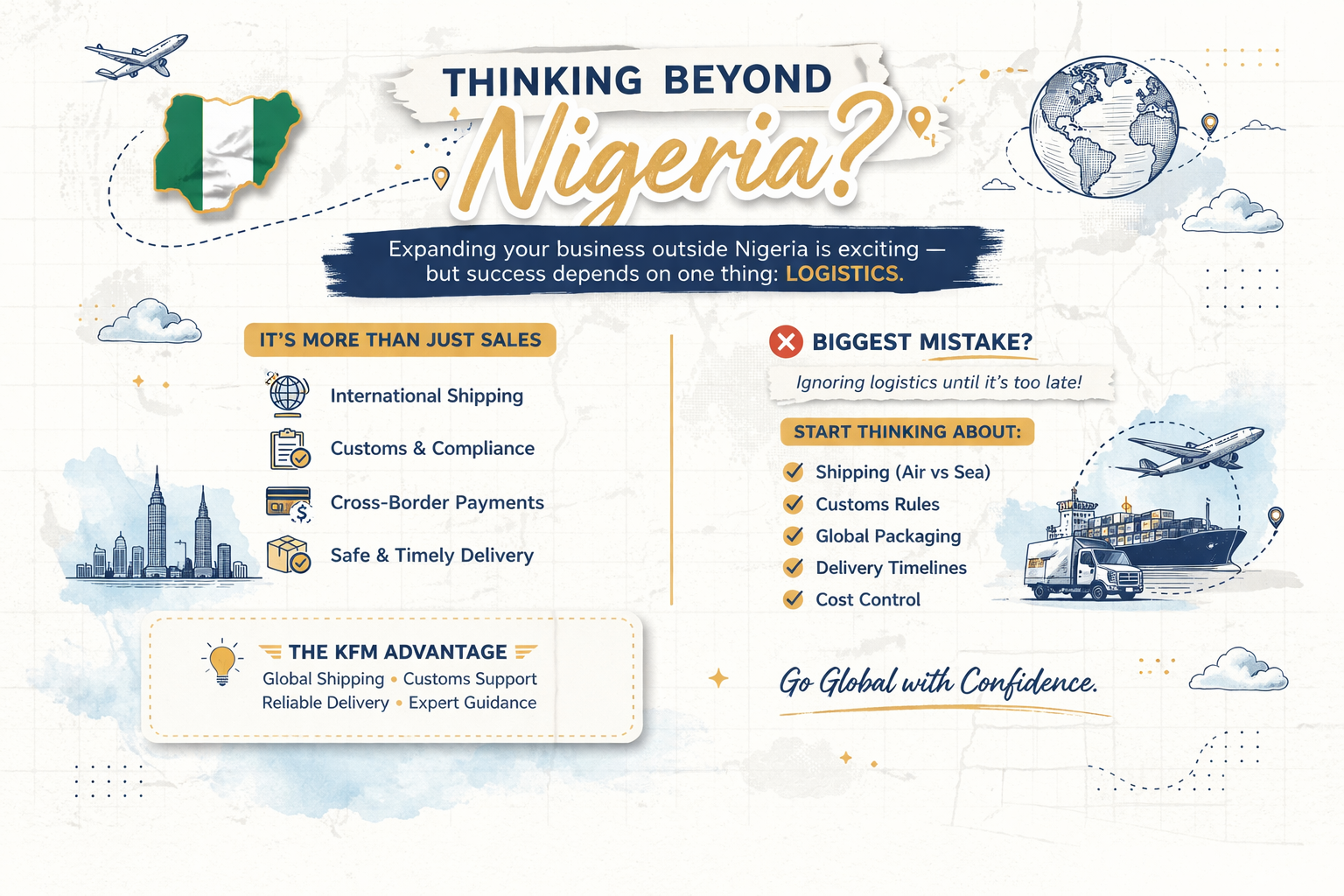
Apr 12, 2026
Thinking Beyond Nigeria? Here’s What You Must Know First
` A new level of growth begins the momen...
Read more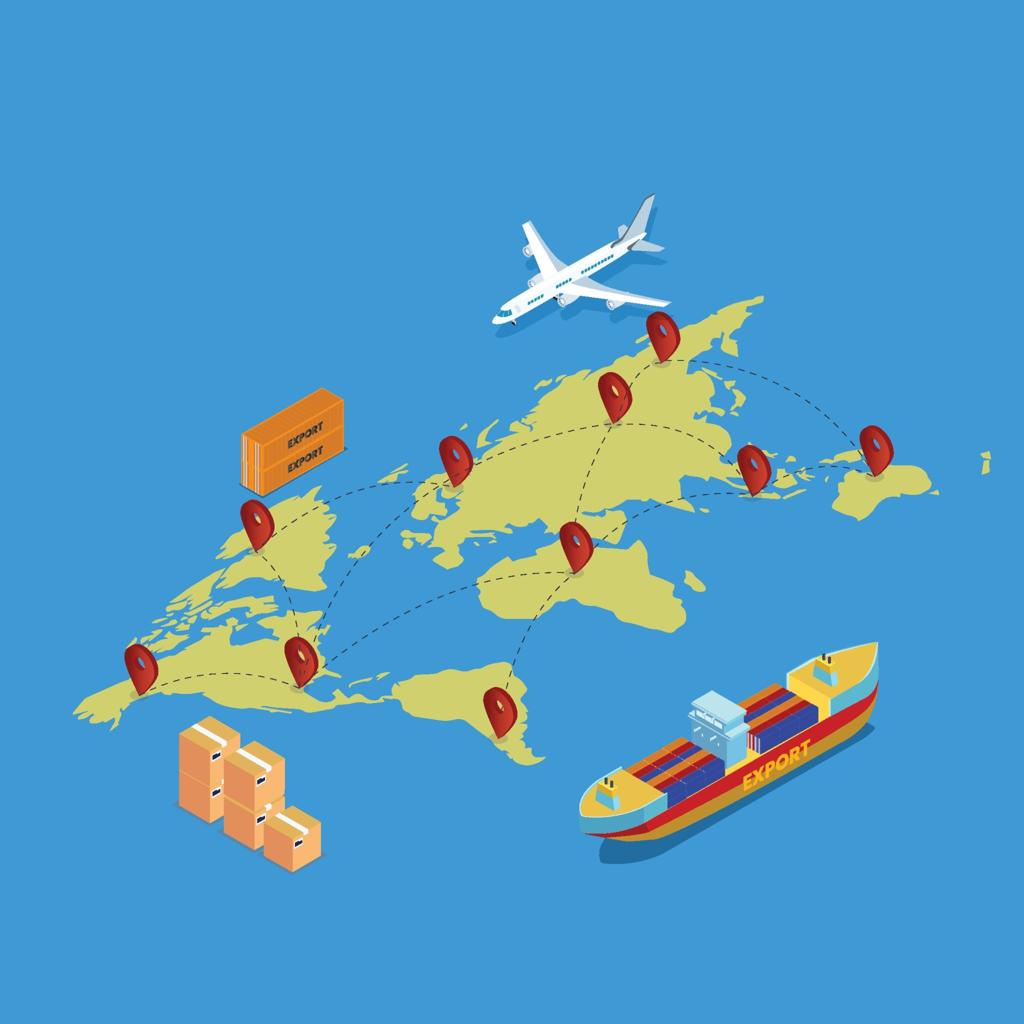
Apr 12, 2026
The Most Important Shipping Options for International Trade — And How to Choose Right
Expanding beyond Nigeria is exciting… but...
Read more
Apr 12, 2026
Customs, Duties & Regulations — The Hidden Factors That Can Delay or Destroy Your Expansion Plans
You’ve found your market… you’ve chosen...
Read more
Apr 22, 2026
Packaging, Cargo Safety & Risk Management — Delivering Your Goods Intact, Every Time
You’ve handled shipping… you’ve cleared...
Read more
Apr 22, 2026
The Ultimate Checklist for Expanding Beyond Nigeria — Get It Right From Day One
You’ve made it this far — and now you under...
Read more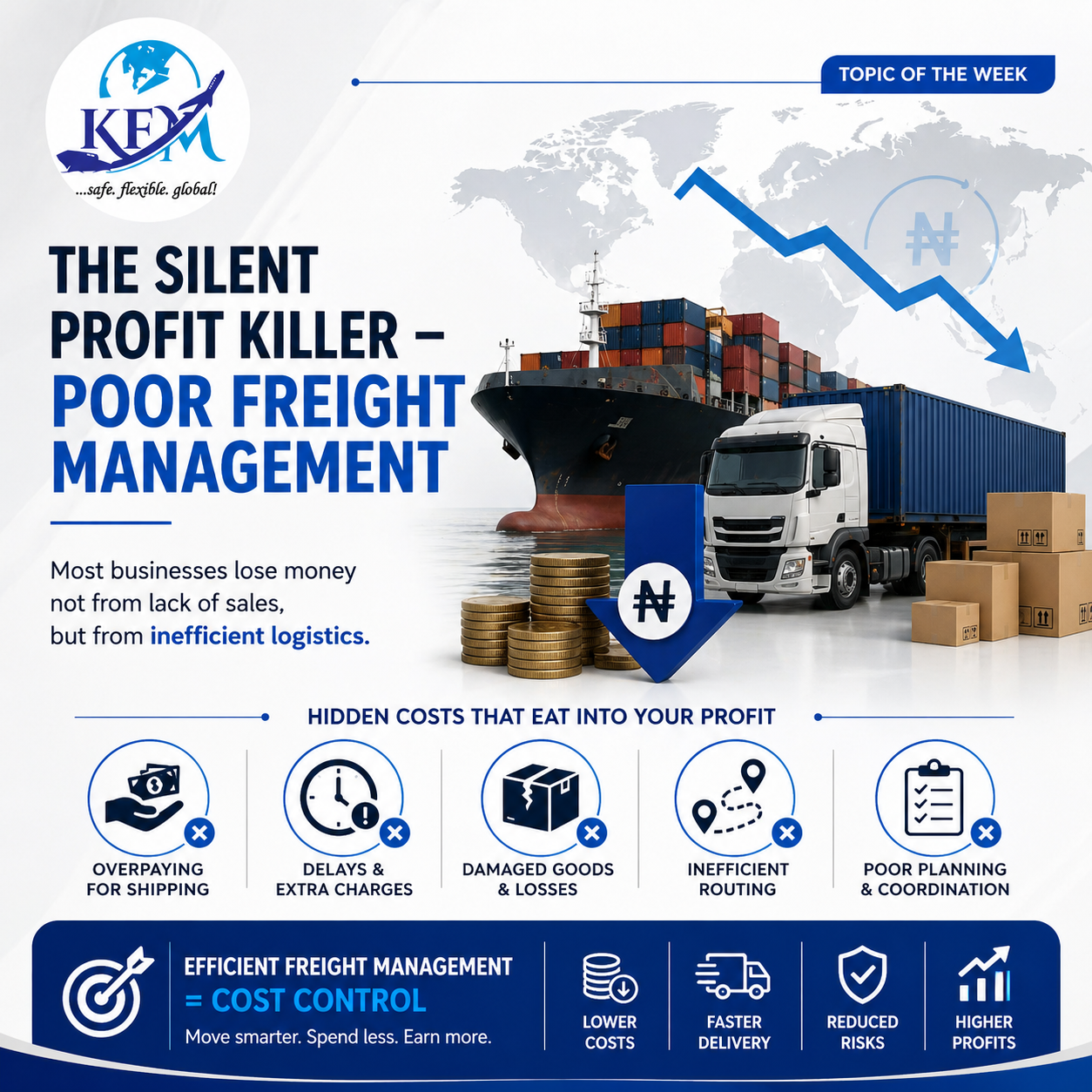
Apr 26, 2026
The Silent Profit Killer — Poor Freight Management
Most businesses focus on sales when thinking a...
Read more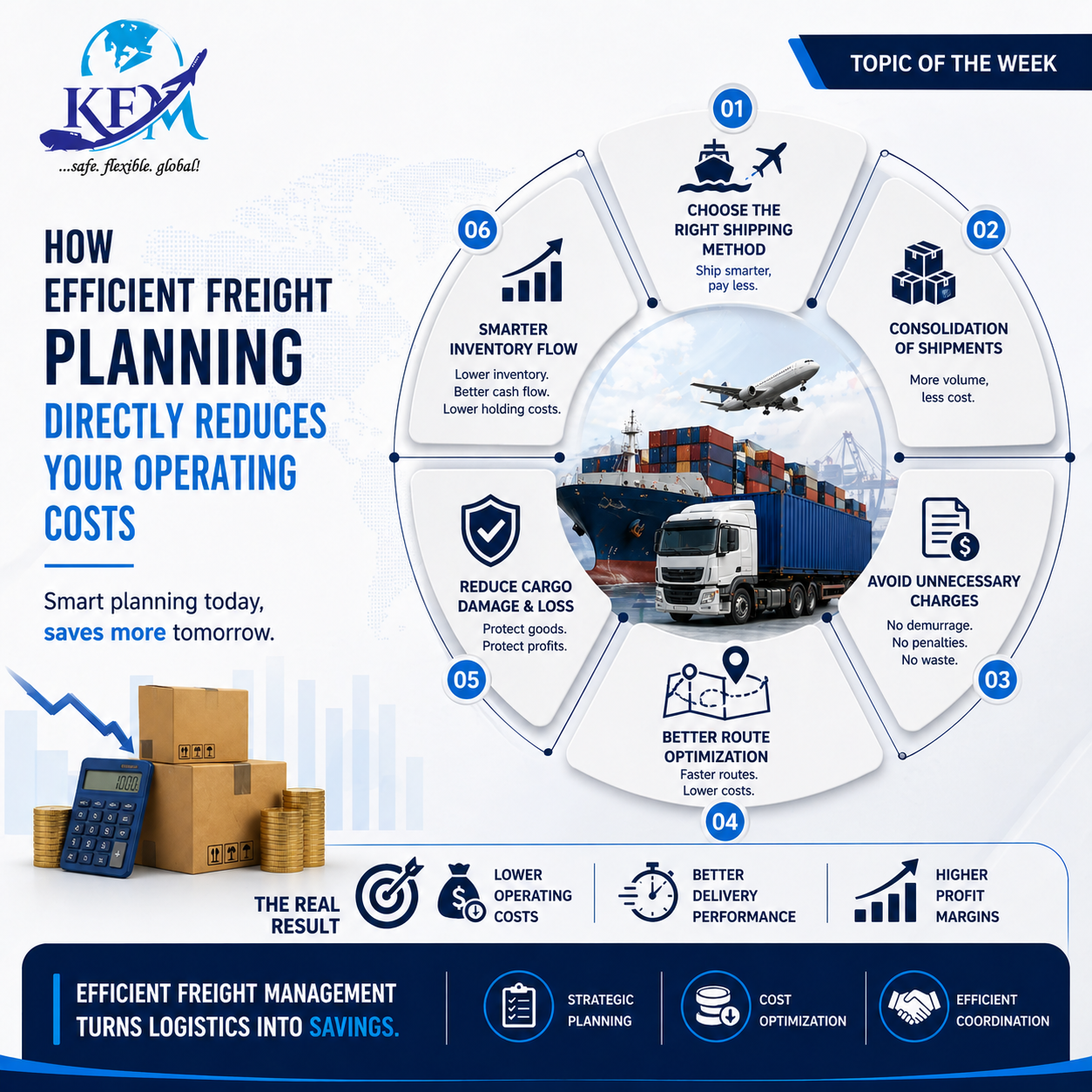
Apr 26, 2026
How Efficient Freight Planning Directly Reduces Your Operating Costs
Let’s get practical… In Post 1, we talked a...
Read more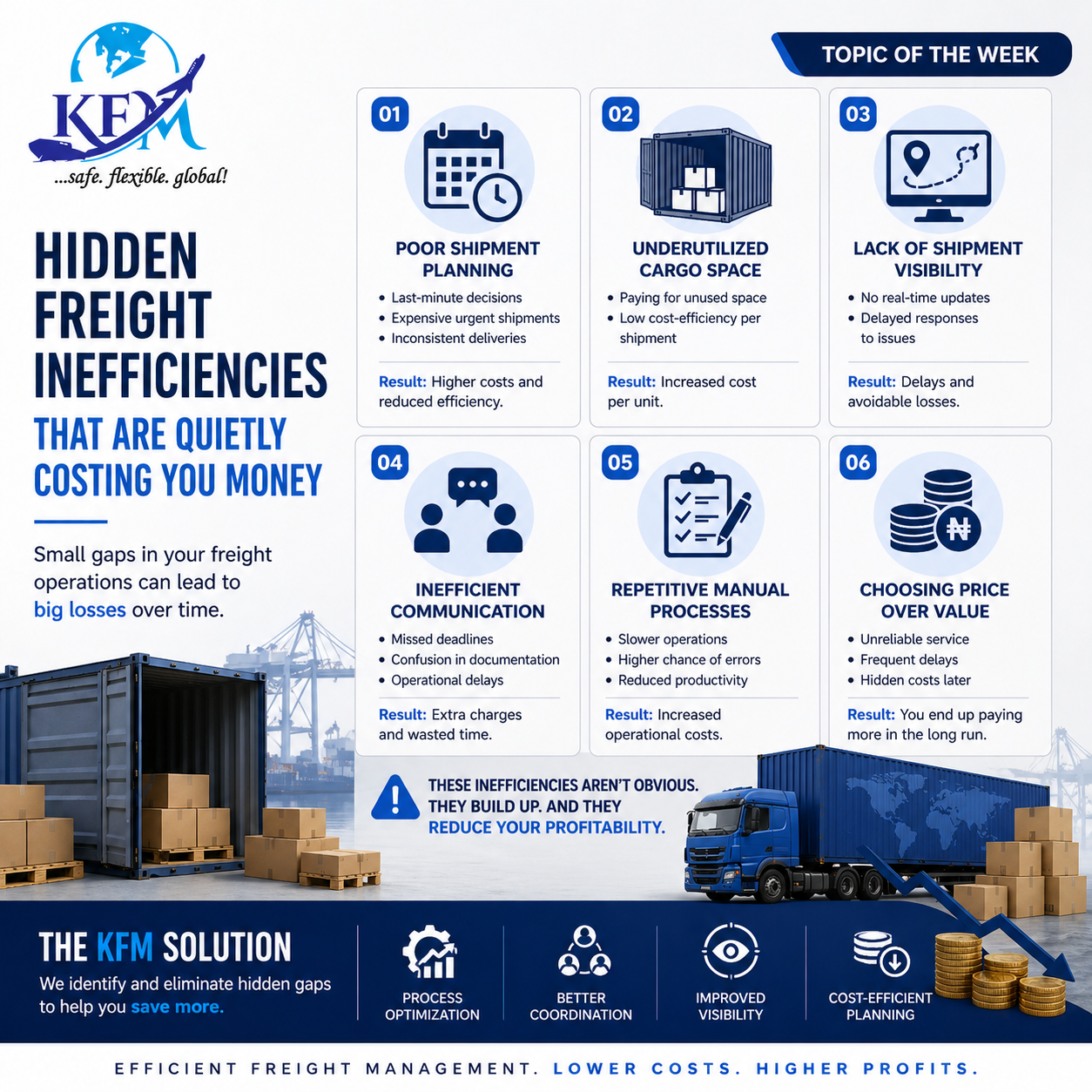
Apr 26, 2026
Hidden Freight Inefficiencies That Are Quietly Costing You Money
Here’s the uncomfortable truth… Most busin...
Read more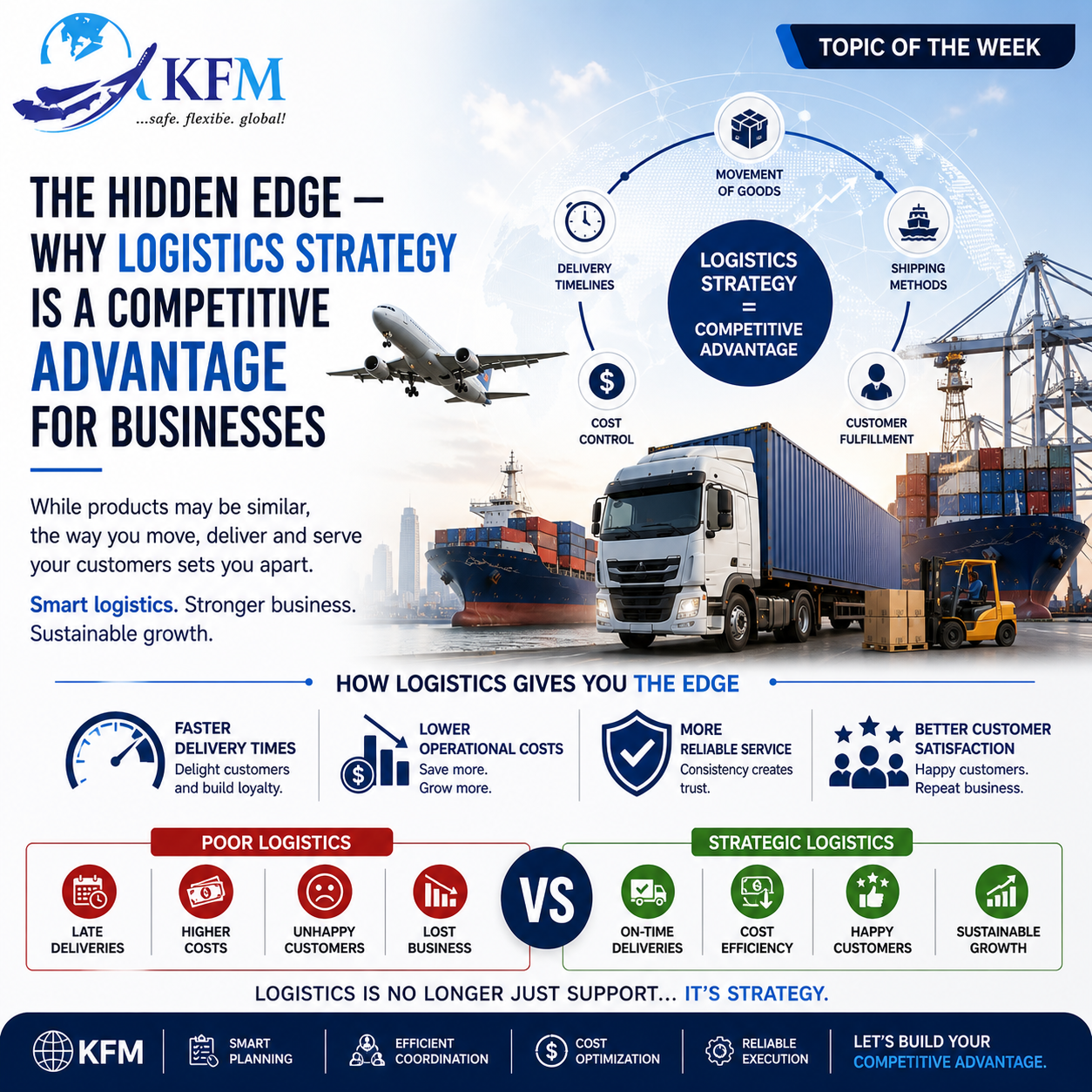
May 3, 2026
The Hidden Edge -Why Logistics Strategy Is a Competitive Advantage
In business, everyone is chasing the same thing...
Read more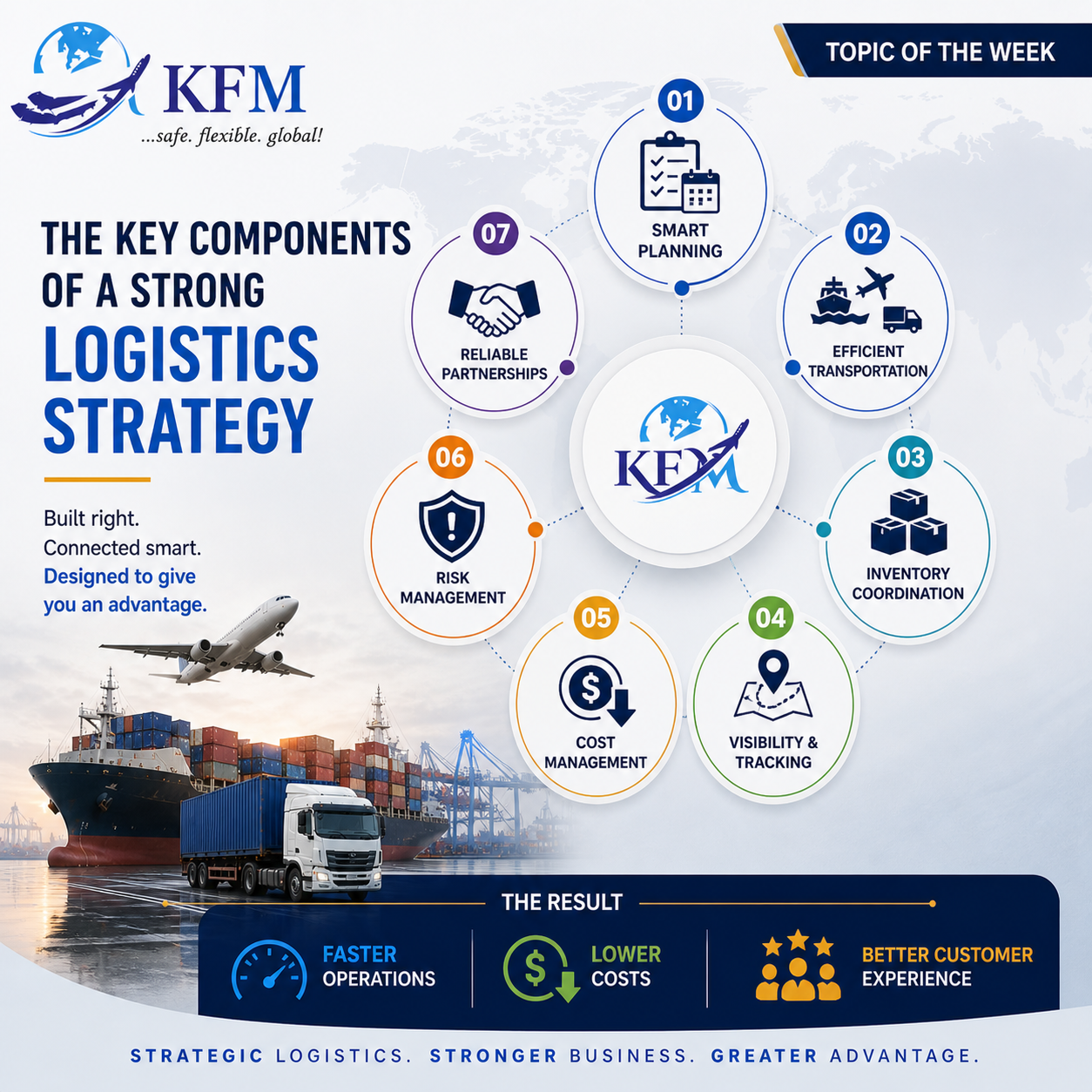
May 3, 2026
The Key Components of a Strong Logistics Strategy
In Post 1, we established something important...
Read more
May 3, 2026
Turning Logistics Into a Customer Experience Advantage
Let’s shift perspective for a moment… Log...
Read more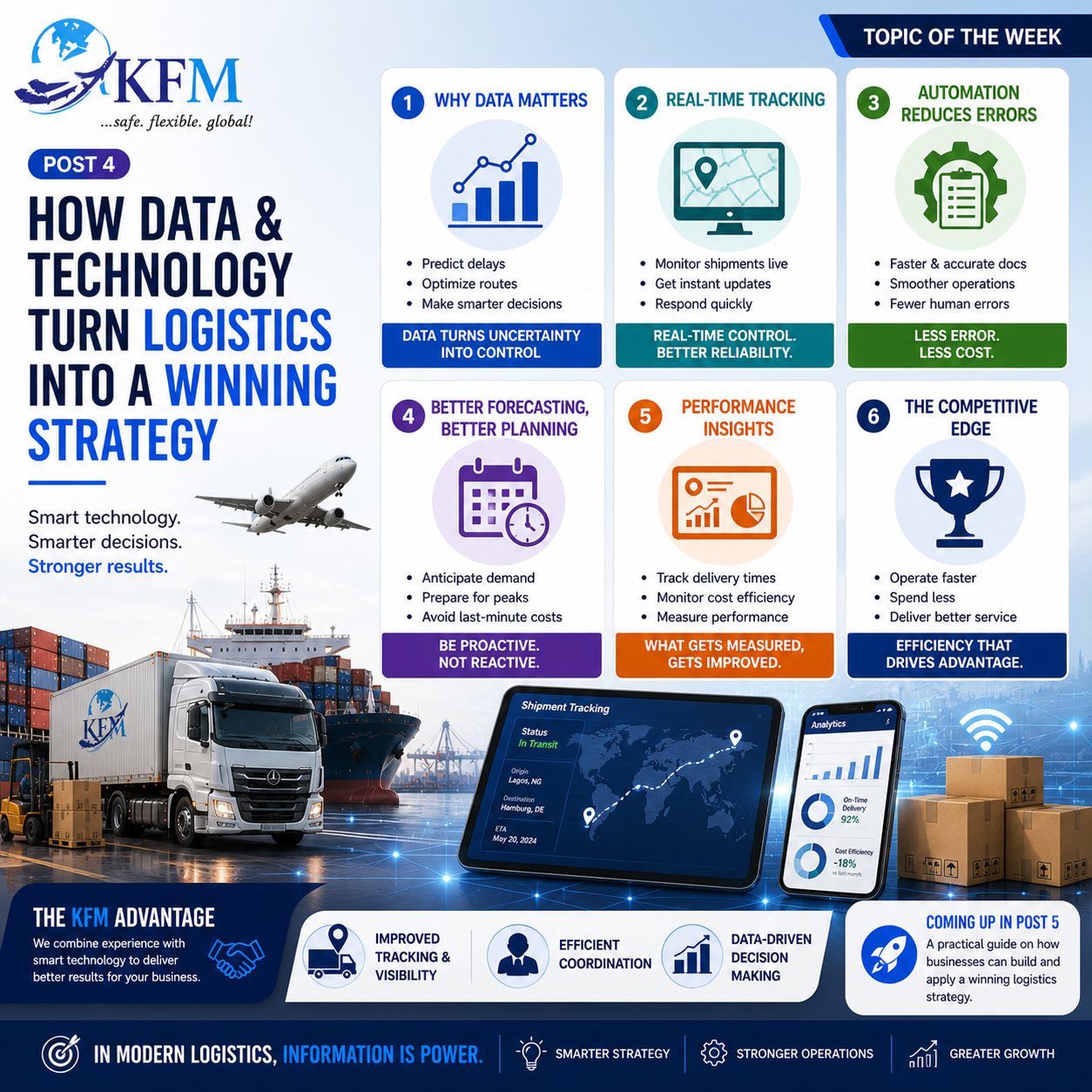
May 3, 2026
How Data & Technology Turn Logistics Into a Winning Strategy
In today’s business world, guesswork is exp...
Read more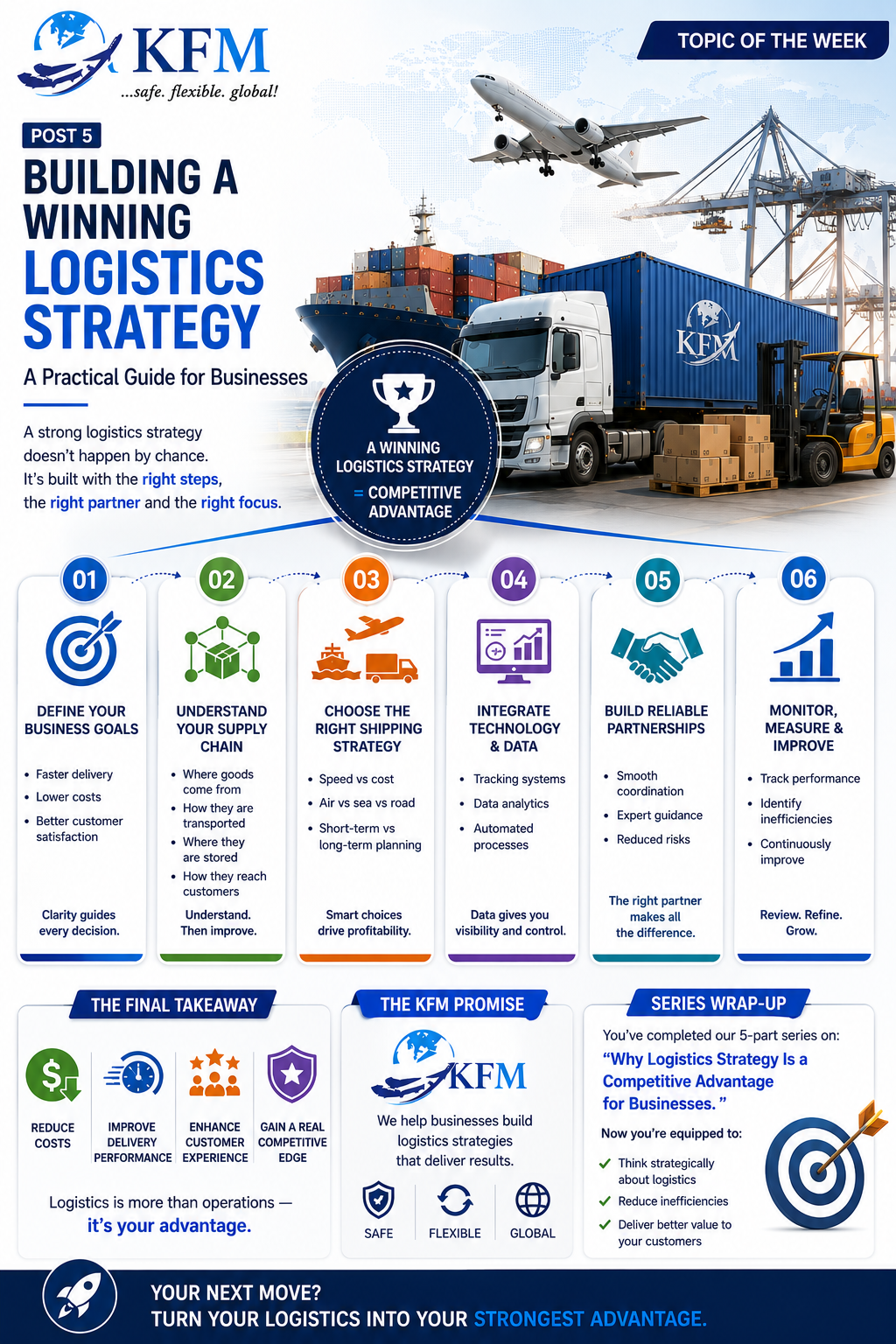
May 10, 2026
Building a Winning Logistics Strategy — A Practical Guide for Businesses
We’ve come full circle. From understanding ...
Read more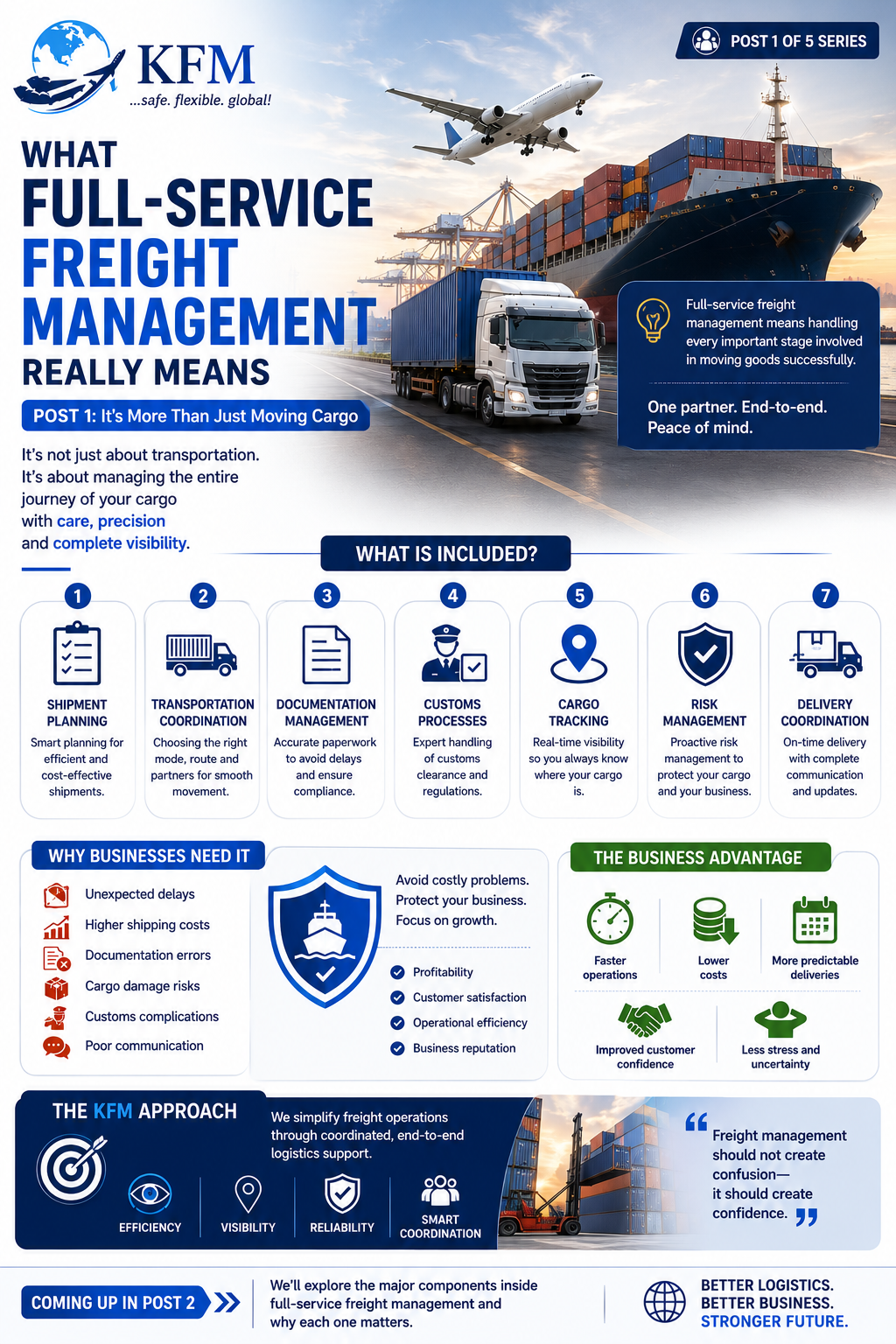
May 17, 2026
What Full-Service Freight Management Really Means
It’s More Than Just Moving Cargo When man...
Read more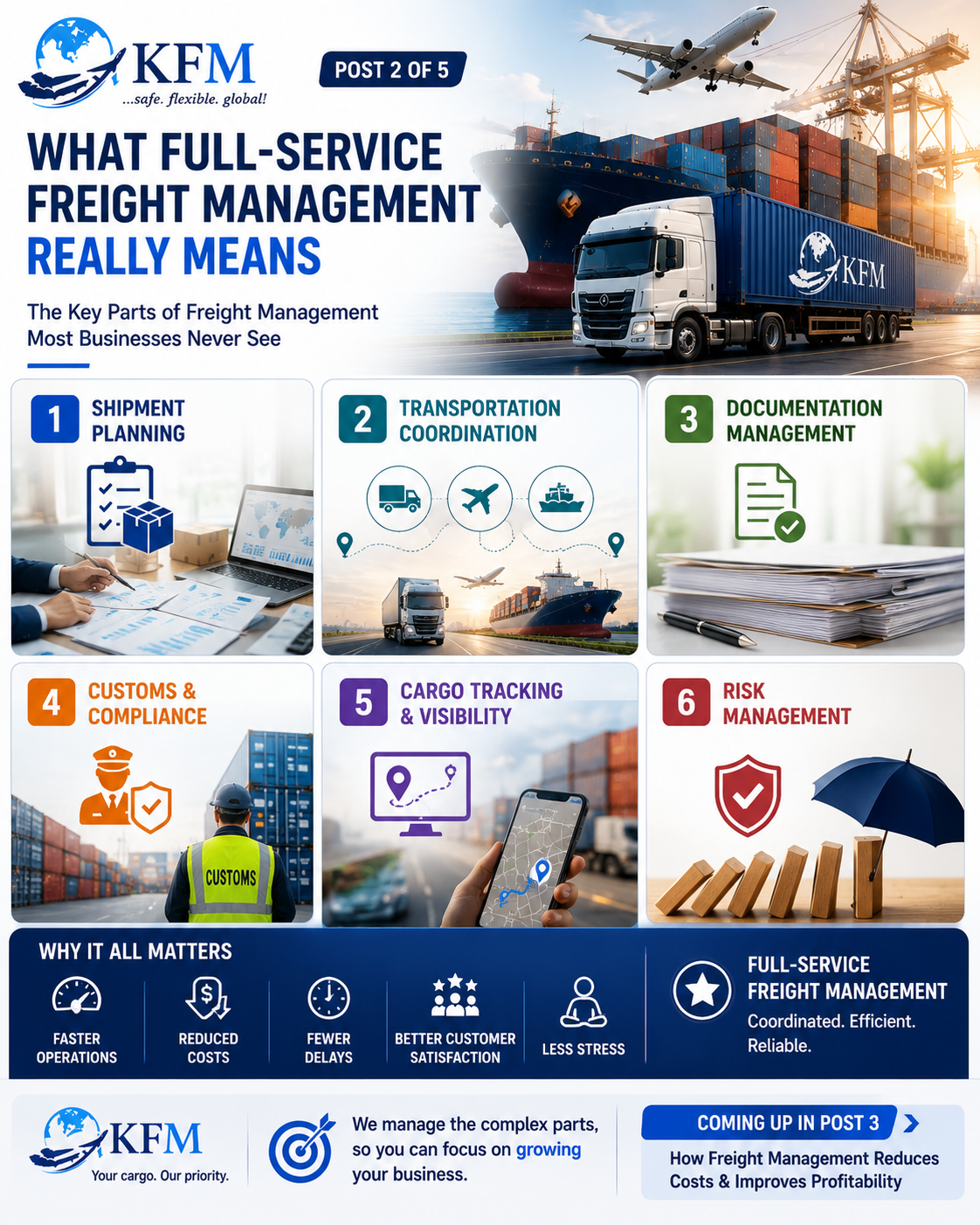
May 26, 2026
The Key Parts of Freight Management Most Businesses Never See
When people see a shipment arrive succe...
Read more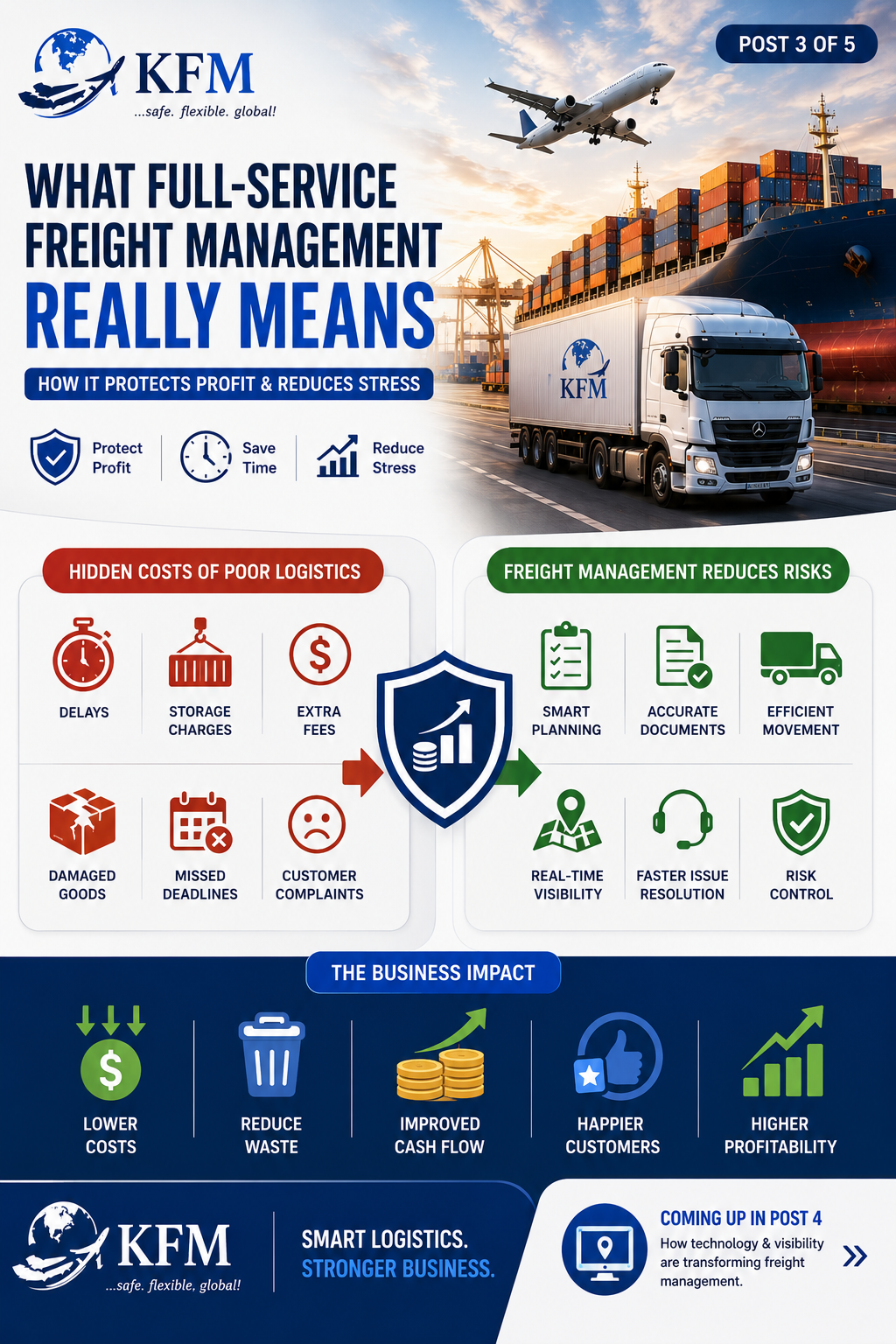
May 26, 2026
How Freight Management Protects Profit & Reduces Business Stress
Most businesses focus heavily on making sa...
Read more
May 26, 2026
How Technology & Visibility Are Changing Modern Freight Management
Modern freight management is no longer about...
Read more
Jun 8, 2026
Behind the Scenes: How Professional Freight Forwarding Works
The Invisible Experts Moving Global Trade Ev...
Read more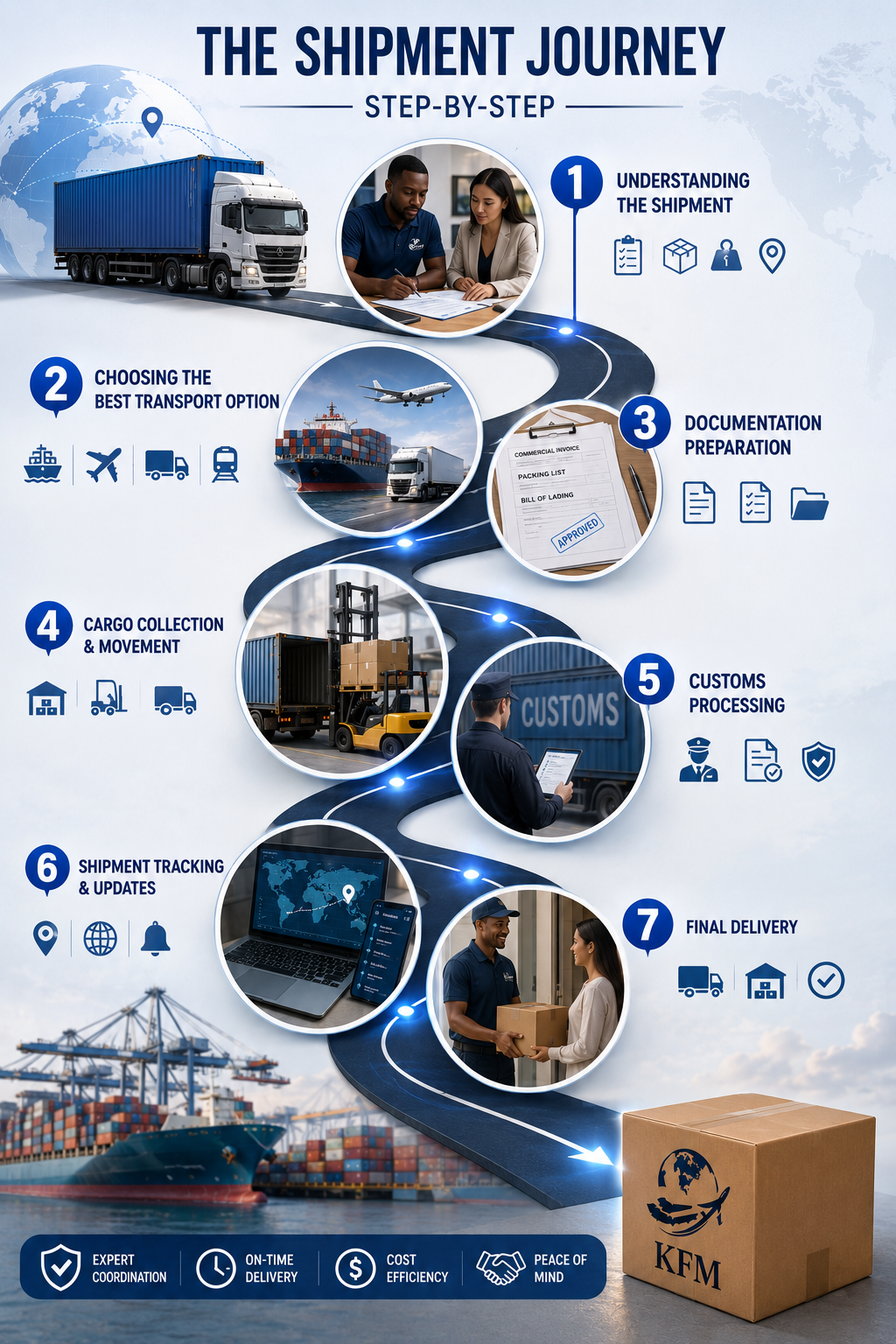
Jun 8, 2026
Behind the Scenes: Following a Shipment Step-by-Step
In Post 1, we introduced the role of a freig...
Read more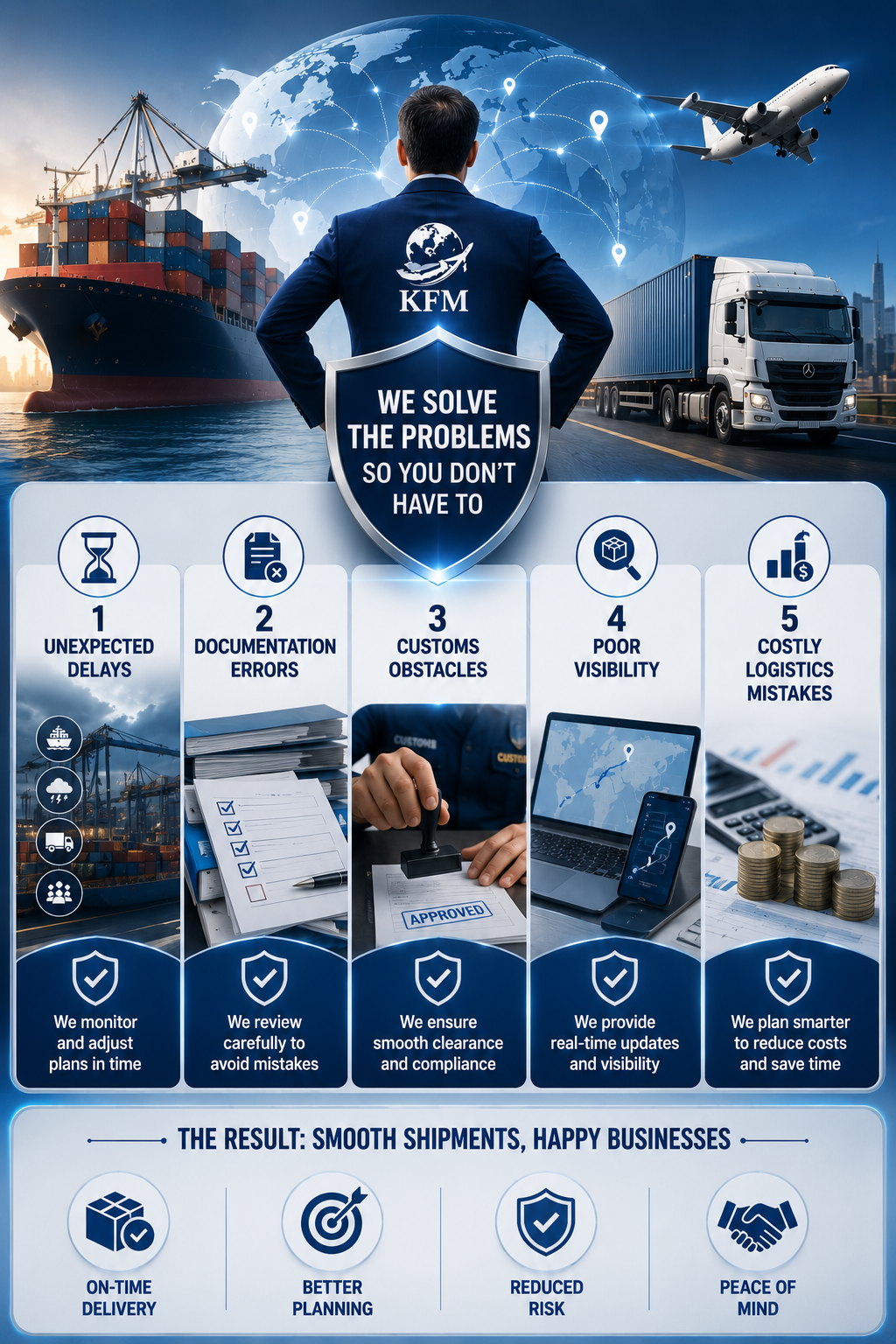
Jun 14, 2026
Behind the Scenes: The Problems Freight Forwarders Solve Before You Even Notice Them
When a shipment arrives on time, most peop...
Read more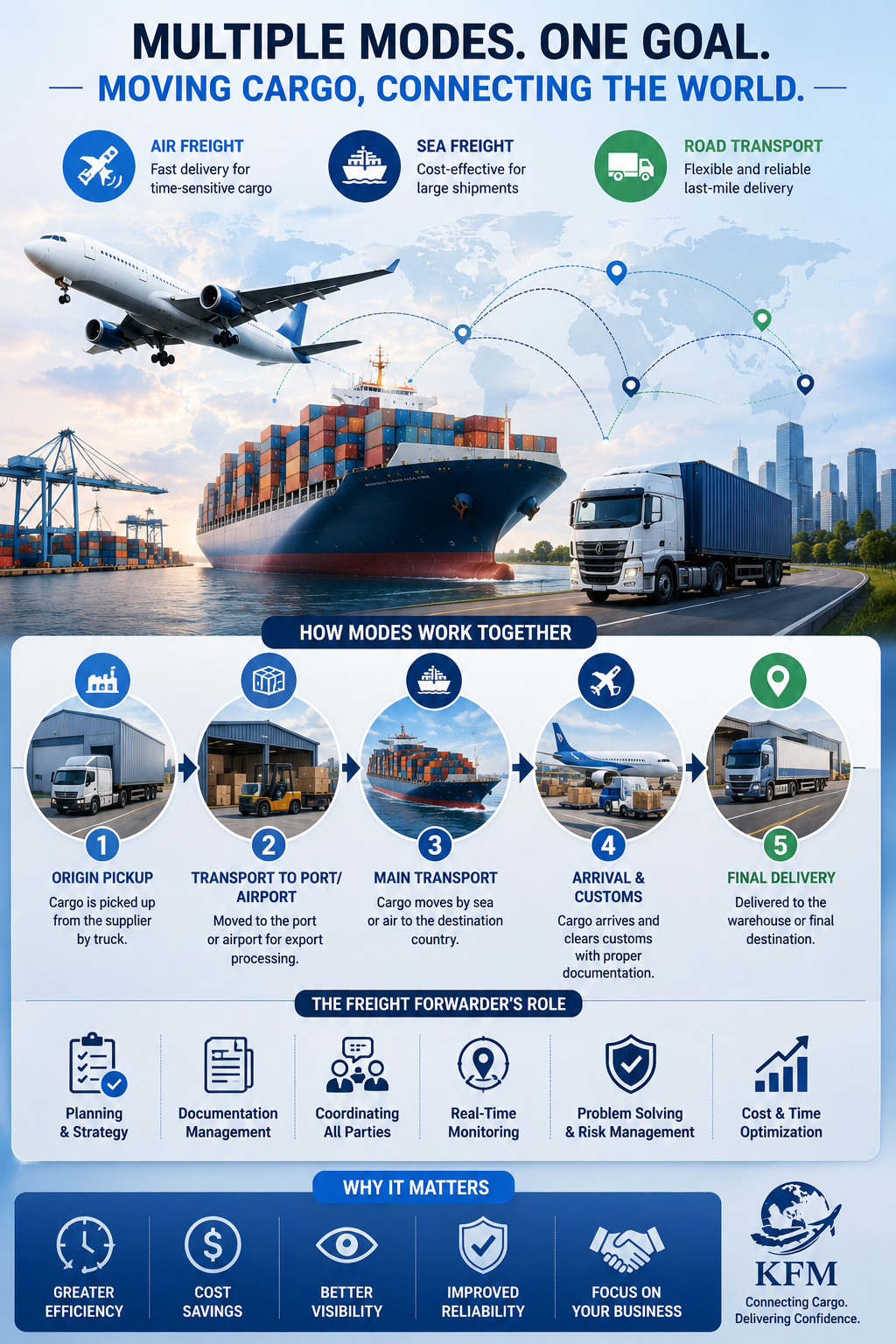
Jun 14, 2026
Behind the Scenes: How Air, Sea & Road Freight Work Together to Move Cargo Globally
When people think about shipping, they oft...
Read more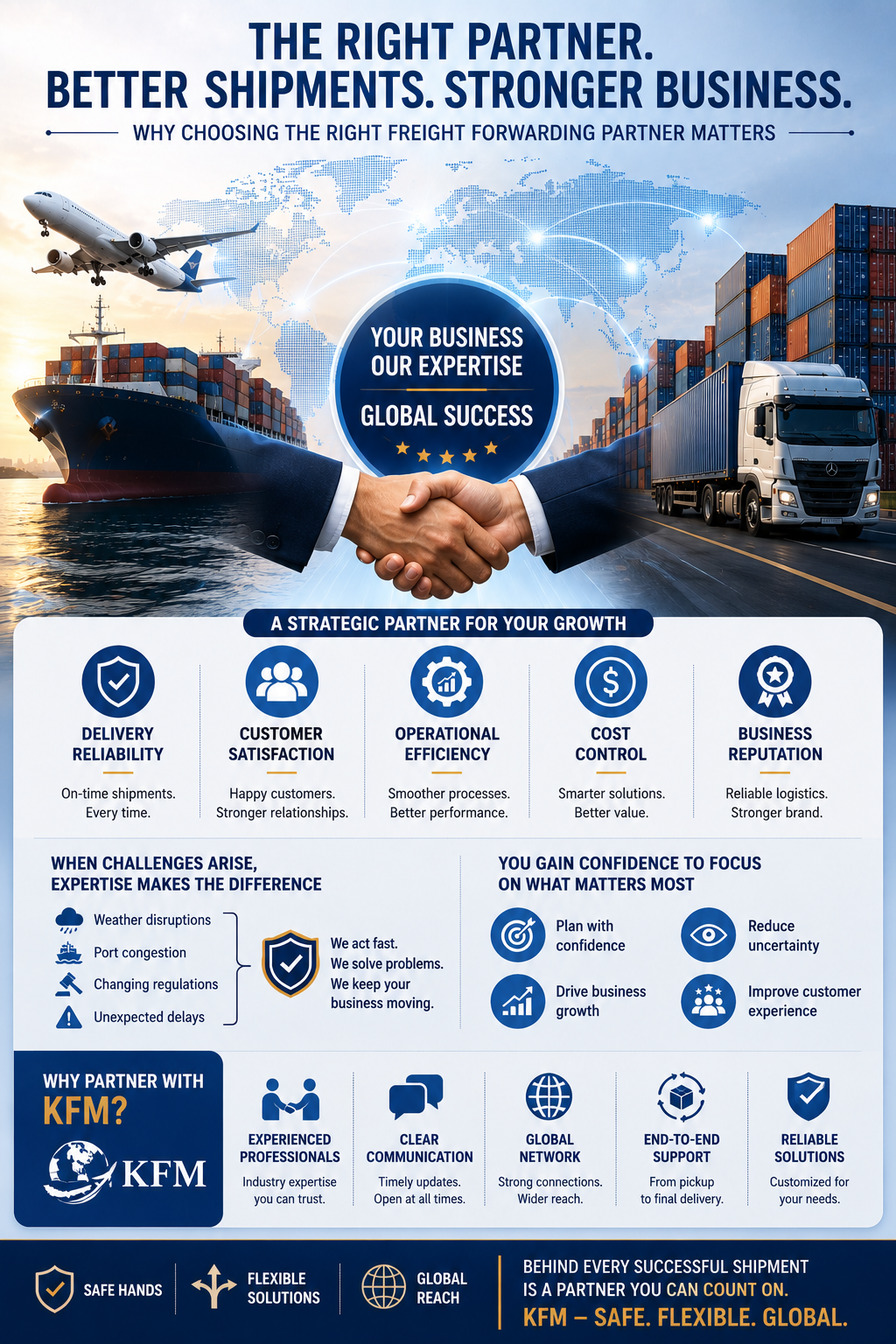
Jun 14, 2026
Behind the Scenes: Why Choosing the Right Freight Forwarding Partner Matters More Than You Think
Throughout this series, we've explored the...
Read more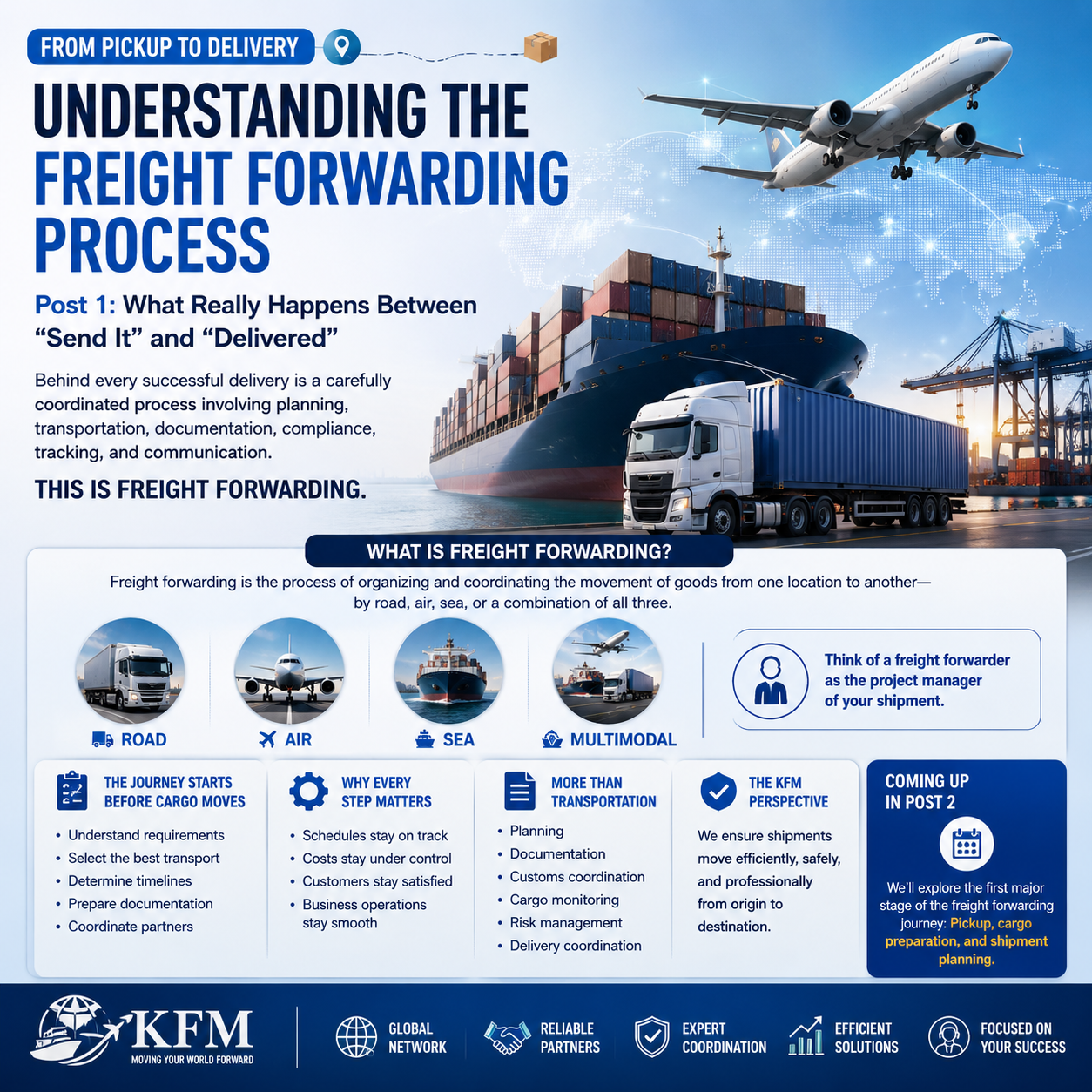
Jun 21, 2026
From Pickup to Delivery: Understanding the Freight Forwarding Process
What Really Happens Between "Send It" and...
Read more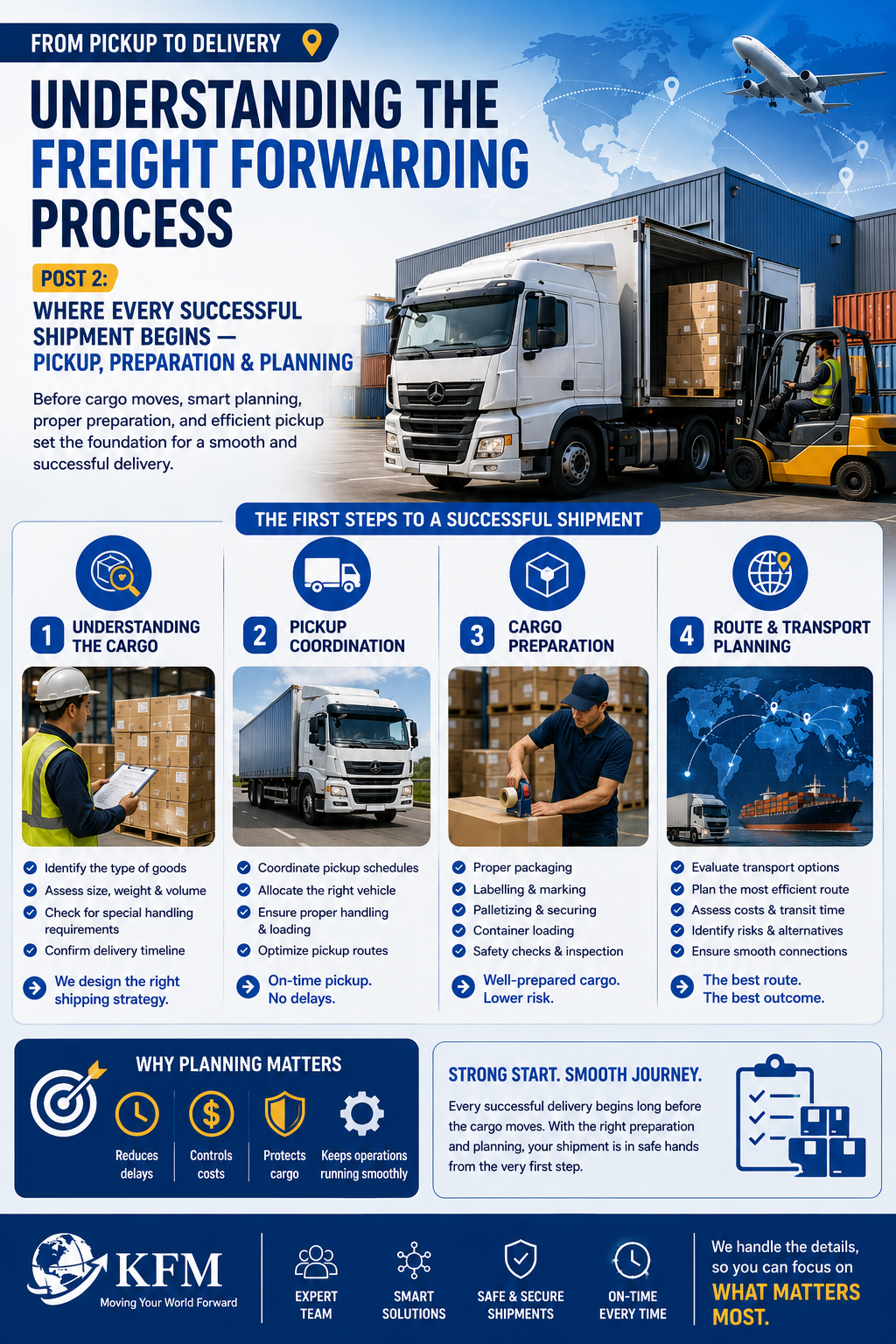
Jun 21, 2026
Where Every Successful Shipment Begins — Pickup, Preparation & Planning
Every successful delivery has a starti...
Read more
Jun 28, 2026
Documentation, Customs & Compliance - The Paperwork That Keeps Cargo Moving
Your cargo has been picked up. It's properly p...
Read more
Jul 1, 2026
In Transit - How Freight Forwarders Keep Your Cargo Moving and You Informed
Your shipment has been picked up. It's c...
Read more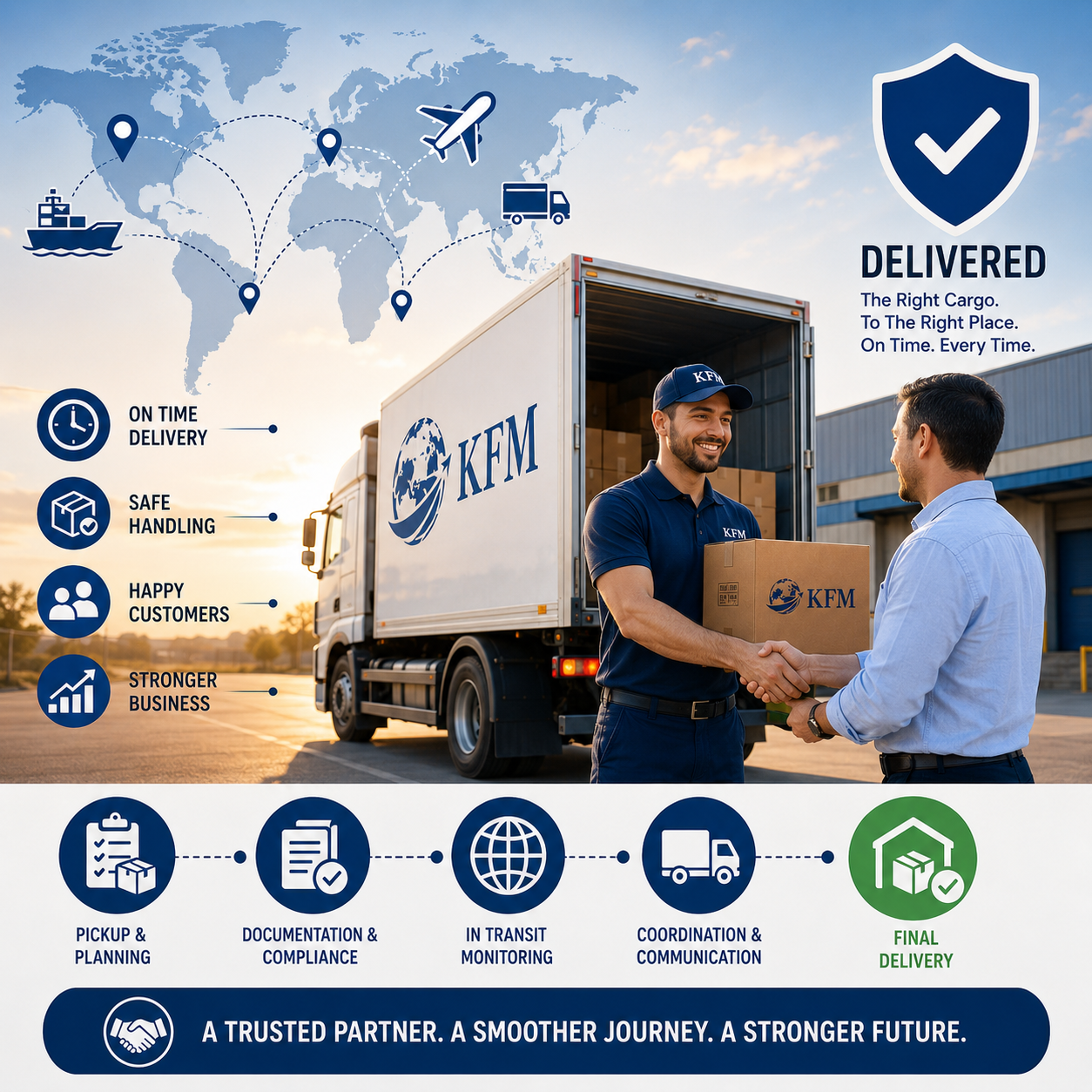
Jul 1, 2026
Final Delivery - Where Great Logistics Becomes Great Business
After days—or sometimes weeks—of plannin...
Read more
Jul 7, 2026
Why End-to-End Logistics Support Matters for Importers
Importing Is More Than Shipping - It's Man...
Read more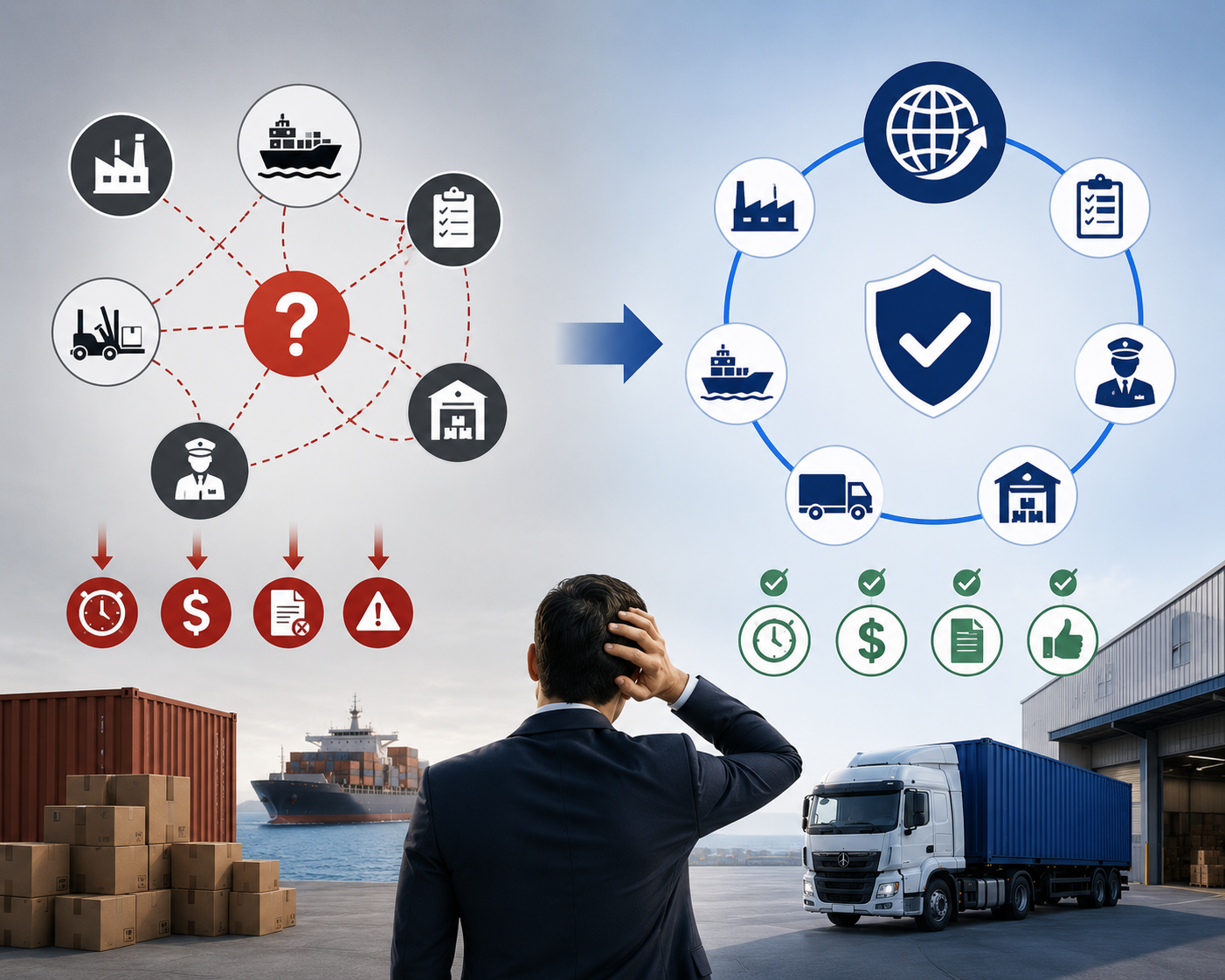
Jul 7, 2026
The Hidden Risks of Managing Multiple Logistics Providers
Imagine importing a shipment and having one ...
Read more
Jul 7, 2026
How End-to-End Logistics Helps Importers Save Time, Reduce Costs & Improve Efficiency
Every importer wants the same three things: F...
Read more
Jul 12, 2026
Why Shipment Visibility & Communication Matter Every Step of the Way
Imagine importing valuable goods worth...
Read more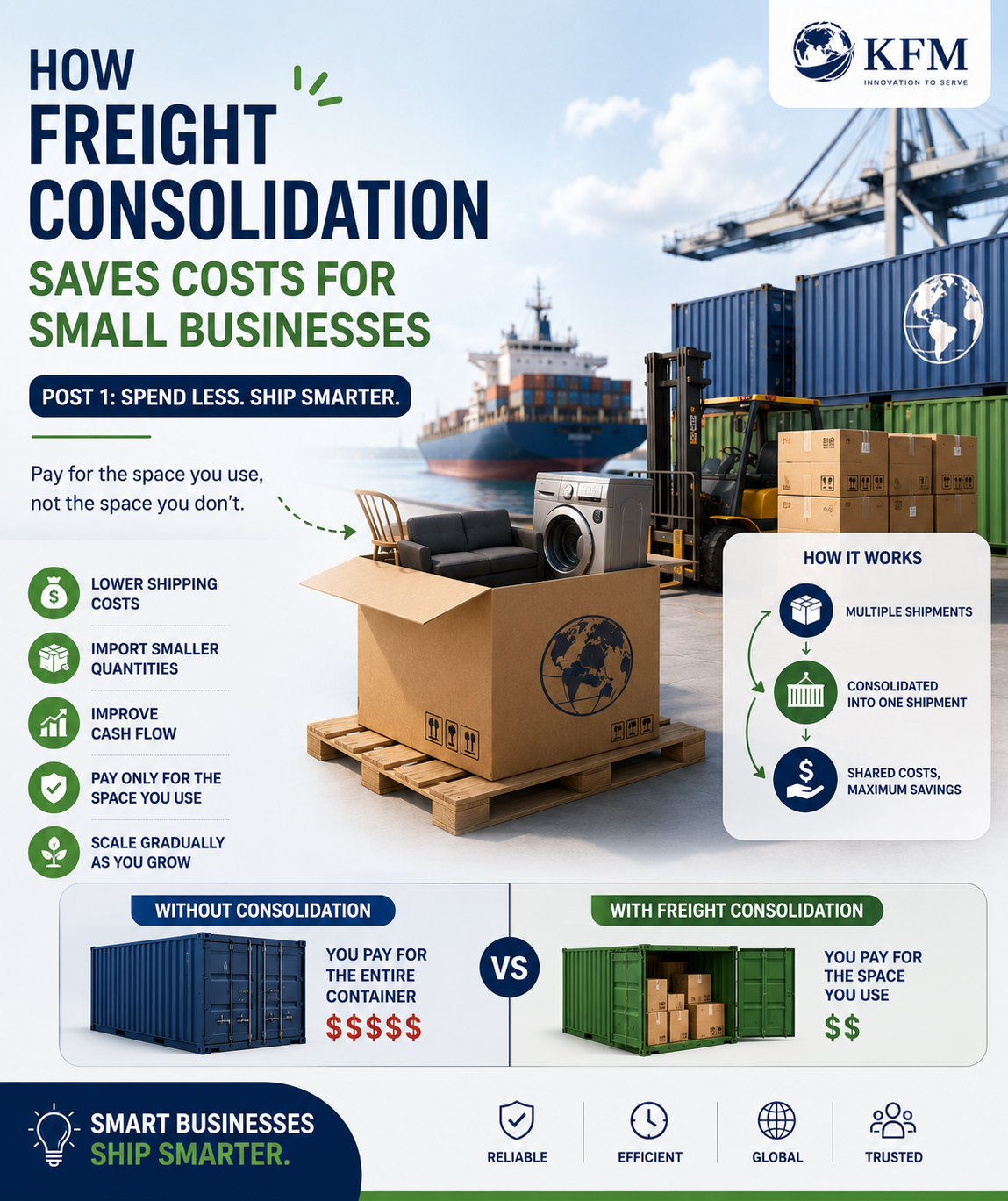
Jul 19, 2026
How Freight Consolidation Saves Costs for Small Businesses
Spend Less. Ship Smarter. For many small...
Read more
Jul 20, 2026
Stop Paying for Empty Space - Pay Only for What You Use
Imagine renting a 4-bedroom apartment when all...
Read more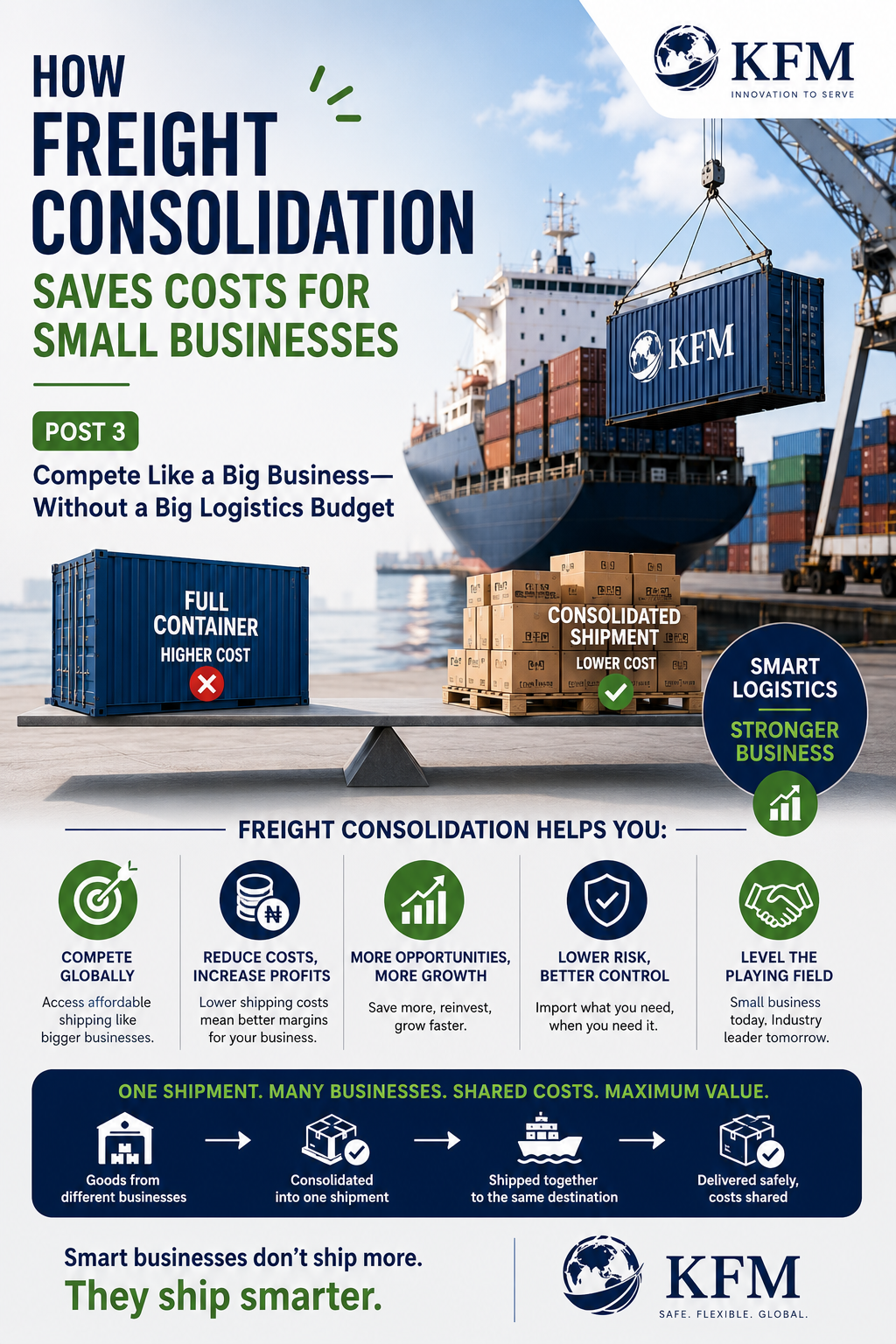
Jul 21, 2026
Compete Like a Big Business - Without a Big Logistics Budget
: One of the biggest challenges small b...
Read more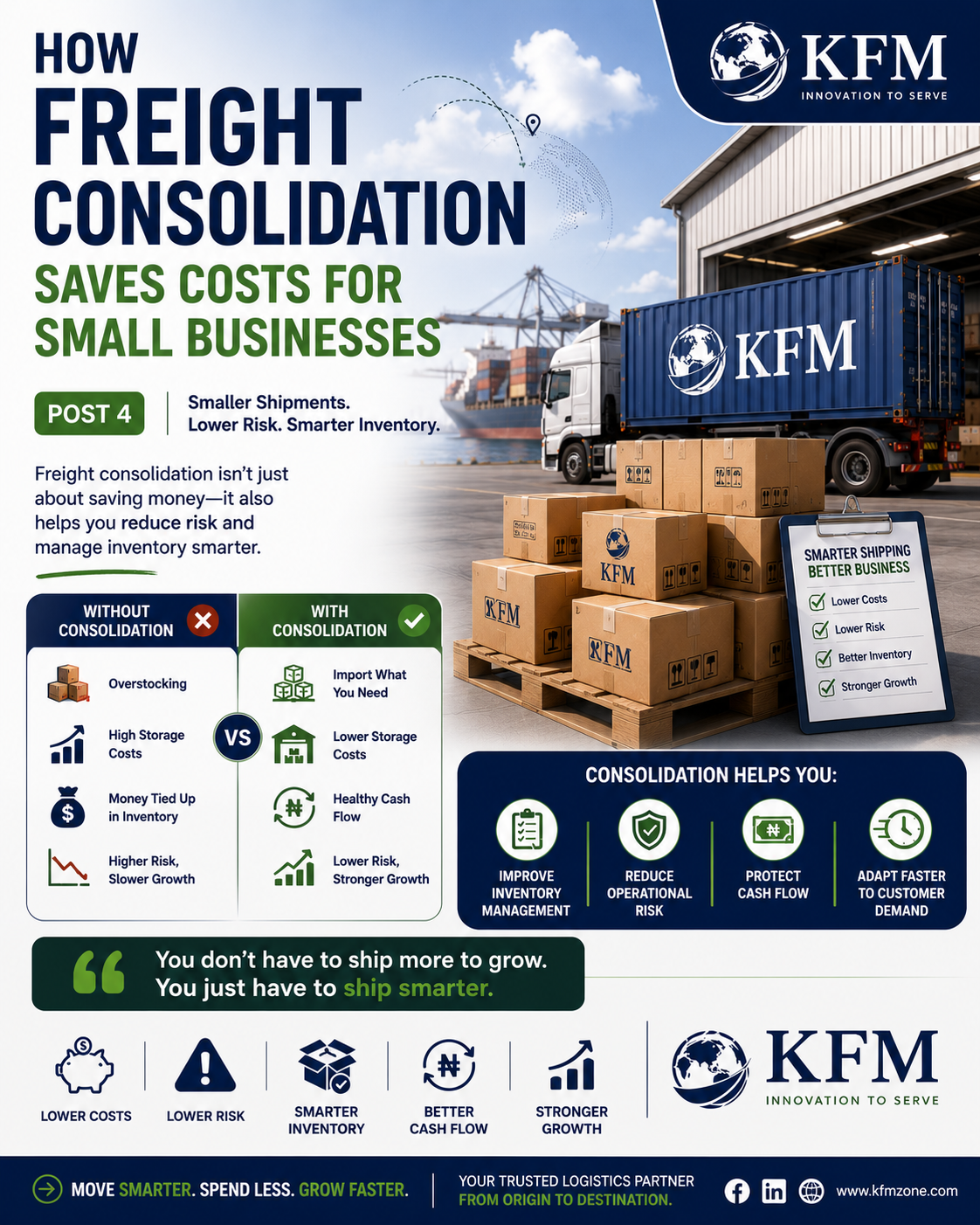
Jul 21, 2026
Smaller Shipments. Lower Risk. Smarter Inventory.
One common mistake small businesses make is ...
Read more
Aug 16, 2026
Smart Logistics Today. Bigger Business Tomorrow
Every successful business reaches a point wh...
Read more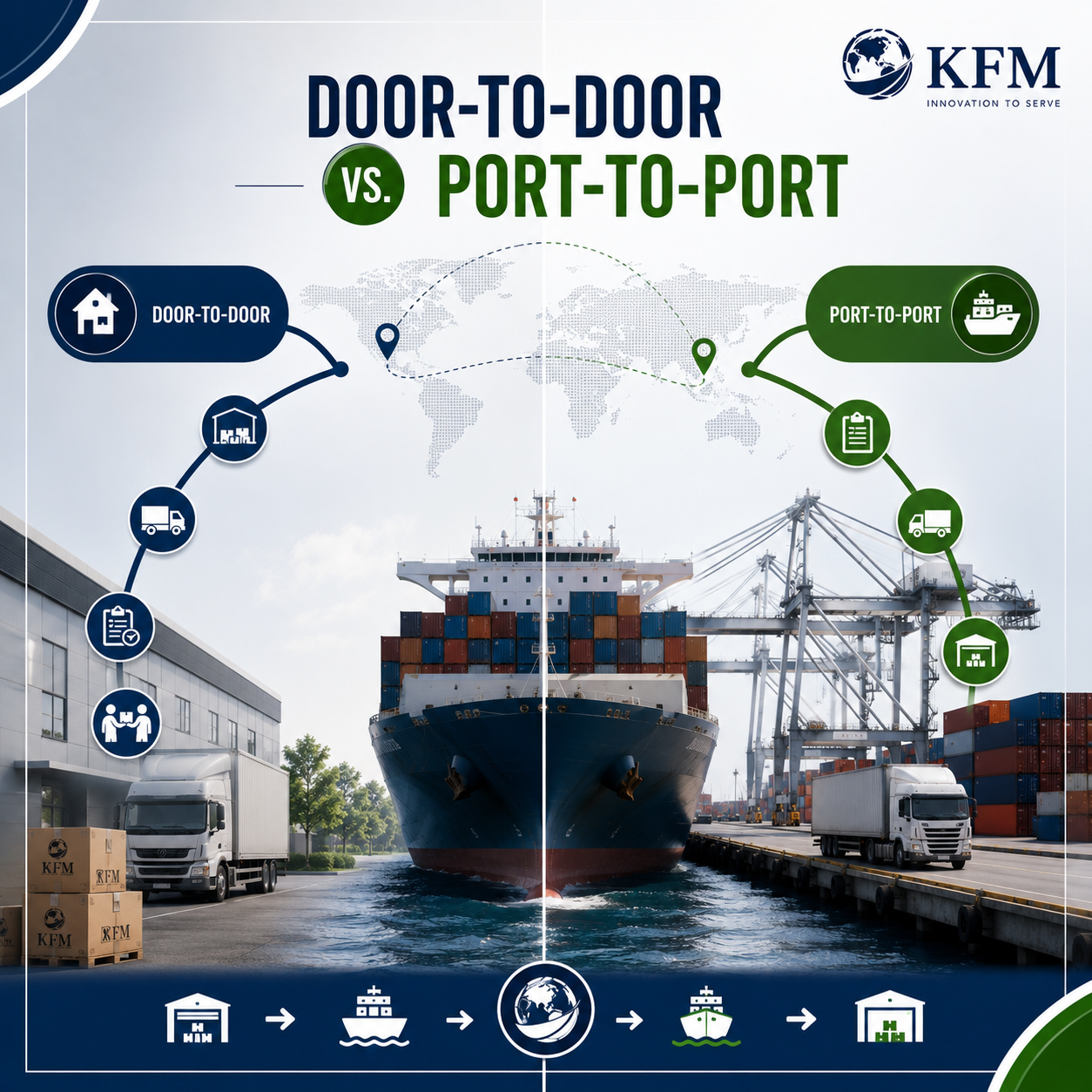
Aug 23, 2026
Door-to-Door vs. Port-to-Port Shipping: Which One Is Right for You?
Two Shipping Options. Two Very Different Expe...
Read more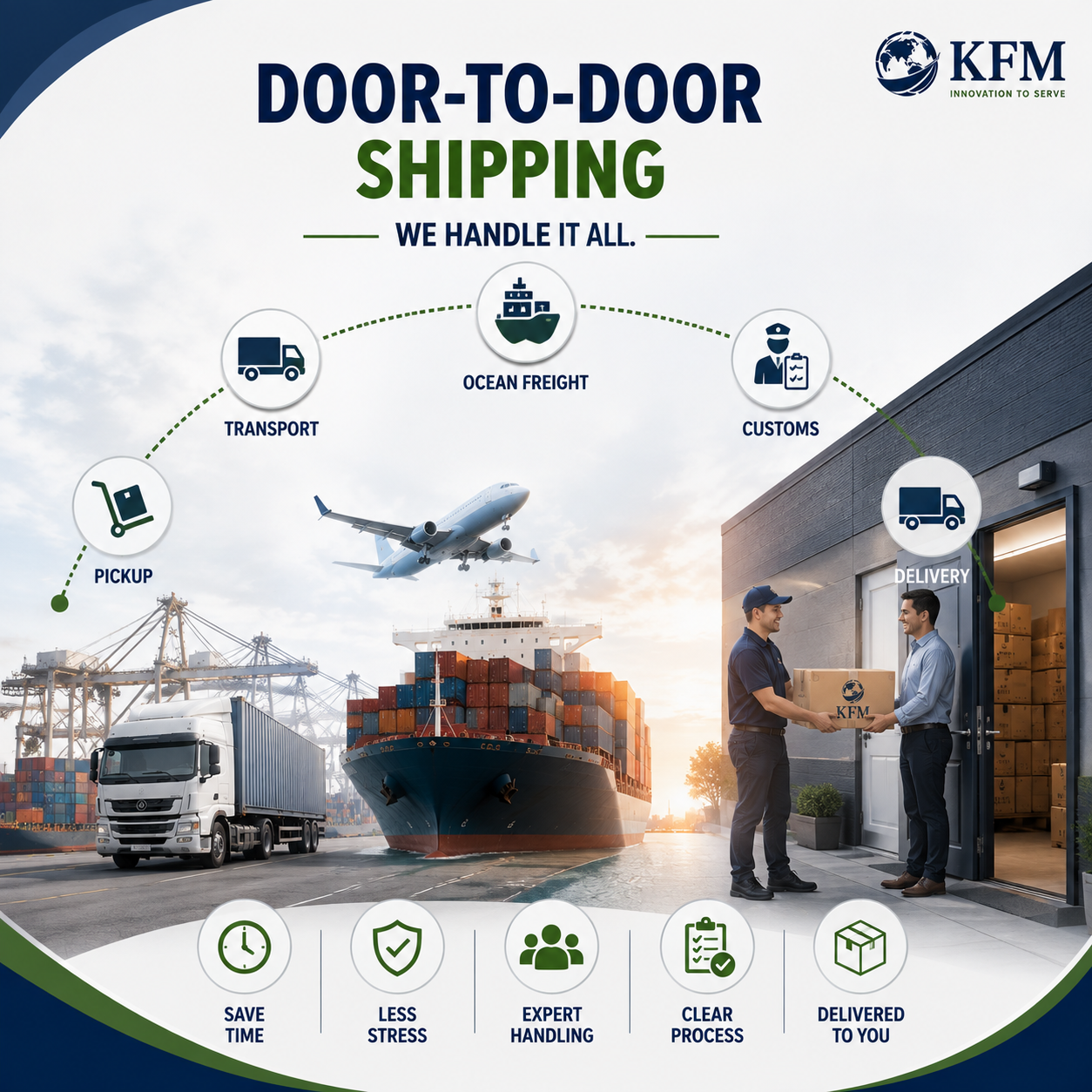
Aug 23, 2026
When Does Door-to-Door Shipping Make Sense?
Convenience isn't always a luxury. Some...
Read more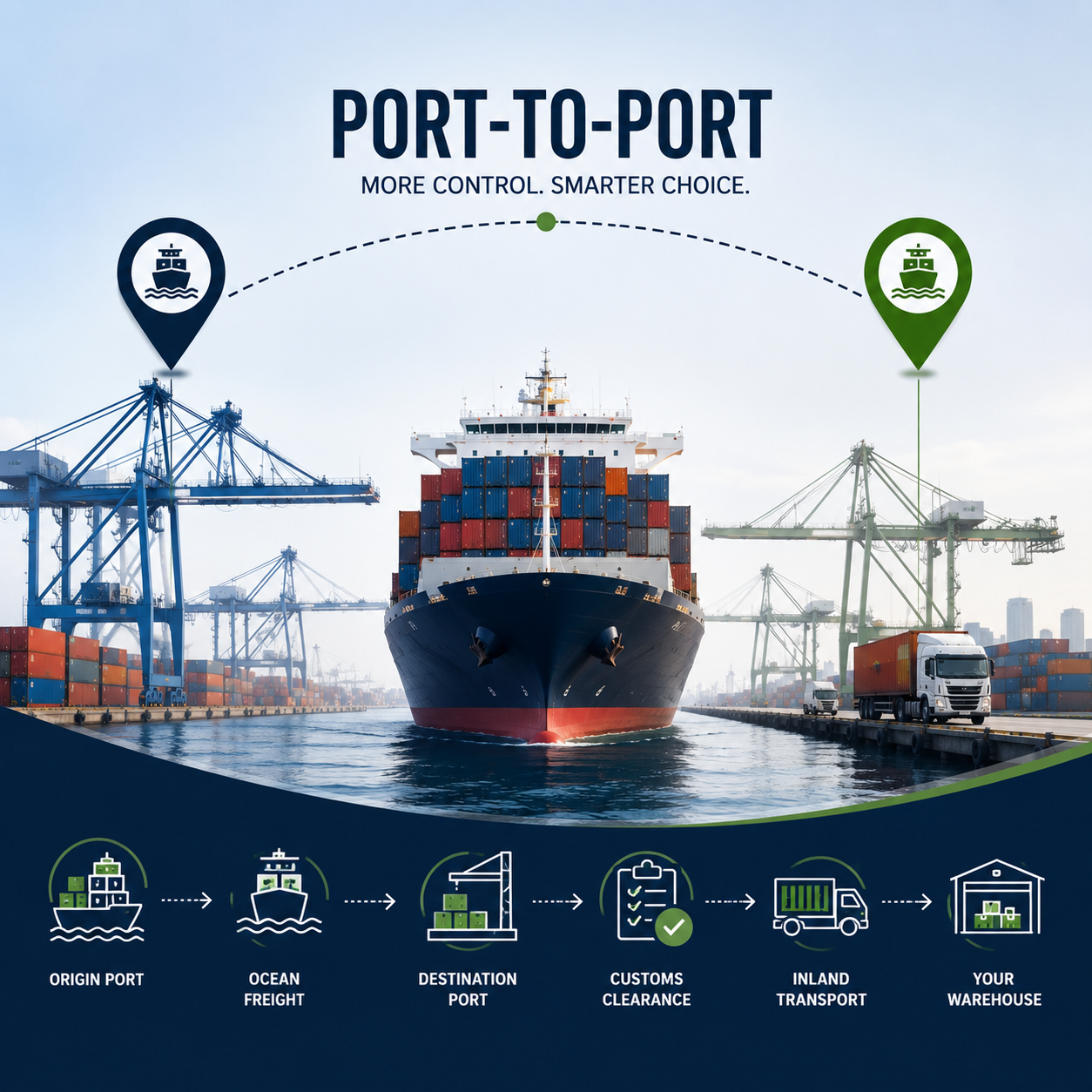
Aug 28, 2026
When Port-to-Port Shipping Is the Smarter Choice
Door-to-door shipping offers convenience. ...
Read more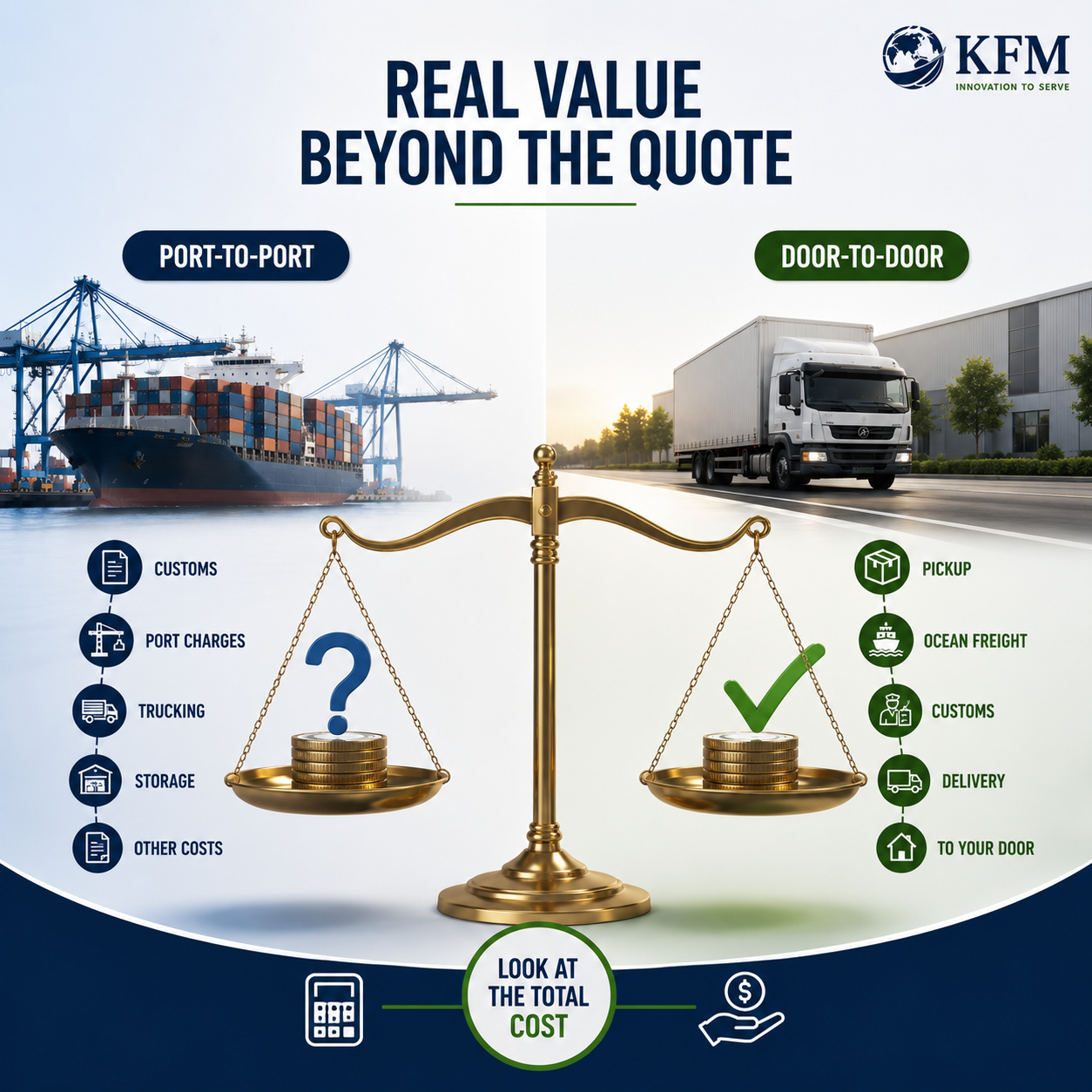
Aug 28, 2026
Which One Really Costs Less?
When comparing door-to-door and port-to-port ...
Read more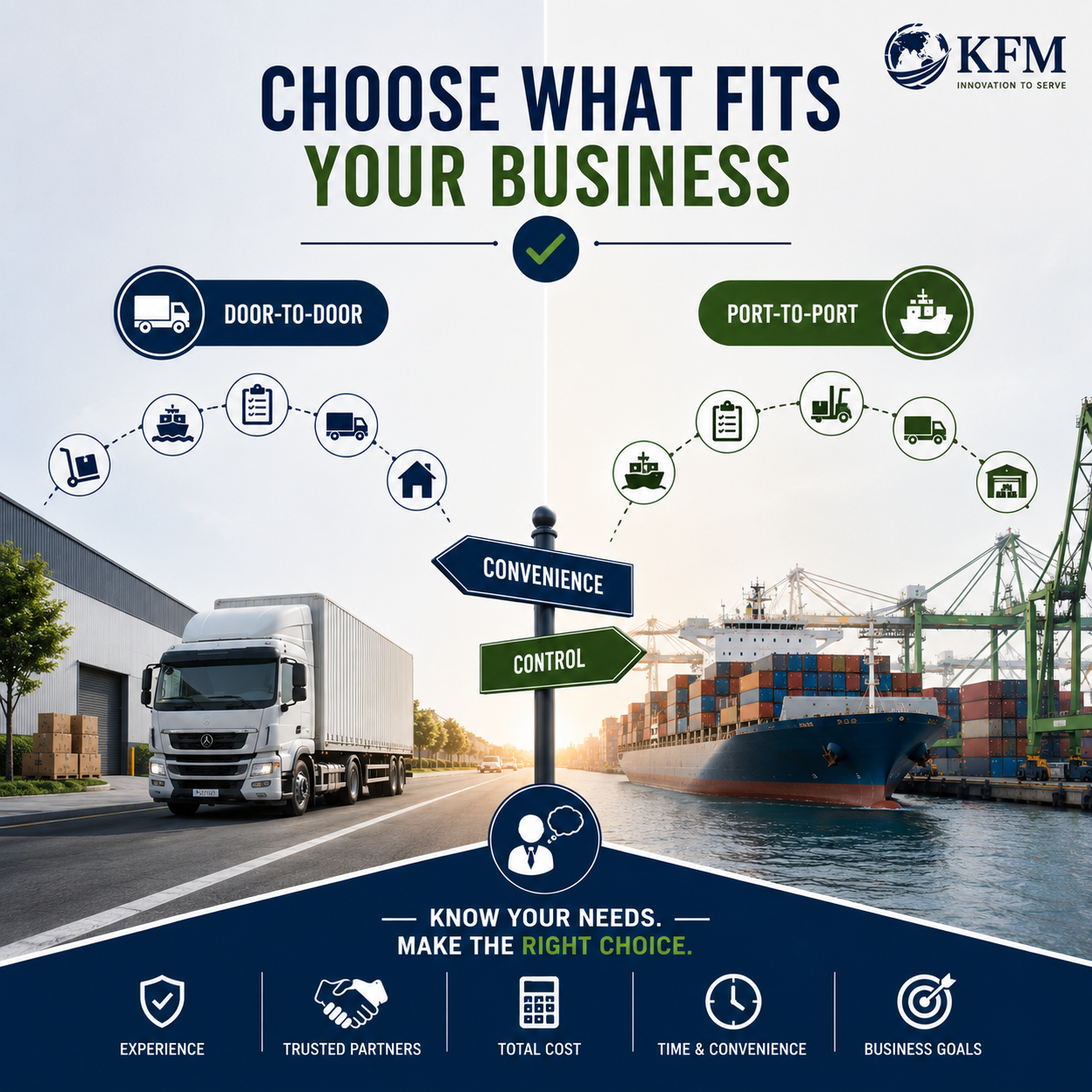
Aug 31, 2026
How Do You Choose the Right Option?
So, you've seen both sides of the conversati...
Read more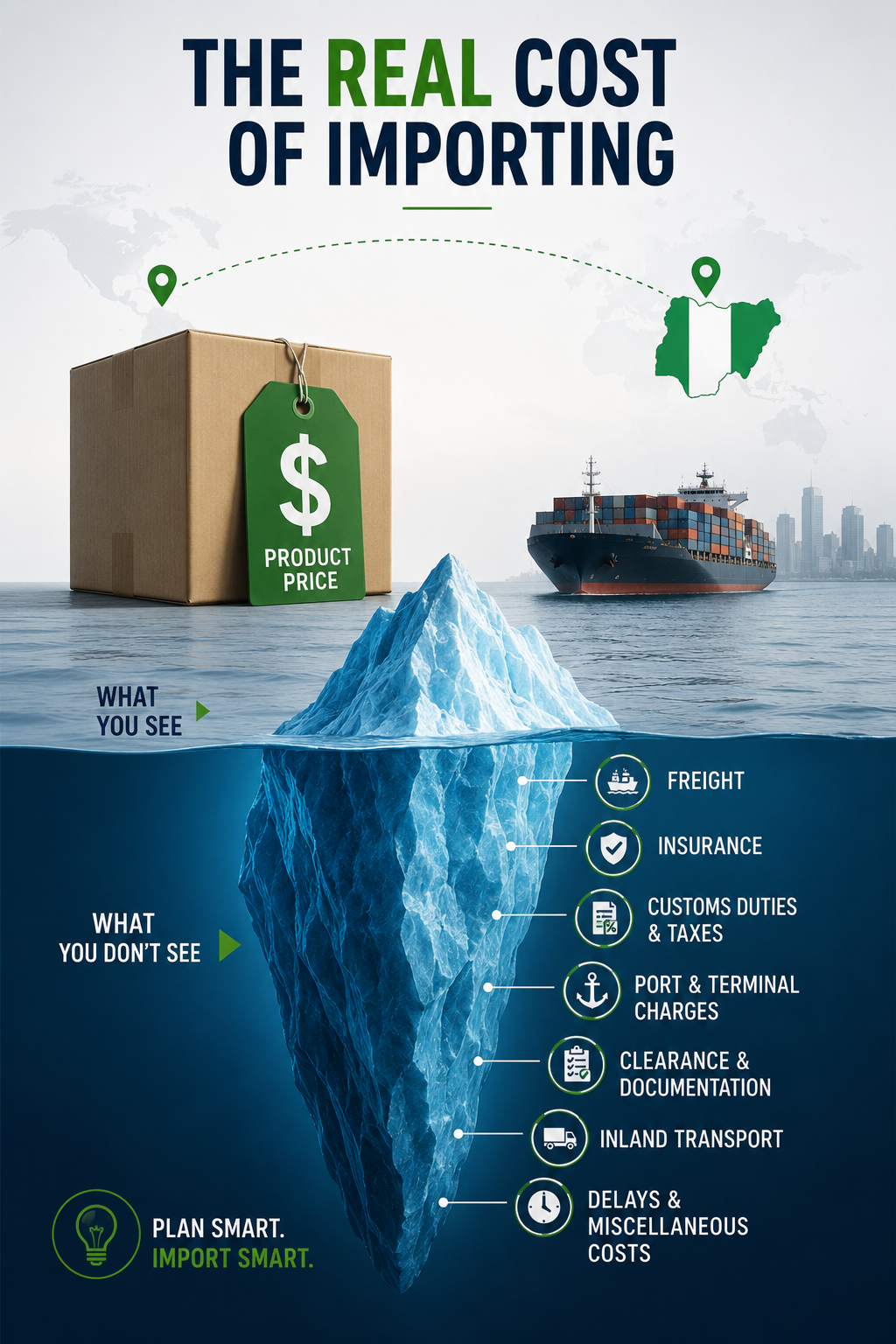
Aug 31, 2026
The Real Cost of Importing Goods to Nigeria
The Price You Pay Isn't Always the Cost You B...
Read more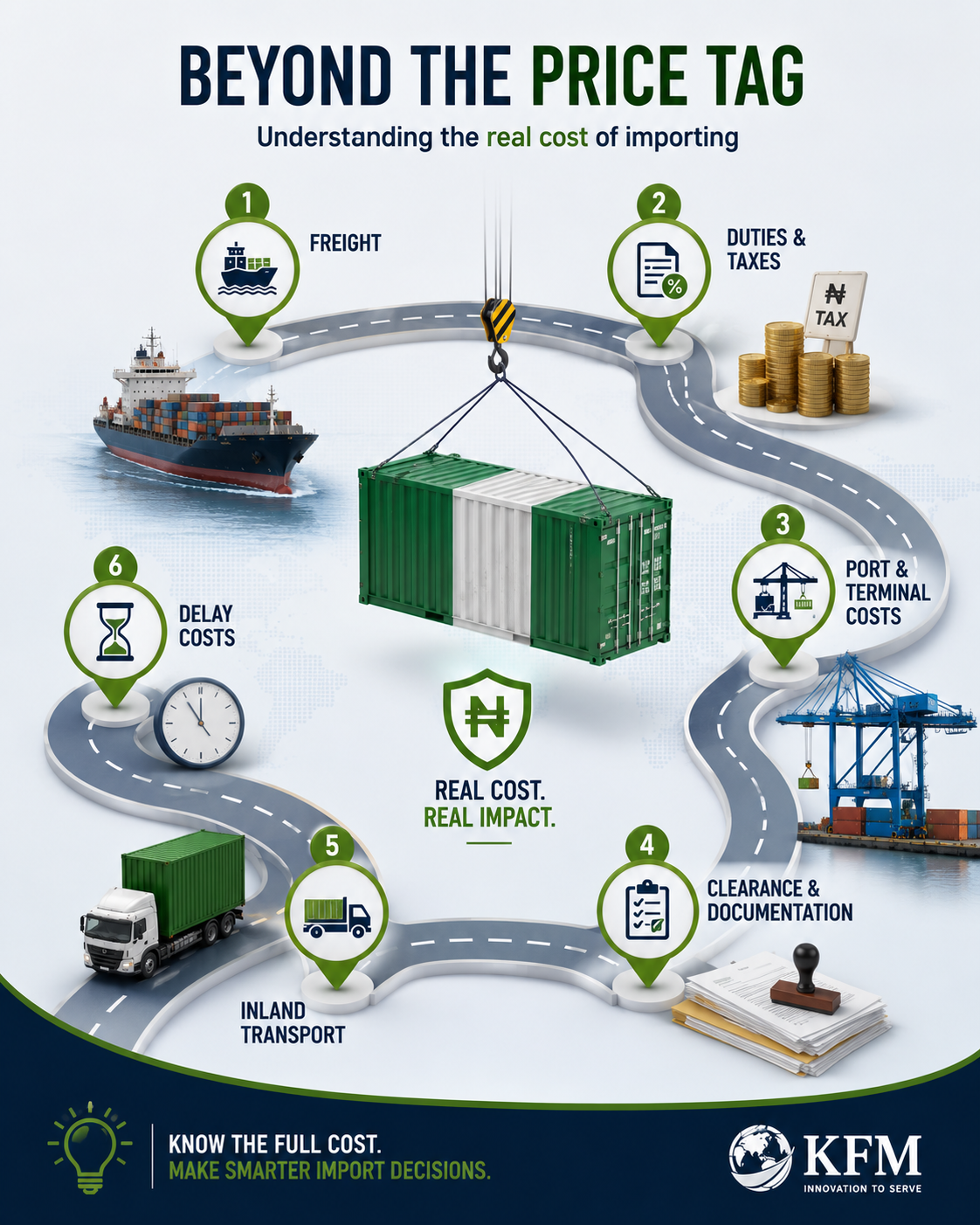
Sep 4, 2026
The Costs Between “Buying” and “Receiving
In our last post, we established one impor...
Read more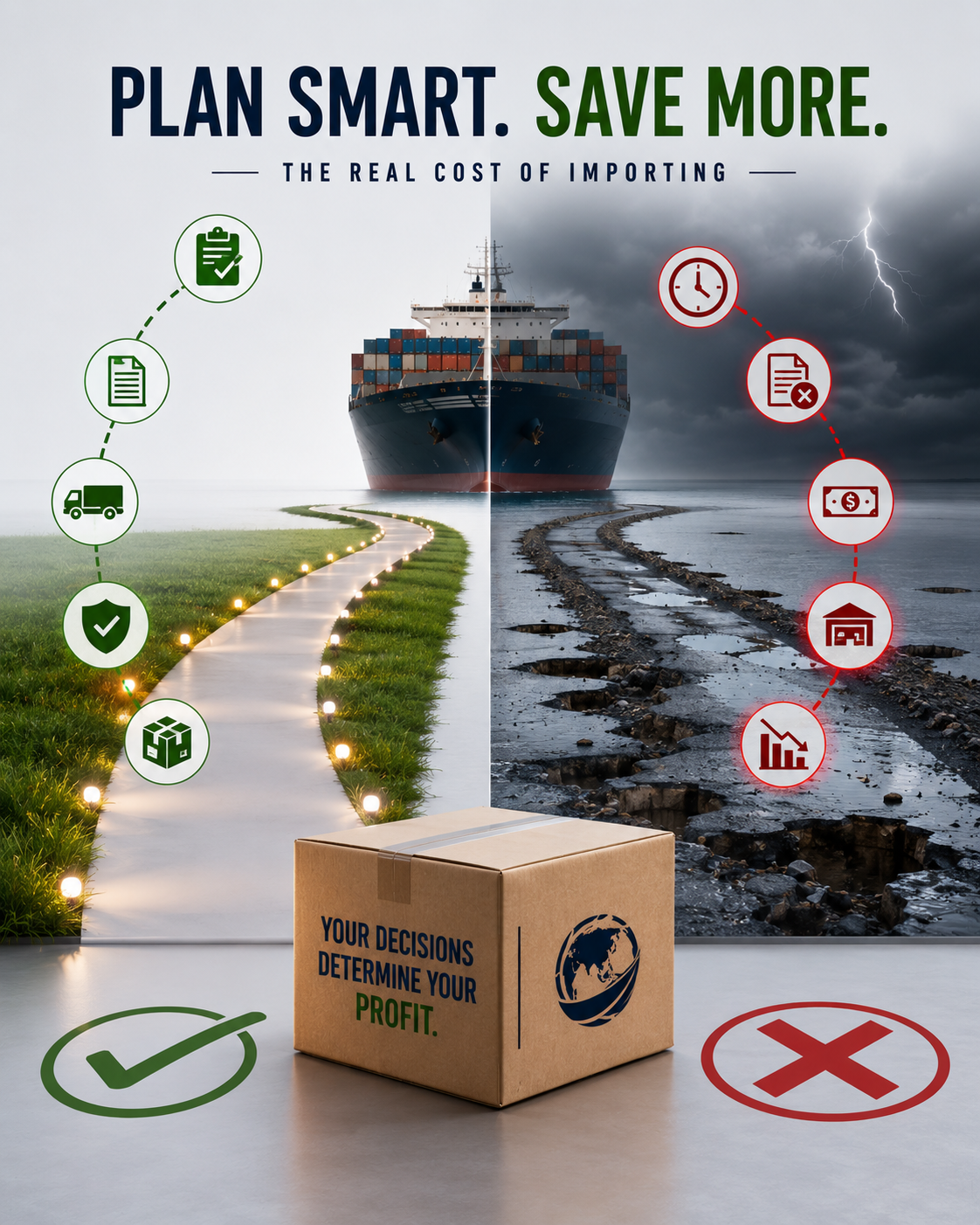
Sep 4, 2026
When a “Profitable” Import Starts Losing Money
You've calculated the product price. Yo...
Read more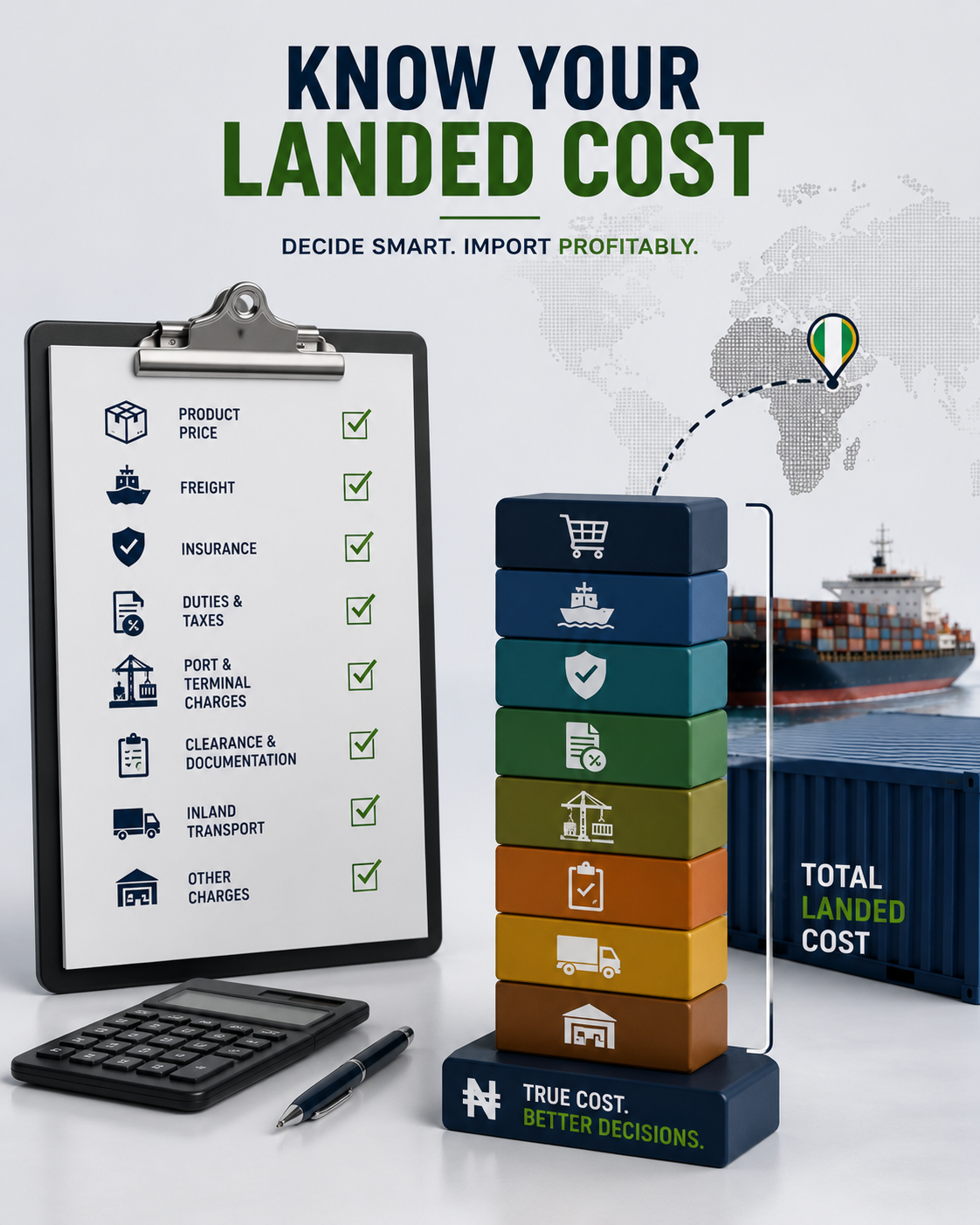
Sep 4, 2026
Know Your Landed Cost Before You Place the Order
You've found the product. You've negotiated ...
Read more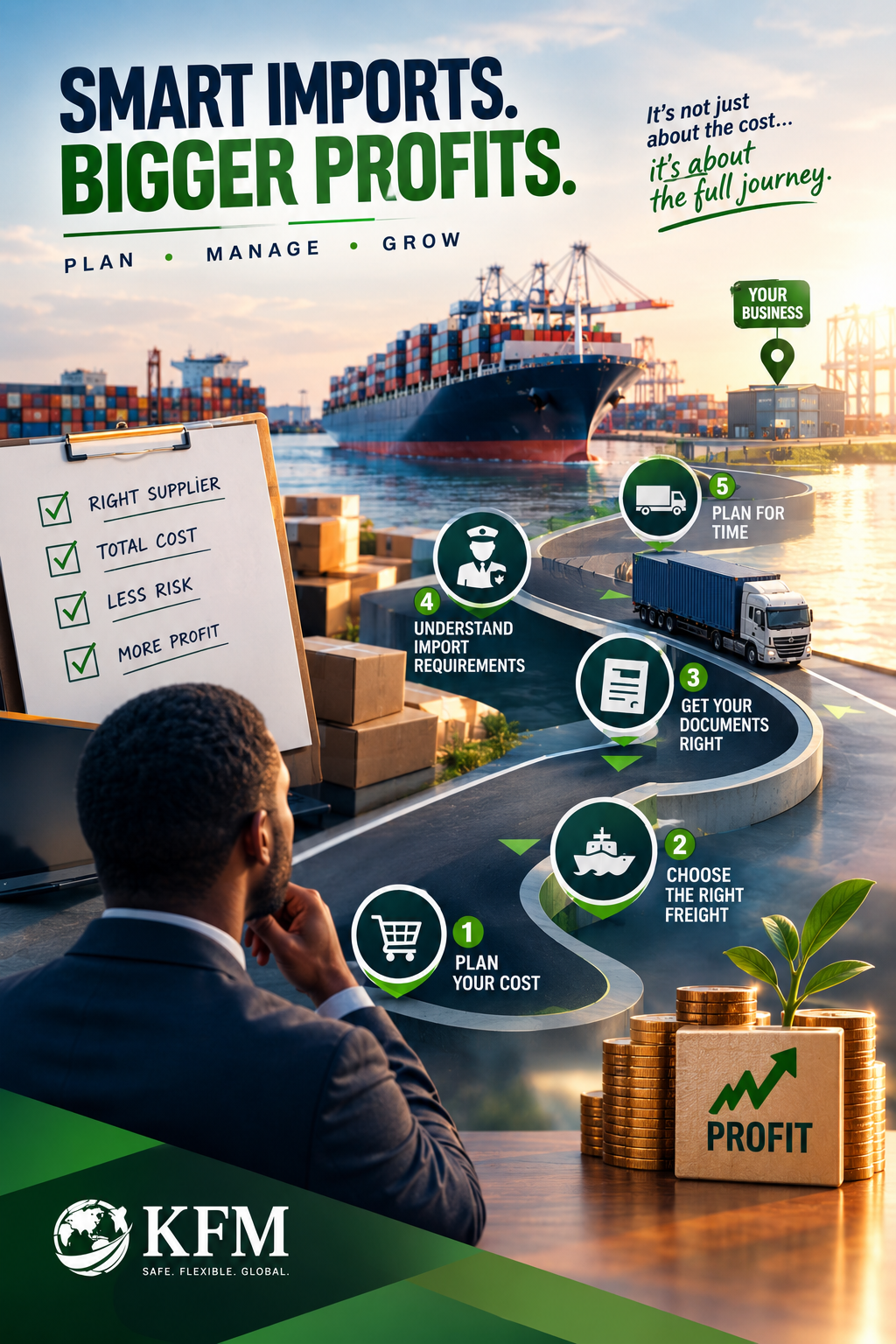
Sep 14, 2026
How Smart Importers Keep More of Their Profit
We've talked about the costs you can see. ...
Read more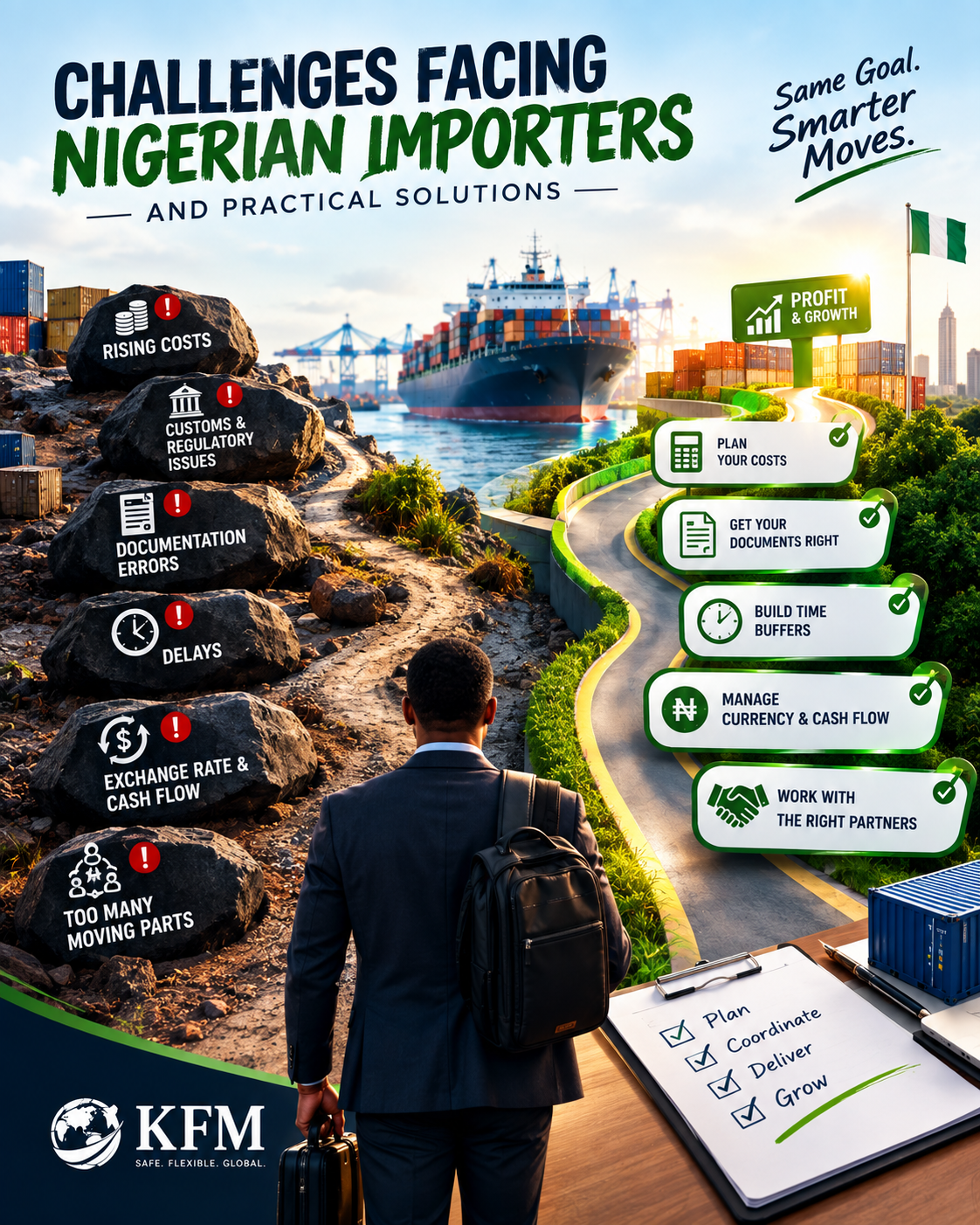
Sep 14, 2026
Challenges Facing Nigerian Importers - and Practical Solutions
Importing Isn't the Hard Part. Managing the U...
Read more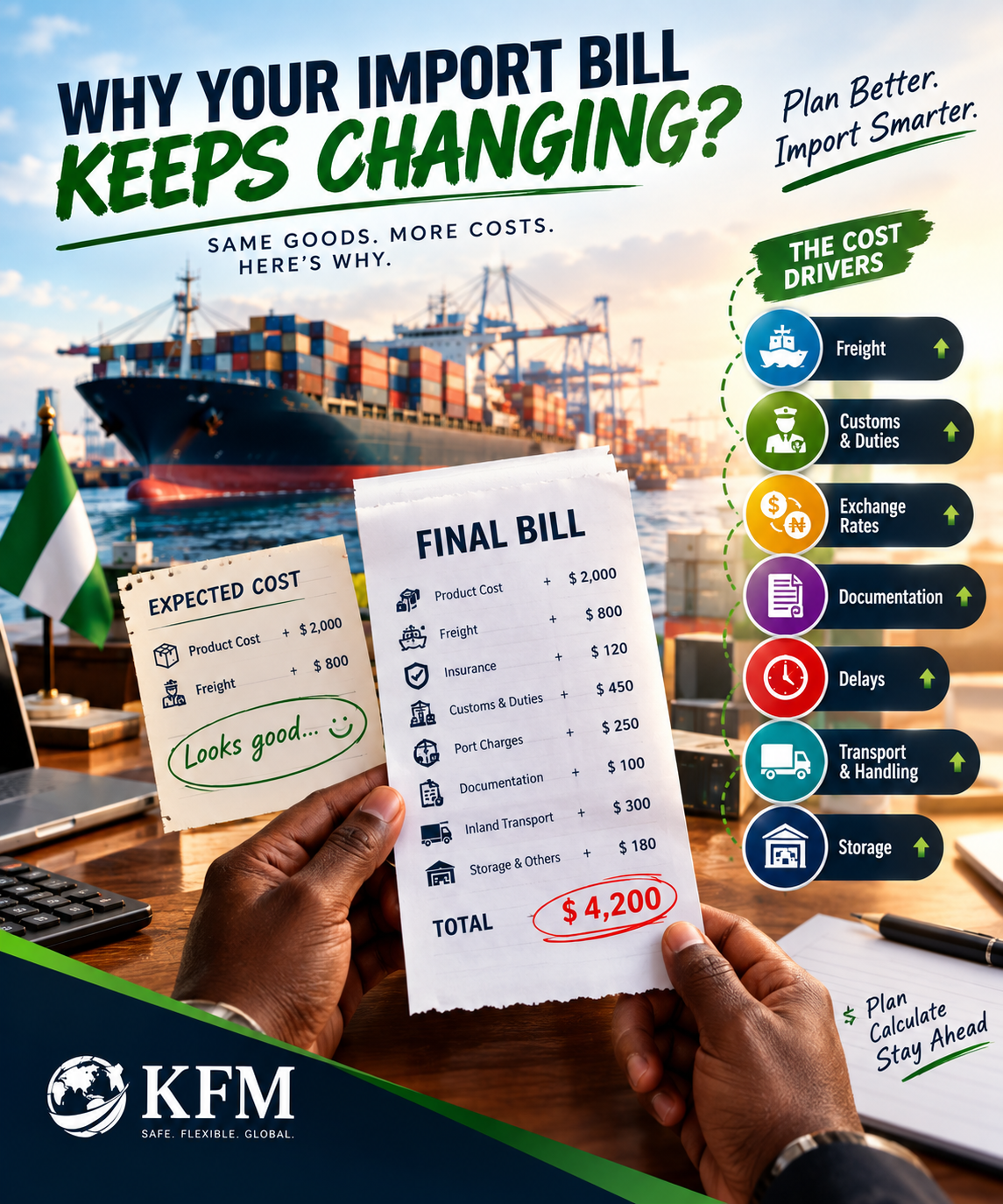
Sep 19, 2026
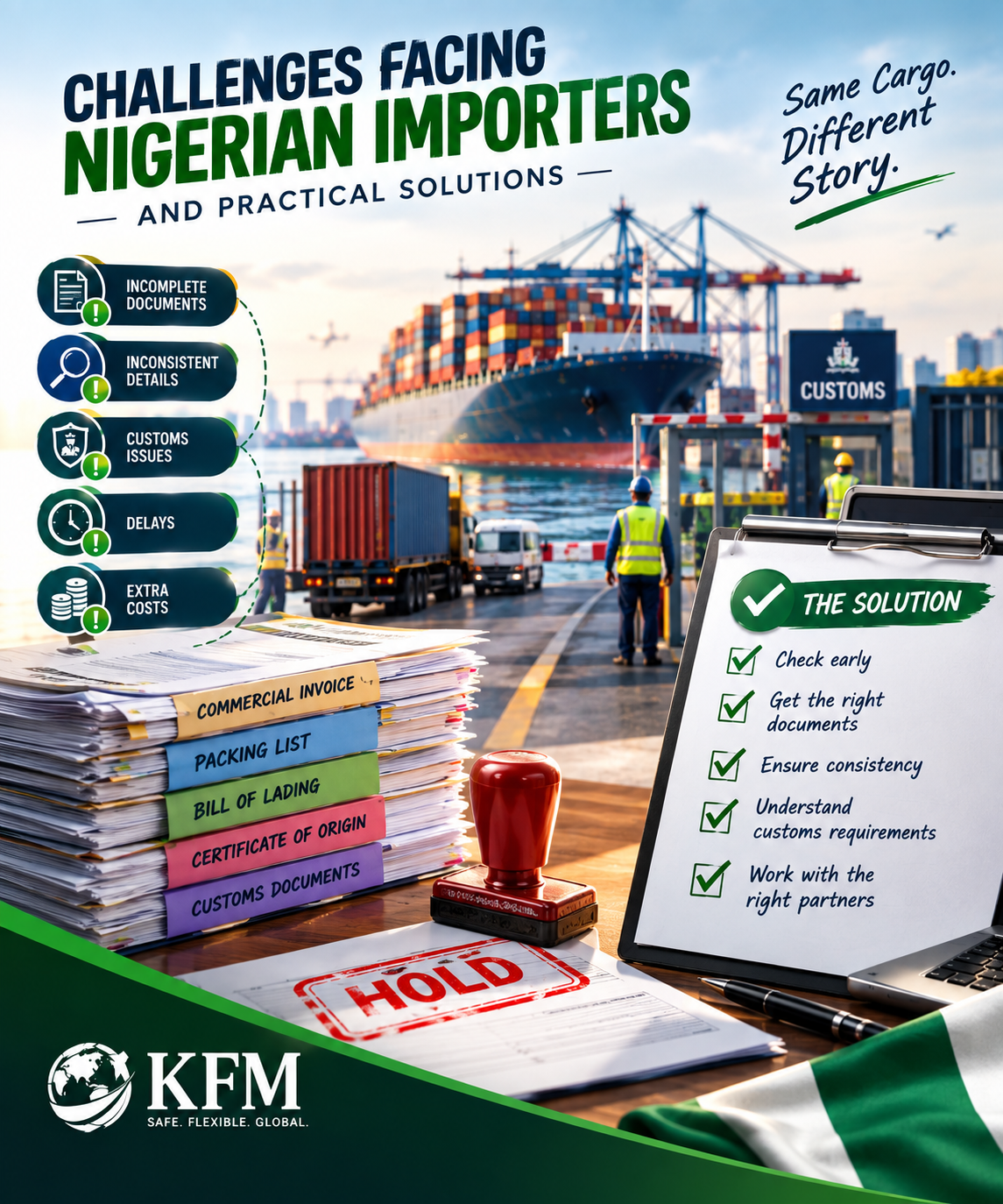
Challenges Facing Nigerian Importers — and Practical Solutions
Your Cargo Can Be Ready. Your Documents Can St...
Read more