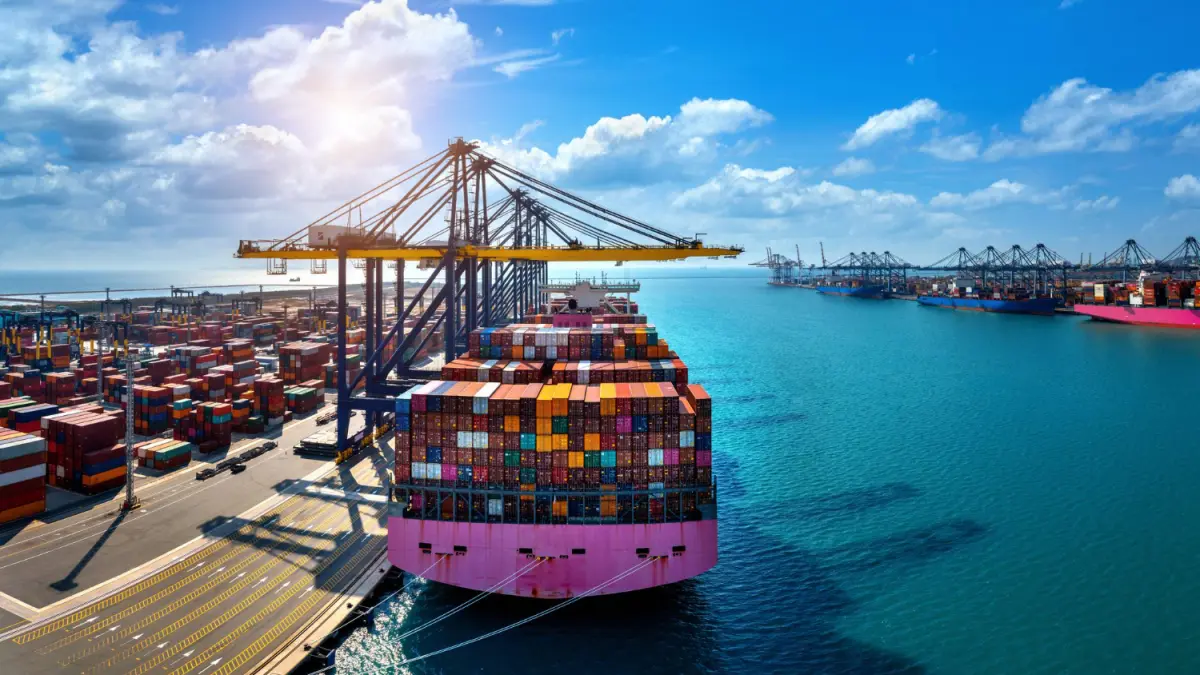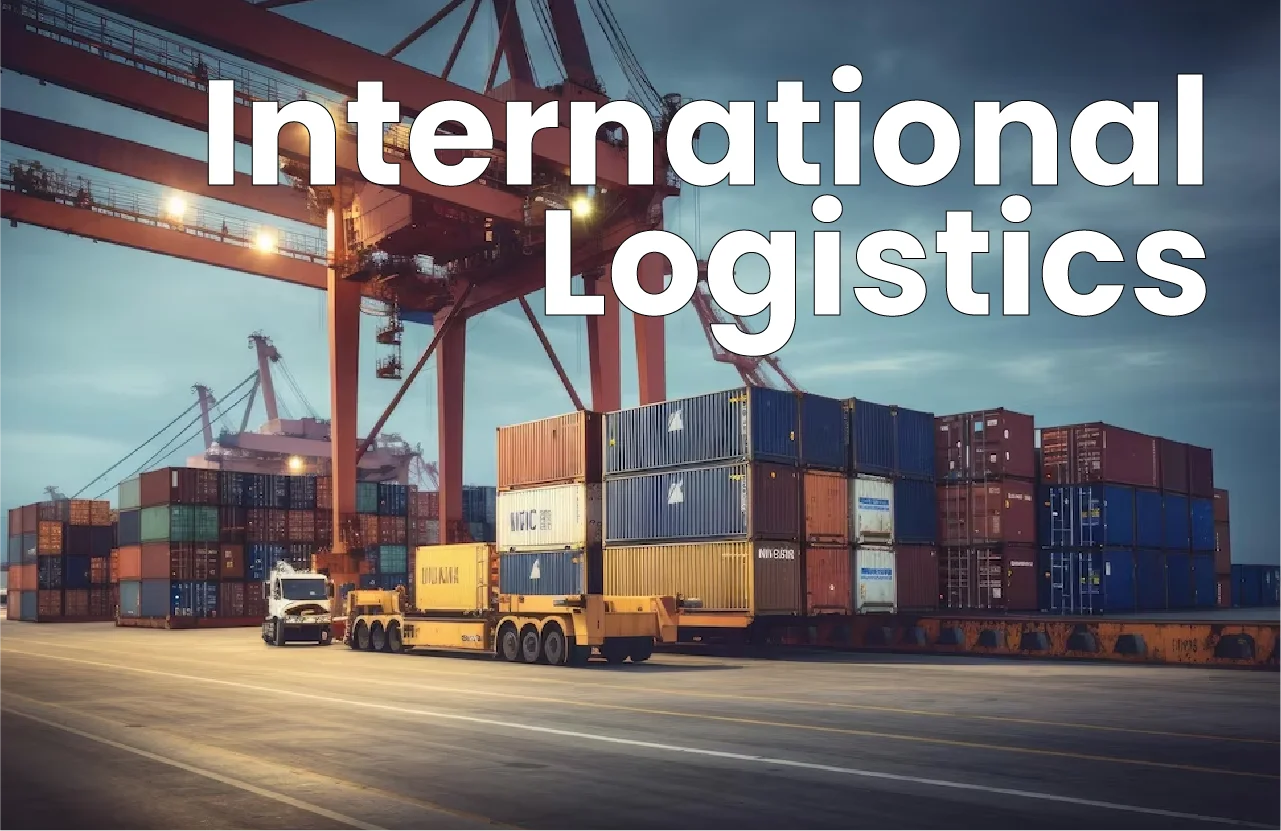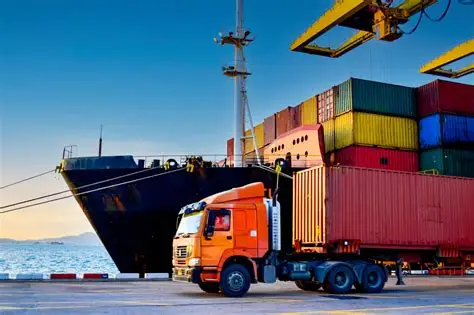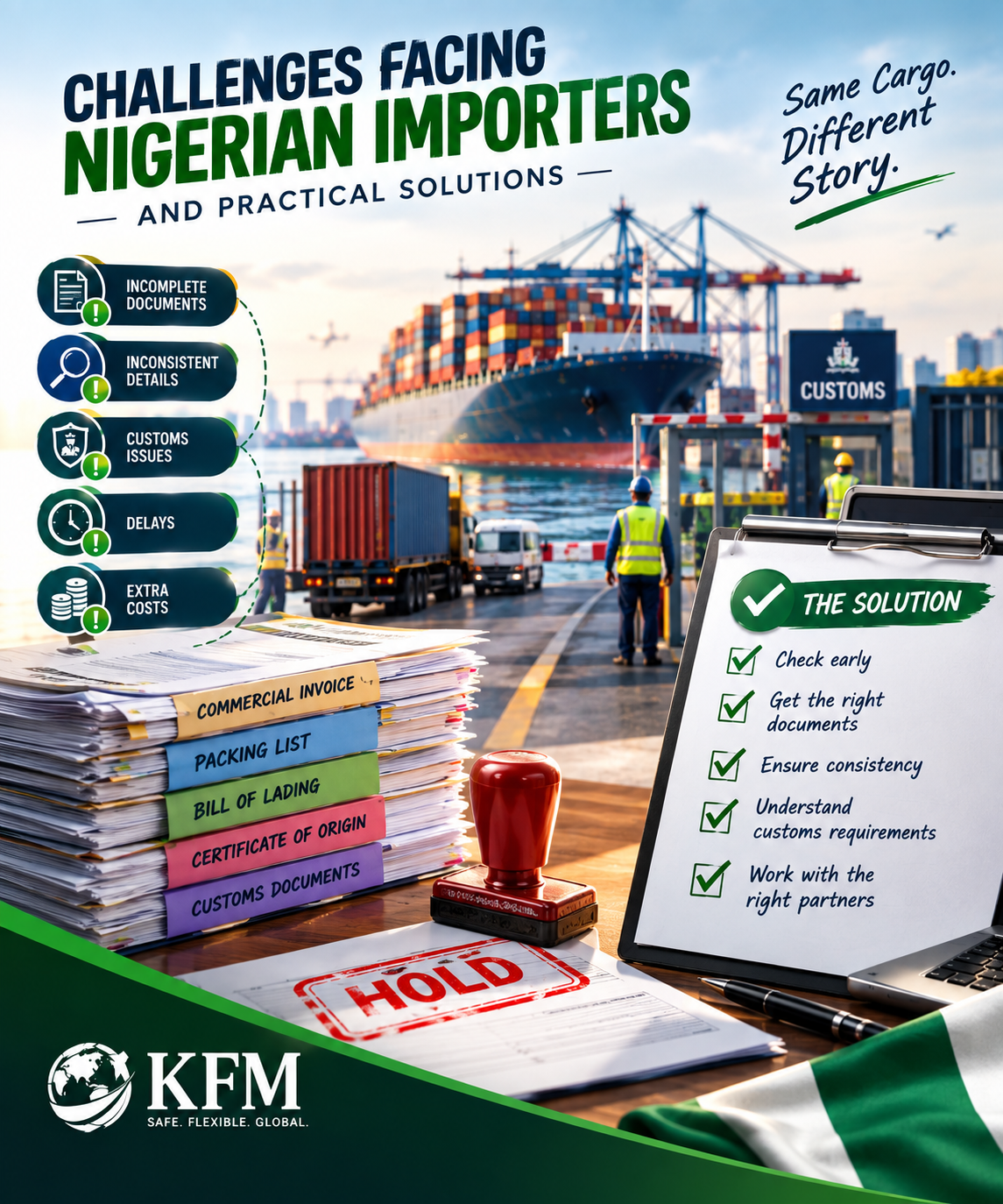
Every week, containers arrive at Nigerian ports filled with opportunity.
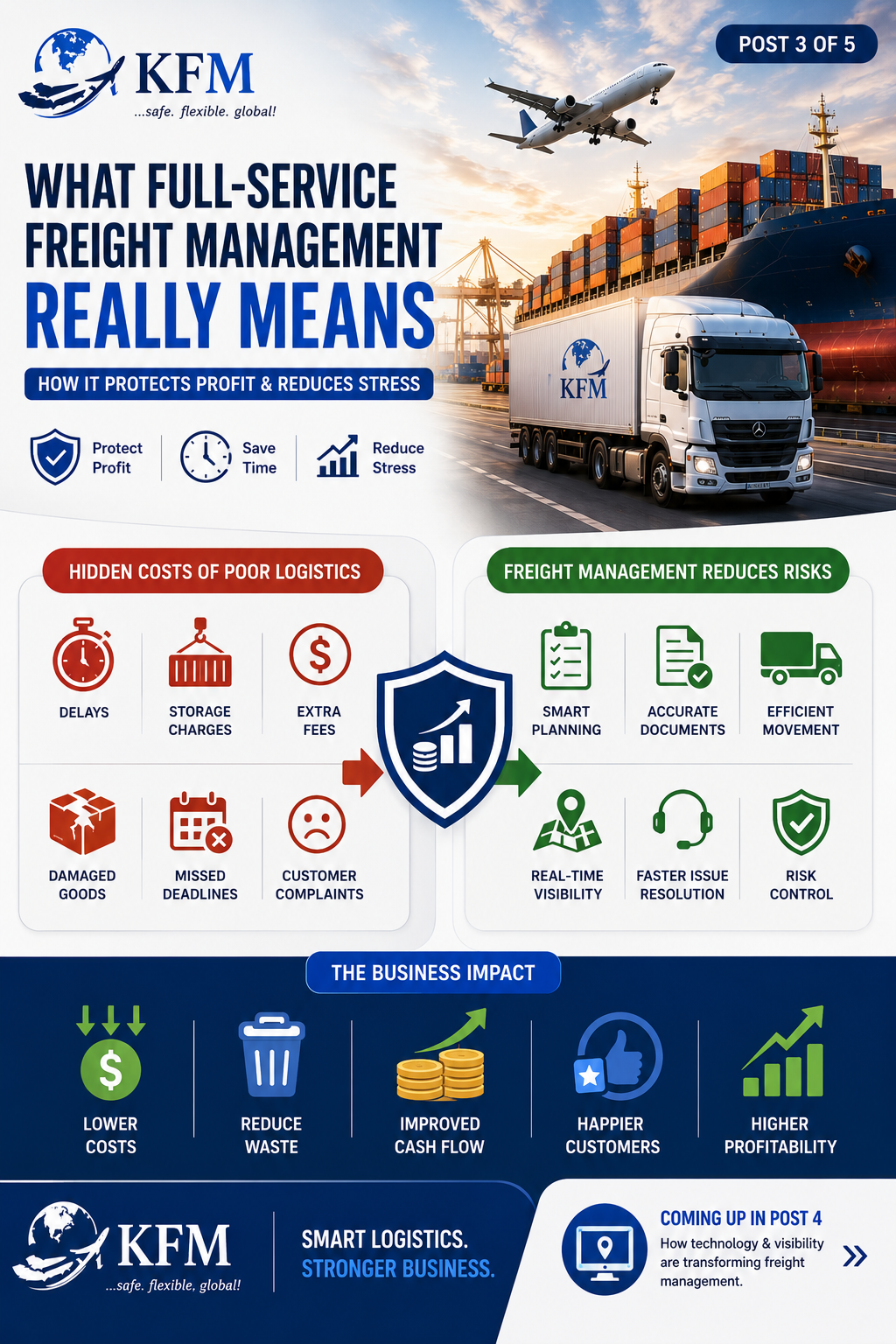
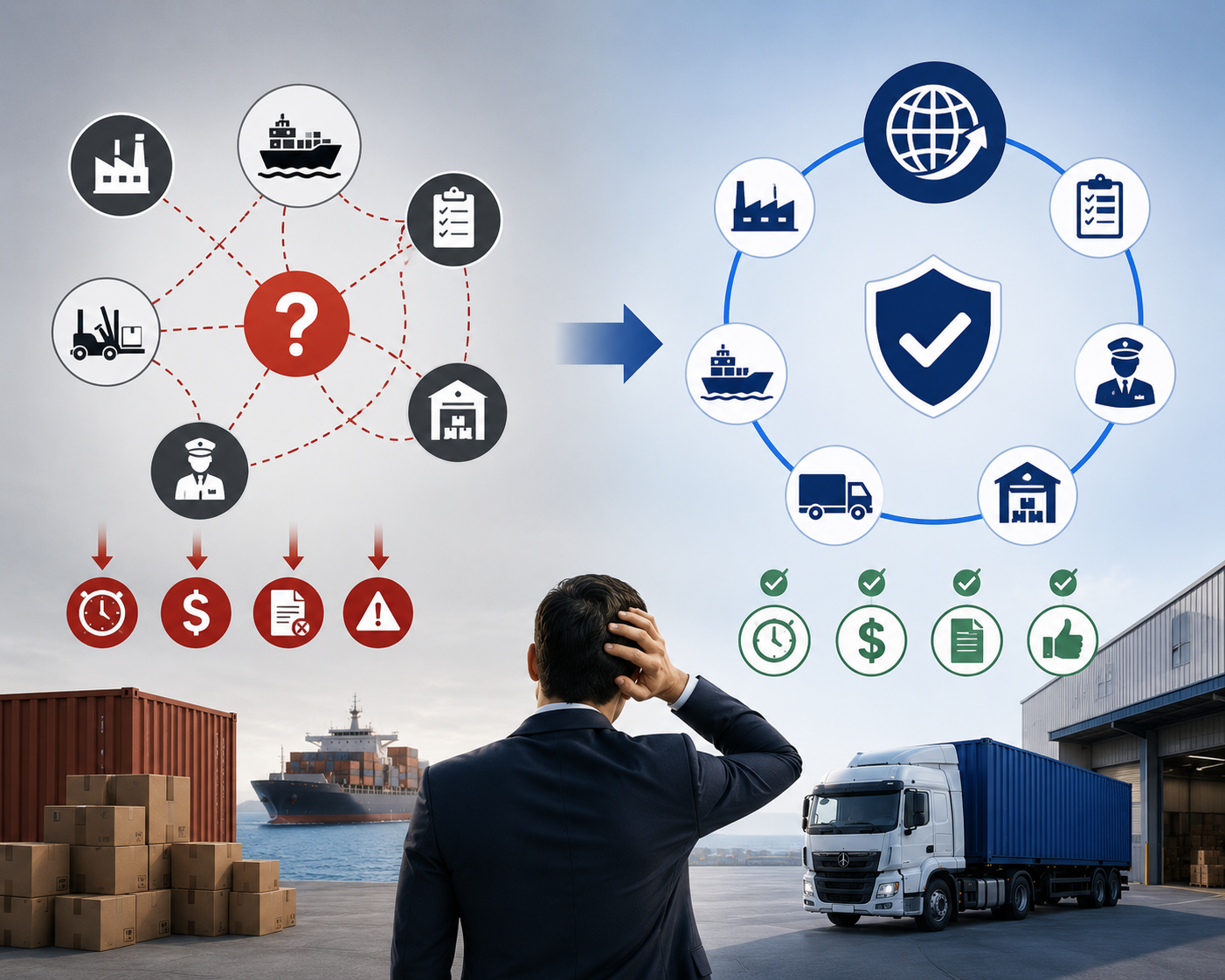
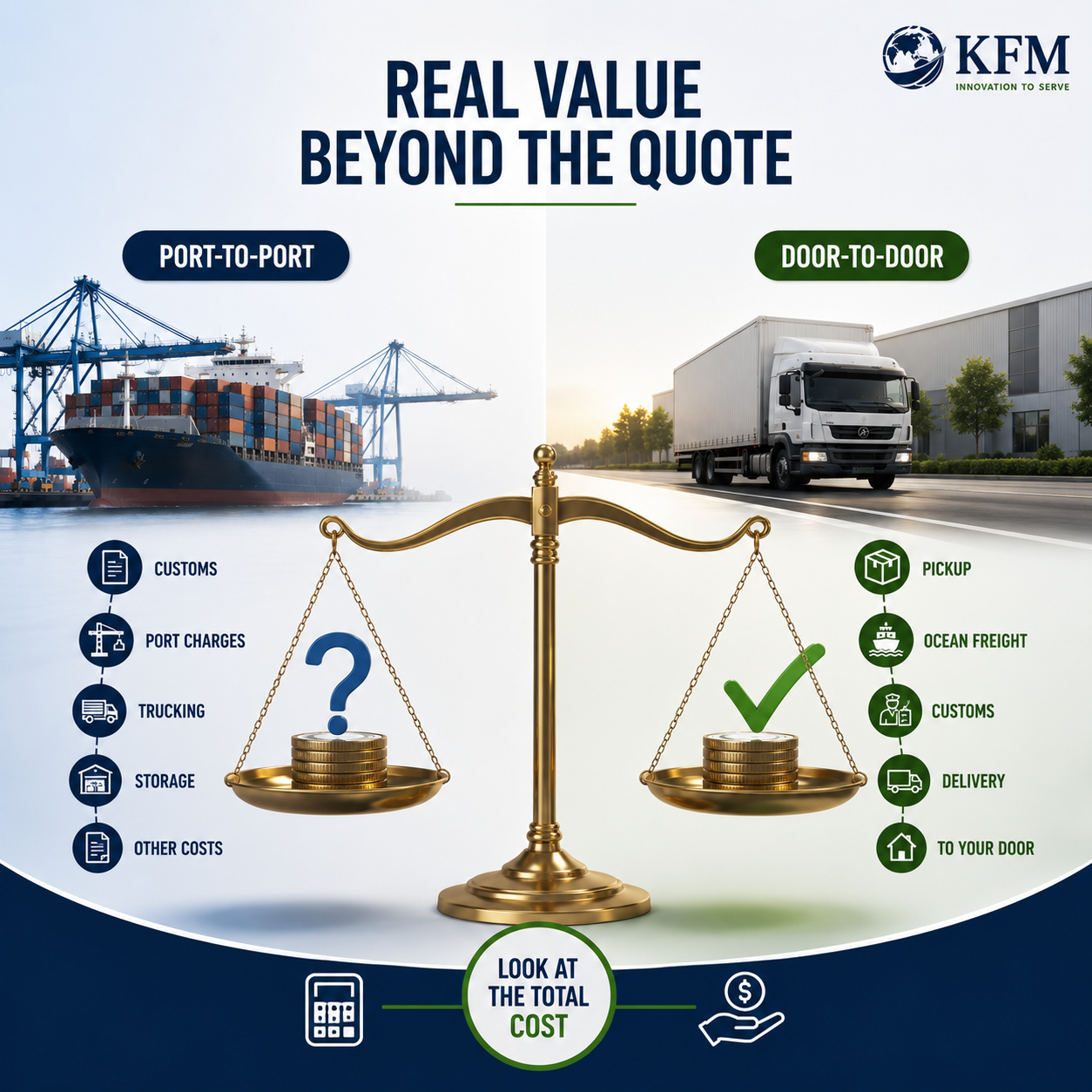
And every week, many of those opportunities quietly bleed money — not because the goods are bad, but because avoidable logistics mistakes were made along the way.
For SMEs trying to grow, these errors are not small. They can delay cash flow, damage customer trust, and erase profit margins overnight.
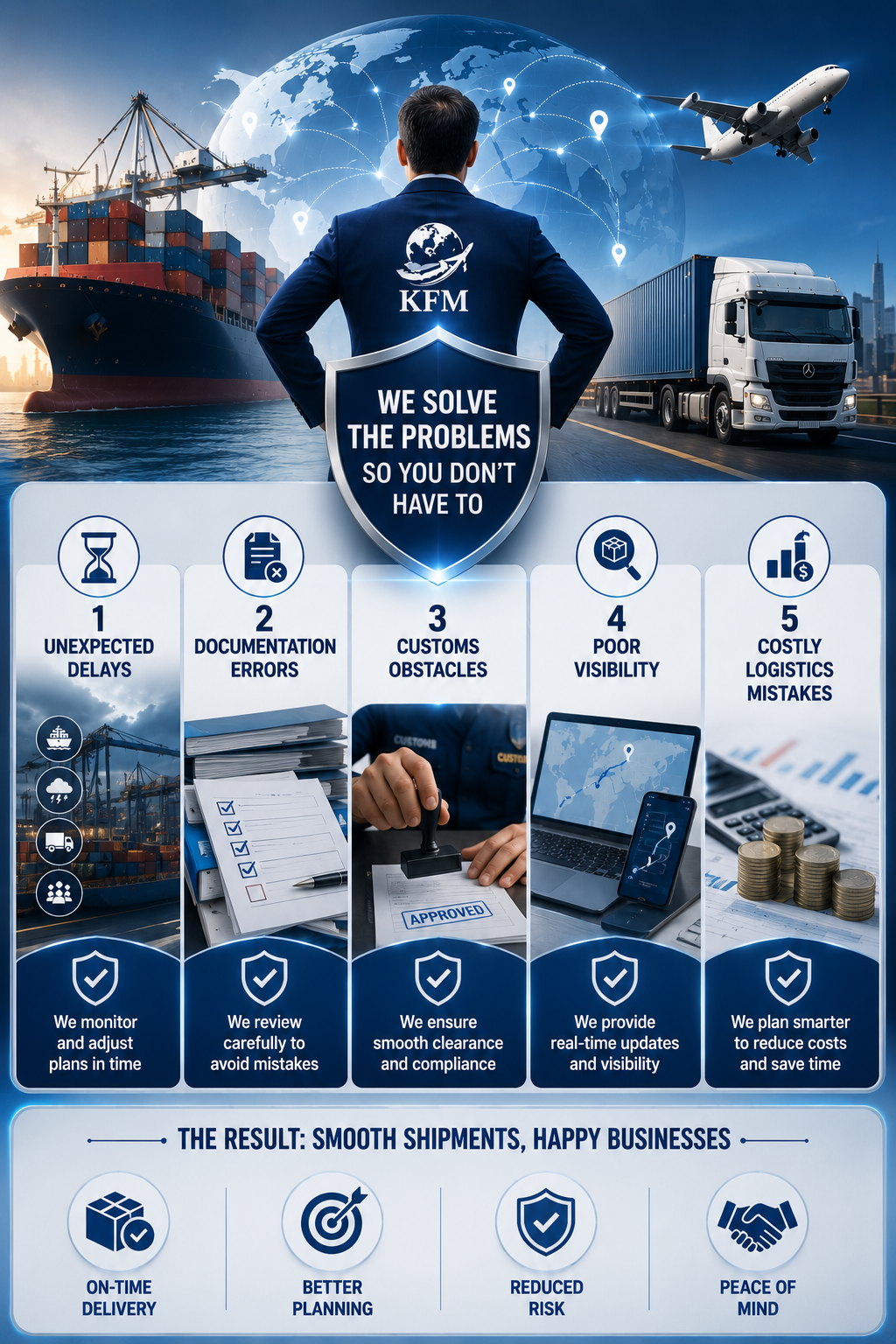
The good news? Most of these mistakes are preventable.
Here are the seven most common shipping mistakes Nigerian importers make — and how smart businesses avoid them.
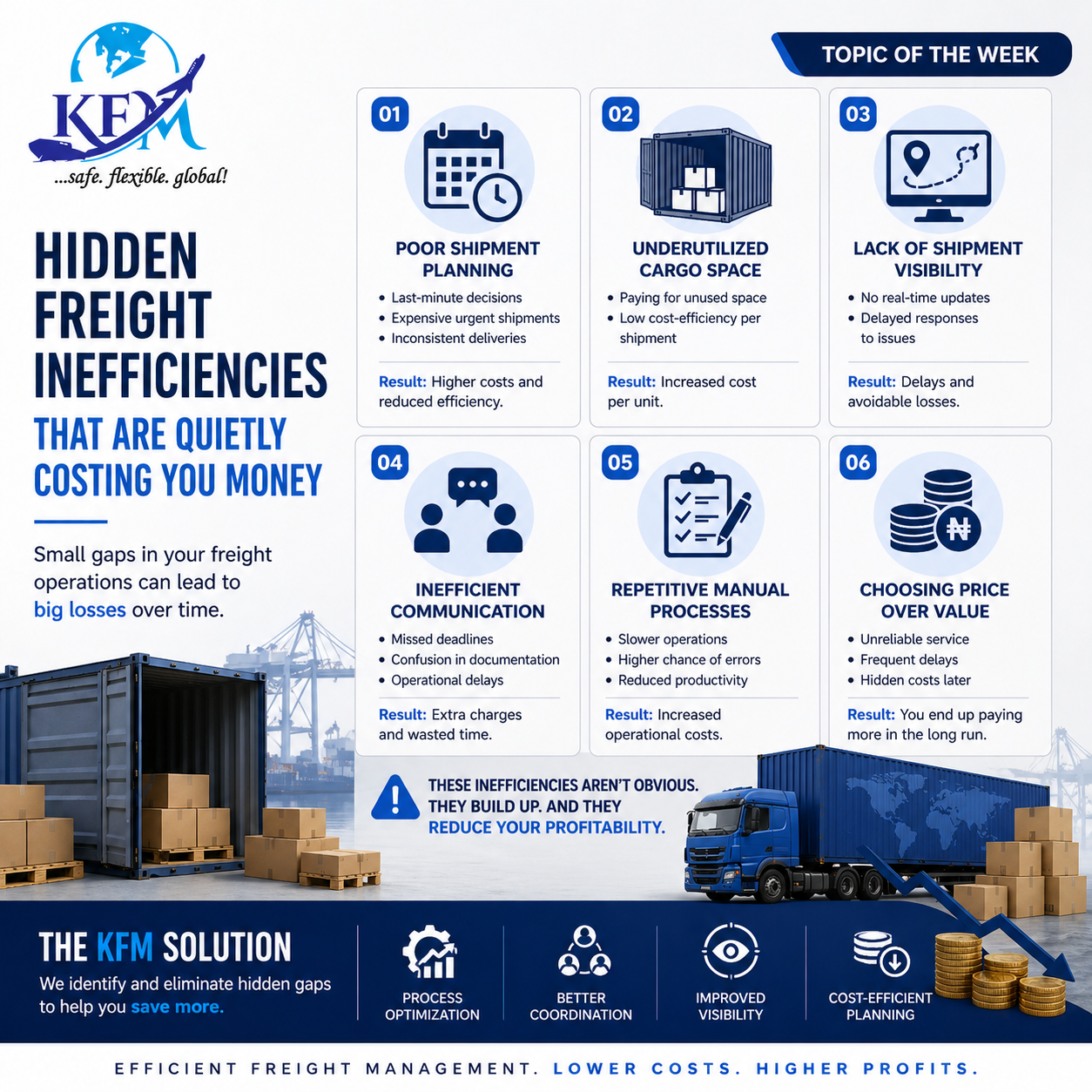
1. Choosing the Cheapest Option Instead of the Right Partner
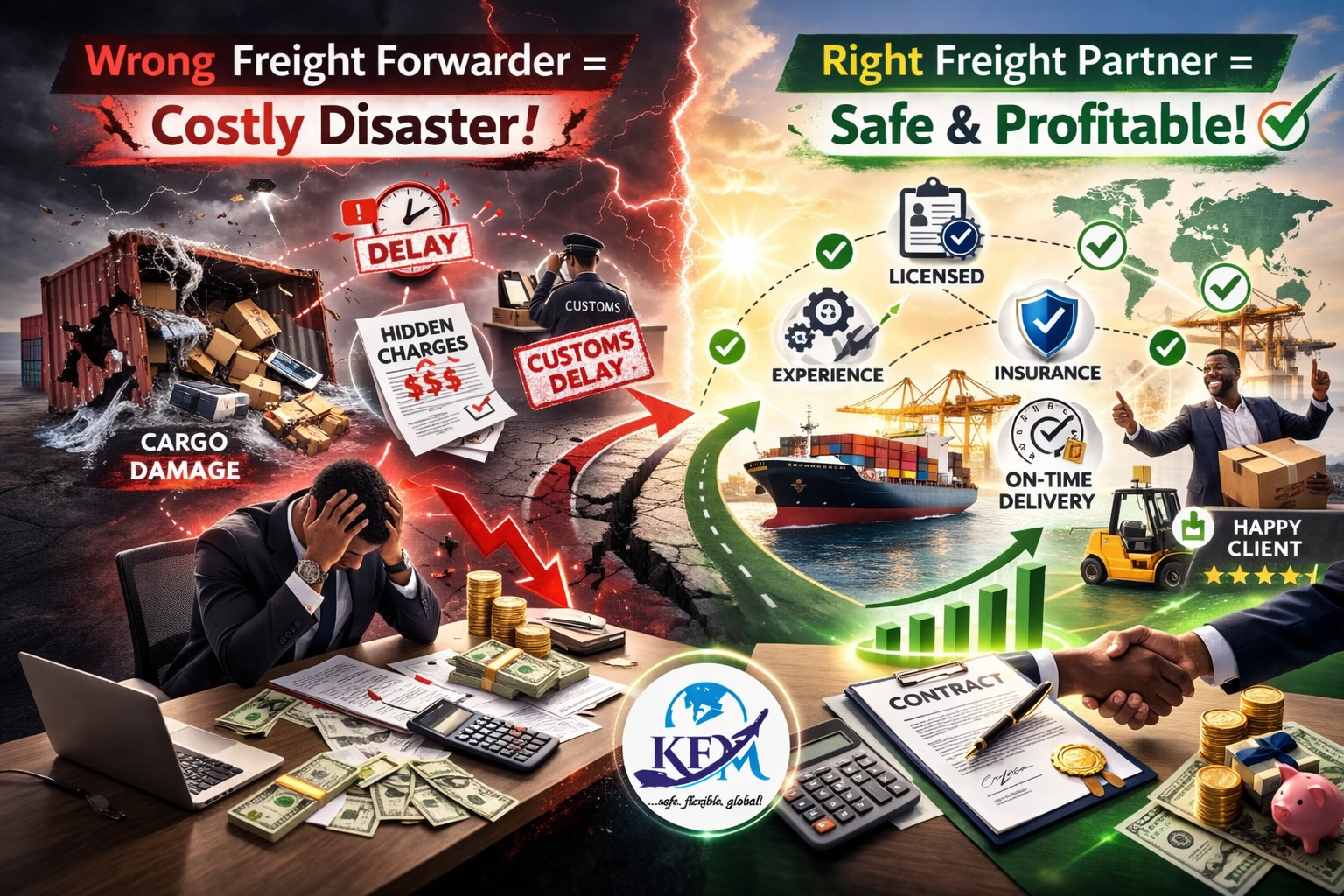
Price matters. But in logistics, cheap mistakes are often the most expensive mistakes.
Many businesses choose freight forwarders purely based on low quotes, only to face:
- Hidden charges later in the process
- Poor communication during critical stages
- Delays that cost far more than the initial savings
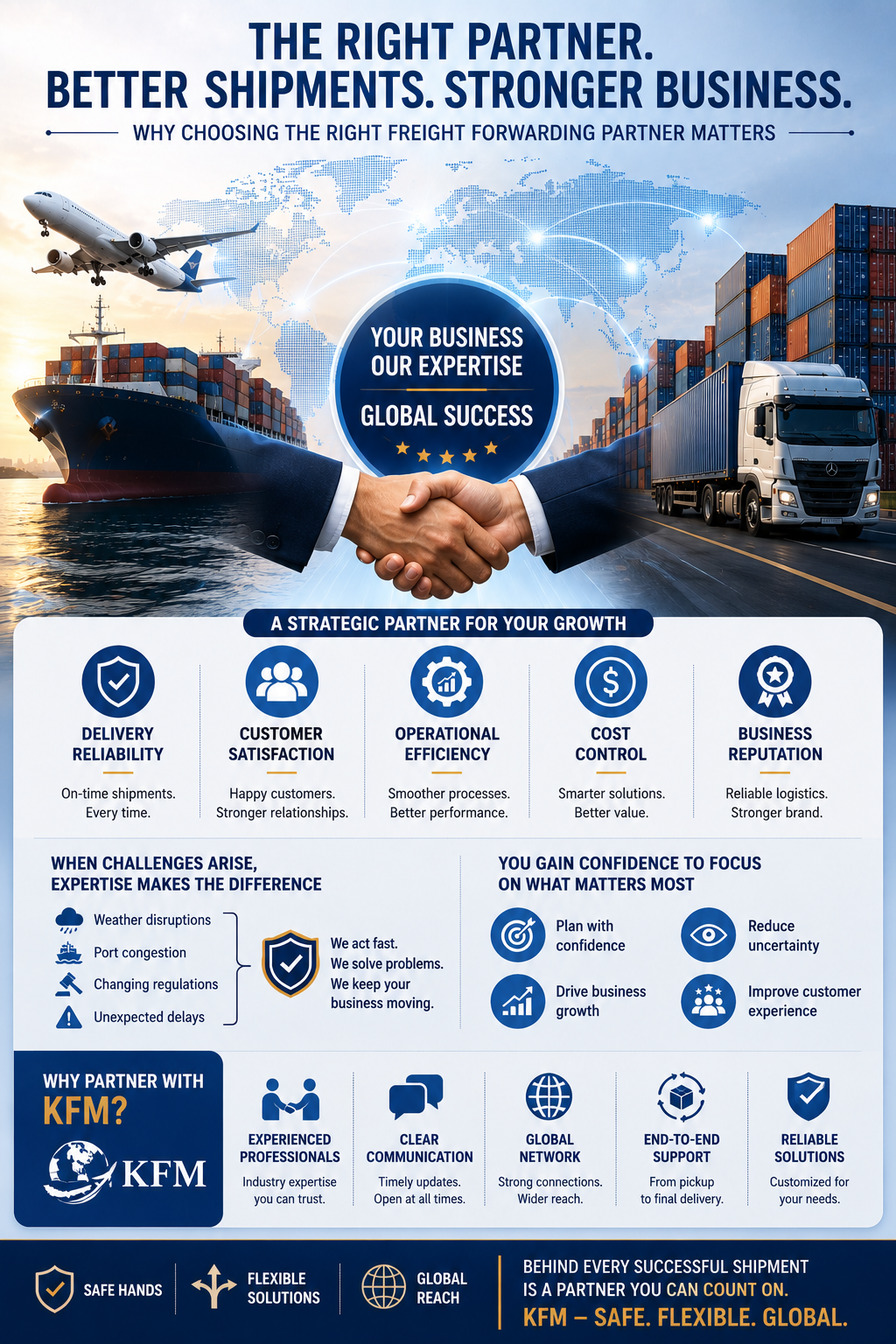
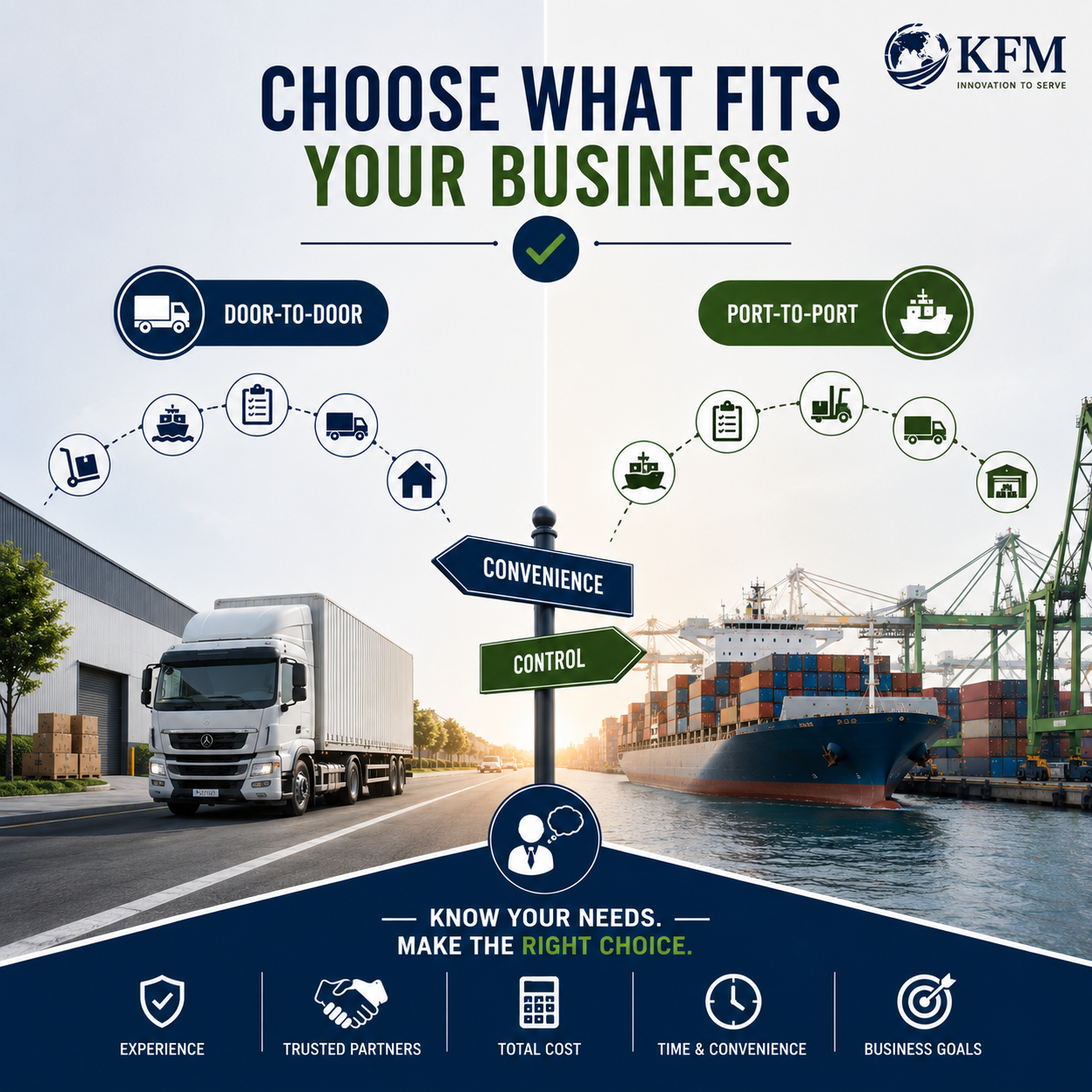
Smart approach: Choose value over price. Look for experience, transparency, and reliability — not just affordability.
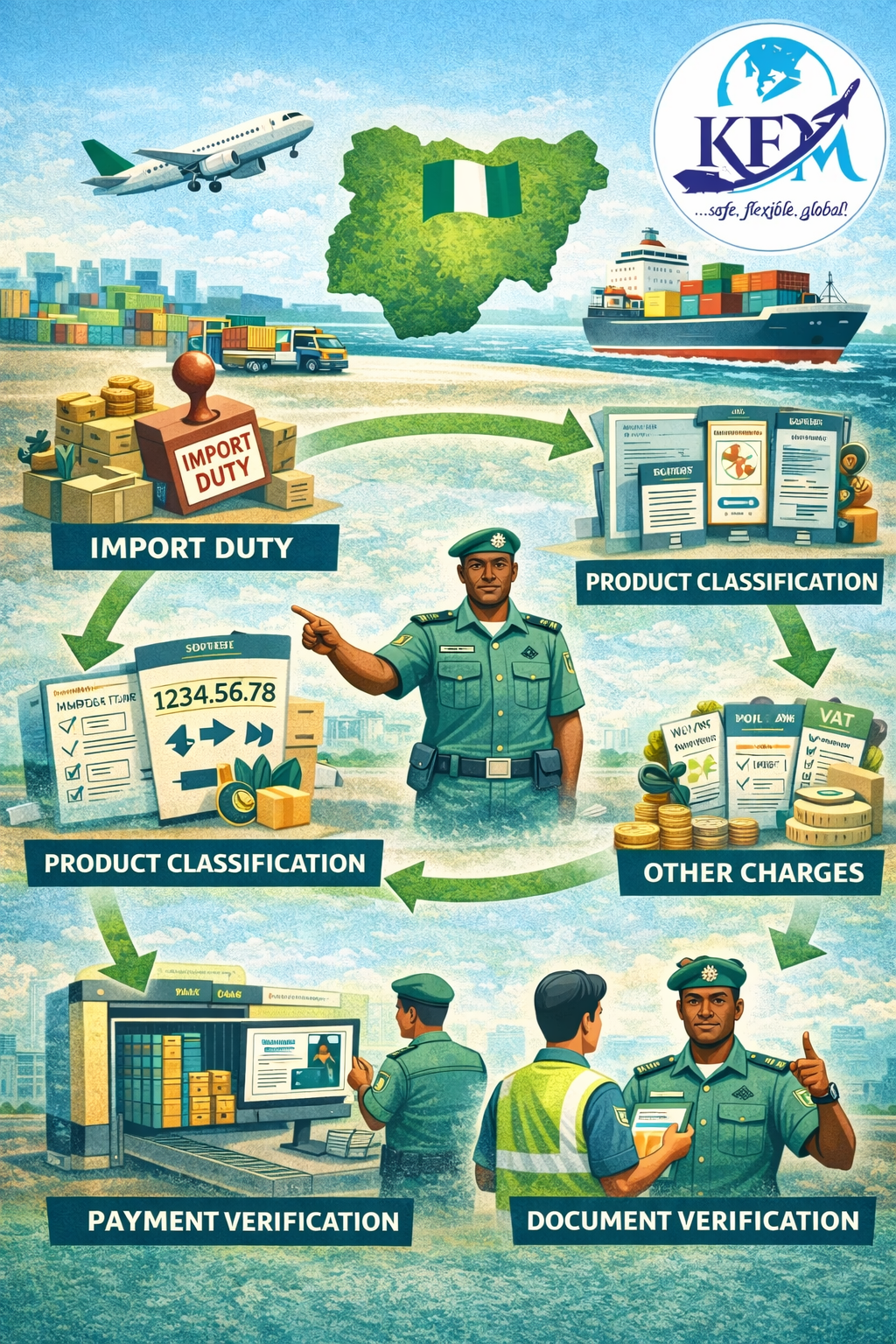
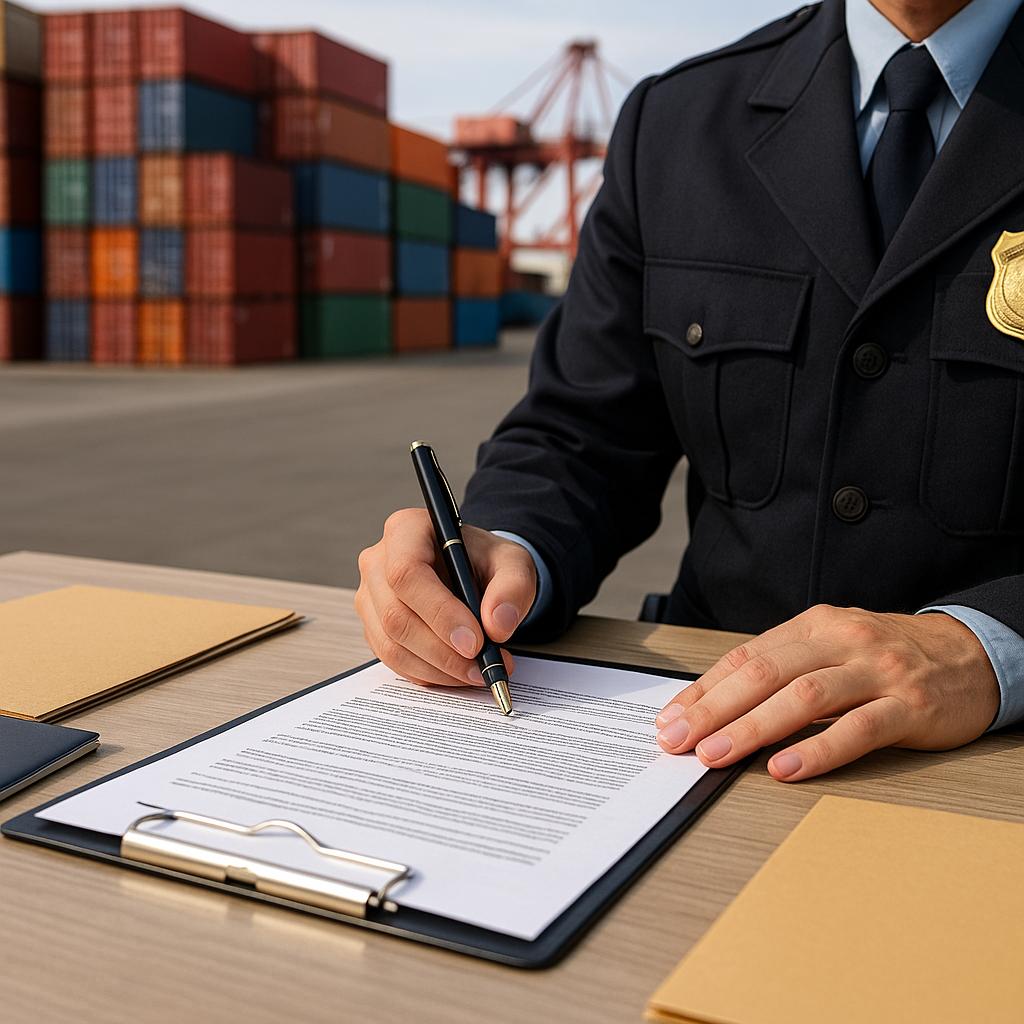
2. Poor Documentation Preparation
A single missing document can hold a shipment for days or even weeks.
Common issues include:
- Incorrect invoices
- Mismatched packing lists
- Wrong HS codes
- Incomplete Form M or PAAR processing
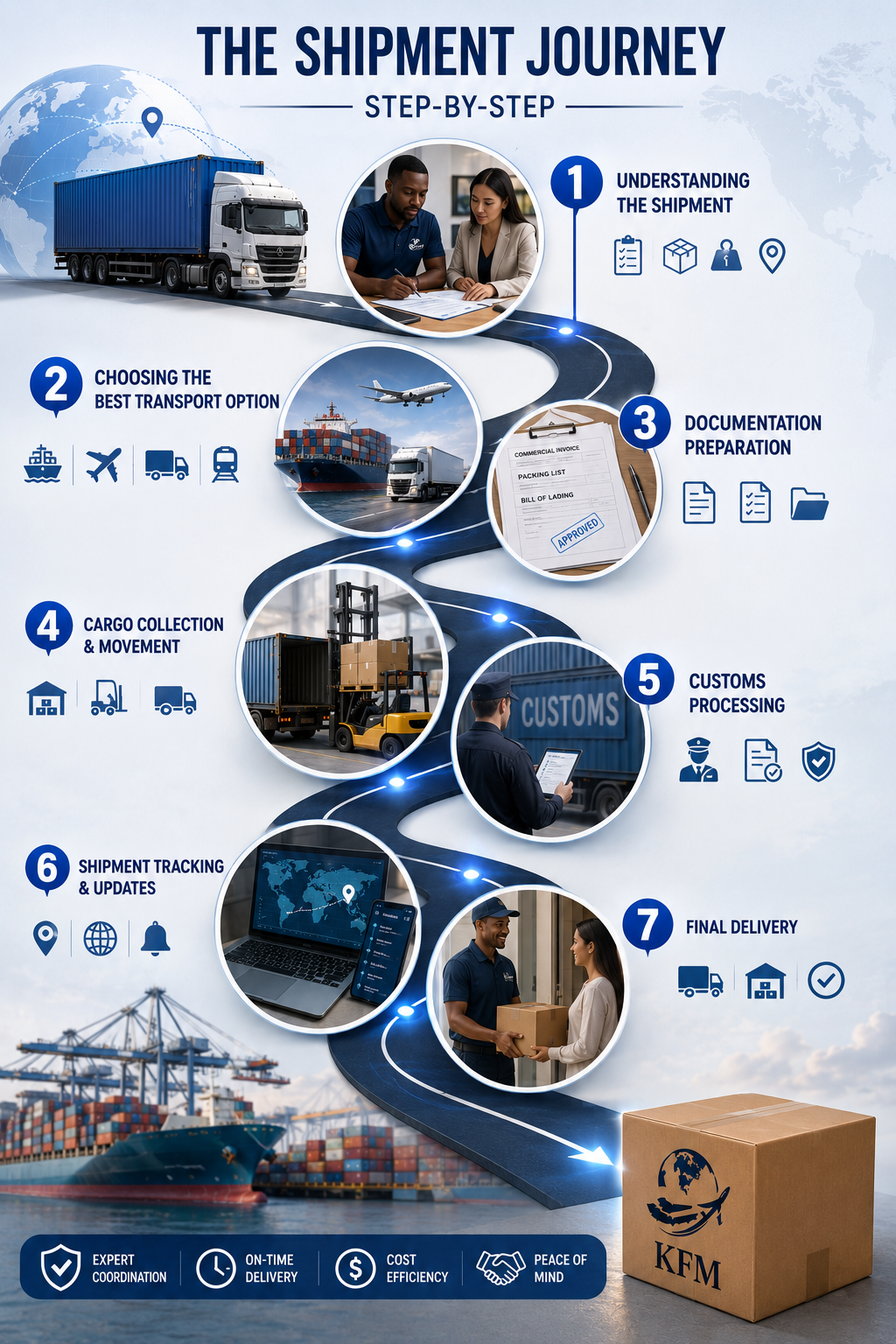
Smart approach: Work with a freight forwarder who reviews documentation proactively before shipment leaves the origin country.
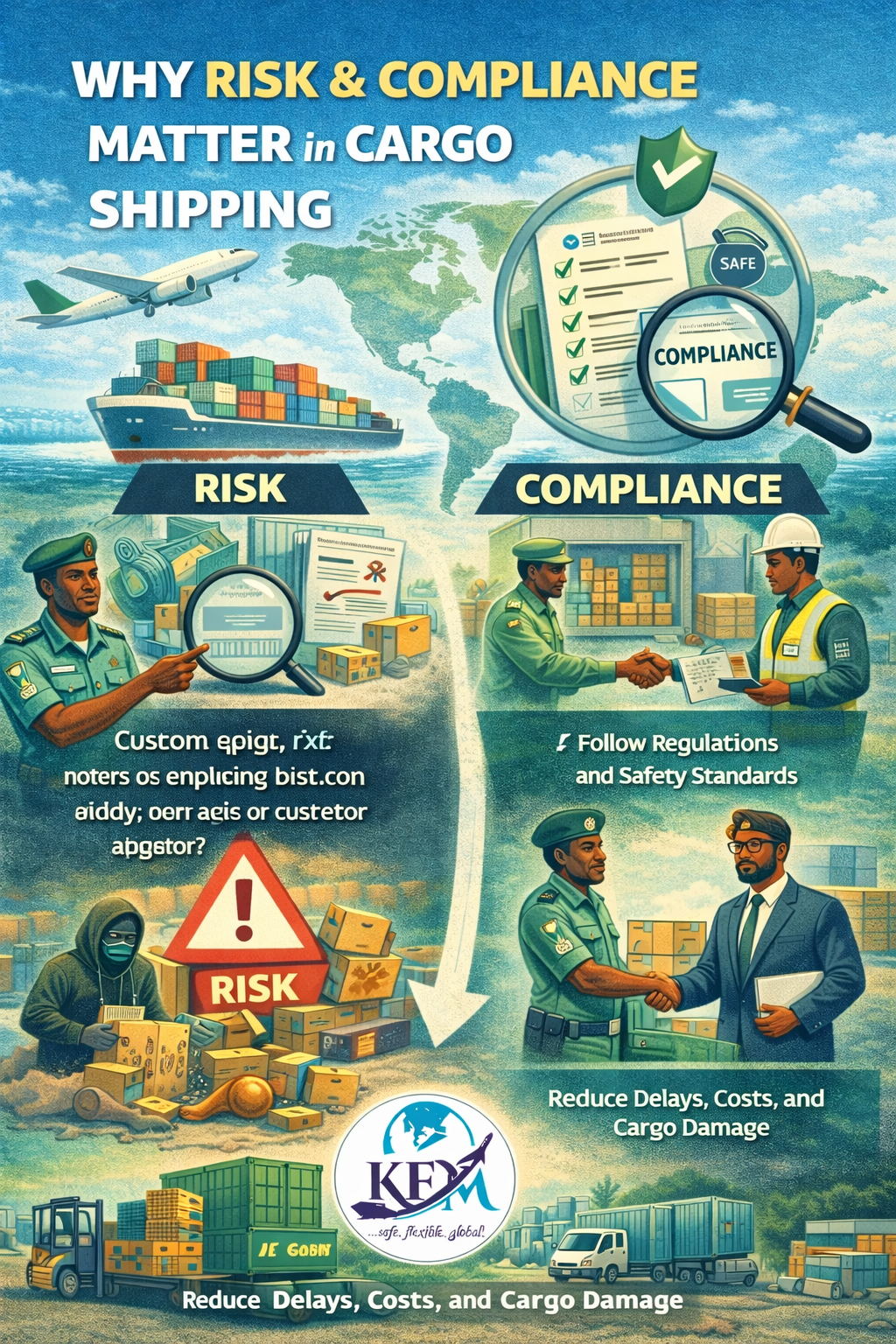
3. Ignoring Compliance Until the Cargo Arrives
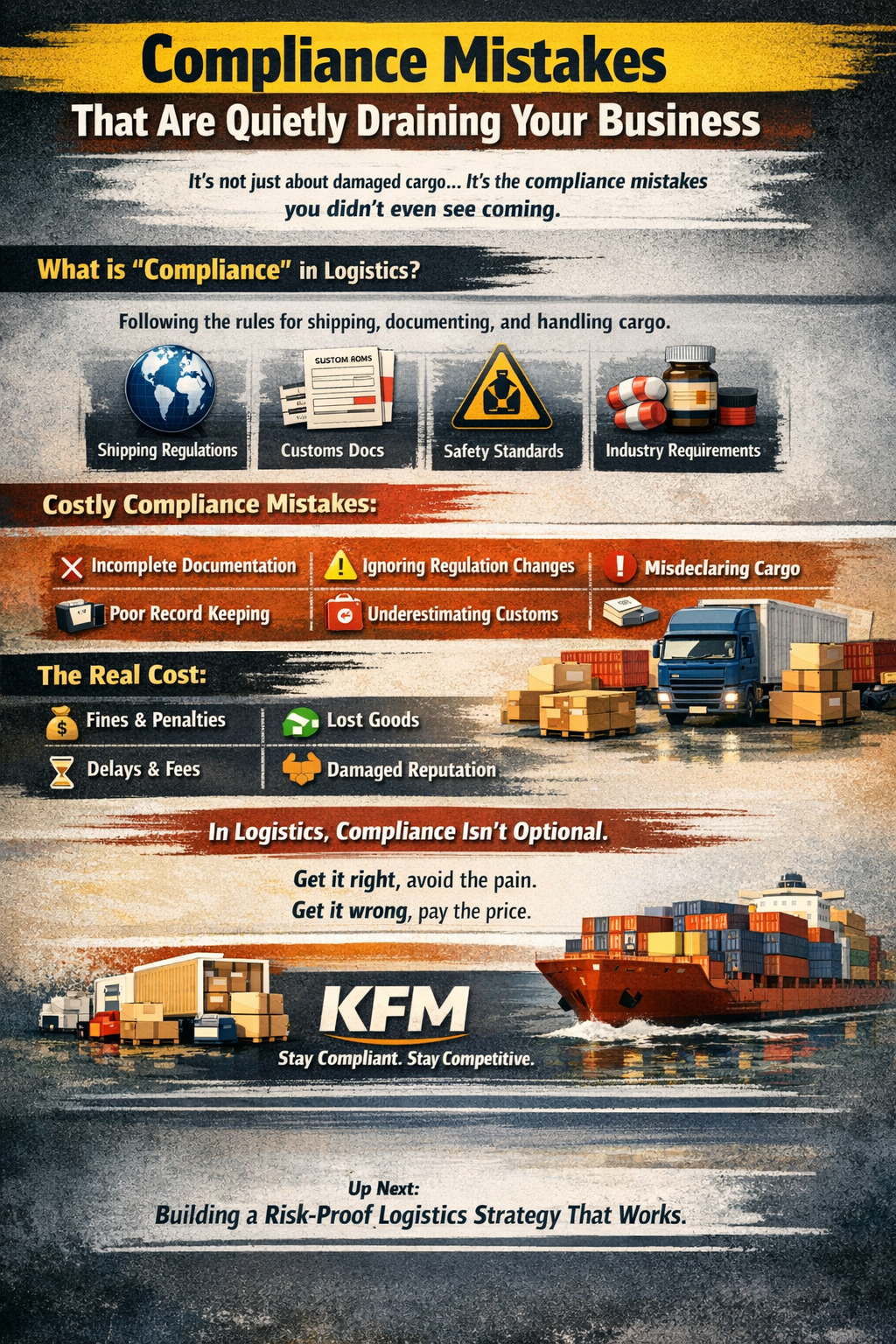
Many importers only start thinking about customs compliance when the container is already at the port.
By then, it is often too late.
This leads to:
- Unexpected penalties
- Seizures or queries
- Costly demurrage and storage charges
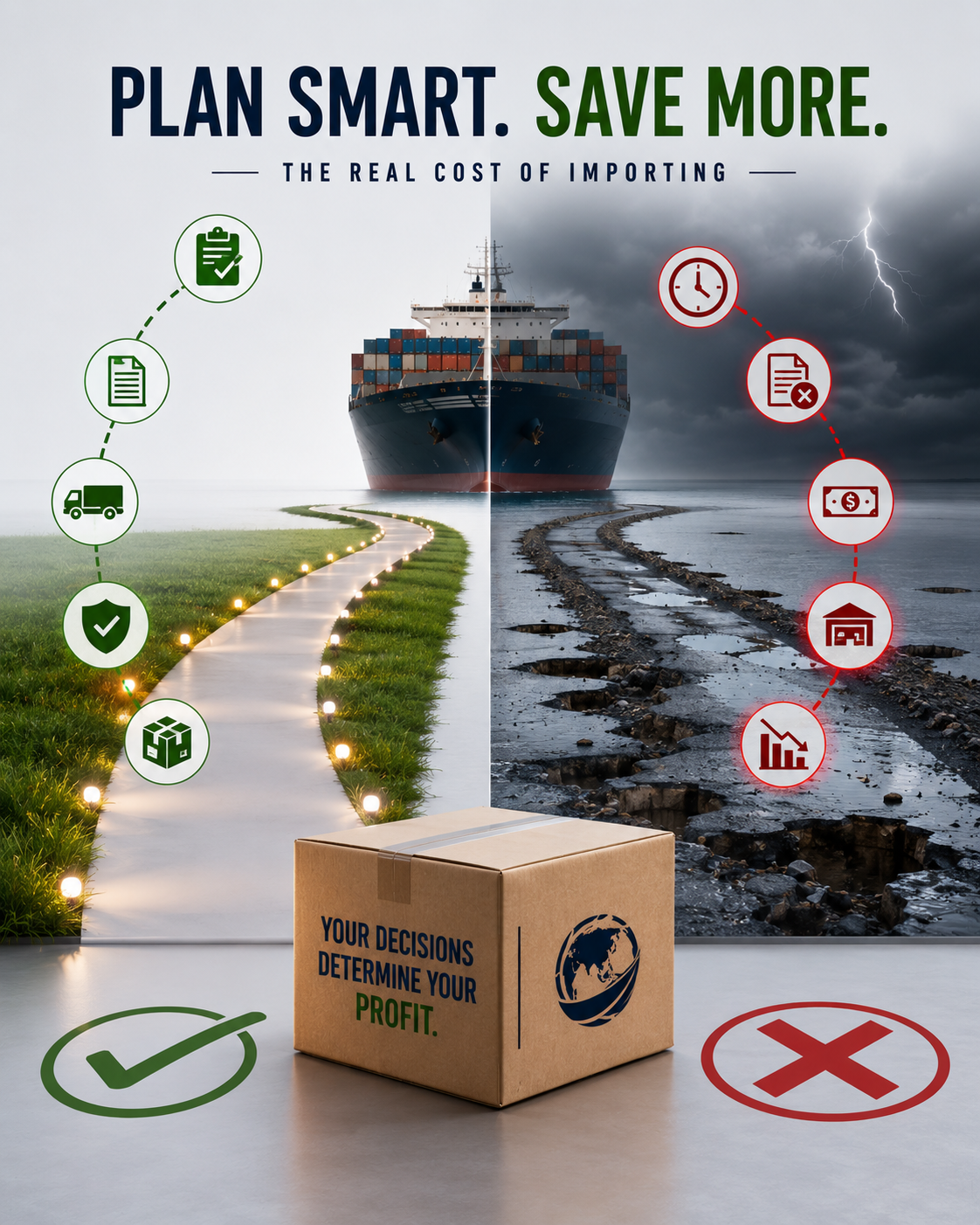
Smart approach: Compliance should begin before you pay your supplier — not after your goods land.
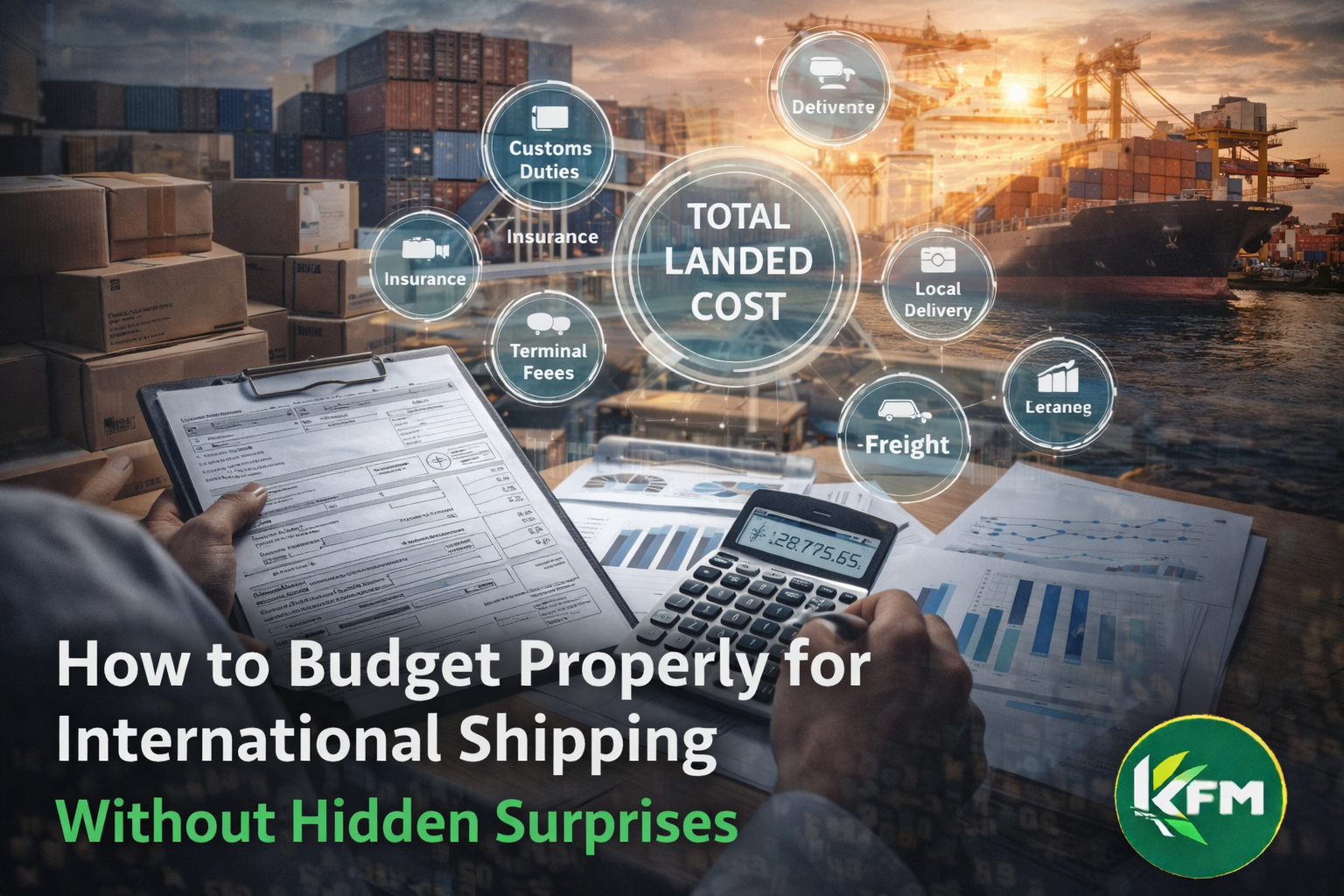
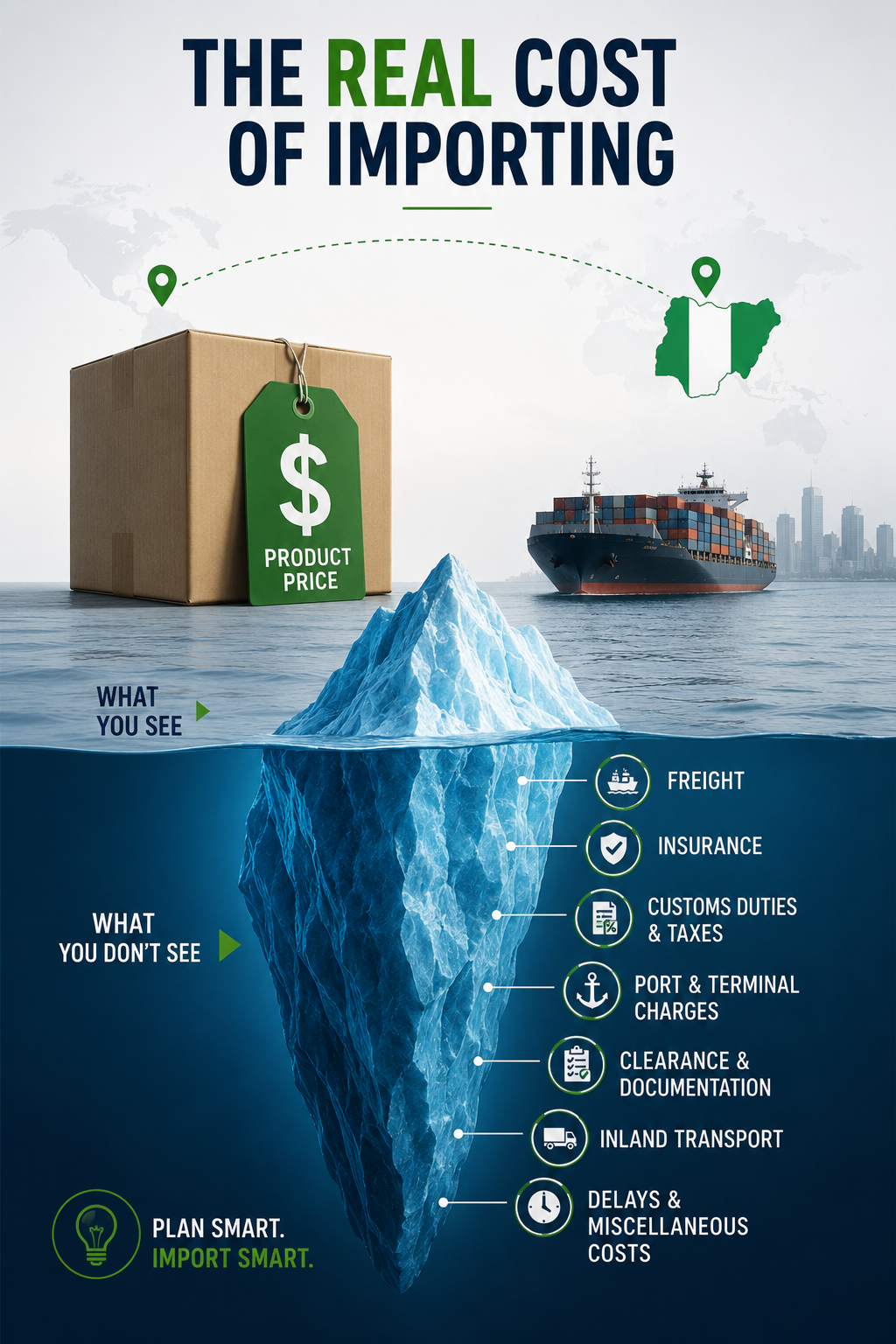
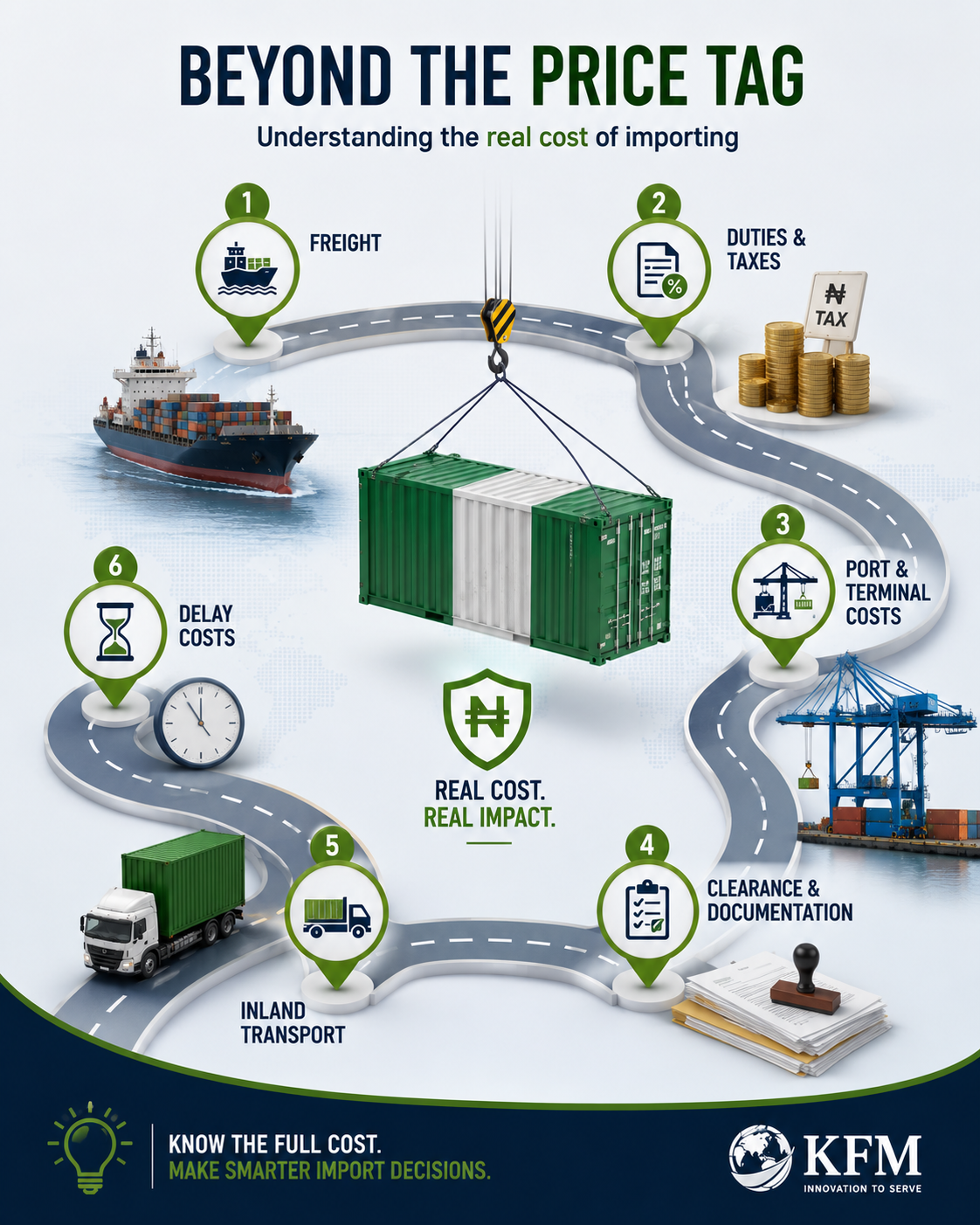
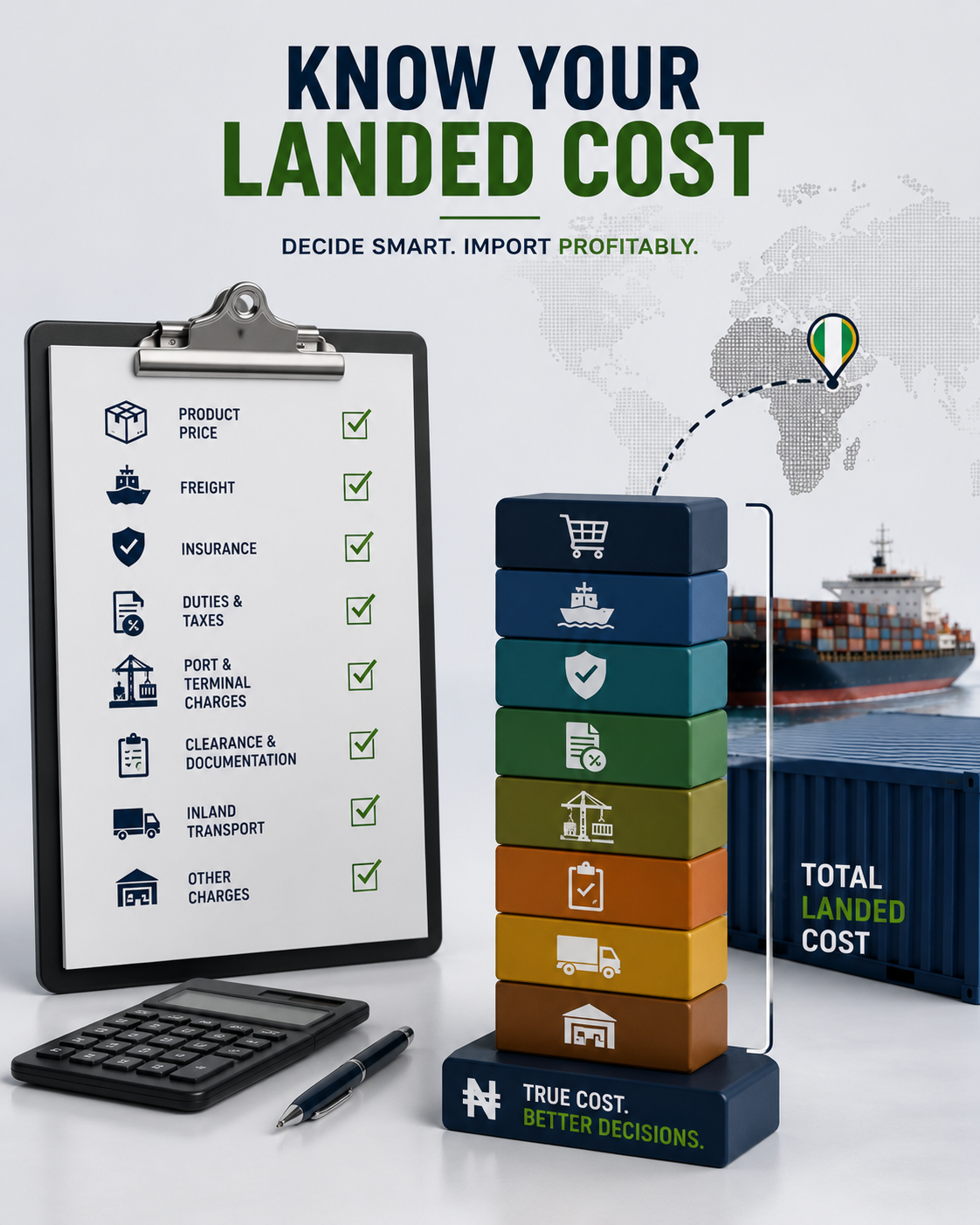
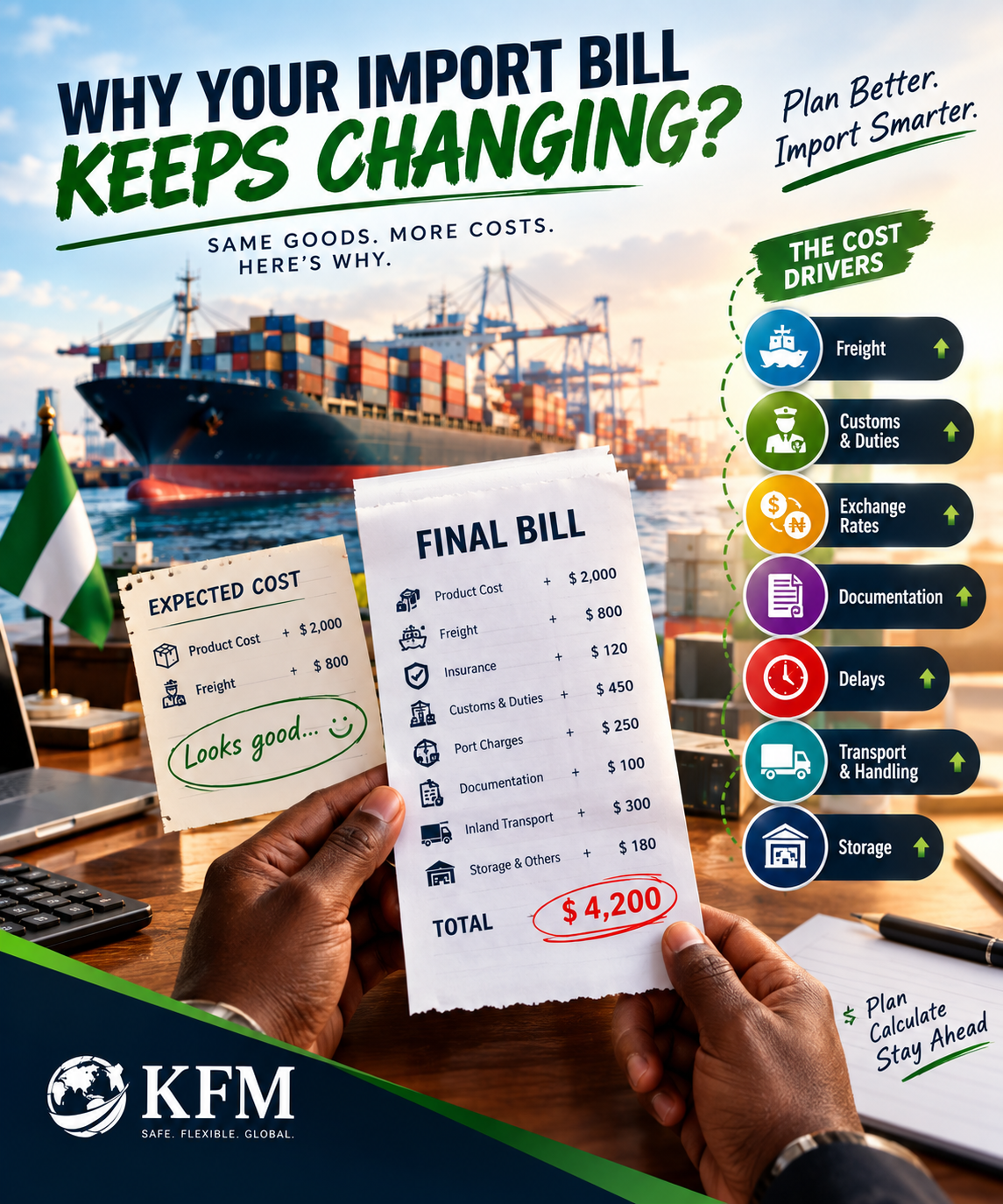
4. No Clear Understanding of Total Landed Cost
Some businesses calculate profit based only on product price and shipping fee.
They forget to account for:
- Duties and taxes
- Terminal handling charges
- Clearing fees
- Exchange rate fluctuations
- Last-mile delivery costs
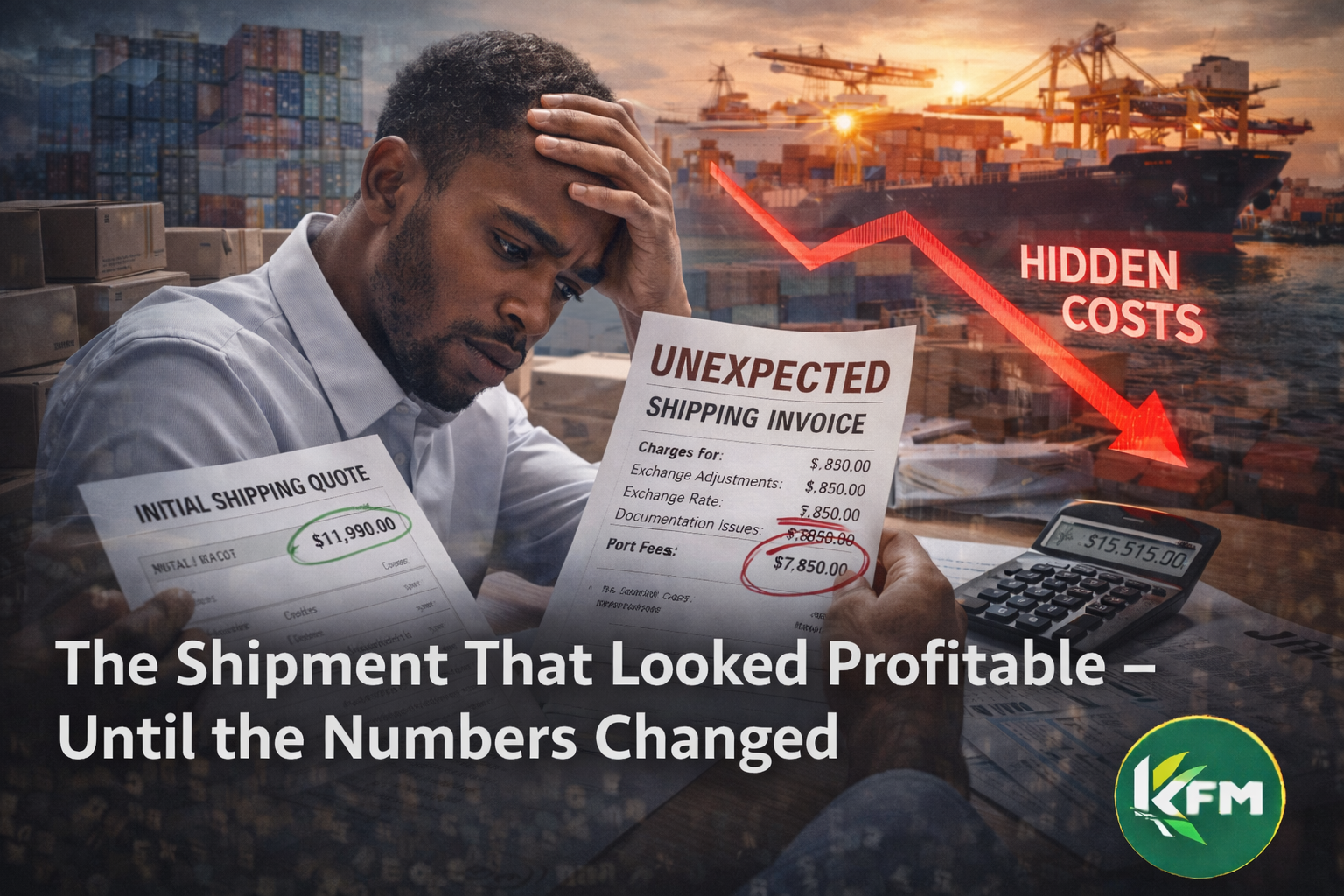
The result? A "profitable" deal that quietly becomes a loss.
Smart approach: Always request a full landed cost breakdown before confirming any shipment.
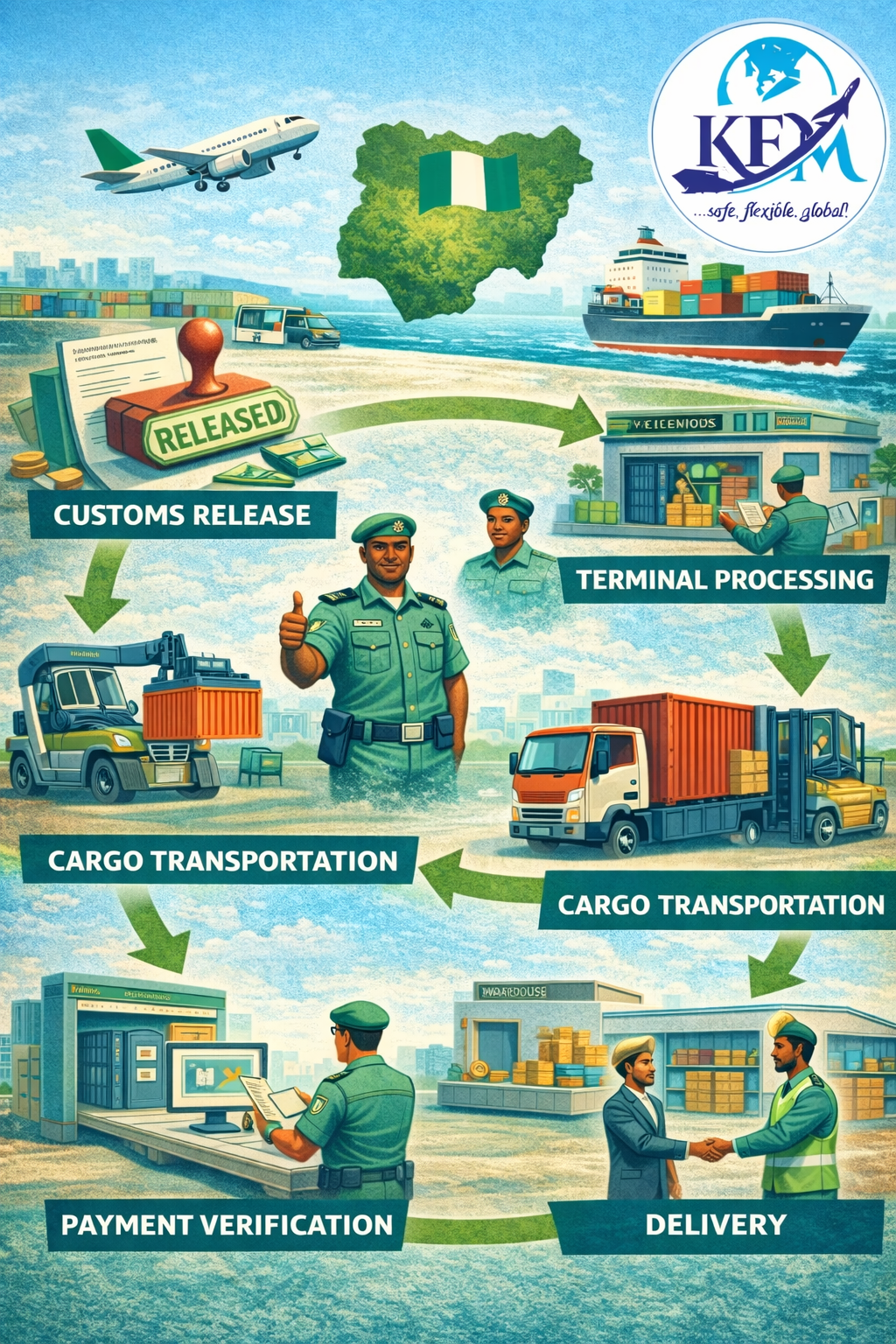
5. Lack of Shipment Tracking and Visibility
When you don’t know where your cargo is, you can’t plan sales, deliveries, or cash flow.
Many SMEs still operate blindly — waiting for calls instead of having visibility.
Smart approach: Work with logistics partners who provide regular updates and proactive communication throughout the shipping journey.
6. Over-Reliance on Guesswork Instead of Strategy
Some businesses import based on assumptions:
- "This product should sell."
- "This route is always faster."
- "This season is always cheaper."
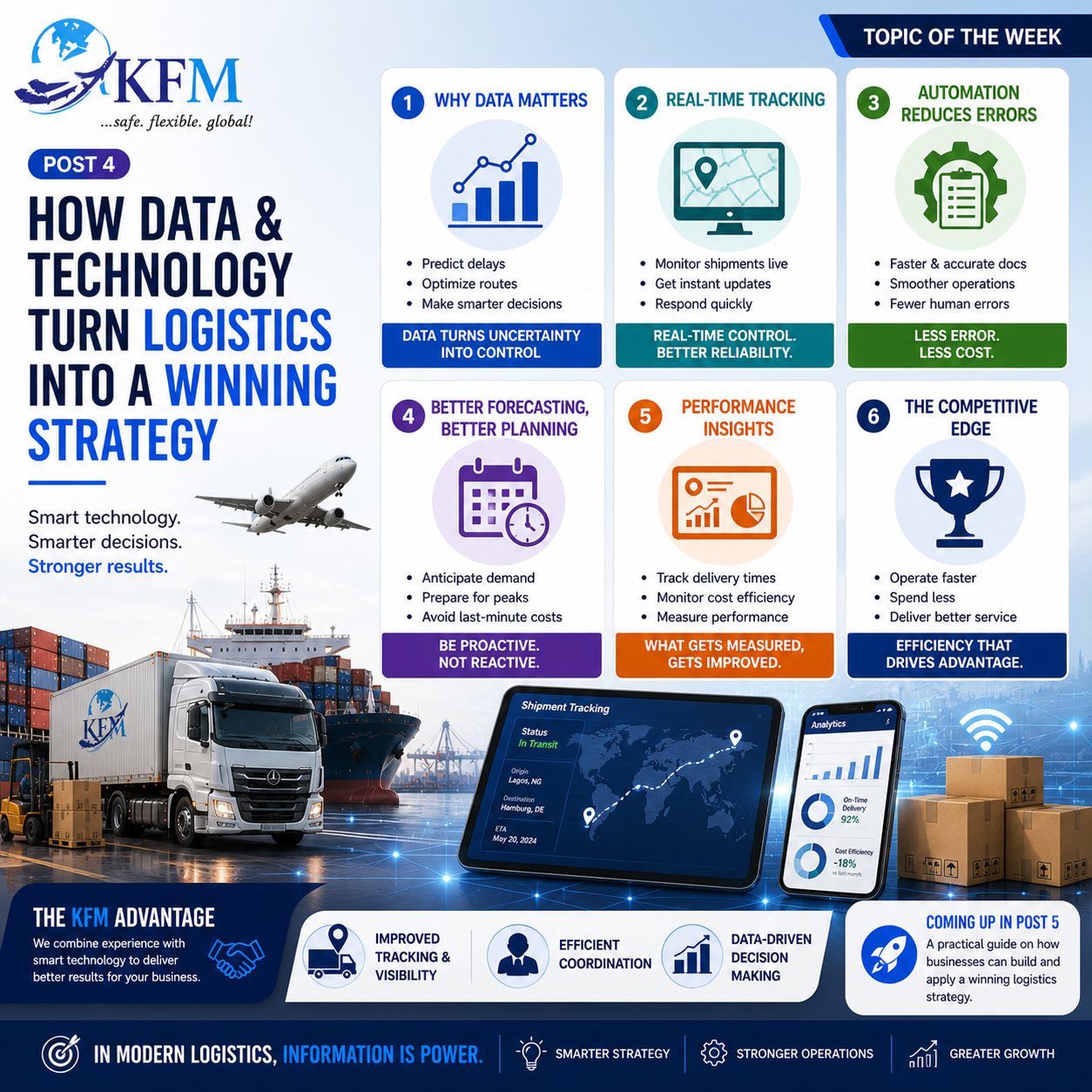
Logistics decisions made without data often lead to losses.
Smart approach: Treat shipping like strategy, not guesswork. Ask questions. Analyze patterns. Plan shipments intentionally.
7. Treating Logistics as an Afterthought
Many SMEs build their business around marketing and sales, then try to "manage logistics later."
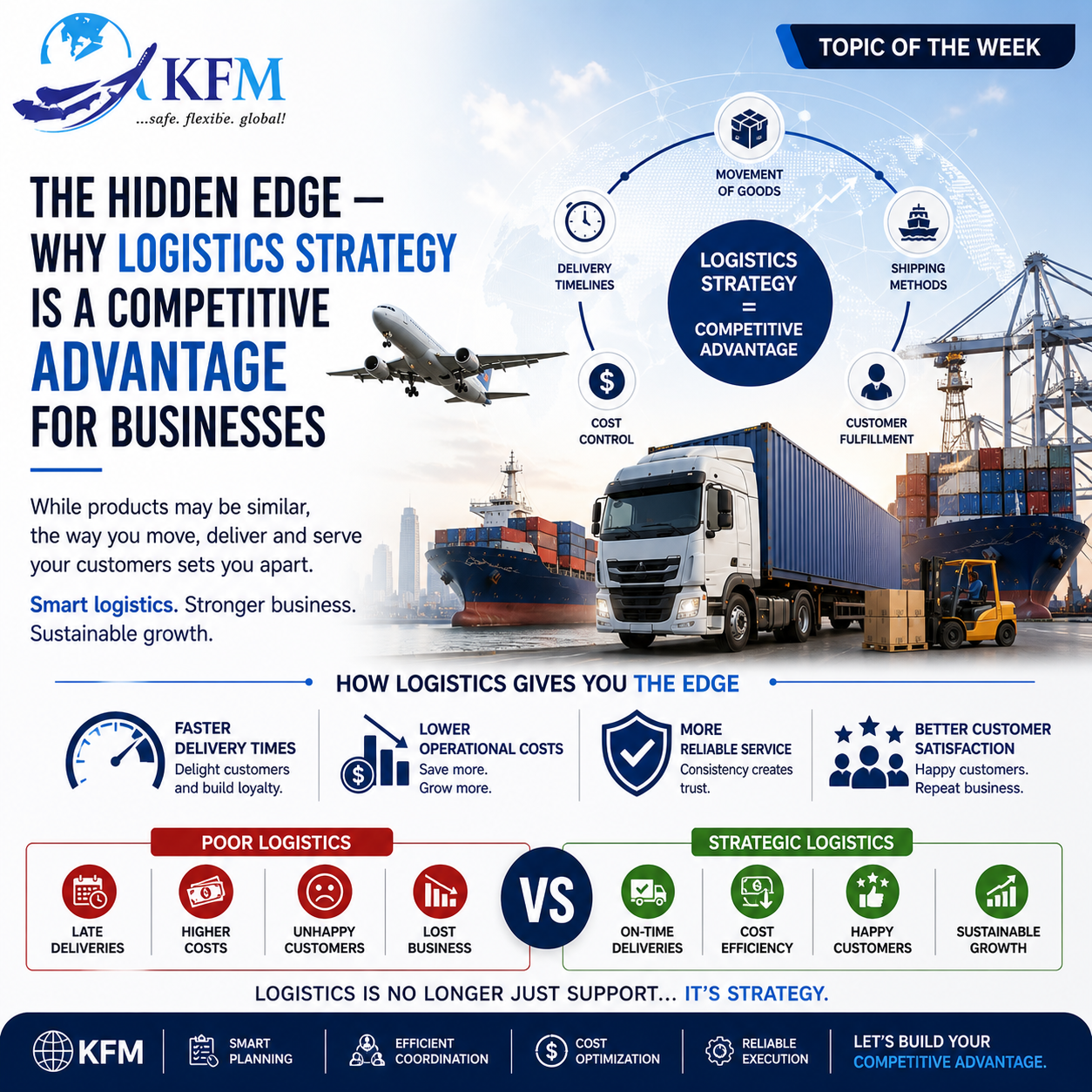
But logistics is not a back-end function. It is a growth engine.
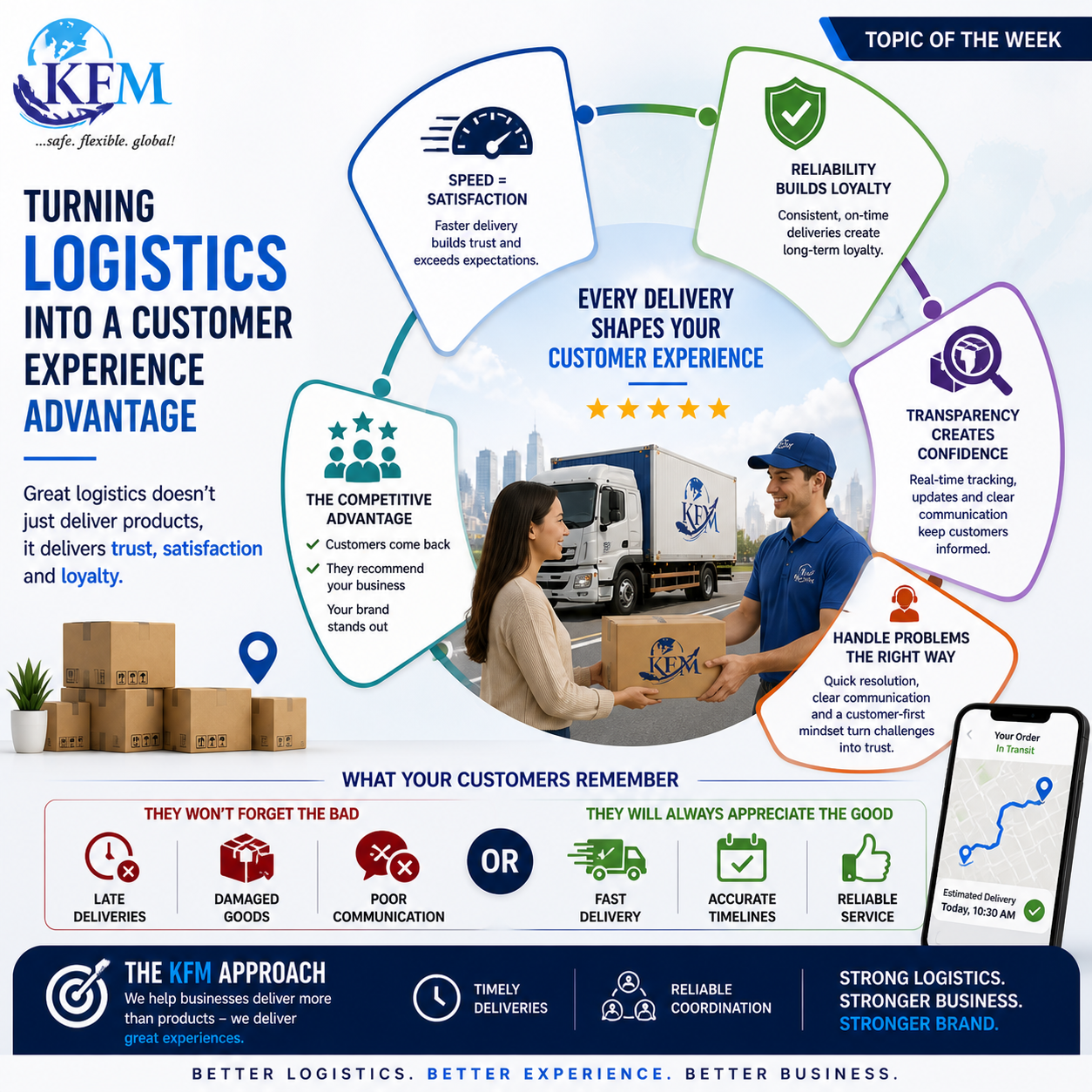
When shipping fails, everything else collapses with it — customer trust, brand reputation, and revenue.
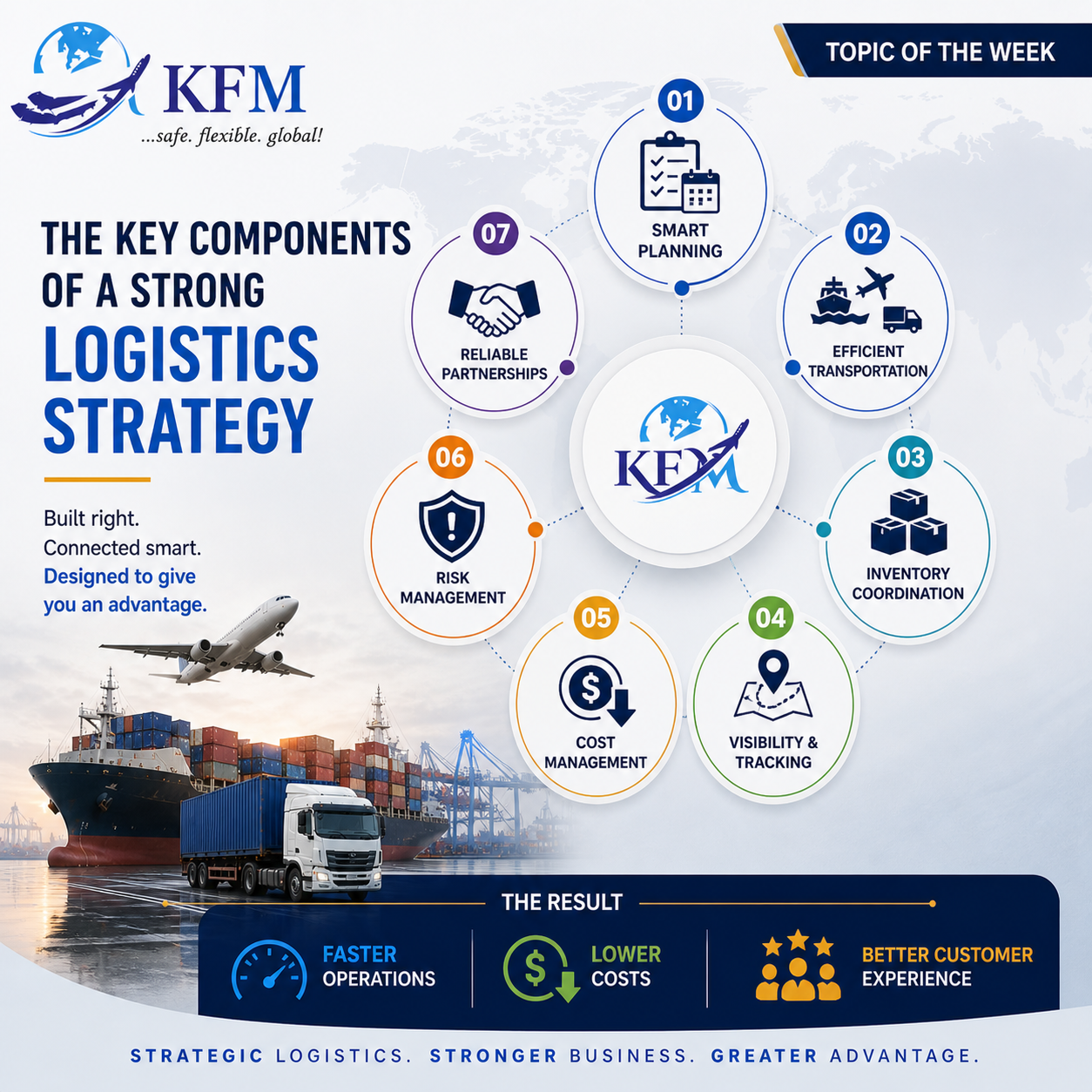
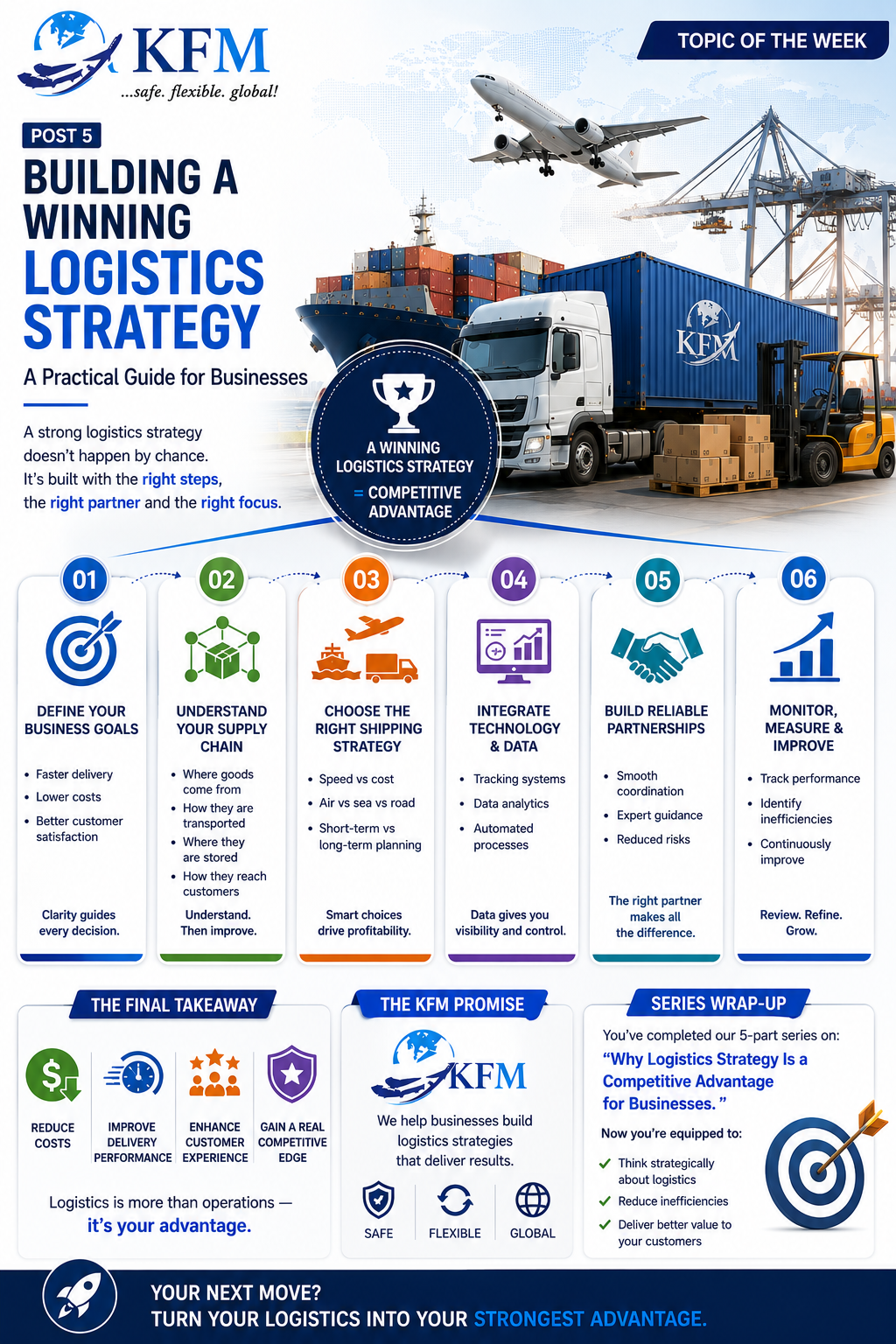
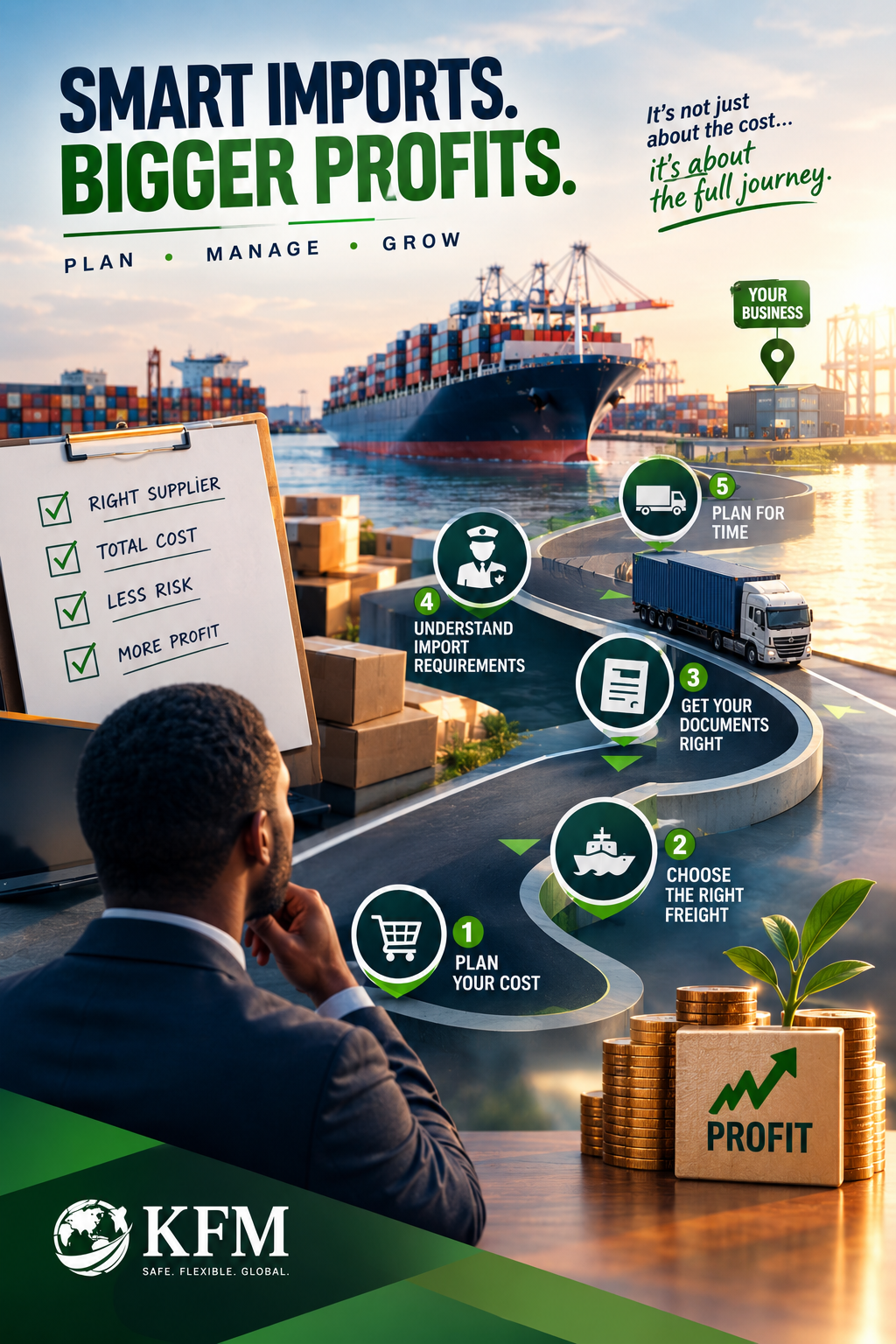
Smart approach: Integrate logistics planning into your business strategy from day one.
The Businesses That Scale Are the Ones That Ship Smart
The difference between struggling importers and scaling businesses is rarely effort.
It is knowledge, structure, and the right partnerships.
The SMEs that grow consistently are the ones who:
- Understand their logistics numbers
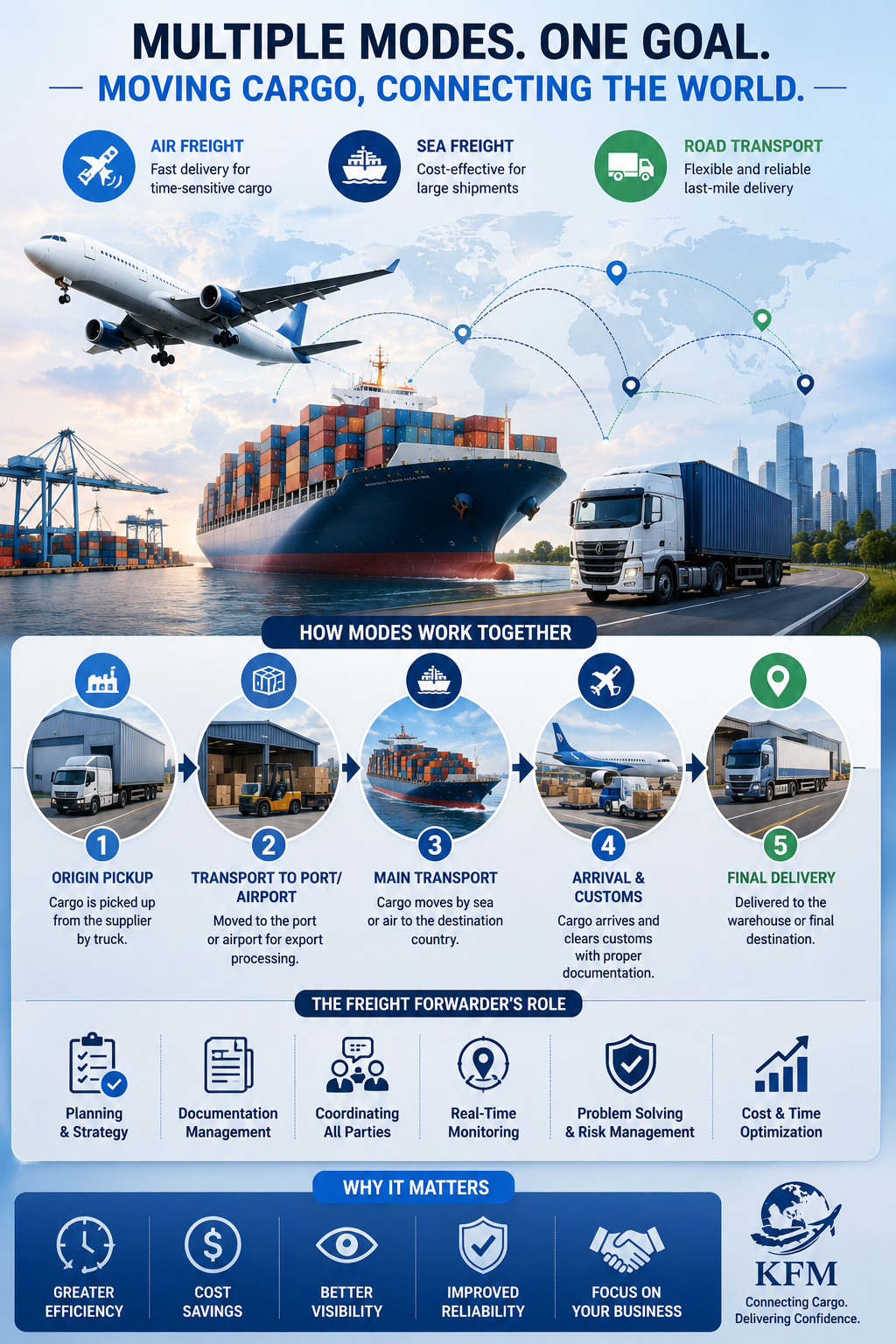
- Work with reliable freight forwarders
- Plan shipments strategically
- Treat logistics as part of their competitive advantage
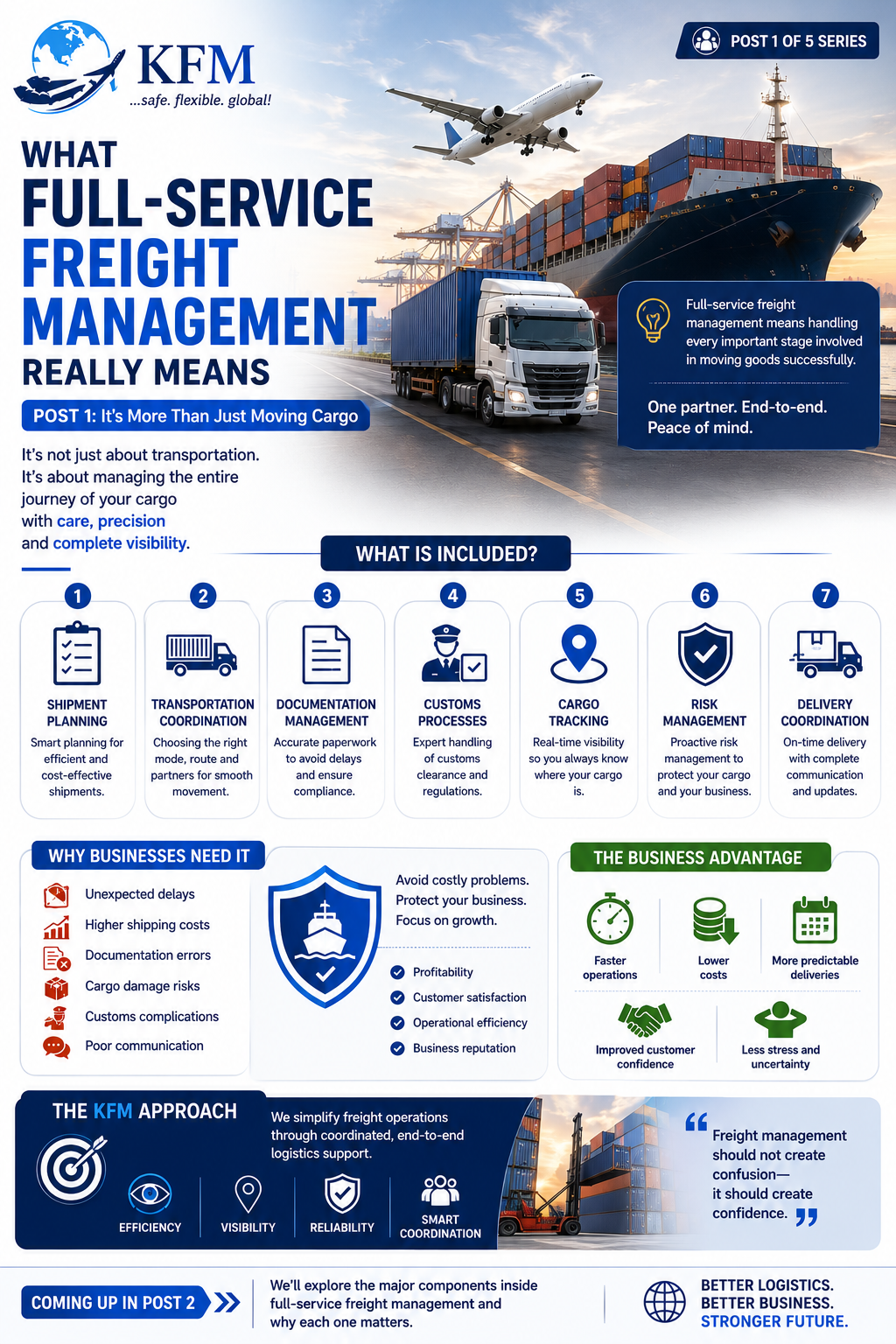
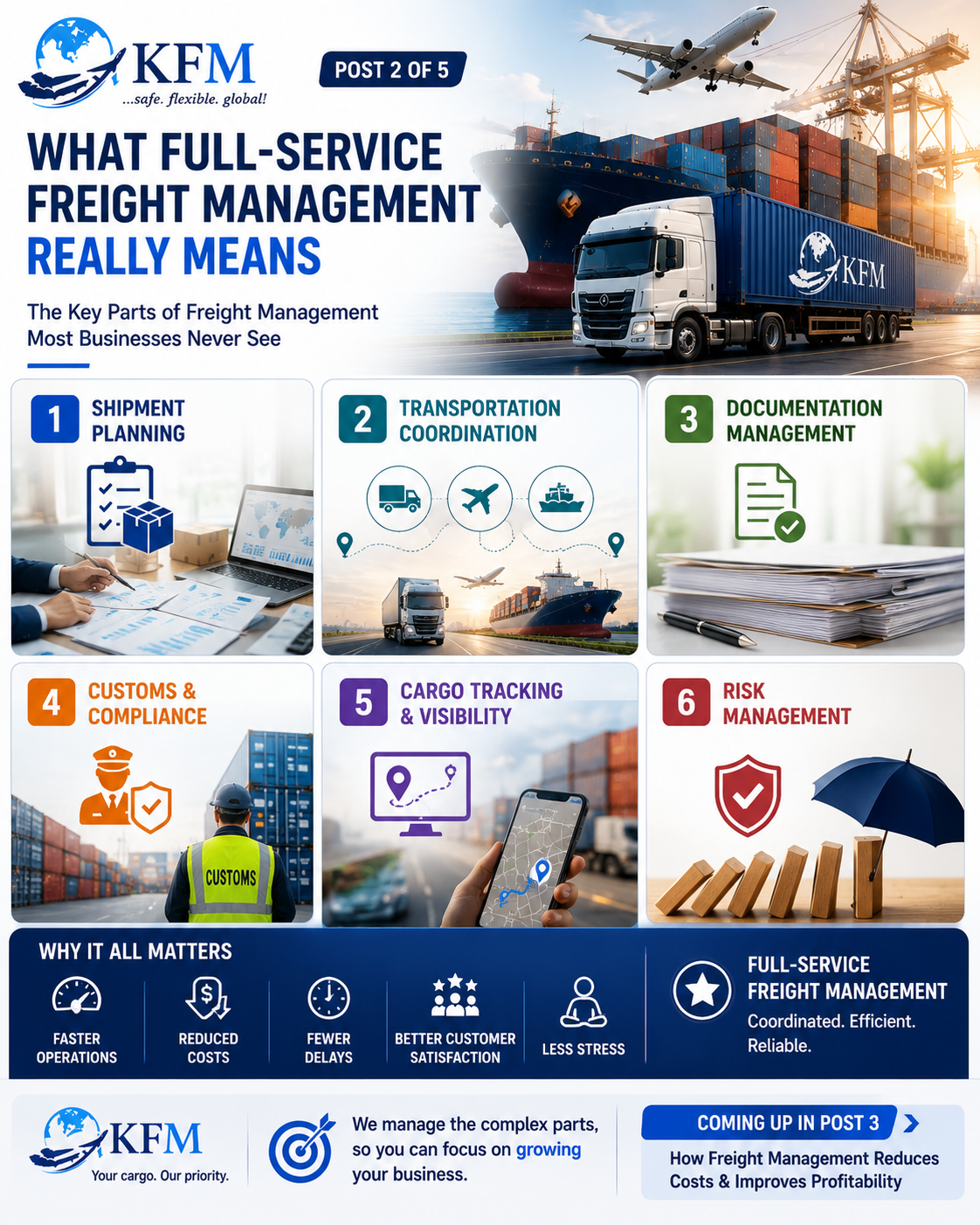
At KFM, we help businesses avoid costly mistakes before they happen. Because in logistics, prevention is always cheaper than correction.