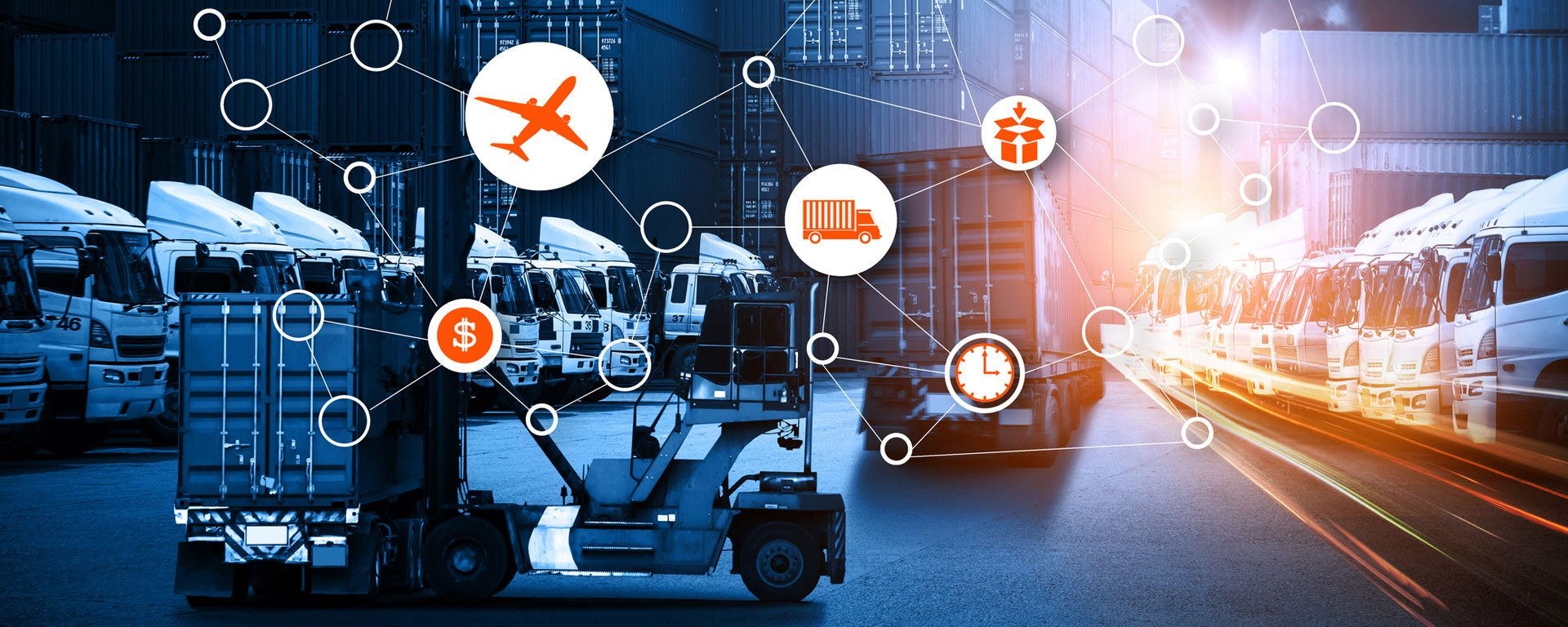
Understanding Logistics Services: How They Work and Why They Matter
In today’s interconnected world, the movement of goods has become an essential part of everyday life. From the phone in your hand to the food on your table, almost every product you use has passed through a logistics process. Yet many people still wonder: What exactly is logistics, and how does it work? This blog post breaks it down in a simple, practical way. What Is Logistics? Logistics refers to the planning, movement, and management of goods from one location to another. It includes everything required to make sure a product gets from the supplier to the customer safely, efficiently, and on time. This involves transportation, warehousing, packaging, documentation, customs clearance, and last-mile delivery. The Key Stages of the Logistics Process To understand how logistics services work, it helps to look at the major steps involved: 1. Sourcing and Procurement Every logistics journey begins with sourcing. This is where companies identify suppliers or manufacturers who provide the required goods. Once sourcing is complete, procurement involves negotiating, purchasing, and arranging the movement of these goods to the next stage. 2. Transportation Transportation is the backbone of logistics. Goods can be moved by road, sea, air, rail, or a combination of these methods. The choice depends on factors like cost, speed, product type, and destination. Air freight is fast but costly. Sea freight is economical for large shipments. Road transport is flexible for regional or local deliveries. Efficient transportation ensures goods arrive in good condition and within the expected timeframe. 3. Warehousing and Storage Before goods reach their final destination, they often need safe and organised storage. Warehouses serve this purpose. Here, items are carefully arranged, tracked, and managed using technology. This helps businesses maintain stock levels, reduce losses, and prepare products for distribution. 4. Order Processing and Distribution When a customer places an order, the logistics provider selects, packs, and prepares the product for delivery. This stage requires accuracy and speed to ensure customers get exactly what they ordered. Distribution channels then ensure products reach wholesalers, retailers, or end consumers. 5. Customs Clearance (For International Shipments) When goods move across borders, they must be inspected and approved by customs authorities. Logistics providers handle documentation, taxes, tariffs, and regulations to ensure shipments pass smoothly without delays. 6. Last-Mile Delivery The final step is delivering the product to the customer. This is often the most challenging stage, as it requires precise coordination and real-time tracking to guarantee successful delivery. Why Logistics Matters Logistics is more than transporting goods—it is the engine that keeps businesses running. Effective logistics: Saves cost and time Ensures availability of products Prevents damage and loss Improves customer satisfaction Enhances business growth At the end of the day, logistics makes modern living possible by connecting people, products, and places. Whether you’re a business owner or a customer, understanding how logistics works helps you appreciate the long journey behind every delivery.
Driving Innovation and Efficiency in Modern Logistics
At Kastro Freight Management (KFM), our passion l....
read more...
The Role of Freight Management in Today’s Digital Economy
In today’s globalized and digitally driven....
read more...