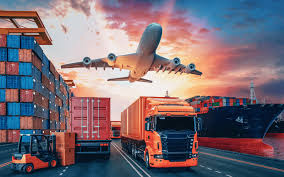
The Role of Freight Management in Today’s Digital Economy
In today’s globalized and digitally driven world, the movement of goods has become more than just a simple transportation process. Modern businesses rely on fast, transparent, and efficient logistics systems to keep their operations running smoothly. Whether it is moving raw materials to factories or delivering finished products to customers across borders, freight management stands as the backbone of the digital economy. As companies embrace technology and e-commerce continues to grow, the need for streamlined logistics becomes even more essential. This is the reality that Kastro Freight Management (KFM) understands deeply—using innovation to serve clients and bridge gaps in international trade, logistics, and local sourcing. The Evolution of Freight Management Traditionally, freight management involved manual booking, paper documentation, uncertain delivery timelines, and limited visibility. Businesses had to rely heavily on estimations and trust, often leading to delays, losses, or inefficiencies. However, the digital economy has completely transformed this landscape. Advanced technologies—such as cloud computing, mobile apps, GPS tracking, and automation—now make it possible to manage shipments in real time from any part of the world. Companies can now schedule pickups, track goods, handle customs processes, optimize routes, and communicate with logistics partners instantly. With digital documentation and automated workflows, shipping has moved from guesswork to precision. This evolution is what allows logistics providers like KFM to deliver smarter, faster, and more reliable services. The Digital Economy Requires Real-Time Data One of the defining features of the digital economy is the expectation of instant information. Customers want to know where their goods are at any given time. Businesses need accurate data on inventory, supply delays, transportation costs, and delivery timelines. Freight management plays a crucial role in fulfilling these expectations. Modern freight systems make use of: Real-time GPS tracking that shows the exact movement of goods. Automated alerts for delays, route changes, or clearance updates. Digital dashboards for monitoring shipments on mobile or desktop. Electronic proof of delivery (e-POD) that eliminates paperwork. With better access to data, companies can make faster decisions, reduce losses, and adjust their operations to avoid disruptions. KFM leverages these technologies to ensure that clients enjoy full visibility and peace of mind throughout the logistics process. Enhancing Efficiency Through Automation Automation is at the heart of modern logistics. Processes that once took hours or days can now be completed within minutes. Automated systems ensure that bookings, schedule updates, invoicing, and customs documentation are handled with precision and minimal human error. For businesses, automation means: Reduced delays Lower operational costs Faster delivery cycles Improved supply chain coordination For logistics providers, it enables the handling of large shipment volumes without compromising quality. At KFM, innovation and automation work hand-in-hand to ensure efficiency from pickup to delivery. The Growing Influence of E-Commerce The digital economy’s rapid growth is largely driven by e-commerce. Online retail platforms depend on efficient logistics networks to deliver thousands of orders daily. Freight management ensures that these deliveries are executed smoothly, from warehouses to customers’ doorsteps. E-commerce requires: Faster shipping Predictable delivery timelines Flexible return systems Accurate inventory updates To meet these demands, logistics companies like KFM develop reliable structures for both international and local deliveries. By bridging the gap between sellers and buyers, freight management supports businesses of all sizes—from small online vendors to large multinational corporations. International Trade and Compliance As businesses expand into global markets, freight management becomes even more crucial. International shipping involves complex processes: customs clearance, border requirements, international regulations, insurance, and documentation. Any mistake or omission can delay a shipment or increase its cost. A proficient freight management company helps clients avoid these pitfalls by offering: Accurate documentation Compliance with global shipping standards Efficient customs processing Risk assessment and cargo protection KFM’s expertise in international trade ensures that clients’ shipments move smoothly across borders without unnecessary delays or complications. Cost Optimization and Better Resource Allocation In the digital economy, businesses are focused on reducing costs while improving performance. Freight management contributes significantly to this goal through strategic planning and intelligent resource allocation. By optimizing routes, consolidating shipments, and selecting the best carrier options, freight providers reduce transportation costs for clients. Additionally, digital systems enable: Demand forecasting Inventory analysis Fuel optimization Reduced wastage With KFM’s commitment to innovation, clients can save money while maintaining high service quality. Improved Customer Satisfaction Customer expectations have changed dramatically in the digital age. People want fast, transparent, and reliable deliveries. A single delay or misplaced shipment can negatively affect trust. Freight management ensures that businesses meet these expectations consistently. By providing real-time updates, ensuring timely delivery, and addressing issues quickly, logistics providers improve customer experience significantly. KFM understands that each shipment carries not just goods, but also trust—so reliability and communication remain top priorities. Conclusion: Freight Management as a Driver of Economic Growth The digital economy thrives on speed, connectivity, and innovation. Freight management brings all these elements together to keep global trade running. It enables businesses to operate seamlessly, supports e-commerce expansion, ensures compliance in international shipping, and enhances customer satisfaction. At Kastro Freight Management (KFM), innovation is not just a motto—it is the foundation of our service delivery. By understanding the needs of individuals and businesses and providing creative logistics solutions, KFM plays a vital role in powering modern commerce. As the world continues to embrace technology, freight management will remain a key driver of growth, convenience, and global connection.
Driving Innovation and Efficiency in Modern Logistics
At Kastro Freight Management (KFM), our passion l....
read more...
Understanding Logistics Services: How They Work and Why They Matter
In today’s interconnected world, the movem....
read more...